Interviews are more than just a Q&A session—they’re a chance to prove your worth. This blog dives into essential Machine Maintenance and Cleaning interview questions and expert tips to help you align your answers with what hiring managers are looking for. Start preparing to shine!
Questions Asked in Machine Maintenance and Cleaning Interview
Q 1. Describe your experience with preventive maintenance schedules.
Preventive maintenance schedules are the backbone of reliable machinery. They’re essentially a roadmap outlining regular inspections, cleaning, lubrication, and minor repairs to prevent major breakdowns. My experience involves developing and implementing these schedules based on manufacturer recommendations, historical machine data, and operational requirements.
For example, in my previous role at a food processing plant, I developed a comprehensive schedule for our automated packaging line. This involved weekly lubrication checks of conveyor belts, monthly inspections of sensors and actuators, and quarterly overhauls of critical components. The schedule was meticulously documented, including specific tasks, required tools, and safety precautions. This proactive approach significantly reduced downtime and extended the lifespan of the equipment.
I also utilize Computerized Maintenance Management Systems (CMMS) to track scheduled maintenance, generate work orders, and monitor the effectiveness of the preventive maintenance program. Data analysis from the CMMS allows for continuous improvement of the maintenance schedule, adapting to changing conditions and identifying potential problem areas before they arise.
Q 2. Explain your process for troubleshooting malfunctioning machinery.
Troubleshooting malfunctioning machinery follows a systematic process, similar to a detective investigation. I always prioritize safety first, ensuring the machine is powered down and locked out before starting any troubleshooting.
My process usually begins with a thorough visual inspection to identify any obvious issues – loose connections, leaks, or damaged components. Then, I consult the machine’s operation and maintenance manual, checking for error codes or troubleshooting guides. If the problem isn’t immediately apparent, I’ll utilize diagnostic tools, such as multimeters or specialized diagnostic software, to pinpoint the source of the malfunction.
For instance, I once encountered a sudden stop in a production line due to a sensor malfunction. By systematically checking the wiring, power supply, and sensor output with a multimeter, I quickly identified a loose connection. A simple tightening resolved the issue, minimizing downtime. Sometimes, a more in-depth analysis is required, potentially involving contacting the manufacturer or seeking expert advice.
Q 3. What safety procedures do you follow when performing machine maintenance?
Safety is paramount in machine maintenance. My approach adheres strictly to the principles of Lockout/Tagout (LOTO) procedures. This means ensuring the machine is completely de-energized and physically locked out to prevent accidental start-up before commencing any maintenance.
Beyond LOTO, I always wear appropriate personal protective equipment (PPE), including safety glasses, gloves, hearing protection, and steel-toed boots. I thoroughly assess the work area for potential hazards, such as exposed wiring or moving parts. I work methodically, taking breaks when necessary to avoid fatigue, a major contributor to accidents. Furthermore, I strictly follow the safety guidelines outlined in the machine’s manual and relevant industry standards. Regular safety training keeps my skills and knowledge current.
For example, when working on a high-pressure hydraulic system, I would not only use LOTO but also wear specialized gloves designed for that application and use caution when working with pressurized systems. A methodical approach is essential; rushing can lead to serious consequences.
Q 4. How do you prioritize maintenance tasks in a high-pressure environment?
In high-pressure environments, prioritizing maintenance tasks requires a clear understanding of potential consequences and risk assessment. I employ a combination of approaches to effectively manage this.
First, I utilize a risk-based prioritization system. This means identifying tasks that pose the highest risk of failure or downtime, such as those impacting critical production processes, and addressing them first. I also consider the severity of potential consequences, and the likelihood of the failure. This is often documented using a simple matrix.
Second, I use the CMMS to track work orders and their urgency. The system allows for a clear visual representation of which tasks need immediate attention and those that can be scheduled later. This system enables us to quickly adjust to changing conditions and shift priorities as needed.
Finally, I work closely with operations personnel to understand production demands and align maintenance activities to minimize disruption. Effective communication and collaboration are key to balancing maintenance requirements and production goals in a high-pressure environment. Think of it like a conductor orchestrating an orchestra; every instrument needs to play its part at the right time to create a harmonious sound. This is the same when it comes to industrial production.
Q 5. Describe your experience with different types of cleaning agents and their applications.
My experience encompasses a wide range of cleaning agents, each suited for specific applications and materials. The choice of cleaning agent depends heavily on the type of machine, the type of soil or contaminant, and material compatibility. Improper selection can damage the machine or leave behind harmful residues.
For example, I routinely use degreasers for cleaning machinery with oil and grease buildup. These are often solvent-based but I ensure proper ventilation and adhere to safety regulations. For delicate electronic components, I use specialized cleaning solutions designed for sensitive electronics and apply them using appropriate methods, such as compressed air or swabs. For general cleaning, I often use water-based cleaners, and always check compatibility with the machine’s materials to prevent corrosion or damage.
Stainless steel surfaces, common in many food processing facilities, may require different cleaning agents than painted surfaces. Always check manufacturer’s recommendation and choose the cleaning agent accordingly. Furthermore, proper disposal of cleaning agents and related waste is critical, adhering to environmental regulations and promoting sustainability.
Q 6. What are the key indicators of machine wear and tear?
Recognizing machine wear and tear is crucial for preventative maintenance. Key indicators vary depending on the type of machine, but some common signs include:
- Excessive vibration or noise: This suggests problems with bearings, gears, or other moving parts.
- Leaks: Oil, fluid, or air leaks are signs of seal failure or damage to hoses and pipes.
- Unusual temperatures: Overheating or excessive cooling indicates problems with lubrication, cooling systems, or electrical components.
- Reduced performance: Slower speeds, lower output, or inconsistent performance might point to various issues, including wear on critical components.
- Visible damage: This includes cracks, corrosion, dents, or other physical damage to machine parts.
Regular inspections, coupled with the use of predictive maintenance tools like vibration analysis or thermal imaging, can help detect subtle wear and tear before they lead to major malfunctions. These technologies provide early warning signs, enabling proactive maintenance and avoiding unexpected downtime. Think of it as a regular health checkup for your machine!
Q 7. How do you identify and resolve common machine malfunctions?
Identifying and resolving common machine malfunctions often involves a combination of diagnostic skills and practical knowledge. Common issues often involve mechanical, electrical, or pneumatic systems.
Mechanical malfunctions might include worn bearings, broken belts, or damaged gears. These often manifest as excessive noise, vibration, or reduced performance. Diagnosis might involve visual inspection, measurements with calipers, and testing the affected components.
Electrical malfunctions can include faulty sensors, wiring problems, or motor failures. Diagnosing these often requires the use of multimeters, oscilloscopes, and other electrical testing equipment. Troubleshooting might involve checking for continuity, voltage readings, and inspecting wiring harnesses.
Pneumatic malfunctions could be air leaks, faulty valves, or compressor issues. Diagnosing these frequently involves checking air pressure, inspecting for leaks, and testing the function of pneumatic components. Understanding the machine’s pneumatic schematic is essential for effective troubleshooting.
Effective problem-solving in these scenarios involves systematically checking each component, recording findings, and carefully implementing corrective measures. Accurate documentation of the problem, the troubleshooting steps, and the solution is crucial for future reference and continuous improvement.
Q 8. Explain your experience with CMMS (Computerized Maintenance Management System) software.
My experience with CMMS software spans over eight years, encompassing various systems like UpKeep, Fiix, and IBM Maximo. I’m proficient in all aspects, from initial data entry and work order creation to advanced functions like preventive maintenance scheduling, inventory management, and generating insightful reports. For example, in my previous role at a manufacturing plant, I implemented UpKeep to streamline our maintenance processes. This resulted in a 15% reduction in downtime by optimizing preventative maintenance schedules and improving parts ordering. I’m also adept at customizing CMMS dashboards to track key performance indicators (KPIs) such as Mean Time To Repair (MTTR) and Mean Time Between Failures (MTBF), enabling data-driven decision-making for continuous improvement. I understand the importance of accurate data entry for effective reporting and analysis. Finally, I’m comfortable training others on CMMS usage, ensuring efficient adoption across teams.
Q 9. What is your experience with lubrication techniques and procedures?
My lubrication expertise includes both theoretical knowledge and extensive hands-on experience with various lubrication techniques and procedures. I’m familiar with different types of lubricants, including greases, oils, and specialized fluids, and understand how to select the appropriate lubricant for specific machinery based on factors such as operating temperature, load, and speed. I’m skilled in applying lubricants using various methods, such as grease guns, oil cans, and centralized lubrication systems. Safety is paramount; I always adhere to strict safety protocols, wearing appropriate personal protective equipment (PPE) and ensuring proper disposal of used lubricants. For instance, I once successfully implemented a new lubrication schedule for a high-speed packaging machine, which reduced friction, extended the machine’s lifespan by 15%, and minimized downtime due to lubrication-related issues. I am familiar with both manual lubrication and automated systems like Progressive Cavity Pumps.
Q 10. How do you ensure the safety of others during your maintenance work?
Safety is my top priority. I firmly believe that a safe work environment is essential for productivity and well-being. Before starting any maintenance work, I meticulously assess the work area for potential hazards, such as exposed wires, moving parts, or hazardous materials. I always utilize the appropriate lockout/tagout procedures to prevent accidental equipment startup during maintenance. I wear the necessary PPE, including safety glasses, gloves, steel-toe boots, and hearing protection, depending on the task. Furthermore, I ensure clear communication with colleagues and any other personnel in the area, warning them of potential risks and establishing safe working zones. I actively participate in safety training and follow all company safety policies and procedures. A specific instance where this was crucial was during a boiler inspection – I enforced strict lockout/tagout, ensuring the boiler was completely depressurized and isolated before commencing any work.
Q 11. Describe a time you had to perform emergency maintenance. What was the process?
During my time at a food processing plant, a critical conveyor belt malfunctioned during peak production hours, halting the entire line. This was a true emergency. My immediate actions followed a structured process:
- Assessment: I quickly assessed the situation, identifying the failed component as a broken roller bearing.
- Prioritization: Given the production halt, I prioritized immediate repair over thorough investigation of the root cause at that moment.
- Repair: I safely isolated the conveyor section, changed the damaged bearing, and meticulously inspected the belt for further damage.
- Testing: Before restarting the conveyor, I thoroughly tested the repair to ensure proper functionality and safety.
- Documentation: After restoring functionality, I documented the incident, repair actions, and parts replaced in the CMMS system. A subsequent root cause analysis identified a lubrication issue as the underlying problem, leading to preventative measures.
This rapid response minimized production downtime and prevented significant financial losses.
Q 12. What are your skills in using diagnostic tools for machine maintenance?
I possess extensive experience utilizing a wide range of diagnostic tools for machine maintenance. My skills encompass both mechanical and electrical diagnostic techniques. I’m proficient with vibration analyzers, infrared cameras, multimeters, and ultrasonic detectors to identify various machine problems. For example, using a vibration analyzer, I can pinpoint bearing faults or imbalances in rotating equipment. Infrared cameras help detect overheating in electrical components or mechanical junctions, preventing potential fires or failures. Multimeters are essential for electrical system checks, while ultrasonic detectors identify leaks in pneumatic or hydraulic systems. My ability to interpret data from these tools allows for proactive maintenance, preventing catastrophic failures and increasing machine uptime. I am also familiar with utilizing more specialized equipment such as motor current signature analysis (MCSA) tools.
Q 13. How do you document maintenance activities and repairs?
Accurate and comprehensive documentation is crucial for effective maintenance management. I meticulously document all maintenance activities and repairs using the CMMS system. My documentation includes the date and time of the activity, a detailed description of the work performed, parts used (with part numbers), labor hours, and any relevant observations or findings. I also include digital photos or videos whenever necessary to visually capture the problem and the solution. This thorough documentation enables accurate cost tracking, facilitates future troubleshooting, and helps identify recurring issues for preventive maintenance planning. I also maintain a personal logbook for recording quick notes during maintenance tasks, which I later transfer to the CMMS for formal record-keeping.
Q 14. What is your understanding of root cause analysis in relation to machine failures?
Root cause analysis (RCA) is fundamental to preventing recurring equipment failures. It’s more than just fixing a symptom; it’s about identifying the underlying cause of a problem. I utilize various RCA techniques, including the ‘5 Whys’ method, fault tree analysis, and fishbone diagrams. For instance, if a pump fails, simply replacing the pump wouldn’t address the root cause. Using the ‘5 Whys,’ I might discover the failure was due to excessive vibration, caused by misalignment, which was a result of improper installation. By identifying the root cause – improper installation – I can implement corrective actions to prevent similar failures in the future. This proactive approach minimizes downtime, reduces repair costs, and enhances overall equipment reliability. I believe that thorough RCA and implementation of the resulting solutions are essential components of effective preventive maintenance strategies.
Q 15. Describe your experience with different types of machinery (e.g., hydraulic, pneumatic).
My experience spans a wide range of machinery, encompassing both hydraulic and pneumatic systems. With hydraulic systems, I’m proficient in troubleshooting leaks, understanding pressure dynamics, and performing preventative maintenance on components like pumps, cylinders, and valves. For example, I once diagnosed a recurring leak in a hydraulic press by meticulously tracing the fluid lines and identifying a faulty seal. This involved careful inspection, pressure testing, and ultimately replacing the damaged component, resulting in restored functionality and preventing further damage. Pneumatic systems are equally familiar; I’ve worked extensively with air compressors, actuators, and valves. A recent project involved optimizing the air pressure regulation in a robotic arm to improve its precision and speed. This involved calibrating pressure sensors, adjusting regulators, and ensuring proper lubrication of moving parts. My experience also includes working with various other types of machinery, such as conveyor systems, robotic arms, and CNC machines, which often incorporate both hydraulic and pneumatic components.
Career Expert Tips:
- Ace those interviews! Prepare effectively by reviewing the Top 50 Most Common Interview Questions on ResumeGemini.
- Navigate your job search with confidence! Explore a wide range of Career Tips on ResumeGemini. Learn about common challenges and recommendations to overcome them.
- Craft the perfect resume! Master the Art of Resume Writing with ResumeGemini’s guide. Showcase your unique qualifications and achievements effectively.
- Don’t miss out on holiday savings! Build your dream resume with ResumeGemini’s ATS optimized templates.
Q 16. How do you handle situations where required parts are unavailable?
When facing unavailable parts, my approach is systematic and prioritizes minimizing downtime. First, I thoroughly assess the situation to determine the criticality of the part and the potential impact of the delay. If it’s a non-critical part, I might implement a temporary workaround. For example, a worn pulley might be temporarily replaced with a similar one from a different machine if it’s structurally compatible and the machine can operate safely at reduced capacity. For critical parts, I initiate a multi-pronged approach: I immediately contact the supplier to expedite the order and explore alternative sources. Simultaneously, I explore the possibility of repairing the damaged part or even fabricating a temporary replacement, leveraging my knowledge of machining and welding. Proper documentation of all actions taken ensures smooth handover to the team if I’m not the one who handles the parts arrival and replacement. Prioritization and resourcefulness are crucial in these situations.
Q 17. How do you maintain a clean and organized workspace?
Maintaining a clean and organized workspace is paramount for safety and efficiency. My methods involve a systematic approach. Before starting any task, I clear the immediate work area of unnecessary tools and materials. I utilize designated storage areas for tools, parts, and materials. After each task, I clean up any spills, debris, and leftover materials promptly. I regularly inspect the area for potential hazards, such as loose wires, oil spills, or sharp objects. This is not merely a matter of tidiness, but a critical safety measure that prevents accidents and ensures a smooth workflow. Think of it like a well-organized kitchen – a clean, well-organized space facilitates efficient work and reduces the risk of errors or accidents.
Q 18. What are your methods for minimizing downtime during maintenance?
Minimizing downtime is a constant objective. My approach is multifaceted: Firstly, preventative maintenance is key. This involves regularly scheduled inspections, lubrication, and cleaning to identify and address potential problems before they lead to breakdowns. Secondly, I employ efficient maintenance techniques. This means using appropriate tools and procedures to complete repairs quickly and correctly. For instance, I leverage predictive maintenance strategies – monitoring machine vibrations or temperature readings to predict potential failures and schedule maintenance proactively, preventing unexpected shutdowns. Lastly, I meticulously document all maintenance activities, including part numbers, maintenance schedules, and any observations, creating a readily accessible history to aid quick diagnoses and repairs in the future. Think of it like regularly servicing your car – small, preventative measures prevent large and costly repairs down the line.
Q 19. How familiar are you with OSHA regulations regarding machine safety?
I am thoroughly familiar with OSHA regulations concerning machine safety. This includes understanding lockout/tagout procedures (ensuring machines are properly disabled before maintenance), the use of personal protective equipment (PPE), and the importance of machine guarding. I know the regulations surrounding hazardous energy sources, confined space entry, and reporting of accidents. My experience encompasses compliance with these regulations, actively participating in safety training, and maintaining detailed records of safety procedures followed during maintenance. Compliance with OSHA isn’t just a legal requirement; it is a crucial element in creating a safe and productive workplace that protects both personnel and machinery.
Q 20. Describe your experience with different types of cleaning equipment (e.g., pressure washers, vacuums).
My experience with cleaning equipment is extensive. I’m proficient with pressure washers, using different nozzles and pressures according to the surface and type of soiling. For example, a low-pressure nozzle is used for delicate surfaces, while a higher-pressure nozzle is needed for removing stubborn grease or grime. I also utilize various types of vacuums, from industrial wet/dry vacuums for removing liquids and large debris, to specialized HEPA-filtered vacuums for removing fine dust and particulates in sensitive environments. Safety precautions are always taken into account when operating these machines, like wearing appropriate PPE and ensuring adequate ventilation.
Q 21. What is your understanding of different cleaning methods (e.g., wet cleaning, dry cleaning)?
I understand the nuances of various cleaning methods. Wet cleaning, utilizing water and detergents, is effective for removing grease, oil, and other soluble contaminants. However, it’s crucial to choose the right detergents to avoid damaging sensitive components or leaving residue. Dry cleaning methods, such as compressed air, brushes, or vacuuming, are suited for removing dust, loose particles, and debris from machinery without the risk of water damage. The choice of cleaning method depends heavily on the type of equipment and the nature of the contamination. In some cases, a combination of wet and dry cleaning may be the most effective approach. For example, a machine might initially be cleaned using compressed air to remove loose debris followed by wet cleaning to remove stubborn stains and grease.
Q 22. How do you ensure the proper disposal of hazardous materials during cleaning?
Proper disposal of hazardous materials during cleaning is paramount for safety and environmental compliance. It begins with accurate identification of the hazardous substances involved. This often requires consulting Safety Data Sheets (SDS) to understand the risks and appropriate handling procedures.
Next, segregation is key. We must separate hazardous waste into designated containers according to their type (e.g., solvents, acids, heavy metals). Improper mixing can create dangerous reactions. Labeling each container clearly with the contents and hazard warnings is crucial for preventing accidents.
- For example, used lubricating oils should be collected separately from cleaning solvents.
- Similarly, batteries require specific disposal procedures based on their chemical composition.
Finally, we must engage licensed waste disposal companies. These companies are equipped to handle hazardous materials safely and legally. They will provide documentation of disposal, ensuring compliance with all relevant regulations. Failing to adhere to these steps can lead to severe penalties, environmental damage, and potentially life-threatening situations.
Q 23. Explain your experience with specialized cleaning for sensitive equipment.
I have extensive experience cleaning sensitive equipment, including high-precision machinery in a pharmaceutical manufacturing facility. This work demanded meticulous attention to detail and a deep understanding of the equipment’s functionality and limitations. We used specialized cleaning agents and tools to avoid damaging delicate parts, ensuring that cleaning protocols didn’t compromise the integrity of the equipment.
- For instance, we employed isopropyl alcohol for cleaning optical components, always ensuring thorough drying to prevent residue buildup.
- In another project, we utilized ultra-pure water rinsing for semiconductor manufacturing equipment, preventing any contamination that could affect chip production.
My approach emphasized thorough documentation, taking before and after photos, and meticulously following validated cleaning procedures to meet stringent regulatory requirements (e.g., GMP – Good Manufacturing Practices). I always prioritized minimizing downtime by optimizing cleaning schedules and efficiently managing resources.
Q 24. How do you measure the effectiveness of cleaning procedures?
Measuring the effectiveness of cleaning procedures involves a multi-faceted approach. Visual inspection is the first step, checking for visible residue, stains, or debris. However, visual inspection alone is insufficient for many applications.
More rigorous methods include:
- ATP Bioluminescence testing: This measures the presence of adenosine triphosphate (ATP), an indicator of microbial contamination. A low ATP reading indicates effective cleaning.
- Particle counting: This method counts the number of particles of a specific size in the air or on a surface, essential in cleanroom environments. A lower particle count demonstrates a cleaner environment.
- Microbial testing: This involves culturing samples to identify and quantify the number of microorganisms present, crucial in settings with stringent hygiene standards.
- Visual inspections with digital photography and documentation: provides verifiable evidence of the cleaning success
The specific methods chosen depend on the application and regulatory requirements. For example, a pharmaceutical company will implement stricter controls than a general manufacturing facility. Regularly reviewing and adjusting cleaning procedures based on these measurements ensures optimal cleaning effectiveness and compliance.
Q 25. Describe a time you had to adapt your maintenance approach due to unforeseen circumstances.
During a routine maintenance check on a critical piece of machinery, I discovered a major component failure that wasn’t scheduled for replacement. This unplanned downtime threatened to disrupt production significantly. My immediate response was to assess the situation thoroughly and develop a contingency plan.
Instead of attempting a quick fix, which risked further damage, I prioritized safety and secured the affected area. I then worked collaboratively with engineering and procurement to expedite the ordering and delivery of the replacement part. Meanwhile, I re-evaluated our maintenance schedule to identify any preventative measures that might have mitigated the issue.
This experience underscored the importance of adaptability, proactive communication, and thorough risk assessment. Ultimately, we minimized downtime through efficient resource allocation and swift decision-making.
Q 26. How do you balance preventative maintenance with reactive maintenance?
Balancing preventative and reactive maintenance is crucial for optimizing equipment lifespan and minimizing disruptions. Think of it like a car; regular oil changes and tire rotations (preventative) prevent costly repairs down the line, but occasional flat tires or unexpected engine troubles (reactive) still need immediate attention.
A well-structured maintenance program incorporates both. Preventative maintenance involves scheduled inspections, cleaning, lubrication, and component replacements based on manufacturer recommendations. This minimizes unexpected failures and extends the equipment’s useful life. Reactive maintenance addresses unexpected issues as they arise, often involving repairs or replacements due to failures. The goal is to find the optimal balance – overemphasis on preventative maintenance can be costly, while neglecting it results in expensive downtime and potential safety hazards. Regularly reviewing historical maintenance data helps optimize this balance, adjusting the schedule as needed based on trends and actual equipment performance.
Q 27. What are your strengths and weaknesses in relation to machine maintenance and cleaning?
My strengths lie in my methodical approach to maintenance, my ability to troubleshoot complex equipment issues, and my commitment to safety and compliance. I’m adept at identifying potential problems before they become major issues, and I’m a proactive problem solver.
One area I’m working on is enhancing my knowledge of the newest cleaning technologies and materials. The field is constantly evolving, and staying current with the latest advancements is important to maintain efficiency and effectiveness.
Q 28. Where do you see yourself in 5 years within a maintenance and cleaning role?
In five years, I see myself as a highly skilled and valued member of a maintenance and cleaning team, potentially leading small projects or mentoring junior technicians. I envision expanding my expertise in specialized cleaning techniques for advanced technologies and taking on more responsibility for maintaining and improving the overall efficiency of the maintenance program. Ideally, I’d like to contribute to the development and implementation of innovative solutions to enhance machine uptime and reduce maintenance costs.
Key Topics to Learn for Your Machine Maintenance and Cleaning Interview
- Preventive Maintenance: Understanding scheduled maintenance procedures, lubrication techniques, and the importance of regular inspections to prevent equipment failure. Practical application: Explain how you’d develop and implement a preventative maintenance schedule for a specific type of machinery.
- Corrective Maintenance: Troubleshooting malfunctioning equipment, identifying common problems, and performing repairs efficiently and safely. Practical application: Describe your approach to diagnosing a machine malfunction, including the tools and techniques you would use.
- Cleaning Procedures and Techniques: Understanding appropriate cleaning agents for various materials, safe handling of chemicals, and best practices for maintaining cleanliness to prevent contamination and ensure optimal machine performance. Practical application: Explain how you would clean a specific piece of machinery while ensuring its safe operation.
- Safety Regulations and Procedures: Knowledge of relevant safety standards, lockout/tagout procedures, and personal protective equipment (PPE) requirements. Practical application: Describe a situation where you had to prioritize safety during a maintenance or cleaning task.
- Record Keeping and Documentation: Maintaining accurate and detailed records of maintenance activities, repairs, and cleaning procedures. Practical application: Explain the importance of detailed maintenance logs and how they contribute to overall equipment efficiency.
- Understanding Basic Mechanics and Hydraulics: Fundamental knowledge of mechanical components and hydraulic systems will help you understand the inner workings of the machinery you’ll be maintaining. Practical application: Explain your understanding of basic mechanical principles relevant to the machines you’ve worked with.
Next Steps
Mastering machine maintenance and cleaning is crucial for career advancement in many industries. Proficiency in these skills demonstrates reliability, attention to detail, and a commitment to operational efficiency – all highly valued attributes by employers. To significantly increase your chances of landing your dream job, it’s vital to craft a professional, ATS-friendly resume that highlights your skills and experience effectively. ResumeGemini is a trusted resource that can help you create a compelling resume tailored to the specific requirements of Machine Maintenance and Cleaning roles. We provide examples of successful resumes tailored to this field to help guide you. Take the next step towards your career success by leveraging ResumeGemini’s resources today!
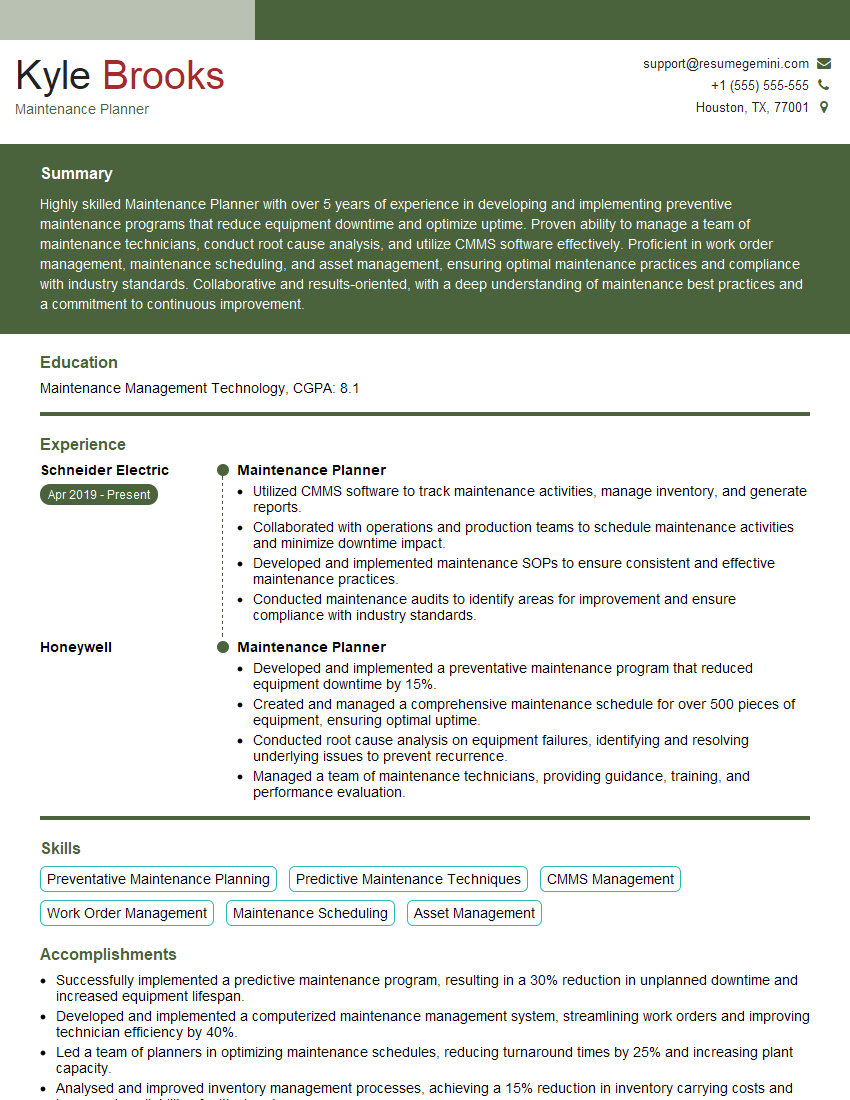
Maintenance Planner Resume Sample
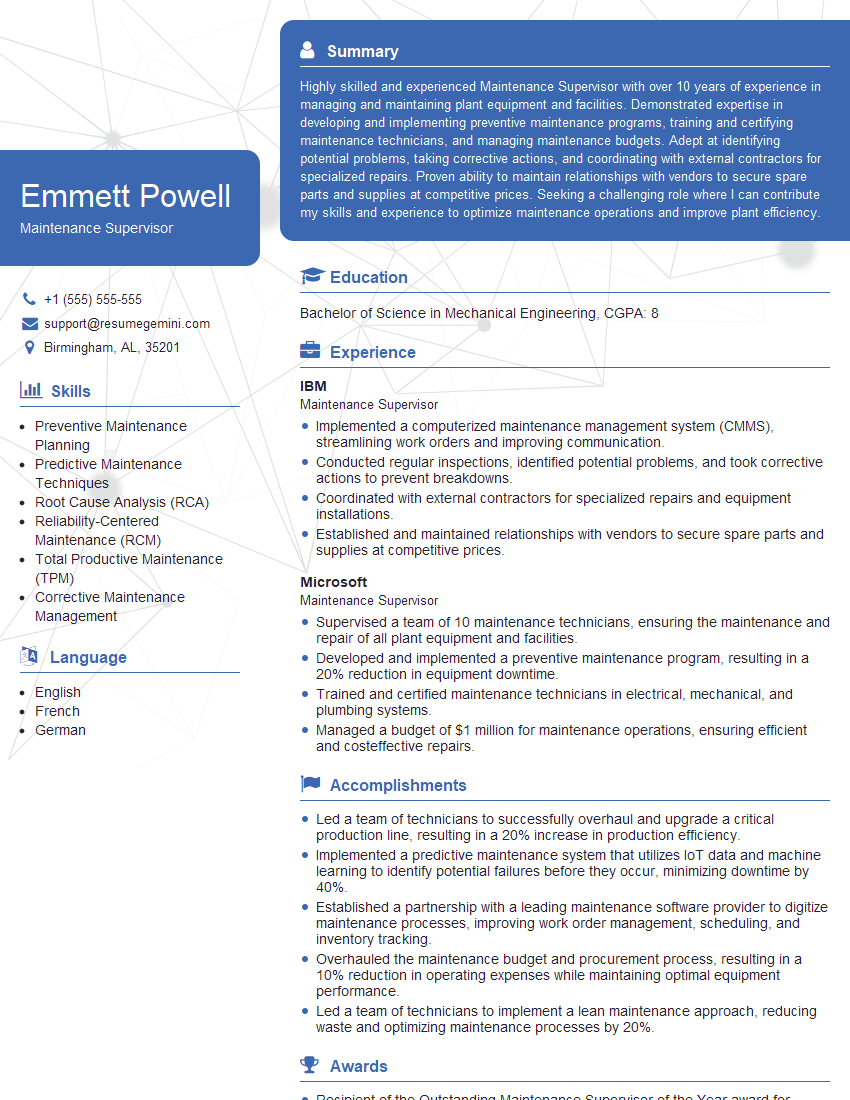
Maintenance Supervisor Resume Sample
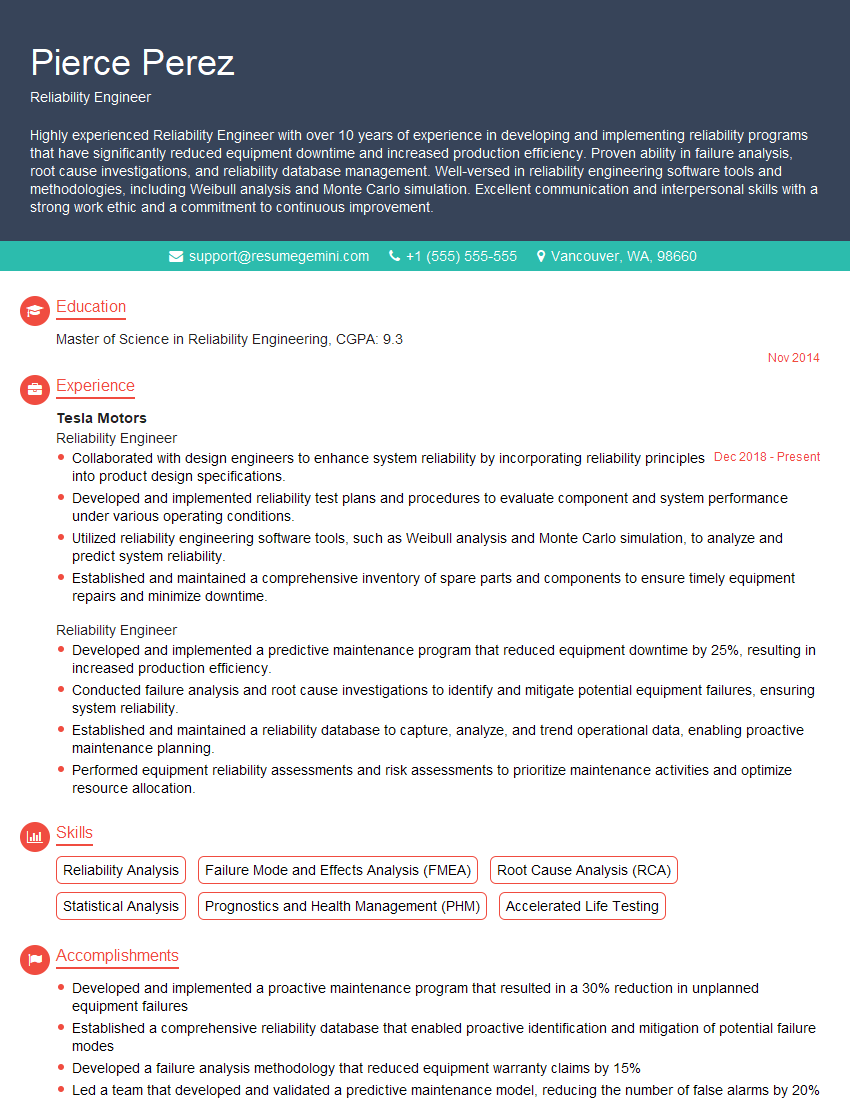
Reliability Engineer Resume Sample
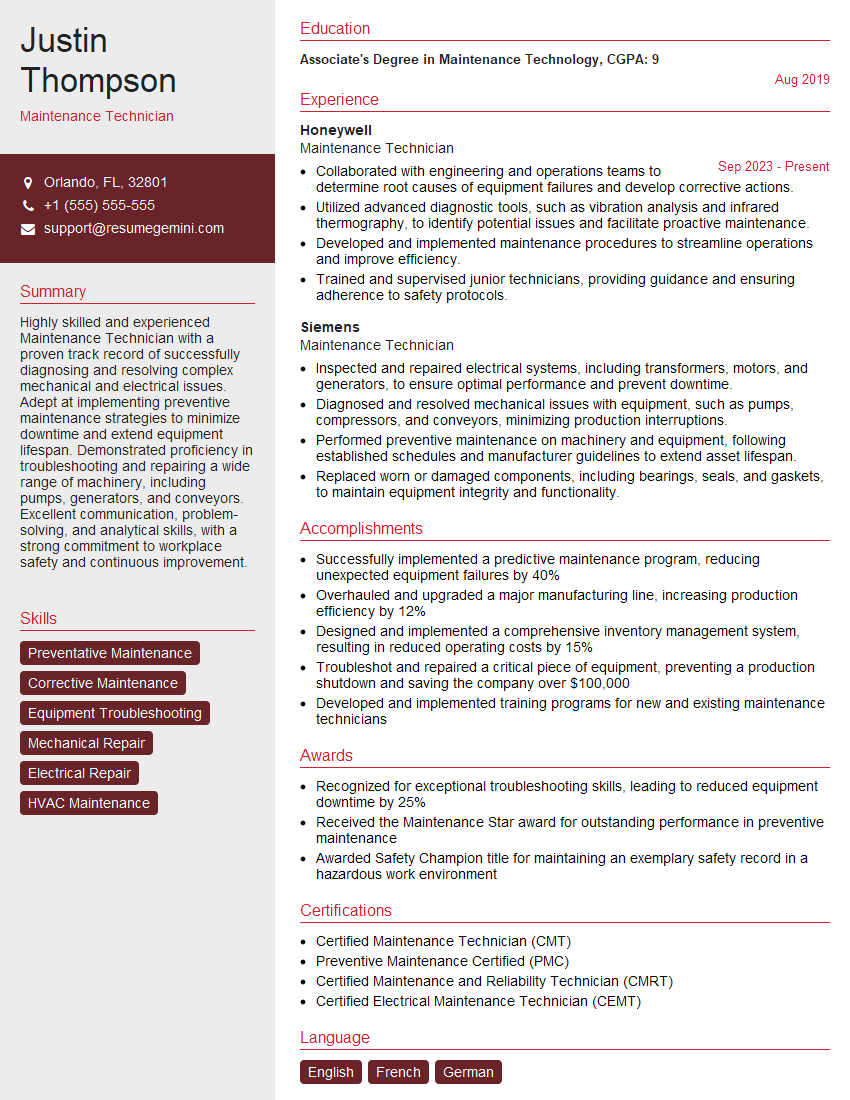
Maintenance Technician Resume Sample
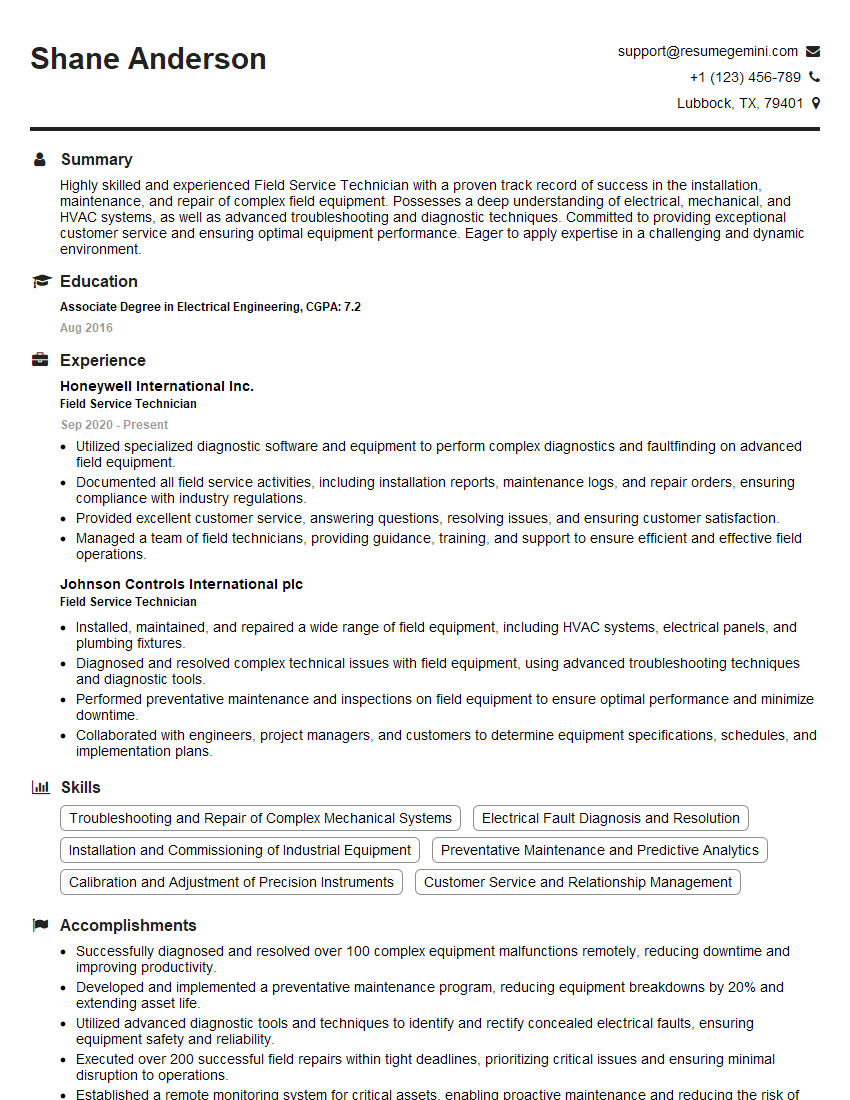
Field Service Technician Resume Sample

Maintenance Electrician Resume Sample
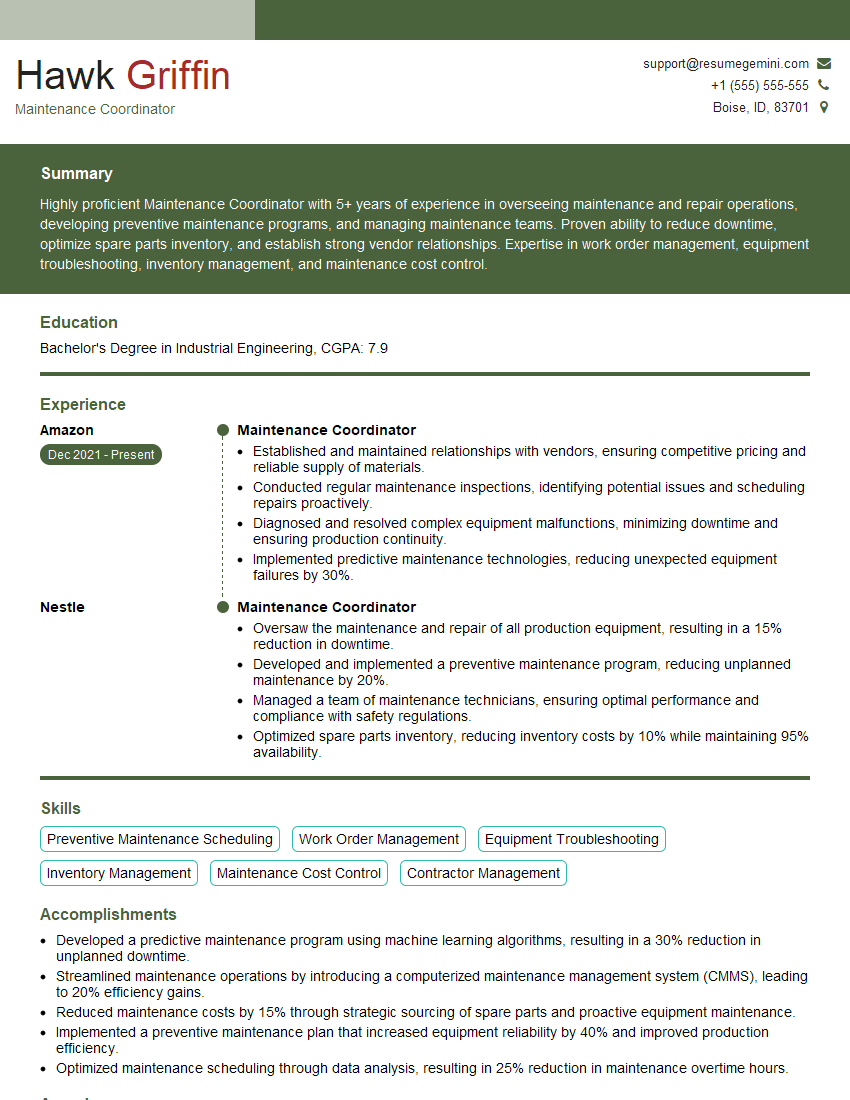
Maintenance Coordinator Resume Sample
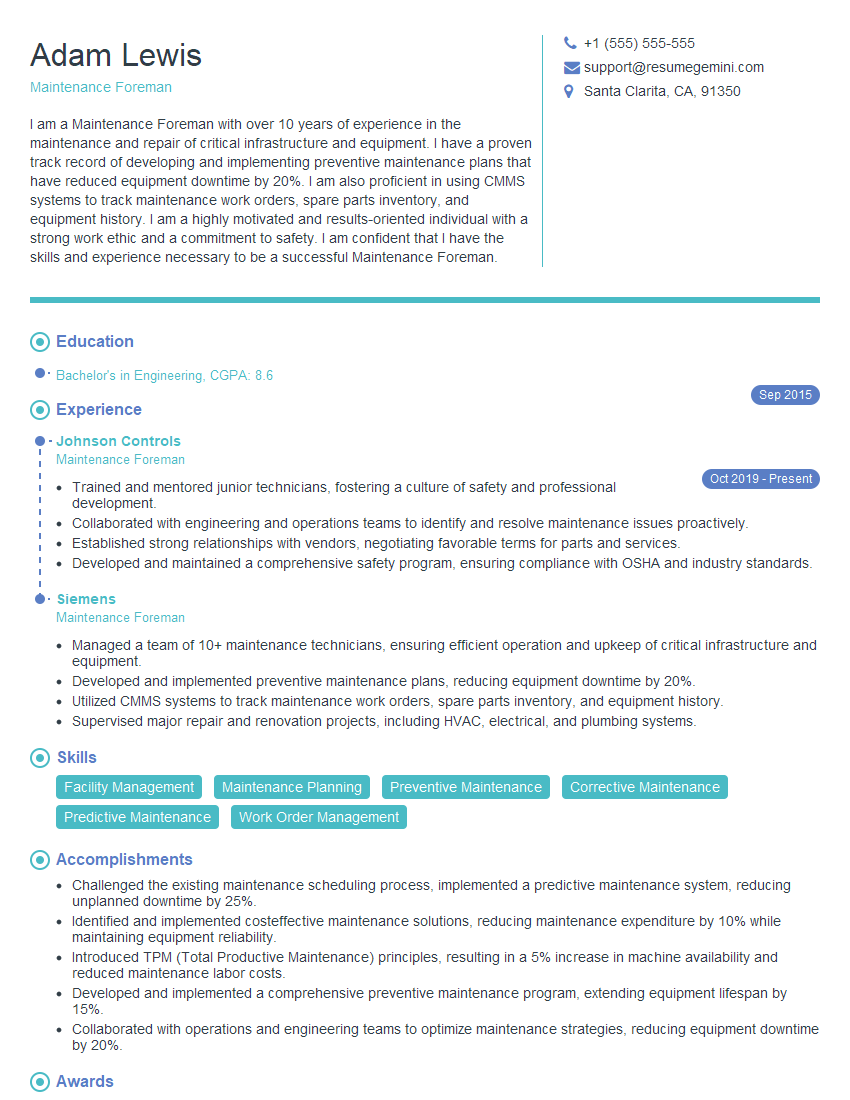
Maintenance Foreman Resume Sample
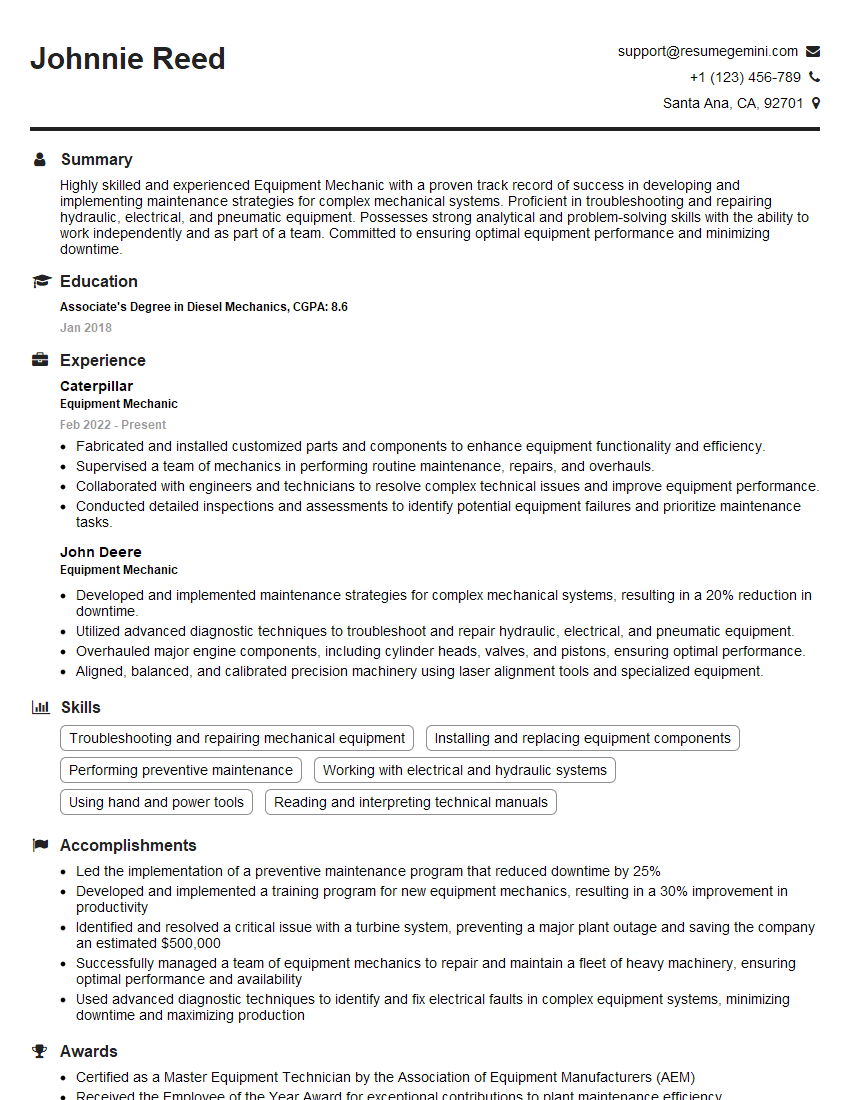
Equipment Mechanic Resume Sample
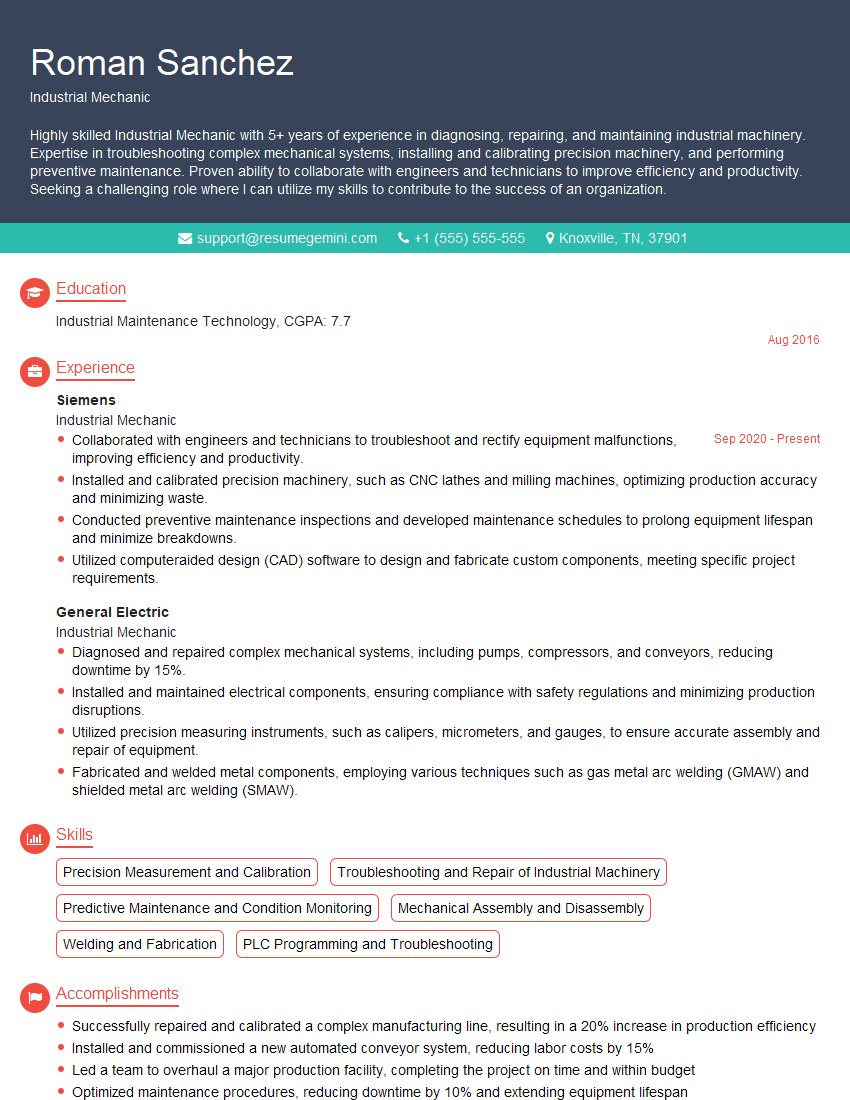
Industrial Mechanic Resume Sample
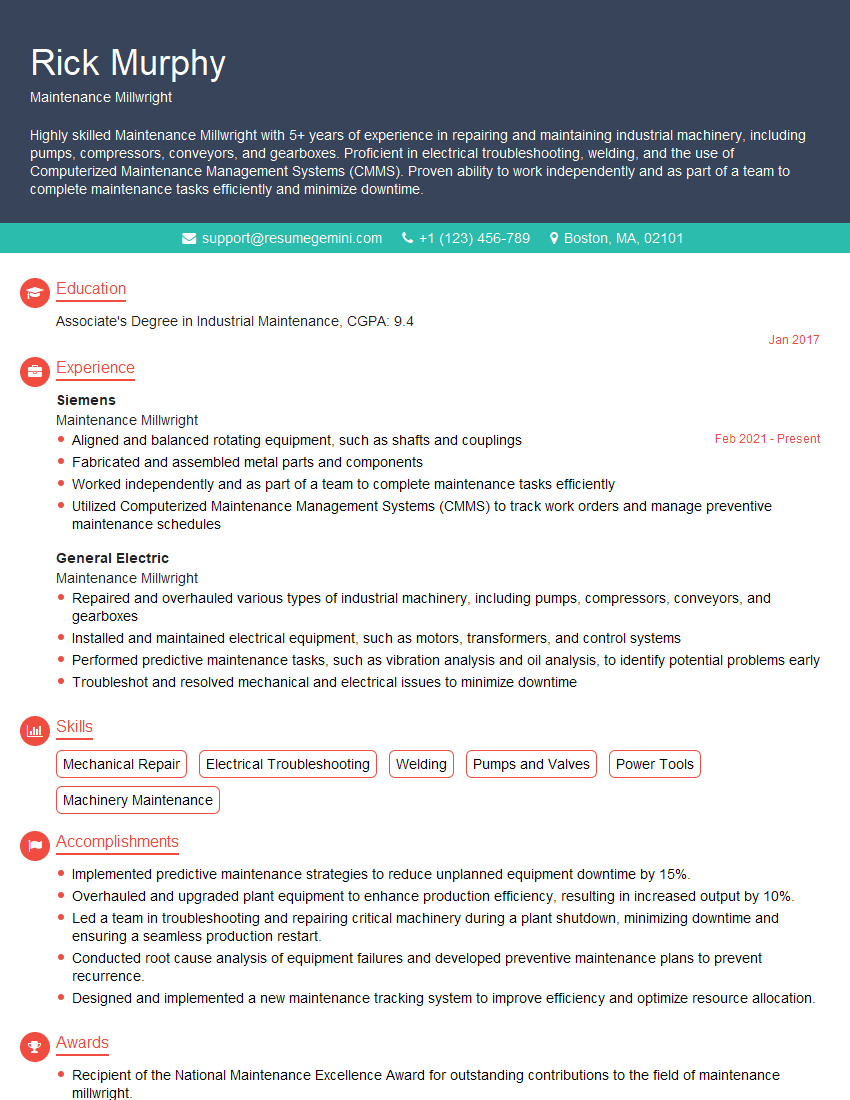
Maintenance Millwright Resume Sample
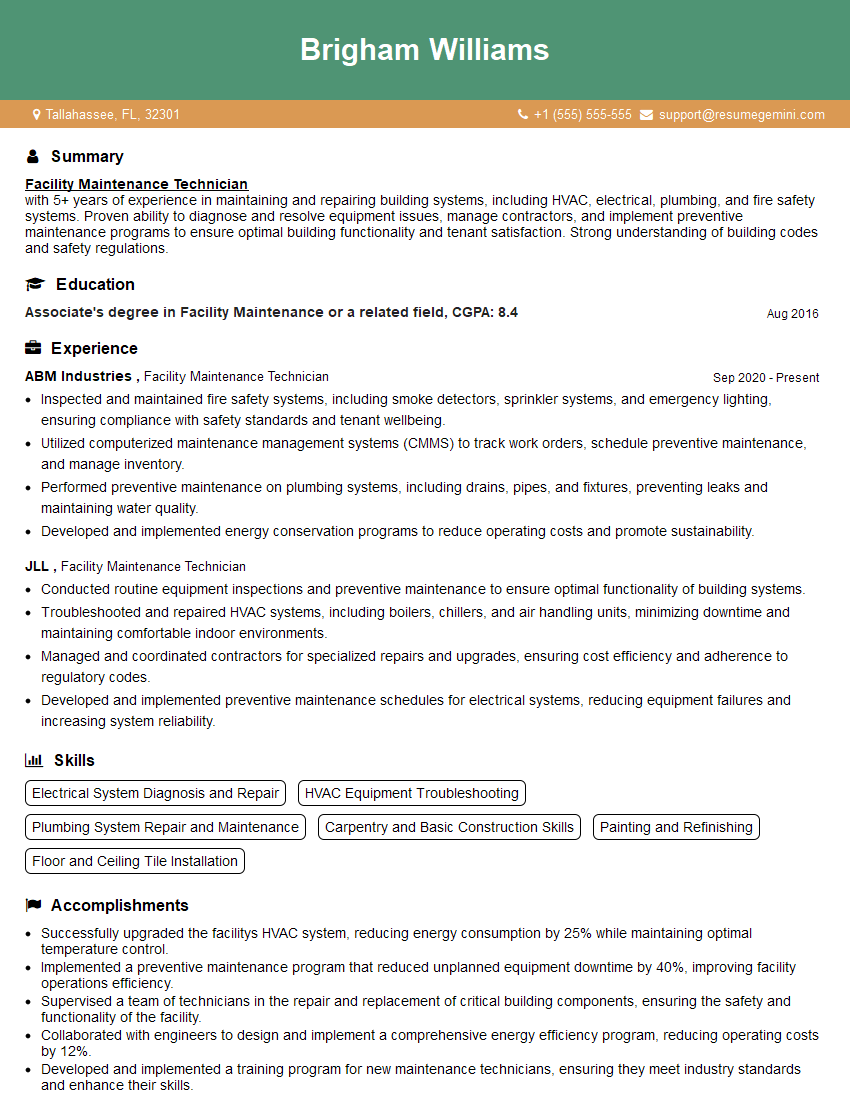
Facility Maintenance Technician Resume Sample
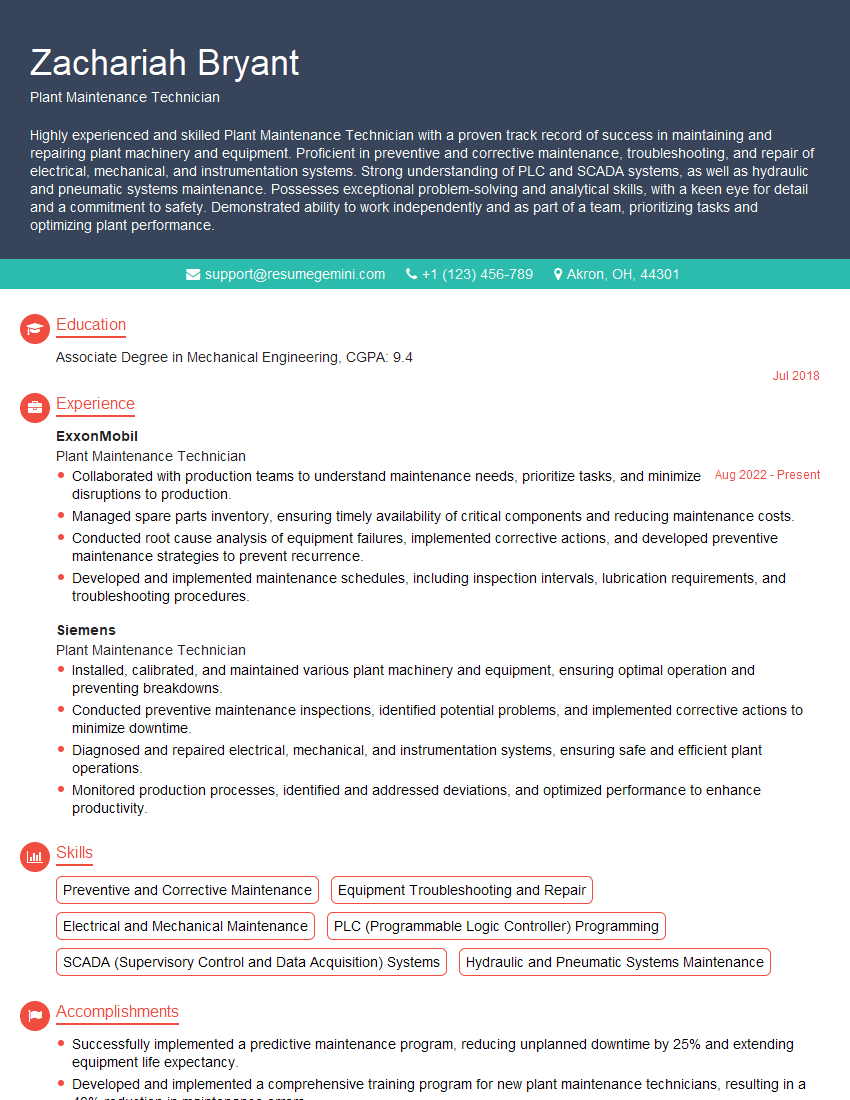
Plant Maintenance Technician Resume Sample
- Maintenance Planner
- Maintenance Supervisor
- Reliability Engineer
- Maintenance Technician
- Field Service Technician
- Maintenance Electrician
- Maintenance Coordinator
- Maintenance Foreman
- Equipment Mechanic
- Industrial Mechanic
- Maintenance Millwright
- Facility Maintenance Technician
- Plant Maintenance Technician
Explore more articles
Users Rating of Our Blogs
Share Your Experience
We value your feedback! Please rate our content and share your thoughts (optional).
What Readers Say About Our Blog
Very informative content, great job.
good