Unlock your full potential by mastering the most common positional awareness interview questions. This blog offers a deep dive into the critical topics, ensuring you’re not only prepared to answer but to excel. With these insights, you’ll approach your interview with clarity and confidence.
Questions Asked in positional awareness Interview
Q 1. Describe your understanding of positional awareness.
Positional awareness is the understanding of where you are in relation to your surroundings. It’s not just knowing your own location, but also comprehending the positions of objects and people relative to yourself and each other. Think of it as having a mental map of your environment, constantly updated based on sensory input. This map allows you to navigate effectively, anticipate changes, and make informed decisions about your actions.
This awareness is built upon several factors, including visual input (sight), auditory input (sound), proprioception (sense of body position), and even vestibular input (balance and spatial orientation). It’s a dynamic process, continuously refining itself based on new information.
Q 2. How does positional awareness differ in 2D vs. 3D environments?
The primary difference lies in the dimensionality. In a 2D environment, like a map or a flat surface, positional awareness involves understanding your position along two axes – typically X and Y (horizontal and vertical). You need to know your coordinates relative to other points or landmarks within that plane. Navigation is relatively straightforward.
In a 3D environment, however, the complexity significantly increases. We add the Z-axis (depth), introducing a new dimension of spatial understanding. Now, you need to consider height and depth alongside horizontal and vertical positions. Estimating distances becomes more challenging, and the cognitive load for maintaining positional awareness increases significantly. Imagine trying to find a specific object in a large, cluttered warehouse (3D) versus finding your seat in a cinema (2D).
Q 3. Explain how you maintain awareness in a dynamic environment.
Maintaining awareness in a dynamic environment requires constant monitoring and adaptation. This involves actively processing information from multiple sources simultaneously and integrating them into a coherent spatial representation. Imagine driving in heavy traffic: you’re constantly adjusting your position and speed based on the movement of other cars, pedestrians, traffic signals, and road signs.
Strategies for this include: proactive scanning (constantly searching for changes), anticipatory thinking (predicting the movements of others), and adaptive planning (adjusting your trajectory and actions based on the evolving situation). This is a continuous feedback loop where sensory inputs are interpreted, spatial relationships are recalculated, and actions are adjusted accordingly.
Q 4. How do you estimate distances and judge spatial relationships?
Estimating distances and judging spatial relationships relies on several cues. Visual cues are crucial, such as relative size, perspective, and occlusion (objects blocking each other). Our brains use learned associations to gauge distances, comparing the size of an object to its perceived size based on prior experience. For example, knowing the approximate size of a car helps you estimate its distance.
Auditory cues play a role too. The intensity and reverberation of sound can provide clues to distance. Closer sounds are louder and clearer. Proprioception – our sense of body position and movement – also helps. For instance, the effort required to reach an object indicates its distance.
Finally, knowledge of the environment helps. If you know the layout of a room, you can better estimate the distance between objects.
Q 5. Describe a time you used positional awareness to solve a problem.
During a recent hiking trip, our group got separated in a dense fog. Using my positional awareness, I remembered key landmarks from earlier in the trail – a distinctive rock formation, a bend in the river – to help me navigate back to the main trail and locate my group. I constantly checked my position against these landmarks, using my compass and map to refine my location estimate. This allowed us to reunite safely and avoid getting further lost.
Q 6. How do you handle conflicting positional information from multiple sources?
Conflicting information is a common challenge. This can arise from inaccuracies in different sensory inputs or from using multiple navigation tools with varying levels of precision (e.g., GPS vs. map). I approach this through a process of weighted averaging and plausibility checks.
For example, if GPS indicates a position that seems inconsistent with visual landmarks or other sensory cues, I would examine the potential sources of error (e.g., GPS signal interference). I would prioritize information from reliable sources and carefully assess the plausibility of the conflicting data. A robust positional awareness system is not about accepting all input at face value, but about critical evaluation and integration.
Q 7. How do you use visual cues to enhance your positional awareness?
Visual cues are foundational to positional awareness. I actively use various techniques to enhance them:
- Perspective: I use converging lines and relative sizes of objects to judge distances.
- Depth cues: I pay attention to shadows, texture gradients, and relative clarity of objects to discern depth.
- Landmark recognition: I identify and utilize prominent visual landmarks (buildings, trees, signs) to establish my location relative to known points.
- Scanning: I systematically scan my surroundings, avoiding fixating on a single point to gain a broader understanding of my spatial context.
Effective use of visual cues requires training and practice. It’s about actively seeking and interpreting visual information, rather than passively observing.
Q 8. How do you compensate for limitations in your field of vision?
Compensating for limited field of vision relies on strategic movement and utilizing other senses. Instead of relying solely on what I can see directly, I actively scan my surroundings, using head and body movements to expand my visual awareness. Think of it like a windshield wiper – systematic sweeps ensure I don’t miss critical information.
Beyond vision, I leverage auditory cues – listening for sounds like approaching vehicles, conversations, or unusual noises that might indicate a potential hazard. Touch and even smell can play roles; feeling a change in terrain or noticing unusual scents can provide vital contextual information. Finally, anticipating potential threats or obstacles based on previous experience is crucial. If I know a particular area is prone to blind spots, I’ll slow down, increase vigilance, and double-check my surroundings.
For instance, while navigating a busy intersection with limited visibility due to a large truck, I’d rely heavily on sound cues – the horn of an approaching vehicle, the rumble of engines – to complement my partially obstructed vision.
Q 9. How do you mentally map unfamiliar environments?
Mentally mapping an unfamiliar environment involves a combination of observation, spatial reasoning, and memory techniques. I start by identifying key landmarks – prominent buildings, intersections, significant changes in terrain, etc. These landmarks act as anchors in my mental map. I then observe the relationships between these landmarks – the direction and distance separating them. I also note prominent features like street names or building numbers that I can recall. I use a form of ‘chunking’ to break down larger spaces into smaller, manageable areas, creating a structured mental representation.
Imagine exploring a new city. I wouldn’t try to memorize every street; instead I’d focus on main arteries, major intersections and distinctive buildings, forming a framework. Then, as I explore smaller streets, I would place them relative to this framework. This process creates a robust and retrievable mental map.
Q 10. How do you use technology to improve your positional awareness?
Technology significantly enhances positional awareness. GPS devices provide precise location data, eliminating guesswork and improving accuracy. Mapping apps offer visual representations of my surroundings, helping me to orient myself and plan routes. Digital compasses provide accurate directional information, even in areas lacking visual cues. Furthermore, augmented reality (AR) systems overlay digital information onto the real world, providing real-time context and enhancing situational awareness.
For example, while hiking in unfamiliar territory, I would use a GPS device to track my location, a mapping app to plan my route and avoid hazardous areas, and a digital compass to maintain my bearing. The combined information would create a comprehensive picture of my surroundings, greatly enhancing my safety and efficiency.
Q 11. Explain how you would use a map and compass to find your location.
Using a map and compass to find your location involves a process called triangulation. First, I’d orient the map to my surroundings, using prominent landmarks to match the map features with my view. This involves aligning the map’s north with the compass’s north. Then, I’d take a compass bearing on at least two identifiable landmarks visible on the map. I’d mark these points on the map and draw lines along their bearings. The intersection of these lines represents my approximate location.
Let’s say I see a tall tower and a distinctive hill. I find them on the map, take bearings to each using the compass, and draw lines from these landmarks on the map. Where the lines intersect, that’s my estimated position. This technique provides greater accuracy than relying on a single bearing.
Q 12. Describe how GPS technology impacts positional awareness.
GPS technology has revolutionized positional awareness by offering unparalleled accuracy and ease of use. Before GPS, determining precise location relied on less accurate methods. Now, GPS provides real-time location data with remarkable precision. This has transformed navigation, emergency response, and numerous other fields.
The impact extends beyond simple navigation. GPS enables location-based services, tracking of assets and people, and provides the foundation for many mapping and GIS applications. However, it’s crucial to acknowledge limitations like signal blockage in certain environments (e.g., dense forests, tunnels) which necessitate backup navigation methods.
Q 13. How would you explain your current location to someone over the phone?
To effectively communicate my location over the phone, I’d use a multi-pronged approach combining street addresses, landmarks, and directional cues. If I’m at a known address, I’d simply provide that. If not, I’d describe nearby landmarks and give directions from a well-known location.
For example: “I’m near the corner of Elm Street and Maple Avenue, across from the red brick library. If you’re coming from downtown, it’s about three blocks past the traffic light”. This combines specific information with relative positioning for clear understanding.
Q 14. How important is communication in maintaining situational awareness?
Communication is paramount in maintaining situational awareness, especially in team-based environments. Effective communication allows for the rapid sharing of crucial information, enabling collective decision-making and coordinated responses. Sharing observations, potential threats, or changes in the environment helps everyone maintain a shared understanding of the situation.
Consider a search and rescue operation. Constant communication among team members is essential to share locations, discoveries, and potential hazards. This shared awareness ensures efficiency and safety, preventing misunderstandings and reducing the risk of accidents.
Q 15. How do you handle stressful situations that demand precise positional awareness?
Maintaining precise positional awareness under stress relies on a combination of training, mental discipline, and utilizing effective strategies. Stress can impair judgment, so my approach centers around minimizing its impact.
- Prioritization: I focus on the most critical positional information first – for example, in a fast-moving vehicle, my immediate concern is maintaining safe distance from other vehicles, not precise lane positioning.
- Mental Checklists: I use pre-programmed mental checklists to systematically assess my position and surroundings. This prevents overlooking crucial details in a high-pressure environment.
- Controlled Breathing and Mindfulness: Deep, controlled breathing techniques help manage anxiety and improve focus, enhancing my perception of spatial relationships.
- Redundant Systems: I rely on multiple sources of positional data whenever possible – for instance, using both GPS and visual landmarks. This provides a backup if one system fails.
For example, imagine piloting a helicopter in a rescue operation during a blizzard. High winds and reduced visibility create immense stress. My priority is maintaining safe flight parameters, focusing on altitude and distance from obstacles first. The mental checklist allows me to methodically address other positional factors once those are secure.
Career Expert Tips:
- Ace those interviews! Prepare effectively by reviewing the Top 50 Most Common Interview Questions on ResumeGemini.
- Navigate your job search with confidence! Explore a wide range of Career Tips on ResumeGemini. Learn about common challenges and recommendations to overcome them.
- Craft the perfect resume! Master the Art of Resume Writing with ResumeGemini’s guide. Showcase your unique qualifications and achievements effectively.
- Don’t miss out on holiday savings! Build your dream resume with ResumeGemini’s ATS optimized templates.
Q 16. Can you describe a situation where misjudging position had consequences?
During a mountain rescue operation, misjudging the position of a climber led to a significant delay. The climber was reported to be near a specific landmark, but due to inaccurate information and my failure to thoroughly verify the position using multiple sources, the search team initially focused on the wrong area. This resulted in precious time lost, delaying rescue efforts in dangerous conditions. The experience reinforced the importance of verifying positional data from multiple, independent sources, employing triangulation techniques, and meticulously checking maps against real-world observations.
Q 17. How do you adapt your positional awareness techniques to different environments?
Adapting positional awareness techniques to different environments requires flexibility and the ability to leverage available resources. My approach is to understand the unique characteristics of the environment and adjust my strategies accordingly.
- Urban Environments: Reliance on street names, building numbers, and man-made landmarks. GPS can be less reliable due to signal interference.
- Wilderness Environments: Use of maps, compass, GPS, and natural landmarks like mountains, rivers, or unique rock formations. Understanding celestial navigation can be invaluable in areas with poor GPS reception.
- Underwater Environments: Sonar, depth gauges, and pressure sensors become crucial for maintaining positional awareness. Visual references are limited, so reliance on instrumentation is key.
For example, navigating a city street requires a different approach than navigating a dense forest. In the city, I would prioritize street signs and building numbers, whereas in the forest, I would use a compass and map in conjunction with visual landmarks.
Q 18. Describe your process for planning routes or trajectories.
Planning routes or trajectories involves a systematic process to ensure efficiency and safety. This usually involves:
- Defining the objective: Clearly stating the starting and ending points, as well as any intermediate waypoints.
- Data Gathering: Collecting relevant data such as maps, weather forecasts, terrain information, and potential obstacles.
- Route Selection: Considering factors such as distance, terrain difficulty, safety, and time constraints. Evaluating alternative routes and selecting the optimal path.
- Risk Assessment: Identifying potential hazards along the route, such as weather changes or difficult terrain, and developing contingency plans.
- Trajectory Optimization: If applicable, using specialized software or techniques to optimize speed, efficiency and fuel consumption (where applicable).
For example, planning a hiking route involves studying topographical maps to identify potential challenges and selecting a path that balances distance with safety and scenic views.
Q 19. How do you anticipate potential positional hazards or challenges?
Anticipating potential positional hazards requires proactive risk assessment and a deep understanding of the environment. My approach includes:
- Environmental Awareness: Monitoring weather conditions, potential obstacles, and the presence of other people or vehicles.
- Historical Data: Reviewing past incidents or accidents in the area to identify recurring hazards.
- Scenario Planning: Considering various potential scenarios and developing contingency plans for each.
- Technological Aids: Using GPS, radar, or other technologies to enhance situational awareness and identify potential hazards.
Imagine piloting an aircraft. Before takeoff, I’d review weather patterns, airspace restrictions, and potential bird migration routes to mitigate risks associated with bad weather, collisions and other positional hazards.
Q 20. How would you ensure the safety of others based on your understanding of positions?
Ensuring the safety of others involves communicating positional information effectively and maintaining a high level of situational awareness.
- Clear Communication: Using precise language and clear communication channels to convey positional data to others.
- Visual Cues: Utilizing lights, flags, or other visual cues to indicate position and movement.
- Warning Systems: Implementing warning systems to alert others of potential hazards or changes in position.
- Safety Protocols: Adhering to strict safety protocols and procedures to minimize risks.
For instance, directing traffic during an emergency requires clear hand signals and verbal instructions. Precise descriptions of vehicle positions prevent accidents and confusion.
Q 21. How do you maintain accuracy under time pressure?
Maintaining accuracy under time pressure involves prioritizing and streamlining my process while focusing on the most crucial information. I apply these techniques:
- Prioritization: Focusing on the most critical positional data first and making rapid assessments.
- Mental Shortcuts: Using efficient mental shortcuts and pre-programmed decision-making processes, based on experience.
- Automation: Leveraging technology to automate data collection and processing whenever possible.
- Cross-referencing: Using multiple data sources for quick verification, even if it only provides approximate location.
Think of a firefighter navigating a burning building. Speed is crucial, so they’d rely on their immediate perception, reinforced by radio communication with other team members, rather than detailed mapping. The primary focus becomes reaching the victims quickly.
Q 22. How do you deal with conflicting data related to location?
Conflicting location data is a common challenge in positional awareness. Resolving this requires a multi-step approach prioritizing data reliability and context. First, I’d assess the source of each data point – GPS data from a phone might be less accurate than data from a differential GPS system, for example. I’d consider the timestamps of the data; older data is less relevant. Then, I’d use filtering techniques to remove outliers – values significantly different from the majority. Finally, I’d employ data fusion techniques, combining the data using weighted averaging, where more reliable sources contribute more heavily. For instance, if I have GPS data with a high error margin and data from an inertial measurement unit (IMU) which is more precise, the IMU data would carry a higher weight. The final position would be a weighted average representing the most probable location. This approach ensures accuracy while minimizing the impact of unreliable sources.
Q 23. Explain your understanding of coordinate systems and their applications.
Coordinate systems are fundamental to positional awareness. They define how we represent locations mathematically on Earth or other surfaces. The most common is the geographic coordinate system, using latitude and longitude to pinpoint locations on a sphere. Latitude measures the angle north or south of the equator, and longitude measures the angle east or west of the Prime Meridian. Other systems include Universal Transverse Mercator (UTM), which divides the Earth into zones for improved accuracy, and projected coordinate systems, which transform spherical coordinates into a flat plane for mapping applications. These systems are crucial for navigation, mapping, surveying, and many other applications, allowing us to precisely locate objects and understand their relative positions. Understanding the different coordinate systems and their projections is critical for accurately interpreting spatial data from various sources.
Q 24. Describe a time you had to rely on estimations of distance and direction.
During a backpacking trip in a remote area with limited cell service, I had to rely heavily on estimations of distance and direction. We were navigating using a paper map and compass, and after a long day of hiking, we lost our marked trail. I used known landmarks – a distinctive rock formation, a specific tree line – to estimate our position relative to the trailhead. I used pacing and the compass bearings to estimate distances between those landmarks, calculating the approximate direction to the trail based on the landmarks’ relative positions on the map. This required knowledge of terrain characteristics and their visual impact from different perspectives, and we successfully made our way back, demonstrating the importance of good map-reading skills and distance estimation techniques in challenging conditions.
Q 25. How would you improve your positional awareness skills?
Improving positional awareness is an ongoing process. I would focus on enhancing several key skills. First, I’d practice using various navigational tools – GPS, compass, maps, and even celestial navigation – in diverse environments. This builds familiarity and confidence. Second, I’d work on developing strong mental mapping skills; this involves actively observing surroundings and building an internal representation of the space. Regularly analyzing satellite imagery and street maps also helps. Third, I’d focus on improving my understanding of spatial reasoning through puzzles and games which require spatial perception and solving spatial problems. Finally, I’d seek out opportunities to test and refine my skills in unfamiliar settings, challenging myself to navigate effectively with minimal reliance on technology.
Q 26. How do you visualize complex spatial relationships?
Visualizing complex spatial relationships relies on a combination of techniques. For example, I find it useful to break down complex relationships into smaller, more manageable components. I might use mental rotation to manipulate objects in my mind’s eye. I often use visual aids – sketching diagrams, building 3D models (physical or digital) or leveraging virtual reality (VR) tools to create a clear understanding of the spatial layout and the relationships between elements. I sometimes create a hierarchical structure to visualize how various parts interact, similar to creating a tree diagram, to organize the different parts of a complex system. Finding the right technique depends on the complexity and type of spatial relationship.
Q 27. How do you interpret spatial data presented in different formats (maps, diagrams, etc.)?
Interpreting spatial data from different formats requires understanding the conventions and limitations of each. Maps provide a visual representation of geographic space, utilizing symbols, colors, and scales to communicate information. Diagrams often simplify complex spatial relationships, highlighting key features and connections. I always first identify the coordinate system and projection used in the data, then analyze the scale and symbols to determine the level of detail. For example, I would interpret a contour map differently from a satellite image, recognizing the different ways elevation changes are represented. Understanding the purpose of the visual representation – is it for navigation, analysis or illustration – guides my interpretation, ensuring I extract the relevant spatial information efficiently.
Q 28. Explain your familiarity with different tools used to enhance positional awareness.
My familiarity with tools for enhancing positional awareness is extensive. I’m proficient with various GPS devices, from handheld units to integrated systems in vehicles. I use GIS software extensively for data analysis and visualization, including ArcGIS and QGIS. I’m also comfortable working with inertial measurement units (IMUs) for precise location tracking in situations where GPS might be unavailable. Moreover, I understand the principles and applications of lidar and radar systems for creating detailed 3D maps. The choice of tool depends on the specific application; for example, handheld GPS is useful for personal navigation while GIS software is essential for large-scale spatial data analysis.
Key Topics to Learn for Positional Awareness Interviews
- Understanding Spatial Relationships: Grasping the relative positions of objects, yourself, and others within a given environment. This includes understanding distances, directions, and orientations.
- Environmental Awareness: Recognizing and interpreting relevant information from your surroundings, such as obstacles, potential hazards, and the movements of others. This is crucial for anticipating and reacting to changes in the environment.
- Mental Mapping and Visualization: Creating and updating a mental model of your surroundings, allowing you to navigate effectively and make informed decisions based on your location and the location of others or objects.
- Situational Judgment and Decision-Making: Applying your understanding of positional awareness to make quick, accurate judgments and decisions, particularly in dynamic or complex situations. This includes prioritizing actions and adjusting strategies based on changing conditions.
- Communication and Collaboration: Effectively communicating your understanding of spatial relationships to others, and collaborating effectively within a team to achieve shared goals while maintaining awareness of your and others’ positions.
- Technological Applications: Understanding how technology, such as GPS, mapping software, or sensor data, can enhance and support positional awareness.
- Problem-Solving Scenarios: Practicing applying your understanding of positional awareness to solve problems that require spatial reasoning and decision making under pressure. Think about real-world scenarios relevant to your field.
Next Steps
Mastering positional awareness is crucial for career advancement in many fields, demonstrating a critical skillset for effective decision-making and problem-solving. A strong understanding of this concept significantly enhances your value to any organization. To boost your job prospects, create a compelling, ATS-friendly resume that highlights your abilities. ResumeGemini is a trusted resource for building professional, impactful resumes. Use ResumeGemini to craft a resume that effectively showcases your expertise in positional awareness. Examples of resumes tailored to this skillset are available within the ResumeGemini platform.
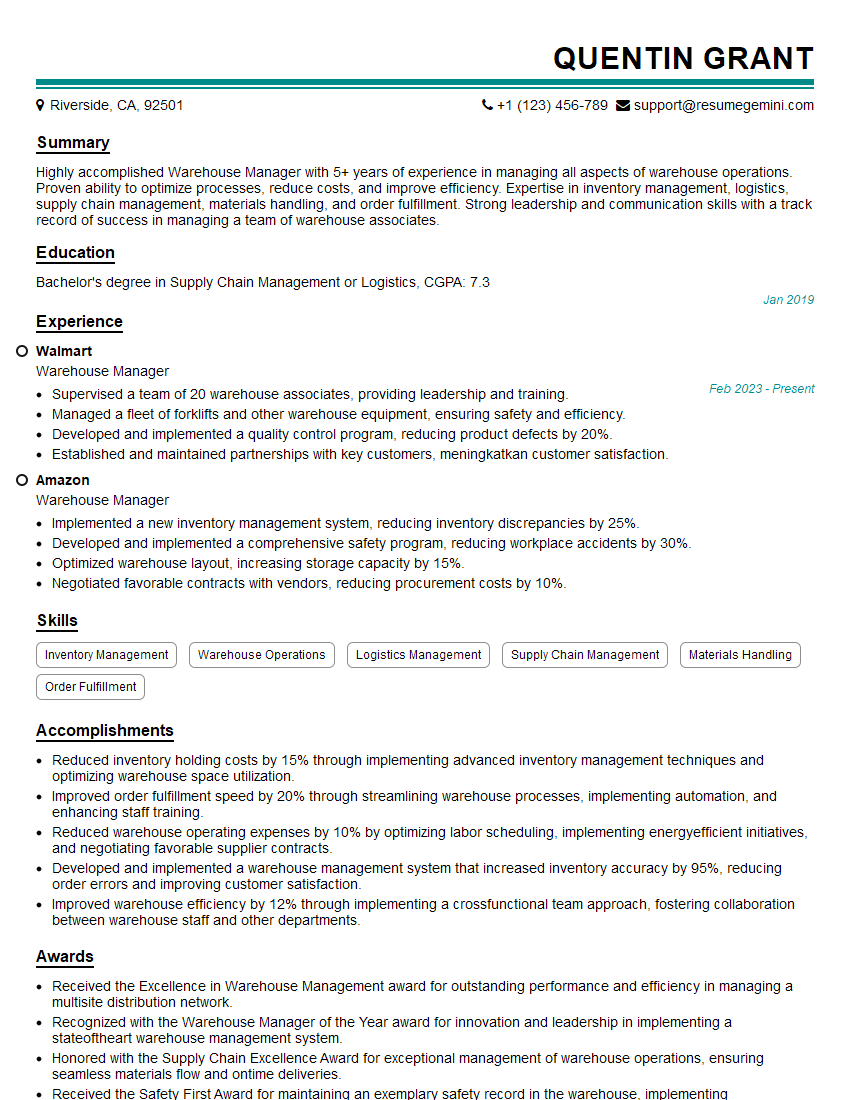
Warehouse Manager Resume Sample
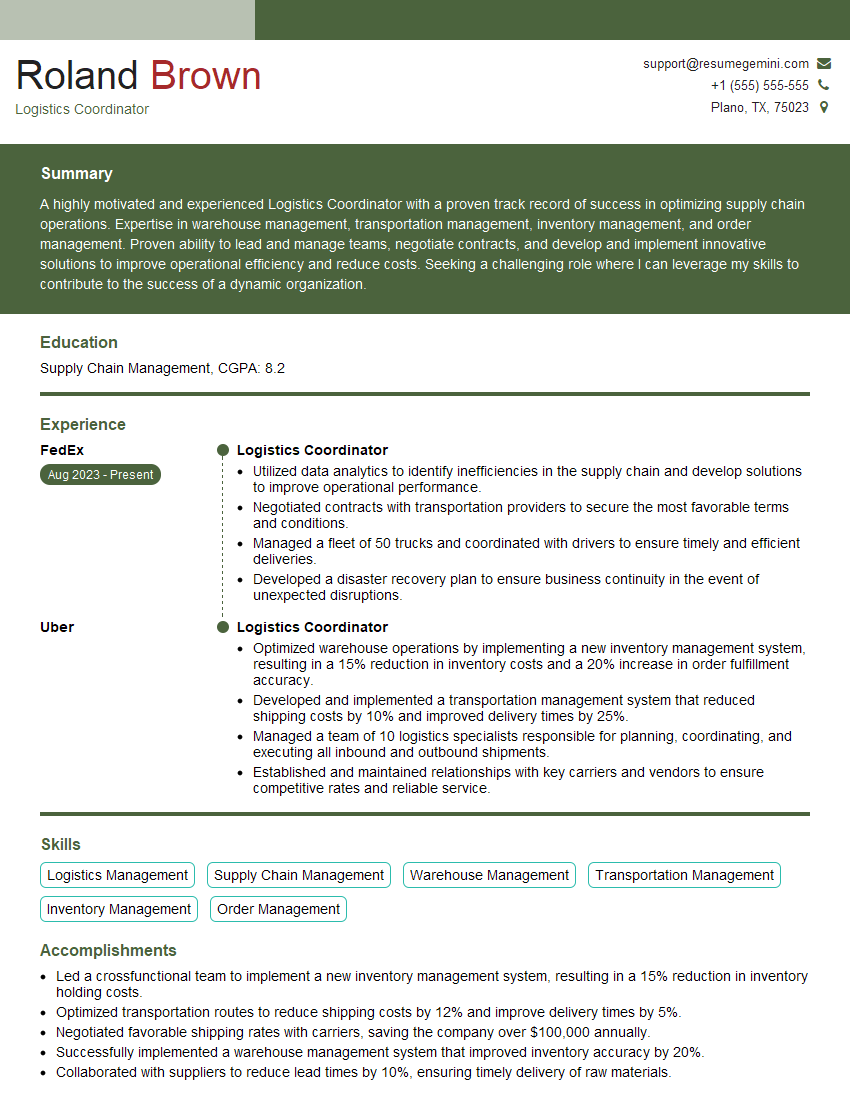
Logistics Coordinator Resume Sample
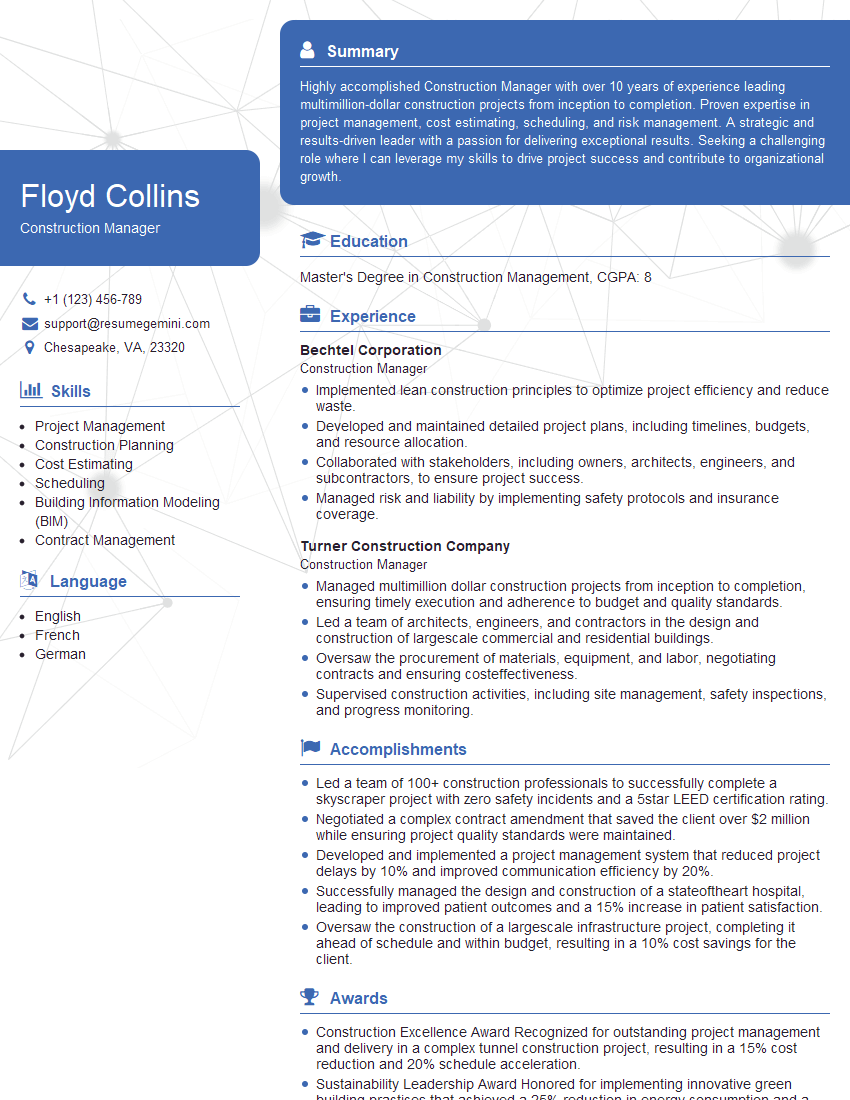
Construction Manager Resume Sample
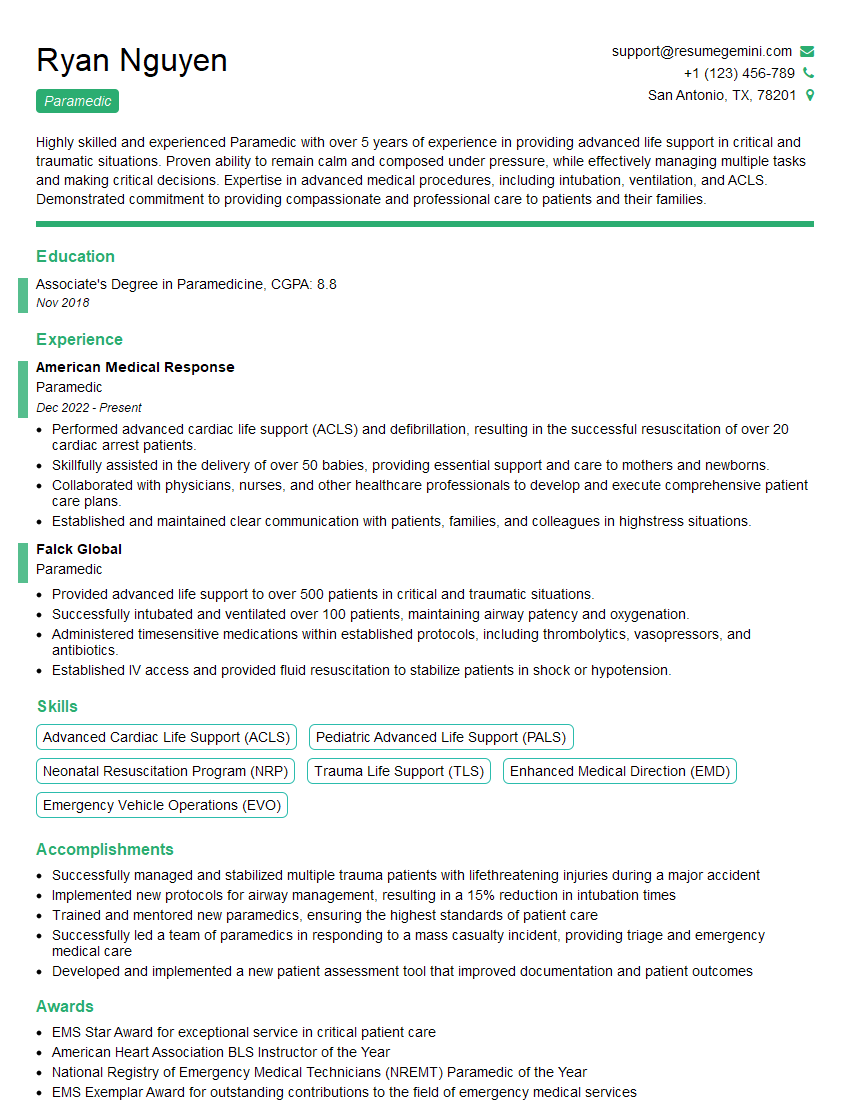
Paramedic Resume Sample
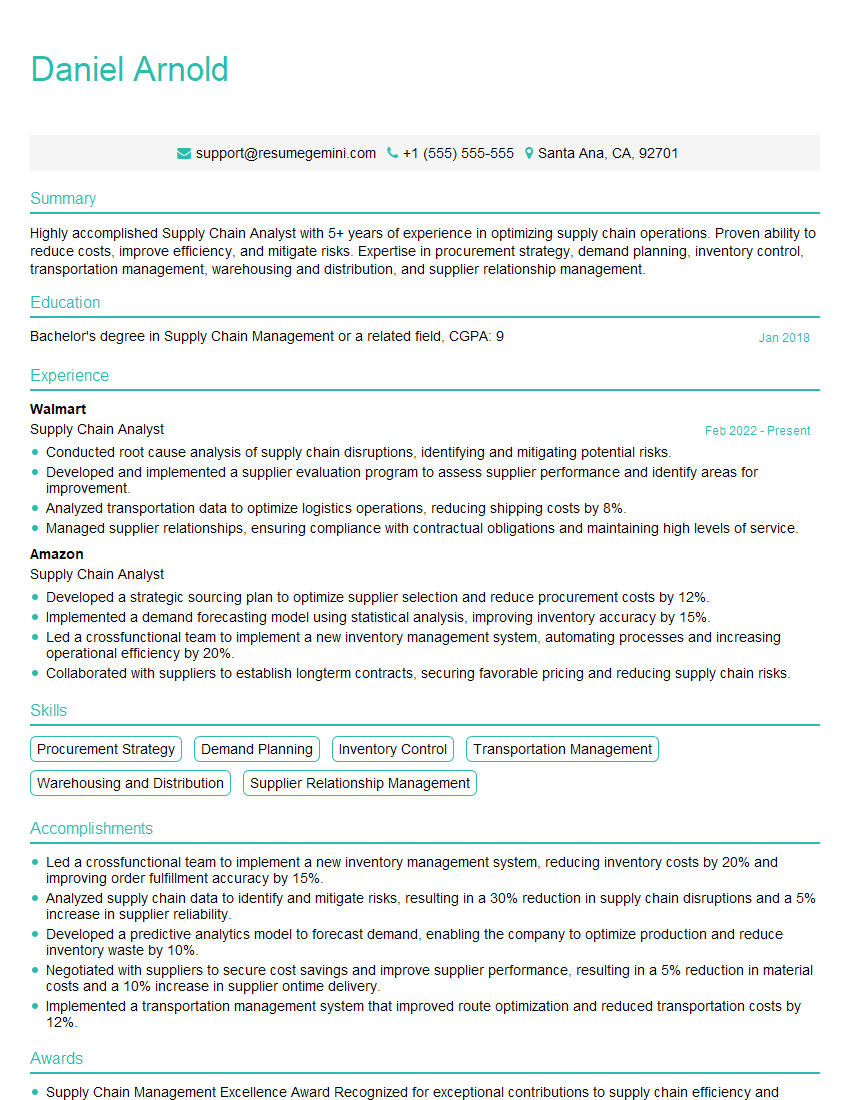
Supply Chain Analyst Resume Sample
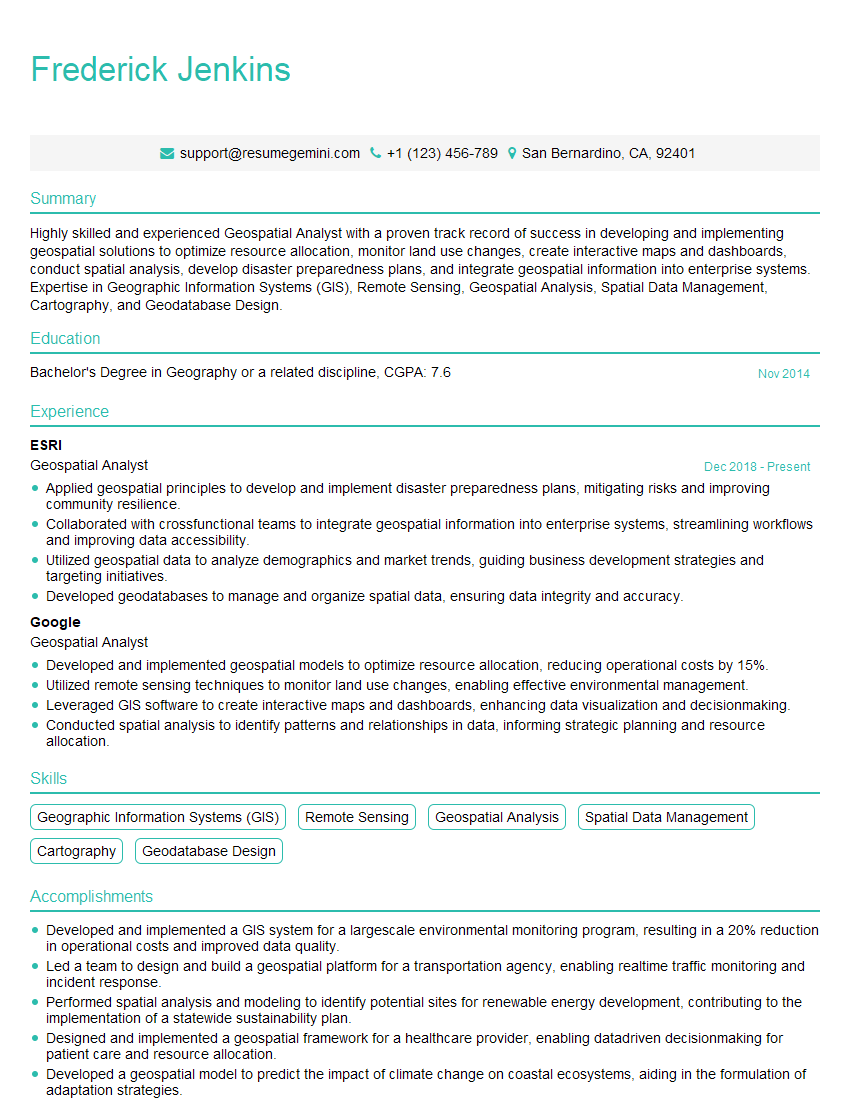
Geospatial Analyst Resume Sample
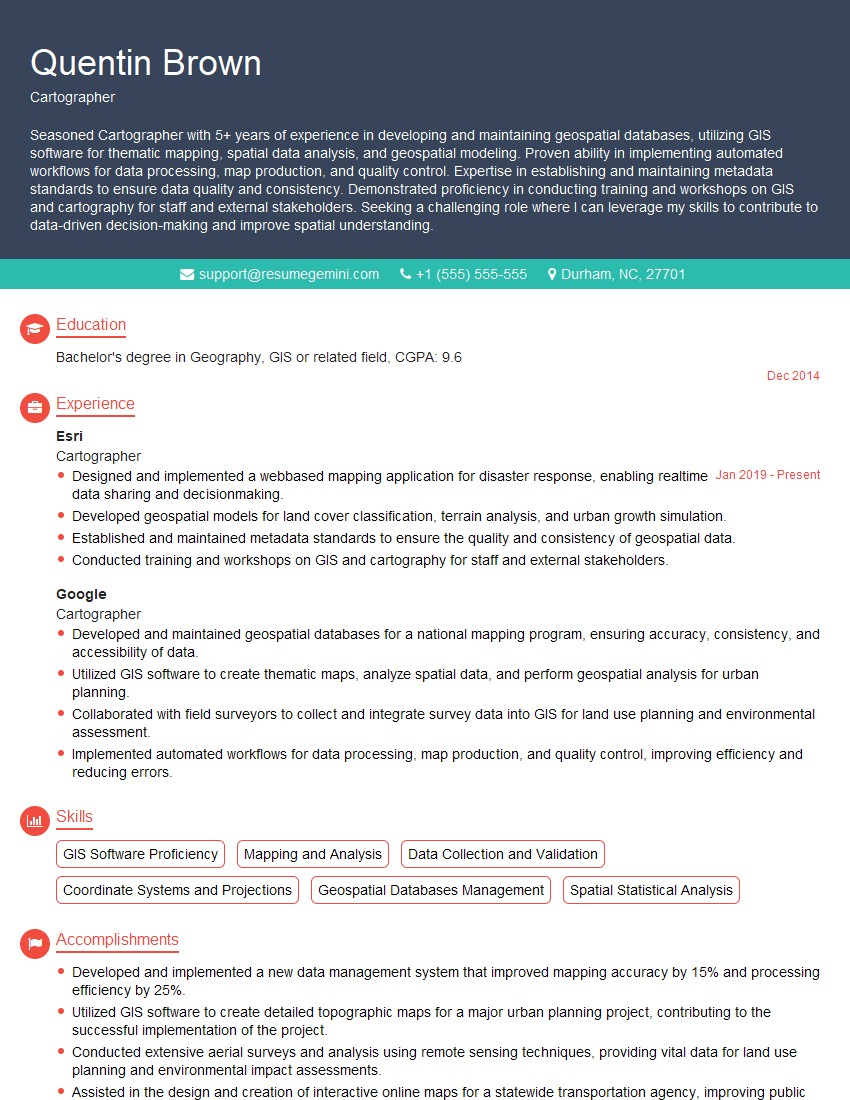
Cartographer Resume Sample
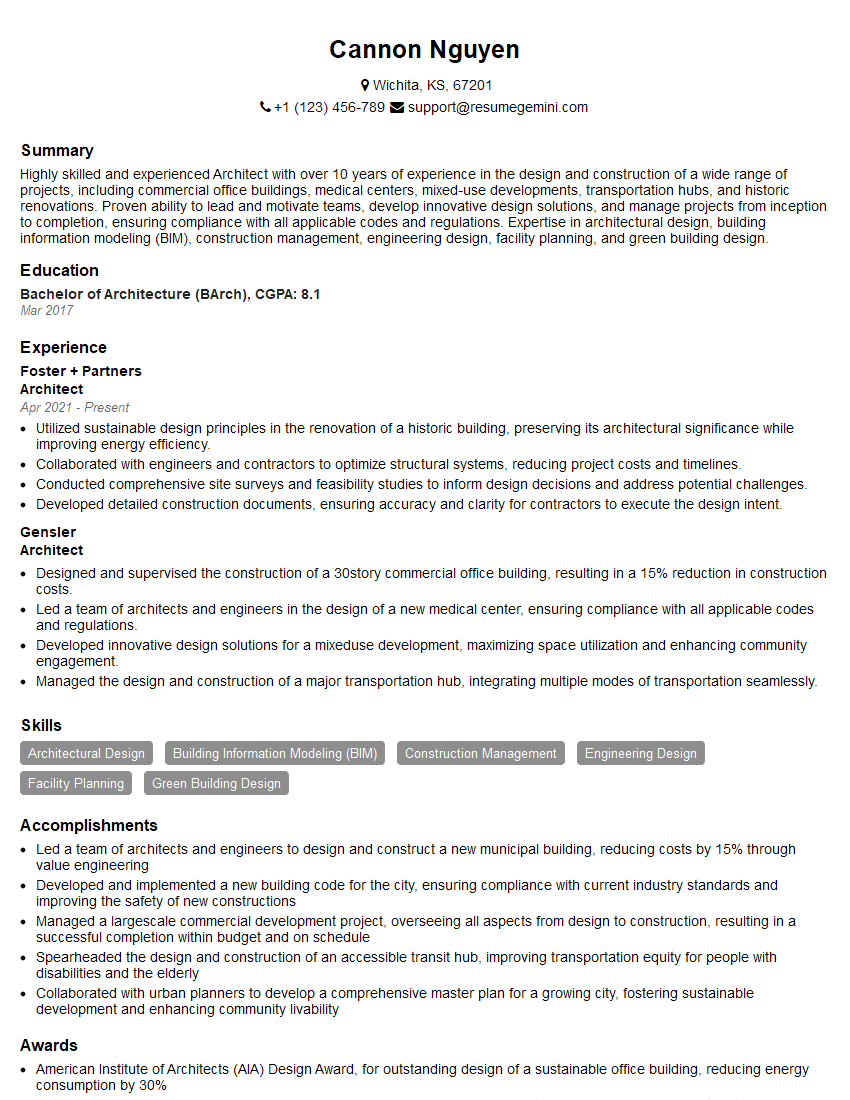
Architect Resume Sample
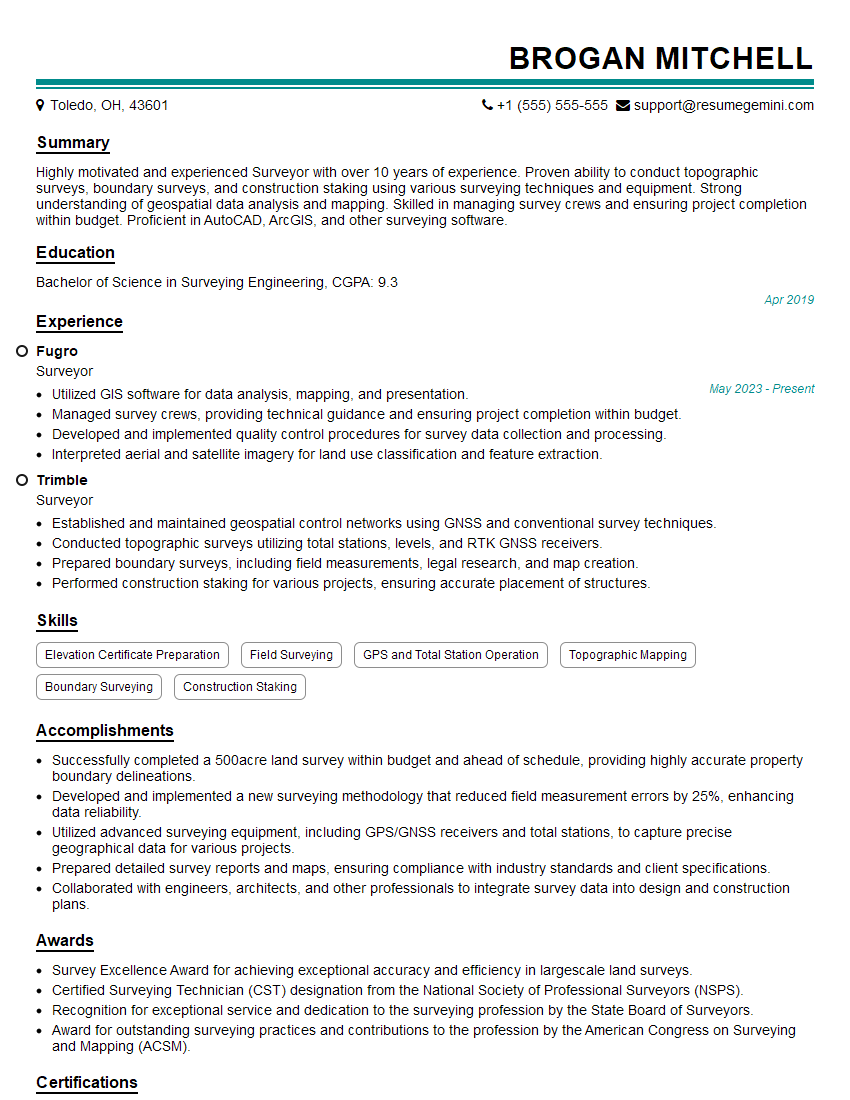
Surveyor Resume Sample
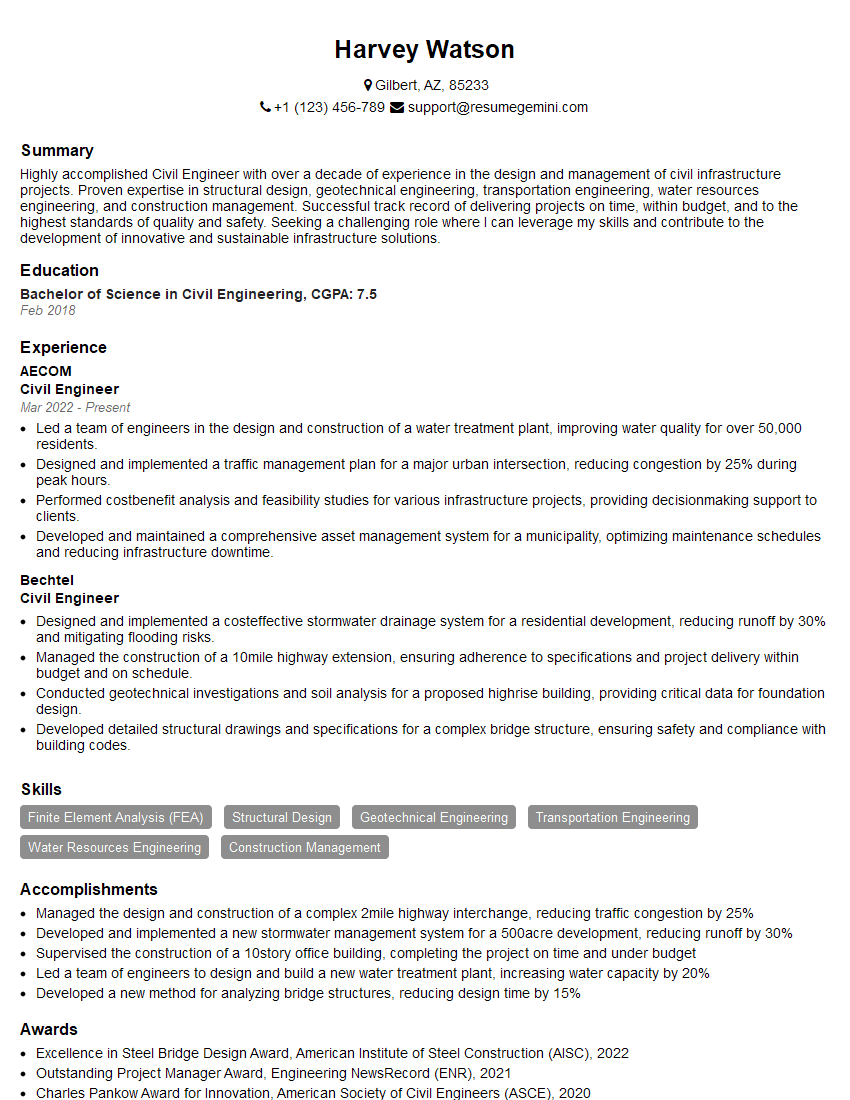
Civil Engineer Resume Sample
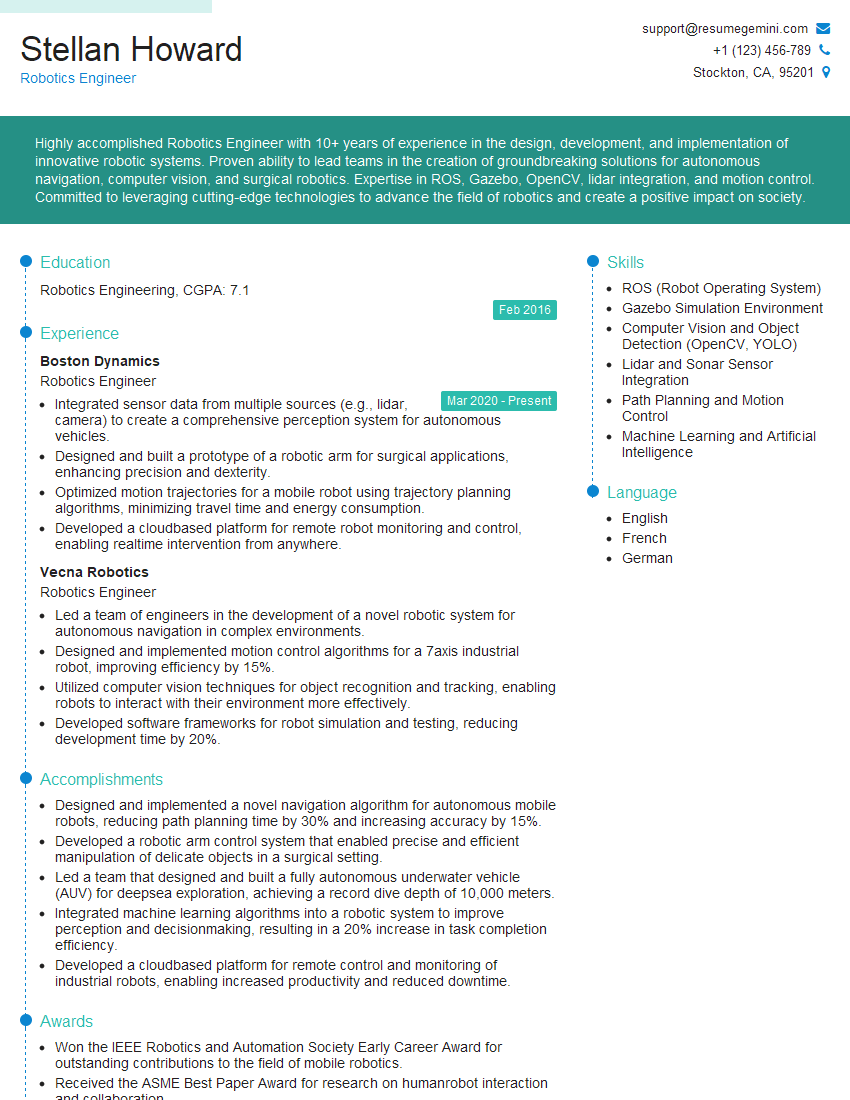
Robotics Engineer Resume Sample
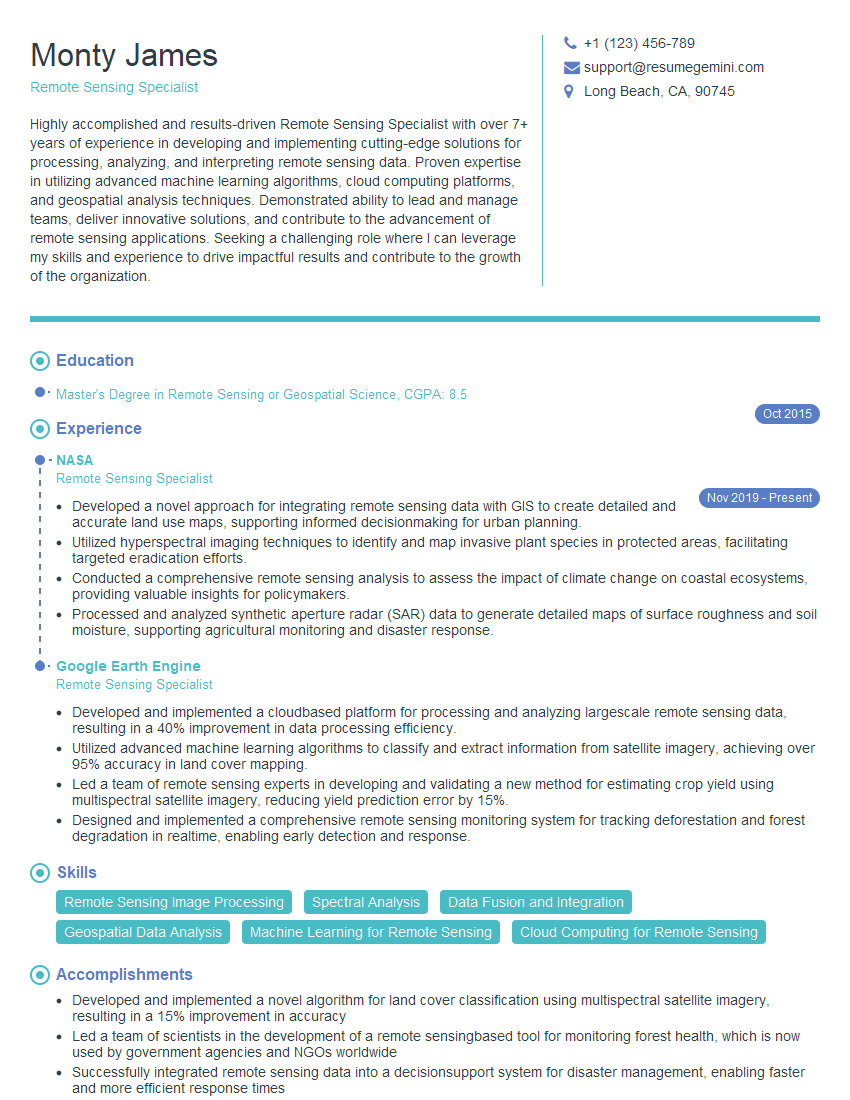
Remote Sensing Specialist Resume Sample
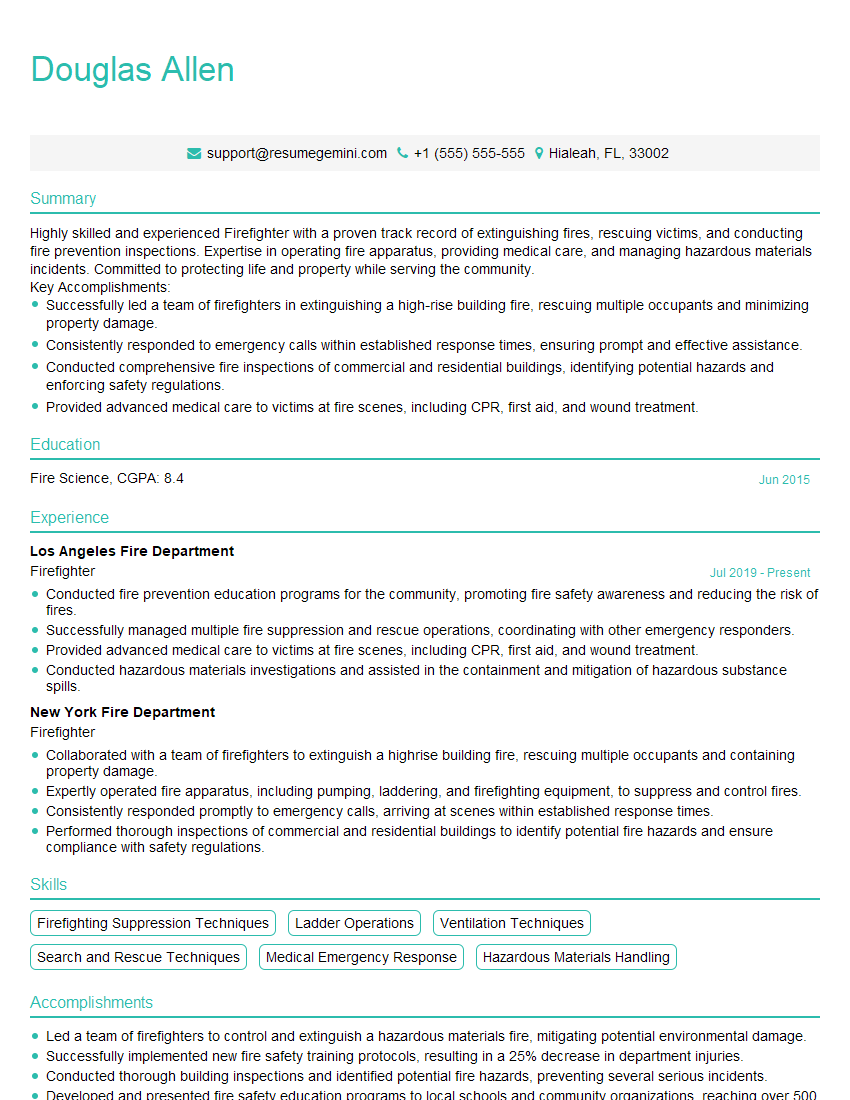
Firefighter Resume Sample
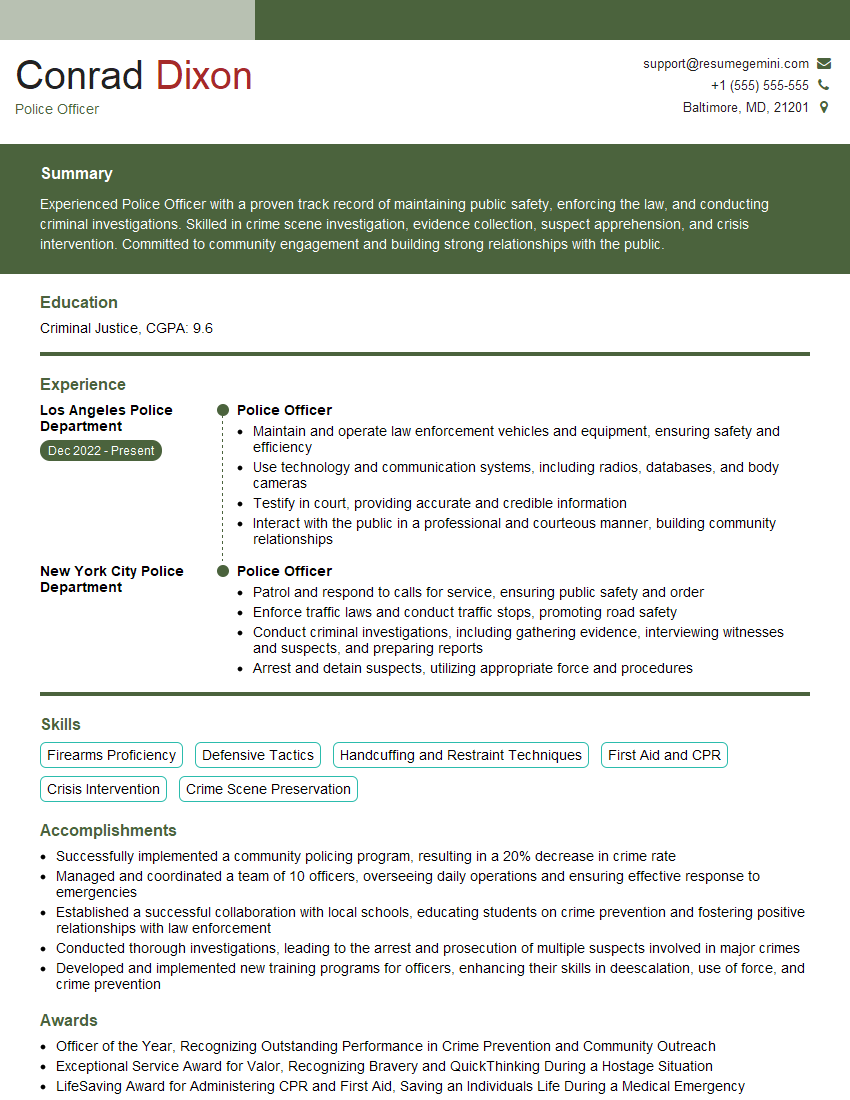
Police Officer Resume Sample
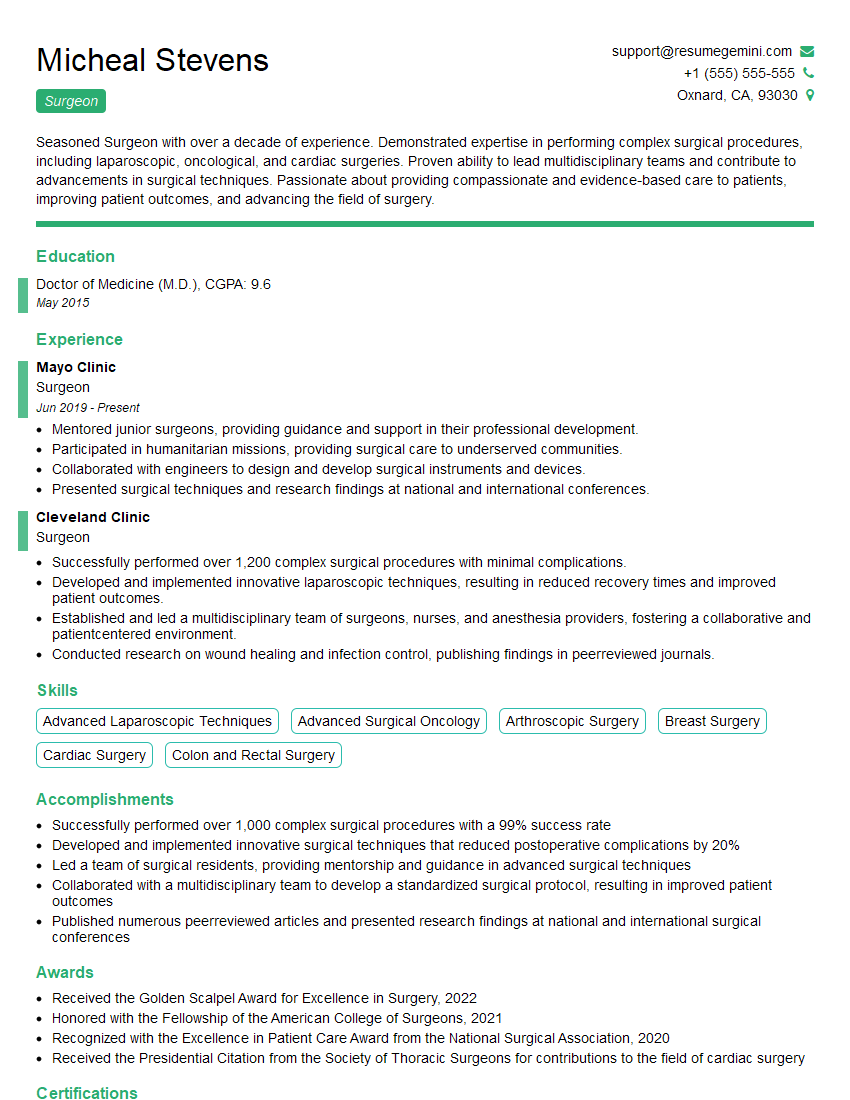
Surgeon Resume Sample
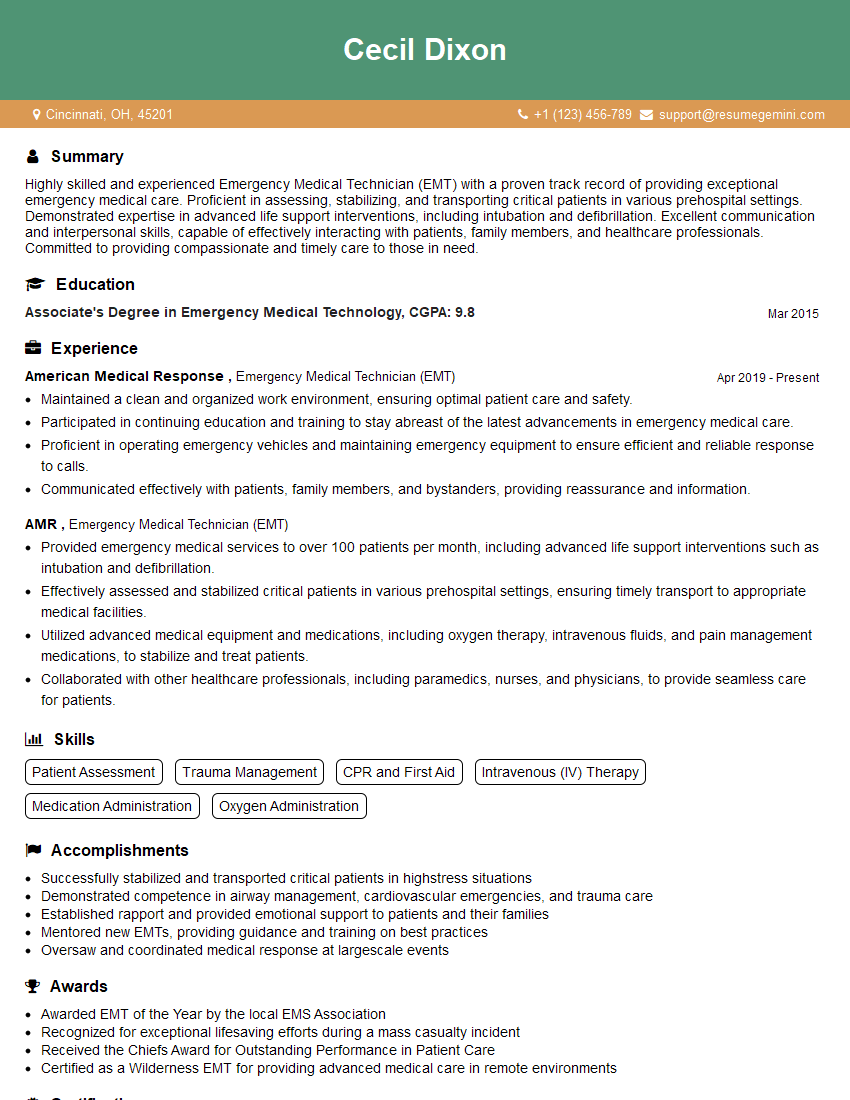
Emergency Medical Technician (EMT) Resume Sample
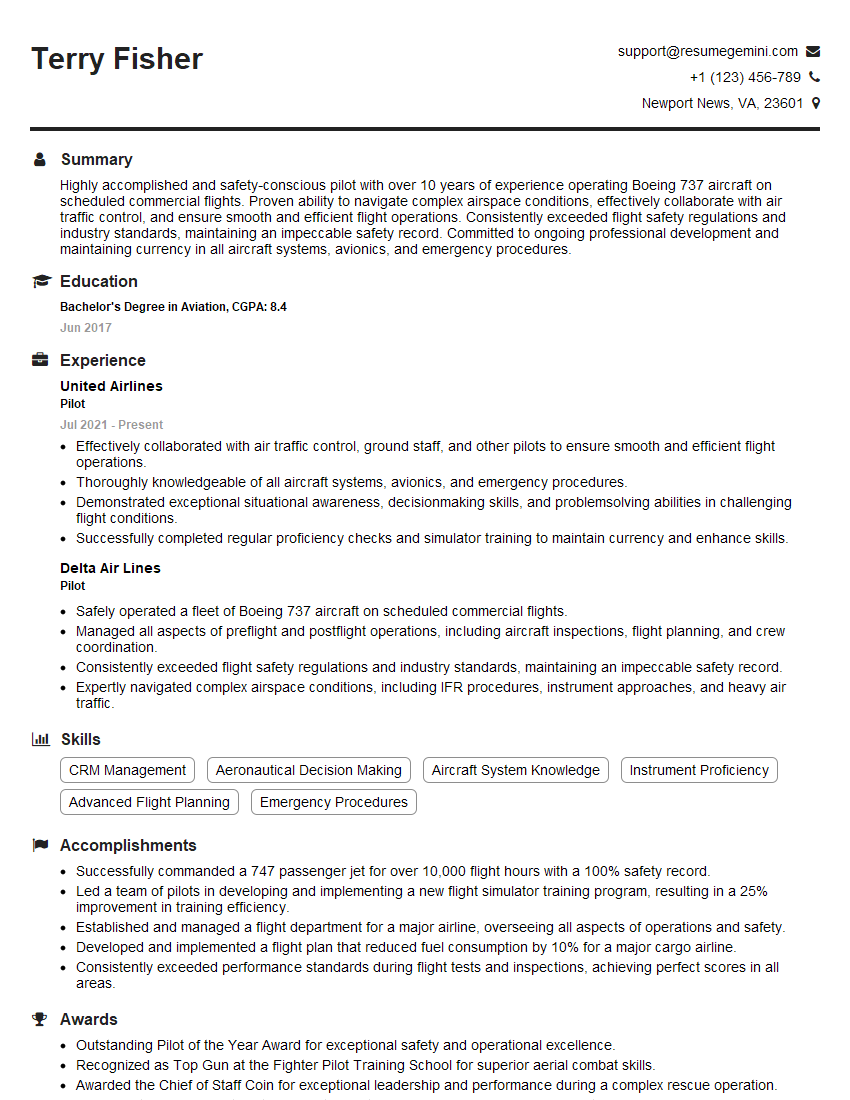
Pilot Resume Sample
Explore more articles
Users Rating of Our Blogs
Share Your Experience
We value your feedback! Please rate our content and share your thoughts (optional).
What Readers Say About Our Blog
Very informative content, great job.
good