Feeling uncertain about what to expect in your upcoming interview? We’ve got you covered! This blog highlights the most important Pressure and Flow Measurements interview questions and provides actionable advice to help you stand out as the ideal candidate. Let’s pave the way for your success.
Questions Asked in Pressure and Flow Measurements Interview
Q 1. Explain the difference between differential pressure and absolute pressure.
The key difference between differential pressure and absolute pressure lies in their reference points. Absolute pressure is measured relative to a perfect vacuum (zero pressure). Think of it as the total pressure exerted at a point, encompassing atmospheric pressure and any pressure above it. A tire pressure gauge, for example, often displays absolute pressure. On the other hand, differential pressure measures the difference in pressure between two points. It doesn’t concern itself with the absolute pressure at either point, only the pressure difference. A common application is measuring the pressure drop across a flow restriction in a pipe, which helps determine flow rate.
Imagine you have two balloons, one inflated much more than the other. Absolute pressure would measure the total pressure inside each balloon individually, while differential pressure would measure the pressure difference between the two balloons. This difference could indicate how much faster air might flow if you connected them.
Q 2. Describe various types of flow meters and their applications.
Flow meters are devices used to measure the volumetric flow rate of fluids (liquids or gases). There’s a wide variety, each suited to different applications. Here are some key types:
- Orifice Plate: A thin plate with a central hole restricts flow, creating a pressure drop. This pressure difference is then used to calculate flow rate. They are relatively simple, inexpensive, and reliable, making them suitable for many industrial applications. However, they cause a permanent pressure drop.
- Venturi Meter: Similar to an orifice plate, but with a smoother, converging-diverging shape that minimizes pressure loss. This makes them more efficient than orifice plates, though more expensive to manufacture.
- Pitot Tube: Measures the stagnation pressure of a fluid by placing a tube directly into the flow. The difference between stagnation pressure and static pressure is proportional to flow velocity. Simple, reliable, and good for measuring local velocities.
- Ultrasonic Flow Meter: Uses sound waves to measure flow velocity. No insertion into the flow is required, making them suitable for applications where minimal intrusion is crucial, such as clean rooms or pipelines carrying corrosive liquids.
- Electromagnetic Flow Meter: Induces a voltage across a conductive fluid moving through a magnetic field. The induced voltage is proportional to flow velocity. These are excellent for measuring flow rate in slurries, wastewater, and other challenging fluids.
- Turbine Flow Meter: A turbine rotates in response to fluid flow, and the rotation speed is proportional to flow rate. They offer high accuracy and are suitable for measuring the flow of clean liquids and gases.
The choice of flow meter depends on factors like fluid properties (viscosity, conductivity), required accuracy, pressure loss tolerance, and cost.
Q 3. How do you calibrate a pressure transducer?
Calibrating a pressure transducer involves comparing its readings to a known, accurate pressure source. This process ensures the transducer provides accurate measurements. The steps typically include:
- Establish a Reference: Use a high-accuracy pressure source like a deadweight tester (for higher pressures) or a precision pressure calibrator (for lower pressures).
- Apply Known Pressures: Apply a range of known pressures to the transducer, starting from zero pressure and increasing gradually.
- Record Readings: Simultaneously record the known pressure from the reference and the corresponding output from the pressure transducer. This often involves specialized calibration software.
- Compare Readings and Generate a Calibration Curve: Analyze the recorded data and create a calibration curve or equation relating the transducer’s output to the actual pressure. This might be a linear curve or a more complex one depending on the transducer’s behavior.
- Apply Corrections (if needed): If deviations from linearity are significant, corrections may be applied in the software that reads from the transducer.
- Document Results: Thoroughly document the entire calibration process, including the calibration curve, date, and the reference used.
Regular calibration is crucial for maintaining the accuracy of pressure measurements. The frequency depends on the application and the transducer’s stability.
Q 4. What are the common sources of error in flow measurement?
Several factors can introduce errors in flow measurement. These include:
- Installation Effects: Incorrect installation of the flow meter can lead to significant errors. For example, upstream or downstream piping configurations can affect flow patterns and pressure readings.
- Fluid Properties: The viscosity, density, and temperature of the fluid can affect the accuracy of flow meters. Some flow meters are more sensitive to changes in these properties than others.
- Meter Limitations: Every flow meter has limitations regarding flow rate range, fluid type, and pressure. Operating outside these limitations leads to inaccurate readings.
- Calibration Drift: Over time, flow meters can drift from their original calibration due to wear, temperature changes, or other factors. Regular calibration is necessary to mitigate this.
- Stray Magnetic Fields (Electromagnetic Flow Meters): External magnetic fields can interfere with the measurements of electromagnetic flow meters.
- Pipe Deposits: Build-up of deposits inside the pipe can restrict flow and lead to inaccurate readings.
- Air Bubbles (Liquid Flow): Air bubbles in liquid flow can disrupt the measurement, especially in ultrasonic or electromagnetic flow meters.
Careful selection, proper installation, regular maintenance, and frequent calibration are crucial to minimize these errors.
Q 5. Explain the concept of Reynolds number and its significance in flow measurement.
The Reynolds number (Re) is a dimensionless quantity that describes the flow regime of a fluid—whether it’s laminar (smooth and orderly) or turbulent (chaotic and irregular). It’s defined as:
Re = (ρVD)/μ
Where:
- ρ is the fluid density
- V is the flow velocity
- D is the characteristic length (e.g., pipe diameter)
- μ is the dynamic viscosity
A low Reynolds number indicates laminar flow, while a high Reynolds number indicates turbulent flow. The transition between laminar and turbulent flow typically occurs at a Reynolds number of around 2300 (though this can vary depending on the specific geometry and flow conditions).
Significance in flow measurement: The Reynolds number is crucial because the accuracy and choice of flow meter are often influenced by the flow regime. For example, some flow meters, like orifice plates, operate more reliably in turbulent flow. Knowing the Reynolds number helps select the appropriate meter and interpret the measurements correctly. For instance, a meter designed for laminar flow will give erroneous readings in a turbulent flow.
Q 6. Describe different types of pressure sensors and their operating principles.
Many types of pressure sensors exist, each with its unique operating principle:
- Strain Gauge Pressure Sensor: A diaphragm deflects under pressure, causing a strain in a bonded strain gauge. The change in resistance of the strain gauge is proportional to the applied pressure. Common, robust, and available in a wide range of pressure ratings.
- Capacitive Pressure Sensor: Changes in pressure alter the distance between two capacitor plates, resulting in a change of capacitance proportional to pressure. High accuracy and sensitivity are characteristic of these sensors.
- Piezoresistive Pressure Sensor: Based on the change in electrical resistance of a semiconductor material under pressure. These sensors are often integrated into microelectromechanical systems (MEMS) devices.
- Piezoelectric Pressure Sensor: Generates an electrical charge when subjected to pressure. Ideal for dynamic pressure measurement, as the generated charge is proportional to the rate of pressure change. However they typically require additional signal conditioning.
- Potentiometric Pressure Sensor: A variable resistor’s resistance changes as a diaphragm deflects, generating a voltage that’s proportional to pressure. This is a relatively simpler technology.
The choice of pressure sensor depends on the application’s requirements for accuracy, pressure range, response time, and environmental factors.
Q 7. How do you select the appropriate flow meter for a given application?
Selecting the right flow meter for a specific application requires careful consideration of several factors:
- Fluid Properties: Viscosity, density, temperature, conductivity, and whether the fluid is a liquid, gas, or slurry.
- Flow Rate Range: The expected minimum and maximum flow rates. The chosen meter must operate within this range.
- Accuracy Requirements: The level of precision needed in the flow rate measurement.
- Pressure and Temperature Conditions: The operating pressure and temperature of the system.
- Pipe Size and Material: The diameter and material of the pipe in which the meter will be installed.
- Cost and Maintenance: The budget available for purchasing and maintaining the meter.
- Space Constraints: The available space for installation.
- Installation Difficulty: Some meters are easier to install than others.
Often, a trade-off must be made between cost, accuracy, and other factors. For instance, a highly accurate ultrasonic flow meter might be more costly but requires minimal intrusion into the flow, making it ideal for some applications, while a simpler, less expensive orifice plate could be perfectly adequate for others. Understanding the application’s priorities is key to making an informed decision.
Q 8. Explain the concept of pressure drop in pipe flow.
Pressure drop in pipe flow refers to the decrease in pressure of a fluid as it flows through a pipe. This happens due to frictional forces between the fluid and the pipe walls, as well as any obstacles or changes in pipe diameter. Imagine pushing water through a straw – it requires more effort (higher pressure) to push the water through a long, narrow straw than a short, wide one. The difference in pressure between the beginning and the end of the straw is the pressure drop.
Several factors influence pressure drop: pipe length, diameter, roughness (internal surface texture), fluid viscosity, and flow rate. Longer pipes, smaller diameters, rougher surfaces, higher viscosity fluids, and higher flow rates all lead to increased pressure drop. The Darcy-Weisbach equation is a common tool for calculating pressure drop:
ΔP = f * (L/D) * (ρV²/2)Where:
- ΔP = Pressure drop
- f = Darcy friction factor (depends on Reynolds number and pipe roughness)
- L = Pipe length
- D = Pipe diameter
- ρ = Fluid density
- V = Fluid velocity
Understanding pressure drop is crucial in designing and operating pipelines, ensuring sufficient pumping power and preventing excessive energy loss.
Q 9. What is the Bernoulli equation and how is it used in flow measurement?
The Bernoulli equation describes the relationship between pressure, velocity, and elevation in a moving fluid. It’s a simplified model, assuming steady, incompressible, inviscid flow along a streamline. In essence, it states that the total energy of the fluid remains constant. This can be expressed as:
P + (1/2)ρV² + ρgh = ConstantWhere:
- P = Static pressure
- ρ = Fluid density
- V = Fluid velocity
- g = Acceleration due to gravity
- h = Elevation
In flow measurement, the Bernoulli equation is fundamental to many devices. For example, in an orifice plate flow meter, the pressure drop across the orifice is related to the velocity of the fluid, which can then be used to calculate the flow rate. By measuring the pressure difference before and after the constriction (orifice), we can determine the velocity and hence the flow rate using the Bernoulli equation, along with the continuity equation (A1V1 = A2V2).
It’s important to note that the Bernoulli equation has limitations; it doesn’t account for energy losses due to friction, which are significant in real-world applications. Therefore, correction factors are often needed for accurate flow measurement.
Q 10. Describe different methods for correcting flow measurement errors.
Flow measurement errors can arise from various sources, including inaccurate calibration, instrument limitations, and environmental factors. Correction methods depend on the error type. Here are some common techniques:
- Calibration: Regular calibration against traceable standards is essential. This involves comparing the instrument readings to known accurate values and adjusting the instrument accordingly.
- Temperature Compensation: Temperature affects fluid density and viscosity, influencing flow readings. Temperature sensors and corresponding algorithms can correct for these effects.
- Reynolds Number Correction: For turbulent flow, the Reynolds number (a dimensionless number representing the flow regime) affects the accuracy of certain flow meters. Correction factors based on the Reynolds number can improve accuracy.
- Straight Pipe Length Correction: Upstream and downstream straight pipe lengths are crucial for consistent flow profiles. Inaccurate lengths can affect the readings of certain meters (e.g., orifice plates). Manufacturers’ recommendations should be followed.
- Viscosity Correction: Fluid viscosity significantly impacts pressure drop and flow rate calculations. Viscometers can measure viscosity, enabling corrections to flow calculations.
Selecting the appropriate correction method depends on the specific flow meter, the fluid being measured, and the potential sources of error.
Q 11. How do you troubleshoot a malfunctioning pressure transmitter?
Troubleshooting a malfunctioning pressure transmitter involves a systematic approach:
- Check for Power: Verify that the transmitter is receiving adequate power. Check wiring connections, fuses, and power supply.
- Inspect Wiring and Connections: Look for loose connections, damaged cables, and signs of corrosion or short circuits. Use a multimeter to test continuity.
- Verify Sensor Function: Check the pressure sensor itself. If it’s a differential pressure transmitter, ensure both high and low pressure lines are properly connected and free from blockages. Manual pressure testing with a known pressure source can help identify sensor faults.
- Examine Calibration: Check the last calibration date. If it’s overdue or if the transmitter is showing erratic readings, recalibration may be necessary.
- Review Process Conditions: Ensure that the process conditions (temperature, pressure, vibration) are within the transmitter’s operating range. Excessive vibration or extreme temperatures can damage the sensor.
- Check for Zero and Span Drifts: Use the transmitter’s diagnostics to assess zero and span drifts. These drifts indicate issues within the sensor, electronics, or both. Zero drift refers to a non-zero output reading when zero pressure is applied. Span drift represents a change in sensitivity (incorrect gain).
- Review Transmitter Output: Analyze the transmitter’s output signal (e.g., 4-20 mA) using a multimeter. A stable, within-range signal suggests that the problem may not lie with the transmitter itself, but potentially with the instrumentation or the control system receiving the signal.
If the problem persists after these checks, seek professional assistance.
Q 12. Explain the importance of maintaining accurate pressure and flow measurements.
Accurate pressure and flow measurements are paramount across various industries for several reasons:
- Process Optimization: Precise measurements allow for efficient control of industrial processes, maximizing production and minimizing waste. For example, in a chemical plant, accurate flow control ensures the correct reactant ratios for optimal yields.
- Safety: Accurate readings help prevent equipment damage and safety hazards. In high-pressure systems, even slight errors can have severe consequences.
- Quality Control: Accurate flow and pressure measurements are vital for ensuring consistent product quality. Inaccurate measurements can lead to off-spec products.
- Energy Efficiency: Proper monitoring allows for detection of leaks or inefficiencies, leading to energy savings. Identifying pressure losses in a pipeline helps optimize pump performance and reduce energy consumption.
- Cost Savings: Preventing equipment failures through accurate monitoring and control leads to substantial cost savings in the long run.
In short, accurate pressure and flow measurements are fundamental to efficient, safe, and profitable operations across countless industries.
Q 13. What safety precautions should be taken when working with high-pressure systems?
Working with high-pressure systems demands strict adherence to safety protocols:
- Lockout/Tagout Procedures: Before any work, always follow strict lockout/tagout procedures to isolate the system and prevent accidental activation.
- Personal Protective Equipment (PPE): Wear appropriate PPE, including safety glasses, gloves, and protective clothing, as well as hearing protection for potentially loud equipment.
- Pressure Relief Devices: Verify that pressure relief valves and other safety devices are in place and functioning correctly. Regular inspections and testing are critical.
- Emergency Shutdown Procedures: Be familiar with emergency shutdown procedures and the location of emergency shut-off valves.
- Proper Training: Only trained and authorized personnel should work on high-pressure systems.
- Regular Inspections: Conduct regular visual inspections of the system for leaks, corrosion, or damage.
- Controlled Pressure Release: If pressure needs to be released, do so slowly and carefully to avoid sudden pressure surges.
- Confined Space Entry Procedures: If work requires entry into a confined space, follow strict confined space entry procedures.
High-pressure systems are inherently hazardous. Neglecting safety precautions can lead to serious injuries or fatalities.
Q 14. Describe your experience with different types of flow control valves.
My experience encompasses a wide range of flow control valves, including:
- Globe Valves: These are widely used due to their versatility and tight shutoff capabilities. I’ve worked extensively with globe valves in various applications, from controlling flow in pipelines to regulating pressure in process systems. I understand their limitations, such as higher pressure drop compared to other valve types.
- Ball Valves: I have experience with ball valves, particularly in on/off applications where quick and reliable shut-off is required. Their simple design and ease of operation make them ideal for many applications.
- Butterfly Valves: These valves are often used in large-diameter pipelines where low pressure drop is a priority. I have experience specifying and troubleshooting butterfly valves in such systems.
- Control Valves (Proportional, On/Off): I’ve worked extensively with pneumatic and electric control valves, encompassing various control schemes (PID, on/off). Understanding the calibration, tuning, and proper selection of control valves for specific applications is a significant part of my experience.
- Diaphragm Valves: My experience includes using diaphragm valves, particularly in applications handling corrosive or viscous fluids, leveraging their ability to offer leak-free operation.
My experience extends beyond just the physical operation of these valves. I have a strong understanding of their selection criteria based on factors like fluid properties, pressure, temperature, flow rate, required accuracy, and maintenance requirements. I can confidently select, install, and troubleshoot a variety of flow control valves.
Q 15. How do you handle inconsistent readings from a flow meter?
Inconsistent flow meter readings can stem from various sources, from sensor malfunctions to process variations. My approach involves a systematic troubleshooting process. First, I’d verify the meter’s calibration – a simple but often overlooked step. If the calibration is sound, I move to inspect the installation for potential issues like leaks, blockages, or vibrations that could affect the readings. Next, I’d analyze the flow profile – is it steady-state or transient? In transient flows, fluctuations are expected but should be within a reasonable range. Analyzing the data for trends and outliers, often using statistical process control (SPC) charts, helps identify patterns. For instance, a sudden spike might indicate a problem with the process upstream, whereas a gradual drift suggests a sensor drift requiring recalibration or replacement. I’d also examine environmental factors – temperature and pressure changes can influence flow meter accuracy. Finally, if the problem persists, I’d consider alternative flow measurement technologies for cross-validation.
For example, in one project involving a Coriolis flow meter for a critical chemical process, we discovered inconsistent readings were due to excessive vibration from nearby pumps. Implementing vibration dampening solved the problem. Another instance involved a gradual drift in an ultrasonic flow meter which was traced back to biofouling within the pipe; regular cleaning resolved this issue.
Career Expert Tips:
- Ace those interviews! Prepare effectively by reviewing the Top 50 Most Common Interview Questions on ResumeGemini.
- Navigate your job search with confidence! Explore a wide range of Career Tips on ResumeGemini. Learn about common challenges and recommendations to overcome them.
- Craft the perfect resume! Master the Art of Resume Writing with ResumeGemini’s guide. Showcase your unique qualifications and achievements effectively.
- Don’t miss out on holiday savings! Build your dream resume with ResumeGemini’s ATS optimized templates.
Q 16. What is the difference between laminar and turbulent flow?
Laminar and turbulent flow describe different patterns of fluid motion. Imagine a river: In laminar flow, the water flows smoothly in parallel layers, like perfectly stacked sheets of paper sliding past each other. The velocity of the fluid is highest in the center and decreases towards the pipe walls. This is characterized by a low Reynolds number (Re), typically less than 2300. Turbulent flow, conversely, is chaotic and unpredictable; water molecules mix extensively, creating eddies and swirls. It’s characterized by high Re (usually >4000), and involves a significant increase in frictional losses.
The distinction is critical in flow measurement because different flow meters are suitable for different flow regimes. For example, differential pressure flow meters, such as orifice plates, are more reliable in turbulent flow, whereas certain types of positive displacement meters work well in both laminar and turbulent flow. Understanding the flow regime is essential for choosing the appropriate flow meter and ensuring accurate measurements.
Q 17. Explain the concept of viscosity and its impact on flow measurement.
Viscosity is a measure of a fluid’s resistance to flow. Think of honey versus water – honey is much more viscous, meaning it flows more slowly. This resistance is due to internal friction within the fluid. High viscosity fluids require more energy to pump and exhibit greater frictional losses in pipes. In flow measurement, viscosity significantly impacts the accuracy of some flow meters. For instance, differential pressure flow meters rely on the pressure drop across a restriction (like an orifice plate) to measure flow rate. The pressure drop is directly influenced by the fluid’s viscosity. High viscosity fluids will generate a higher pressure drop at the same flow rate than low-viscosity fluids. Therefore, the viscosity must be considered during calibration and data interpretation to ensure accurate results. In fact, many flow meter calculations incorporate viscosity as a crucial parameter.
Q 18. Describe your experience with data acquisition and analysis in flow measurement.
My experience in data acquisition and analysis for flow measurement is extensive. I’ve utilized various data acquisition systems, from simple handheld flow meters with built-in data loggers to sophisticated SCADA (Supervisory Control and Data Acquisition) systems for large-scale industrial processes. I’m proficient in using different software for data processing and analysis, including specialized flow calculation software, spreadsheets (Excel, Google Sheets), and programming languages like Python or MATLAB for advanced data manipulation and statistical analysis. My work routinely involves implementing and interpreting data from various flow meter types – differential pressure, ultrasonic, magnetic, Coriolis, and positive displacement meters. I frequently employ statistical methods like linear regression, trend analysis, and control charting to identify errors, detect anomalies, and ultimately ensure the integrity of the collected data.
For example, in one project, we used a SCADA system to monitor the flow rates of multiple streams in a refinery. Python scripts were developed to perform real-time data analysis and generate alerts when the flow rates deviated from pre-set limits. This prevented potential production disruptions and ensured process safety.
Q 19. How do you ensure the accuracy of pressure and flow measurements?
Ensuring the accuracy of pressure and flow measurements is paramount. This involves a multi-faceted approach starting with proper sensor selection based on the application and fluid characteristics. Calibration is crucial; flow meters and pressure gauges need regular calibration against traceable standards. Installation is also critical: ensuring proper alignment, avoiding leaks, and minimizing vibrations are vital. Regular maintenance helps prevent fouling, corrosion, and wear, all of which affect accuracy. For example, regular cleaning of ultrasonic flow meters is crucial to prevent signal attenuation due to deposits. Data validation and quality control procedures should be implemented – this involves examining the data for outliers, trends, and consistency checks. Periodic cross-validation using different measurement techniques helps identify potential errors and ensure the accuracy of results. Finally, documentation of calibration and maintenance procedures is crucial for demonstrating compliance and traceability.
Q 20. What are the advantages and disadvantages of different types of pressure gauges?
Various pressure gauges exist, each with strengths and weaknesses. Bourdon tube gauges are common, relatively inexpensive, and readily available. However, they are less accurate than other types, especially at low pressures, and susceptible to damage from vibrations. Diaphragm gauges offer higher accuracy than Bourdon tubes, particularly for low-pressure applications, and are less affected by vibrations. However, they typically have a lower pressure range. Digital pressure gauges provide high accuracy, ease of data logging, and compatibility with automated systems. They can be more expensive and require power. Piezoresistive sensors are used in high-precision, often automated systems, providing fast response times and high accuracy but are more complex and sensitive to temperature changes. Choosing the right gauge depends on the required accuracy, pressure range, application environment (temperature, vibration, etc.), and budget. In practice, I always select a gauge that meets or exceeds the required accuracy and considers the operational conditions.
Q 21. Explain your experience with different types of piping materials and their impact on flow.
Different piping materials significantly impact flow. The internal surface roughness of the pipe material influences the frictional losses; rougher pipes lead to higher pressure drops for the same flow rate. For instance, cast iron pipes have a higher roughness than stainless steel pipes, leading to greater pressure losses. The material’s chemical compatibility with the fluid being transported is crucial; some materials can corrode or react with specific fluids, affecting flow and potentially causing safety hazards. Furthermore, the material’s temperature limitations need to be considered. High-temperature applications might necessitate the use of specialized materials like Inconel or Hastelloy. The material’s flexibility can also be relevant. Flexible pipes like rubber hoses can accommodate vibrations and expansions better than rigid pipes. My experience encompasses working with various materials including carbon steel, stainless steel, PVC, and specialized alloys. Selecting the appropriate material involves careful consideration of the fluid characteristics, process parameters, and cost-effectiveness.
Q 22. How do you interpret pressure and flow data to diagnose process problems?
Interpreting pressure and flow data to diagnose process problems is akin to being a detective for an industrial process. We look for deviations from expected values and patterns to pinpoint the source of trouble. This involves a systematic approach:
- Baseline Establishment: First, we need a solid understanding of the ‘normal’ operating parameters for pressure and flow in the specific system. This often involves reviewing historical data and understanding the process design.
- Deviation Analysis: We compare real-time data to the baseline. Significant or sudden changes in pressure (e.g., a sudden drop in pressure) or flow (e.g., a persistent decrease in flow rate) could signal problems. For example, a sudden pressure drop might indicate a leak, while a consistent low flow rate could signal a blockage.
- Cause and Effect: We use our process knowledge to understand the cause-effect relationships. A drop in pressure *after* a pump might indicate pump failure, whereas a drop in pressure *before* the pump might be a leak or valve issue.
- Data Correlation: We often examine multiple parameters simultaneously. For example, a decrease in flow might be accompanied by an increase in pressure differential across a valve, indicating that valve is partially closed.
- Troubleshooting: Based on the analysis, we formulate hypotheses and test them through additional data collection, process observations, or physical inspection. This may involve looking at temperature data, motor current, or even visual inspection of equipment.
For instance, in a chemical reactor, unexpectedly high pressure could indicate an exothermic reaction proceeding faster than expected, potentially requiring intervention to prevent a runaway reaction. Similarly, low flow through a heat exchanger might indicate fouling, requiring cleaning or replacement.
Q 23. Describe your familiarity with different communication protocols used in instrumentation.
My experience encompasses a broad range of communication protocols used in industrial instrumentation. These protocols are crucial for seamless data exchange between instruments and control systems. Some key protocols I’m familiar with include:
- 4-20 mA Current Loop: This is an industry standard, providing a robust and reliable analog signal for transmitting pressure and flow measurements. Its immunity to noise makes it ideal for harsh industrial environments.
- Profibus: A digital fieldbus widely used in process automation, enabling high-speed data transmission and flexible networking.
- Profinet: Another leading industrial Ethernet protocol, providing greater bandwidth and more advanced features compared to Profibus.
- Modbus: A widely adopted serial communication protocol offering a simple and effective way to exchange data between different devices.
- HART (Highway Addressable Remote Transducer): This protocol allows for digital communication over existing 4-20 mA analog lines, providing both analog and digital data from smart field instruments.
Choosing the right protocol depends on factors such as data rate requirements, distance, environmental conditions, and the overall control system architecture. I’m comfortable working with all these protocols and can effectively troubleshoot communication issues. For example, understanding the nuances of HART allows for efficient configuration and diagnostics of smart field devices directly from the control room.
Q 24. How do you calculate the flow rate using orifice plate measurements?
Calculating flow rate using orifice plate measurements relies on the principle of pressure differential. An orifice plate creates a constriction in a pipe, causing a pressure drop proportional to the flow rate. The flow rate (Q) is typically calculated using the following formula:
Q = C * A * √(2ΔP/ρ)Where:
Qis the volumetric flow rate.Cis the flow coefficient (depends on the orifice plate’s geometry and Reynolds number).Ais the area of the orifice opening.ΔPis the pressure difference across the orifice plate.ρis the density of the fluid.
The flow coefficient C is determined through empirical correlations or from manufacturer’s data sheets, considering factors like the Reynolds number (a dimensionless quantity characterizing the flow regime) and the beta ratio (the ratio of the orifice diameter to the pipe diameter). Accurate calculation necessitates precise measurement of pressure differential and fluid properties. Moreover, the orifice plate should be correctly sized and installed according to industry standards to minimize errors.
For example, in a natural gas pipeline, accurate flow rate calculation is vital for billing and process monitoring. Any error in the orifice plate measurement could lead to significant financial discrepancies.
Q 25. What is your experience with programmable logic controllers (PLCs) in relation to pressure and flow control?
My experience with Programmable Logic Controllers (PLCs) in pressure and flow control is extensive. PLCs are the backbone of many industrial automation systems, providing the logic and control for various process parameters. I’ve worked with PLCs to:
- Implement control loops: Design and implement PID (Proportional-Integral-Derivative) controllers for maintaining desired pressure or flow setpoints. This often involves tuning the controller parameters to optimize response and minimize oscillations.
- Data acquisition and logging: Program PLCs to acquire pressure and flow data from field instruments, store the data, and transmit it to SCADA systems or other data historians.
- Alarm management: Set up alarm thresholds for pressure and flow, triggering alerts when deviations occur. This helps to prevent process upsets and potential safety hazards.
- Safety interlocks: Program safety interlocks to shut down the process if pressure or flow parameters exceed predefined limits. This ensures the safety of personnel and equipment.
- Sequencing and batch control: Use PLCs to control the sequence of operations in processes involving multiple steps, such as filling or emptying tanks.
For example, I have worked on projects involving PLC programming for controlling the flow of liquids in a pharmaceutical plant, where precise control of flow rates is essential for maintaining product quality and consistency.
Q 26. Describe your experience with SCADA systems and their role in monitoring pressure and flow.
SCADA (Supervisory Control and Data Acquisition) systems play a crucial role in monitoring and controlling industrial processes, including pressure and flow. My experience with SCADA involves:
- Data visualization: Configuring SCADA systems to display real-time pressure and flow data through graphical interfaces. This allows operators to quickly assess the status of the process and identify potential problems.
- Trend analysis: Using SCADA’s historical data capabilities to analyze trends in pressure and flow, helping to identify patterns, predict potential issues, and optimize process performance.
- Alarm management: Configuring and managing SCADA alarms to notify operators of abnormal pressure or flow conditions. This helps ensure timely response to deviations.
- Remote monitoring and control: Leveraging SCADA’s capabilities to remotely monitor and control processes, allowing for efficient operation and troubleshooting.
- Report generation: Using SCADA to generate reports on process parameters, which are crucial for regulatory compliance and performance analysis.
For example, in a water treatment plant, a SCADA system is essential for monitoring pressure and flow at various points throughout the treatment process. This ensures efficient water distribution and effective treatment.
Q 27. Explain the concept of flow characterization and its importance in process control.
Flow characterization is the process of determining the relationship between pressure drop and flow rate for a specific flow element (like an orifice plate, valve, or pipe). This relationship is crucial for accurate flow measurement and process control. It essentially describes how a fluid behaves as it flows through a system.
Importance in Process Control:
- Accurate Flow Measurement: Without characterization, the flow rate derived from pressure measurements would be inaccurate. The characterized relationship ensures reliable flow calculations.
- Control Loop Design: Accurate flow characterization is essential for designing effective control loops. The controller needs to understand how the flow responds to control actions.
- Predictive Modeling: Flow characterization data can be used in predictive models to anticipate process behavior and prevent potential problems.
- Troubleshooting: Changes in the flow characterization can indicate problems such as fouling, erosion, or equipment malfunction.
For instance, a change in the flow characteristic of a valve could be indicative of wear and tear, requiring maintenance or replacement before it severely impacts process efficiency.
Q 28. What is your experience with advanced flow measurement techniques such as ultrasonic or magnetic flow meters?
I have significant experience with advanced flow measurement techniques, including ultrasonic and magnetic flow meters. These offer advantages over traditional methods like orifice plates, especially in challenging applications.
- Ultrasonic Flow Meters: These meters use the transit time difference of ultrasonic signals propagating upstream and downstream in a fluid to measure the velocity and hence the flow rate. They’re non-invasive, requiring no pressure taps or flow restrictions, making them suitable for applications involving slurries, corrosive fluids, or where pressure drop needs to be minimized.
- Magnetic Flow Meters: These meters measure flow rate based on Faraday’s law of induction. A magnetic field is applied across the pipe, and the voltage induced in the fluid is proportional to the flow velocity. These are particularly useful for conductive liquids and offer excellent accuracy, even with varying viscosities.
My experience includes selecting appropriate meters based on fluid properties, installation constraints, and accuracy requirements; calibrating and maintaining the meters; and integrating the data into control systems. For example, in a wastewater treatment plant, magnetic flow meters are preferred for measuring the flow of sewage due to their ability to handle slurries and solids. In contrast, ultrasonic flow meters might be selected for clean water applications where minimizing pressure loss is critical.
Key Topics to Learn for Pressure and Flow Measurements Interview
- Pressure Measurement Principles: Understanding static pressure, dynamic pressure, and total pressure; exploring different pressure units (Pa, psi, bar, etc.) and their conversions; familiarizing yourself with various pressure measurement devices (Bourdon tubes, diaphragm gauges, piezoelectric sensors, etc.) and their operating principles.
- Flow Measurement Techniques: Mastering different flow measurement methods (e.g., volumetric, mass flow), exploring various flow meters (e.g., orifice plates, venturi meters, rotameters, ultrasonic flow meters) and their applications, understanding the concepts of Reynolds number and flow regimes (laminar vs. turbulent flow).
- Calibration and Uncertainty Analysis: Learning about calibration procedures for pressure and flow measurement instruments; understanding sources of error and uncertainty in measurements; applying statistical methods for data analysis and uncertainty quantification.
- Practical Applications: Exploring real-world applications in various industries (e.g., process control, oil & gas, chemical engineering, HVAC) and how pressure and flow measurements are crucial in these contexts. Consider case studies demonstrating problem-solving skills.
- Advanced Topics (Optional): Depending on the seniority of the role, you might explore more advanced concepts such as multiphase flow measurement, flow modeling, and advanced sensor technologies.
- Problem-Solving Approaches: Practice analyzing scenarios involving pressure and flow measurement challenges, developing systematic approaches to troubleshooting and resolving measurement issues. Develop your ability to explain your problem-solving methodology clearly.
Next Steps
Mastering pressure and flow measurements is crucial for a successful career in many engineering and technical fields. A strong understanding of these principles opens doors to exciting opportunities and demonstrates a valuable skillset to potential employers. To significantly improve your job prospects, creating a compelling and ATS-friendly resume is essential. ResumeGemini is a trusted resource to help you build a professional and effective resume that highlights your skills and experience. Examples of resumes tailored to Pressure and Flow Measurements professionals are available through ResumeGemini to guide you.

Principal Engineer Resume Sample

Project Engineer Resume Sample
Applications Engineer Resume Sample
Process Engineer Resume Sample

Research and Development Engineer Resume Sample
Automation Engineer Resume Sample
Field Service Engineer Resume Sample

Chemical Process Engineer Resume Sample
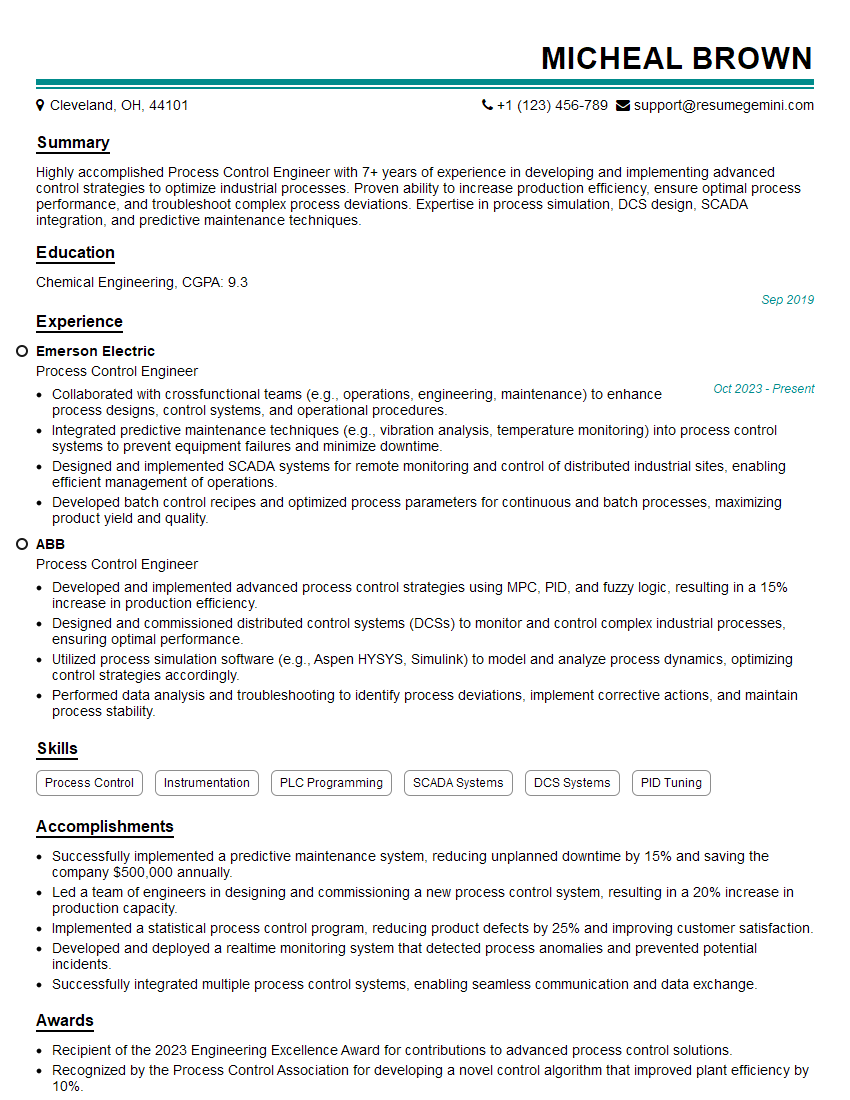
Process Control Engineer Resume Sample
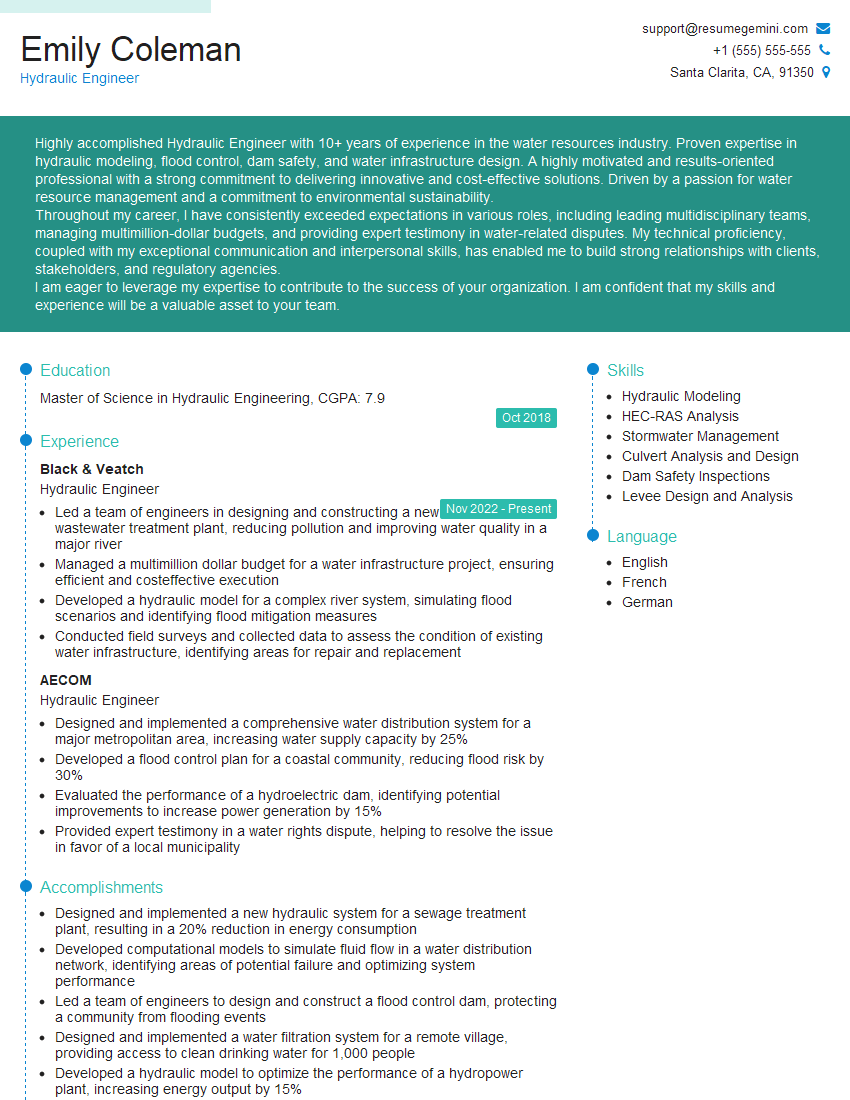
Hydraulic Engineer Resume Sample

Maintenance Engineer Resume Sample
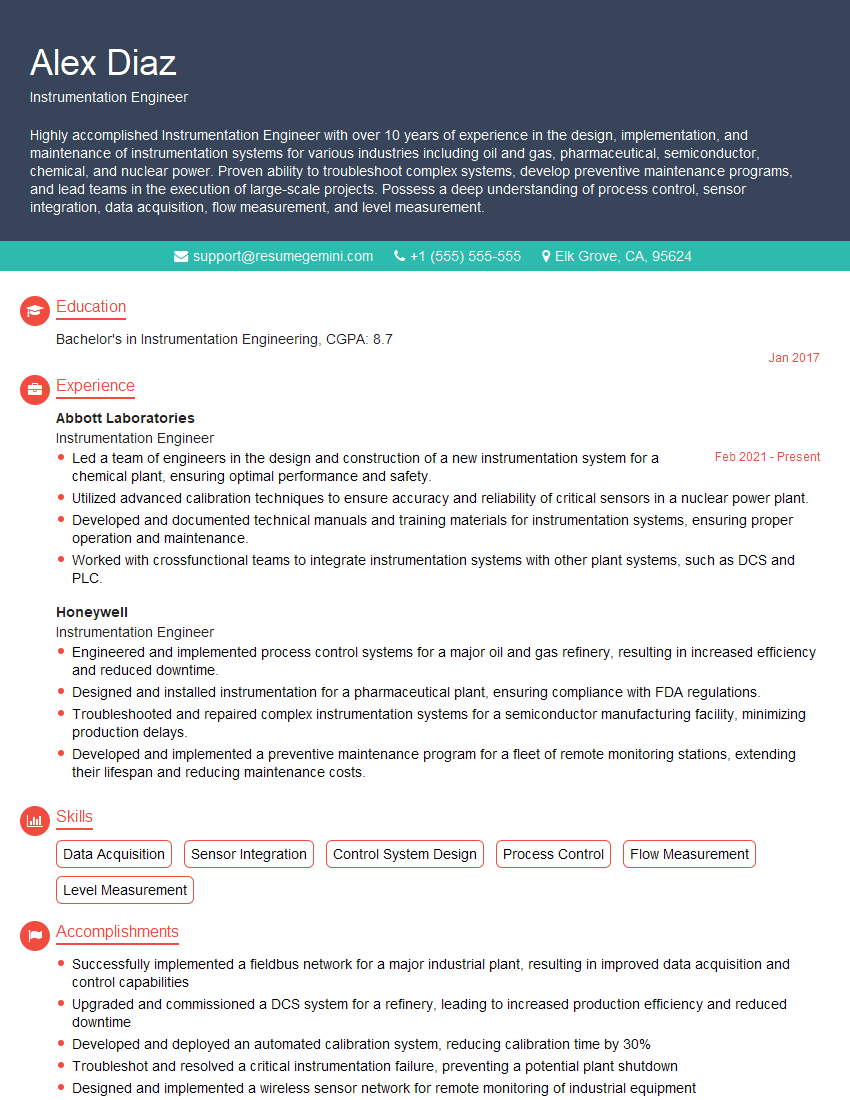
Instrumentation Engineer Resume Sample
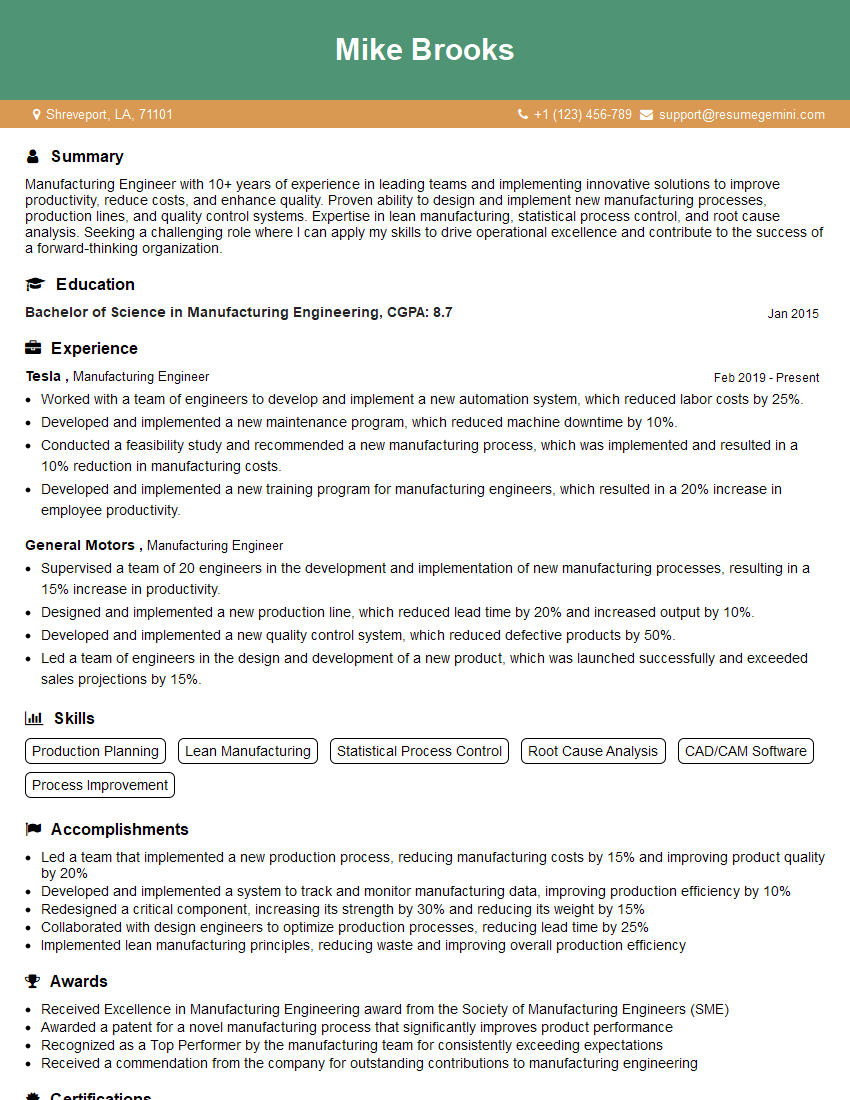
Manufacturing Engineer Resume Sample
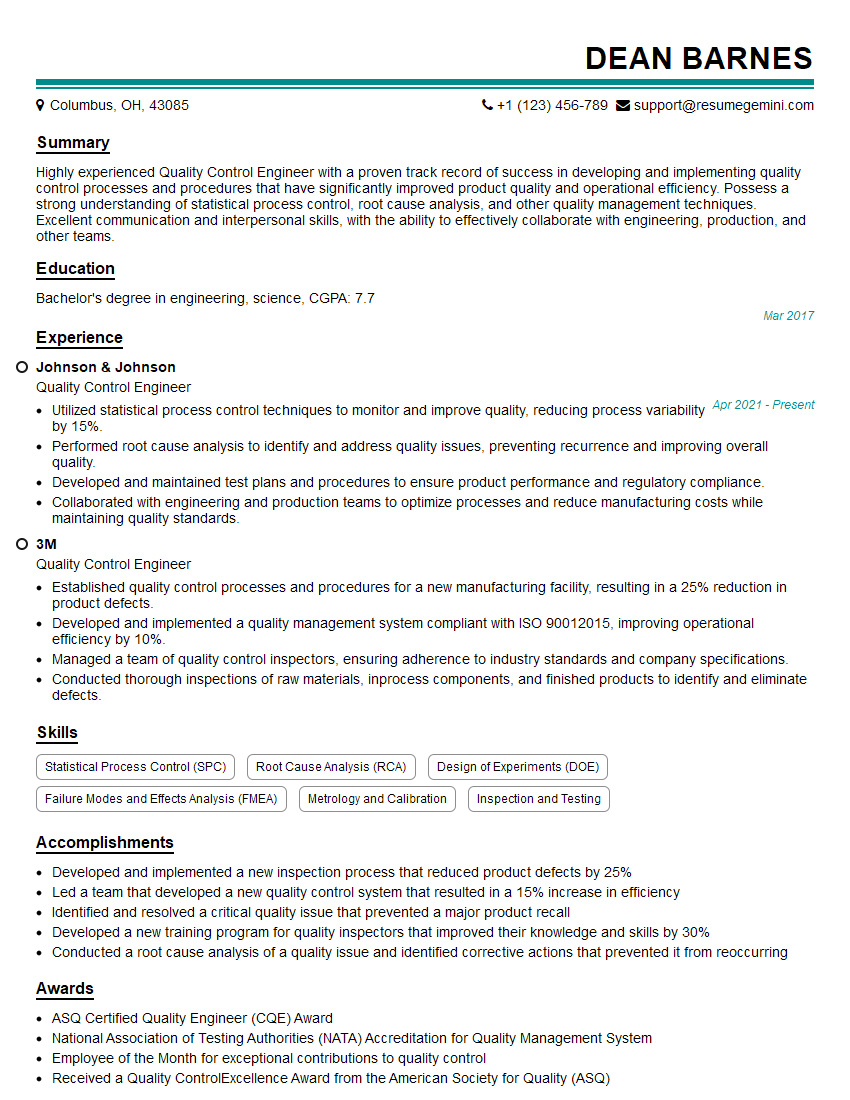
Quality Control Engineer Resume Sample
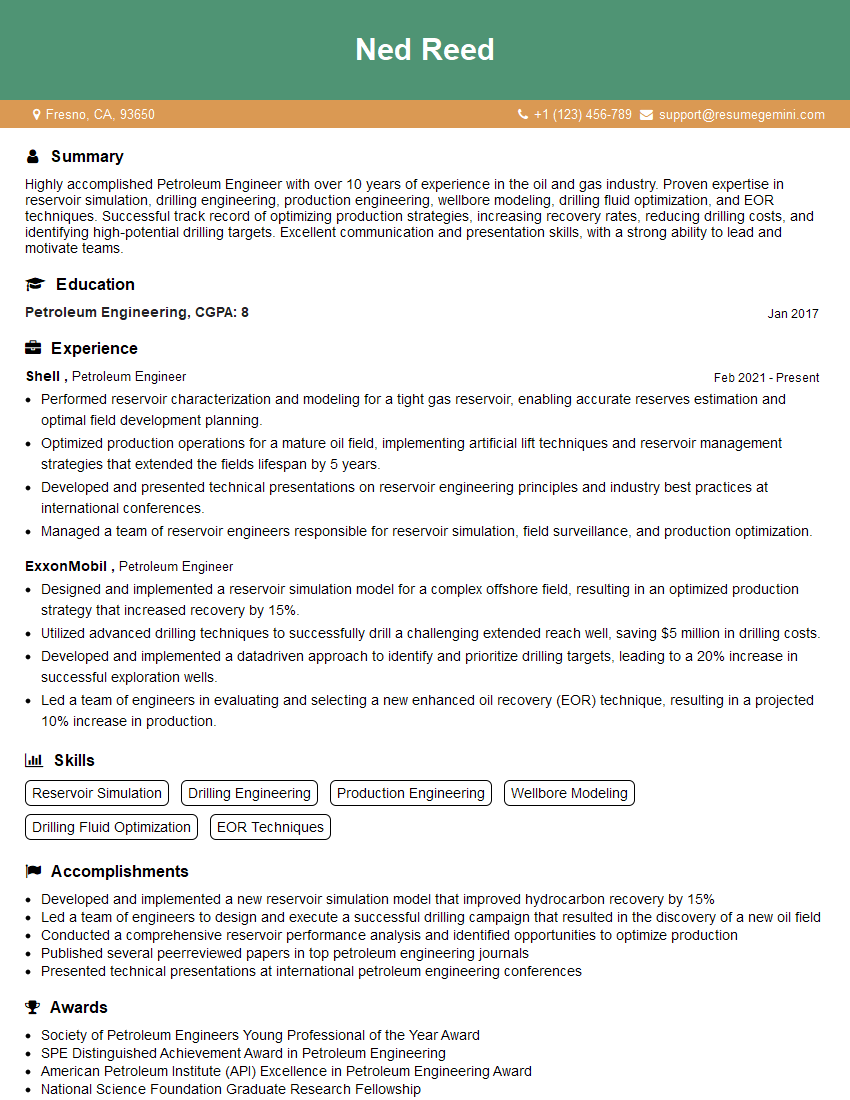
Petroleum Engineer Resume Sample

Control Systems Engineer Resume Sample
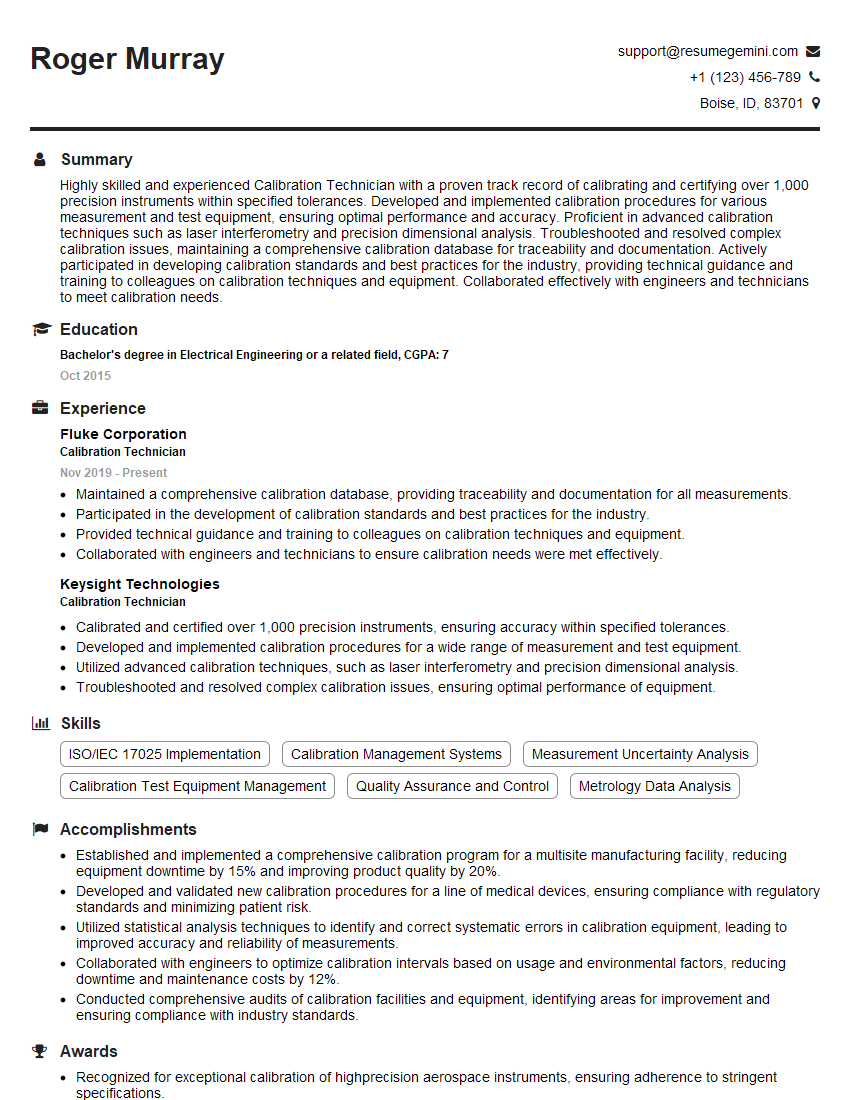
Calibration Technician Resume Sample
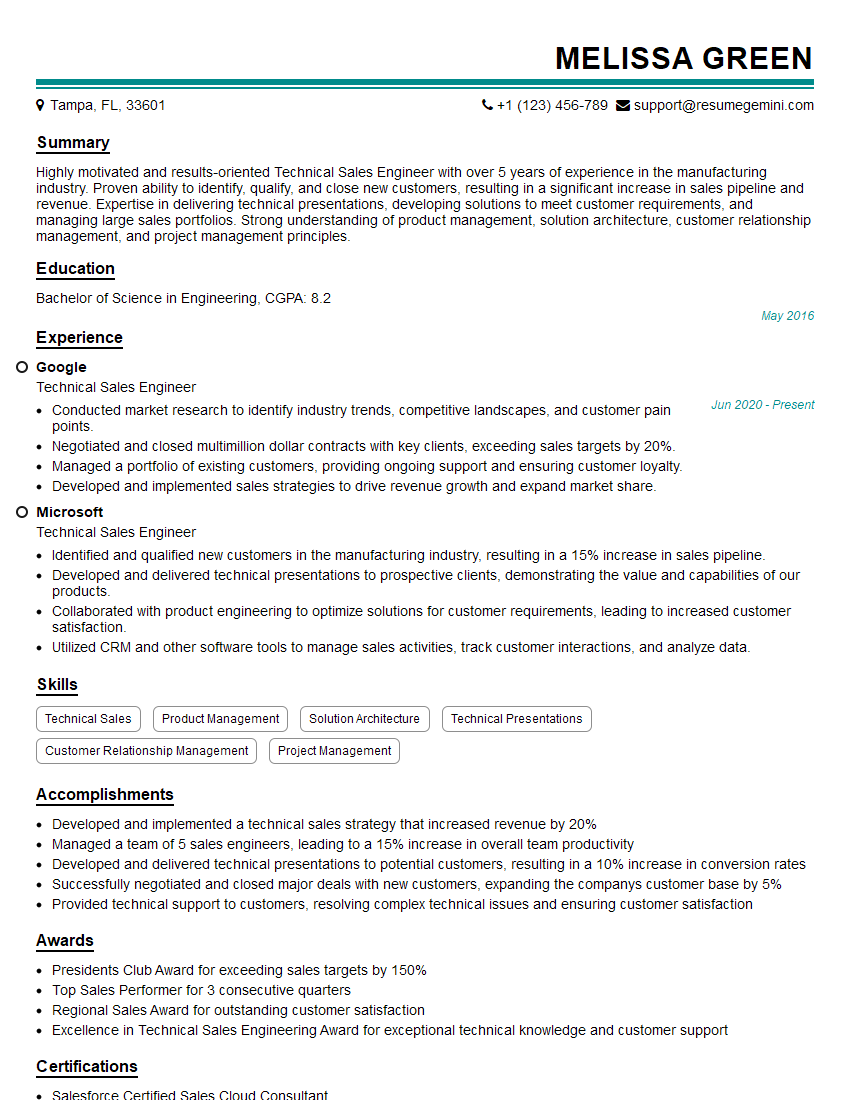
Technical Sales Engineer Resume Sample
Gas Engineer Resume Sample
- Principal Engineer
- Project Engineer
- Applications Engineer
- Process Engineer
- Research and Development Engineer
- Automation Engineer
- Field Service Engineer
- Chemical Process Engineer
- Process Control Engineer
- Hydraulic Engineer
- Maintenance Engineer
- Instrumentation Engineer
- Manufacturing Engineer
- Quality Control Engineer
- Petroleum Engineer
- Control Systems Engineer
- Calibration Technician
- Technical Sales Engineer
- Gas Engineer
Explore more articles
Users Rating of Our Blogs
Share Your Experience
We value your feedback! Please rate our content and share your thoughts (optional).
What Readers Say About Our Blog
Very informative content, great job.
good