Are you ready to stand out in your next interview? Understanding and preparing for Aviation Business Management interview questions is a game-changer. In this blog, we’ve compiled key questions and expert advice to help you showcase your skills with confidence and precision. Let’s get started on your journey to acing the interview.
Questions Asked in Aviation Business Management Interview
Q 1. Explain the key performance indicators (KPIs) used in aviation business management.
Key Performance Indicators (KPIs) in aviation business management are crucial for monitoring efficiency, profitability, and safety. They provide a quantifiable measure of an airline’s or airport’s performance against predetermined targets. These KPIs can be broadly categorized into financial, operational, and safety metrics.
- Financial KPIs: These focus on the financial health of the organization. Examples include Revenue per Available Seat Mile (RASM), Cost per Available Seat Mile (CASM), Load Factor, Yield, and Net Profit Margin. A high RASM indicates strong revenue generation, while a low CASM shows operational efficiency. A high load factor demonstrates efficient capacity utilization.
- Operational KPIs: These measure the efficiency of day-to-day operations. Examples include On-Time Performance (OTP), Aircraft Turnaround Time (ATT), Baggage Handling Efficiency, and Passenger Handling Rate. High OTP improves customer satisfaction, while a shorter ATT maximizes aircraft utilization.
- Safety KPIs: These are paramount and track safety performance. Examples include Accident Rate, Incident Rate, and the number of safety audits passed. A low accident rate is the ultimate goal, indicating a strong safety culture and effective safety management systems.
For example, an airline might track its RASM and CASM to assess its profitability. If the RASM is increasing while the CASM is decreasing, it’s a strong indicator of healthy financial performance. Similarly, monitoring OTP helps identify areas for improvement in operational efficiency, leading to cost savings and enhanced customer satisfaction.
Q 2. Describe your experience with aviation regulatory compliance (e.g., FAA, EASA).
My experience with aviation regulatory compliance encompasses both the Federal Aviation Administration (FAA) in the United States and the European Union Aviation Safety Agency (EASA). I’ve been involved in ensuring compliance with regulations related to aircraft maintenance, flight operations, crew training, and safety management systems (SMS).
For example, I’ve worked on projects involving the implementation of EASA Part-M for aircraft maintenance, which requires meticulous record-keeping and adherence to strict maintenance schedules. This involved collaborating with maintenance engineers, regulatory bodies, and internal audit teams to ensure full compliance. With the FAA, my experience includes navigating the complexities of Part 121 regulations concerning air carrier operations, including crew scheduling, flight planning, and operational control. This involved regular interaction with FAA inspectors and the development of robust compliance programs.
I understand the importance of proactive compliance – not just reacting to audits, but building a culture of safety and adherence into the everyday operations of an airline or airport. This includes staying updated with changes in regulations and proactively identifying potential compliance issues before they become major problems. Regulatory compliance isn’t just about avoiding penalties; it’s a cornerstone of ensuring operational safety and public trust.
Q 3. How would you manage a budget crisis in an airline?
Managing a budget crisis in an airline requires a swift and decisive response, focusing on both immediate cost-cutting measures and long-term strategic adjustments. A phased approach is crucial.
- Immediate Actions: This phase focuses on quick wins to stabilize cash flow. Examples include:
- Negotiating better deals with suppliers (fuel, maintenance, catering).
- Implementing temporary route reductions or frequency cuts on less profitable routes.
- Freezing non-essential hiring and capital expenditures.
- Reviewing and renegotiating lease agreements for aircraft and facilities.
- Medium-Term Strategies: This phase involves more strategic adjustments to optimize operations and enhance revenue. Examples include:
- Implementing yield management strategies to maximize revenue from existing capacity.
- Improving operational efficiency (fuel efficiency programs, improved aircraft turnaround times).
- Exploring potential partnerships or code-sharing agreements.
- Seeking additional financing if needed (e.g., bank loans, government support).
- Long-Term Solutions: This phase addresses the underlying causes of the budget crisis. Examples include:
- Reviewing the airline’s business model and identifying areas for improvement or diversification.
- Investing in technology and processes to improve efficiency and productivity.
- Developing a comprehensive financial forecasting model for better budget planning.
Throughout this process, open communication with employees, stakeholders, and regulatory bodies is vital to maintain transparency and confidence.
Q 4. What are the primary challenges faced by airport operations managers?
Airport operations managers face a unique set of challenges, many stemming from the dynamic nature of the aviation industry and the need to balance safety, efficiency, and customer satisfaction.
- Air Traffic Management: Coordinating the efficient flow of aircraft on the ground and in the air is a constant challenge, particularly during peak hours or inclement weather. Delays can have a ripple effect, impacting numerous flights and passengers.
- Security: Ensuring the safety and security of passengers, staff, and aircraft requires robust security protocols and constant vigilance against potential threats. This includes implementing and maintaining compliance with stringent security regulations.
- Infrastructure Maintenance: Airports require constant maintenance and upgrades to runways, taxiways, terminals, and other infrastructure. Managing these projects while ensuring minimal disruption to operations is crucial.
- Capacity Constraints: Airports often face capacity limitations, particularly during periods of high demand. Managing this requires careful planning and coordination with airlines and other stakeholders to optimize the use of existing resources.
- Customer Service: Providing a positive and efficient passenger experience is essential. This involves managing queues, providing information, addressing passenger complaints, and ensuring accessibility for all passengers.
Balancing these challenges requires strong leadership, effective communication, and collaboration among various stakeholders. A well-defined operational plan, proactive risk management, and continuous improvement are essential for successful airport operations.
Q 5. Discuss the impact of fuel prices on airline profitability.
Fuel prices have a significant impact on airline profitability, as fuel is typically one of the largest operating expenses for airlines. Even small fluctuations in fuel prices can significantly affect the bottom line.
When fuel prices rise, airlines face reduced profitability, leading to several strategies: they may adjust fares to offset the increased costs, although this can impact demand. They may look at fuel-efficient aircraft or routes to minimize fuel consumption. They may also explore fuel hedging strategies to protect against price volatility. Airlines may reduce flights on less profitable routes or implement cost-cutting measures elsewhere to compensate.
Conversely, when fuel prices fall, airline profitability improves, allowing for reinvestment in operations, expansion, or potential fare reductions to stimulate demand. However, airlines must be cautious not to become overly reliant on low fuel prices, as these are often temporary.
The relationship between fuel prices and profitability is complex, and effective fuel management strategies, including hedging and fleet optimization, are crucial for mitigating risk and maximizing profitability in a volatile market.
Q 6. How do you evaluate the efficiency of ground handling operations?
Evaluating the efficiency of ground handling operations requires a multifaceted approach, focusing on both qualitative and quantitative metrics.
- On-Time Performance: How consistently does ground handling meet its deadlines for tasks like baggage handling, aircraft turnaround, and catering? Delays in these areas can cascade into flight delays, impacting operational efficiency and customer satisfaction.
- Aircraft Turnaround Time: This metric measures the time it takes to prepare an aircraft for its next flight after landing. Faster turnaround times maximize aircraft utilization and operational efficiency.
- Cost per Operation: Analyzing the cost of providing ground handling services (per aircraft, per passenger, etc.) helps identify areas for cost optimization without compromising quality or safety.
- Safety Record: The number of incidents or accidents related to ground handling operations is a critical indicator of safety performance. A strong safety record is paramount.
- Customer Satisfaction: Feedback from airlines and passengers on the quality and efficiency of ground handling services provides valuable insights into areas for improvement.
By combining these metrics, airport managers can gain a holistic view of ground handling efficiency. Regular performance monitoring, benchmarking against industry standards, and continuous improvement initiatives are crucial for maintaining optimal efficiency.
Q 7. Explain your understanding of aviation safety management systems (SMS).
Aviation Safety Management Systems (SMS) are proactive, systematic approaches to managing safety risks within aviation organizations. They aim to move beyond simply reacting to accidents and incidents to a more proactive, preventative approach. SMS is built on four pillars:
- Safety Policy: A formal statement outlining the organization’s commitment to safety and the resources dedicated to achieving safety goals.
- Safety Risk Management: A systematic process for identifying, analyzing, and mitigating safety hazards. This includes hazard identification through various methods like safety audits, incident reporting, and proactive risk assessments.
- Safety Assurance: Processes to monitor the effectiveness of the SMS and to ensure that safety performance is consistently meeting expectations. This involves regular safety performance reviews, internal audits, and the use of key safety performance indicators (KPIs).
- Safety Promotion: Creating a strong safety culture where reporting of safety concerns is encouraged without fear of reprisal. This includes training, communication, and fostering a collaborative environment where everyone feels empowered to contribute to safety.
Implementing a successful SMS requires leadership commitment, effective communication, and the active participation of all employees. Regular training, effective reporting mechanisms, and a robust system for investigating safety events are essential for its success. The goal is not just to prevent accidents but to create a resilient safety culture that fosters continuous improvement.
Q 8. Describe your experience with revenue management strategies in the aviation industry.
Revenue management in aviation is all about optimizing the pricing and availability of seats to maximize profitability. It’s a dynamic process that takes into account many factors, including demand forecasting, competitor analysis, and cost considerations. My experience involves implementing and refining various revenue management strategies, from yield management – focusing on maximizing revenue per available seat mile (RASM) – to more sophisticated approaches like network revenue management, which optimizes pricing across an entire route network.
For example, during peak travel seasons, we would employ techniques like dynamic pricing, adjusting fares based on real-time demand. This involved using forecasting models to predict passenger volume and then adjusting fares accordingly. Conversely, during low-demand periods, we’d utilize promotional fares or special offers to stimulate bookings and fill empty seats. We also used segmentation to identify different customer groups (business travelers vs. leisure travelers) and tailor our pricing strategies accordingly, offering higher fares to those less price-sensitive. This also involved strategic inventory control, setting aside seats for higher-fare passengers while ensuring enough seats were available for lower fares to maintain occupancy levels.
Beyond pricing, my experience also encompasses capacity management, deciding how many seats to offer at different price points, and overbooking strategies to mitigate the impact of no-shows.
Q 9. How would you handle a conflict between different departments within an airline?
Conflict resolution within an airline is crucial for operational efficiency and employee morale. My approach begins with fostering open communication and collaboration. I believe in actively listening to all parties involved, understanding their perspectives, and identifying the root cause of the conflict. I avoid taking sides and focus on finding a solution that benefits the overall organization.
For instance, I once had a disagreement between the ground handling team and the flight operations team regarding baggage handling procedures. Both teams had valid points about safety protocols and efficiency. Instead of dictating a solution, I facilitated a meeting where both teams could present their concerns. We worked collaboratively to develop a revised procedure that addressed the safety concerns of flight operations while maintaining the efficiency goals of the ground handling team. This involved compromise, careful consideration of everyone’s input, and the establishment of clear responsibilities. The solution involved creating a new checklist, implementing enhanced training, and establishing a clear escalation path for future issues.
The key is to focus on shared goals and find common ground. Formal mediation may be necessary in more serious situations, but a collaborative, communicative approach often proves most effective.
Q 10. What are the current trends in aviation technology and their impact on business operations?
The aviation industry is undergoing a rapid transformation driven by technological advancements. Some key trends include:
- Big Data Analytics: Airlines are increasingly leveraging data analytics to improve operational efficiency, personalize customer experiences, and optimize revenue management. This involves analyzing massive datasets from various sources to identify patterns, predict demand, and improve decision-making.
- Artificial Intelligence (AI) and Machine Learning (ML): AI and ML are being integrated into various aspects of aviation, from predictive maintenance to automated check-in and baggage handling. This can lead to significant cost savings and improved efficiency.
- Automation: Automation is streamlining processes across the entire aviation ecosystem, from flight planning and air traffic management to ground handling and maintenance. This increases efficiency and reduces human error.
- Sustainable Aviation Fuels (SAF): The industry is increasingly focusing on reducing its carbon footprint through the use of SAFs. This is crucial for environmental sustainability and regulatory compliance.
These trends impact business operations by improving efficiency, enhancing safety, personalizing the customer experience, and reducing costs. For example, predictive maintenance, using AI to anticipate potential aircraft failures, minimizes downtime and maintenance costs. Personalized customer experiences, using big data to tailor offers to individual travelers, increase customer loyalty and revenue.
Q 11. How would you improve passenger satisfaction at an airport?
Improving passenger satisfaction at an airport is a multifaceted challenge that involves focusing on various aspects of the passenger journey. A holistic approach is key.
- Improved Wayfinding and Signage: Clear and intuitive signage is crucial for efficient navigation. This includes using easily understandable maps and digital wayfinding tools.
- Enhanced Amenities and Services: Providing comfortable seating areas, convenient charging stations, free Wi-Fi, and diverse food and beverage options significantly improves the passenger experience.
- Streamlined Security Procedures: Efficient security checkpoints, with clear communication and minimal wait times, are essential for a smooth passenger flow. This also includes implementing advanced technologies like automated screening systems.
- Proactive Communication: Regularly communicating flight status updates, delays, and disruptions can reduce passenger stress and frustration. This could involve using mobile apps, digital screens, and email updates.
- Staff Training and Customer Service: Well-trained and courteous airport staff are critical. This means focusing on empathy and problem-solving skills in staff training.
For example, implementing a real-time flight tracking system on airport screens and mobile apps can proactively inform passengers about flight delays, reducing anxiety and giving them time to make alternative plans. Similarly, improving the accessibility of amenities for passengers with disabilities enhances inclusivity and satisfaction.
Q 12. Describe your experience with aircraft maintenance scheduling and planning.
Aircraft maintenance scheduling and planning are critical for ensuring operational safety and minimizing aircraft downtime. My experience involves utilizing sophisticated computer-aided maintenance management (CAMM) systems to optimize maintenance schedules, track aircraft components, and manage maintenance resources. This includes integrating data from various sources – flight logs, maintenance records, and component lifecycles – to predict potential maintenance needs and plan accordingly.
One example is using predictive maintenance techniques. We analyze data from sensors embedded within aircraft engines to identify potential issues before they become major problems. This allows for proactive maintenance, preventing costly unscheduled downtime and ensuring the safety of the aircraft. We also use sophisticated scheduling algorithms to optimize maintenance tasks, considering factors such as aircraft availability, technician availability, and the urgency of maintenance needs. This ensures that aircraft are maintained efficiently, minimizing disruptions to flight schedules.
Effective communication with engineers, technicians, and pilots is essential in this process, ensuring everyone is informed and works collaboratively to avoid delays.
Q 13. How do you assess the risks associated with new aviation projects?
Assessing risks associated with new aviation projects requires a systematic and thorough approach. I use a combination of qualitative and quantitative risk assessment techniques, employing frameworks like Failure Mode and Effects Analysis (FMEA) and risk matrices.
FMEA helps identify potential failure modes in a system and assess their severity, likelihood, and detectability. This allows us to prioritize risks and implement mitigation strategies. Risk matrices, using a combination of probability and impact, help visualize and rank various risks. For example, in assessing the risks associated with introducing a new route, we would analyze factors like market demand, competitive landscape, regulatory hurdles, and potential operational challenges. For each factor, we would estimate the probability and potential impact, then assign a risk score.
Beyond these methods, conducting thorough market research, engaging with subject matter experts, and carrying out scenario planning are all vital parts of the risk assessment process. The goal is to identify potential problems early on and develop strategies to mitigate them, thereby reducing the likelihood of project failure and safeguarding investments.
Q 14. What is your experience with negotiating contracts with suppliers in the aviation industry?
Negotiating contracts with suppliers in the aviation industry requires a deep understanding of the industry, technical specifications, and legal frameworks. My approach involves thorough preparation, building strong relationships, and a collaborative negotiation style. I prioritize long-term partnerships over short-term gains.
Before entering any negotiation, I conduct detailed market research to understand competitive pricing and terms. I clearly define our requirements, including technical specifications, quality standards, and delivery schedules. During the negotiation, I focus on building a collaborative relationship with the supplier, emphasizing mutual benefit and transparency. I actively listen to their concerns and try to find mutually acceptable solutions. I’m also familiar with various contract types, including fixed-price, cost-plus, and time-and-materials contracts, and I choose the most appropriate type based on the project’s characteristics.
For example, when negotiating a contract for aircraft maintenance services, I would carefully review the supplier’s experience, safety record, and certifications. I would also ensure that the contract includes clear performance metrics, payment terms, and dispute resolution mechanisms. The goal is to establish a clear and legally sound agreement that protects our interests while fostering a positive and productive relationship with the supplier.
Q 15. Explain your understanding of airline network planning and optimization.
Airline network planning and optimization is the art and science of designing a profitable and efficient route structure. It involves analyzing factors like passenger demand, operating costs, competition, and aircraft availability to determine which routes to fly, how often, and with what type of aircraft. Think of it like building a spiderweb connecting cities, each thread representing a flight route, carefully balanced to maximize revenue while minimizing expenses.
Optimization techniques often employ sophisticated algorithms and data analytics. We use tools that predict passenger demand based on historical data, seasonality, and even macroeconomic factors. For example, we might see a surge in travel to a particular destination during a major sporting event. These tools then help us determine the optimal aircraft type and flight frequency to meet this demand while ensuring sufficient capacity and avoiding overspending.
- Route Selection: Analyzing market demand and competition to identify profitable routes.
- Frequency Optimization: Determining the optimal number of flights per day/week on each route based on demand and cost considerations.
- Aircraft Assignment: Selecting the appropriate aircraft type for each route based on passenger capacity, range, and operating costs. A smaller, more fuel-efficient plane might be ideal for shorter hops, while a larger wide-body aircraft is needed for long-haul international flights.
- Network Connectivity: Designing the network to ensure convenient connections between different routes for passengers, creating a robust and efficient hub-and-spoke system, for instance.
Effective network planning leads to higher load factors (percentage of seats filled), lower operating costs, and increased profitability. A poorly planned network can lead to empty seats, high operating costs, and ultimately, financial losses. Imagine an airline flying a large jet to a small town with low passenger demand – a recipe for disaster!
Career Expert Tips:
- Ace those interviews! Prepare effectively by reviewing the Top 50 Most Common Interview Questions on ResumeGemini.
- Navigate your job search with confidence! Explore a wide range of Career Tips on ResumeGemini. Learn about common challenges and recommendations to overcome them.
- Craft the perfect resume! Master the Art of Resume Writing with ResumeGemini’s guide. Showcase your unique qualifications and achievements effectively.
- Don’t miss out on holiday savings! Build your dream resume with ResumeGemini’s ATS optimized templates.
Q 16. How would you manage a major disruption (e.g., weather event) to airport operations?
Managing a major disruption like a severe weather event requires a swift and coordinated response. My approach would involve a multi-pronged strategy focused on passenger safety, operational efficiency, and effective communication. Imagine a blizzard grounding flights at a major airport; this is where precision planning pays off.
- Immediate Response: Activating our emergency response plan, which includes a dedicated crisis management team. This team would coordinate with airport authorities, air traffic control, and other stakeholders to assess the situation and implement contingency plans.
- Passenger Communication: Proactively informing affected passengers through various channels (SMS, email, app notifications) about flight cancellations, delays, and alternative arrangements. Transparency and empathy are crucial during these stressful times. We’d offer hotel accommodations, meal vouchers, and rebooking options wherever possible.
- Operational Adjustments: Diverting flights to nearby airports if safe, ground-holding aircraft to avoid congestion, and optimizing ground handling procedures for efficiency. This may involve prioritizing flights based on passenger needs, such as medical emergencies.
- Resource Allocation: Allocating additional ground crews, customer service agents, and maintenance personnel to handle the increased workload and passenger needs.
- Post-Disruption Analysis: After the event subsides, a thorough review of our response, identifying areas for improvement in our emergency procedures and contingency plans. This ensures that we learn from each disruption and improve our preparedness for future events.
The key is proactive communication, decisive action, and a focus on passenger well-being. A well-executed response during a disruption can significantly mitigate negative impacts and maintain passenger trust.
Q 17. Describe your experience with aviation security protocols and procedures.
My experience with aviation security protocols and procedures is extensive. I’ve worked with various international aviation security regulations, including those dictated by the International Civil Aviation Organization (ICAO) and national bodies like the TSA (in the US). Understanding and implementing these protocols is not just a compliance matter, it’s crucial for passenger and crew safety and national security.
My experience encompasses:
- Security Risk Management: Developing and implementing security risk assessments to identify vulnerabilities and implement mitigating measures. This includes regular vulnerability assessments and security audits.
- Security Training Programs: Designing and delivering comprehensive security awareness training programs for staff, covering topics such as threat identification, response procedures, and baggage screening techniques.
- Passenger Screening: Overseeing the implementation of passenger screening procedures in accordance with TSA or equivalent regulations. This includes thorough understanding and adherence to guidelines and technologies used for passenger and baggage screening.
- Cargo Security: Managing cargo security procedures, ensuring compliance with regulations concerning the handling and screening of air cargo. This includes working with security staff and freight handling companies.
- Cybersecurity: Increasingly crucial is understanding the cybersecurity risks associated with aviation operations, protecting sensitive data and systems from cyber threats. This includes working with IT departments to implement robust cybersecurity protocols.
Maintaining a vigilant security posture requires constant vigilance and adaptation, as threats continuously evolve. Staying updated with the latest security information and technologies is paramount.
Q 18. How do you ensure the efficient use of resources in aviation operations?
Efficient resource use in aviation is crucial for profitability and sustainability. It’s about optimizing everything from fuel consumption to staff scheduling. Consider it as running a highly complex machine where every part must work in perfect harmony.
- Fuel Efficiency: Implementing fuel-saving techniques, such as optimized flight paths, reduced taxi times, and using lighter aircraft. Technological advancements like lighter composite materials in aircraft manufacturing also contribute.
- Aircraft Maintenance: Implementing predictive maintenance strategies using data analytics to anticipate potential issues and schedule maintenance proactively, minimizing downtime and maximizing aircraft availability.
- Crew Scheduling: Optimizing crew scheduling algorithms to ensure efficient utilization of flight crew and cabin crew, reducing labor costs and avoiding fatigue-related issues.
- Ground Handling: Streamlining ground handling procedures to reduce turnaround times (the time it takes to prepare an aircraft for the next flight), minimizing the time spent on the ground and maximizing aircraft utilization.
- Inventory Management: Optimizing inventory management of spare parts and consumables to minimize storage costs and ensure timely availability.
Efficient resource utilization is not just about saving money; it contributes to environmental sustainability by reducing fuel consumption and waste. Every improvement in efficiency translates to environmental and financial benefits.
Q 19. Discuss the importance of sustainability in the aviation industry.
Sustainability is no longer optional in the aviation industry; it’s a necessity. The sector’s significant carbon footprint makes it a major contributor to climate change, creating both a moral and business imperative to address its impact.
Key sustainability initiatives include:
- Reducing Carbon Emissions: Investing in fuel-efficient aircraft, exploring alternative fuels (Sustainable Aviation Fuels – SAFs), and implementing operational improvements to reduce fuel burn.
- Improving Operational Efficiency: Optimizing flight routes, reducing taxiing times, and adopting advanced air traffic management systems to minimize fuel consumption and emissions.
- Investing in Technology: Researching and developing new technologies, such as electric and hydrogen-powered aircraft, to reduce reliance on fossil fuels.
- Carbon Offsetting: Investing in carbon offsetting programs to compensate for unavoidable emissions through projects that reduce greenhouse gas emissions elsewhere.
- Sustainable Ground Operations: Adopting sustainable ground handling practices, such as using electric ground support equipment and reducing waste generation at airports.
Sustainability is not just an environmental concern; it also influences corporate social responsibility and brand image. Passengers are increasingly environmentally conscious and prefer to fly with airlines committed to sustainability. It’s a win-win: good for the planet, good for business.
Q 20. How would you improve the efficiency of cargo handling operations?
Improving cargo handling efficiency requires a holistic approach, focusing on technology, process optimization, and workforce management. Think of it as orchestrating a complex ballet of moving parts to ensure smooth and rapid cargo flow.
- Automation and Technology: Implementing automated systems for baggage handling, sorting, and tracking, reducing manual labor and improving speed and accuracy. This includes using automated guided vehicles (AGVs) and conveyor systems.
- Process Optimization: Streamlining cargo handling processes, reducing bottlenecks, and improving coordination between different stakeholders (airlines, ground handlers, customs). This could involve implementing lean methodologies.
- Real-time Tracking and Visibility: Utilizing real-time tracking systems to monitor cargo location and status, providing transparency to customers and improving efficiency in tracking and resolving delays.
- Data Analytics: Using data analytics to identify areas for improvement in cargo handling processes, such as identifying bottlenecks or delays.
- Workforce Training: Investing in training programs for cargo handling personnel to improve their skills and efficiency.
By integrating these improvements, airlines can significantly reduce handling times, improve on-time performance, and reduce costs, leading to enhanced customer satisfaction and profitability.
Q 21. What are your strategies for managing employee performance in an aviation setting?
Managing employee performance in aviation requires a different approach than other industries, largely due to the highly regulated and safety-critical nature of the work. It’s about fostering a culture of safety, professionalism, and continuous improvement.
- Clear Performance Expectations: Setting clear, measurable, achievable, relevant, and time-bound (SMART) goals for each employee, aligned with the overall objectives of the organization and emphasizing safety standards.
- Regular Performance Reviews: Conducting regular performance reviews to provide constructive feedback, identify areas for improvement, and recognize achievements. These reviews must be focused and fair.
- Training and Development: Providing ongoing training and development opportunities to enhance employees’ skills and knowledge, keeping them up-to-date with industry best practices and new technologies.
- Safety Culture: Fostering a strong safety culture where employees feel empowered to report safety concerns without fear of reprisal. Open communication and transparent incident reporting are crucial.
- Recognition and Rewards: Recognizing and rewarding high-performing employees to motivate and retain talent. This could involve financial incentives, promotions, or public acknowledgment.
- Conflict Resolution: Having clear processes for resolving workplace conflicts and grievances in a fair and timely manner.
In aviation, employee performance directly impacts safety and operational efficiency. Therefore, a robust performance management system is crucial for maintaining high standards and ensuring a safe and productive work environment.
Q 22. Explain your understanding of aviation insurance and risk mitigation.
Aviation insurance is crucial for mitigating the significant financial risks inherent in the aviation industry. It protects airlines, airports, manufacturers, and other stakeholders from various potential losses. Risk mitigation, in this context, involves proactively identifying, assessing, and controlling these risks to minimize their impact.
Think of it like car insurance – you pay a premium to be protected against accidents. In aviation, the potential losses are far greater, encompassing everything from aircraft damage and passenger liability to operational disruptions and even terrorism. Different types of insurance cover specific aspects, including:
- Hull insurance: Covers damage to the aircraft itself.
- Liability insurance: Protects against claims from passengers or third parties injured or affected by the airline’s operations.
- War risk insurance: Covers losses related to acts of war or terrorism.
- Passenger liability insurance: Covers claims arising from passenger injury or death.
Risk mitigation strategies go beyond simply purchasing insurance. They involve implementing robust safety protocols, employing rigorous maintenance schedules, conducting thorough risk assessments, and developing comprehensive emergency response plans. For example, a proactive risk mitigation strategy might include investing in advanced weather forecasting technology to reduce delays and cancellations caused by adverse weather conditions, or implementing stringent security measures to minimize the risk of terrorism.
Q 23. Describe your experience with developing and implementing aviation marketing strategies.
My experience in developing and implementing aviation marketing strategies spans several years and diverse projects. I’ve worked on campaigns targeting both business and leisure travelers, focusing on building brand awareness, driving sales, and enhancing customer loyalty. Successful strategies hinge on understanding the target audience’s needs and preferences, and leveraging data-driven insights.
For instance, I once spearheaded a campaign for a regional airline seeking to increase market share. We analyzed passenger data to identify underserved routes and demographics. This led to a targeted marketing campaign that featured competitive pricing, convenient schedules, and promotional offers tailored to the specific needs of our identified target audience. The result was a significant increase in bookings on those specific routes.
Another project involved developing a comprehensive digital marketing strategy for a major international airport. This included optimizing their website for search engines, managing their social media presence, and implementing targeted online advertising campaigns. We saw a considerable increase in website traffic and brand engagement.
In essence, my approach always begins with thorough market research, data analysis, and the creation of a well-defined marketing plan with measurable goals and key performance indicators (KPIs).
Q 24. How would you handle a public relations crisis involving an airline?
Handling a public relations crisis in the aviation industry requires a swift, decisive, and transparent response. Speed and honesty are paramount. My approach would follow a structured framework:
- Immediate Response Team Activation: Assemble a crisis management team with representatives from PR, legal, operations, and customer service.
- Damage Assessment: Quickly determine the extent of the damage, the number of people affected, and the potential impact on the airline’s reputation.
- Information Gathering: Gather all available facts, ensuring accuracy and avoiding speculation.
- Communication Strategy: Develop a clear and concise communication plan that addresses the situation honestly and empathetically. This should include press releases, social media updates, and direct communication with affected parties.
- Transparency and Accountability: Acknowledge mistakes, take responsibility, and offer sincere apologies where appropriate.
- Ongoing Monitoring and Evaluation: Continuously monitor public sentiment and adjust the communication strategy as needed.
For example, in a scenario involving a flight cancellation due to mechanical issues, open communication about the cause of the delay, proactive efforts to rebook passengers, and transparent updates on the situation would mitigate negative publicity. Avoiding blame-shifting and actively communicating solutions is key.
Q 25. What is your experience with financial modeling in the aviation industry?
I possess extensive experience in financial modeling within the aviation industry. My expertise includes developing comprehensive models for various purposes, from assessing the financial viability of new routes to evaluating aircraft acquisition strategies. I’m proficient in using software such as Excel and specialized aviation finance modeling tools.
For example, I recently developed a financial model to evaluate the feasibility of launching a new low-cost airline route. The model incorporated factors such as projected passenger demand, operating costs (fuel, maintenance, crew salaries), revenue projections, and potential risks. This enabled us to analyze various scenarios and make data-driven decisions about whether or not to proceed with the new route. The model also included sensitivity analyses to assess the impact of changes in key variables such as fuel prices and passenger demand.
Another project involved creating a model to assess the financial implications of different aircraft acquisition strategies, comparing leasing versus purchasing options. This involved projecting maintenance costs, depreciation, and residual values to determine the most cost-effective approach for the airline.
Q 26. Discuss your understanding of the different types of aviation financing.
Aviation financing is complex and diverse, involving various sources and structures tailored to specific needs. Key types include:
- Debt Financing: This involves borrowing money from lenders such as banks, leasing companies, or bondholders. Common forms include term loans, secured loans, and lines of credit.
- Equity Financing: This involves raising capital by selling ownership stakes in the company, typically through the issuance of stock.
- Leasing: Aircraft leasing is prevalent in the aviation industry, allowing airlines to access aircraft without the significant upfront capital investment associated with outright purchase. This can be operating leases (lessor handles maintenance) or finance leases (lessee takes on maintenance responsibilities).
- Project Finance: This is used for large-scale projects like airport construction or the acquisition of a significant fleet of aircraft. It involves securing financing from multiple sources based on the project’s cash flow.
- Government Subsidies and Incentives: Some governments offer subsidies and incentives to support the aviation industry, particularly in regions with strategic importance or economic development goals.
Choosing the appropriate financing method depends on factors like the airline’s financial position, the specific investment needs, market conditions, and regulatory requirements. Each option carries its own risks and rewards.
Q 27. How would you use data analytics to improve decision-making in aviation business management?
Data analytics plays a vital role in improving decision-making across all aspects of aviation business management. By leveraging data, airlines can optimize operations, enhance customer experiences, and boost profitability.
For example, predictive analytics can be used to forecast passenger demand, allowing airlines to optimize flight schedules and pricing strategies. Analyzing operational data (e.g., aircraft maintenance records, flight delays) can reveal areas for improvement in efficiency and reduce operational costs. Analyzing customer data (e.g., booking patterns, customer feedback) can help personalize marketing campaigns, improve customer service, and enhance the overall passenger experience.
Specifically, I would use data analytics to:
- Optimize flight scheduling: Analyze historical flight data and passenger demand forecasts to determine optimal flight frequencies and times.
- Improve maintenance scheduling: Employ predictive maintenance techniques based on aircraft sensor data to prevent costly breakdowns and ensure safety.
- Personalize customer service: Use customer data to tailor marketing campaigns and enhance customer interactions.
- Optimize pricing strategies: Analyze market demand and competitive pricing to maximize revenue.
- Reduce fuel consumption: Analyze flight data to optimize flight paths and reduce fuel burn.
The key is to have robust data collection systems, employ advanced analytical techniques, and integrate the insights into strategic decision-making processes.
Key Topics to Learn for Your Aviation Business Management Interview
Ace your interview by mastering these key areas of Aviation Business Management. Remember, understanding the “why” behind the concepts is just as important as knowing the “what.”
- Airline Operations & Management: Understand the complexities of airline scheduling, fleet management, and revenue management. Consider how different operational strategies impact profitability and customer satisfaction.
- Aviation Finance & Economics: Grasp key financial concepts like airline costing, budgeting, and financial analysis. Be prepared to discuss the impact of fuel prices, economic downturns, and government regulations on the industry.
- Airport Management & Operations: Familiarize yourself with airport infrastructure, passenger processing, air traffic control, and the challenges of managing a busy airport environment. Think about efficiency and safety improvements.
- Aviation Law & Regulation: Understand the legal framework governing aviation, including safety regulations, international air law, and contract negotiation. Be prepared to discuss the implications of various regulations.
- Strategic Planning & Decision-Making in Aviation: Explore the challenges of strategic planning within the dynamic aviation landscape. Consider how to analyze market trends, competition, and risk factors to make informed decisions.
- Marketing & Sales in the Aviation Industry: Understand the unique challenges and opportunities in marketing aviation services to diverse customer segments. Think about branding, pricing strategies, and customer relationship management.
- Human Resources Management in Aviation: Be familiar with the specific HR considerations within the aviation industry, including pilot recruitment, training, and labor relations.
- Sustainability and Environmental Impact in Aviation: Understand the growing importance of sustainability in the aviation sector and the strategies airlines and airports are employing to reduce their environmental footprint.
Next Steps: Launch Your Aviation Career
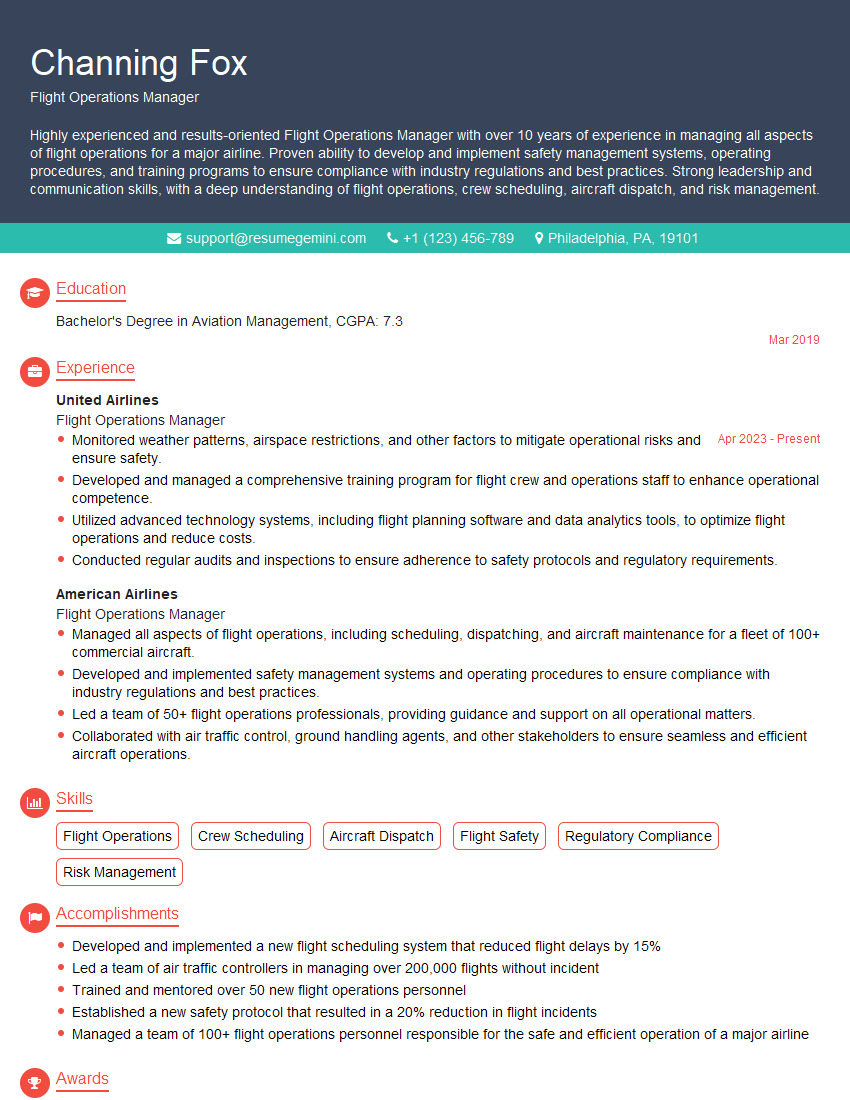
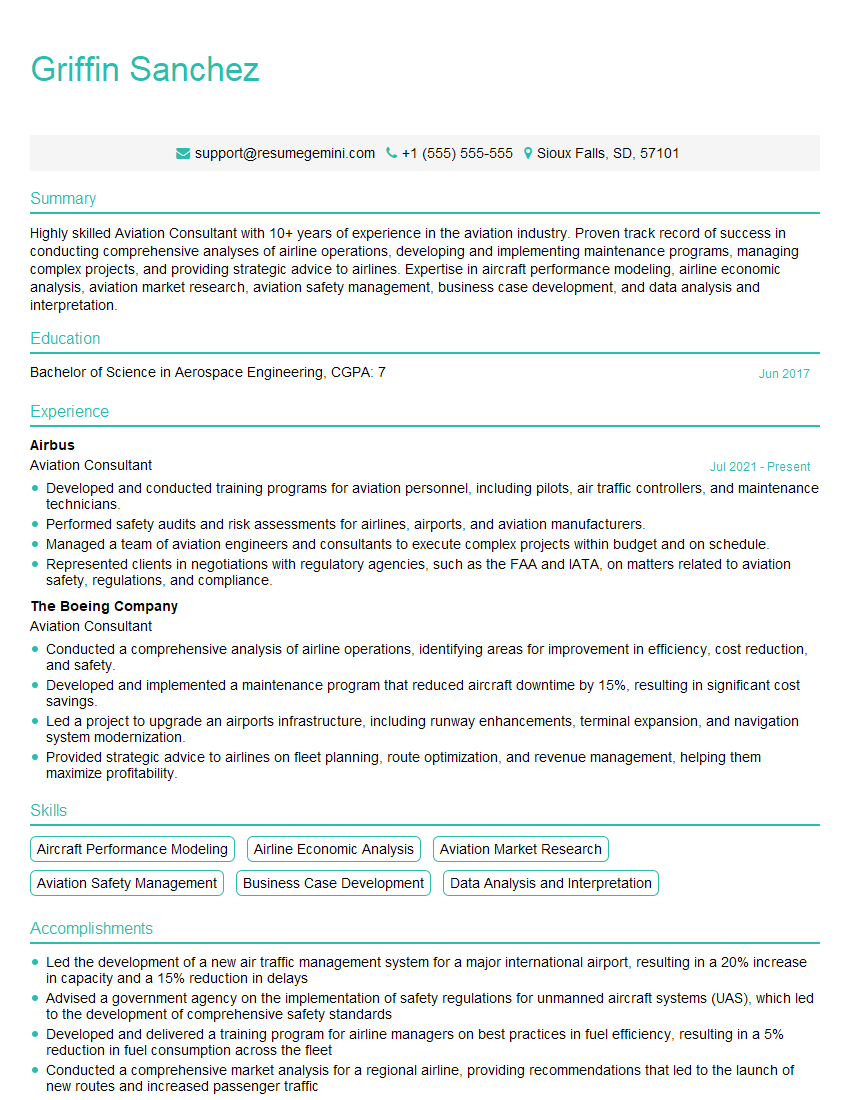
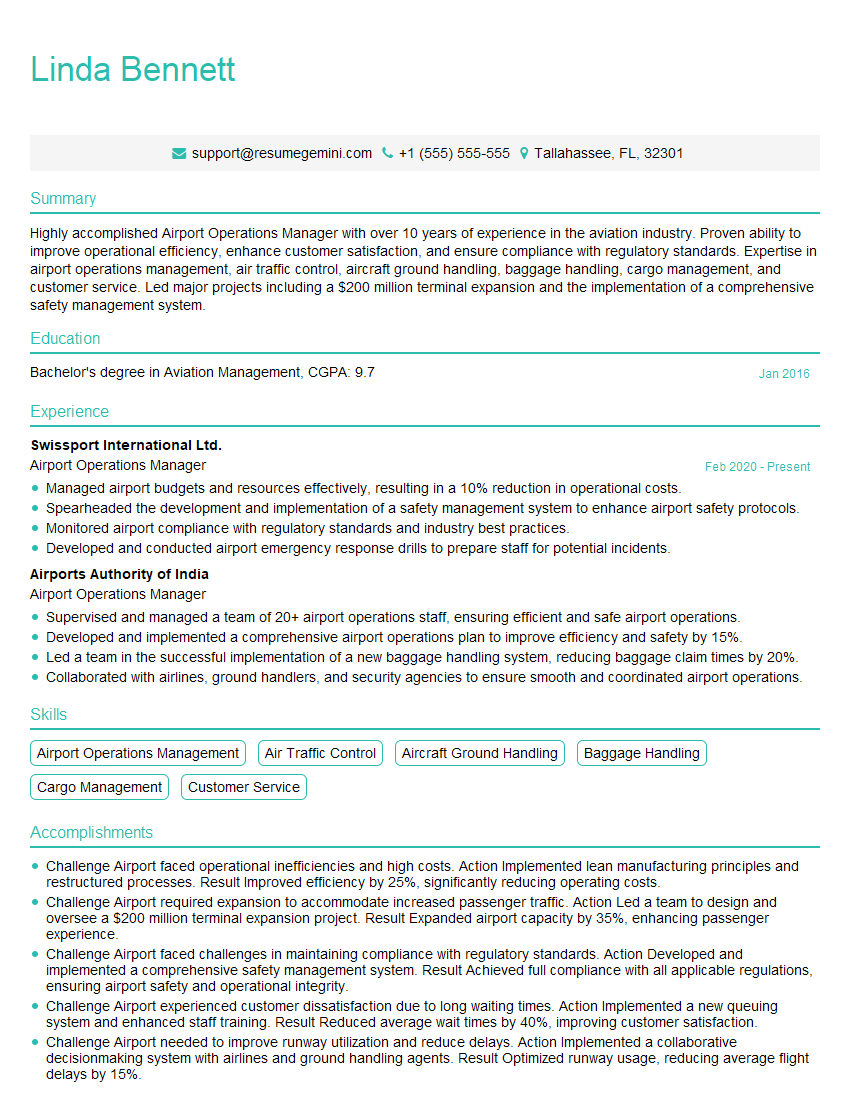
Mastering Aviation Business Management opens doors to exciting and rewarding careers. To maximize your job prospects, focus on building a strong, ATS-friendly resume that highlights your skills and experience. ResumeGemini is a trusted resource to help you craft a compelling resume that gets noticed. They offer examples of resumes tailored specifically to Aviation Business Management, giving you a head start in showcasing your qualifications. Take the next step towards your dream aviation career today!
Explore more articles
Users Rating of Our Blogs
Share Your Experience
We value your feedback! Please rate our content and share your thoughts (optional).
What Readers Say About Our Blog
Very informative content, great job.
good