The thought of an interview can be nerve-wracking, but the right preparation can make all the difference. Explore this comprehensive guide to Expertise in renewable energy system design interview questions and gain the confidence you need to showcase your abilities and secure the role.
Questions Asked in Expertise in renewable energy system design Interview
Q 1. Explain the difference between on-grid and off-grid renewable energy systems.
The core difference between on-grid and off-grid renewable energy systems lies in their connection to the main electricity grid. On-grid systems are connected to the utility grid, allowing excess energy generated to be fed back into the grid (net metering) and drawing power from the grid when renewable generation is insufficient. Think of it like having a backup power source; your solar panels primarily power your house, and the grid supplements when needed. Off-grid systems, on the other hand, operate independently of the grid. They typically include battery storage to provide power at night or during periods of low renewable energy generation. This is ideal for remote locations without grid access, like a cabin in the woods, or for ensuring complete energy independence.
- On-grid advantages: Lower initial cost, grid backup, net metering benefits.
- On-grid disadvantages: Dependence on grid stability, no power during outages.
- Off-grid advantages: Energy independence, power during grid outages.
- Off-grid disadvantages: Higher initial cost, need for battery storage, more complex system design.
Q 2. Describe your experience with different types of solar panels (monocrystalline, polycrystalline, thin-film).
My experience encompasses all three major types of solar panels: monocrystalline, polycrystalline, and thin-film. Monocrystalline silicon panels are known for their high efficiency (typically 18-22%) due to their single-crystal silicon structure. They are usually black and more expensive, but they offer higher power output per square foot, making them suitable for space-constrained projects. Polycrystalline silicon panels are slightly less efficient (around 15-17%) because they use multiple silicon crystals, resulting in a characteristic blue appearance. They are generally less expensive and a good balance between cost and performance. Finally, thin-film solar panels, such as amorphous silicon, cadmium telluride, or copper indium gallium selenide (CIGS), offer flexibility and can be integrated into various building materials. However, their efficiency is typically lower (8-13%), and they are more sensitive to temperature changes. In a recent project, we used monocrystalline panels for a rooftop installation due to their efficiency and the client’s preference for aesthetics, while in another project, we opted for polycrystalline panels for a larger ground-mounted system because of their better cost-effectiveness.
Q 3. What are the key considerations for sizing a solar PV system?
Sizing a solar PV system involves carefully considering several key factors. The most critical is the energy demand of the building or facility. This is determined by analyzing historical energy consumption data, identifying peak demand periods, and projecting future needs. Next, we consider the available solar irradiance at the location. This involves obtaining data on average daily solar radiation, considering factors like shading from trees or buildings, and accounting for seasonal variations. The system efficiency, including the efficiency of panels, inverters, and wiring, must be factored in. Finally, the budget plays a significant role in selecting the appropriate system size. We utilize specialized software to simulate the performance of different system sizes and configurations under varying weather conditions, ensuring the system meets the energy demand while optimizing the return on investment. In one project, we optimized a system size to achieve net-zero energy consumption for a residential building by considering these factors along with predicted increases in electricity costs.
Q 4. How do you calculate the energy output of a wind turbine?
Calculating the energy output of a wind turbine is a complex process that takes many factors into consideration. The fundamental equation is based on the power coefficient (Cp), which represents the turbine’s efficiency in converting wind energy into mechanical energy. The equation is:
P = 0.5 * ρ * A * V³ * CpWhere:
Pis the power output in wattsρis the air density (kg/m³)Ais the swept area of the rotor blades (m²)Vis the wind speed (m/s)Cpis the power coefficient (dimensionless, typically between 0.35 and 0.55)
However, this is a simplified model. In reality, the actual energy output depends on the variability of wind speed over time, the turbine’s performance characteristics at different wind speeds, and operational losses. We typically use sophisticated wind resource assessment tools and turbine performance curves to estimate yearly energy production for a given location, accounting for the wind speed distribution and turbine efficiency across the entire operational range. These tools account for the probability of wind speeds at different levels and use this data with the power curve to estimate long-term energy generation
Q 5. Explain the concept of capacity factor for renewable energy sources.
The capacity factor for a renewable energy source represents the actual energy produced over a period compared to its maximum possible output if it operated at its rated capacity continuously. It’s expressed as a percentage and provides a measure of the energy generation’s consistency. For example, a solar PV system with a capacity factor of 20% means it generates only 20% of its maximum possible energy output annually due to factors such as nighttime, cloudy days, and seasonal variations in solar irradiance. Similarly, a wind turbine’s capacity factor is influenced by wind speed variability and periods of low wind speeds. A high capacity factor signifies consistent and reliable energy generation. For example, hydro is generally known for having a high capacity factor compared to solar and wind, largely due to its operational control and consistent resource supply. We use capacity factors when determining energy generation scenarios and designing energy storage systems; accurate estimates are vital for economic feasibility analysis and system design.
Q 6. Describe your experience with energy storage technologies (batteries, pumped hydro).
My experience with energy storage technologies includes both batteries and pumped hydro. Batteries, particularly lithium-ion batteries, are widely used for storing energy generated from intermittent renewable sources like solar and wind. We’ve worked on several projects integrating battery energy storage systems (BESS) to improve grid stability, reduce reliance on fossil fuel backup, and enable time-shifting of energy consumption. Choosing the right battery chemistry depends on factors such as cost, lifespan, energy density, power density, and safety requirements. Pumped hydro storage is a mature technology well-suited for large-scale energy storage. It involves pumping water uphill to a reservoir during periods of low energy demand and releasing it to generate electricity during peak demand. This technology offers long durations of storage but requires substantial land and water resources, making it suitable only for specific geographical locations. Recent projects have involved detailed simulations of BESS systems to determine optimal sizing and configurations, ensuring efficient operation and long-term reliability, while we assessed the feasibility of pumped hydro storage for a large-scale wind farm project. We took into account the geographic constraints of this technology.
Q 7. What are the environmental impacts of different renewable energy technologies?
The environmental impacts of renewable energy technologies vary significantly. Solar PV has minimal operational environmental impact, but manufacturing processes require energy and materials. Recycling panels is becoming increasingly important. Wind turbines can affect bird and bat populations, but advancements in blade design and siting strategies are mitigating this impact. Hydropower, while considered clean, can affect aquatic ecosystems, alter river flows, and release greenhouse gasses from reservoirs. Geothermal energy generally has lower environmental impacts compared to fossil fuels but can release gases and cause ground subsidence in some cases. Bioenergy, when sustainably sourced, can be carbon-neutral, but large-scale production can lead to deforestation and habitat loss. A life cycle assessment (LCA) is crucial for evaluating the environmental impacts of renewable energy technologies from resource extraction and manufacturing to operation and disposal, aiming to minimize negative consequences and promote sustainable development.
Q 8. How do you address intermittency issues with renewable energy sources?
Intermittency, the fluctuating nature of renewable energy sources like solar and wind, is a major challenge. Addressing it requires a multi-pronged approach focusing on energy storage, forecasting, and grid management.
Energy Storage: Batteries, pumped hydro storage, and compressed air energy storage (CAES) can store excess energy generated during peak production and release it when supply dips. Think of it like a water reservoir—collecting excess water during rainy seasons and releasing it during droughts. The choice of storage technology depends heavily on factors like project scale, cost, and geographic location.
Demand-Side Management (DSM): Techniques like smart grids and responsive loads can shift energy consumption to match intermittent generation. For example, incentivizing consumers to charge electric vehicles overnight when solar power is less expensive and abundant.
Forecasting: Advanced weather forecasting and energy production models help predict generation output, allowing grid operators to better anticipate supply fluctuations and manage the grid more effectively. These models incorporate historical data, weather patterns, and real-time sensor data to generate accurate predictions.
Grid Integration Strategies: This includes strategies such as diversifying renewable energy sources across different geographical locations to reduce the impact of localized intermittency. For instance, combining wind power from a coastal region with solar power from a sunny inland area can help to smooth out the overall energy supply.
Q 9. What are the key components of a microgrid?
A microgrid is a localized grid that can operate independently or be connected to a larger grid. Its key components include:
Distributed Generation (DG): Renewable energy sources like solar panels, wind turbines, or small-scale generators.
Loads: The energy consumers within the microgrid (homes, businesses, etc.).
Energy Storage: Batteries or other energy storage systems to manage intermittency and provide backup power.
Control System: A sophisticated system that monitors energy production and consumption, manages energy flow, and ensures grid stability. This is often aided by advanced sensors and algorithms.
Protection System: Circuit breakers, relays, and other protective devices to safeguard the microgrid from faults and overloads.
Point of Common Coupling (PCC): The connection point between the microgrid and the main grid, enabling the microgrid to operate in island mode (disconnected) or grid-connected mode.
Imagine a small island community powered by solar panels and batteries – that’s a microgrid in action. It can operate independently during grid outages, ensuring energy security and resilience.
Q 10. Explain your understanding of grid integration challenges for renewable energy.
Integrating renewable energy into existing grids presents several challenges. The primary issues stem from the intermittent nature of renewables and their variable output compared to traditional, dispatchable power sources like fossil fuels.
Voltage and Frequency Stability: Fluctuations in renewable energy generation can impact grid voltage and frequency, potentially leading to instability. Grid operators need sophisticated control systems to manage these fluctuations and maintain grid stability.
Power Quality: The inherent variability of renewable sources can introduce power quality issues like harmonics and voltage sags, potentially damaging sensitive equipment. Advanced power electronic devices, such as inverters, play a crucial role in mitigating these issues.
Transmission and Distribution Infrastructure: Existing grids may not be adequately designed to handle the large-scale integration of renewable energy sources. Upgrades to transmission lines, transformers, and other infrastructure may be necessary.
Ramp Rate Limitations: The rapid changes in renewable energy output can be difficult for the grid to accommodate, particularly during cloud cover for solar or sudden changes in wind speed. This requires careful planning and management of the grid to cope with these variations.
Intermittency and Predictability: The unpredictable nature of wind and solar energy requires advanced forecasting technologies and appropriate grid management strategies to ensure reliable electricity supply.
Q 11. Describe your experience with renewable energy modeling software (e.g., PVsyst, HOMER).
I have extensive experience using PVsyst and HOMER for renewable energy system design and analysis. PVsyst is excellent for detailed solar PV system simulations, allowing for precise estimations of energy production, considering factors such as solar irradiance, temperature, and shading. I’ve used it to optimize the design of numerous solar PV installations, ensuring maximum energy yield while minimizing costs.
HOMER, on the other hand, is a powerful tool for microgrid optimization and analysis. It allows for the comparison of different energy systems, considering various renewable sources, storage technologies, and conventional power sources. I’ve used HOMER to optimize the design of off-grid and hybrid microgrids, determining the optimal mix of energy resources to meet specific energy demands while minimizing lifecycle costs. For example, I utilized HOMER to compare a diesel-solar hybrid system with a battery storage system against a purely diesel based system for a remote village electrification project, and the results indicated significant cost and emissions reductions with the hybrid system. I can provide specific examples of projects where I have successfully used these tools upon request.
Q 12. How do you perform a site assessment for a renewable energy project?
A thorough site assessment is crucial for the success of any renewable energy project. It involves a multi-step process:
Resource Assessment: This involves measuring the available renewable resource (solar irradiance, wind speed, etc.) using on-site measurements and meteorological data. For solar, this includes analyzing shading from nearby buildings, trees, or terrain.
Environmental Impact Assessment: Evaluating the potential environmental effects of the project, including impact on wildlife, water resources, and landscape.
Grid Connection Study: Determining the feasibility and costs of connecting the renewable energy system to the existing power grid, including the required grid upgrades. This also involves understanding the grid codes and regulations that govern grid connections.
Land Use and Zoning Regulations: Assessing local land use and zoning regulations to ensure compliance and obtain necessary permits.
Infrastructure Assessment: Evaluating the availability and condition of existing infrastructure, such as roads and access to the site.
Economic Feasibility Analysis: Assessing the economic viability of the project, including capital costs, operating costs, and potential revenue streams.
For instance, during a recent project involving a wind farm, the site assessment revealed a crucial factor that wasn’t immediately apparent: the presence of migrating bird populations. We had to modify the project design to reduce the impact on these populations, demonstrating the importance of a comprehensive assessment.
Q 13. What are the economic factors to consider when designing a renewable energy system?
Economic factors are paramount in renewable energy system design. Key considerations include:
Capital Costs: The initial investment required for equipment, installation, and permitting.
Operating and Maintenance (O&M) Costs: Costs associated with the ongoing operation and maintenance of the system throughout its lifespan, including insurance.
Financing Options: Exploring different financing options, such as loans, grants, and tax incentives, to secure funding for the project. This heavily influences the overall financial model.
Energy Production and Revenue: Estimating the amount of energy produced by the system and the potential revenue from selling excess energy to the grid or through power purchase agreements (PPAs).
Incentives and Subsidies: Investigating the availability of government incentives, subsidies, and tax credits that can reduce the overall project cost.
Levelized Cost of Energy (LCOE): A critical metric that calculates the average cost of producing energy over the lifetime of the system. This facilitates comparison of different energy technologies, helping to make informed decisions.
A detailed financial model incorporating all these factors is necessary to assess the economic viability of a project. This might involve using software such as spreadsheets or specialized financial modeling tools for renewable energy projects.
Q 14. Explain your experience with different types of inverters.
Inverters are essential components of renewable energy systems, converting the DC (direct current) electricity produced by solar panels or wind turbines into AC (alternating current) electricity suitable for use in homes and businesses. I have experience with various types, including:
String Inverters: Connect multiple solar panels in series (a string) and convert the combined DC output to AC. Cost-effective but can be affected by shading on a single panel within the string.
Microinverters: Convert the DC output of each individual solar panel to AC. Offer better performance in partially shaded conditions and improved monitoring capabilities of individual panel performance. However, they are generally more expensive.
Power Optimizers: These devices are placed between the solar panel and the inverter. They maximize the energy output of each panel by adjusting the voltage and current to compensate for shading or other performance limitations. They combine the advantages of string inverters and microinverters.
Central Inverters: Used in large-scale solar power plants, they convert the DC output from numerous strings of solar panels into AC electricity. These are usually more efficient but require more stringent safety measures and expertise during commissioning.
The choice of inverter type depends on factors like system size, budget, site conditions, and performance requirements. I always consider the efficiency, reliability, and safety aspects when selecting inverters for a project.
Q 15. Describe the process of commissioning a renewable energy system.
Commissioning a renewable energy system is a crucial process ensuring it operates as designed and meets safety standards. It’s like a final health check before a patient leaves the hospital. It involves several key stages:
- Pre-commissioning: This involves verifying all equipment is delivered, inspecting for damage, and checking that all components are compatible and correctly installed according to the design specifications. We’d meticulously check wiring diagrams, confirm grounding, and test individual components before connecting them. Think of it as preparing the instruments before a surgery.
- System Integration and Testing: Here, we connect all components and perform a series of tests. For example, in a solar PV system, we’d check the voltage, current, and power output of individual panels and the entire array, ensuring they align with the expected performance. We simulate different operational scenarios to ensure smooth functioning.
- Performance Testing: This involves measuring the system’s actual performance against its predicted performance. This often entails monitoring the system for several days or weeks under various conditions to verify power output, efficiency, and overall system stability. We look for anomalies and correct any discrepancies.
- Documentation and Handover: Finally, we compile all the test results, operational manuals, and maintenance schedules into a comprehensive report. This detailed documentation is essential for future maintenance and troubleshooting. We then hand over the system to the owner, providing thorough training on operation and maintenance.
A successful commissioning process leads to optimized energy production, prolonged system lifespan, and reduced maintenance costs.
Career Expert Tips:
- Ace those interviews! Prepare effectively by reviewing the Top 50 Most Common Interview Questions on ResumeGemini.
- Navigate your job search with confidence! Explore a wide range of Career Tips on ResumeGemini. Learn about common challenges and recommendations to overcome them.
- Craft the perfect resume! Master the Art of Resume Writing with ResumeGemini’s guide. Showcase your unique qualifications and achievements effectively.
- Don’t miss out on holiday savings! Build your dream resume with ResumeGemini’s ATS optimized templates.
Q 16. How do you ensure the safety of a renewable energy system?
Ensuring the safety of a renewable energy system is paramount. It’s about protecting both people and the environment. My approach involves a multi-layered strategy:
- Design Safety: Right from the design phase, I incorporate safety measures such as protective relays, grounding systems, and appropriate cable sizing. For instance, in a wind turbine project, we’d specify safety features like emergency shutdown systems and lightning protection.
- Risk Assessment: A thorough risk assessment identifies potential hazards – electrical shocks, fire hazards, falling objects, etc. – and defines mitigation strategies. We might conduct simulations to analyze potential scenarios and identify weaknesses.
- Safety Equipment: Implementing appropriate safety equipment such as lockout/tagout systems, personal protective equipment (PPE), and arc flash protection is crucial. We’d specify appropriate PPE for every type of work undertaken, from helmets and high-visibility clothing to specialized equipment for working at heights.
- Regular Inspections and Maintenance: A preventive maintenance schedule helps identify potential issues before they become safety hazards. Regular inspections, documented meticulously, are key to ensuring the system’s long-term safety and reliability.
- Training and Awareness: We ensure personnel working on the system receive comprehensive training on safety protocols and emergency procedures. We always emphasize the importance of following safety regulations and reporting any anomalies.
Safety is not an add-on; it’s integrated into every stage of a renewable energy project, from planning to decommissioning.
Q 17. What are the different types of wind turbines and their characteristics?
Wind turbines come in different types, categorized primarily by their axis of rotation:
- Horizontal-axis wind turbines (HAWTs): These are the most common type, with the rotor shaft oriented horizontally. They are further classified by their design:
- Upwind HAWTs: The rotor is upwind of the tower, offering better aerodynamic efficiency but requiring more sophisticated yaw control.
- Downwind HAWTs: The rotor is downwind of the tower, simplifying the design but susceptible to tower shadowing which reduces efficiency.
- Vertical-axis wind turbines (VAWTs): The rotor shaft is oriented vertically. VAWTs are often touted for their ability to capture wind from any direction, eliminating the need for a complex yaw mechanism. However, they generally have lower efficiency than HAWTs and are more suited for specific applications.
The choice of turbine type depends on factors like wind resource characteristics, site conditions, and cost considerations. For example, HAWTs are typically preferred for large-scale wind farms due to their higher efficiency, while VAWTs might be more suitable for urban environments or smaller-scale applications.
Q 18. Explain your experience with different types of hydropower systems.
My experience encompasses various hydropower systems, each with its own characteristics and challenges:
- Run-of-river systems: These systems harness the energy from the natural flow of a river without creating a large reservoir. They are environmentally friendlier but have lower energy output compared to other types. I’ve worked on a project optimizing the energy capture of a run-of-river system by fine-tuning the turbine placement and efficiency.
- Reservoir systems: These use dams to create reservoirs, storing water and releasing it to generate electricity. They offer greater control over energy generation but can have significant environmental impacts, including habitat disruption and altered downstream flow regimes. I’ve been involved in the design and assessment of several reservoir systems, focusing on minimizing environmental impacts through careful site selection and mitigation measures.
- Pumped storage hydropower: This involves pumping water uphill to a reservoir during off-peak hours and releasing it to generate electricity during peak demand. This is a crucial system for grid stability. In one project, I was responsible for modeling the energy efficiency and optimizing the operation schedule of a pumped storage plant to maximize its overall contribution to grid reliability.
Each system requires careful consideration of environmental, economic, and social factors. My approach focuses on finding solutions that balance energy generation with sustainability.
Q 19. Describe your knowledge of permitting and regulatory requirements for renewable energy projects.
Navigating the permitting and regulatory landscape for renewable energy projects is a complex but essential aspect of the process. It varies significantly by location and project scale. My expertise involves understanding and complying with:
- Environmental Impact Assessments (EIAs): These are crucial for evaluating the potential environmental effects of a project and implementing mitigation strategies. I have extensive experience in conducting and managing EIAs, ensuring compliance with all relevant environmental regulations.
- Land Use Permits: Obtaining permits for land acquisition, construction, and operation is vital. This often involves navigating local zoning regulations, working with landowners, and ensuring compliance with all land use laws.
- Grid Connection Permits: Securing connection to the electricity grid involves working with the utility companies and demonstrating grid stability and compatibility. This includes understanding the technical requirements for grid connection and submitting the necessary applications.
- Federal and State Regulations: This includes adhering to regulations related to renewable energy incentives, tax credits, and other relevant financial policies. Staying up-to-date on these regulations is a critical part of the work.
Effective project planning and proactive engagement with regulatory bodies are key to successfully navigating the permitting process and avoiding delays. My approach emphasizes clear communication, meticulous documentation, and a deep understanding of the specific regulations relevant to each project.
Q 20. How do you manage risks associated with renewable energy projects?
Renewable energy projects face a variety of risks, including technical, financial, environmental, and regulatory risks. Managing these requires a proactive and multi-faceted approach:
- Risk Identification and Assessment: This initial step involves identifying potential risks through brainstorming sessions, review of previous projects, and industry best practices. We use qualitative and quantitative methods to assess the likelihood and potential impact of each identified risk.
- Risk Mitigation Strategies: Once risks are identified, we develop mitigation strategies to reduce their likelihood or impact. This might include using robust equipment, implementing redundancy systems, obtaining insurance, or hedging against price fluctuations.
- Risk Monitoring and Control: Ongoing monitoring of the project throughout its lifecycle is crucial for identifying emerging risks and adjusting mitigation strategies as needed. Regular progress reports and safety audits are vital here.
- Contingency Planning: Developing contingency plans for various scenarios (e.g., equipment failure, regulatory changes, financial shortfalls) helps the project withstand unexpected events. This includes establishing clear escalation protocols and communication channels.
A structured risk management process increases the likelihood of a successful project, reducing the chances of delays, cost overruns, and other negative outcomes. It’s about anticipating problems and having a plan to address them before they become major setbacks.
Q 21. What is your experience with different types of biomass energy systems?
My experience with biomass energy systems includes various technologies:
- Direct combustion: This involves burning biomass directly to generate heat or electricity. I’ve worked on projects optimizing the combustion process to improve efficiency and reduce emissions. Careful consideration of fuel characteristics and furnace design are essential.
- Gasification: This involves converting biomass into a combustible gas (syngas) that can be used for electricity generation or other applications. Gasification offers greater control over the combustion process and allows for cleaner energy production. I have experience designing and optimizing gasification systems to maximize syngas yield and quality.
- Anaerobic Digestion: This biological process breaks down organic matter in the absence of oxygen, producing biogas (primarily methane and carbon dioxide) which can be used to generate electricity or heat. I’ve worked on projects assessing the feasibility of using anaerobic digestion for agricultural waste and optimizing the process for increased biogas production.
Choosing the appropriate technology depends on factors like the type of biomass available, the scale of the project, and the desired energy output. My approach focuses on sustainable and environmentally responsible biomass utilization, ensuring the process minimizes environmental impacts and maximizes resource efficiency. For example, we carefully assess the sustainability of biomass sourcing to avoid deforestation or other negative ecological consequences.
Q 22. Explain your understanding of the concept of net metering.
Net metering is a billing mechanism that allows renewable energy system owners, like those with rooftop solar panels, to send excess electricity generated by their system back to the grid and receive credits on their utility bill. Think of it like a two-way meter – it measures both the electricity you consume from the grid and the electricity you feed back in.
Essentially, you’re only billed for the net amount of electricity you consume. For instance, if you generate 150 kWh of electricity in a month and consume 100 kWh, you’ll only be billed for the remaining 50 kWh. The 100 kWh you consumed is offset by the 100 kWh you generated. This incentivizes the adoption of renewable energy by reducing the financial barriers to entry for homeowners and businesses.
The specifics of net metering programs vary by location and utility company, with some offering a one-to-one credit (meaning each kWh exported gets a credit of 1 kWh) and others having different compensation rates. In some areas, net metering is facing challenges due to concerns about grid stability and cost allocation. However, it remains a crucial policy tool to support the widespread integration of renewable energy sources.
Q 23. Describe your experience with energy efficiency measures in renewable energy systems.
Energy efficiency is paramount in renewable energy system design. My experience includes optimizing system components to minimize energy losses and maximize overall efficiency. This encompasses several strategies:
- Careful Site Selection: Selecting locations with optimal solar irradiance or wind speeds drastically reduces the system size needed to generate the required power, enhancing efficiency from the outset.
- Component Optimization: Selecting high-efficiency solar panels, inverters, and wind turbines is critical. For example, using advanced multi-crystalline silicon solar panels with improved light absorption capabilities reduces energy losses and increases power output.
- Smart Energy Management: Implementing smart grids and advanced energy storage solutions like batteries allows for better management of energy flows, reducing reliance on grid power, and maximizing self-consumption. This reduces transmission losses and increases overall efficiency. I’ve worked on projects integrating smart inverters that prioritize self-consumption and minimize energy export to the grid.
- Minimizing Losses in Transmission & Distribution: Efficient wiring and cabling choices reduce resistive losses in the system, as do using transformers with lower losses. In geothermal systems, optimizing well design and piping drastically improves efficiency.
In one project, we integrated a battery storage system with a solar array. This system reduced reliance on grid power by nearly 70%, demonstrating a significant improvement in energy efficiency and a reduction in reliance on fossil fuel-based electricity.
Q 24. What are the challenges in integrating renewable energy into existing grids?
Integrating renewable energy sources into existing grids presents several significant challenges:
- Intermittency: Solar and wind power are inherently intermittent; their output fluctuates depending on weather conditions. This variability makes grid stability a concern, requiring sophisticated forecasting and grid management techniques to compensate for fluctuating energy supply.
- Grid Infrastructure Limitations: Older grids often lack the capacity to handle the influx of renewable energy. Upgrading transmission lines, substations, and other grid infrastructure to accommodate this increased capacity can be costly and time-consuming.
- Voltage and Frequency Regulation: The fluctuating nature of renewable energy sources can cause voltage and frequency deviations in the grid, requiring specialized control systems to maintain stability. This often involves the coordination of multiple renewable energy generators and traditional power plants.
- Geographic Distribution: Renewable energy resources are not uniformly distributed, often located far from population centers. This necessitates the construction of new transmission lines to transport the power to areas of high demand, adding complexity and cost.
- Land Use and Environmental Impacts: Large-scale renewable energy projects, such as solar farms and wind farms, may require significant land areas and can have environmental impacts on wildlife and ecosystems.
Addressing these challenges involves innovative solutions such as smart grids, advanced energy storage systems, grid-scale batteries, and improved forecasting techniques. Careful planning and coordination between utilities, renewable energy developers, and regulators are essential for successful integration.
Q 25. Explain your experience with different types of geothermal energy systems.
My experience with geothermal energy systems spans several types:
- Direct Use Geothermal Systems: These systems utilize geothermal heat directly for heating buildings, greenhouses, and aquaculture applications. I’ve worked on several projects designing and implementing these systems, focusing on efficient heat exchanger design and piping networks to minimize energy losses.
- Geothermal Heat Pumps (GHPs): GHPs use geothermal energy for heating and cooling buildings by circulating a fluid through underground pipes that act as a heat source or sink. My work has included the design and optimization of GHP systems, taking into account factors like ground thermal properties, pipe layout, and system sizing for maximum efficiency.
- Geothermal Power Plants: These plants utilize geothermal steam or hot water to generate electricity. I have been involved in the preliminary assessment of geothermal resource potential, well design, and power plant layout for several projects. This includes understanding the thermodynamic properties of the geothermal fluid and optimizing the power plant design for maximum efficiency and minimal environmental impact.
One particularly challenging project involved the design of a GHP system for a large university campus. We had to carefully consider the campus’s existing infrastructure and energy needs, while also optimizing the placement of boreholes to minimize environmental disturbance and maximize system efficiency.
Q 26. How do you perform life-cycle assessments for renewable energy systems?
Life-cycle assessments (LCAs) for renewable energy systems are crucial for evaluating their overall environmental impact, from material extraction to decommissioning. I follow a standardized approach:
- Goal and Scope Definition: Clearly define the system’s boundaries, functional unit (e.g., kWh generated), and impact categories to be assessed (e.g., greenhouse gas emissions, water use, land use).
- Inventory Analysis: Quantify all inputs and outputs of the system throughout its lifecycle, including energy consumption, material usage, emissions, and waste generation. Software tools like SimaPro or GaBi are often used for this stage.
- Impact Assessment: Evaluate the environmental impacts of the identified inputs and outputs using impact assessment methods such as midpoint or endpoint analysis. This stage determines the magnitude of various environmental impacts.
- Interpretation: Analyze and interpret the results to identify the hotspots of environmental impact and opportunities for improvement. This step involves identifying the main environmental burdens and informing design choices.
- Reporting: Document the LCA methodology, data, and results in a comprehensive report that adheres to ISO 14040/44 standards.
For example, in assessing a solar PV system’s LCA, we would consider the manufacturing process of solar panels, transportation, installation, operation, and disposal phases, quantifying each stage’s energy consumption and emissions. This helps determine the overall environmental footprint and inform decisions about material choices and system design to minimize its impact.
Q 27. What is your experience with project management methodologies in renewable energy projects?
My experience in project management within the renewable energy sector involves a blend of Agile and traditional methodologies. I’ve successfully applied approaches like:
- Agile (Scrum): In fast-paced projects with evolving requirements, Scrum’s iterative approach allows for flexibility and adaptability. This is especially helpful in smaller-scale projects or in the prototyping and testing stages of larger projects. Daily stand-ups, sprint reviews, and retrospectives ensure efficient collaboration and timely adaptation.
- Waterfall: For larger, more complex projects with clearly defined scopes and deliverables, a Waterfall approach can provide a structured framework. This methodology ensures each phase is completed thoroughly before moving on to the next. A well-defined project plan, including detailed timelines and resource allocation, is crucial.
- Critical Path Method (CPM): CPM helps identify the critical activities that directly affect the project’s overall duration. This allows for efficient resource allocation and risk management, minimizing delays.
- Earned Value Management (EVM): EVM helps track project progress against the planned budget and schedule, providing early warnings of potential cost overruns or schedule slips. This proactive approach enables timely corrective actions.
I always tailor the methodology to the project’s specific characteristics, ensuring optimal efficiency and successful project delivery. For instance, I might use Agile for initial system design and development, then transition to a more structured Waterfall approach for the installation and commissioning phases of a large-scale wind farm project.
Q 28. Describe your understanding of the future trends in renewable energy technology.
The future of renewable energy is dynamic and exciting, with several key trends emerging:
- Increased Energy Storage Capacity: Advancements in battery technology, including solid-state batteries and flow batteries, will enable more effective grid-scale energy storage, addressing the intermittency challenge of renewable sources.
- Smart Grid Technologies: Smart grids will optimize energy distribution, improve grid reliability and resilience, and allow for greater integration of distributed renewable energy generation. This includes sophisticated monitoring systems, advanced control algorithms, and intelligent energy management systems.
- Hydrogen Production: Green hydrogen, produced using renewable energy to electrolyze water, will play an increasingly important role as a clean energy carrier for transportation, industry, and energy storage.
- Offshore Wind Power: Offshore wind farms have the potential to generate vast amounts of clean energy, especially in regions with strong and consistent winds. Advancements in offshore wind turbine technology and floating platforms are driving this growth.
- Artificial Intelligence (AI) and Machine Learning (ML): AI and ML will improve renewable energy forecasting, optimize system performance, and enhance grid management.
- Improved Efficiency and Reduced Costs: Ongoing innovations in materials science and manufacturing processes are reducing the cost and increasing the efficiency of renewable energy technologies, making them increasingly competitive with fossil fuels.
These trends will lead to a more decentralized, resilient, and sustainable energy system, further accelerating the global transition to renewable energy sources.
Key Topics to Learn for Expertise in Renewable Energy System Design Interview
- Solar PV System Design: Understanding system sizing, component selection (panels, inverters, trackers), energy yield estimation, and grid interconnection requirements. Practical application: Designing a rooftop solar system for a residential building, considering shading and energy consumption patterns.
- Wind Turbine Technology: Familiarizing yourself with different turbine types (horizontal-axis, vertical-axis), wind resource assessment, power curve analysis, and the integration of wind turbines into power grids. Practical application: Evaluating the feasibility of a small-scale wind farm project, considering wind speed data and environmental impact.
- Energy Storage Systems: Knowledge of battery technologies (Lithium-ion, flow batteries), energy storage system design considerations (capacity, power rating, lifespan), and integration with renewable energy sources. Practical application: Designing a battery storage system to ensure grid stability and manage intermittent renewable energy output.
- Hydropower System Design: Understanding different hydropower technologies (run-of-river, impoundment), site selection criteria, environmental considerations, and system performance optimization. Practical application: Assessing the potential of a river for small-scale hydropower generation.
- Microgrids and Hybrid Systems: Knowledge of microgrid architecture, control strategies, and the integration of multiple renewable energy sources. Practical application: Designing a microgrid for a remote community, considering reliability and resilience.
- Grid Integration and Regulations: Understanding grid codes, interconnection procedures, and regulatory compliance for renewable energy systems. Practical application: Navigating the permitting process for a utility-scale solar farm.
- System Modeling and Simulation: Proficiency in using software tools (e.g., PVsyst, HOMER) for system design, performance analysis, and optimization. Practical application: Simulating the performance of a hybrid renewable energy system under various operating conditions.
- Economic Analysis and Life-Cycle Costing: Understanding the financial aspects of renewable energy projects, including capital costs, operational expenses, and return on investment. Practical application: Developing a financial model for a renewable energy project to demonstrate its profitability.
Next Steps
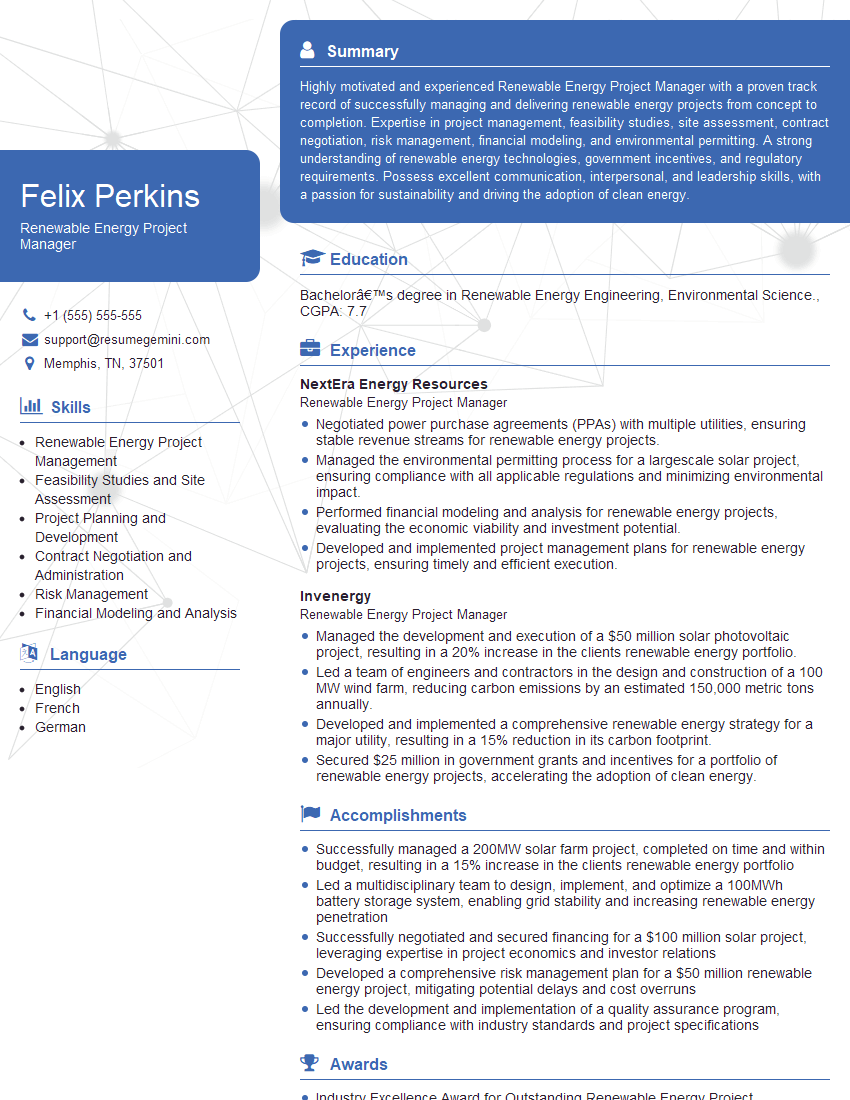
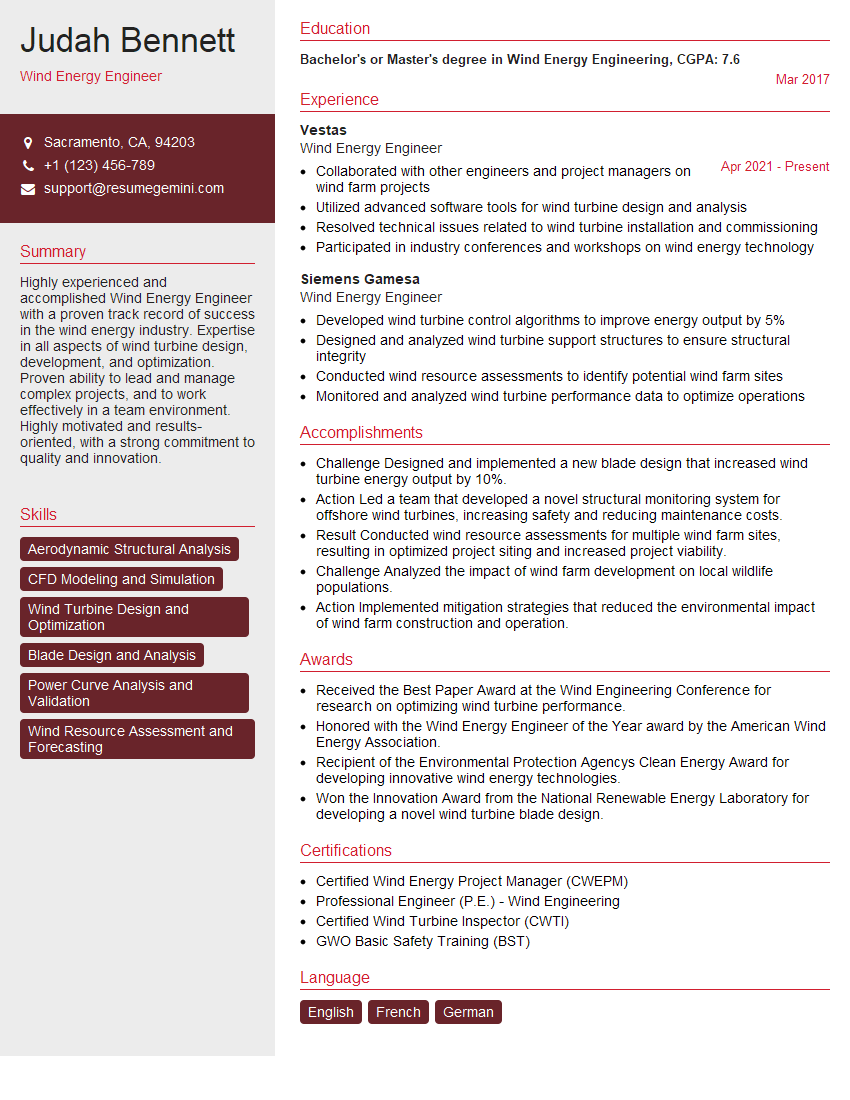
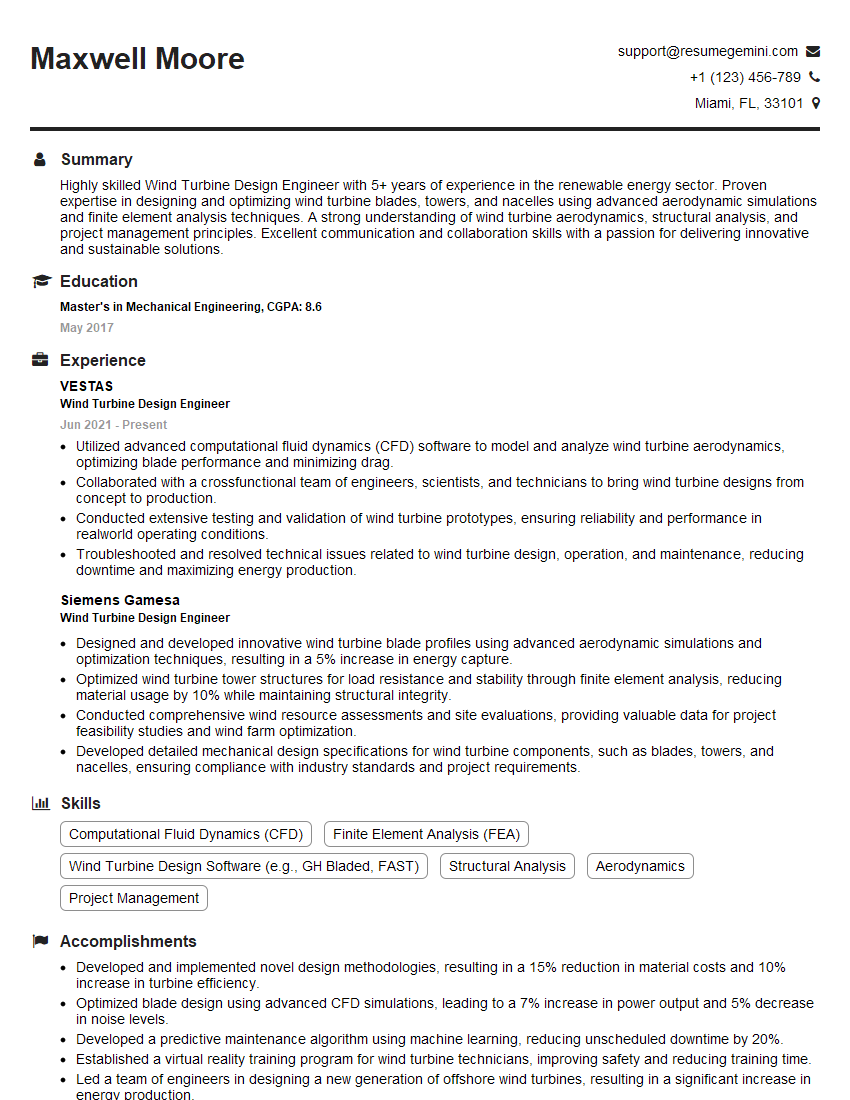
Mastering expertise in renewable energy system design opens doors to exciting and impactful careers, driving innovation in a crucial sector. A well-crafted resume is your key to unlocking these opportunities. An ATS-friendly resume ensures your application gets noticed by recruiters and hiring managers. To create a compelling and effective resume that showcases your skills and experience, we recommend using ResumeGemini. ResumeGemini provides a user-friendly platform and valuable resources to help you build a professional resume. Examples of resumes tailored to expertise in renewable energy system design are available to guide you through the process.
Explore more articles
Users Rating of Our Blogs
Share Your Experience
We value your feedback! Please rate our content and share your thoughts (optional).
What Readers Say About Our Blog
Very informative content, great job.
good