The right preparation can turn an interview into an opportunity to showcase your expertise. This guide to Teamwork and Collaboration with Game Officials interview questions is your ultimate resource, providing key insights and tips to help you ace your responses and stand out as a top candidate.
Questions Asked in Teamwork and Collaboration with Game Officials Interview
Q 1. Describe your experience working within a team of game officials.
My experience working with game officials spans over 15 years, encompassing various sports and levels of competition. I’ve worked in crews ranging from two officials to eight, including high school, collegiate, and professional levels. This has provided invaluable experience in understanding diverse personalities, communication styles, and officiating philosophies. My roles have included lead official, secondary official, and even mentoring new officials. The common thread throughout has been the absolute necessity for seamless teamwork to ensure fair and consistent game management.
For example, in a recent collegiate basketball game, I was part of a three-person crew where one official was significantly more experienced than myself and my colleague. I learned to leverage his expertise while contributing my own strengths, building a highly efficient and collaborative team dynamic.
Q 2. Explain your process for communicating effectively with fellow officials during a game.
Effective communication during a game is paramount. Our crew uses a combination of non-verbal cues (hand signals, head nods) and brief, precise verbal communication. Non-verbal cues are crucial for quick, subtle confirmations and adjustments, especially in fast-paced situations. Verbal communication relies heavily on pre-determined signals and concise phrasing to avoid confusion or distracting the players. We avoid lengthy discussions during gameplay.
For instance, a simple hand signal indicating a player’s foul will be followed by a subtle head nod from the other official to confirm the call. If a disagreement arises, we use a pre-agreed system of brief, coded phrases to quickly discuss the situation without interrupting the flow of the game, such as ‘My call, confirm?’ or ‘Review needed?’
Q 3. How do you handle disagreements with other officials regarding calls or rulings?
Disagreements are inevitable, but we’ve established protocols to handle them professionally. The emphasis is on a quick, private discussion focusing on the factual aspects of the situation, not personalities. We review the play, focusing on what each official saw and why. We prioritize the game’s integrity over individual egos, understanding that a unified decision is essential, even if it means adjusting an initial call. If we can’t reach a consensus, we default to the senior official’s judgment. Post-game debriefings allow for more thorough discussions to learn from the situation.
For instance, in a soccer match, we had a disagreement about a handball. I thought it was accidental, while my colleague believed it was intentional. We quickly discussed the play, looked at angles and ultimately agreed on an accidental handball based on our collective interpretation.
Q 4. Have you ever had to mediate a conflict between officials? Detail the situation and your approach.
Yes, during a youth baseball game, two coaches argued aggressively over a questionable call made by one of my colleagues. To mediate, I initiated a calm and neutral tone, speaking to each coach individually, acknowledging their perspective, and respectfully reiterating the ruling. I emphasized that the umpire’s call is final, focusing on de-escalating the situation and avoiding further confrontation. I separated them physically to prevent further escalation and reminded them of the rules of sportsmanship. I used active listening to convey understanding before firmly restating the rule, thereby resolving the conflict without jeopardizing the game’s flow.
Q 5. Describe a time you had to adapt your officiating style to work effectively with a particular official.
I once worked with an official who had a much more aggressive officiating style than my own. While I tend towards a more cautious and communicative approach, he was more assertive in his calls. Instead of clashing, I adjusted my style, communicating more proactively with him before calls and confirming judgements more frequently through nonverbal cues. This collaboration allowed us to create a balance – his assertiveness paired with my focus on clear communication, resulting in a smooth and efficient game.
Q 6. How do you ensure consistency in officiating decisions among your crew?
Consistency is maintained through pre-game discussions, constant communication during the game, and post-game reviews. We establish a common understanding of rule interpretations and enforcement before the game begins. During the game, we constantly monitor each other, providing subtle cues or brief discussions to address any discrepancies in calls. Post-game, we have a detailed discussion reviewing calls, discussing different perspectives, and identifying areas where improvements are needed in consistency.
For example, we might set a common standard for tolerating physical contact before calling a foul, ensuring uniform standards of judgement throughout the game. Regular reviews of video recordings are especially helpful for refining and improving consistency.
Q 7. Explain your understanding of the importance of pre-game discussions and briefings among officials.
Pre-game discussions are critical for effective teamwork. These sessions cover key aspects of game management, rule interpretations, individual responsibilities, communication strategies, and potential problem areas. It’s a chance to discuss any challenges from previous games, establish a shared understanding of expectations, and address any concerns or questions. This creates a united front, ensuring consistency and efficiency during the actual event.
Without pre-game discussions, inconsistencies and misunderstandings would likely lead to conflicts and potentially impact the fairness of the game. It’s essentially a collaborative strategy session that sets the foundation for a successful and harmonious game experience for players, officials, and spectators.
Q 8. How do you maintain professionalism and composure when working under pressure?
Maintaining professionalism and composure under pressure in officiating is paramount. It’s about consistently applying rules fairly, regardless of the game’s intensity or external pressures. This requires a proactive approach, not a reactive one.
- Pre-Game Preparation: Thorough rule knowledge and physical/mental readiness significantly reduce stress. Imagine it like a musician practicing scales before a concert – the better prepared, the calmer you’ll be.
- Controlled Breathing and Mindfulness: In tense moments, focusing on controlled breathing can help regulate heart rate and clear the mind. A few deep breaths can be the difference between a hasty, inaccurate call and a calm, considered one.
- Internal Dialogue: Maintain a positive and self-affirming inner voice. Instead of dwelling on mistakes, focus on the next play. Think, ‘I can handle this; I’m prepared.’
- Teamwork: Effective communication and trust among officials are crucial. A supportive team can provide a buffer against external pressures and allow for shared decision-making.
- Post-Game Reflection: Reviewing decisions and identifying areas for improvement enhances professionalism. It’s not about dwelling on mistakes, but about learning and growing.
For example, during a crucial championship game with a close score, I once found myself facing intense scrutiny from the crowd. By focusing on my breathing and recalling my pre-game preparation, I managed to maintain composure and make the right calls, diffusing any potential conflict.
Q 9. Describe your experience in using technology or communication tools to facilitate teamwork among officials.
Technology and communication tools are vital for modern officiating. They enhance teamwork and ensure consistent rule application.
- Instant Replay Systems: Slow-motion replays allow officials to review close calls with increased accuracy. This is crucial in high-stakes scenarios.
- Communication Devices: Headsets or two-way radios facilitate real-time communication among officials, enabling quick consultations and ensuring consistency. This avoids discrepancies arising from lack of communication.
- Online Platforms: Platforms like Slack or dedicated officiating apps allow for efficient pre-game briefings, post-game debriefs, and sharing of information among officials.
- Video Conferencing: This is invaluable for training sessions, rule interpretation discussions, and reviewing past games to enhance team coordination.
In a recent tournament, we utilized a dedicated officiating app to share real-time game updates, review controversial calls, and ensure the same interpretation of rules across all game officials. This dramatically improved consistency and efficiency.
Q 10. How do you provide constructive feedback to other officials after a game or event?
Providing constructive feedback requires tact and focuses on specific actions, not personalities. The goal is improvement, not criticism.
- Specific Examples: Instead of saying ‘You were bad,’ focus on particular instances. ‘In the third quarter, your positioning on that play could have provided a clearer view of the foul.’
- Focus on Improvement: Suggest ways to improve. ‘Perhaps practicing your positioning drills before games will help anticipate similar situations.’
- Balanced Approach: Highlight both strengths and weaknesses. Acknowledge good calls and areas of excellence while addressing areas needing attention.
- Open Dialogue: Encourage a two-way conversation. Create a safe space for the official to respond and share their perspective.
- Positive Tone: Maintain a positive and respectful tone, emphasizing the overall goal of consistent, high-quality officiating.
After a game where an official struggled with a specific rule, I provided feedback by reviewing the game footage together. We discussed the nuances of the rule and I suggested further studying of that section of the rulebook. This collaborative approach was far more effective than simply pointing out errors.
Q 11. How do you receive constructive criticism from other officials?
Receiving constructive criticism effectively involves active listening, self-reflection, and a willingness to learn.
- Active Listening: Pay close attention to the feedback, without interrupting. Seek clarification if needed.
- Self-Reflection: Consider the validity of the criticism. Are there areas where improvement is possible?
- Openness to Learning: View criticism as an opportunity for growth. Focus on understanding the perspectives of others.
- Seeking Clarification: Ask questions to ensure full understanding of the feedback given. This shows engagement and a willingness to improve.
- Professionalism: Maintain a professional demeanor, even if you disagree with some aspects of the feedback.
When I received criticism regarding my communication with players, I actively listened, acknowledged the points raised, and implemented strategies to improve my communication style. This led to more effective interactions and reduced conflict on the field.
Q 12. Describe a situation where you had to make a difficult call, and how you communicated it to your fellow officials.
During a crucial playoff game, I had to make a difficult call involving a potential goaltending violation. My initial assessment was unclear, so I immediately consulted with my fellow officials using our communication devices.
We reviewed the play using the instant replay system. After careful discussion, we came to a consensus. I then calmly and clearly communicated our decision to the players and coaches, explaining the rationale behind the ruling. This clear communication helped prevent further disputes and maintained the flow of the game. The key was collaboration and ensuring all officials understood and agreed with the final decision before its announcement. Transparency was paramount.
Q 13. How do you handle situations where you are uncertain about a rule interpretation?
Uncertainty regarding rule interpretation necessitates a clear protocol. We rely on several strategies to overcome uncertainty.
- Rulebook Consultation: Immediately consult the official rulebook for clarity. This is the primary reference for all interpretations.
- Team Discussion: Engage in a discussion with fellow officials. Collective experience can often offer insights and different perspectives.
- Experienced Official Consultation: If necessary, consult with a more experienced official or mentor who can offer guidance.
- League/Governing Body Guidelines: Refer to guidelines and interpretations provided by the league or governing body responsible for the rules.
- Post-Game Review: After the event, review the situation thoroughly to enhance future rule interpretations.
In one instance, we were unsure about the interpretation of a specific rule concerning player eligibility. We consulted the official rulebook, discussed our different perspectives, and ultimately contacted the league office for clarification to guarantee fairness and consistency. This proactive approach avoided any potential errors and maintained the integrity of the game.
Q 14. How do you ensure that you are consistently applying rules fairly and consistently with other officials?
Ensuring consistent rule application involves proactive measures across various stages.
- Pre-Game Briefing: Thorough pre-game briefings ensure all officials understand and agree on rule interpretations, especially those prone to ambiguity. This helps to establish a shared understanding.
- Open Communication: Maintaining open communication throughout the game prevents discrepancies from developing. This involves consistent communication and quick consultations.
- Post-Game Review: After each event, we review the game, specifically focusing on rule applications. This is crucial for identifying areas where consistency might need improvement.
- Training and Development: Regular training sessions and workshops refine our knowledge of rules and their applications, ensuring uniformity across the officiating team.
- Mentorship: More experienced officials mentor newer ones, offering guidance and fostering consistency in their approaches. This provides a structured learning environment and guidance.
For example, before each season, our officiating team engages in intensive training that includes case studies of rule application and discussion of grey areas in the rules, ensuring we approach each game with a similar baseline understanding.
Q 15. What strategies do you employ to build rapport and trust among your fellow officials?
Building rapport and trust among fellow officials is paramount for effective teamwork. It’s about creating a collaborative environment where everyone feels valued and respected. I achieve this through several key strategies. First, open communication is vital. Before the game, we have a pre-game meeting where we discuss expectations, potential challenges, and clarify roles and responsibilities. This proactive approach reduces misunderstandings and fosters a sense of shared purpose. Secondly, I focus on active listening. I make sure everyone feels heard and their perspectives are considered. During the game, non-verbal cues like nods and eye contact show attentiveness and support. Finally, I emphasize mutual respect. I treat every official with professionalism and courtesy, regardless of experience level or personality. A simple ‘good job’ after a well-handled call can go a long way in boosting morale and building camaraderie. For instance, during a particularly challenging youth soccer game, I noticed one of my colleagues struggling with a difficult decision. After the game, I privately offered my support, acknowledging the pressure of the situation and offering constructive feedback. This small gesture helped build trust and strengthened our working relationship.
Career Expert Tips:
- Ace those interviews! Prepare effectively by reviewing the Top 50 Most Common Interview Questions on ResumeGemini.
- Navigate your job search with confidence! Explore a wide range of Career Tips on ResumeGemini. Learn about common challenges and recommendations to overcome them.
- Craft the perfect resume! Master the Art of Resume Writing with ResumeGemini’s guide. Showcase your unique qualifications and achievements effectively.
- Don’t miss out on holiday savings! Build your dream resume with ResumeGemini’s ATS optimized templates.
Q 16. How do you manage different personalities within an officiating crew?
Managing different personalities within an officiating crew is a skill honed through experience and empathy. Understanding that each official brings unique strengths and perspectives is crucial. I find it helpful to adopt a flexible leadership style, adapting my approach to individual needs. Some officials thrive with clear, concise instructions, while others prefer collaborative discussions. I encourage open dialogue, creating a safe space where concerns can be voiced without fear of judgment. It’s important to be consistent in expectations, emphasizing teamwork and adherence to rules. A team briefing outlining responsibilities and communication protocols before a game sets the stage for a smooth operation. Conflict resolution is key, and I address disagreements professionally and promptly, focusing on the issue rather than personalities. For example, if two officials have differing viewpoints on a specific rule interpretation, I facilitate a calm discussion, highlighting the rulebook’s relevant sections, and collaboratively reach a consensus. It’s all about finding common ground and maintaining a unified front.
Q 17. Describe your experience in training or mentoring other game officials.
I have extensive experience in training and mentoring other game officials. My approach involves a blend of theoretical knowledge and practical application. I begin by providing a thorough overview of the rules, focusing on clarity and understanding. Then, we move to practical exercises, including video review of game scenarios to dissect different calls and discuss appropriate responses. I emphasize the importance of mechanics and positioning, ensuring proper technique for consistent, accurate officiating. This includes simulating game situations, allowing for practical application and immediate feedback. I encourage self-reflection and continuous improvement. Mentoring goes beyond the technical aspects – it includes developing communication skills, managing pressure, and handling challenging interactions with coaches and players. I offer regular feedback, creating a supportive environment where questions and concerns are welcomed. A recent mentee, initially hesitant about handling confrontational situations, demonstrated significant progress after receiving structured guidance and engaging in role-playing exercises. Their growth is a testament to the importance of thorough mentorship.
Q 18. What are some common challenges faced by teams of game officials, and how do you overcome them?
Game officials face numerous challenges, including communication breakdowns, inconsistent interpretations of rules, and dealing with pressure from players, coaches, and spectators. Communication breakdowns can be mitigated by establishing clear communication channels and protocols, such as using hand signals or designated communication devices. Inconsistent rule interpretations require a strong foundation in the rulebook and pre-game discussions to align understanding. We use case studies and shared observations to refine our interpretations. Handling external pressure involves maintaining composure, adhering to procedures, and employing effective de-escalation techniques. For instance, during a heated moment in a high-stakes game, our team remained calm and professional, clearly communicating the rules and decisions. This approach helped de-escalate the situation and maintain control of the game. Addressing challenges proactively through training and preparation significantly improves teamwork and resilience in the face of adversity.
Q 19. How do you maintain focus and avoid distractions during a game?
Maintaining focus during a game requires a combination of mental and physical preparedness. Before the game, I employ mindfulness techniques, such as deep breathing, to center myself and reduce anxiety. During the game, I use mental strategies like focusing on the current play, rather than dwelling on past calls or anticipating future ones. I maintain constant awareness of my surroundings and actively filter out distractions. Physical preparedness is also crucial; adequate rest, hydration, and nutrition enhance concentration and alertness. I liken maintaining focus to a ‘mental muscle’ that needs consistent training. Through practice and discipline, I cultivate the ability to block out noise and remain laser-focused on the task at hand. This includes pre-game physical warm-up routines to ensure alertness and physical readiness.
Q 20. How do you adapt to unexpected situations or changes during a game?
Adaptability is a cornerstone of successful officiating. We encounter unexpected situations frequently, such as injuries, weather changes, or rule clarifications during the game. My approach is to remain calm and flexible, quickly assessing the situation and adapting our strategies accordingly. Effective communication among the officiating crew is crucial; we discuss the changes and coordinate our responses. Decision-making under pressure is vital, and we apply our training and experience to find the most appropriate solutions. For instance, during a sudden downpour, we made the quick decision to temporarily halt the game, using the break to communicate a modified game plan and prepare for the changes in playing conditions. Our adaptability ensured the game’s safe and fair conclusion despite the unexpected weather change.
Q 21. How do you handle verbal abuse or inappropriate behavior from players, coaches, or spectators?
Handling verbal abuse or inappropriate behavior requires a firm yet professional approach. My strategy is to remain calm and composed, not engaging in arguments but asserting authority through clear and concise communication. I document the incident, noting the individuals involved and the specifics of the behavior. If the abuse continues, we escalate the issue according to established protocols, involving supervisors or security personnel. We aim to de-escalate through calm and respectful communication, focusing on the behavior rather than resorting to personal attacks. In some cases, we might issue warnings. In serious instances, we can use the established disciplinary procedures that apply within the league or governing body. Maintaining composure and professionalism is key in de-escalating tense situations and setting a positive example for players and spectators alike.
Q 22. Describe your knowledge of the specific rules and regulations governing your sport.
My knowledge of the rules and regulations governing my sport, let’s say basketball for this example, is extensive and constantly updated. I’m intimately familiar with the rule book, including interpretations from governing bodies like the NCAA or FIBA, depending on the level of play. This includes understanding not only the literal text of each rule but also the nuances and interpretations that arise from different game situations. For instance, I know the precise definition of a traveling violation, the various types of fouls (personal, technical, flagrant), and the specific procedures for jump balls, timeouts, and substitutions. I regularly review case studies and interpretations to ensure I’m applying the rules correctly and consistently.
Beyond the specific rules, I understand the underlying principles guiding the game. These principles, often unwritten, encompass sportsmanship, fairness, and the overall flow of the game. Understanding these is crucial to making sound judgments even in ambiguous situations where the letter of the law might not perfectly capture the spirit of the game.
Q 23. How do you ensure that your decisions are consistent with the rules and regulations?
Consistency in officiating is paramount. I achieve this through rigorous self-reflection, continuous learning, and collaboration with my fellow officials. After each game, I review my performance, focusing on key calls and situations. Did I apply the rules fairly and consistently throughout the game? Did I maintain composure under pressure? Were my non-verbal cues appropriate and helpful? This self-assessment is critical for identifying areas for improvement.
Furthermore, regular meetings with my fellow officials are vital. We discuss challenging calls, comparing our perspectives and ensuring we’re aligned on the rule interpretations and applications. This collaborative approach helps refine our judgment and ensures consistency across the officiating crew. We might even review game footage together, engaging in constructive critique to identify areas where improvements in consistency are needed.
Q 24. How do you manage your time effectively during a game?
Effective time management during a game is crucial. It’s not just about keeping track of the clock; it’s about managing the flow of the game efficiently and fairly. My approach involves several strategies. First, I’m well-versed in the procedures for timeouts, stoppages of play, and substitutions, ensuring these are handled smoothly and swiftly without delaying the game unnecessarily. Second, I actively communicate with the other officials, ensuring we’re on the same page and anticipating potential delays.
Effective communication minimizes time wasted. For example, using clear hand signals and concise announcements keeps players and coaches informed, reducing misunderstandings and unnecessary delays. This efficient approach ensures fair gameplay without sacrificing the overall pace of the game. A well-managed game, for players and spectators alike, is a result of mindful and proactive time management.
Q 25. How do you handle mistakes made by other officials?
Mistakes happen. It’s part of being human. However, the way we handle those mistakes is what matters. When another official makes a mistake, I follow a protocol of support and constructive feedback. I approach the situation privately and professionally, focusing on the factual error rather than placing blame. I might mention, “I think that last foul call could have gone either way, but next time we might want to consider X rule,” without being critical. The goal is to learn from the situation and prevent similar occurrences in the future.
It’s crucial to remember that officials are a team. We support each other, knowing that individual mistakes do not define our collective competence. Open communication and mutual respect are fundamental to resolving these situations professionally and maintaining a strong officiating crew.
Q 26. How do you ensure your own objectivity and avoid bias in your officiating?
Objectivity is the cornerstone of fair officiating. I strive to maintain this objectivity through several conscious practices. First, I consciously avoid any personal biases. Knowing my own potential biases—be it conscious or unconscious—is the first step toward mitigating their influence. This requires constant self-reflection and a commitment to examining one’s own preconceptions.
Second, I focus on the facts of the situation. I rely on the rules, not opinions or emotions, when making calls. By focusing solely on the observable actions within the context of the rules, I reduce the likelihood of subjective interpretation. And finally, actively seeking feedback from trusted peers helps me identify and correct potential biases I might not be aware of. Regular self-assessment, coupled with feedback from colleagues, helps to refine my approach and ensure fairness to all players involved.
Q 27. Explain your understanding of the importance of professional development for game officials.
Professional development is not optional for game officials; it’s essential. The rules constantly evolve, new officiating techniques emerge, and technology continues to impact the game. Without continuous learning, officials risk becoming outdated and compromising the quality of the game. Professional development encompasses attending clinics, reviewing game film, participating in workshops, and actively engaging with other officials.
The benefits are multifaceted. Improved officiating leads to fairer games, enhanced player safety, and a more enjoyable experience for everyone involved. Personally, professional development allows me to refine my skills, maintain my knowledge, and stay at the forefront of the field. It’s an investment in the sport, the athletes, and my own professional growth.
Q 28. How do you stay up-to-date on rule changes and new officiating techniques?
Staying updated on rule changes and new techniques is an ongoing process. I subscribe to official publications from the governing body, attend annual rule interpretation meetings, and participate in online forums and webinars that feature expert analysis and discussions of the latest changes. I also make use of instructional videos and online resources to stay abreast of the latest officiating techniques. Additionally, I network with other officials, both nationally and internationally, to share best practices and experiences. The goal is to integrate new developments seamlessly into my officiating style, ensuring consistency with updated rules and best practices.
Regular review of case studies from previous seasons and attending post-game reviews and debriefs with my fellow officials are also crucial. This helps to anticipate potential situations and refine our team’s decision-making processes in line with the newest changes. A commitment to continuous learning ensures I remain a competent and updated official.
Key Topics to Learn for Teamwork and Collaboration with Game Officials Interview
- Understanding the Roles and Responsibilities: Clearly define the roles of different game officials and how they interrelate during a game or event. Consider the hierarchy and communication pathways.
- Effective Communication Strategies: Explore methods for clear, concise, and timely communication amongst officials. Practice techniques for handling disagreements and resolving conflicts professionally and efficiently.
- Nonverbal Communication and Body Language: Analyze the importance of nonverbal cues in maintaining a positive and collaborative environment. How can you effectively convey messages and build rapport without words?
- Conflict Resolution and Problem-Solving: Develop strategies for proactively addressing disagreements and potential conflicts. Practice collaborative problem-solving approaches to ensure fair and consistent officiating.
- Decision-Making Processes: Understand the decision-making processes involved in officiating. How do you balance individual judgment with collaborative input from fellow officials?
- Active Listening and Feedback: Practice active listening skills to ensure effective communication and feedback exchange within the officiating team. How do you provide and receive constructive criticism?
- Maintaining Professionalism Under Pressure: Discuss strategies for managing stress and maintaining professionalism during high-pressure game situations. How do you ensure effective teamwork under duress?
- Building Trust and Rapport: Examine the importance of trust and rapport within the officiating team. How do you foster a collaborative and supportive environment?
Next Steps
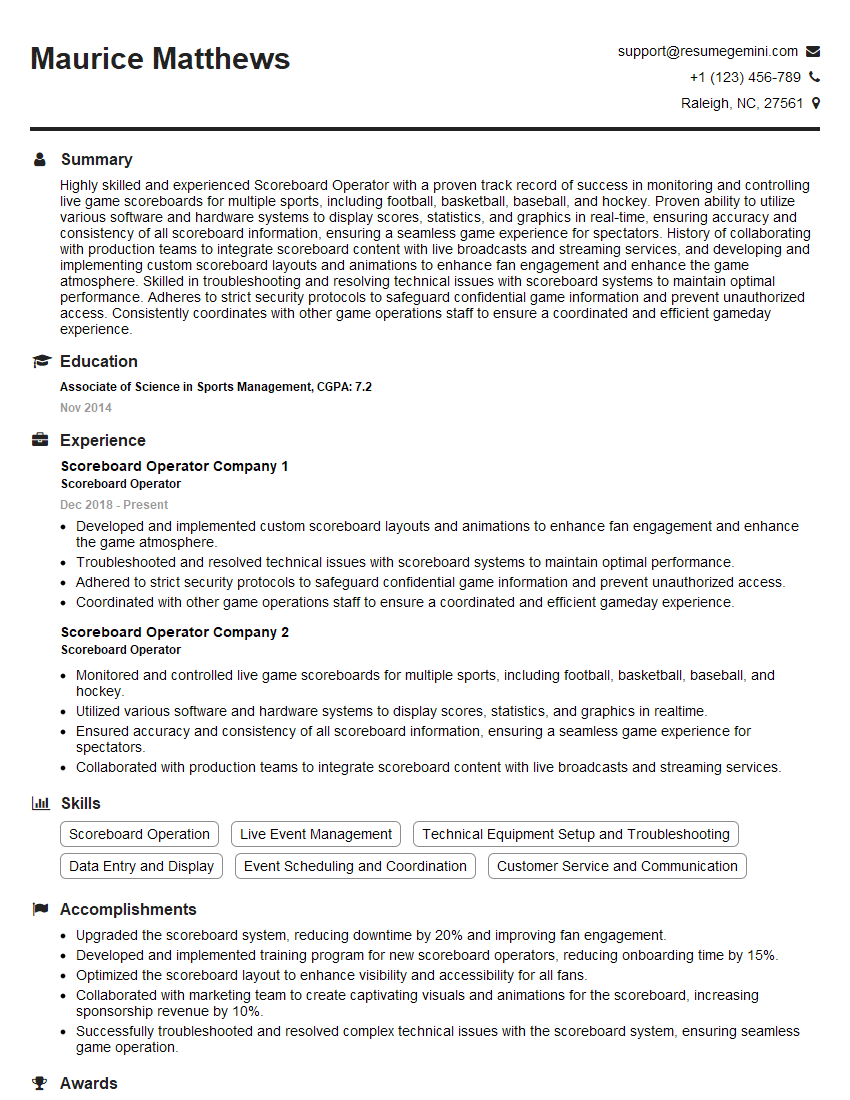
Mastering teamwork and collaboration with game officials significantly enhances your career prospects, demonstrating crucial soft skills highly valued by employers. A strong, ATS-friendly resume is vital for showcasing these abilities and getting your application noticed. To create a professional and impactful resume that highlights your teamwork and collaboration skills, we strongly recommend using ResumeGemini. ResumeGemini provides a user-friendly platform and expert guidance to build a resume that stands out. Examples of resumes tailored to Teamwork and Collaboration with Game Officials are available to help you get started. Invest the time to craft a compelling resume; it’s your first impression on potential employers.
Explore more articles
Users Rating of Our Blogs
Share Your Experience
We value your feedback! Please rate our content and share your thoughts (optional).
What Readers Say About Our Blog
Very informative content, great job.
good