The thought of an interview can be nerve-wracking, but the right preparation can make all the difference. Explore this comprehensive guide to Factory Floor Management interview questions and gain the confidence you need to showcase your abilities and secure the role.
Questions Asked in Factory Floor Management Interview
Q 1. Describe your experience in optimizing production line efficiency.
Optimizing production line efficiency is a continuous process focused on maximizing output while minimizing waste. My approach involves a multi-pronged strategy that encompasses process analysis, technology integration, and workforce empowerment.
Firstly, I leverage tools like Value Stream Mapping (VSM) to visually identify bottlenecks and areas for improvement within the production flow. For example, in a previous role, VSM revealed excessive wait times between assembly stages. By rearranging the line layout and implementing a Kanban system for material flow, we reduced lead times by 25%.
Secondly, I explore opportunities to implement automation where appropriate. This could involve using robotics for repetitive tasks, implementing automated guided vehicles (AGVs) for material handling, or integrating sophisticated software for real-time production monitoring and scheduling. In one instance, integrating a Manufacturing Execution System (MES) improved scheduling accuracy and reduced production delays by 15%.
Finally, I believe in empowering the workforce through training and cross-functional collaboration. Engaging employees in Kaizen events – continuous improvement initiatives – fosters a culture of problem-solving and ownership. By actively involving the team in identifying and resolving bottlenecks, we achieve sustainable efficiency gains and improve morale.
Q 2. How do you handle unexpected equipment downtime?
Unexpected equipment downtime is a significant threat to production targets. My response follows a structured approach emphasizing swift resolution and proactive prevention.
The first step is immediate problem identification and assessment. A clear communication chain is vital. I ensure a rapid response from maintenance personnel and notify relevant stakeholders about the impact on production schedules. This often includes identifying alternative resources or workarounds to minimize disruption. We use a CMMS (Computerized Maintenance Management System) to track the issue, time spent fixing it, and the parts used.
After the immediate issue is resolved, a thorough root cause analysis is essential. We use the 5 Whys technique to drill down to the underlying cause of the failure. This prevents recurring issues. For instance, if a machine consistently malfunctions due to overheating, we investigate factors like improper ventilation, inadequate cooling systems, or operator error. Data from CMMS helps here.
Proactive maintenance is crucial. Preventive maintenance schedules ensure regular inspections, cleaning, and component replacements. This approach, combined with predictive maintenance utilizing sensor data, greatly reduces unexpected downtime.
Q 3. Explain your approach to managing employee performance on the factory floor.
Managing employee performance on the factory floor requires a combination of clear expectations, effective communication, and ongoing support. It’s about fostering a culture of accountability and growth.
I start by setting clear, measurable goals for each employee, aligned with overall production objectives. These goals are communicated clearly, and the performance evaluation process is transparent and fair. Regular one-on-one meetings provide opportunities to discuss progress, address challenges, and offer constructive feedback.
Training and development are crucial. I believe in investing in employee skills and providing opportunities for advancement. This could involve specialized training on new equipment or leadership development programs. Cross-training also enhances team flexibility and reduces the impact of absenteeism.
Recognition and reward systems are vital to boosting morale and motivation. Celebrating achievements, big or small, reinforces positive behaviors. A well-structured performance management system enables consistent tracking and fair evaluation, ultimately improving employee productivity and job satisfaction.
Q 4. What metrics do you use to measure factory floor productivity?
Measuring factory floor productivity requires a balanced scorecard encompassing both quantitative and qualitative metrics. These should align with overall business objectives.
- Overall Equipment Effectiveness (OEE): This key metric combines availability, performance, and quality rate to assess equipment utilization. A low OEE highlights areas for improvement in maintenance, process optimization, or quality control.
- Throughput: This measures the total number of units produced within a specific timeframe. It directly reflects production capacity and efficiency.
- Defect Rate: This measures the percentage of defective units produced, indicating quality control effectiveness. A high defect rate suggests the need for enhanced training, process improvement, or quality checks.
- Lead Time: The time it takes for a product to move from raw material to finished goods, showcasing process efficiency. Reducing lead time is critical in today’s fast-paced markets.
- Labor Productivity: Measures output per labor hour, reflecting employee efficiency. This can be tracked by individual, team, or department.
By tracking and analyzing these metrics, I can identify areas of strength and weakness, enabling data-driven decision-making to improve overall factory floor performance.
Q 5. How do you ensure adherence to safety regulations on the factory floor?
Ensuring adherence to safety regulations is paramount. It’s not just about compliance; it’s about fostering a safety-conscious culture where every employee feels responsible for their own safety and the safety of others.
I begin with a thorough understanding of all applicable safety regulations and industry best practices. Regular safety training is provided to all employees, covering topics such as hazard identification, risk assessment, and the use of personal protective equipment (PPE). This training is tailored to the specific tasks and risks on the factory floor.
Regular safety inspections are conducted to identify and address potential hazards. A proactive approach involving employees in identifying hazards is essential. We have regular safety meetings and encourage employees to report near misses or incidents without fear of retribution.
Furthermore, emergency response plans are developed and regularly practiced. This includes emergency drills and training on the proper use of safety equipment. A clear communication system is critical in emergency situations. This proactive approach ensures a safe and productive work environment, minimizing accidents and injuries.
Q 6. Describe your experience with implementing lean manufacturing principles.
Lean manufacturing principles focus on eliminating waste and maximizing value. My experience implementing lean involves a systematic approach using various tools and techniques.
I start with Value Stream Mapping (VSM) to identify and analyze the entire production process, from raw material to finished goods. This helps pinpoint bottlenecks, non-value-added activities, and areas for improvement. For example, VSM in a previous role helped identify excessive inventory holding and long lead times. Implementing a pull system and reducing batch sizes dramatically improved efficiency.
I then implement tools like 5S (Sort, Set in Order, Shine, Standardize, Sustain) to create a more organized and efficient workspace. This improves workflow, reduces waste, and enhances safety. Kaizen events are regularly conducted to foster a culture of continuous improvement, with employees actively involved in identifying and implementing small, incremental changes.
Poka-yoke (mistake-proofing) techniques are implemented to prevent errors from occurring. This includes using jigs and fixtures to ensure consistent assembly and quality control measures. By applying these lean principles systematically, we achieve significant improvements in productivity, quality, and cost reduction.
Q 7. How do you troubleshoot production line bottlenecks?
Troubleshooting production line bottlenecks requires a methodical approach that combines data analysis, process observation, and team collaboration.
The first step is to identify the bottleneck itself. This often involves analyzing production data (e.g., throughput, cycle times, defect rates) to pin down the area experiencing the greatest constraint. Direct observation on the factory floor is equally crucial to understand the dynamics of the bottleneck.
Once the bottleneck is identified, a root cause analysis is undertaken. This could involve interviewing operators, analyzing machine performance data, and reviewing process documentation. The 5 Whys technique is very useful here. For example, a bottleneck may be traced to a specific machine’s slow speed, a lack of skilled operators, or a poorly designed process step.
Finally, solutions are developed and implemented. This may involve upgrading equipment, redesigning processes, providing additional training, or improving material flow. Post-implementation monitoring is essential to ensure the solution is effective and sustainable. This iterative approach ensures the long-term efficiency of the production line.
Q 8. How do you manage inventory levels to minimize waste?
Managing inventory effectively is crucial for minimizing waste and maximizing profitability. It’s about striking the right balance – having enough stock to meet demand without holding excessive inventory that ties up capital and risks obsolescence. My approach involves a multi-pronged strategy.
Demand Forecasting: I utilize sophisticated forecasting models, considering historical data, seasonal trends, and market predictions to estimate future demand accurately. This helps avoid overstocking slow-moving items and stockouts of popular ones.
Just-in-Time (JIT) Inventory: Where feasible, I implement JIT systems to minimize warehouse space and reduce the risk of spoilage or obsolescence. This involves coordinating closely with suppliers to receive materials only when needed for production.
Inventory Tracking and Management Systems: I rely on robust inventory management software (like ERP systems) to track stock levels in real-time, monitor consumption rates, and generate alerts for low stock or approaching expiry dates. This allows for proactive reordering and prevents production delays.
Regular Inventory Audits: Periodic physical audits ensure accuracy in inventory records and identify discrepancies or potential issues. This helps refine forecasting models and improve overall inventory management.
ABC Analysis: Classifying inventory items based on their value and usage (A, B, and C categories) allows for focused management efforts. High-value (A) items receive more rigorous monitoring and control, while lower-value (C) items may be managed with simpler methods.
For example, in my previous role, we implemented a JIT system for a critical component, reducing inventory holding costs by 15% and eliminating several instances of production delays due to stockouts.
Q 9. What is your experience with different production scheduling techniques?
Production scheduling is the backbone of efficient manufacturing. My experience encompasses several techniques, each with its strengths and weaknesses depending on the specific context.
Kanban: A pull system where production is triggered by actual demand, minimizing waste and maximizing flexibility. I’ve successfully implemented Kanban in environments with fluctuating demand, resulting in improved responsiveness and reduced inventory.
Lean Manufacturing: A philosophy focused on eliminating waste throughout the entire production process. I’ve applied lean principles to streamline workflows, reduce lead times, and improve overall efficiency. This often involves value stream mapping to identify bottlenecks and areas for improvement.
MRP (Material Requirements Planning): A computer-based system that plans the required materials based on the master production schedule. I have experience using MRP software to manage inventory levels, plan production schedules, and ensure timely procurement of materials.
Critical Path Method (CPM): A project management technique used to identify the most critical tasks and their dependencies within a production schedule. I’ve utilized CPM to optimize project timelines and resource allocation, particularly in complex manufacturing projects.
The choice of scheduling technique depends on factors like product complexity, demand variability, and available resources. I am adept at selecting and implementing the most appropriate method for a given situation and optimizing it based on real-time data and performance analysis.
Q 10. How do you maintain quality control on the factory floor?
Maintaining quality control is non-negotiable for any manufacturing operation. My approach is proactive and multifaceted, encompassing several key elements:
Preventive Measures: This involves establishing rigorous quality standards at every stage of production, starting with raw materials inspection. Regular equipment calibration and preventative maintenance are critical. Operator training and standardized work procedures are also crucial.
Statistical Process Control (SPC): I utilize SPC charts and other statistical tools to monitor production processes, identify variations, and address potential issues before they escalate into major problems. This allows for early detection and correction of defects.
In-Process Inspections: Regular inspections at various stages of the manufacturing process ensure quality is consistently maintained. This allows for early detection of defects and prevents the production of faulty products.
Quality Audits: Periodic audits, both internal and external, assess the effectiveness of quality control systems and identify areas for improvement. This helps maintain compliance with standards and continuously improve processes.
Corrective Actions: A robust system for identifying and addressing root causes of defects is essential. This involves detailed investigation, corrective action plans, and preventative measures to avoid recurrence.
For instance, in a past role, we implemented a new SPC system that reduced defect rates by 20% and improved customer satisfaction.
Q 11. Describe your experience with root cause analysis in a manufacturing setting.
Root cause analysis (RCA) is a critical skill for identifying the underlying causes of problems and implementing effective solutions. My approach follows a structured methodology, often utilizing techniques like the '5 Whys' or Fishbone diagrams.
Data Collection: I begin by gathering data related to the problem, including production records, maintenance logs, and employee input. This ensures a comprehensive understanding of the situation.
Team Involvement: I believe in involving relevant personnel in the RCA process. Their insights and perspectives are crucial for identifying potential causes that might be overlooked.
Brainstorming and Analysis: We use brainstorming sessions and appropriate tools (like Fishbone diagrams) to identify potential root causes. Each potential cause is then thoroughly investigated.
Verification: Once a root cause is identified, we verify it through further investigation and data analysis. This ensures we’re addressing the actual problem, not just symptoms.
Corrective Actions: Based on the verified root cause, we develop and implement corrective actions to prevent recurrence. These actions are often documented and monitored to ensure effectiveness.
For example, during an incident involving a significant production downtime, using the 5 Whys technique, we uncovered a previously unnoticed issue with a crucial machine component, leading to its replacement and a preventative maintenance program for similar components.
Q 12. How do you handle conflict resolution among factory floor employees?
Conflict resolution is an essential part of factory floor management. My approach is based on fairness, empathy, and a focus on finding solutions that benefit all parties involved.
Open Communication: I encourage open and honest communication between employees. This often involves creating a safe and respectful environment where employees feel comfortable expressing their concerns.
Active Listening: I actively listen to all perspectives involved in a conflict, ensuring everyone feels heard and understood. This helps identify the root causes of the disagreement.
Mediation: When necessary, I act as a mediator, guiding the parties towards a mutually acceptable solution. This may involve facilitating discussions, helping identify common ground, and exploring alternative solutions.
Fairness and Consistency: I ensure that all disciplinary actions are fair, consistent, and based on company policies. This helps maintain trust and respect among employees.
Prevention: I proactively address potential sources of conflict by fostering a positive work environment, providing clear expectations, and offering training on conflict resolution skills.
In a past instance, a conflict arose between two team leaders regarding resource allocation. By facilitating a structured discussion and outlining clear guidelines, we reached a solution that ensured fairness and efficiency.
Q 13. What is your experience with implementing and managing preventative maintenance programs?
Preventative maintenance (PM) is paramount to minimizing downtime and ensuring efficient operations. My experience in implementing and managing PM programs includes:
Developing a PM Plan: This involves identifying critical equipment, establishing inspection schedules, and defining maintenance tasks based on equipment manuals and manufacturer recommendations.
Implementing a CMMS (Computerized Maintenance Management System): I leverage CMMS software to track maintenance activities, manage spare parts inventory, schedule inspections, and generate reports. This improves efficiency and reduces the likelihood of overlooking critical maintenance tasks.
Training and Supervision: Thorough training of maintenance personnel is crucial. This ensures they have the skills and knowledge to perform maintenance tasks effectively and safely.
Performance Monitoring and Optimization: Regular monitoring of PM program effectiveness is essential. This involves tracking metrics such as downtime, maintenance costs, and equipment lifespan, making adjustments as needed.
Continuous Improvement: I continuously review and update the PM plan based on equipment performance data, maintenance records, and industry best practices.
In a previous role, I implemented a new CMMS, resulting in a 10% reduction in equipment downtime and a 5% decrease in maintenance costs within a year.
Q 14. How familiar are you with various production reporting software and systems?
I am proficient in utilizing various production reporting software and systems. My experience includes working with ERP systems (like SAP, Oracle), MES (Manufacturing Execution Systems), and specialized reporting tools.
ERP Systems: I utilize ERP systems for real-time tracking of production data, inventory management, and generating comprehensive reports on production efficiency, cost analysis, and quality metrics.
MES Systems: MES provides detailed data on production processes, including machine performance, cycle times, and overall equipment effectiveness (OEE). I leverage this information for identifying bottlenecks and optimizing production processes.
Data Analysis and Reporting: I am proficient in using data analysis tools to extract insights from production data, create custom reports, and present findings to management. This assists in decision-making and continuous improvement efforts.
Data Visualization: I effectively present data using dashboards and visualizations, making complex information easily understandable for a variety of stakeholders.
My experience extends to using reporting tools for KPI tracking, performance analysis, and regulatory compliance. I am comfortable learning and adapting to new software and systems as needed.
Q 15. Describe your experience with Six Sigma methodologies in manufacturing.
Six Sigma is a data-driven methodology aimed at minimizing defects and variability in any process. My experience involves leveraging its DMAIC (Define, Measure, Analyze, Improve, Control) cycle extensively. For instance, in a previous role, we tackled a significant issue with inconsistent product dimensions in our assembly line. Using DMAIC, we first defined the problem – excessive variation exceeding customer specifications. Then, we measured the current process capability using control charts and statistical process control (SPC) techniques. The analysis phase involved identifying root causes through Pareto charts and fishbone diagrams; we discovered that inconsistent material feed was a major contributor. In the improvement phase, we implemented a new automated feeding system and retrained operators on proper machine calibration. Finally, the control phase involved establishing new process controls and monitoring metrics to prevent recurrence. This resulted in a 70% reduction in defects and a significant improvement in overall process capability.
Another example involves improving customer satisfaction scores by identifying and addressing the root causes of customer complaints. We used Six Sigma tools like customer surveys, feedback analysis, and process mapping to understand the customer journey and pinpoint pain points. Subsequently, we implemented process improvements, leading to an improvement in customer satisfaction by 15%.
Career Expert Tips:
- Ace those interviews! Prepare effectively by reviewing the Top 50 Most Common Interview Questions on ResumeGemini.
- Navigate your job search with confidence! Explore a wide range of Career Tips on ResumeGemini. Learn about common challenges and recommendations to overcome them.
- Craft the perfect resume! Master the Art of Resume Writing with ResumeGemini’s guide. Showcase your unique qualifications and achievements effectively.
- Don’t miss out on holiday savings! Build your dream resume with ResumeGemini’s ATS optimized templates.
Q 16. How do you ensure timely completion of production orders?
Ensuring timely order completion requires a proactive approach integrating robust planning, scheduling, and real-time monitoring. I utilize Manufacturing Execution Systems (MES) which provide a centralized platform for tracking production progress, identifying bottlenecks, and managing resources. A key strategy is creating realistic production schedules using techniques like capacity planning and material requirements planning (MRP). This involves carefully considering machine availability, labor capacity, and material lead times. Regularly monitoring the shop floor using real-time data from the MES, allows for quick identification and resolution of potential delays. For instance, if a machine malfunctions, the system alerts the maintenance team immediately, minimizing downtime. Furthermore, I foster a culture of proactive communication and problem-solving. Daily production meetings ensure everyone is aligned and any emerging issues are addressed promptly. If a delay is unavoidable, I proactively communicate it to stakeholders, providing transparent updates and alternative solutions.
Q 17. How do you motivate and engage your factory floor team?
Motivating and engaging the factory floor team is paramount to productivity and quality. My approach is multifaceted. First, I foster a culture of open communication and respect, ensuring everyone feels valued and heard. Regular team meetings, feedback sessions, and one-on-one interactions are essential. Secondly, I believe in empowerment. I delegate responsibility and provide opportunities for skill development and advancement. For example, we established a suggestion box program where employees can propose improvements, and successful suggestions are rewarded. Thirdly, I focus on creating a safe and comfortable work environment, implementing ergonomic improvements and addressing safety concerns promptly. Finally, recognizing and rewarding achievements, both individually and as a team, is crucial. Celebrating milestones, whether it’s exceeding production targets or improving safety records, strengthens team spirit and boosts morale. We also implement incentive programs based on individual and team performance.
Q 18. Explain your experience with Kaizen or other continuous improvement initiatives.
Kaizen, meaning ‘continuous improvement,’ is a cornerstone of my management philosophy. I’ve implemented several Kaizen events, focusing on streamlining processes and eliminating waste (muda). In one instance, we focused on optimizing the assembly line layout. Through a Kaizen event involving the entire team, we identified unnecessary movements and re-arranged workstations to reduce travel time and improve efficiency by 12%. Another successful Kaizen project involved improving the efficiency of our material handling process. By implementing a new system of standardized work and visual management (like 5S methodology), we reduced material handling time and errors significantly. Beyond Kaizen events, I encourage a culture of continuous improvement through regular process audits, employee suggestions, and data analysis. We utilize tools such as value stream mapping to visually identify areas for improvement across the entire production process.
Q 19. How do you manage material handling and logistics on the factory floor?
Efficient material handling and logistics are critical for smooth production flow. My approach combines strategic planning with advanced technologies. This includes optimizing warehouse layouts using techniques like slotting optimization to minimize travel time. I leverage technology to enhance visibility and control. We use warehouse management systems (WMS) to track materials, manage inventory, and optimize picking and put-away processes. Furthermore, I implement visual management systems such as Kanban boards to streamline material flow and ensure timely replenishment of work-in-process materials. Regular reviews of material handling processes, combined with data analysis to identify bottlenecks and inefficiencies, are crucial to continuous improvement. Implementing lean principles minimizes waste and improves overall efficiency. For example, we implemented a pull system instead of a push system which significantly reduced excess inventory and waste.
Q 20. What is your experience with implementing and maintaining ISO standards?
I have extensive experience in implementing and maintaining ISO 9001:2015 quality management systems. This involves establishing a robust quality management system (QMS) that ensures consistent product quality and customer satisfaction. The process begins with a thorough gap analysis to assess the current state against ISO requirements. Then, we develop and implement documented procedures, work instructions, and records to ensure compliance. Regular internal audits are conducted to identify non-conformances and implement corrective actions. A crucial part is employee training on ISO standards and procedures. Maintaining the QMS involves ongoing monitoring, analysis, and continuous improvement. Management review meetings are essential for evaluating the effectiveness of the QMS and identifying areas for improvement. This ensures that the company continually meets the standards and delivers high-quality products consistently.
Q 21. How do you handle employee training and development on the factory floor?
Employee training and development are vital for improving skills and boosting productivity. My strategy is a blend of on-the-job training, formal classroom training, and e-learning modules. On-the-job training involves pairing new employees with experienced colleagues for hands-on learning. Formal training programs focus on specific skills required for their roles, including safety procedures, machine operation, and quality control techniques. E-learning modules provide convenient and accessible training on various topics. We also invest in cross-training programs, allowing employees to develop skills in different areas, improving their versatility and flexibility. Regular performance appraisals and feedback sessions ensure that training is aligned with individual development needs. Finally, I encourage participation in external training programs and workshops to enhance knowledge and skills. This continuous learning process creates a skilled and motivated workforce, enhancing productivity and reducing error rates.
Q 22. Describe your experience with budget management in a manufacturing environment.
Budget management in a manufacturing environment requires a deep understanding of both production costs and financial planning. It’s not just about tracking expenses; it’s about proactively managing resources to optimize profitability. In my previous role at Acme Manufacturing, I was responsible for a $10 million annual operating budget. My approach involved a three-stage process:
- Forecasting & Planning: This started with detailed analysis of historical data, projected production volumes, and anticipated material price fluctuations. We used various forecasting techniques, including moving averages and exponential smoothing, to predict future demand and resource needs. This data informed the creation of a comprehensive budget, broken down by department (production, maintenance, quality control, etc.) and cost category (direct materials, direct labor, overhead).
- Monitoring & Control: Throughout the year, I monitored actual spending against the budget, using a sophisticated ERP system (Enterprise Resource Planning). Regular variance reports highlighted any significant deviations, allowing for prompt investigation and corrective action. For example, a sudden spike in electricity costs triggered an investigation that revealed a malfunctioning HVAC system in one of the production lines, which we promptly addressed, avoiding further cost overruns.
- Performance Analysis & Adjustment: At the end of each quarter, I conducted a thorough performance review, comparing actual results against the budget. This analysis helped identify areas of strength and weakness, informing adjustments to the budget for the remaining quarters. We also used this data to improve forecasting accuracy for the following year.
This structured approach ensured that we remained within budget while maximizing production efficiency. It’s vital to remember that budget management isn’t simply about cutting costs; it’s about allocating resources effectively to achieve the company’s strategic goals.
Q 23. How do you ensure compliance with environmental regulations on the factory floor?
Ensuring compliance with environmental regulations is paramount in any manufacturing setting. It’s not just about avoiding penalties; it’s about being a responsible corporate citizen and protecting our planet. My experience involved implementing and maintaining a robust environmental management system (EMS). This typically includes:
- Waste Management: Implementing comprehensive waste reduction strategies, including proper segregation, recycling programs, and safe disposal of hazardous materials. This involved partnering with waste management companies and regularly auditing our processes to minimize waste generation. For instance, we switched to a more eco-friendly cleaning solution, significantly reducing hazardous waste.
- Emissions Control: Monitoring and controlling air and water emissions to comply with all relevant local, state, and federal regulations. This included regular inspections of our equipment, investing in emission control technologies, and maintaining detailed records of our emissions.
- Energy Efficiency: Implementing energy-saving measures, such as using energy-efficient lighting and equipment, improving building insulation, and optimizing production processes. This reduced our carbon footprint and lowered energy costs.
- Regulatory Compliance: Staying abreast of changing environmental regulations and ensuring that our operations consistently adhere to them. This involved regular training for staff and maintaining all necessary permits and licenses.
Regular internal audits and external inspections ensured our continual compliance. Proactive environmental stewardship is not just a legal requirement; it’s a sign of good business practice, improving our brand image and attracting environmentally conscious customers.
Q 24. What is your experience with different types of manufacturing processes?
Throughout my career, I’ve worked with a variety of manufacturing processes, each with its unique challenges and advantages. My experience encompasses:
- Lean Manufacturing: I have extensive experience implementing lean principles to streamline processes, reduce waste, and improve overall efficiency. This involved using tools like value stream mapping and Kaizen events to identify and eliminate bottlenecks.
- Six Sigma: I’ve utilized Six Sigma methodologies to improve quality and reduce defects in production processes. Data-driven decision-making and DMAIC (Define, Measure, Analyze, Improve, Control) methodology played a key role in achieving significant process improvements.
- Just-in-Time (JIT) Manufacturing: I’ve implemented JIT systems to minimize inventory levels and reduce waste associated with storage and handling. This involved close coordination with suppliers and precise production scheduling.
- Mass Production: I understand the principles of mass production and have overseen high-volume manufacturing operations, focusing on optimizing production flow and minimizing downtime.
Each of these processes requires a different approach to management and optimization, but the overarching goal is always to improve efficiency, reduce costs, and enhance product quality. My ability to adapt and apply the most appropriate methodology to each situation is a key strength.
Q 25. Describe your experience with different production planning software.
My experience with production planning software includes several leading ERP systems, such as SAP, Oracle, and Microsoft Dynamics 365. I’m also familiar with specialized manufacturing execution systems (MES) such as Rockwell Automation’s FactoryTalk and Siemens’ SIMATIC IT. My expertise extends beyond simple data entry; I understand how to leverage these systems to:
- Production Scheduling: Create detailed production schedules based on customer demand, material availability, and production capacity. This involves optimizing resource allocation and minimizing lead times.
- Inventory Management: Track inventory levels, manage raw materials, and minimize stockouts or overstocking. Accurate inventory control is crucial for efficient production and cost reduction.
- Quality Control: Integrate quality control data into the system to track defect rates, identify root causes of defects, and implement corrective actions.
- Reporting and Analysis: Generate reports on key performance indicators (KPIs) to monitor production efficiency, identify areas for improvement, and support data-driven decision-making. This includes analyzing production costs, cycle times, and overall equipment effectiveness (OEE).
I’m adept at configuring and customizing these systems to meet the specific needs of the manufacturing environment, ensuring that they accurately reflect the realities of the shop floor and provide valuable insights for management.
Q 26. How do you utilize data analytics to improve factory floor performance?
Data analytics is crucial for improving factory floor performance. It’s not enough to simply collect data; you need to analyze it intelligently to identify areas for improvement. My approach typically involves:
- Data Collection: Gathering data from various sources, including MES systems, sensors on equipment, and manual data entry. This data might include production output, downtime, defect rates, and energy consumption.
- Data Analysis: Using statistical tools and techniques to analyze the collected data and identify patterns, trends, and anomalies. This might involve regression analysis to understand the relationship between different variables or anomaly detection to pinpoint unusual events.
- KPI Monitoring: Tracking key performance indicators (KPIs) such as Overall Equipment Effectiveness (OEE), mean time between failures (MTBF), and production cycle time. Regular monitoring allows for early identification of problems and prevents them from escalating.
- Predictive Maintenance: Using machine learning algorithms to predict equipment failures and schedule maintenance proactively, preventing costly downtime.
- Process Optimization: Using data-driven insights to optimize production processes, reduce waste, and improve efficiency. This might involve identifying bottlenecks, streamlining workflows, or improving material handling.
For example, by analyzing historical data on machine downtime, we identified a specific component that frequently failed, leading to proactive replacement and a significant reduction in unplanned downtime. Data-driven decision-making is fundamental to achieving continuous improvement in a manufacturing environment.
Q 27. Explain your experience in implementing and managing safety protocols.
Implementing and managing safety protocols is non-negotiable in any factory setting. It’s about safeguarding employees, protecting assets, and maintaining a culture of safety. My experience includes:
- Risk Assessment: Conducting thorough risk assessments to identify potential hazards and develop strategies to mitigate them. This involved identifying potential sources of injury, such as moving machinery, hazardous materials, and ergonomic issues.
- Safety Training: Providing comprehensive safety training to all employees, covering topics such as lockout/tagout procedures, personal protective equipment (PPE) use, and emergency response plans. Regular refresher training ensures that safety practices remain top-of-mind.
- Safety Audits: Performing regular safety audits to ensure that safety procedures are being followed and to identify any potential hazards. This included both planned inspections and unannounced spot checks.
- Incident Reporting & Investigation: Establishing a robust system for reporting and investigating workplace incidents, identifying root causes, and implementing corrective actions to prevent future occurrences. Detailed incident reports are essential for continuous improvement and maintaining a safe working environment.
- Emergency Preparedness: Developing and implementing emergency response plans, including evacuation procedures, fire safety protocols, and first aid response. Regular drills ensure that employees are prepared to handle emergencies effectively.
Building a strong safety culture requires consistent effort, clear communication, and a commitment from all levels of the organization. A safe workplace is a productive workplace.
Q 28. How familiar are you with automation and robotics in factory floor settings?
I’m very familiar with the increasing role of automation and robotics in modern factory floor settings. My experience includes working with various automated systems, including:
- Automated Guided Vehicles (AGVs): Supervising the implementation and operation of AGVs for material handling, improving efficiency and reducing labor costs. This involved optimizing routes, scheduling AGV operations, and troubleshooting any malfunctions.
- Robotic Arms & Automation Cells: Working with robotic arms in automated assembly lines, improving speed, accuracy, and consistency of production. This included programming robots, integrating them into existing production lines, and maintaining them to ensure optimal performance.
- Computer Numerical Control (CNC) Machines: Managing CNC machines, optimizing their operation, and ensuring efficient programming and maintenance. This involved working with CAD/CAM software and ensuring that the machines were running at peak efficiency.
- Supervisory Control and Data Acquisition (SCADA) Systems: Utilizing SCADA systems to monitor and control various aspects of the production process, improving real-time visibility and facilitating data-driven decision-making.
Automation isn’t just about replacing human workers; it’s about enhancing their capabilities and creating a more efficient and safe working environment. Careful integration of human expertise with automated systems is essential for achieving optimal results.
Key Topics to Learn for Factory Floor Management Interview
- Production Planning & Scheduling: Understanding and optimizing production schedules, managing resources effectively, and minimizing downtime.
- Lean Manufacturing Principles: Applying Kaizen, 5S, and other lean methodologies to improve efficiency and reduce waste in the production process. Practical application includes identifying and eliminating bottlenecks.
- Inventory Management: Implementing strategies for efficient inventory control, minimizing storage costs, and preventing stockouts or overstocking. This includes understanding Just-in-Time (JIT) inventory systems.
- Quality Control & Assurance: Implementing and maintaining quality control measures throughout the production process, addressing defects, and ensuring adherence to standards. This includes understanding statistical process control (SPC).
- Team Management & Leadership: Motivating and supervising factory floor teams, fostering collaboration, addressing conflict, and ensuring a safe and productive work environment. Practical application includes conflict resolution techniques and performance management strategies.
- Safety & Compliance: Maintaining a safe work environment by adhering to all relevant safety regulations and company policies. This involves understanding and implementing relevant safety procedures and protocols.
- Problem-Solving & Troubleshooting: Identifying and resolving production issues, implementing preventative maintenance, and making data-driven decisions to improve operational efficiency. This includes root cause analysis and problem-solving methodologies.
- Technology & Automation: Understanding and utilizing technology in the factory floor, including automation systems, data analytics, and software for production management. This can include understanding ERP systems and their role in factory floor management.
- Continuous Improvement: Implementing strategies for ongoing improvement in production efficiency, quality, and safety. This includes utilizing data analysis to identify areas for improvement and implementing corrective actions.
Next Steps
Mastering Factory Floor Management opens doors to rewarding leadership roles and significant career advancement within manufacturing. To maximize your job prospects, a strong, ATS-friendly resume is crucial. ResumeGemini is a trusted resource to help you build a compelling resume that highlights your skills and experience effectively. Examples of resumes tailored to Factory Floor Management are available to guide you. Take the next step toward your dream career today!

Operations Manager Resume Sample
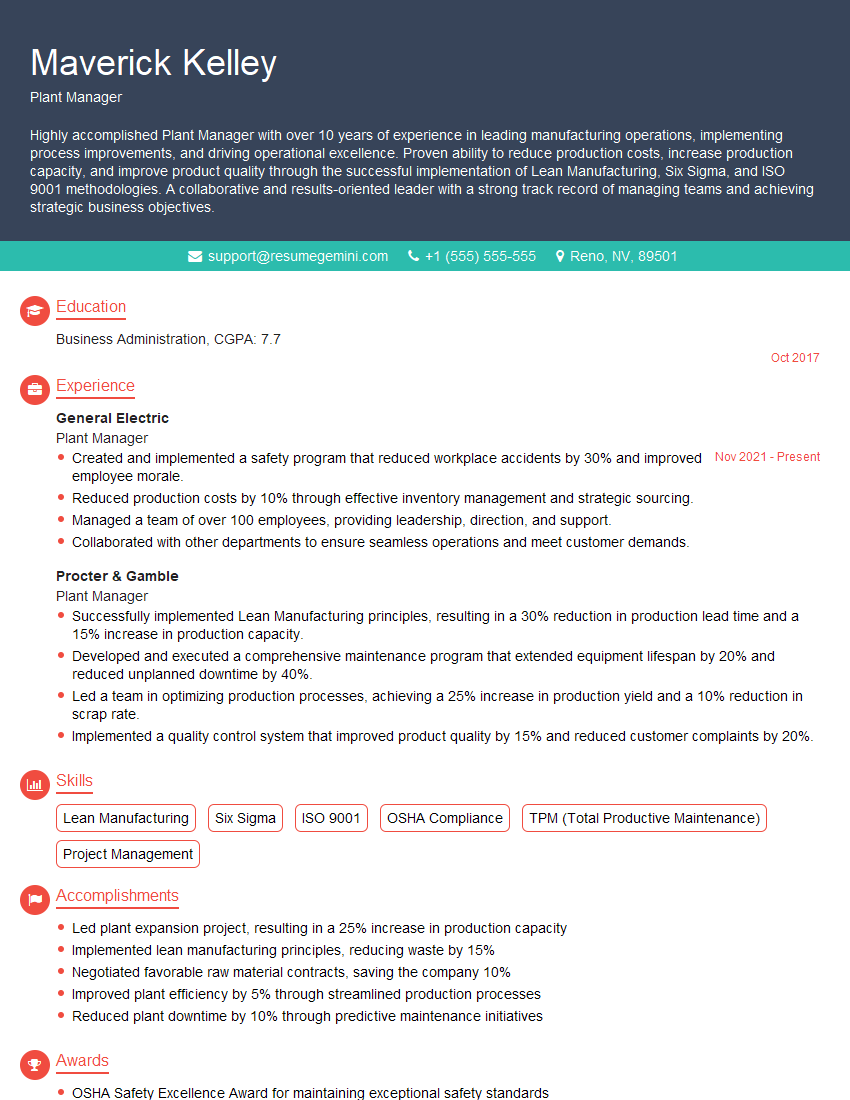
Plant Manager Resume Sample
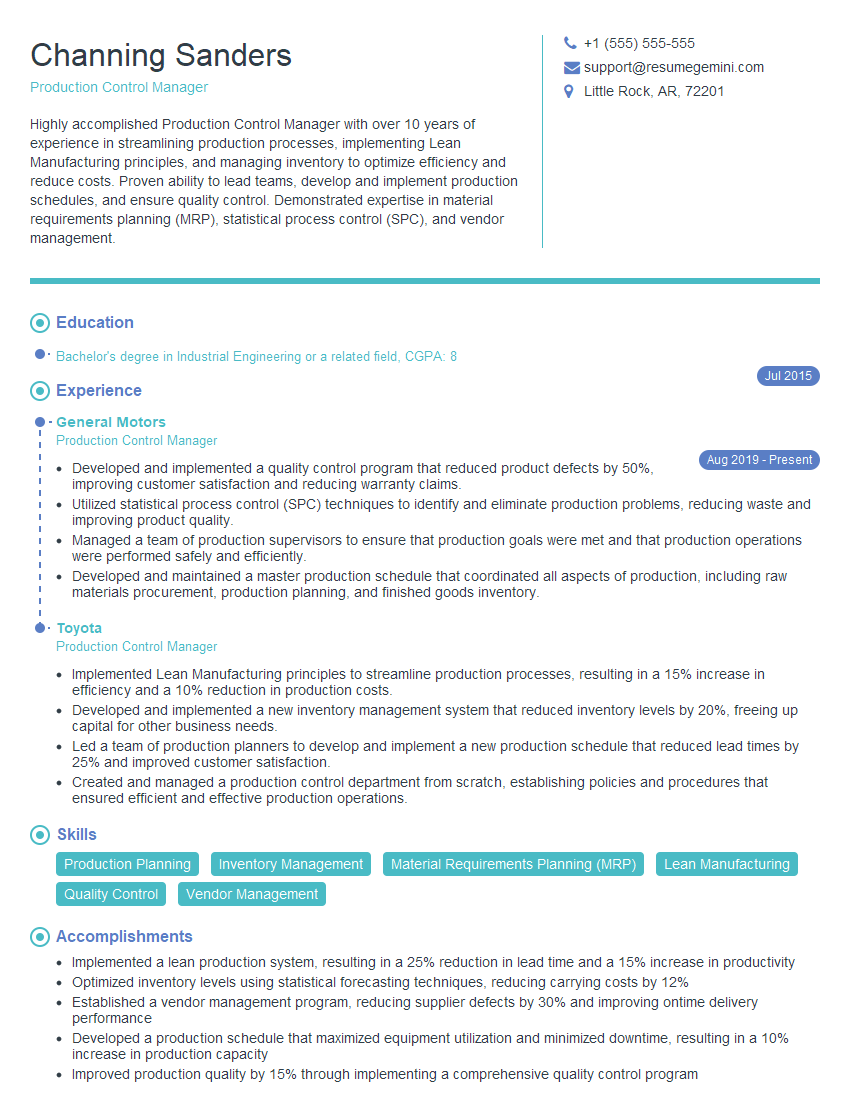
Production Control Manager Resume Sample
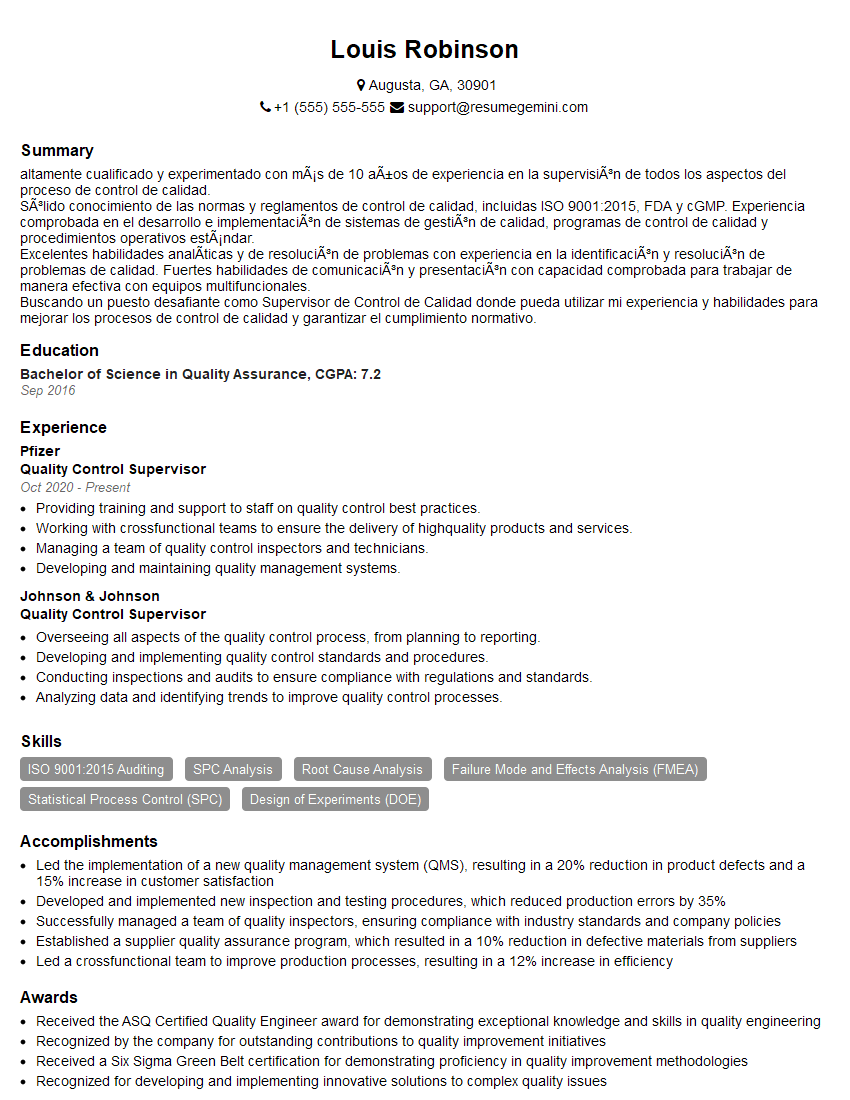
Quality Control Supervisor Resume Sample
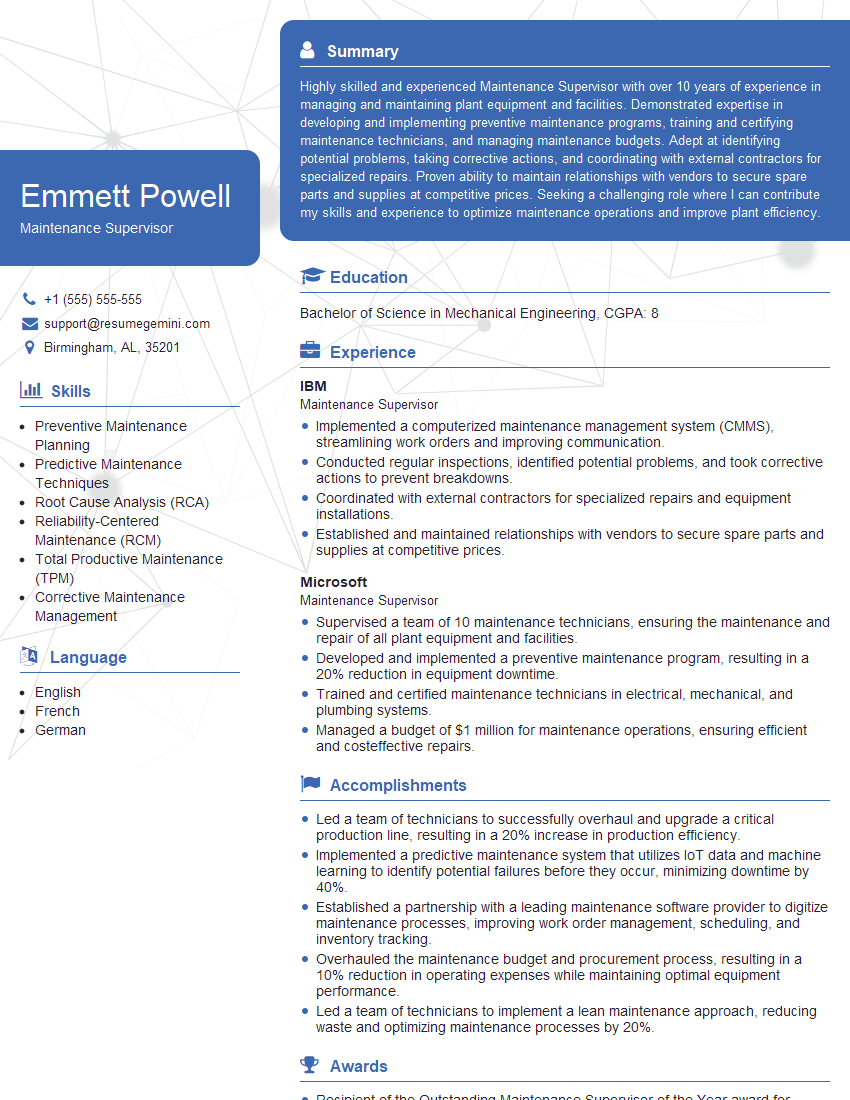
Maintenance Supervisor Resume Sample
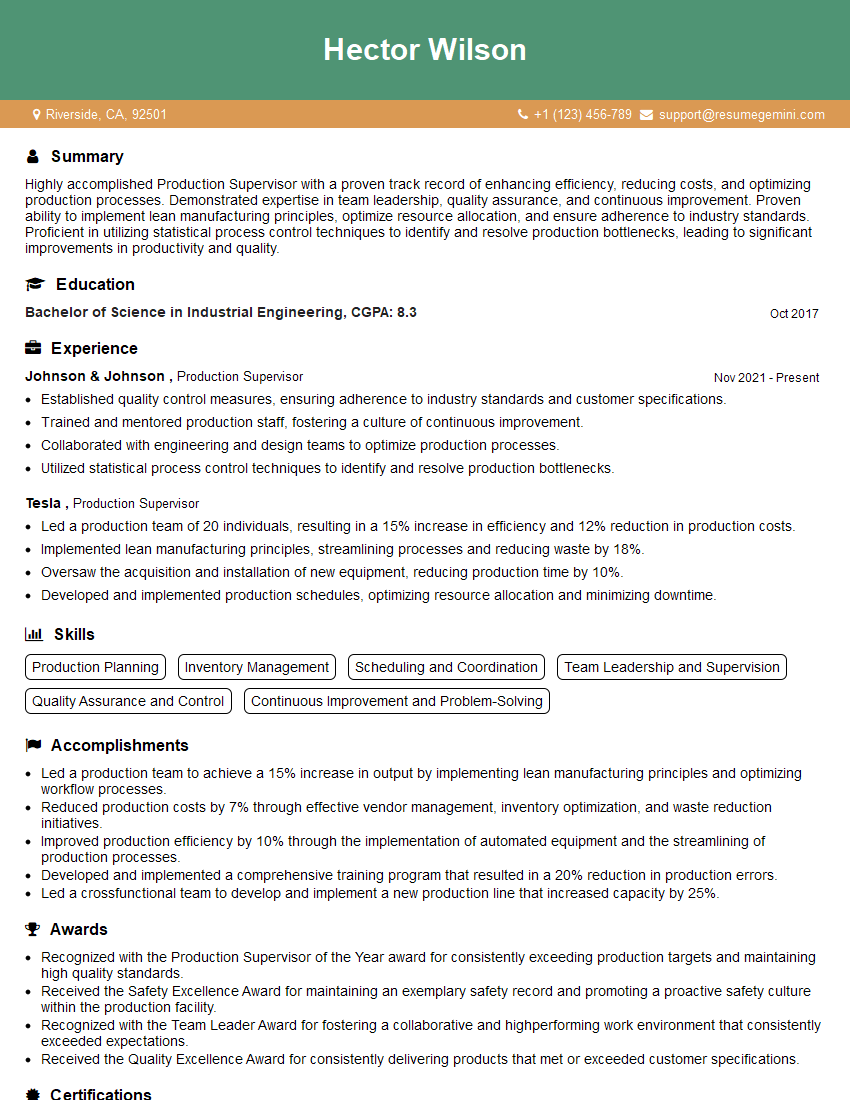
Production Supervisor Resume Sample
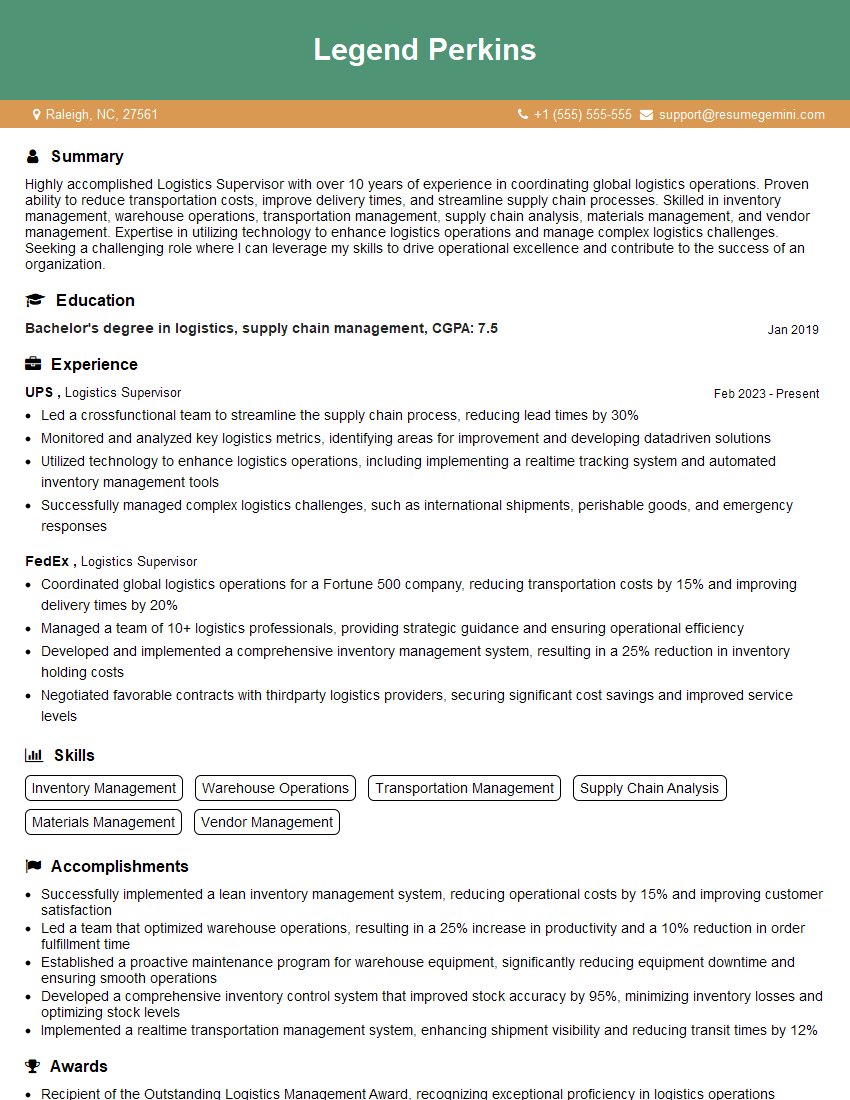
Logistics Supervisor Resume Sample
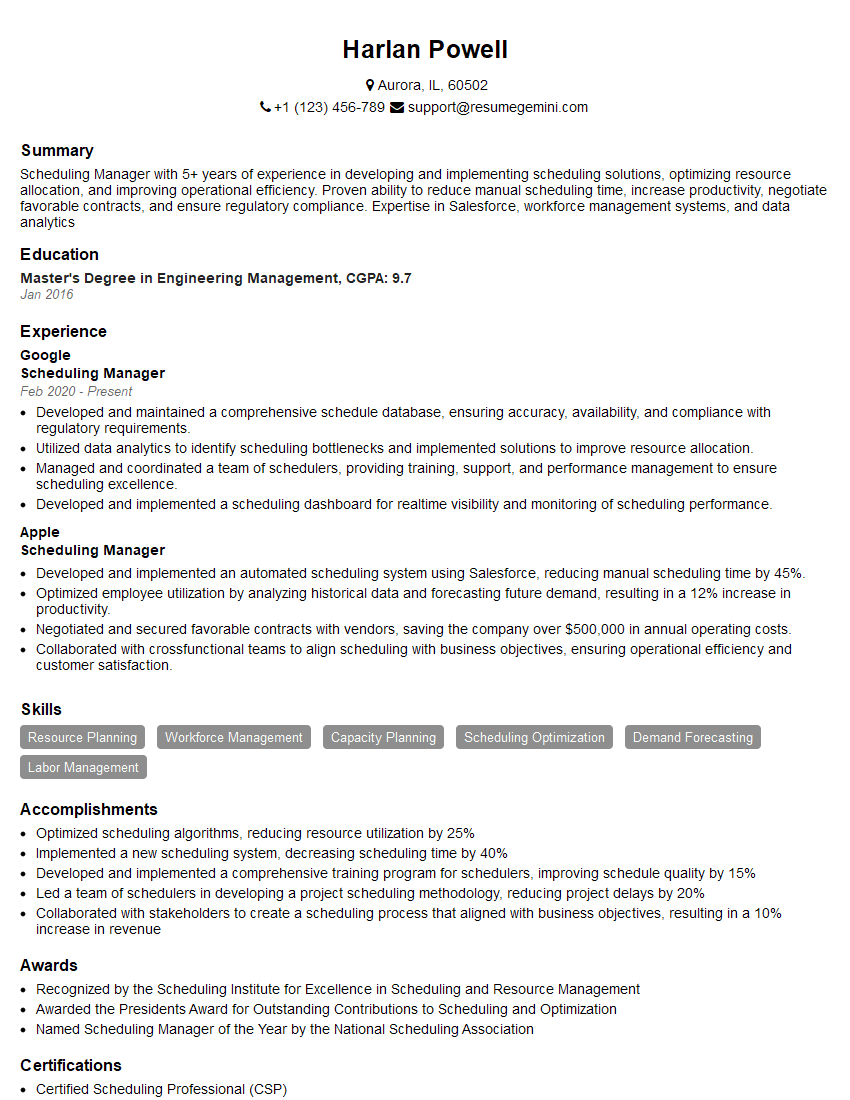
Scheduling Manager Resume Sample
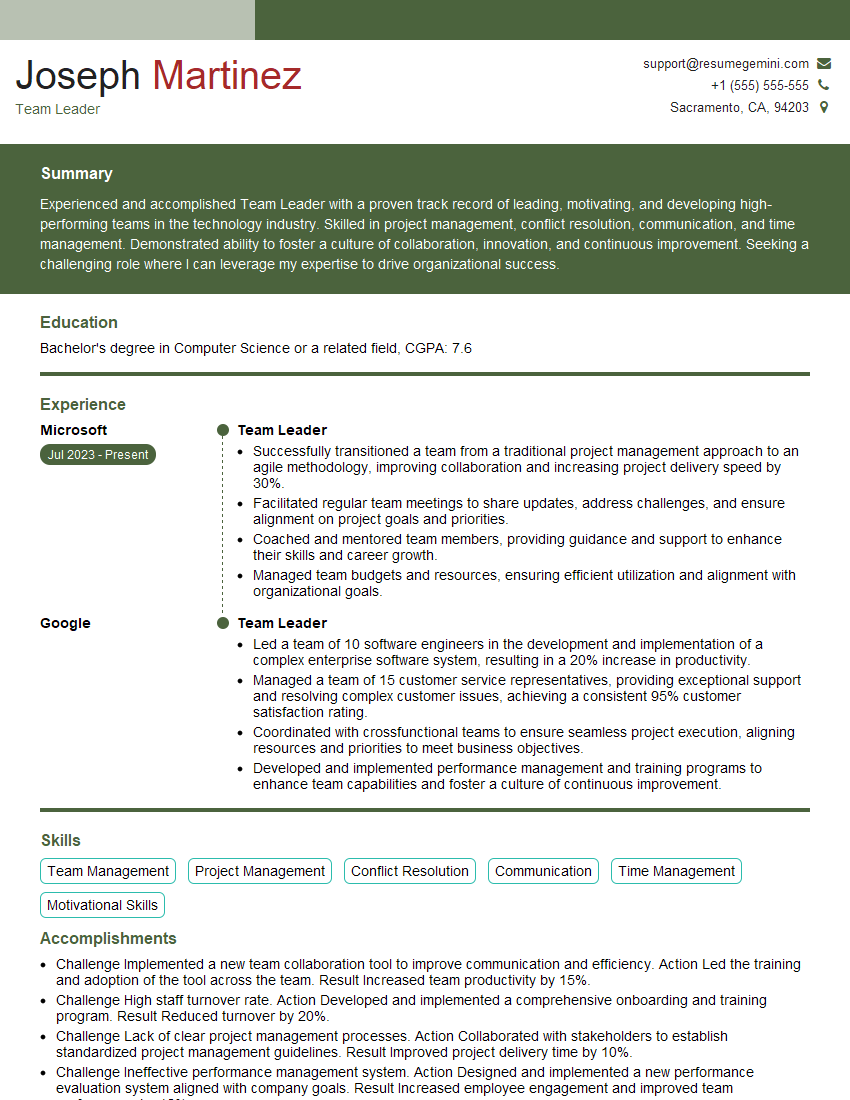
Team Leader Resume Sample
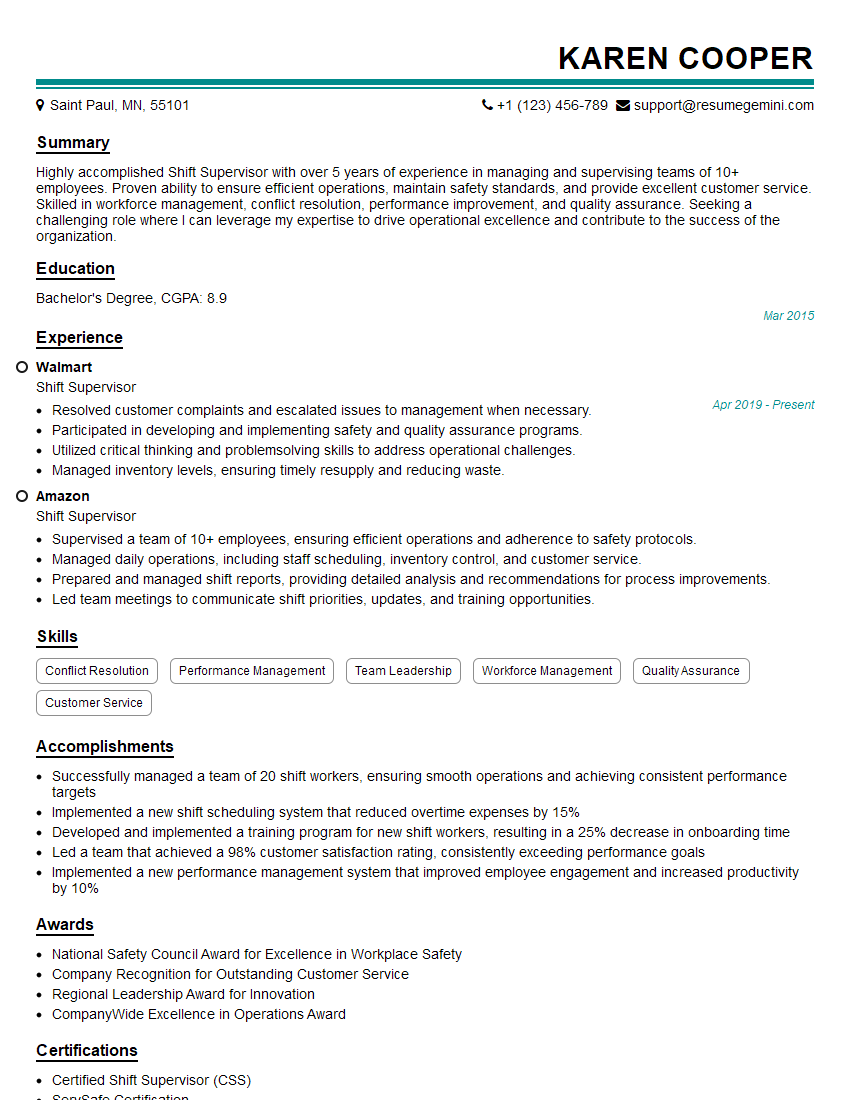
Shift Supervisor Resume Sample
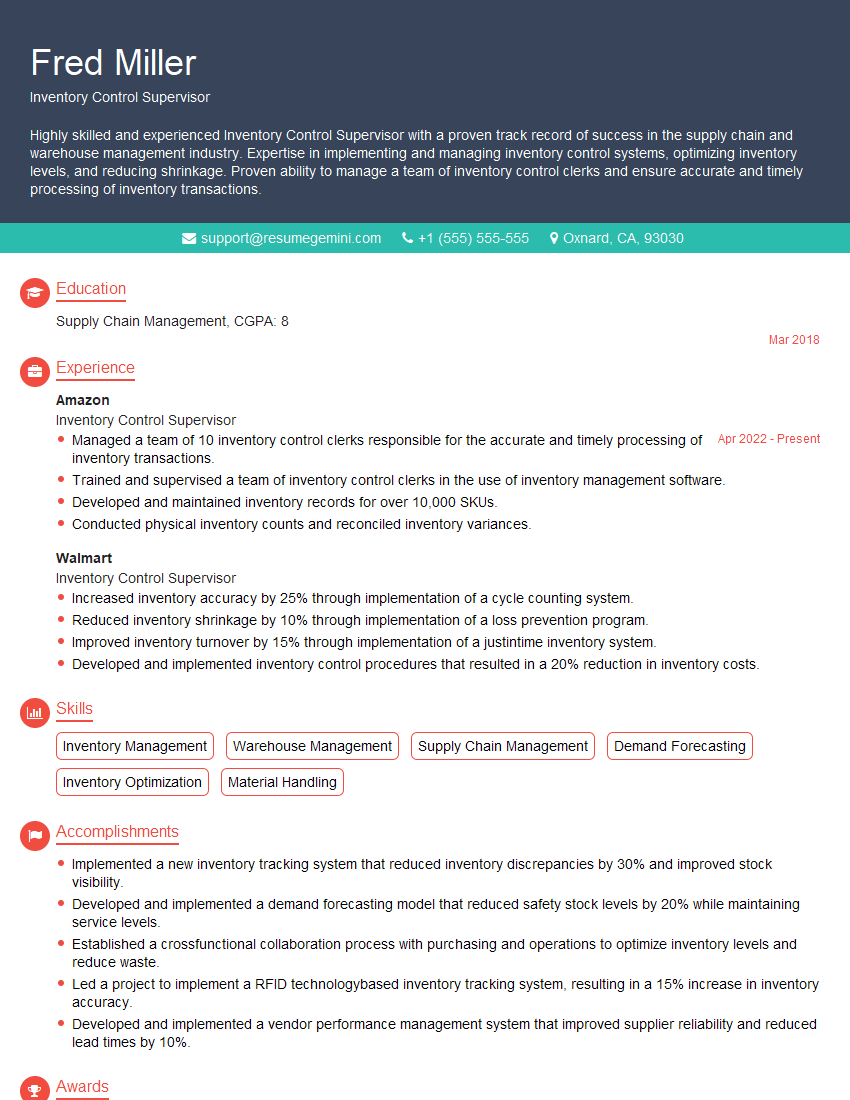
Inventory Control Supervisor Resume Sample
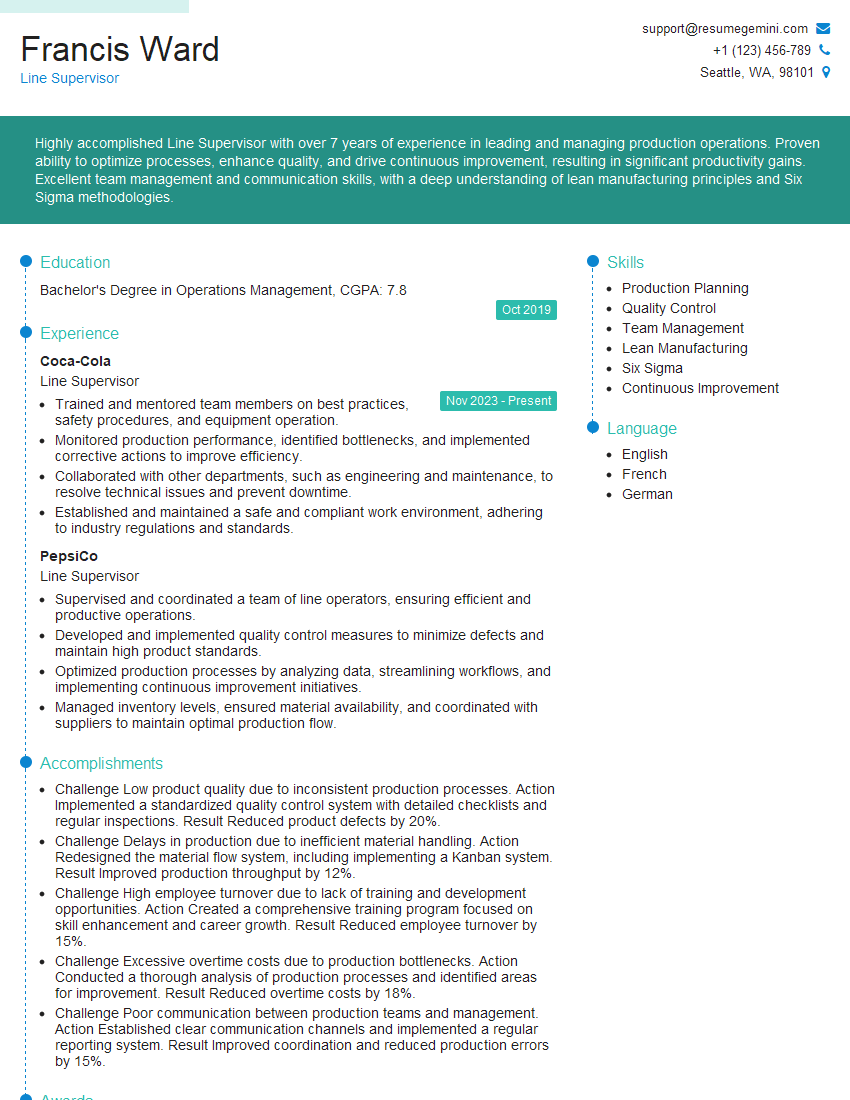
Line Supervisor Resume Sample
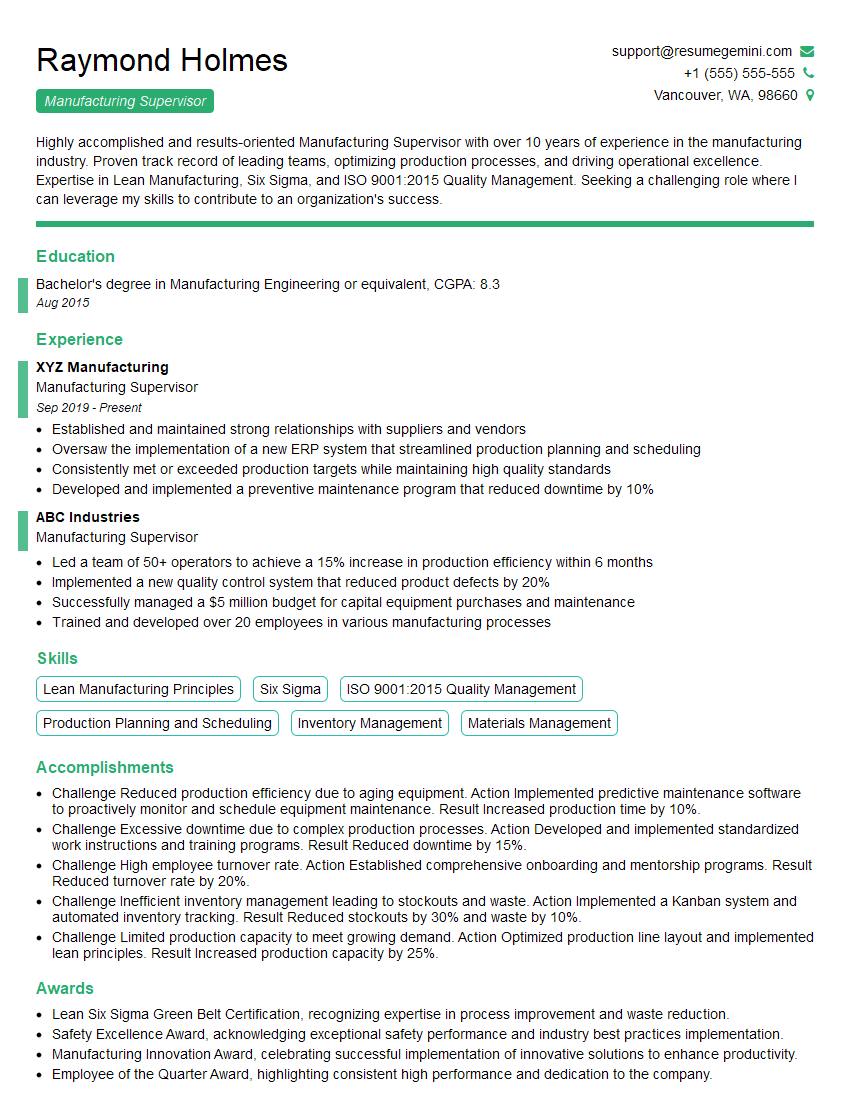
Manufacturing Supervisor Resume Sample
Explore more articles
Users Rating of Our Blogs
Share Your Experience
We value your feedback! Please rate our content and share your thoughts (optional).
What Readers Say About Our Blog
Very informative content, great job.
good