Preparation is the key to success in any interview. In this post, we’ll explore crucial First Aid for Animals interview questions and equip you with strategies to craft impactful answers. Whether you’re a beginner or a pro, these tips will elevate your preparation.
Questions Asked in First Aid for Animals Interview
Q 1. Describe the steps involved in performing CPR on a small dog.
Performing CPR on a small dog is crucial in emergency situations where the animal has stopped breathing or its heart has stopped. It’s vital to remember that this is a life-saving technique that should be performed only if you’ve received proper training. Improper CPR can cause further harm.
- Check for responsiveness: Gently shake the dog and check for a response.
- Check for breathing and pulse: Feel for a heartbeat by placing your fingers on the left side of the chest, just behind the elbow. Observe the chest for any rise and fall indicating breathing.
- Begin chest compressions: Position the dog on its side. Place the heel of one hand over the broadest part of the dog’s chest, just behind the front legs. Place your other hand on top and press down firmly, about ⅓ to ½ the depth of the chest, at a rate of 100-120 compressions per minute. For a very small dog, you may only need to use one hand.
- Rescue breaths: After every 30 chest compressions, give two rescue breaths by gently closing the dog’s mouth and covering its nose. Blow gently for approximately one second to make the chest rise.
- Continue CPR: Continue the cycle of 30 compressions and two breaths until the dog shows signs of recovery or professional help arrives. It is also important to continually reassess breathing and pulse during the procedure.
- Important Note: It is critical to maintain a consistent compression rate and depth. It is recommended to complete a certified pet CPR course to ensure proper technique.
Q 2. How would you treat a cat with a suspected broken leg?
Suspecting a broken leg in a cat requires immediate and careful handling to avoid further injury. Never attempt to straighten or manipulate the leg yourself.
- Immobilize the leg: Gently support the injured leg and prevent movement. You can use a makeshift splint using rolled-up towels or cardboard, securing it with bandages or cloth strips. The goal is to prevent movement, not to perfectly align the bone.
- Keep the cat calm and quiet: A frightened and stressed cat will increase the likelihood of further injury. Speak in a soothing tone and handle it gently.
- Transport to veterinary care immediately: Take the cat to a vet as soon as possible. The veterinarian will perform a thorough examination and provide appropriate treatment, which might involve X-rays, pain management, and potentially surgery.
- Avoid giving any medication: Do not administer any pain medication or other drugs unless specifically instructed by a veterinarian.
Example: Imagine finding your cat limping after a fall. Instead of trying to fix the leg, you’d gently support it with a rolled-up towel, securing it to prevent movement. Then, you’d immediately take it to the nearest veterinary clinic.
Q 3. What are the signs of heatstroke in a dog, and how would you respond?
Heatstroke in dogs is a serious and potentially fatal condition. It occurs when a dog’s body temperature rises to dangerously high levels, often due to prolonged exposure to heat.
- Signs of heatstroke: Excessive panting (often with difficulty breathing), increased heart rate, drooling, vomiting, diarrhea, lethargy, weakness, collapse, seizures, and bright red gums.
- Immediate response: Move the dog to a cool place immediately (shaded area, air-conditioned room). If possible, use cool (not ice-cold) water to gradually lower the dog’s body temperature. You can wet the dog’s fur, but avoid soaking the head to prevent hypothermia. Fan the dog to promote evaporation and cooling.
- Monitor vital signs: Observe for any changes in breathing, heart rate, or alertness.
- Seek veterinary care immediately: Heatstroke is a life-threatening emergency. Transport the dog to a veterinarian as quickly as possible. They may administer intravenous fluids and other supportive care.
Example: A dog left in a hot car can quickly develop heatstroke. The owner should immediately move the dog into a cool environment, apply cool water, and seek immediate veterinary assistance.
Q 4. Explain how to control bleeding from a deep wound in a large animal.
Controlling bleeding from a deep wound in a large animal requires quick action and proper technique. Safety is paramount; approach cautiously and ensure you have adequate help if necessary.
- Assess the situation: Determine the severity of the wound and the amount of bleeding. If the animal is aggressive, seek professional help immediately.
- Control the bleeding: Apply direct pressure to the wound using a clean cloth. Elevate the injured limb if possible. If bleeding continues through the initial dressing, add more layers on top without disturbing the original dressing. Do not remove the initial dressing.
- Seek veterinary care: Transport the animal to a veterinarian as quickly as possible. Large animals often require professional assistance for wound management and pain control.
- Important Note: Never attempt to clean a deep wound yourself before transporting the animal to veterinary care. Do not apply any medications or ointments to the wound.
Example: A horse with a deep laceration to its leg requires immediate direct pressure to the wound while awaiting veterinary transport. Applying a clean dressing and elevating the leg will help to control bleeding.
Q 5. What are the common causes of shock in animals, and how would you manage it?
Shock is a life-threatening condition characterized by inadequate blood flow to the body’s organs. It can be caused by various factors in animals.
- Common causes: Severe blood loss, trauma (injury), infection, poisoning, severe dehydration, heart failure, and anaphylaxis.
- Signs of shock: Pale gums, rapid weak pulse, rapid breathing, low body temperature, lethargy, weakness, collapse, and dilated pupils.
- Managing shock: Keep the animal warm and quiet. If possible, transport it to a veterinarian immediately. Do not offer food or water unless instructed by a veterinarian. For severe blood loss, direct pressure to the wound is crucial.
Example: A dog hit by a car may go into shock due to blood loss and trauma. The immediate response should focus on controlling bleeding, keeping the dog warm, and seeking veterinary attention.
Q 6. How would you assess an animal’s respiratory rate and effort?
Assessing an animal’s respiratory rate and effort is a crucial part of a physical exam. This helps in detecting respiratory problems.
- Respiratory Rate: Count the number of breaths per minute by observing the rise and fall of the chest or abdomen. Observe for one minute for an accurate reading.
- Respiratory Effort: Observe the ease or difficulty with which the animal breathes. Note any labored breathing, gasping, open-mouth breathing, or use of abdominal muscles. Listen for any abnormal sounds like wheezing or crackling.
Example: A cat exhibiting rapid, shallow breathing with open-mouth breathing and use of abdominal muscles has an increased respiratory rate and increased effort indicating potential respiratory distress.
Q 7. Describe the proper technique for administering oral medication to a cat.
Administering oral medication to a cat can be challenging, as many cats are resistant. Safety and precision are key.
- Prepare the medication: Carefully follow the dosage instructions provided by the veterinarian.
- Restrain the cat safely: Wrap the cat securely in a towel, exposing only its head. This prevents injury to both you and the cat. Avoid any actions that could stress or frighten it further.
- Administer the medication: Gently open the cat’s mouth by lifting its upper lip and placing the medication towards the back of the tongue to prevent spitting it out. Avoid squirting directly into the throat, as this can cause choking or aspiration.
- Offer a reward: After administering the medication, offer the cat a tasty treat to associate the experience with something positive. This can make future administrations easier.
- Important Note: If you are unsure about administering medication, consult your veterinarian or seek professional help. Do not force the medication.
Example: To give a liquid medication, use a small syringe to place the correct amount of liquid gently at the back of the cat’s tongue and allow the cat to swallow it naturally. If the cat has a pill, try to use a pill pocket.
Q 8. How do you differentiate between heat stroke and hypothermia in animals?
Differentiating between heat stroke and hypothermia in animals relies on understanding their contrasting physiological responses to temperature extremes. Heat stroke occurs when an animal’s body overheats, failing to regulate its internal temperature. Hypothermia, conversely, is a dangerously low body temperature.
- Heat Stroke: Signs include excessive panting (often rapid and shallow), drooling, lethargy, weakness, staggering gait, vomiting, diarrhea, and potentially seizures or collapse. The animal’s gums may be bright red or even bluish. Rectal temperature will be significantly elevated (above 104°F/40°C).
- Hypothermia: Symptoms present differently. The animal will appear lethargic, shivering (initially), weak, and have slow breathing and heart rate. Their gums will be pale, and their body temperature will be dangerously low (below 99°F/37.2°C). In advanced stages, shivering stops, and the animal may become unresponsive.
Think of it like this: heat stroke is like an overheated engine, while hypothermia is like a frozen engine. Both need immediate attention, but the treatment differs drastically.
Q 9. What are the signs of poisoning in animals, and what first aid should be administered?
Poisoning in animals can manifest in numerous ways, depending on the toxin involved. Common signs can include vomiting, diarrhea, tremors, seizures, weakness, difficulty breathing, excessive drooling, incoordination, and changes in behavior (agitation, lethargy, or unusual vocalizations).
First Aid for Poisoning is crucial but must be approached cautiously. Do NOT induce vomiting unless specifically instructed by a veterinarian or poison control center. This can be harmful in certain cases. Instead:
- Identify the potential toxin: If possible, note what the animal ingested.
- Contact your veterinarian or an animal poison control center immediately. They will provide specific guidance based on the suspected toxin and the animal’s condition.
- Keep the animal quiet and comfortable. Prevent further exposure to the toxin.
- Collect a sample of the suspected toxin (if safe to do so). This is valuable information for the veterinarian.
Example: If you suspect your dog ingested rat poison, immediately contact your vet or a poison control center. Do not try to induce vomiting; their advice could save your pet’s life.
Q 10. Explain how to handle a dog exhibiting aggressive behavior during an emergency.
Handling an aggressive dog during an emergency requires a calm, cautious approach. Aggression is often a sign of fear, pain, or protective instinct. Forcibly approaching an aggressive animal can worsen the situation and risk injury to both the animal and yourself.
- Do not approach directly: Observe the dog from a safe distance. Note its body language (ears, tail, posture).
- Speak soothingly: A calm, quiet voice can help de-escalate the situation.
- Offer slow, controlled movements: Avoid sudden gestures or eye contact.
- If possible, create space: Allow the dog to retreat if it wishes.
- Use a barrier if available: A leash, a towel, or even a sturdy cardboard box can offer a degree of protection.
- Seek professional help: Contact your veterinarian, an animal control officer, or a humane society for assistance.
Remember, your safety is paramount. Do not put yourself in harm’s way. It is always better to seek professional help than to risk injury.
Q 11. How would you safely restrain a large, injured dog for treatment?
Restraining a large, injured dog safely requires caution and the right techniques. Improper restraint can worsen injuries or cause further harm.
- Assess the situation: Determine the extent of the injuries and the level of the dog’s pain.
- Use appropriate equipment: A sturdy leash, a thick blanket or towel, and possibly muzzles (if safe and applicable) are essential tools.
- Enlist help: Having one or more people to assist in restraining the dog makes the process safer and more efficient.
- Gentle but firm restraint: Avoid rough handling or jerky movements. Use the blanket to gently wrap the dog, securing its body without restricting breathing.
- Protect yourself: Wear thick gloves and protective clothing if needed. Use caution to avoid being bitten or scratched.
- Muzzle only if trained and safe: A muzzle, applied correctly, can prevent bites. However, never muzzle a dog that is actively breathing with difficulty.
Example: If a large dog has a broken leg, gently wrap it in a blanket to minimize movement while waiting for professional help. Use caution to prevent further injury and to keep everyone safe.
Q 12. What are the different types of animal bites, and how should each be treated?
Animal bites vary in severity and require different treatments. Categorization depends on the type of animal, the bite’s depth and location, and the animal’s vaccination status.
- Minor Bites (Scratches): Clean thoroughly with soap and water. Apply antibiotic ointment and a bandage if needed. Observe for signs of infection.
- Deep Bites (Puncture Wounds): These are more serious. Cleanse the wound thoroughly, but do not attempt to probe or close it yourself. Seek immediate veterinary attention. There’s a high risk of infection and potential tissue damage.
- Animal Type Matters: The treatment may differ depending on the animal involved (dog, cat, wildlife). Rabies is a serious concern with bites from wildlife, particularly raccoons, bats, and skunks. Prompt medical attention is crucial if you suspect rabies exposure. Dogs and cats should have up-to-date rabies vaccinations.
Important Note: Always seek veterinary attention for any deep bite or bite from a potentially rabid animal.
Q 13. Explain the importance of maintaining a sterile environment when treating wounds.
Maintaining a sterile environment when treating wounds is paramount to prevent infection. Bacteria and other pathogens can easily enter an open wound, leading to complications.
- Clean hands: Wash your hands thoroughly with soap and water before and after treating the wound.
- Use sterile materials: Employ sterile gloves, bandages, and antiseptic solutions.
- Clean the wound: Gently cleanse the wound with a sterile saline solution or mild soap and water. Avoid scrubbing vigorously.
- Apply antiseptic: Apply a suitable antiseptic (as directed by a veterinarian) to help kill bacteria.
- Prevent recontamination: Cover the wound with a clean, sterile bandage to minimize further exposure to contaminants.
Think of a wound like an open door; maintaining sterility prevents intruders (bacteria) from entering and causing damage.
Q 14. How do you recognize and manage an animal experiencing seizures?
Seizures in animals are characterized by sudden, involuntary muscle contractions or tremors. They can range from mild tremors to severe convulsions. Recognizing and managing seizures requires careful observation and quick action.
- Observe the seizure: Note the duration, type of movements (clonic or tonic), and any loss of consciousness.
- Ensure safety: Move any potentially dangerous objects away from the animal. Protect the animal from injuring itself during the seizure.
- Do not restrain the animal: Attempting to restrain an animal during a seizure can cause injury to both the animal and yourself.
- Time the seizure: Note how long the seizure lasts. Seizures lasting longer than 5 minutes require immediate veterinary attention.
- Seek veterinary care: Contact your veterinarian as soon as possible after the seizure. This is crucial to determine the underlying cause.
Post-seizure care is equally important: The animal may be disoriented and weak. Keep it quiet and comfortable, and prevent overheating or chilling. Monitor its breathing and heart rate.
Q 15. Describe your experience with bandaging different types of wounds.
Bandaging wounds is a crucial aspect of animal first aid, and the technique varies depending on the wound’s type, location, and severity. For example, a simple laceration on a leg might require a simple Robert Jones bandage – a supportive bandage using padding and rolled bandages. This helps to control bleeding, prevent infection, and immobilize the limb. More complex wounds, like deep puncture wounds or those involving joints, may require more specialized techniques, perhaps incorporating a sterile, non-stick dressing to protect the wound before bandaging.
My experience includes extensive practice with various bandage types, including simple compressive bandages, Robert Jones bandages, and even specialized splints for fractures. I’ve worked with a wide range of animals, from small rodents to large dogs and horses. For instance, I recall treating a dog with a severe leg laceration. After cleaning and disinfecting the wound, I applied a non-stick dressing, followed by a Robert Jones bandage to immobilize the leg and control bleeding. Regular checks were vital to ensure proper circulation and prevent complications like swelling. It’s important to remember that proper bandaging should never constrict blood flow – you should be able to easily slip a finger under the bandage.
Career Expert Tips:
- Ace those interviews! Prepare effectively by reviewing the Top 50 Most Common Interview Questions on ResumeGemini.
- Navigate your job search with confidence! Explore a wide range of Career Tips on ResumeGemini. Learn about common challenges and recommendations to overcome them.
- Craft the perfect resume! Master the Art of Resume Writing with ResumeGemini’s guide. Showcase your unique qualifications and achievements effectively.
- Don’t miss out on holiday savings! Build your dream resume with ResumeGemini’s ATS optimized templates.
Q 16. How would you assess the level of consciousness in an unconscious animal?
Assessing the level of consciousness in an unconscious animal requires a systematic approach. We use a similar scale to the human Glasgow Coma Scale, adapted for animals. We assess responsiveness to stimuli, starting with gentle verbal stimuli, then moving to tactile (touching) and finally, painful stimuli (like a gentle pinch to the toe).
- Alert and responsive: The animal is aware of its surroundings and reacts normally.
- Obtunded: The animal is lethargic, responds slowly, and may be disoriented.
- Stuporous: The animal responds only to painful stimuli.
- Comatose: The animal is unresponsive to all stimuli.
For example, if an animal doesn’t respond to my voice, I’ll gently touch its paw. If there’s no reaction, I might try a slightly more painful stimulus, like a pinch to the toe. The response (or lack thereof) helps determine the severity and guides further assessment and treatment.
Q 17. What are the signs of dehydration in an animal, and how would you treat it?
Dehydration is a serious condition in animals and can be life-threatening if left untreated. Signs include:
- Sunken eyes:
- Dry gums and nose:
- Loss of skin elasticity (skin tenting):
- Lethargy and weakness:
- Decreased urination:
Treatment depends on the severity. Mild dehydration might be managed by offering small amounts of water or electrolyte solutions. More severe cases require immediate veterinary attention. Intravenous fluids are often necessary to rehydrate the animal quickly. Never force large amounts of water into a severely dehydrated animal, as this can cause further complications.
I remember a case with a young puppy that had been lost in the sun. The puppy showed all signs of severe dehydration. I immediately offered small amounts of electrolyte solution, kept it cool and shaded, and rushed it to the nearest veterinary clinic for intravenous fluids.
Q 18. How would you prepare an injured animal for transport to a veterinary clinic?
Preparing an injured animal for transport requires careful handling and prioritization. First, ensure the animal’s safety and stability by minimizing movement as much as possible. If bleeding is present, apply pressure to the wound with a clean cloth. If there’s a fracture, try to immobilize the affected limb using splints made from readily available materials like sturdy cardboard or pieces of wood, padded with soft materials. Always support the animal’s head and neck to prevent further injury, particularly in case of spinal trauma. Once stabilized, the animal should be transported in a secure carrier or crate.
For instance, after immobilizing a dog’s broken leg with a makeshift splint, I placed the dog carefully in a crate, providing cushioning for comfort and support. A note indicating the injury and any first aid provided is invaluable for the veterinary staff.
Q 19. Describe your knowledge of common animal diseases and their symptoms.
My knowledge of animal diseases encompasses a wide range, including common conditions such as parvovirus (characterized by severe vomiting and diarrhea), rabies (showing neurological signs like aggression or paralysis), and various respiratory infections (indicated by coughing, sneezing, and nasal discharge). I’m also familiar with less common but equally significant conditions. It is vital to observe carefully and record any symptoms, including changes in behaviour, appetite, and elimination patterns, as this helps narrow down potential diagnoses.
For example, recognizing the characteristic symptoms of parvovirus, like bloody diarrhea and severe lethargy, is crucial for prompt veterinary intervention, as it’s a highly contagious and potentially fatal disease.
Q 20. What are the ethical considerations when administering first aid to animals?
Ethical considerations are paramount in animal first aid. The primary ethical principle is to act in the best interests of the animal. This involves avoiding unnecessary pain or distress and only undertaking procedures within the scope of my training and competence. I need to be realistic about my limitations and refer to a veterinarian for anything beyond basic first aid. Confidentiality and respecting the animal’s owner are also important aspects.
For example, I would not attempt a complex surgical procedure like repairing a major wound. It is vital to prioritize the animal’s welfare above all else.
Q 21. What are the legal responsibilities associated with providing animal first aid?
Legal responsibilities vary depending on location, but generally, providing animal first aid carries a duty of care. This means I must act reasonably and responsibly, providing aid that is appropriate to my skills and training. Negligence, which is failing to provide appropriate care that leads to harm, could result in legal consequences. It is advisable to record all actions taken, along with the animal’s condition before and after any first aid, in case of any legal complications.
It’s vital to remember that performing procedures beyond my skillset could be considered negligent and have legal implications. Seeking professional veterinary care is always the most responsible course of action for anything beyond basic first aid.
Q 22. Explain your understanding of the different types of animal restraints.
Animal restraint is crucial for safe and effective first aid. The type of restraint depends entirely on the animal’s species, size, temperament, and the injury sustained. Improper restraint can worsen injuries or lead to bites or scratches. We categorize restraints into several methods:
- Physical Restraint: This involves using your body or simple tools like towels, leashes, or blankets to control the animal. For a small, frightened cat, gently wrapping it in a towel can provide enough control for examination. Larger animals may require more assistance, potentially from another person.
- Chemical Restraint: In situations where physical restraint is unsafe or ineffective, chemical restraint (sedation) might be necessary. This should only be administered by a veterinarian or under their direct supervision. It’s vital to understand the potential risks and side effects of any medication used.
- Environmental Restraint: This involves using the animal’s environment to your advantage. A frightened dog might be easier to handle if it is confined to a small, secure space like a crate or bathroom.
Choosing the right restraint method requires judgment and a careful assessment of the situation. Always prioritize the animal’s safety and your own. Consider the potential for injury to both the animal and yourself.
Q 23. How would you manage a situation where an animal is choking?
A choking animal is a critical emergency. Time is of the essence. First, assess the animal’s airway. Is it completely obstructed? Is there something visible in the throat? If the obstruction is visible and you can safely reach it, try to remove it gently with your fingers or tweezers. Avoid blindly reaching into the mouth, as this could push the object further down.
If the obstruction isn’t visible or easily removed, and the animal is still conscious, you might try abdominal thrusts (the Heimlich maneuver adapted for animals). This involves placing your hands around the animal’s abdomen, behind the ribs, and applying upward thrusts. The technique varies depending on the animal’s size and posture. For very small animals, consider using your fingers instead of your whole hand. If the animal becomes unconscious, begin CPR.
Important: If you’re unsure about the procedure, or if the animal is unresponsive, immediately seek veterinary assistance. Every second counts.
Q 24. What is the importance of documenting animal first aid procedures?
Documentation is paramount in animal first aid. It provides a clear record of the events, treatment administered, and the animal’s response. This information is crucial for several reasons:
- Continuity of Care: If the animal needs further veterinary attention, accurate documentation ensures a smooth transition between first aid providers and veterinarians. They can understand the history of the case and build upon your efforts.
- Legal Protection: Detailed records can protect you in the event of legal disputes. They demonstrate that you acted responsibly and in accordance with best practices.
- Learning and Improvement: Analyzing documented cases helps to identify patterns, refine techniques, and improve future responses to similar situations. What worked well? What could be improved?
- Research: Accumulated data contributes to a larger body of knowledge on animal first aid, improving understanding and treatment protocols.
A well-maintained record should include the date, time, animal’s species and breed, description of the injury or illness, first aid measures taken, the animal’s response to treatment, and any other relevant information. Using a standard format is advisable for clarity and consistency.
Q 25. Describe your experience with using emergency medical equipment for animals.
My experience encompasses using various emergency medical equipment, from the mundane to the sophisticated. This includes:
- Oxygen Therapy: Administering oxygen using masks or cages is essential in cases of respiratory distress. Knowing the correct flow rate and monitoring the animal’s response is key.
- IV Catheters: Inserting and maintaining IV catheters for fluid administration or medication delivery requires precision and aseptic technique. This skill is vital for stabilizing animals with shock or dehydration.
- Bandages and Splints: Proper bandaging and splinting techniques prevent further injury and promote healing. I’m proficient in creating various types of bandages and using different splinting materials.
- Monitoring Equipment: I am comfortable using equipment such as heart rate and respiratory rate monitors to assess an animal’s condition and track its response to treatment. This facilitates a more objective view.
Proficiency in using this equipment is vital for effective animal emergency response. Continuous training and practice are essential to maintain skills and to stay updated on advancements in animal emergency medicine.
Q 26. How would you deal with a potential allergic reaction in an animal?
Allergic reactions in animals can range from mild to life-threatening. The initial steps involve identifying the potential allergen (if possible) and then assessing the severity of the reaction. Symptoms can include hives, swelling, difficulty breathing, vomiting, and diarrhea.
Management depends on severity. Mild reactions might only require observation. However, more severe reactions warrant immediate veterinary attention. If breathing is compromised, this is a life-threatening emergency. You might administer oxygen if you have access to it, but always under professional guidance or direction. Epinephrine (adrenaline), if available and you are trained in its use, might be considered. This should only ever be done by a trained professional and usually is not part of a first-aid situation. Always contact emergency veterinary services immediately.
Remember to document everything, including the suspected allergen, symptoms, and treatments administered. This detailed information is critical for the veterinarian’s diagnosis and subsequent treatment.
Q 27. What steps would you take to ensure your own safety when providing animal first aid?
Ensuring my own safety is non-negotiable when providing animal first aid. Animals, especially those in distress or pain, can react unpredictably. My safety protocols include:
- Assessing the Situation: Before approaching an animal, I carefully assess its behavior and demeanor. Is it aggressive? Is it in pain? This helps determine the safest approach.
- Using Appropriate Restraint: Employing the correct restraint technique is crucial. This minimizes the risk of bites or scratches while allowing for effective treatment. A second person is often necessary for large animals.
- Personal Protective Equipment (PPE): I always use appropriate PPE, such as thick gloves, long sleeves, and eye protection. This reduces the risk of exposure to bites, scratches, or bodily fluids.
- Seeking Assistance: If I am unsure of the situation or if the animal is too aggressive or dangerous, I immediately seek assistance from others (perhaps a vet or animal control) and do not attempt to intervene alone.
Remember: It’s better to be cautious than to risk injury to yourself or the animal.
Q 28. Describe your experience with working in a high-pressure animal emergency situation.
I have experienced several high-pressure animal emergency situations, such as a dog hit by a car, a cat with severe respiratory distress, and multiple dogs in a barn fire. These situations demand rapid assessment, decisive action, and excellent teamwork (when available).
In the case of the dog hit by a car, I had to quickly assess the extent of its injuries, control bleeding (if any), stabilize its spine (suspecting spinal injury), and arrange for immediate transport to a veterinary emergency hospital. The adrenaline was high, but focusing on the established protocols for trauma management helped keep me calm and efficient.
In a high-pressure environment, maintaining a calm and organized approach is vital. Prioritization of immediate life threats, effective communication, and reliance on established protocols are essential to navigating the chaos and providing the best possible care. My experience has reinforced the importance of ongoing training and practice in high-pressure scenarios.
Key Topics to Learn for First Aid for Animals Interview
- Assessment of the Situation: Understanding the animal’s condition, environment, and potential dangers before approaching. Practical application includes recognizing signs of shock, injury severity, and potential hazards.
- Basic Life Support (BLS): Mastering CPR techniques specific to different animal species, including airway management, chest compressions, and rescue breathing. Problem-solving includes adapting techniques based on animal size and physiology.
- Wound Management: Cleaning, bandaging, and preventing infection in various types of wounds (lacerations, abrasions, punctures). Practical application involves selecting appropriate materials and techniques for different wound types.
- Fracture and Dislocation Care: Immobilizing fractures and dislocations using appropriate splints and bandages. Problem-solving involves assessing the severity of the fracture and choosing the most suitable immobilization method.
- Shock Management: Recognizing and treating shock in animals, including keeping the animal warm and providing fluids (if trained and appropriate). Practical application includes identifying signs of shock and implementing first aid measures to stabilize the animal.
- Poisoning and Toxin Exposure: Identifying common animal poisons and implementing appropriate first aid measures. Problem-solving involves assessing the type and amount of toxin ingested and seeking veterinary advice.
- Heatstroke and Hypothermia: Understanding the causes, signs, and treatment of heatstroke and hypothermia in animals. Practical application involves implementing cooling or warming measures to stabilize the animal’s body temperature.
- Transportation and Handling: Safely transporting injured animals to veterinary care, using appropriate restraint techniques to minimize further injury. Problem-solving includes choosing the safest and most effective method of transport.
- Legal and Ethical Considerations: Understanding the legal implications of providing first aid to animals and adhering to ethical guidelines.
Next Steps
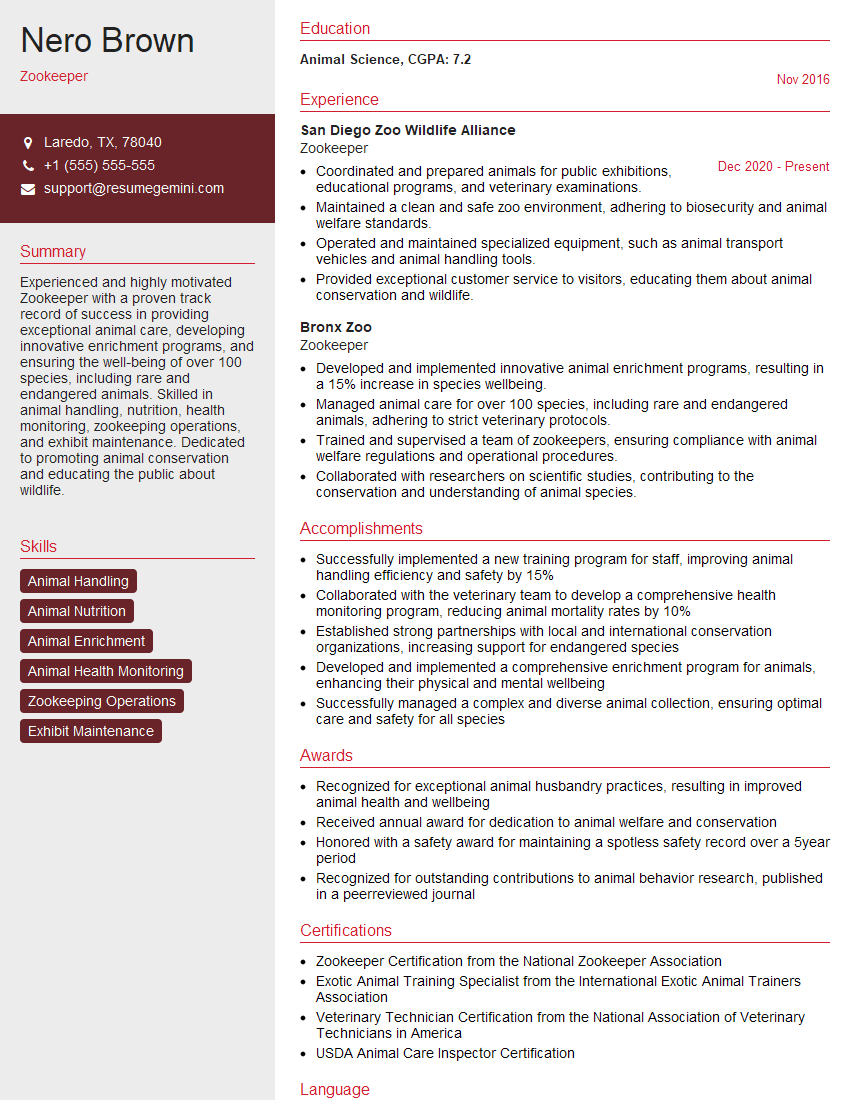
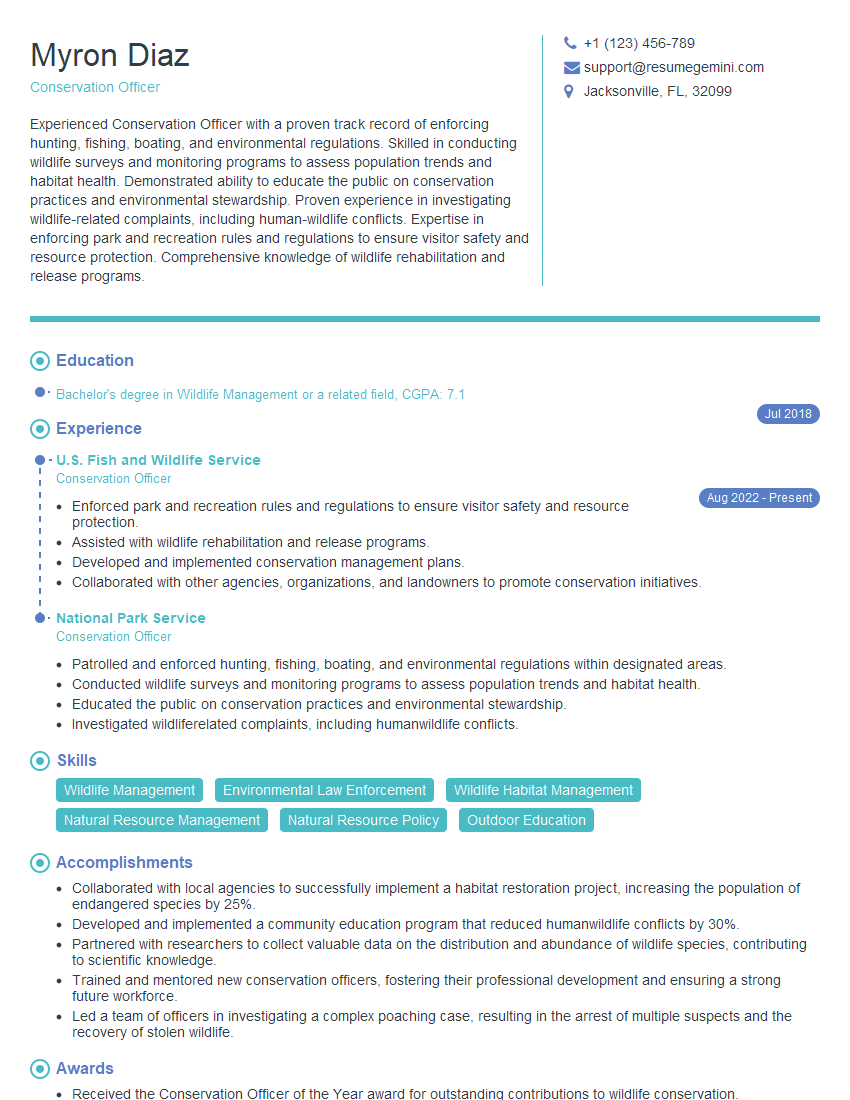
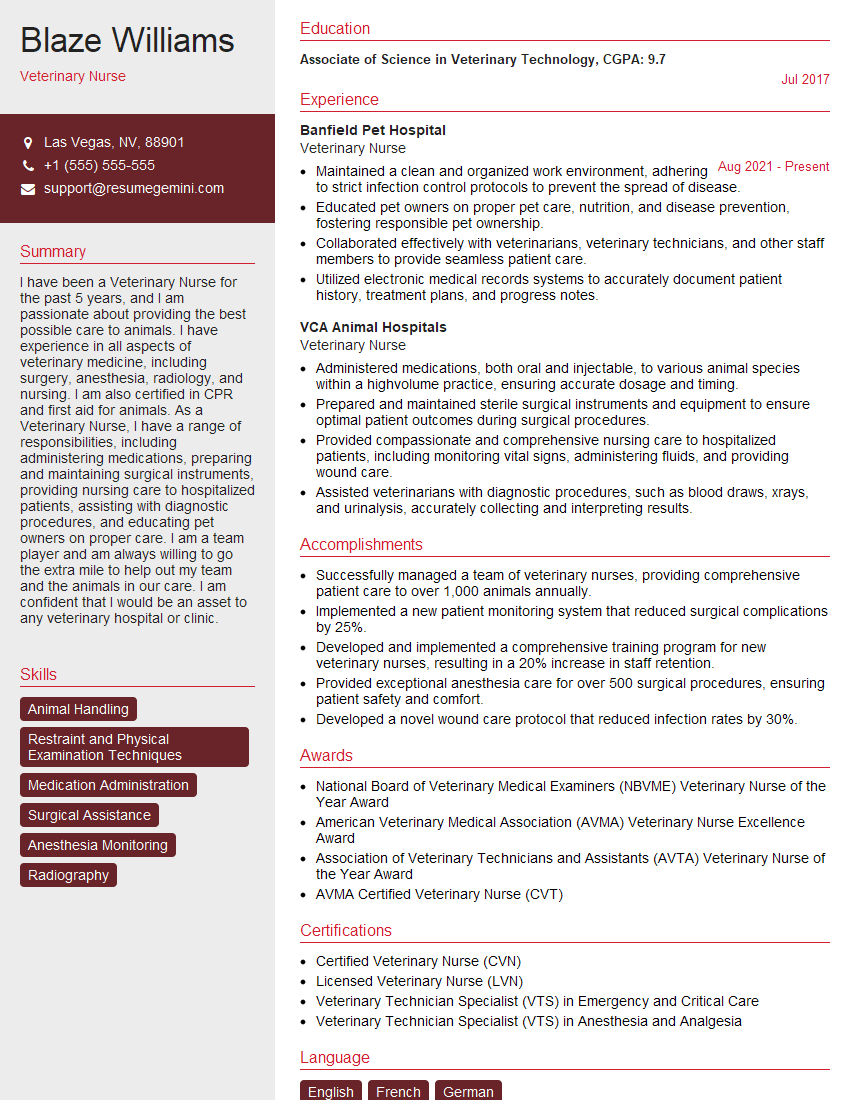
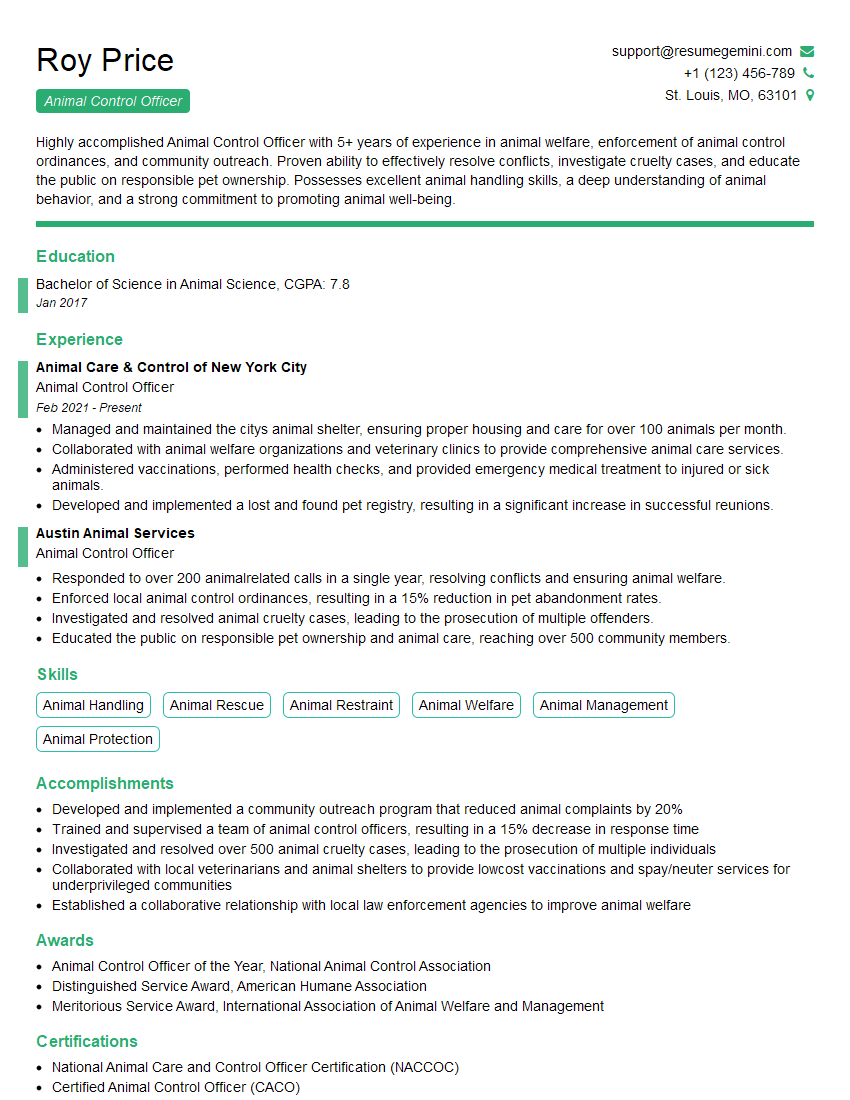
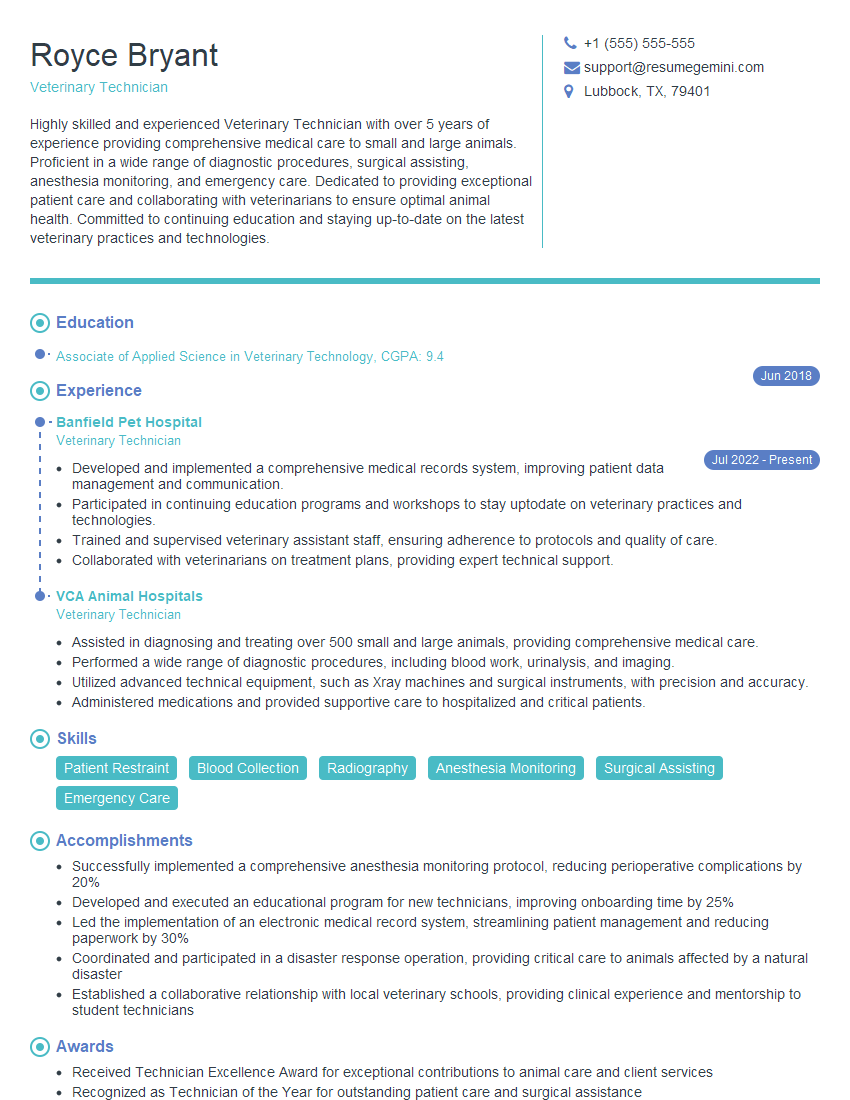
Mastering First Aid for Animals significantly enhances your career prospects in veterinary care, animal rescue, and related fields. A strong understanding of these critical skills demonstrates your commitment to animal welfare and your preparedness for handling emergencies. To maximize your job search success, it is crucial to present your skills and experience effectively. Creating an ATS-friendly resume is key to getting your application noticed. ResumeGemini is a trusted resource that can help you build a professional and impactful resume. Examples of resumes tailored to First Aid for Animals are available to guide you.


Explore more articles
Users Rating of Our Blogs
Share Your Experience
We value your feedback! Please rate our content and share your thoughts (optional).
What Readers Say About Our Blog
Very informative content, great job.
good