Unlock your full potential by mastering the most common Animal Rescue interview questions. This blog offers a deep dive into the critical topics, ensuring you’re not only prepared to answer but to excel. With these insights, you’ll approach your interview with clarity and confidence.
Questions Asked in Animal Rescue Interview
Q 1. Describe your experience handling aggressive animals.
Handling aggressive animals requires a calm, confident approach and a deep understanding of animal behavior. It’s not about brute force, but about de-escalation and safety. My approach prioritizes both the animal’s well-being and the safety of myself and others.
Firstly, I assess the situation. Is the aggression fear-based, territorial, or pain-induced? Understanding the root cause is crucial. I use non-threatening body language – avoiding direct eye contact, slow movements, and a low posture – to minimize the animal’s perceived threat. I might use tools like long-handled scoops or catch poles depending on the animal and the situation. For example, a fearful dog might require a slow, gentle approach with reassuring tones, whereas a territorial cat might need a more cautious, indirect approach using hiding places and food lures.
Secondly, I utilize positive reinforcement techniques wherever possible. Rewarding calm behavior with treats or verbal praise can help redirect the animal’s focus and build trust. If the aggression stems from pain or injury, I prioritize immediate veterinary attention. In situations where immediate physical intervention is necessary, I follow established safety protocols, using appropriate restraint techniques and protective gear to ensure both the animal and human safety. Every interaction is carefully documented to improve future handling strategies. Training in safe animal handling techniques such as those offered by organizations like the American Society for the Prevention of Cruelty to Animals (ASPCA) is crucial for mastering this critical skill.
Q 2. Explain your knowledge of common animal diseases and their treatments.
A strong understanding of common animal diseases is paramount in rescue work. This involves recognizing symptoms, implementing appropriate treatment, and preventing the spread of disease.
- Parvovirus: Highly contagious and often fatal, this viral disease affects dogs and requires immediate veterinary care, including supportive therapy like intravenous fluids and anti-emetics.
- Feline Leukemia Virus (FeLV) and Feline Immunodeficiency Virus (FIV): These retroviruses weaken the feline immune system, making them susceptible to other infections. Management includes regular veterinary check-ups, supportive care, and isolating infected cats to prevent transmission.
- Canine and Feline Influenza: Highly contagious respiratory infections, these viruses cause coughing, sneezing, and nasal discharge. Treatment focuses on supportive care, rest, and keeping the animal warm and comfortable.
- Ringworm: A fungal infection that affects the skin, causing lesions and hair loss. Treatment involves antifungal medications, both topical and oral, and strict hygiene protocols to prevent spread.
- Heartworm: A parasitic infection transmitted through mosquitoes, affecting dogs and cats. Treatment involves medication to kill the adult worms and manage symptoms.
Beyond these specific diseases, I have a firm grasp on recognizing signs of illness, such as lethargy, loss of appetite, vomiting, diarrhea, and changes in behavior. Regular preventative care, including vaccinations and parasite control, is essential in managing the health of rescued animals. My knowledge is constantly updated through continuing education and collaboration with veterinary professionals.
Q 3. How would you handle a situation where a rescued animal displays signs of trauma?
Recognizing and addressing trauma in rescued animals is critical for their successful rehabilitation. Signs can vary significantly, from behavioral issues such as fear, aggression, or anxiety, to physical signs like self-mutilation or unusual postures.
My approach is to first provide a safe and predictable environment. This includes a quiet, comfortable space with minimal stimulation. I then observe the animal closely, noting any behavioral quirks or physical signs. Building trust is key – I avoid any actions that might trigger fear, focusing instead on creating positive associations through gentle handling, providing high-value food rewards, and ensuring access to resources like water, food, and shelter.
Depending on the severity of the trauma, I may consult with a veterinarian or veterinary behaviorist. They may recommend medications such as anti-anxiety drugs or recommend specific behavioral modification techniques. Desensitization and counter-conditioning, for instance, are often employed to gradually expose the animal to fearful stimuli in a controlled and safe way, while pairing it with positive experiences.
Patience and consistency are paramount. Rehabilitation is a gradual process that requires ongoing monitoring and adjustment to address the animal’s individual needs. The success of this process heavily relies on creating a supportive and healing space.
Q 4. What is your experience with animal euthanasia protocols?
Euthanasia is a sensitive topic in animal rescue, and it’s only considered as a last resort when the animal is suffering from an incurable and untreatable condition that causes significant pain and distress. It is a deeply compassionate act to end unnecessary suffering.
I have experience assisting veterinarians with the euthanasia process, ensuring the animal receives a peaceful and humane end. This includes proper preparation, administering medication as directed, and providing comfort and support throughout. Post-euthanasia procedures, such as proper disposal of the body and supporting the staff emotionally, are also handled with utmost respect and care. The decision to euthanize is never taken lightly and is always made collaboratively with the veterinary team, considering the animal’s quality of life and the potential for relief from suffering. Strict adherence to ethical guidelines and regulations are of paramount importance in this critical aspect of animal welfare.
Q 5. Describe your experience with animal transport and safety procedures.
Safe and efficient animal transport is crucial, ensuring the animals arrive at their destination healthy and unharmed.
My experience includes transporting animals of various sizes and species using appropriate carriers, crates, and vehicles. I prioritize climate control, minimizing stress and ensuring adequate ventilation. For longer journeys, I plan regular stops to provide food, water, and rest breaks. Secure containment is a priority – animals are properly restrained to prevent escapes and injuries during transit.
I adhere to all relevant regulations regarding animal transport, including those concerning quarantine and documentation. I’m proficient in handling emergency situations that might arise during transport, such as accidents or sudden illness. Prior to each transport I perform a thorough check on the animal’s condition, ensuring proper identification and documenting the trip. In larger-scale transports, we often coordinate with other rescue organizations and transportation services to optimize efficiency and safety.
Q 6. How do you assess the health and temperament of a newly rescued animal?
Assessing a newly rescued animal’s health and temperament is a multifaceted process involving both observation and hands-on examination.
The initial assessment begins with a visual inspection, looking for obvious injuries, signs of illness, or malnutrition. I note the animal’s body condition, checking for dehydration, skin lesions, and parasites. A careful examination of eyes, ears, and mouth helps detect potential infections or abnormalities.
Temperament assessment involves observing the animal’s behavior in various situations. How does it respond to handling? Does it exhibit fear, aggression, or anxiety? Is it playful or withdrawn? These observations are crucial in determining the best approach for handling and care. A veterinarian’s assessment, including physical exams, blood tests, and parasite screenings, provides a more comprehensive health evaluation. This information is documented thoroughly, forming the basis for developing an appropriate care plan and determining the animal’s readiness for adoption. These combined efforts help us understand the animal’s history and needs, guiding us to ensure its wellbeing and future success.
Q 7. What are your methods for evaluating a potential adopter’s suitability?
Evaluating potential adopters is a vital step in responsible animal placement. I use a multi-pronged approach to ensure a safe and successful adoption for both the animal and the adopter.
Firstly, I conduct a thorough interview, exploring their lifestyle, living situation, experience with animals, and reasons for wanting to adopt. Questions cover their financial stability, ability to provide necessary care (food, vet care, grooming), and understanding of the animal’s specific needs, including those arising from potential trauma.
Secondly, I conduct a home visit to assess the suitability of the environment. Is the home safe and secure for the animal? Are there any hazards present? Does the living space provide adequate resources? This assessment isn’t about judging, but rather ensuring a safe and supportive home for the animal’s specific needs. Finally, I verify their references and conduct a background check, depending on the animal and the adopter’s history. My goal is to create a perfect match, where the animal will thrive in a loving and appropriate home. A post-adoption follow-up is always conducted to ensure the transition is smooth and successful and to address any concerns that may arise.
Q 8. How do you handle difficult conversations with adopters or volunteers?
Difficult conversations with adopters or volunteers are inevitable in animal rescue. My approach centers on empathy, active listening, and clear communication. I begin by acknowledging their perspective and validating their feelings. For example, if an adopter is upset about a pet’s unexpected behavior, I wouldn’t immediately dismiss their concerns. Instead, I’d listen carefully, ask clarifying questions, and offer support and resources, perhaps recommending a certified professional dog trainer or providing educational materials on the specific behavior.
With volunteers, constructive feedback is key. If a volunteer isn’t meeting expectations, I schedule a private meeting to discuss the issue specifically and collaboratively find solutions. I frame any feedback positively, focusing on improvement rather than criticism. For instance, instead of saying ‘You’re not cleaning the kennels properly,’ I might say, ‘I’ve noticed some areas in the kennels could use extra attention. Let’s work together to create a cleaning schedule that works best for you and the shelter’s needs.’ The goal is to foster a supportive environment where everyone feels valued and understood.
Q 9. What is your experience with maintaining accurate animal records?
Maintaining accurate animal records is paramount for responsible animal rescue. We use a comprehensive database system that tracks each animal’s intake date, species, breed, age, medical history (including vaccinations, treatments, and any pre-existing conditions), behavioral notes, and adoption status. Each animal receives a unique identification number, and all records are meticulously updated. This system is crucial for several reasons:
- Medical Care: Tracking medical histories prevents medication errors and allows for informed treatment decisions.
- Adoption Process: Accurate records ensure transparency and enable potential adopters to make informed choices.
- Disease Control: Detailed records aid in identifying and containing outbreaks of contagious diseases.
- Legal Compliance: Many jurisdictions require strict record-keeping for animal shelters.
We regularly back up our database to prevent data loss and ensure its longevity. We also conduct regular audits to maintain data integrity and accuracy. Think of our system as a living, breathing document—constantly evolving to reflect the evolving needs of our animals.
Q 10. Describe your experience with fundraising or grant writing for animal rescue.
Fundraising and grant writing are essential for the financial sustainability of any animal rescue organization. My experience encompasses diverse strategies, including:
- Grant Writing: I’ve successfully secured grants from various foundations and organizations by crafting compelling proposals that highlight our mission, impact, and budget needs. I meticulously research potential funders to ensure alignment with our goals.
- Crowdfunding Campaigns: I’ve launched successful online campaigns using platforms like GoFundMe and Kickstarter, utilizing engaging visuals and storytelling to connect with donors on an emotional level.
- Corporate Sponsorships: I’ve cultivated relationships with local businesses, securing sponsorships in exchange for promotional opportunities.
- Events and Fundraising Activities: I’ve organized events such as adoption days, fundraising walks, and galas to raise awareness and generate funds.
Data-driven reporting is key. We carefully track our fundraising efforts, analyzing what strategies work best to maximize our return on investment. A recent success story involved securing a significant grant to fund a new veterinary clinic on-site, significantly improving our ability to provide quality care.
Q 11. How do you manage a crisis situation in an animal shelter (e.g., disease outbreak)?
Crisis management in an animal shelter requires a swift, decisive, and organized response. A disease outbreak, for instance, demands immediate action. Our protocol involves:
- Isolation: Immediately isolate affected animals to prevent further spread.
- Assessment: Identify the disease, determine its severity, and assess the number of affected animals.
- Veterinary Consultation: Seek immediate veterinary advice for diagnosis, treatment, and containment strategies.
- Sanitation: Implement rigorous cleaning and disinfection protocols throughout the facility.
- Staff Training and PPE: Ensure staff are properly trained in handling infectious diseases and provided with appropriate personal protective equipment (PPE).
- Communication: Keep all stakeholders (staff, volunteers, donors, and potentially the public health authorities) informed and updated.
Prevention is key. We maintain stringent hygiene practices, regularly vaccinate animals, and conduct health checks to minimize the risk of outbreaks. We conduct regular drills to prepare for such scenarios, ensuring that our team is well-coordinated and efficient in responding to crisis situations. This proactive approach significantly minimizes the impact of any potential crisis.
Q 12. What is your experience with community outreach and education programs?
Community outreach and education are integral to our mission. We actively engage with the community through various programs:
- School Visits: We visit schools to educate children about responsible pet ownership and animal welfare.
- Public Events: We participate in community events, offering educational booths and showcasing adoptable animals.
- Social Media Campaigns: We use social media platforms to share information, promote adoption, and increase awareness about animal welfare issues.
- Partnerships: We collaborate with local veterinary clinics, animal control agencies, and other organizations to expand our reach.
- Volunteer Training: Our volunteer program incorporates animal handling and care training, empowering volunteers to become advocates for animal welfare in the community.
A recent successful outreach initiative involved partnering with a local pet store to host a pet adoption event, resulting in several successful adoptions and increased awareness of our shelter in the community. We measure our success through tracking event attendance, social media engagement, and adoption rates following outreach events.
Q 13. How do you effectively manage a team of volunteers?
Effective volunteer management is crucial for a successful animal rescue organization. I focus on clear communication, training, appreciation, and delegation. We start with a clear onboarding process, providing comprehensive training on animal handling, shelter protocols, and safety procedures. This ensures everyone understands their roles and responsibilities. We utilize a volunteer scheduling system, ensuring fair task distribution and minimizing conflicts. Regular check-ins provide an opportunity for feedback, addressing concerns, and offering support.
Recognizing and appreciating volunteers is essential. We regularly express our gratitude through informal recognition, formal awards, and social events. Delegation is another key strategy. I empower volunteers with responsibilities that match their skills and interests, fostering a sense of ownership and increasing their engagement. This approach not only strengthens our team but also creates a supportive and rewarding environment for our volunteers.
Q 14. Explain your understanding of animal behavior and its implications for rescue.
Understanding animal behavior is fundamental to effective animal rescue. Animals exhibit a wide range of behaviors influenced by genetics, environment, and past experiences. Recognizing these factors is crucial for proper care, rehabilitation, and successful adoption. For example, a dog exhibiting aggression might not inherently be vicious; its behavior could stem from fear, lack of socialization, or past trauma. Similarly, a cat’s shyness could be due to a history of neglect or abuse.
We use positive reinforcement training techniques whenever possible, creating a safe and positive environment for animals to recover from trauma and learn appropriate social behaviors. Our team receives ongoing training on animal behavior and handling, enabling us to accurately assess an animal’s needs and develop tailored care plans. We consider factors like body language, vocalizations, and overall demeanor during assessments, ensuring that our interventions are appropriate and effective. This holistic approach significantly increases the success rate of rehabilitation and adoption, leading to happier, healthier outcomes for the animals in our care.
Q 15. How do you prioritize animal care needs in a high-volume shelter?
Prioritizing animal care in a high-volume shelter requires a systematic approach. Think of it like a triage system in a hospital – the most critical cases get immediate attention. We use a combination of visual assessment and medical history to categorize animals.
- Immediate Needs: Animals exhibiting life-threatening conditions (severe injuries, shock, respiratory distress) are prioritized first. For example, a dog with a deep laceration requiring immediate surgery would take precedence over a cat with a minor upper respiratory infection.
- Urgent Needs: Animals needing prompt medical attention to prevent deterioration (moderate injuries, dehydration, infections) are next. This might include a cat with a severe eye infection or a dog with moderate diarrhea needing fluid therapy.
- Routine Care: Animals with minor issues or needing preventative care (vaccinations, deworming) receive attention as resources allow. This is where we may schedule vaccinations or basic health checks.
We utilize a detailed intake process with standardized forms to quickly assess each animal’s needs. This ensures consistency and helps us track progress effectively. Regular staff meetings allow us to discuss challenging cases and adjust our triage system based on our current capacity and available resources.
Career Expert Tips:
- Ace those interviews! Prepare effectively by reviewing the Top 50 Most Common Interview Questions on ResumeGemini.
- Navigate your job search with confidence! Explore a wide range of Career Tips on ResumeGemini. Learn about common challenges and recommendations to overcome them.
- Craft the perfect resume! Master the Art of Resume Writing with ResumeGemini’s guide. Showcase your unique qualifications and achievements effectively.
- Don’t miss out on holiday savings! Build your dream resume with ResumeGemini’s ATS optimized templates.
Q 16. Describe your experience with animal rehabilitation programs.
My experience with animal rehabilitation encompasses a wide range of programs designed to address both physical and behavioral issues. It’s a rewarding aspect of rescue work, watching animals overcome challenges and improve their quality of life.
- Physical Rehabilitation: I’ve worked with animals recovering from injuries, such as broken bones or surgical procedures. This includes administering medications, providing physical therapy (passive range of motion exercises, hydrotherapy), and managing wound care. I recall one instance where a severely injured kitten with a fractured leg responded remarkably well to consistent physical therapy, eventually making a full recovery.
- Behavioral Rehabilitation: This often involves working with animals exhibiting fear, aggression, or anxiety. We use positive reinforcement techniques, such as reward-based training and desensitization, to modify unwanted behaviors. I’ve had success using counter-conditioning with dogs that were fearful of loud noises, gradually associating loud sounds with positive experiences like treats and praise.
Successful rehabilitation relies on patience, consistency, and a deep understanding of animal behavior and physiology. We meticulously document the progress of each animal in its rehabilitation plan, allowing us to adjust our approach as needed and provide optimal care.
Q 17. What is your experience with working with wildlife rescue organizations?
Collaborating with wildlife rescue organizations is crucial for addressing the needs of injured or orphaned wild animals. This involves understanding the unique challenges presented by species-specific care requirements and adhering to strict regulations.
- Species-Specific Care: I’ve partnered with organizations to provide temporary care for injured birds, mammals, and reptiles, ensuring appropriate housing, nutrition, and veterinary care. We always prioritize the animal’s return to the wild, following strict protocols for rehabilitation and release.
- Legal Compliance: Wildlife rescue often involves navigating complex regulations regarding permits, handling procedures, and release protocols. Understanding and adhering to these regulations is paramount. For instance, we’ve carefully followed permit requirements for handling and releasing certain protected bird species.
- Habitat Restoration: Beyond direct animal care, we’ve also worked with wildlife organizations on habitat restoration projects. A healthy environment is key to successful wildlife conservation and rehabilitation.
These collaborations are vital for protecting biodiversity and ensuring the long-term health of wildlife populations. The experience has provided invaluable insight into the ecological importance of wildlife and the unique challenges of their conservation.
Q 18. How familiar are you with local animal control laws and regulations?
Familiarity with local animal control laws and regulations is essential for ethical and legal animal rescue operations. This includes understanding ordinances related to stray animals, dangerous animals, and animal cruelty.
I’m well-versed in our local laws pertaining to animal impoundment, quarantine protocols, and the proper procedures for handling animals involved in bite incidents or suspected cases of animal cruelty. I regularly attend workshops and update myself on any changes in legislation to ensure compliance. This includes staying updated on relevant state and federal regulations as well.
Understanding these laws allows us to operate transparently and effectively. We work closely with local animal control authorities and veterinary services to ensure a coordinated approach to animal welfare. Non-compliance could result in severe penalties and compromise the credibility of the organization.
Q 19. What are your methods for dealing with animal bite incidents?
Handling animal bite incidents requires a calm, decisive approach prioritizing both human and animal safety. The immediate steps are critical.
- First Aid: For the human victim, immediate first aid is crucial, including thorough cleaning and disinfection of the wound. Seeking immediate medical attention is necessary, as bites carry risk of infection and rabies transmission.
- Animal Assessment: The animal involved must be carefully assessed for injuries and signs of illness. Depending on the context, quarantine may be required. The animal’s health history should be established whenever possible, and vaccination records obtained.
- Legal Considerations: Local animal control laws must be followed rigorously. Reporting the incident to authorities is critical, and appropriate documentation must be completed.
Depending on the severity of the bite and the circumstances, the involved animal may be subject to quarantine or euthanasia for rabies testing, particularly if the identity and vaccination status of the animal cannot be confirmed.
Q 20. Describe your experience in implementing and maintaining proper hygiene protocols in an animal shelter.
Maintaining proper hygiene protocols is paramount in preventing the spread of disease within an animal shelter environment. This involves a multi-faceted approach centered on cleanliness, disinfection, and effective waste management.
- Cleaning and Disinfection: Regular cleaning and disinfection of animal enclosures, communal areas, and equipment are essential. We use EPA-registered disinfectants suitable for animal environments and follow strict protocols for application and contact time. Daily cleaning is supplemented by more thorough, deep cleaning at regular intervals.
- Waste Management: Effective waste management is vital. Animal waste should be promptly removed and disposed of properly. We have a system in place for the daily removal and disposal of solid and liquid waste, minimizing odors and disease vectors.
- Personal Hygiene: Staff and volunteers must maintain high standards of personal hygiene. This includes handwashing protocols, use of personal protective equipment (PPE), and appropriate clothing.
- Quarantine Protocols: Incoming animals should be quarantined to prevent introduction of infectious diseases into the general population, until a clean bill of health can be confirmed.
Implementing and maintaining these protocols isn’t just about cleaning; it’s about proactively preventing disease and creating a safe and healthy environment for both animals and staff. It requires consistent training, monitoring, and a dedicated commitment to hygiene practices.
Q 21. How do you handle media inquiries concerning your shelter or organization?
Handling media inquiries requires a strategic and professional approach, balancing transparency with the need to protect animal welfare. This often involves having a designated spokesperson or a communication protocol.
- Preparedness: Having a prepared media kit with relevant information, such as shelter mission, success stories, and contact information, is helpful. This helps in delivering consistent messages and providing accurate details.
- Message Control: It’s important to carefully craft messages to ensure clarity and accuracy, avoiding sensationalism. Sensitive topics, such as animal cruelty cases, should be handled with professionalism and discretion.
- Collaboration: We work with media outlets to ensure fair and accurate reporting. Sometimes, controlled interviews or press releases are utilized to maintain accuracy and prevent misinformation.
- Crisis Communication: Having a plan for dealing with negative publicity or emergencies is also crucial. This requires thoughtful preparation and a system for disseminating information swiftly and efficiently.
Effective media relations enhances public perception, building trust and support for the shelter’s mission. Open communication builds relationships and can attract valuable community involvement.
Q 22. What are your skills in conflict resolution in the context of animal rescue?
Conflict resolution in animal rescue often involves managing disagreements between volunteers, staff, or even adopters. It’s crucial to remain calm, empathetic, and focus on the well-being of the animals. My approach involves active listening, seeking to understand each perspective before offering solutions. I believe in finding common ground, focusing on shared goals, and mediating discussions to reach mutually acceptable outcomes.
For example, I once mediated a disagreement between two volunteers regarding the best approach to socializing a fearful dog. By understanding their differing experiences and perspectives, I facilitated a collaborative approach where they both contributed their skills, resulting in a more effective socialization plan for the dog. I also utilize conflict resolution models such as collaborative problem-solving to structure these discussions.
Q 23. How would you manage budgetary constraints in an animal shelter?
Managing budgetary constraints in an animal shelter requires careful planning, resource allocation, and creative fundraising. It’s like running a household on a tight budget – every penny counts. I start by prioritizing essential expenses such as food, veterinary care, and utilities. I then explore cost-saving measures like negotiating with suppliers, implementing efficient waste management systems, and seeking grants or donations.
For instance, in a previous role, we reduced our food costs by 15% by negotiating bulk discounts with a local pet food supplier and by implementing a more efficient inventory management system to minimize waste. We also launched a successful crowdfunding campaign to raise funds for much-needed veterinary equipment. Budgeting software and regular financial reviews are critical to maintain transparency and control.
Q 24. What are your experience and skills with record keeping and data entry for animals?
Accurate record-keeping and data entry are paramount in animal rescue. It’s the backbone of effective animal management, ensuring animals receive proper care and aiding in tracking their progress. My experience includes utilizing various software systems to maintain detailed animal profiles, including medical histories, behavioral notes, and adoption statuses. I’m proficient in data entry, ensuring accuracy and consistency, which is essential for generating reports for funding applications or tracking overall shelter metrics.
I’ve used software like Spreadsheet software (e.g., Excel, Google Sheets) and dedicated animal shelter management systems to record everything from intake information to vaccination records, ensuring complete and accurate data. Data accuracy helps to streamline processes, making tasks such as locating an animal’s medical records or identifying adoption trends much more efficient.
Q 25. Describe your experience with animal nutrition and dietary requirements.
Understanding animal nutrition is crucial for their health and well-being. It’s not a one-size-fits-all approach; different animals have varying dietary needs based on their species, age, health conditions, and activity levels. My experience encompasses knowledge of commercially available pet foods, as well as the ability to formulate appropriate diets based on specific nutritional requirements. I’m also adept at recognizing signs of malnutrition and identifying potential dietary issues.
For instance, I helped a shelter dog with chronic kidney disease by developing a specialized diet low in phosphorus and protein, under the guidance of a veterinarian. This requires an understanding of animal physiology and nutrition, and the ability to work collaboratively with veterinary professionals to create effective and safe dietary plans.
Q 26. What are your strategies for preventing animal escapes from a shelter?
Preventing animal escapes is a top priority in any shelter. It’s about creating a secure environment that minimizes opportunities for escape while ensuring the animals’ comfort and safety. This involves regular checks of enclosures, utilizing appropriate fencing, locks, and gates. It also involves training staff on proper handling techniques to minimize stress and prevent accidental escapes.
We use a multi-pronged approach. This includes regular inspections of kennels and runs for any weaknesses, ensuring proper latching mechanisms are in place on cages and doors, and regularly inspecting fencing for holes or weaknesses. Staff training includes safe handling practices, and protocols for moving animals in and out of enclosures to prevent any accidental openings. Additionally, thorough assessments of the animals’ personalities are crucial to determining suitable housing.
Q 27. What is your familiarity with different animal housing standards and requirements?
My familiarity with animal housing standards extends to understanding local, state, and sometimes federal regulations regarding space requirements, environmental enrichment, and sanitation. These vary depending on the species and age of the animals. I’m familiar with best practices for ensuring adequate space, proper ventilation, appropriate bedding, and enrichment to minimize stress and promote natural behaviors.
For example, I know the legal requirements for cage sizes for cats and dogs, and the guidelines for providing appropriate enrichment like toys, scratching posts, and opportunities for exploration. Maintaining clean and sanitary environments to prevent disease transmission is critical and necessitates understanding protocols for cleaning and disinfection. Understanding these standards enables the shelter to provide optimal care and adhere to all applicable laws.
Q 28. How do you ensure the safety and well-being of both animals and staff in a rescue environment?
Ensuring the safety and well-being of both animals and staff is paramount. This involves implementing safety protocols, providing appropriate training, and fostering a culture of respect and safety. For animals, this means providing secure housing, preventing exposure to hazards, and implementing stress-reduction techniques. For staff, it means providing safety training on animal handling, implementing emergency response plans, and ensuring access to personal protective equipment (PPE).
We maintain a safe work environment by conducting regular safety inspections, providing training on animal handling and first aid, and utilizing appropriate PPE such as gloves and bite-resistant sleeves. Clear emergency procedures, including protocols for animal bites or medical emergencies, are well-documented and practiced regularly. We prioritize a collaborative environment where staff feel comfortable reporting concerns and participating in safety discussions.
Key Topics to Learn for Animal Rescue Interview
- Animal Welfare & Ethics: Understanding animal behavior, recognizing signs of illness or distress, and applying ethical principles in decision-making regarding animal care.
- Practical Application: Describing experiences handling animals of different species, temperaments, and health conditions; demonstrating knowledge of safe animal handling techniques.
- Animal Handling & Husbandry: Knowledge of proper feeding, hygiene, enrichment, and veterinary care protocols; experience with different animal housing and enclosure maintenance.
- Shelter Management: Understanding the logistics of running an animal shelter, including intake procedures, adoption processes, volunteer management, and resource allocation.
- Practical Application: Demonstrating experience with record-keeping, inventory management, and budget considerations within a shelter environment; describing solutions to logistical challenges.
- Community Outreach & Education: Understanding the importance of public education and community engagement in animal welfare; experience in outreach programs, fundraising, or public speaking.
- Practical Application: Describing successful initiatives to promote animal adoption, raise awareness about responsible pet ownership, or secure community support for animal rescue efforts.
- Crisis Management & Problem-Solving: Developing strategies for handling emergencies, such as animal injury, disease outbreaks, or behavioral issues; experience in conflict resolution and effective communication during stressful situations.
- Teamwork & Collaboration: Highlighting experience working collaboratively with volunteers, staff, veterinarians, and other stakeholders in a team-based environment.
- Legal & Regulatory Compliance: Understanding relevant animal welfare laws, regulations, and licensing requirements.
Next Steps
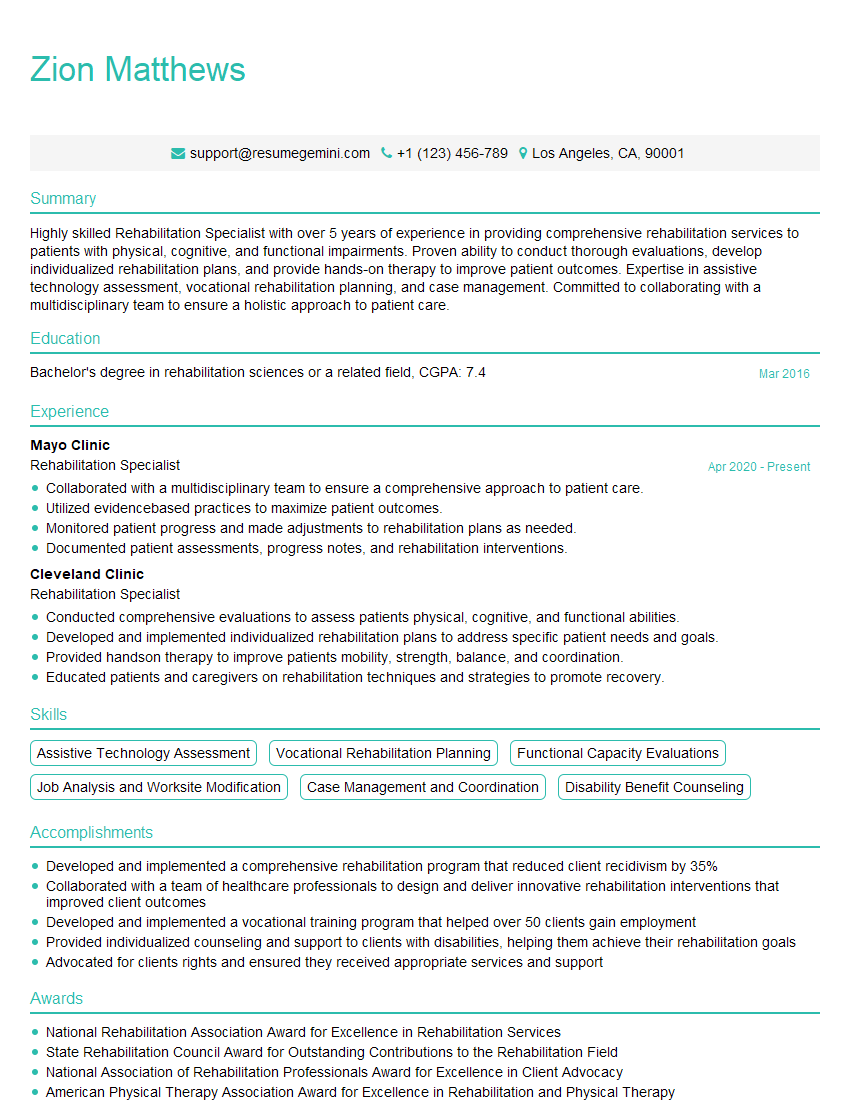
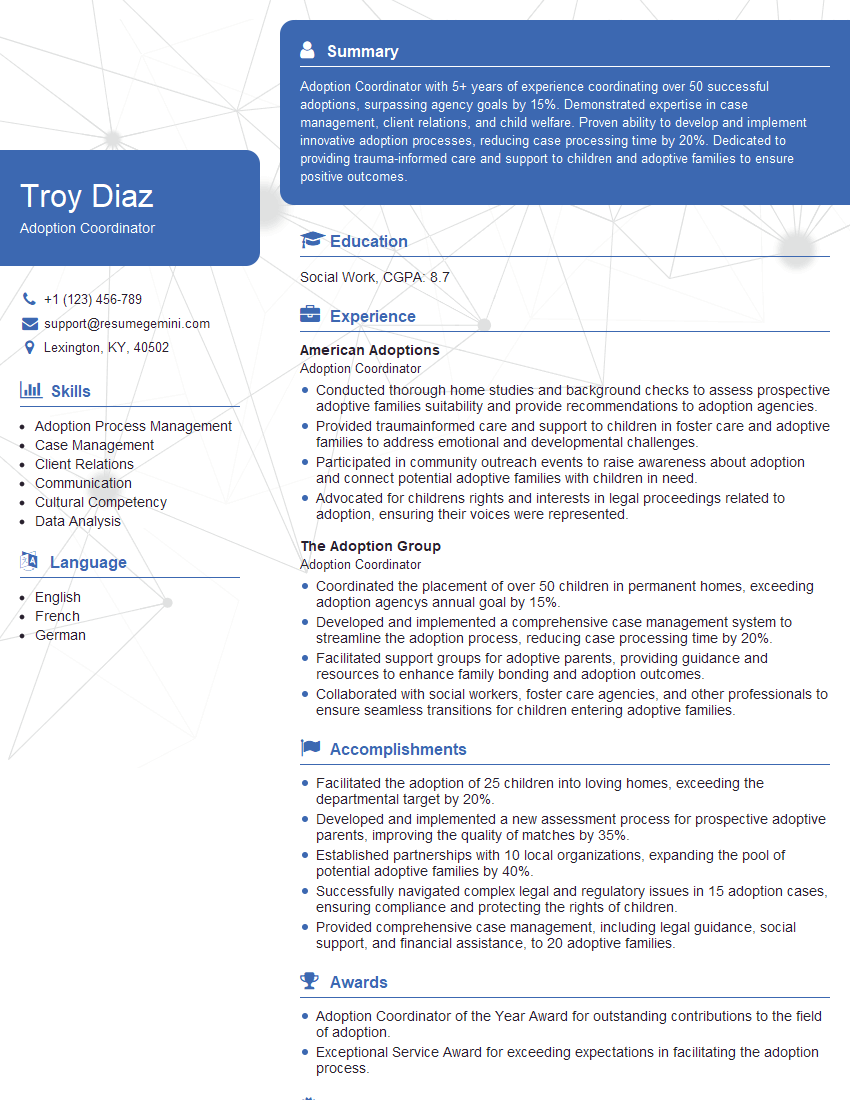
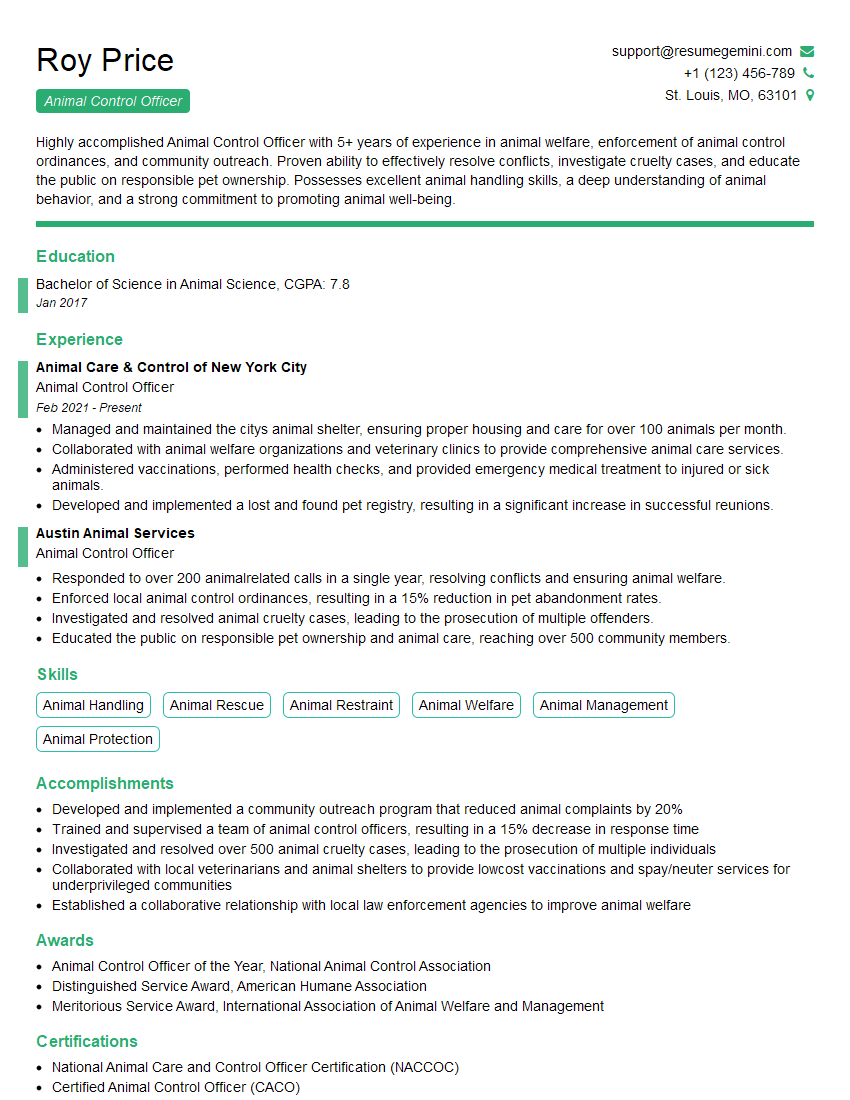
Mastering the key aspects of animal rescue significantly enhances your career prospects within the field, opening doors to diverse and rewarding roles. A well-crafted, ATS-friendly resume is crucial for getting your application noticed by recruiters. To maximize your chances, consider using ResumeGemini to build a professional and impactful resume that highlights your skills and experience effectively. ResumeGemini offers examples of resumes tailored specifically to the animal rescue sector, providing invaluable guidance for crafting a compelling application.


Explore more articles
Users Rating of Our Blogs
Share Your Experience
We value your feedback! Please rate our content and share your thoughts (optional).
What Readers Say About Our Blog
Very informative content, great job.
good