Every successful interview starts with knowing what to expect. In this blog, we’ll take you through the top Hair culture interview questions, breaking them down with expert tips to help you deliver impactful answers. Step into your next interview fully prepared and ready to succeed.
Questions Asked in Hair culture Interview
Q 1. Describe your experience with different hair textures (fine, thick, curly, straight).
My experience spans a wide range of hair textures, and understanding these differences is crucial for providing personalized care. Fine hair, for example, requires gentle handling to avoid breakage. I use lightweight products and techniques like teasing with precision to add volume without weighing it down. Thick hair, on the other hand, benefits from products that add moisture and manageability, preventing frizz and promoting shine. I often employ techniques like layering or texturizing to reduce bulk and create movement. Curly hair requires a completely different approach, focusing on hydration and minimizing manipulation to preserve its natural curl pattern. I work with clients to find the right products to define curls and combat dryness. Straight hair can be styled in various ways; I tailor my approach based on the client’s desired style – sleek, wavy, or voluminous, always considering their hair’s health and thickness.
Q 2. Explain your process for creating a specific hair color (e.g., balayage, ombre).
Creating a balayage or ombre look requires precision and artistry. For a balayage, I begin with a thorough consultation to understand the client’s desired lightness and placement of highlights. I then carefully hand-paint the lightener onto the hair, using a freehand technique to create a natural, sun-kissed effect. The process involves strategically selecting sections and applying the lightener in varying thicknesses to achieve a graduated, dimensional look. With ombre, the focus is on a more dramatic transition of color, typically from darker roots to lighter ends. I achieve this by applying a darker color to the roots and gradually lightening the hair towards the ends using foils or freehand painting, depending on the desired effect. Throughout both processes, I meticulously monitor the lightening process to prevent damage and ensure even color distribution. Following the lightening, I use glosses and toners to perfect the final color, ensuring the client’s desired shade and shine.
Q 3. What techniques do you use to achieve a specific hairstyle (e.g., updo, blow-dry)?
Achieving a specific hairstyle requires mastering various techniques. For updos, I consider factors like hair length, texture, and the client’s desired style. Techniques range from simple twists and braids to intricate chignons and buns. I often use tools like curling irons, straightening irons, and bobby pins to create structure and hold. Blow-drying involves understanding different nozzle attachments and airflow techniques to achieve various styles. A round brush is used to create volume and shape, while a paddle brush is often used for smoothing and straightening. I always adapt my techniques to the client’s hair texture and desired outcome. For example, a client with fine hair might need more volume, whereas a client with thick hair might need more smoothing. Proper heat protection products are always employed to minimize damage.
Q 4. How do you handle client consultations to understand their needs and preferences?
Client consultations are the foundation of a successful hair service. I begin by actively listening to the client’s requests and understanding their vision. I ask detailed questions about their lifestyle, hair care routine, and any past experiences with hair treatments. I examine their hair’s condition, assessing its texture, porosity, and current color. We discuss potential styles and colors together, looking at photographs and considering factors like face shape and overall style. I present my professional recommendations, carefully explaining the pros and cons of each option, and always ensuring the client feels comfortable and informed before proceeding with any treatment. The goal is to create a collaborative relationship where the client’s needs and preferences are the top priority.
Q 5. Describe your experience with various hair coloring techniques (permanent, semi-permanent, temporary).
My experience with various hair coloring techniques is extensive. Permanent color provides the most significant color change and lasts until the hair grows out. It contains ammonia and peroxide which permanently alters the hair’s pigment. Semi-permanent color is a gentler option that gradually fades with each wash, lasting for about 4-6 weeks. It does not contain ammonia but often uses peroxide for lift. Temporary color is the least damaging and washes out completely in one or two washes. This includes color sprays, washes, and temporary dyes. Each technique has its own application method and considerations. For example, permanent color requires a thorough patch test to avoid allergic reactions. I carefully select the right technique based on the client’s desired outcome and the condition of their hair to minimize damage and maximize results.
Q 6. What are the different types of hair extensions, and what are their pros and cons?
Hair extensions offer a wide range of options to add length and volume. Weft extensions are sewn or clipped into the natural hair. They are generally cost-effective but require more maintenance. Tape-in extensions are applied using adhesive tapes, offering a less invasive method. Individual strands, such as micro-links or fusion bonds, are applied one by one, creating a natural look. Clip-in extensions are the easiest to apply and remove, making them ideal for temporary use. The choice depends on the client’s needs, hair type, and budget. Important considerations include proper installation to prevent damage and the need for regular maintenance and professional removal to avoid scalp damage.
Q 7. How do you maintain sanitation and hygiene standards in a salon environment?
Maintaining sanitation and hygiene is paramount in a salon environment. We adhere to strict protocols, including sterilizing all tools and equipment after each use with a hospital-grade disinfectant. All combs, brushes, and cutting tools are properly cleaned and disinfected. We use disposable capes and towels for each client, and our stations are thoroughly disinfected between clients. Hand hygiene is emphasized, with staff members regularly washing and sanitizing their hands. We also follow strict guidelines for handling and disposing of used products and materials. These measures protect both clients and staff from potential infections and ensure a safe and healthy environment.
Q 8. Explain your knowledge of different hair products and their applications.
My knowledge of hair products encompasses a wide range, from basic shampoos and conditioners to advanced styling and treatment products. Understanding their chemical compositions and applications is crucial for achieving desired results and maintaining hair health.
- Shampoos and Conditioners: These are the foundation of any hair care routine. I advise clients on choosing products based on their hair type (e.g., fine, thick, oily, dry) and concerns (e.g., color-treated, damaged). For example, a client with fine, oily hair would benefit from a clarifying shampoo and a lightweight conditioner, while someone with dry, damaged hair needs a moisturizing shampoo and a deep conditioner.
- Styling Products: This category includes mousses, gels, serums, sprays, and pomades. Each product offers different levels of hold, shine, and texture. I assess the client’s desired style and hair texture to recommend the appropriate product. For instance, a client wanting a sleek, straight look would use a smoothing serum and a strong-hold hairspray, while someone aiming for voluminous curls might opt for a volumizing mousse and a flexible-hold hairspray.
- Treatment Products: These are designed to address specific hair concerns. Deep conditioners, hair masks, and protein treatments repair damaged hair, while scalp treatments address issues like dandruff or dryness. I carefully analyze the client’s hair condition before recommending a treatment plan.
- Chemical Treatments: This includes relaxers, perms, and color products, which I will discuss in more detail in a later answer. Their proper application requires advanced training and careful consideration of hair health.
I always emphasize the importance of using high-quality products and following the manufacturer’s instructions for best results and to avoid potential damage.
Q 9. How do you troubleshoot common hair problems (e.g., breakage, dryness, dandruff)?
Troubleshooting common hair problems requires a thorough understanding of hair structure and the factors contributing to the issue. I use a systematic approach to diagnose and treat problems like breakage, dryness, and dandruff.
- Breakage: This often stems from heat styling, chemical treatments, or lack of moisture. I assess the severity of breakage and recommend solutions like trimming split ends, using protective styling techniques, minimizing heat styling, and incorporating protein treatments and deep conditioners into their routine.
- Dryness: Dry hair can be caused by environmental factors, harsh chemicals, or underlying medical conditions. I advise clients to use moisturizing shampoos and conditioners, deep condition regularly, and minimize exposure to harsh elements like sun and wind. I might also recommend incorporating hair oils or serums into their routine.
- Dandruff: Dandruff is usually caused by a fungal infection or dry scalp. I recommend using medicated shampoos containing ingredients like zinc pyrithione or selenium sulfide. If the dandruff persists, I advise the client to consult a dermatologist to rule out other potential causes.
For each problem, I create a customized plan that addresses the root cause and incorporates preventative measures. For example, if a client experiences breakage due to heat styling, I will educate them on proper heat styling techniques and recommend using heat protectant sprays.
Q 10. Describe your experience with chemical treatments (e.g., perms, relaxers).
I have extensive experience with chemical treatments, including perms, relaxers, and hair coloring. These treatments require precision, knowledge of chemistry, and a deep understanding of hair structure to avoid damage and achieve desired results.
- Perms: I’m skilled in various perm techniques, adjusting the solution strength and processing time to match the client’s hair texture and desired curl pattern. I always perform a strand test to check for allergies and assess the hair’s health and responsiveness to the chemicals.
- Relaxers: Relaxers alter the hair’s natural curl pattern, requiring careful application and precise processing to avoid scalp irritation and hair breakage. I prioritize client safety by conducting thorough consultations and allergy tests before any application.
- Hair Coloring: This involves a wide array of techniques, from single-process coloring to highlights, balayage, and ombre. I use professional-grade products and tailor the color to the client’s skin tone, hair texture, and desired look. Safety precautions, such as patch tests, are always followed.
Throughout all chemical treatments, I meticulously follow safety protocols and ensure proper aftercare instructions are given to maintain the results and prevent damage. Client education and open communication are paramount.
Q 11. How do you stay updated on the latest trends and techniques in hair styling and coloring?
Staying updated in this dynamic industry is crucial. I utilize several strategies to stay ahead of the curve:
- Professional Publications and Websites: I regularly read industry magazines and visit websites dedicated to hair styling and coloring. This keeps me abreast of new techniques, products, and trends.
- Industry Events and Workshops: Attending hair shows, workshops, and seminars allows me to learn from renowned stylists and gain hands-on experience with new techniques and products.
- Online Courses and Webinars: Many platforms offer online courses that cover various aspects of hair styling, coloring, and hair care. I utilize these resources to expand my knowledge and refine my skills.
- Social Media and Networking: Following prominent hairstylists and hair brands on social media platforms such as Instagram provides valuable insights into the latest trends and innovative approaches.
Continuous learning is a commitment I’m deeply dedicated to, ensuring that I provide my clients with the most up-to-date and effective services.
Q 12. What is your experience with managing client bookings and scheduling?
I have extensive experience managing client bookings and scheduling, utilizing both online booking systems and traditional appointment methods. Efficiency and organization are key to seamless client management.
- Online Booking Systems: I utilize online scheduling software that allows clients to book appointments independently, view my availability, and receive automated reminders. This streamlines the appointment process and minimizes scheduling conflicts.
- Client Communication: I maintain clear and proactive communication with clients, confirming appointments, sending reminders, and responding promptly to inquiries.
- Calendar Management: I maintain a meticulously organized calendar, noting appointments, service durations, and client details. This ensures that appointments are spaced effectively and that client time is respected.
- Waiting List Management: I utilize waiting lists to manage cancellations and maximize appointment slots. This minimizes wasted time and allows for efficient use of my schedule.
My goal is to ensure a smooth and efficient booking process, minimizing wait times and maximizing client satisfaction.
Q 13. How do you handle difficult or demanding clients?
Handling demanding clients requires patience, empathy, and effective communication skills. My approach centers on understanding their concerns and finding solutions that meet their needs.
- Active Listening: I listen attentively to the client’s concerns, letting them fully express their frustration or dissatisfaction without interruption.
- Empathy and Validation: I acknowledge their feelings and validate their concerns, showing that I understand their perspective.
- Problem-Solving: I collaborate with the client to identify the root cause of the issue and explore potential solutions. I clearly explain the options and the reasoning behind my recommendations.
- Setting Boundaries: While I strive to meet client needs, I also maintain professional boundaries. I clearly communicate my limitations and expectations.
Even in challenging situations, I maintain a calm and professional demeanor, focusing on finding a resolution that satisfies both the client and myself. It’s about turning a potentially negative experience into a positive one through understanding and compromise.
Q 14. Describe your experience with upselling services and products.
Upselling services and products is a critical aspect of running a successful hair salon, but it must be done ethically and naturally. I focus on providing value and recommending products or services that truly benefit the client.
- Needs Assessment: During consultations, I identify the client’s needs and concerns, and suggest products or services that address those needs. For example, if a client has dry hair, I might recommend a deep conditioning treatment or a leave-in conditioner.
- Product Knowledge: I possess in-depth knowledge of the products I offer, allowing me to explain their benefits and how they will improve the client’s hair. I avoid high-pressure tactics and focus on educating the client.
- Client Education: I explain the benefits and value of the recommended products or services, helping clients understand how they will improve the overall health and appearance of their hair.
- Building Trust: Building a strong relationship with my clients is key. By providing excellent service and consistently exceeding expectations, I earn their trust, making them more receptive to my recommendations.
Successful upselling isn’t about pushing products; it’s about helping clients achieve their hair goals by recommending solutions that add real value to their experience. I approach each recommendation as an opportunity to enhance the client’s overall satisfaction.
Q 15. What are your strengths and weaknesses as a hair stylist?
My greatest strength as a stylist is my ability to connect with clients and understand their needs. I listen carefully to their requests, consider their hair type and lifestyle, and then collaboratively create a style that enhances their natural beauty and reflects their personality. I’m also highly proficient in various cutting and coloring techniques, constantly updating my skills through continuing education. For example, I recently mastered balayage techniques for a more natural-looking highlight. A weakness I’m actively working on is time management. Sometimes, my dedication to perfecting a style can lead to slightly exceeding scheduled appointment times. I’m addressing this by implementing stricter time-blocking strategies and prioritizing tasks more efficiently.
Career Expert Tips:
- Ace those interviews! Prepare effectively by reviewing the Top 50 Most Common Interview Questions on ResumeGemini.
- Navigate your job search with confidence! Explore a wide range of Career Tips on ResumeGemini. Learn about common challenges and recommendations to overcome them.
- Craft the perfect resume! Master the Art of Resume Writing with ResumeGemini’s guide. Showcase your unique qualifications and achievements effectively.
- Don’t miss out on holiday savings! Build your dream resume with ResumeGemini’s ATS optimized templates.
Q 16. How do you handle emergencies or accidents in the salon (e.g., chemical burns)?
In the event of an accident, such as a chemical burn, my immediate priority is client safety. I have a comprehensive first-aid kit readily available and am trained in handling such emergencies. The steps I follow are: 1. Immediately rinse the affected area with cool water for at least 15-20 minutes. 2. Remove any contaminated clothing. 3. Apply a cool compress. 4. Assess the severity of the burn. If it’s a minor burn, I’ll apply a burn cream and advise the client to seek medical attention if needed. For serious burns, I will immediately call emergency services (911) and follow their instructions. I also maintain detailed records of all incidents and chemical usage for safety and insurance purposes.
Q 17. What safety precautions do you follow when using chemicals and tools?
Safety is paramount in my practice. When using chemicals, I always ensure proper ventilation, wearing gloves, a mask, and protective eyewear. I strictly follow the manufacturer’s instructions for mixing and applying products. Tools are sterilized before and after each use, using hospital-grade disinfectant. Sharp tools are stored securely to prevent accidents. I regularly check the expiration dates of chemicals and replace them as needed. For example, before starting a color treatment, I always perform a strand test to check for any allergic reactions or unexpected color results. This proactive approach minimizes risks and ensures a safe environment for both myself and my clients.
Q 18. How do you assess the health of a client’s hair before performing a service?
Assessing a client’s hair health involves a thorough consultation and visual examination. I evaluate the hair’s texture (fine, medium, coarse), porosity (ability to absorb moisture), elasticity (how well it stretches and returns to shape), density (number of strands per square inch), and scalp condition. I ask about their hair care routine, including products used, frequency of washing, and any styling practices. I look for signs of damage, such as split ends, breakage, dryness, or scalp irritations. This comprehensive assessment allows me to tailor the service to their specific needs and prevent further damage. For instance, if the hair is excessively dry and brittle, I’d recommend a deep conditioning treatment before proceeding with a cut or color.
Q 19. Describe your knowledge of different hair cutting techniques.
My cutting techniques encompass a wide range of styles, from classic to modern. I am proficient in various methods, including:
- Point cutting: Used for texturizing and creating soft, feathered layers.
- Slide cutting: Creates soft, blended lines and movement in the hair.
- Blunt cutting: Produces a precise, clean cut, ideal for bobs and other geometric styles.
- Layer cutting: Adds volume and shape to the hair, creating different lengths.
Q 20. What software or systems are you familiar with for managing client information?
I am experienced with various client management systems, including scheduling software like Acuity Scheduling and client relationship management (CRM) systems like Mindbody. These platforms allow me to efficiently manage appointments, track client preferences, store contact information, and maintain service history. This ensures a smooth and personalized experience for every client. For example, using these systems, I can easily access a client’s previous service notes to ensure consistency and to avoid potential conflicts with previous treatments or allergies.
Q 21. What is your experience with managing a team of stylists (if applicable)?
While I haven’t managed a large team of stylists, I have experience collaborating with other professionals in a salon setting. I value teamwork and communication, focusing on creating a positive and supportive work environment. I believe in delegating tasks effectively and providing constructive feedback to foster growth and improve team performance. In my past experience, I collaborated with a junior stylist on a busy weekend, effectively guiding them through different tasks and offering support while ensuring client satisfaction. This experience honed my abilities to collaborate and manage workflows, providing a structured approach to busy periods.
Q 22. How do you handle inventory management of hair products and tools?
Inventory management for hair products and tools is crucial for efficient salon operations. My approach involves a multi-pronged strategy combining meticulous record-keeping with regular stock checks and smart purchasing. I utilize a digital inventory system to track product quantities, expiration dates, and sales trends. This allows for precise forecasting of future needs and prevents stockouts of popular items. For example, I track the usage of specific hair colors to avoid waste from purchasing excess of rarely used shades. Regularly auditing physical stock against the digital inventory helps identify discrepancies and potential losses. Furthermore, I analyze sales data to understand seasonal demands – for instance, stocking up on sunscreens and leave-in conditioners during summer months. This data-driven approach optimizes inventory levels, minimizing storage costs and reducing waste.
For tools, I maintain a detailed spreadsheet tracking the condition and maintenance schedule of each item. This ensures regular cleaning and repair or replacement when necessary, maximizing their lifespan and minimizing downtime. I also allocate specific storage spaces for tools to ensure easy access and prevent damage. For example, all shears are stored in a protective case to prevent accidental damage to the blades.
Q 23. What is your approach to pricing your services?
Pricing my services requires a balanced approach, considering several factors. I analyze the market rates for similar services in my area to establish a competitive baseline. However, I also factor in the cost of products, the time and expertise required for each service, and the overall value I provide to clients. For example, a complex balayage technique will naturally command a higher price than a simple trim, reflecting the increased time investment and specialized skill involved. I also offer tiered pricing structures for certain services, allowing clients to choose options that best suit their budget and needs. Transparency in pricing is key; I clearly communicate the cost breakdown of each service to clients, building trust and ensuring mutual understanding.
Q 24. Describe your experience with scalp treatments and hair analysis.
Scalp treatments and hair analysis are integral parts of my approach to hair care. I begin each consultation with a thorough scalp examination, looking for signs of dryness, irritation, dandruff, or other conditions. This involves visually inspecting the scalp and using touch to assess its texture and feel. I then conduct a detailed hair analysis, assessing the hair’s texture (fine, medium, coarse), porosity (how well it absorbs moisture), and elasticity (how well it stretches and recovers). This comprehensive analysis allows me to diagnose potential issues and recommend personalized treatments. For example, a client with a dry, flaky scalp might benefit from a clarifying treatment followed by a hydrating mask. Similarly, a client with damaged hair might require a protein treatment to strengthen and repair the hair shaft.
My experience includes working with various scalp conditions, ranging from mild dandruff to more serious issues like seborrheic dermatitis. I’m skilled in recommending and administering appropriate treatments, which often involve a combination of specialized products and techniques. I also educate clients on proper scalp and hair care practices to maintain the health of their hair long-term.
Q 25. How do you ensure customer satisfaction?
Ensuring customer satisfaction is paramount. I believe it’s a continuous process, starting with the initial consultation and extending beyond the completion of the service. First, I prioritize effective communication. I actively listen to clients’ needs and concerns, ensuring I fully understand their hair goals and expectations. During the service itself, I maintain open communication, explaining each step of the process and addressing any questions or concerns they may have. I also encourage feedback throughout the service, allowing for adjustments based on their preferences. After the service, I provide detailed after-care instructions tailored to their hair type and the service received. I actively follow up with clients post-service to address any issues or concerns and to ensure they are happy with the results. This personalized approach fosters positive relationships and builds client loyalty.
Q 26. What are your goals for your career in hair culture?
My career goals in hair culture extend beyond simply styling hair; I aim to become a recognized leader in the field, known for my expertise in both technical skills and client care. I aspire to expand my knowledge and skills by pursuing advanced certifications and attending continuing education courses to stay abreast of the latest trends and techniques. I envision opening my own salon, creating a space that prioritizes both exceptional service and a welcoming atmosphere. I’m also interested in giving back to the community, perhaps by mentoring aspiring hair stylists or volunteering my skills for charitable causes.
Q 27. Describe your experience with working with different hair lengths.
Working with different hair lengths requires adapting techniques and using appropriate tools. For shorter hair, precision cutting and styling techniques are crucial. I focus on creating sharp lines and precise shapes, taking into account the client’s face shape and features. Longer hair allows for more creative styling options, such as layering, braiding, and updos. I must consider the hair’s weight and volume to ensure the style is balanced and looks natural. Regardless of the length, I prioritize understanding the client’s lifestyle and preferences to create a style that’s both fashionable and practical for them. For example, a busy professional might prefer a low-maintenance style, while someone attending a special event might want a more elaborate updo. I adjust my techniques and product choices accordingly.
Q 28. What is your understanding of different hair types and their specific needs?
Understanding different hair types and their specific needs is fundamental to my work. Hair types vary significantly in terms of texture (fine, medium, coarse), density (number of hair strands per square inch), porosity (ability to absorb moisture), and elasticity (ability to stretch and recover). For instance, fine hair requires gentler handling and lightweight products to avoid weighing it down, while coarse hair might benefit from heavier products to add moisture and manageability. Similarly, high-porosity hair (easily absorbs moisture) requires products that seal in hydration, while low-porosity hair (resists moisture absorption) needs products that help penetrate the hair shaft. I’m familiar with various hair textures, including straight, wavy, curly, and coily, and I adapt my techniques and product recommendations based on these characteristics. Recognizing these differences ensures that I provide personalized care and achieve the best possible results for each client.
Key Topics to Learn for Hair Culture Interview
- Hair Anatomy and Physiology: Understanding hair structure, growth cycle, and common hair types (e.g., fine, coarse, curly, straight) is fundamental. This knowledge informs appropriate product selection and styling techniques.
- Hair Chemistry: Learn about the chemical processes involved in hair coloring, perming, relaxing, and other chemical treatments. Understanding pH levels and ingredient interactions is crucial for safe and effective service delivery.
- Hair Styling Techniques: Master various cutting, styling, and finishing techniques. Be prepared to discuss your proficiency with different tools and methods, and how you adapt techniques based on hair type and client needs.
- Hair Care and Maintenance: Develop expertise in advising clients on proper hair care routines, including product recommendations, at-home maintenance, and preventative measures for damage.
- Salon Management and Client Relations: Discuss your understanding of salon operations, client consultation, appointment scheduling, and building rapport with clients. This demonstrates your business acumen and professional approach.
- Health and Safety Regulations: Demonstrate knowledge of relevant health and safety regulations, hygiene practices, and sanitation procedures within a salon environment. This is vital for ensuring a safe and professional working environment.
- Trend Awareness and Innovation: Stay updated on current hair trends, new products, and innovative techniques. Discussing your passion for the industry and continuous learning demonstrates your commitment to professional growth.
Next Steps
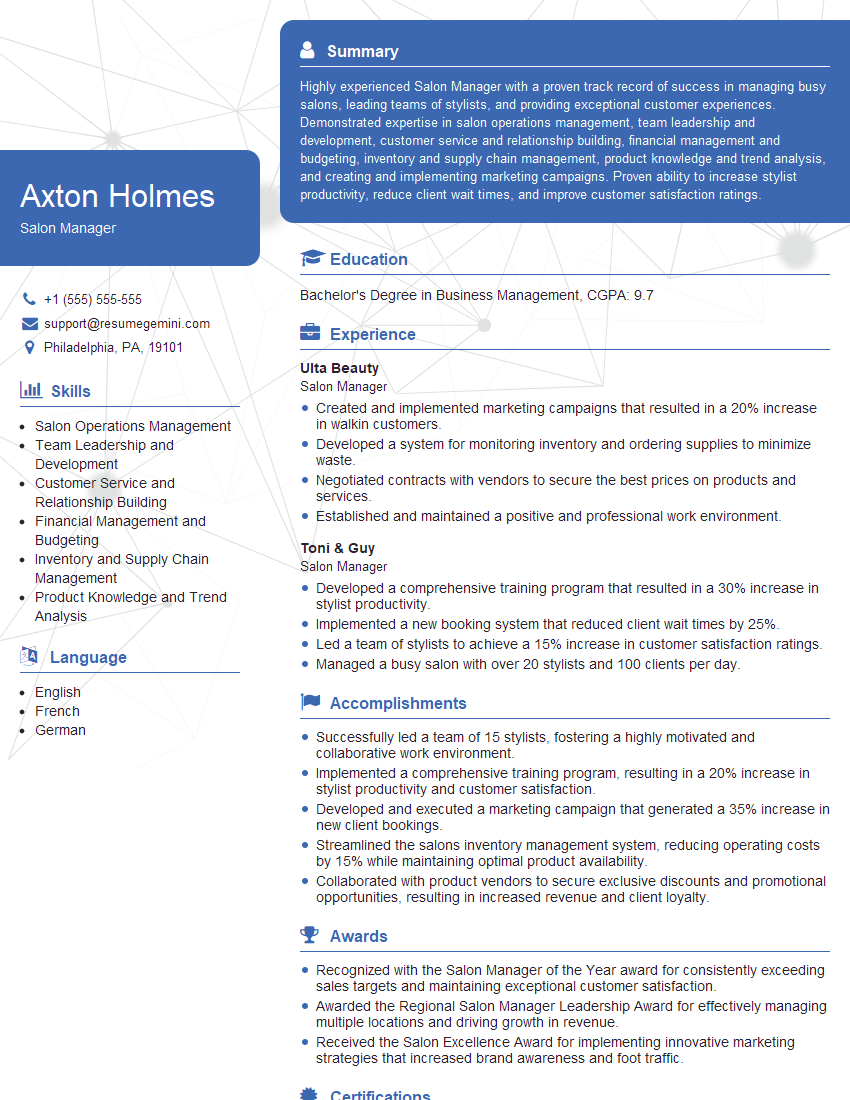
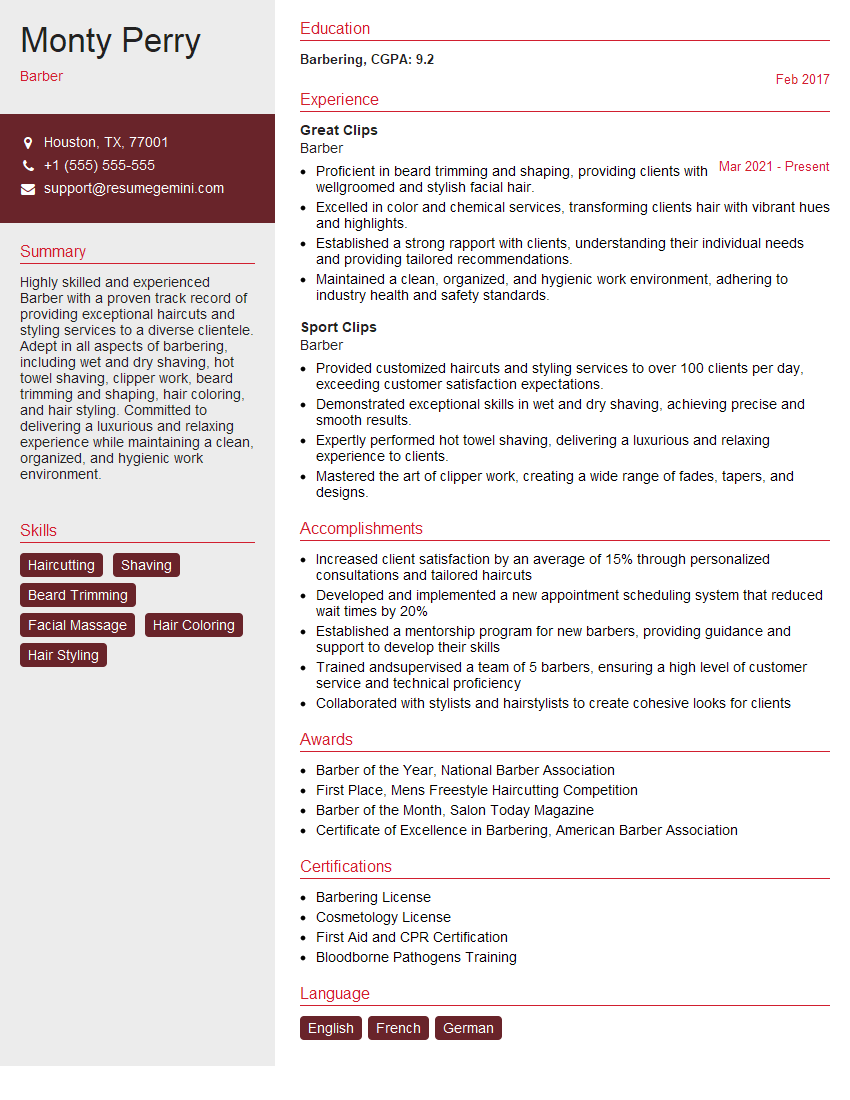
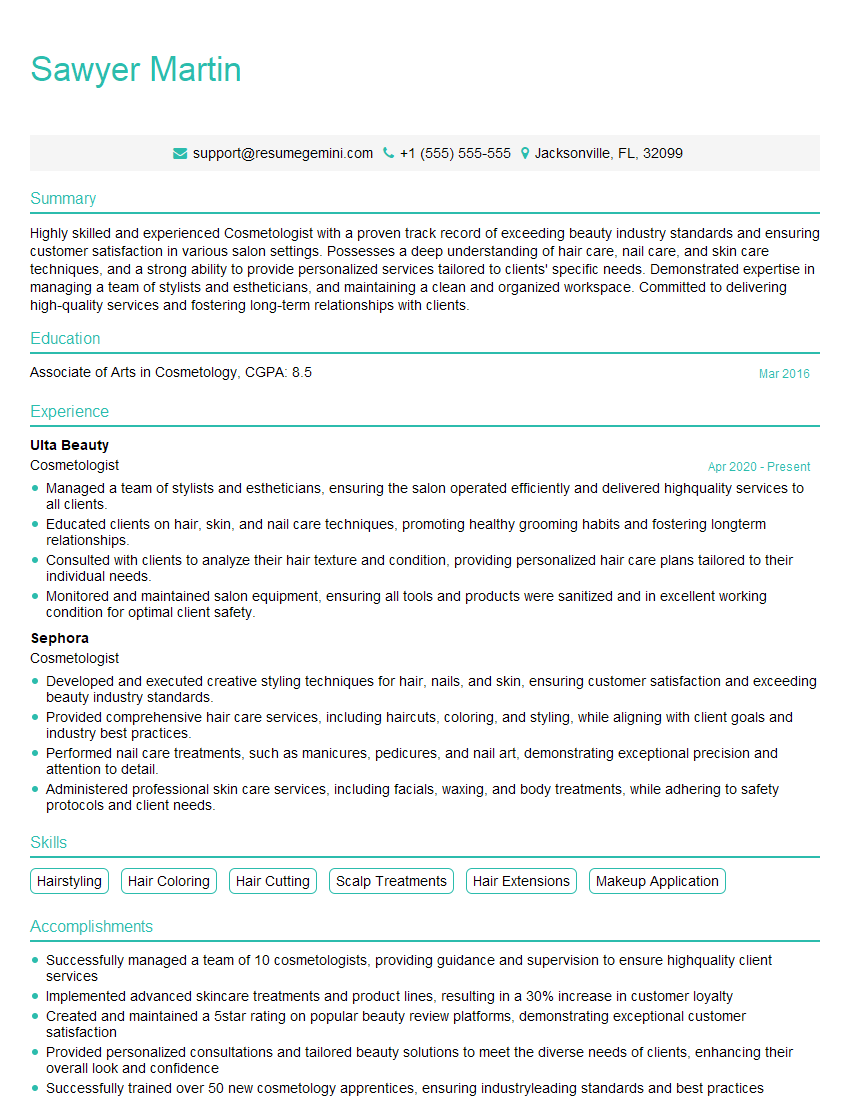
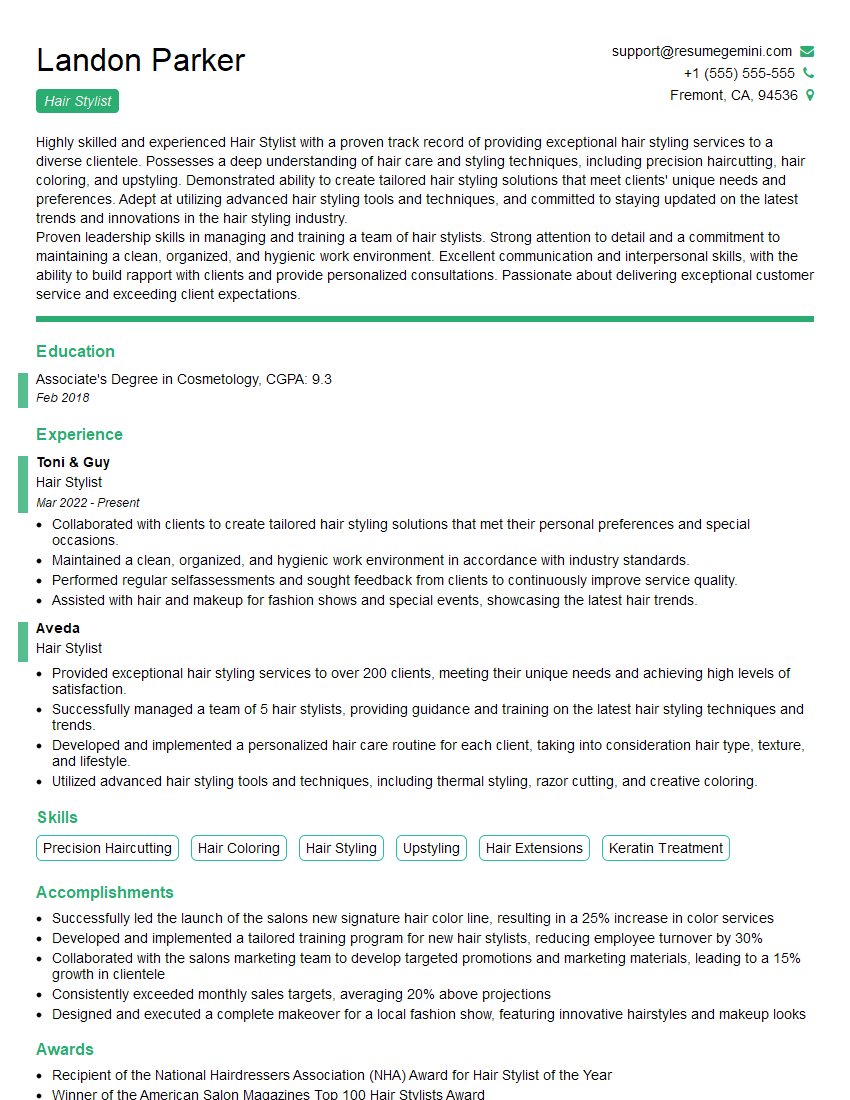
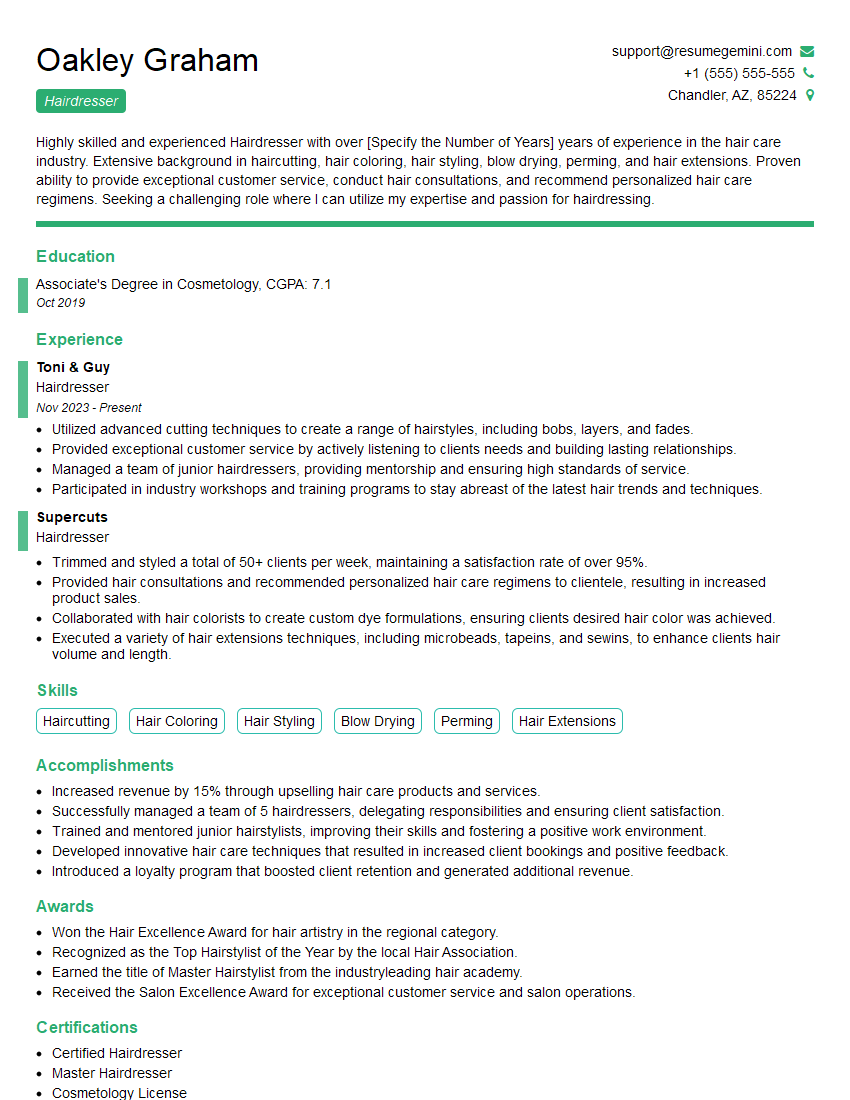
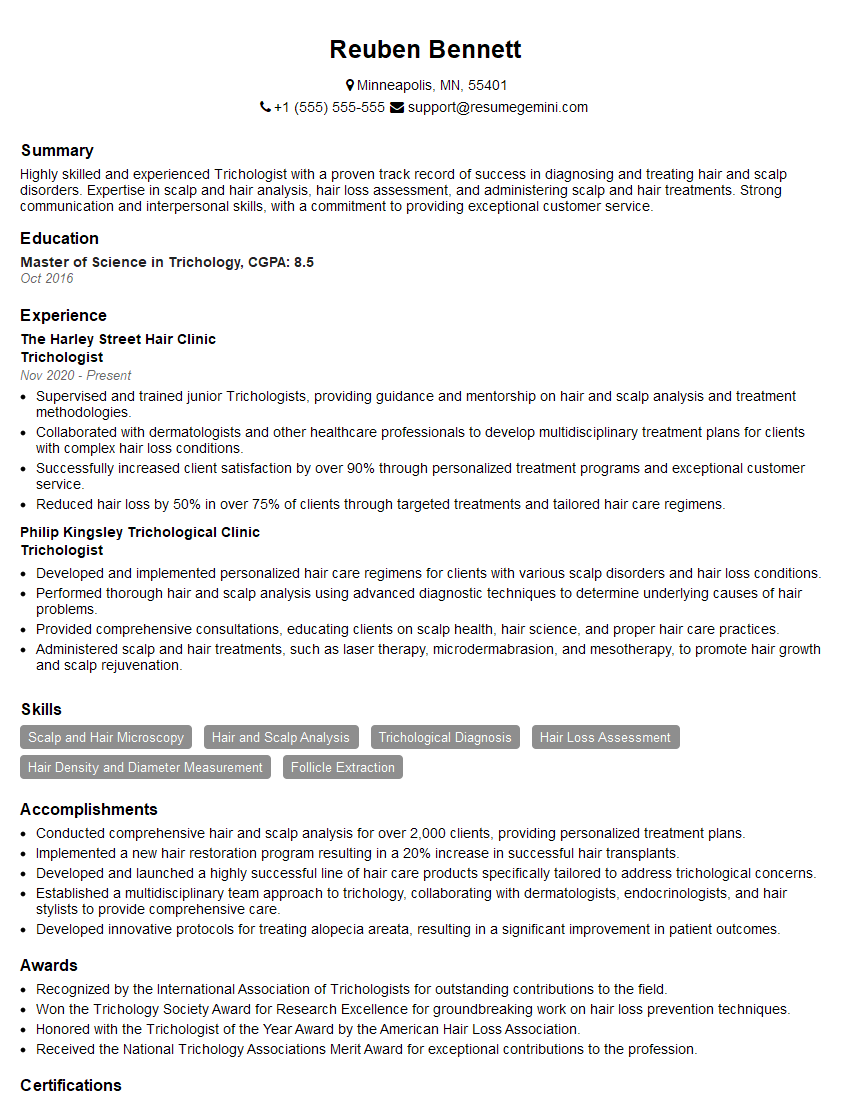
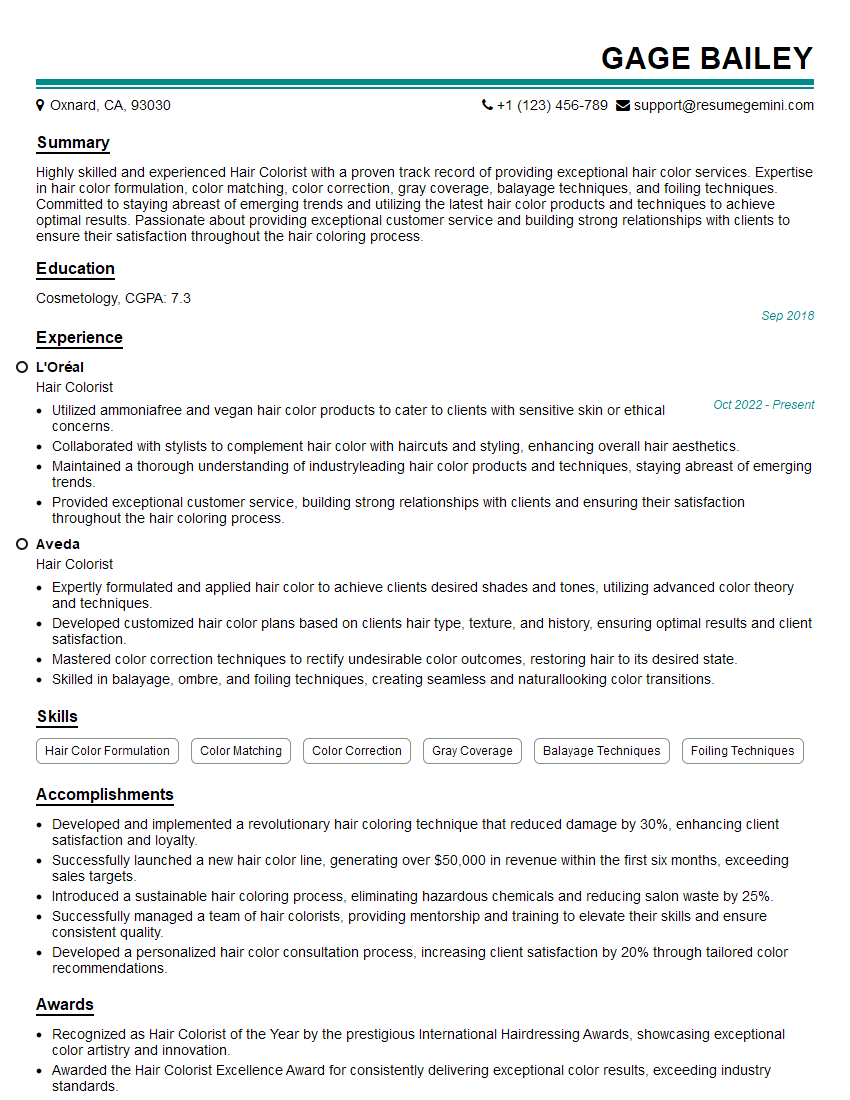
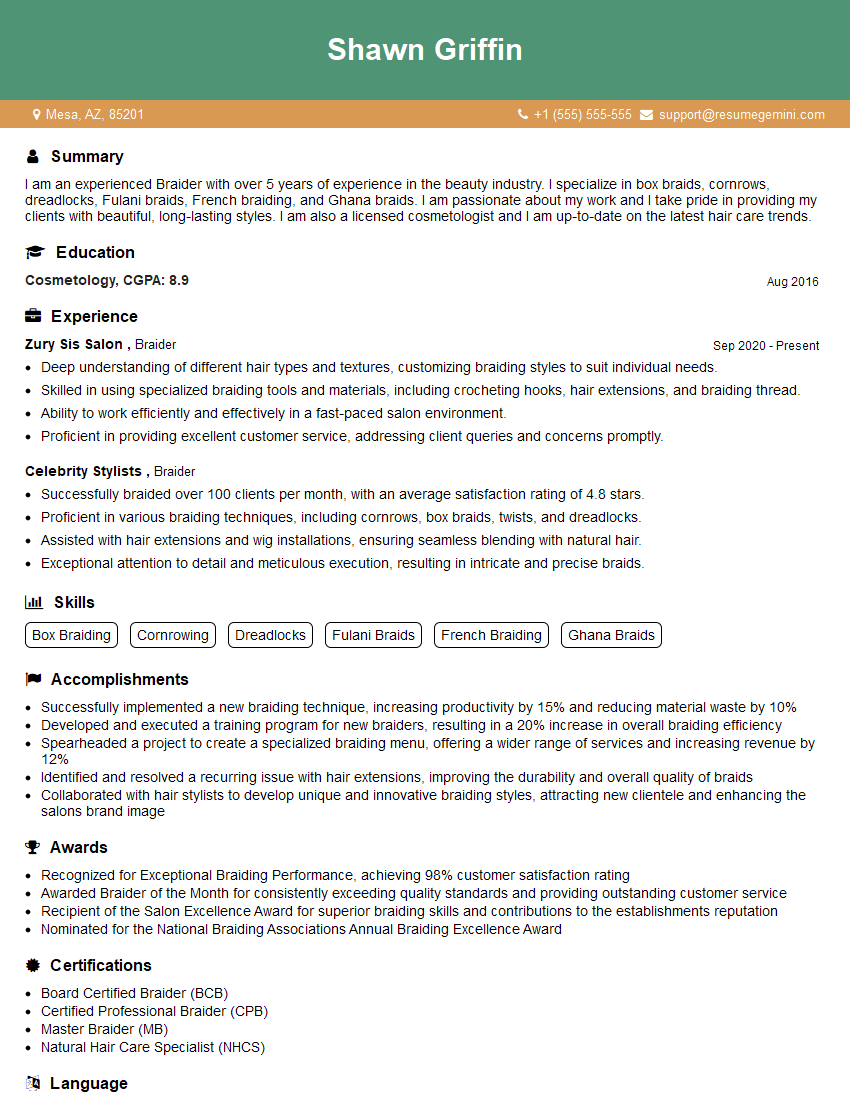
Mastering hair culture is essential for career advancement in this dynamic and creative industry. A strong understanding of these key areas will not only enhance your interview performance but also ensure your success in a fast-paced salon environment. To maximize your job prospects, it’s crucial to present your skills and experience effectively. Creating an ATS-friendly resume is paramount. We highly recommend using ResumeGemini to build a professional and impactful resume that highlights your qualifications. ResumeGemini offers examples of resumes tailored to the hair culture industry to guide you through the process.
Explore more articles
Users Rating of Our Blogs
Share Your Experience
We value your feedback! Please rate our content and share your thoughts (optional).
What Readers Say About Our Blog
Very informative content, great job.
good