Are you ready to stand out in your next interview? Understanding and preparing for Communicating Results Clearly and Effectively interview questions is a game-changer. In this blog, we’ve compiled key questions and expert advice to help you showcase your skills with confidence and precision. Let’s get started on your journey to acing the interview.
Questions Asked in Communicating Results Clearly and Effectively Interview
Q 1. Describe your approach to presenting complex data to a non-technical audience.
My approach to presenting complex data to a non-technical audience centers on translating technical jargon into plain language and leveraging compelling visuals. I begin by identifying the key takeaways – the one or two crucial points I want the audience to remember. Then, I simplify the data, focusing on the ‘so what?’ rather than getting bogged down in the ‘how’.
For instance, instead of saying, “The coefficient of determination (R²) was 0.85,” I might say, “Our model accurately predicts the outcome in 85% of cases.” I use analogies and real-world examples to illustrate complex concepts. If explaining statistical significance, I might compare it to flipping a coin multiple times – if the results consistently deviate from a 50/50 split, it’s statistically significant. I rely heavily on visuals like charts, graphs, and infographics to make the data more accessible and engaging. The goal is to empower the audience with a clear understanding of the key findings, without overwhelming them with technical details.
Q 2. How do you tailor your communication style to different audiences (e.g., executives, colleagues, clients)?
Tailoring communication to different audiences is crucial for effective messaging. My approach involves adjusting the level of technical detail, communication style, and the overall message framing.
- Executives: I focus on the high-level impact, key results, and strategic implications. Presentations are concise, visually driven, and highlight the bottom line. I use bullet points and clear, concise language.
- Colleagues: Communication is more collaborative and detailed. I can share more context, discuss methodologies, and welcome questions and discussion. I might use more technical terminology, but always ensure it’s explained clearly.
- Clients: I emphasize the value proposition and how my findings directly benefit them. I present in a client-centric way, focusing on their needs and concerns. I use clear, simple language and avoid jargon.
Ultimately, it’s about understanding the audience’s prior knowledge, their interests, and their desired outcome from the communication. Adapting my style ensures the message is received and understood effectively.
Q 3. Explain a time you had to deliver difficult news. How did you approach the communication?
I once had to deliver news about a project setback to a team that had invested significant time and effort. I prepared thoroughly, understanding the emotional impact this news might have. I chose a private setting for the communication and started by acknowledging the team’s hard work and commitment. I then clearly explained the nature of the setback, using factual and objective language, avoiding blame or excuses.
Crucially, I immediately shifted the conversation towards solutions. I outlined the steps we were taking to mitigate the issue, emphasized our continued commitment to the project’s success, and highlighted the learning opportunity. I encouraged questions and created a space for open and honest discussion. The focus was not just on conveying the bad news, but on demonstrating leadership, empathy, and a proactive approach to problem-solving.
Q 4. How do you ensure your written communication is concise and impactful?
Concise and impactful written communication involves a structured approach. I begin by outlining the key message. Then, I focus on eliminating unnecessary words, jargon, and complex sentence structures. I use strong verbs, active voice, and short paragraphs for improved readability. Before finalizing, I review and edit rigorously, ensuring the flow is logical and the message is clear.
I frequently use the ‘kill your darlings’ approach – ruthlessly removing anything that doesn’t contribute directly to the core message. A useful technique is to read the document aloud; this helps identify awkward phrasing and areas needing clarification. Finally, I always get a second pair of eyes to review for clarity and conciseness.
Q 5. Give an example of a time you used data visualization to effectively communicate your findings.
During a market analysis project, I used interactive dashboards to present sales trends. Instead of relying solely on tables of numbers, I created a dynamic visualization that allowed clients to filter data by region, product, and time period. This interactive approach enabled them to explore the data at their own pace and draw their own conclusions, making the findings more impactful and intuitive.
For example, using a line chart to show sales growth over time was much more effective than a lengthy table of numbers. Furthermore, the ability to drill down into specific data points by clicking on the chart allowed for a deeper dive when needed, catering to users with varying levels of interest in detail. The visual representation significantly improved understanding and facilitated informed decision-making.
Q 6. How do you handle feedback on your communication style?
I view feedback on my communication style as an opportunity for growth. I actively seek feedback from colleagues, clients, and supervisors, and I approach it with an open mind. I listen attentively, ask clarifying questions, and avoid defensiveness. I analyze the feedback to identify patterns and areas needing improvement.
For example, if feedback suggests my presentations are too technical, I’ll consciously adjust my approach for future presentations, ensuring simpler language and more visuals. Constructive criticism is invaluable in refining communication skills and ensuring my messages resonate effectively with the intended audience.
Q 7. What strategies do you use to build consensus and buy-in around your recommendations?
Building consensus and buy-in involves a multi-faceted approach. Firstly, I ensure my recommendations are well-supported by data and evidence. I present my findings clearly and transparently, answering any questions thoroughly. Secondly, I actively involve stakeholders throughout the process. I solicit input, address concerns, and demonstrate a willingness to collaborate. A collaborative approach can transform potential opposition into support.
Finally, I focus on highlighting the benefits of my recommendations. Framing the discussion around shared goals and highlighting the positive outcomes helps to align perspectives and foster buy-in. By addressing concerns proactively and showcasing the value proposition clearly, I increase the likelihood of achieving a consensus.
Q 8. How do you measure the effectiveness of your communication efforts?
Measuring the effectiveness of communication isn’t simply about gauging audience applause; it requires a multifaceted approach. I use a combination of quantitative and qualitative methods. Quantitative measures might include tracking metrics like audience engagement (e.g., website traffic, social media interactions, survey completion rates) after a campaign, analyzing sales data following a product launch presentation, or measuring the number of attendees at an event. These give hard numbers reflecting reach and impact.
Qualitative measures are equally important. I conduct post-event surveys, focus groups, or one-on-one interviews to gather feedback on clarity, comprehension, and resonance of the message. I also analyze audience questions and observe their body language during presentations to assess understanding and interest levels. For instance, if a high percentage of survey respondents report difficulty understanding a specific concept, that informs future communication strategies. Combining these quantitative and qualitative assessments provides a comprehensive understanding of communication effectiveness, allowing for continuous improvement.
Q 9. Describe a time you had to adapt your communication approach mid-presentation.
During a presentation on a complex data analytics project to a largely non-technical audience, I noticed early on that many faces were showing signs of confusion. My initial approach used technical jargon and detailed charts. I immediately adapted by simplifying the language. I replaced complex charts with more visual and easily digestible representations, using metaphors and analogies relevant to everyday life to explain technical concepts. For instance, I compared a data pipeline to a factory assembly line to illustrate the flow of data. This shift in approach led to increased audience engagement and a more receptive environment. The session concluded with more meaningful questions, indicating better understanding and increased audience involvement.
Q 10. What tools or techniques do you use to enhance your presentations?
To enhance my presentations, I utilize a variety of tools and techniques. Visually, I rely heavily on high-quality visuals – clean, concise slides, infographics, and compelling imagery. Tools like PowerPoint, Google Slides, and Canva are my go-to platforms. Beyond visuals, I carefully craft my narrative. Storytelling is crucial; I always begin by building rapport and establishing connection with the audience. The use of humor, when appropriate, can make the presentation more memorable and engaging. In addition, incorporating interactive elements like polls, Q&A sessions, and short quizzes enhances engagement and checks understanding.
Moreover, I practice extensively beforehand, not just to memorize the content but to refine my delivery, ensuring a natural and confident presentation style. I also use tools like presentation rehearsal software to refine my pacing and identify areas for improvement. Finally, I always seek feedback from colleagues or peers before delivering the final presentation.
Q 11. How do you ensure your message remains consistent across multiple channels?
Maintaining consistent messaging across multiple channels requires careful planning and a centralized communication strategy. I typically start with a central message document outlining the key points, tone, and style guidelines. This document serves as the foundation for all communication materials. Then, I adapt the core message to each specific channel, ensuring it remains consistent in terms of overall meaning while adjusting the format, language, and length to suit each platform. For example, a LinkedIn post will differ from a Twitter update, yet both will reflect the core message.
Regular review and monitoring are crucial. I continuously track the performance of each communication channel to identify inconsistencies and ensure alignment with the central message. This process is iterative and requires flexibility to respond to audience feedback and changes in the environment. A robust communication strategy makes sure that audiences receive the same core message, regardless of how they engage with your content.
Q 12. How do you handle challenging questions or pushback during a presentation?
Handling challenging questions or pushback during a presentation requires composure and tact. I always acknowledge the question or concern, demonstrating that I value the input. I take a moment to process the question before responding, ensuring my answer is clear, concise, and directly addresses the point raised. If I don’t know the answer, I honestly admit it, committing to finding the information and following up. It is important to stay calm and avoid getting defensive. Framing any pushback as an opportunity for clarification can turn a potentially negative interaction into a more positive one.
For example, if someone challenges the data presented, I might say, “That’s a great question. Let’s look at the data again. I understand your concern, and I want to ensure we’re on the same page.” This approach helps build trust and demonstrate expertise, even when facing difficult challenges.
Q 13. How do you incorporate storytelling into your communication strategies?
Storytelling is a powerful tool for enhancing communication. It creates a memorable and engaging experience for the audience. Instead of simply stating facts, I weave them into narratives that connect emotionally with listeners. I use stories to illustrate key points, making them more relatable and easier to understand. This involves identifying the core message and developing a compelling narrative that brings it to life. I might use anecdotes, case studies, or personal experiences to connect with the audience on a human level, fostering a sense of shared understanding.
For example, when explaining the importance of teamwork, I might share a story about a successful project that relied on the collaborative efforts of a team. This makes the concept of teamwork more tangible and relatable than simply stating its importance in abstract terms. The use of storytelling creates a more engaging and impactful presentation.
Q 14. Explain your process for preparing for important presentations or meetings.
My preparation for important presentations or meetings is a structured process. It begins with a thorough understanding of the audience and their needs. Who am I presenting to? What are their expectations? What are their knowledge levels? Understanding this helps tailor the message and delivery effectively. Next, I define clear objectives: What do I want my audience to know, feel, and do after my presentation? Then, I meticulously craft the presentation’s structure, incorporating a compelling narrative with visuals, data, and examples to support my key messages. Thorough research and data verification are essential to ensure accuracy.
After content creation, I practice extensively, refining my delivery and anticipating potential questions. I often do a mock presentation to colleagues for feedback. Finally, I meticulously check all technical aspects, ensuring smooth delivery without any interruptions. This thorough preparation ensures a confident and successful presentation or meeting.
Q 15. Describe a time you successfully communicated a complex technical concept to a non-technical audience.
Communicating complex technical information to a non-technical audience requires translating jargon into plain language and using relatable analogies. I once had to explain the intricacies of a new algorithm for optimizing server performance to a group of marketing executives. Instead of focusing on technical details like ‘latency reduction’ and ‘throughput optimization,’ I focused on the tangible benefits: faster website load times, leading to improved user experience and higher conversion rates. I used an analogy of a highway – the algorithm was like improving the highway system to reduce traffic jams and get people to their destination (the website) faster. I also used visuals – a simple chart showing the expected improvement in website speed – to reinforce my points and avoid overwhelming them with technical data. This approach enabled them to understand the value of the project, even without grasping the underlying technicalities.
Career Expert Tips:
- Ace those interviews! Prepare effectively by reviewing the Top 50 Most Common Interview Questions on ResumeGemini.
- Navigate your job search with confidence! Explore a wide range of Career Tips on ResumeGemini. Learn about common challenges and recommendations to overcome them.
- Craft the perfect resume! Master the Art of Resume Writing with ResumeGemini’s guide. Showcase your unique qualifications and achievements effectively.
- Don’t miss out on holiday savings! Build your dream resume with ResumeGemini’s ATS optimized templates.
Q 16. How do you manage multiple communication priorities simultaneously?
Managing multiple communication priorities effectively requires a structured approach. I utilize a prioritization matrix, ranking tasks based on urgency and importance. This allows me to focus on time-sensitive and high-impact communications first. I also leverage tools like project management software to schedule communications, set reminders, and track progress. Furthermore, I proactively communicate my workload and deadlines to stakeholders to manage expectations and avoid bottlenecks. For instance, I might schedule dedicated blocks of time for email responses, report writing, and presentation preparation to ensure focused attention and efficient output.
Q 17. How do you identify and address communication breakdowns in a team setting?
Identifying communication breakdowns in a team often involves active listening and observing team dynamics. I look for signs such as missed deadlines, conflicting information, repeated questions, or low morale. Once a breakdown is identified, I facilitate open and honest discussions to pinpoint the root cause. This might involve conducting informal team surveys, one-on-one conversations, or facilitated workshops. For example, if a project falls behind schedule because of unclear instructions, I would address it by holding a clarifying meeting with all involved parties. I would then document revised instructions and communication protocols to prevent similar occurrences. The focus is always on collaborative problem-solving and establishing clearer processes.
Q 18. How do you maintain a positive and professional tone in your communication, even in difficult situations?
Maintaining a positive and professional tone, even during difficult conversations, is crucial. My approach focuses on empathy and respect. I begin by actively listening to understand the other person’s perspective, acknowledging their concerns and validating their feelings. I then clearly and concisely explain my position, using ‘I’ statements to avoid accusatory language. For example, instead of saying ‘You’re wrong,’ I might say ‘I understand your perspective, but I see the situation differently because…’. I also focus on finding common ground and collaborative solutions, emphasizing a shared goal. This approach fosters a more constructive dialogue and de-escalates tension.
Q 19. How do you utilize different communication mediums (email, presentations, reports) effectively?
Different communication mediums serve distinct purposes. Emails are ideal for conveying brief information or asynchronous updates. Presentations are effective for engaging audiences and delivering structured information visually, particularly for larger groups or formal presentations. Reports are best for detailed analysis, data visualization, and presenting comprehensive findings. My approach involves choosing the medium that best suits the audience, message, and context. For instance, I’d use an email for a quick project update, a presentation for a proposal to senior management, and a detailed report for providing comprehensive quarterly performance data.
Q 20. Describe your experience using data to support your conclusions.
Data plays a crucial role in supporting conclusions and making communication more credible. I regularly utilize charts, graphs, and tables to visually represent data and highlight key trends. In a recent project, I used data from A/B testing to demonstrate the effectiveness of a new marketing campaign. The charts clearly showed a significant increase in engagement and conversion rates after implementing the changes. This data-driven approach provided undeniable evidence supporting my recommendations, making the communication more persuasive and objective.
Q 21. How do you make sure your communication is easily understood and accessible to everyone?
Ensuring accessibility and clarity involves using plain language, avoiding jargon, and structuring information logically. I employ visuals like charts and diagrams to simplify complex data. I also keep sentences concise and paragraphs short. Furthermore, I always consider the audience’s level of understanding and tailor my communication accordingly. For instance, if communicating to a non-technical team, I’d avoid technical terms and use analogies. Before distributing any communication, I often have a colleague review it for clarity and feedback. This process helps ensure that the message is easily understood and accessible to everyone, regardless of their background or technical expertise.
Q 22. How do you ensure your written and verbal communication is consistent?
Consistency in written and verbal communication is paramount for credibility and clarity. I achieve this through a combination of strategies. First, I develop a clear communication style guide, outlining preferred vocabulary, tone, and formatting conventions. This guide serves as a reference point for all my written and verbal outputs. Second, I meticulously review all communications before dissemination, ensuring a consistent message across all platforms – whether it’s an email, a presentation, or a spontaneous conversation. Third, I use templates for frequently used communications, like email responses or meeting summaries. This ensures uniformity in structure and style, minimizing inconsistencies. For example, when writing reports, I always use a consistent section order (Executive Summary, Methods, Results, Discussion, Conclusion) to enhance reader understanding and familiarity.
Q 23. What is your approach to crafting a compelling narrative around data-driven insights?
Crafting a compelling narrative around data-driven insights involves more than simply presenting numbers; it’s about telling a story that resonates with the audience. I begin by identifying the key message or takeaway from the data. Then, I structure the narrative around this message, using data points as evidence to support it. Think of it like a detective story: the data are the clues, and the narrative is the unfolding mystery that leads to the solution (the key insight). I use strong verbs and active voice to make the narrative engaging, and I avoid overwhelming the audience with unnecessary technical details. For example, instead of saying “The conversion rate increased by 15%,” I might say “Our new marketing campaign boosted conversions by 15%, leading to a significant increase in sales.” This approach paints a picture and makes the impact of the data more apparent.
Q 24. How do you proactively identify potential communication challenges and address them?
Proactive identification of communication challenges is crucial. My approach involves understanding the audience’s background, technical expertise, and communication preferences. I anticipate potential misunderstandings by considering different interpretations of the data or jargon. I also factor in the communication channel – a quick email might not be suitable for complex data explanations; a presentation with visual aids would be more effective. For example, if I’m presenting to a largely non-technical audience, I’ll avoid using overly technical terms and focus on simpler explanations and visual representations of the data. If time is constrained, I will pre-empt this by focusing the message on the key findings, perhaps even providing a shorter summary handout. Addressing challenges involves tailoring my communication style, choosing the right medium, and pre-empting potential questions or objections.
Q 25. Describe your experience working with stakeholders who have differing communication styles.
Working with stakeholders having diverse communication styles requires adaptability and empathy. I begin by observing their preferred communication methods – are they concise and direct, or more detailed and conversational? Do they prefer written or verbal communication? I tailor my approach to each individual, using language and methods they find comfortable. For example, I might use bullet points and concise sentences for a stakeholder who prefers brevity, while providing more context and detail for someone who needs a comprehensive explanation. Active listening is critical; I ensure I understand their perspective before responding. Regular check-ins and seeking feedback help me adapt and maintain effective communication throughout the project.
Q 26. How do you balance the need for brevity with the need for thoroughness in your communication?
Balancing brevity and thoroughness is a constant challenge. My strategy involves prioritizing the key messages and presenting them clearly and concisely. Supporting details are then provided in a structured manner – perhaps in appendices, or as readily available supplementary information. This allows me to convey the essential information without overwhelming the reader, while providing access to more detailed information for those who want it. For example, in a presentation, I might highlight the top three key findings in the main body and then offer additional supporting evidence in the appendix or as a follow-up document.
Q 27. Explain a time you received constructive criticism on your communication skills. How did you respond?
I once received feedback that my technical reports were too dense and lacked clear takeaways. The feedback was constructive and highlighted the need for clearer summarization and more engaging visualizations. I responded positively, acknowledging the validity of the critique. I revised the reports by incorporating executive summaries, using more visuals, and simplifying the language. I also sought further feedback from colleagues before finalizing the revisions. This experience taught me the importance of user-centered design in technical communication and the value of regularly seeking feedback to improve my skills.
Q 28. How do you use visual aids to enhance your communication and make data more accessible?
Visual aids are essential for enhancing communication and making data more accessible. I use a variety of tools depending on the context. Charts and graphs (like bar charts, line graphs, scatter plots) are excellent for illustrating trends and comparisons. Infographics are useful for presenting complex information in a visually appealing and easily digestible format. Data dashboards are great for interactive exploration of data. The key is to choose the right visual to represent the specific data and message. For example, a pie chart is ideal for showing proportions, while a line graph is better for illustrating trends over time. I also ensure the visuals are clear, well-labeled, and consistent with the overall message of my communication.
Key Topics to Learn for Communicating Results Clearly and Effectively Interview
- Data Visualization & Interpretation: Learn to choose the right chart or graph to present your findings effectively, ensuring clarity and avoiding misinterpretations. Practice translating complex data into easily understandable visuals.
- Storytelling with Data: Frame your results within a compelling narrative. Practice structuring your communication to highlight key takeaways, build a logical argument, and engage your audience.
- Tailoring Communication to your Audience: Understand how to adapt your message based on the audience’s background and knowledge. Practice explaining technical information to both technical and non-technical audiences.
- Active Listening & Feedback Incorporation: Develop strong active listening skills to understand audience questions and concerns. Practice responding effectively to feedback and adjusting your communication accordingly.
- Concise and Impactful Messaging: Master the art of getting straight to the point. Practice summarizing key findings succinctly and highlighting the most important takeaways.
- Nonverbal Communication: Recognize the impact of body language, tone of voice, and eye contact. Practice projecting confidence and maintaining engagement.
- Handling Difficult Questions: Develop strategies for addressing challenging questions confidently and professionally. Practice anticipating potential questions and formulating thoughtful responses.
- Different Communication Mediums: Understand how to effectively communicate results through various channels, such as presentations, written reports, and email.
Next Steps
Mastering the art of communicating results clearly and effectively is crucial for career advancement. It demonstrates your ability to analyze data, synthesize information, and persuasively present your findings – all highly valued skills in any professional field. To further enhance your job prospects, creating an ATS-friendly resume is essential. This will help your application stand out and increase your chances of landing an interview. ResumeGemini is a trusted resource that can help you build a professional, impactful resume. Examples of resumes tailored to showcasing your skills in Communicating Results Clearly and Effectively are available to guide you. Start building your resume today and confidently showcase your abilities!
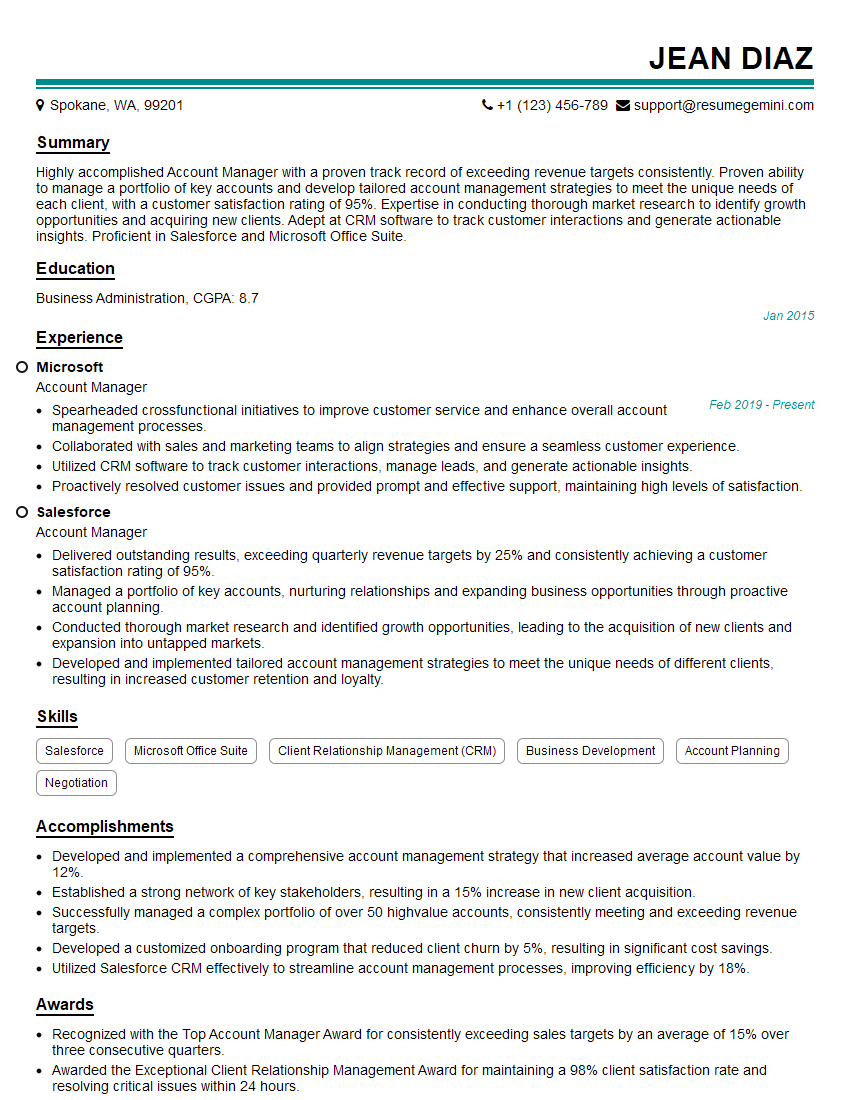
Account Manager Resume Sample
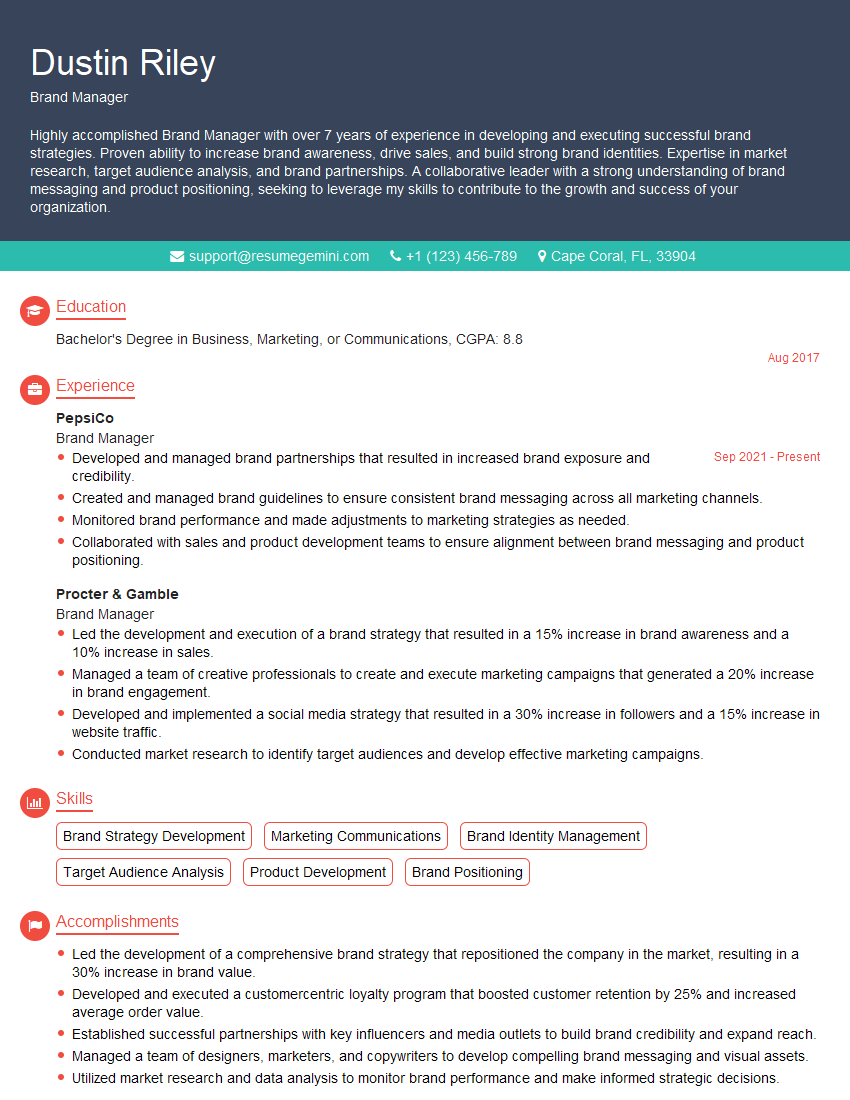
Brand Manager Resume Sample
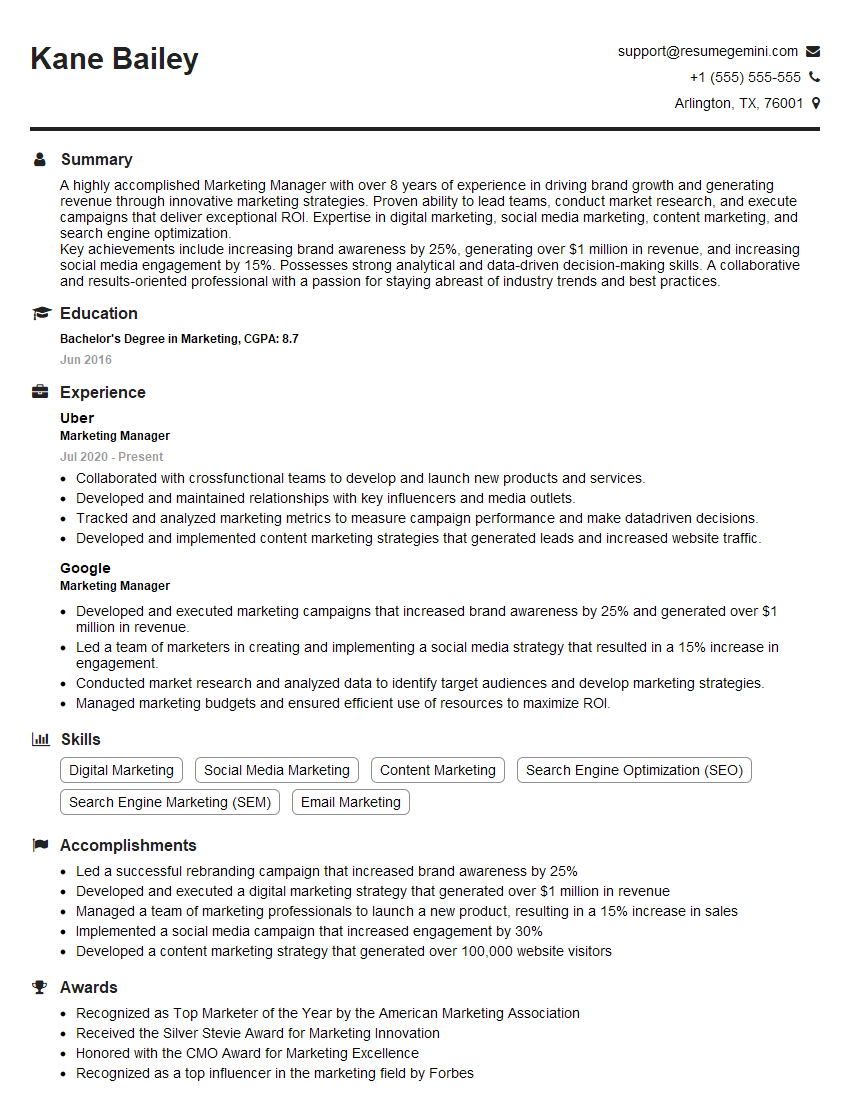
Marketing Manager Resume Sample
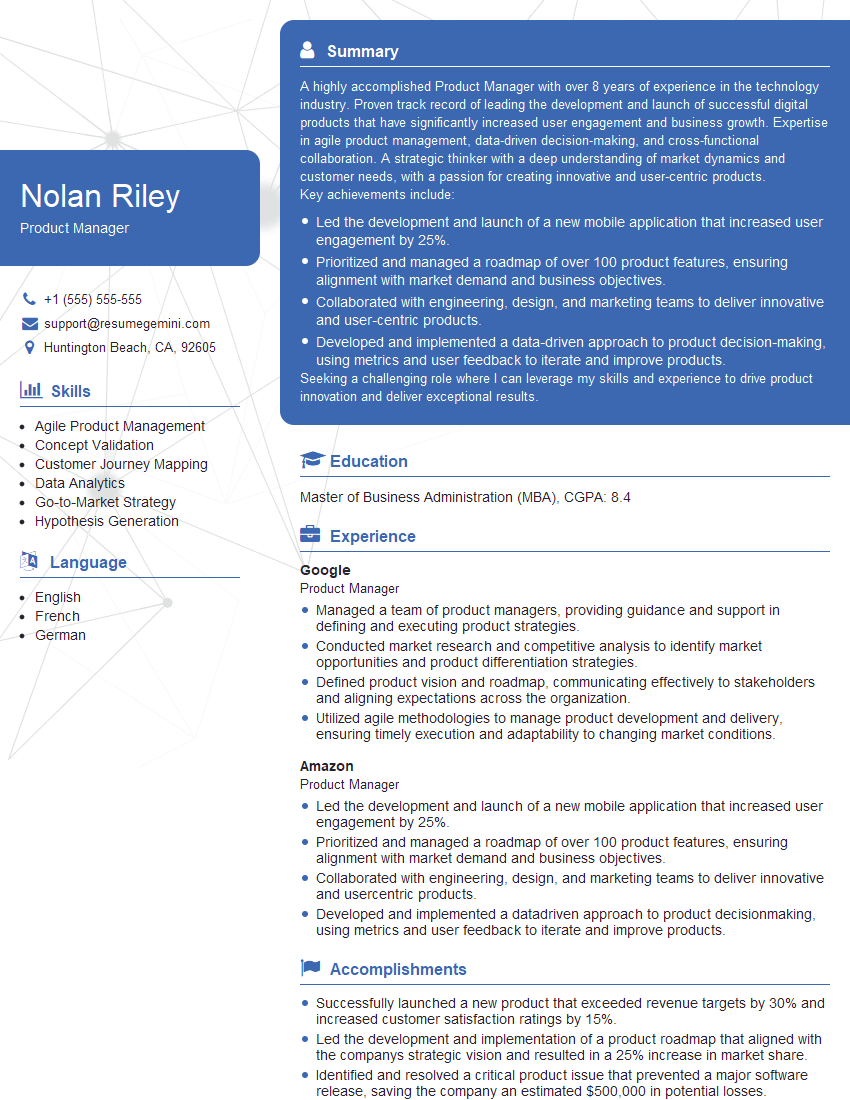
Product Manager Resume Sample
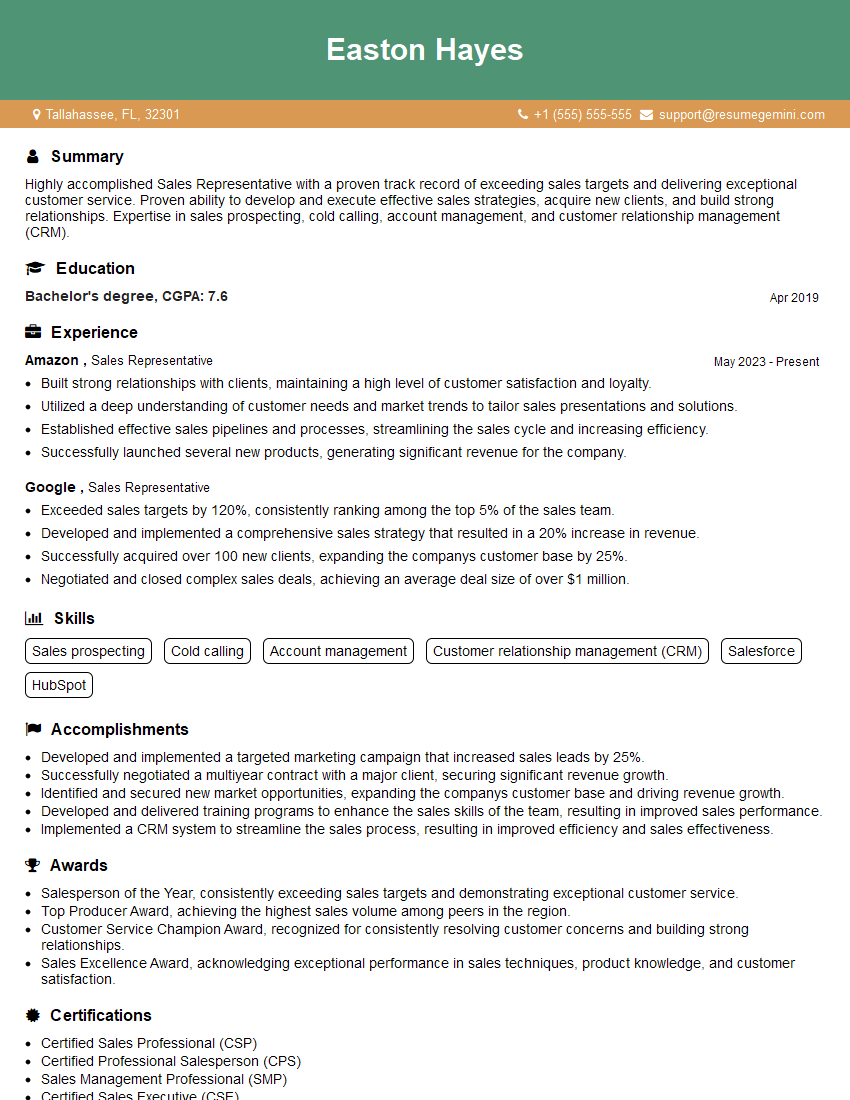
Sales Representative Resume Sample
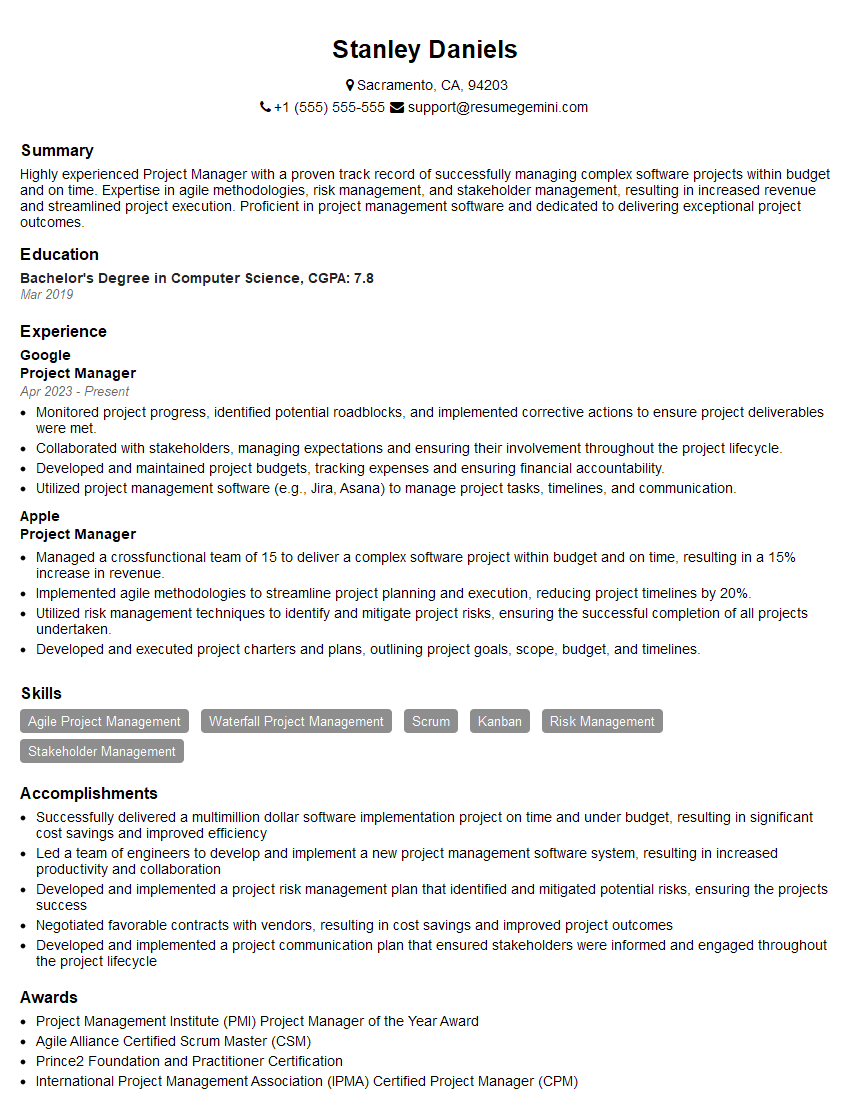
Project Manager Resume Sample
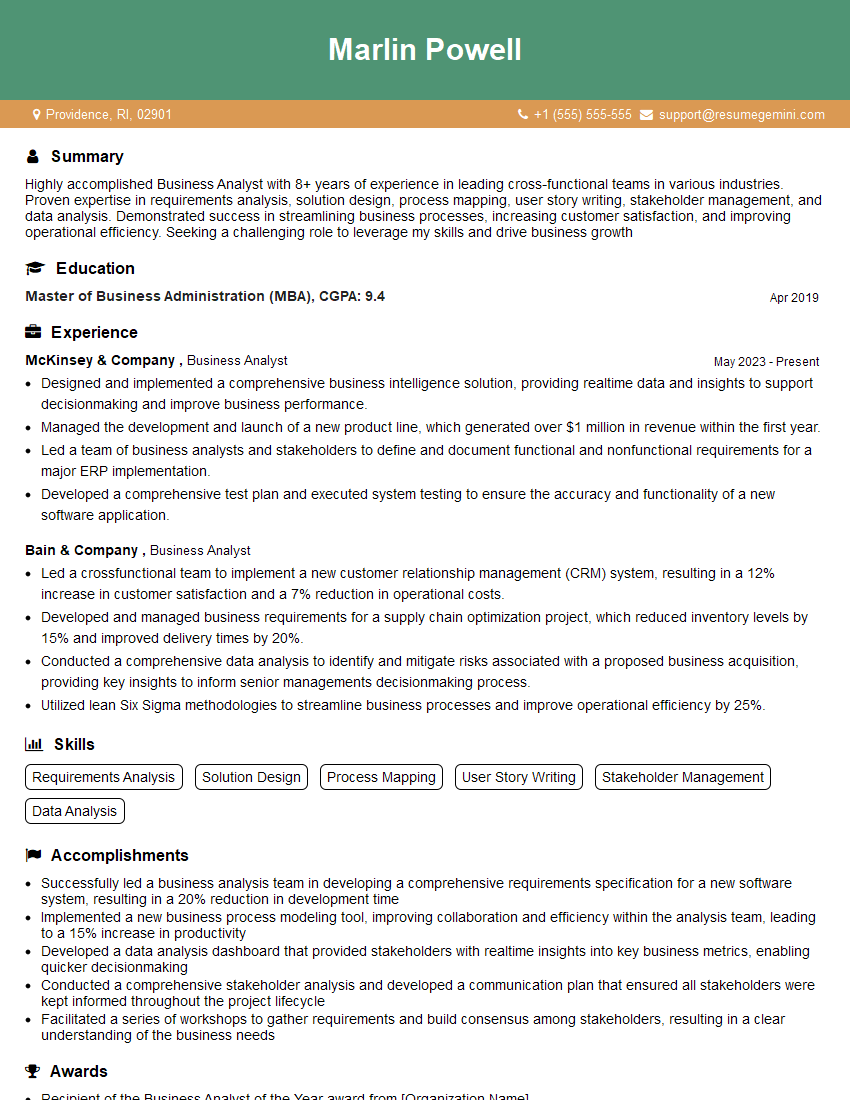
Business Analyst Resume Sample
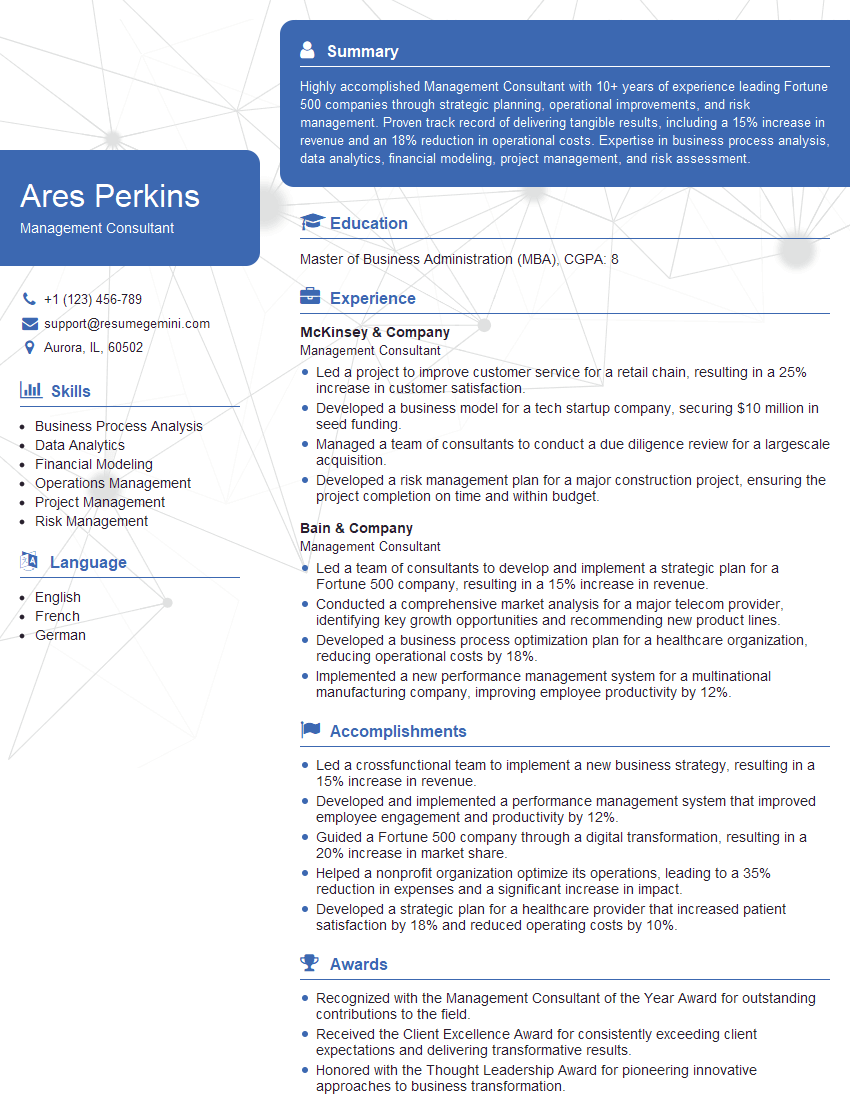
Management Consultant Resume Sample

Training Specialist Resume Sample
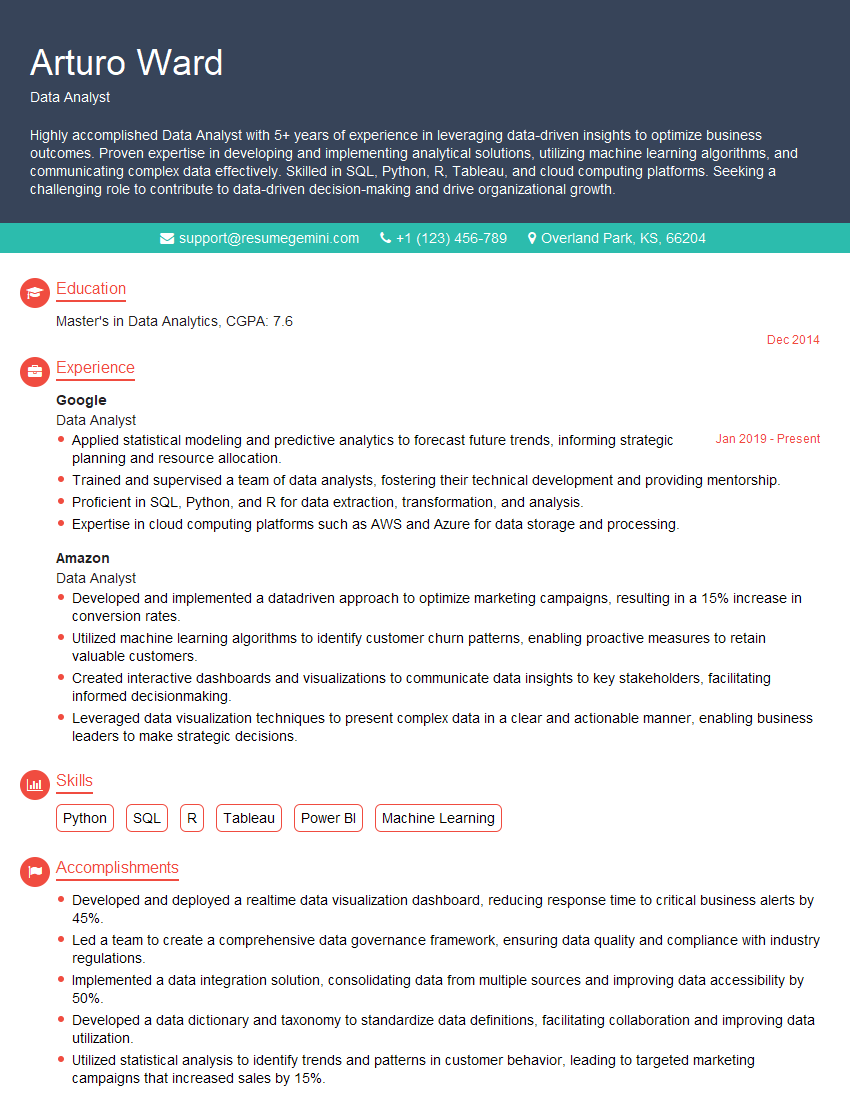
Data Analyst Resume Sample
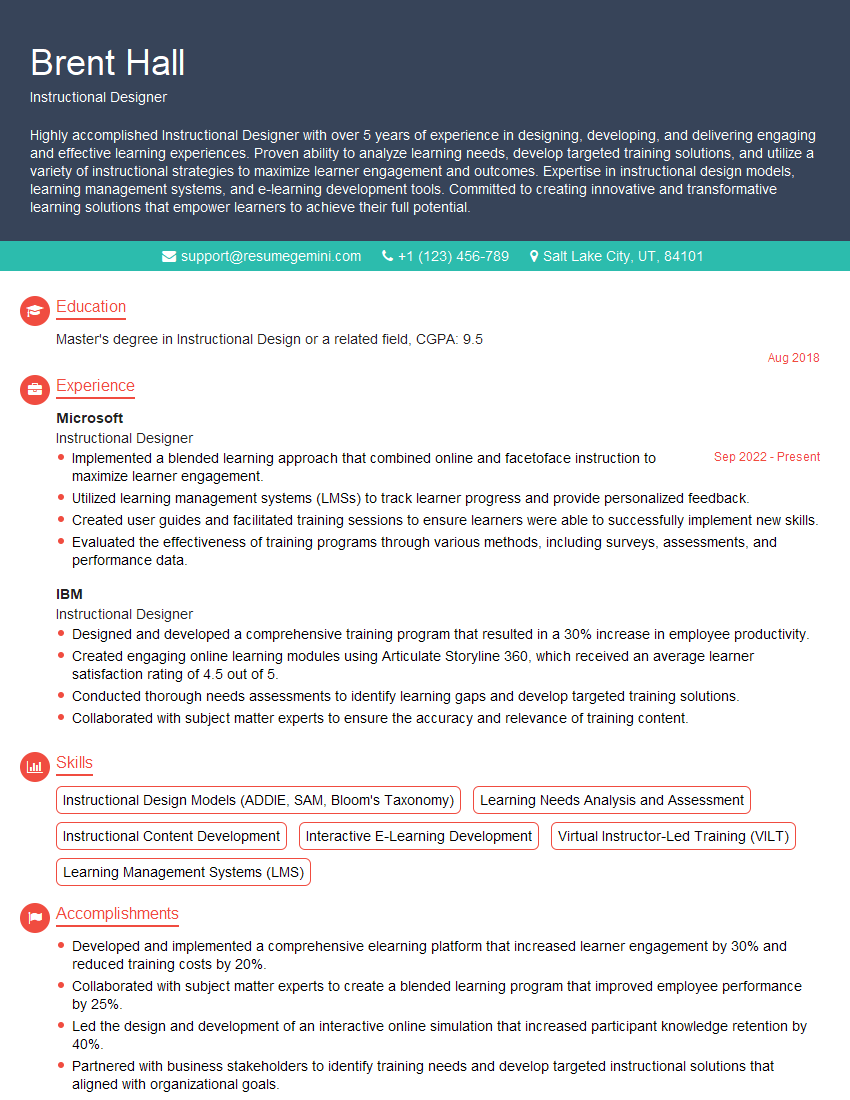
Instructional Designer Resume Sample
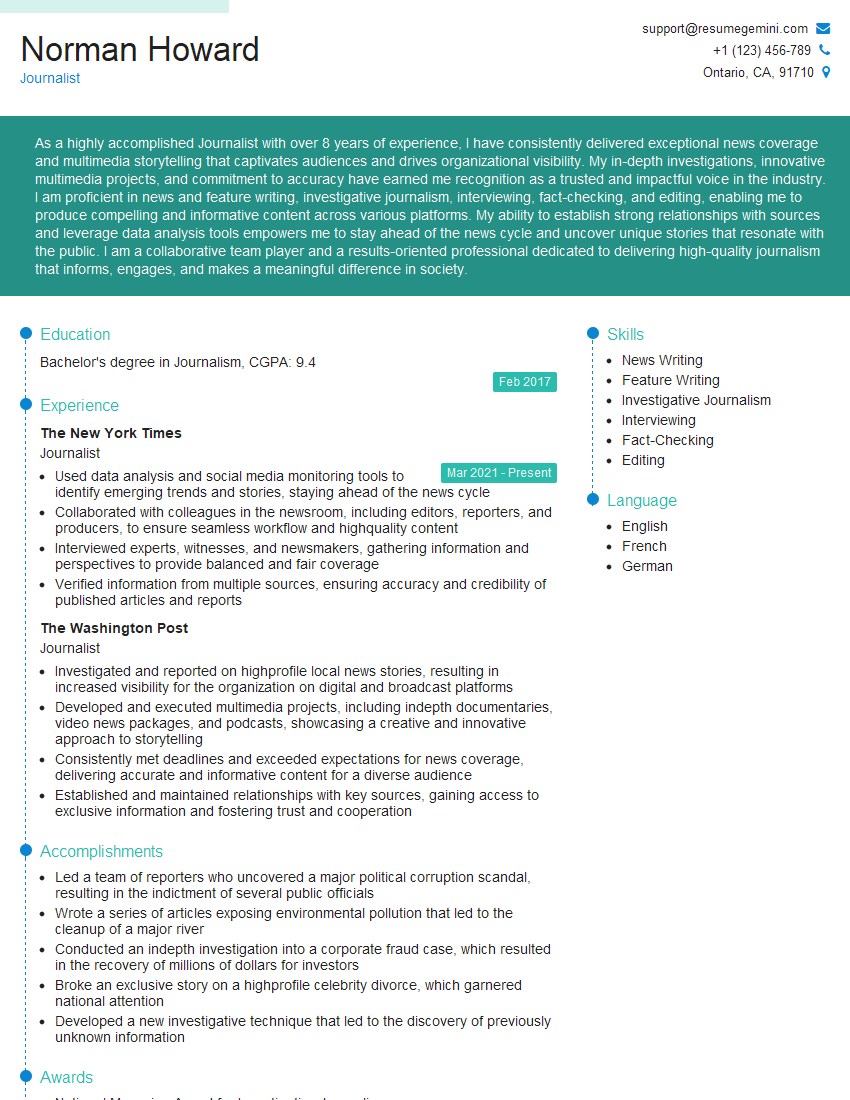
Journalist Resume Sample
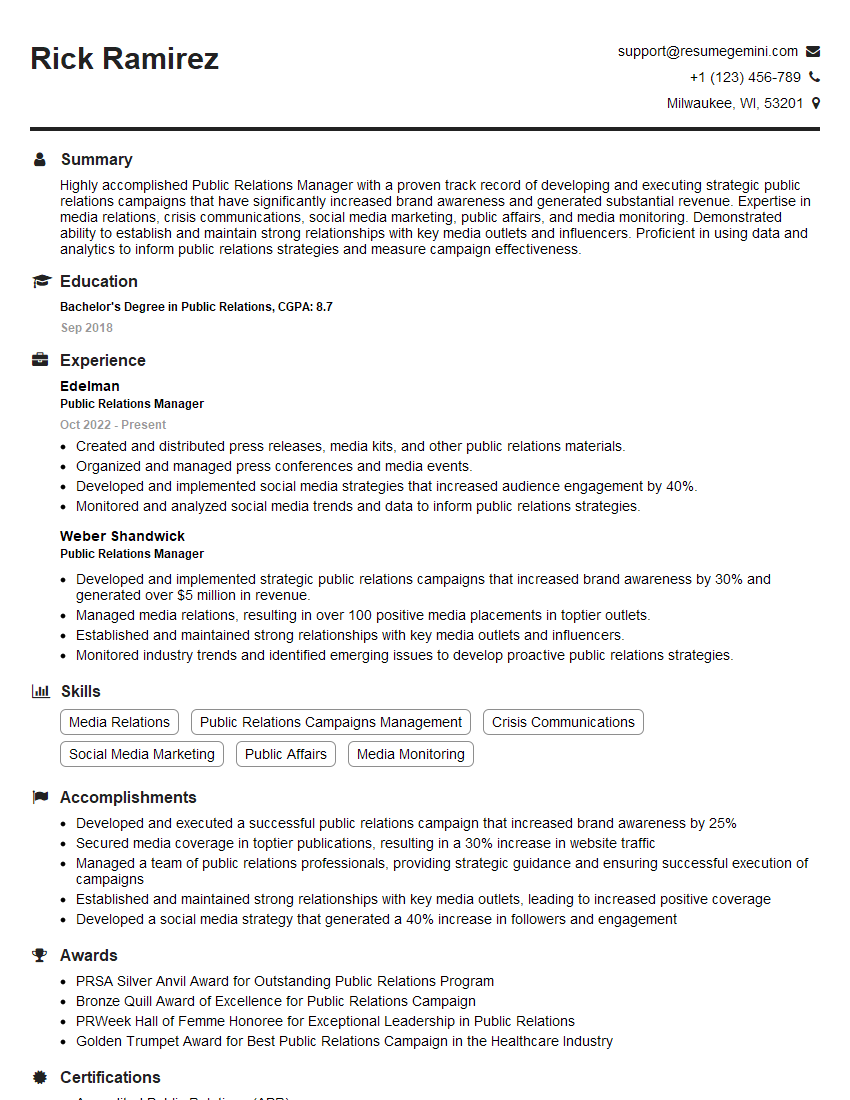
Public Relations Manager Resume Sample
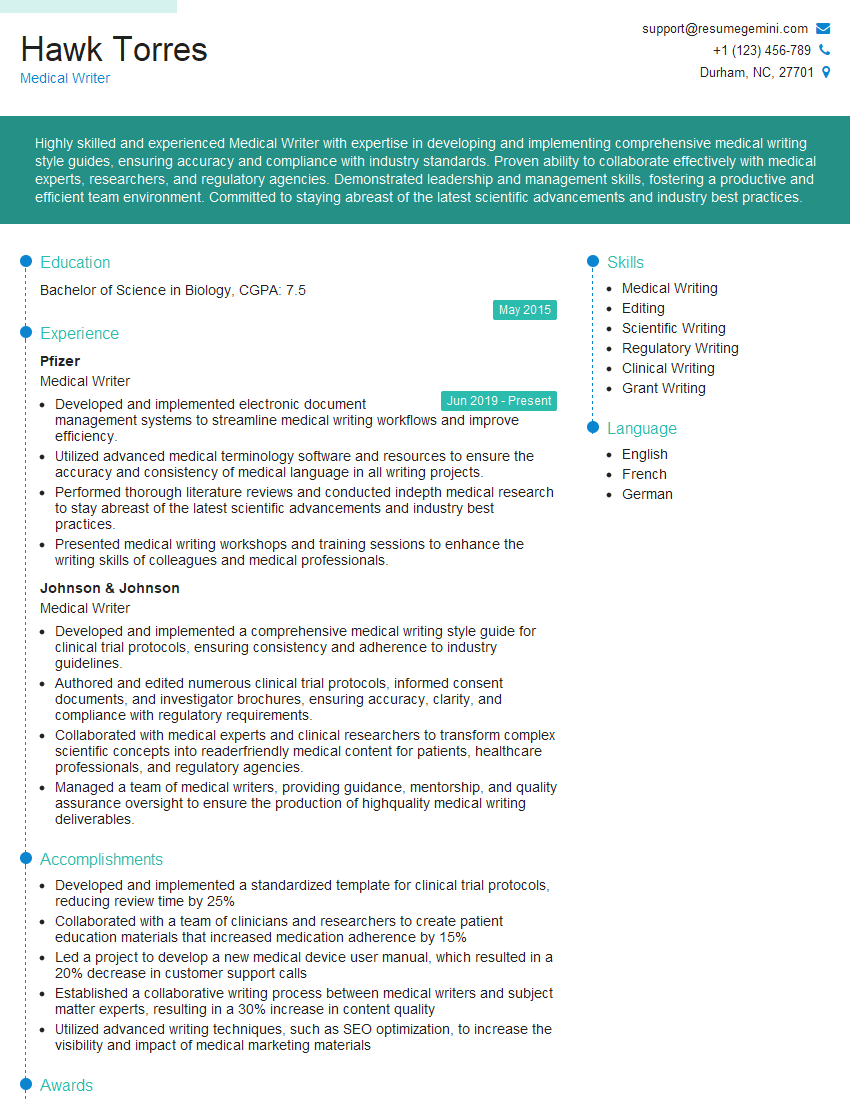
Medical Writer Resume Sample

Technical Writer Resume Sample

Copywriter Resume Sample
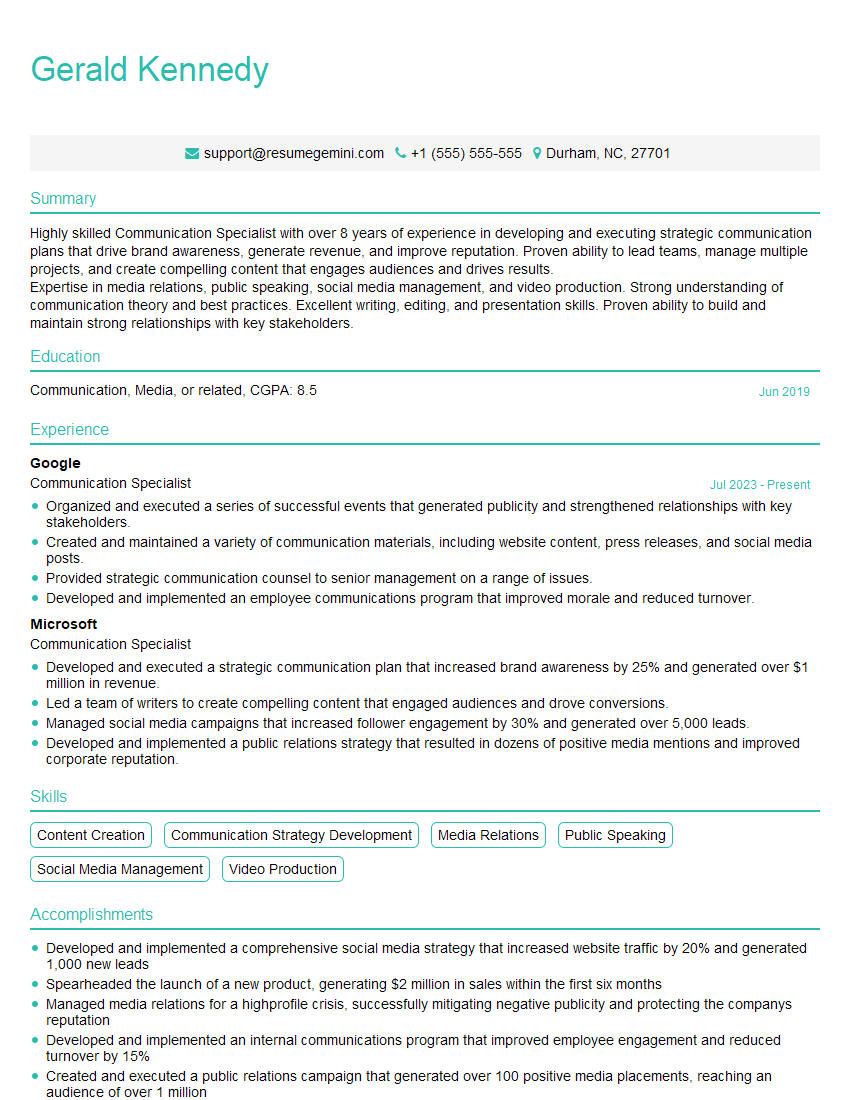
Communication Specialist Resume Sample
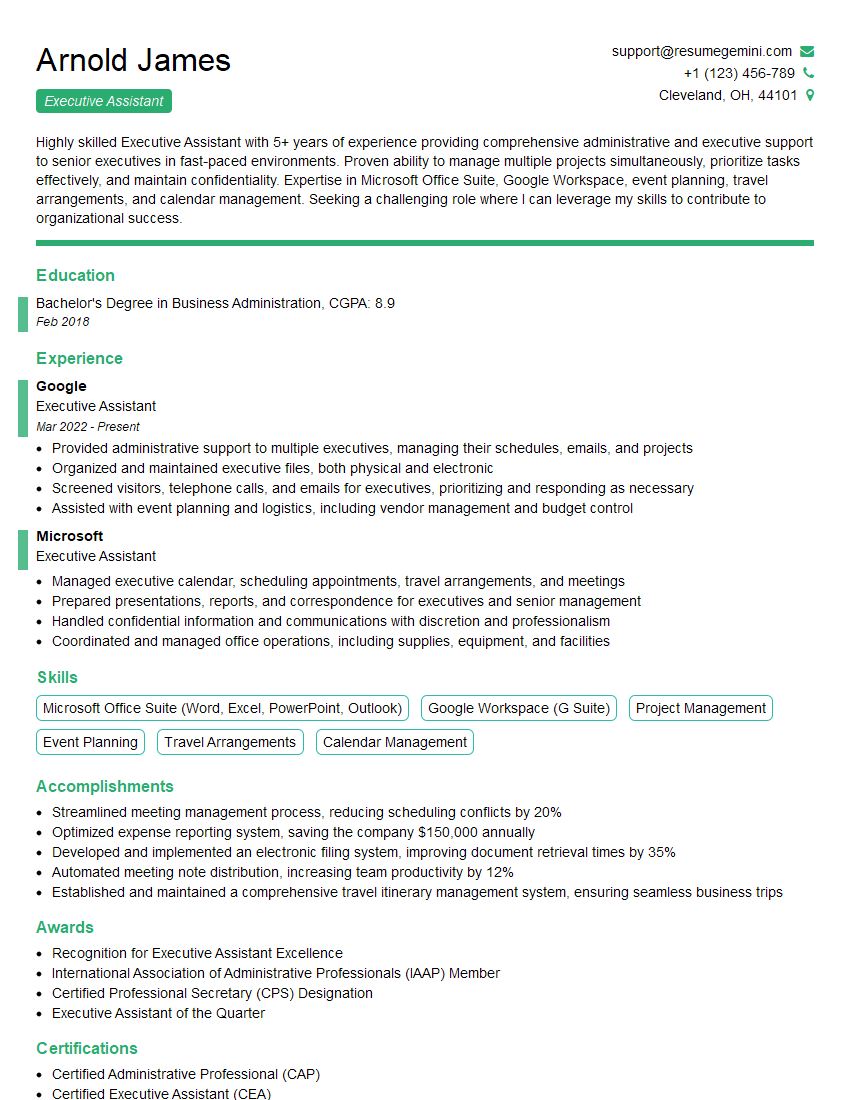
Executive Assistant Resume Sample
- Account Manager
- Brand Manager
- Marketing Manager
- Product Manager
- Sales Representative
- Project Manager
- Business Analyst
- Management Consultant
- Training Specialist
- Data Analyst
- Instructional Designer
- Journalist
- Public Relations Manager
- Medical Writer
- Technical Writer
- Copywriter
- Communication Specialist
- Executive Assistant
Explore more articles
Users Rating of Our Blogs
Share Your Experience
We value your feedback! Please rate our content and share your thoughts (optional).
What Readers Say About Our Blog
Very informative content, great job.
good