Feeling uncertain about what to expect in your upcoming interview? We’ve got you covered! This blog highlights the most important Negotiation and Influence interview questions and provides actionable advice to help you stand out as the ideal candidate. Let’s pave the way for your success.
Questions Asked in Negotiation and Influence Interview
Q 1. Describe your approach to negotiating a complex contract.
Negotiating a complex contract requires a structured, methodical approach. It’s not about winning at all costs, but about achieving a mutually beneficial agreement that protects your interests. My approach involves five key phases:
- Preparation: This is the most crucial step. I thoroughly analyze the contract, identify key terms and potential points of contention, research the other party, and determine my desired outcome and my walk-away point (my BATNA). I also develop a range of potential concessions and prioritize them based on their importance.
- Opening and Information Gathering: I begin by establishing rapport and listening actively to understand the other party’s needs and priorities. Open-ended questions are vital here. I aim to create a collaborative atmosphere, even in a competitive negotiation.
- Negotiation and Bargaining: This phase involves strategically presenting my arguments, supporting them with data and evidence, and exploring potential compromises. I’m comfortable employing various negotiation tactics, adapting my style based on the other party’s approach. I focus on finding creative solutions that satisfy both sides’ core interests.
- Agreement and Documentation: Once we reach a mutually acceptable agreement, I ensure all terms are clearly documented in the contract. I review every clause carefully to avoid ambiguity and misunderstandings.
- Post-Negotiation Review: After the contract is signed, I review the outcome, analyzing what worked well, what could have been improved, and learning from the experience for future negotiations.
For example, in a recent contract negotiation for a software licensing agreement, thorough preparation allowed me to anticipate the other party’s concerns about intellectual property rights and successfully negotiate favorable terms protecting my client’s interests while also securing a mutually agreeable price point.
Q 2. How do you identify and leverage power dynamics in a negotiation?
Power dynamics are inherent in any negotiation. Recognizing and leveraging them ethically is crucial for success. I identify power dynamics by considering various factors:
- Information Asymmetry: Does one party have significantly more information than the other? This can be a source of power.
- Resources and Alternatives: Who has more resources (financial, time, expertise)? What are the parties’ BATNAs? A stronger BATNA confers more power.
- Authority and Legitimacy: Does one party have a higher position in their organization or greater legal standing?
- Relationship Dynamics: Is there a pre-existing relationship between the parties? A history of trust can influence power dynamics.
Leveraging power dynamics responsibly involves focusing on building collaboration, creating a fair playing field, and finding mutually beneficial solutions, rather than exploiting power imbalances. For instance, if I possess superior information about market trends, I might use it to explain why my proposed price is fair and market-competitive rather than simply demanding it.
Q 3. Explain your understanding of the different negotiation styles.
Negotiation styles vary greatly. Understanding them helps anticipate the other party’s approach and tailor your strategy accordingly. Some common styles include:
- Competitive/Distributive: This style focuses on claiming value, viewing negotiation as a win-lose scenario. Tactics might include aggressive bargaining and making high initial demands.
- Collaborative/Integrative: This style emphasizes creating value and finding mutually beneficial solutions. It involves open communication, active listening, and a willingness to compromise.
- Accommodative: This style prioritizes maintaining relationships over achieving optimal outcomes. It involves a willingness to concede and make significant compromises.
- Avoidant: This style seeks to avoid negotiation altogether, often postponing discussions or refusing to engage.
- Compromising: This style involves finding a middle ground, but may not lead to the optimal solution for either party.
I am adaptable and can employ various styles depending on the context, always prioritizing a collaborative approach whenever possible. However, I am also prepared to employ competitive tactics when necessary to protect my client’s interests.
Q 4. How do you handle conflict during a negotiation?
Conflict is inevitable in many negotiations. My approach to handling conflict emphasizes de-escalation, problem-solving, and maintaining respect. I typically follow these steps:
- Identify the Source of Conflict: Pinpoint the specific issues causing disagreement. Often, conflict stems from misunderstandings or unmet needs.
- Separate the People from the Problem: Avoid personal attacks and focus on the issues at hand. Maintain a respectful and professional tone.
- Focus on Interests, Not Positions: Understand the underlying interests and needs of both parties. This helps move beyond entrenched positions.
- Generate Options for Mutual Gain: Brainstorm creative solutions that address everyone’s interests. Look for win-win scenarios.
- Evaluate Options and Select the Best Solution: Analyze the potential outcomes of different solutions and choose the one that best meets the needs and priorities of both parties.
For example, in a negotiation where disagreements arose over deadlines, we collaboratively explored different project timelines and resource allocation strategies, leading to a mutually acceptable solution that considered both parties’ constraints.
Q 5. What strategies do you employ to build rapport and trust with the other party?
Building rapport and trust is crucial for successful negotiation. I employ several strategies:
- Active Listening: I pay close attention to the other party’s words, body language, and tone. I ask clarifying questions to ensure understanding.
- Empathy: I try to understand the other party’s perspective and needs, even if I don’t agree with them.
- Positive Language and Body Language: I use encouraging words and maintain open, inviting body language to foster a positive atmosphere.
- Shared Interests: I look for common ground and build on shared interests to establish connections.
- Transparency and Honesty: I am open and honest about my interests and constraints, while also respecting the other party’s need for confidentiality.
For instance, beginning a negotiation by acknowledging the other party’s time constraints and expressing appreciation for their participation can significantly improve the atmosphere and facilitate trust building. This demonstrates respect and makes them feel valued.
Q 6. How do you determine the other party’s BATNA (Best Alternative to a Negotiated Agreement)?
Determining the other party’s BATNA (Best Alternative to a Negotiated Agreement) is critical. It provides insights into their walk-away point and their leverage in the negotiation. I use various methods:
- Direct Inquiry: I might subtly ask questions like, “What are your plans if we can’t reach an agreement?” However, this approach needs to be used carefully.
- Indirect Inquiry: I observe their behavior, listen to their conversations, and gather information about their alternatives from other sources.
- Research and Analysis: I conduct thorough research to understand the other party’s options and potential alternatives.
Understanding their BATNA helps me assess the potential for a deal, understand their limits, and adjust my strategy accordingly. If their BATNA is strong, I need to make my offer more compelling. If their BATNA is weak, I have greater leverage.
Q 7. Describe a time you had to compromise in a negotiation. What was the outcome?
In a negotiation for a joint venture with a technology startup, we faced a significant disagreement over equity distribution. Both parties had strong arguments for their desired shares. Initially, I advocated strongly for my client’s position, presenting a robust business case supported by market data. However, recognizing the other party’s valid concerns and their equally strong BATNA, I realized a compromise was necessary to secure the partnership. We ultimately agreed on a slightly modified equity split that incorporated a performance-based adjustment in the future. The outcome was a successful joint venture; the compromise led to a smoother partnership that ultimately yielded more value for both parties than a protracted dispute would have.
Q 8. How do you manage your emotions during a high-pressure negotiation?
High-pressure negotiations can be emotionally taxing. My approach centers on mindful self-regulation. Before entering the negotiation, I engage in techniques like deep breathing exercises or mindfulness meditation to center myself. During the negotiation, I actively monitor my emotional state. If I detect rising tension, I take a brief pause, perhaps requesting a short break, to regain composure. This allows me to approach the situation rationally, rather than reacting impulsively. I also practice active listening to understand the other party’s perspective and de-escalate tensions. For instance, in a recent contract negotiation, I noticed my frustration rising as the other party repeatedly stalled. Instead of responding angrily, I took a moment, rephrased their concerns, and addressed them systematically. This de-escalated the situation and ultimately led to a successful outcome.
It’s also crucial to separate emotions from the negotiation itself. I focus on the objective – finding a mutually beneficial agreement – rather than letting emotions dictate my strategies. Visualizing a successful outcome can also be beneficial. By maintaining composure and focusing on the goal, I can ensure my decisions are strategic and effective even under intense pressure.
Q 9. How do you define influence, and how have you used it successfully in the past?
Influence is the art of persuading others to adopt your perspective or take a desired action without coercion. It’s about building rapport, understanding motivations, and framing your arguments persuasively. It’s not about manipulation, but about collaboration and mutual benefit. I’ve successfully used influence in several instances. In one project, our team needed additional resources, which required securing buy-in from senior management who were initially hesitant. Instead of simply presenting a request, I meticulously documented the project’s impact and potential return on investment, aligning it with the company’s strategic goals. I presented this data clearly, addressing their concerns proactively. By showing, not just telling, I effectively influenced their decision and secured the necessary resources. Another example is conflict resolution in a team project. By actively listening to each member’s concerns, acknowledging their contributions, and finding common ground, I successfully navigated a dispute and guided the team towards consensus and a positive outcome.
Q 10. How do you adapt your negotiation style to different personalities and cultures?
Adaptability is paramount in negotiation. I adjust my approach based on the other party’s personality and cultural background. For instance, when negotiating with someone who is direct and results-oriented, I’ll adopt a similarly efficient and business-like approach, focusing on the key issues and outcomes. With someone more relationship-focused, I’ll prioritize building rapport and trust before delving into specifics. Understanding cultural nuances is equally important. In some cultures, direct confrontation is acceptable, while in others, indirect communication and preserving face are preferred. I adapt my communication style accordingly, focusing on nonverbal cues and carefully choosing my words to avoid causing offense or misinterpretations. This understanding extends to negotiation styles, recognizing that some cultures may prioritize long-term relationships over short-term gains. This awareness allows for creating tailored strategies to successfully navigate cross-cultural negotiations. I have successfully utilized this flexibility in dealing with international clients, leading to improved communication and mutually satisfactory outcomes.
Q 11. Explain your process for preparing for a high-stakes negotiation.
Preparing for a high-stakes negotiation is crucial. My process starts with thorough research. This includes understanding the other party’s background, objectives, and potential interests. I analyze their past negotiations and public statements to anticipate their strategies. I then define my own objectives, identifying my best alternative to a negotiated agreement (BATNA) – my fallback option if negotiations fail. I determine my ideal outcome, my minimally acceptable outcome, and a range of possible concessions. I carefully structure my arguments, anticipating potential counter-arguments, and formulate creative solutions. Finally, I rehearse my presentation and practice my communication style. This preparation not only reduces anxiety but also empowers me with confidence and allows for strategic decision-making during the negotiation. I find that using a structured preparation checklist helps ensure nothing is overlooked.
Q 12. How do you identify and overcome obstacles to reaching an agreement?
Obstacles in negotiations are inevitable. My approach involves identifying them early and strategically addressing them. Common obstacles include differing priorities, information asymmetry (unequal access to information), and emotional barriers. I address information asymmetry through thorough research and transparent communication. I actively seek to understand the other party’s concerns and frame my proposals in a way that addresses them. For example, if budget is a constraint, I’ll propose alternative solutions that meet their financial needs while fulfilling my objectives. If differing priorities arise, I look for common ground or explore creative solutions that address multiple needs simultaneously. Emotional barriers are often tackled by building rapport, actively listening, and demonstrating empathy. By acknowledging the emotions involved and addressing them openly, I can de-escalate tensions and move forward productively.
Q 13. What are some common negotiation tactics, and how do you counter them?
Negotiations often involve various tactics, some legitimate, some less so. Common tactics include anchoring (setting an initial high/low offer), good-guy/bad-guy techniques, and deadlines. To counter anchoring, I focus on the merits of my proposals rather than reacting solely to the initial offer. For good-guy/bad-guy, I recognize the tactic and engage directly with both parties to find a mutually agreeable solution. With deadlines, I assess their validity and avoid undue pressure by focusing on creating value-added solutions. Furthermore, I actively listen for tactics like bluffing, and address them by requesting data, facts, and evidence to validate claims. Transparency is key to neutralizing manipulative tactics. By communicating my intentions openly, emphasizing fairness, and focusing on value creation, I aim to establish a cooperative negotiation environment.
Q 14. How do you handle a situation where the other party is being aggressive or unreasonable?
Handling aggressive or unreasonable behavior requires a calm and strategic approach. I would begin by actively listening and attempting to understand the source of their aggression. Sometimes, it stems from underlying concerns or perceived unfairness. I’d try to de-escalate the situation by acknowledging their feelings, rephrasing their concerns, and focusing on common ground. If the behavior continues, I might employ techniques such as ‘reframing’ their comments or appeals to principles. For instance, I might say something like, “I understand your frustration, but let’s focus on finding a solution that benefits both of us.” However, if the aggression becomes unacceptable or threatening, I won’t hesitate to set boundaries, perhaps by taking a break or involving a mediator. Ultimately, my priority is ensuring a safe and productive environment. Walking away is always an option if necessary; a negotiated agreement should never come at the cost of compromising one’s integrity or safety.
Q 15. How do you measure the success of a negotiation?
Measuring the success of a negotiation goes beyond simply securing a deal. It’s about achieving a win-win outcome where both parties feel valued and satisfied. A truly successful negotiation considers several key factors:
- Meeting your primary goals: Did you achieve your most important objectives? This requires prioritizing your needs beforehand. For example, if securing a specific price point was crucial, did you achieve it?
- Maintaining the relationship: A successful negotiation often strengthens the relationship with the other party. Did you leave the interaction feeling positive about future collaborations?
- Achieving a balanced outcome: Did the deal feel fair and equitable to both sides? Did both parties feel like they gained something valuable? Avoiding a situation where one party feels exploited is crucial for long-term success.
- Efficiency and timeliness: Was the negotiation conducted efficiently and within a reasonable timeframe? Was there unnecessary delay or wasted effort?
- Objective assessment: After the negotiation, take time to reflect. Review what went well and what could have been improved. This critical self-assessment is crucial for improving your negotiation skills over time.
For example, imagine negotiating a contract for a new software solution. Success wouldn’t just be about securing a lower price, but also ensuring the contract includes all the necessary features and support services, maintaining a good working relationship with the vendor, and finalizing the deal within a reasonable timeframe.
Career Expert Tips:
- Ace those interviews! Prepare effectively by reviewing the Top 50 Most Common Interview Questions on ResumeGemini.
- Navigate your job search with confidence! Explore a wide range of Career Tips on ResumeGemini. Learn about common challenges and recommendations to overcome them.
- Craft the perfect resume! Master the Art of Resume Writing with ResumeGemini’s guide. Showcase your unique qualifications and achievements effectively.
- Don’t miss out on holiday savings! Build your dream resume with ResumeGemini’s ATS optimized templates.
Q 16. Describe a situation where you had to persuade someone to change their mind.
In a previous project, I needed to persuade a team hesitant to adopt a new project management software. Many felt comfortable with the existing system, despite its inefficiencies. My approach involved:
- Understanding their concerns: I first actively listened to their reservations, acknowledging their valid points about the learning curve and potential disruption.
- Presenting the benefits: I highlighted the new software’s advantages, focusing on how it would streamline workflow, improve team collaboration, and ultimately reduce their workload in the long run, using concrete examples and data.
- Offering solutions to their concerns: I addressed their concerns about the learning curve by suggesting a phased rollout with thorough training sessions and ongoing support.
- Building consensus: I presented a trial period, allowing them to test the software and experience its benefits firsthand. This hands-on approach helped alleviate their fears and demonstrate the software’s value.
By addressing their concerns directly and offering practical solutions, I successfully persuaded the team to adopt the new software, ultimately leading to significant improvements in project management.
Q 17. How do you use active listening to improve your negotiation outcomes?
Active listening is paramount in negotiation. It’s more than just hearing; it’s about understanding the other party’s perspective, needs, and motivations. This is achieved through:
- Paying close attention: Focus on what the other party is saying, both verbally and nonverbally. Notice their body language and tone of voice.
- Asking clarifying questions: Don’t hesitate to ask questions to ensure complete understanding. Paraphrasing their statements can help confirm you’ve grasped their meaning.
- Summarizing and reflecting: Periodically summarize their points to show you’re actively listening and to ensure you are both on the same page.
- Empathy and understanding: Try to see the situation from their perspective. Even if you disagree, understanding their reasoning can help you find common ground.
By actively listening, you gain valuable insights that can inform your strategy and help you build rapport. It demonstrates respect, leading to a more collaborative and productive negotiation process. For example, understanding a client’s budgetary constraints allows you to tailor your proposal to fit their financial limitations, increasing the chances of a successful deal.
Q 18. How do you prioritize your goals during a negotiation?
Prioritizing goals is crucial for successful negotiation. It involves identifying your most important objectives and then strategically aligning your actions to achieve them. This process typically involves:
- Identifying your needs and wants: Clearly define your goals, differentiating between essential needs (deal-breakers) and desirable wants (negotiable items).
- Assigning weights: Assign relative importance to each goal. This helps you prioritize your efforts and make strategic concessions when necessary.
- Developing a BATNA (Best Alternative To a Negotiated Agreement): Knowing your best alternative if the negotiation fails provides a strong foundation for decision-making and helps you set realistic expectations.
- Flexibility and adaptation: Be prepared to adjust your priorities based on the negotiation’s flow. Sometimes, unforeseen circumstances may require a shift in focus.
Using a simple scoring system (e.g., 1-5, with 5 being the highest priority) for each goal allows for a clear and objective prioritization. For example, in a real-estate negotiation, securing a specific location might be prioritized higher than obtaining a slightly lower price.
Q 19. How do you handle unexpected events or changes in circumstances during a negotiation?
Handling unexpected events requires adaptability and quick thinking. My approach involves:
- Maintaining composure: Remain calm and collected. Panicking will only hinder your ability to react effectively.
- Assessing the situation: Quickly analyze the impact of the unexpected event on your goals and strategy.
- Seeking clarification: If unsure about the implications, don’t hesitate to seek clarification from the other party.
- Adjusting your strategy: Based on your assessment, adapt your approach. This might involve revising your proposals, adjusting your priorities, or seeking creative solutions.
- Communicating clearly: Keep open communication with the other party, explaining your response to the change and seeking their cooperation in finding a mutually acceptable solution.
For instance, if during a contract negotiation, a key regulatory change occurs, you need to quickly understand its implications, inform the other party, and then renegotiate the relevant clauses to reflect the updated regulatory landscape. Flexibility and clear communication are essential in these situations.
Q 20. Describe a time you had to make a difficult decision in a negotiation.
In a merger negotiation, I faced the difficult decision of whether to accept a slightly lower valuation for our company in exchange for a more secure deal structure. The initial offer was higher but had several conditional clauses that posed significant risks. The lower offer was less financially attractive but guaranteed a smoother transition.
I carefully weighed the pros and cons of each option, considering the potential financial gains versus the risks associated with the higher offer. I consulted with my team and external advisors, gathering diverse perspectives to inform my decision. Ultimately, I chose the lower valuation, prioritizing long-term stability and minimizing potential risks over short-term financial gains. This decision, although challenging at the time, proved to be the right one, ensuring a successful and less stressful merger.
Q 21. How do you build consensus among multiple stakeholders in a negotiation?
Building consensus among multiple stakeholders requires a collaborative and inclusive approach. It’s about understanding each stakeholder’s needs and interests, and finding a solution that addresses as many of those needs as possible. This involves:
- Identifying all stakeholders: Clearly identify everyone with a vested interest in the negotiation.
- Understanding individual interests: Take time to understand the goals and priorities of each stakeholder. This may involve individual meetings or surveys.
- Facilitating open communication: Create a safe space for open and honest dialogue. Encourage each stakeholder to express their concerns and perspectives.
- Finding common ground: Look for areas of agreement and build on those commonalities to develop a shared understanding.
- Compromise and concessions: Be prepared to make concessions to achieve a mutually acceptable solution. This might involve prioritizing certain interests over others.
- Documenting agreements: Clearly document the agreed-upon terms to avoid misunderstandings.
For example, in a large-scale project negotiation, you might need to build consensus between multiple departments (e.g., marketing, engineering, finance). By effectively facilitating communication and seeking common ground, you can achieve a collaborative outcome that satisfies all stakeholders.
Q 22. How do you effectively communicate your position and interests during a negotiation?
Effectively communicating your position and interests during a negotiation involves a delicate balance of clarity, empathy, and strategic disclosure. It’s not just about stating your demands; it’s about painting a compelling picture of your needs and how they align (or don’t) with the other party’s.
Clearly Articulate Your Interests: Instead of focusing solely on your desired outcome (e.g., ‘$100,000 salary’), explain the underlying interests driving that outcome (e.g., ‘Financial security to support my family,’ ‘A salary that reflects my experience and expertise in the field’). This allows for more creative solutions that might satisfy both parties’ underlying needs.
Active Listening and Empathy: Understand the other party’s perspective. Ask open-ended questions (‘Tell me more about your priorities in this negotiation’) and genuinely listen to their responses. Empathy fosters trust and can uncover unexpected avenues for agreement.
Strategic Disclosure: Don’t reveal all your cards at once. Start by highlighting your key interests and priorities, gradually revealing more information as the negotiation progresses. This allows you to gauge the other party’s reactions and adapt your approach.
Use Visual Aids: In complex negotiations, charts, graphs, or other visual aids can help clarify your position and make your data more persuasive.
Example: Instead of saying ‘I need a 20% raise,’ you could say, ‘My goal is to achieve a salary that reflects my increased responsibilities and contributions to the team over the past year. My performance reviews consistently demonstrate exceeding expectations.’ This approach is more persuasive and opens the door for a discussion about your contributions rather than a rigid demand.
Q 23. How do you manage expectations during a negotiation?
Managing expectations in negotiation is crucial for a positive and productive outcome. It involves setting realistic goals for yourself and clearly communicating them to the other party, while also understanding and managing their expectations. Misaligned expectations are a major source of conflict.
Realistic Goal Setting: Before entering a negotiation, conduct thorough research, analyze your BATNA (Best Alternative To a Negotiated Agreement), and set realistic goals. Your aspirations should be ambitious but achievable.
Clearly Communicate Your Expectations: Clearly articulate your goals and priorities to the other party in a transparent manner. Avoid ambiguity. This prevents misunderstandings and sets the foundation for a mutually acceptable outcome.
Active Listening and Clarification: Pay close attention to the other party’s expectations. Ask clarifying questions to ensure you understand their needs and priorities fully. Address any potential misalignments early in the process.
Manage Disappointment: Be prepared for the possibility of not achieving all your goals. A successful negotiation doesn’t always mean getting everything you want; it’s about achieving the best possible outcome within the constraints of the situation.
Anchoring: While being realistic, strategically presenting a strong initial offer can serve as an anchor, influencing the direction of the negotiation. It must be grounded in research and justified.
Example: If you’re negotiating a contract, clearly state your desired timeline, payment terms, and deliverables. Avoid making promises you can’t keep. If the other party has unrealistic expectations, you should gently but firmly address these concerns, offering alternative solutions where possible.
Q 24. Describe a time you had to use creative problem-solving in a negotiation.
During a negotiation for a software licensing agreement with a small startup, we faced a significant impasse. They couldn’t afford our standard licensing fees, but we couldn’t justify a drastic discount. Using creative problem-solving, we crafted a solution that benefited both parties:
Value-Based Pricing: Instead of focusing on a fixed fee, we proposed a tiered pricing model based on their usage. They would pay a lower initial fee but more as their user base grew. This allowed them to start using our software immediately without a huge upfront investment.
Equity Stake: We offered them a small equity stake in their company in exchange for reduced licensing fees. This allowed us to participate in their future success and partially offset the initial revenue loss.
Phased Implementation: We agreed on a phased implementation plan, reducing their immediate financial burden and allowing us to demonstrate the value of our software gradually.
This creative solution avoided a complete breakdown in negotiations and established a long-term partnership. It demonstrated that sometimes the most innovative solutions come from exploring possibilities outside the initial constraints.
Q 25. What ethical considerations are important to you in negotiation?
Ethical considerations are paramount in negotiation. Maintaining integrity throughout the process builds trust and strengthens long-term relationships. My ethical compass is guided by the principles of:
Honesty and Transparency: I believe in being upfront and truthful in my communications. Withholding information or making misleading statements undermines trust and can lead to negative consequences down the line.
Fairness and Equity: I strive to create win-win scenarios whenever possible. This involves finding solutions that are mutually beneficial and address the needs of all parties involved. I believe in treating everyone with respect, regardless of their position or power.
Respect for Confidentiality: I understand the importance of protecting sensitive information shared during the negotiation. I never disclose confidential details to unauthorized individuals.
Avoiding Coercion and Deception: I would never use manipulative tactics or pressure tactics to gain an advantage. My goal is to reach an agreement through collaboration and mutual understanding.
Ethical negotiation builds stronger, more sustainable relationships, fostering trust and collaboration in the future.
Q 26. How do you balance competing interests in a negotiation?
Balancing competing interests requires skillful negotiation techniques. It’s about finding creative solutions that address the needs of all parties involved, even if it means compromising on some aspects.
Prioritization: Identify the most important interests for each party. Focus on those that are essential and be willing to compromise on less critical issues.
Logrolling: Trade concessions on issues of lesser importance to each side. If one party values issue A more than issue B, and vice-versa for the other party, trading concessions allows both parties to achieve some of their goals.
Expanding the Pie: Look for opportunities to increase the overall resources or options available. This might involve bringing in new stakeholders or finding creative ways to add value.
Bridging: Develop solutions that satisfy all parties by finding common ground and addressing the underlying needs, rather than focusing solely on the stated positions.
Objective Criteria: Use objective criteria (market rates, industry standards, precedent) to justify your positions and create a framework for fair compromise.
Example: In a labor negotiation, balancing management’s desire for cost control with the union’s need for higher wages might involve offering a combination of wage increases, improved benefits, and increased productivity targets. This multi-faceted approach acknowledges all interests.
Q 27. How do you know when to walk away from a negotiation?
Knowing when to walk away from a negotiation is a crucial skill. It requires a strong understanding of your BATNA (Best Alternative To a Negotiated Agreement) and the willingness to walk away if the deal doesn’t meet your minimum requirements.
Evaluate Your BATNA: Before entering a negotiation, clearly define your BATNA. This is your fallback option if the negotiation fails. A strong BATNA empowers you to walk away from unfavorable deals.
Identify Deal Breakers: Determine the non-negotiable aspects of the deal. If these are not met, you should be prepared to walk away.
Recognize Unreasonable Demands: If the other party is making unreasonable demands or engaging in unethical behavior, walking away is often the best course of action.
Assess the Time Investment: Consider the time and resources you’ve invested in the negotiation. If the potential return is insufficient given the investment, walking away may be the more rational choice.
Gut Feeling: Trust your intuition. If something feels wrong or uncomfortable, it’s okay to walk away.
Walking away doesn’t always mean failure. Sometimes, it’s the smartest strategic move, protecting your interests and opening up opportunities for better deals in the future.
Key Topics to Learn for Negotiation and Influence Interview
- Understanding Negotiation Styles: Explore different negotiation approaches (competitive, collaborative, accommodating, etc.) and their effectiveness in various contexts. Consider how to adapt your style based on the situation and the other party.
- Active Listening and Empathy: Practice truly listening to understand the other party’s needs and perspectives. This is crucial for building rapport and finding mutually beneficial solutions.
- Framing and Persuasion: Learn how to effectively frame your arguments and proposals to resonate with the other party. Explore techniques for persuasive communication without being manipulative.
- Strategic Planning and Preparation: Develop a structured approach to negotiation, including defining your goals, identifying your BATNA (Best Alternative To a Negotiated Agreement), and anticipating the other party’s potential moves.
- Handling Objections and Conflict: Practice techniques for addressing objections constructively and resolving conflicts in a mutually acceptable manner. Learn to manage emotions effectively during tense situations.
- Building Rapport and Trust: Understand the importance of establishing a positive relationship with the other party based on mutual respect and trust. Explore strategies for building rapport effectively.
- Influence Tactics and Ethical Considerations: Learn about various influence techniques, but critically evaluate their ethical implications. Focus on ethical and sustainable approaches to influence.
- Analyzing Power Dynamics: Understand how power dynamics influence negotiations and develop strategies for navigating them effectively. Learn to identify your own leverage points.
- Negotiation in Different Contexts: Explore how negotiation principles apply to various situations, such as salary negotiations, conflict resolution, team collaborations, and client management.
- Post-Negotiation Analysis: Develop the habit of reflecting on past negotiations to identify areas for improvement and learn from both successes and failures.
Next Steps
Mastering negotiation and influence is vital for career advancement, opening doors to leadership roles and impactful contributions. A strong resume showcasing these skills is crucial for securing your dream job. To significantly improve your job prospects, craft an ATS-friendly resume that highlights your abilities effectively. ResumeGemini is a trusted resource to help you build a professional and impactful resume. We provide examples of resumes tailored to Negotiation and Influence roles to guide you. Invest in building a strong resume – it’s an investment in your future success.
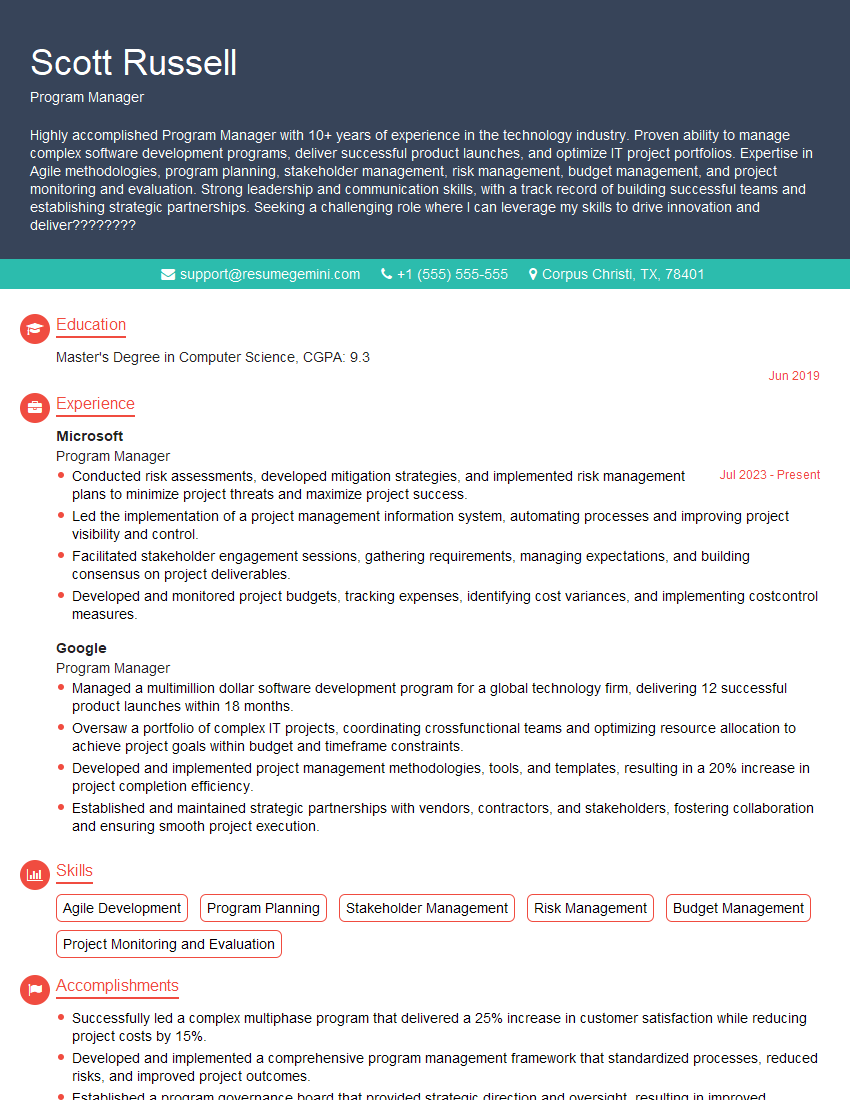
Program Manager Resume Sample
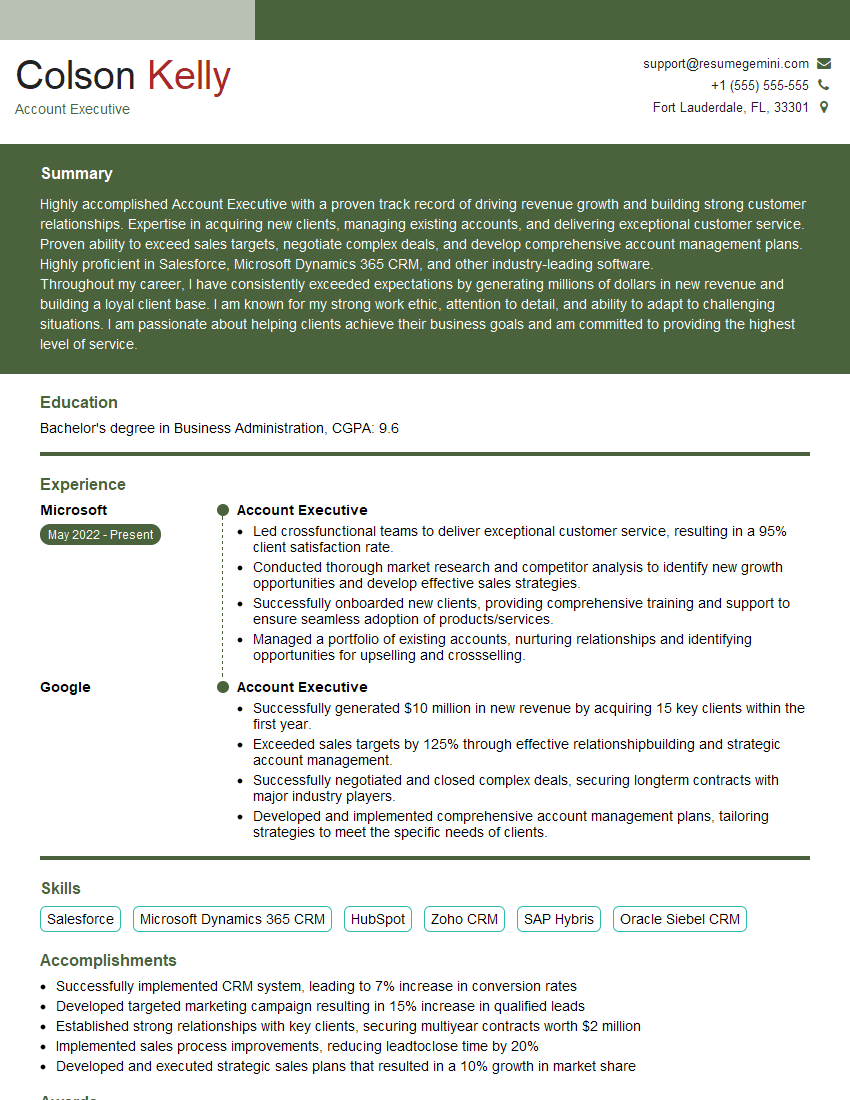
Account Executive Resume Sample
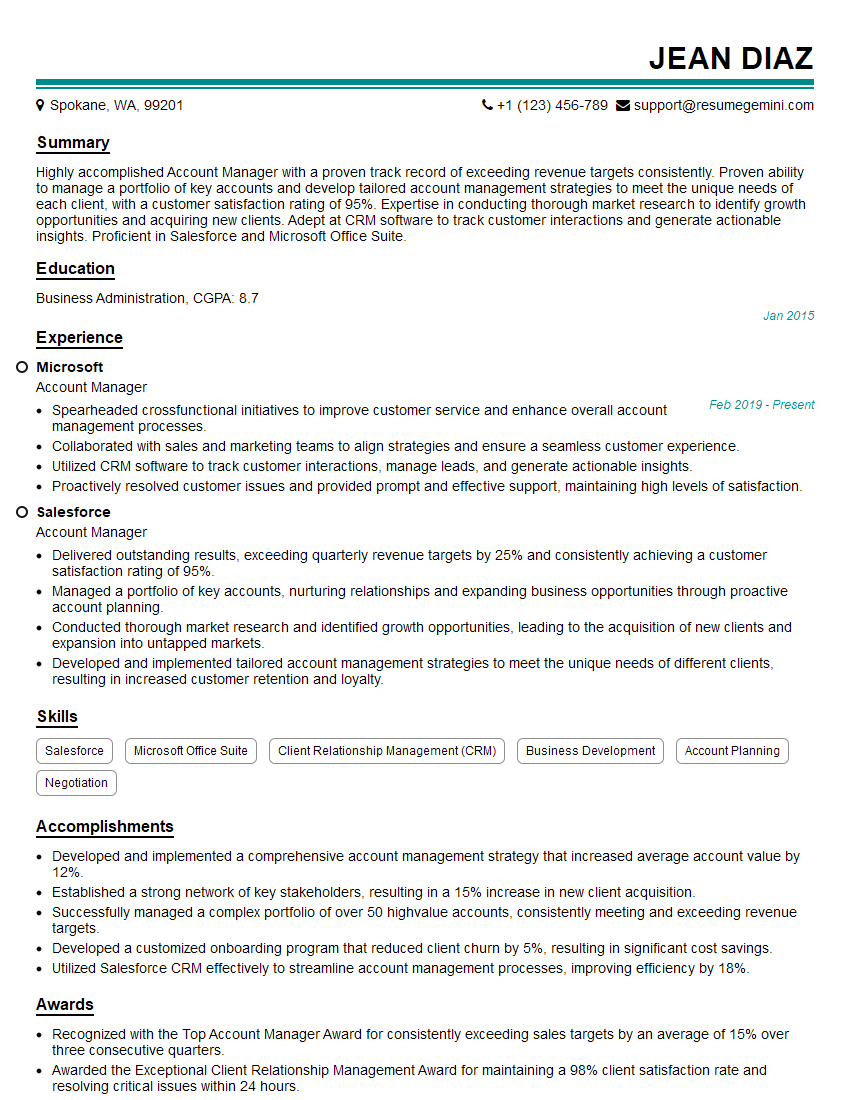
Account Manager Resume Sample
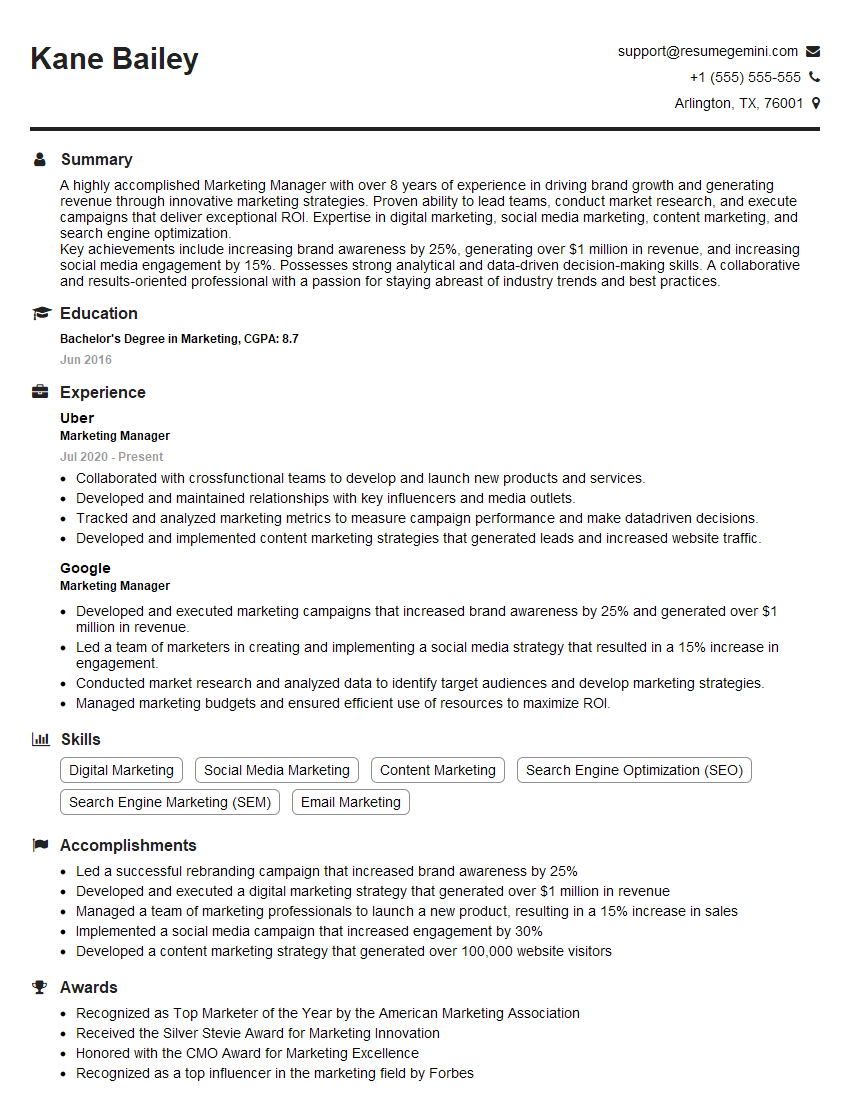
Marketing Manager Resume Sample
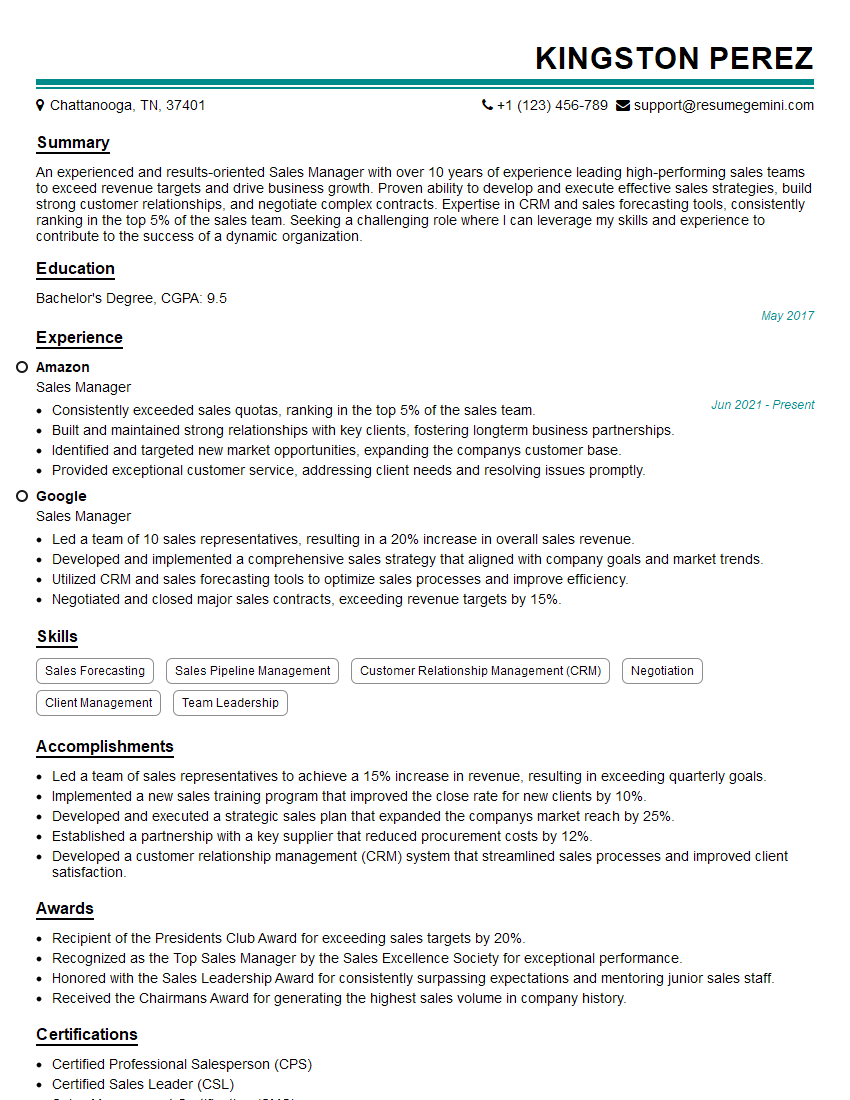
Sales Manager Resume Sample
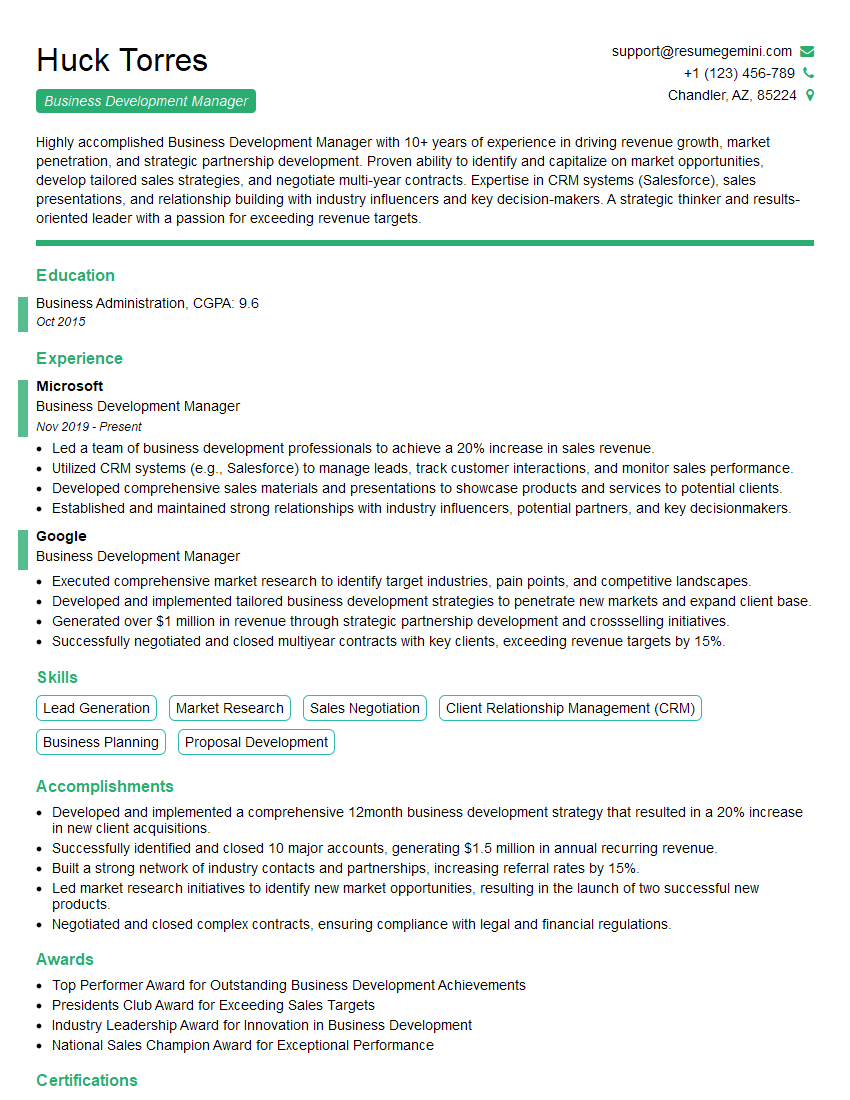
Business Development Manager Resume Sample
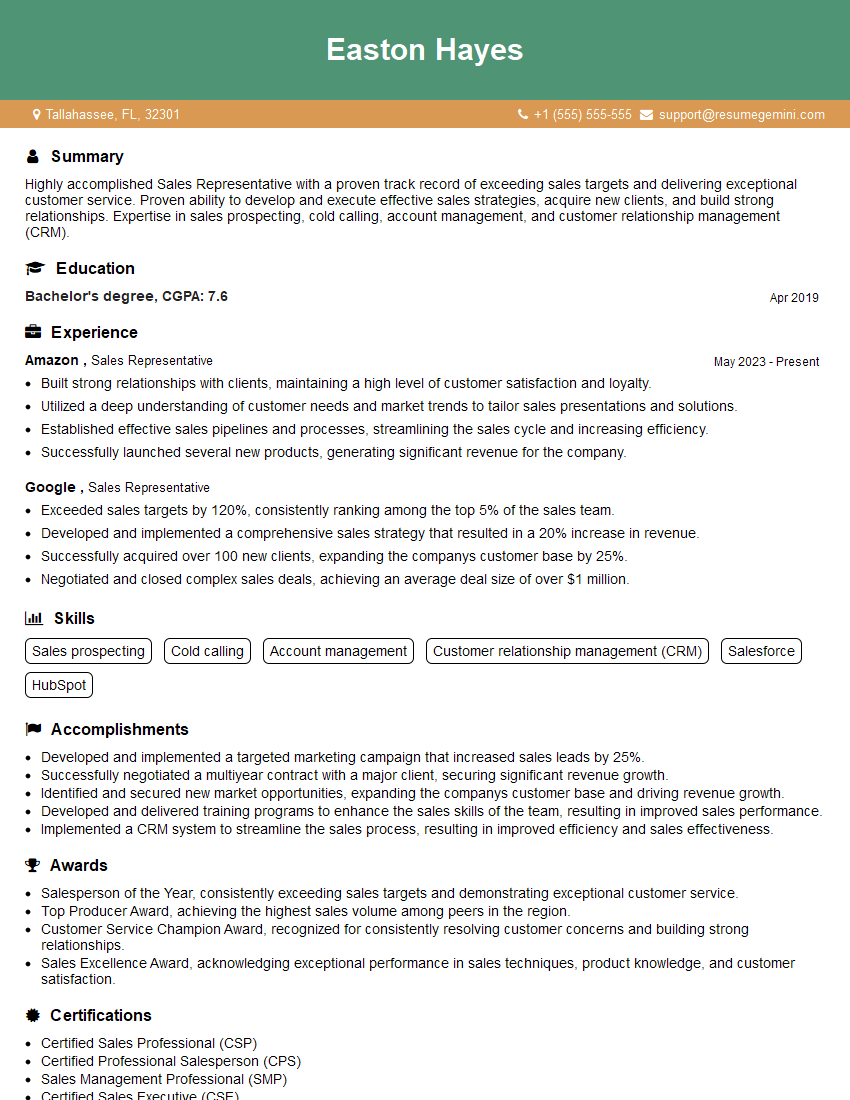
Sales Representative Resume Sample
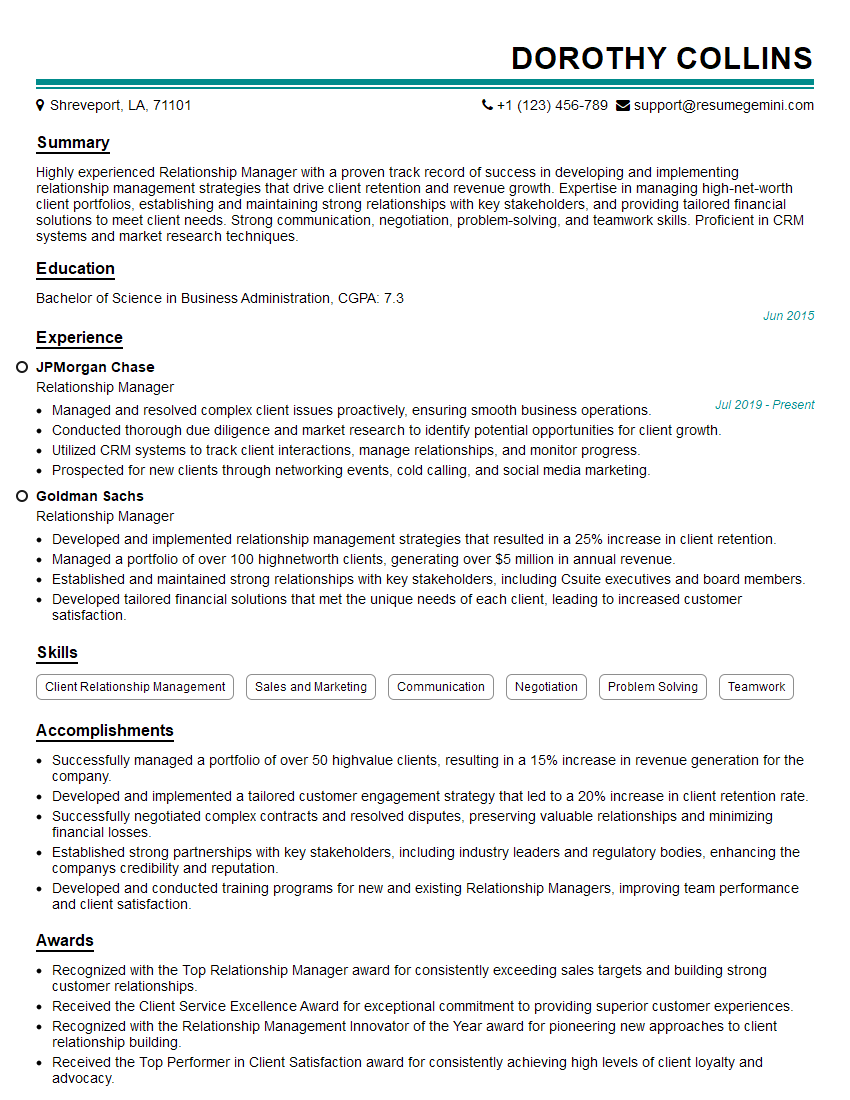
Relationship Manager Resume Sample

Procurement Manager Resume Sample
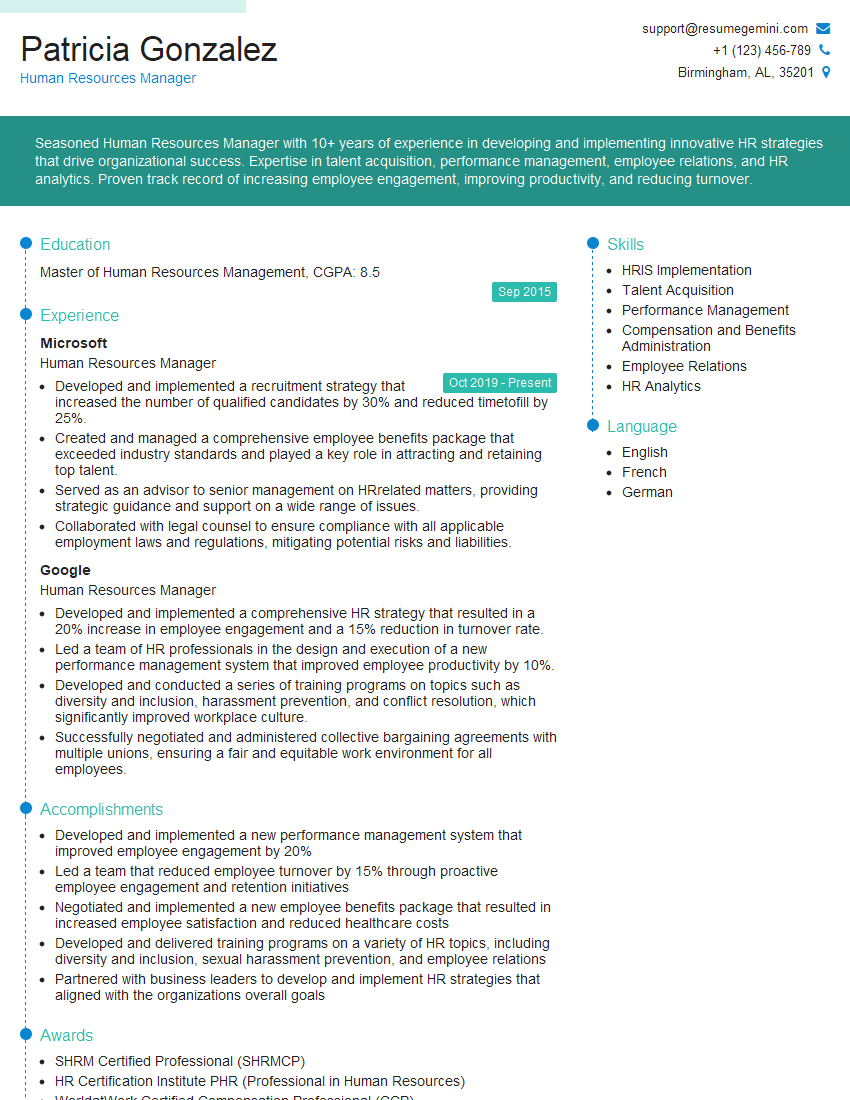
Human Resources Manager Resume Sample

Project Manager Resume Sample
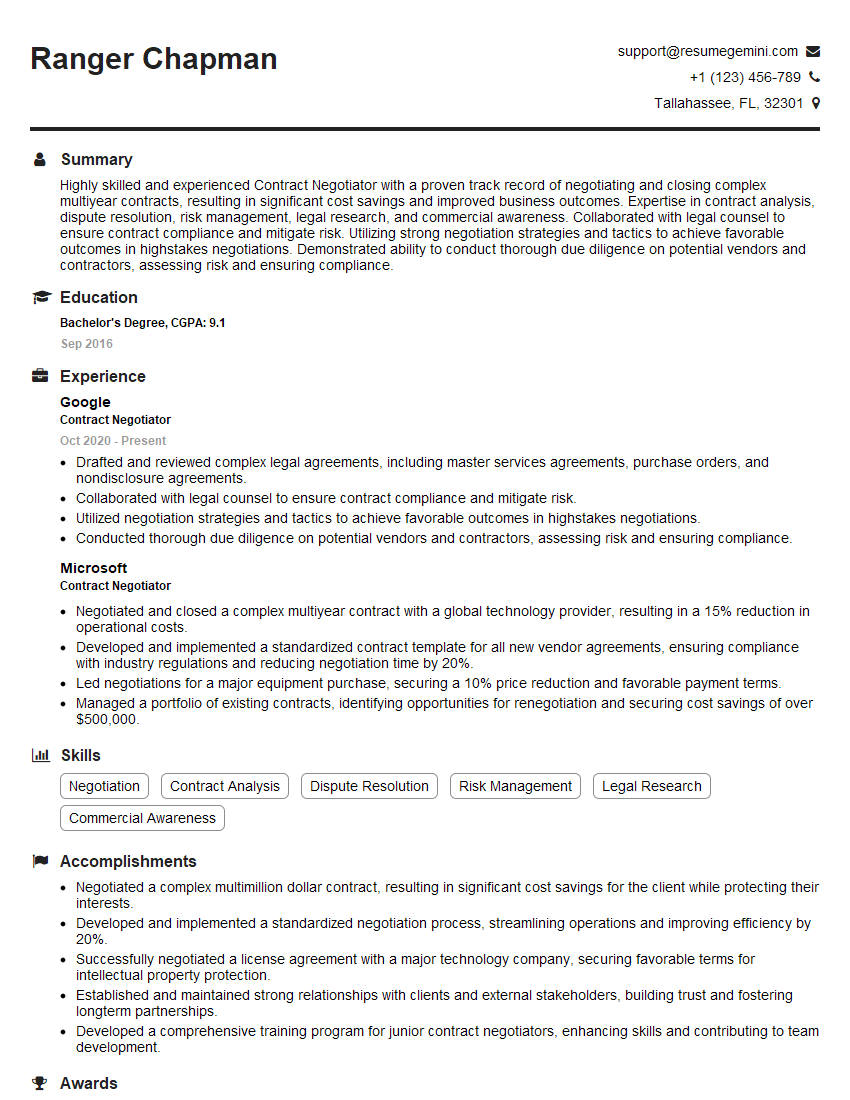
Contract Negotiator Resume Sample
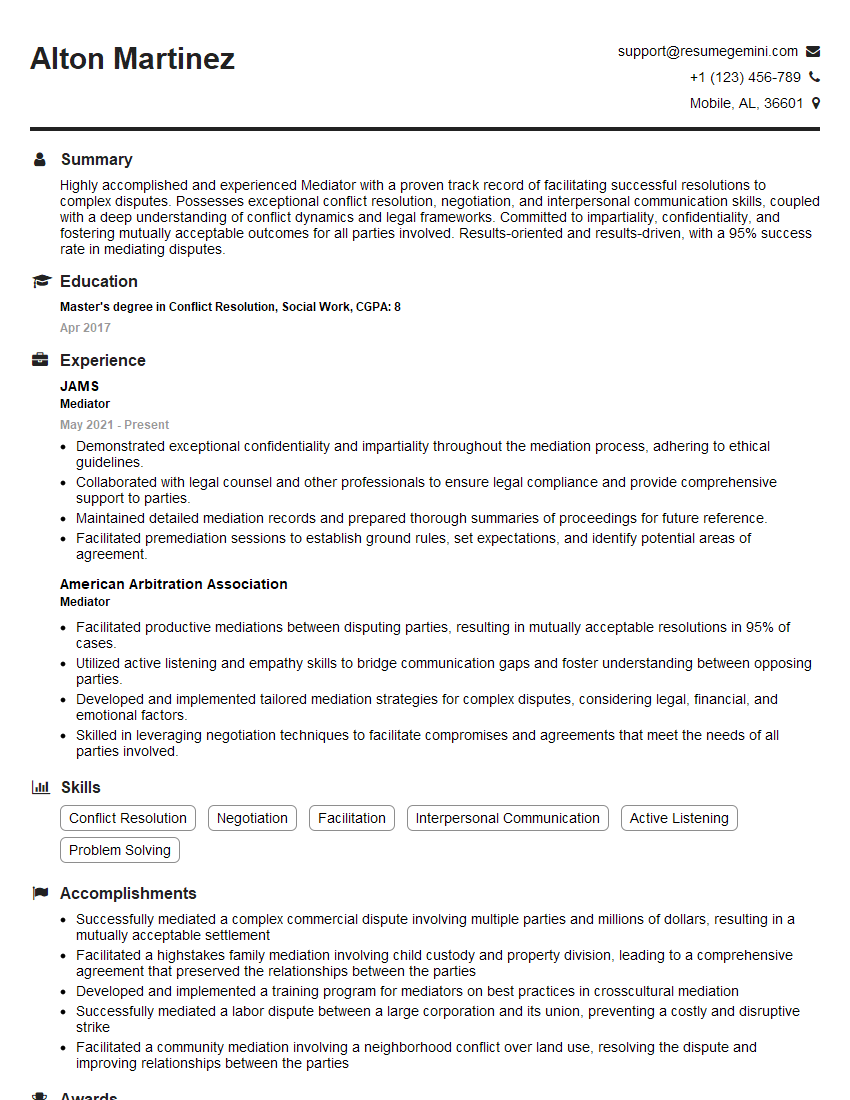
Mediator Resume Sample
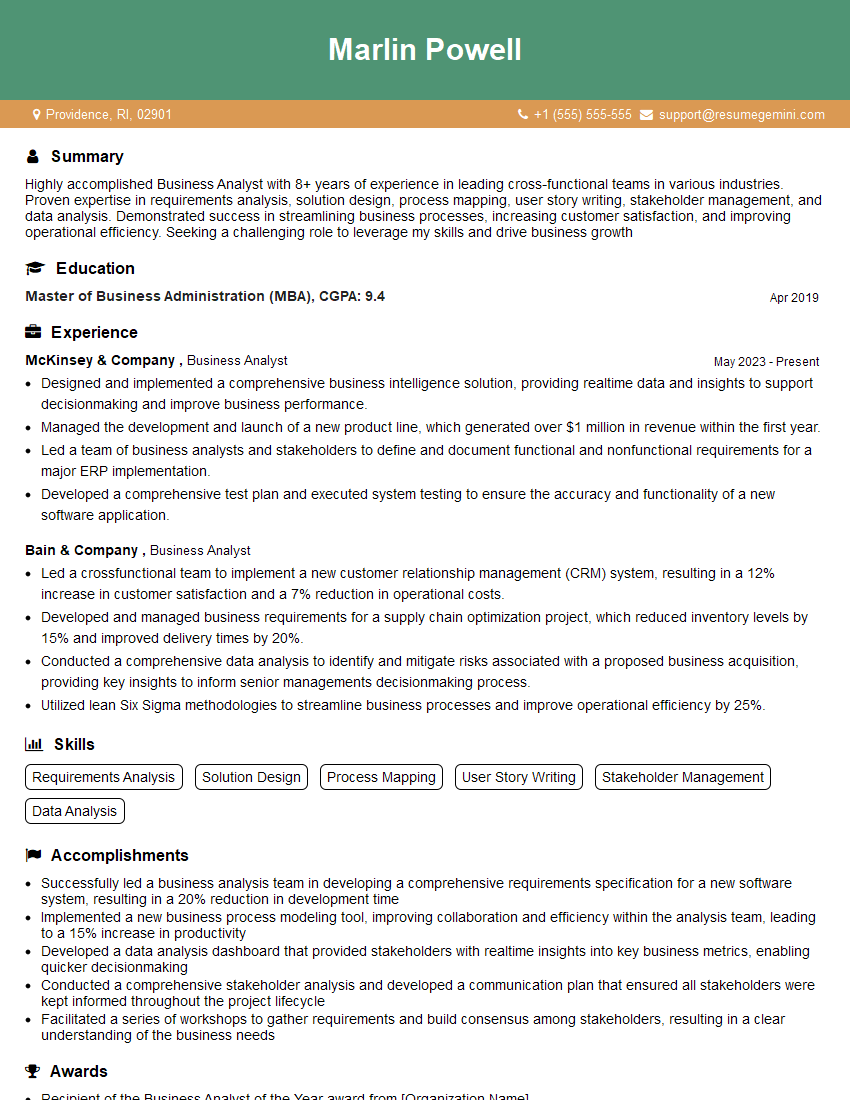
Business Analyst Resume Sample
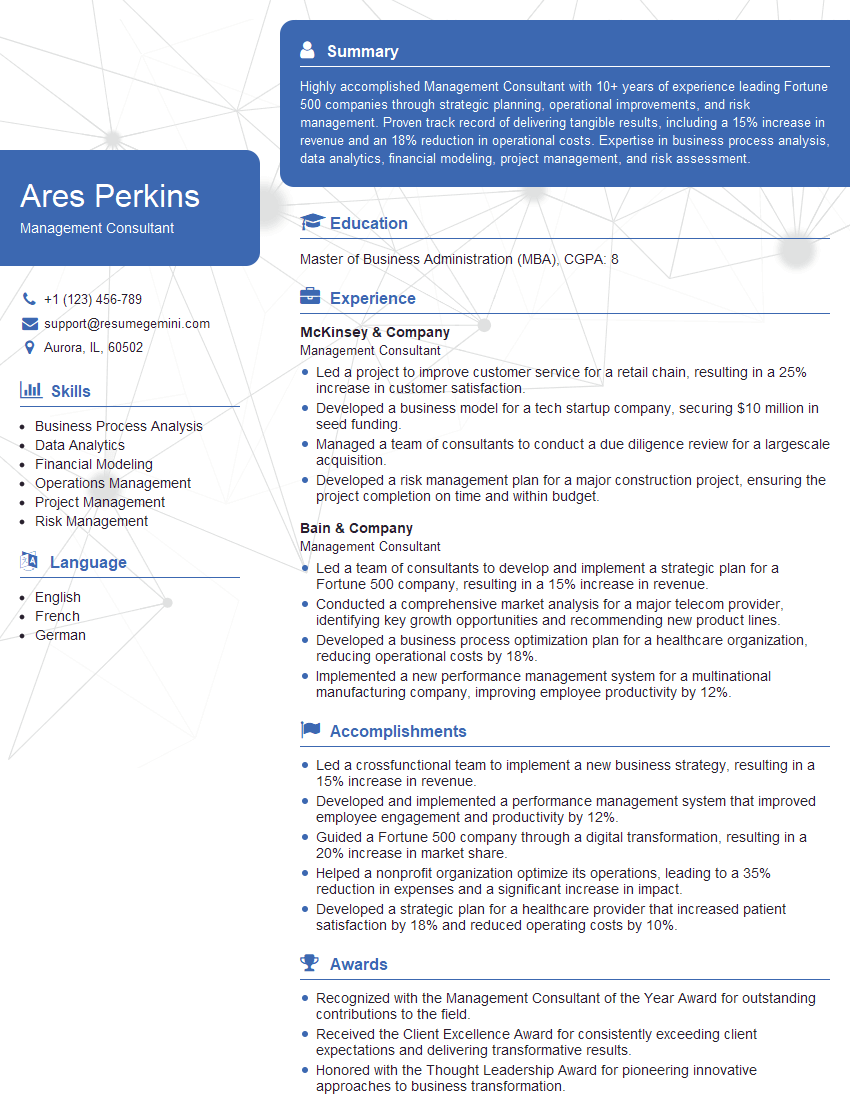
Management Consultant Resume Sample
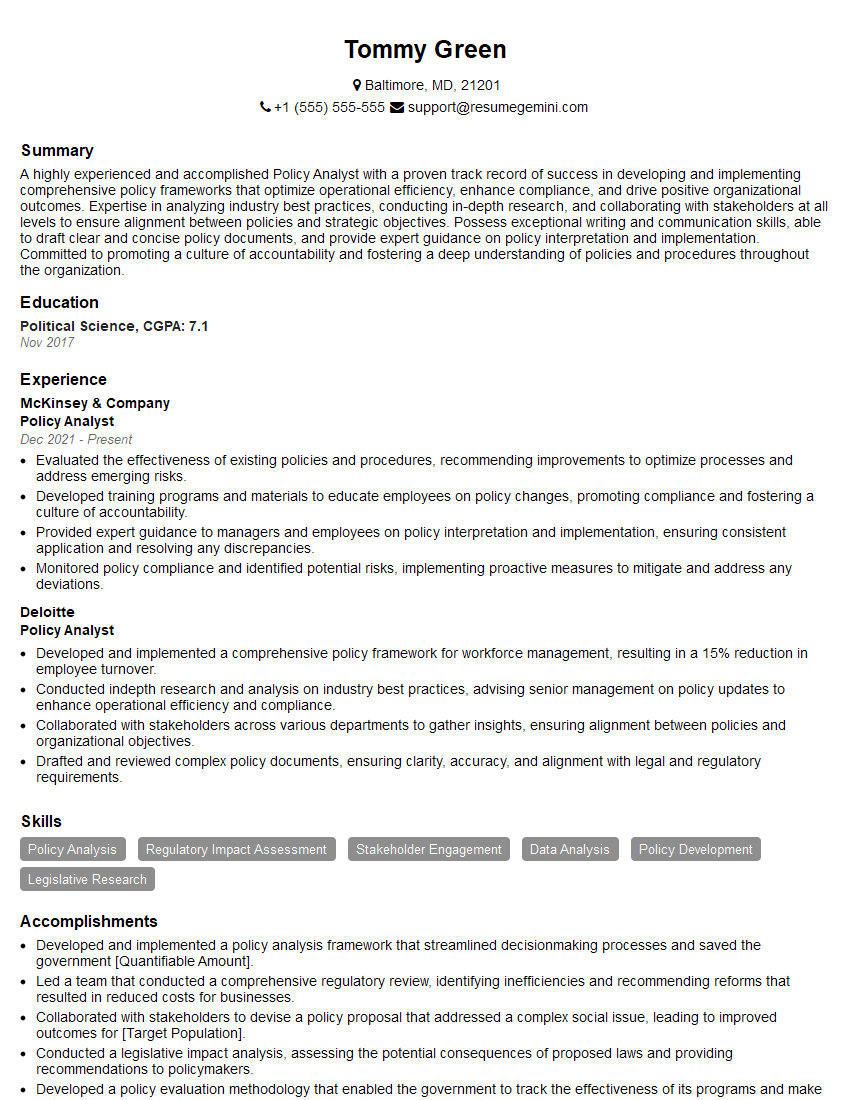
Policy Analyst Resume Sample
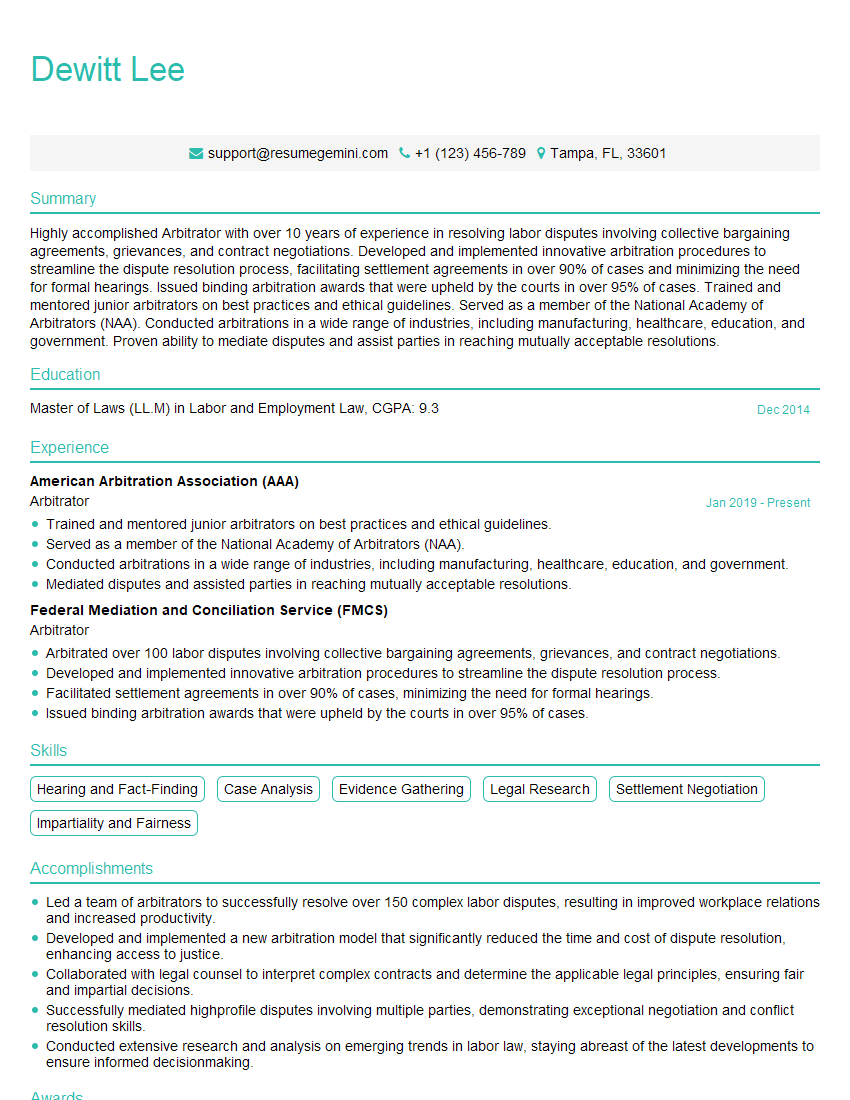
Arbitrator Resume Sample
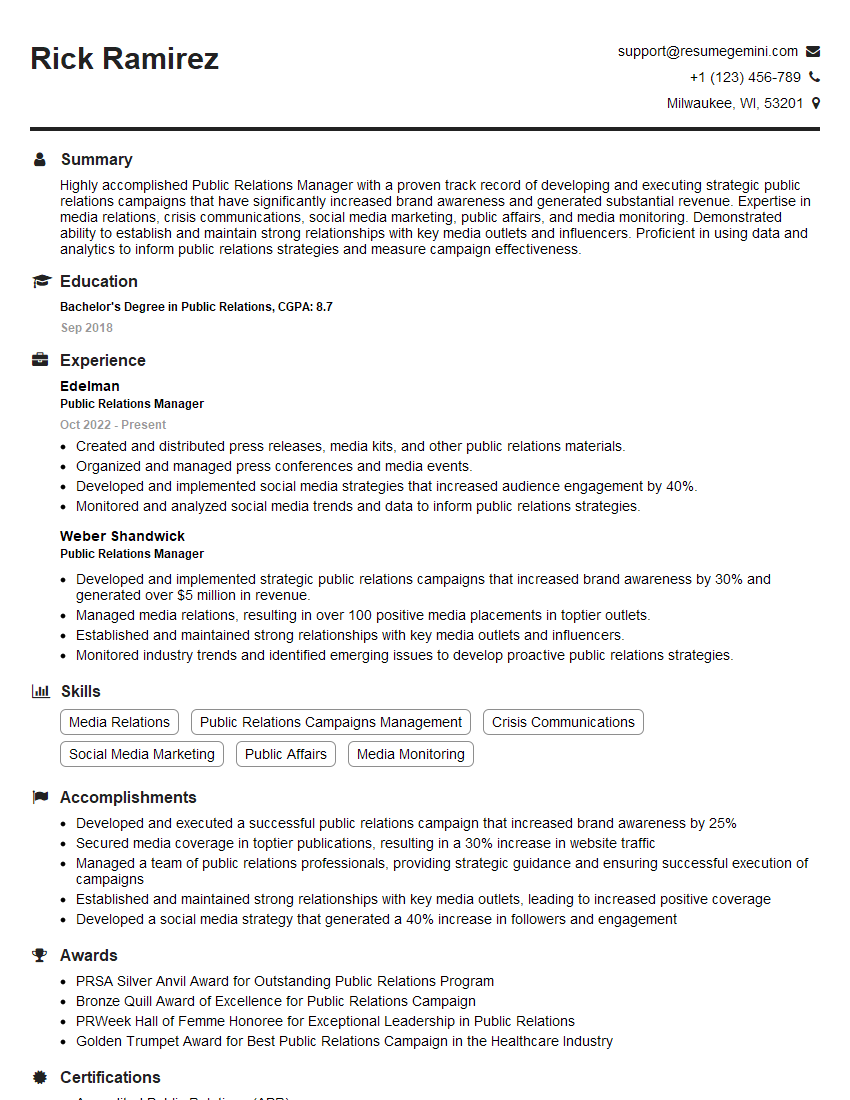
Public Relations Manager Resume Sample
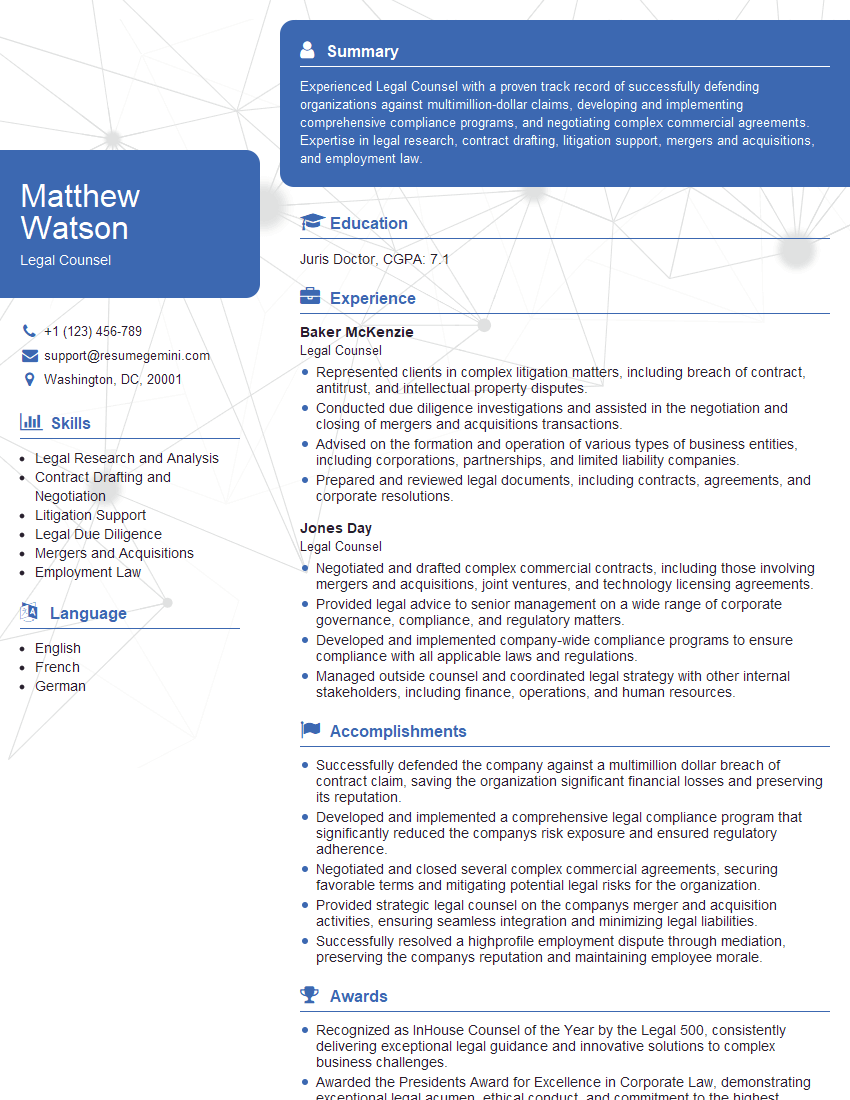
Legal Counsel Resume Sample
- Program Manager
- Account Executive
- Account Manager
- Marketing Manager
- Sales Manager
- Business Development Manager
- Sales Representative
- Relationship Manager
- Procurement Manager
- Human Resources Manager
- Project Manager
- Contract Negotiator
- Mediator
- Business Analyst
- Management Consultant
- Policy Analyst
- Arbitrator
- Public Relations Manager
- Legal Counsel
Explore more articles
Users Rating of Our Blogs
Share Your Experience
We value your feedback! Please rate our content and share your thoughts (optional).
What Readers Say About Our Blog
Very informative content, great job.
good