Every successful interview starts with knowing what to expect. In this blog, we’ll take you through the top Physical Fitness and Mobility for Effective Field Coverage interview questions, breaking them down with expert tips to help you deliver impactful answers. Step into your next interview fully prepared and ready to succeed.
Questions Asked in Physical Fitness and Mobility for Effective Field Coverage Interview
Q 1. Describe your experience maintaining peak physical fitness for demanding fieldwork.
Maintaining peak physical fitness for demanding fieldwork isn’t just about looking good; it’s about operational readiness and preventing injuries. My approach is multifaceted and focuses on building a robust foundation of strength, endurance, and resilience. This involves a rigorous training regimen incorporating cardiovascular exercises like running and swimming to build stamina, strength training with weights and bodyweight exercises to enhance muscle power and reduce risk of injury, and regular flexibility and mobility work, such as yoga or Pilates, to improve range of motion and prevent muscle stiffness. For example, during my time working as a field researcher in mountainous terrain, I incorporated hill sprints and weighted hikes into my training to directly prepare for the challenges of the job. Consistent training, adapted to the specific demands of my role, is key to sustained peak performance.
Q 2. What strategies do you employ to manage fatigue and maintain energy levels throughout a long workday in the field?
Managing fatigue and maintaining energy levels during long workdays in the field requires a holistic strategy. This starts with proper nutrition: prioritizing whole, unprocessed foods, staying well-hydrated, and avoiding excessive sugar and caffeine. Strategic breaks are crucial; short periods of rest and light activity can be more effective than long periods of inactivity. Prioritization is key – learning to strategically allocate energy to high-priority tasks during peak performance times. Mindfulness and stress management techniques, like deep breathing or meditation, can help reduce fatigue and improve focus. For instance, on particularly demanding days in the field, I’ll incorporate short stretches or mindful walks to clear my head and prevent burnout. Adequate sleep is also non-negotiable; it’s the foundation for physical and cognitive performance.
Q 3. Explain your understanding of the importance of mobility and flexibility in effective field coverage.
Mobility and flexibility are absolutely paramount for effective field coverage. Limited mobility restricts your range of motion, hindering your ability to navigate challenging terrains, perform physical tasks efficiently, and respond quickly to unexpected situations. Stiffness increases the risk of injuries like strains and sprains. Maintaining good mobility allows you to move freely and with precision, improving efficiency and endurance. For example, sufficient flexibility in the hips and ankles is essential for navigating uneven terrain and prevents lower body injuries. Incorporating regular stretching and mobility exercises significantly reduces the likelihood of injury and enables optimal performance in varied environments.
Q 4. How do you adapt your fitness routine to account for different environmental conditions (e.g., extreme heat, cold, terrain)?
Adapting my fitness routine to different environmental conditions is crucial for both safety and performance. In extreme heat, I’ll train during cooler parts of the day, increase hydration, and modify intensity. In cold weather, I focus on layering clothing to maintain body temperature, warming up thoroughly before exercising, and potentially shortening the duration of outdoor training sessions to prevent hypothermia. Varying terrain dictates the type of training: hilly terrain requires hill training to build leg strength and endurance, while flat terrain allows for longer distance runs or cycling. I always prioritize acclimatization—gradually exposing myself to the new conditions to minimize the risk of injury or heat exhaustion. Always consider the impact of altitude as well, reducing intensity at higher altitudes and allowing the body to adjust.
Q 5. Describe a time you had to overcome a physical challenge while working in the field. What was your approach?
During a field survey in a remote location, I suffered a severe ankle sprain. My initial response was to assess the situation: was I in a safe location? Could I self-treat, or was evacuation necessary? Once I determined I could self-treat, I followed the RICE protocol (Rest, Ice, Compression, Elevation). I improvised with available resources, using my backpack as a support and creating a makeshift ice pack. While I was limited in mobility, I prioritized tasks that didn’t require intense physical exertion until the swelling subsided. This experience reinforced the importance of preparedness: carrying a well-stocked first-aid kit, being aware of my surroundings, and having a communication plan for emergencies. The incident also taught me to be more conservative with my physical exertion on challenging terrain and to listen to my body.
Q 6. How do you prioritize safety while maintaining productivity in physically demanding field work?
Prioritizing safety while maintaining productivity involves a proactive approach. This means employing safe work practices consistently, using appropriate safety equipment (e.g., harnesses, helmets, high-visibility clothing), and adhering to all safety regulations. Regular equipment checks are essential to prevent equipment failures. Understanding and utilizing risk assessment procedures is critical to identifying and mitigating potential hazards. Physical limitations should never be pushed to the point of compromising safety. Taking breaks when needed and adjusting the workload as environmental conditions change are equally vital components. For example, when working near water, I’d always prioritize wearing a personal flotation device, regardless of how good of a swimmer I am. Communication and teamwork are vital in ensuring everyone’s safety.
Q 7. What are the key components of a comprehensive fitness plan for someone in a field-based role?
A comprehensive fitness plan for a field-based role must encompass several key components. First, cardiovascular fitness should be prioritized through aerobic activities like running, swimming, or cycling to improve stamina and endurance. Strength training, utilizing both bodyweight and weighted exercises, is crucial to building muscle strength and reducing injury risk. Flexibility and mobility exercises, such as yoga or Pilates, improve range of motion and reduce stiffness. Balance training is particularly important, preventing falls and injuries, especially on uneven terrain. Finally, core strength training is pivotal for overall stability and injury prevention. Regular assessments of fitness levels help identify areas for improvement and ensure the plan remains effective and responsive to changing job demands. This might include regular fitness testing and the input of a qualified professional.
Q 8. How would you assess your current level of physical fitness and identify areas for improvement?
Assessing my physical fitness involves a holistic approach encompassing cardiovascular endurance, muscular strength and endurance, flexibility, and body composition. I regularly undergo a series of tests including a VO2 max test to measure cardiovascular fitness, a battery of strength tests (e.g., bench press, squat, deadlift) to gauge muscular strength, and flexibility assessments (e.g., sit-and-reach test). Body composition is monitored through regular weigh-ins and body fat percentage measurements. Identifying areas for improvement involves comparing my results to established benchmarks and identifying weaknesses. For example, if my flexibility scores are low compared to the average for my age and activity level, I’ll prioritize flexibility training. If my VO2 max is suboptimal, I’ll focus on improving cardiovascular endurance through activities like running and interval training. This data-driven approach ensures I target specific weaknesses, leading to a balanced and optimized fitness regimen.
Q 9. What are some common injuries associated with your type of field work, and how can they be prevented?
Common injuries in my type of field work often include musculoskeletal issues like lower back pain, knee injuries (sprains, strains, meniscus tears), shoulder problems (rotator cuff injuries, bursitis), and ankle sprains. These stem from repetitive movements, heavy lifting, awkward postures, and prolonged standing or walking on uneven terrain. Prevention strategies focus on proactive measures such as proper lifting techniques (using legs, keeping back straight), wearing supportive footwear and appropriate personal protective equipment (PPE), regular stretching and strengthening exercises to improve muscle balance and stability, and ensuring proper hydration and adequate rest. Regular ergonomic assessments of my workstation and field equipment are critical. For example, ensuring I use properly adjusted tools and equipment to prevent strain and fatigue is crucial. Implementing these preventive measures significantly reduces injury risk, enabling peak performance and longevity in my field work.
Q 10. Explain your understanding of ergonomic principles and how they apply to field work.
Ergonomic principles focus on designing workplaces and tasks to fit the capabilities of the human body, minimizing risk of injury and maximizing comfort and efficiency. In field work, this means adjusting my workspace (e.g., vehicle, temporary field office) for optimal posture, using appropriate tools and equipment designed to reduce strain, and taking frequent breaks to avoid fatigue. For example, I ensure my laptop is at eye level to avoid neck strain and use ergonomic chairs and keyboard/mouse setups. When carrying heavy loads, I utilize proper lifting techniques and distribute weight evenly. In the field, I carefully select equipment to minimize unnecessary strain. For instance, lightweight tools are preferred over heavy ones, and specialized tools may be selected to reduce the physical demands of a task. Regular ergonomic assessments are vital, allowing me to identify and correct potential problems before they lead to injury. Thinking ergonomically is not just about avoiding injury, but also about optimizing my performance by reducing fatigue and improving efficiency.
Q 11. How do you handle unexpected physical demands or emergencies in the field?
Handling unexpected physical demands or emergencies requires preparedness and adaptability. I carry a well-stocked first-aid kit and have received training in basic first aid and CPR. In case of injuries, I immediately assess the situation, provide first aid if needed, and contact emergency services. If faced with unexpected physical tasks like heavy lifting or strenuous activity outside my normal routine, I prioritize proper techniques to avoid injury. This includes using appropriate equipment, seeking assistance if needed, and pacing myself to prevent exhaustion. For instance, if I need to lift a heavy object unexpectedly, I would make sure to utilize proper lifting technique and if it’s beyond my capability, I’d find someone to assist. Regular physical training ensures I’m able to handle unexpected demands. Being aware of my physical limits and knowing when to ask for help is a critical aspect of safety and efficiency.
Q 12. What are your strategies for staying hydrated and nourished throughout a long day of field work?
Staying hydrated and nourished is paramount for maintaining energy levels and performance throughout long days of field work. My strategy involves carrying plenty of water and consuming it regularly throughout the day, regardless of thirst. I avoid sugary drinks and opt for water or electrolyte-enhanced drinks, especially during strenuous activity. For nutrition, I pack meals and snacks rich in complex carbohydrates, lean protein, and healthy fats, providing sustained energy release. Examples include trail mix, fruit, whole-grain sandwiches, and protein bars. Regular meal breaks are scheduled to prevent energy crashes. I avoid overly processed foods high in sugar and unhealthy fats. Prioritizing nutrition and hydration prevents fatigue, improves focus, and supports physical performance and recovery.
Q 13. Describe your experience using specialized equipment or tools that require physical strength or dexterity.
My experience with specialized equipment includes operating surveying tools like total stations and GPS receivers, which require precision and dexterity. I’ve also used various types of sampling equipment which may involve significant physical strength. For instance, some soil sampling techniques require significant force to drive equipment into the ground. In all cases, proper training on the safe and efficient use of this equipment was provided, emphasizing techniques that minimize strain and maximize accuracy. I’m adept at adapting my technique depending on the equipment’s requirements and the environmental conditions. This includes prioritizing proper posture, using supportive grips, and taking breaks when necessary. Regular maintenance and ensuring the equipment is in good working condition are equally critical. A well-maintained tool significantly reduces the physical demands placed on the user.
Q 14. How do you maintain your fitness and mobility levels during periods of less active work?
Maintaining fitness and mobility during periods of less active work requires a conscious effort. I integrate regular exercise into my routine, prioritizing activities that maintain cardiovascular fitness, strength, and flexibility. This might include daily walks, gym workouts focusing on bodyweight exercises or weight training, and regular stretching sessions. I often incorporate activities I enjoy, such as hiking or cycling, to maintain motivation and consistency. Even on less active days, I prioritize movement by taking the stairs instead of the elevator, and incorporating short walks throughout the day. This holistic approach ensures I’m prepared for any physical demands, regardless of the current workload. Consistency is key to maintaining a fitness level that supports both my work and my overall well-being.
Q 15. What is your approach to managing stress and preventing burnout in physically demanding roles?
Managing stress and preventing burnout in physically demanding roles requires a holistic approach encompassing physical, mental, and emotional well-being. It’s not just about pushing through; it’s about sustainable performance. My strategy involves several key components:
- Prioritizing Sleep: Adequate sleep (7-9 hours) is crucial for physical recovery and cognitive function. I ensure I get enough sleep every night, even when facing tight deadlines or long workdays.
- Nutrition: Fueling my body with nutrient-rich foods helps maintain energy levels and supports muscle recovery. I focus on a balanced diet with plenty of fruits, vegetables, lean protein, and complex carbohydrates, avoiding excessive processed foods and sugar.
- Regular Exercise (Beyond Work): Counterintuitively, incorporating low-impact exercise like yoga or swimming can help reduce stress and improve recovery. It’s a crucial complement to the high-intensity work demands.
- Mindfulness and Stress-Reduction Techniques: I practice mindfulness meditation or deep breathing exercises to manage stress and improve mental clarity. Even a few minutes a day can make a significant difference.
- Setting Boundaries: Learning to say ‘no’ to additional tasks when I’m already overloaded is essential. This prevents burnout by ensuring I can adequately handle existing responsibilities.
- Seeking Support: Open communication with supervisors and colleagues about workload and challenges is vital. A strong support system can significantly reduce stress levels.
For example, during a particularly demanding project involving extended fieldwork, I proactively scheduled regular breaks for mindfulness exercises and ensured I prioritized my sleep schedule. This proactive approach helped prevent burnout and maintain peak performance throughout the project.
Career Expert Tips:
- Ace those interviews! Prepare effectively by reviewing the Top 50 Most Common Interview Questions on ResumeGemini.
- Navigate your job search with confidence! Explore a wide range of Career Tips on ResumeGemini. Learn about common challenges and recommendations to overcome them.
- Craft the perfect resume! Master the Art of Resume Writing with ResumeGemini’s guide. Showcase your unique qualifications and achievements effectively.
- Don’t miss out on holiday savings! Build your dream resume with ResumeGemini’s ATS optimized templates.
Q 16. Describe your experience working in varied and challenging terrains.
My experience working in varied and challenging terrains is extensive. I’ve worked in mountainous regions, dense forests, and across varied climates, including extreme heat and cold. This experience has provided me with proficiency in navigating diverse landscapes and adapting my strategies to different environmental conditions.
- Mountainous Regions: I’ve conducted fieldwork in steep, rocky terrain requiring careful footing, endurance, and awareness of altitude sickness risks. This involved meticulous planning of routes, appropriate pacing, and understanding the impacts of altitude on physical exertion.
- Dense Forests: Navigating dense forests demanded bushcraft skills, including the ability to orient myself using compass and map, awareness of potential hazards (wildlife, uneven terrain), and employing efficient techniques for movement and traversing obstacles.
- Extreme Temperatures: Working in both extreme heat and cold involved adapting clothing, hydration strategies, and pacing to prevent heatstroke or hypothermia. This required a deep understanding of the physiological effects of temperature extremes on the human body and applying appropriate mitigation strategies.
One memorable project involved traversing a remote mountainous region during a sudden blizzard. Successful completion required immediate adaptation of the plan, prioritizing shelter and safety, and effective collaboration with my team to ensure everyone’s well-being.
Q 17. How do you adapt your work practices to maintain efficiency and safety in challenging weather conditions?
Adapting work practices to challenging weather conditions is critical for maintaining efficiency and safety. This involves a multi-faceted approach:
- Weather Monitoring and Planning: I regularly check weather forecasts before and during fieldwork to anticipate changes and adjust plans accordingly. This might involve altering routes, adjusting timelines, or postponing tasks if conditions become unsafe.
- Appropriate Clothing and Gear: I always carry appropriate clothing and gear for different weather conditions, including rain gear, cold-weather layers, sun protection, and sturdy footwear. This ensures I can adapt quickly to unexpected changes.
- Hydration and Nutrition: Staying properly hydrated and nourished is especially important in extreme weather. I adjust my fluid and food intake based on temperature and exertion levels.
- Safety Protocols: I strictly adhere to safety protocols and communicate any potential risks to my team. This might involve buddy systems, utilizing appropriate safety equipment, and being aware of potential hazards (e.g., lightning, flash floods).
- Pacing and Workload Management: I adjust my work pace and workload based on the conditions. In extreme heat or cold, I might take more frequent breaks to avoid overexertion and risk injury.
For example, during a field survey in heavy rain, we adjusted our route to avoid slippery slopes, used rain gear to stay dry, and took more frequent breaks to avoid hypothermia. This allowed us to maintain efficiency while ensuring our safety.
Q 18. What is your understanding of the effects of prolonged standing, walking, or lifting on the human body?
Prolonged standing, walking, or lifting can have significant negative impacts on the human body. These activities can lead to musculoskeletal disorders (MSDs) if not managed properly.
- Prolonged Standing: Causes increased pressure on the lower back, legs, and feet, leading to fatigue, varicose veins, and back pain. It can also increase the risk of lower extremity deep vein thrombosis (DVT).
- Prolonged Walking: Can cause foot and ankle problems, knee pain, and lower back pain. The repetitive motion stresses joints and muscles, leading to inflammation and injury.
- Repetitive Lifting: Places significant strain on the back, shoulders, and arms, increasing the risk of strains, sprains, and hernias. Incorrect lifting techniques significantly exacerbate these risks.
To mitigate these risks, it’s crucial to practice proper body mechanics, utilize assistive devices when appropriate, take regular breaks, and wear supportive footwear. Regular stretching and strengthening exercises also play a critical role in preventing MSDs.
Q 19. How familiar are you with workplace safety regulations regarding physical demands and injury prevention?
I am very familiar with workplace safety regulations regarding physical demands and injury prevention. My understanding encompasses OSHA (Occupational Safety and Health Administration) guidelines and other relevant industry-specific regulations. This includes:
- Ergonomics: Understanding proper posture, lifting techniques, and workstation setup to minimize strain and injury.
- Personal Protective Equipment (PPE): Knowing when and how to use appropriate PPE, such as safety footwear, gloves, and back supports.
- Hazard Identification and Risk Assessment: The ability to identify potential hazards related to physical demands and implement control measures to mitigate risks.
- Reporting Procedures: Knowing the procedures for reporting injuries and near misses to ensure appropriate action is taken.
- Emergency Response Procedures: Understanding emergency response protocols, including first aid and evacuation procedures.
I believe in a proactive approach to safety, prioritizing prevention over reaction. Regular safety training and adherence to regulations are essential for maintaining a safe work environment.
Q 20. Describe your experience collaborating with colleagues to complete physically demanding tasks efficiently and safely.
Collaboration is essential for completing physically demanding tasks efficiently and safely. My experience involves effective teamwork, clear communication, and a shared commitment to safety:
- Task Delegation and Teamwork: I work with colleagues to distribute tasks based on individual strengths and capabilities. This optimizes efficiency and minimizes strain on any one person.
- Clear Communication: Maintaining open and honest communication about potential hazards, workload, and any physical limitations is crucial. This allows for adjustments to ensure everyone’s safety and well-being.
- Mutual Support and Assistance: Offering support and assistance to colleagues is essential. This might involve helping to lift heavy objects, providing breaks, or checking on each other’s well-being.
- Safety Briefings and Discussions: Participating in regular safety briefings and discussions helps identify potential risks and ensure everyone is on the same page regarding safety procedures.
During a challenging project requiring heavy lifting, we implemented a system of buddy checks and rotation of tasks. This ensured everyone felt supported, reduced individual strain, and prevented injuries.
Q 21. What are your preferred methods for monitoring your physical fitness and performance?
Monitoring physical fitness and performance is crucial for maintaining optimal health and preventing injuries. My preferred methods include:
- Regular Physical Assessments: I undergo regular physical checkups with a physician to assess overall health and identify any potential problems.
- Fitness Tracking: I use wearable fitness trackers to monitor activity levels, sleep patterns, and heart rate. This provides data to optimize my training and recovery.
- Self-Monitoring of Physical Symptoms: Paying close attention to my body’s signals and taking rest days when needed helps avoid overtraining and injuries.
- Performance Metrics: Tracking my performance on physically demanding tasks allows me to identify areas for improvement and assess my overall endurance and strength.
- Regular Strength and Endurance Training: I incorporate regular strength and endurance training to maintain optimal physical fitness for my demanding role.
This combination of objective data (from trackers) and subjective observations (body awareness) allows for a comprehensive picture of my physical state, enabling me to make informed decisions about my training, workload, and recovery.
Q 22. How would you assess the physical demands of a new field assignment and adapt your fitness plan accordingly?
Assessing the physical demands of a new field assignment requires a multi-faceted approach. First, I thoroughly review the job description and any available documentation detailing the typical tasks, environment, and equipment involved. This includes considering factors like terrain, weather conditions, the weight of equipment carried, and the frequency of repetitive movements. Then, I conduct a self-assessment, honestly evaluating my current fitness level against these demands. I use tools like a fitness tracker to monitor my activity levels, sleep quality and recovery times. Finally, I adapt my fitness plan by focusing on exercises that directly address the identified demands. For example, if the assignment involves significant hiking uphill, I’ll incorporate incline training and increase my endurance workouts. If it involves heavy lifting, I’ll focus on strength training exercises that build both upper and lower body strength. This tailored approach ensures I’m adequately prepared for the physical challenges of the new assignment.
Example: For a field assignment requiring prolonged periods of standing and walking on uneven terrain, my fitness plan would prioritize cardio workouts focusing on balance and lower body strength, such as hiking, elliptical training and plyometrics.
Q 23. How do you communicate your physical limitations or needs to your supervisor?
Open and proactive communication is key. I believe in establishing a trusting relationship with my supervisor where I can comfortably discuss any physical limitations or needs. I would schedule a meeting to discuss the physical demands of the upcoming assignment, highlighting areas where I might need support or adjustments. This might include requesting specialized equipment, modified work schedules, or additional training. It’s important to be specific, using concrete examples to illustrate my concerns. Instead of saying ‘I’m not strong enough’, I might say ‘Lifting those 50lb packs consistently causes strain in my back; could we explore using a different carrying system?’ The goal is collaborative problem-solving, ensuring both my well-being and the successful completion of the assignment.
Q 24. Describe a time when you had to modify a work procedure to minimize physical strain.
During a previous assignment involving frequent bending and lifting of heavy samples, I experienced recurring lower back pain. Instead of continuing with the established procedure, I proposed a modification: using a lightweight hand cart to transport samples instead of carrying them manually. This simple change significantly reduced the physical strain. I also suggested implementing a buddy system for lifting heavier items and introducing more frequent breaks to reduce prolonged periods of static posture. The modification was approved, and my back pain resolved, leading to improved efficiency and overall team safety. This underscores the importance of constantly evaluating work procedures and seeking improvements for better ergonomics and injury prevention.
Q 25. What are your strategies for maintaining physical fitness during periods of travel or irregular work schedules?
Maintaining fitness during travel or irregular schedules requires adaptability and planning. I prioritize consistency over intensity when schedules are unpredictable. This involves finding short, high-intensity interval training (HIIT) workouts that can be performed in a hotel room or utilizing local parks and gyms. I pack light but essential fitness gear—resistance bands, jump rope, and comfortable running shoes. I also meticulously track my sleep patterns and nutrition, ensuring sufficient rest and fuel for my body. Technology plays a crucial role; apps that track workouts, nutrition, and sleep help me stay accountable even when my routine is disrupted. The key is to make fitness a non-negotiable part of my daily routine, even if it’s just a short workout.
Q 26. What is your experience with utilizing technology to improve safety and efficiency in physically demanding fieldwork?
Technology has revolutionized fieldwork safety and efficiency. I’m proficient in using GPS tracking devices to monitor my location and share it with colleagues, ensuring my safety, particularly in remote areas. Wearable technology like fitness trackers and heart rate monitors provide valuable data on my exertion levels, helping me avoid overexertion and recognize potential health issues early. Furthermore, I’ve used drone technology for preliminary site surveys, reducing the need for strenuous physical reconnaissance. Utilizing data-logging equipment allows for efficient data collection, minimizing time spent on manual tasks and reducing the risk of errors. My experience with these technologies has significantly improved both my efficiency and safety in the field.
Q 27. How do you ensure you meet the physical demands of your role while also prioritizing mental wellbeing?
Balancing physical and mental well-being is critical for sustained performance in demanding fieldwork. I incorporate mindfulness and stress management techniques into my daily routine, such as meditation or deep breathing exercises. Sufficient sleep, proper nutrition, and hydration are non-negotiable aspects of self-care. I actively engage in activities outside of work that promote relaxation and enjoyment, such as hiking, reading, or spending time with loved ones. Recognizing my physical limitations and resting when needed is crucial. Ignoring physical or mental fatigue can lead to injuries and burnout. It’s a delicate balance, but prioritizing both aspects ensures long-term health and effectiveness in my work.
Q 28. Describe your understanding of the importance of regular medical checkups and preventative care for field workers.
Regular medical checkups and preventative care are essential for field workers due to the inherent risks associated with our jobs. This includes routine physical examinations to monitor overall health and detect any potential issues early. Specific attention should be given to vaccinations relevant to the work location, including necessary booster shots. Early detection of health problems, like cardiovascular issues or musculoskeletal strains, can significantly reduce the risk of serious injuries and long-term health complications. Preventative care also includes adhering to safety protocols, proper use of personal protective equipment (PPE), and proactively addressing any physical concerns, seeking timely medical attention as needed. It’s an investment in both personal health and work productivity.
Key Topics to Learn for Physical Fitness and Mobility for Effective Field Coverage Interview
- Understanding Physical Demands: Analyze the physical requirements of the specific field role, considering factors like lifting, carrying, walking, and prolonged periods of standing or sitting.
- Mobility and Agility Training: Explore practical exercises and training programs designed to enhance agility, flexibility, and balance crucial for navigating various field environments.
- Injury Prevention and Management: Discuss strategies for preventing common field-related injuries and understanding proper response protocols, including first aid and seeking medical assistance when necessary.
- Endurance and Stamina Development: Examine training methods for building cardiovascular endurance and muscular stamina to maintain peak performance throughout extended field operations.
- Ergonomics and Body Mechanics: Understand the principles of proper posture, lifting techniques, and movement to minimize strain and prevent injury while performing field tasks.
- Environmental Considerations: Discuss how environmental factors (e.g., extreme temperatures, terrain) impact physical fitness and mobility, and how to adapt training and strategies accordingly.
- Nutrition and Hydration Strategies: Explore the importance of proper nutrition and hydration for maintaining energy levels, optimizing performance, and promoting recovery.
- Personal Fitness Plans & Monitoring: Discuss the importance of creating and adhering to a personalized fitness plan, including methods for tracking progress and making adjustments as needed.
- Technology and Field Mobility: Explore how technology (e.g., wearable fitness trackers, GPS devices) can enhance monitoring, training, and overall field effectiveness.
Next Steps
Mastering physical fitness and mobility is paramount for success in demanding field roles. It directly impacts your effectiveness, safety, and career advancement. A strong resume showcasing your commitment to these areas is essential. To significantly enhance your job prospects, create an ATS-friendly resume that highlights your relevant skills and experience. ResumeGemini is a trusted resource to help you build a professional and impactful resume. We provide examples of resumes tailored to Physical Fitness and Mobility for Effective Field Coverage to guide you. Take this opportunity to craft a resume that truly reflects your capabilities and sets you apart from the competition.
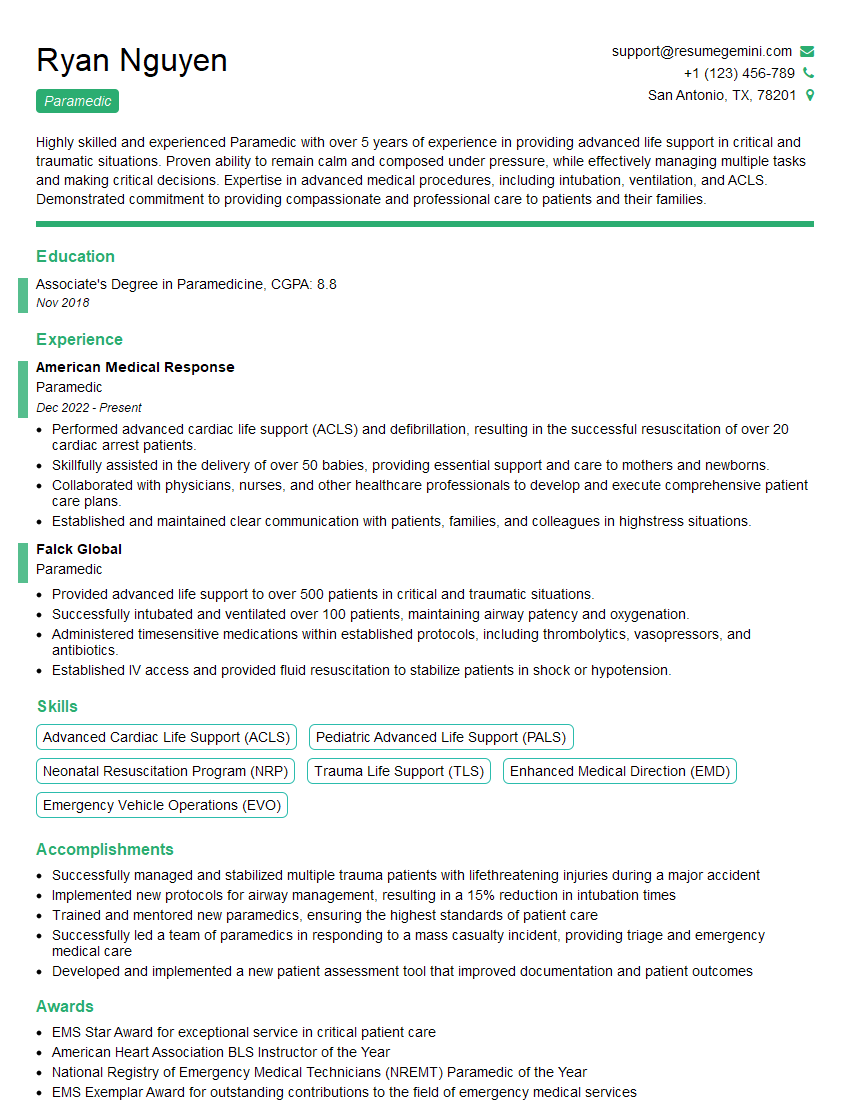
Paramedic Resume Sample
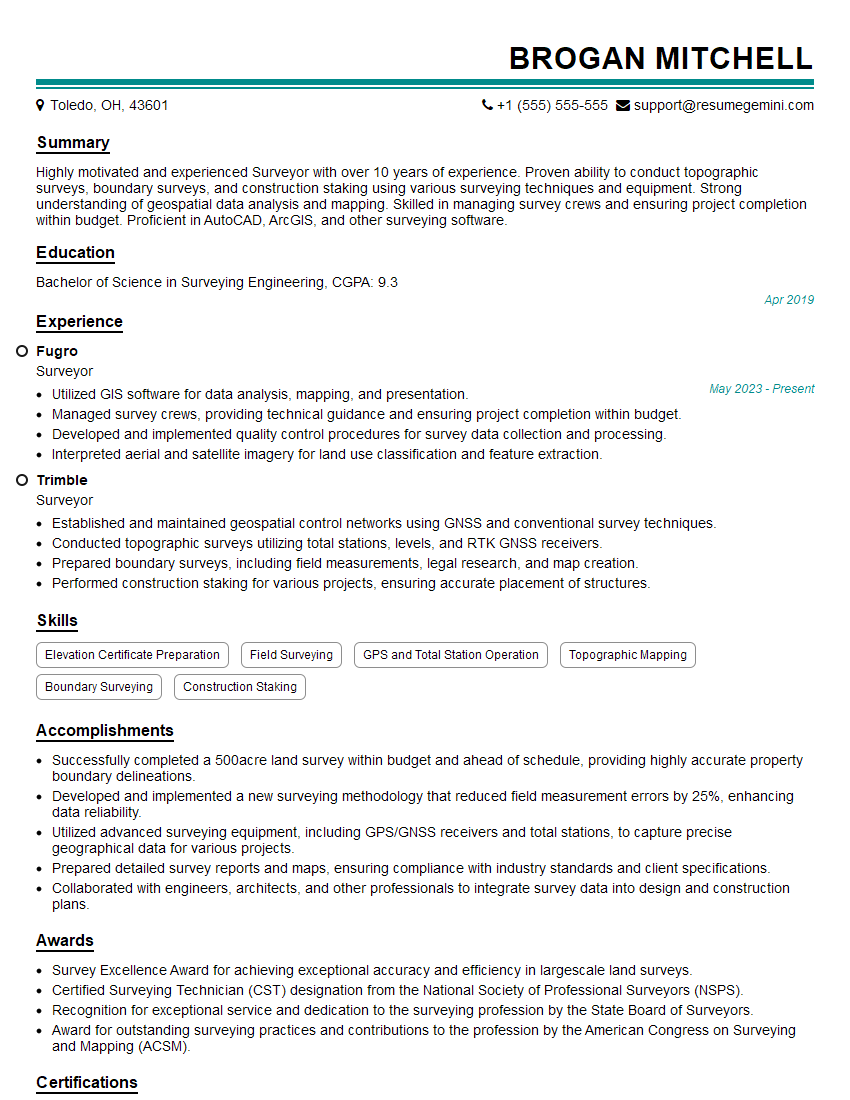
Surveyor Resume Sample
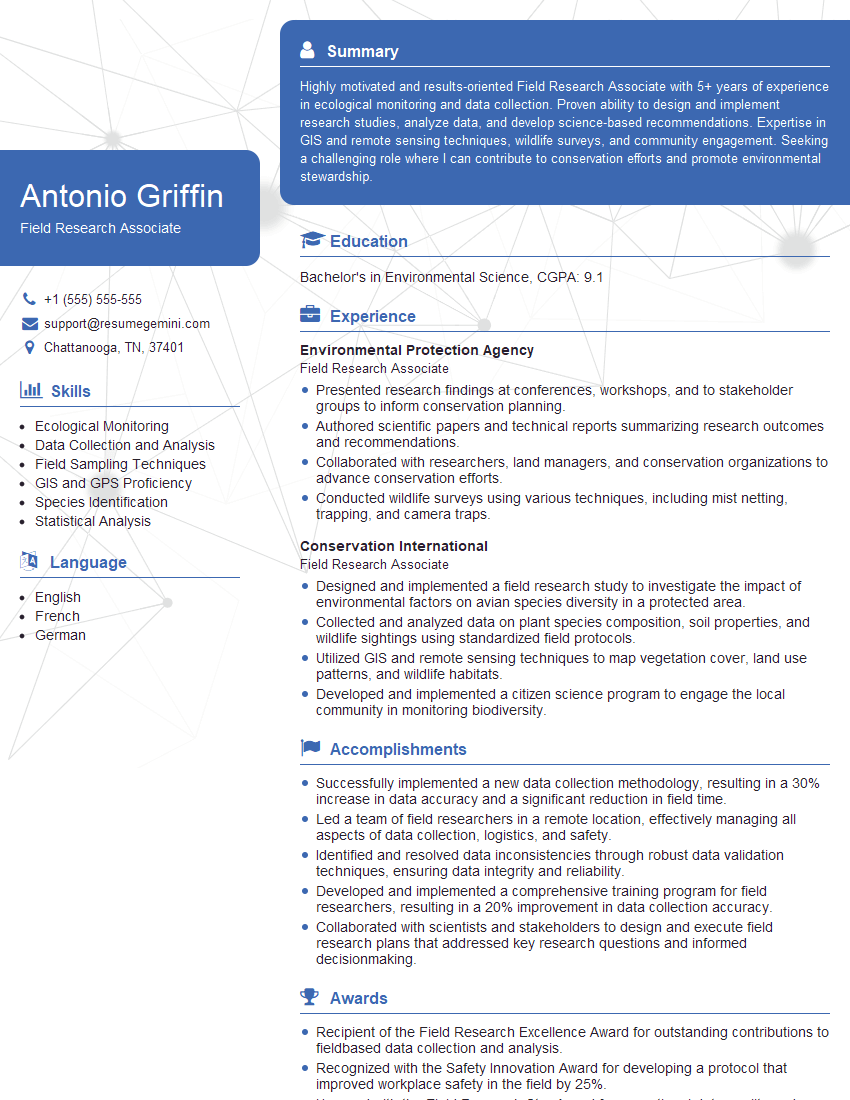
Field Research Associate Resume Sample
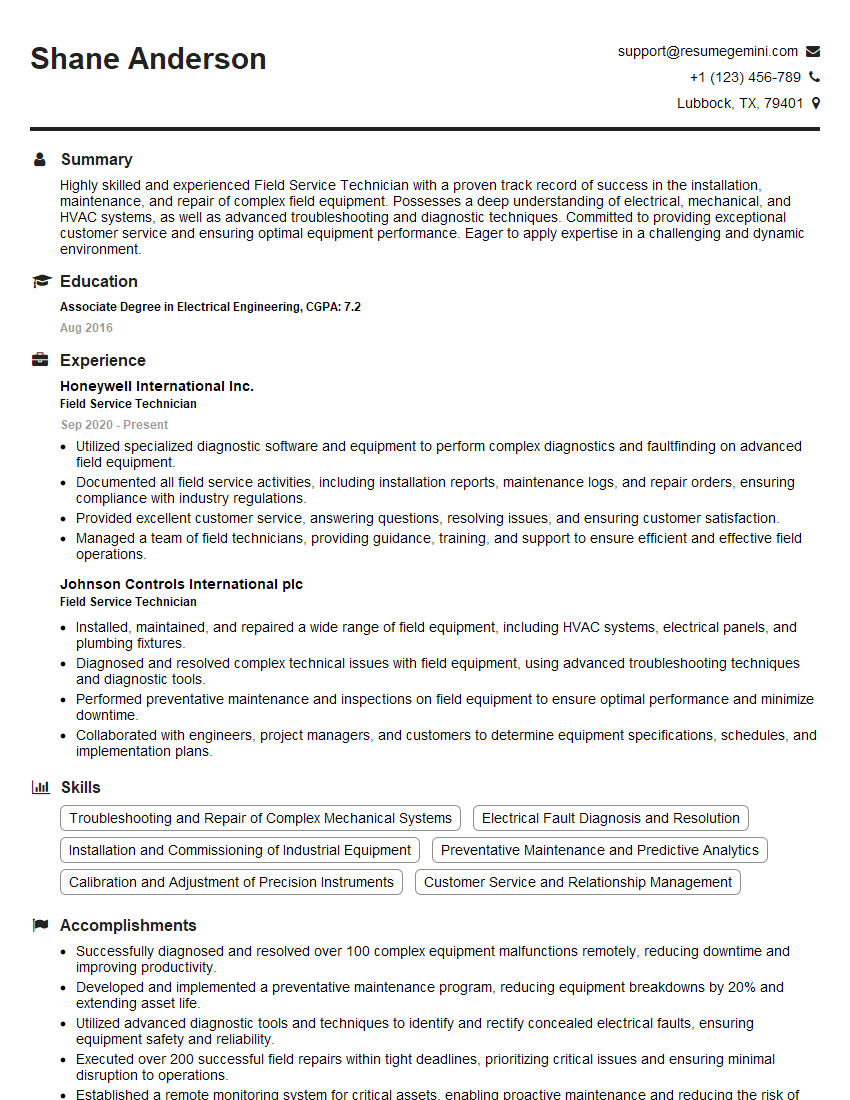
Field Service Technician Resume Sample
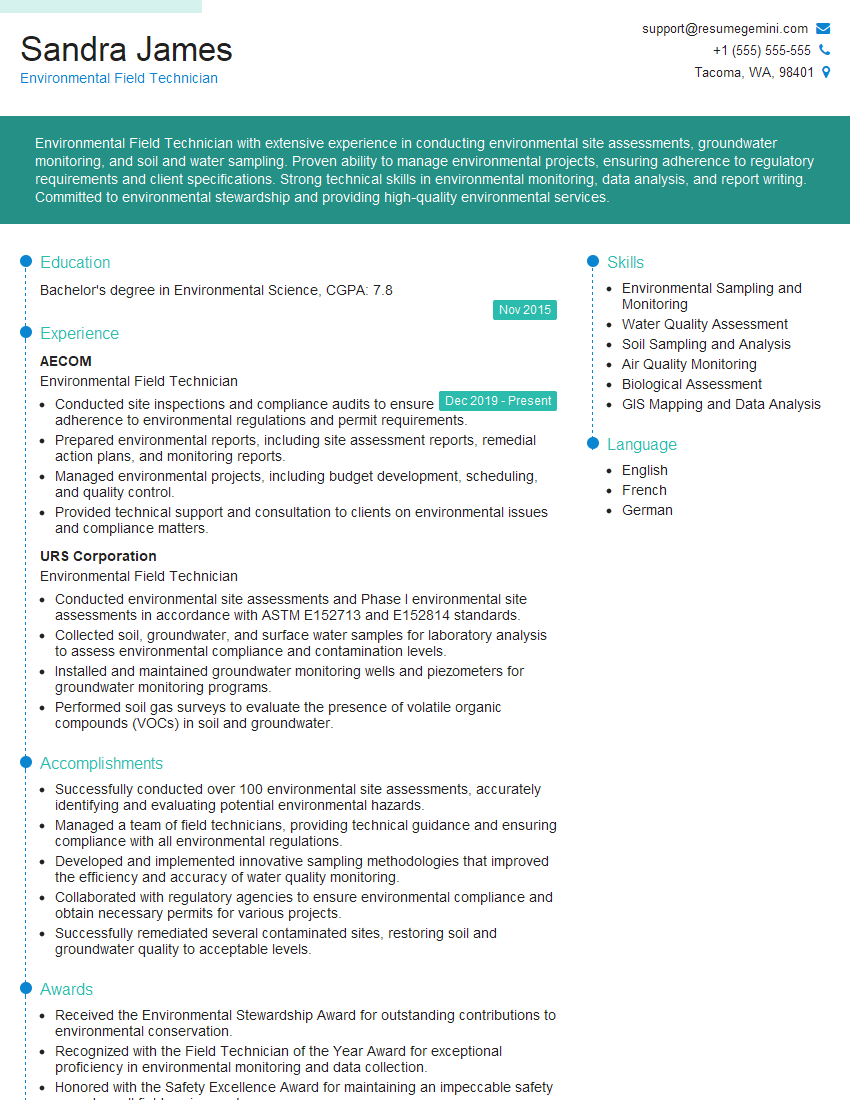
Environmental Field Technician Resume Sample
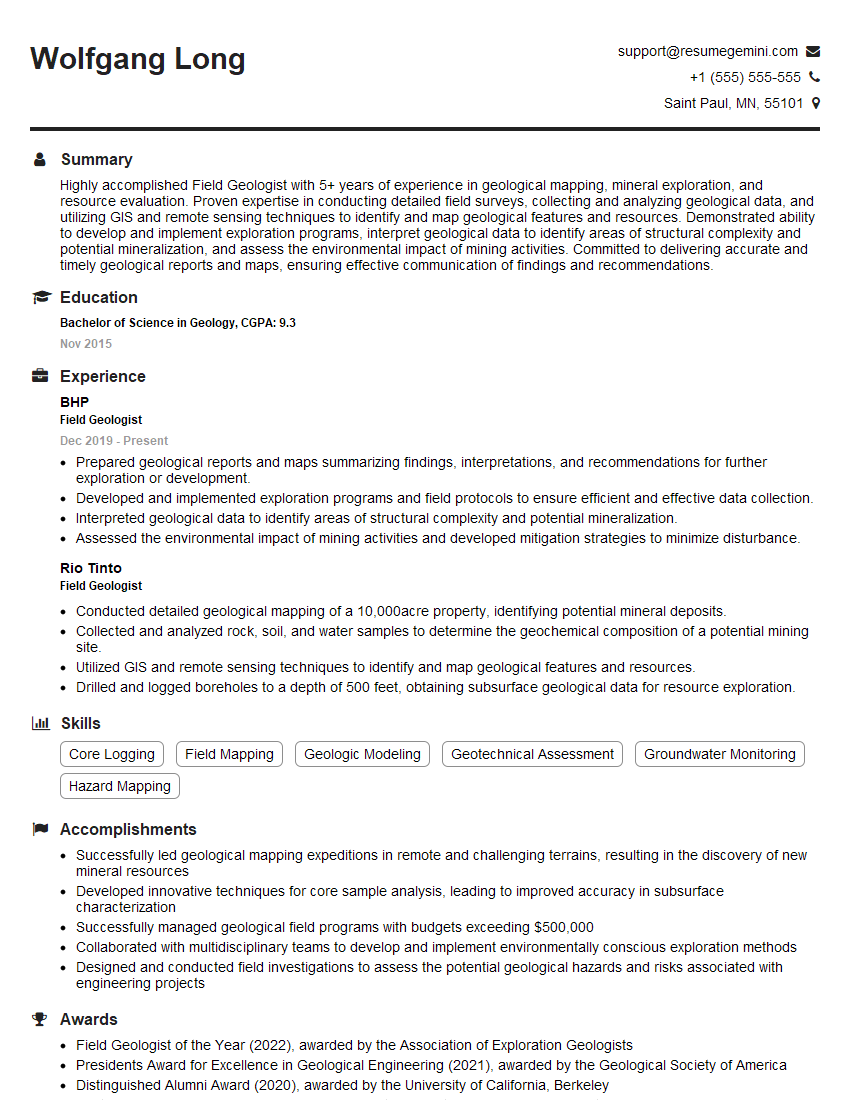
Field Geologist Resume Sample
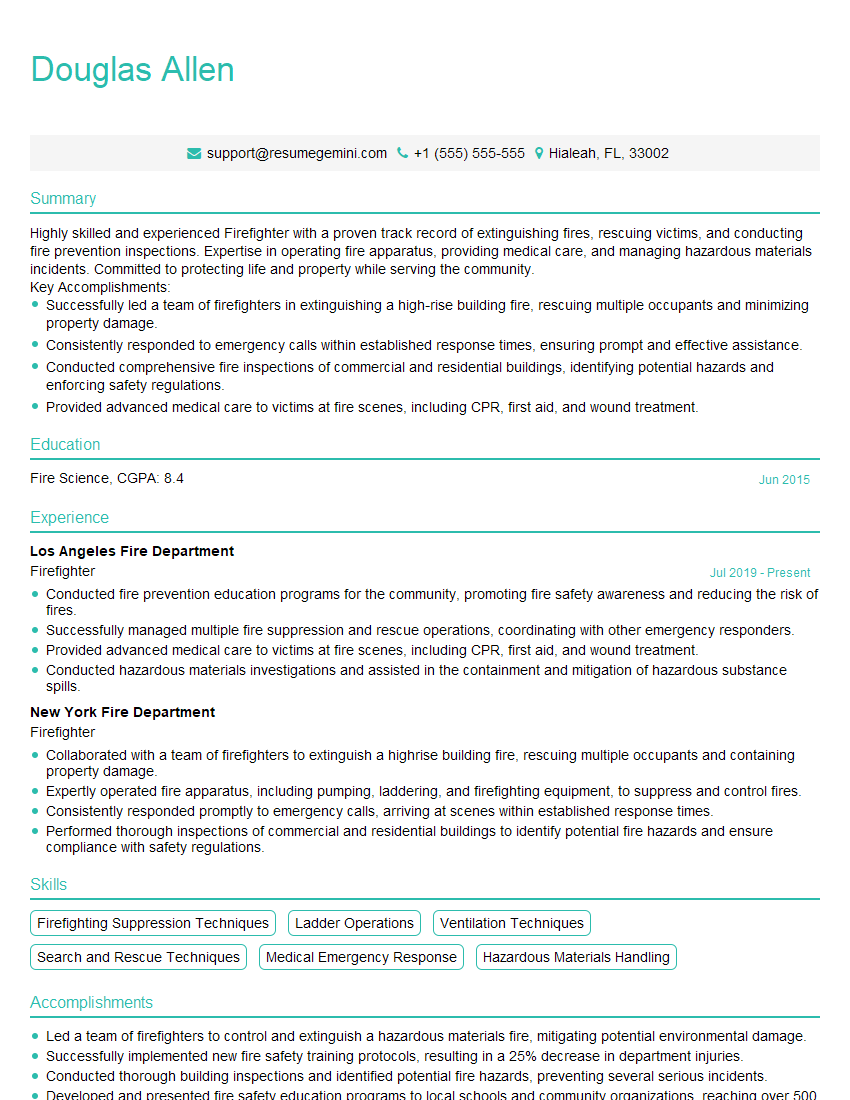
Firefighter Resume Sample
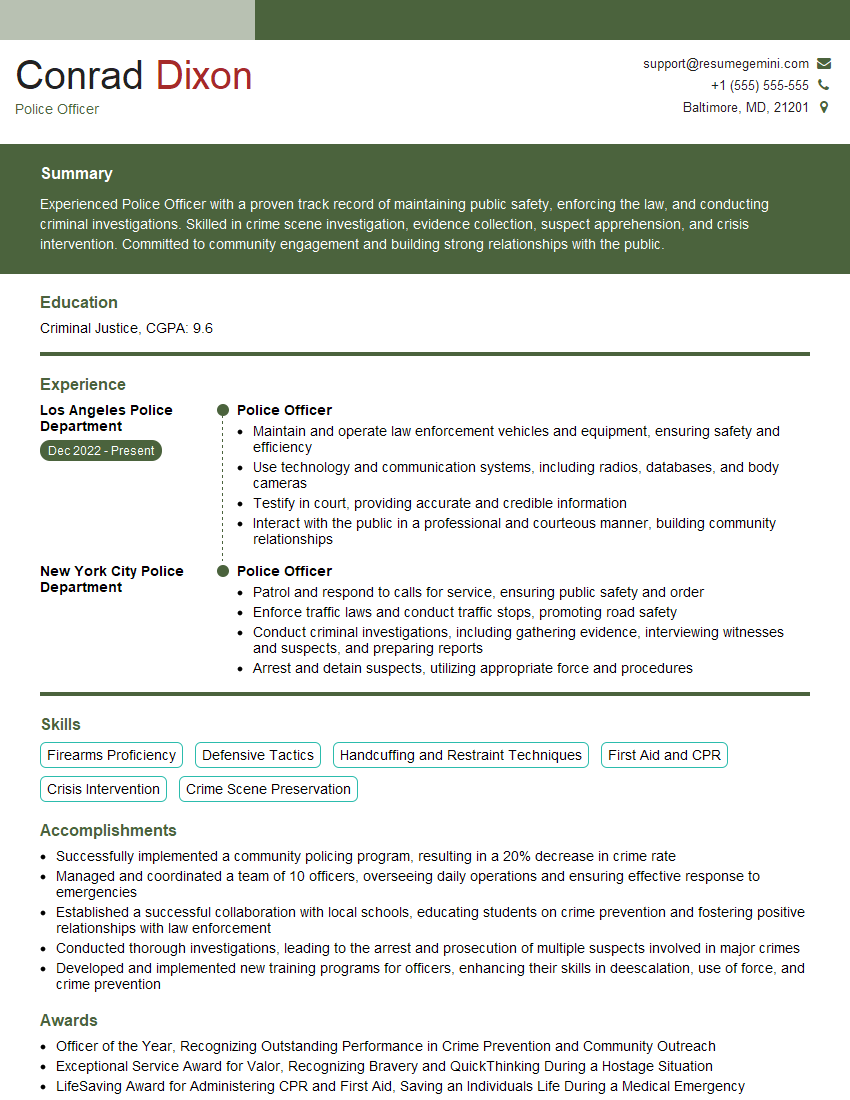
Police Officer Resume Sample
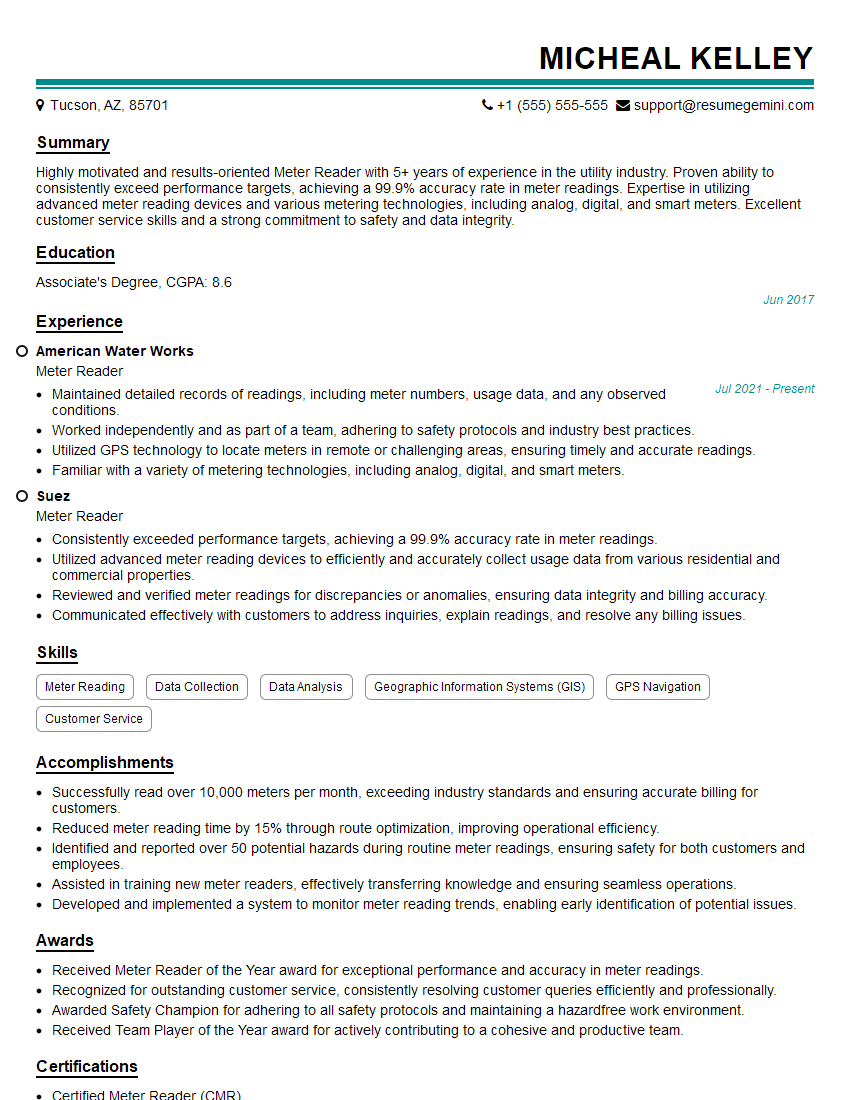
Meter Reader Resume Sample
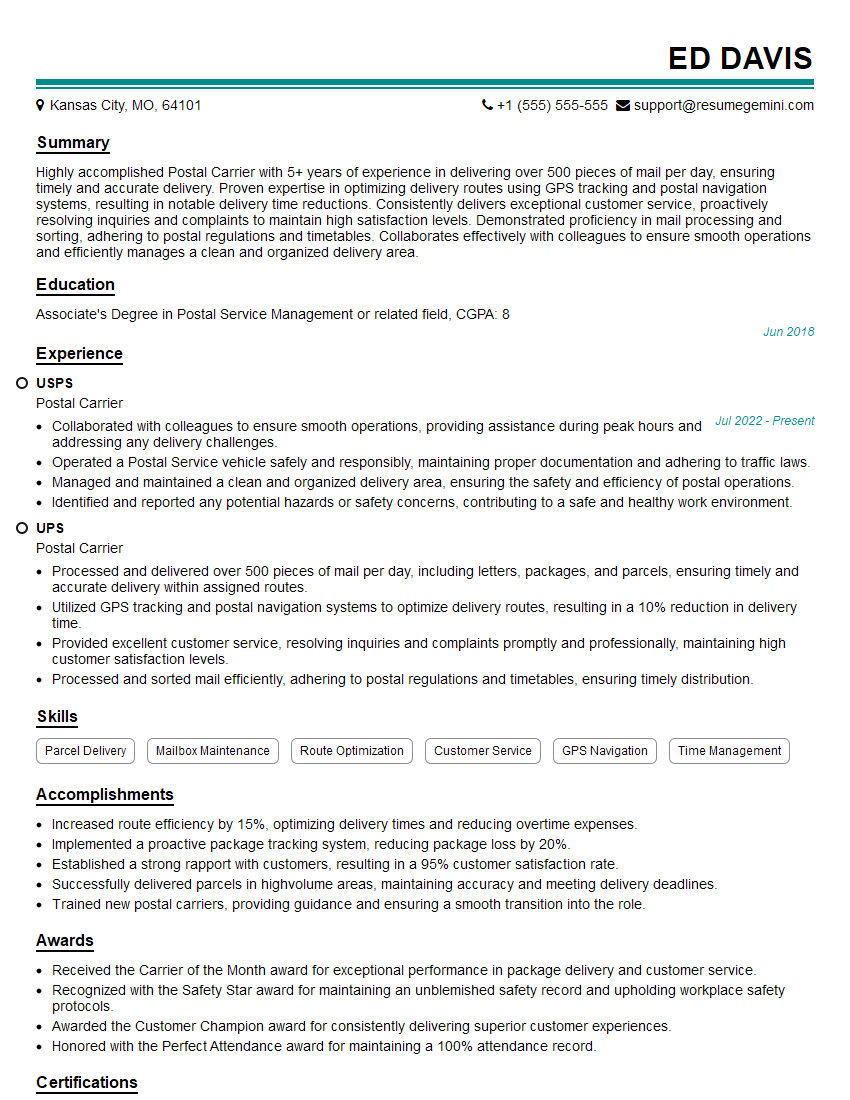
Postal Carrier Resume Sample
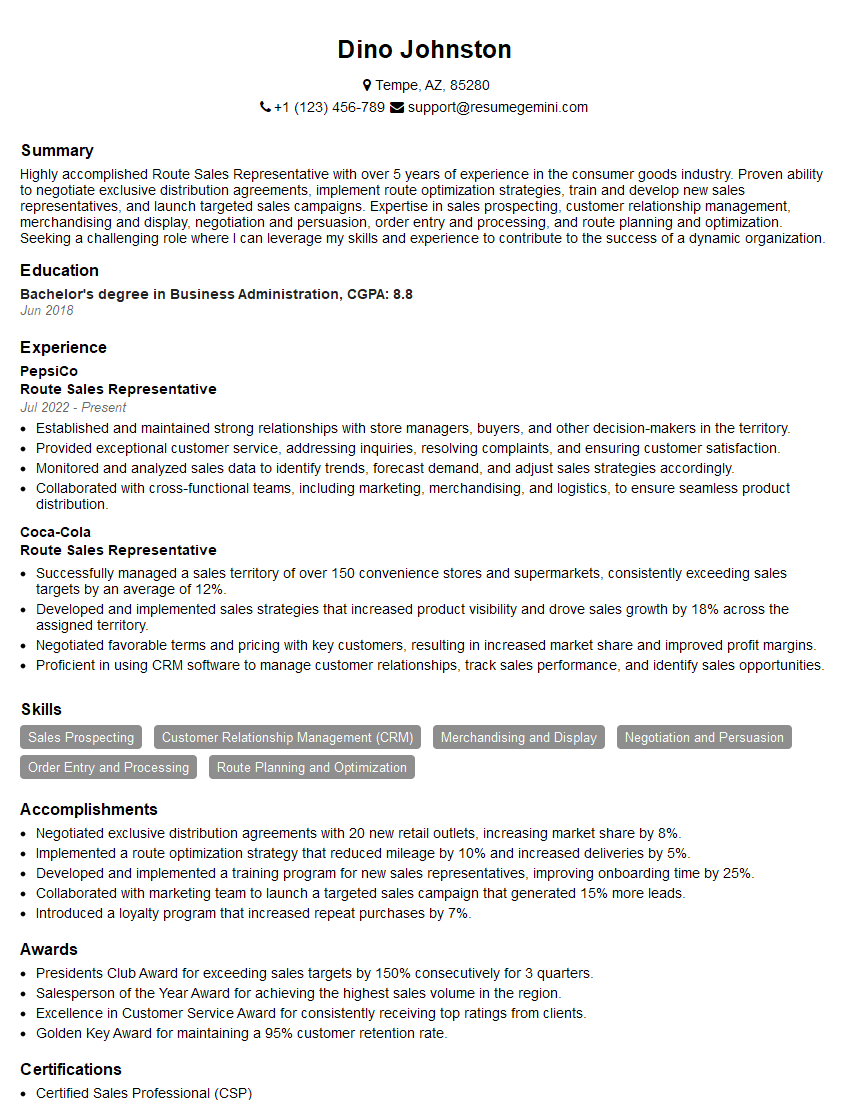
Route Sales Representative Resume Sample
Explore more articles
Users Rating of Our Blogs
Share Your Experience
We value your feedback! Please rate our content and share your thoughts (optional).
What Readers Say About Our Blog
Very informative content, great job.
good