Feeling uncertain about what to expect in your upcoming interview? We’ve got you covered! This blog highlights the most important Landowner Relations interview questions and provides actionable advice to help you stand out as the ideal candidate. Let’s pave the way for your success.
Questions Asked in Landowner Relations Interview
Q 1. Describe your experience negotiating land rights with diverse landowners.
Negotiating land rights requires a nuanced understanding of diverse landowner perspectives. My experience spans working with individual owners, family trusts, corporations, and Indigenous communities. I approach each negotiation by first deeply understanding their specific circumstances, considering factors like their emotional attachment to the land, their financial goals, and their long-term plans. This involves active listening, asking clarifying questions, and demonstrating genuine respect for their position. For example, I worked with a family who had owned their land for generations; their primary concern wasn’t just the financial compensation but ensuring the preservation of a historic oak tree on the property. We incorporated this into the agreement, demonstrating our commitment to their values. Similarly, when negotiating with an Indigenous community, I prioritized involving their traditional leaders and ensuring the process aligned with their customary laws and protocols. Successful negotiations hinge on building trust and finding mutually beneficial solutions, not just focusing on the monetary aspects.
- Active Listening: Truly hearing and understanding the landowner’s needs and concerns.
- Cultural Sensitivity: Adapting communication styles and approaches based on the landowner’s background.
- Creative Problem-Solving: Exploring alternative solutions that address both the landowner’s and the project’s needs.
Q 2. How do you handle landowner objections or disputes effectively?
Handling landowner objections and disputes requires a proactive and collaborative approach. It’s crucial to address concerns promptly and transparently. My first step is to understand the root cause of the objection, often involving open dialogue and a willingness to listen. This may reveal misunderstandings that can be easily resolved through clarification. For instance, a landowner might object due to a perceived lack of information about environmental impacts; providing detailed studies and mitigation plans can often alleviate their concerns. For more complex disputes, mediation or arbitration might be necessary, offering a neutral platform to find a compromise. The key is maintaining respectful communication throughout the process, even amidst disagreement. Legal counsel should be consulted when necessary to ensure compliance with all applicable regulations and to protect the interests of all parties. Documenting every interaction and agreement is crucial for transparency and accountability.
Q 3. What strategies do you employ to build trust and rapport with landowners?
Building trust and rapport with landowners is fundamental to successful land acquisition. It’s a relationship-building process, not a transaction. I prioritize open and honest communication, clearly explaining the project’s purpose, benefits, and potential impacts. Transparency is crucial; proactively addressing potential concerns before they escalate fosters trust. Building personal connections is also important; taking the time to understand their individual circumstances, showing respect for their property and their way of life, and demonstrating genuine care for their wellbeing goes a long way. For example, I attended a local community event to get to know landowners before initiating any formal negotiations. This seemingly small gesture built a level of familiarity and trust that proved invaluable in subsequent discussions.
- Personal Interaction: Face-to-face meetings whenever possible.
- Community Engagement: Participating in local events and forums.
- Consistent Communication: Regular updates and clear explanations.
Q 4. Explain your approach to communicating complex land-related information to non-technical audiences.
Communicating complex land-related information to non-technical audiences requires careful planning and simplification. I avoid jargon and technical terminology, using plain language and visual aids like maps, charts, and infographics. For example, instead of saying “eminent domain,” I explain it as the government’s right to acquire private land for public use, clearly outlining the compensation process. I break down complex concepts into smaller, easily digestible pieces, using analogies and real-world examples to illustrate key points. Involving landowners in interactive discussions and Q&A sessions ensures their understanding and addresses any remaining questions or concerns. Using multiple communication channels – written materials, presentations, and informal conversations – caters to different learning styles and preferences.
Q 5. How do you ensure compliance with all relevant regulations and legal requirements during land acquisition?
Compliance with all relevant regulations and legal requirements is paramount in land acquisition. This involves a thorough understanding of federal, state, and local laws pertaining to land use, environmental protection, and property rights. We work closely with legal and environmental experts to ensure all necessary permits and approvals are obtained before proceeding. This includes conducting environmental impact assessments, complying with zoning regulations, and adhering to all applicable disclosure requirements. We maintain meticulous documentation of all transactions and approvals, ensuring a clear audit trail for transparency and accountability. Ignoring these regulations can lead to costly legal challenges and reputational damage. Proactive compliance not only minimizes risk but also builds trust with landowners and regulatory bodies.
Q 6. Describe a situation where you had to adapt your approach to accommodate a particular landowner’s needs or concerns.
I once encountered a landowner who was deeply attached to a specific area of their property due to its historical significance to their family. Initially, our planned acquisition included that area. However, upon understanding their emotional connection, I adapted our approach. Instead of focusing solely on the financial aspects, we explored alternative solutions. We modified the project’s boundaries to exclude the historically significant area, offering a slightly higher compensation for the remaining land. This demonstrated respect for their emotional investment in the property and ultimately led to a mutually agreeable outcome. This experience underscored the importance of flexibility and empathy in landowner relations.
Q 7. How do you identify and mitigate potential risks associated with land acquisition or use?
Identifying and mitigating potential risks associated with land acquisition involves a multi-faceted approach. This begins with thorough due diligence, including environmental surveys, title searches, and regulatory compliance checks. We assess potential environmental hazards, such as contamination or endangered species habitats, and develop mitigation strategies. We also consider potential legal challenges, such as boundary disputes or conflicting land claims, and work to resolve these before they become significant problems. Risk management includes developing contingency plans to address unforeseen circumstances. For instance, we might include clauses in agreements that address potential delays or changes in project scope. By proactively identifying and mitigating potential risks, we minimize the chance of disputes and delays, ensuring a smoother and more efficient land acquisition process.
Q 8. What experience do you have with environmental impact assessments related to land projects?
Environmental Impact Assessments (EIAs) are crucial for land projects. My experience involves collaborating with environmental consultants to review and understand the potential impacts of projects on air, water, soil, biodiversity, and human health. I’ve been involved in projects ranging from large-scale infrastructure development to smaller-scale renewable energy installations. For example, on a recent highway expansion project, I worked closely with the EIA team to ensure that the proposed route minimized disruption to sensitive wetlands and protected species habitats. This included facilitating communication with landowners whose properties were near or impacted by the project, ensuring they understood the assessment findings and mitigation plans.
My role extends beyond simply reviewing the EIA. I ensure the findings are effectively communicated to landowners and that their concerns are incorporated into the mitigation strategy. This proactive engagement prevents conflicts and fosters trust, which is vital for successful project implementation.
Q 9. How do you manage multiple landowner relationships simultaneously while meeting project deadlines?
Managing multiple landowner relationships effectively requires a structured and organized approach. I utilize a project management software to track communication, agreements, and deadlines for each landowner. I prioritize clear and consistent communication, regularly updating landowners on project progress and addressing their concerns promptly. Think of it like orchestrating a symphony – each landowner is an instrument, and the project deadline is the final performance. Every instrument needs its own attention, yet they must work together harmoniously.
I schedule regular meetings, both individually and in group settings where appropriate, to address common concerns and foster a sense of community. Building trust and rapport is paramount. By clearly outlining expectations, timelines, and compensation details from the outset, I minimize misunderstandings and potential conflicts. This proactive approach helps maintain momentum and achieve project deadlines, even with many simultaneous landowner interactions.
Q 10. Describe your experience with compensation negotiations for land acquisition.
Negotiating land acquisition compensation requires a delicate balance between fairness, legality, and project feasibility. My approach involves thorough market research to determine fair market value, considering factors like location, size, zoning regulations, and comparable property sales. I engage in open and transparent discussions with landowners, explaining the appraisal process and providing supporting documentation. I listen carefully to their concerns, addressing any questions or objections thoughtfully.
For instance, in one project, a landowner was emotionally attached to their family farm. Instead of purely focusing on monetary compensation, I collaborated with the project team to offer alternatives, such as relocating specific trees or buildings of sentimental value to the landowner. This approach resulted in a mutually acceptable agreement that respected both the project’s needs and the landowner’s emotional investment.
Sometimes, negotiations involve multiple rounds of discussion and compromise. I remain patient and persistent, striving for win-win solutions whenever possible. My experience ensures that all compensation offers are legally sound and compliant with all applicable regulations.
Q 11. How do you handle sensitive information related to landowner data and privacy?
Protecting landowner data and privacy is paramount. I adhere strictly to all relevant data protection laws and regulations. This includes obtaining explicit consent before collecting any personal information, storing data securely using encrypted databases and access-controlled systems, and limiting access to only authorized personnel. I also maintain detailed records of consent, data usage, and data security measures.
Imagine landowner information as highly confidential medical records. The same level of care and protection must be applied. Any data breaches are immediately reported, and thorough investigations are conducted to mitigate risks and prevent future occurrences. Transparency is key; landowners are informed about how their data is being used and protected.
Q 12. What software or tools do you use to manage land acquisition data?
I utilize a comprehensive Geographic Information System (GIS) software combined with a dedicated land acquisition database management system. The GIS allows for spatial analysis and visualization of land parcels, facilitating efficient project planning and communication with landowners. The database stores detailed information on each landowner, including contact details, property details, negotiation history, and agreements. This integrated system enhances efficiency and accuracy in managing land acquisition data.
For example, we use the GIS to overlay proposed project boundaries onto land ownership maps, identifying potential overlaps and facilitating targeted communication with affected landowners. The database ensures consistency in data entry and reporting, improving the overall accuracy and reliability of our land acquisition process.
Q 13. How do you ensure accurate and timely record-keeping for land transactions?
Accurate and timely record-keeping is critical for avoiding legal complications and ensuring transparency. I maintain a meticulous system of documenting all land transactions, including correspondence, agreements, appraisals, and payment records. This documentation is stored both electronically in secure databases and physically in organized files, adhering to established company archiving policies. Every document is clearly labeled, dated, and easily retrievable.
Regular audits are conducted to ensure data integrity and compliance with legal requirements. A clear chain of custody for all documents is maintained, ensuring accountability and preventing disputes. This rigorous approach minimizes risks and provides a robust audit trail for future reference.
Q 14. What is your understanding of eminent domain and its implications?
Eminent domain is the power of the government to take private property for public use, even without the owner’s consent, provided fair compensation is paid. Understanding eminent domain is critical in landowner relations because it impacts negotiations and the overall project approach. It’s essential to explore all options for voluntary acquisition before resorting to eminent domain. This includes detailed negotiations, offering fair market value plus potential additional compensation for relocation or disruption.
While eminent domain is a legal right, it often leads to strained relationships and potential legal challenges. Therefore, I prioritize transparent and respectful communication with landowners, explaining the process, offering fair compensation, and making every effort to minimize the impact on their lives. This approach can help mitigate negative consequences and build positive relationships even when dealing with complex eminent domain situations. It is crucial to ensure the process adheres strictly to legal guidelines and ethical considerations.
Q 15. Describe your experience working with diverse cultural backgrounds in landowner relations.
Working effectively with diverse landowner groups requires cultural sensitivity and adaptability. My approach prioritizes building trust and understanding through respectful communication and careful consideration of cultural norms and values. For instance, in one project involving Indigenous communities, I took the time to learn about their traditional land management practices and incorporated their perspectives into the project design, resulting in a much smoother and more collaborative process. In another instance involving a community with strong religious ties, we scheduled meetings and events to avoid conflicts with important religious observances. This demonstrates my understanding that effective communication necessitates adapting our strategies to resonate with the specific cultural context. Open dialogue and active listening are key to fostering mutual respect and achieving successful outcomes.
- Cultural Sensitivity Training: I’ve actively sought out and completed training programs on cross-cultural communication and conflict resolution, enhancing my ability to navigate diverse cultural landscapes.
- Language Skills: While fluency in multiple languages isn’t always possible, I strive to utilize translation services when needed and learn basic phrases in the relevant languages to show respect and build rapport.
Career Expert Tips:
- Ace those interviews! Prepare effectively by reviewing the Top 50 Most Common Interview Questions on ResumeGemini.
- Navigate your job search with confidence! Explore a wide range of Career Tips on ResumeGemini. Learn about common challenges and recommendations to overcome them.
- Craft the perfect resume! Master the Art of Resume Writing with ResumeGemini’s guide. Showcase your unique qualifications and achievements effectively.
- Don’t miss out on holiday savings! Build your dream resume with ResumeGemini’s ATS optimized templates.
Q 16. How do you balance the needs of different stakeholders involved in a land project?
Balancing stakeholder needs in land projects requires a structured approach prioritizing clear communication, negotiation, and compromise. I often use a stakeholder mapping exercise to identify all parties involved (landowners, government agencies, environmental groups, local communities, etc.) and their respective interests. This helps visualize potential conflicts and opportunities for collaboration. Open forums and workshops provide platforms for stakeholders to voice their concerns and identify shared goals. Negotiation involves finding mutually acceptable solutions that address everyone’s legitimate interests, sometimes through creative compromises. For example, in a recent project, we were able to mitigate environmental concerns by incorporating conservation easements, thereby satisfying environmental groups and securing landowner cooperation.
- Prioritization Matrix: This tool helps rank stakeholder interests based on their influence and importance. This allows focused negotiation efforts on crucial points.
- Mediation and Arbitration: If negotiations stall, I’m proficient in engaging mediators or arbitration processes to facilitate resolution.
Q 17. What metrics do you use to measure the success of your landowner relations efforts?
Measuring the success of landowner relations relies on both quantitative and qualitative metrics. Quantitative metrics include the number of successful land acquisitions or easements secured, the speed and efficiency of the process, and the cost per acquisition. However, equally important are qualitative metrics, such as landowner satisfaction, measured through surveys or feedback sessions, the level of trust built, and the longevity of positive relationships. A high number of successful acquisitions without strong landowner relationships might indicate a less sustainable approach in the long run. Therefore, a balanced assessment incorporating both quantitative and qualitative data is crucial.
- Net Promoter Score (NPS): Surveys are used to assess landowner satisfaction and loyalty.
- Qualitative Feedback Analysis: Regular review of feedback from meetings and communication provides invaluable insight.
- Project Completion Rate & Timeliness: These measure efficiency and indicate problem-solving effectiveness.
Q 18. Describe your experience in conducting due diligence on land parcels.
Due diligence on land parcels involves a thorough investigation to identify potential risks and ensure legal compliance. This typically includes title searches to verify ownership and identify any encumbrances (mortgages, liens, easements), environmental site assessments to detect contamination or other hazards, and surveying to determine accurate boundaries and land features. I also conduct zoning and regulatory compliance checks to ensure the land use aligns with local regulations. For example, in one project, a thorough title search revealed a previously unknown easement that would have significantly impacted the project’s feasibility. Had this not been identified, it could have resulted in significant cost overruns and delays. A comprehensive due diligence process is essential to mitigate risks and prevent costly surprises down the line.
Q 19. How familiar are you with surveying and mapping techniques related to land?
I possess a strong working familiarity with surveying and mapping techniques, sufficient to understand and interpret survey data and maps, crucial for understanding land boundaries, topography, and other relevant land features. This knowledge allows me to effectively communicate with surveyors and interpret their findings, ensuring accurate information is used throughout the project lifecycle. I’m comfortable reviewing legal descriptions, boundary surveys, and topographical maps to ensure accurate property representation and alignment with project requirements. I understand the importance of accurate data for legal compliance and project feasibility.
Q 20. Explain your experience with land title searches and related legal processes.
Land title searches and related legal processes are integral to my work. I’m familiar with the process of searching land records, interpreting title abstracts, and identifying any potential issues affecting ownership. I understand legal descriptions and can assess the validity of titles, ensuring the land is free from encumbrances that could complicate the acquisition or use. My experience extends to working with legal professionals, such as lawyers and title companies, to navigate the legal complexities of land transactions. This is critical to ensure legal compliance and minimize risk. Understanding the implications of various legal documents like deeds, easements, and covenants is vital for effective landowner relations.
Q 21. How do you handle situations where landowners are hesitant to cooperate?
Handling hesitant landowners requires patience, empathy, and a proactive approach. I begin by establishing open communication, actively listening to their concerns, and addressing them directly. Transparency regarding project plans and benefits is paramount. I ensure that potential negative impacts are acknowledged and mitigating strategies are proposed. In some cases, offering incentives or addressing individual needs can be helpful, but always ethically and within legal boundaries. For example, we once worked with a landowner who was hesitant due to concerns about access to their remaining property. By offering a carefully designed access agreement, we alleviated their concerns and secured their cooperation. Building trust and demonstrating respect for their property rights and perspectives are crucial in overcoming hesitancy.
- Active Listening: Understanding the root cause of their hesitation is crucial.
- Transparency & Open Communication: Clearly explaining the project, addressing concerns, and honestly answering questions build trust.
- Creative Solutions: Developing tailored solutions that address individual landowner needs.
Q 22. Describe a time you had to resolve a conflict related to land access.
One time, we needed access to a farmer’s field for a crucial pipeline project. Initial discussions were challenging; the farmer was concerned about potential damage to his crops and the disruption to his farming schedule. To resolve this, we didn’t just offer compensation, but collaborated extensively.
- First, we conducted a thorough site survey together, identifying the precise access route minimizing crop disruption.
- Second, we developed a detailed plan outlining the project timeline, including specific dates for access and restoration of the field. This addressed his schedule concerns.
- Third, we agreed on a comprehensive compensation package, including payment for any actual crop damage and a bonus for his cooperation. Furthermore, we agreed to plant a buffer of wildflowers along the pipeline’s right-of-way to enhance his land’s aesthetic appeal.
This collaborative approach, focusing on understanding his concerns and offering tailored solutions, transformed initial opposition into enthusiastic support. The project was completed successfully, maintaining a positive relationship with the landowner, which has been invaluable for subsequent projects in the area.
Q 23. How do you ensure the long-term success of your landowner relationships?
Ensuring long-term success in landowner relations hinges on building trust and mutual respect. It’s about far more than just securing access; it’s about establishing a genuine, ongoing partnership.
- Open Communication: Regular, transparent communication is key. This means proactively updating landowners on project progress, even if there’s no significant news. It also includes actively listening to their concerns and promptly addressing them.
- Fair Compensation: Offering fair and timely compensation is paramount. This isn’t just about the monetary aspect but also includes considering any potential impacts on their livelihoods or property value.
- Respect for their Land: We emphasize minimal environmental impact, adhering strictly to environmental regulations and committing to land restoration after project completion.
- Community Engagement: Participation in local events and demonstrating a commitment to the community helps solidify trust and build stronger relationships.
- Long-Term Agreements: Where appropriate, we favor long-term agreements that provide landowners with predictability and stability.
Treating landowners as partners, not merely as obstacles, fosters enduring and productive relationships that benefit everyone involved. Think of it like building a strong bridge – it takes time, care and mutual understanding.
Q 24. What are your methods for obtaining informed consent from landowners?
Obtaining informed consent requires a multi-faceted approach that prioritizes transparency, clarity, and respect for the landowner’s autonomy.
- Clear and Concise Explanation: We explain the project in simple, understandable terms, avoiding jargon. We clearly detail the proposed activities, their duration, and any potential impacts on the land.
- Written Agreements: All agreements are put in writing, clearly outlining all terms and conditions, including compensation, liability, and access rights. This ensures no misunderstandings.
- Multiple Communication Channels: We use a variety of communication channels – in-person meetings, emails, phone calls – to ensure the information is received and understood. We cater to individual communication preferences.
- Addressing Concerns: We actively listen to and address any concerns the landowner might have, providing detailed answers to their questions and offering solutions to mitigate potential negative impacts.
- Legal Review: Whenever necessary, we involve legal counsel to ensure all agreements are legally sound and comply with applicable regulations.
The goal is to empower landowners with the information they need to make a fully informed decision. We view this as a collaborative process, not a transactional one.
Q 25. Describe your knowledge of various land use designations and zoning regulations.
My knowledge of land use designations and zoning regulations is extensive. Understanding these is critical for navigating land access and project approvals.
- Zoning Classifications: I’m proficient in interpreting different zoning classifications (e.g., residential, commercial, agricultural, industrial), understanding their associated restrictions and permitted uses.
- Environmental Regulations: I have detailed knowledge of environmental regulations, including wetland protection laws, endangered species regulations, and clean water acts. This is crucial to avoid legal pitfalls and ensure responsible land use.
- Easements and Rights-of-Way: I am well-versed in the legal aspects of easements and rights-of-way, their acquisition, and their implications for land access and project development.
- Land Use Permits and Approvals: I understand the application process for land use permits and approvals, navigating the complexities of local, state, and federal regulations. I can effectively prepare applications and address potential objections.
This understanding guides our project planning, helping us avoid conflicts and ensure compliance with all applicable rules and regulations. It’s crucial for seamless landowner relations and project success.
Q 26. How do you stay updated on changes in land-related legislation and regulations?
Staying abreast of changes in land-related legislation and regulations is an ongoing process. It requires a multi-pronged approach.
- Professional Organizations: Membership in professional organizations such as the American Society of Farm Managers and Rural Appraisers (ASFMRA) keeps me informed through publications and continuing education.
- Government Websites: I regularly monitor relevant government websites (local, state, and federal) for updates to regulations, legislation, and legal rulings.
- Legal Subscriptions: Subscriptions to legal databases and newsletters provide up-to-date information on case law and legislative developments.
- Networking: Networking with other professionals in the field, attending industry conferences, and participating in workshops expands my knowledge and allows me to share best practices.
Staying informed ensures we always operate within the legal framework, maintaining strong landowner relationships built on trust and legality.
Q 27. What strategies do you use to resolve misunderstandings or disagreements with landowners?
Resolving misunderstandings or disagreements requires patience, empathy, and a commitment to finding mutually acceptable solutions. My approach is based on proactive communication and collaborative problem-solving.
- Active Listening: I begin by actively listening to the landowner’s concerns and perspectives, showing genuine empathy and understanding.
- Open Dialogue: I encourage open dialogue, creating a safe space for the landowner to express their concerns without feeling judged or pressured.
- Mediation: If needed, I utilize mediation techniques to facilitate constructive communication and find common ground.
- Compromise: I always strive for a compromise that balances the needs of the project with the landowner’s concerns.
- Documentation: Thorough documentation of all communications and agreements ensures transparency and helps resolve any future disagreements.
Building trust and rapport is key; the goal isn’t just to resolve the immediate conflict but to strengthen the relationship for future collaborations.
Q 28. How do you prioritize tasks when dealing with multiple, competing land-related priorities?
Prioritizing tasks when dealing with multiple, competing land-related priorities requires a systematic approach that considers urgency, importance, and potential impact.
- Urgency/Importance Matrix: I often use an urgency/importance matrix (Eisenhower Matrix) to categorize tasks. Urgent and important tasks get immediate attention. Important but not urgent tasks are scheduled. Urgent but not important tasks are delegated or eliminated. Not urgent and not important tasks are avoided.
- Impact Assessment: I assess the potential impact of each task on the overall project and landowner relations, prioritizing those with the highest potential impact.
- Stakeholder Analysis: I identify key stakeholders and their priorities, prioritizing tasks that address their most pressing concerns.
- Time Management Techniques: I employ time management techniques such as time blocking and Pomodoro technique to maximize efficiency and ensure timely completion of tasks.
This systematic approach ensures that the most critical tasks, particularly those impacting landowner relationships, receive the necessary attention and resources, promoting smooth project execution and strong landowner partnerships.
Key Topics to Learn for Landowner Relations Interview
- Communication & Negotiation: Mastering effective communication strategies for building rapport and negotiating mutually beneficial agreements with landowners. Practical application: Role-playing scenarios involving conflict resolution and compromise.
- Legal & Regulatory Compliance: Understanding relevant environmental laws, property rights, and permitting processes. Practical application: Analyzing hypothetical scenarios involving potential legal issues and developing compliant solutions.
- Project Management & Planning: Coordinating landowner engagement throughout the project lifecycle, from initial outreach to final project completion. Practical application: Developing a timeline and communication plan for a hypothetical project involving multiple landowners.
- Stakeholder Management: Identifying and addressing the concerns and needs of diverse landowner groups, considering varying perspectives and priorities. Practical application: Developing strategies for engaging skeptical or resistant landowners.
- Community Engagement & Outreach: Building positive relationships with local communities and fostering a sense of collaboration and trust. Practical application: Designing a community outreach program to address potential concerns about a project.
- Data Analysis & Reporting: Tracking key performance indicators (KPIs) related to landowner relations, analyzing trends, and presenting findings to stakeholders. Practical application: Creating a report summarizing the success of a landowner engagement program.
- Risk Management & Mitigation: Identifying and assessing potential risks associated with landowner relations and developing strategies for mitigation. Practical application: Developing a contingency plan to address potential conflicts or disputes.
Next Steps
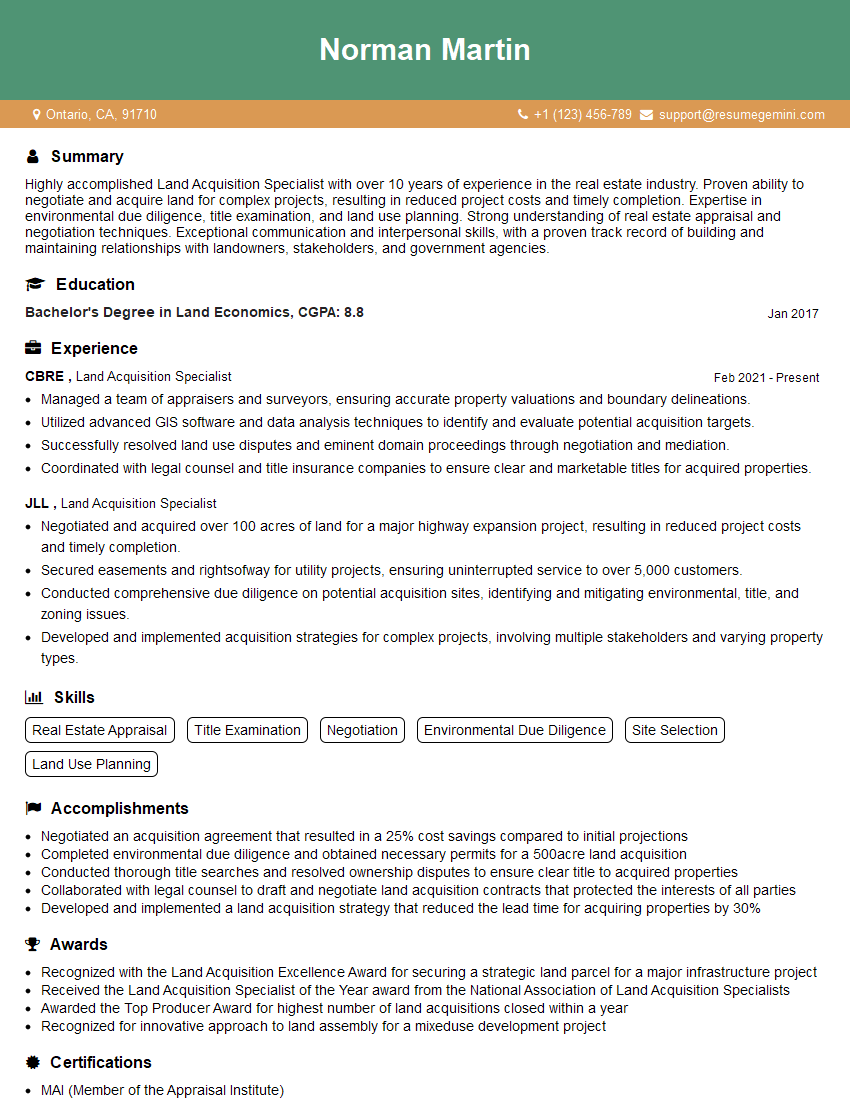
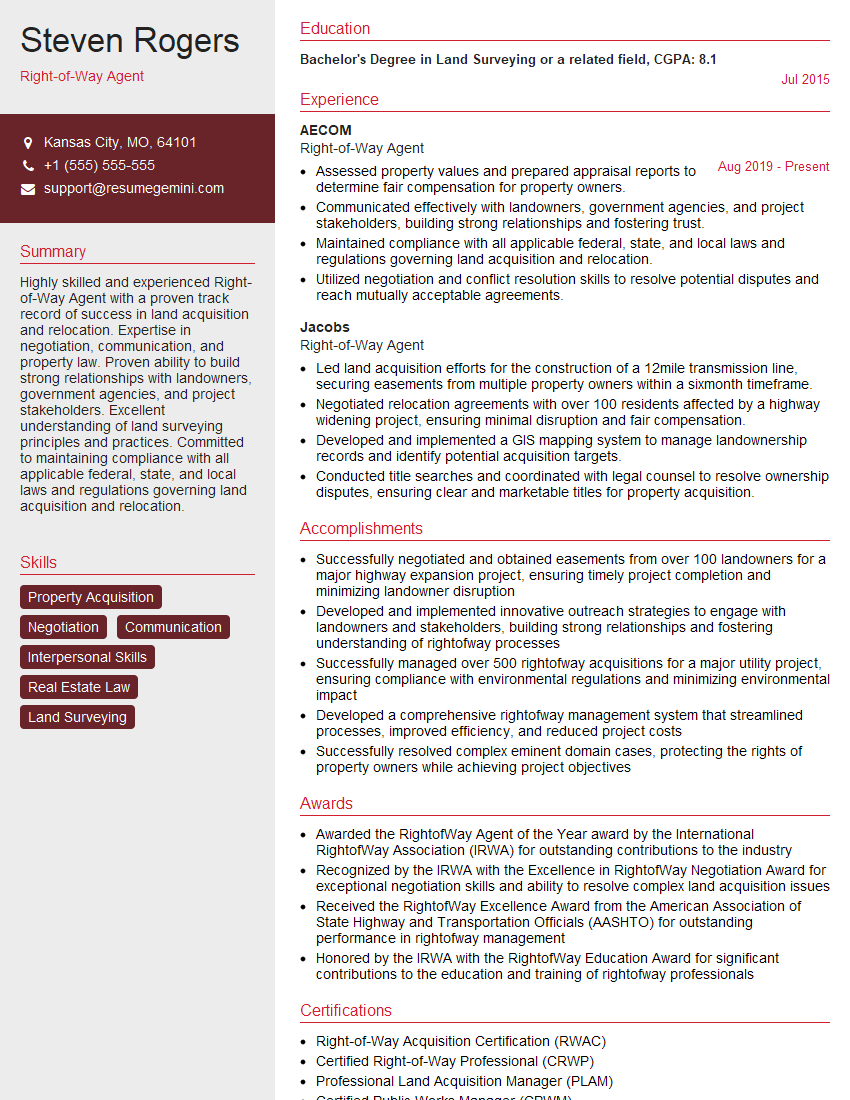
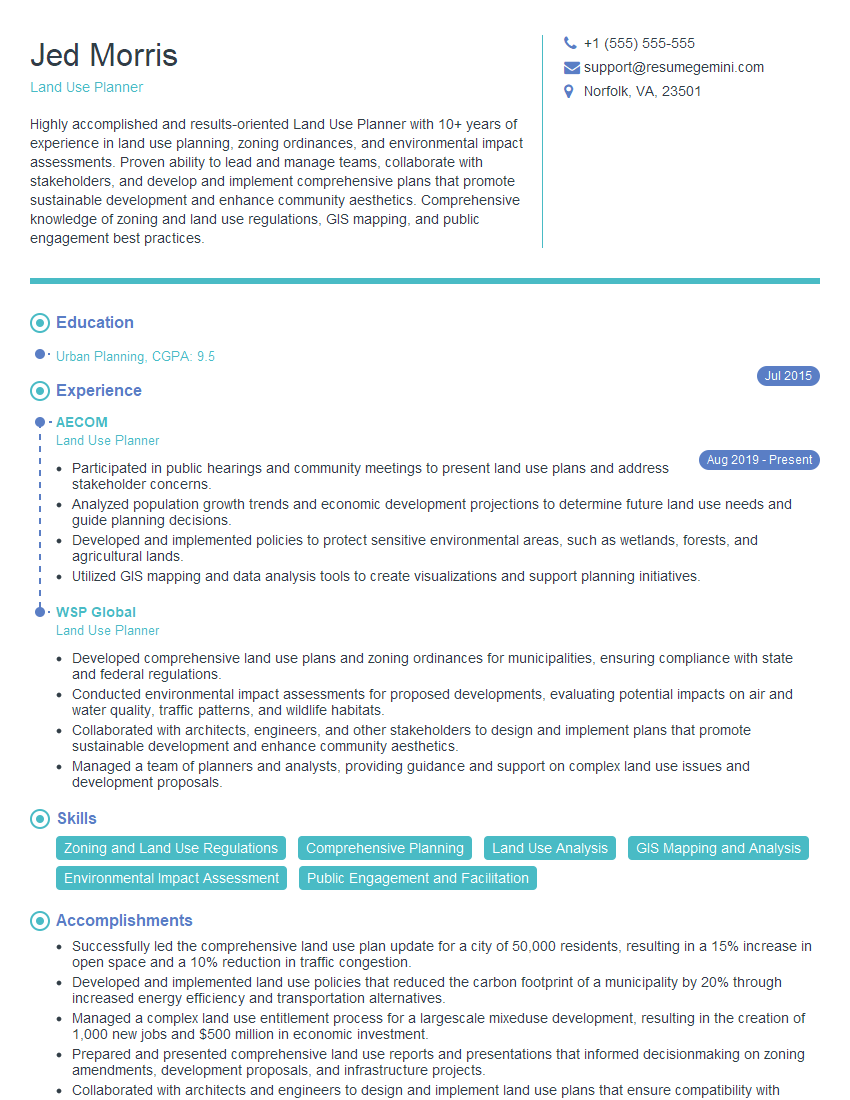
Mastering Landowner Relations is crucial for career advancement in many industries, opening doors to leadership roles and impactful contributions. An ATS-friendly resume is your key to unlocking these opportunities. To ensure your qualifications shine through to potential employers, consider leveraging ResumeGemini to create a powerful and professional resume. ResumeGemini provides tools and resources to craft a compelling narrative showcasing your skills and experience. Examples of resumes tailored to Landowner Relations are available to help guide you.
Explore more articles
Users Rating of Our Blogs
Share Your Experience
We value your feedback! Please rate our content and share your thoughts (optional).
What Readers Say About Our Blog
Very informative content, great job.
good