Interviews are opportunities to demonstrate your expertise, and this guide is here to help you shine. Explore the essential Professionalism and Etiquette interview questions that employers frequently ask, paired with strategies for crafting responses that set you apart from the competition.
Questions Asked in Professionalism and Etiquette Interview
Q 1. Define professional etiquette in a business context.
Professional etiquette in a business context refers to the expected norms of behavior, communication, and interaction within a professional setting. It’s about demonstrating respect, courtesy, and consideration towards colleagues, clients, and superiors. This encompasses various aspects, from verbal and non-verbal communication to dress code and workplace conduct. Think of it as the unwritten rules that foster a positive and productive work environment.
- Communication: Using professional language, both written and verbal; responding promptly to emails and other correspondence; avoiding gossip or negativity.
- Demeanor: Maintaining a positive attitude, being respectful of others’ time and opinions, and showing appropriate levels of formality.
- Appearance: Adhering to company dress codes, maintaining personal hygiene, and presenting a professional image.
- Meeting Etiquette: Arriving on time, participating actively but respectfully, and being mindful of others’ contributions.
For example, replying to a client email promptly and professionally shows respect for their time and builds trust, whereas ignoring their email can damage the professional relationship.
Q 2. How would you handle a conflict with a colleague in a professional manner?
Handling conflict professionally involves a calm, objective, and respectful approach. The goal is to resolve the issue constructively, preserving the professional relationship. My approach follows these steps:
- Identify the issue: Clearly define the source of the conflict, focusing on the specific behavior or situation rather than personal attacks.
- Choose the right time and place: Schedule a private conversation when both parties can focus without distractions.
- Communicate calmly and clearly: Use “I” statements to express your concerns without blaming. For example, instead of saying “You always interrupt me,” try “I find it difficult to contribute effectively when I’m interrupted.”
- Listen actively: Understand your colleague’s perspective, showing empathy and acknowledging their feelings.
- Find common ground: Explore solutions that address both parties’ needs. Compromise may be necessary.
- Document the discussion: Keep a record of the agreed-upon resolution, especially for recurring issues.
- If necessary, seek mediation: If the conflict remains unresolved, involve a neutral third party, such as a supervisor or HR representative, to facilitate a resolution.
For example, if a colleague consistently fails to meet deadlines impacting my work, I’d schedule a private conversation to discuss it, focusing on the project impact, not on personal failings.
Q 3. Describe your approach to managing your time effectively.
Effective time management is crucial for productivity and success. My approach involves a combination of planning, prioritization, and discipline. I utilize several techniques:
- Planning: I start each day or week by reviewing my tasks and creating a prioritized to-do list. This often includes using a digital calendar or planner.
- Prioritization: I use methods like the Eisenhower Matrix (urgent/important) to focus on high-impact tasks first. This helps avoid being bogged down by less critical items.
- Time Blocking: I allocate specific time blocks for particular tasks. This helps maintain focus and prevents multitasking, which can reduce efficiency.
- Delegation: When appropriate, I delegate tasks to others to free up my time for higher-priority responsibilities.
- Regular Review and Adjustment: I regularly review my progress and adjust my schedule as needed. This flexibility is essential to adapt to unexpected events.
For instance, if I have a major presentation due, I’ll block out several hours dedicated solely to its preparation, ensuring uninterrupted time for focused work.
Q 4. How do you prioritize tasks when facing multiple deadlines?
Prioritizing tasks with multiple deadlines requires a strategic approach. I use a combination of techniques to ensure I meet all commitments:
- Identify deadlines: Create a list of all tasks with their respective deadlines, clearly identifying which are most urgent and critical.
- Prioritize by urgency and importance: Employ a matrix system to rank tasks based on urgency and importance. Urgent and important tasks take precedence.
- Break down large tasks: Divide larger projects into smaller, more manageable sub-tasks, each with its own deadline. This makes the overall project less overwhelming.
- Timeboxing: Allocate specific time slots for each task, ensuring sufficient time for completion.
- Communicate proactively: If I anticipate a potential delay, I inform stakeholders immediately to mitigate any negative impact.
For example, if I have a report due next week and a presentation the following week, I’d prioritize the report first, breaking it down into smaller, daily tasks to ensure timely completion before focusing on the presentation.
Q 5. Explain your understanding of workplace diversity and inclusion.
Workplace diversity and inclusion are crucial for a thriving and innovative environment. Diversity encompasses the presence of individuals from various backgrounds, including race, ethnicity, gender, age, sexual orientation, religion, and abilities. Inclusion, on the other hand, involves creating a culture where every individual feels valued, respected, and empowered to contribute their unique talents.
My understanding is that a truly diverse and inclusive workplace isn’t just about representation; it’s about fostering a culture of belonging where every employee feels comfortable expressing their authentic self. This requires active efforts in several areas:
- Promoting equitable opportunities: Ensuring fair hiring practices and eliminating biases in promotion and career development.
- Creating inclusive policies: Developing policies that accommodate the diverse needs and perspectives of employees.
- Encouraging open communication: Fostering an environment where employees feel comfortable expressing their opinions and concerns without fear of retaliation.
- Providing diversity and inclusion training: Equipping employees with the knowledge and skills to build a respectful and inclusive workplace.
I believe that embracing diversity and inclusion leads to improved creativity, problem-solving, and overall business performance.
Q 6. How do you handle constructive criticism?
Constructive criticism is a valuable tool for professional growth. My approach to handling it involves a combination of active listening, self-reflection, and proactive action:
- Listen attentively: Focus on understanding the feedback provided, paying attention to both the content and the delivery.
- Ask clarifying questions: Seek clarification on any points that are unclear or require further explanation.
- Reflect on the feedback: Consider the criticism objectively, separating the specific aspects of performance from personal judgments.
- Identify areas for improvement: Based on the feedback, pinpoint areas where I can enhance my skills or performance.
- Develop an action plan: Create a plan to address the identified areas for improvement, outlining specific steps and timelines.
- Follow up: Communicate my progress to the person who provided the feedback, demonstrating my commitment to improvement.
For instance, if I receive feedback on a presentation that it lacked clarity, I would reflect on the feedback, analyze the presentation, and then revise it focusing on improving clarity through better structure and examples.
Q 7. What is your approach to building professional relationships?
Building professional relationships is about establishing trust, respect, and mutual understanding. My approach focuses on several key elements:
- Active listening and communication: I actively listen to others, demonstrating genuine interest in their perspectives and experiences. I strive for clear and respectful communication, both verbally and in writing.
- Networking and collaboration: I participate actively in professional events and seek opportunities to collaborate with colleagues on projects. This allows me to build rapport and learn from others.
- Showing respect and empathy: I treat everyone with respect and try to understand their viewpoints, even when they differ from my own. I show empathy and support colleagues during challenging times.
- Providing value and assistance: I am always willing to help colleagues, sharing knowledge and expertise to build collaborative relationships. Reciprocity is important.
- Maintaining professional boundaries: While building rapport, I maintain professional boundaries, ensuring that interactions remain appropriate and respectful.
For instance, I might offer assistance to a junior colleague on a project, sharing my knowledge and contributing to their professional development. This creates a positive and mutually beneficial relationship.
Q 8. How would you address inappropriate behavior in the workplace?
Addressing inappropriate behavior in the workplace requires a tactful and consistent approach, prioritizing both the individual’s well-being and the workplace environment. My strategy involves a tiered response based on the severity of the behavior.
Minor Infractions: For less serious issues like occasional tardiness or minor breaches of etiquette, a direct, private conversation is usually sufficient. I’d focus on constructive feedback, highlighting the impact of the behavior and offering suggestions for improvement. For instance, if a colleague consistently interrupts meetings, I might say, ‘I’ve noticed you often interrupt during our team meetings. While I appreciate your enthusiasm, allowing others to finish their thoughts ensures everyone feels heard and contributes effectively.’
Serious Issues: If the behavior is more serious, such as harassment, discrimination, or a violation of company policy, I would immediately report it to my supervisor or the designated HR department. This is crucial for maintaining a safe and respectful workplace and ensuring proper investigation and action.
Consistent Pattern: If inappropriate behavior persists even after a direct conversation or formal report, further action, such as progressive discipline measures, may be necessary. This might include written warnings or, in extreme cases, termination. Documentation is key throughout this process to ensure accountability.
Throughout this process, my aim is to be fair, consistent, and to follow company policy. Maintaining professionalism, even when dealing with difficult situations, is paramount.
Q 9. Describe your experience with virtual communication etiquette.
My experience with virtual communication etiquette emphasizes the importance of clear, concise communication and mindful consideration of the digital environment. I’ve found that success in virtual communication hinges on:
Clear Subject Lines and Concise Emails: This saves recipients time and makes it easier to prioritize messages. Instead of a vague subject line like ‘Project X,’ I’d use ‘Project X Update: Action Required by EOD’.
Appropriate Use of Technology: I ensure I am familiar with and appropriately use platforms such as video conferencing tools (Zoom, Teams), project management software (Asana, Trello), and instant messaging (Slack). This includes knowing the functionalities of each platform to facilitate seamless collaboration.
Punctuality and Responsiveness: I adhere to meeting schedules and respond promptly to emails and messages, acknowledging receipt if a prompt response isn’t immediately possible. This helps to maintain professional flow and prevents delays.
Mindful Messaging: I am mindful of tone in written communication since nuances are easily lost in virtual exchanges. I avoid using overly informal language or slang and proofread messages before sending to ensure clarity and professionalism.
Respect for Different Time Zones: When communicating across time zones, I am mindful of scheduling meetings at times convenient for all participants. If not possible, I communicate proactively the expected response time.
In essence, my approach to virtual communication is to apply the same principles of professionalism and courtesy as in-person interactions, adapting them for the digital environment.
Q 10. How do you maintain confidentiality in a professional setting?
Maintaining confidentiality is a cornerstone of professional ethics. It’s about protecting sensitive information from unauthorized access and disclosure. My approach involves several key strategies:
Understanding Confidentiality Policies: I thoroughly understand and adhere to my organization’s confidentiality policies and any relevant legal or regulatory requirements. This includes knowing what constitutes confidential information and the appropriate procedures for handling it.
Secure Data Handling: I utilize secure methods for storing and transmitting sensitive information, such as password-protected documents and encrypted email. I never leave confidential documents unattended.
Need-to-Know Basis: I only share confidential information on a ‘need-to-know’ basis with authorized individuals. This limits the risk of unauthorized access or disclosure.
Discreet Discussions: I avoid discussing confidential information in public areas or where others might overhear. I am also careful not to discuss confidential matters on personal devices or over unsecured networks.
Data Protection Practices: I follow best practices for data protection, regularly updating software and ensuring physical security of sensitive materials. I immediately report any suspected breaches to the relevant authorities.
Confidentiality isn’t just a policy; it’s a commitment to protecting trust and integrity, essential for maintaining professional relationships and upholding ethical standards.
Q 11. Explain your understanding of business communication protocols.
Business communication protocols encompass the established norms and standards for communicating within a professional setting. These protocols ensure effective and respectful interaction, contributing to a productive work environment. My understanding of these protocols includes:
Formal vs. Informal Communication: Understanding when formal (written reports, formal emails) versus informal (quick chats, instant messaging) communication is appropriate is crucial. Formal communication is usually best for important decisions, official records, and sensitive matters.
Choosing the Right Medium: I select the most appropriate communication channel based on the urgency, sensitivity, and complexity of the message. For instance, a quick question might be best suited for instant messaging, whereas a detailed proposal would warrant a formal email or presentation.
Clear and Concise Messaging: I prioritize clarity and conciseness in all communications, avoiding jargon and ambiguity. I focus on delivering the key message efficiently, ensuring it is easily understood by the recipient.
Professional Tone and Etiquette: I maintain a professional tone in all written and verbal communications, using proper grammar, spelling, and punctuation. I demonstrate respect and courtesy in my interactions with colleagues, clients, and stakeholders.
Active Listening and Feedback: Active listening and providing appropriate feedback are crucial. I make a conscious effort to understand the recipient’s perspective and respond thoughtfully and constructively. This helps build strong relationships and facilitates effective communication.
Effective business communication isn’t just about conveying information; it’s about building relationships and achieving common goals through clear, respectful, and appropriate communication.
Q 12. How would you handle a difficult client or customer interaction?
Handling a difficult client or customer interaction requires a calm, empathetic, and problem-solving approach. My strategy centers around de-escalation, active listening, and finding mutually acceptable solutions.
Active Listening and Empathy: I start by actively listening to the client’s concerns, showing empathy and understanding. I try to see the situation from their perspective, acknowledging their frustrations without becoming defensive.
De-escalation Techniques: If the client is angry or upset, I use de-escalation techniques. This might involve speaking calmly and reassuringly, using their name, and giving them the space to vent their frustrations before offering solutions.
Problem-Solving and Collaboration: Once I understand the issue, I work collaboratively with the client to find a solution. I present options, clearly outlining their implications, and involve them in the decision-making process. It’s about finding a solution that satisfies both parties.
Setting Boundaries: While being empathetic, I maintain professional boundaries. I won’t tolerate abusive or disrespectful behavior. If the situation escalates beyond my ability to handle it, I would involve my supervisor or manager for assistance.
Follow-Up: Following up after resolving the issue is crucial to ensure customer satisfaction. This might involve sending a thank-you note, checking in to see if they are satisfied, or offering additional assistance.
Handling difficult interactions is an opportunity to demonstrate professionalism, problem-solving skills, and commitment to customer satisfaction. Even challenging encounters can be resolved positively with the right approach.
Q 13. Describe your experience with conflict resolution in a professional setting.
Conflict resolution is an essential skill in any professional setting. My experience has shown me that effective conflict resolution involves a structured approach focusing on communication, understanding, and finding mutually acceptable solutions.
Identifying the Root Cause: The first step is to identify the root cause of the conflict. This often involves actively listening to all parties involved, understanding their perspectives, and clarifying the issues at hand. It’s about moving beyond surface-level arguments to uncover the underlying concerns.
Facilitating Communication: I facilitate open and honest communication between the parties involved, encouraging them to express their feelings and concerns constructively. This often involves creating a safe space for dialogue and ensuring everyone feels heard.
Finding Common Ground: Once the issues are clarified, I help the parties find common ground by focusing on their shared goals and interests. This involves identifying areas of agreement and exploring potential solutions that address everyone’s needs.
Negotiation and Compromise: I guide the parties through a negotiation process, encouraging compromise and collaboration. This might involve brainstorming different solutions, evaluating their feasibility, and reaching a mutually acceptable agreement.
Documentation and Follow-Up: Finally, I document the agreement reached and follow up to ensure the solution is implemented effectively and that the conflict doesn’t reoccur. This involves clear communication of the resolution and subsequent monitoring.
My approach to conflict resolution is collaborative and solution-oriented, prioritizing fairness and respect for all involved parties. The goal is to not only resolve the immediate conflict but also to strengthen relationships and prevent future conflicts.
Q 14. How do you demonstrate respect for colleagues with different backgrounds?
Demonstrating respect for colleagues with diverse backgrounds is fundamental to creating an inclusive and productive work environment. My approach is built on understanding, empathy, and active engagement.
Active Listening and Learning: I actively listen to and learn from colleagues’ perspectives and experiences, valuing their unique backgrounds and contributions. This involves engaging in conversations to understand cultural differences and avoid making assumptions.
Inclusive Language: I use inclusive language that avoids stereotypes, biases, and microaggressions. I am conscious of the words I use and ensure they are respectful and considerate of everyone’s background.
Cultural Sensitivity: I am sensitive to cultural differences in communication styles, work habits, and social norms. I adapt my approach to communication and collaboration to ensure everyone feels comfortable and respected.
Openness to Different Perspectives: I value different perspectives and experiences, recognizing that diversity brings strength and innovation to the workplace. I actively seek out diverse viewpoints and incorporate them into decision-making processes.
Promoting Inclusion: I actively participate in initiatives that promote inclusion and diversity within the workplace. This could involve participating in training programs, mentoring colleagues from diverse backgrounds, or advocating for policies that support inclusivity.
Respecting diverse backgrounds isn’t just a matter of politeness; it’s about fostering a workplace where everyone feels valued, respected, and empowered to contribute their best work. It’s about creating a truly inclusive environment where differences are celebrated, not just tolerated.
Q 15. How would you respond to a missed deadline?
Missing a deadline is never ideal, but how you handle it speaks volumes about your professionalism. The most crucial step is immediate and honest communication. Don’t wait for someone to notice; proactively inform your supervisor or client as soon as you realize you’ll be late.
Next, explain the reason for the delay – honestly, but without making excuses. Focus on the steps you’re taking to rectify the situation. Will you need extra time? Can you deliver a portion of the work on time? Offering a revised timeline shows responsibility and commitment to finding a solution. Finally, demonstrate a plan to prevent similar situations in the future. This could involve better time management techniques or clarifying expectations upfront.
Example: Instead of saying “I missed the deadline,” try: “I apologize, I’m running slightly behind on the project due to [brief explanation, e.g., unforeseen technical issues]. I anticipate completing it by [revised date] and will deliver [portion of work] by the original deadline. I’ve already implemented [solution, e.g., a new scheduling system] to prevent this from happening again.”
Career Expert Tips:
- Ace those interviews! Prepare effectively by reviewing the Top 50 Most Common Interview Questions on ResumeGemini.
- Navigate your job search with confidence! Explore a wide range of Career Tips on ResumeGemini. Learn about common challenges and recommendations to overcome them.
- Craft the perfect resume! Master the Art of Resume Writing with ResumeGemini’s guide. Showcase your unique qualifications and achievements effectively.
- Don’t miss out on holiday savings! Build your dream resume with ResumeGemini’s ATS optimized templates.
Q 16. What strategies do you use to manage stress in a high-pressure environment?
High-pressure environments are inevitable in many professional settings. My stress management strategy is multifaceted. It begins with proactive planning and prioritization. Breaking down large tasks into smaller, manageable steps helps me feel less overwhelmed. I also utilize time management techniques like the Pomodoro Technique (working in focused bursts with short breaks) to maintain efficiency and prevent burnout.
Beyond task management, I prioritize self-care. This includes getting enough sleep, regular exercise, and maintaining a healthy diet. Mindfulness techniques, such as meditation or deep breathing exercises, are incredibly helpful in managing anxiety in stressful moments. Finally, I find it beneficial to maintain open communication with my colleagues and supervisors. Discussing challenges and concerns helps alleviate pressure and promotes a supportive work environment.
Q 17. Describe your experience with networking and building professional contacts.
Networking is crucial for career growth and professional development. My approach involves actively attending industry events, conferences, and workshops. I aim to engage in meaningful conversations, focusing on building genuine relationships rather than just collecting business cards. I actively listen to others, share my own experiences, and offer assistance where I can.
Online networking platforms like LinkedIn are also valuable tools. I maintain a professional profile, actively engage in relevant discussions, and connect with individuals in my field. I believe in following up after networking events, sending personalized messages to reinforce connections and maintain contact. Building a strong professional network is an ongoing process that requires consistent effort and genuine engagement.
Example: After a conference, I might send an email to someone I connected with, mentioning something specific we discussed and offering to share a relevant resource.
Q 18. How do you adapt your communication style to different audiences?
Adapting communication style is paramount to effective interaction. I consider the audience’s background, knowledge level, and preferred communication methods. When addressing a technical audience, I use precise language and technical terminology. Conversely, when communicating with a non-technical audience, I use simpler terms and avoid jargon.
My communication approach also varies depending on the context. Formal presentations require a structured and polished approach, whereas informal discussions allow for a more relaxed and conversational tone. Active listening is crucial in all interactions; it helps me understand the audience’s perspective and tailor my communication accordingly. Nonverbal cues, such as body language and tone of voice, are also carefully considered to ensure my message is clear and well-received.
Q 19. Explain your understanding of appropriate attire for a professional setting.
Appropriate attire in a professional setting reflects respect for colleagues, clients, and the organization. Generally, business professional or business casual attire is suitable. Business professional usually involves suits, dress shirts, and conservative accessories. Business casual allows for slightly more relaxed attire, such as dress pants or skirts, button-down shirts, blouses, or sweaters, but still maintains a polished and professional appearance.
The specific dress code may vary depending on the industry, company culture, and the specific situation (e.g., client meetings versus internal team meetings). When in doubt, it’s always better to err on the side of being slightly more formal. Cleanliness, neatness, and proper grooming are essential components of professional attire, regardless of the specific outfit.
Q 20. How do you maintain professionalism in challenging or stressful situations?
Maintaining professionalism in challenging or stressful situations requires self-awareness and emotional intelligence. It starts with managing your own emotions and reactions. Taking a moment to pause and breathe before responding can prevent impulsive or unprofessional behavior. Focus on maintaining a calm and respectful demeanor, even when faced with difficult individuals or circumstances.
Effective communication is vital. Clearly and calmly express your concerns or perspectives, avoiding accusatory or confrontational language. Actively listening to others’ viewpoints helps de-escalate conflicts and promotes understanding. Remember to separate the person from the problem—address the issue at hand without resorting to personal attacks or emotional outbursts.
Q 21. How do you demonstrate ethical behavior in the workplace?
Ethical behavior in the workplace is the cornerstone of a trustworthy and productive environment. It encompasses honesty, integrity, and fairness in all interactions. This means adhering to company policies and regulations, respecting confidentiality, and avoiding conflicts of interest. Treating colleagues with respect and dignity, regardless of their position or background, is essential.
Ethical behavior also involves taking responsibility for your actions and acknowledging mistakes. When faced with ethical dilemmas, it’s important to seek guidance from supervisors or relevant resources. Maintaining a commitment to ethical conduct builds trust and fosters a positive work environment, benefiting both individuals and the organization as a whole.
Q 22. How do you handle interruptions while working on a crucial task?
Handling interruptions while focused on a crucial task requires a proactive and professional approach. The key is to minimize disruptions without being rude. Think of it like air traffic control – you need a system to manage incoming requests.
- Set Expectations: Communicate clearly when you’re tackling a time-sensitive project. A simple ‘I’m working on a deadline right now; can I get back to you in [timeframe]?’ goes a long way.
- Utilize Technology: Use tools like ‘Do Not Disturb’ modes, email filters, or even a physical ‘Do Not Disturb’ sign on your door. This helps to visually communicate your current work status.
- Prioritize Requests: If interruptions do occur, quickly assess their urgency. If it’s not immediately critical, add it to your to-do list and resume your primary task.
- Politely Redirect: If the interruption is urgent, politely explain your current concentration and offer a timeframe for a more detailed discussion or response. For example, ‘I’m in the middle of something quite critical, could I address this in 15 minutes?’
- Schedule Focused Time: Block off specific times for deep work to minimize unscheduled interruptions. Communicate these blocks to your colleagues.
For example, once I was in the final stages of completing a critical report. A colleague needed information immediately. Instead of dropping everything, I briefly explained my situation, promised a response within 10 minutes, and finished the most critical section of the report before addressing their query. This prevented delays and allowed me to remain focused while being responsive to team needs.
Q 23. How do you participate effectively in team meetings?
Effective participation in team meetings hinges on preparation, active listening, and respectful communication. It’s about contributing meaningfully, not just being present.
- Preparation: Review the agenda beforehand, come prepared with relevant information or data, and think about potential contributions.
- Active Listening: Pay close attention to what others are saying, take notes, and ask clarifying questions when needed. Avoid interrupting.
- Constructive Contributions: Offer insightful comments, solutions, or perspectives based on your expertise. Support your points with evidence or data.
- Respectful Communication: Express your ideas clearly and concisely, actively listen to differing viewpoints, and engage in respectful discussions, even if you disagree.
- Time Management: Be mindful of the time allotted and stick to the agenda. Keep your comments focused and relevant.
I once participated in a strategic planning meeting where I had reviewed the previous quarter’s performance data in detail. By sharing specific trends and insights related to our key metrics, I was able to contribute significantly to the team’s decision-making process. My preparation and active listening enabled me to offer targeted suggestions that directly improved our action plan.
Q 24. Describe your experience with providing excellent customer service.
Excellent customer service is about exceeding expectations and creating positive experiences. It’s a combination of technical proficiency, empathy, and a dedication to resolution.
- Active Listening and Empathy: Truly understand the customer’s needs and concerns. Listen actively and show empathy to build rapport.
- Problem Solving: Identify the root cause of the problem and take ownership in finding a solution. Be resourceful in finding solutions, even if it means going above and beyond.
- Clear Communication: Explain the situation, the solution, and next steps clearly and concisely, tailoring the explanation to the customer’s understanding.
- Professionalism: Maintain a calm, courteous, and professional demeanor at all times, even in challenging situations.
- Follow-Up: Check in with the customer after the issue is resolved to ensure their satisfaction.
In my previous role, a customer experienced a significant technical issue that affected their ability to operate. By listening patiently, gathering all the necessary details, and escalating the issue to the appropriate team while keeping the customer informed, I not only resolved the issue efficiently but also built trust and rapport, creating a loyal customer who appreciated the personalized attention and quick resolution.
Q 25. How do you utilize technology effectively in your work while maintaining professionalism?
Effective technology utilization in the workplace requires a balance between leveraging technology’s capabilities and maintaining professional decorum. Think of it as using a powerful tool responsibly.
- Productivity Tools: Use project management software, communication platforms, and data analysis tools to enhance efficiency and collaboration.
- Data Security: Adhere to company policies on data security and privacy when using technology. This includes password management, data encryption, and responsible file sharing.
- Professional Communication: Use professional language and tone in all digital communications, including emails, instant messages, and social media.
- Appropriate Technology Use: Use technology only for work-related purposes during work hours. Avoid personal use unless it’s explicitly allowed.
- Digital Etiquette: Respond to emails and messages promptly, use appropriate tone and language, and maintain a professional online presence.
For example, using project management software like Asana allowed us to track progress on several complex tasks across various teams. It improved transparency and accountability, fostering effective collaboration while maintaining a professional record of all project related communications.
Q 26. How do you manage your online presence to reflect professional standards?
Managing your online presence professionally involves presenting a consistent and appropriate image across various platforms. Think of it as curating your digital resume.
- Review your profiles: Regularly review your profiles on LinkedIn, social media, and other online platforms to ensure your information is up-to-date and professional.
- Professional image: Use a professional headshot as your profile picture. Avoid posting inappropriate content or anything that could be considered controversial or unprofessional.
- Privacy settings: Review and adjust your privacy settings to control what information is visible to others. Limit access to personal information that isn’t relevant to your professional image.
- Online interactions: Think before you post anything online. Maintain a positive and respectful tone in your online interactions.
- Consistency: Make sure your online presence is consistent with your professional goals and aspirations. Avoid any contradictions between your online and offline personas.
I’ve consistently maintained a professional LinkedIn profile, highlighting my skills and experience. I actively participate in relevant industry discussions, showcasing my expertise without compromising professionalism. This has allowed me to build my professional network and enhance my reputation.
Q 27. How would you navigate a situation involving office politics?
Navigating office politics requires tact, diplomacy, and a focus on your work. It’s about maintaining professionalism while being aware of the dynamics at play.
- Maintain Neutrality: Avoid taking sides in office conflicts unless directly involved. Focus on your work and your responsibilities.
- Professional Communication: Always communicate professionally, regardless of the situation. Avoid gossiping or engaging in negative talk.
- Build Relationships: Build positive working relationships with colleagues, regardless of their position or influence in the organization.
- Focus on Performance: Let your performance speak for itself. Focus on achieving your goals and exceeding expectations.
- Seek Mentorship: If you encounter difficult situations, seek guidance from a trusted mentor or supervisor.
In a previous situation, I witnessed a disagreement between two colleagues. I maintained neutrality, focusing on my work and providing support to both parties when needed. My professionalism and focus on productivity helped me navigate the situation without being drawn into the conflict, maintaining positive working relationships with both individuals.
Q 28. Describe a time you had to uphold ethical standards despite pressure.
Upholding ethical standards even under pressure demonstrates integrity and commitment to doing what’s right. This shows strength of character.
- Identify the ethical dilemma: Clearly define the conflict and identify the core ethical issue involved.
- Consider options: Evaluate potential solutions, considering their ethical implications and potential consequences.
- Consult with colleagues or mentors: If unsure about the best course of action, seek advice from trusted individuals.
- Document everything: Maintain a clear record of events, decisions, and communications related to the ethical issue.
- Follow through: Once a decision has been made, follow through with the chosen course of action consistently and resolutely.
In a prior role, I discovered a discrepancy in data that could have significantly skewed project results and potentially jeopardized a major client relationship. Despite pressure to simply ignore the issue, I documented the findings, reported them to my supervisor, and assisted in implementing corrections. Upholding the integrity of the data was critical, even though it meant extra time and effort. The long-term trust gained was far more valuable than a short-term shortcut.
Key Topics to Learn for Professionalism and Etiquette Interview
- Understanding Professional Communication: Mastering both verbal and written communication skills, including active listening, clear articulation, and professional email etiquette.
- Practical Application: Role-playing scenarios to practice handling difficult conversations, delivering constructive feedback, and responding to challenging questions with poise and professionalism.
- Nonverbal Communication: Recognizing and employing appropriate body language, including maintaining eye contact, using a firm handshake, and projecting confidence.
- Workplace Etiquette: Understanding and adhering to workplace norms regarding punctuality, dress code, appropriate use of technology, and respectful interactions with colleagues and superiors.
- Conflict Resolution and Teamwork: Developing skills in navigating disagreements professionally, collaborating effectively in team settings, and contributing positively to a productive work environment.
- Professional Networking: Building and maintaining professional relationships, effectively networking at events, and leveraging your network for career advancement.
- Time Management and Organization: Demonstrating strong organizational skills, prioritizing tasks effectively, and managing time efficiently to meet deadlines and commitments.
- Ethical Conduct and Professionalism: Understanding and upholding ethical standards, maintaining confidentiality, and demonstrating integrity in all professional interactions.
Next Steps
Mastering professionalism and etiquette is paramount for career success. It significantly impacts your ability to build strong relationships, navigate workplace dynamics, and advance your career. A well-crafted, ATS-friendly resume is crucial for showcasing these skills to potential employers. To create a compelling resume that highlights your professionalism and etiquette strengths, leverage the power of ResumeGemini. ResumeGemini offers a streamlined approach to resume building, ensuring your application stands out. Examples of resumes tailored to highlight skills in Professionalism and Etiquette are available to guide you.
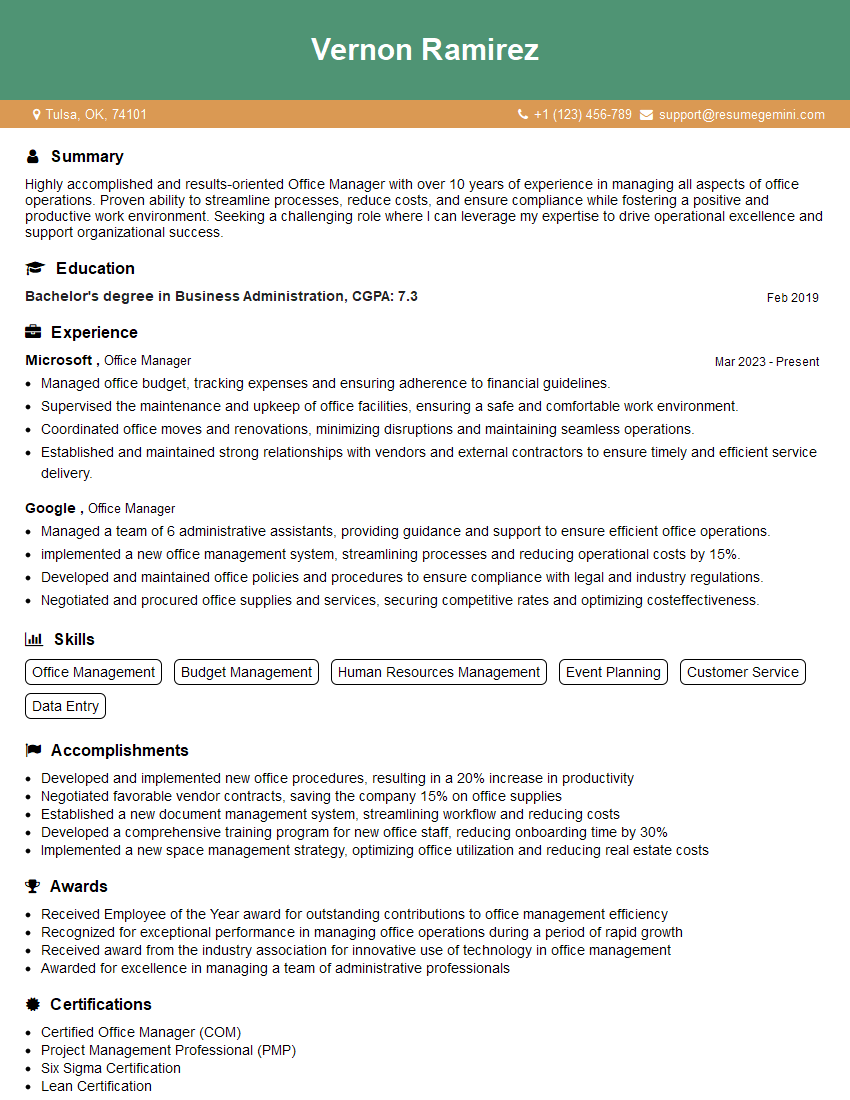
Office Manager Resume Sample
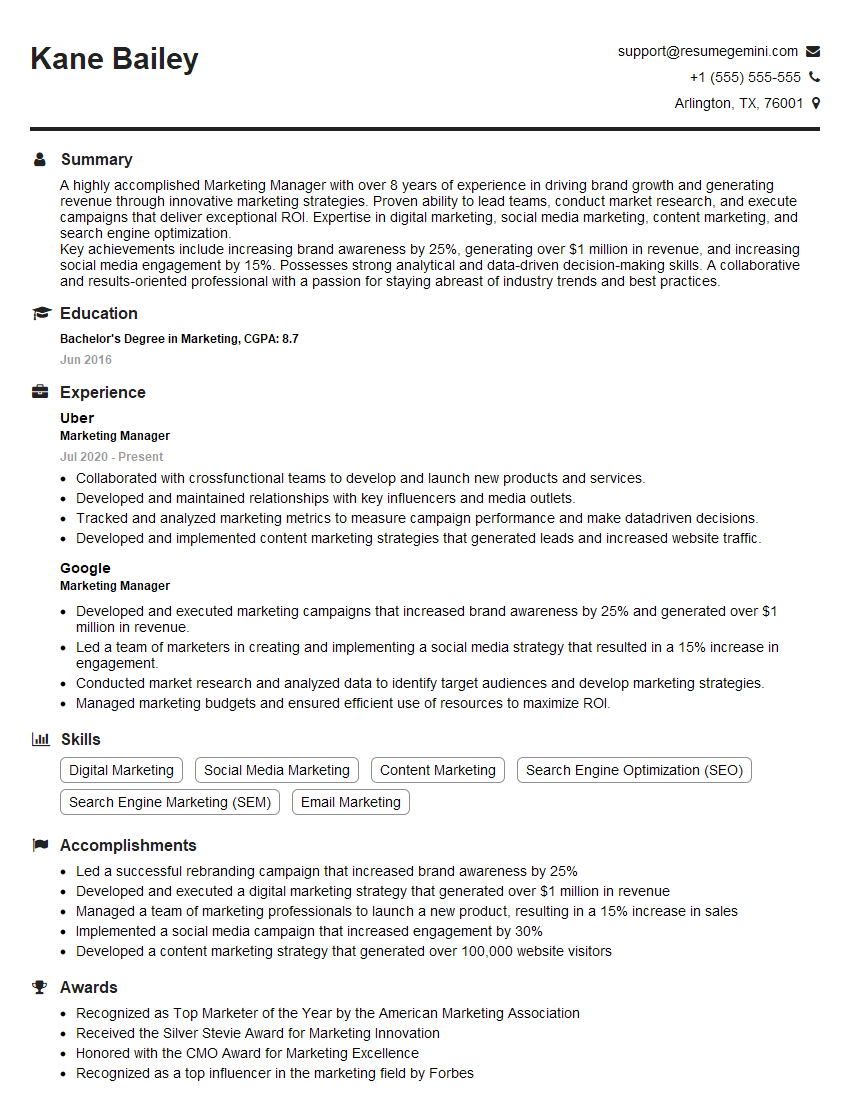
Marketing Manager Resume Sample
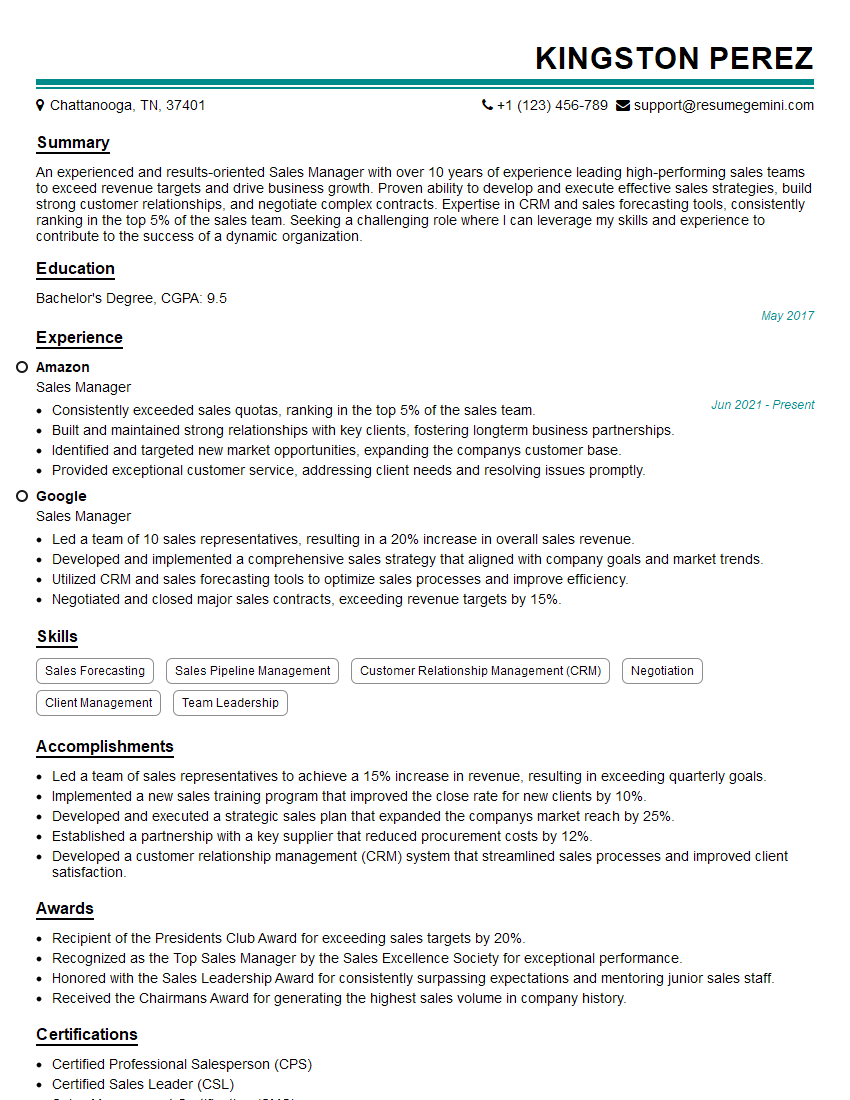
Sales Manager Resume Sample

Communications Director Resume Sample

Customer Service Manager Resume Sample
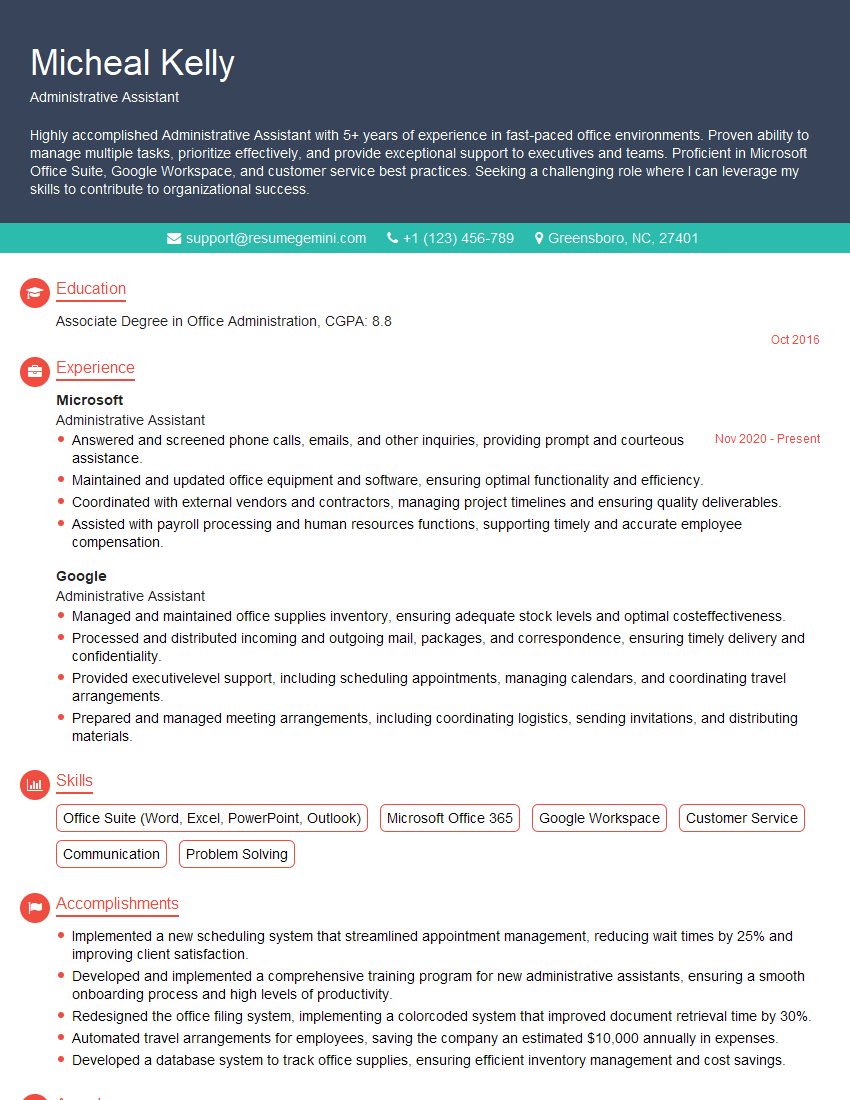
Administrative Assistant Resume Sample
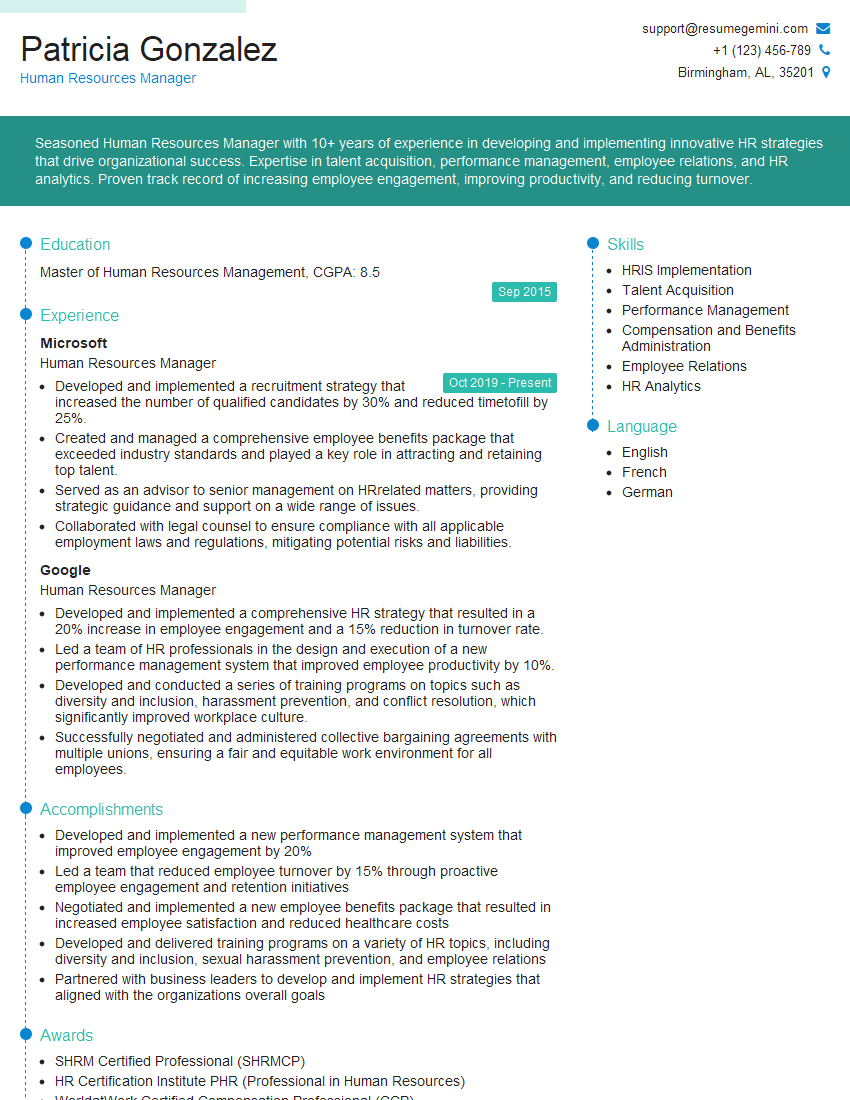
Human Resources Manager Resume Sample
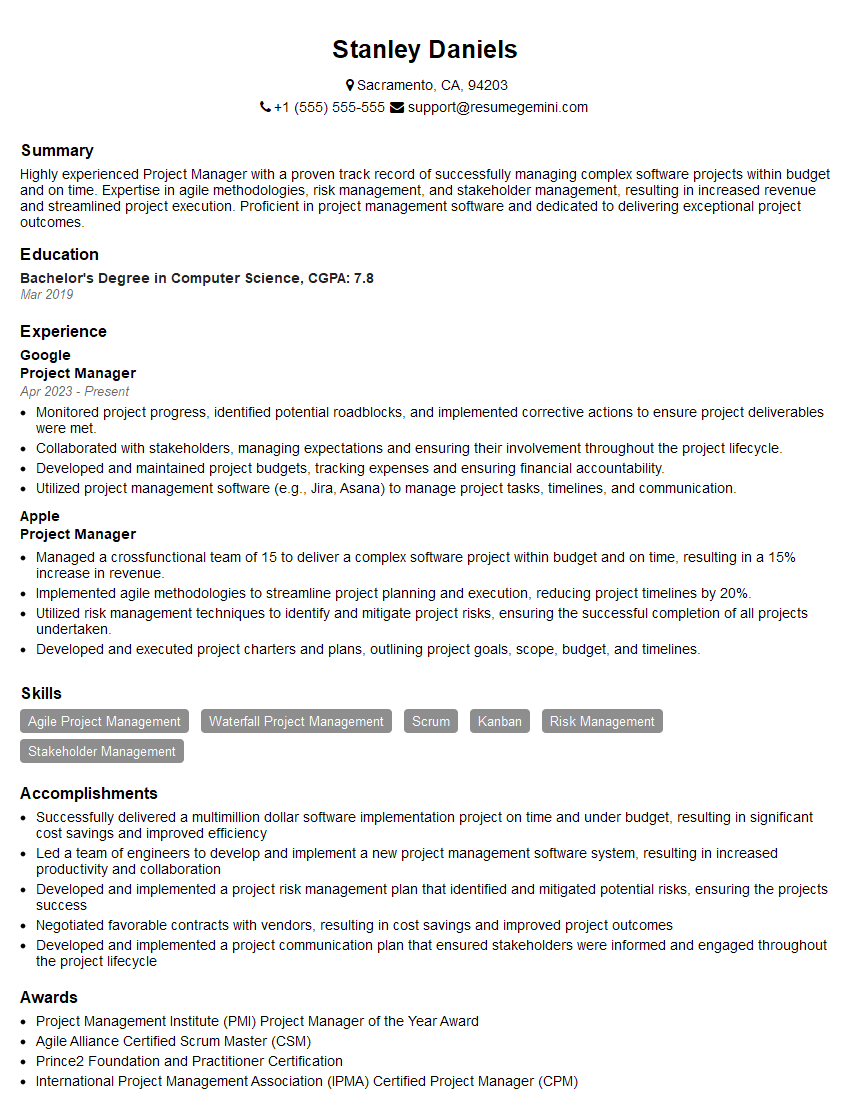
Project Manager Resume Sample

Chief of Staff Resume Sample
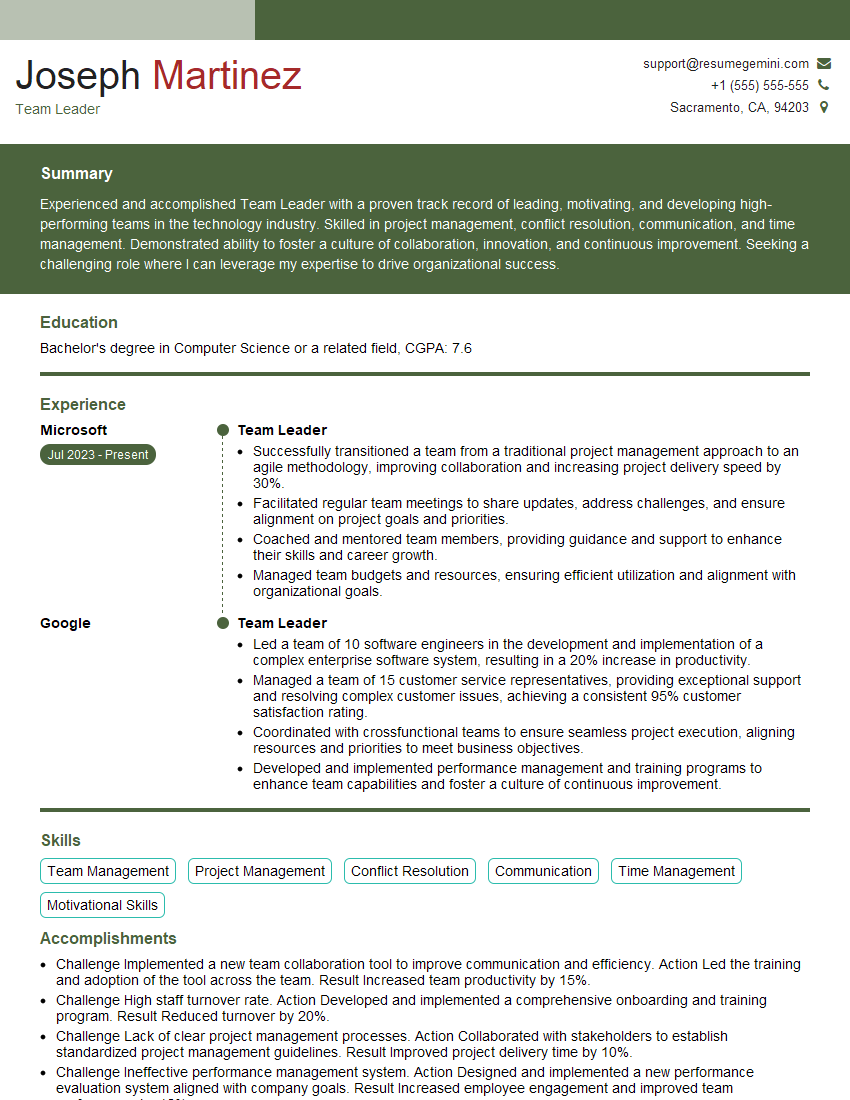
Team Leader Resume Sample
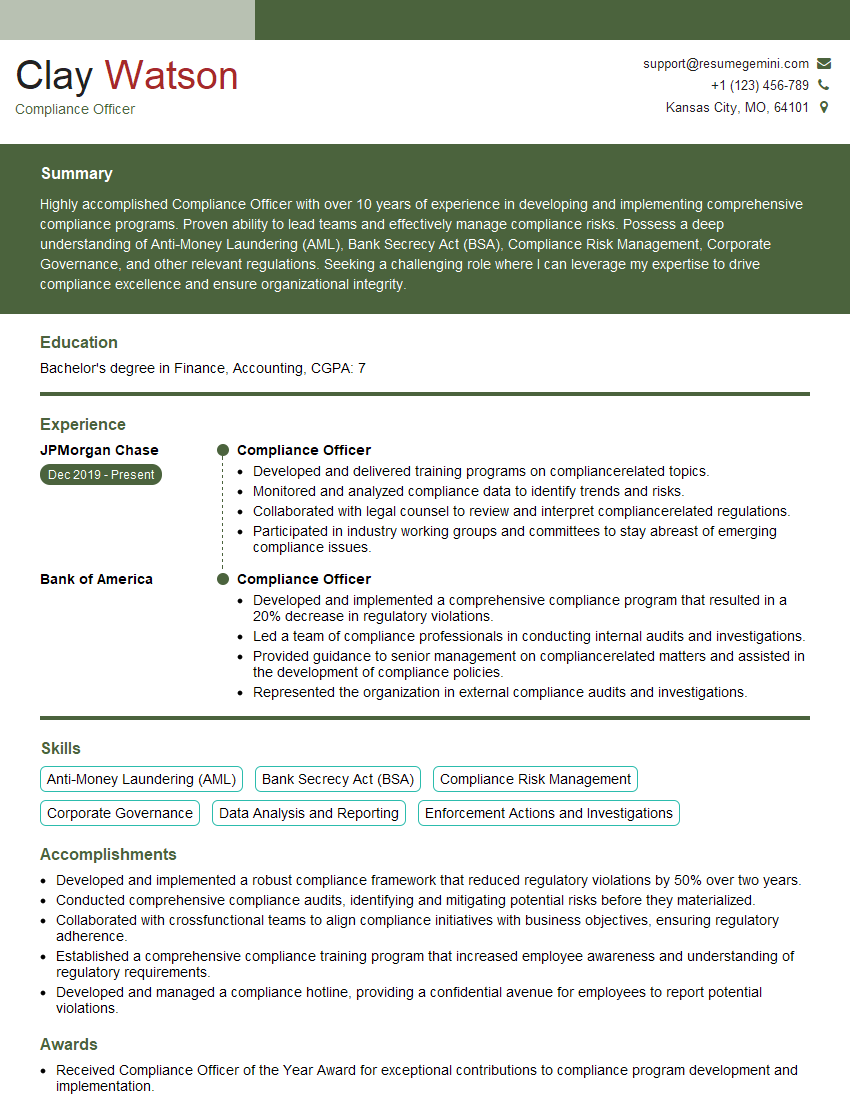
Compliance Officer Resume Sample
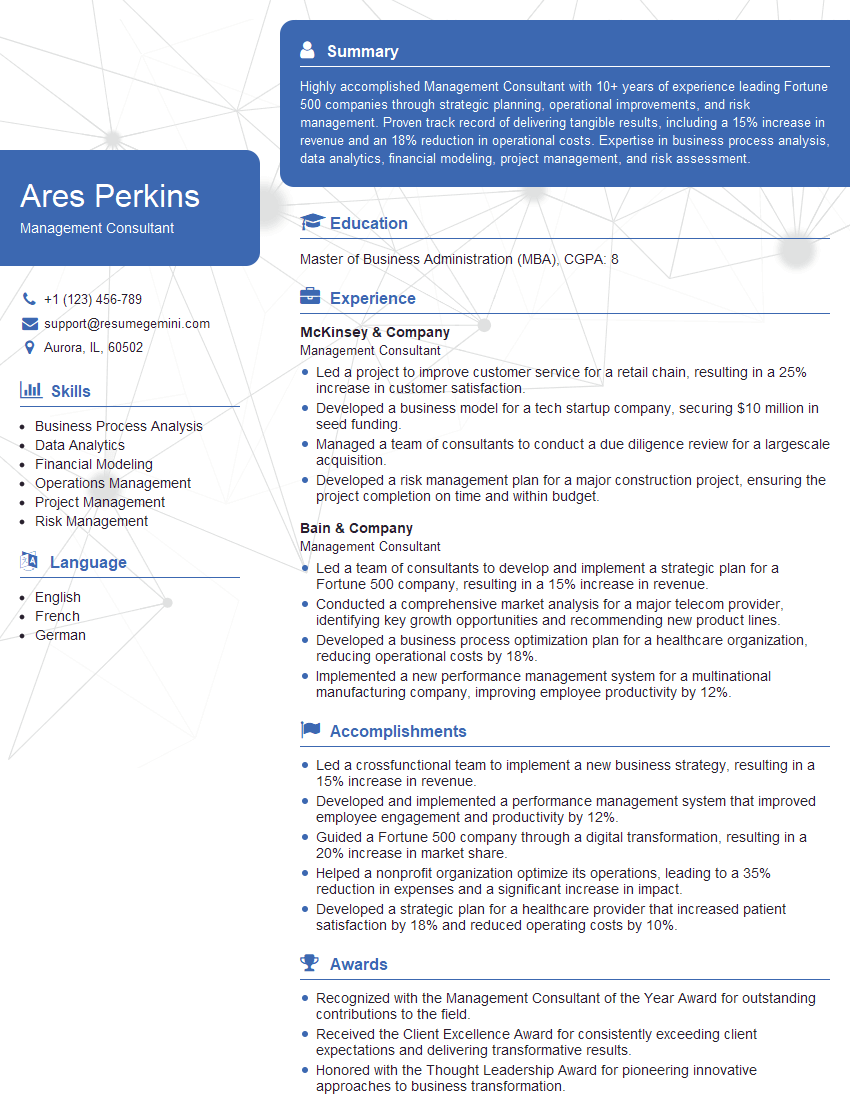
Management Consultant Resume Sample
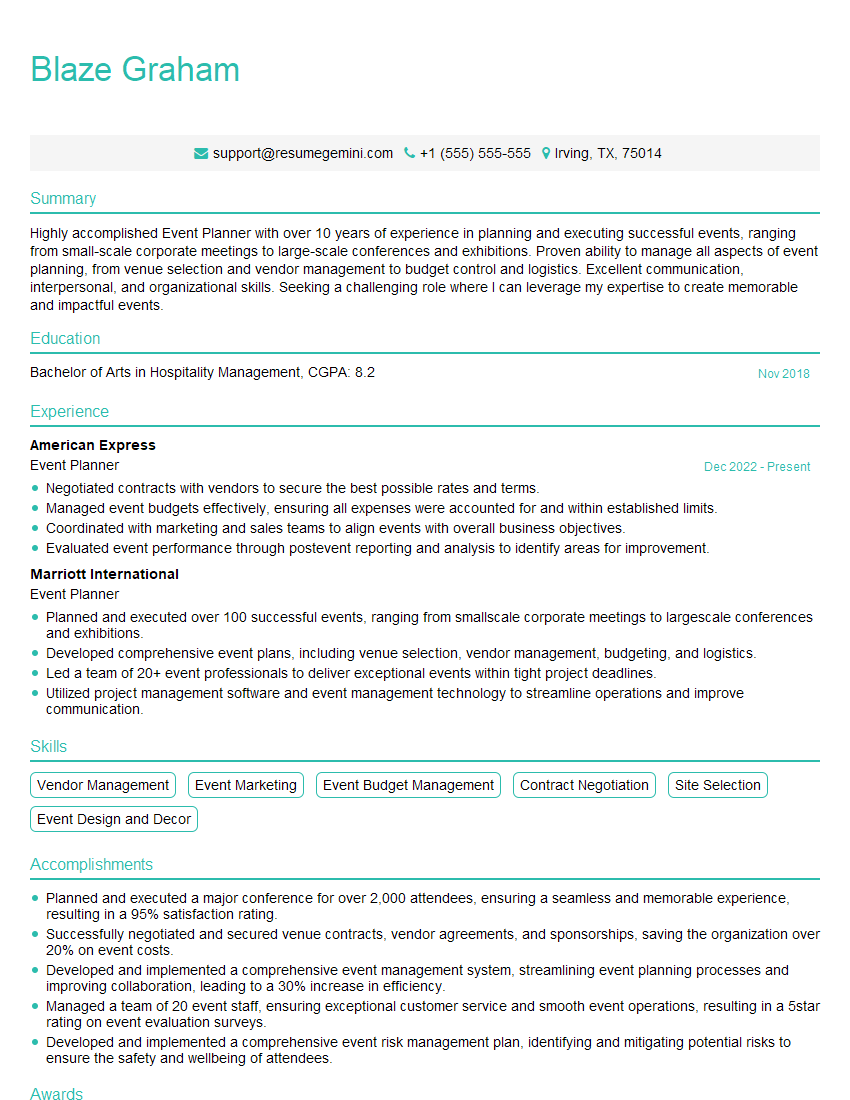
Event Planner Resume Sample
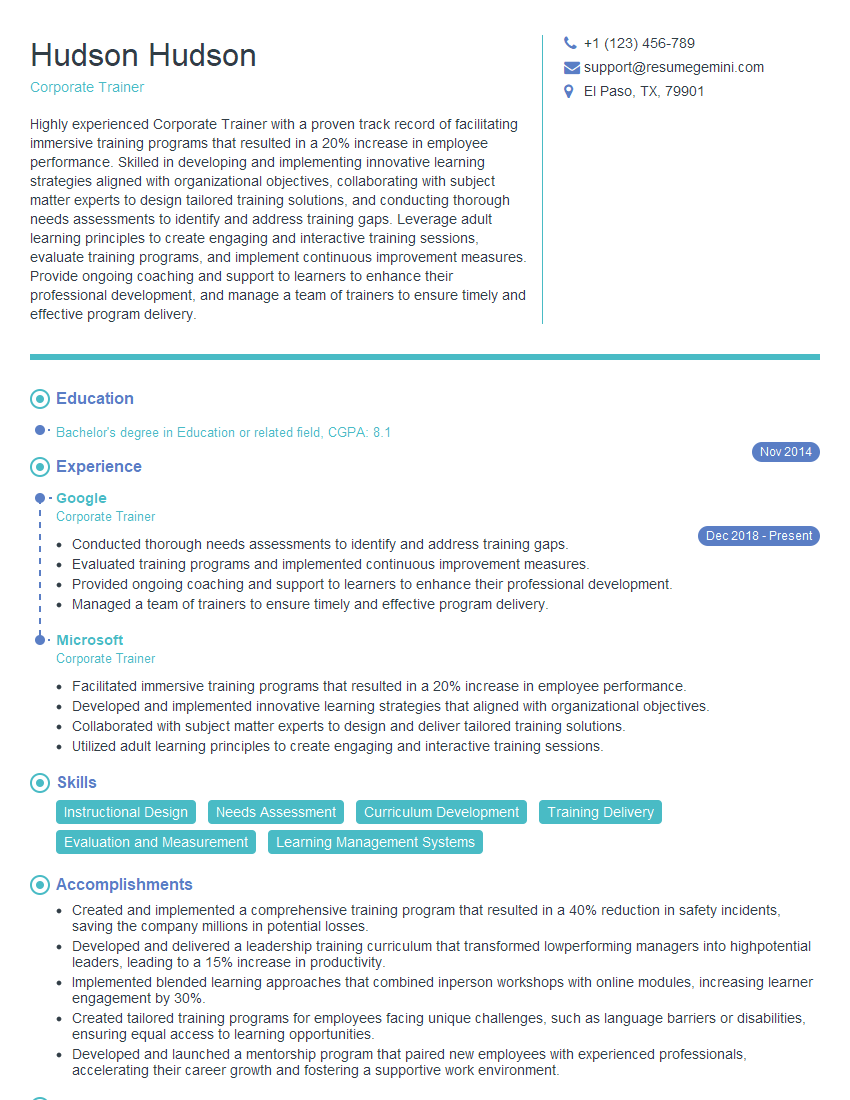
Corporate Trainer Resume Sample

Social Media Manager Resume Sample
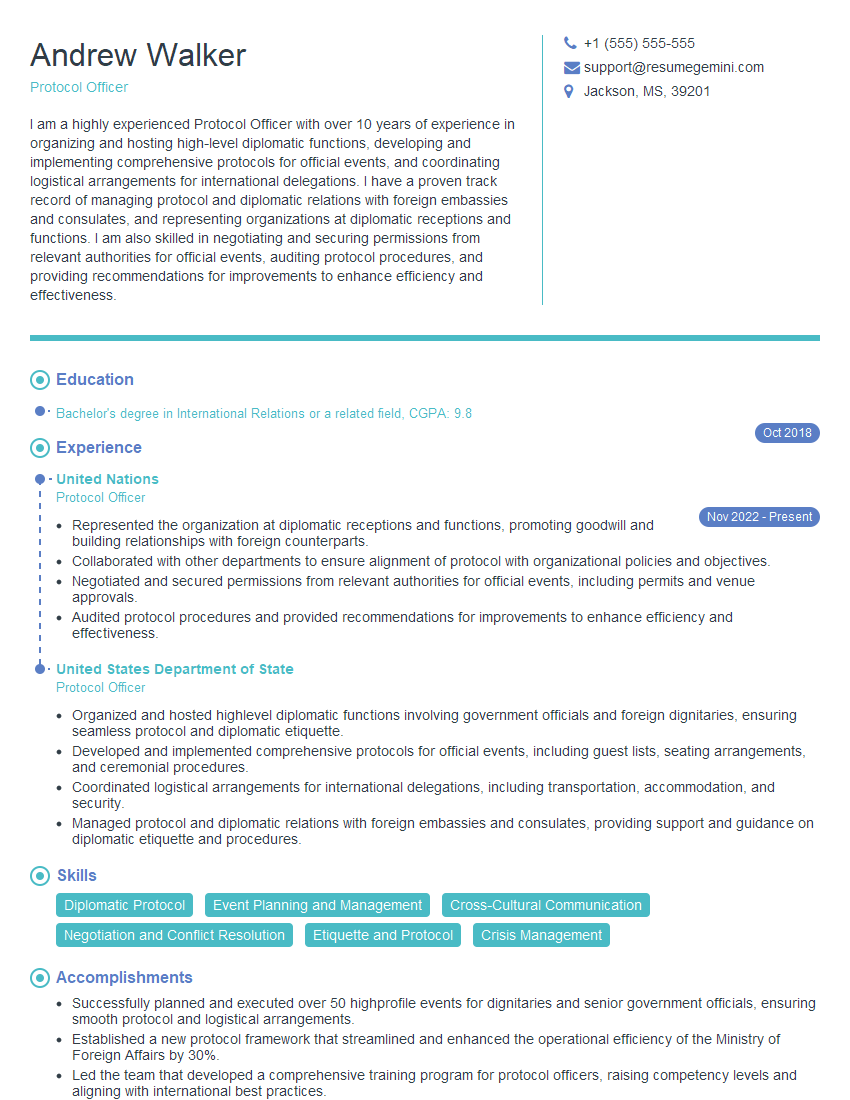
Protocol Officer Resume Sample
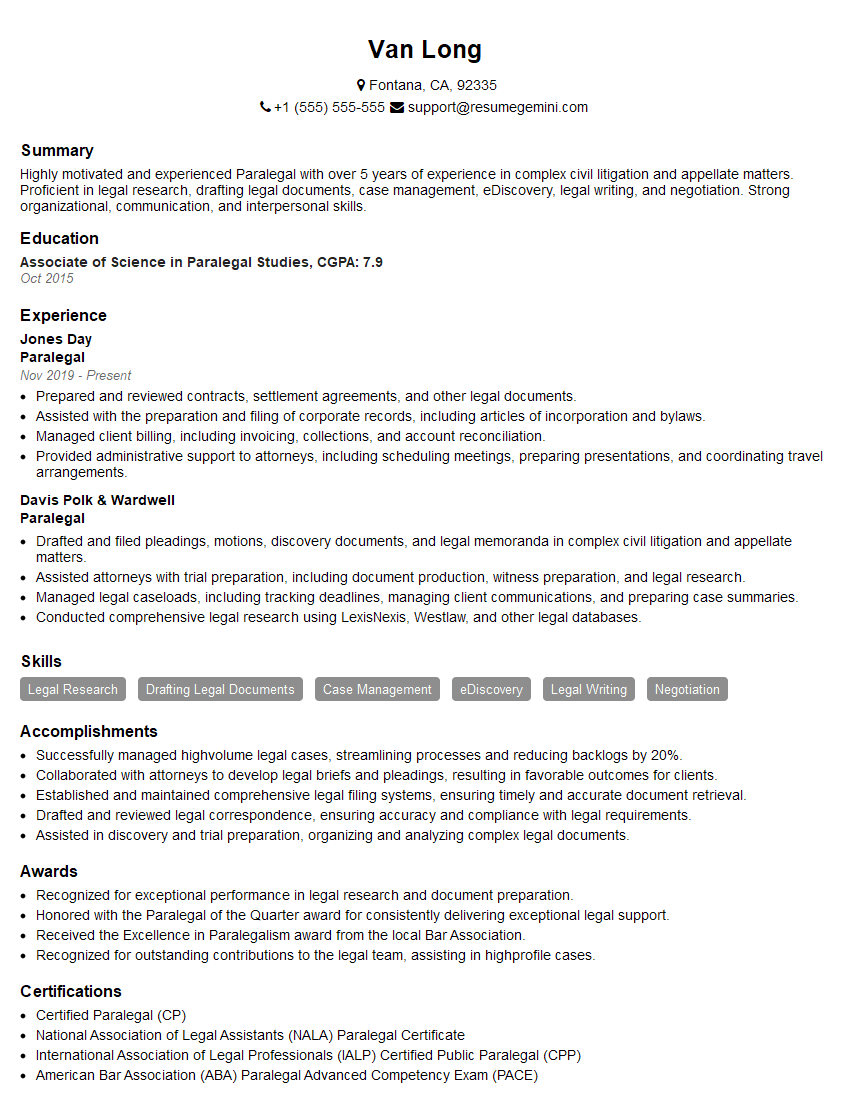
Paralegal Resume Sample
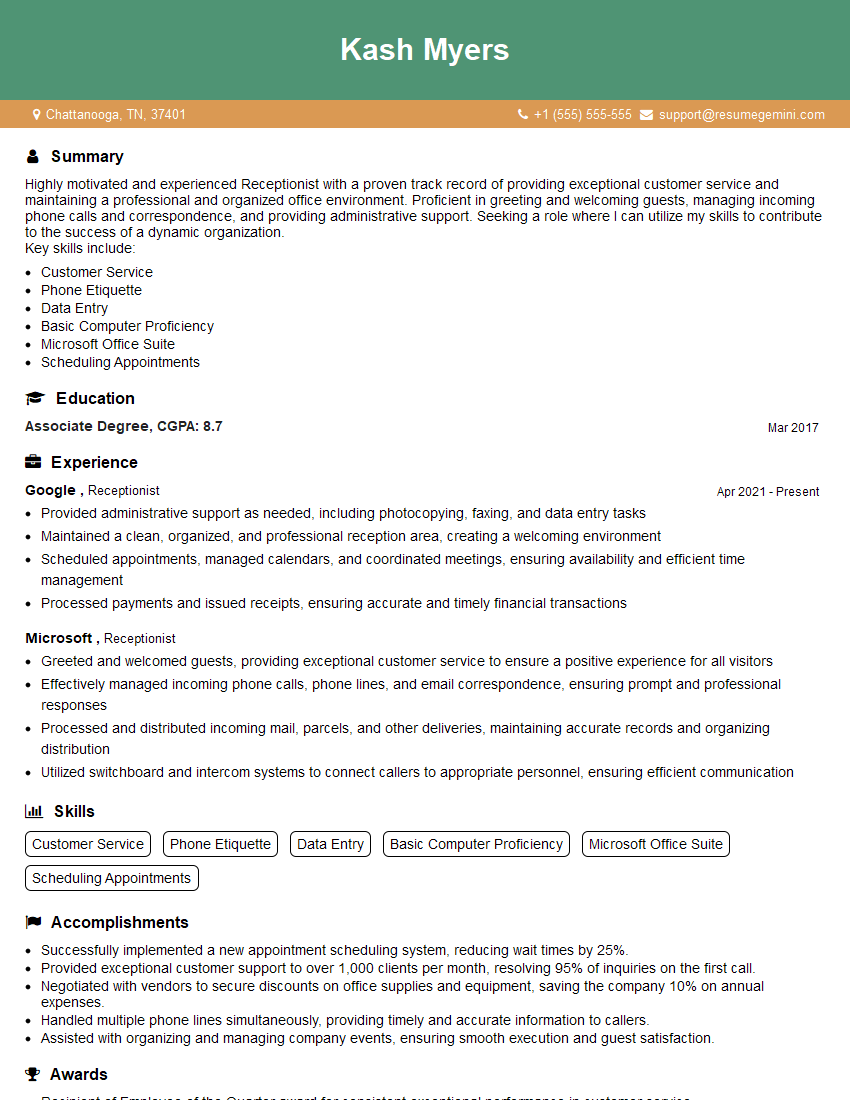
Receptionist Resume Sample
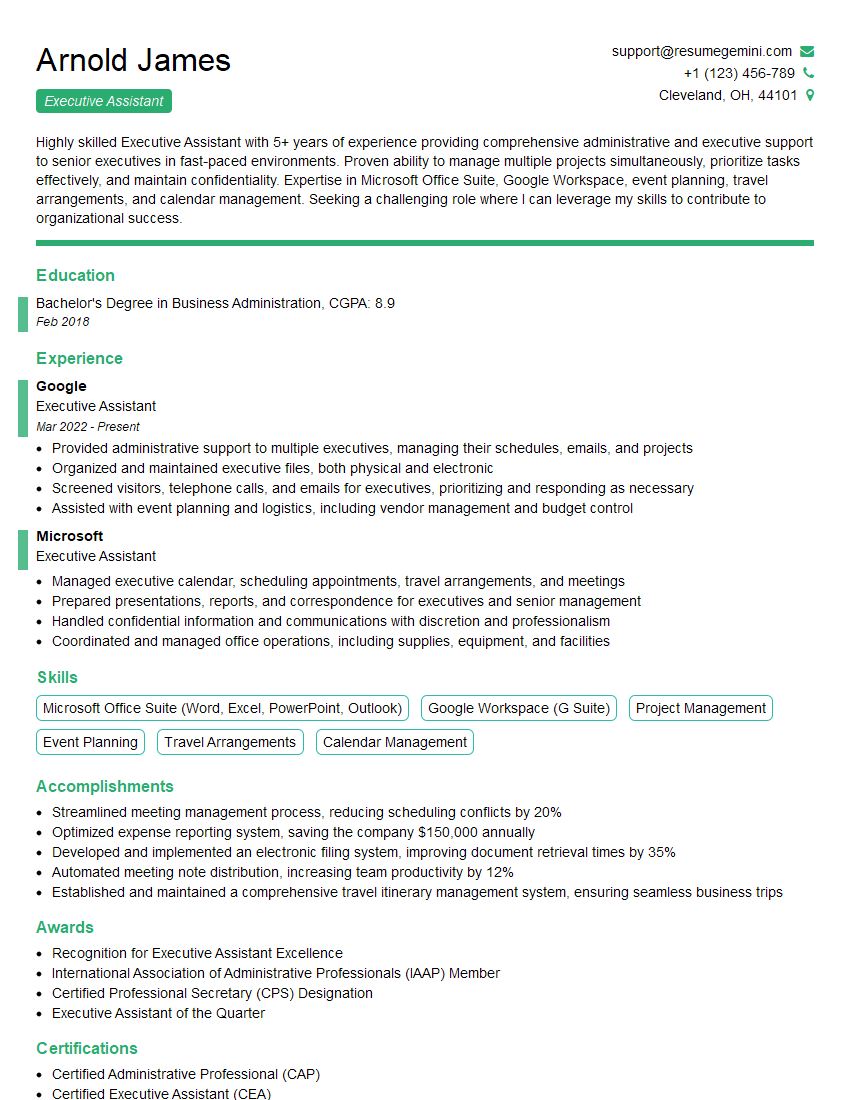
Executive Assistant Resume Sample
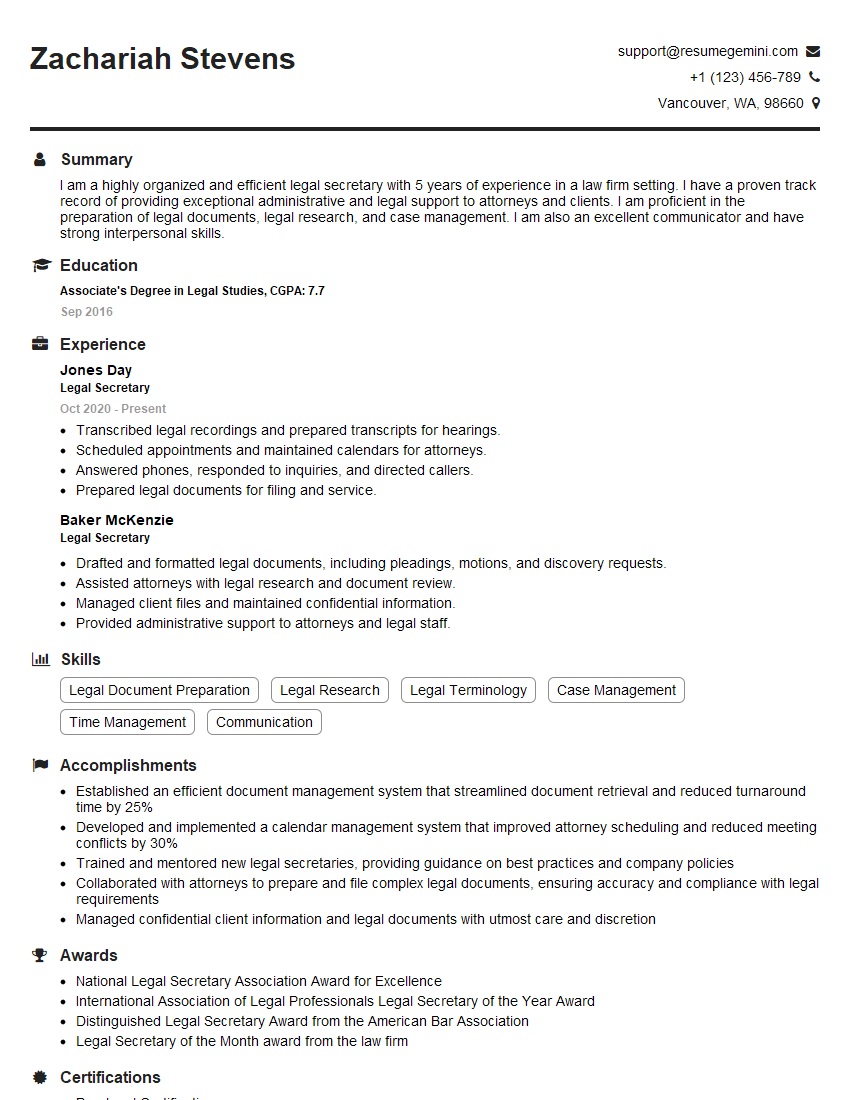
Legal Secretary Resume Sample
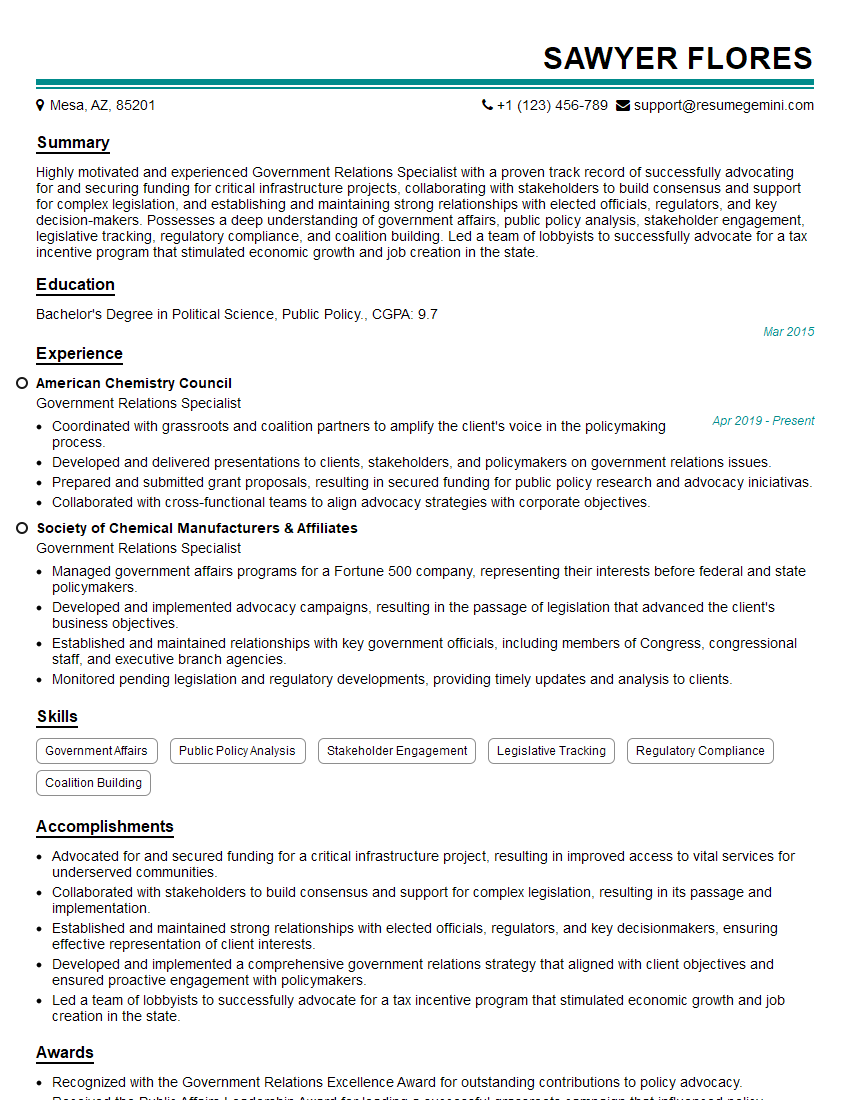
Government Relations Specialist Resume Sample
- Office Manager
- Marketing Manager
- Sales Manager
- Communications Director
- Customer Service Manager
- Administrative Assistant
- Human Resources Manager
- Project Manager
- Chief of Staff
- Team Leader
- Compliance Officer
- Management Consultant
- Event Planner
- Corporate Trainer
- Social Media Manager
- Protocol Officer
- Paralegal
- Receptionist
- Executive Assistant
- Legal Secretary
- Government Relations Specialist
Explore more articles
Users Rating of Our Blogs
Share Your Experience
We value your feedback! Please rate our content and share your thoughts (optional).
What Readers Say About Our Blog
Very informative content, great job.
good