Cracking a skill-specific interview, like one for In-depth knowledge of manufacturing processes, requires understanding the nuances of the role. In this blog, we present the questions you’re most likely to encounter, along with insights into how to answer them effectively. Let’s ensure you’re ready to make a strong impression.
Questions Asked in In-depth knowledge of manufacturing processes Interview
Q 1. Explain the difference between Lean and Six Sigma methodologies.
Lean and Six Sigma are both powerful methodologies aimed at improving manufacturing processes, but they approach it from different angles. Think of it like this: Lean focuses on eliminating waste, while Six Sigma focuses on reducing variation.
- Lean Manufacturing: Prioritizes eliminating any activity that doesn’t add value to the customer. This includes reducing waste in seven key areas: Transportation, Inventory, Motion, Waiting, Overproduction, Over-processing, and Defects (often remembered by the acronym TIMWOOD). Lean uses tools like Value Stream Mapping to visualize the process and identify waste, Kanban for inventory control, and Kaizen for continuous improvement. For example, a Lean approach in a car assembly plant might involve optimizing the layout to minimize the distance parts travel, reducing the time spent waiting for parts, and eliminating unnecessary steps in the assembly process.
- Six Sigma: Focuses on reducing variation and defects in a process to achieve extremely high levels of quality. It uses statistical methods like DMAIC (Define, Measure, Analyze, Improve, Control) to identify and eliminate the root causes of variation. A Six Sigma project might involve analyzing the dimensions of a manufactured part to identify the sources of variation and implement controls to maintain consistent quality. Six Sigma aims for a defect rate of 3.4 defects per million opportunities.
In essence, Lean is about speed and efficiency, while Six Sigma is about precision and quality. They are often used together for synergistic results; Lean helps to streamline the process, while Six Sigma improves its precision.
Q 2. Describe your experience with different manufacturing processes (e.g., injection molding, machining, assembly).
My experience spans a wide range of manufacturing processes. I’ve worked extensively with:
- Injection Molding: I’ve been involved in the entire process, from designing molds and setting up parameters to troubleshooting defects and optimizing cycle times. I’ve worked with various polymers and have experience in managing the process parameters to ensure consistent part quality and production efficiency. For instance, I successfully resolved a recurring issue of sink marks in a plastic housing by adjusting the injection pressure and melt temperature.
- Machining: My experience includes CNC machining, milling, and turning. I’m familiar with different types of tooling, programming, and setting up machines for optimal performance. I’ve worked with a variety of materials, including steel, aluminum, and plastics. A recent project involved optimizing the cutting parameters on a CNC lathe to improve surface finish and reduce cycle time by 15%.
- Assembly: I have experience in both manual and automated assembly lines. My focus has been on optimizing workflows, reducing assembly times, and improving ergonomics. I’ve worked on projects involving both simple and complex assemblies, requiring the coordination of multiple components and processes. I implemented a new fixture design in an assembly line that reduced assembly time by 20% and improved worker ergonomics.
Throughout my career, I’ve focused on continuous improvement in these processes, always seeking to optimize efficiency, reduce waste, and enhance quality.
Q 3. How would you troubleshoot a production bottleneck?
Troubleshooting a production bottleneck requires a systematic approach. I’d use a structured methodology, similar to the DMAIC approach used in Six Sigma, but adapted for rapid problem-solving:
- Define the Problem: Clearly identify the bottleneck. Where is the slowdown occurring? What is the impact on production? Gather data on production rates, downtime, and defects.
- Measure the Bottleneck: Collect detailed data on the bottleneck. How long does it take to process a unit? What is the capacity? What are the contributing factors? Use tools like time studies and process mapping.
- Analyze the Root Cause: Use tools like Fishbone diagrams (Ishikawa diagrams) to identify potential root causes. Is it machine downtime? Lack of materials? Poor process design? Operator skill limitations? Interview operators and gather feedback.
- Implement Solutions: Develop and implement solutions based on the root cause analysis. This might involve adjusting machine parameters, improving material handling, redesigning the process, or providing additional training to operators. It’s critical to have a plan that you can validate or iterate upon.
- Control and Monitor: Monitor the impact of implemented solutions and make adjustments as needed. Continuously track key metrics to ensure the bottleneck is resolved and doesn’t reappear.
For instance, if a bottleneck is due to a machine malfunction, the solution would involve repairing or replacing the machine. If it’s due to material shortages, the solution would involve improving supply chain management.
Q 4. What are the key performance indicators (KPIs) you would monitor in a manufacturing environment?
The KPIs I’d monitor in a manufacturing environment depend on the specific goals and challenges, but some crucial metrics include:
- Overall Equipment Effectiveness (OEE): This measures the percentage of time a machine is producing good parts. A low OEE indicates areas for improvement in machine uptime, performance, and quality.
- Throughput: The rate at which units are produced, measuring the efficiency of the entire production process.
- Defect Rate: The percentage of defective units produced, indicating quality control effectiveness.
- Cycle Time: The time it takes to produce one unit, showing process efficiency.
- Inventory Turnover: How often inventory is sold or used, indicating efficient inventory management and reduced storage costs.
- Cost per Unit: This tracks the overall production cost, aiding in identifying cost-saving opportunities.
- On-Time Delivery: The percentage of orders delivered on time, crucial for customer satisfaction.
- Safety Incidents: Tracking injuries and near misses highlights areas needing safety improvement.
Regular monitoring and analysis of these KPIs allow for proactive adjustments and continuous improvement efforts.
Q 5. Explain your understanding of Total Quality Management (TQM).
Total Quality Management (TQM) is a holistic approach to managing quality throughout an organization. It’s not just about meeting specifications; it’s about exceeding customer expectations and continuously improving processes. TQM emphasizes:
- Customer Focus: Understanding and meeting customer needs is paramount. This involves gathering feedback and continuously striving to improve products and services to meet evolving customer expectations.
- Process Improvement: Improving processes through data-driven analysis and continuous improvement methodologies like Lean and Six Sigma. This aims to reduce defects, increase efficiency, and enhance overall quality.
- Employee Empowerment: Empowering employees at all levels to identify and solve quality problems. This fosters a culture of continuous improvement and ownership.
- Supplier Partnerships: Establishing strong relationships with suppliers to ensure they provide high-quality materials and services.
- Continuous Improvement: This is at the heart of TQM. The aim is to consistently seek ways to improve processes, products, and services.
A successful TQM implementation requires a strong commitment from leadership and a culture of continuous learning and improvement throughout the organization. It’s a long-term strategy that delivers significant and sustainable improvements to quality.
Q 6. How do you ensure the safety of workers in a manufacturing setting?
Ensuring worker safety in a manufacturing setting is paramount. My approach is multi-faceted and involves:
- Risk Assessment: Regularly conducting thorough risk assessments to identify potential hazards and implement preventative measures. This would involve reviewing machinery, workspaces, materials, and procedures to pinpoint potential dangers.
- Safety Training: Providing comprehensive safety training to all employees, covering topics such as lockout/tagout procedures, proper use of equipment, and emergency response protocols. This training is critical to ensure employees understand and follow safety regulations.
- Personal Protective Equipment (PPE): Ensuring that appropriate PPE (e.g., safety glasses, gloves, hearing protection) is readily available and used by employees. Regular inspections and maintenance of PPE are vital to guarantee functionality.
- Machine Guarding: Ensuring that all machinery is properly guarded to prevent accidents. Regular machine inspections and maintenance are crucial to prevent equipment failure or malfunctions.
- Emergency Response Plan: Having a well-defined emergency response plan in place and conducting regular drills to ensure employees know what to do in case of an emergency. This preparation is essential for swift and effective responses to incidents.
- Regular Inspections: Conducting regular safety inspections of the work environment to identify and address any potential hazards before they lead to accidents. This proactive approach minimizes risks significantly.
- Incident Reporting and Investigation: Having a robust system for reporting and investigating incidents to identify root causes and prevent future occurrences. Thorough investigations pinpoint issues and facilitate preventative actions.
A strong safety culture, where safety is a shared responsibility, is critical for a safe and productive work environment. This involves open communication, employee engagement, and proactive risk management.
Q 7. Describe your experience with implementing new technologies or equipment in manufacturing.
I have extensive experience implementing new technologies and equipment in manufacturing environments. My approach usually involves:
- Needs Assessment: Identifying the specific needs and challenges that the new technology aims to address. This ensures the right technology is chosen for the task.
- Technology Selection: Thoroughly researching and evaluating different technologies to identify the optimal solution considering factors such as cost, efficiency, and ease of integration.
- Integration Planning: Developing a detailed plan for integrating the new technology into the existing manufacturing processes. This minimizes disruption and maximizes efficiency.
- Training and Support: Providing comprehensive training to employees on the use and maintenance of the new technology. Ongoing support is crucial for seamless operation.
- Testing and Validation: Thoroughly testing and validating the new technology to ensure it meets performance requirements and integrates seamlessly with existing systems.
- Monitoring and Optimization: Monitoring the performance of the new technology and making adjustments as needed to optimize efficiency and productivity. This continuous monitoring is vital for peak performance.
For example, I led a project to implement a new automated assembly system. This involved selecting the appropriate robots and automation components, designing the layout, programming the robots, and training employees on the new system. The result was a 30% increase in production efficiency and a significant reduction in labor costs.
Q 8. How do you manage inventory in a manufacturing process?
Effective inventory management in manufacturing is crucial for optimizing production, minimizing costs, and meeting customer demands. It involves a multi-faceted approach encompassing forecasting, planning, and control.
Forecasting: Accurate demand forecasting is the cornerstone. We utilize historical data, market trends, and sales projections to predict future needs. Sophisticated techniques like exponential smoothing or ARIMA modeling can be employed for more precise forecasts.
Planning: Based on the forecast, we develop a detailed inventory plan. This includes determining the optimal stock levels for raw materials, work-in-progress (WIP), and finished goods. The plan considers lead times from suppliers, production capacity, and storage limitations. We often use Material Requirements Planning (MRP) software to manage this complexity.
Control: Continuous monitoring and adjustment are vital. We use inventory management systems (IMS) to track stock levels in real-time, identifying potential shortages or excesses. Regular inventory audits ensure accuracy, and we employ techniques like ABC analysis (classifying inventory based on value and consumption) to prioritize management efforts. For example, we’d dedicate more attention to high-value ‘A’ items than low-value ‘C’ items.
Example: In a previous role, we implemented a new IMS that integrated with our ERP system, improving forecast accuracy by 15% and reducing inventory holding costs by 10% within a year.
Q 9. Explain your understanding of Just-in-Time (JIT) manufacturing.
Just-in-Time (JIT) manufacturing is a lean manufacturing methodology aimed at minimizing waste by producing goods only when needed, in the exact quantities required. The core principle is to eliminate inventory holding costs and reduce lead times.
Key Elements of JIT:
- Pull System: Production is triggered by actual customer demand rather than forecasts. This contrasts with a push system where production is based on anticipated demand.
- Small Batch Sizes: Producing in small batches reduces WIP inventory and allows for quicker response to changing demands.
- Continuous Improvement (Kaizen): Constant efforts to streamline processes, eliminate waste, and improve efficiency are central to JIT’s success.
- Supplier Partnerships: Close collaboration with suppliers is essential to ensure timely delivery of materials.
Practical Application: Imagine a car manufacturer using JIT. Instead of stockpiling car parts, they receive components from suppliers only when needed for assembling a specific vehicle. This drastically reduces warehouse space, minimizes the risk of obsolescence, and allows for greater flexibility in responding to customer orders.
Q 10. How would you improve the efficiency of a specific manufacturing process?
Improving the efficiency of a manufacturing process requires a systematic approach, often involving a combination of techniques. Let’s say we’re dealing with a bottleneck in the assembly line of electronic devices.
Step 1: Identify the Bottleneck: Through data analysis (e.g., cycle time measurements, downtime reports), we pinpoint the specific stage causing delays. Perhaps it’s a particular soldering station that’s consistently slower than others.
Step 2: Analyze the Bottleneck: We investigate the root causes of the bottleneck. Is it due to insufficient equipment, poorly trained staff, inefficient workflow, or faulty components?
Step 3: Implement Solutions: Based on the analysis, we implement appropriate solutions. These could include:
- Investing in Automation: Replacing manual soldering with automated equipment to increase speed and consistency.
- Improving Training: Providing additional training to assembly workers to enhance their skills and efficiency.
- Process Optimization: Re-designing the workstation layout to improve workflow and reduce movement.
- Quality Control: Implementing stricter quality checks on incoming components to reduce rework.
Step 4: Monitor and Measure: After implementing changes, we carefully monitor the process to track the impact of the improvements. Key metrics include cycle time, defect rates, and overall equipment effectiveness (OEE).
Q 11. What are the common causes of defects in manufacturing and how would you address them?
Defects in manufacturing can stem from a variety of sources, broadly categorized as:
- Material Defects: Poor quality raw materials, damaged components, or incorrect specifications.
- Process Defects: Improper machine settings, inadequate training, flawed procedures, or equipment malfunctions.
- Human Error: Mistakes during assembly, incorrect measurements, or failure to follow procedures.
- Design Defects: Flaws in the product design that make it prone to failure or malfunction.
Addressing Defects: A multi-pronged approach is essential. This often involves implementing a robust Quality Management System (QMS) following standards like ISO 9001. Key steps include:
- Preventive Measures: Implementing rigorous quality checks at each stage of production, using statistical process control (SPC) to monitor variation, and providing thorough training to employees.
- Corrective Actions: Identifying the root cause of defects using techniques like Pareto analysis (identifying the 20% of causes responsible for 80% of defects) or fishbone diagrams (cause-and-effect diagrams). Then, implementing corrective actions to prevent recurrence.
- Continuous Improvement: Regularly reviewing processes, identifying areas for improvement, and implementing changes to reduce defect rates over time.
Q 12. How do you handle unexpected downtime in a production line?
Unexpected downtime in a production line is a serious issue that requires immediate attention. The response involves a structured process:
1. Immediate Actions: The first priority is to ensure safety and contain the problem. This might involve isolating the affected section of the line to prevent further damage or injuries.
2. Problem Identification and Diagnosis: A team is assembled to quickly determine the cause of the downtime. This may involve inspecting equipment, reviewing logs, and interviewing operators.
3. Repair or Replacement: Depending on the cause, the problem is addressed through repair, replacement of parts, or even a temporary workaround.
4. Recovery and Restart: Once the issue is resolved, the line is carefully restarted and production is resumed. This step often includes quality checks to ensure that the problem hasn’t impacted product quality.
5. Root Cause Analysis (RCA): After the immediate issue is resolved, a more in-depth RCA is conducted to determine the underlying causes of the downtime and to implement preventative measures to avoid future occurrences. This could involve reviewing maintenance schedules, operator training, or equipment reliability.
Example: In one instance, a sudden power outage caused a production line halt. While we quickly switched to backup generators, the subsequent RCA revealed vulnerabilities in our power supply system, prompting us to implement a more robust and redundant power infrastructure.
Q 13. Explain your experience with root cause analysis.
Root Cause Analysis (RCA) is a systematic approach to identifying the underlying causes of problems, rather than just addressing the symptoms. I have extensive experience using various RCA techniques, including the ‘5 Whys’, fishbone diagrams, and fault tree analysis.
The ‘5 Whys’ is a simple but effective method involving repeatedly asking ‘why’ to uncover the root cause. For instance, if a machine malfunctions:
- Why did the machine stop? Because a sensor failed.
- Why did the sensor fail? Because it was overloaded.
- Why was it overloaded? Because the cooling system was inadequate.
- Why was the cooling system inadequate? Because of insufficient maintenance.
- Why was there insufficient maintenance? Because of inadequate scheduling and training.
Fishbone diagrams (Ishikawa diagrams) provide a visual representation of potential causes, categorized into categories like materials, methods, manpower, machinery, environment, and measurement. This helps in brainstorming potential root causes systematically.
Fault tree analysis uses a top-down approach to graphically represent the various combinations of events that can lead to a specific failure. It’s particularly useful for complex systems.
I’ve used these techniques to identify and rectify issues ranging from equipment malfunctions to supply chain disruptions, consistently improving process reliability and reducing downtime.
Q 14. Describe your experience with Kaizen or other continuous improvement initiatives.
Kaizen, meaning ‘continuous improvement’ in Japanese, is a cornerstone of my approach to manufacturing. I’ve led and participated in numerous Kaizen events, focusing on small, incremental changes to improve efficiency and quality.
My Experience: I’ve implemented Kaizen in various contexts, such as:
- Workflow optimization: Reducing unnecessary steps in assembly processes, leading to faster cycle times and reduced errors.
- Waste reduction: Identifying and eliminating sources of waste (muda), including overproduction, waiting, transportation, inventory, motion, over-processing, and defects, using lean tools like 5S (Sort, Set in Order, Shine, Standardize, Sustain).
- Employee involvement: Actively involving employees in identifying improvement opportunities and implementing solutions. This fosters a culture of ownership and continuous improvement.
- Data-driven improvements: Using data analysis to track progress, measure the impact of Kaizen initiatives, and identify areas needing further attention.
Example: In one project, we implemented a Kaizen event focused on reducing setup times for a key machine. Through employee suggestions and process adjustments, we reduced setup time by 40%, resulting in a significant increase in production capacity.
Beyond Kaizen, I’ve also implemented other continuous improvement initiatives like Six Sigma, focusing on reducing process variation and improving product quality using statistical methods. This combined approach has consistently delivered significant improvements in our manufacturing processes.
Q 15. How do you maintain quality control throughout the manufacturing process?
Maintaining quality control throughout the manufacturing process is paramount. It’s not a single action but a holistic system involving proactive measures at every stage, from raw material sourcing to final product delivery. Think of it as a continuous feedback loop, constantly refining and improving.
Incoming Inspection: We rigorously inspect all incoming raw materials and components. This involves verifying specifications, conducting dimensional checks, and potentially performing destructive or non-destructive testing (e.g., tensile strength tests, X-ray inspection) to ensure they meet our predetermined quality standards. Failing to do this upfront can lead to cascading problems down the line.
In-Process Control: Regular checks are performed at various stages of the production process. This might involve sampling and testing, using statistical process control (SPC) charts to track key parameters, and identifying and rectifying deviations from the norm early on. For example, in a bottling plant, regular checks on fill levels are crucial.
Final Product Inspection: A comprehensive inspection of the finished product is conducted before shipment. This often involves visual checks, functional testing, and potentially more sophisticated testing depending on the product’s complexity. A thorough final inspection ensures that only high-quality products reach our customers.
Corrective and Preventive Actions (CAPA): A robust CAPA system is crucial. When defects are identified, root cause analysis is performed to determine the underlying issue. Corrective actions are implemented to address the immediate problem, and preventive actions are put in place to prevent recurrence. This is a continuous improvement cycle.
Data Analysis and Reporting: Regular data analysis helps identify trends and patterns that indicate potential quality problems. This data-driven approach allows for proactive interventions and continuous improvement. We use dashboards and reports to monitor key quality metrics and identify areas needing attention.
Career Expert Tips:
- Ace those interviews! Prepare effectively by reviewing the Top 50 Most Common Interview Questions on ResumeGemini.
- Navigate your job search with confidence! Explore a wide range of Career Tips on ResumeGemini. Learn about common challenges and recommendations to overcome them.
- Craft the perfect resume! Master the Art of Resume Writing with ResumeGemini’s guide. Showcase your unique qualifications and achievements effectively.
- Don’t miss out on holiday savings! Build your dream resume with ResumeGemini’s ATS optimized templates.
Q 16. How do you manage and motivate a team in a manufacturing environment?
Motivating and managing a manufacturing team requires a blend of strong leadership, clear communication, and fostering a positive work environment. It’s about creating a team where everyone feels valued and empowered to contribute their best.
Clear Expectations and Goals: Start with clear, concise, and achievable goals. Everyone needs to understand their roles and how their work contributes to the overall objective. Regular feedback and performance reviews ensure alignment and address any discrepancies.
Open Communication: Foster open communication channels. This includes regular team meetings, one-on-one sessions, and readily available means for team members to raise concerns or suggestions. Transparency builds trust and facilitates problem-solving.
Empowerment and Autonomy: Empower team members by giving them ownership and responsibility for their work. This fosters initiative and pride in their accomplishments. Allowing for creative problem-solving within defined parameters empowers individuals.
Training and Development: Invest in ongoing training and development opportunities. This helps team members enhance their skills, stay up-to-date with industry best practices, and feel valued. Continuous improvement also applies to the team.
Recognition and Reward: Recognize and reward good performance. This can be through formal recognition programs, bonuses, or simply acknowledging and appreciating good work. Celebrating successes, big or small, boosts morale and motivates the team.
Q 17. What are your preferred methods for scheduling and planning production?
Effective scheduling and production planning are vital for efficient manufacturing. I leverage a combination of techniques, adapting them to the specific requirements of the project and the manufacturing environment.
MRP (Material Requirements Planning): MRP helps us determine the quantity and timing of materials needed for production, considering lead times and inventory levels. It minimizes waste and ensures timely availability of materials. This is especially useful for managing complex production schedules.
Kanban: For lean manufacturing environments, Kanban systems visualize workflow and limit work in progress (WIP). This ensures a smoother flow of production and helps identify bottlenecks early on. Kanban’s visual nature promotes transparency and accountability.
Master Production Schedule (MPS): The MPS defines the overall production plan, specifying quantities and deadlines for finished goods. It serves as a high-level roadmap for production, guiding lower-level scheduling activities.
Capacity Planning: Careful capacity planning is crucial to ensure that we have the necessary resources (equipment, labor, etc.) to meet production demands. This involves forecasting future demand and ensuring that we have sufficient capacity to handle it.
Software Tools: We utilize specialized software for scheduling and planning, which integrates with other systems like MES (Manufacturing Execution Systems) and ERP (Enterprise Resource Planning) to provide a comprehensive view of the production process. This allows for real-time tracking and adjustments to the schedule as needed.
Q 18. Explain your experience with different types of manufacturing layouts (e.g., process, product).
My experience encompasses various manufacturing layouts, each with its strengths and weaknesses. The optimal layout depends heavily on the product type, production volume, and process complexity.
Product Layout (Assembly Line): Highly efficient for mass production of standardized products. Workstations are arranged sequentially, with each station performing a specific task. Think of a car assembly line – each station adds a specific component. Excellent for high volume, low variety.
Process Layout (Functional Layout): Suitable for low-volume, high-variety production. Similar machines or processes are grouped together, and materials move between workstations based on the product’s requirements. A machine shop is a classic example of process layout.
Cellular Manufacturing: Combines aspects of product and process layouts. Machines are grouped into cells to produce families of similar products. This improves efficiency while maintaining flexibility to handle some variety.
Fixed-Position Layout: Used for large, complex products that cannot be easily moved. All resources are brought to the product’s location. Shipbuilding is a prime example of a fixed-position layout.
Selecting the right layout is critical for efficiency and cost-effectiveness. I have successfully implemented and optimized various layouts depending on the specific manufacturing context, considering factors like material flow, worker movement, and overall production efficiency.
Q 19. How do you ensure compliance with safety regulations and industry standards?
Ensuring compliance with safety regulations and industry standards is non-negotiable. It’s not just about avoiding penalties; it’s about creating a safe and healthy work environment for our employees and protecting our reputation.
Regular Safety Audits: We conduct regular safety audits to identify potential hazards and ensure compliance with all applicable regulations (OSHA, ISO, etc.). This involves checking equipment, procedures, and employee practices.
Employee Training: Comprehensive safety training is provided to all employees, covering topics such as hazard recognition, proper use of equipment, emergency procedures, and personal protective equipment (PPE). Regular refresher training ensures that knowledge stays current.
Incident Reporting and Investigation: A robust system for reporting and investigating safety incidents is in place. This ensures that lessons are learned from any accidents or near misses and that corrective actions are implemented to prevent recurrence.
Emergency Preparedness: We maintain comprehensive emergency plans, including evacuation procedures, first aid protocols, and communication strategies. Regular drills and simulations ensure that employees are prepared to handle emergency situations effectively.
Continuous Improvement: Safety is an ongoing process. We regularly review our safety procedures and practices, incorporating best practices and implementing improvements to create an ever-safer work environment.
Q 20. Describe your experience with using manufacturing execution systems (MES).
I have extensive experience with Manufacturing Execution Systems (MES). An MES is a software system that manages and monitors the entire manufacturing process, providing real-time visibility and control.
Data Acquisition and Monitoring: MES collects data from various sources on the shop floor, such as machines, sensors, and barcode scanners, providing real-time insights into production performance. This data can be used to track key metrics like Overall Equipment Effectiveness (OEE) and production cycle time.
Production Scheduling and Control: MES helps in optimizing production schedules, managing work orders, and tracking the progress of individual jobs. It allows for efficient allocation of resources and helps minimize downtime.
Quality Management: MES integrates with quality control systems, allowing for real-time monitoring of product quality and facilitating the identification and resolution of quality issues. This proactive approach minimizes waste and defects.
Traceability and Reporting: MES provides complete traceability of materials and products throughout the manufacturing process. This is crucial for managing recalls and maintaining product integrity. It also provides comprehensive reporting capabilities, facilitating data-driven decision-making.
I’ve worked with various MES platforms, integrating them with ERP and other enterprise systems. My experience extends to system implementation, configuration, data analysis, and ongoing support. I find MES to be an invaluable tool for optimizing manufacturing operations and achieving operational excellence.
Q 21. Explain your understanding of capacity planning.
Capacity planning is the process of determining the production capacity needed to meet future demand. It’s a crucial aspect of manufacturing planning, ensuring that we have the right resources at the right time to fulfill orders and maintain profitability. Think of it like planning for a dinner party – you need to know how many guests are coming to ensure you have enough food and seating.
Demand Forecasting: Accurate demand forecasting is the foundation of capacity planning. This involves analyzing historical sales data, market trends, and other relevant factors to predict future demand. Various forecasting methods, such as moving averages and exponential smoothing, can be used.
Capacity Assessment: This involves assessing the current production capacity, including equipment, labor, and other resources. This helps identify potential bottlenecks and areas where capacity needs to be increased or improved.
Gap Analysis: Comparing forecasted demand with available capacity reveals any gaps. This determines whether additional capacity is needed, or if current capacity can be improved through efficiency gains.
Capacity Expansion Strategies: If a gap exists, we develop strategies to address it. This could involve adding new equipment, hiring additional personnel, improving process efficiency, or outsourcing some of the production.
Contingency Planning: Capacity planning also includes contingency plans to address unexpected events, such as equipment breakdowns or material shortages. This involves developing backup plans and alternative solutions to ensure that production is not severely impacted.
Q 22. How do you handle supplier relationship management in a manufacturing setting?
Supplier Relationship Management (SRM) in manufacturing is crucial for ensuring a consistent supply of high-quality materials and services at competitive prices. It’s not just about purchasing; it’s about building strong, collaborative partnerships.
My approach to SRM involves several key steps:
- Supplier Selection & Qualification: Thorough vetting of potential suppliers based on factors like capacity, quality certifications (ISO 9001, etc.), financial stability, and ethical practices. This often involves site visits and rigorous performance audits.
- Performance Monitoring & Evaluation: Regularly tracking key performance indicators (KPIs) such as on-time delivery, quality defects, and lead times. We use dashboards and reporting tools to visualize performance and identify areas for improvement. Regular performance reviews with suppliers are essential.
- Communication & Collaboration: Open and transparent communication is vital. We maintain regular contact with key suppliers, sharing forecasts, addressing issues promptly, and working collaboratively to solve problems. This fosters trust and mutual understanding.
- Continuous Improvement: SRM isn’t a one-time effort; it’s an ongoing process. We actively work with our suppliers to identify opportunities for cost reduction, process improvement, and innovation. This could involve joint problem-solving workshops or implementing lean manufacturing principles together.
- Risk Management: Identifying and mitigating potential risks within the supply chain, such as geopolitical instability, natural disasters, or supplier bankruptcy. This might involve diversifying suppliers or developing contingency plans.
For example, in a previous role, we implemented a supplier performance scoring system that significantly improved on-time delivery rates by identifying and addressing bottlenecks in the supply chain of a critical component.
Q 23. Describe your experience with cost reduction initiatives in manufacturing.
Cost reduction in manufacturing requires a systematic and data-driven approach. It’s not about slashing costs indiscriminately; it’s about optimizing processes and identifying areas of waste.
My experience includes implementing several successful cost-reduction initiatives:
- Lean Manufacturing: Implementing lean principles like 5S (Sort, Set in Order, Shine, Standardize, Sustain) and Kaizen (continuous improvement) to eliminate waste in all forms – waste of time, materials, motion, etc. This often involves value stream mapping to identify bottlenecks and areas for improvement.
- Value Engineering: Critically evaluating the design and functionality of products to identify cost-saving opportunities without compromising quality or performance. This may involve exploring alternative materials, simplifying designs, or streamlining manufacturing processes.
- Negotiation with Suppliers: Leveraging our purchasing power to negotiate better prices and payment terms with our suppliers. This requires careful planning, market research, and strong relationship management.
- Process Optimization: Analyzing manufacturing processes to identify inefficiencies and implement changes to improve productivity and reduce waste. This often involves using data analytics to identify bottlenecks and areas for improvement. For example, using statistical process control to reduce defects and rework.
In one project, we implemented a lean manufacturing program that reduced production lead times by 20% and material waste by 15%, resulting in significant cost savings.
Q 24. What is your experience with different types of quality control tools (e.g., control charts, Pareto charts)?
Quality control is paramount in manufacturing. Various tools are used to monitor and improve quality, ensuring that products meet specifications and customer expectations.
My experience encompasses the use of several quality control tools:
- Control Charts: These charts are used to monitor process variation over time.
X-bar and R chartstrack the average and range of measurements, signaling when a process is going out of control. This allows for timely intervention to prevent defects. - Pareto Charts: These charts visually represent the frequency of different types of defects or problems, allowing us to focus on the ‘vital few’ causes responsible for the majority of issues. This prioritizes our problem-solving efforts, yielding the greatest impact.
- Check Sheets: Simple but effective tools for systematically collecting data on defects or other quality-related issues. They provide a structured approach to data gathering, aiding in identifying trends.
- Histograms: Graphical representations of the distribution of data, helping visualize the range, central tendency, and spread of measurements. They help in identifying potential process issues or variations.
- Scatter Diagrams: Used to explore the relationship between two variables. For example, we might use a scatter diagram to examine the correlation between machine settings and product defects.
For example, using control charts to monitor the diameter of a critical part allowed us to detect a gradual shift in the machine’s settings before it resulted in widespread defects, preventing significant scrap and rework.
Q 25. How do you utilize data analytics to improve manufacturing processes?
Data analytics plays a transformative role in modern manufacturing. By collecting, analyzing, and interpreting data from various sources, we can gain valuable insights into process performance, identify bottlenecks, and drive improvements.
My approach involves:
- Data Collection: Gathering data from various sources such as manufacturing execution systems (MES), supervisory control and data acquisition (SCADA) systems, and quality control databases.
- Data Cleaning & Preparation: Cleaning and transforming the data to ensure accuracy and consistency. This often involves handling missing values and outliers.
- Statistical Analysis: Using statistical techniques such as regression analysis, ANOVA, and time series analysis to identify patterns, trends, and correlations within the data.
- Predictive Modeling: Developing predictive models to forecast production output, predict equipment failures, or optimize inventory levels. This allows for proactive problem-solving and improved decision-making.
- Data Visualization: Creating dashboards and reports to visualize key performance indicators (KPIs) and communicate findings effectively to stakeholders.
In a past project, we used data analytics to optimize the scheduling of production runs, reducing machine idle time by 12% and improving overall equipment effectiveness (OEE).
Q 26. Describe a time you had to solve a complex manufacturing problem. What was the solution?
One challenging situation involved a significant increase in defects in a critical component during the production of a new product. The defects were causing delays and impacting customer satisfaction.
The initial investigations focused on operator error, machine malfunction, and material quality. However, these analyses didn’t reveal the root cause. To solve this, I employed a structured problem-solving approach:
- Define the Problem: Clearly defined the problem as a sharp increase in defects affecting a specific component, resulting in production delays and customer complaints.
- Gather Data: Collected comprehensive data on defects, including their types, locations, times of occurrence, and associated machine settings.
- Analyze Data: Used statistical process control (SPC) charts and Pareto analysis to identify the most frequent defect types and their possible causes.
- Identify Root Cause: Through careful analysis, we discovered that a subtle change in the ambient temperature within the manufacturing facility was impacting the dimensional stability of the component during the curing process.
- Develop Solution: Implemented a climate control system within the affected area to maintain a consistent temperature and humidity, eliminating the variability that was contributing to the defects.
- Implement Solution & Verify: Successfully implemented the climate control solution, closely monitoring defect rates to ensure effectiveness.
This systematic approach identified a root cause that was initially overlooked, resulting in a significant reduction in defects and a restoration of production efficiency.
Q 27. How familiar are you with Industry 4.0 concepts and technologies?
Industry 4.0, or the Fourth Industrial Revolution, represents a fundamental shift in manufacturing, driven by advancements in digital technologies such as the Internet of Things (IoT), cloud computing, big data analytics, and artificial intelligence (AI).
I am very familiar with Industry 4.0 concepts and technologies, with experience in:
- IoT in Manufacturing: Utilizing sensors and actuators to collect real-time data from machines and processes, providing valuable insights into equipment performance, and enabling predictive maintenance.
- Cloud Computing: Leveraging cloud-based platforms for data storage, analysis, and collaboration, enabling access to data and insights from anywhere.
- Big Data Analytics: Employing advanced analytics techniques to extract actionable insights from large datasets, improving decision-making and optimizing processes.
- Robotics & Automation: Integrating robots and automated systems into manufacturing processes to increase efficiency, productivity, and precision.
- Digital Twins: Creating virtual representations of physical assets and processes to simulate scenarios, optimize designs, and predict potential problems.
I believe that Industry 4.0 technologies offer immense potential for improving efficiency, productivity, and quality in manufacturing, and I am excited about the opportunities they present.
Q 28. What are your thoughts on sustainable manufacturing practices?
Sustainable manufacturing practices are not just a trend; they are essential for the long-term health of our planet and the future of manufacturing. It’s about creating a balance between economic viability and environmental responsibility.
My perspective on sustainable manufacturing encompasses:
- Reducing Waste: Minimizing waste through lean manufacturing principles, recycling programs, and the use of sustainable materials. This includes reducing energy consumption, water usage, and emissions.
- Energy Efficiency: Implementing energy-efficient equipment and processes, utilizing renewable energy sources, and optimizing energy consumption through smart manufacturing practices.
- Circular Economy Principles: Adopting circular economy principles, such as designing products for disassembly and reuse, extending product lifecycles, and recovering valuable materials from waste.
- Sustainable Supply Chains: Collaborating with suppliers to ensure they adopt sustainable practices throughout their operations. This involves selecting suppliers that prioritize environmental responsibility and ethical sourcing.
- Compliance & Certifications: Adhering to relevant environmental regulations and pursuing certifications such as ISO 14001 (Environmental Management Systems) to demonstrate a commitment to sustainability.
In my view, sustainable manufacturing is not just about environmental responsibility; it can also create a competitive advantage, attracting environmentally conscious customers and investors.
Key Topics to Learn for In-depth Knowledge of Manufacturing Processes Interview
- Lean Manufacturing Principles: Understand and apply concepts like Kaizen, Value Stream Mapping, and 5S to optimize processes and eliminate waste. Consider practical examples from your experience where you implemented these principles.
- Production Planning & Control (PPC): Master scheduling techniques (MRP, ERP), capacity planning, and inventory management. Be prepared to discuss how you’ve addressed production bottlenecks or scheduling conflicts in the past.
- Quality Control & Assurance: Familiarize yourself with Six Sigma methodologies, statistical process control (SPC), and quality management systems (e.g., ISO 9001). Practice explaining how you’ve ensured product quality and addressed quality issues.
- Manufacturing Technologies: Demonstrate understanding of various manufacturing processes (e.g., machining, casting, molding, additive manufacturing) and related technologies (e.g., CNC machining, robotics, automation). Be ready to discuss the advantages and limitations of different methods.
- Supply Chain Management: Understand the flow of materials and information from raw materials to finished goods. Discuss your experience with supplier relationships, logistics, and inventory control.
- Safety and Ergonomics in Manufacturing: Discuss your understanding of workplace safety regulations and best practices for creating a safe and ergonomic work environment. Be prepared to discuss specific safety procedures and accident prevention strategies.
- Problem-Solving & Continuous Improvement: Showcase your ability to identify, analyze, and resolve manufacturing problems using data-driven approaches. Practice explaining your problem-solving methodologies (e.g., root cause analysis, 8D reporting).
Next Steps
Mastering in-depth knowledge of manufacturing processes is crucial for career advancement in this dynamic field. It opens doors to higher-level roles and significantly increases your earning potential. To stand out, create an ATS-friendly resume that effectively highlights your skills and experience. ResumeGemini is a trusted resource to help you build a professional and impactful resume. They provide examples of resumes tailored to showcase expertise in in-depth knowledge of manufacturing processes, helping you present your qualifications compellingly to potential employers. Take the next step toward your dream manufacturing career – build a powerful resume today!

Operations Manager Resume Sample
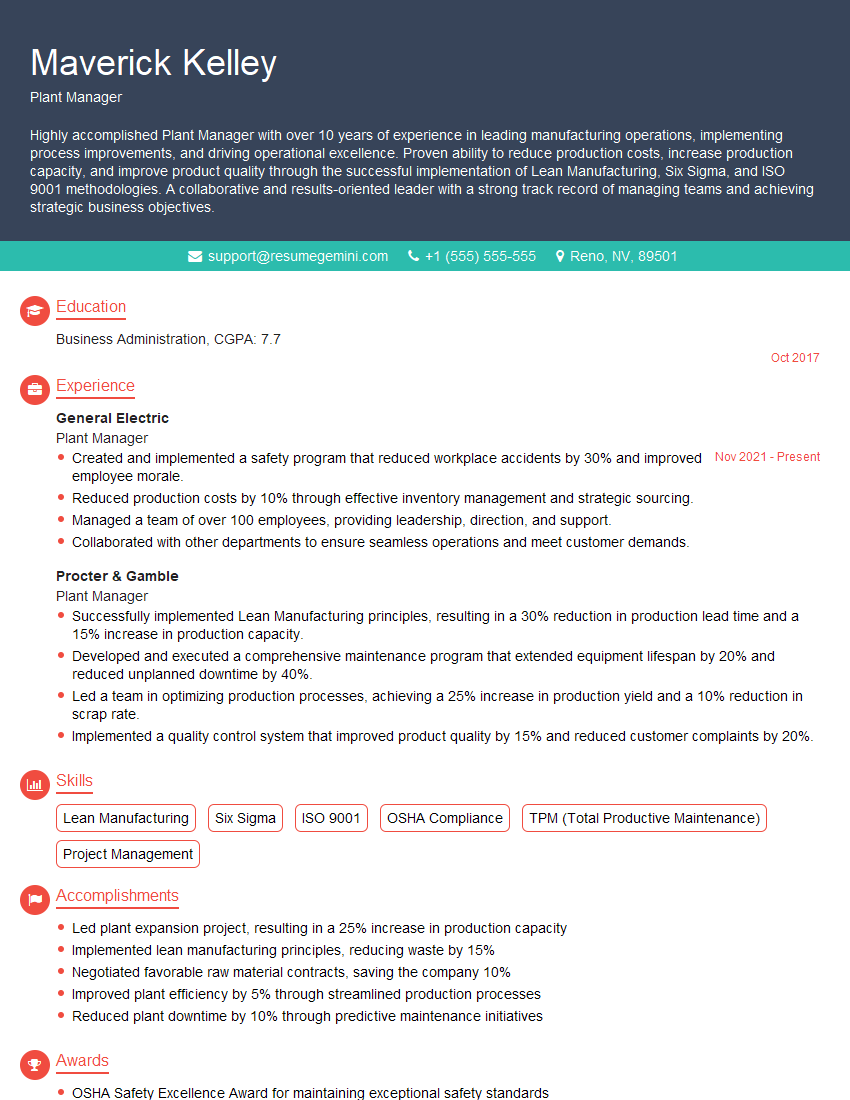
Plant Manager Resume Sample
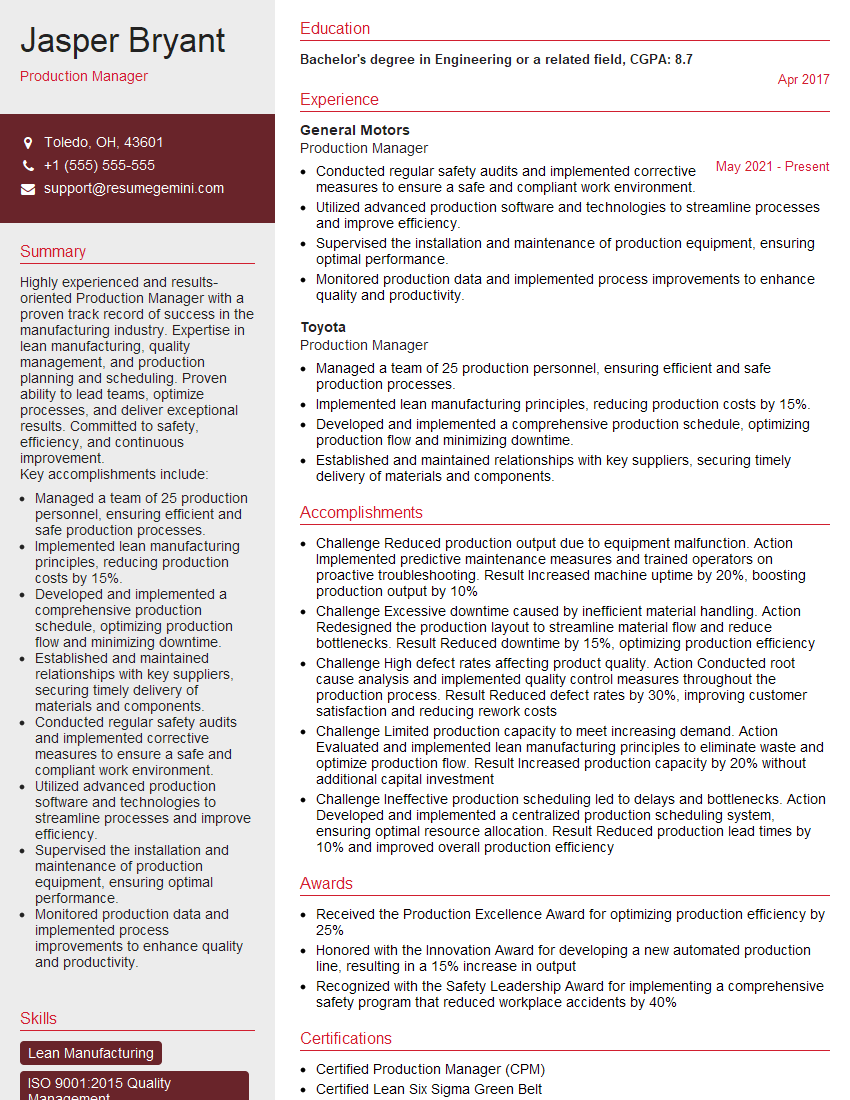
Production Manager Resume Sample
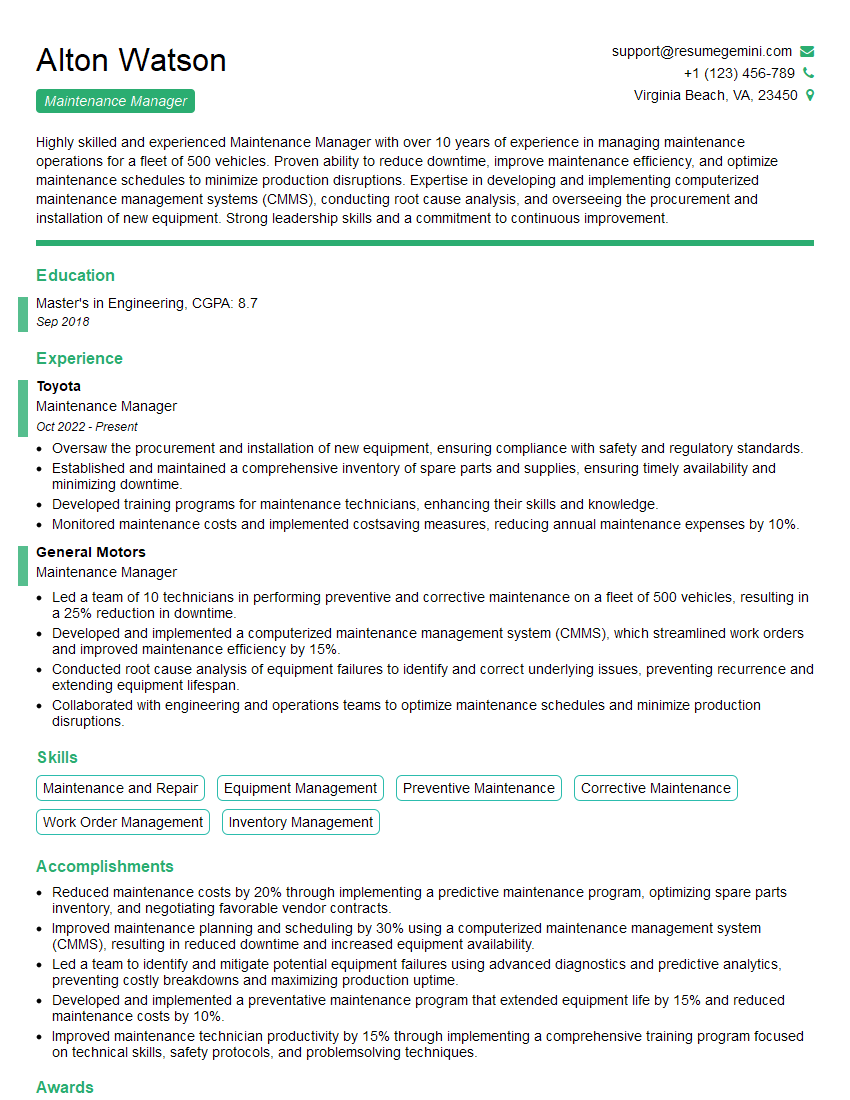
Maintenance Manager Resume Sample
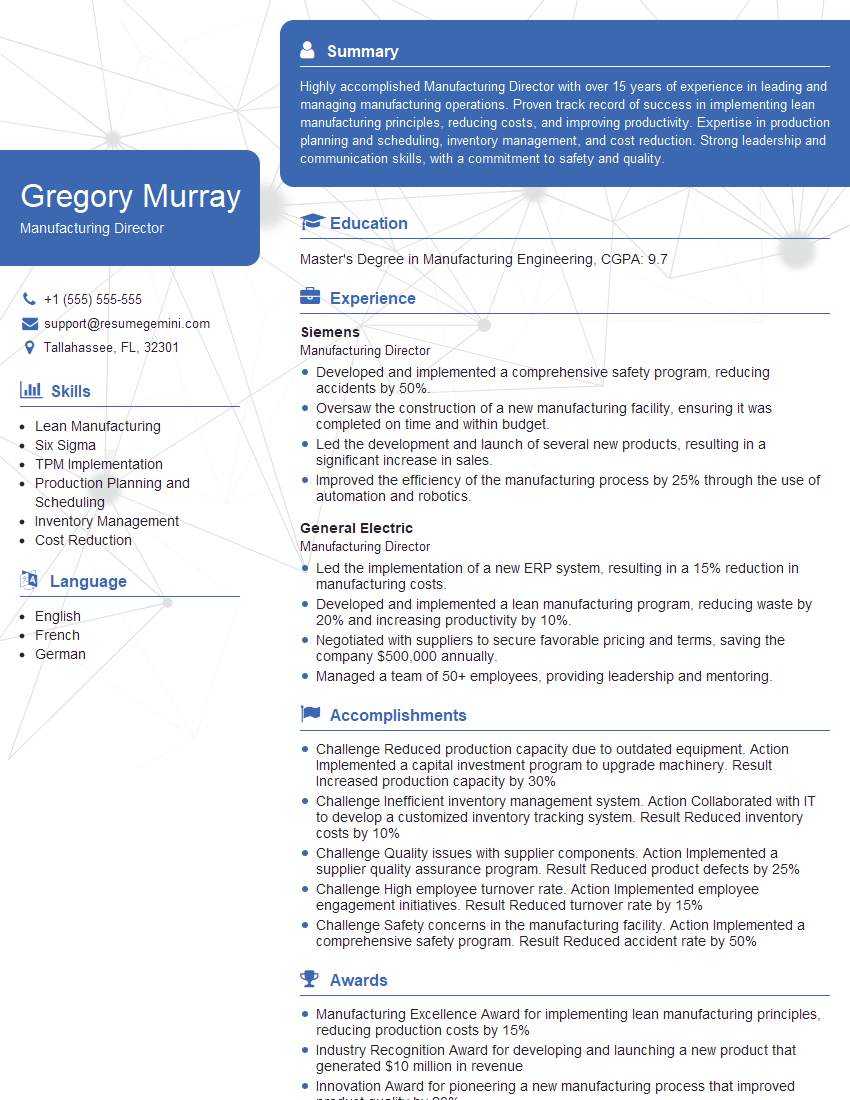
Manufacturing Director Resume Sample

Quality Control Manager Resume Sample
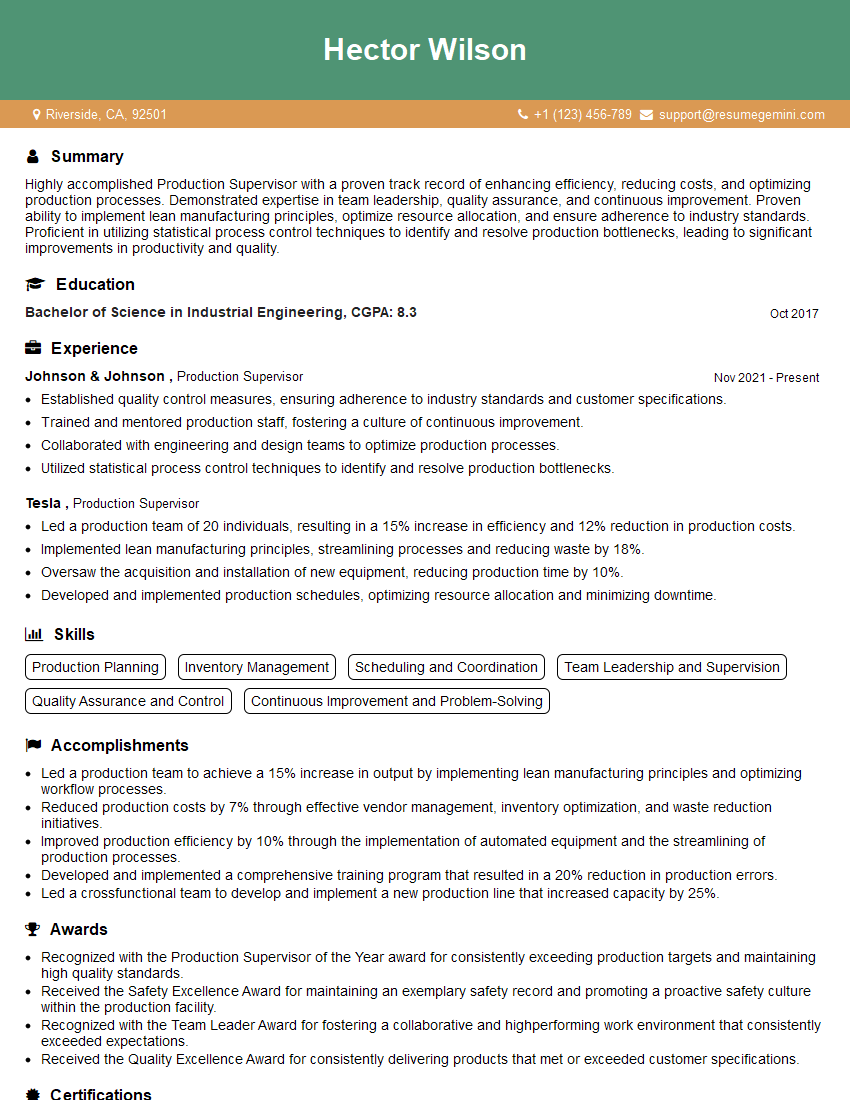
Production Supervisor Resume Sample
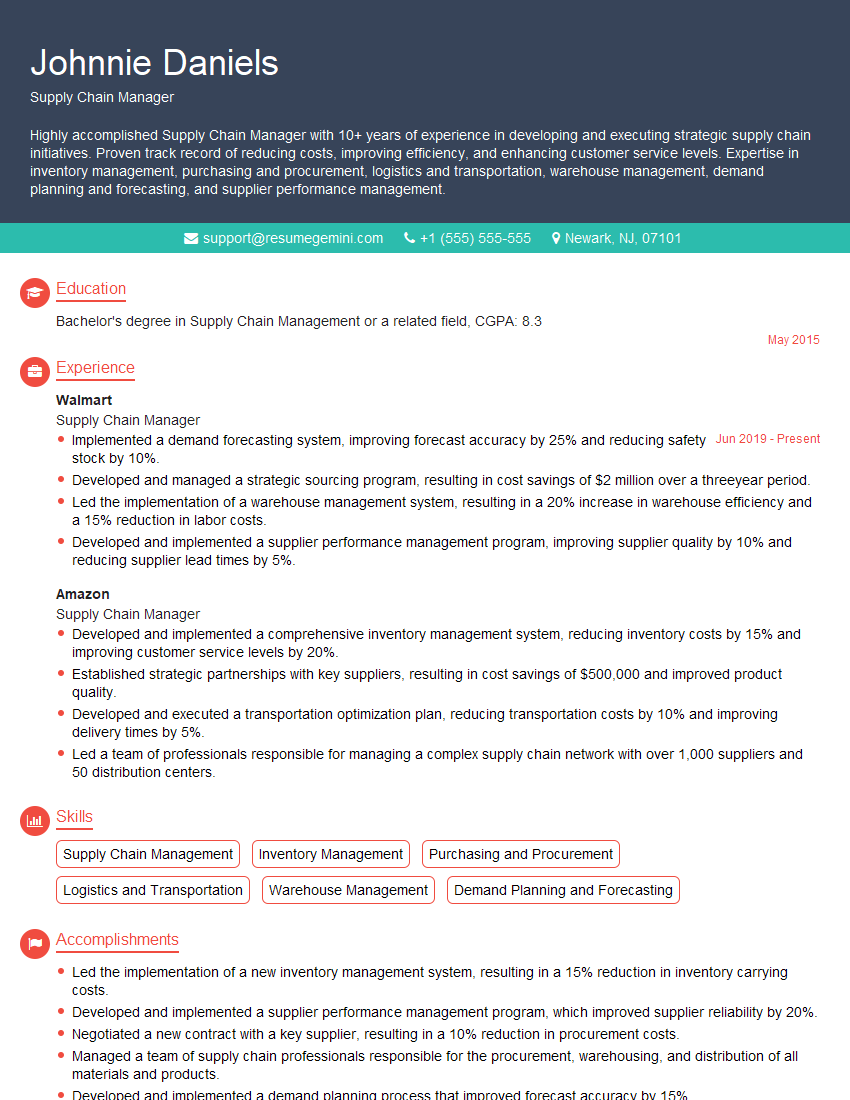
Supply Chain Manager Resume Sample
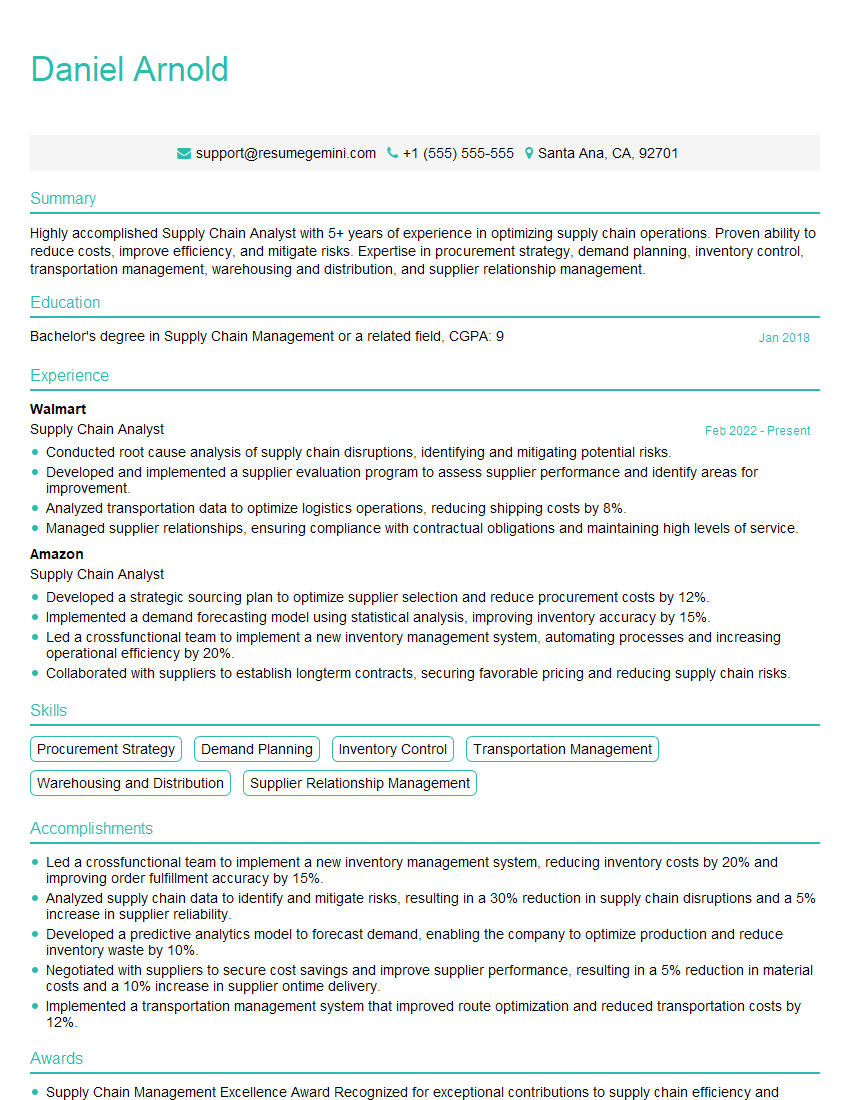
Supply Chain Analyst Resume Sample
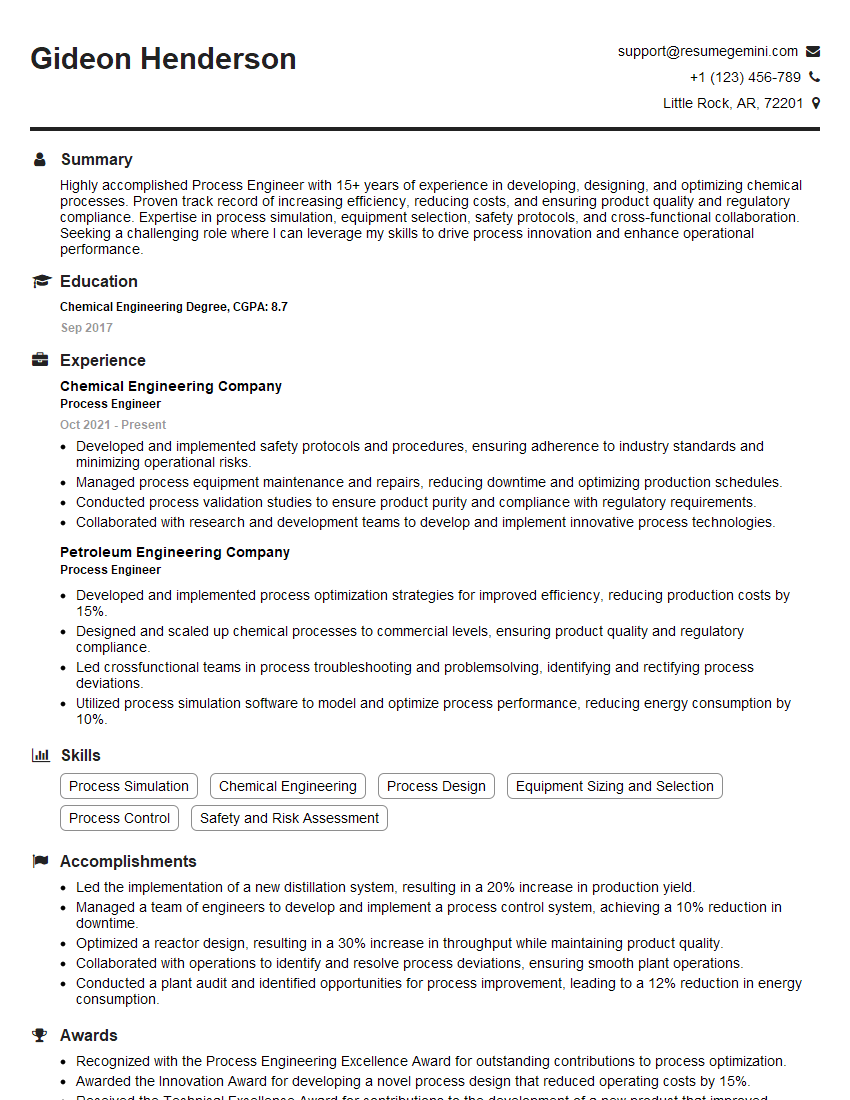
Process Engineer Resume Sample
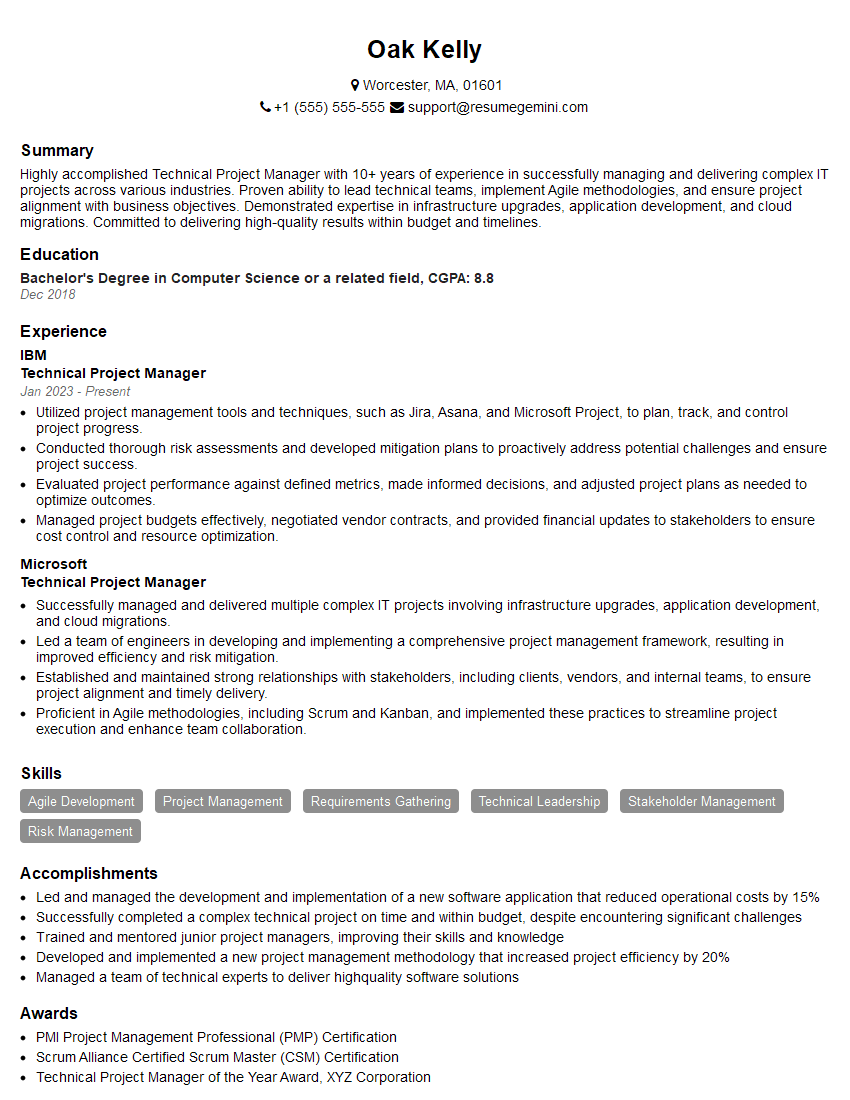
Technical Project Manager Resume Sample
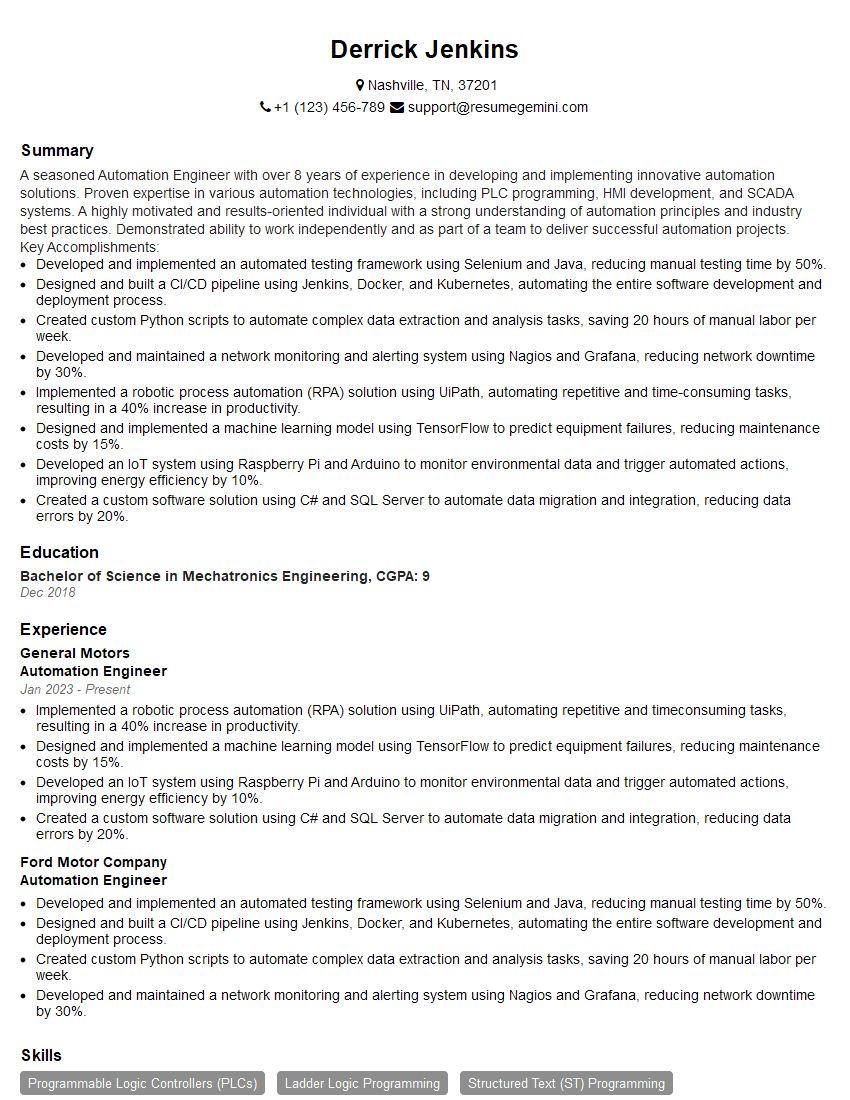
Automation Engineer Resume Sample
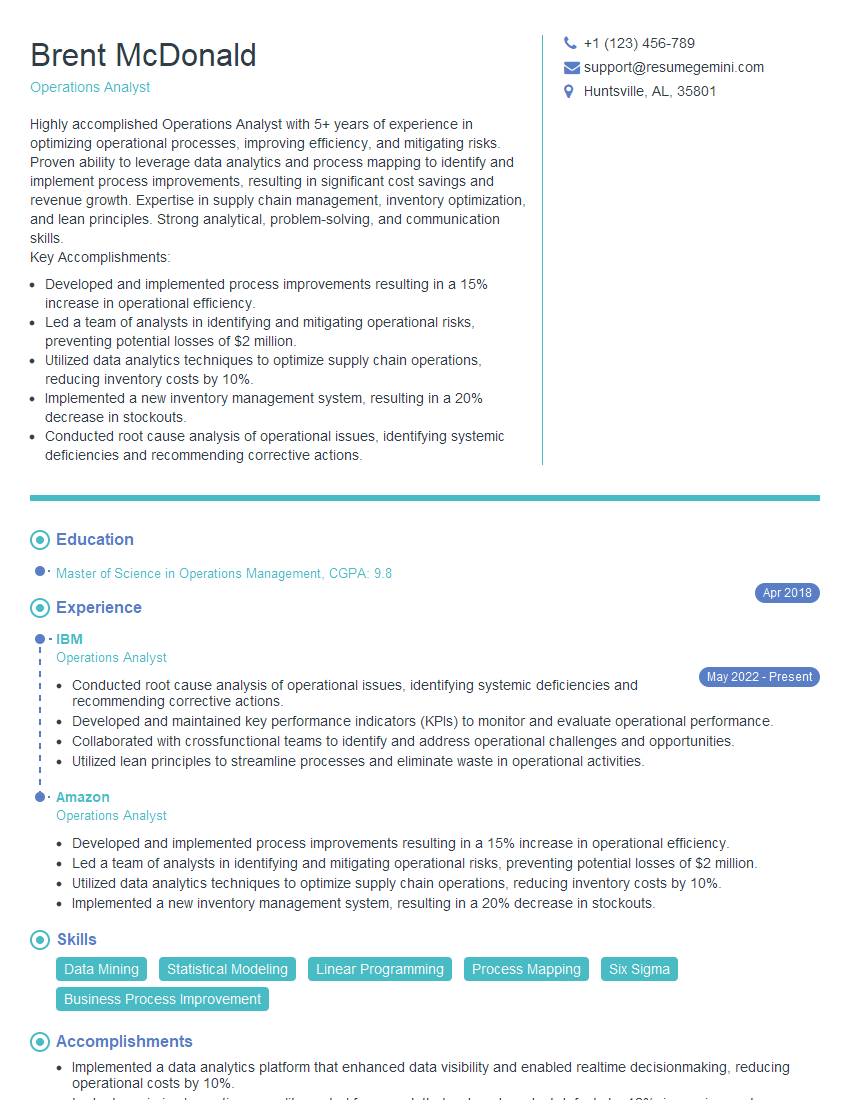
Operations Analyst Resume Sample
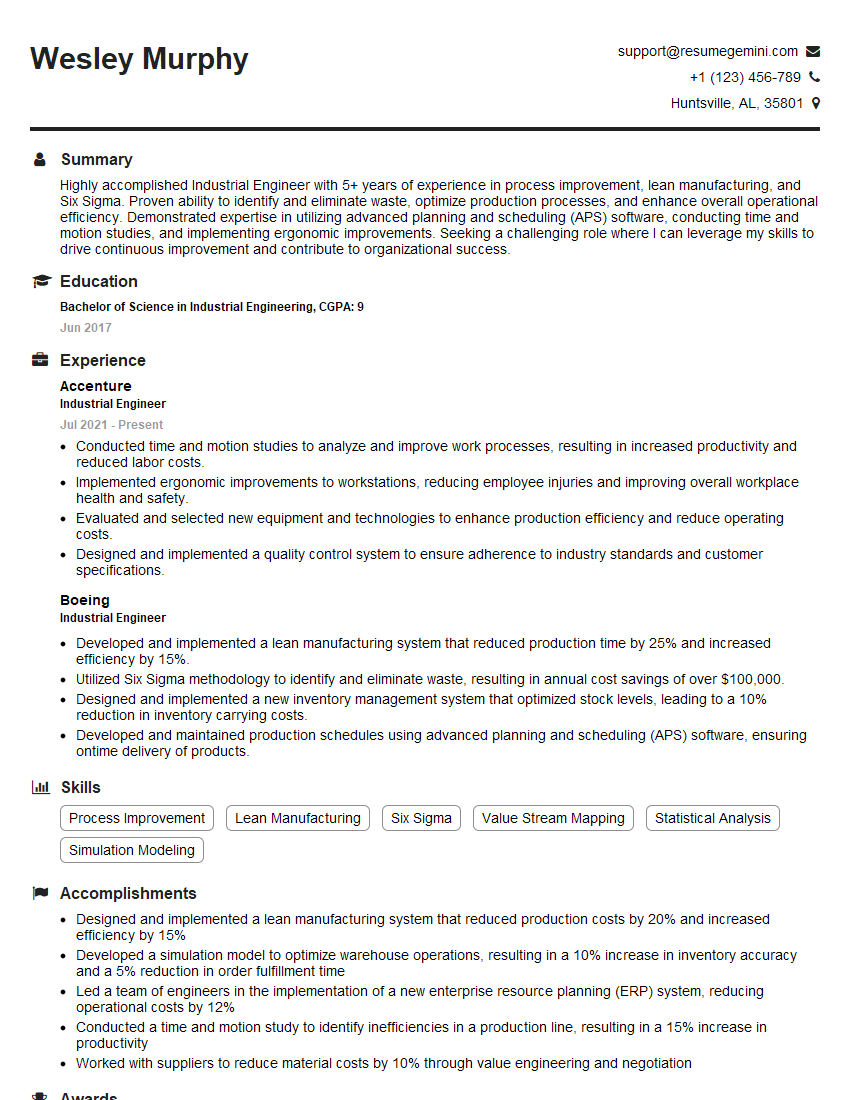
Industrial Engineer Resume Sample
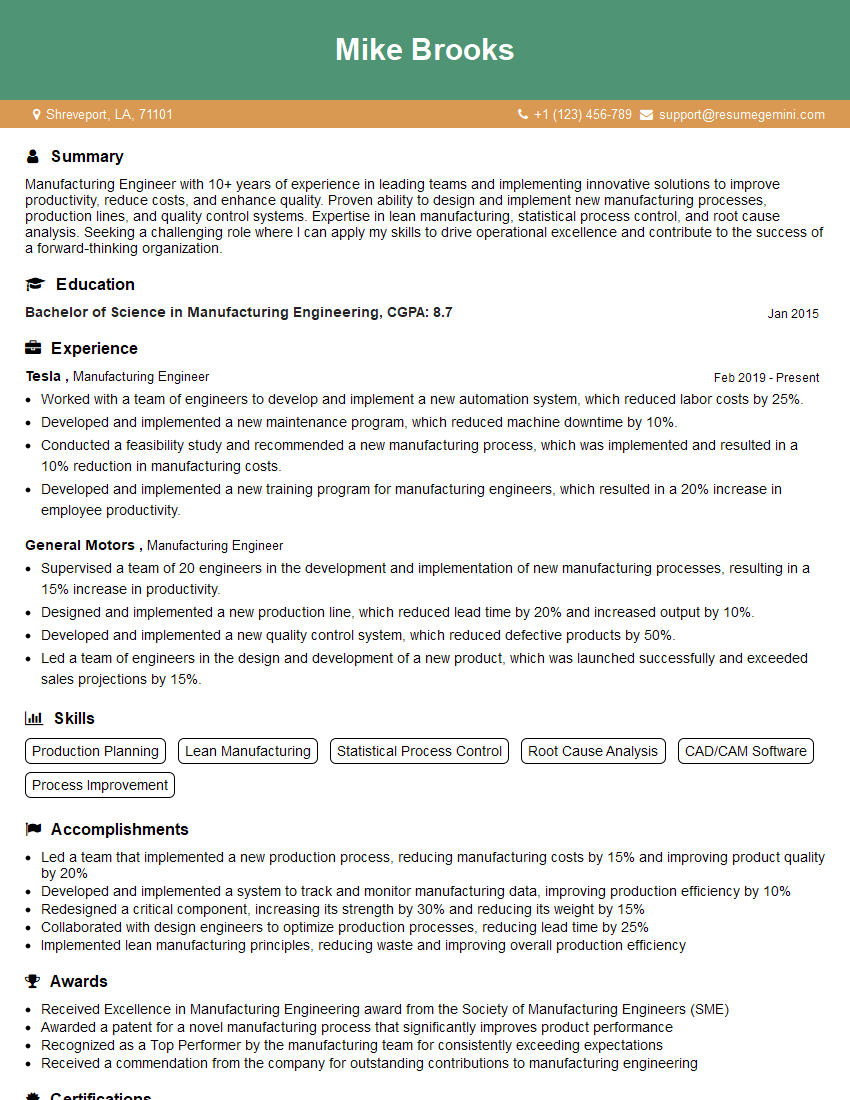
Manufacturing Engineer Resume Sample
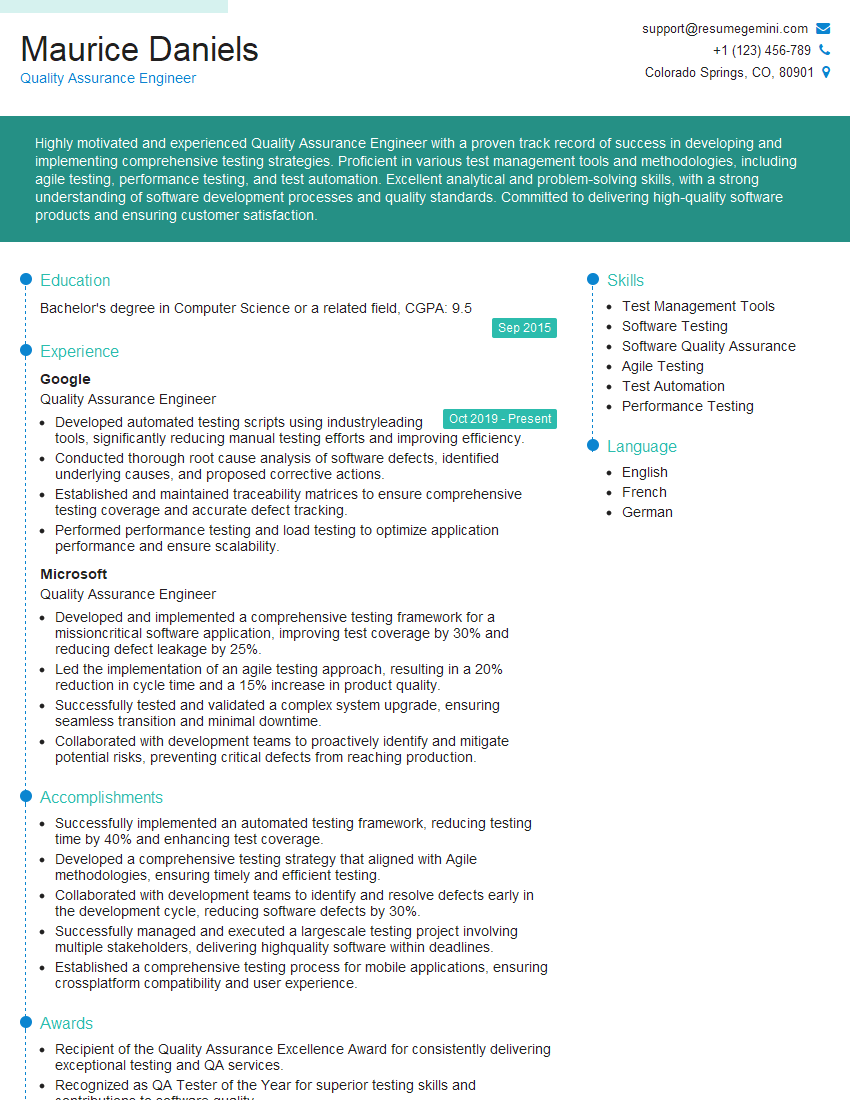
Quality Assurance Engineer Resume Sample
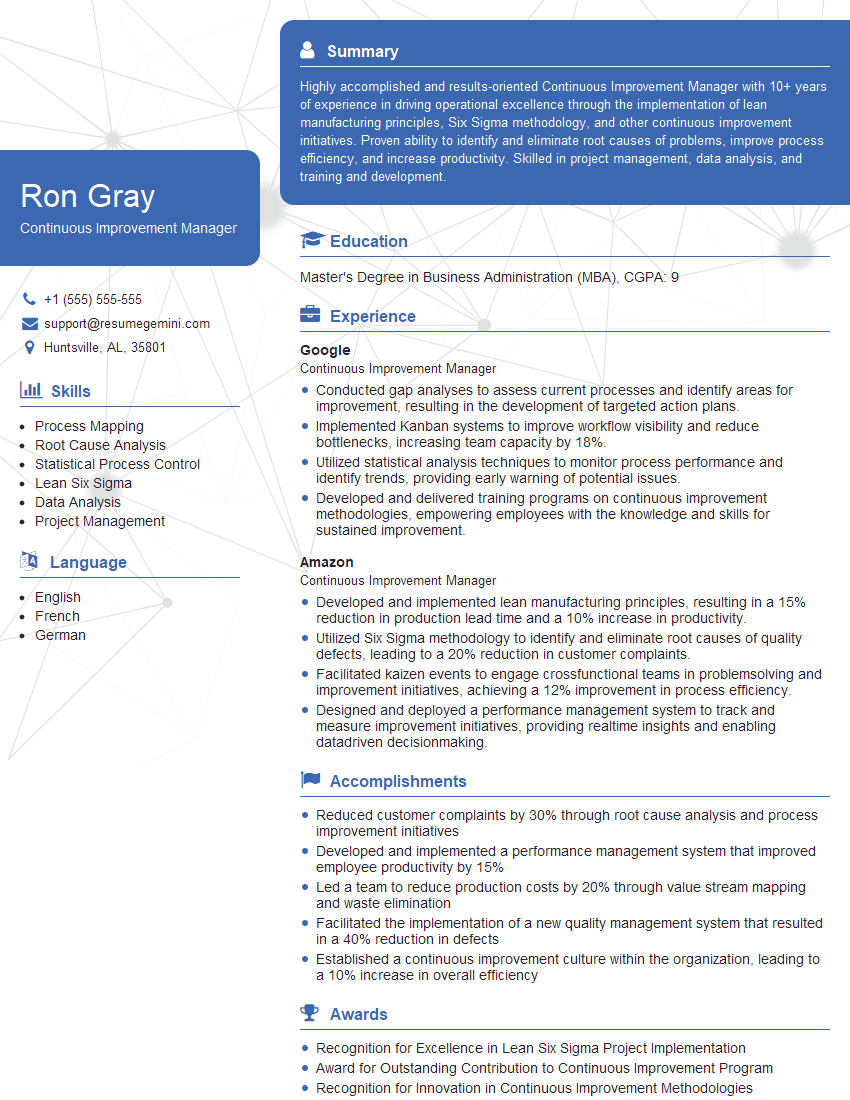
Continuous Improvement Manager Resume Sample
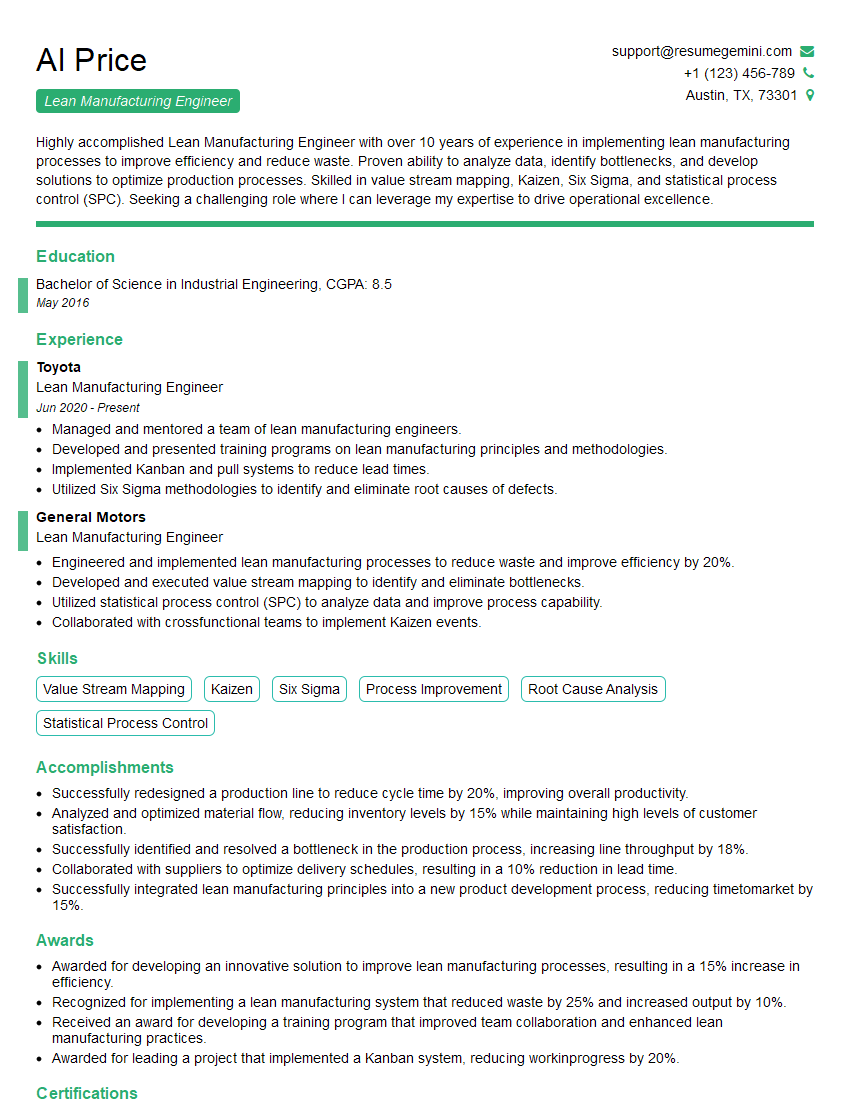
Lean Manufacturing Engineer Resume Sample
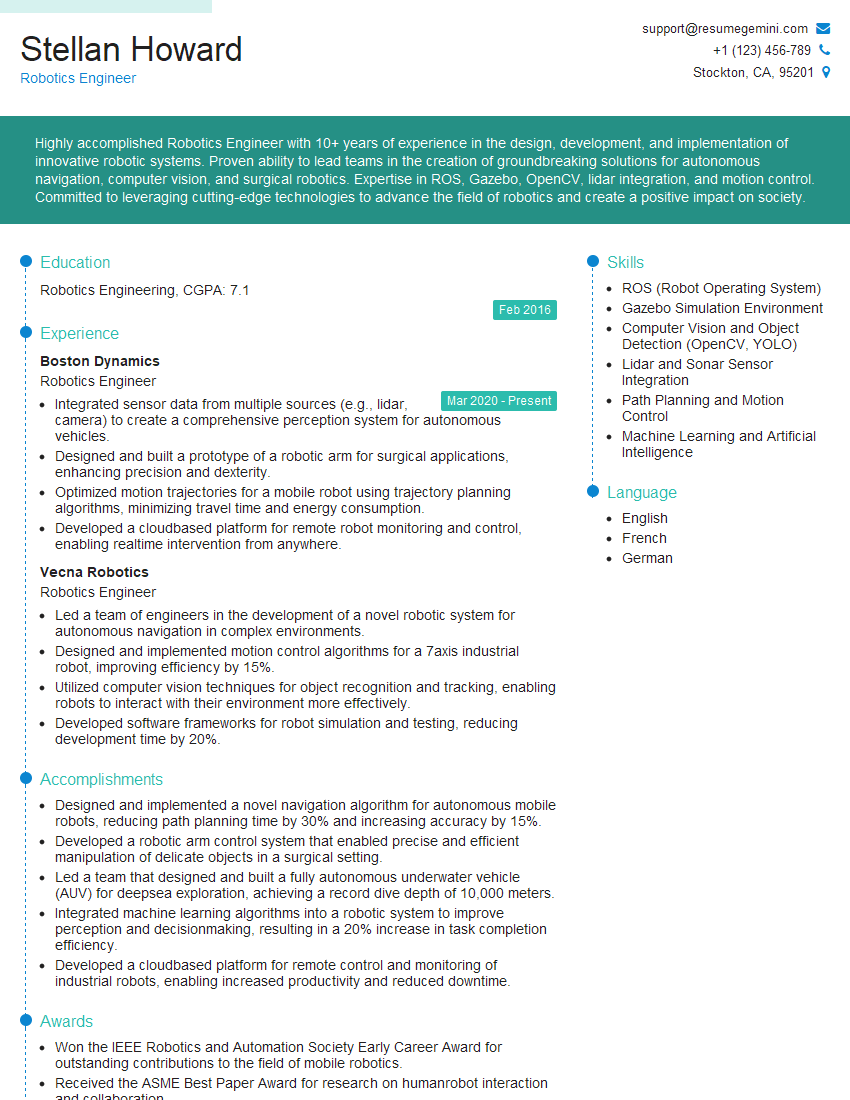
Robotics Engineer Resume Sample
- Operations Manager
- Plant Manager
- Production Manager
- Maintenance Manager
- Manufacturing Director
- Quality Control Manager
- Production Supervisor
- Supply Chain Manager
- Supply Chain Analyst
- Process Engineer
- Technical Project Manager
- Automation Engineer
- Operations Analyst
- Industrial Engineer
- Manufacturing Engineer
- Quality Assurance Engineer
- Continuous Improvement Manager
- Lean Manufacturing Engineer
- Robotics Engineer
Explore more articles
Users Rating of Our Blogs
Share Your Experience
We value your feedback! Please rate our content and share your thoughts (optional).
What Readers Say About Our Blog
Very informative content, great job.
good