Interviews are more than just a Q&A session—they’re a chance to prove your worth. This blog dives into essential Mechanical engineering principles and practices interview questions and expert tips to help you align your answers with what hiring managers are looking for. Start preparing to shine!
Questions Asked in Mechanical engineering principles and practices Interview
Q 1. Explain the difference between stress and strain.
Stress and strain are fundamental concepts in mechanical engineering that describe how a material responds to an applied force. Think of it like this: you’re stretching a rubber band. Stress is the internal force the rubber band experiences per unit area, essentially how much the material is ‘fighting back’ against the stretching. It’s calculated as force divided by area (σ = F/A). Strain, on the other hand, is the deformation or change in shape of the rubber band in response to that force. It’s expressed as the change in length divided by the original length (ε = ΔL/L). Stress is measured in Pascals (Pa) or pounds per square inch (psi), while strain is dimensionless (a ratio).
For example, if you pull a metal bar with a certain force, the stress will be the force divided by the cross-sectional area of the bar. The strain will be the change in length of the bar divided by its original length. Understanding the relationship between stress and strain (through the material’s stress-strain curve) is crucial for predicting material failure and designing safe structures.
Q 2. Describe your experience with Finite Element Analysis (FEA).
I have extensive experience with Finite Element Analysis (FEA), using software like ANSYS and Abaqus. In my previous role at Acme Corporation, I utilized FEA to analyze the structural integrity of a new turbine blade design. We were concerned about potential fatigue failure under cyclical loading conditions. The FEA model allowed us to simulate various load cases, accurately predicting stress concentrations and potential failure points. This enabled us to refine the blade design, optimizing its geometry for improved strength and reduced weight, ultimately resulting in a 15% increase in efficiency and a 10% reduction in manufacturing costs.
My FEA workflow typically involves creating a 3D model of the component, defining material properties, applying boundary conditions (loads and constraints), meshing the model, running the simulation, and post-processing the results to identify critical areas and potential design flaws. I’m proficient in mesh refinement techniques and validating FEA results against experimental data or analytical solutions. I also have experience with different FEA techniques, including linear and non-linear analysis, modal analysis, and thermal analysis.
Q 3. What are the different types of machine elements and their applications?
Machine elements are the basic building blocks of machines. They can be categorized into various types, each serving a specific function. Some common examples include:
- Fasteners: Bolts, screws, nuts, rivets – used to join components together.
- Shafts and bearings: Shafts transmit torque, while bearings allow for smooth rotation.
- Gears: Used for power transmission and speed changes.
- Springs: Store and release energy, providing flexibility and cushioning.
- Clutches and brakes: Used to connect and disconnect power transmission.
- Hydraulic and pneumatic components: Cylinders, valves, pumps – utilize fluids for power transmission.
The application of each machine element depends on the specific requirements of the machine. For instance, a high-speed motor might require precision bearings to minimize friction, while a heavy-duty crane would use robust fasteners and high-strength steel components. Selecting the appropriate machine elements is a crucial aspect of mechanical design, ensuring efficiency, reliability, and safety.
Q 4. How do you select a suitable material for a given application?
Material selection is a critical process in engineering design. It involves considering a range of factors to ensure the chosen material meets the application’s requirements while remaining cost-effective. My approach typically involves the following steps:
- Define the application requirements: What will the material be subjected to? (e.g., temperature, stress, corrosion, wear).
- Identify candidate materials: Based on the requirements, I’ll create a shortlist of potential materials.
- Compare material properties: I’ll analyze the shortlisted materials’ mechanical properties (strength, ductility, hardness, etc.), physical properties (density, thermal conductivity, etc.), and chemical properties (corrosion resistance, etc.).
- Assess cost and availability: The cost of the material and its availability should also be considered.
- Perform testing and validation (if necessary): I might conduct experiments or simulations to validate the material’s suitability under specific conditions.
For example, selecting a material for a high-temperature application might require choosing a material with a high melting point and good creep resistance, such as a superalloy. Conversely, selecting a material for a lightweight application would focus on materials with high strength-to-weight ratios, like carbon fiber composites. The selection process is an iterative one, often involving trade-offs between different material properties and costs.
Q 5. Explain the concept of thermodynamics and its applications in mechanical engineering.
Thermodynamics is the study of energy and its transformations. In mechanical engineering, it’s fundamental to understanding and designing systems that involve heat transfer and energy conversion. Key concepts include:
- First Law of Thermodynamics (Conservation of Energy): Energy cannot be created or destroyed, only transformed from one form to another.
- Second Law of Thermodynamics (Entropy): The total entropy of an isolated system can only increase over time.
- Thermodynamic Cycles: Processes that repeatedly convert heat into work, such as the Rankine cycle (used in power plants) or the Brayton cycle (used in gas turbines).
Applications in mechanical engineering are widespread: designing efficient engines, optimizing power plant cycles, analyzing refrigeration systems, and developing energy-efficient HVAC systems. For instance, understanding the Carnot cycle helps establish the theoretical limits of thermal efficiency for heat engines, guiding the design of more efficient engines. Thermodynamic principles are also critical in analyzing heat transfer processes in various applications, from designing cooling systems for electronic devices to optimizing the thermal performance of buildings.
Q 6. Describe your experience with CAD software (e.g., SolidWorks, AutoCAD).
I’m highly proficient in various CAD software packages, including SolidWorks, AutoCAD, and Inventor. In my previous project, I used SolidWorks to design a complex assembly for a robotic arm. This involved creating individual parts, assembling them, conducting interference checks, and generating detailed manufacturing drawings. SolidWorks’ powerful features, including its simulation capabilities, were essential for optimizing the design for strength and minimizing weight.
My experience with AutoCAD extends to 2D drafting and detailing, creating technical drawings for manufacturing and construction. I’ve also utilized Inventor for parametric modeling, allowing for efficient design iterations and automation. I’m comfortable with creating complex models, generating detailed drawings, and managing large CAD assemblies. My proficiency in these tools is crucial for efficiently translating design concepts into manufacturable products.
Q 7. Explain the principles of fluid mechanics and their relevance to your work.
Fluid mechanics is the study of fluids (liquids and gases) in motion and at rest. Key principles include:
- Fluid Statics: Deals with fluids at rest, including pressure distribution and buoyancy.
- Fluid Dynamics: Deals with fluids in motion, including flow patterns, viscosity, and turbulence.
- Conservation Laws: Mass, momentum, and energy are conserved in fluid flows.
In my work, fluid mechanics principles are vital in several areas. For example, in the design of piping systems, understanding fluid flow dynamics is crucial for selecting appropriate pipe sizes and minimizing pressure drops. In the design of aircraft, understanding aerodynamics (a subfield of fluid mechanics) is essential for optimizing lift and drag. Furthermore, in the design of hydraulic systems, understanding fluid power is crucial for selecting appropriate pumps, valves, and actuators. Fluid mechanics underpins many aspects of mechanical engineering, and a solid understanding is essential for designing efficient and reliable systems.
Q 8. Describe your experience with manufacturing processes (e.g., casting, machining).
My experience encompasses a wide range of manufacturing processes, focusing primarily on casting and machining. In casting, I’ve worked extensively with both sand casting and investment casting, understanding the intricacies of pattern making, mold preparation, pouring, and post-processing. For example, during a project involving the creation of complex impeller blades for a centrifugal pump, we opted for investment casting due to its ability to produce intricate geometries with high precision. This required careful consideration of wax patterns, ceramic shell construction, and the metal alloy selection to ensure dimensional accuracy and material properties met the demanding operating conditions.
With machining, my expertise spans various techniques, including milling, turning, drilling, and grinding. I’m proficient in selecting appropriate cutting tools, speeds, and feeds to achieve optimal surface finishes and tolerances. I’ve used Computer Numerical Control (CNC) machines extensively, programming and operating them to manufacture parts with complex features, such as the precise bores and threads for a high-pressure hydraulic valve body. Understanding the limitations of each process and how they impact component costs and quality is crucial, and I’ve often had to balance these factors during design and manufacturing phases.
Q 9. How do you approach problem-solving in a mechanical engineering context?
My approach to problem-solving in mechanical engineering is systematic and data-driven. I typically follow a structured process: First, I clearly define the problem and its constraints. This often involves collaborating with stakeholders to fully understand the requirements and expectations. Next, I gather relevant data through research, testing, and analysis. This might involve reviewing technical literature, conducting experiments, or using simulation software.
Then, I brainstorm potential solutions, carefully considering their feasibility and trade-offs. This stage often involves sketching, modeling, and performing preliminary calculations. I evaluate these solutions based on criteria such as cost, performance, and safety, using quantitative metrics whenever possible. Finally, I implement the selected solution, meticulously documenting the process and monitoring its performance. If necessary, I iterate through the process, refining the design or implementation to optimize the outcome. For instance, when faced with a vibration problem in a rotating assembly, I systematically investigated the root cause through modal analysis, vibration testing, and finite element analysis (FEA) before implementing a damping solution.
Q 10. Explain your understanding of heat transfer mechanisms.
Heat transfer is the movement of thermal energy from one region to another due to a temperature difference. The three primary mechanisms are conduction, convection, and radiation. Conduction involves the transfer of heat through a material due to molecular vibrations, as seen in the heat transfer through a metal rod. Convection involves heat transfer through the movement of fluids (liquids or gases), such as the cooling of an electronic component by a fan. Radiation involves the emission of electromagnetic waves, like the heat we feel from the sun.
Understanding these mechanisms is crucial in many engineering applications. For example, designing an efficient heat exchanger requires knowledge of convective heat transfer to maximize the transfer of heat between two fluids. In designing thermal insulation for a building, understanding conductive heat transfer through materials is essential. Similarly, designing a radiator system in a car requires considering all three mechanisms to effectively dissipate engine heat. My experience includes using software like ANSYS Fluent to model and simulate complex heat transfer problems, ensuring the designed systems perform optimally.
Q 11. What are your experiences with designing for manufacturability?
Designing for manufacturability (DFM) is a crucial aspect of my design process. It involves considering the manufacturing constraints and capabilities early in the design phase to ensure the product is both functional and cost-effective to produce. This includes selecting appropriate materials, simplifying geometries to minimize machining time, and considering tolerances that are achievable within the chosen manufacturing process.
For example, when designing a plastic enclosure, I would avoid sharp corners and undercuts to facilitate injection molding. I also would select standard fasteners and components to avoid custom manufacturing costs. I would work closely with manufacturing engineers to evaluate design choices and identify potential issues before prototyping. This collaborative approach has often resulted in significant cost reductions and improved product quality. The use of design software that includes DFM analysis capabilities helps streamline this process.
Q 12. Describe your experience with quality control and testing procedures.
Quality control and testing are paramount throughout the product lifecycle. My experience includes implementing and overseeing various quality control procedures, from incoming material inspection to final product testing. This typically involves defining acceptance criteria based on design specifications and relevant standards. For example, we conduct dimensional inspections using CMM (Coordinate Measuring Machines) to ensure parts meet tight tolerances. We also perform material testing, such as tensile and hardness testing, to verify material properties.
Functional testing is equally important. We might use environmental chambers to simulate extreme temperatures and humidity to assess the durability of a product. In addition, destructive testing, like fatigue testing, helps determine a product’s lifespan and reliability under stress. Documenting all testing procedures and results is critical for ensuring traceability and compliance with quality management systems like ISO 9001. Data analysis and statistical process control (SPC) help to identify potential issues and continuously improve manufacturing processes.
Q 13. How would you approach designing a more energy-efficient system?
Designing for energy efficiency requires a holistic approach, considering the entire system lifecycle. It starts with identifying energy consumption hotspots within the system. For example, in a HVAC system, this might involve optimizing the compressor, improving insulation, or using more efficient fans.
Next, we can use advanced simulation techniques (like CFD for fluid flow and heat transfer) to evaluate potential improvements and quantify their impact on energy consumption. Implementing energy-efficient components, such as high-efficiency motors, pumps, or variable-speed drives, is often crucial. Material selection also plays a significant role. For instance, using materials with high thermal conductivity can improve heat transfer efficiency, whereas materials with low thermal conductivity are needed for thermal insulation. Regular monitoring and performance evaluation after implementation are essential to track improvements and identify areas for further optimization.
Q 14. Explain your experience with project management and teamwork.
My project management experience involves successfully leading and collaborating on diverse mechanical engineering projects, ranging from small-scale design modifications to large-scale system integration. I employ project management methodologies, such as Agile and Waterfall, adapting the approach to suit the specific project requirements. This includes defining project scope, developing detailed work plans, and allocating resources effectively. I use tools like Gantt charts and project management software to track progress, manage risks, and ensure timely completion.
Teamwork is integral to my approach. I foster a collaborative environment by promoting open communication, clearly defining roles and responsibilities, and facilitating constructive feedback. I value diverse perspectives and encourage team members to contribute their expertise. For example, in a recent project involving the design and implementation of a robotic arm, effective communication and collaboration among mechanical, electrical, and software engineers was essential to ensure the seamless integration of different components and the successful completion of the project on time and within budget.
Q 15. What are your experiences with different types of bearings and their applications?
Bearings are crucial mechanical components that reduce friction and support load between moving parts. My experience encompasses a wide range, from simple rolling element bearings to more complex hydrodynamic bearings.
- Ball bearings: These are ubiquitous, using spherical balls to minimize friction. I’ve used them extensively in robotics projects, requiring high rotational speed and precision. For example, in a six-axis robotic arm, each joint typically utilizes several ball bearings to ensure smooth and accurate movement.
- Roller bearings: These use cylindrical or tapered rollers, offering higher load capacity than ball bearings. I’ve incorporated these in heavier-duty applications such as conveyor systems and automotive transmissions, where the loads are substantial.
- Plain bearings (journal bearings): These use a fluid film (oil or grease) to separate moving surfaces. They are ideal for high-load, low-speed applications where smooth operation is critical. I’ve worked with these in large industrial pumps and hydraulic systems.
- Thrust bearings: These are specialized bearings designed to handle axial loads, preventing components from moving along the axis of rotation. They are essential in applications like propeller shafts and vertical turbines.
- Magnetic bearings: These use magnetic fields for levitation, eliminating friction entirely. While less common in my past projects due to their complexity and cost, I am familiar with their design principles and applications in high-speed machinery and specialized equipment.
Selecting the appropriate bearing type depends heavily on factors like load capacity, speed, operating environment, cost, and required lifespan. I’ve had experience evaluating these factors to make informed decisions for optimal performance and longevity.
Career Expert Tips:
- Ace those interviews! Prepare effectively by reviewing the Top 50 Most Common Interview Questions on ResumeGemini.
- Navigate your job search with confidence! Explore a wide range of Career Tips on ResumeGemini. Learn about common challenges and recommendations to overcome them.
- Craft the perfect resume! Master the Art of Resume Writing with ResumeGemini’s guide. Showcase your unique qualifications and achievements effectively.
- Don’t miss out on holiday savings! Build your dream resume with ResumeGemini’s ATS optimized templates.
Q 16. How familiar are you with different types of gears and gearboxes?
Gears and gearboxes are fundamental for transmitting power and torque between rotating shafts. My familiarity extends across various gear types and gearbox designs.
- Spur gears: These are the simplest type, with parallel axes and teeth cut parallel to the axis of rotation. They’re widely used in simple machinery, but can be noisy at high speeds.
- Helical gears: These have teeth cut at an angle to the axis, providing smoother and quieter operation than spur gears. I’ve used these in applications requiring higher speeds and load capacities, such as automotive transmissions.
- Bevel gears: Used to transmit power between intersecting shafts, commonly found in differential gear systems in vehicles. I’ve worked with these in projects involving the design of robotic manipulators and differential drives.
- Worm gears: These consist of a worm (screw) and a worm wheel, offering high gear ratios and self-locking capabilities. They’re frequently used in applications requiring high torque amplification, such as jacks and lifting mechanisms.
Gearboxes are assemblies of gears used to modify torque and speed. My experience includes designing and selecting gearboxes to achieve specific speed ratios and torque requirements in different applications. This often involves considering factors such as efficiency, noise levels, size, and weight. For instance, I designed a gearbox for a wind turbine project which optimized torque transmission at low rotational speeds while minimizing size and weight to reduce overall costs.
Q 17. Explain the concept of fatigue and creep in materials.
Fatigue and creep are time-dependent material failure mechanisms that significantly impact the design life of components.
- Fatigue: This occurs when a material is subjected to repeated cyclic loading, eventually leading to failure at a stress level lower than the material’s ultimate tensile strength. Imagine repeatedly bending a paperclip – eventually, it’ll break, even if the force each time is relatively small. This is fatigue failure. In engineering design, fatigue analysis is critical to ensuring structural integrity under cyclic loading. The S-N curve (Stress vs. Number of cycles to failure) is a crucial tool used to predict fatigue life.
- Creep: This is the time-dependent permanent deformation of a material under sustained stress at high temperatures. Think of a heated metal bar held under tension – it slowly and permanently elongates over time. Creep is a major concern in high-temperature applications like gas turbines and nuclear reactors, where materials are subjected to high stresses and temperatures for extended periods. Creep analysis involves sophisticated material models and finite element analysis techniques.
Both fatigue and creep are carefully considered during the design process. We use appropriate material selection, designing components to minimize stress concentrations, and conducting thorough analysis using Finite Element Analysis (FEA) software to predict and mitigate these effects. Safe design requires a deep understanding of these mechanisms and appropriate safety factors.
Q 18. How would you perform a failure analysis of a mechanical component?
Failure analysis is a systematic investigation to determine the root cause of a component or system failure. It’s a crucial part of product improvement and preventing future failures. My approach follows a structured methodology:
- Visual Inspection: This involves a careful examination of the failed component for obvious signs of damage, such as cracks, fractures, deformation, or corrosion.
- Data Collection: Gathering relevant information, such as operating conditions, load history, maintenance records, and any witness accounts, is vital.
- Material Testing: This might include tensile testing, hardness testing, microscopy, or chemical analysis to determine material properties and identify potential defects.
- Fractography: Analyzing the fracture surfaces using microscopy can reveal the initiation and propagation mechanisms of cracks, providing insight into the failure mode.
- Finite Element Analysis (FEA): FEA simulations can be used to model the component’s behavior under operating conditions, helping to identify stress concentrations and other potential failure points.
- Root Cause Determination: Based on the collected data and analysis, a conclusion is drawn on the root cause of failure.
- Corrective Actions: Implementing corrective measures to prevent recurrence of the failure. This could involve design modifications, changes in operating procedures, or improved material selection.
I have experience in performing failure analyses across a variety of components, from simple shafts to complex engine parts, utilizing various analytical techniques. A recent example involved a broken connecting rod in a small engine. Through fractography, we found fatigue cracks originating at stress concentrations around a fastener hole. Design changes were implemented to reduce stress concentrations, improving the overall robustness of the component.
Q 19. Explain your understanding of vibration analysis and control.
Vibration analysis and control are essential aspects of mechanical system design, impacting performance, lifespan, and safety. Vibration can lead to component failure, noise, and discomfort. My understanding covers both theoretical and practical aspects:
- Modal analysis: This involves determining the natural frequencies and mode shapes of a structure. Knowing these is crucial in avoiding resonance, which can lead to excessive vibrations and failure. I’ve used FEA software extensively for this purpose.
- Vibration measurement and analysis: Using accelerometers and signal processing techniques, I can measure and analyze vibrations in operating systems. This helps identify the sources and characteristics of vibrations.
- Vibration control techniques: These can include passive methods such as damping, vibration isolation (using springs or dampers), and active methods such as active vibration control systems using sensors and actuators. I’ve designed and implemented vibration isolation systems in sensitive equipment to protect it from external vibrations and reduce noise levels.
For example, in a recent project involving a high-speed centrifugal pump, we conducted modal analysis to identify its natural frequencies. By strategically adding damping material to critical locations, we effectively suppressed resonant vibrations, thereby reducing noise and improving the lifespan of the pump.
Q 20. Describe your experience with control systems and automation.
I possess significant experience with control systems and automation, encompassing both hardware and software aspects. My work has involved designing, implementing, and troubleshooting control systems for various applications.
- PLC Programming: Proficient in programming Programmable Logic Controllers (PLCs) using languages like Ladder Logic, I’ve integrated PLCs into automation systems for processes such as material handling, robotic control, and process monitoring.
- Feedback Control Systems: I have designed and implemented feedback control systems using PID controllers and other advanced control algorithms to regulate variables like temperature, pressure, speed, and position.
- Robotics and Automation: Experience in integrating robots and automation systems into manufacturing processes, enhancing efficiency and productivity.
- SCADA Systems: Familiarity with Supervisory Control and Data Acquisition (SCADA) systems for monitoring and controlling large-scale industrial processes.
A recent project involved automating a packaging line using PLCs and servo motors. I programmed the PLC to control the motion of the conveyor belt, robotic arm, and labeling machine, ensuring synchronized operation and optimizing the packaging process for speed and efficiency. This experience highlights my ability to design, implement, and integrate control systems in a real-world industrial setting.
Q 21. How do you ensure safety and compliance in your designs?
Safety and compliance are paramount in mechanical design. My approach involves integrating safety considerations throughout the entire design process:
- Hazard Identification and Risk Assessment: I use techniques such as Hazard and Operability Studies (HAZOP) to systematically identify potential hazards and assess their risks. This forms the basis for developing appropriate safety measures.
- Design for Safety: Incorporating safety features into the design, such as guards, interlocks, emergency stops, and fail-safe mechanisms. For example, a machine with moving parts would include emergency stop buttons readily accessible to the operator.
- Standards and Regulations: Adherence to relevant safety standards and regulations, such as OSHA (Occupational Safety and Health Administration) or ISO standards, ensuring compliance and minimizing risks.
- Testing and Validation: Conducting rigorous testing and validation to verify that the design meets safety requirements. This includes functional testing, safety testing, and simulations.
- Documentation: Maintaining comprehensive documentation, including design specifications, risk assessments, test results, and operating instructions, ensuring clarity and traceability.
I am committed to designing safe and reliable products that meet or exceed all applicable safety standards. A project involving a high-pressure hydraulic system necessitated the implementation of multiple safety features, including pressure relief valves, rupture disks, and redundant safety systems. This meticulous approach to safety ensures the well-being of users and minimizes the risk of accidents.
Q 22. What are your experiences with robotics and automation systems?
My experience with robotics and automation systems spans several projects. In my previous role at Acme Robotics, I was involved in the design and implementation of a robotic arm for automated welding in a car manufacturing plant. This involved selecting appropriate actuators (servo motors), designing the kinematic structure for optimal reach and dexterity, and programming the control system using ROS (Robot Operating System). We focused on optimizing cycle time and minimizing errors through careful calibration and integration of vision systems for part recognition. Another project involved designing a collaborative robot (cobot) for assisting human workers in a logistics warehouse. This required a deep understanding of safety protocols to ensure human-robot interaction was safe and efficient. We used force sensors and advanced algorithms to allow the robot to respond dynamically to the environment and avoid collisions. In essence, my experience covers the full spectrum, from conceptual design and system integration to testing and deployment of complex robotic systems.
Q 23. Explain your understanding of different types of manufacturing processes such as injection molding or 3D printing
Manufacturing processes are diverse, each with its own strengths and weaknesses. Injection molding, for instance, is a high-volume, high-precision process ideal for creating intricate plastic parts. Imagine creating a smartphone casing – the complex shapes and tight tolerances are perfectly suited for this process. The molten plastic is injected into a precisely machined mold, allowing for the creation of thousands of identical parts. On the other hand, 3D printing, or additive manufacturing, offers unparalleled design freedom and flexibility. Think of prototyping a complex component for an aerospace application; 3D printing allows for rapid iteration and the creation of designs that are impossible with traditional subtractive methods. There are many different types of 3D printing – Fused Deposition Modeling (FDM), Stereolithography (SLA), Selective Laser Melting (SLM) etc. each with its own material limitations and capabilities. Other common manufacturing processes include machining (milling, turning, drilling), casting (sand casting, die casting), and sheet metal forming. The choice of process depends heavily on factors such as part geometry, material properties, required precision, and production volume.
Q 24. What are your experiences with designing for sustainability and environmental impact?
Designing for sustainability is a core principle in my engineering practice. In a project involving the design of a wind turbine gearbox, we focused on using recycled materials wherever possible, opting for lightweight yet durable alloys to minimize material consumption and reduce transportation costs. We also conducted lifecycle assessments to evaluate the environmental impact of different materials and manufacturing processes, optimizing for reduced carbon footprint. Furthermore, we incorporated design for disassembly (DfD) principles to facilitate easy repair and recycling at the end of the turbine’s life. This involved using standardized components and easily separable parts, minimizing waste and maximizing the recyclability of the materials. Beyond material selection, sustainable design also involves energy efficiency – optimizing the design to minimize energy consumption throughout the product’s lifecycle, improving efficiency and lowering environmental impact.
Q 25. Explain your understanding of different types of sensors and actuators used in mechanical systems.
Sensors and actuators are the eyes and muscles of any mechanical system. Sensors provide feedback about the system’s state, while actuators provide the force or motion to control the system. Common examples of sensors include accelerometers (measuring acceleration), strain gauges (measuring strain), pressure sensors (measuring pressure), proximity sensors (detecting the presence of objects), and temperature sensors (measuring temperature). These sensors provide essential data for monitoring and control. Actuators, on the other hand, include electric motors (providing rotational motion), hydraulic and pneumatic cylinders (providing linear motion), and piezoelectric actuators (providing precise, small-scale movements). Consider a robotic arm; it utilizes position sensors (encoders) to determine its current position, and motors act as actuators to move the arm to the desired location. The selection of sensors and actuators depends heavily on the application requirements, precision, power requirements, and environmental factors.
Q 26. Describe your experience with data acquisition and analysis in a mechanical engineering context.
Data acquisition and analysis are crucial for optimizing mechanical systems. In my experience, I’ve used various data acquisition systems to collect data from sensors, such as strain gauges on a bridge structure to monitor stress levels under load. This data was then processed using MATLAB and Python to identify stress concentrations, predict fatigue life, and validate finite element analysis (FEA) models. In another project involving the testing of a new engine design, we used high-speed data acquisition to monitor pressure, temperature, and vibration signals, providing insights into engine performance and identifying areas for improvement. Statistical analysis was applied to determine the uncertainty in the measured data and ensure reliability. Data visualization tools such as charts and graphs provided a clear representation of the data, facilitating informed decision making.
Q 27. How would you approach optimizing the design of a mechanical component for weight reduction?
Optimizing a mechanical component for weight reduction involves a multifaceted approach. First, a thorough understanding of the component’s function and loading conditions is crucial. Then, we can use topology optimization techniques – a powerful computational tool that helps us find the optimal material distribution to meet the desired strength and stiffness requirements while minimizing weight. This method allows us to remove unnecessary material while maintaining structural integrity. Material selection is another key factor; choosing lightweight yet strong materials like composites or aluminum alloys can significantly reduce weight without sacrificing performance. Finally, design for manufacturing (DFM) principles must be considered. Features that are complex to manufacture may add unnecessary weight, and so simplification of designs during the manufacturing process is important. This iterative process, involving simulation, analysis and testing, allows for the creation of a lightweight yet robust component.
Q 28. Explain your understanding of tolerance analysis and its importance in manufacturing.
Tolerance analysis is critical in manufacturing to ensure that the final product meets the specified design requirements. Tolerances define the permissible variations in the dimensions and geometry of components. Without proper tolerance analysis, parts might not fit together correctly or might not function as intended. There are various methods for tolerance analysis, such as worst-case analysis (adding up the maximum possible deviations), statistical tolerance analysis (using statistical distributions to account for variations), and Monte Carlo simulation (using random sampling to simulate the variations). Tolerance analysis involves careful consideration of both the manufacturing capabilities and the functional requirements of the component. For example, in a precision instrument, tight tolerances are necessary to ensure accurate performance. However, overly tight tolerances can increase manufacturing costs and lead to scrap. The goal is to find an optimal balance between functionality and manufacturing feasibility.
Key Topics to Learn for Mechanical Engineering Principles and Practices Interview
- Statics and Dynamics: Understanding forces, moments, equilibrium, and the motion of rigid bodies. Consider practical applications like structural analysis and machine design.
- Thermodynamics: Mastering concepts of heat transfer, energy conversion, and thermodynamic cycles. Explore applications in power generation, refrigeration, and HVAC systems.
- Fluid Mechanics: Grasping principles of fluid statics, dynamics, and their applications in areas like pipe flow, pump design, and aerodynamics.
- Materials Science: Knowledge of material properties, selection criteria, and failure analysis. Think about applications in choosing materials for specific engineering designs.
- Manufacturing Processes: Familiarity with various manufacturing techniques like machining, casting, forging, and additive manufacturing. Be prepared to discuss their advantages, limitations, and applications.
- Machine Design: Understanding the principles of designing and analyzing mechanical systems, including stress analysis, fatigue, and failure prevention.
- Control Systems: Knowledge of feedback control systems, their components, and their application in automating mechanical processes.
- Engineering Drawing and CAD: Proficiency in interpreting and creating engineering drawings and using CAD software for design and analysis.
- Problem-solving methodologies: Demonstrate your ability to approach complex engineering problems systematically, using a structured approach to identify and solve problems efficiently.
Next Steps
Mastering mechanical engineering principles and practices is crucial for a successful and fulfilling career. A strong foundation in these areas will open doors to exciting opportunities and allow you to contribute meaningfully to innovative projects. To maximize your job prospects, focus on creating a compelling and ATS-friendly resume that highlights your skills and experience effectively. ResumeGemini is a trusted resource that can help you build a professional resume tailored to the specific requirements of mechanical engineering roles. Examples of resumes tailored to mechanical engineering principles and practices are available to guide you through the process.

Project Engineer Resume Sample
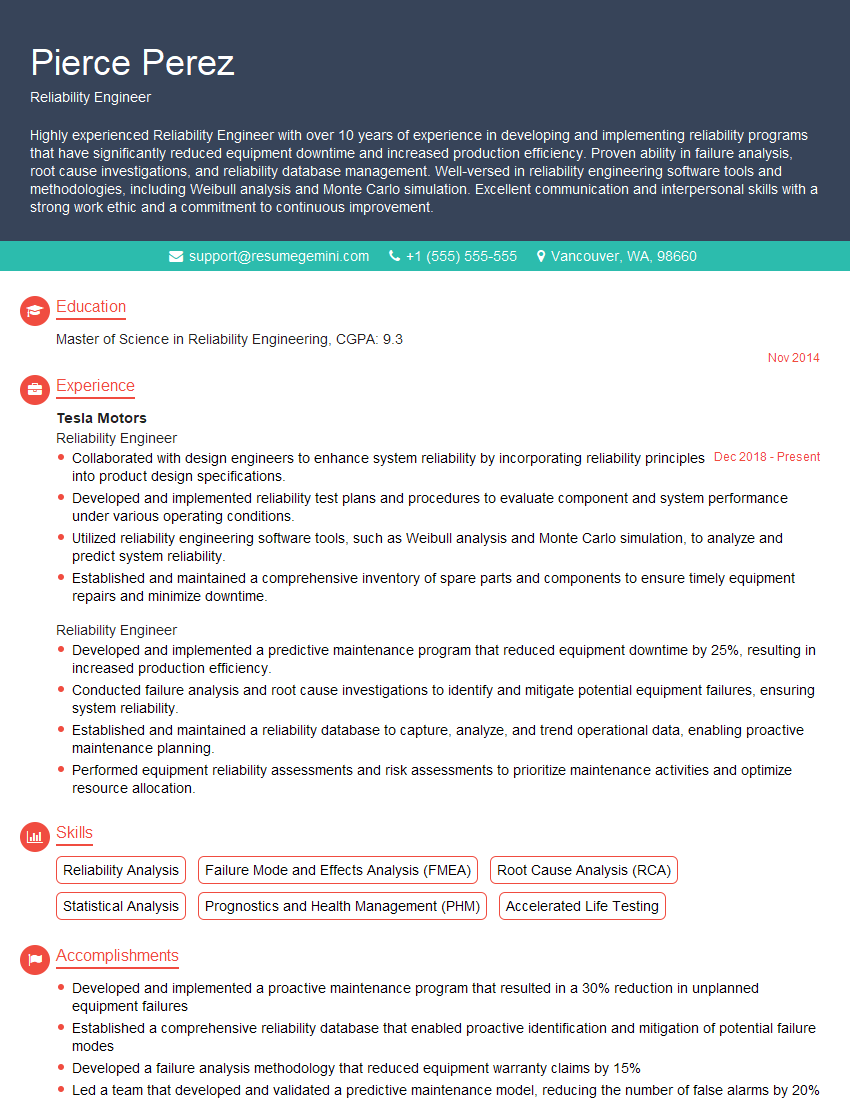
Reliability Engineer Resume Sample
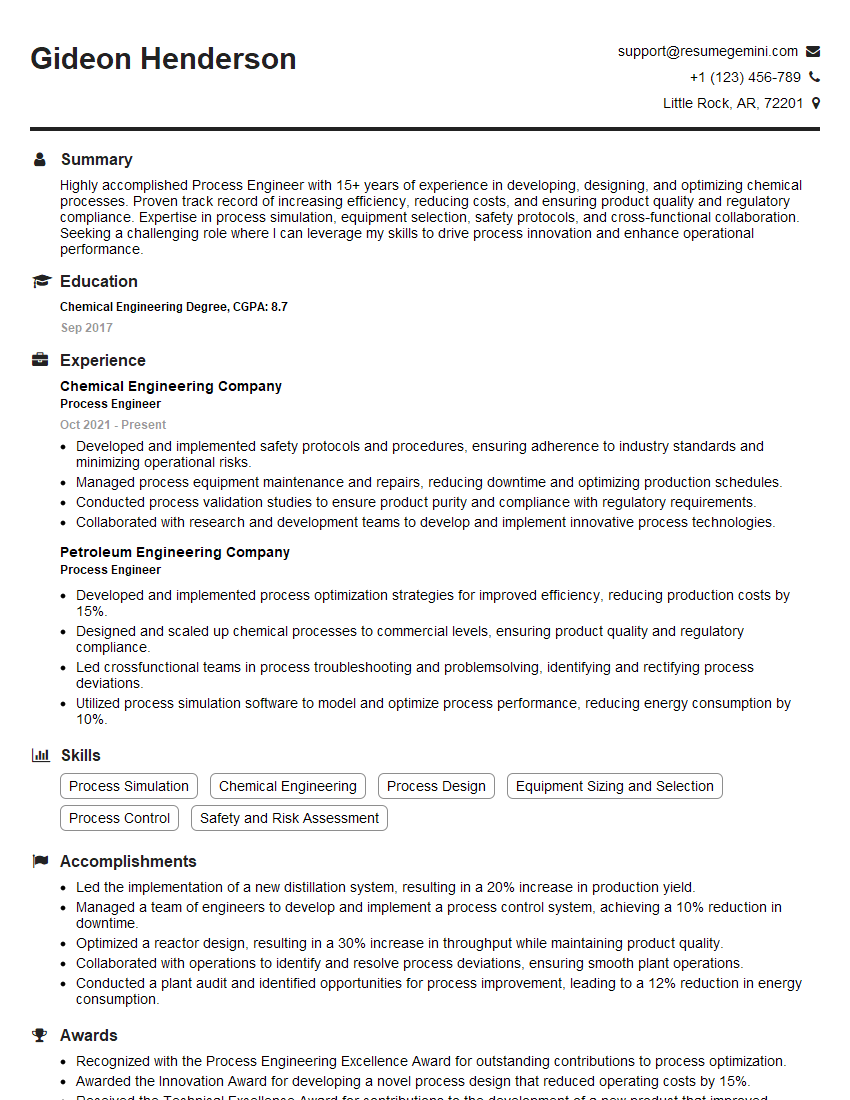
Process Engineer Resume Sample
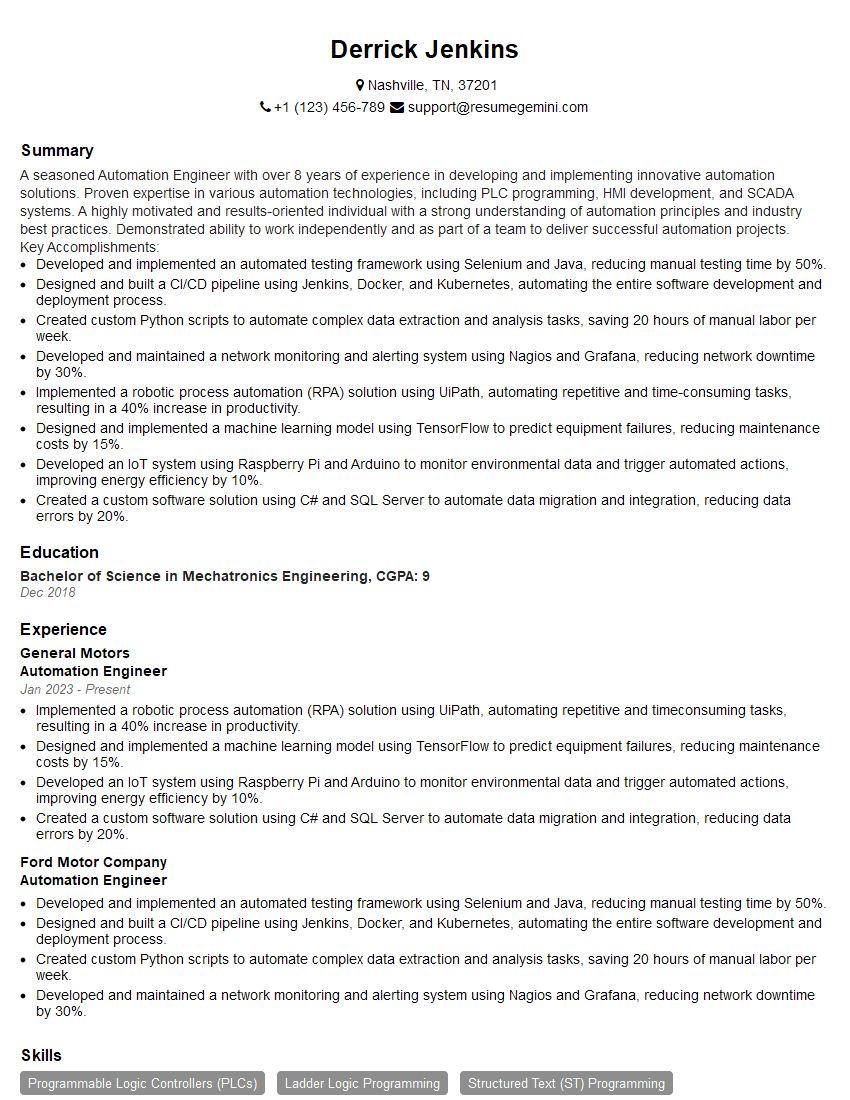
Automation Engineer Resume Sample
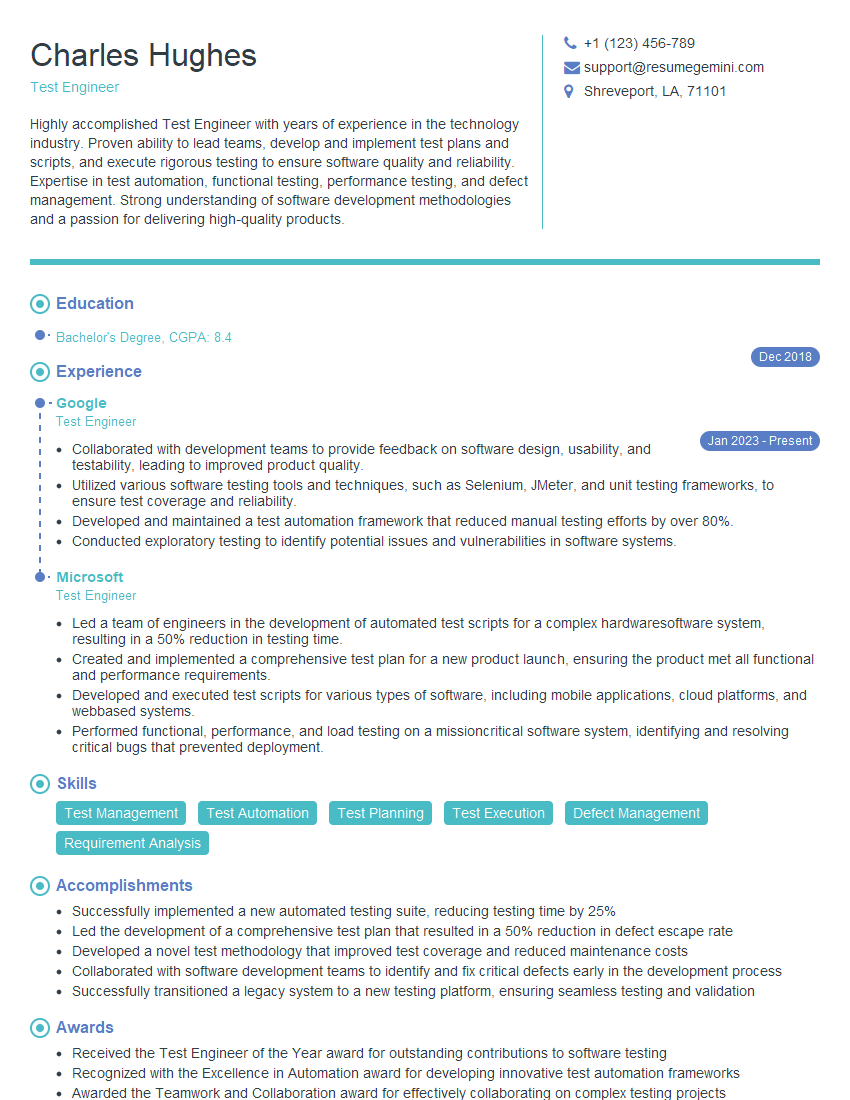
Test Engineer Resume Sample
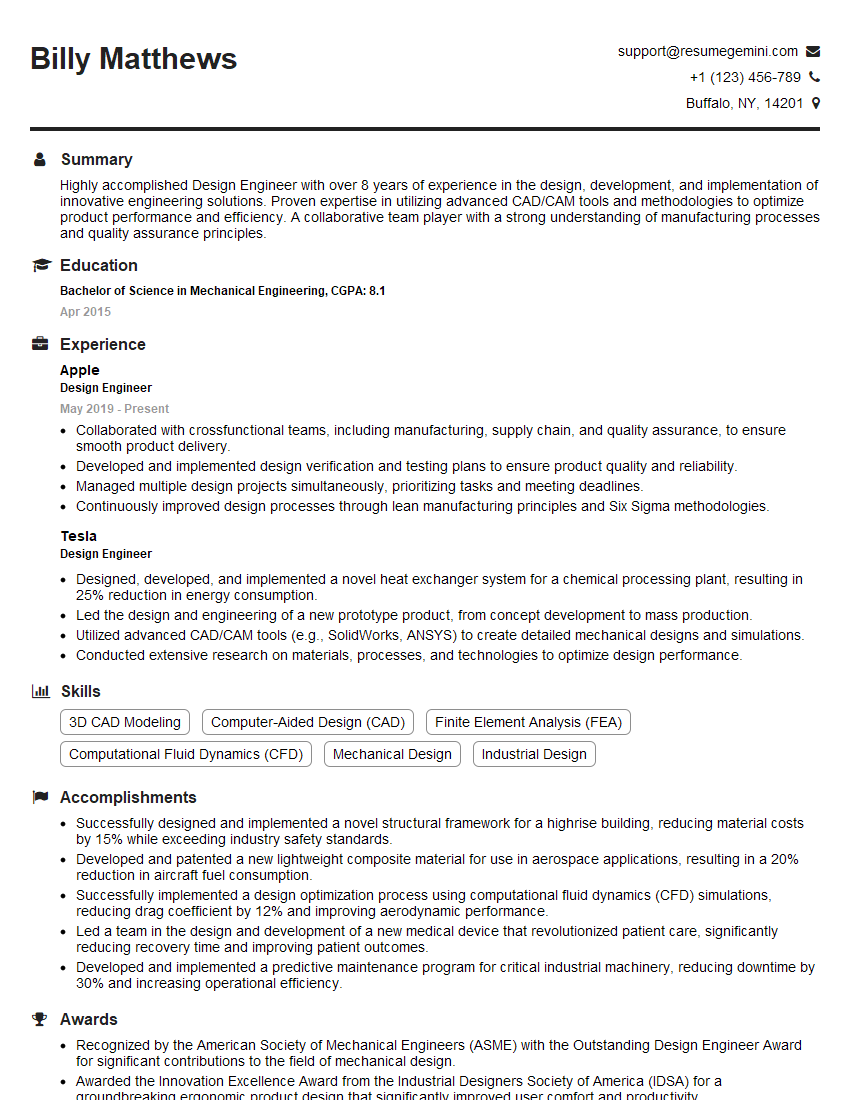
Design Engineer Resume Sample
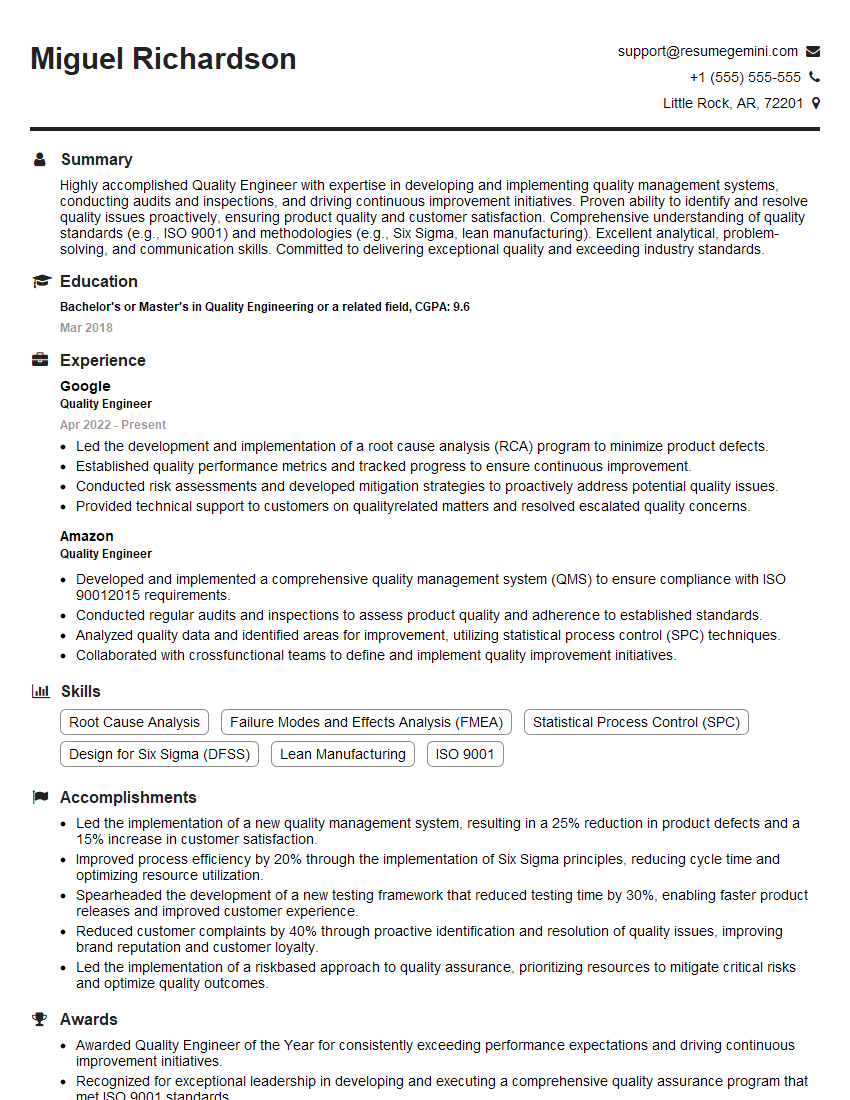
Quality Engineer Resume Sample
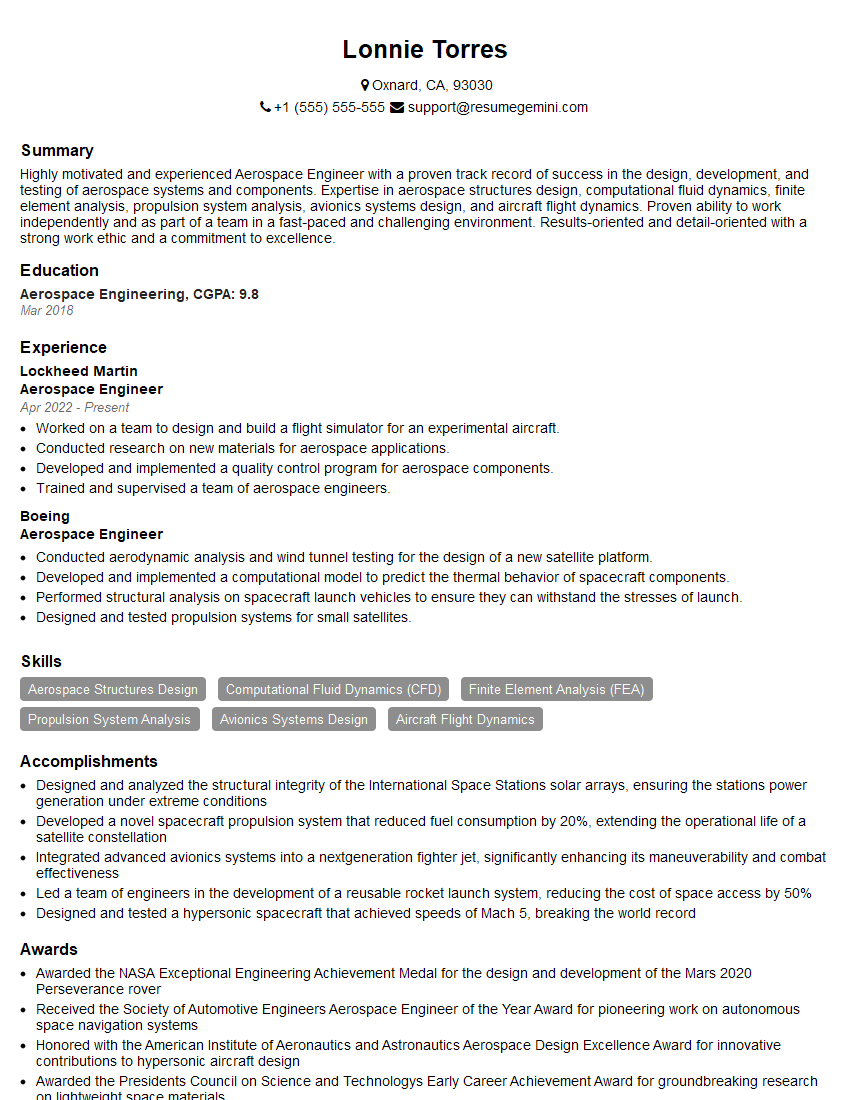
Aerospace Engineer Resume Sample
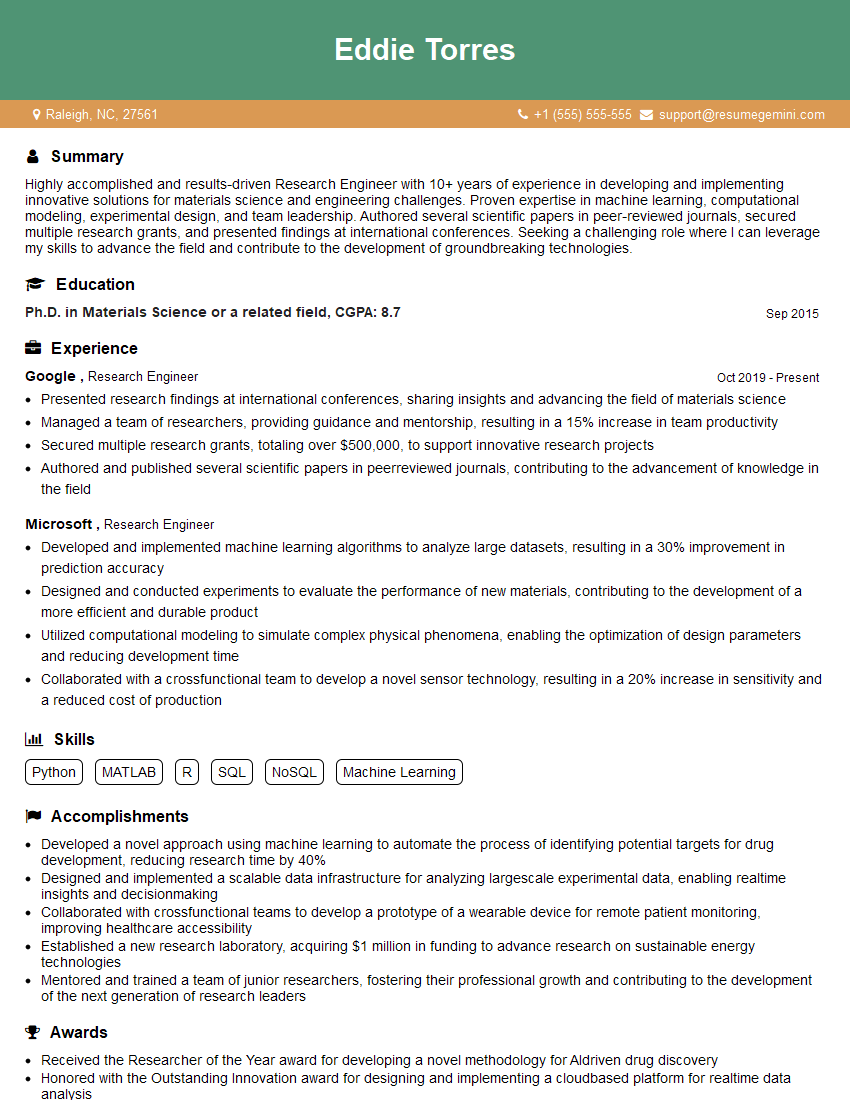
Research Engineer Resume Sample
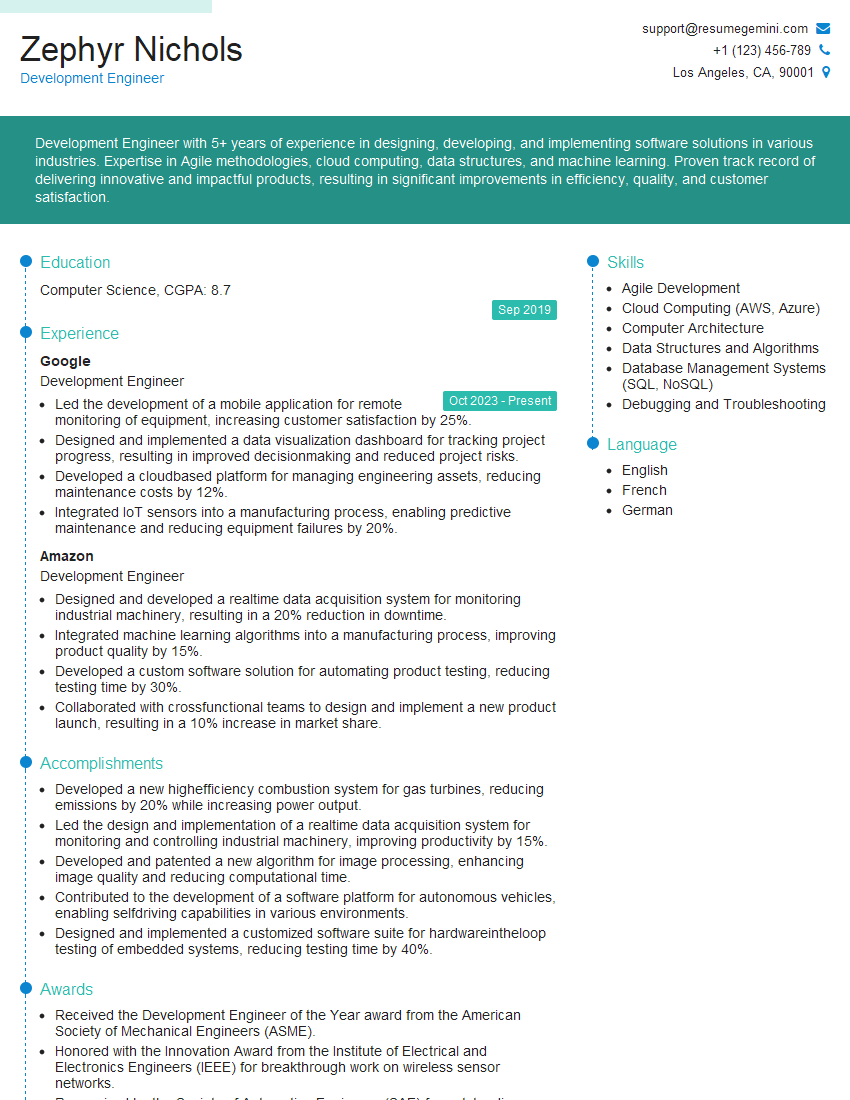
Development Engineer Resume Sample
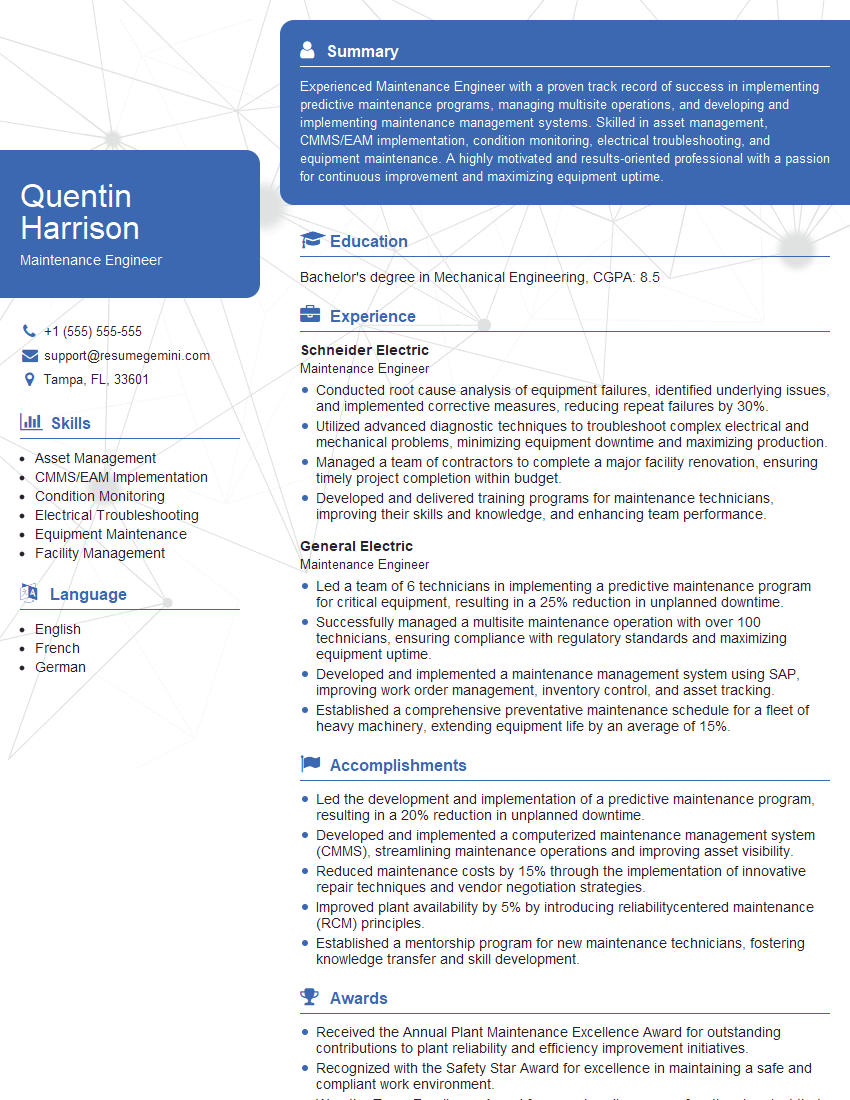
Maintenance Engineer Resume Sample
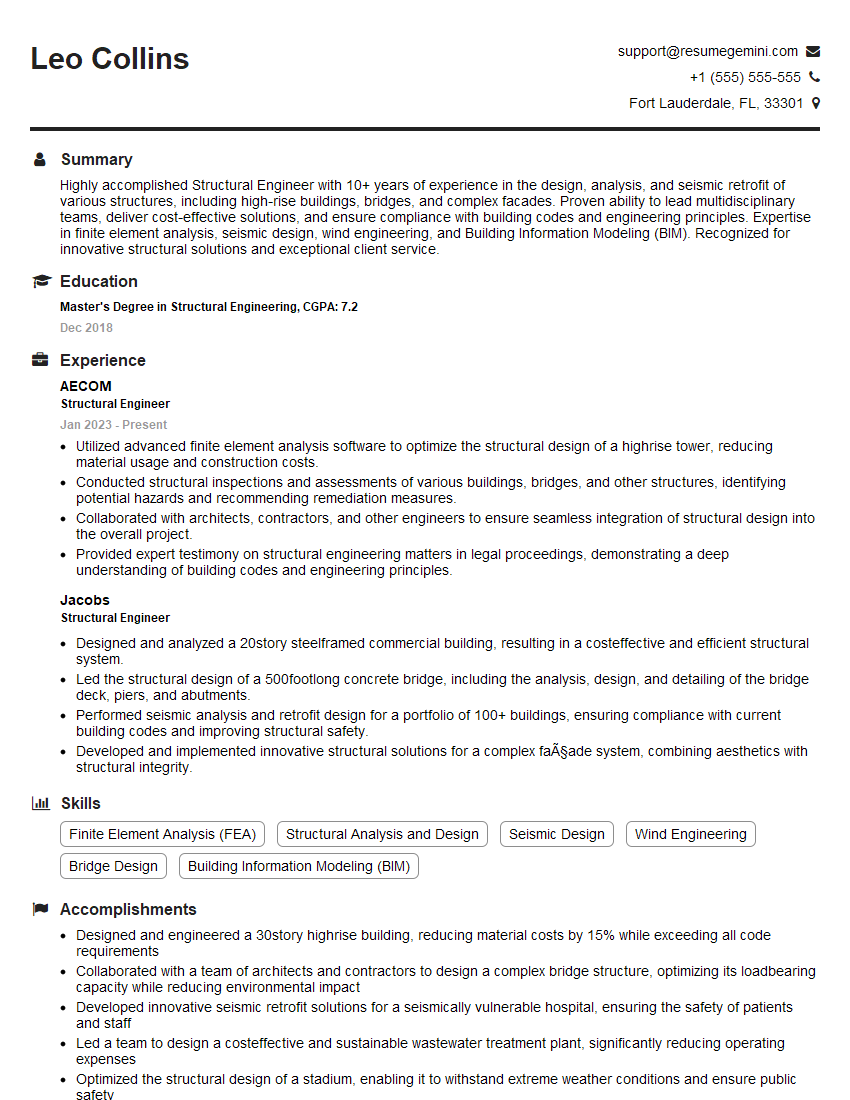
Structural Engineer Resume Sample
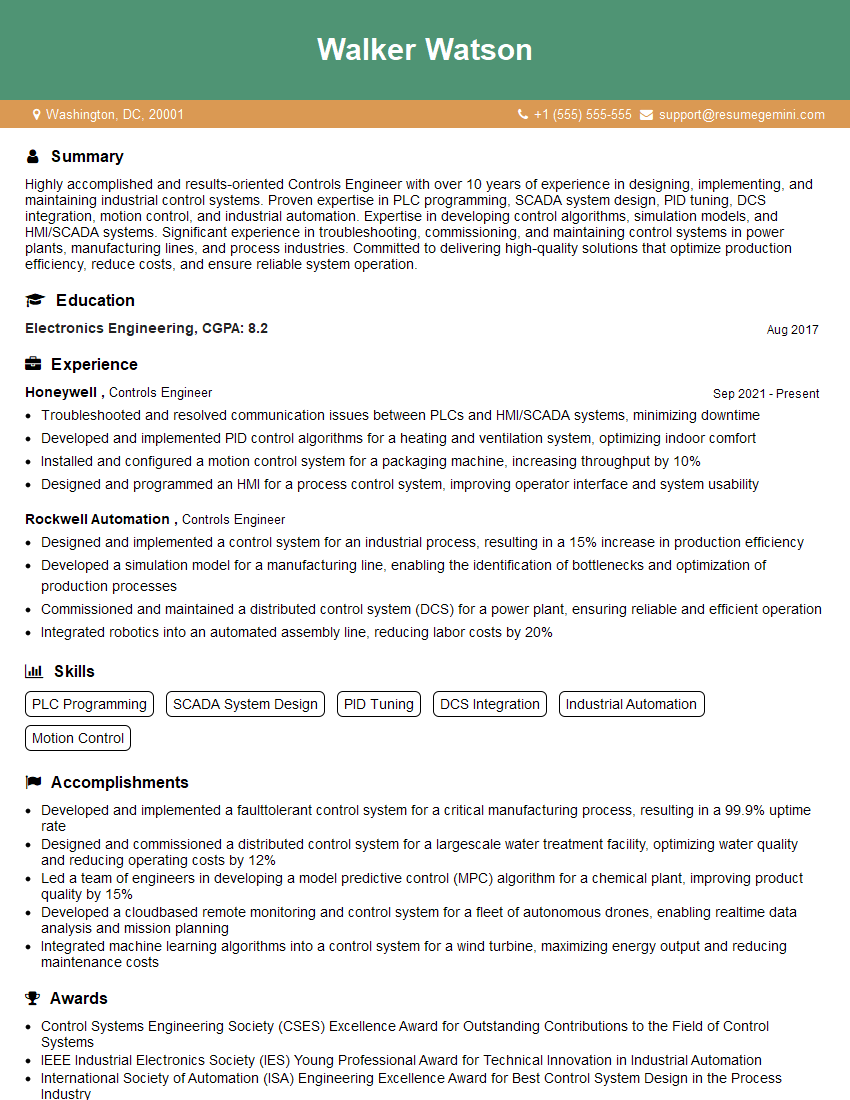
Controls Engineer Resume Sample
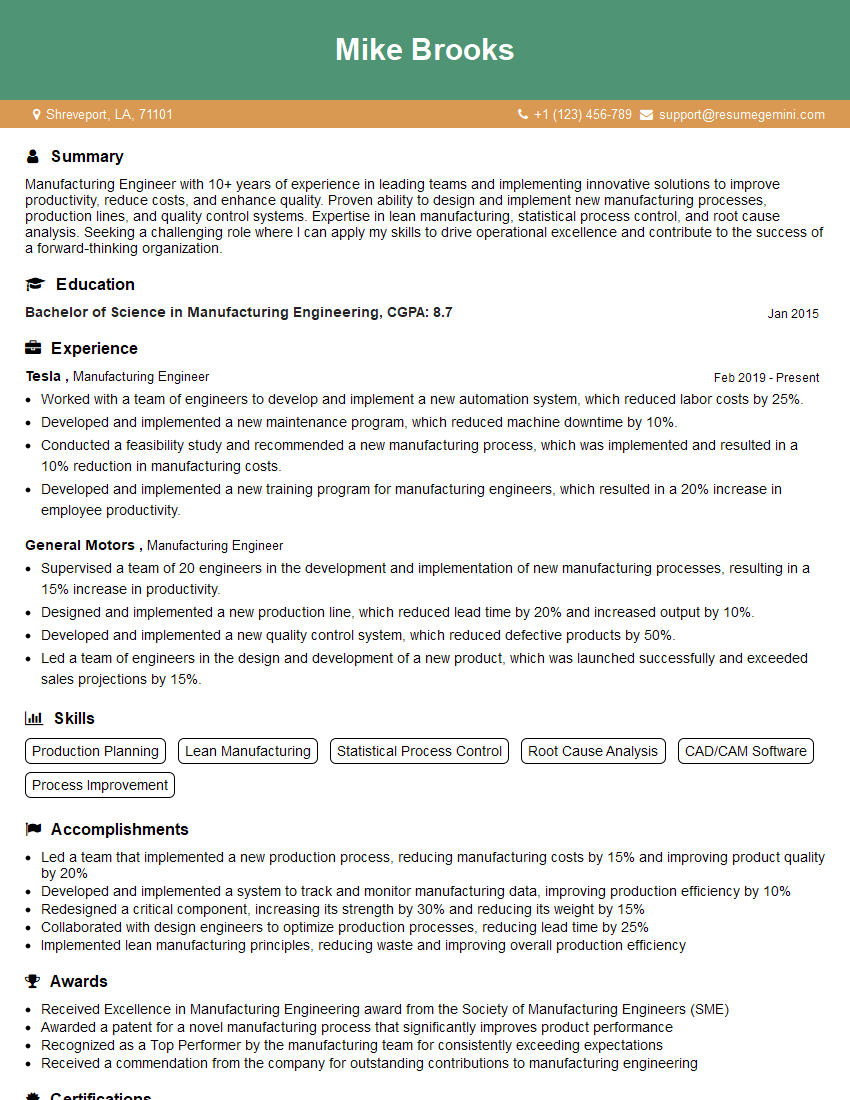
Manufacturing Engineer Resume Sample
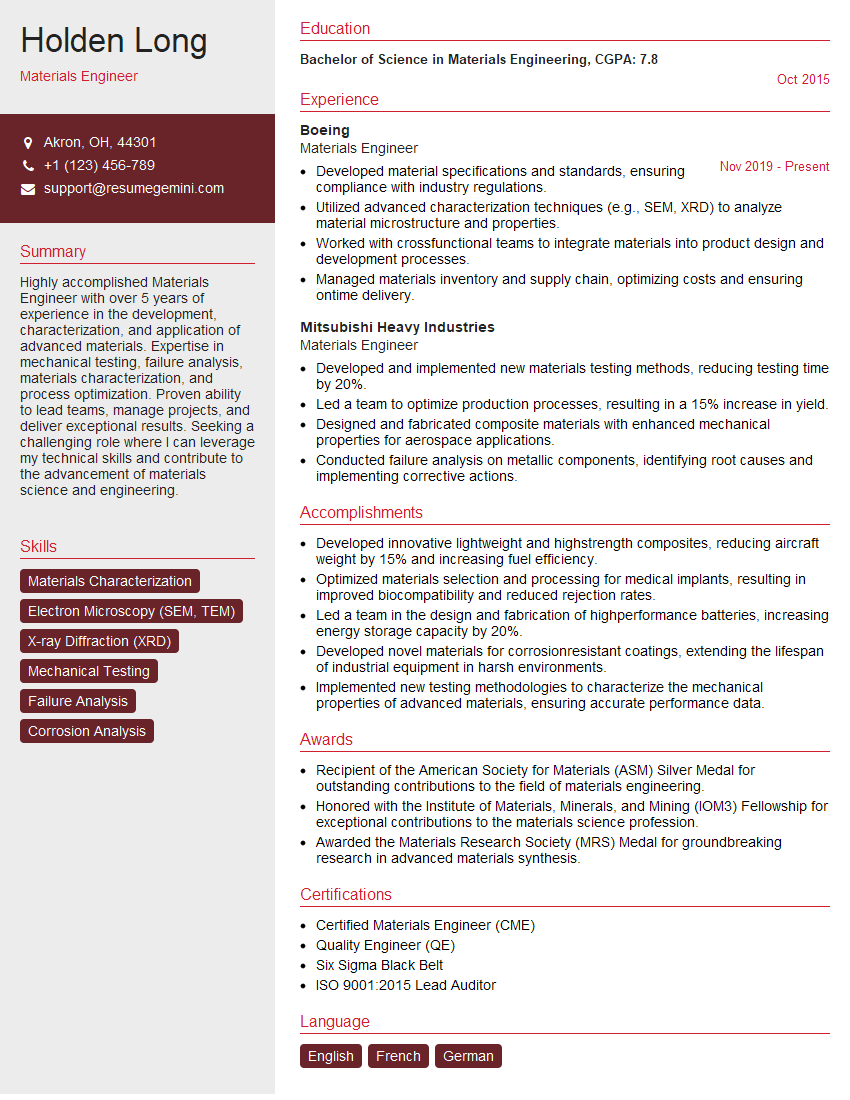
Materials Engineer Resume Sample
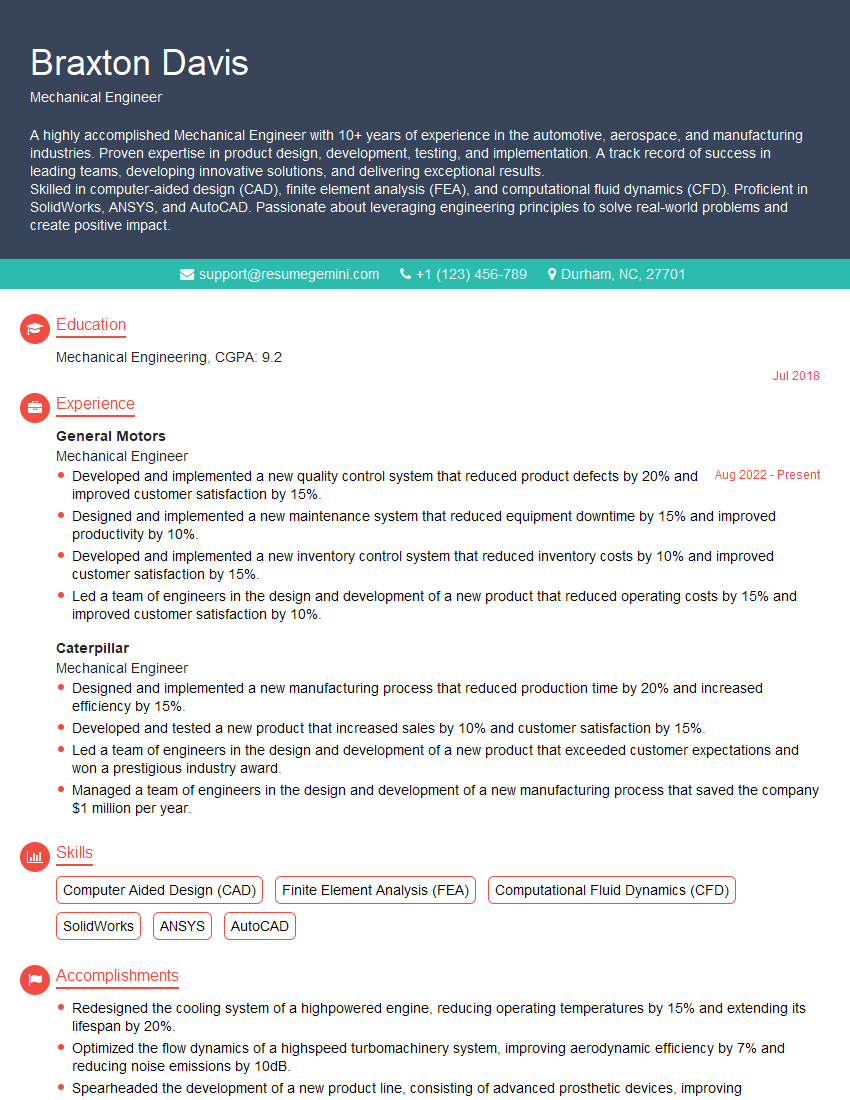
Mechanical Engineer Resume Sample
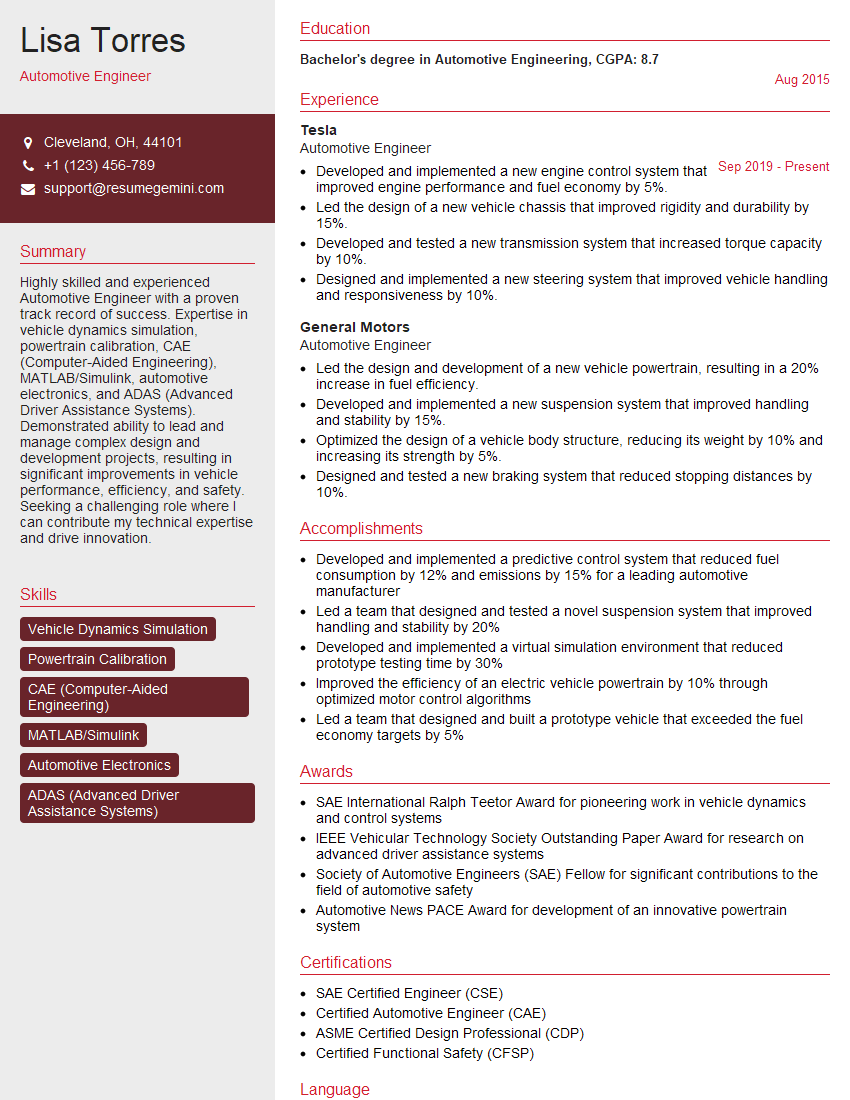
Automotive Engineer Resume Sample
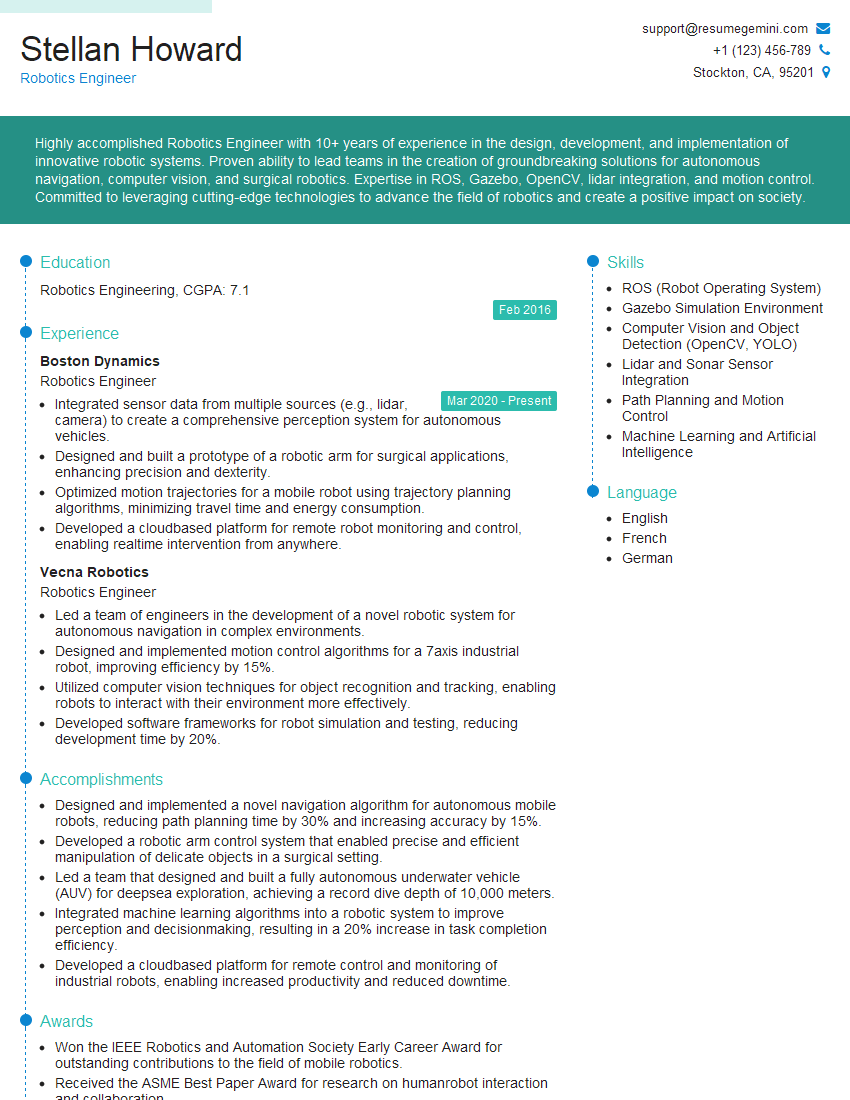
Robotics Engineer Resume Sample
- Project Engineer
- Reliability Engineer
- Process Engineer
- Automation Engineer
- Test Engineer
- Design Engineer
- Quality Engineer
- Aerospace Engineer
- Research Engineer
- Development Engineer
- Maintenance Engineer
- Structural Engineer
- Controls Engineer
- Manufacturing Engineer
- Materials Engineer
- Mechanical Engineer
- Automotive Engineer
- Robotics Engineer
Explore more articles
Users Rating of Our Blogs
Share Your Experience
We value your feedback! Please rate our content and share your thoughts (optional).
What Readers Say About Our Blog
Very informative content, great job.
good