Cracking a skill-specific interview, like one for Job Matching, requires understanding the nuances of the role. In this blog, we present the questions you’re most likely to encounter, along with insights into how to answer them effectively. Let’s ensure you’re ready to make a strong impression.
Questions Asked in Job Matching Interview
Q 1. Explain your understanding of different job matching algorithms.
Job matching algorithms are the heart of any effective recruitment strategy. They analyze candidate profiles and job descriptions to identify the best matches. Different algorithms employ various techniques, ranging from simple keyword matching to sophisticated machine learning models.
Keyword Matching: This is a basic approach that compares keywords in the job description to keywords in candidate resumes. While simple, it can miss subtle matches and is prone to false positives.
Example: A job description mentioning “Java developer” will easily match a resume with that exact phrase. However, it might miss a candidate proficient in Java but using alternative terms like “J2EE programmer” or “Software Engineer (Java)”.
Semantic Matching: This advanced technique goes beyond simple keyword matching by understanding the meaning and context of words. It uses natural language processing (NLP) to analyze the meaning and relationships between words, significantly improving the accuracy of matches. It identifies synonyms, related concepts, and even implicit skills.
Example: A semantic matching algorithm might recognize that “project management experience” and “leading cross-functional teams” are closely related, connecting a candidate with relevant skills, even if the exact phrasing isn’t identical in the job description and resume.
Machine Learning (ML) Algorithms: These algorithms learn from historical data to predict the likelihood of a candidate’s success in a particular role. They can incorporate various factors like skills, experience, education, and even personality traits to make more accurate predictions.
Example: An ML model might analyze successful hires from the past and identify patterns in their profiles to score future candidates based on their similarity to high-performing employees.
Choosing the right algorithm depends on factors like data availability, computational resources, and the desired level of accuracy. Often, a hybrid approach combining several techniques delivers the best results.
Q 2. Describe your experience with Applicant Tracking Systems (ATS).
My experience with Applicant Tracking Systems (ATS) spans several years and various platforms, including Taleo, Workday, and Greenhouse. I’m proficient in using ATS to manage the entire recruitment lifecycle, from posting job openings and sourcing candidates to screening resumes, scheduling interviews, and tracking candidate progress. I understand how to optimize ATS configurations to improve search results and streamline workflows.
I’ve leveraged ATS functionalities such as:
- Candidate Sourcing: Using Boolean search strings and integrated job boards to efficiently identify potential candidates.
- Resume Screening: Configuring keyword filters and scoring systems to prioritize candidates based on relevant skills and experience.
- Workflow Automation: Automating communication with candidates and managing the interview scheduling process.
- Reporting and Analytics: Generating reports to track key metrics such as time-to-hire and source of hire.
Beyond basic usage, I understand the importance of data integrity and maintaining accurate candidate information within the system. I also have experience with integrating ATS with other HR systems for a holistic view of the talent pipeline.
Q 3. How do you prioritize candidates based on different criteria?
Prioritizing candidates requires a multifaceted approach that goes beyond simply looking at years of experience. I use a weighted scoring system that considers several crucial factors.
Skills and Experience: This is often the most significant factor. I assess the candidate’s proficiency in the required technical skills, their relevant experience, and their achievements in past roles.
Cultural Fit: Assessing whether a candidate’s personality and work style align with the company culture is crucial. This can be evaluated through behavioral questions during interviews.
Education and Certifications: Academic background and professional certifications can indicate a candidate’s competency level and commitment to their field.
References and Background Checks: Verifying information provided by the candidate and gathering insights from their previous employers or references is vital to validate their claims.
The weighting of each factor varies depending on the specific job requirements. For instance, a highly technical role might heavily weigh technical skills, while a leadership position might prioritize experience managing teams and demonstrated leadership qualities. I often build a rubric to ensure consistent and objective evaluation across all candidates.
Q 4. What metrics do you use to measure the success of a job matching strategy?
Measuring the success of a job matching strategy requires a combination of quantitative and qualitative metrics. Key metrics I use include:
Time-to-Fill: The time taken to fill a job opening from the moment it’s posted to the candidate’s acceptance of the offer.
Time-to-Hire: The time taken from the initial candidate contact to the offer acceptance.
Cost-per-Hire: The total cost of recruiting a candidate, including advertising, agency fees, and internal recruiter time.
Source of Hire: Tracking where successful candidates were found (e.g., job boards, referrals, internal mobility). This informs future recruitment strategies.
Candidate Satisfaction: Gathering feedback from candidates about their experience with the recruitment process. This helps identify areas for improvement.
Employee Retention Rate: Tracking the retention rate of newly hired employees to assess the long-term effectiveness of the matching process.
Employee Performance: Evaluating the performance of hired candidates to assess the quality of the matches.
By tracking these metrics, I can continuously optimize the job matching strategy to improve efficiency and effectiveness.
Q 5. How do you handle situations where there are no suitable candidates for a job opening?
When facing a shortage of suitable candidates, a multi-pronged approach is necessary. The first step is to critically examine the job description. Is it too restrictive? Are the requirements realistic? Are there any biases in the language used?
After reviewing the job description, I might:
Widen the search criteria: Expand the search to include candidates with transferable skills or experience in related fields.
Adjust compensation and benefits: Offering a more competitive compensation package can attract a wider pool of qualified candidates.
Re-evaluate required qualifications: Identify which skills are absolutely essential and which can be developed on the job.
Network and engage with passive candidates: Reach out directly to individuals who might be a good fit, even if they aren’t actively looking for a job.
Consider alternative hiring strategies: Explore options like internships, apprenticeships, or contract-to-hire arrangements.
Partner with recruitment agencies: Leverage their expertise and network to access a wider pool of candidates.
In some cases, the lack of suitable candidates might indicate a need to revise the job requirements or even rethink the role altogether. The goal is to find a balance between attracting the best talent and meeting the organization’s needs.
Q 6. Describe your experience with Boolean search in candidate sourcing.
Boolean search is an invaluable tool for efficient candidate sourcing. It allows me to build highly specific search queries to identify candidates possessing the exact combination of skills and experience needed for a particular role. I’m proficient in using Boolean operators such as AND, OR, NOT, and parentheses to create complex search strings.
Example: To find experienced Java developers with knowledge of Spring Boot, I might use a query like this:
(Java AND "Spring Boot") AND (developer OR engineer) AND ("5+ years" OR "senior")This query ensures that only candidates with experience in both Java and Spring Boot, and who have at least 5 years of experience or a senior-level title, are included in the results. I also use wildcard characters (*) and proximity operators (~) to broaden or refine my searches as needed.
My experience includes using Boolean search within various platforms, including job boards like LinkedIn and Indeed, and directly within ATS systems. I continuously refine my Boolean search strategies based on the results and feedback I receive. Understanding how different platforms interpret Boolean operators is crucial for achieving optimal results.
Q 7. How do you ensure diversity and inclusion in your job matching process?
Ensuring diversity and inclusion is paramount in my job matching process. It’s not just about meeting quotas; it’s about building a more equitable and representative workforce.
Blind resume screening: Removing identifying information like names and gender from resumes during the initial screening process to mitigate unconscious bias.
Diverse sourcing strategies: Actively seeking candidates from underrepresented groups through targeted outreach to minority-serving institutions, professional organizations, and networking events.
Inclusive job descriptions: Using gender-neutral language and avoiding phrases that could unintentionally exclude certain groups.
Bias training for recruiters: Educating recruiters about unconscious biases and providing them with strategies to mitigate their impact on the recruitment process.
Diverse interview panels: Having interview panels that reflect the diversity of the team and organization to ensure a fair and inclusive assessment of candidates.
Tracking diversity metrics: Regularly monitoring diversity metrics at each stage of the recruitment process to identify areas for improvement.
It’s an ongoing process that requires continuous effort and evaluation. I believe building a diverse and inclusive workforce leads to a more innovative and successful organization.
Q 8. How do you identify and assess the skills and experience of candidates?
Identifying and assessing candidate skills and experience is a multi-faceted process that goes beyond simply reviewing a resume. It involves a thorough understanding of the job requirements and a systematic approach to evaluating candidate qualifications.
Resume and Cover Letter Review: I start by carefully analyzing resumes and cover letters, paying close attention to keywords, quantifiable achievements, and the overall narrative. This helps me quickly identify candidates who possess the necessary hard skills and experience.
Skills-Based Assessments: I often incorporate skills assessments, which can be online tests or practical exercises, to evaluate candidates’ proficiency in specific areas. For instance, a coding challenge for a software engineer or a writing sample for a content writer. These assessments offer objective measures of skills.
Behavioral Interviewing: I use behavioral interviewing techniques to explore a candidate’s past experiences and how they handled specific situations. By asking questions like “Tell me about a time you failed,” I gain insights into their problem-solving abilities, resilience, and work ethic, which are often more telling than simply listing past roles.
Reference Checks: Verifying information provided by candidates through reference checks is crucial. I contact previous employers or supervisors to validate work history and gain additional perspectives on the candidate’s performance and character.
Portfolio Review (where applicable): For creative roles or those requiring a visual demonstration of skills, reviewing a candidate’s portfolio is essential. This allows for a direct assessment of their output and creative capabilities.
Q 9. Explain your approach to candidate relationship management (CRM).
My approach to Candidate Relationship Management (CRM) is centered around building strong, lasting relationships, even with candidates who aren’t immediately placed. It’s about creating a positive experience that fosters trust and encourages future engagement. This includes:
Organized Database: I maintain a meticulously organized database of candidates, categorized by skills, experience, and career interests. This allows me to efficiently match candidates with suitable opportunities.
Personalized Communication: I prioritize personalized communication with every candidate, providing timely updates, feedback, and thoughtful responses to their inquiries. Generic emails are avoided.
Feedback and Coaching: I provide constructive feedback to candidates, even if they are not selected for a specific role. This demonstrates respect for their time and helps them improve their job search process.
Networking and Relationship Building: I actively network with candidates, attending industry events, and staying updated on industry trends. This strengthens my network and keeps me informed about the talent pool.
Follow-up and Reconnection: I follow up with candidates periodically, even if they were previously unsuccessful in securing a role. This shows genuine care and keeps them engaged with the possibility of future opportunities.
Q 10. Describe a time you had to overcome a challenge in matching a candidate to a job.
I once faced a challenge matching a highly skilled software developer, let’s call him Mark, with a client who required extensive experience in a niche technology, ‘LangX.’ Mark had a phenomenal track record but lacked direct LangX experience. The client was insistent on this specific skill.
To overcome this, I didn’t immediately dismiss Mark. I delved deeper into his skills and found he possessed a strong foundation in similar programming languages and a proven ability to learn quickly. I then prepared Mark for the interview by providing him resources to familiarize himself with LangX. I also highlighted his adaptability and problem-solving skills during the interview process, emphasizing his transferable abilities. The client ultimately hired Mark, recognizing his potential and rapid learning capabilities. His subsequent performance far exceeded expectations, proving my strategy effective.
Q 11. How do you handle conflicting priorities when matching candidates to jobs?
Conflicting priorities often arise when multiple jobs need filling with a limited pool of suitable candidates. I address this using a prioritization framework:
Urgency and Importance Matrix: I map out job openings based on urgency (how quickly the role needs to be filled) and importance (impact on the company’s strategic goals). This helps me focus on the most critical roles first.
Candidate Qualification Ranking: I rank candidates based on how closely their skills and experience match the requirements of each job. This facilitates efficient allocation of candidates to the most appropriate roles.
Client Communication: Open and honest communication with clients is vital. If I foresee challenges in meeting deadlines due to limited candidates, I inform clients promptly and explore alternative solutions together, like extending deadlines or adjusting requirements if possible.
Resource Allocation: I efficiently manage my time and resources by prioritizing tasks based on the urgency and importance matrix. I also leverage technology like Applicant Tracking Systems (ATS) to streamline the candidate screening and communication process.
Q 12. What are some common mistakes made in the job matching process, and how do you avoid them?
Common mistakes in job matching include:
Ignoring soft skills: Focusing solely on hard skills can lead to mismatches. Cultural fit, communication skills, and teamwork are equally crucial.
Rushing the process: Thorough candidate assessment takes time. Cutting corners can lead to poor matches and wasted resources.
Poor communication: Lack of clear and timely communication with candidates and clients causes frustration and delays.
Bias in selection: Unconscious biases can influence hiring decisions. Active steps are needed to mitigate these biases.
I avoid these mistakes by:
Structured Interview Processes: Implementing standardized interview processes helps reduce bias and ensures consistency in candidate evaluation.
Blind Resume Screening: Removing identifying information from resumes during initial screening can help mitigate unconscious biases.
Regular Process Review: I constantly review and refine my processes to identify and correct inefficiencies or biases.
Q 13. How do you assess a candidate’s cultural fit within a company?
Assessing cultural fit involves understanding a candidate’s values, work style, and how they interact within a team. It’s about determining if their personality and working preferences align with the company culture. I employ several techniques:
Company Culture Research: I thoroughly research the company’s culture, values, and mission statement before engaging with candidates. This gives me a clear benchmark to evaluate potential cultural alignment.
Behavioral Questions: I ask behavioral questions designed to reveal a candidate’s approach to teamwork, conflict resolution, and handling stress. For instance, asking about past experiences collaborating on projects or navigating difficult team dynamics.
Cultural Fit Interviews: Some interviews are explicitly focused on cultural fit, allowing candidates to express their preferences and allowing me to assess if those preferences match the company’s environment.
Team Interactions: Including short meetings or interactions with the prospective team can provide valuable insight into how the candidate interacts and fits within the existing group dynamic.
Q 14. How do you use data and analytics to improve your job matching process?
Data and analytics play a vital role in improving my job matching process. I use data to identify trends, optimize my strategies, and improve efficiency. This includes:
Tracking Key Metrics: I track metrics such as time-to-fill, candidate source, offer acceptance rate, and employee retention rate. This provides insights into areas for improvement.
Analyzing Candidate Data: I analyze candidate data to identify patterns in successful placements. For example, which skills are most in demand, which sources yield the best candidates, or which interview techniques are most effective.
A/B Testing: I experiment with different approaches like different job descriptions or interview techniques and track the results to determine what works best. For example, comparing the effectiveness of different job postings on different platforms.
Predictive Analytics (where applicable): More advanced techniques such as predictive modeling can be employed to forecast hiring needs and identify potential candidates before vacancies arise. This requires significant data and sophisticated analytical tools.
Q 15. Describe your experience with different recruitment channels (e.g., LinkedIn, job boards).
My experience spans a wide range of recruitment channels, and I’ve found success leveraging their unique strengths. LinkedIn, for instance, is excellent for targeting passive candidates with specific skill sets. I utilize advanced search filters and boolean operators (e.g., "project management" AND "agile" AND "Scrum") to find precisely the right individuals. Job boards like Indeed and Monster are effective for broader reach, particularly for entry-level or high-volume hiring. I strategically tailor job descriptions to appeal to the specific audience of each platform, ensuring they’re optimized for search engine optimization (SEO). Beyond these, I’ve also utilized niche job boards catering to specific industries or professions, and I’m comfortable using internal employee referral programs, which often yield high-quality candidates.
For example, when recruiting for a senior data scientist role, I focused my LinkedIn efforts on professionals with specific certifications and experience in machine learning algorithms. Simultaneously, I used Indeed to broaden the pool, targeting individuals with strong statistical backgrounds. This multi-channel approach maximizes the chances of finding the ideal candidate.
Career Expert Tips:
- Ace those interviews! Prepare effectively by reviewing the Top 50 Most Common Interview Questions on ResumeGemini.
- Navigate your job search with confidence! Explore a wide range of Career Tips on ResumeGemini. Learn about common challenges and recommendations to overcome them.
- Craft the perfect resume! Master the Art of Resume Writing with ResumeGemini’s guide. Showcase your unique qualifications and achievements effectively.
- Don’t miss out on holiday savings! Build your dream resume with ResumeGemini’s ATS optimized templates.
Q 16. How do you build rapport with candidates during the screening process?
Building rapport is crucial. I start by creating a welcoming and comfortable environment. I actively listen to candidates, showing genuine interest in their experience and career goals. I ensure my communication is clear, concise, and respectful. I also strive to personalize the conversation, referencing specific details from their resume or application to demonstrate that I’ve reviewed it carefully. I treat every candidate as an individual, not just a resume. Asking open-ended questions, like “Tell me about a time you faced a challenging project,” encourages them to share relevant stories, allowing me to assess their skills and personality. I even incorporate some small talk, maintaining a conversational tone that feels less like an interrogation and more like a professional discussion. It’s about building a connection, understanding their needs, and making them feel valued, regardless of the outcome.
Q 17. How do you handle sensitive information about candidates?
Handling sensitive information requires strict adherence to confidentiality policies and data protection regulations such as GDPR and CCPA. All candidate data is stored securely, with access limited to authorized personnel only. I never share personal information without explicit consent. During the screening and interview process, I am careful to avoid topics that are not relevant to the job, and I explicitly remind candidates about the confidential nature of the interview process and any data shared. We use secure platforms for communication and data storage, and all data is encrypted. I also ensure our internal processes comply with these regulations, emphasizing the importance of data protection in all training and communication materials. In short, maintaining confidentiality is a core value, and it’s essential for ethical and legal compliance.
Q 18. How do you manage candidate expectations throughout the hiring process?
Managing candidate expectations is key to a positive experience. I provide clear timelines for each stage of the hiring process from the initial application to the offer stage. I proactively communicate updates, even if there’s no significant news, preventing any uncertainty. If there are delays, I explain the reasons transparently and apologize for any inconvenience. I encourage candidates to ask questions throughout the process, ensuring they understand the role, the team, and the company culture. This transparency fosters trust and prevents misunderstandings, minimizing disappointment and maintaining a positive candidate experience, even if they aren’t selected. For example, I will set clear expectations such as “You can expect to hear back within 48 hours of your application submission” or “The interview process will consist of three rounds: a phone screening, a technical interview and a final interview with the hiring manager.”
Q 19. How do you provide feedback to unsuccessful candidates?
Providing feedback to unsuccessful candidates is critical. I aim to offer constructive and specific feedback, highlighting their strengths and areas for potential improvement. I avoid generic responses; instead, I tailor the feedback to their specific application and performance in the interview. I express my appreciation for their time and effort, emphasizing that while they weren’t selected this time, their skills and experience are valuable. I might also suggest areas for improvement or other job opportunities that might better fit their profile. This approach demonstrates respect and maintains a positive relationship, potentially creating a pathway for future interactions. For example, I might say: “While your technical skills were impressive, the role required more experience in managing teams. We were particularly impressed with your problem-solving skills and recommend focusing on leadership development in the future.” This approach keeps the door open for future opportunities.
Q 20. How do you stay up-to-date on industry trends in job matching?
Staying current on industry trends is paramount. I regularly read industry publications, attend conferences and webinars, and actively participate in professional networking groups. I leverage online resources like LinkedIn Learning and Coursera to enhance my knowledge on emerging technologies and best practices. I also closely monitor industry job postings and salary data to understand market demands and compensation expectations. Analyzing hiring trends and employing AI-driven tools in recruitment are also important parts of my strategy. I actively seek feedback from both successful and unsuccessful candidates to improve my recruitment strategies. This multi-faceted approach keeps me informed about the latest developments and ensures I remain a highly effective recruiter.
Q 21. What are your salary expectations for this role?
My salary expectations are commensurate with my experience and skills, and in line with the industry standard for similar roles. I’m happy to discuss this further after we’ve had a chance to explore the details of the position and its responsibilities in more depth. I’m confident that my skills and experience would bring significant value to this role, and I’m flexible in discussing compensation within a reasonable range.
Q 22. Explain your experience with different types of interviews (e.g., phone, video, in-person).
Throughout my career, I’ve conducted a wide range of interviews, each requiring a slightly different approach. Phone interviews are great for initial screening, allowing for a quick assessment of a candidate’s communication skills and basic qualifications. I often use structured questions to ensure consistency and fairness. For example, I might ask about their experience with a specific software or their approach to a particular problem. Video interviews, while similar to phone interviews, provide the added benefit of non-verbal cues, allowing for a more holistic assessment. They are also cost-effective and geographically flexible. In-person interviews, my personal preference for later stages, offer the richest interaction. This setting allows for a deeper understanding of the candidate’s personality, cultural fit, and overall demeanor. I always tailor the questions to the specific role and level of seniority. For instance, I might conduct a technical test for a developer during an in-person interview.
The key in all interview types is active listening and clear communication. I aim to create a comfortable and conversational environment while still diligently assessing the candidate’s skills and experience against the job description. I always conclude with a clear explanation of the next steps in the process.
Q 23. Describe your experience with background checks and reference checks.
Background and reference checks are crucial components of a thorough hiring process. I have extensive experience managing these checks, ensuring compliance with all relevant laws and regulations, such as the Fair Credit Reporting Act (FCRA) in the US. For background checks, I utilize reputable third-party providers that conduct comprehensive checks, including criminal history, employment verification, and education verification. I always obtain the candidate’s explicit consent before initiating any background check and ensure they understand the process.
Reference checks are equally important. I develop a standardized questionnaire focusing on the candidate’s skills, work ethic, and overall performance. I prioritize contacting references directly, rather than relying solely on written references, to obtain more nuanced and reliable information. I aim to ask open-ended questions to gain a richer understanding of the candidate’s work experience and character. For instance, instead of asking ‘Was the candidate punctual?’, I might ask, ‘Can you describe the candidate’s attendance and punctuality?’ This encourages more detailed and insightful responses.
Q 24. How do you negotiate salary and benefits on behalf of candidates?
Salary and benefits negotiation requires a delicate balance of advocacy for the candidate and understanding the employer’s constraints. My approach involves thorough research. Before any negotiation, I research industry salary benchmarks, considering factors like experience, skills, location, and company size. I use resources such as salary surveys, online databases, and professional networks to build a strong case.
I then present a salary range to the candidate based on my research, explaining the rationale behind it. During negotiations, I highlight the candidate’s unique value proposition, emphasizing their skills, accomplishments, and the potential impact they can make for the company. I emphasize not just the base salary but also the overall compensation package, including benefits such as health insurance, retirement plans, paid time off, and bonuses. The goal is not simply to secure the highest possible salary, but to achieve a fair and competitive offer that reflects the candidate’s worth and aligns with their career goals. I always maintain open communication with both the candidate and the employer to achieve a mutually satisfactory outcome.
Q 25. Describe your experience with onboarding new hires.
Onboarding is a critical step in ensuring a successful employee experience and maximizing productivity. My approach focuses on creating a welcoming and informative experience for new hires. I develop and deliver comprehensive onboarding plans, including paperwork completion, IT setup, company culture orientation, and introductions to relevant colleagues. The plan clearly outlines expectations and timelines, minimizing confusion and anxiety during the transition.
I leverage technology where appropriate, using online platforms for paperwork submission and training modules. I also prioritize early and ongoing feedback sessions with the new hire and their manager to ensure a smooth integration into the team and the company culture. I believe in establishing clear communication channels and regular check-ins, especially during the first few months, to address any concerns and foster a positive working relationship. A successful onboarding program leads to increased employee retention and faster productivity.
Q 26. What software or tools are you proficient in using for job matching?
Proficiency in various job matching software and tools is essential for efficient recruitment. I am adept at using Applicant Tracking Systems (ATS) such as Taleo, Workday, and Greenhouse. These platforms allow me to manage the entire recruitment lifecycle, from posting jobs to tracking applications and managing candidate communications. I’m also experienced with LinkedIn Recruiter, a powerful tool for sourcing passive candidates and building a strong talent pipeline.
Beyond ATS, I utilize various other tools for tasks such as scheduling interviews, conducting background checks, and managing candidate data. I am comfortable with spreadsheet software (like Excel and Google Sheets) for data analysis and report generation, and I also utilize communication tools such as Slack and email for effective collaboration with candidates and hiring managers. I continuously learn and adapt to new technologies, staying up-to-date with the latest advancements in recruitment technology.
Q 27. How would you improve the job matching process at our company?
To improve the job matching process at your company, I would focus on several key areas. First, I would analyze the current process to identify bottlenecks and areas for improvement. This might involve reviewing metrics such as time-to-hire, cost-per-hire, and candidate satisfaction scores. I’d then look for opportunities to streamline the process, automating tasks wherever possible using the software we currently have and exploring the adoption of new technologies, if appropriate.
Second, I would prioritize improving the job descriptions to ensure they accurately reflect the roles and attract the right candidates. This includes using clear and concise language, highlighting key responsibilities and qualifications, and emphasizing the company culture. Third, I’d focus on enhancing candidate experience throughout the entire recruitment process, from the initial application to the onboarding process. This might involve improving communication, providing regular updates, and gathering feedback to identify areas for improvement. Finally, I’d look at data-driven decision-making, using analytics to track the effectiveness of our recruitment efforts and make informed decisions about how to allocate resources.
Key Topics to Learn for Job Matching Interview
- Understanding Candidate Profiles: Learn how to effectively analyze and interpret candidate resumes and profiles to identify key skills and experience relevant to specific job requirements.
- Matching Algorithms & Logic: Explore the underlying principles of job matching algorithms. Understand how different algorithms prioritize and rank candidates based on various factors (e.g., skills, experience, keywords).
- Data Analysis in Job Matching: Learn how data analysis techniques can be used to improve the accuracy and efficiency of job matching processes. Consider how to identify patterns and trends in candidate data.
- Boolean Search & Keyword Optimization: Master the art of Boolean search operators to effectively filter and retrieve relevant candidate profiles from large databases. Understand how to optimize job descriptions and candidate profiles for effective keyword matching.
- Bias Mitigation in Job Matching: Explore strategies and techniques to mitigate potential biases in job matching algorithms and processes, ensuring fair and equitable outcomes for all candidates.
- Evaluating Candidate Fit: Develop a structured approach to assessing the overall fit of a candidate for a specific role, considering not only skills but also cultural fit and potential for growth.
- Metrics & Evaluation: Understand key performance indicators (KPIs) used to measure the effectiveness of a job matching system, such as match accuracy, time-to-fill, and candidate satisfaction.
Next Steps
Mastering job matching techniques is crucial for career advancement in today’s competitive job market. A strong understanding of these concepts will significantly improve your ability to find the perfect role for your skills and experience. Creating an ATS-friendly resume is paramount to ensuring your application gets noticed. To help you build a compelling and effective resume, we encourage you to utilize ResumeGemini, a trusted resource designed to create professional and impactful resumes. Examples of resumes tailored to Job Matching are provided to guide you through the process. Invest in crafting a high-quality resume, and you’ll significantly increase your chances of success in your job search.
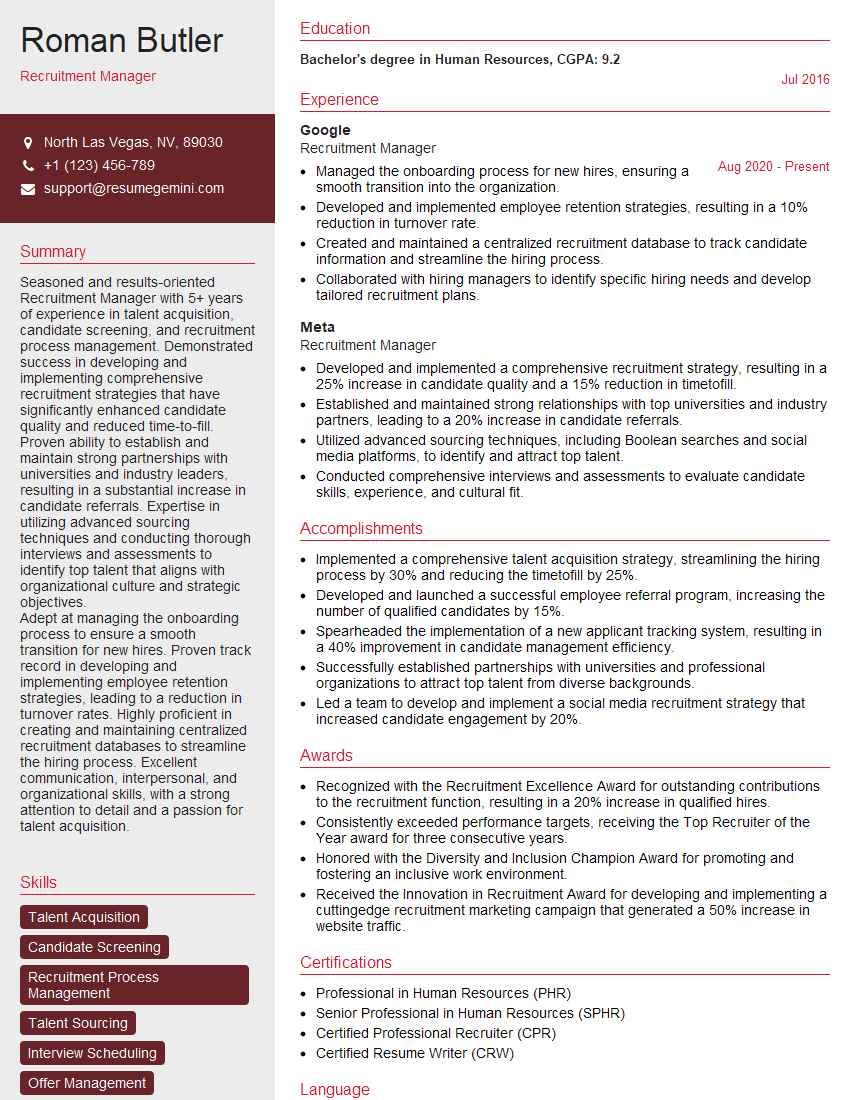
Recruitment Manager Resume Sample
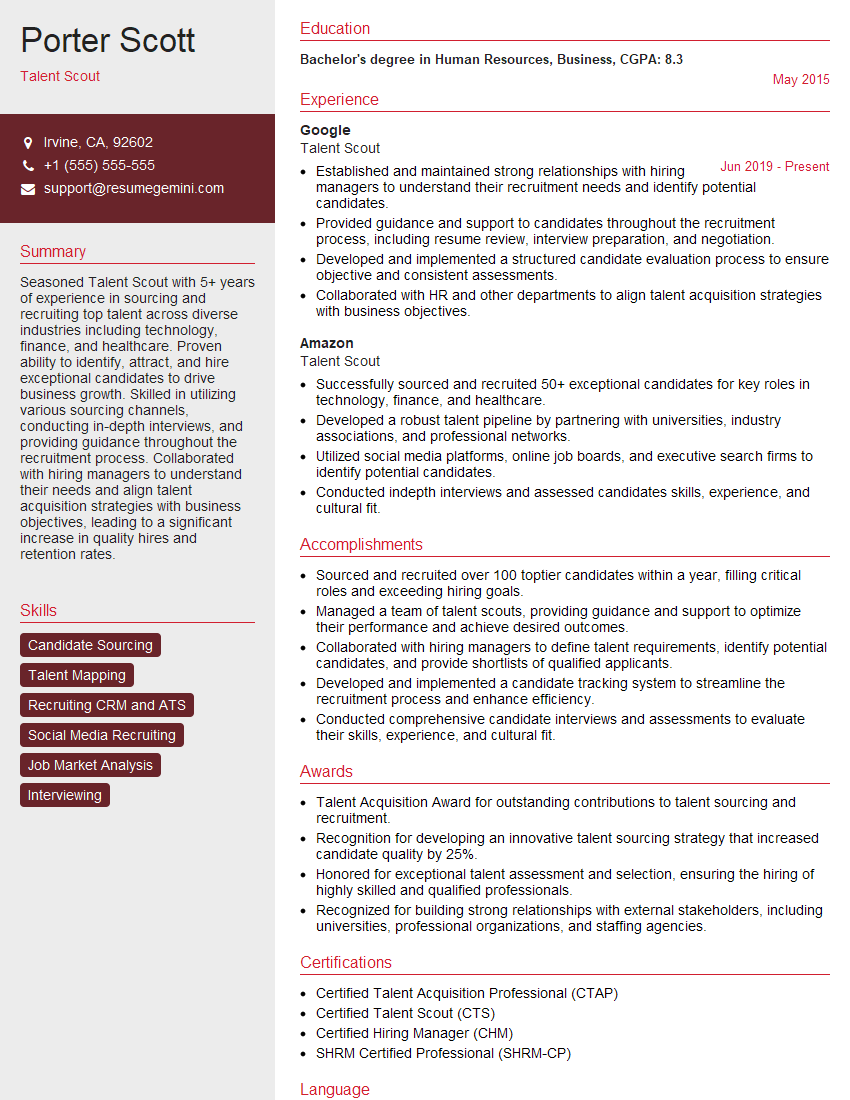
Talent Scout Resume Sample
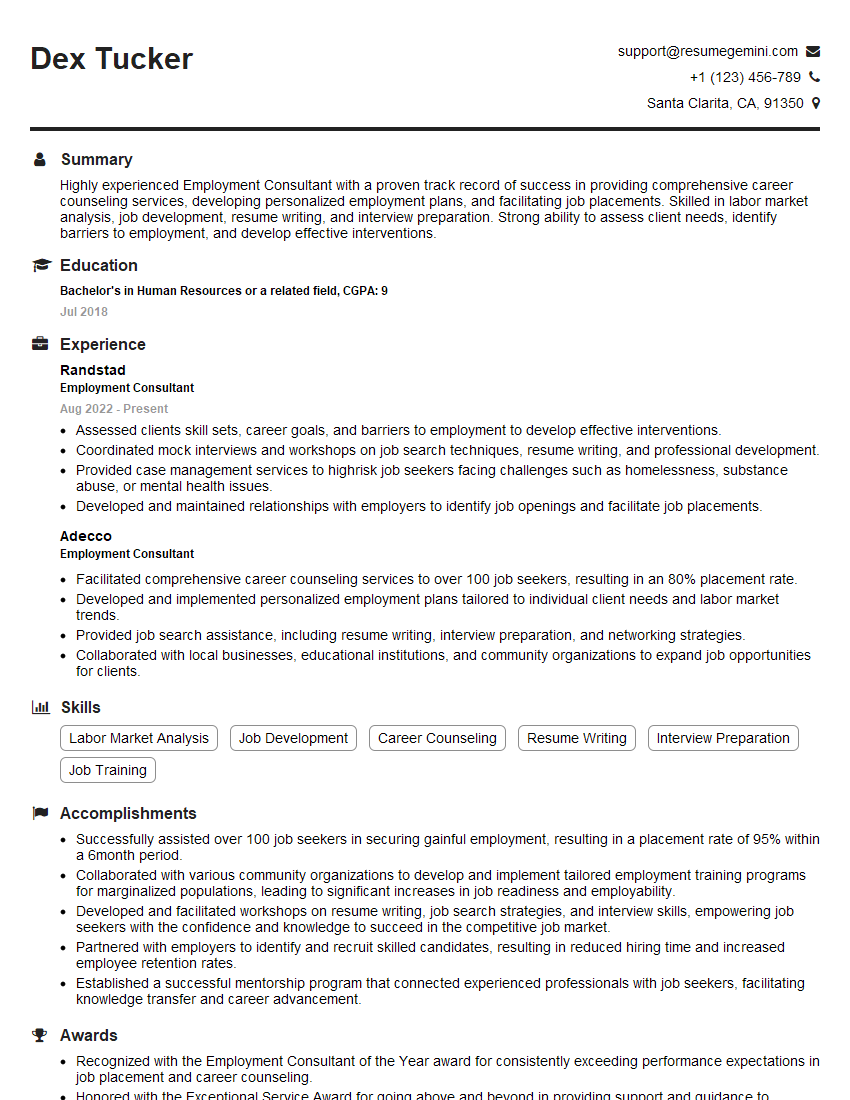
Employment Consultant Resume Sample
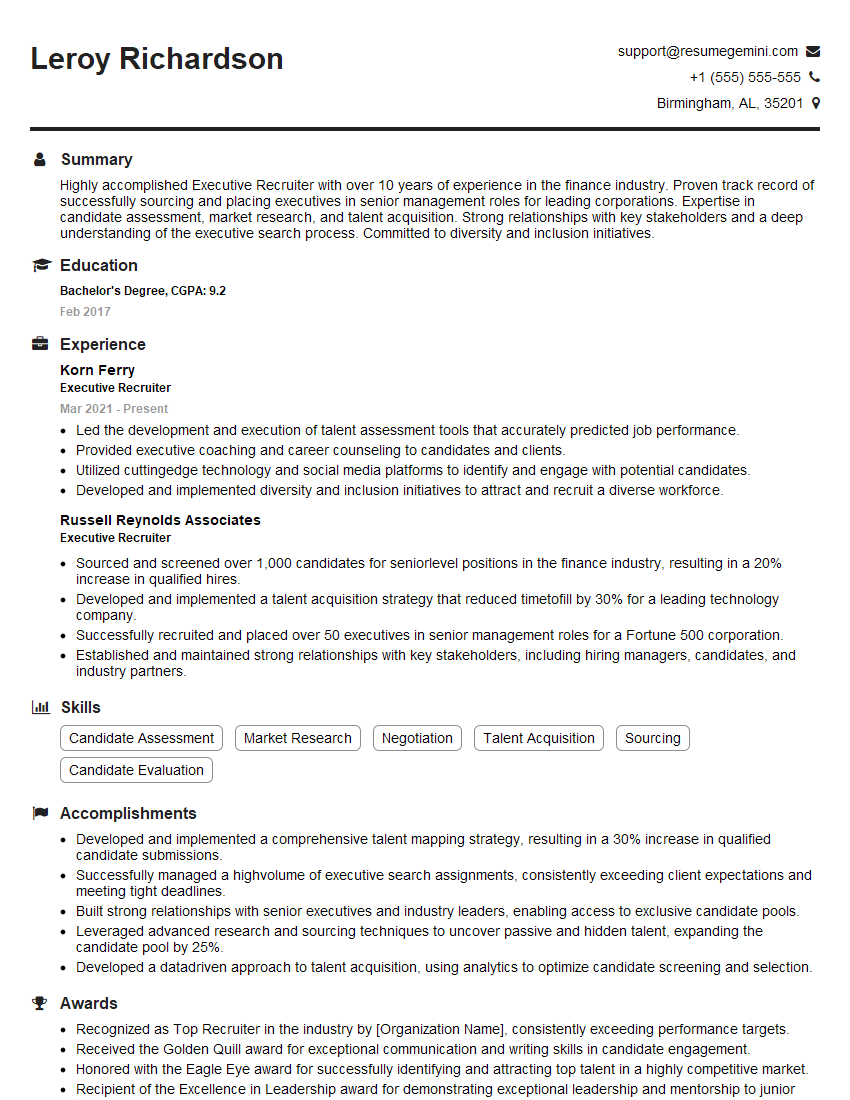
Executive Recruiter Resume Sample
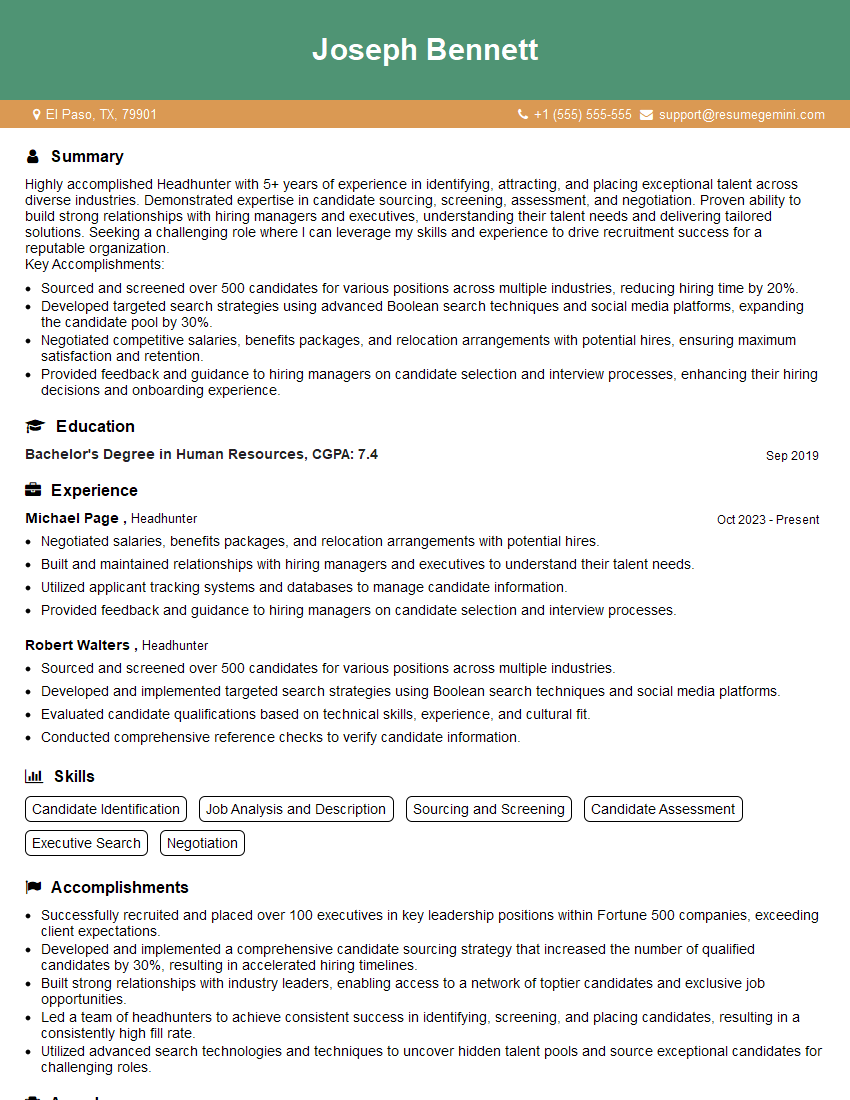
Headhunter Resume Sample
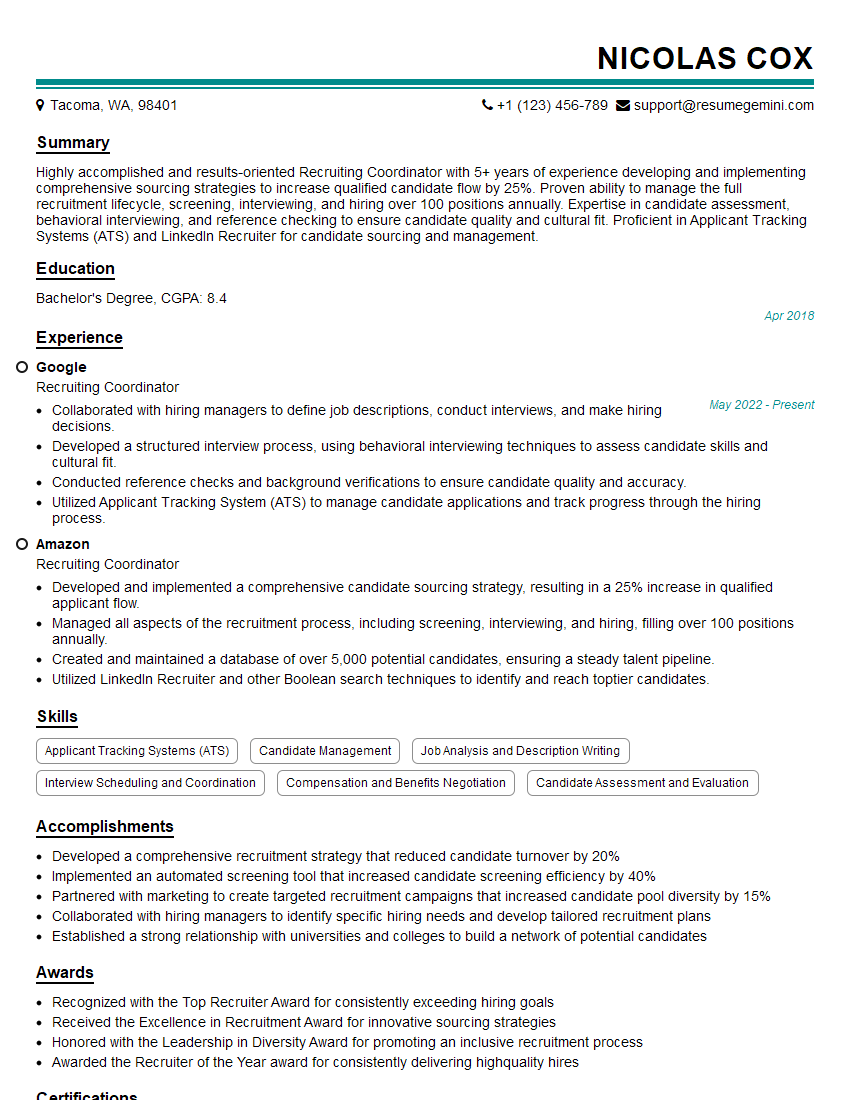
Recruiting Coordinator Resume Sample
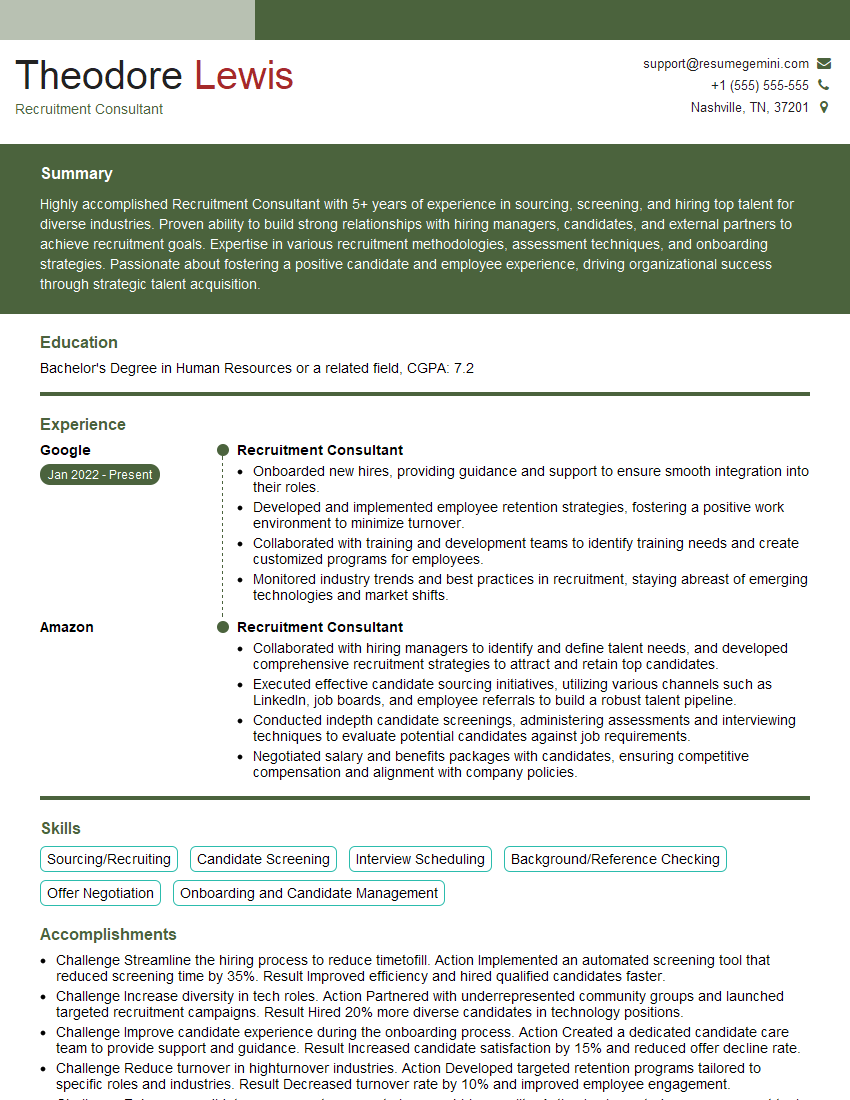
Recruitment Consultant Resume Sample
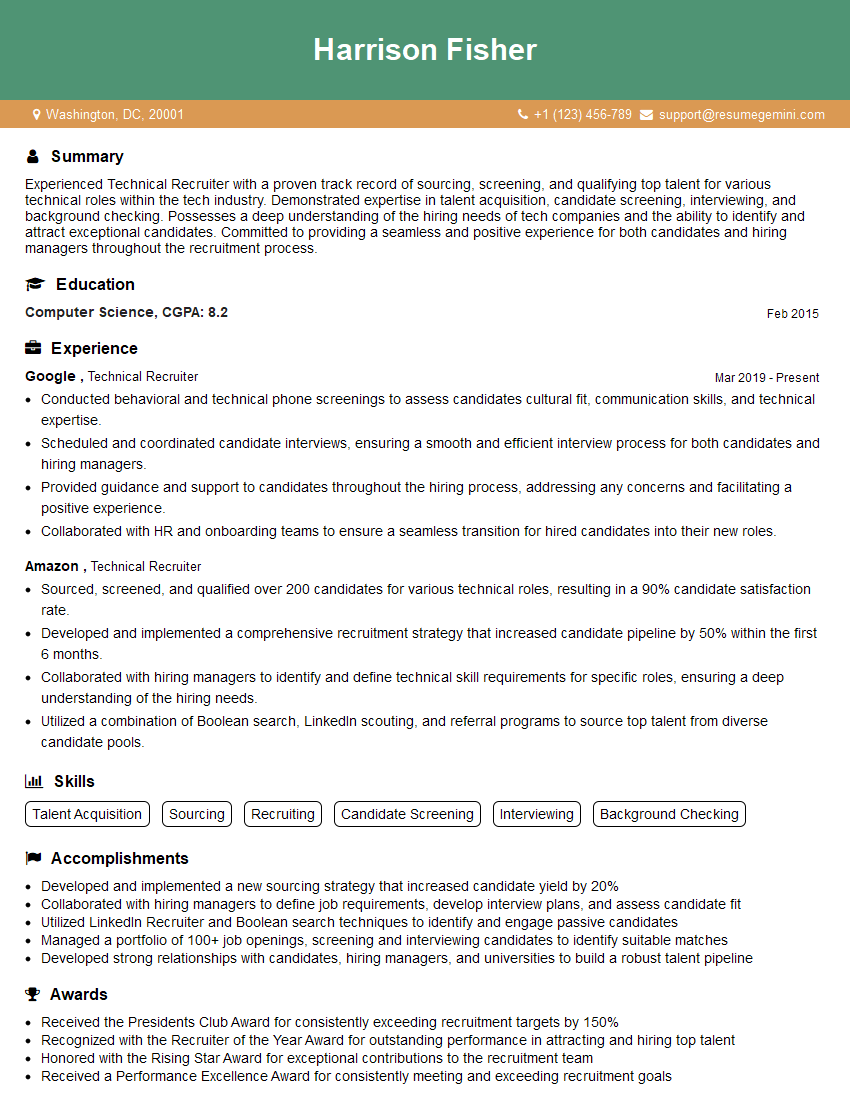
Technical Recruiter Resume Sample
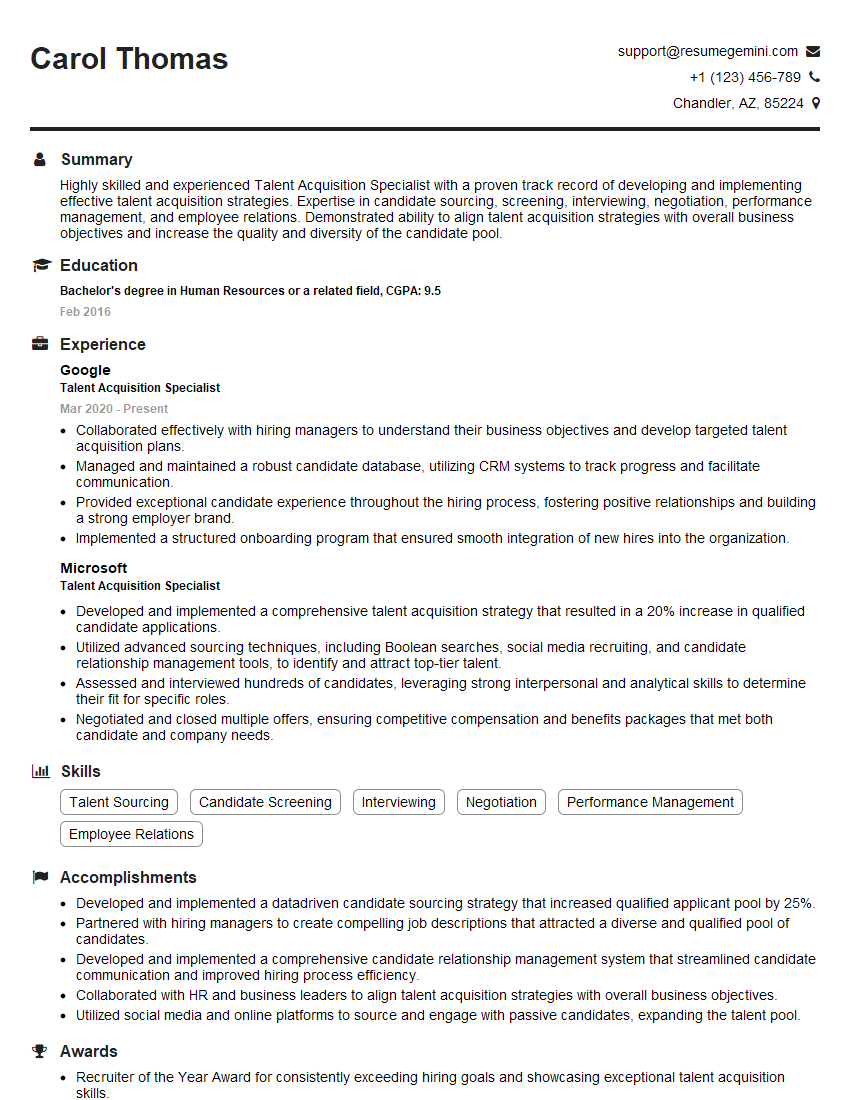
Talent Acquisition Specialist Resume Sample
Explore more articles
Users Rating of Our Blogs
Share Your Experience
We value your feedback! Please rate our content and share your thoughts (optional).
What Readers Say About Our Blog
Very informative content, great job.
good