Unlock your full potential by mastering the most common Personnel Recovery and Evacuation interview questions. This blog offers a deep dive into the critical topics, ensuring you’re not only prepared to answer but to excel. With these insights, you’ll approach your interview with clarity and confidence.
Questions Asked in Personnel Recovery and Evacuation Interview
Q 1. Describe the phases of a typical personnel recovery operation.
Personnel recovery operations, often abbreviated as PERSCO, follow a structured approach. Think of it like a well-orchestrated rescue mission with distinct phases. While the specifics might vary based on the situation (e.g., hostage rescue vs. natural disaster evacuation), the core phases remain consistent.
- Phase 1: Detection and Reporting: This is the initial phase where the need for a recovery operation is identified. It could be a distress signal from a downed pilot, a report of missing personnel in a conflict zone, or the confirmation of civilians trapped during a natural disaster. Accurate and timely reporting is paramount here.
- Phase 2: Location and Assessment: Once a situation is confirmed, efforts begin to pinpoint the location of the personnel in need. This may involve satellite imagery, intelligence gathering, or communications intercepts. A thorough assessment of the environment, threats, and available resources is vital to developing a suitable recovery plan.
- Phase 3: Recovery Planning and Execution: A detailed plan is formulated considering the risks, available assets, and the specific needs of the personnel being recovered. This includes selecting the appropriate recovery force, coordinating with local authorities (if applicable), and determining the most effective method of extraction. This phase is where careful coordination and risk management are crucial.
- Phase 4: Recovery and Extraction: This is the execution phase of the plan, where the recovery team moves in to retrieve the personnel. This could involve a helicopter insertion, a ground assault, or a delicate negotiation process, depending on the circumstances.
- Phase 5: Reintegration and Debriefing: After the successful recovery, the personnel receive necessary medical attention, psychological support, and administrative processing. A debriefing session helps to analyze the operation, identify areas for improvement, and improve future responses. This final step is critical for learning from the experience.
For example, consider a scenario involving a downed pilot in hostile territory. Phase 1 would involve the pilot’s emergency beacon being detected. Phase 2 would be the location identification via satellite and intelligence reports. Phase 3 would involve planning a specialized rescue mission involving a stealthy helicopter insertion. Phase 4 would be the actual extraction, and Phase 5 would include medical evaluation, debriefing, and repatriation.
Q 2. Explain the difference between a planned evacuation and an emergency evacuation.
The primary difference between planned and emergency evacuations lies in the level of preparedness and the timeframe.
- Planned Evacuation: These are preemptive measures taken in anticipation of an impending event. Think of a hurricane evacuation order. People have time to gather essential belongings, make travel arrangements, and move to designated shelters. There’s a degree of organization and preparation involved. The focus is on minimizing disruption and ensuring a safe, orderly process.
- Emergency Evacuation: These happen abruptly, often in response to unforeseen circumstances such as a sudden fire, a terrorist attack, or a building collapse. Time is of the essence, and decisions need to be made quickly. Safety becomes the primary concern, often prioritizing speed over meticulous organization. Resources may be strained, and improvisation is often necessary.
For instance, a scheduled facility upgrade requiring the temporary relocation of personnel is a planned evacuation, allowing time for logistics and resource planning. Conversely, an unexpected fire breaking out necessitates an emergency evacuation, demanding immediate action to save lives.
Q 3. What are the key elements of a robust personnel recovery plan?
A robust personnel recovery plan is built on several key elements:
- Clear Roles and Responsibilities: Defining who is responsible for each task prevents confusion and ensures accountability during a crisis. For example, specific individuals or teams should be designated for communications, transportation, medical support, and security.
- Comprehensive Communication Systems: Redundant communication systems are vital for maintaining contact with the personnel needing rescue and coordinating efforts among the recovery teams. This could include satellite phones, radio systems, and emergency beacons.
- Detailed Risk Assessment: Thoroughly assessing the potential threats and risks is essential for planning the most effective response. This includes environmental factors, potential adversaries, and the physical condition of the personnel involved.
- Pre-determined Evacuation Routes and Assembly Points: Planning escape routes and designating safe assembly points helps personnel to reach safety quickly and effectively. These plans should be regularly reviewed and updated.
- Training and Drills: Regular training and practice exercises familiarize personnel with the plan, improve coordination among teams, and help identify and address potential weaknesses.
- Resource Inventory: Knowing what resources are available—vehicles, medical supplies, personnel—and their limitations is crucial to developing a realistic plan.
- Contingency Planning: Planning for different scenarios and potential complications ensures flexibility and adaptability if the initial plan becomes unfeasible.
For example, a company operating in a high-risk area needs a plan detailing specific escape routes, pre-arranged transportation, designated communication channels, and a well-trained security team. This would be a far cry from a smaller office in a low-risk area requiring a simpler evacuation plan.
Q 4. How do you assess the risk involved in a personnel recovery operation?
Risk assessment in personnel recovery is a critical step. It’s a systematic process involving identifying potential hazards, analyzing their likelihood and severity, and evaluating the potential impact. A thorough risk assessment ensures the plan is tailored to the specific situation, minimizing casualties and maximizing the chances of a successful recovery.
The assessment process usually involves:
- Identifying potential hazards: This involves considering factors like the location’s geographic conditions, political stability, the presence of armed conflicts, local threats, and the health status of the personnel.
- Evaluating the likelihood and severity: Assigning probabilities and potential consequences to identified hazards. For example, the likelihood of encountering armed opposition during a rescue mission in a war zone would be higher than during a rescue mission in a peaceful environment.
- Assessing the impact: Determining the potential consequences of each hazard on the mission success and personnel safety. This involves evaluating the potential for injuries, fatalities, mission failure, equipment loss, and damage to reputation.
- Developing mitigation strategies: Creating strategies to minimize the risks. This may involve using protective gear, establishing security perimeters, selecting optimal routes, or deploying a larger recovery team.
For example, rescuing personnel from a building on fire demands assessing the risk of structural collapse, presence of toxic fumes, and the physical condition of the trapped individuals to determine the safest approach.
Q 5. What communication systems are crucial during personnel recovery and evacuation?
Reliable and redundant communication systems are the lifeline of any successful personnel recovery and evacuation. A breakdown in communication can have disastrous consequences. Several systems are crucial:
- Satellite Phones: Offer reliable communication even in remote or hostile areas with limited infrastructure.
- High-Frequency (HF) Radios: Used for long-range communication, particularly in areas with limited cell service.
- Very High Frequency (VHF) Radios: Suitable for shorter-range communication, commonly used in coordination among teams within close proximity.
- Emergency Beacons (EPIRBs, PLBs): Transmit distress signals to alert rescue services automatically.
- Secure Communication Channels: For sensitive information exchange, ensuring confidentiality and preventing interception by unauthorized parties.
- Internet-Based Communication Tools: While not always reliable in remote areas, they can provide an additional communication pathway.
A multi-layered approach ensures that even if one system fails, others are available for maintaining contact. For example, a team operating in a remote jungle might rely on satellite phones as the primary communication method but also carry HF radios as a backup in case satellite coverage is interrupted.
Q 6. What are the legal and ethical considerations in personnel recovery?
Personnel recovery operations involve several legal and ethical considerations. It’s a complex area requiring a keen awareness of international law, human rights, and national regulations.
- International Humanitarian Law (IHL): This governs the conduct of armed conflict and sets standards for the treatment of civilians and combatants. Personnel recovery operations must adhere to IHL principles to avoid accusations of war crimes.
- Human Rights Law: This covers fundamental human rights, including the right to life, liberty, and security. Personnel recovery efforts must respect these rights at all times.
- National Laws and Regulations: National laws and regulations regarding search and rescue, border control, and airspace management may need to be adhered to. This includes obtaining necessary permits and authorizations for cross-border operations.
- Rules of Engagement (ROE): Clear ROE defines what actions are permissible during an operation, ensuring compliance with legal and ethical standards.
- Consent and Informed Consent: If civilians are involved, informed consent is crucial whenever possible. This involves clearly explaining the recovery operation, obtaining permission for participation, and respecting any refusals.
- Data Privacy: Handling the personal data of rescued individuals must comply with data protection and privacy laws and regulations.
A hypothetical scenario involving a rescue mission in a foreign country requires carefully considering local laws, obtaining necessary permits, and respecting the sovereign nation’s authority to avoid legal complications.
Q 7. How do you prioritize personnel during a mass evacuation?
Prioritizing personnel during a mass evacuation is a challenging task that requires careful consideration of several factors. The goal is to ensure the safest and most effective evacuation possible, maximizing the chances of saving lives and minimizing losses. No single approach fits all scenarios, and prioritization is often a dynamic process.
- Vulnerable Individuals: This is often the first priority. This includes children, the elderly, those with disabilities, and individuals requiring medical attention. They may require special assistance and faster evacuation.
- Medical Needs: Individuals with immediate life-threatening injuries or conditions require immediate evacuation, prioritizing those with the most critical needs.
- Location: Those closer to immediate dangers (fire, collapsing structures) often have higher priority than those further away. This approach changes constantly.
- Physical Capacity: Individuals with limited mobility might require extra help and need earlier evacuation compared to those who can move independently.
- Special Needs: People with specific needs (oxygen tanks, medication) are often prioritized based on the immediacy of their need and dependency on resources or assistance.
In a hospital evacuation during a fire, medical staff often prioritize patients based on their medical urgency and ability to self-evacuate, while ensuring that medical staff themselves are not exposed to undue risk. This dynamic prioritization is key in high-pressure environments.
Q 8. What are the common challenges faced during personnel recovery in hostile environments?
Personnel recovery in hostile environments presents unique and formidable challenges. The primary difficulty lies in the unpredictable and dangerous nature of the operational environment itself. This includes:
- Hostile actors: Dealing with armed combatants, insurgents, or criminal elements who may actively impede the recovery effort or take hostages. This necessitates careful planning, robust security measures, and often, specialized tactical skills.
- Geographic limitations: Terrain, weather, and lack of infrastructure can severely restrict access and mobility, potentially delaying extraction and endangering both the recovered personnel and the recovery team. Imagine attempting a helicopter extraction in a dense jungle during a monsoon—the challenges are obvious.
- Logistical complexities: Securing necessary resources like transportation, medical support, and communication equipment in remote or conflict zones is inherently difficult. Supply lines can be easily disrupted, leading to shortages and impacting mission effectiveness.
- Information scarcity: Accurate and timely intelligence on the location, condition, and potential threats to the isolated personnel is crucial but often unavailable or unreliable, leading to uncertainty and increased risk.
- Time sensitivity: Many situations require immediate action to prevent further harm or exploitation of the isolated personnel. This creates immense pressure on the recovery team to act quickly and decisively, while still maintaining safety protocols.
Successfully navigating these challenges requires meticulous planning, adaptability, strong communication, and a highly skilled and well-trained recovery team.
Q 9. Describe your experience with coordinating with multiple agencies during a recovery operation.
Coordinating multiple agencies during a personnel recovery operation is paramount. In my experience, leading a joint task force involving military units, law enforcement, intelligence agencies, and even international organizations, demands a structured approach and exceptional communication skills. I use a system based on clear roles, responsibilities, and a unified command structure to ensure everyone is on the same page.
For instance, in a recent operation involving the rescue of kidnapped aid workers, I established a dedicated communication channel, using a secure platform for sharing real-time intelligence and updates. Regular briefings and collaborative planning sessions helped ensure every agency understood its role and how it contributed to the overall mission. Open and honest communication, actively listening to input from all stakeholders, was critical in overcoming differences in operational procedures and ensuring a coordinated effort that minimized risks and maximized the chances of a successful outcome. This requires building trust and mutual respect amongst all agencies involved.
Q 10. How do you manage stress and pressure during a crisis situation?
Managing stress and pressure in crisis situations is a crucial aspect of this role. It’s not just about resilience; it’s about proactive stress management. My approach is multi-faceted:
- Preparation and training: Extensive training and realistic simulations help prepare for the psychological and physical demands of high-pressure situations. Knowing the protocols and having a clear plan of action minimizes uncertainty and associated stress.
- Teamwork and support: Relying on the expertise and support of my team is essential. Open communication and mutual trust among team members create a supportive environment that helps manage individual stress levels.
- Self-care: Prioritizing physical and mental well-being outside of operations is crucial. This includes regular exercise, healthy diet, sufficient sleep, and engaging in activities that promote relaxation and stress reduction.
- Debriefing and support services: Post-operation debriefings provide a platform for processing the experience, addressing emotional challenges, and learning from the operation. Access to professional support services for myself and the team is equally important.
Remember, stress is inevitable, but how we manage it determines the outcome. It’s about maintaining composure and making rational decisions under pressure.
Q 11. Explain your understanding of the various methods used for personnel extraction.
Personnel extraction methods vary significantly depending on the operational environment, the threat level, and the specific circumstances. They range from:
- Direct action: A high-risk, often overt approach involving a ground assault by a specialized unit to directly extract personnel.
- Helicopter extraction (helocast): A rapid extraction method using helicopters, which is highly effective but susceptible to weather and enemy fire.
- Airborne infiltration and exfiltration: Utilizing fixed-wing aircraft or helicopters to infiltrate close to the isolated personnel, conduct the extraction, and then exfiltrate.
- Maritime extraction: Employing naval assets such as boats and ships for extraction from maritime environments.
- Covert extraction: A clandestine operation where extraction happens without revealing the recovery team’s involvement or raising suspicion.
- Local assistance: Utilizing friendly local forces or individuals to assist in extracting personnel.
The selection of the most appropriate method is a crucial decision-making process involving careful consideration of all relevant factors.
Q 12. How do you ensure the safety and well-being of recovered personnel?
Ensuring the safety and well-being of recovered personnel is the paramount objective. This involves:
- Immediate medical assessment and treatment: Providing prompt medical attention to address any injuries or health concerns. This may involve stabilizing the personnel on site before transportation to a secure medical facility.
- Psychological support: Providing immediate and ongoing psychological support to address the potential trauma of the situation. This often involves professional counselors or mental health experts.
- Secure transportation and accommodation: Transporting recovered personnel to a safe location with suitable accommodations, ensuring privacy and protection from further harm or exploitation.
- Debriefing and support: Conducting thorough debriefings to gather information and provide further assistance to deal with physical and psychological issues resulting from their experience.
- Reintegration support: Assisting the recovered personnel in their transition back into their normal lives, offering support for practical needs and addressing long-term implications of their ordeal.
The focus is on holistic care, ensuring both physical and psychological well-being is restored.
Q 13. What are the key performance indicators (KPIs) for a successful personnel recovery operation?
Key Performance Indicators (KPIs) for a successful personnel recovery operation are multifaceted and include:
- Time to recovery: The time elapsed between initiating the operation and successfully recovering the personnel. Faster recovery reduces risk and potential harm.
- Personnel safety: The number of personnel recovered without injury or loss of life, reflecting the effectiveness of safety protocols.
- Mission success rate: The percentage of planned recovery operations successfully completed.
- Resource utilization: Efficient use of personnel, equipment, and funds to achieve the mission objective.
- Intelligence quality: Accuracy and timeliness of intelligence used in planning and executing the operation.
- Post-recovery support effectiveness: Measuring the success of providing medical, psychological, and reintegration support.
These KPIs are carefully monitored and analyzed to continuously improve the effectiveness and efficiency of future operations.
Q 14. How do you maintain situational awareness during a personnel recovery mission?
Maintaining situational awareness during a personnel recovery mission is critical for success. This involves a combination of:
- Intelligence gathering: Constantly monitoring intelligence feeds for updates on the location, condition, and any threats to the isolated personnel.
- Real-time communication: Maintaining constant communication with all elements of the recovery team, including the isolated personnel and supporting assets.
- Technological tools: Utilizing surveillance technology such as drones, satellite imagery, and communication systems to provide real-time information.
- Human intelligence: Using local sources, if available and safe, to gather information on the ground situation.
- Risk assessment: Continuously assessing potential threats and adjusting the plan accordingly.
- Debriefings: Regular briefings and debriefings with all involved parties to maintain information flow and address unexpected events.
Situational awareness is not a passive process; it requires active information gathering and dynamic decision-making.
Q 15. Describe your experience with using Geographic Information Systems (GIS) in personnel recovery.
Geographic Information Systems (GIS) are invaluable in personnel recovery. They provide a dynamic, visual representation of the operational environment, allowing us to make informed, time-critical decisions. I’ve used GIS extensively to map terrain, identify potential hazards like bodies of water or dense forests, locate friendly forces, and track the movement of both the personnel in need of recovery and any potential threats. For example, during a recent operation in a mountainous region, we used GIS to pinpoint the exact location of the isolated personnel based on satellite imagery and their last known communication coordinates. This allowed us to plan the most efficient and safe extraction route, avoiding treacherous terrain and minimizing risk.
We also use GIS to model different scenarios – for example, simulating various extraction routes to determine the quickest time frame, considering factors like ground mobility, air support availability, and potential enemy encounters. GIS data helps us anticipate challenges before they arise, which is crucial for a successful and swift recovery.
Career Expert Tips:
- Ace those interviews! Prepare effectively by reviewing the Top 50 Most Common Interview Questions on ResumeGemini.
- Navigate your job search with confidence! Explore a wide range of Career Tips on ResumeGemini. Learn about common challenges and recommendations to overcome them.
- Craft the perfect resume! Master the Art of Resume Writing with ResumeGemini’s guide. Showcase your unique qualifications and achievements effectively.
- Don’t miss out on holiday savings! Build your dream resume with ResumeGemini’s ATS optimized templates.
Q 16. How do you handle unexpected challenges or changes in a personnel recovery operation?
Unexpected challenges are the norm, not the exception, in personnel recovery. My approach centers around adaptability and robust contingency planning. We develop multiple plans for various scenarios, always anticipating potential setbacks. For example, if communication with the isolated personnel is lost, we have alternative strategies in place, such as employing different communication methods or utilizing signals intelligence to triangulate their location. If the initial extraction route becomes impassable due to unforeseen circumstances – such as bad weather or enemy interference – we have alternative routes and methods already pre-planned and ready to implement.
Regular training exercises simulating unexpected events are key. We frequently conduct scenario-based training to test our ability to react effectively to changes in real-time, ensuring team members are well-prepared and able to quickly adapt their strategies.
Q 17. What are the different types of threats you might encounter during a personnel recovery mission?
Threats during a personnel recovery mission can be diverse and complex. They can range from the relatively straightforward, like difficult terrain or inclement weather, to highly dangerous situations such as:
- Enemy combatants: This includes ambushes, snipers, and direct attacks aimed at disrupting the recovery effort.
- Hostile environment: This encompasses natural hazards such as extreme weather, difficult terrain, or even dangerous wildlife.
- Civilian interference: Unintended involvement of civilians could inadvertently endanger both the personnel being rescued and the recovery team.
- Technical failures: Equipment malfunctions, communication breakdowns, or logistical issues can critically impact mission success.
- Intelligence gaps: A lack of accurate and timely intelligence can hinder our ability to effectively plan and execute the operation.
Effective risk assessment and mitigation strategies are vital in managing these varying threats.
Q 18. How do you ensure the confidentiality and security of sensitive information during recovery?
Confidentiality and security are paramount. We employ strict protocols to safeguard sensitive information. This includes using encrypted communication channels for all mission-critical data, limiting access to information on a need-to-know basis, and employing robust data security measures, such as password protection and secure data storage. All personnel involved receive comprehensive security training on handling classified materials and follow strict operational security (OPSEC) measures to prevent information leaks.
After a mission, all sensitive documents and digital data are properly secured and archived according to established procedures. Regular audits and security assessments help ensure continued compliance and identify any vulnerabilities.
Q 19. What are some strategies for minimizing civilian casualties during evacuation?
Minimizing civilian casualties requires careful planning and execution. We use intelligence gathering to understand the civilian population’s location and movement patterns near the operation zone. The selection of extraction routes and timing of the operation are carefully considered to avoid densely populated areas. We implement clear communication strategies to warn civilians about the ongoing operation and ensure safe passage. If contact with civilians is unavoidable, we utilize de-escalation techniques to avoid unnecessary confrontation. This often requires a combination of clear communication and a calm, reassuring presence to minimize any potential for conflict.
Post-operation, we conduct assessments to evaluate the impact on civilian populations and address any concerns or needs they may have.
Q 20. How do you debrief personnel after a personnel recovery operation?
Debriefing is critical for identifying areas for improvement and ensuring lessons learned are incorporated into future operations. Our debriefings are conducted in a safe and supportive environment, usually within 24-48 hours after mission completion. The process involves a structured discussion led by experienced personnel. We gather input from all team members, covering both successes and areas where performance could be enhanced. This includes detailed accounts of the events, challenges encountered, and the efficacy of different strategies employed.
The debriefing sessions are confidential and encourage open communication. Feedback is constructive and focuses on the process, not individual blame. Key findings are then documented and used to update our standard operating procedures and training programs.
Q 21. What are some best practices for maintaining equipment readiness for personnel recovery operations?
Maintaining equipment readiness is crucial for the success of any personnel recovery operation. We follow a rigorous preventative maintenance schedule for all equipment, including vehicles, aircraft, communications systems, and medical supplies. Regular inspections and checks are conducted to identify any potential issues early on. We keep a well-stocked inventory of spare parts and consumables, ensuring timely repairs and replacements. All personnel receive thorough training on equipment operation and maintenance, including troubleshooting common problems. This training also includes how to perform field repairs in situations where immediate access to specialized support may be limited. We also conduct regular equipment testing and simulations to verify functionality and identify any weaknesses in our systems.
A key aspect is proactive planning for equipment storage and transportation. We need to ensure equipment is properly stored to prevent damage and deterioration, and that transportation methods are reliable and secure.
Q 22. What is your experience with developing and delivering training on personnel recovery procedures?
Developing and delivering effective personnel recovery (PR) training requires a multifaceted approach. It’s not just about memorizing procedures; it’s about fostering a deep understanding of the complexities involved and building practical skills. My experience includes designing and conducting training programs that cover all phases of PR, from risk assessment and mitigation to the actual recovery and repatriation of personnel. This training involves classroom instruction, realistic simulations using scenarios mimicking real-world events, and practical field exercises. For instance, I developed a scenario-based training program for a multinational oil company operating in a high-risk environment. This program included role-playing exercises focusing on communication protocols during a kidnapping, navigating hostile terrain during an evacuation, and managing medical emergencies in remote locations. We utilized interactive tools and virtual reality simulations to enhance the learning experience and create a memorable and effective training program. The success of this program was measured by the improved performance of participants in post-training evaluations and observed improvements in field readiness.
Q 23. How do you adapt personnel recovery plans to different geographical and cultural contexts?
Adapting PR plans to diverse geographical and cultural contexts is paramount. A plan effective in a stable, Westernized country will likely fail in a conflict zone or in a region with different cultural norms. My approach involves careful consideration of several factors:
- Geopolitical Landscape: Analyzing political stability, potential threats (insurgency, terrorism, crime), and the presence of local authorities and their willingness to cooperate.
- Environmental Conditions: Assessing terrain, weather patterns, accessibility (roads, airfields), and the availability of resources.
- Cultural Nuances: Understanding local customs, communication styles, religious sensitivities, and power structures to ensure culturally appropriate and respectful interactions.
- Local Resources: Identifying and building relationships with local contacts who can provide vital information, logistical support, and potentially, mediation.
For example, a PR plan for a humanitarian aid worker in a remote African village requires a vastly different approach than a plan for an executive kidnapped in a major city. The former might rely on community engagement and local guides, whereas the latter may involve significant coordination with local law enforcement and international organizations. Flexibility and adaptability are key; the plan must be fluid and adjusted as the situation evolves.
Q 24. Describe your familiarity with international laws regarding personnel recovery and humanitarian aid.
My familiarity with international laws governing PR and humanitarian aid is extensive. I understand the complexities of international humanitarian law (IHL), the Geneva Conventions, and the UN Charter’s principles, particularly as they relate to the protection of civilians, prisoners of war, and humanitarian workers. It’s crucial to operate within the bounds of these laws to ensure legality, maintain ethical standards, and avoid unintended consequences. This knowledge influences every aspect of PR planning and execution, including coordination with international organizations, communication with foreign governments, and the selection of recovery methods. For instance, understanding the specific restrictions imposed by a particular country on the use of force during a hostage rescue is essential in avoiding legal and diplomatic complications.
Q 25. How do you use technology to enhance efficiency and effectiveness in personnel recovery?
Technology plays a crucial role in modern PR. We leverage several tools to enhance efficiency and effectiveness:
- Satellite Communication: Maintaining contact with isolated personnel, even in remote or hostile areas.
- GPS Tracking Devices: Locating personnel in distress and monitoring their movement.
- Geographic Information Systems (GIS): Mapping terrain, identifying potential risks, and optimizing search and rescue routes.
- Data Analytics: Analyzing historical data to identify patterns, predict potential risks, and improve future planning.
- Secure Communication Platforms: Enabling confidential and reliable communication with personnel and rescue teams.
For instance, the use of encrypted satellite phones for communication in high-risk situations helps ensure secure and reliable transmission of information, preventing interception and safeguarding sensitive data.
Q 26. What are some innovative strategies you have employed in personnel recovery situations?
In PR, innovation is crucial. One strategy I’ve employed effectively is proactive risk mitigation. Instead of solely reacting to incidents, we proactively identify and mitigate potential threats before they materialize. This involves comprehensive risk assessments, security audits, and tailored training programs specific to the potential risks each individual or team might face in their unique operating environment. Another innovative approach is leveraging open-source intelligence (OSINT) to gather critical information about a specific environment, or to better assess a situation quickly. This helps paint a more complete picture before making decisions, which is crucial in time-sensitive PR operations. We also focus on building strong relationships with local communities to enhance intelligence gathering and potentially leverage their support during recovery operations.
Q 27. How do you conduct post-incident analysis to improve future operations?
Post-incident analysis (PIA) is vital for continuous improvement. We utilize a structured approach:
- Data Collection: Gathering information from various sources, including incident reports, communication logs, and interviews with involved personnel.
- Timeline Reconstruction: Creating a detailed timeline of events to understand the sequence of actions and identify critical decision points.
- Root Cause Analysis: Identifying the underlying causes that led to the incident, focusing on both human factors and system failures.
- Lessons Learned: Identifying areas for improvement in procedures, training, equipment, and communication protocols.
- Recommendation Implementation: Developing and implementing concrete recommendations to mitigate similar incidents in the future.
Each PIA is meticulously documented and its findings are shared across teams to ensure institutional learning.
Q 28. Explain your understanding of the psychological impact of personnel recovery operations on both personnel and rescuers.
The psychological impact of PR operations is significant. Personnel facing abduction, captivity, or other traumatic experiences often suffer from PTSD, anxiety, depression, and other mental health issues. Rescuers, too, can experience vicarious trauma, burnout, and moral injury. Addressing this requires a comprehensive approach:
- Pre-deployment Psychological Screening: Identifying personnel at higher risk of developing psychological distress.
- Post-incident Psychological Support: Providing access to mental health professionals for both recovered personnel and rescuers.
- Family Support: Offering support and resources to families of those involved.
- Debriefing Sessions: Facilitating structured debriefing sessions to process experiences and identify areas needing further support.
- Long-term Follow-up: Ensuring ongoing access to mental health resources.
We use a holistic approach recognizing that effective PR involves not only physical rescue but also the psychological well-being of all those involved. This often means coordinating with specialized organizations offering mental health support services.
Key Topics to Learn for Personnel Recovery and Evacuation Interview
- Risk Assessment and Mitigation: Understanding and evaluating potential threats to personnel in various operational environments, and developing strategies to minimize risk during recovery and evacuation.
- Emergency Response Planning: Developing comprehensive plans for personnel recovery and evacuation, including communication protocols, resource allocation, and contingency planning. Practical application includes designing plans for different scenarios (natural disasters, hostile environments, etc.).
- Communication and Coordination: Mastering effective communication techniques across multiple teams and stakeholders during high-pressure situations. This includes understanding chain of command and utilizing appropriate communication technologies.
- Search and Rescue Techniques: Familiarity with various search and rescue methodologies, including ground, air, and maritime operations. This extends to understanding the limitations and capabilities of different techniques.
- Medical First Response and Casualty Care: Understanding basic first aid and medical protocols for injured personnel, including triage and stabilization techniques. This is crucial for prioritizing care during evacuations.
- Security Considerations: Addressing security concerns during personnel recovery and evacuation, including threat assessment, protective measures, and collaboration with security forces.
- Legal and Ethical Considerations: Understanding the legal and ethical implications of personnel recovery and evacuation decisions, ensuring compliance with relevant regulations and international laws.
- Post-Evacuation Support: Planning and implementing support services for evacuated personnel, including psychological support, repatriation, and reintegration.
- Technological Applications: Familiarity with relevant technologies used in personnel recovery and evacuation, such as GPS tracking, satellite communication, and data analysis tools.
- Case Studies and Problem-Solving: Analyzing real-world case studies of successful and unsuccessful personnel recovery and evacuation operations to identify best practices and areas for improvement. Practice applying learned concepts to hypothetical scenarios.
Next Steps
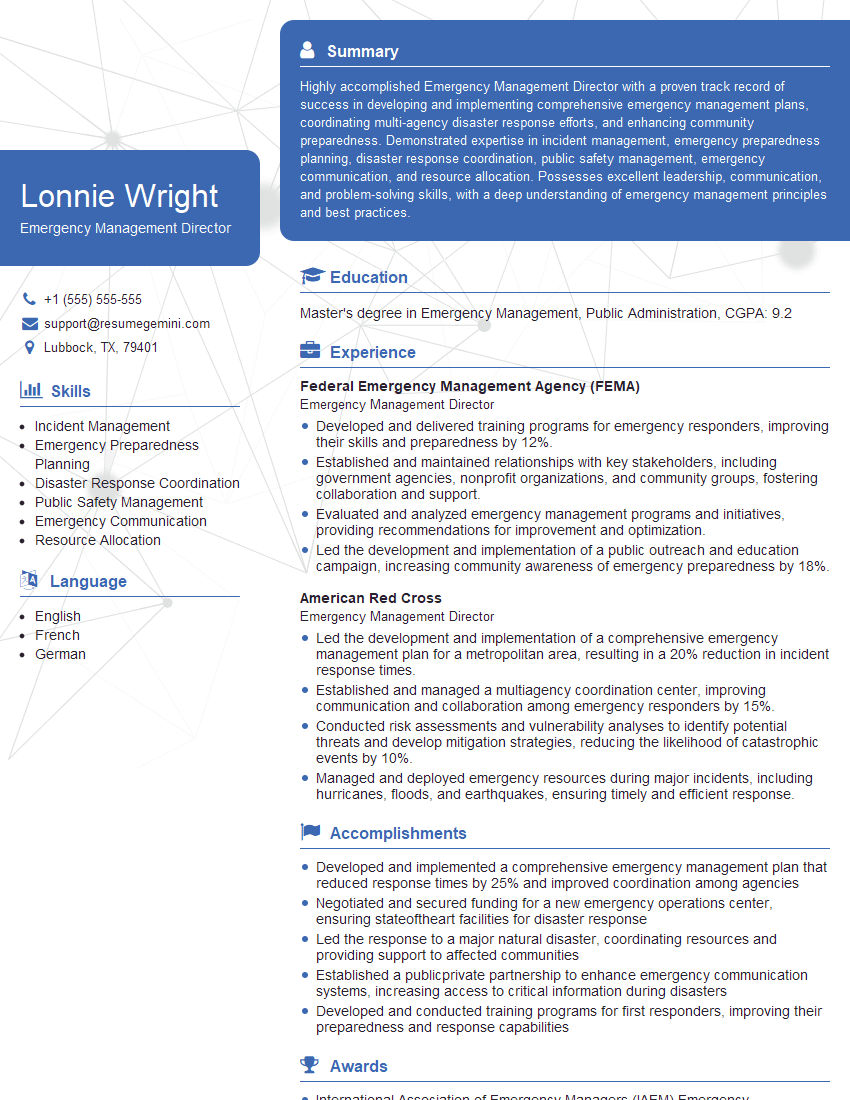
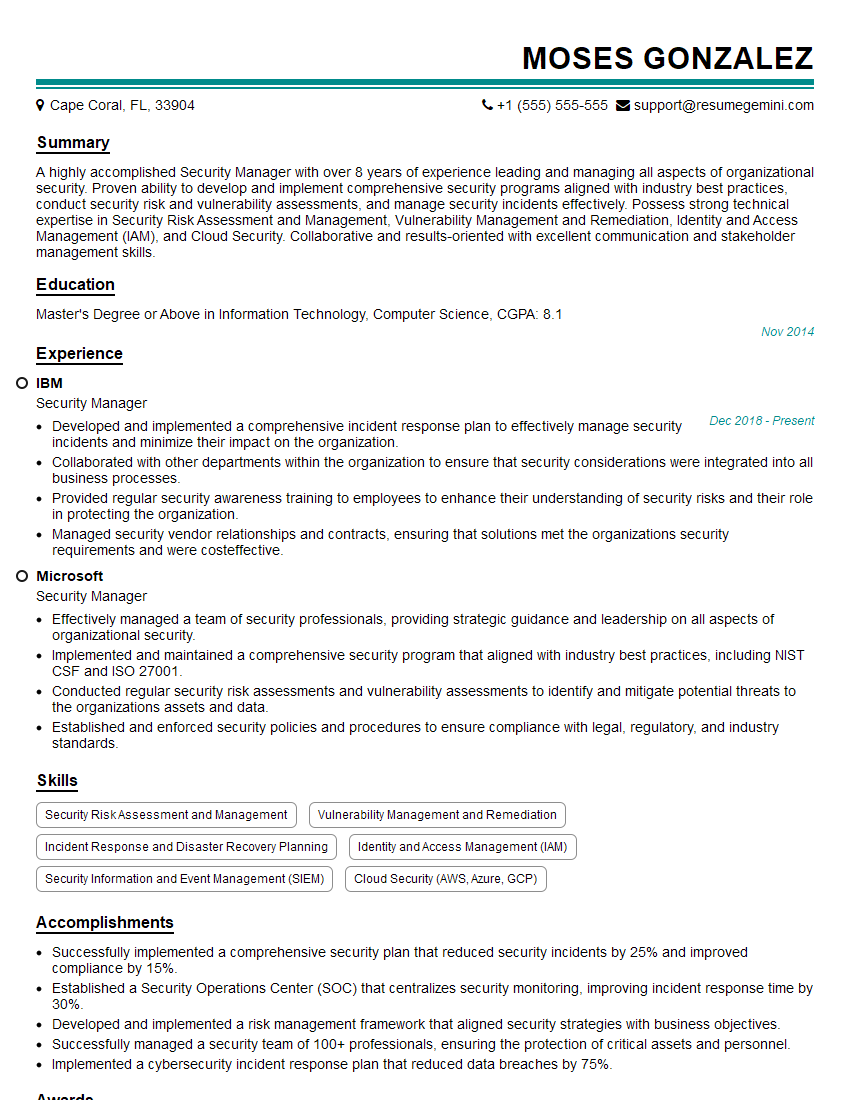
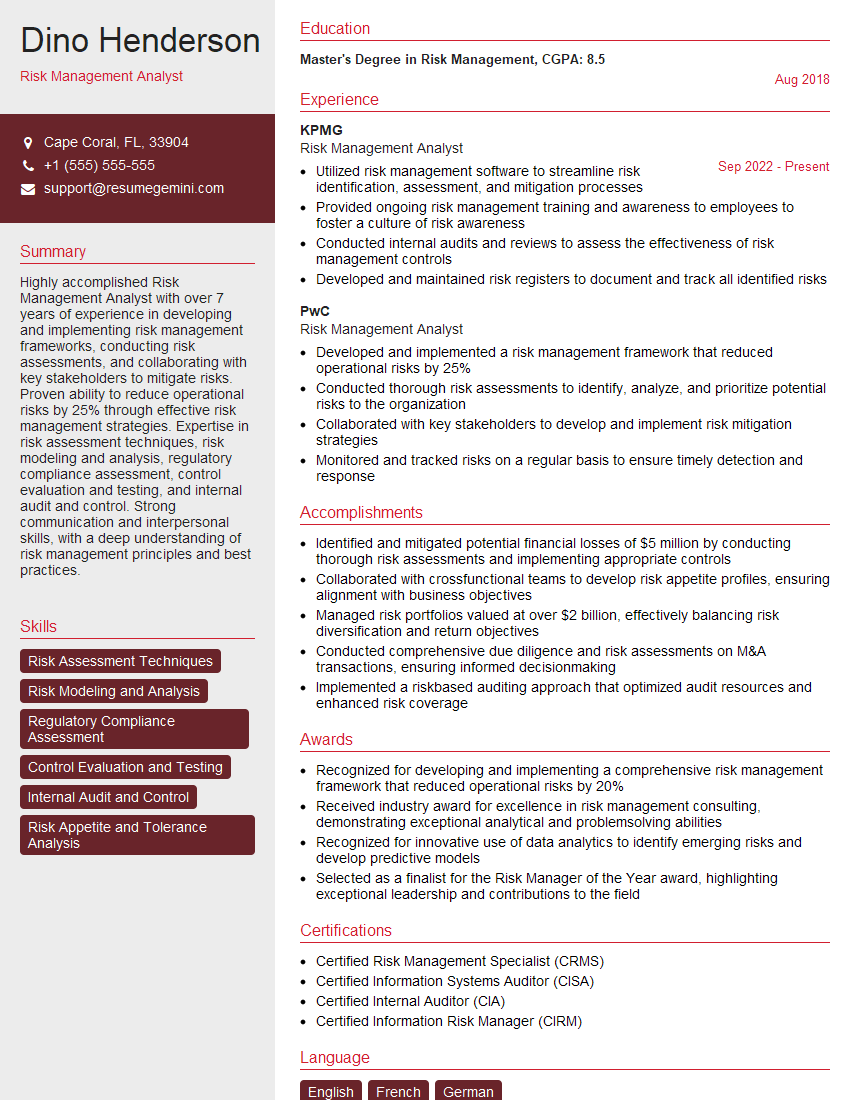
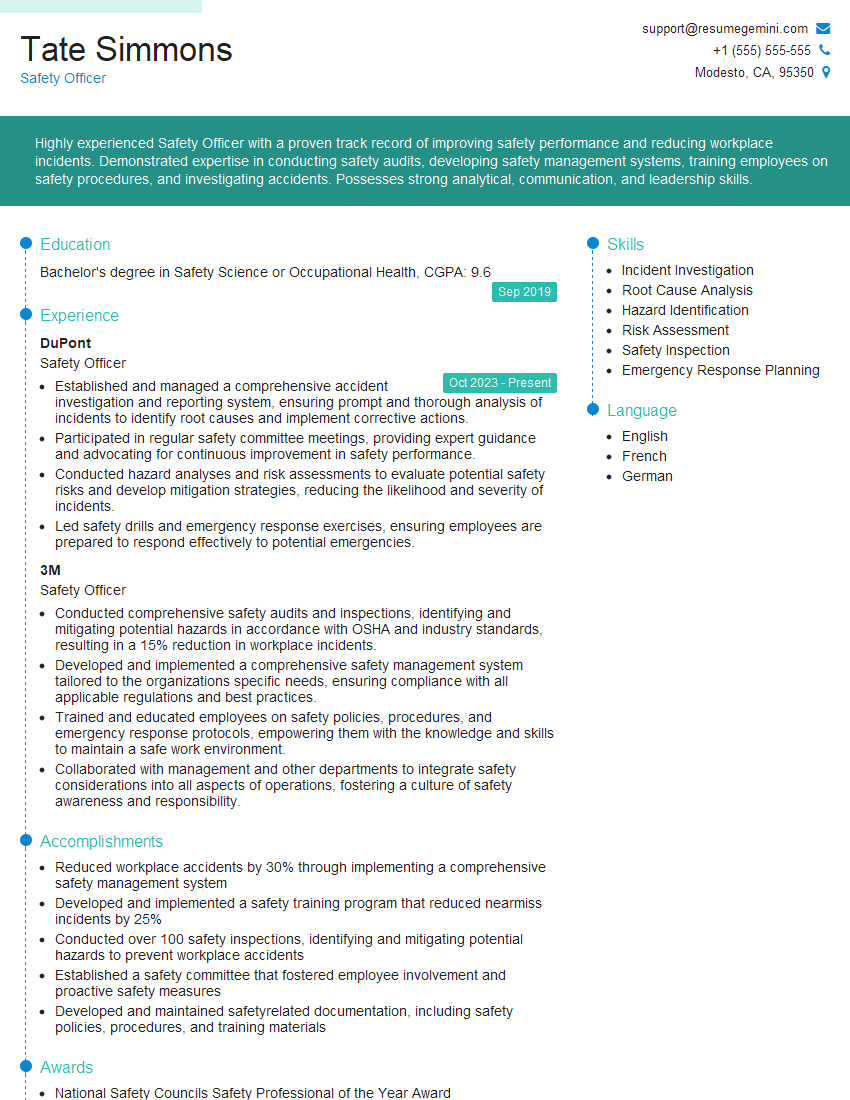
Mastering Personnel Recovery and Evacuation demonstrates critical thinking, problem-solving, and leadership skills highly valued in many fields. This expertise significantly enhances your career prospects, opening doors to leadership roles and specialized positions within government, NGOs, and private sector organizations. To maximize your job search success, create an ATS-friendly resume that showcases your skills and experience effectively. ResumeGemini is a trusted resource to help you build a professional and impactful resume tailored to the specific requirements of Personnel Recovery and Evacuation roles. Examples of resumes tailored to this field are provided to guide you.
Explore more articles
Users Rating of Our Blogs
Share Your Experience
We value your feedback! Please rate our content and share your thoughts (optional).
What Readers Say About Our Blog
Very informative content, great job.
good