Every successful interview starts with knowing what to expect. In this blog, we’ll take you through the top CanadianSolar interview questions, breaking them down with expert tips to help you deliver impactful answers. Step into your next interview fully prepared and ready to succeed.
Questions Asked in CanadianSolar Interview
Q 1. Describe CanadianSolar’s current market position in the solar industry.
Canadian Solar is a major player in the global solar industry, though its precise market position fluctuates based on annual production and market share analyses. They’re not typically ranked among the absolute top three or four largest manufacturers by gigawatts produced each year, but they consistently hold a significant position within the top ten globally. This ranking reflects their substantial manufacturing capacity and global sales network. Think of it like this: while they might not be the biggest supermarket chain, they’re definitely one of the major players with a strong presence in many regions.
Their competitive advantage lies in a combination of factors including their vertically integrated business model (meaning they control many stages of production, from silicon ingots to finished panels), their focus on efficiency and cost-effectiveness, and their strong presence in key markets. Their market positioning is constantly evolving due to competitive pressures and changes in global demand, but they remain a key global force within the solar PV industry.
Q 2. Explain CanadianSolar’s manufacturing process for solar panels.
Canadian Solar’s manufacturing process is a complex, multi-stage undertaking. It’s a vertically integrated process, meaning they control many aspects of production in-house. This allows them greater control over quality and cost. The process generally follows these steps:
- Silicon Ingot and Wafer Production: This begins with metallurgical-grade silicon being purified and then grown into large cylindrical ingots. These ingots are then sliced into thin wafers, the foundation of the solar cell.
- Solar Cell Manufacturing: The silicon wafers undergo a process of diffusion and other treatments to create photovoltaic cells. This involves adding dopants to create a p-n junction that allows for the generation of electricity when exposed to sunlight.
- Solar Panel Assembly: Individual solar cells are interconnected using conductive materials and then laminated onto a robust substrate to form a solar panel. This involves stringent quality control measures to ensure high efficiency and durability.
- Testing and Quality Control: Rigorous testing is conducted at each stage, ensuring adherence to industry standards and internal specifications. This process verifies efficiency, durability, and overall performance before panels are shipped.
The entire process is highly automated to maintain efficiency and precision. They utilize advanced technology to optimize energy conversion rates and enhance the longevity of their panels.
Q 3. What are some of the key challenges facing CanadianSolar in the current market?
Canadian Solar, like many solar manufacturers, faces several challenges:
- Intense Competition: The solar panel market is highly competitive, with manufacturers from China and other regions vying for market share. This drives down prices and necessitates continuous innovation to stay competitive.
- Supply Chain Disruptions: Global events, such as pandemics or geopolitical instability, can disrupt the supply chain, impacting the availability of raw materials and increasing production costs. Securing consistent access to raw materials and components is crucial.
- Trade Policies and Tariffs: Changes in trade policies and the imposition of tariffs in various markets can impact Canadian Solar’s profitability and market access. Navigating complex international trade regulations is essential.
- Fluctuations in Raw Material Prices: The cost of raw materials, such as polysilicon, can fluctuate significantly, affecting the overall cost of production. Managing these price fluctuations and mitigating risks is a continuous challenge.
- Technological Advancements: The solar industry is constantly evolving with new technologies emerging. Canadian Solar must invest in R&D to stay at the forefront of innovation and maintain competitiveness.
Q 4. How does CanadianSolar ensure the quality and reliability of its products?
Canadian Solar employs a multi-faceted approach to ensure product quality and reliability:
- Rigorous Quality Control: Throughout the manufacturing process, rigorous quality control checks are implemented at each stage. This includes automated inspections and manual quality assurance measures to identify and address any defects.
- Advanced Testing Procedures: Solar panels undergo extensive testing to ensure they meet industry standards and exceed customer expectations. These tests assess aspects such as power output, durability, and resistance to extreme conditions.
- Industry Certifications: Canadian Solar actively pursues and maintains various industry certifications, demonstrating their commitment to quality and safety. These certifications provide customers with added assurance.
- Warranty Programs: They offer comprehensive warranty programs, covering defects in materials and workmanship for an extended period. This demonstrates their confidence in their products and provides customers with peace of mind.
- Continuous Improvement: A commitment to continuous improvement drives their efforts to enhance manufacturing processes, materials, and designs to ensure long-term product reliability.
These measures are not just about meeting standards; they’re about building a reputation for dependable and high-performing solar panels.
Q 5. Discuss CanadianSolar’s commitment to sustainability and environmental responsibility.
Canadian Solar demonstrates a commitment to sustainability through several initiatives:
- Sustainable Manufacturing Practices: They strive to minimize their environmental footprint through efficient energy use, waste reduction, and the adoption of environmentally friendly materials. This reduces their carbon footprint during production.
- Renewable Energy Use: Canadian Solar integrates renewable energy sources into their manufacturing facilities to reduce their reliance on fossil fuels and demonstrate a commitment to clean energy.
- Product Lifecycle Management: They consider the entire product lifecycle, from raw material sourcing to end-of-life management, to minimize their environmental impact. This includes responsible recycling programs.
- Community Engagement: They actively participate in community initiatives related to environmental protection and sustainability, promoting responsible environmental stewardship.
- Transparency and Reporting: Canadian Solar publishes sustainability reports, providing transparency on their environmental performance and progress towards their sustainability goals.
Their commitment goes beyond simply producing solar panels; it’s about actively contributing to a more sustainable future.
Q 6. Describe CanadianSolar’s supply chain and its global reach.
Canadian Solar boasts a globally extensive supply chain and a significant global reach. Their operations span numerous countries, reflecting their vertically integrated model. They source raw materials from various regions, manufacture panels in several facilities worldwide, and sell their products to distributors and installers in numerous markets across the globe.
Their global supply chain ensures resilience, mitigating risks associated with reliance on single sources. The geographic diversity allows them to serve a broad customer base and adapt to regional demands. Their international presence is a strategic advantage, allowing them to react to market shifts and respond to opportunities in various regions efficiently.
Q 7. What are the different types of solar panels manufactured by CanadianSolar?
Canadian Solar manufactures a range of solar panels, catering to various applications and customer needs. While the precise offerings can change over time, their product portfolio generally includes:
- High-efficiency monocrystalline panels: These are typically known for their higher energy output per square foot and aesthetic appeal.
- Standard monocrystalline panels: Offering a balance of efficiency and cost-effectiveness.
- Polycrystalline panels: A more cost-effective option, often suitable for large-scale projects where high efficiency is not the primary concern.
- Bifacial panels: These panels capture light from both the front and back surfaces, increasing overall energy production, particularly in installations with reflective surfaces.
Specific panel specifications, such as wattage, dimensions, and efficiency ratings, vary according to the specific model. Canadian Solar’s website provides detailed specifications for their current product offerings.
Q 8. How does CanadianSolar’s technology compare to its competitors?
Canadian Solar’s technology competitiveness hinges on a multi-pronged strategy focusing on efficiency, cost-effectiveness, and technological innovation. While they don’t necessarily lead in every single area of solar technology, their overall package is highly competitive. They excel in the mass production of high-efficiency panels, leveraging economies of scale to offer competitive pricing. Compared to competitors like JA Solar or Longi Green Energy, Canadian Solar may not always boast the absolute highest efficiency ratings in individual panels, but their manufacturing prowess ensures a strong price-to-performance ratio. This is crucial in the competitive landscape of the solar energy market, where cost plays a significant role in project feasibility.
For example, while some competitors may focus on advanced technologies like tandem cells, Canadian Solar prioritizes optimizing its existing cell and module designs for mass production, leading to consistent and reliable output at a lower price point. This strategy allows them to secure a substantial market share.
Q 9. What are some of CanadianSolar’s key innovations in solar technology?
Canadian Solar’s key innovations are less about groundbreaking individual technologies and more about optimizing manufacturing processes and integrating proven technologies effectively. Their focus is on achieving higher efficiencies and reducing costs through continuous improvement rather than radical departures. Examples include their advancements in cell design, leading to improved light absorption and energy conversion. They’ve also implemented advanced automation in their manufacturing facilities, significantly boosting production volumes and lowering costs per watt. Additionally, their research into bifacial solar panels, which capture light from both sides, represents a significant move toward increased energy generation from existing land space. This focus on incremental improvements allows for faster and more cost-effective implementation compared to revolutionary but potentially risky innovations.
Q 10. Explain CanadianSolar’s approach to project development and financing.
Canadian Solar’s approach to project development and financing is multifaceted. They engage in both the development and construction of utility-scale solar power plants, and also the supply of solar modules to independent power producers (IPPs) and other developers. Their in-house development expertise means they manage the entire process, from land acquisition and permitting to construction and commissioning. This vertical integration provides them with significant control and reduces reliance on external contractors.
Financing typically involves a mix of equity and debt, depending on the project’s size and risk profile. They have strong relationships with financial institutions and utilize various financing structures such as project finance, tax equity, and government subsidies to secure funding. For example, they might secure a loan from a bank, complemented by equity investment from a private equity firm, to finance a large-scale solar farm. This diversified financing approach mitigates risk and optimizes capital structure.
Q 11. Discuss the importance of customer service and support at CanadianSolar.
Customer service and support are crucial for Canadian Solar’s long-term success, influencing brand reputation and repeat business. They provide comprehensive warranties on their products, ensuring customer satisfaction and confidence in their solar panels’ performance and durability. They also offer technical support and training to installers and clients, aiding in project planning, installation, and troubleshooting. A robust after-sales service program helps maintain positive customer relationships and addresses any concerns promptly. For instance, having a dedicated team to handle warranty claims efficiently and effectively strengthens their relationship with clients and makes them more likely to choose Canadian Solar in future projects.
Q 12. How does CanadianSolar manage risks associated with international operations?
Managing risks associated with international operations is a significant challenge for Canadian Solar, given its global presence. They employ a diversified approach including hedging strategies to mitigate currency fluctuations, rigorous due diligence on projects in different countries, and careful selection of local partners to navigate regulatory and logistical complexities. They also maintain robust risk management protocols including thorough assessments of political, economic, and environmental risks associated with each project. Having a strong legal team skilled in international law is crucial in resolving disputes and complying with local regulations in each market. Diversifying their geographical portfolio helps limit the impact of localized political instability or economic downturns.
Q 13. Describe CanadianSolar’s research and development initiatives.
Canadian Solar’s research and development efforts are mainly focused on enhancing existing technologies rather than revolutionary breakthroughs. This pragmatic approach prioritizes continuous improvement of their core products and manufacturing processes, resulting in higher efficiency, lower costs, and improved reliability. This includes optimizing cell designs, exploring new materials, and improving module manufacturing processes. Their R&D investments are aligned with market demand and focus on improving the cost-effectiveness and performance of their products to maintain their competitiveness. This practical approach allows them to deliver incremental improvements to their products and processes more rapidly and cost-effectively, strengthening their market position.
Q 14. What are CanadianSolar’s plans for future growth and expansion?
Canadian Solar’s future growth and expansion plans revolve around several key strategies. They aim to increase their global market share by expanding into new and developing markets, particularly in regions with high solar irradiance and strong government support for renewable energy. This includes strategic partnerships with local developers and governments. They also plan to continue investing in R&D to further enhance the efficiency and affordability of their solar panels and maintain their competitiveness. Furthermore, they aim to expand their project development capabilities, becoming a more significant player in the utility-scale solar power market. They may also explore new technologies like energy storage solutions to offer integrated solar power systems, adding value to their offerings.
Q 15. How does CanadianSolar adapt to evolving government regulations and policies?
CanadianSolar’s success hinges on its ability to navigate the complex and ever-changing landscape of government regulations and policies. This involves a multi-pronged approach that combines proactive monitoring, strategic adaptation, and collaborative engagement.
Proactive Monitoring: We maintain a dedicated team that continuously tracks policy changes at both the national and international levels. This includes monitoring legislation related to renewable energy incentives, carbon pricing mechanisms, import/export tariffs, and safety standards. We leverage industry associations and consulting firms to gain early insights into potential regulatory shifts.
Strategic Adaptation: Based on our monitoring, we adjust our business strategies accordingly. This might involve shifting production capacity to regions with favorable policies, diversifying our product portfolio to meet evolving market demands, or modifying our manufacturing processes to align with stricter environmental regulations. For example, if a country introduces a carbon tax, we might prioritize the development and production of solar panels with a lower carbon footprint.
Collaborative Engagement: We actively participate in industry dialogues and engage with policymakers to influence the development of supportive regulations. We believe in contributing our expertise to shape policies that foster the growth of the renewable energy sector and create a level playing field for all players.
Career Expert Tips:
- Ace those interviews! Prepare effectively by reviewing the Top 50 Most Common Interview Questions on ResumeGemini.
- Navigate your job search with confidence! Explore a wide range of Career Tips on ResumeGemini. Learn about common challenges and recommendations to overcome them.
- Craft the perfect resume! Master the Art of Resume Writing with ResumeGemini’s guide. Showcase your unique qualifications and achievements effectively.
- Don’t miss out on holiday savings! Build your dream resume with ResumeGemini’s ATS optimized templates.
Q 16. What are some of the key performance indicators (KPIs) used to measure CanadianSolar’s success?
CanadianSolar uses a variety of Key Performance Indicators (KPIs) to gauge our success. These KPIs are categorized into several key areas, providing a holistic view of our performance.
- Financial KPIs: These include revenue growth, profitability (gross and net margins), return on equity (ROE), and debt-to-equity ratio. These metrics measure our financial health and ability to generate profits.
- Operational KPIs: We track metrics like production volume, module efficiency, manufacturing costs, and defect rates. These KPIs assess the efficiency and quality of our operations.
- Project Development KPIs: For our project development arm, we focus on metrics such as the number of projects under development, the megawatt (MW) capacity of completed projects, and the average project development time. This tracks our success in bringing renewable energy projects online.
- Sustainability KPIs: We measure our carbon footprint, water consumption, and waste generation. These reflect our commitment to sustainable practices.
- Customer Satisfaction KPIs: We track customer feedback and satisfaction ratings to ensure we consistently deliver high-quality products and services.
By monitoring these KPIs regularly, we can identify areas of strength and weakness, enabling us to make data-driven decisions to improve performance and achieve our strategic goals.
Q 17. Explain CanadianSolar’s approach to talent acquisition and employee development.
CanadianSolar prioritizes talent acquisition and development as fundamental to our success. We attract and retain top talent through a comprehensive strategy.
Talent Acquisition: We focus on attracting individuals with strong technical skills, innovation, and a commitment to sustainability. Our recruitment process is rigorous, emphasizing a combination of skills-based assessments and cultural fit evaluations. We actively participate in industry conferences and career fairs to identify and engage potential candidates.
Employee Development: We invest heavily in employee development through various programs. These include mentorship programs to foster professional growth, leadership training to develop future leaders, and technical training to keep our employees updated on the latest advancements in solar technology. We also encourage continuous learning through online courses and professional certifications. A strong focus on internal promotion opportunities enhances employee loyalty and motivation.
Moreover, we foster a collaborative and inclusive work environment where employees feel valued and empowered. This creates a positive work culture that attracts and retains talent. Employee satisfaction surveys and regular feedback sessions help us understand employee needs and continually improve our approach.
Q 18. How does CanadianSolar contribute to the global transition to renewable energy?
CanadianSolar plays a significant role in the global transition to renewable energy by manufacturing high-quality, cost-effective solar panels and developing large-scale solar power projects. Our contributions are multifaceted:
- Manufacturing Solar Panels: We are a leading manufacturer of solar photovoltaic (PV) modules, providing a crucial component for solar energy systems worldwide. Our commitment to innovation ensures that our panels are efficient, durable, and contribute to reducing reliance on fossil fuels.
- Developing Solar Projects: Beyond manufacturing, we develop and operate utility-scale solar power plants. These projects generate clean energy, contributing directly to the reduction of greenhouse gas emissions and mitigating climate change.
- Supporting Global Adoption: Our global presence allows us to support the adoption of solar energy in diverse markets. We collaborate with local partners and governments to create sustainable energy solutions tailored to specific regional needs.
- Continuous Innovation: We invest heavily in research and development, exploring cutting-edge technologies such as next-generation solar cells and energy storage solutions to further enhance the efficiency and affordability of solar energy.
Through these activities, CanadianSolar actively promotes the widespread adoption of renewable energy, helping to create a cleaner and more sustainable future.
Q 19. What are some of the ethical considerations in the solar energy industry, and how does CanadianSolar address them?
The solar energy industry, while promoting sustainability, faces several ethical considerations. CanadianSolar addresses these through a commitment to responsible business practices.
- Supply Chain Transparency and Labor Practices: We strive for complete transparency in our supply chain, ensuring that our suppliers adhere to fair labor practices, including safe working conditions, fair wages, and no child labor. Regular audits and third-party verification are key to this process.
- Environmental Responsibility: Beyond the environmental benefits of solar energy itself, we strive to minimize our environmental impact through responsible manufacturing processes. This includes reducing waste, conserving water, and minimizing our carbon footprint. We actively pursue certifications such as ISO 14001 to validate our environmental management systems.
- Product Safety and Quality: We prioritize the safety and quality of our products. Rigorous quality control measures are implemented throughout the manufacturing process to ensure our solar panels meet stringent safety standards and perform as expected. We comply with relevant international safety certifications.
- Respect for Local Communities: When developing solar projects, we prioritize engagement with local communities. This involves conducting thorough environmental impact assessments and considering the concerns of local residents. We strive to create projects that benefit the surrounding communities, providing jobs and economic opportunities.
Our commitment to ethical practices is not just a matter of compliance, but a cornerstone of our business strategy. We believe that sustainability and ethical behavior are essential for long-term success in the renewable energy industry.
Q 20. Explain the importance of safety standards in the manufacturing and installation of solar panels.
Safety standards in the manufacturing and installation of solar panels are paramount, ensuring worker safety and product reliability. Negligence in these areas can lead to serious accidents, product failure, and reputational damage.
Manufacturing Safety: Stringent safety protocols are enforced during manufacturing, encompassing areas such as:
- Handling of hazardous materials: Proper handling, storage, and disposal procedures for materials like silicon and other chemicals are critical.
- Machinery safety: Regular maintenance and safety checks on manufacturing equipment are essential to prevent accidents.
- Personal Protective Equipment (PPE): Workers are required to use appropriate PPE, including gloves, eye protection, and safety footwear.
Installation Safety: Safe installation practices are equally vital, considering:
- Working at heights: Proper fall protection measures are necessary when installing panels on rooftops or elevated structures.
- Electrical safety: Strict adherence to electrical codes and safety protocols is essential to prevent electrical shocks and fires.
- Weather conditions: Work should be suspended during extreme weather conditions to prevent accidents.
Compliance with international and national safety standards, such as IEC 61215 and IEC 61730 for solar panels, is crucial. Regular training and certification for installation personnel are also necessary. CanadianSolar strictly adheres to all relevant safety regulations and promotes a strong safety culture throughout our operations.
Q 21. Describe CanadianSolar’s approach to managing and mitigating supply chain disruptions.
Managing and mitigating supply chain disruptions is a critical aspect of CanadianSolar’s operations. Our approach involves diversification, strategic partnerships, and robust risk management.
Diversification: We diversify our sourcing of raw materials and components across multiple suppliers and geographic regions. This reduces our dependence on any single supplier and minimizes the impact of localized disruptions. For example, we don’t rely solely on one region for silicon wafers, but source from several reliable vendors worldwide.
Strategic Partnerships: We foster strong, long-term relationships with our key suppliers. This improves communication, collaboration, and transparency, enabling us to anticipate and address potential issues proactively. Regular communication ensures we are aware of any potential challenges affecting our suppliers’ ability to meet our demands.
Robust Risk Management: We have a comprehensive risk management framework in place that identifies, assesses, and mitigates potential supply chain risks. This includes regular risk assessments, contingency planning for various scenarios (like natural disasters or geopolitical instability), and scenario planning to prepare for different disruptions.
Inventory Management: We employ sophisticated inventory management systems to optimize our stock levels and minimize the impact of supply shortages. This ensures we have sufficient inventory to meet customer demand while avoiding excessive holding costs.
Continuous Monitoring: We constantly monitor global events and market trends that could potentially disrupt our supply chain. This proactive monitoring allows us to identify potential risks early and take preventive measures to mitigate their impact.
Q 22. How does CanadianSolar use data analytics to optimize its operations and decision-making?
Canadian Solar leverages data analytics extensively throughout its value chain, from manufacturing to project development and operations. Think of it as having a highly intelligent ‘nervous system’ for the entire company.
Manufacturing Optimization: Real-time data from factory sensors allows for predictive maintenance, minimizing downtime and maximizing production efficiency. For example, identifying potential equipment failures before they occur prevents costly production halts. This is similar to how a doctor uses vital signs to predict potential health issues.
Project Development: Sophisticated modeling tools analyze weather patterns, irradiance levels, and land characteristics to optimize the placement and design of solar farms, maximizing energy output. This is crucial in predicting long-term energy generation and ROI for investors.
Performance Monitoring: Post-installation, data from operational solar plants allows Canadian Solar to identify and address performance issues promptly, ensuring optimal energy generation and customer satisfaction. Imagine having a dashboard constantly monitoring the health of your solar farm – that’s essentially what they do.
Supply Chain Management: Data analytics helps predict material demand and optimize logistics, ensuring smooth and cost-effective procurement of raw materials and components. Just like a retailer using sales data to manage inventory levels, Canadian Solar uses data to anticipate and adapt to market changes.
Q 23. What are some of the potential long-term impacts of climate change on CanadianSolar’s business?
Climate change poses both risks and opportunities for Canadian Solar. The increasing frequency and intensity of extreme weather events, such as hurricanes and floods, can damage solar farms and disrupt operations. This is a significant financial risk that needs to be mitigated through robust engineering and insurance strategies. Think of it as adding protective layers to safeguard assets from unexpected damage.
However, the growing urgency to transition away from fossil fuels creates a considerable opportunity. The demand for renewable energy is only set to increase, driving growth for companies like Canadian Solar. This means we are likely to see a greater demand for our products and services, offsetting some of the risks associated with extreme weather events.
Furthermore, research and development efforts are focusing on developing more resilient solar technologies, better equipped to withstand the effects of climate change. This proactive approach will be key to long-term success in this changing landscape.
Q 24. How does CanadianSolar engage with its stakeholders, including customers, investors, and communities?
Canadian Solar’s stakeholder engagement is a crucial element of its business strategy. The company interacts with stakeholders through various channels:
Customers: Direct communication, technical support, and performance guarantees ensure customer satisfaction. Building trust and a strong reputation are paramount.
Investors: Regular financial reports, investor presentations, and engagement with analyst communities maintain transparency and build confidence in the company’s future prospects. Maintaining good relationships with investors is vital for funding future projects and expansion.
Communities: Canadian Solar engages with local communities through job creation, economic development initiatives, and environmental stewardship programs. Showing a commitment to local areas fosters positive relationships and strengthens their social license to operate.
Suppliers: Sustainable and ethical sourcing practices are used to build strong, reliable relationships with their supply chain partners. This ensures the quality of raw materials and the long-term viability of their operations.
These multifaceted interactions are crucial for Canadian Solar’s reputation, ensuring responsible business practices and long-term growth.
Q 25. Describe CanadianSolar’s approach to innovation and staying ahead of the curve in the rapidly evolving solar industry.
Innovation is at the core of Canadian Solar’s strategy. They are constantly striving to improve efficiency, reduce costs, and expand their product offerings to stay competitive in a rapidly evolving market. This approach involves several key strategies:
R&D Investments: Significant investment in research and development allows the company to explore advancements in cell technology, module design, and smart energy solutions. Think of this as constantly reinventing the wheel to make it better and more efficient.
Strategic Partnerships: Collaborating with research institutions, universities, and other industry players fosters the exchange of knowledge and expertise, accelerating innovation. Working together allows for access to a wider pool of resources and ideas.
Technology Acquisition: Acquiring promising technologies or companies allows Canadian Solar to quickly integrate innovative solutions into its product portfolio, broadening their technological capabilities.
Focus on Efficiency and Cost Reduction: Continuous improvement in manufacturing processes and supply chain management ensures the production of high-quality products at competitive prices. Staying ahead of the curve on cost-effectiveness ensures they maintain a competitive advantage.
Q 26. What are some of the key challenges in integrating renewable energy sources into existing power grids?
Integrating renewable energy sources, like solar power, into existing power grids presents several key challenges:
Intermittency: Solar power generation is intermittent; it’s dependent on sunlight availability. This variability requires sophisticated grid management systems to ensure a stable and reliable power supply. It’s like balancing a seesaw – you need to constantly adjust to compensate for the fluctuating weight.
Grid Infrastructure: Existing power grids are often not designed to handle the decentralized nature of renewable energy sources. Upgrading grid infrastructure is necessary to accommodate increased renewable energy capacity, requiring significant investment.
Voltage and Frequency Regulation: The fluctuating nature of solar power generation can impact voltage and frequency stability within the grid. Advanced control systems and energy storage solutions are crucial to maintain grid stability.
Grid Integration Costs: Connecting renewable energy sources to the grid can be expensive, involving significant costs associated with upgrading infrastructure and integrating new technologies. This can be a barrier for wider adoption in some areas.
Q 27. How does CanadianSolar contribute to reducing carbon emissions?
Canadian Solar contributes significantly to reducing carbon emissions by manufacturing and deploying solar panels. These panels generate clean, renewable energy, replacing fossil fuel-based electricity generation. This directly reduces greenhouse gas emissions, helping to mitigate climate change. It’s like swapping out a gas-guzzling car with an electric vehicle – it makes a significant difference.
The scale of Canadian Solar’s operations means its impact is substantial. The company’s contribution to global renewable energy capacity translates into a considerable reduction in CO2 emissions, moving the world towards a more sustainable energy future.
Q 28. Discuss the future of solar energy and CanadianSolar’s role in shaping that future.
The future of solar energy is bright. Technological advancements continue to drive down costs and increase efficiency, making solar power increasingly competitive with traditional energy sources. This will lead to even greater adoption across the globe.
Canadian Solar is well-positioned to play a leading role in shaping this future. Their commitment to innovation, coupled with their extensive manufacturing capacity and global reach, allows them to capitalize on the growth of the solar energy market. They are strategically positioned to be a key player in the global transition to clean energy.
We can expect to see continued expansion of solar energy’s role in the energy mix, with Canadian Solar at the forefront of this transition, producing more efficient panels and providing innovative energy solutions. This will be crucial to meeting global sustainability goals and creating a cleaner, greener future for all.
Key Topics to Learn for CanadianSolar Interview
- CanadianSolar’s Business Model: Understand their integrated approach to solar energy, encompassing manufacturing, project development, and operations. Explore their global presence and market strategies.
- Sustainable Energy Technologies: Familiarize yourself with various solar technologies, including monocrystalline and polycrystalline silicon cells, and their applications in CanadianSolar’s projects. Consider the lifecycle analysis and environmental impact of these technologies.
- Project Development & Management: Grasp the complexities involved in developing large-scale solar power projects, including site selection, permitting, financing, construction, and operations. Explore relevant project management methodologies.
- Renewable Energy Market Trends: Research current trends and challenges within the global renewable energy sector, focusing on factors impacting solar energy adoption and the competitive landscape. Consider government policies and subsidies.
- Supply Chain Management: Understand the intricacies of managing a global supply chain for solar components and materials. Analyze potential risks and mitigation strategies in this complex ecosystem.
- Financial Modeling & Analysis: Develop a strong understanding of financial statements and key performance indicators (KPIs) relevant to solar energy projects and companies. Be prepared to discuss profitability, return on investment (ROI), and other financial aspects.
- Health & Safety Regulations: Familiarize yourself with relevant occupational health and safety regulations and best practices within the solar energy industry. This is crucial for any role involving on-site work or project management.
Next Steps
Mastering these key areas significantly enhances your prospects for a successful career with a leading player in the solar industry like CanadianSolar. To maximize your chances, invest time in creating a compelling and ATS-friendly resume that highlights your skills and experience effectively. ResumeGemini is a trusted resource that can help you build a professional resume that stands out. Examples of resumes tailored to CanadianSolar are available to help guide your efforts.

Operations Manager Resume Sample
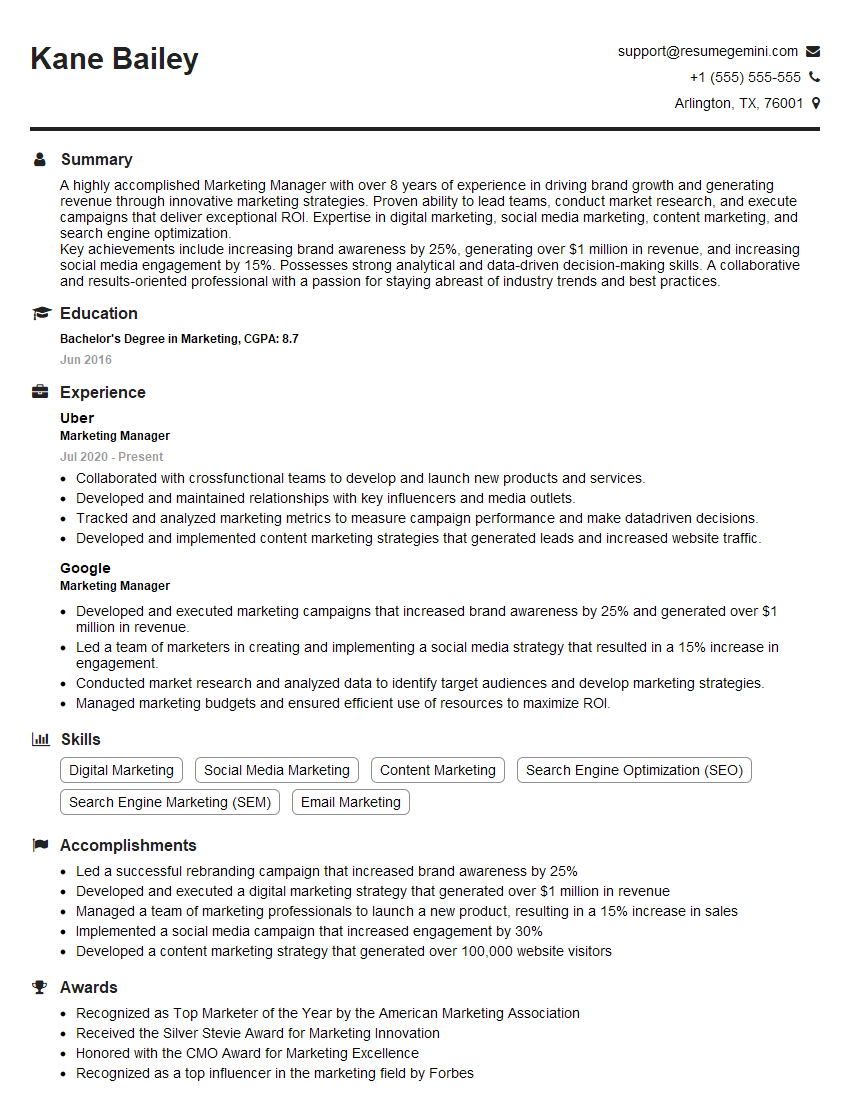
Marketing Manager Resume Sample
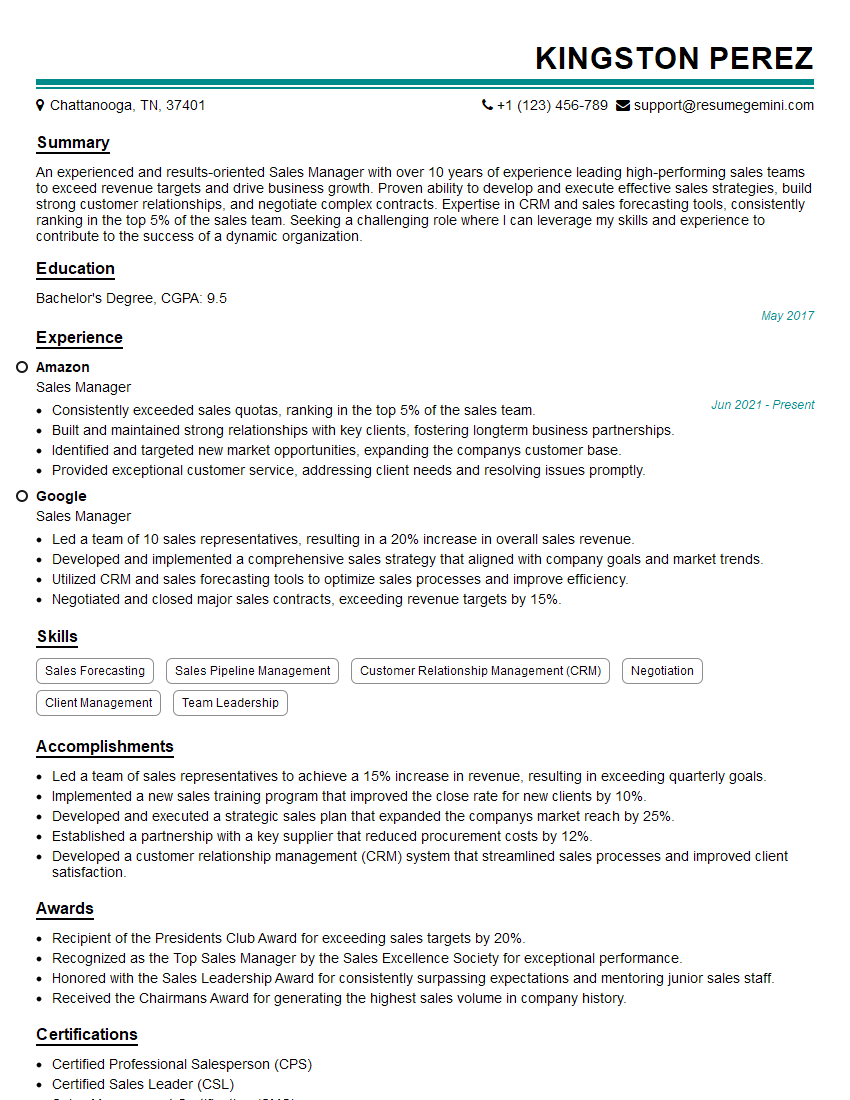
Sales Manager Resume Sample
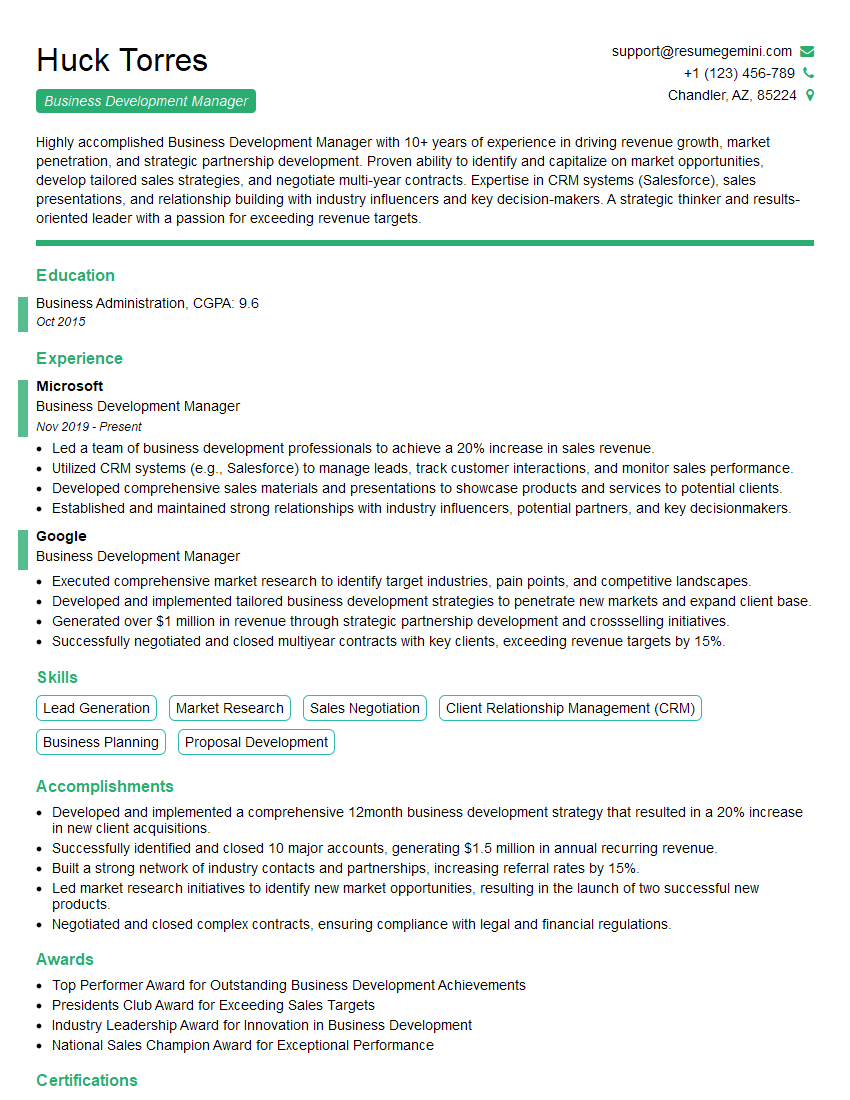
Business Development Manager Resume Sample
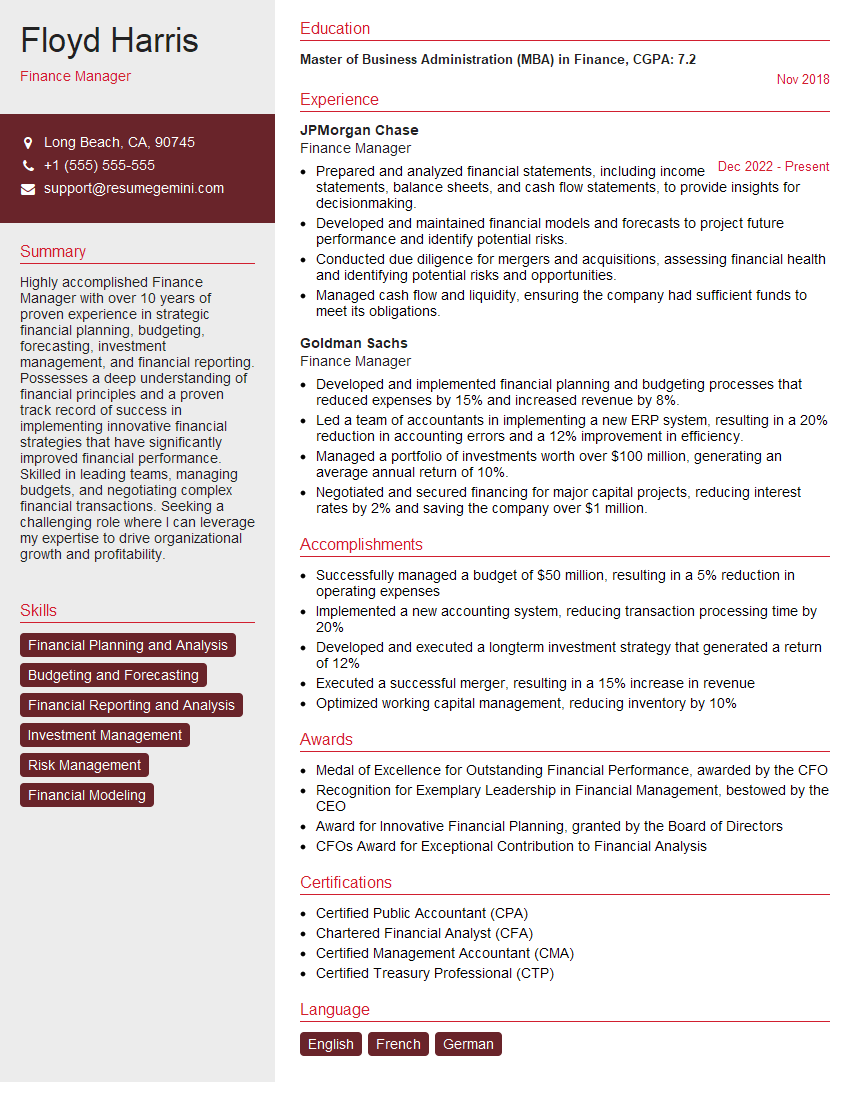
Finance Manager Resume Sample

Supply Chain Manager Resume Sample
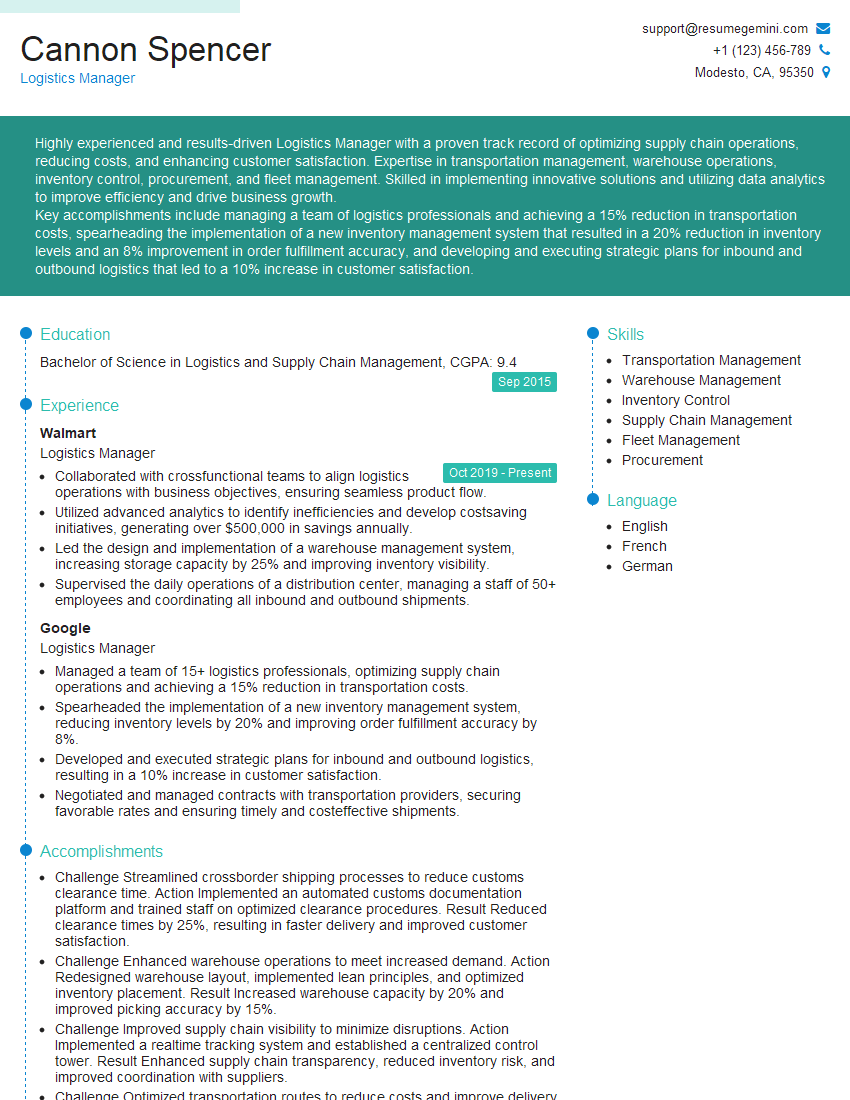
Logistics Manager Resume Sample
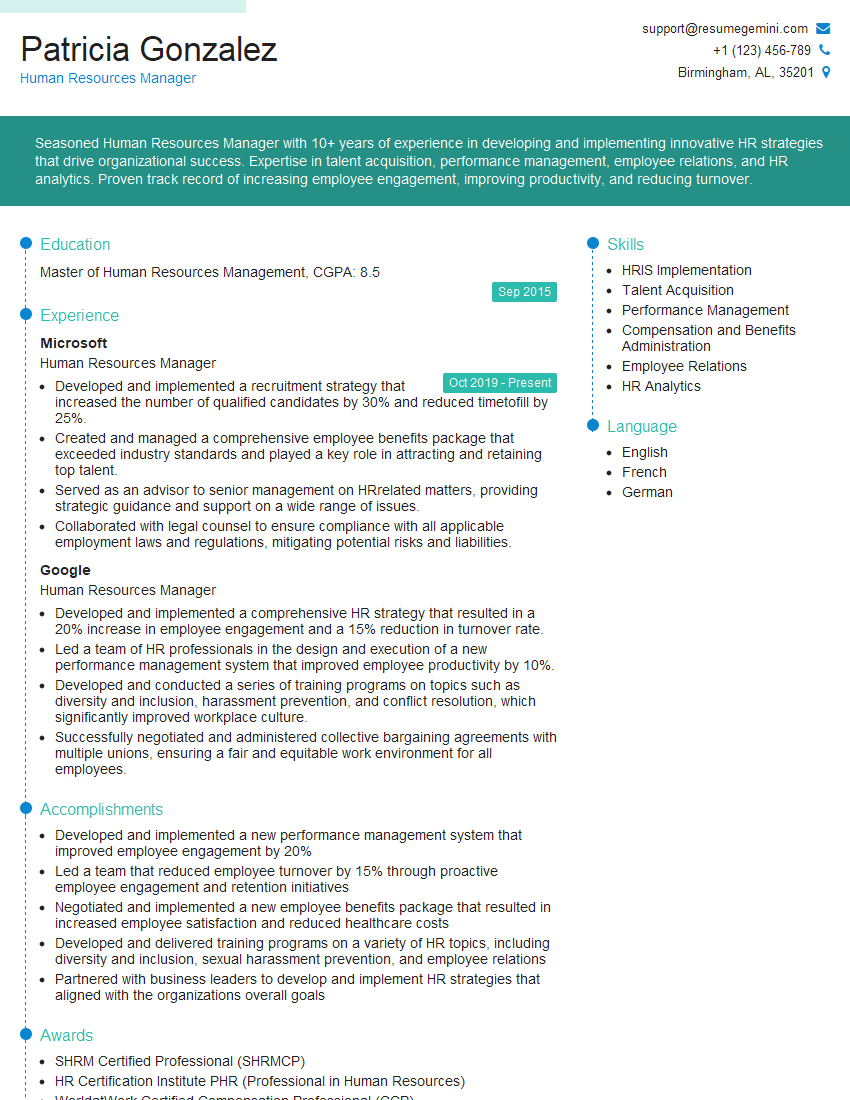
Human Resources Manager Resume Sample

Project Manager Resume Sample
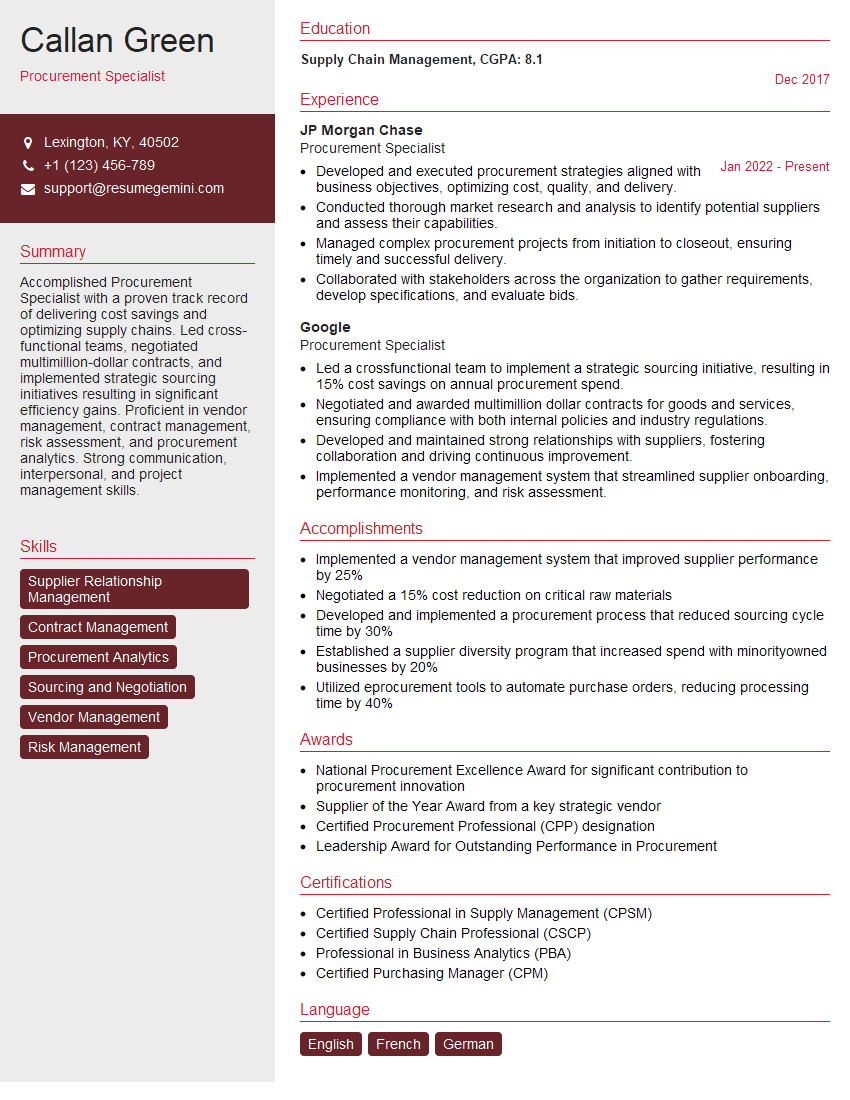
Procurement Specialist Resume Sample
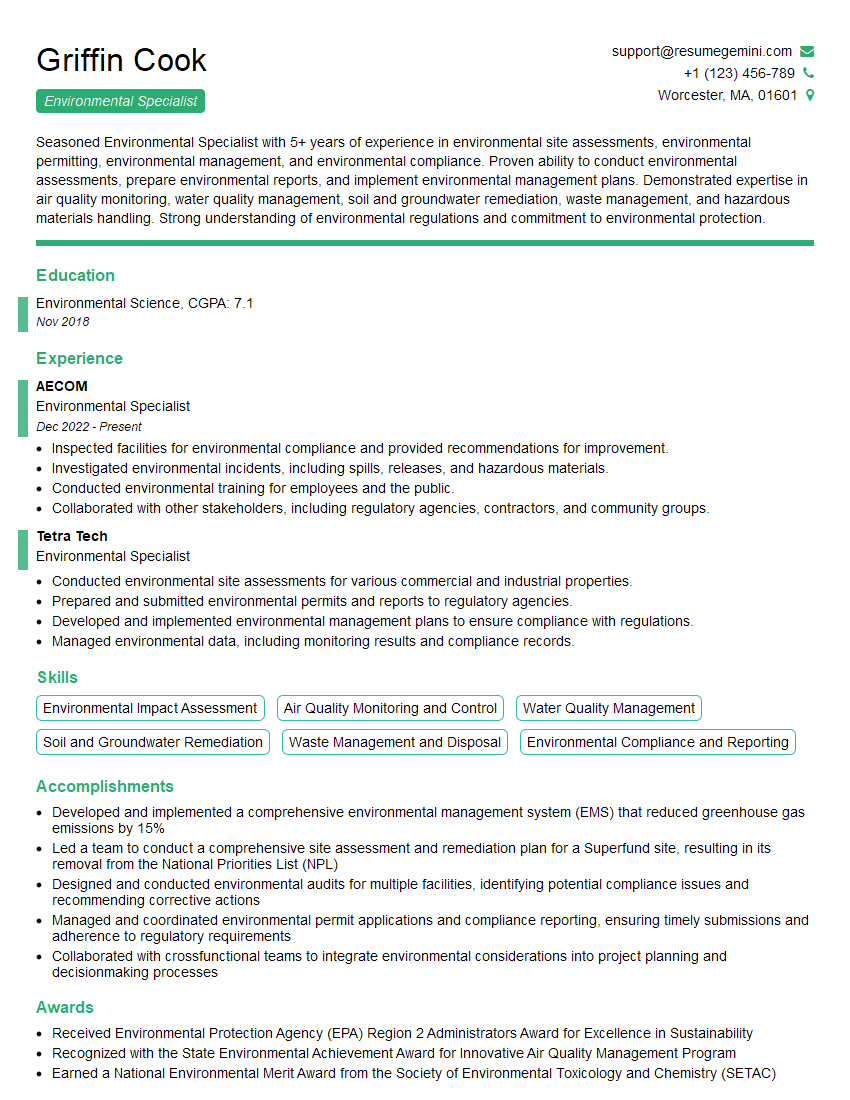
Environmental Specialist Resume Sample
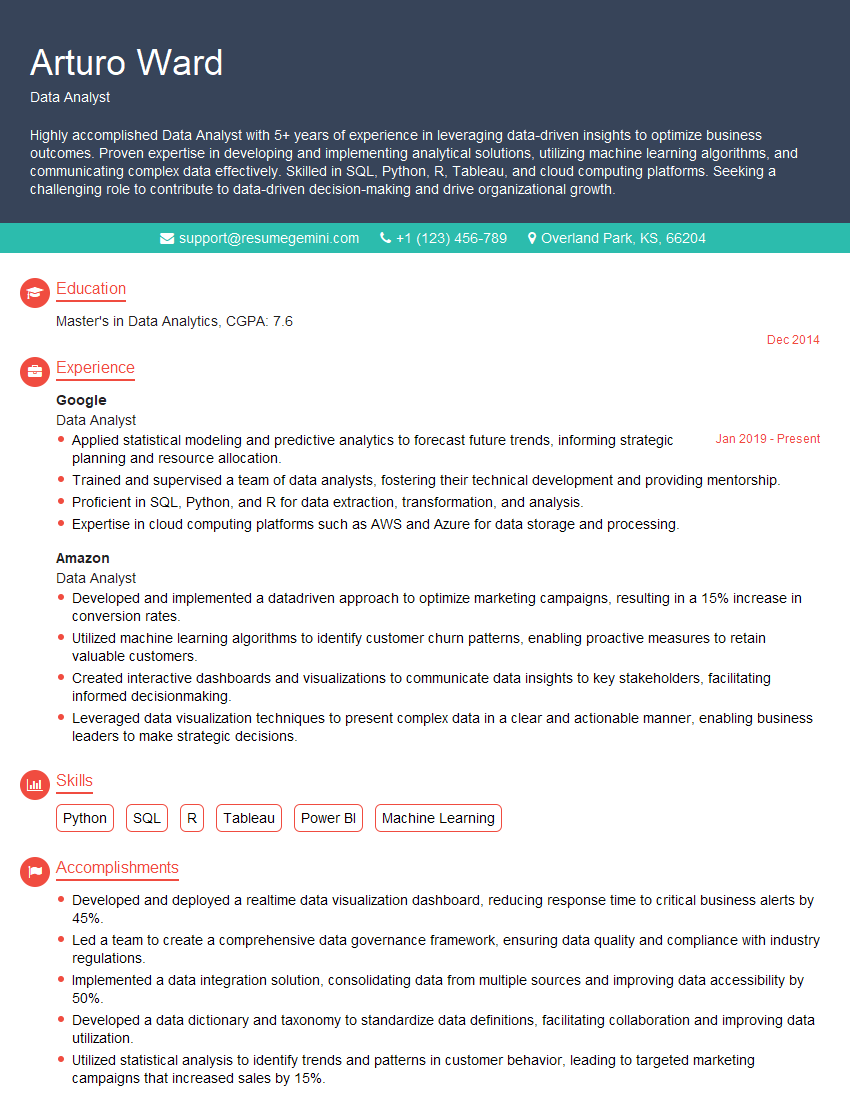
Data Analyst Resume Sample
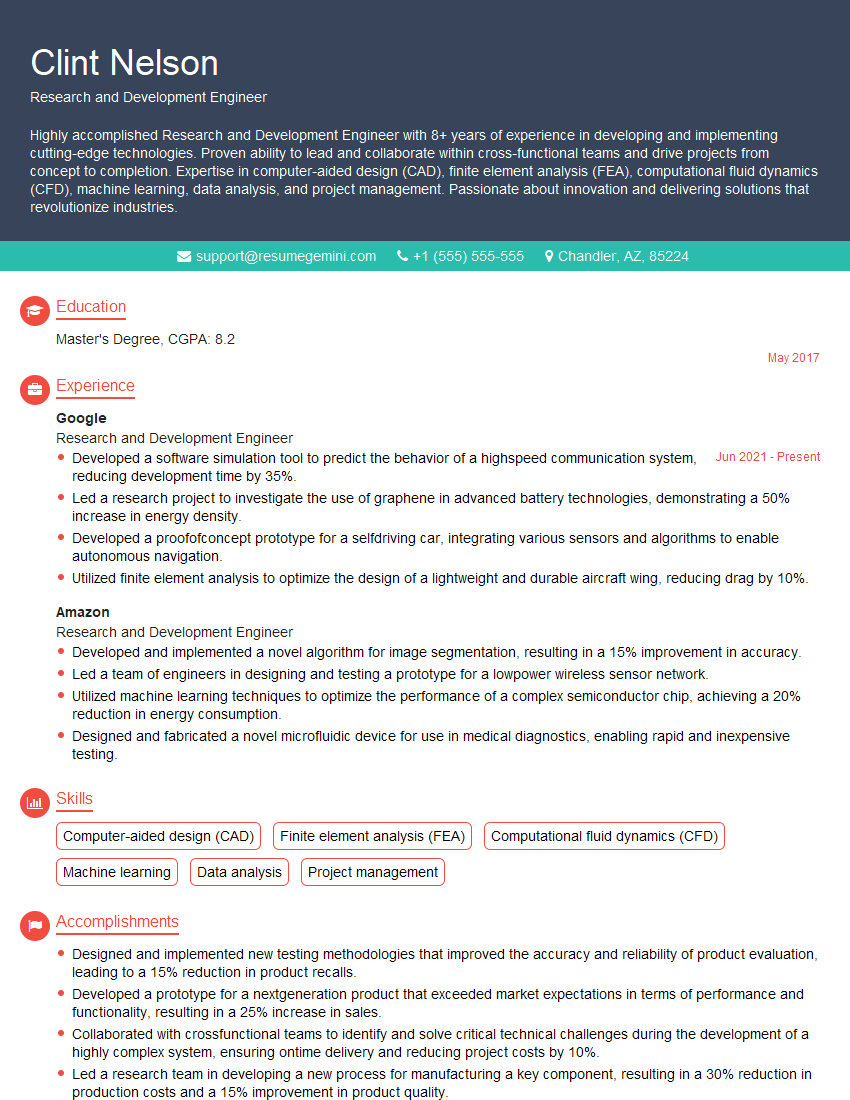
Research and Development Engineer Resume Sample
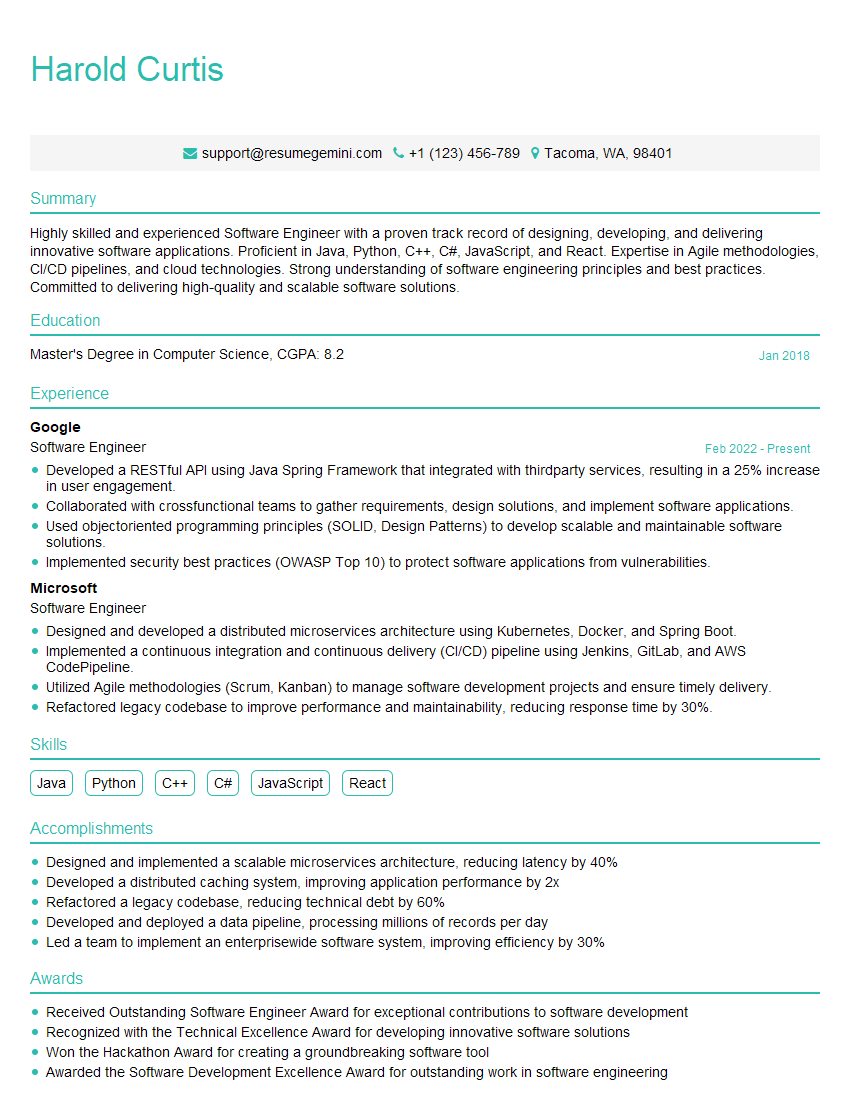
Software Engineer Resume Sample
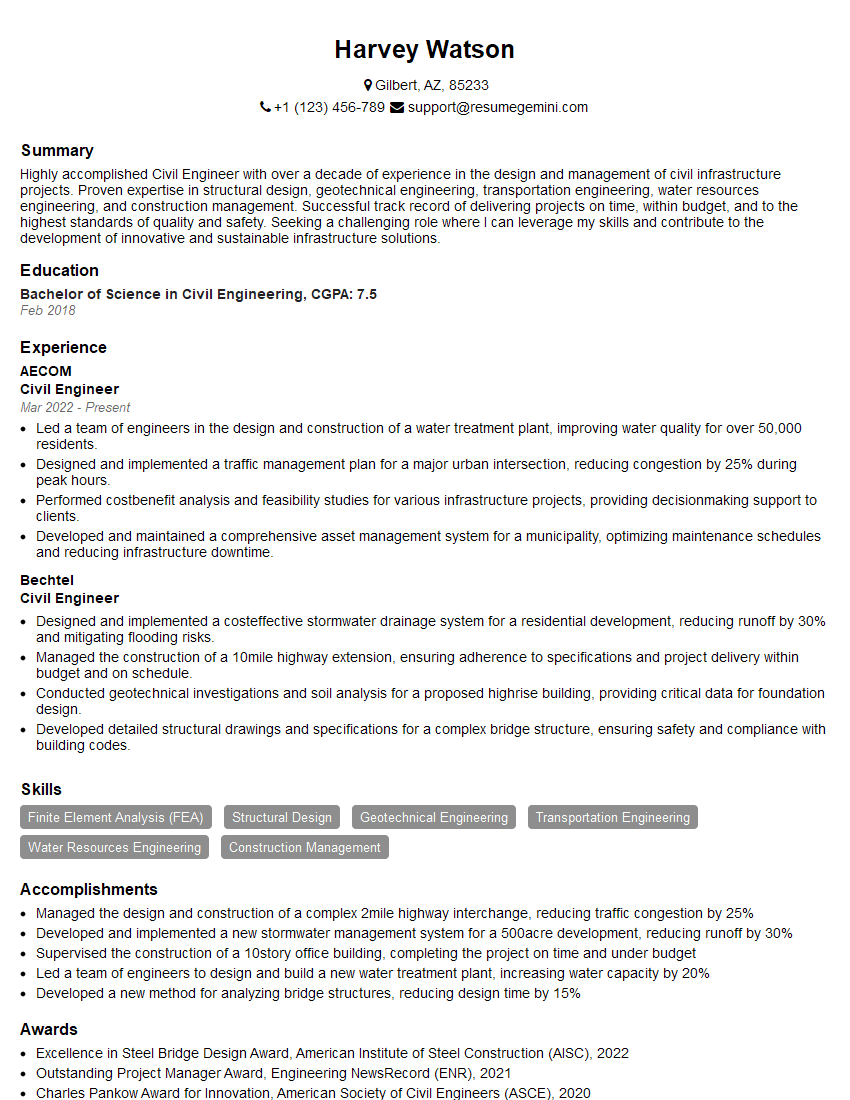
Civil Engineer Resume Sample
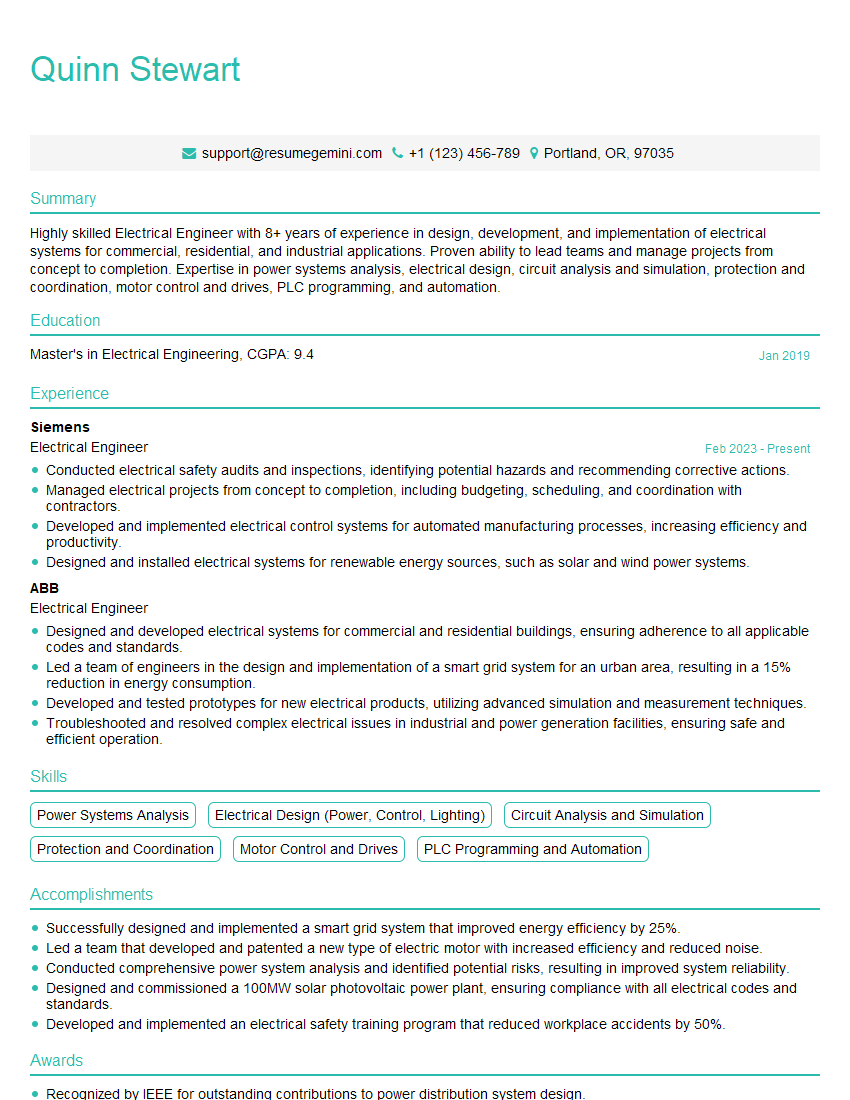
Electrical Engineer Resume Sample
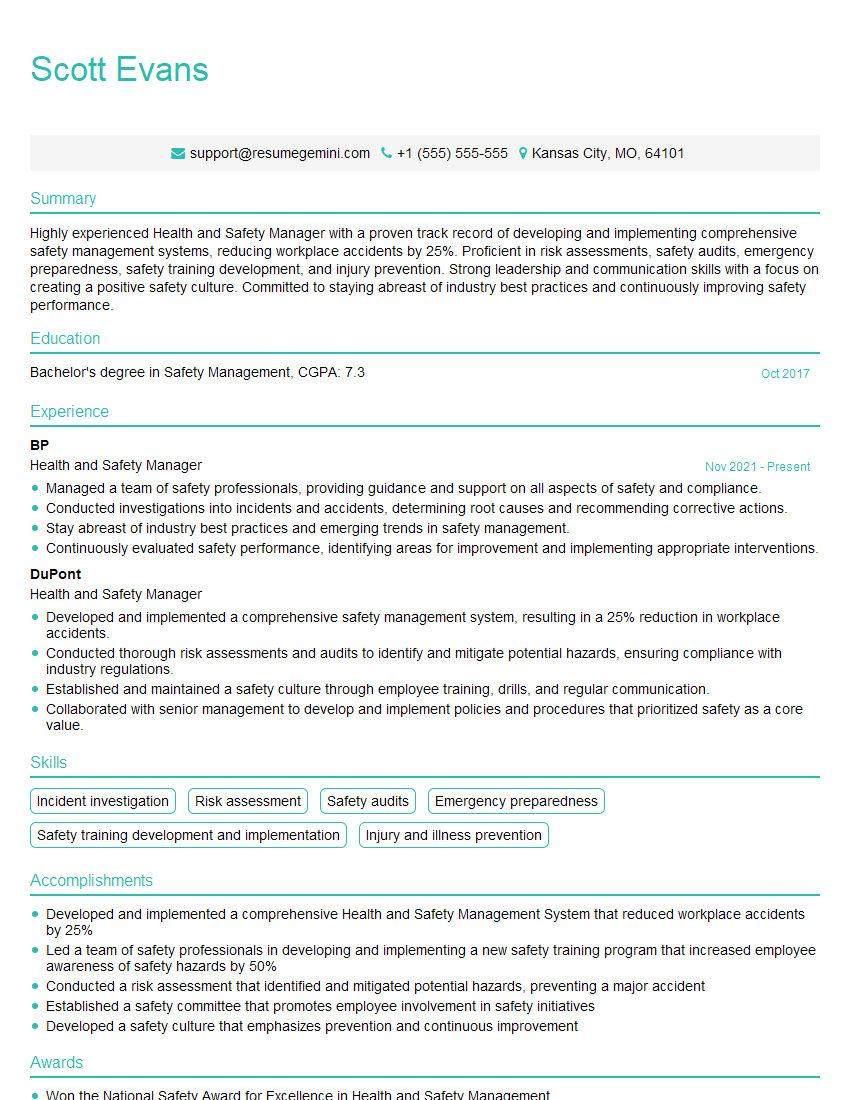
Health and Safety Manager Resume Sample
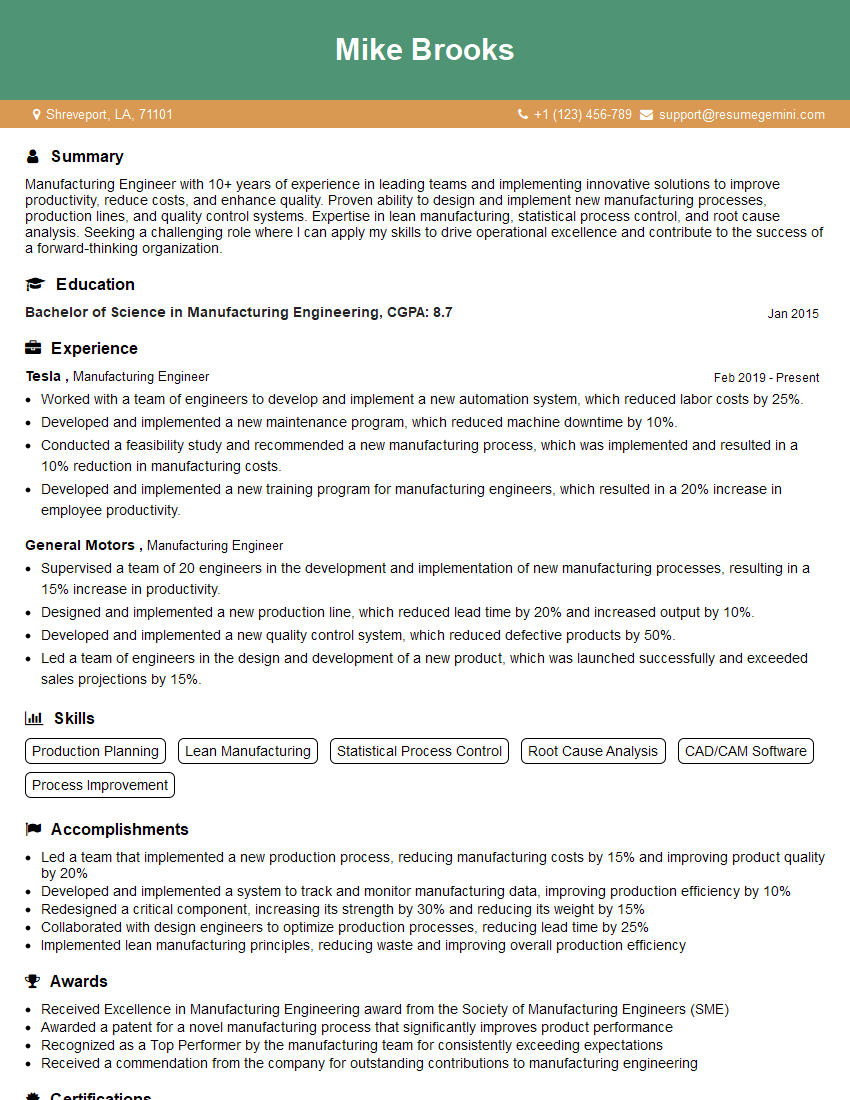
Manufacturing Engineer Resume Sample
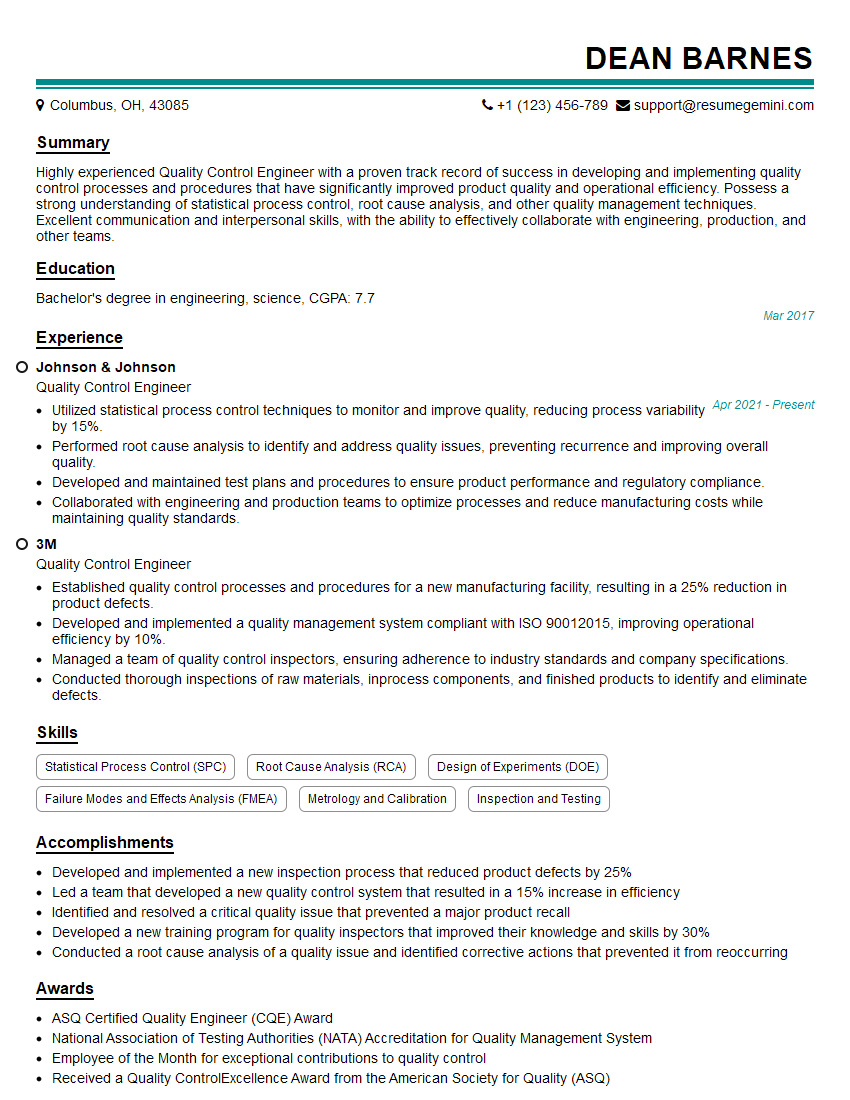
Quality Control Engineer Resume Sample
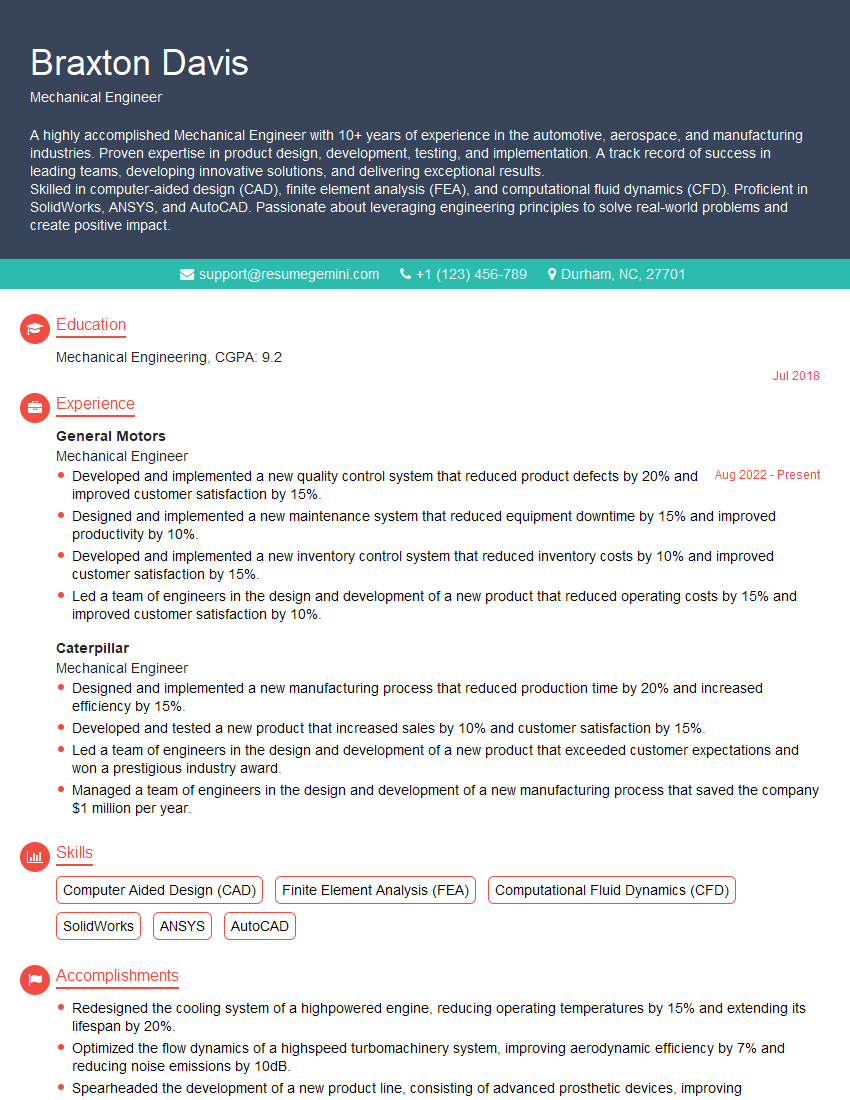
Mechanical Engineer Resume Sample
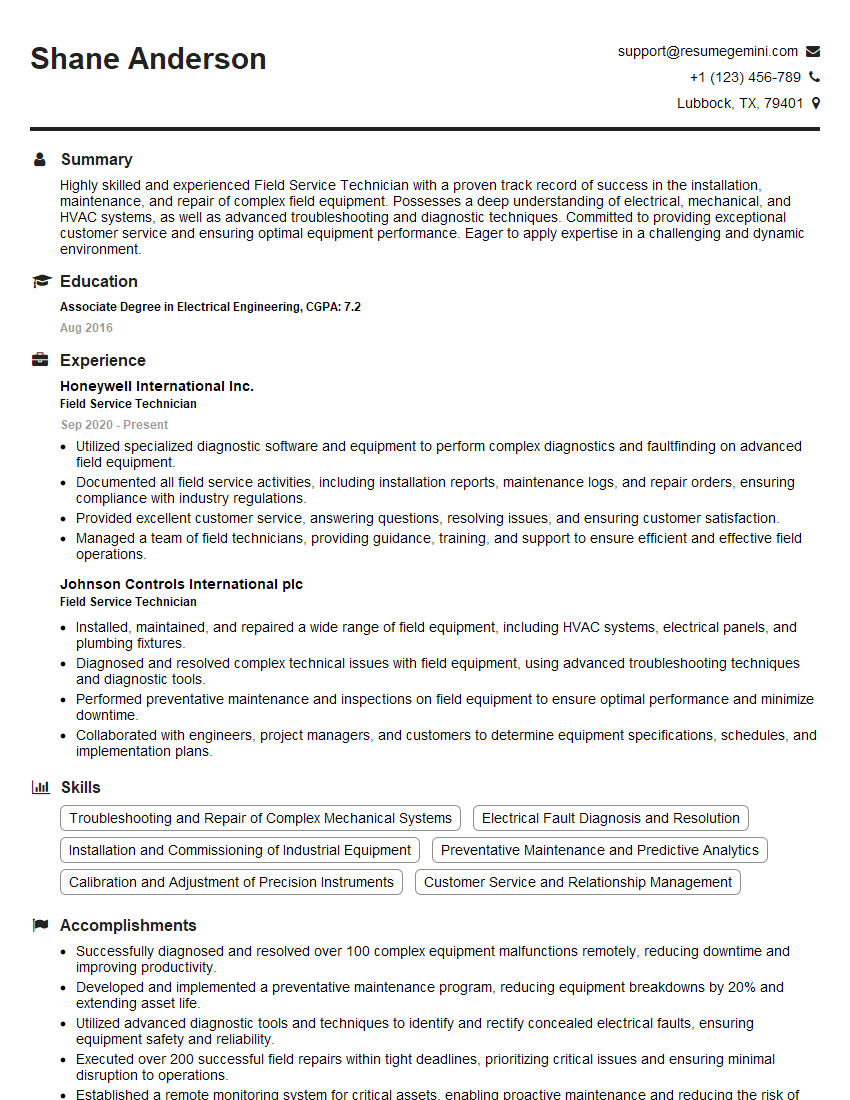
Field Service Technician Resume Sample

Technical Writer Resume Sample
- Operations Manager
- Marketing Manager
- Sales Manager
- Business Development Manager
- Finance Manager
- Supply Chain Manager
- Logistics Manager
- Human Resources Manager
- Project Manager
- Procurement Specialist
- Environmental Specialist
- Data Analyst
- Research and Development Engineer
- Software Engineer
- Civil Engineer
- Electrical Engineer
- Health and Safety Manager
- Manufacturing Engineer
- Quality Control Engineer
- Mechanical Engineer
- Field Service Technician
- Technical Writer
Explore more articles
Users Rating of Our Blogs
Share Your Experience
We value your feedback! Please rate our content and share your thoughts (optional).
What Readers Say About Our Blog
Very informative content, great job.
good