The right preparation can turn an interview into an opportunity to showcase your expertise. This guide to Knowledge of local tree ordinances and regulations interview questions is your ultimate resource, providing key insights and tips to help you ace your responses and stand out as a top candidate.
Questions Asked in Knowledge of local tree ordinances and regulations Interview
Q 1. Explain the process for obtaining a tree removal permit in your jurisdiction.
Obtaining a tree removal permit in our jurisdiction is a multi-step process designed to protect our urban forest. First, you must submit an application to the city’s arborist or the relevant department, typically online or in person. This application requires detailed information: the location of the tree(s), species identification (if known), measurements (diameter at breast height, or DBH, is crucial), photos showing the tree from multiple angles, and the reason for removal. For example, if the tree is diseased or poses a safety risk, documentation supporting this claim will be necessary – this might include a certified arborist’s report.
Once submitted, the application undergoes review. The arborist will assess whether the removal is justified based on the provided information and applicable city ordinances. This review may involve an on-site inspection. If approved, you’ll receive a permit with specific conditions, such as requirements for replacement planting or mitigation measures. Permit fees vary depending on the tree’s size and location. After the tree is removed, a final inspection may be required to ensure compliance with the permit’s conditions.
Imagine you have a large oak tree blocking the view from your new sunroom addition. You’d need to carefully document its location and size before filling out the application form, and ideally, you should include photos and a professional assessment from an arborist to make your request easier to approve.
Q 2. Describe the common restrictions on tree trimming and pruning within city limits.
Our city ordinances place several restrictions on tree trimming and pruning to ensure the health and longevity of our urban tree canopy. Generally, you can’t trim or prune protected trees without a permit. Even unprotected trees have limitations. For instance, ‘topping’ – severely cutting back the top of a tree – is usually prohibited because it weakens the tree, makes it vulnerable to disease, and often results in an unsightly appearance. Crown reduction, where branches are selectively removed to lessen the tree’s overall size while maintaining its natural shape, is usually permitted but needs to follow certain standards; the removed branches shouldn’t exceed 25% of the overall crown. Furthermore, pruning must be done using proper techniques to avoid damaging the tree; improper pruning can cause significant harm leading to decay and potentially posing a safety hazard. It’s also forbidden to damage trees during other projects without taking preventive measures.
Think of it like getting a haircut – a skilled professional will shape your hair, enhancing its appearance, while an amateur might cause damage. Similarly, proper pruning maintains the tree’s health and beauty.
Q 3. What are the penalties for violating local tree ordinances?
Penalties for violating local tree ordinances can be substantial. They typically range from warning letters and fines for minor infractions to more severe penalties for significant violations. For instance, failing to obtain a permit before removing a protected tree could result in a hefty fine, potentially exceeding thousands of dollars depending on the tree’s size and species. In addition to fines, the city might require the offender to replace the removed tree with one of equivalent size and species, plus any associated planting and care costs. In extreme cases of deliberate or repeated violations, legal action may be pursued.
For example, illegally removing a significant heritage tree could lead to significant legal repercussions including substantial fines and a court order to plant multiple replacements, covering all associated costs. Compliance is crucial to maintain the city’s green spaces.
Q 4. How do local tree ordinances balance development needs with tree preservation?
Our tree ordinances strive for a delicate balance between supporting development and preserving our valuable tree resources. Development projects are often required to incorporate measures that minimize tree removal and maximize preservation. This may involve careful planning of construction sites to avoid trees, or developing strategies to protect existing trees during construction. In cases where tree removal is unavoidable, strict requirements for replacement planting are enforced. The size, species, and planting location of replacement trees are usually specified to ensure the replacement adequately compensates for the loss. This ensures that while development continues, the city’s overall tree canopy remains healthy and robust. Think of it like a ‘tree credit’ system; developers must invest in replacing trees, so the overall number of trees remains in a beneficial balance.
A good example is a new apartment complex construction; the city might permit the removal of a few trees, but then require the developer to plant a considerably larger number of trees elsewhere on the property or in a designated public space.
Q 5. Define ‘protected tree’ as it relates to your local ordinances.
A ‘protected tree’ under our local ordinances is defined by a combination of factors, primarily size and species. Trees exceeding a specified diameter at breast height (DBH), often 12 inches or more, are typically considered protected. Certain species known for their significant environmental or historical value, such as mature oaks or specific types of native trees, receive additional protection, regardless of their DBH. These trees are usually identified on city maps and documented in the city’s tree inventory database. Protected trees cannot be removed without a permit, and the city has a much stricter approval process for their removal than for smaller or less significant trees. Removing a protected tree without permission often results in far heavier penalties than removing a smaller, non-protected tree.
Imagine a magnificent, ancient oak tree – clearly, it has exceptional value, and its removal would require a substantial justification.
Q 6. What are the requirements for planting replacement trees after removal?
The requirements for planting replacement trees after removal are clearly defined in our ordinances. Typically, the number of replacement trees is directly related to the size and species of the removed tree. For example, removing a large protected tree might necessitate planting several smaller saplings of the same or similar species. These replacements must meet specific size and health standards. The planting location is often regulated to ensure the trees have adequate growing space and access to sunlight and water. The property owner is typically responsible for the cost of purchasing, planting, and caring for the replacement trees for a specified period (often several years), to ensure their survival. There are often specific standards for the type of soil and mulching needed to ensure the survival of the replacement trees.
Imagine removing a 30-inch DBH oak; replacing it might necessitate planting three 2-inch DBH saplings of a similar species in an approved location. Then the city would ensure the trees would survive for at least three years.
Q 7. How does your jurisdiction handle tree damage caused by construction?
Our jurisdiction takes tree damage caused by construction very seriously. Construction projects are required to incorporate measures to protect existing trees, such as establishing protective barriers and utilizing careful excavation techniques. If accidental damage occurs during construction, the responsible party (typically the contractor or developer) is usually required to take remedial action. This might involve employing a certified arborist to assess the extent of the damage and recommend corrective measures, such as pruning, bracing, or even replacing the damaged tree. The cost of such remedial work is usually borne by the responsible party. Failure to take appropriate action to address construction-related tree damage could result in fines and other penalties.
For instance, a construction company might accidentally damage a large tree’s root system during excavation. They would be required to cover the costs for both assessing and repairing the root system and also potentially plant replacement trees to offset the damage.
Q 8. Explain the role of a Tree Protection Plan (TPP).
A Tree Protection Plan (TPP) is a crucial document that outlines measures to safeguard trees during development or construction projects. Think of it as a detailed blueprint ensuring that trees aren’t unnecessarily harmed. It’s essentially a contract between the developer and the municipality, guaranteeing the survival and health of existing trees. The plan typically includes a detailed inventory of trees on the site, specifying their species, size, and location. It also lays out mitigation strategies, like fencing, root protection, and tree-saving excavation techniques, to minimize damage during construction. Failure to comply with a TPP can lead to significant penalties, including project delays and financial fines.
For example, a TPP for a new housing development might include detailed specifications for temporary fencing around mature oak trees, outlining the required setbacks and material specifications to protect the root systems from compaction during earthworks. It might also detail the methodology for relocating smaller trees to a nursery for transplantation once construction is complete.
Q 9. What are the common tree species protected in your area?
The specific species protected vary by locality, but in many areas, we see strong protection for native, mature trees, and those with significant ecological value. Common examples include:
- Oak trees (Quercus spp.): These are often protected because of their longevity, ecological importance, and contribution to the urban landscape.
- Maple trees (Acer spp.): Valued for their shade, beauty, and fall color.
- Sycamore trees (Platanus spp.): Large, long-lived trees that provide substantial shade and habitat.
- Elm trees (Ulmus spp.): Though susceptible to Dutch Elm Disease, healthy specimens are often protected.
- Certain conifer species: Depending on the region, conifers like pines or redwoods may receive special protection due to their size or rarity.
The exact list and level of protection will be specified within the local tree ordinance, which you can readily access through the city’s website or planning department.
Q 10. Describe the process for appealing a tree removal permit denial.
Appealing a tree removal permit denial usually involves a formal process, often outlined in the local ordinance. Typically, the first step is to submit a written appeal to the relevant authority (often the city’s planning or arboriculture department) within a specified timeframe. The appeal should clearly state the reasons why the denial is unfair or incorrect, providing supporting evidence such as professional arborist reports, alternative solutions, or compelling circumstances.
For instance, if you’ve been denied a permit because of the tree’s proximity to a utility, you might appeal by presenting evidence from a licensed utility worker confirming the tree poses no threat, or propose a pruning plan to mitigate the risk.
The appeal will often be reviewed by a higher authority, possibly an appeals board or a designated official. They will assess the evidence and render a decision, which may uphold the initial denial, reverse it, or propose conditions for removal.
Q 11. How do local ordinances address trees located on private property near public utilities?
Local ordinances often address trees near public utilities by focusing on safety and the avoidance of damage to utility infrastructure. This typically involves restrictions on tree growth that could interfere with power lines, gas pipes, or other underground or overhead utilities. Often, property owners are responsible for maintaining trees on their property to prevent this interference.
For instance, a homeowner might be required to prune branches that overhang power lines or to remove trees that pose a risk of uprooting and damaging underground gas lines. Failure to do so can result in fines or even the municipality performing the necessary work and billing the homeowner. In some cases, utility companies might work with property owners to develop a management plan for affected trees.
Q 12. What are the regulations regarding hazardous tree removal?
Regulations regarding hazardous tree removal typically involve a multi-step process designed to ensure safety and responsible management. It usually begins with an assessment by a certified arborist to determine whether the tree is indeed hazardous. Factors like decay, disease, structural weakness, or leaning towards structures or public spaces are considered.
If a tree is deemed hazardous, a permit is usually required for its removal. The permit application often requires documentation from the arborist detailing the tree’s condition, the risks it poses, and the proposed removal method. The removal itself must then be carried out by qualified professionals, often with the use of specialized equipment. Improper removal of hazardous trees is illegal and can lead to severe penalties.
Q 13. Describe the inspection process for tree-related work.
The inspection process for tree-related work varies based on the nature of the work. For minor pruning or tree maintenance, a permit might not be required, but the work must still adhere to standards set by the local ordinance. However, for larger projects, such as substantial pruning, removal, or planting of large trees, a permit is usually required and involves inspections.
Inspections are conducted by authorized personnel, often arborists or inspectors from the city’s planning or public works department. These inspections verify compliance with the permit conditions, ensuring that the work is being conducted safely and correctly. Inspectors will check for damage to adjacent properties, compliance with specified techniques, and adherence to the tree protection plan (if one is in place). Failure to pass inspections can result in work stoppage until corrections are made.
Q 14. How do local ordinances handle trees affected by disease or pests?
Local ordinances typically address trees affected by disease or pests by prioritizing public safety and the health of the urban forest. Often, property owners are responsible for managing trees on their land and may be required to take action when a tree becomes diseased or infested with pests. This might involve pruning infected branches, treating the tree with approved pesticides (under professional guidance), or removing the tree if it poses a significant risk.
For instance, if a tree is severely infected with Dutch Elm Disease, the local ordinance might mandate its removal to prevent the spread to other healthy trees. However, many ordinances prioritize disease management and preservation over immediate removal, with options such as professional treatment being explored first.
Q 15. What is the significance of the heritage tree designation?
A heritage tree designation signifies that a tree possesses exceptional value due to its age, size, species, historical significance, or contribution to the landscape’s aesthetic appeal. These trees are often afforded significant protection under local ordinances. Think of it like a historical landmark, but for a tree! The designation usually triggers stricter regulations concerning its removal or even pruning. For example, a permit may be required before any work is done, with extensive justification needed before approval is granted. The specific criteria for a heritage tree designation vary by jurisdiction, but often include factors like diameter at breast height (DBH), species rarity, and location within a designated area.
Career Expert Tips:
- Ace those interviews! Prepare effectively by reviewing the Top 50 Most Common Interview Questions on ResumeGemini.
- Navigate your job search with confidence! Explore a wide range of Career Tips on ResumeGemini. Learn about common challenges and recommendations to overcome them.
- Craft the perfect resume! Master the Art of Resume Writing with ResumeGemini’s guide. Showcase your unique qualifications and achievements effectively.
- Don’t miss out on holiday savings! Build your dream resume with ResumeGemini’s ATS optimized templates.
Q 16. Explain the difference between tree preservation and tree conservation.
While both tree preservation and tree conservation aim to protect trees, they differ in scope and approach. Tree preservation focuses on protecting individual trees from damage or removal, often involving strict regulations and permits for any action affecting designated trees. Think of it as safeguarding a single, irreplaceable artwork. Tree conservation, on the other hand, adopts a broader approach, encompassing habitat protection, species diversity, and sustainable forestry practices. This includes managing entire ecosystems to ensure the long-term health of tree populations. Imagine a forest preserve protecting multiple species of trees and the entire habitat supporting them.
Q 17. How do you determine if a tree poses a public safety risk?
Determining if a tree poses a public safety risk involves a thorough assessment by a qualified arborist. This typically includes a visual inspection checking for signs of decay, disease, structural weakness (leaning, cracks, cavities), and proximity to structures or power lines. Advanced techniques like sonic tomography might be used to assess internal wood decay that isn’t outwardly visible. The arborist will then analyze the risk based on factors like the tree’s size, species, location, and the potential consequences of failure (e.g., damage to property, injury to people). If the risk is deemed high, removal or remediation measures (e.g., pruning, cabling) may be recommended.
For example, a large oak tree with extensive decay near a playground would present a significantly higher risk than a small, healthy tree in an open field.
Q 18. Describe the process for reporting violations of tree ordinances.
The process for reporting tree ordinance violations typically involves contacting the local municipality’s department responsible for trees, parks, or environmental services. This might be the planning department, a parks and recreation department, or a separate urban forestry division. You’ll usually need to provide details like the location of the violation, the nature of the violation (e.g., unauthorized tree removal, damage to a protected tree), and any supporting evidence, such as photographs or witness accounts. Many municipalities have online reporting portals that allow for more efficient reporting. The reported violation will then be investigated, and if confirmed, the responsible party could face fines or be required to take corrective actions, such as replacing the tree.
Q 19. What resources are available to assist in understanding local tree regulations?
Understanding local tree regulations can be facilitated by several resources. The most valuable is usually the municipality’s website itself. The website should provide access to the relevant ordinances, usually under sections pertaining to planning, zoning, parks, or environmental regulations. You might also contact the municipal planning department or urban forestry office directly to clarify any ambiguities or seek professional advice. Local arborists or landscaping professionals can also provide guidance, as they work within the framework of these regulations. Lastly, many local libraries or community centers may have copies of the ordinances available for review.
Q 20. How are tree planting specifications outlined in local ordinances?
Tree planting specifications outlined in local ordinances often dictate the species of trees allowed, their minimum size at planting (height and caliper), the spacing between trees, and the planting techniques required to ensure establishment. For example, ordinances may prohibit certain invasive species or mandate the use of native species to promote biodiversity. The size requirements aim to ensure the trees can survive and thrive. The spacing requirements prevent overcrowding and competition for resources. Planting techniques may include specifying the depth of planting, the use of soil amendments, and the provision of tree guards to protect young trees from damage. Non-compliance with planting specifications may result in fines or the requirement to replace the trees with ones meeting the standards.
Q 21. Explain the role of buffering zones in relation to trees.
Buffering zones, often mandated in local ordinances, are areas of vegetation, including trees, established between developments and sensitive areas like waterways, wetlands, or natural habitats. These zones serve several vital ecological functions: They help filter pollutants from runoff before they reach sensitive ecosystems, reduce noise and visual pollution from development, and provide habitat for wildlife. Trees within buffer zones are typically protected from removal or damage to maintain the integrity of these ecological barriers. The width and vegetation requirements of buffering zones are often specified in local ordinances based on the sensitivity of the adjacent area.
Q 22. What are the common methods for mitigating tree damage during construction?
Mitigating tree damage during construction requires a proactive approach, starting long before any heavy machinery arrives on site. It’s all about careful planning and execution. Common methods include:
Protective Barriers: Constructing fences or barriers around trees to prevent damage from equipment or construction traffic. Imagine a sturdy fence creating a safe zone around a mature oak. The size of the barrier depends on the tree’s size and the construction activity.
Root Protection Zones: Establishing and diligently protecting root zones to prevent compaction of the soil. Compacted soil restricts root growth and can weaken the tree, making it vulnerable. This often involves limiting vehicle traffic and avoiding excavation within the root zone.
Soil Amendments: Improving soil conditions by adding organic matter or other amendments to enhance drainage and aeration. Healthy soil is critical for healthy trees, especially after construction disruption.
Tree Wrapping: Protecting tree trunks from physical damage using tree wraps. These wraps are especially important during activities that might cause abrasion or impact.
Construction Sequencing: Carefully sequencing construction activities to minimize impact on trees. For example, working away from sensitive trees first. This often involves a detailed construction plan that integrates tree protection as a core element.
Expert Consultation: Consulting with an arborist to assess tree health and recommend appropriate protection measures. A professional arborist can conduct a thorough assessment, identifying potential vulnerabilities and proposing appropriate mitigation strategies.
Q 23. Describe the process for tree relocation.
Relocating a tree is a complex and risky undertaking. Success hinges on careful planning and execution by experienced professionals. The process involves:
Assessment: A thorough assessment by a certified arborist to determine the tree’s health, species, size, and suitability for relocation. Not all trees are good candidates for relocation; many will not survive the process.
Preparation: Preparing the new planting site, ensuring adequate soil conditions, and possibly amending the soil. The new site must mirror the original conditions as closely as possible.
Excavation: Carefully excavating the tree, including a significant root ball, to minimize root damage. The size of the root ball depends on the size and species of the tree, and is crucial to its survival.
Transportation: Transporting the tree to the new location using specialized equipment. This needs to be done carefully to minimize stress and further root damage.
Planting: Planting the tree at the new location, ensuring proper soil depth, support structures, and watering. The planting requires meticulous attention to detail to prevent shock and ensure proper establishment.
Post-Planting Care: Ongoing monitoring and care, including watering, fertilization, and pest control, to ensure the tree’s survival and establishment.
Relocation is expensive and the success rate is far from guaranteed. It is often preferable to avoid tree relocation altogether by carefully planning development around existing trees.
Q 24. How do local ordinances consider the impact of tree removal on stormwater management?
Local ordinances often recognize the vital role trees play in stormwater management. Removing trees can significantly impact stormwater runoff by reducing infiltration and increasing surface flow. This can lead to increased flooding, erosion, and water pollution. Ordinances frequently:
Require replacement planting: Mandating the planting of new trees to compensate for those removed. The number and species of replacement trees may be specified based on the size and species of the removed trees.
Impose mitigation measures: Requiring developers to implement other stormwater management measures, such as bioretention areas or permeable pavements, to offset the loss of trees’ infiltration capacity.
Conduct impact assessments: Requiring a pre-development assessment to evaluate the potential impact of tree removal on stormwater management. This helps to gauge the potential flooding risks and the measures needed to mitigate them.
Establish tree protection zones: Creating zones around trees where construction activities are restricted to avoid root damage. This ensures the long-term health and effectiveness of existing trees in filtering runoff.
The overall goal is to maintain or improve stormwater management capabilities, even after development.
Q 25. What are the implications of non-compliance with tree ordinances?
Non-compliance with tree ordinances can result in significant consequences, ranging from financial penalties to legal action. These penalties aim to deter illegal tree removal and promote responsible development practices. Possible implications include:
Fines: Substantial fines, often calculated based on the size and value of the trees removed.
Stop-work orders: Halting construction until the violations are addressed.
Legal action: Lawsuits from residents, environmental groups, or government agencies.
Requirement for remediation: Mandating the planting of replacement trees or other mitigation measures.
Reputational damage: Negative publicity impacting the developer’s image and future projects.
The severity of the consequences varies depending on the nature and extent of the violation and the specific local ordinances.
Q 26. How do you ensure compliance with tree ordinances on a large-scale development project?
Ensuring compliance with tree ordinances on large-scale development projects demands a comprehensive and proactive approach. This involves:
Pre-development planning: Early engagement with arborists and relevant authorities to integrate tree protection into the project design. This avoids conflicts later in the project.
Detailed tree inventory: Creating a detailed inventory of existing trees, noting their species, size, health, and location. This is critical for assessing impacts and planning mitigation measures.
Mitigation plan: Developing a detailed mitigation plan that outlines measures to protect trees during construction. The plan should incorporate all mitigation methods discussed earlier.
Regular monitoring: Closely monitoring tree health throughout the construction process. Early identification and remediation of problems is crucial.
Documentation: Maintaining meticulous records of all tree-related activities, including assessments, mitigation measures, and any incidents. This documentation is essential for demonstrating compliance.
Collaboration with stakeholders: Open communication and collaboration with all stakeholders, including local authorities, arborists, contractors, and community members. This helps to anticipate problems and ensure a smooth process.
Implementing a robust plan and adhering strictly to it are key to success.
Q 27. How do local tree ordinances address the impact of development on tree canopies?
Local tree ordinances often address the impact of development on tree canopies by aiming to maintain or even enhance existing canopy cover. Strategies include:
Tree protection zones: Establishing buffer zones around trees to prevent damage during construction.
Canopy preservation requirements: Requiring developers to maintain a certain percentage of existing canopy cover. This promotes long-term ecological benefits.
Replacement planting ratios: Mandating the planting of new trees to replace those removed, often at a ratio exceeding the number removed. This helps to restore or increase canopy cover.
Species requirements: Specifying the types of trees that can be planted for replacement, favoring native species with high survival rates and environmental benefits.
The focus is on minimizing negative impacts and actively promoting a healthy urban forest.
Q 28. Describe the considerations for integrating tree preservation into urban planning
Integrating tree preservation into urban planning requires a holistic approach that considers the ecological, social, and economic benefits of trees. Key considerations include:
Tree inventories and mapping: Creating detailed maps of existing trees to inform urban planning decisions. This allows planners to see where trees are located and how development might impact them.
Incorporating trees into design: Designing streets, parks, and other public spaces to maximize tree canopy cover and minimize conflicts with development. This ensures a more sustainable urban environment.
Utilizing tree protection standards: Adopting stringent tree protection standards during construction to reduce damage to existing trees.
Promoting tree planting initiatives: Developing programs to encourage the planting of new trees in urban areas. This replenishes the tree canopy that is inevitably lost to development.
Public engagement and education: Educating the public about the benefits of trees and encouraging community participation in urban forestry initiatives. This helps to foster a culture of appreciating and protecting trees.
Long-term planning: Developing long-term urban forestry plans to ensure that trees are adequately protected and managed over time. This ensures a sustainable urban forest for future generations.
By prioritizing trees, we can create healthier, more livable, and more resilient cities.
Key Topics to Learn for Knowledge of local tree ordinances and regulations Interview
- Understanding Permitting Processes: Learn the specifics of obtaining permits for tree removal, planting, and significant pruning. This includes understanding application processes, required documentation, and potential timelines.
- Tree Protection Regulations: Familiarize yourself with regulations protecting specific tree species, sizes, or locations (e.g., heritage trees, trees within protected areas). Understand the penalties for non-compliance.
- Tree Preservation Techniques: Explore best practices for tree preservation during construction and development projects. Understand techniques like root protection, tree relocation, and mitigation strategies.
- Species Identification and Health Assessment: Develop your ability to identify common tree species in your area and assess their health. This knowledge is crucial for determining the need for removal or treatment.
- Enforcement and Appeals Processes: Understand how local ordinances are enforced and the process for appealing decisions related to tree removal or preservation.
- Environmental Impact Considerations: Learn how tree ordinances relate to broader environmental concerns, such as stormwater management, air quality, and habitat preservation.
- Practical Application: Consider case studies or hypothetical scenarios involving tree removal requests, development proposals impacting trees, and conflict resolution related to tree ordinances.
Next Steps
Mastering your knowledge of local tree ordinances and regulations is paramount for career advancement in arboriculture, landscaping, urban planning, and related fields. A strong understanding demonstrates your commitment to environmental responsibility and your ability to navigate complex regulations. To significantly increase your job prospects, create an ATS-friendly resume that highlights your relevant skills and experience. ResumeGemini is a trusted resource to help you build a professional and impactful resume. We offer examples of resumes tailored to showcasing expertise in Knowledge of local tree ordinances and regulations to help you craft the perfect application.
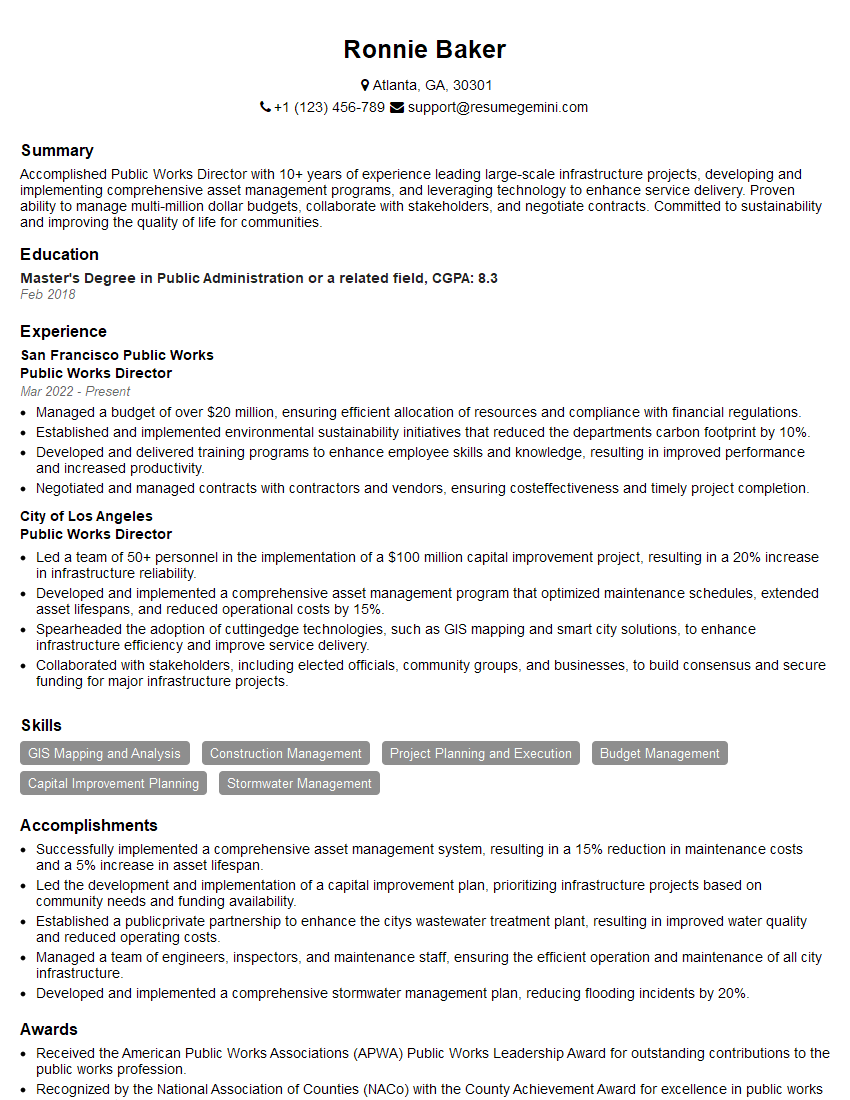
Public Works Director Resume Sample
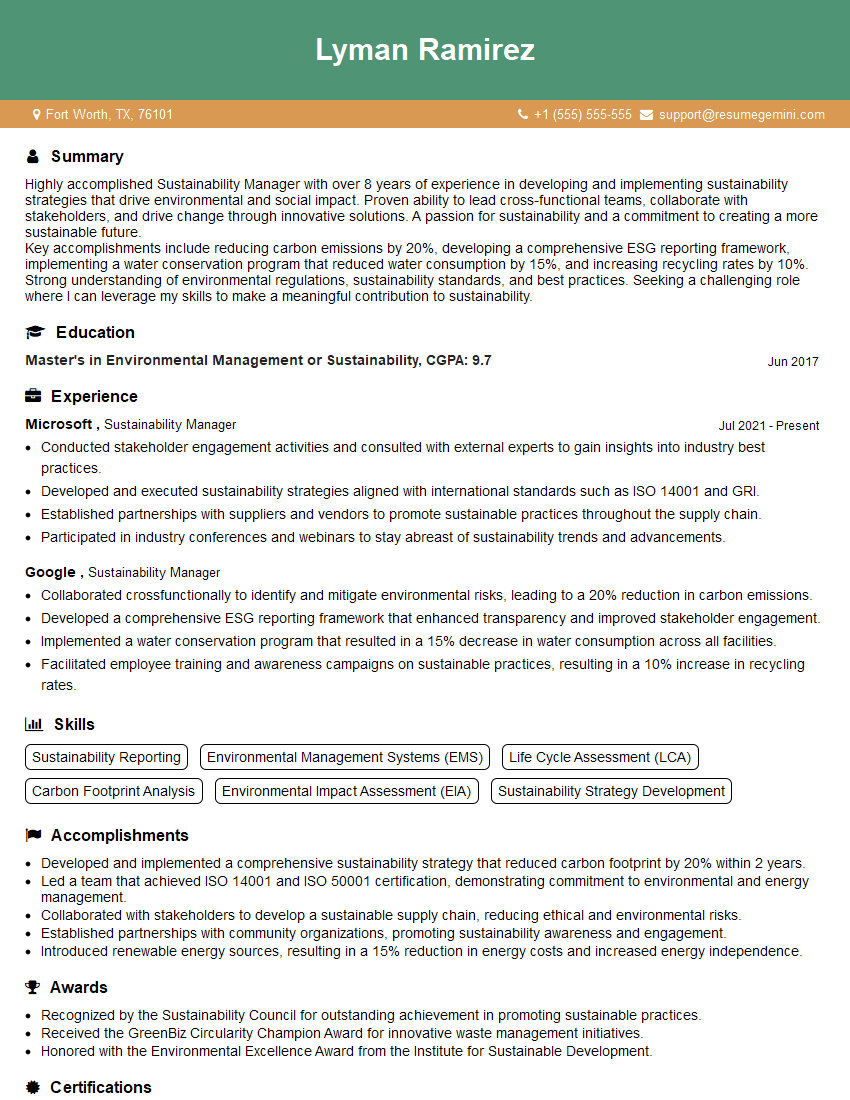
Sustainability Manager Resume Sample
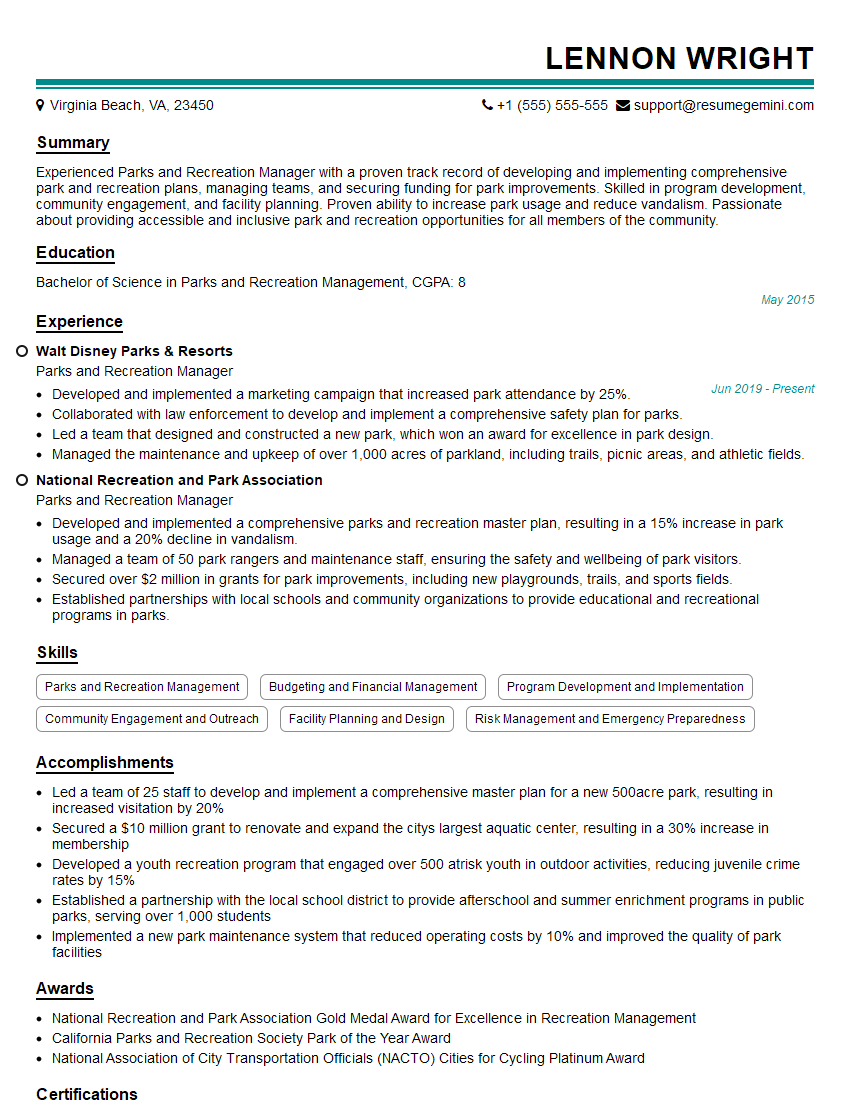
Parks and Recreation Manager Resume Sample
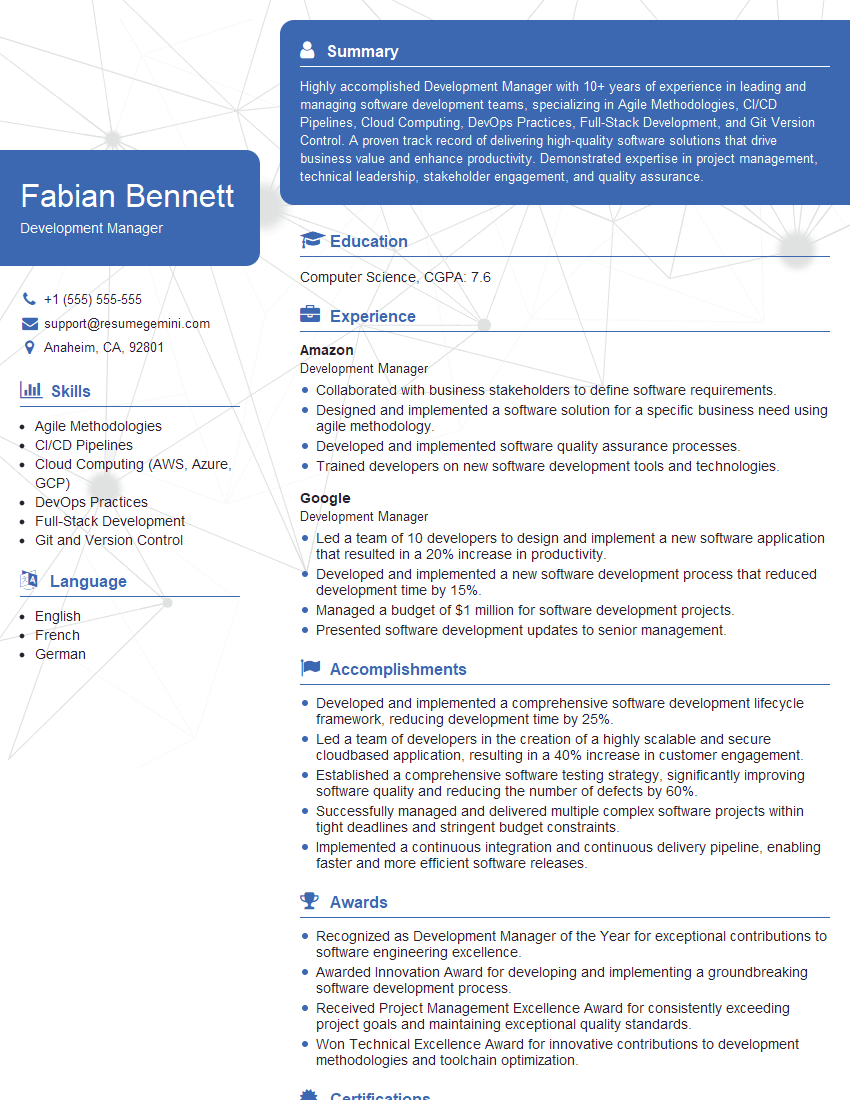
Development Manager Resume Sample

Construction Superintendent Resume Sample
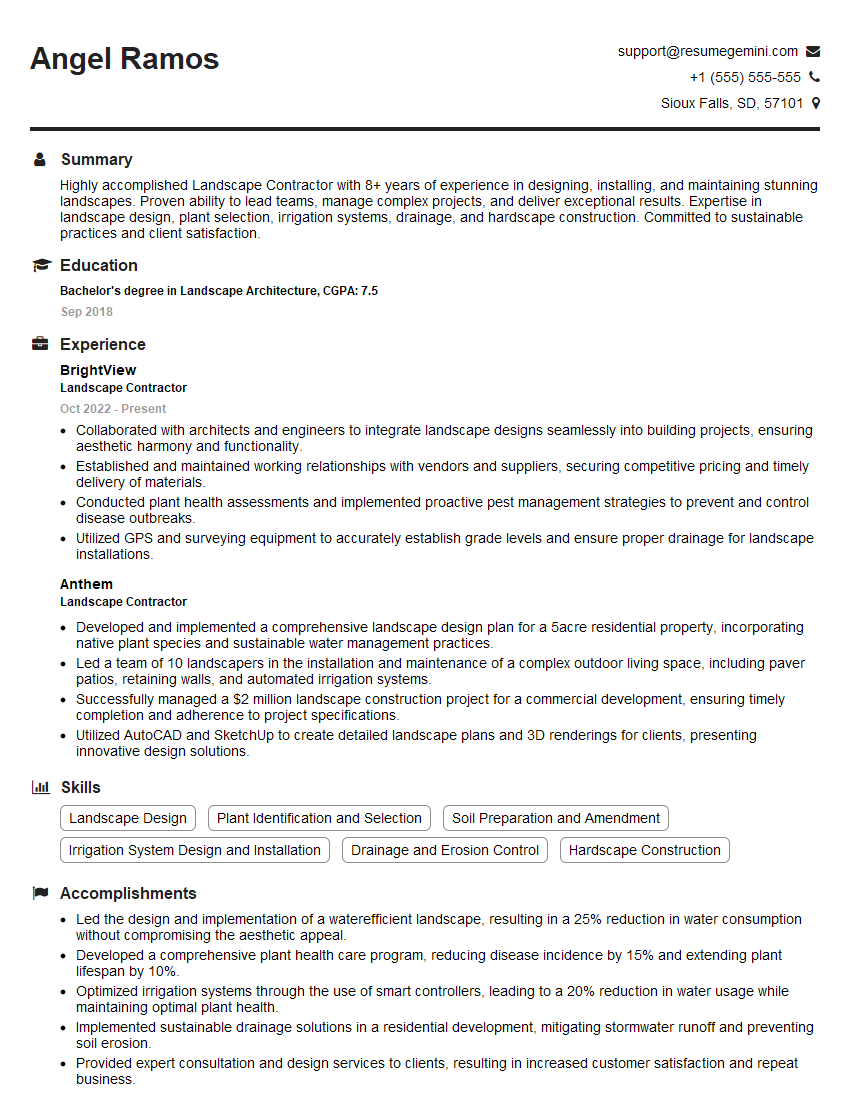
Landscape Contractor Resume Sample
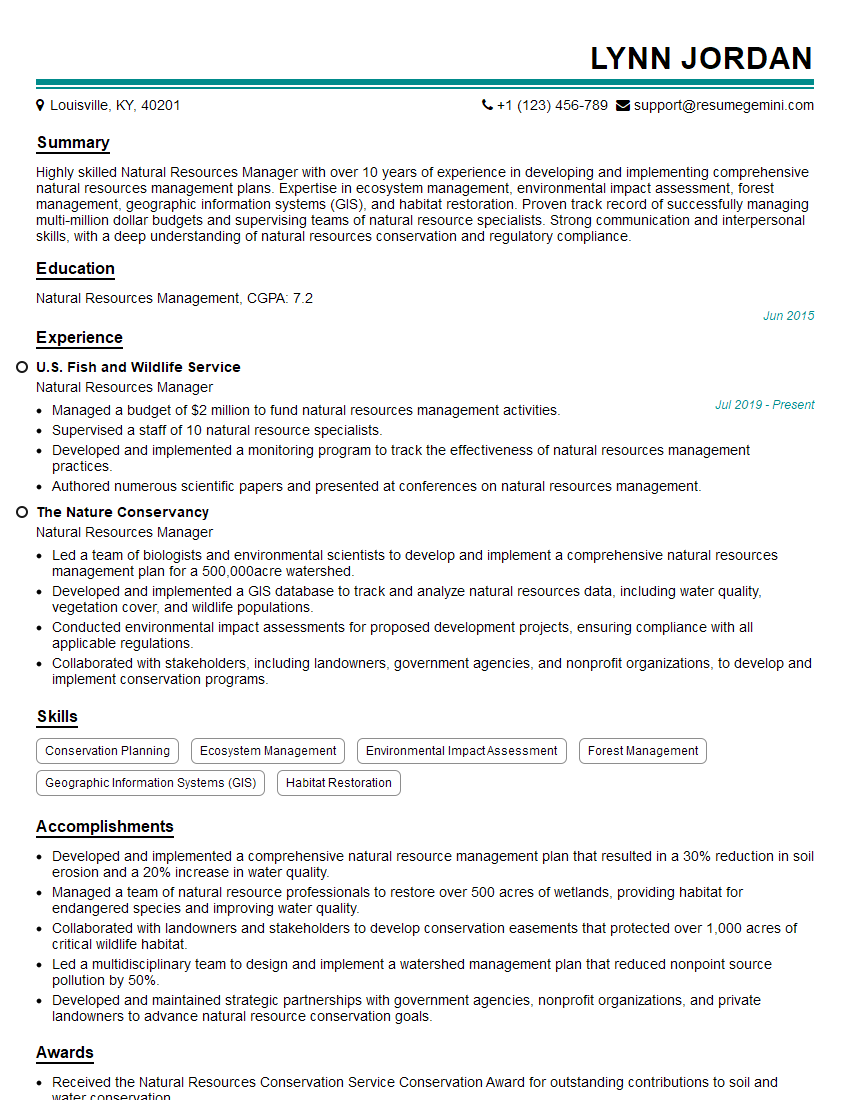
Natural Resources Manager Resume Sample
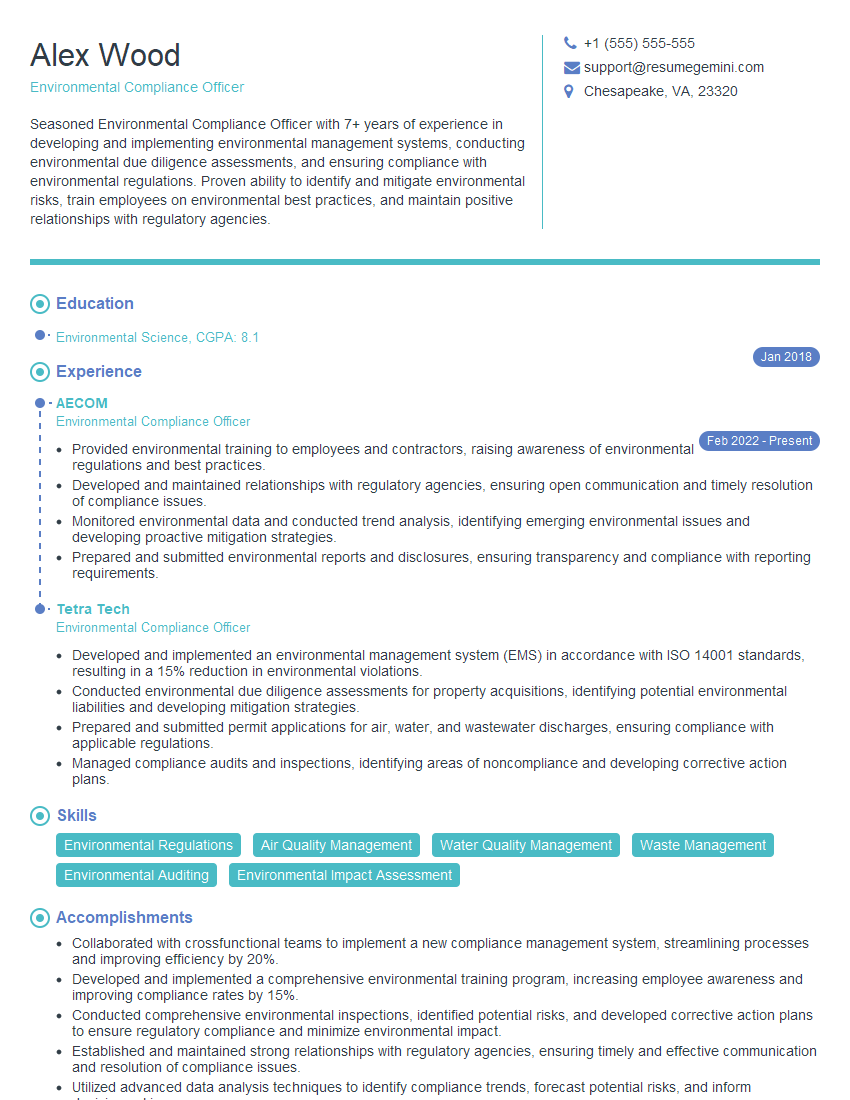
Environmental Compliance Officer Resume Sample
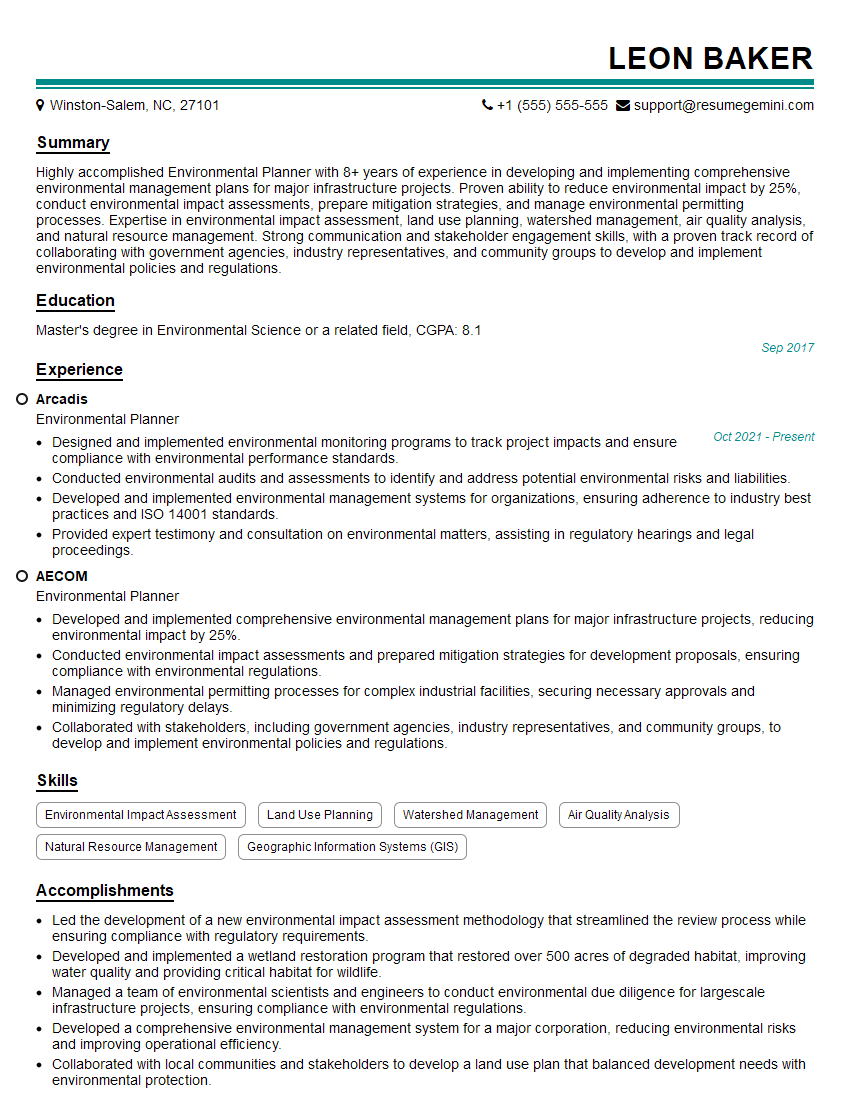
Environmental Planner Resume Sample
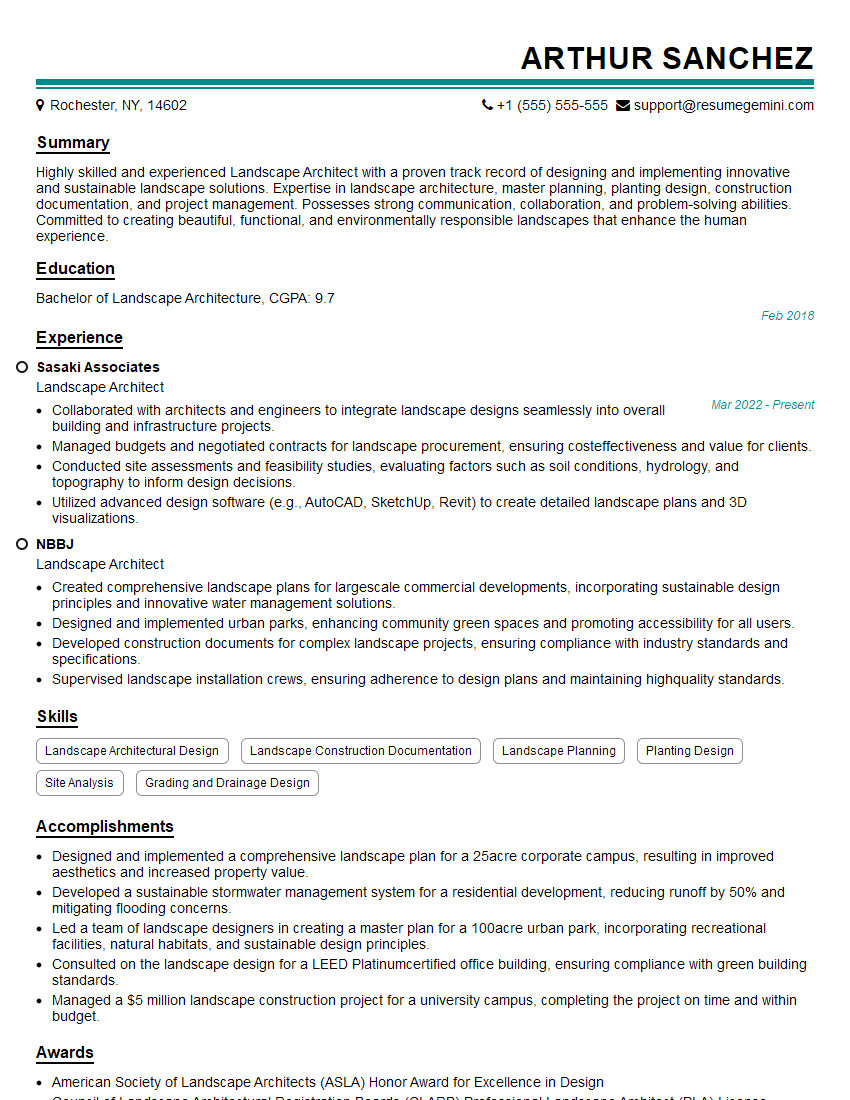
Landscape Architect Resume Sample
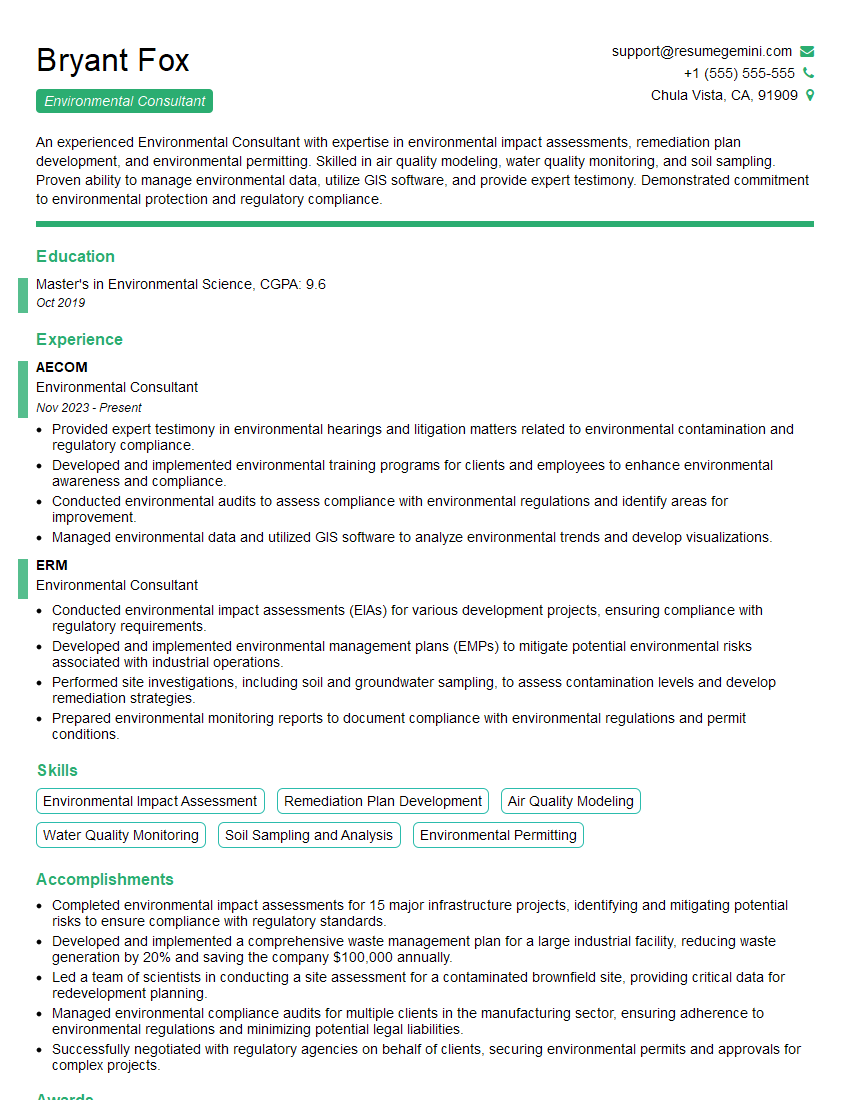
Environmental Consultant Resume Sample
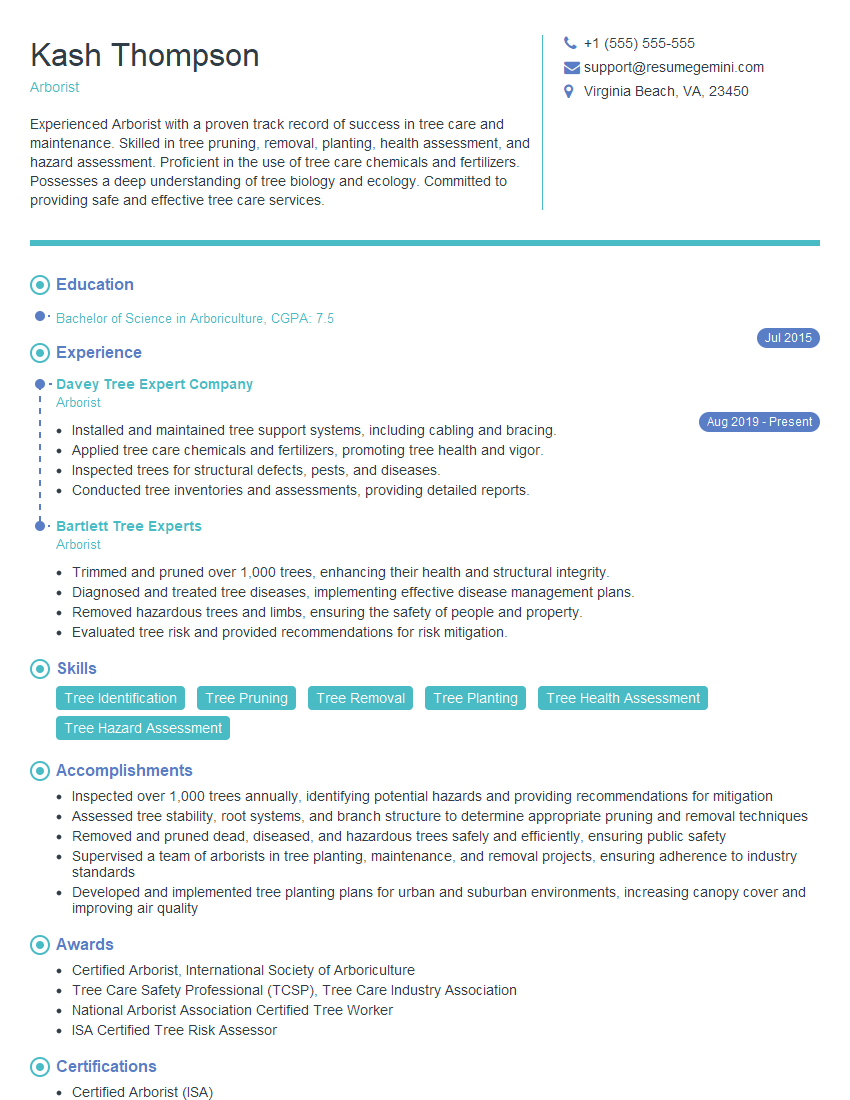
Arborist Resume Sample
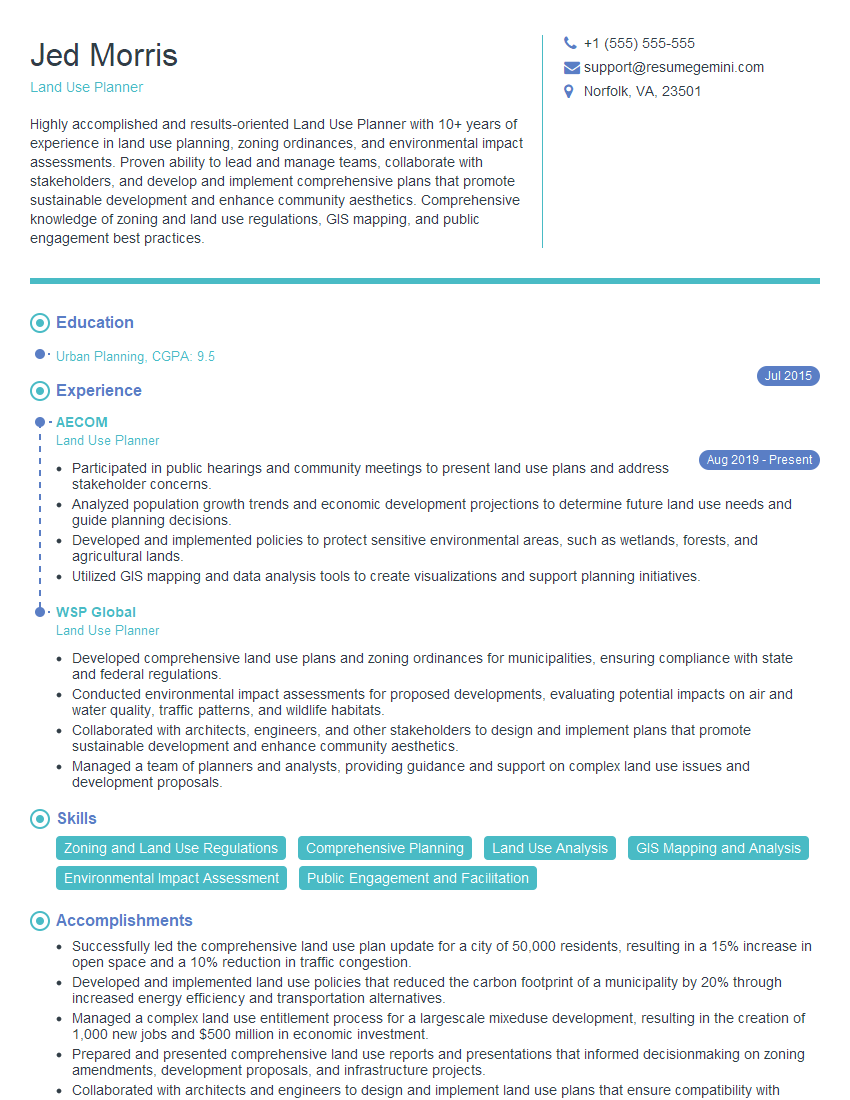
Land Use Planner Resume Sample
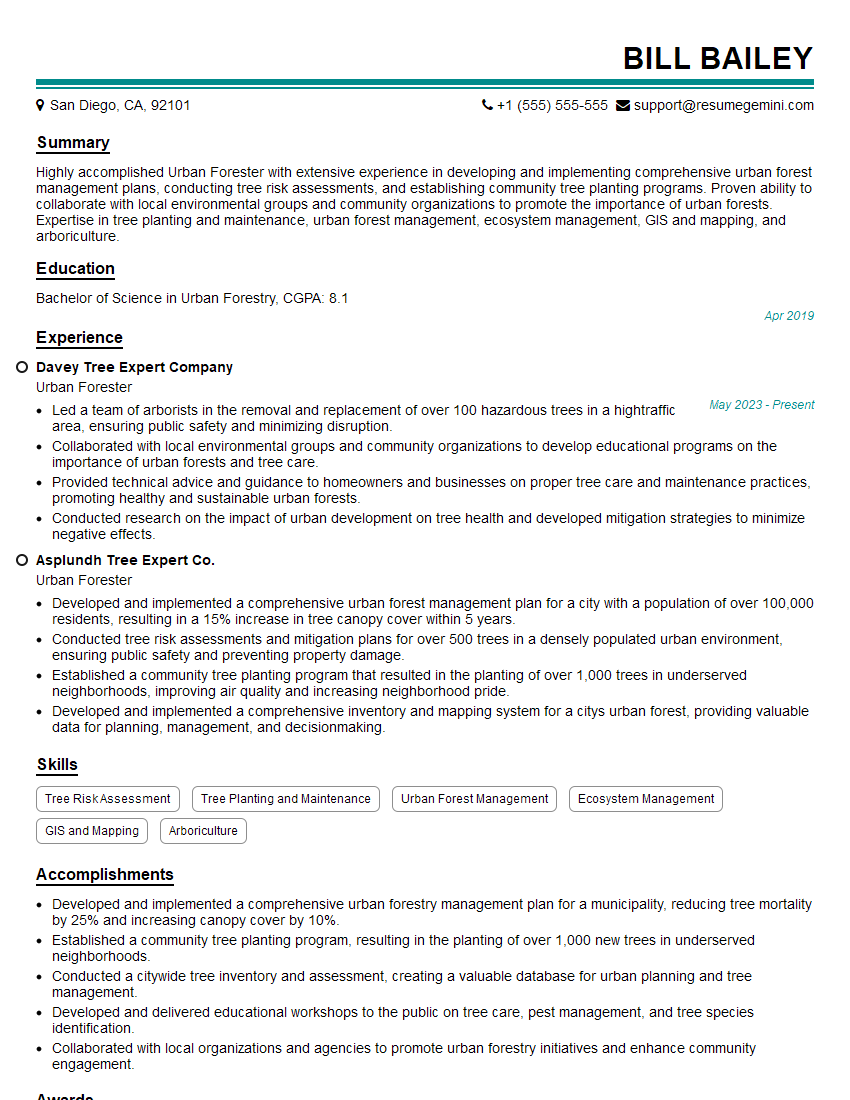
Urban Forester Resume Sample
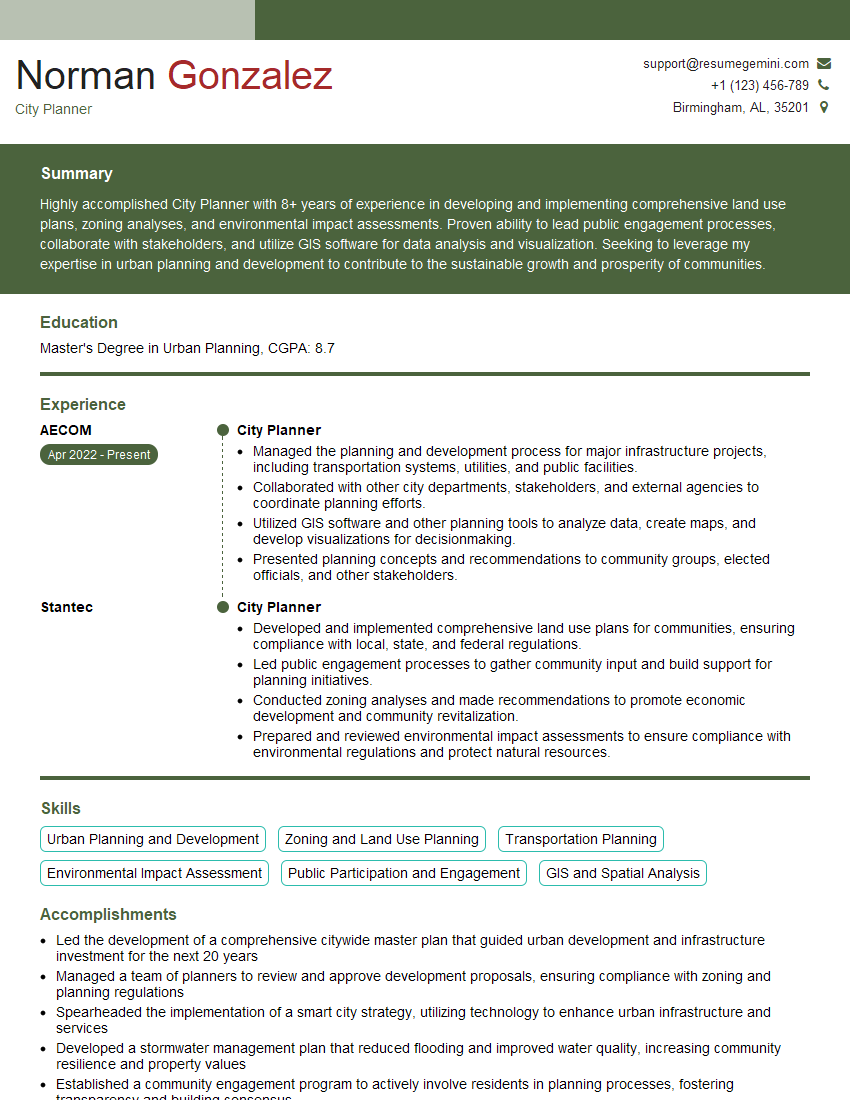
City Planner Resume Sample
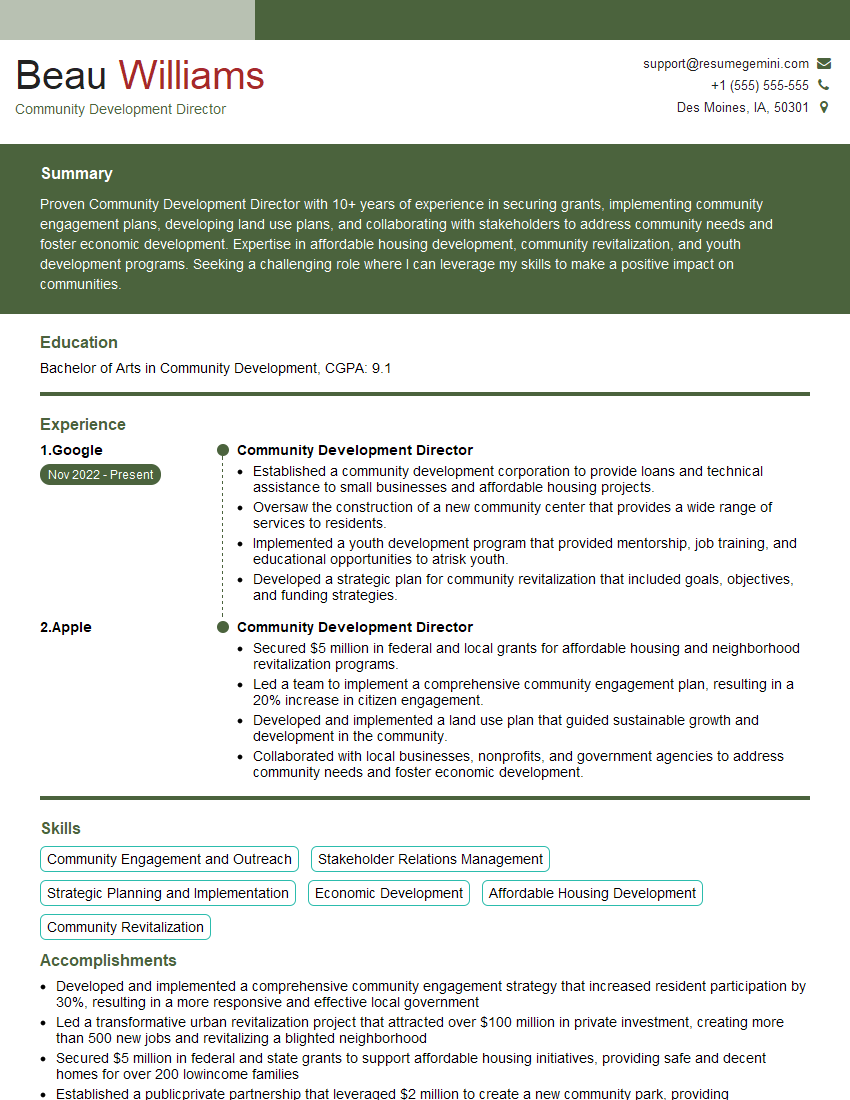
Community Development Director Resume Sample
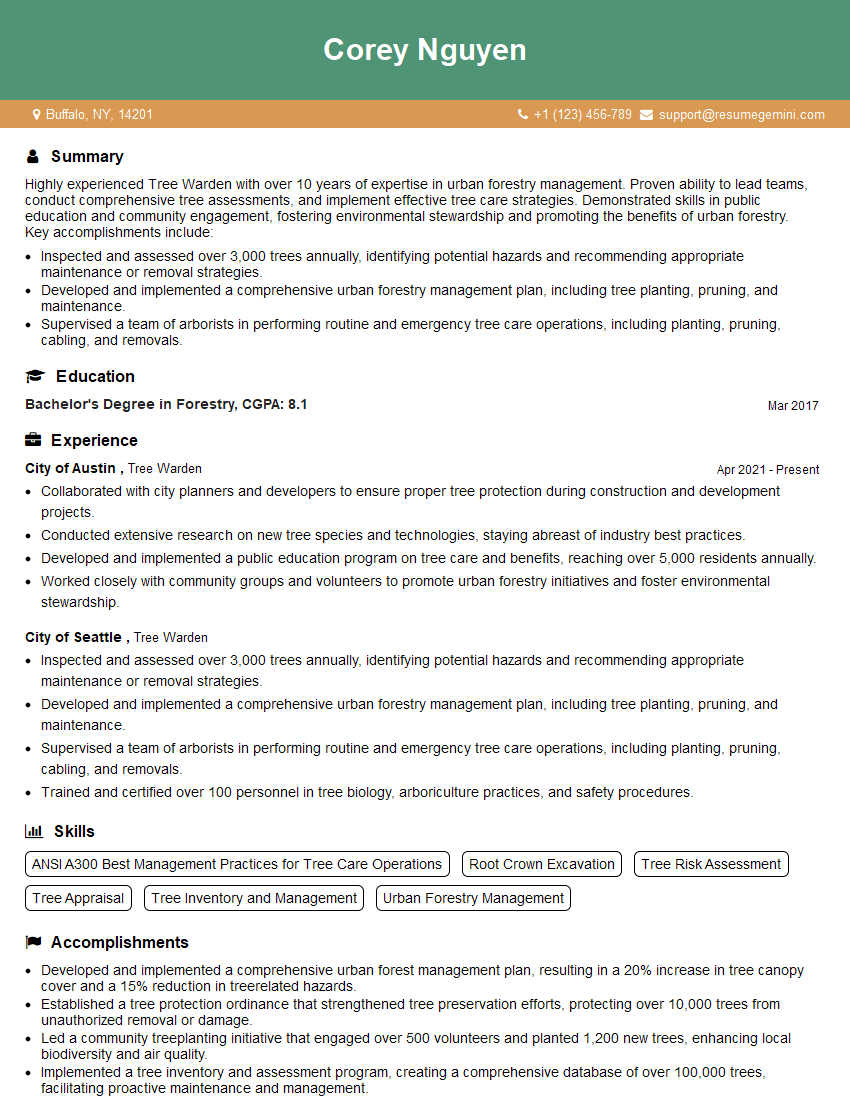
Tree Warden Resume Sample
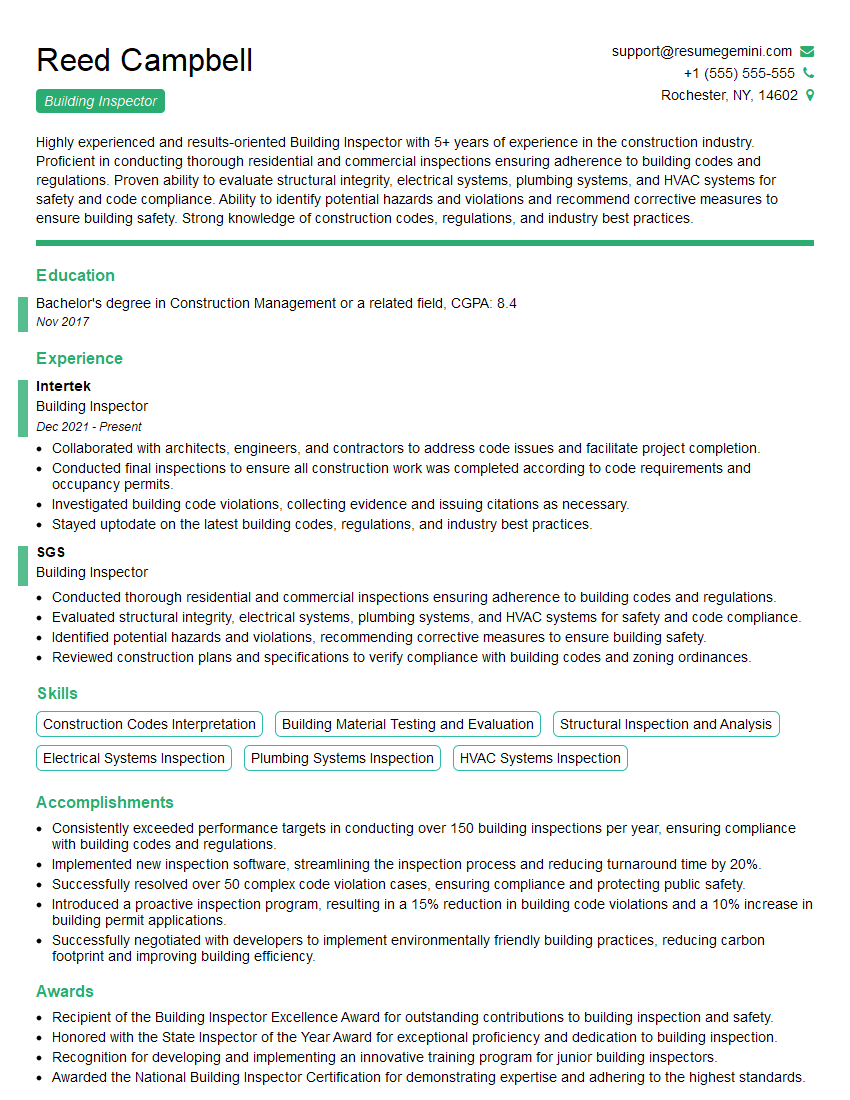
Building Inspector Resume Sample
- Public Works Director
- Sustainability Manager
- Parks and Recreation Manager
- Development Manager
- Construction Superintendent
- Landscape Contractor
- Natural Resources Manager
- Environmental Compliance Officer
- Environmental Planner
- Landscape Architect
- Environmental Consultant
- Arborist
- Land Use Planner
- Urban Forester
- City Planner
- Community Development Director
- Tree Warden
- Building Inspector
Explore more articles
Users Rating of Our Blogs
Share Your Experience
We value your feedback! Please rate our content and share your thoughts (optional).
What Readers Say About Our Blog
Very informative content, great job.
good