Feeling uncertain about what to expect in your upcoming interview? We’ve got you covered! This blog highlights the most important Work Instruction Following interview questions and provides actionable advice to help you stand out as the ideal candidate. Let’s pave the way for your success.
Questions Asked in Work Instruction Following Interview
Q 1. Describe your experience following detailed work instructions.
Throughout my career, I’ve consistently demonstrated proficiency in adhering to detailed work instructions. I approach this process systematically, ensuring accuracy and efficiency. My experience spans diverse contexts, including manufacturing, software development, and project management. For example, in a manufacturing setting, I meticulously followed multi-step assembly instructions for complex electronic components, ensuring each step was precisely executed according to specifications. In software, I have religiously followed version control and testing protocols, adhering to detailed documentation to ensure code quality and project success. This involved reviewing and understanding all aspects of the instructions before commencing, using checklists and actively seeking clarification when needed.
This systematic approach minimized errors and contributed to consistently high-quality outputs. I believe that a rigorous and methodical approach to work instruction following is fundamental to achieving high standards of work.
Q 2. How do you handle ambiguous or unclear work instructions?
When faced with ambiguous or unclear work instructions, my first step is to carefully review the entire document to see if the ambiguity is clarified elsewhere. I look for contextual clues and cross-reference information to try and resolve the issue. If this fails, I proactively seek clarification from my supervisor, team lead, or the person responsible for creating the instructions. This approach involves clearly articulating my questions and concerns, highlighting the specific sections causing confusion, and suggesting potential interpretations. This ensures a clear understanding of expectations and avoids potential errors. For instance, if a diagram is unclear I might ask for a revised version, or for a step-by-step explanation of the process. If there are conflicting instructions, I prioritize safety and flag the issue immediately.
Q 3. What steps do you take to ensure complete understanding of work instructions before starting a task?
Before commencing any task, I employ a multi-step process to ensure a complete understanding of the work instructions. This includes:
- Thorough review: I read the instructions carefully, paying close attention to each step, diagram, and warning.
- Clarification of terminology: I make sure I understand all the technical terms and jargon used.
- Visual aids: If diagrams or videos are included, I study them carefully to gain a clear visual understanding of the process.
- Cross-referencing: I check for consistency between different parts of the instructions, resolving any discrepancies or contradictions.
- Questioning: If anything remains unclear, I ask clarifying questions before starting the task. I document these questions and answers for future reference.
This meticulous approach prevents misunderstandings and ensures that the task is performed correctly and safely. Thinking of it like building a house – you wouldn’t start building without fully understanding the blueprints, right? The same principle applies to work instructions.
Q 4. Explain your process for identifying and reporting errors or discrepancies in work instructions.
Identifying and reporting errors or discrepancies in work instructions is critical for maintaining quality and safety. My process involves:
- Documenting the error: I precisely note the section, step, or diagram containing the error, including the exact wording or visual discrepancy.
- Providing context: I describe the situation that revealed the error and its potential impact on the task or product.
- Suggesting a correction: When possible, I propose a clear and concise correction to the instruction.
- Reporting through the proper channel: I report the error to my supervisor or the relevant authority using the established reporting mechanism, whether it’s a formal report, email, or issue tracking system.
- Following up: I follow up to ensure that the error has been addressed and the instructions have been updated.
For example, if I noticed a missing safety precaution in an instruction, I would document it carefully, highlight the risk, suggest the addition of a cautionary statement, and report it to my supervisor to ensure safety.
Q 5. How do you prioritize tasks when faced with multiple sets of work instructions?
When faced with multiple sets of work instructions, I prioritize tasks based on several factors:
- Urgency/Deadlines: Tasks with the closest deadlines are prioritized first.
- Dependencies: I identify tasks that are prerequisites for others and prioritize them accordingly.
- Impact: Tasks with the most significant impact or consequences are prioritized.
- Resource availability: Tasks that require specific resources are prioritized based on resource availability.
I often use a task management system or a simple to-do list, to organize and track my progress, ensuring I can efficiently juggle multiple instructions while maintaining a clear focus on completion. Visual tools like Kanban boards can be extremely helpful in managing the workflow.
Q 6. Have you ever had to adapt work instructions to accommodate unexpected circumstances? Describe the situation.
Yes, I have had to adapt work instructions to accommodate unexpected circumstances. In one instance, I was following instructions to install a piece of equipment. The instructions assumed the existing infrastructure would be as specified. However, upon arrival, I found a significant deviation from what was documented. Instead of blindly following the instructions, which could have resulted in damage or safety hazards, I stopped and carefully assessed the situation. I then documented the differences and contacted my supervisor to discuss alternative procedures. Together, we devised a safe and efficient workaround that ensured successful installation.
This involved careful consideration of safety protocols, adapting the steps to the current reality, and thorough documentation of the changes made and reasons for doing so. This illustrates the importance of adaptability and critical thinking when faced with unexpected situations.
Q 7. How familiar are you with different formats of work instructions (e.g., text, diagrams, videos)?
I am proficient in working with various formats of work instructions, including text-based documents, flowcharts, diagrams, and videos. My experience includes understanding and utilizing technical drawings, schematics, and visual guides. Each format has its strengths; text provides detailed explanations, diagrams provide visual clarity, and videos offer dynamic demonstrations. My ability to interpret and integrate information from multiple formats allows me to effectively understand and execute complex tasks. I find that a combination of formats often provides the clearest and most comprehensive instructions. For instance, a video demonstrating a complex assembly process supplemented by a detailed textual checklist ensures the best understanding and minimizes risk of error.
Q 8. How do you maintain accuracy and consistency when following work instructions?
Maintaining accuracy and consistency when following work instructions is paramount for producing high-quality results and avoiding errors. It’s a multi-faceted process that relies on meticulous attention to detail, a clear understanding of the instructions, and the application of effective strategies.
- Thorough Reading and Comprehension: Before starting, I carefully read the entire instruction set, focusing on understanding each step and its purpose. I look for visual aids like diagrams or flowcharts which can clarify complex processes.
- Verification and Clarification: If anything is unclear or ambiguous, I immediately seek clarification from my supervisor or a subject matter expert. Assumptions can lead to errors, so it’s vital to confirm any doubts.
- Step-by-Step Execution: I execute each step methodically, checking off completed steps as I proceed. This methodical approach prevents skipping steps or missing crucial details.
- Double-checking: After completing a critical step or the entire procedure, I perform a thorough double-check to ensure accuracy and adherence to the instructions. This might involve comparing my work to the expected outcome described in the instructions.
- Utilizing Checklists and Templates: When applicable, I leverage checklists and templates provided within the work instructions. These tools help ensure that I haven’t missed any critical steps or checks.
For instance, during a recent PCB assembly project, following these methods ensured all components were placed correctly, leading to a fully functional circuit board on the first attempt.
Q 9. Describe a time you made a mistake due to misinterpreting work instructions. What did you learn?
In a previous role, I was tasked with configuring a network server using instructions that described the IP addressing scheme using classless inter-domain routing (CIDR) notation, which I misinterpreted. I incorrectly configured the subnet mask, leading to network connectivity issues. The error resulted in a significant delay in the project launch and required additional time to troubleshoot and correct the mistake.
This experience taught me the critical importance of:
- Seeking clarification on unfamiliar terminology or concepts. I should have sought clarification on CIDR notation before proceeding if I was unsure about its implications.
- Double-checking my work against the instructions, not just against the expected outcome. If I had verified my subnet mask calculation against the explicit instructions, I would have caught the error.
- Using visual aids like network diagrams to better understand the configuration. A diagram would have helped me visualize the network structure and the correct subnet mask application.
Now, I always prioritize thorough understanding before proceeding, ensuring that I fully grasp all terms and concepts before beginning a task. I also use multiple verification techniques and actively seek help when needed.
Q 10. How do you ensure you are following the most up-to-date version of the work instructions?
Ensuring I’m working with the latest version of work instructions is crucial for safety and accuracy. I employ several strategies:
- Version Control Systems: I utilize version control systems (e.g., SharePoint, document management systems) to access the most current versions of the work instructions. These systems usually track version history, making it easy to identify updates.
- Regular Updates Checks: I regularly check for updated versions before starting any tasks. The frequency of these checks depends on the criticality of the instructions and the known update schedule. For high-risk procedures, checks might be performed daily.
- Notification Systems: I subscribe to notifications or alerts regarding updates to relevant work instructions if the platform supports this function.
- Clear Version Numbering: I always verify the version number displayed on the instructions I am using and compare it with the latest version available. Ignoring version numbers is a significant risk.
For example, in a manufacturing environment, using outdated instructions for a machine operation could lead to improper use, resulting in equipment damage, production delays, or safety hazards.
Q 11. What methods do you use to track your progress when following complex work instructions?
Tracking progress when following complex work instructions involves a combination of strategies depending on the task’s complexity and duration:
- Checklists and Forms: I utilize provided checklists to mark the completion of individual steps. For tasks requiring data entry, well-structured forms help record results systematically.
- Progress Tracking Software: For complex projects, I leverage dedicated project management software or spreadsheets to track progress, deadlines, and dependencies between different tasks. This is often essential in collaborative settings.
- Visual Aids: I might use flowcharts, Gantt charts, or Kanban boards to visually represent the progress of the process and identify any potential bottlenecks or delays. Visual tools are valuable for visualizing complex workflows.
- Regular Progress Reports: At appropriate intervals, I provide concise progress updates to my supervisor or team, highlighting achievements and any obstacles encountered. Regular communication is crucial for ensuring alignment and timely intervention if needed.
For instance, while assembling a complex piece of machinery, a structured checklist helped ensure each sub-assembly was completed accurately before moving to the next step, allowing for efficient assembly and trouble-shooting in case a step was missed or inaccurate.
Q 12. How do you handle interruptions while following work instructions?
Interruptions are inevitable, especially in busy work environments. Handling interruptions effectively without compromising accuracy or safety is key. My approach involves:
- Prioritization and Context Switching: I assess the urgency of the interruption. If it’s urgent and requires immediate attention, I pause my current task, noting my current position in the work instructions before attending to the interruption. I then resume my primary task from where I left off, ensuring I re-familiarize myself with the instructions to avoid errors.
- Minimizing Interruptions: Whenever possible, I proactively communicate my current work to minimize interruptions. For instance, I might wear headphones or politely request colleagues to avoid interruptions during critical phases of a task.
- Documenting Interruption Impacts: I note any interruptions in my documentation, along with their potential effects on the process. This enables accurate tracking and can assist in identifying areas for process improvements.
Imagine working on a delicate calibration procedure; if interrupted, I would carefully document where I paused and immediately record all relevant settings, re-checking my work before continuing to avoid costly mistakes.
Q 13. Describe your experience with documenting your work and deviations from work instructions.
Documenting my work and any deviations from work instructions is a fundamental part of my process. This serves several vital purposes:
- Accuracy and Traceability: Detailed documentation provides a clear audit trail, facilitating accurate tracking of all activities and decisions made throughout the process. This is especially important in regulated environments.
- Error Detection and Correction: Documenting deviations allows for quick identification of errors and facilitates effective problem-solving. Analyzing documented deviations can identify recurring issues and highlight areas needing improvement in the instructions or processes themselves.
- Continuous Improvement: Recording deviations and their resolutions helps in continuous improvement efforts. By analyzing patterns in deviations, we can identify root causes and implement preventive measures.
- Compliance and Accountability: Thorough documentation plays a crucial role in demonstrating compliance with safety standards and regulations, promoting accountability and responsibility for all actions.
For instance, when conducting chemical experiments, deviations from procedures are meticulously documented, including the reasons for the deviation, the corrective actions taken, and any observed results. This ensures data integrity and aids in future experimentation.
Q 14. Explain the importance of adhering to safety procedures outlined in work instructions.
Adhering to safety procedures outlined in work instructions is paramount for ensuring worker safety and preventing accidents. Neglecting these procedures can have severe consequences ranging from minor injuries to fatalities.
The importance stems from several key factors:
- Risk Mitigation: Safety procedures are designed to identify and mitigate potential hazards associated with a specific task. Following these procedures minimizes the risk of accidents and injuries.
- Legal Compliance: Most workplaces are subject to safety regulations and legal requirements. Adhering to the safety procedures documented in the work instructions ensures compliance with these regulations and prevents potential legal ramifications.
- Environmental Protection: Some tasks might involve handling hazardous materials or operating equipment that could potentially harm the environment. Safety instructions often outline procedures to ensure environmental protection.
- Property Protection: Following safety procedures minimizes risks of equipment damage, property loss, or production disruptions.
In a manufacturing setting, for example, failure to follow safety procedures while operating machinery could lead to serious injury or equipment damage. Strict adherence ensures both worker and operational safety.
Q 15. How do you contribute to the improvement of work instructions?
Improving work instructions is crucial for efficiency and safety. My approach involves a multi-faceted strategy focusing on clarity, accuracy, and practicality. I actively participate in reviews, suggesting improvements based on my practical experience. This includes simplifying complex language, adding visual aids like diagrams or flowcharts, and ensuring step-by-step instructions are unambiguous.
- Clarity: I look for instances of jargon or ambiguous phrasing and suggest replacing them with clear, concise language that anyone can understand.
- Accuracy: I verify the steps against actual processes and identify any discrepancies or outdated information. I also check for any potential hazards and recommend safety precautions.
- Practicality: I assess the feasibility of the instructions, considering the tools, equipment, and time required. I suggest improvements to streamline the process and minimize waste.
For example, in a previous role, I identified a section of instructions that were overly technical and difficult for new employees to follow. By rewriting them using simpler language and adding illustrative diagrams, we reduced errors by 25% and improved training time by 10%.
Career Expert Tips:
- Ace those interviews! Prepare effectively by reviewing the Top 50 Most Common Interview Questions on ResumeGemini.
- Navigate your job search with confidence! Explore a wide range of Career Tips on ResumeGemini. Learn about common challenges and recommendations to overcome them.
- Craft the perfect resume! Master the Art of Resume Writing with ResumeGemini’s guide. Showcase your unique qualifications and achievements effectively.
- Don’t miss out on holiday savings! Build your dream resume with ResumeGemini’s ATS optimized templates.
Q 16. How would you handle a situation where you disagree with the instructions provided?
Disagreement with instructions requires a careful and professional approach. My first step is to thoroughly review the instructions, checking for potential misunderstandings or overlooked factors. Then, I would document my concerns clearly and concisely, outlining specific points of disagreement and providing rationale for my perspective. I wouldn’t simply ignore the instructions or proceed without addressing my concerns.
Next, I would seek clarification from my supervisor or the instructions’ author. I’d present my concerns constructively, emphasizing collaboration and a shared goal of efficiency and safety. Open communication is vital. Perhaps there’s a reason for the instruction I don’t understand, or maybe there’s room for improvement. The goal is to find a solution that meets safety and quality standards. If the disagreement persists, I would follow established protocols for escalating the issue, documenting all communication and steps taken.
For example, I once disagreed with a step in a chemical mixing procedure. I believed a different order of addition would be safer and more efficient. After documenting my concerns and presenting my reasoning to my supervisor, we reviewed the process together. We implemented my suggested change after risk assessment, and this ultimately improved both safety and efficiency.
Q 17. What is your approach to troubleshooting problems encountered while following work instructions?
Troubleshooting is a systematic process. My first step is to carefully re-read the relevant instructions, ensuring I understand each step correctly and haven’t missed any critical details. I then check my work for any potential errors made during the process. If the problem persists, I’d systematically check for equipment malfunctions, material inconsistencies, or environmental factors that may be affecting the outcome.
I use a structured approach, similar to a troubleshooting tree or flowchart, to systematically eliminate possibilities. I would document each step and the results, creating a record of my troubleshooting process. This not only helps resolve the current problem but also provides valuable data for future instruction improvements. If the problem remains unresolved, I would escalate it to a supervisor or expert, presenting them with my findings and documentation.
Imagine a scenario where a machine isn’t functioning correctly while following instructions. I’d first check for power, then check connections, then look at input materials, gradually narrowing down the source of the malfunction through a systematic approach. Documentation of this process is key to preventing similar issues in the future.
Q 18. How do you manage your time effectively when completing tasks based on work instructions?
Effective time management is crucial when following work instructions. This starts with a thorough understanding of the instructions themselves, including estimated time requirements for each step. I would prioritize tasks based on deadlines and dependencies. Breaking down complex tasks into smaller, manageable steps also helps. I use tools like checklists or Gantt charts to visualize progress and stay organized.
Anticipating potential delays and proactively addressing them is equally important. This might involve preparing necessary materials in advance, or seeking clarification on ambiguous instructions before starting. Regular self-assessment of progress helps to identify potential roadblocks early and allows for course correction. Finally, I maintain focus and avoid distractions to maximize productivity.
Think of it like building with LEGOs. You wouldn’t start building a castle without a plan and the right pieces. Similarly, understanding the instructions and organizing your resources beforehand ensures smooth and efficient task completion.
Q 19. How do you ensure the quality of your work when following work instructions?
Ensuring quality while following instructions involves meticulous attention to detail and a commitment to accuracy. I follow each step precisely, using the specified tools and materials. I regularly check my work against the instructions to ensure consistency and accuracy. If the instructions specify quality control checks, I perform these thoroughly and document the results. I adhere strictly to safety protocols, prioritizing both personal safety and product quality.
Beyond simply following the instructions, I’m proactive in identifying potential quality issues. This involves being observant and recognizing variations or deviations from expected results. If I encounter any issues, I promptly document them and report them, taking appropriate corrective actions as instructed or following established procedures. This approach not only guarantees quality but also helps identify areas for improvement in the instructions themselves.
For example, in a manufacturing setting, consistently verifying dimensions and tolerances at each step ensures that the final product meets the required specifications. This proactive approach prevents errors from accumulating, thus maintaining high-quality output.
Q 20. What software or systems are you familiar with for accessing and managing work instructions?
I’m familiar with various software and systems for accessing and managing work instructions, including:
- Enterprise Resource Planning (ERP) systems: Such as SAP or Oracle, which often integrate work instructions into their modules.
- Computerized Maintenance Management Systems (CMMS): Systems like IBM Maximo or Fiix, commonly used to manage maintenance procedures and instructions.
- Learning Management Systems (LMS): Systems like Moodle or Canvas, where instructions may be integrated as part of training modules.
- Document Management Systems (DMS): Systems like SharePoint or Google Drive, often used for storing and version controlling work instructions.
- Dedicated Work Instruction Software: Several platforms are solely focused on creating, managing, and distributing work instructions, often offering features for version control and mobile access.
My experience with these systems varies, depending on the specific context of my role. However, I am quick to adapt to new systems and learn to effectively utilize their features for accessing and managing work instructions.
Q 21. Describe your experience with Standard Operating Procedures (SOPs).
Standard Operating Procedures (SOPs) are detailed, step-by-step instructions for performing specific tasks or processes. My experience with SOPs is extensive, encompassing their creation, implementation, and improvement. I’ve been involved in reviewing and revising existing SOPs to ensure they are accurate, clear, and up-to-date. I understand the importance of SOPs in maintaining consistency, ensuring quality, and minimizing errors within an organization. I also know how crucial it is to keep them regularly updated to reflect changes in technology, processes, or regulations.
I’ve used SOPs in various settings, including manufacturing, laboratory work, and administrative tasks. In each case, adhering to SOPs ensured the consistency of results and safety of operations. Furthermore, I’ve seen firsthand how well-written and regularly updated SOPs can contribute to overall operational efficiency and a reduction in errors. I’m comfortable using SOPs both for guidance and as a tool for identifying areas for improvement or potential risks.
For instance, in a previous role, we updated a critical SOP for a manufacturing process. The revised SOP incorporated feedback from the production team, leading to an increase in productivity and a reduction in defects.
Q 22. How do you ensure compliance with regulatory requirements when following work instructions?
Ensuring compliance with regulatory requirements while following work instructions is paramount for safety, quality, and legal reasons. My approach is multifaceted and begins with a thorough understanding of the applicable regulations. This involves reviewing relevant documentation, such as safety data sheets (SDS), environmental regulations, and industry-specific standards.
- Proactive Review: Before starting any task, I carefully review the work instructions for any explicit references to regulatory compliance, such as specific safety procedures or permitted materials. For example, in a pharmaceutical setting, this might include adhering to Good Manufacturing Practices (GMP).
- Identification and Documentation: If the instructions lack explicit regulatory references, I proactively identify the relevant regulations based on the nature of the task and document this linkage. This is crucial for traceability and audit purposes.
- Deviation Reporting: If a situation arises where strict adherence to instructions would lead to a regulatory non-compliance, I immediately escalate the issue to my supervisor. This is far preferable to proceeding and risking penalties.
- Continuous Learning: I actively participate in training sessions and updates to stay abreast of changes in regulations and best practices. Staying informed is critical for maintaining compliance.
In essence, compliance is not just a checklist; it’s an ingrained part of my work process, ensuring not only the success of the task but also the safety of myself and others.
Q 23. Describe your experience working with visual aids (diagrams, flowcharts) within work instructions.
Visual aids are invaluable in understanding complex work instructions. My experience includes extensive use of diagrams, flowcharts, and schematics to guide tasks, especially those involving intricate processes or equipment.
- Diagram Interpretation: I’m proficient in interpreting various types of diagrams, such as wiring diagrams, piping and instrumentation diagrams (P&IDs), and assembly drawings. I can identify components, understand their relationships, and follow the steps indicated visually.
- Flowchart Navigation: Flowcharts are particularly useful for understanding sequential processes and decision points. I can efficiently navigate complex flowcharts, identifying the correct path based on given conditions.
- Schematic Understanding: For technical tasks involving machinery or electronic systems, schematics provide a crucial visual representation. I can use these schematics to trace signals, identify potential problem areas, and understand the overall system architecture.
- Active Learning: If a visual aid is unclear or ambiguous, I don’t hesitate to seek clarification from supervisors or colleagues. A simple question can save significant time and prevent errors.
For example, in a recent project involving the assembly of a complex mechanical system, the provided assembly diagrams with annotated steps were instrumental in completing the task efficiently and accurately. Visual aids are my go-to tool for streamlining understanding and preventing errors.
Q 24. How do you manage workload when faced with multiple complex instructions?
Managing multiple complex instructions effectively requires a structured approach. It’s not simply about working faster; it’s about working smarter and prioritizing efficiently.
- Prioritization: I assess the instructions based on deadlines, urgency, and dependencies. Critical tasks with tight deadlines are addressed first. Using a simple priority matrix (e.g., Eisenhower Matrix – urgent/important) can be very helpful.
- Task Breakdown: I break down complex instructions into smaller, manageable sub-tasks. This allows for focused attention on each component and makes progress more visible and less daunting.
- Time Management: I allocate specific time blocks to each sub-task, using techniques like timeboxing or the Pomodoro Technique to maintain focus and prevent burnout. Regular short breaks are crucial for sustaining productivity.
- Communication: Open communication with supervisors is essential. If I anticipate delays or require additional resources, I inform them proactively to avoid bottlenecks.
Imagine having to manage simultaneous instructions for troubleshooting a network issue, processing customer orders, and preparing a presentation. By prioritizing urgent tasks (network issue), breaking down larger tasks (order processing), and proactively communicating potential delays (presentation), I can efficiently manage conflicting demands.
Q 25. How do you use feedback to improve your performance when following work instructions?
Feedback is crucial for continuous improvement. I actively seek and utilize feedback to enhance my performance in following work instructions.
- Seeking Feedback: I proactively request feedback from supervisors, colleagues, or even through self-assessment after completing a task. This helps identify areas for improvement in my approach and understanding.
- Constructive Criticism: I treat feedback as an opportunity for growth, focusing on constructive criticism and actionable suggestions. Even seemingly minor observations can reveal areas for improvement.
- Documentation and Review: I keep a record of feedback received, noting the specific points raised and the actions I’ve taken to address them. Regular review of this feedback log helps to track my progress and identify recurring patterns.
- Adaptation: Based on the feedback, I adjust my approach to task execution, perhaps employing new techniques or strategies. I aim to implement changes strategically, avoiding overwhelming myself.
For example, receiving feedback on my tendency to rush through complex instructions led me to incorporate more frequent self-checks and break down tasks further. This resulted in a noticeable reduction in errors and improved overall accuracy.
Q 26. Describe your experience with using checklists as part of work instructions.
Checklists are an essential part of many work instructions, acting as a safety net to ensure completeness and accuracy. My experience with checklists is extensive and positive.
- Verifying Completion: Checklists provide a structured way to verify that all necessary steps have been completed. They prevent overlooking crucial steps, which is especially important in tasks with multiple components.
- Error Reduction: By systematically checking each item, checklists dramatically reduce the likelihood of errors due to forgetfulness or oversight. This is particularly relevant for repetitive or intricate tasks.
- Training Aid: Checklists can act as training aids, guiding new employees through the process and ensuring consistent performance.
- Customization: When appropriate, I customize checklists based on specific requirements or unique aspects of the task. This allows for greater efficiency and relevance.
In my previous role, a comprehensive pre-flight checklist for a piece of equipment was instrumental in preventing potentially hazardous situations and ensuring the safety of everyone involved. The structured nature of the checklist minimized human error and improved overall operational efficiency.
Q 27. How do you ensure you understand the overall purpose and goals of the work instructions you follow?
Understanding the overall purpose and goals of the work instructions is critical for effective and efficient execution. It provides context and motivation, ensuring the work is carried out with purpose and precision.
- Initial Review: I begin by carefully reviewing the introduction or overview section of the instructions to grasp the overall objective. This provides the necessary framework for understanding subsequent steps.
- Contextualization: I relate the instructions to the broader project or operational goals. Understanding the bigger picture helps to prioritize tasks and maintain focus.
- Clarification: If the purpose is unclear or ambiguous, I don’t hesitate to ask for clarification from supervisors or experienced colleagues. It’s far better to seek clarification upfront than to proceed with uncertainty.
- Reflection: Once the task is completed, I reflect on the outcome in relation to the initial objectives. This reinforces understanding and highlights areas for future improvement.
For instance, understanding that a specific assembly instruction was part of a larger project to improve product efficiency allowed me to approach the task with more care and focus on precision, ensuring the final product met the overarching goals.
Q 28. How do you communicate effectively if you encounter difficulties following work instructions?
Effective communication is essential when encountering difficulties while following work instructions. My approach emphasizes clarity, promptness, and a focus on solutions.
- Immediate Reporting: If I encounter any obstacles or misunderstandings, I immediately report them to my supervisor or a designated point of contact. Delaying communication can exacerbate problems.
- Detailed Description: When reporting the issue, I provide a clear and concise description of the problem, including the specific instruction, the point of difficulty, and any relevant observations. Using precise language is crucial.
- Suggested Solutions: Where possible, I suggest potential solutions or alternative approaches. This demonstrates proactive problem-solving and helps facilitate a quicker resolution.
- Documentation: I maintain detailed documentation of the issue, including the date, time, the solution implemented, and any subsequent actions taken. This helps prevent future occurrences.
For example, if I encountered an ambiguous step in a complex electronic repair procedure, I would immediately report the ambiguity to my supervisor, providing the exact instruction section, a picture of the problematic component, and suggest alternative interpretations based on my experience. This ensured a swift resolution and prevented unnecessary delays.
Key Topics to Learn for Work Instruction Following Interview
- Understanding Instruction Formats: Learn to interpret various instruction formats, including written procedures, diagrams, flowcharts, and videos. Practice identifying key steps, safety precautions, and potential hazards.
- Practical Application & Problem Solving: Consider how you’ve applied work instructions in past roles. Be prepared to discuss situations where you encountered unclear instructions, how you addressed ambiguity, and the outcome. Practice describing your problem-solving approach in detail.
- Attention to Detail & Accuracy: Highlight your ability to meticulously follow instructions, ensuring accuracy and consistency in your work. Prepare examples showcasing your commitment to quality and precision.
- Safety Procedures & Compliance: Discuss your understanding of safety protocols within work instructions and your commitment to following them. Be prepared to address how you ensure compliance and mitigate risks.
- Efficiency and Optimization: Explore how you can improve efficiency while adhering to instructions. Think about ways to streamline processes or suggest improvements to existing procedures.
- Communication & Collaboration: Discuss scenarios where you needed to clarify instructions with supervisors or colleagues. Explain how you effectively communicated challenges or questions.
- Troubleshooting & Error Handling: Be prepared to describe your approach to troubleshooting issues that arise while following instructions. Highlight your ability to identify and correct errors effectively.
Next Steps
Mastering Work Instruction Following is crucial for success in many roles, demonstrating your reliability, attention to detail, and commitment to safety. A strong understanding of this skill will significantly enhance your career prospects. To further boost your job search, create an ATS-friendly resume that highlights your capabilities. ResumeGemini is a trusted resource that can help you build a professional and impactful resume. Examples of resumes tailored to Work Instruction Following are available to help guide you.
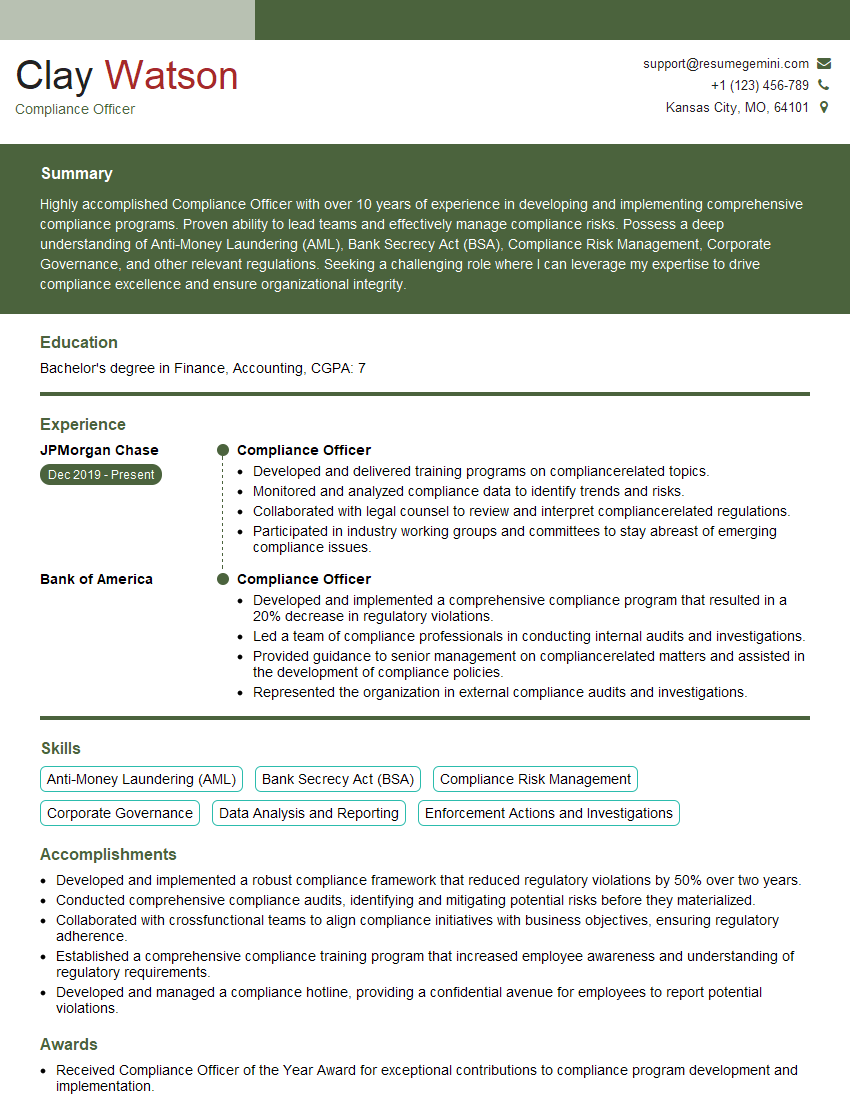
Compliance Officer Resume Sample
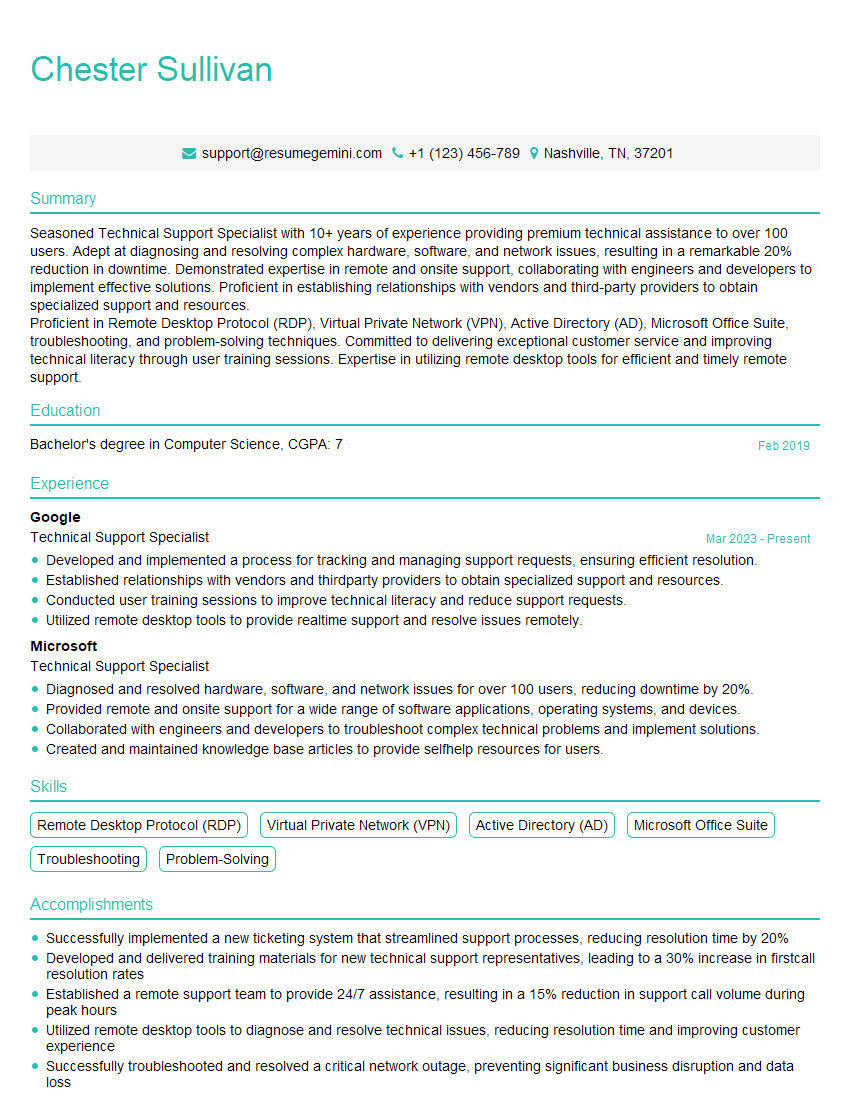
Technical Support Specialist Resume Sample
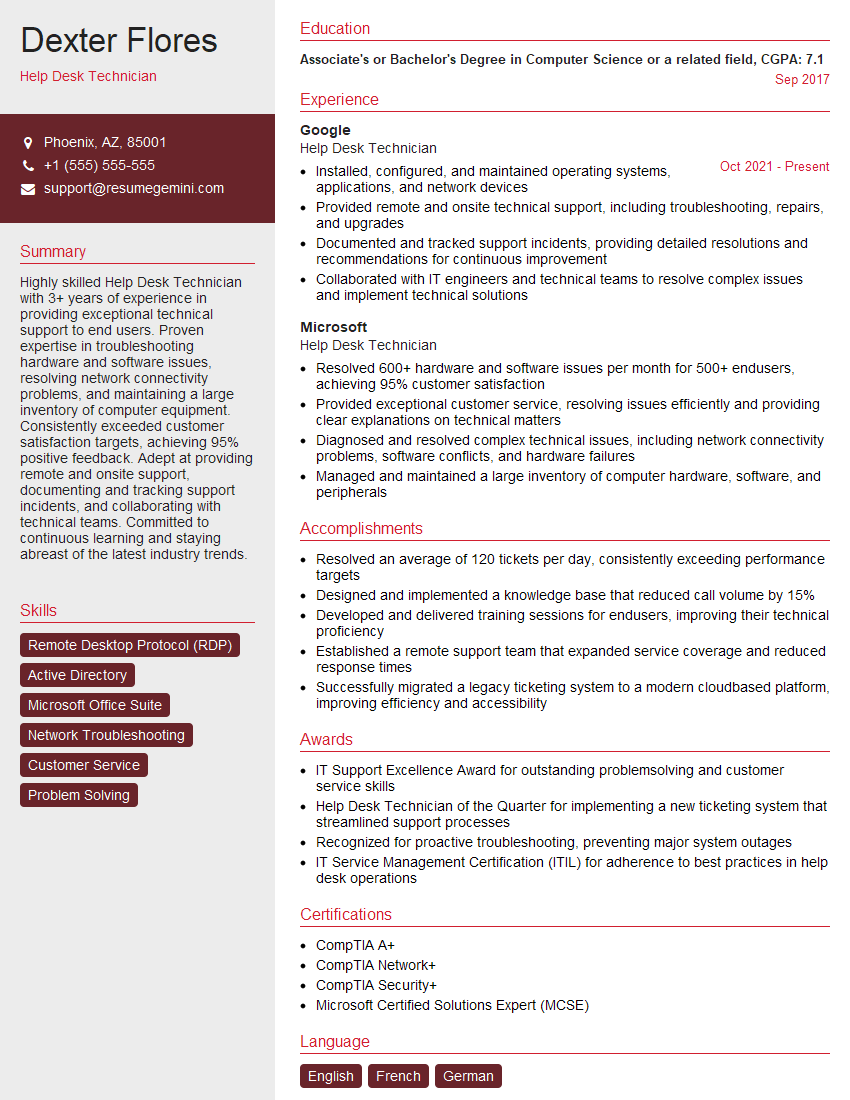
Help Desk Technician Resume Sample
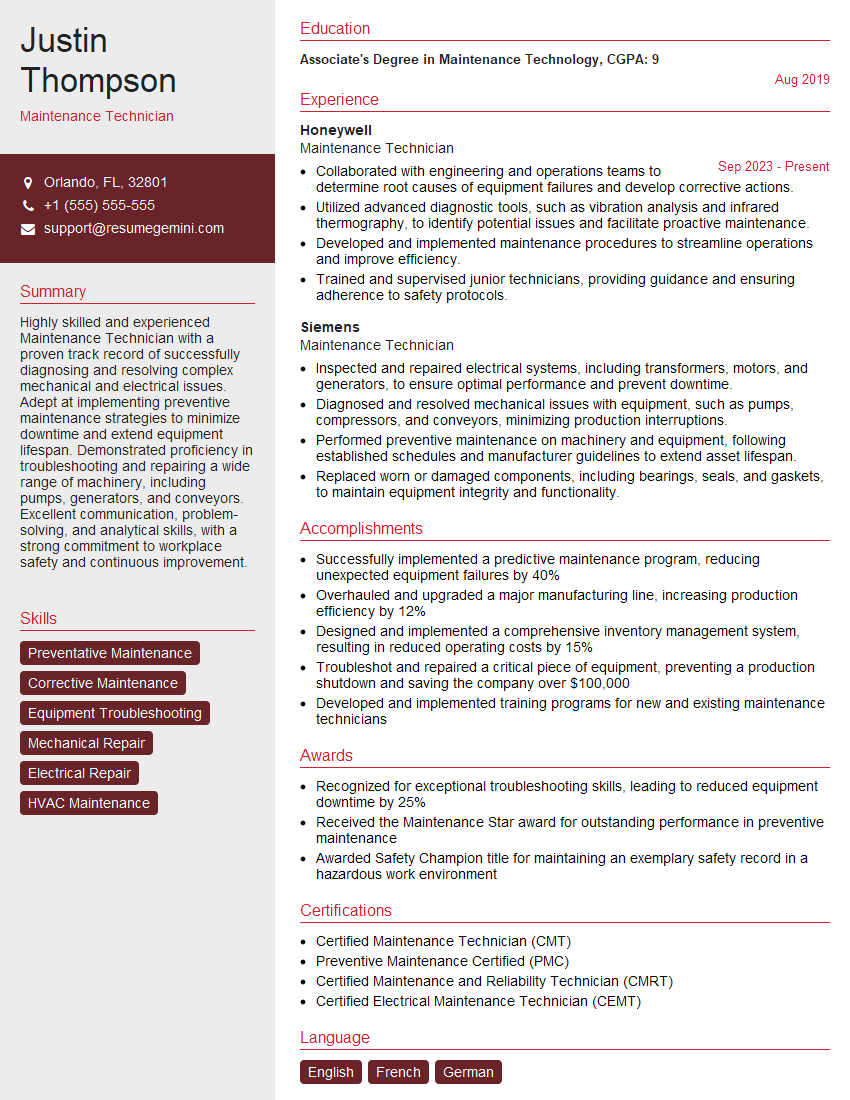
Maintenance Technician Resume Sample
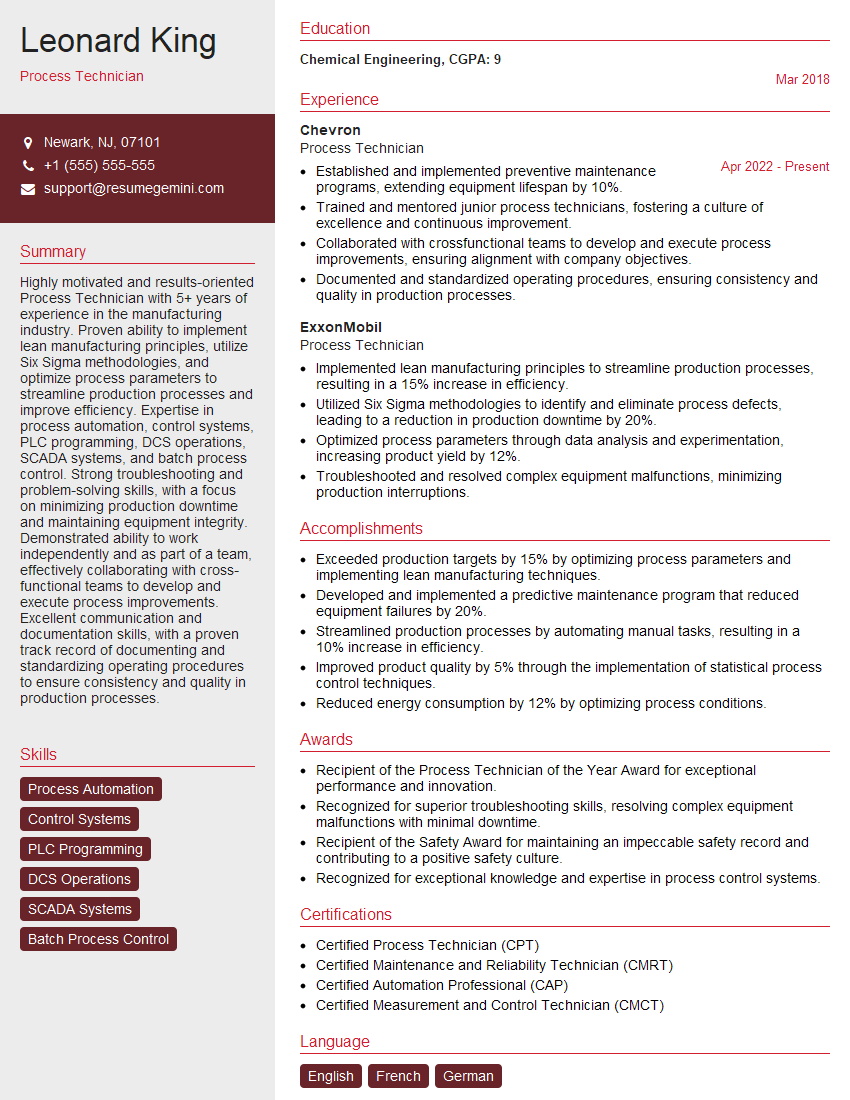
Process Technician Resume Sample
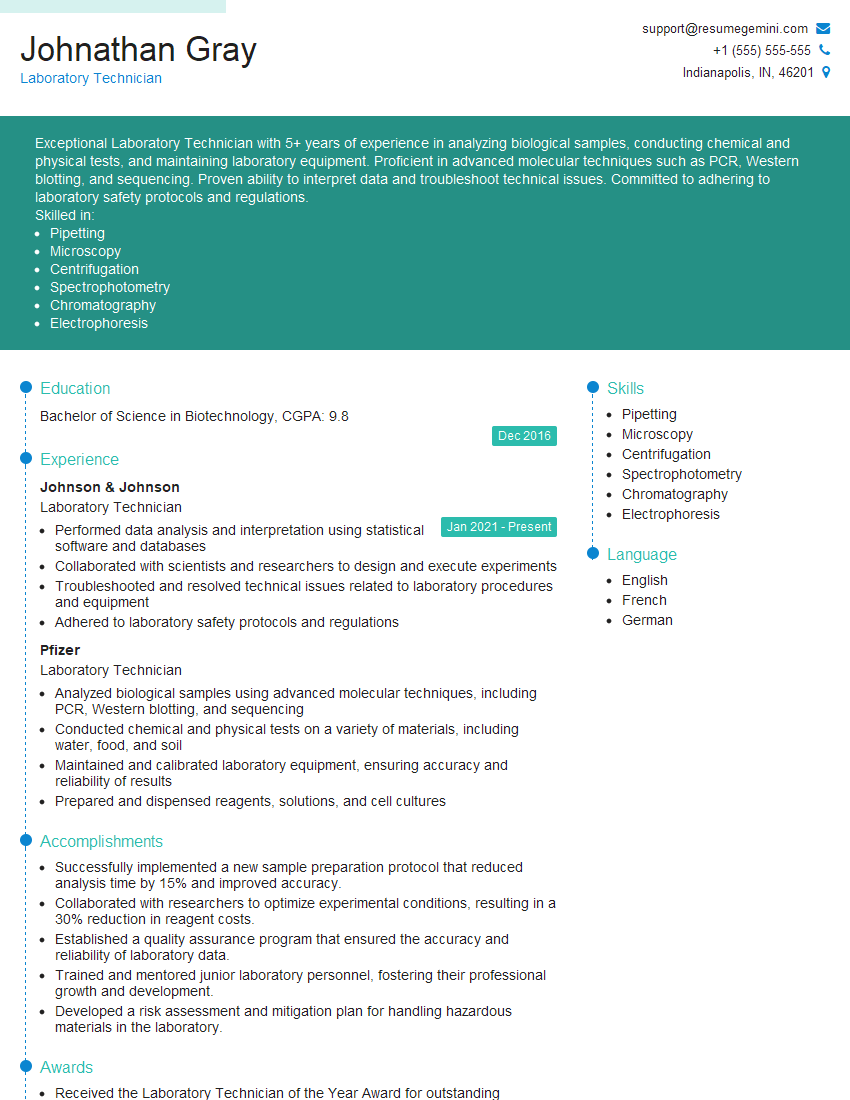
Laboratory Technician Resume Sample
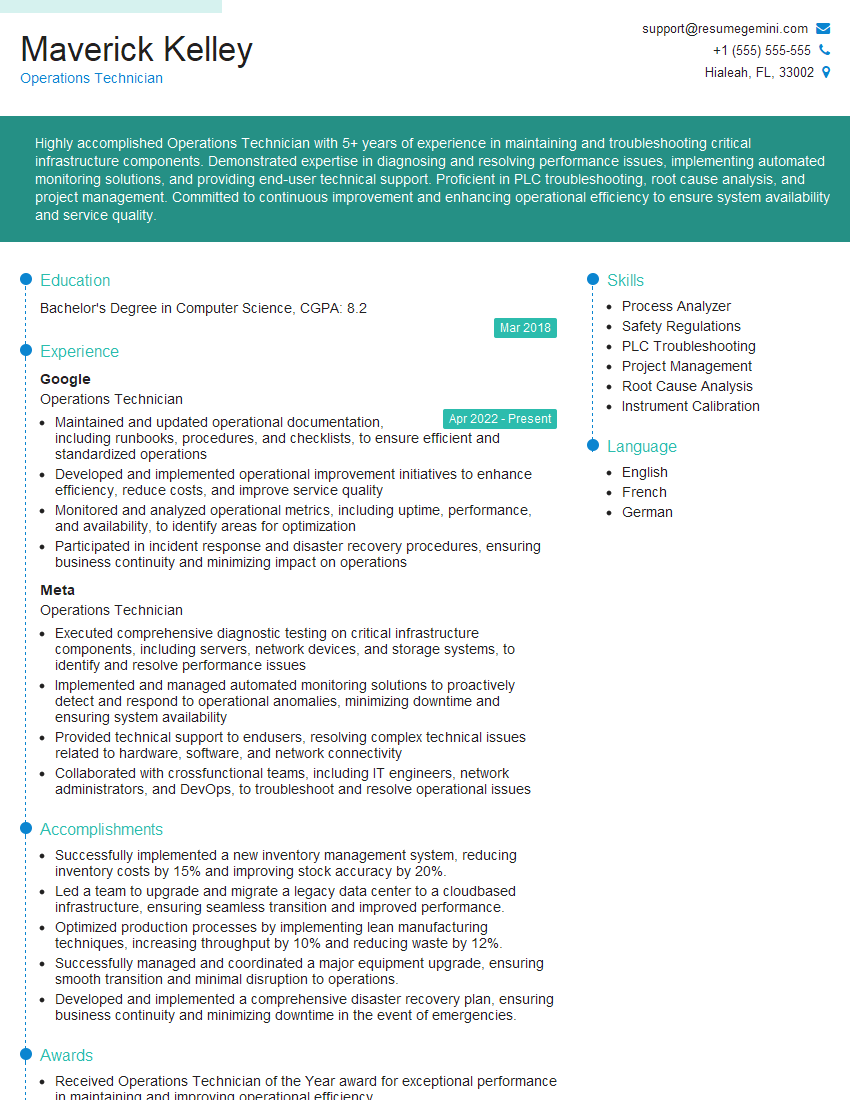
Operations Technician Resume Sample

Technical Writer Resume Sample
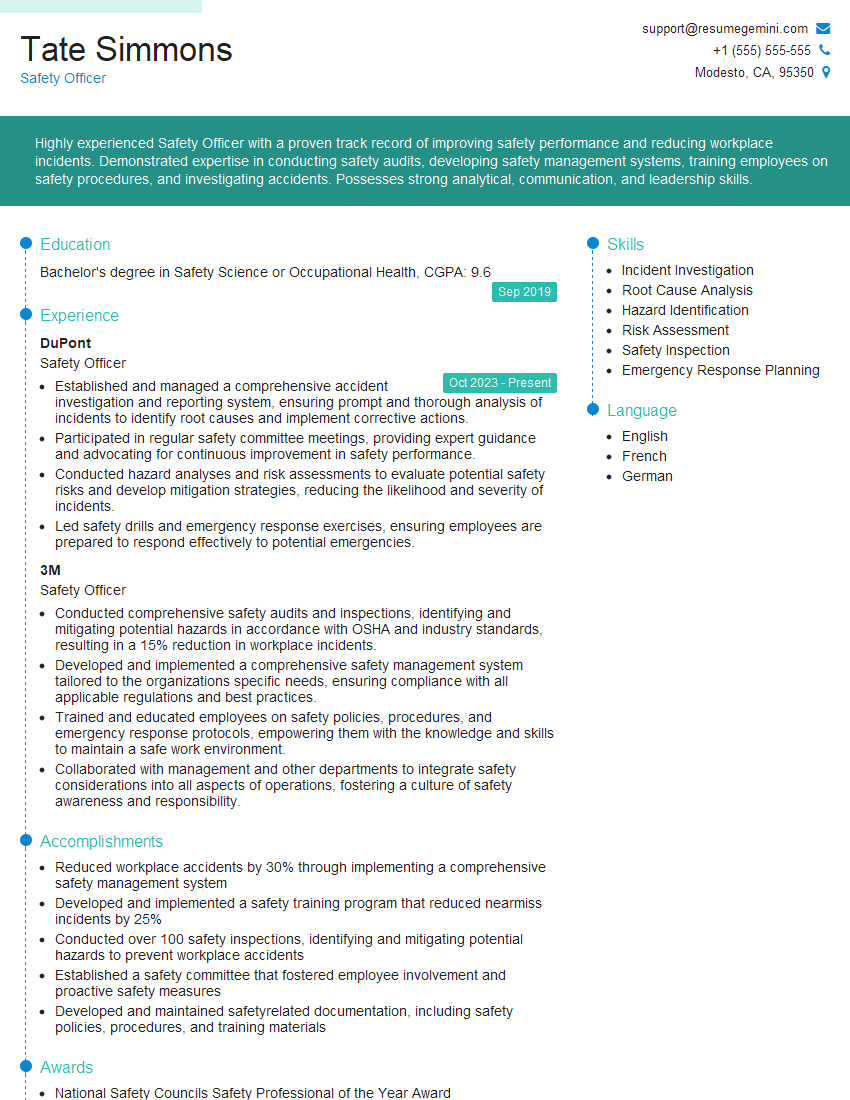
Safety Officer Resume Sample
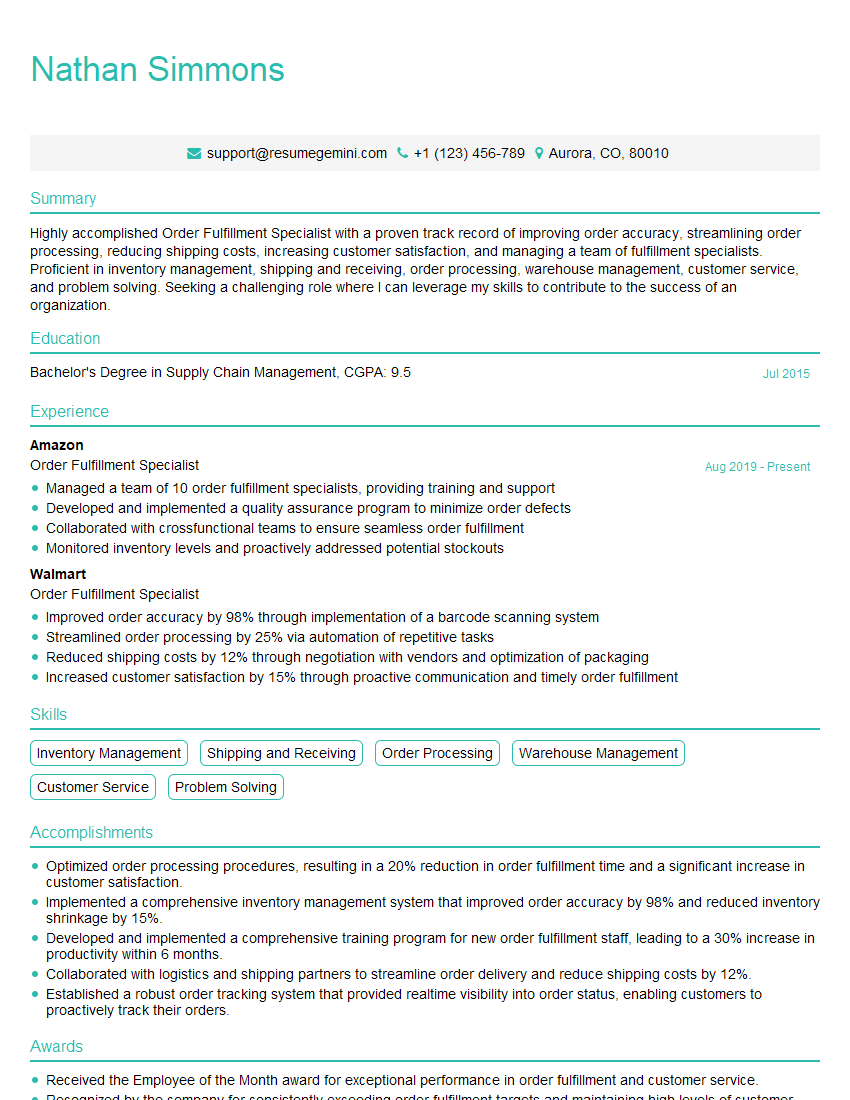
Order Fulfillment Specialist Resume Sample

Shipping and Receiving Clerk Resume Sample
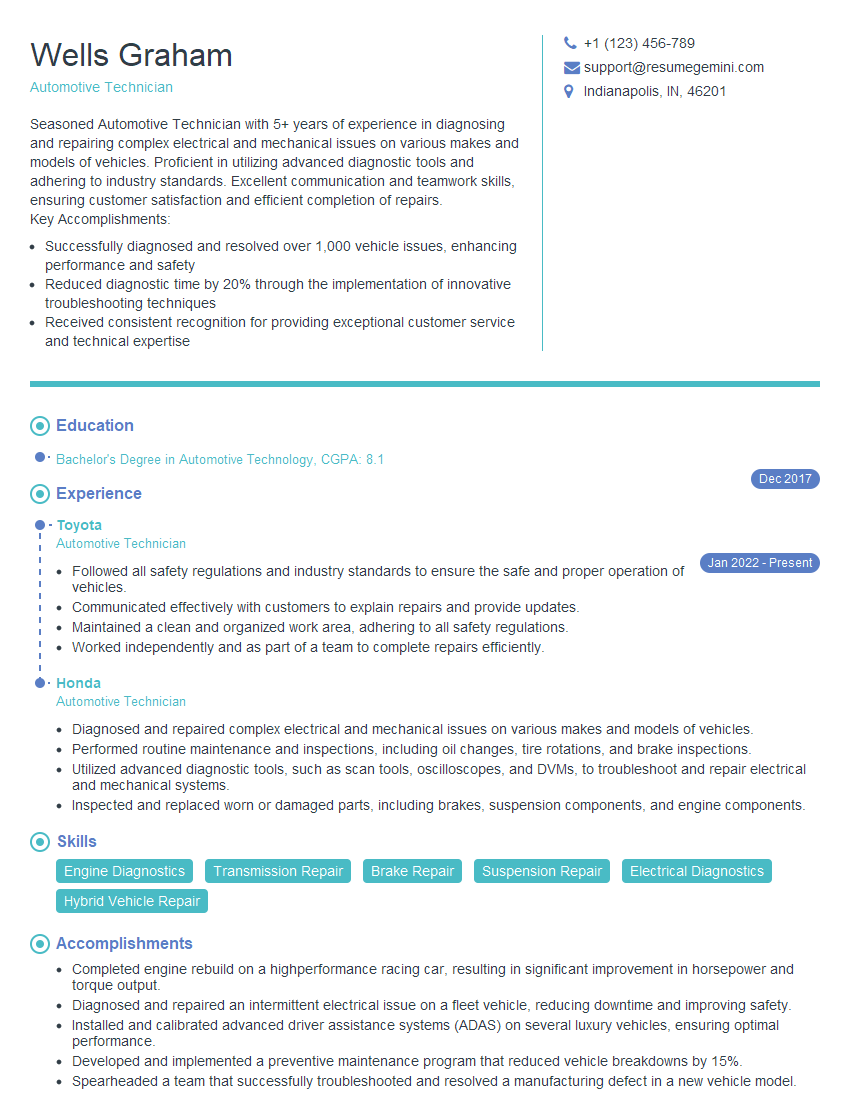
Automotive Technician Resume Sample
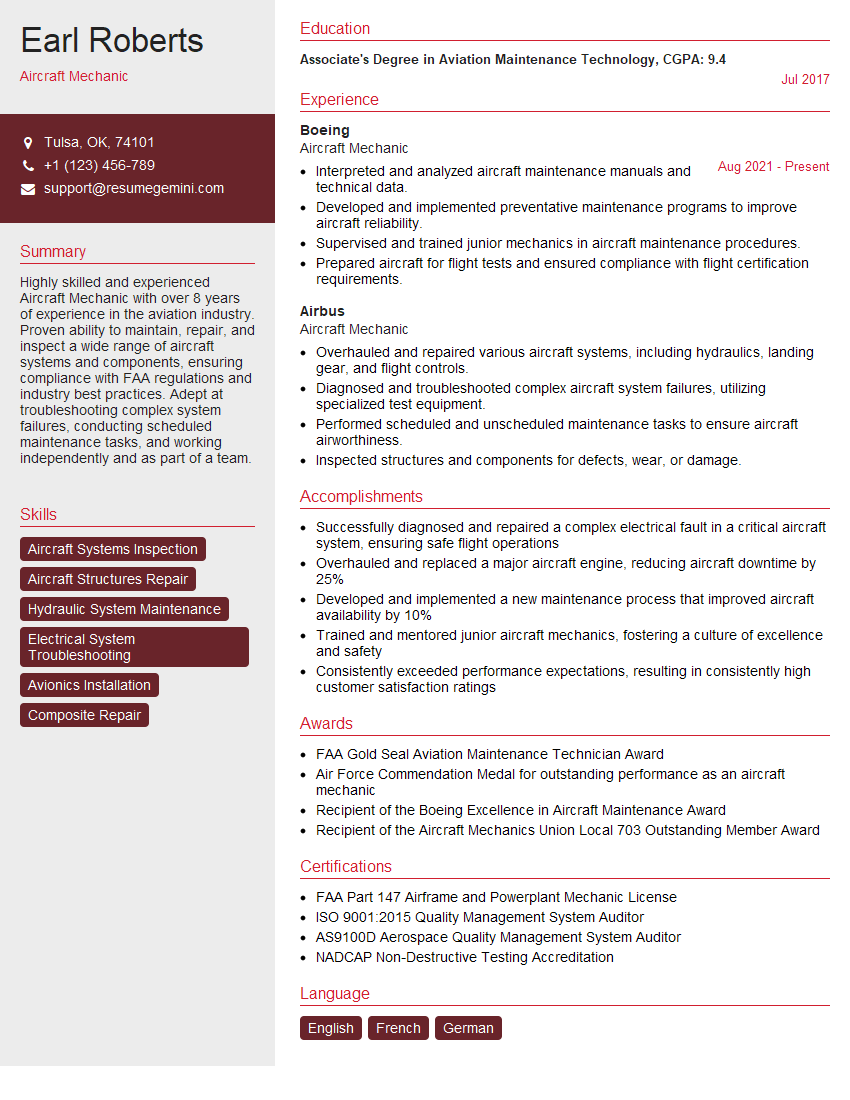
Aircraft Mechanic Resume Sample
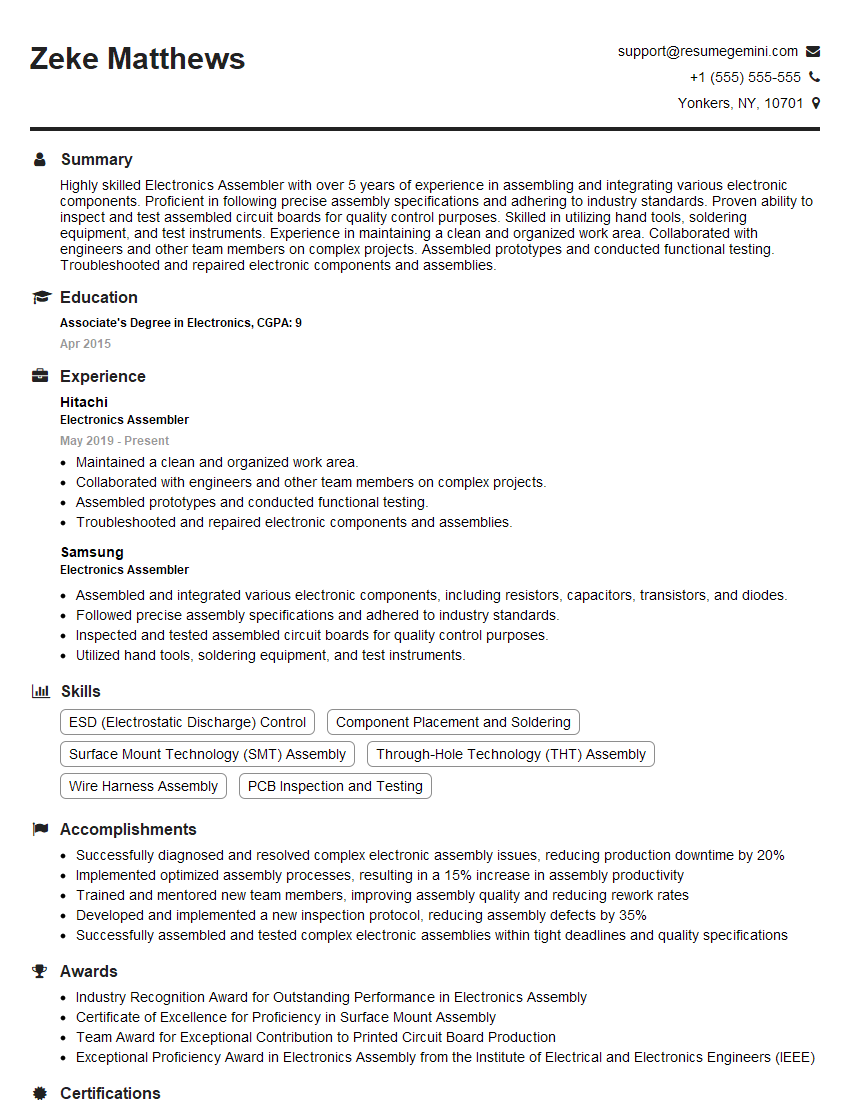
Electronics Assembler Resume Sample
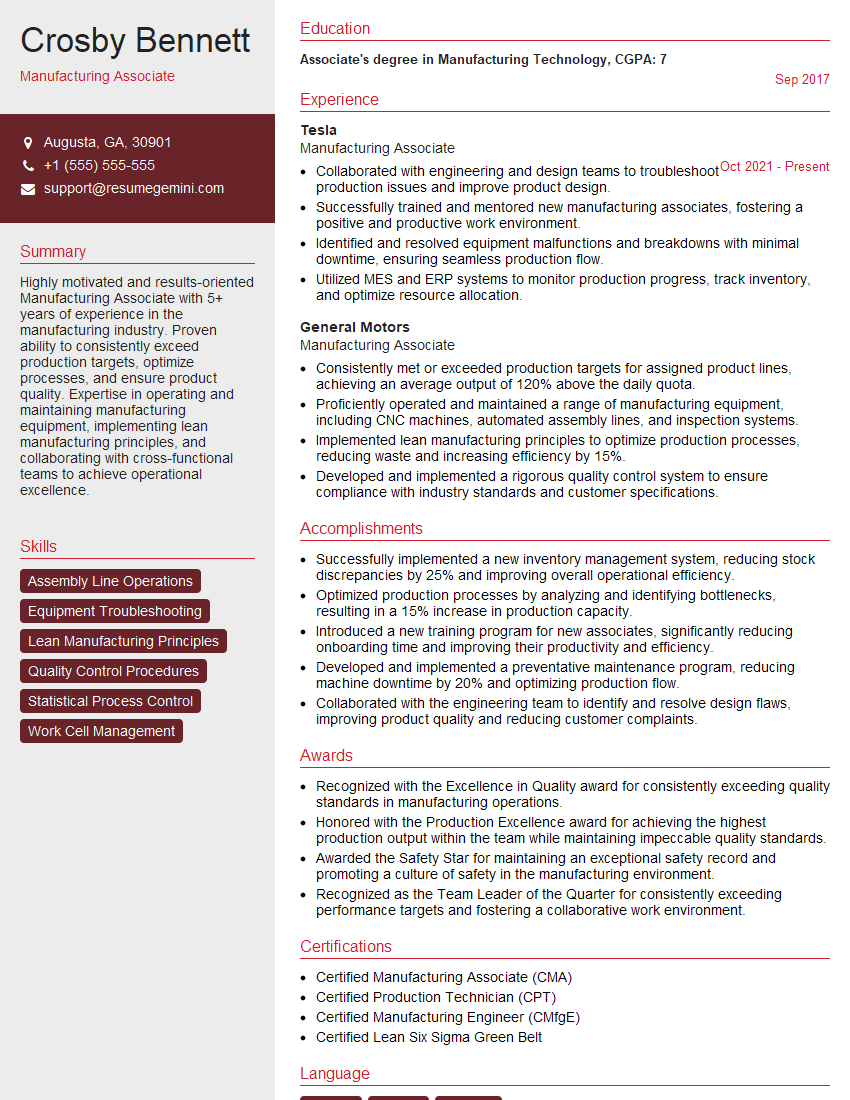
Manufacturing Associate Resume Sample
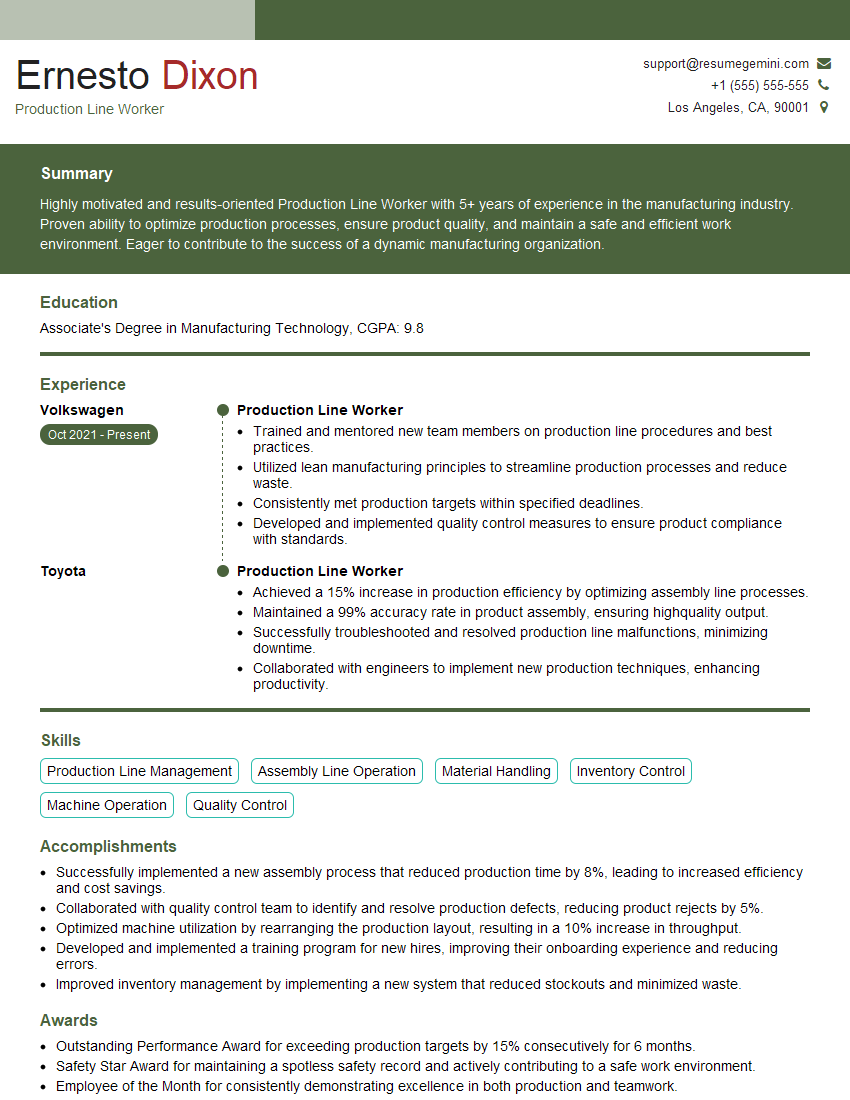
Production Line Worker Resume Sample
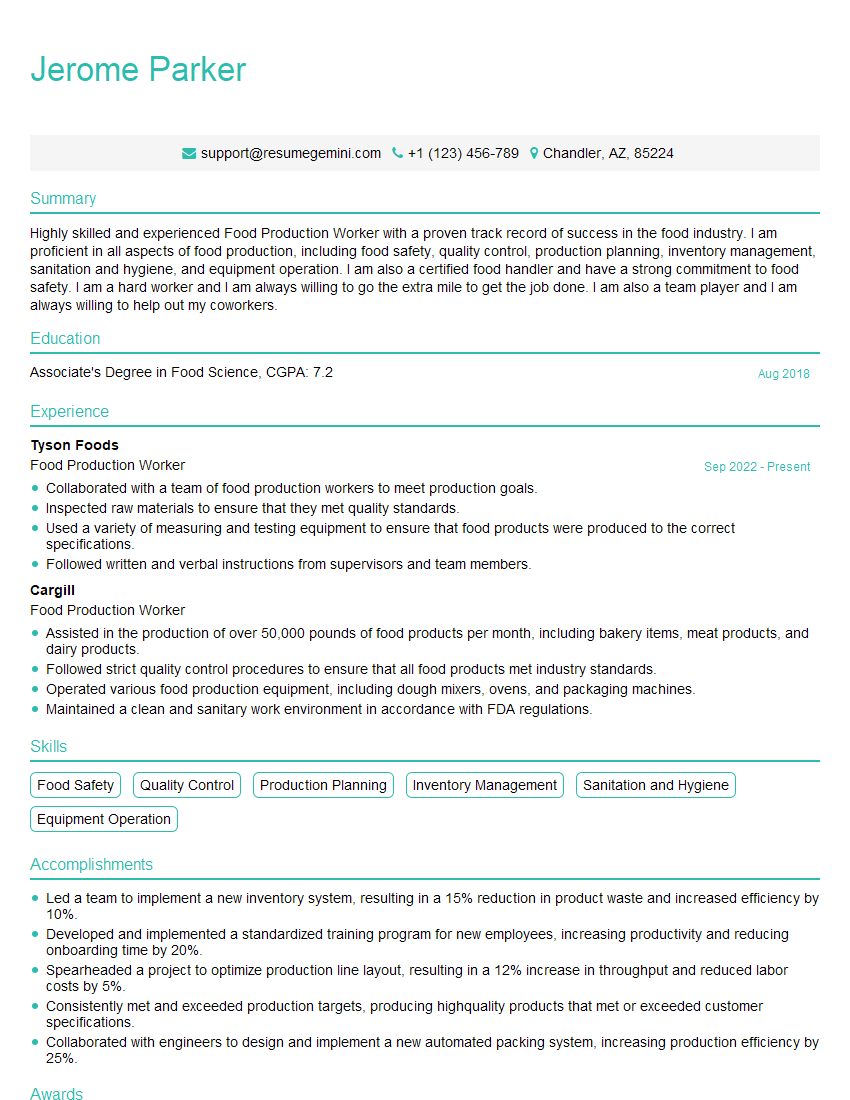
Food Production Worker Resume Sample
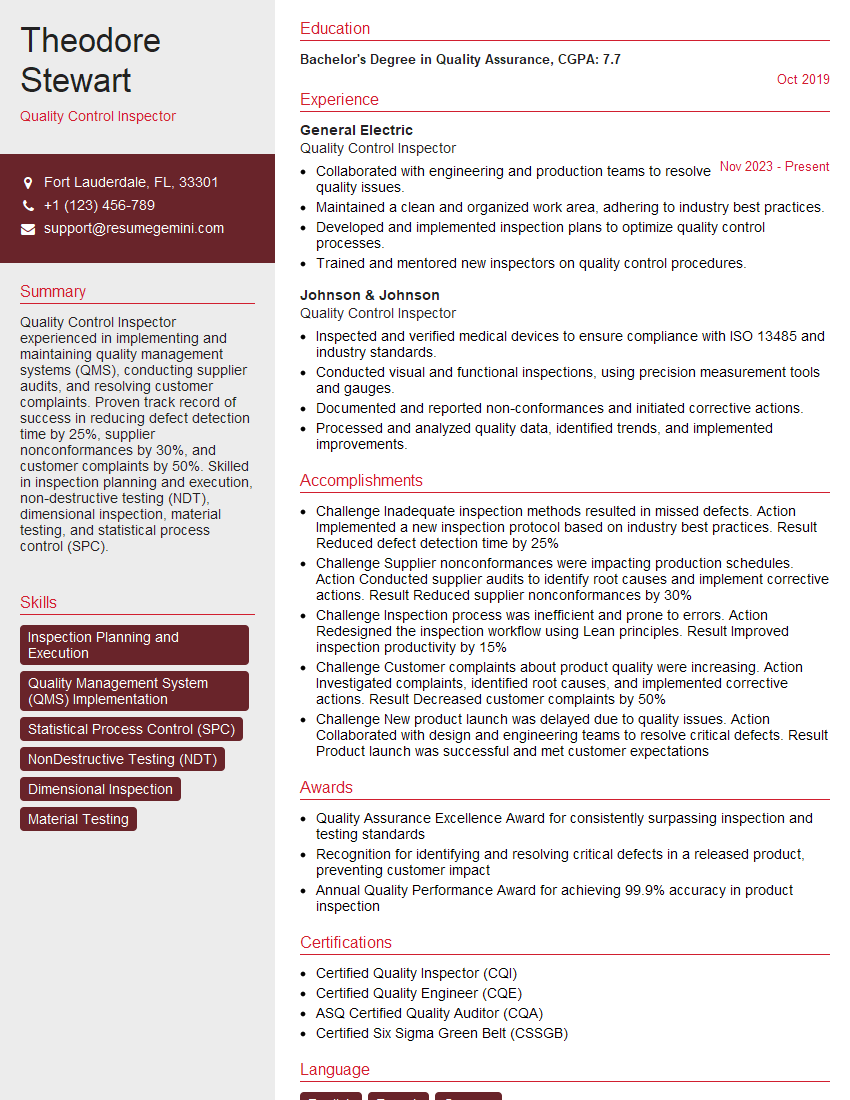
Quality Control Inspector Resume Sample
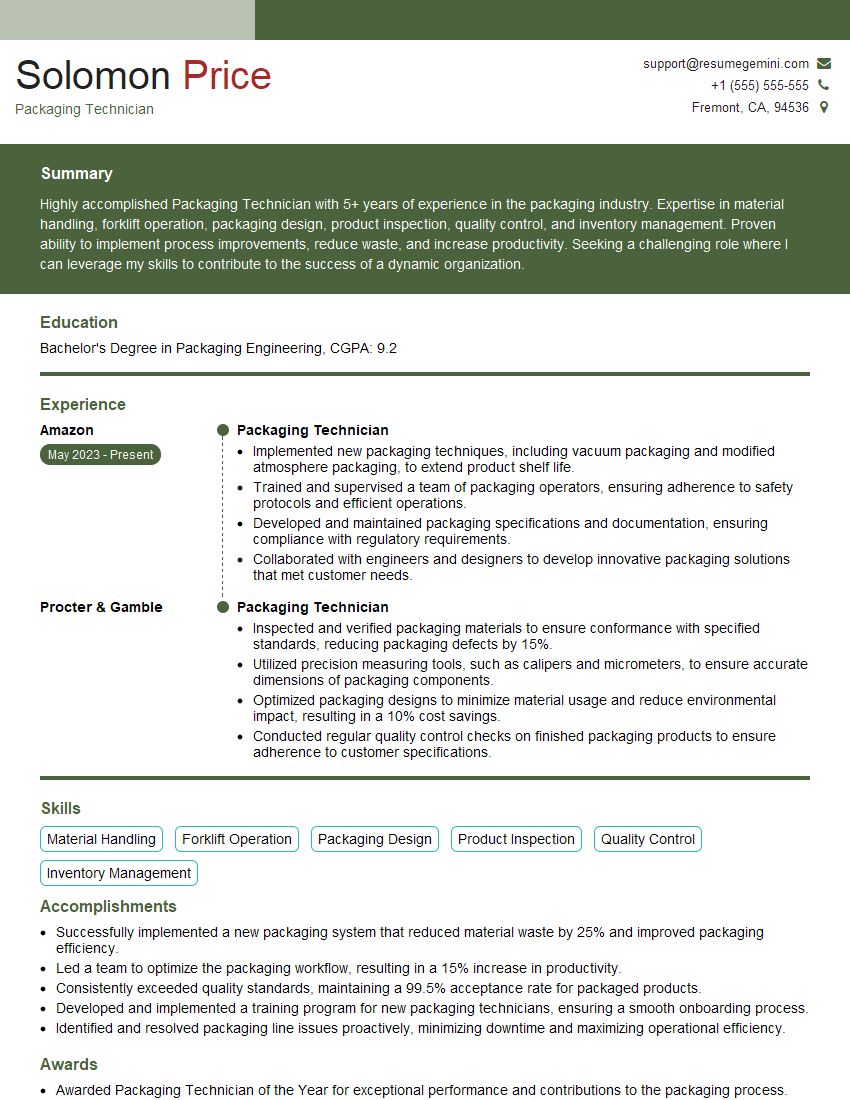
Packaging Technician Resume Sample
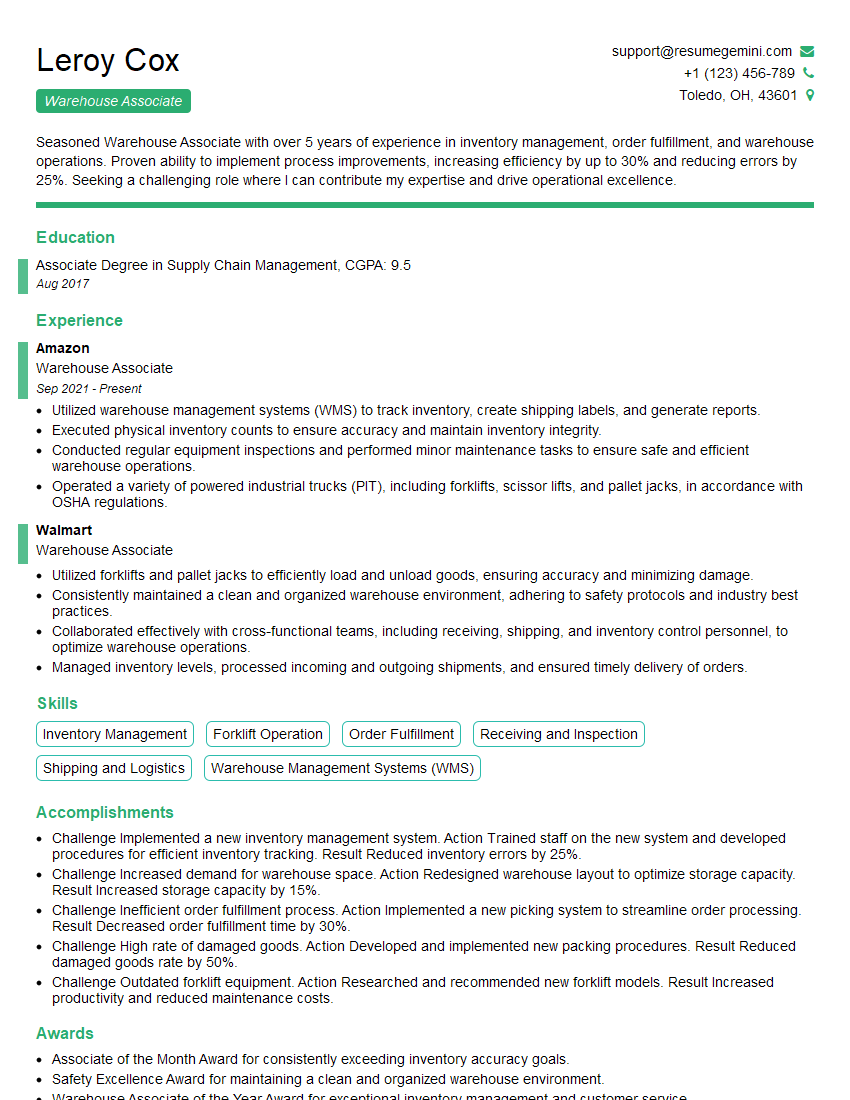
Warehouse Associate Resume Sample
- Compliance Officer
- Technical Support Specialist
- Help Desk Technician
- Maintenance Technician
- Process Technician
- Laboratory Technician
- Operations Technician
- Technical Writer
- Safety Officer
- Order Fulfillment Specialist
- Shipping and Receiving Clerk
- Automotive Technician
- Aircraft Mechanic
- Electronics Assembler
- Manufacturing Associate
- Production Line Worker
- Food Production Worker
- Quality Control Inspector
- Packaging Technician
- Warehouse Associate
Explore more articles
Users Rating of Our Blogs
Share Your Experience
We value your feedback! Please rate our content and share your thoughts (optional).
What Readers Say About Our Blog
Very informative content, great job.
good