Are you ready to stand out in your next interview? Understanding and preparing for Pond Ecosystem Management interview questions is a game-changer. In this blog, we’ve compiled key questions and expert advice to help you showcase your skills with confidence and precision. Let’s get started on your journey to acing the interview.
Questions Asked in Pond Ecosystem Management Interview
Q 1. Describe the key factors influencing pond water quality.
Pond water quality is a complex interplay of several factors, all impacting the health of the ecosystem. Think of it like a delicate balance – disrupt one factor, and the whole system can be affected. Key influences include:
Nutrient Levels: Excessive nutrients like nitrogen and phosphorus (often from fertilizers or sewage runoff) fuel excessive plant and algal growth, leading to problems like eutrophication (discussed later). Imagine it like overfeeding a fish – it can get sick!
Dissolved Oxygen: Adequate oxygen is vital for aquatic life. Factors reducing oxygen include decomposition of organic matter (think of decaying leaves) and algal blooms consuming oxygen at night. Insufficient oxygen leads to fish kills.
pH Level: The acidity or alkalinity of the water impacts the survival of various organisms. Extreme pH levels can be toxic.
Temperature: Temperature changes affect the metabolism of aquatic organisms and the solubility of gases like oxygen. Sudden temperature spikes can be detrimental.
Turbidity: Water clarity affects sunlight penetration, impacting plant growth and overall ecosystem health. High turbidity can be caused by sediment runoff or algal blooms.
Presence of Pollutants: Inorganic and organic pollutants from industrial discharge, pesticides, or stormwater runoff can be highly toxic.
Q 2. Explain the process of eutrophication in ponds and its management.
Eutrophication is the enrichment of a water body with nutrients, primarily nitrogen and phosphorus, leading to excessive growth of algae and aquatic plants. This is like giving a garden too much fertilizer – it grows out of control. The process unfolds in stages:
Nutrient Input: Increased nutrient loading from sources like agricultural runoff, sewage, or atmospheric deposition.
Algal Blooms: Excessive nutrient availability triggers rapid algal growth, creating dense blooms that cloud the water.
Oxygen Depletion: As algae die and decompose, bacteria consume large amounts of dissolved oxygen, creating hypoxic (low-oxygen) or anoxic (no-oxygen) conditions.
Fish Kills: Oxygen depletion leads to the death of fish and other aquatic organisms.
Habitat Loss: Excessive plant growth can smother other aquatic plants and reduce habitat diversity.
Managing Eutrophication: Strategies include:
Reducing Nutrient Inputs: Implementing best management practices in agriculture, improving wastewater treatment, and controlling stormwater runoff.
Mechanical Harvesting: Physically removing excessive algae and aquatic plants.
Biological Control: Introducing organisms that consume algae, such as certain types of zooplankton.
Aeration: Increasing dissolved oxygen levels through artificial aeration systems.
Q 3. What are the common indicators of pond health?
Several indicators reflect the overall health of a pond ecosystem. Think of them as vital signs for the pond.
Water Clarity: Clear water generally indicates good health; turbid water suggests problems like sediment runoff or algal blooms.
Dissolved Oxygen Levels: Adequate oxygen is crucial for aquatic life. Low levels signal distress.
pH Levels: A balanced pH is essential; extreme levels can be harmful.
Nutrient Concentrations: Excessive nutrients indicate potential eutrophication.
Macroinvertebrate Diversity: A diverse community of insects and other invertebrates suggests a healthy ecosystem. Certain species are sensitive to pollution, so their presence or absence is a good indicator.
Fish Populations: Healthy fish populations reflect a healthy ecosystem. Fish kills can indicate serious problems.
Aquatic Plant Diversity: A diverse range of aquatic plants signifies a balanced ecosystem.
Q 4. How do you assess the biological diversity of a pond ecosystem?
Assessing biological diversity involves identifying and quantifying the various plant and animal species present in the pond. This helps understand the overall health and resilience of the ecosystem. Methods include:
Species Surveys: Systematic sampling of plants, fish, invertebrates (e.g., using nets, traps, or visual observations) to identify and count the number of species.
Habitat Assessment: Evaluating the variety and quality of habitats within the pond, as this influences biodiversity.
Environmental DNA (eDNA) analysis: Detecting species through DNA fragments in water samples. This offers a non-invasive method to identify species, including cryptic or rare species, that might be missed through traditional methods.
Taxonomic analysis: Detailed identification of species to the genus or species level. This provides a precise understanding of the community composition.
Indices of biotic integrity (IBI): These metrics use the presence, absence, and abundance of species to assess the overall condition of the ecosystem.
Q 5. Describe different methods for controlling invasive aquatic plants.
Managing invasive aquatic plants requires a multi-pronged approach tailored to the specific species and pond characteristics. Methods include:
Mechanical Removal: Manually removing plants using tools like rakes, dredges, or specialized equipment. This is effective for smaller infestations but can be labor-intensive and may not prevent regrowth.
Herbicide Application: Using herbicides specifically registered for aquatic use. This requires careful consideration of the environmental impact and potential effects on non-target organisms.
Biological Control: Introducing natural enemies (like insects or fish) that specifically feed on the invasive plant. This requires extensive research to ensure the control agent does not become invasive itself.
Integrated Pest Management (IPM): A holistic approach that combines several methods, tailoring the strategy to minimize environmental impact and maximize effectiveness. It may involve a combination of mechanical, chemical, and biological control methods.
Habitat Alteration: Modifying the pond’s physical environment to make it less suitable for the invasive plant. This might involve altering water levels or shading the plants.
Q 6. Explain the role of zooplankton in a pond ecosystem.
Zooplankton are microscopic animals forming a crucial link in the pond food web. Think of them as tiny grazing animals controlling algal growth. Their role is multifaceted:
Primary Consumers: They graze on phytoplankton (microscopic algae), controlling algal populations and preventing excessive blooms.
Food Source: They serve as a vital food source for fish and other larger invertebrates, supporting higher trophic levels.
Nutrient Cycling: Their waste products contribute to nutrient cycling within the pond ecosystem.
A healthy zooplankton community indicates a balanced and functioning ecosystem. Reduced zooplankton populations can lead to unchecked algal growth and a cascade of negative effects.
Q 7. How do you manage algal blooms in a pond?
Algal blooms are a serious issue, often caused by nutrient pollution. Management strategies require a multi-faceted approach:
Identify the Cause: Determining the source of nutrients driving the bloom is critical. This often involves water quality testing and investigation of potential sources like runoff or sewage.
Nutrient Reduction: Implementing measures to reduce nutrient input is essential for long-term control. This can involve managing fertilizer use, improving wastewater treatment, and controlling stormwater runoff.
Algaecides: In some cases, algaecides can be used to control blooms, but they should be used cautiously due to potential ecological impacts. The application must be carefully planned to minimize harmful side effects.
Biological Control: Introducing organisms that consume algae, such as certain zooplankton species or specific types of fish. The effectiveness and safety of this method must be carefully evaluated.
Water Quality Monitoring: Regular monitoring of water quality helps assess the effectiveness of management strategies and detect potential problems early.
Prevention is key. Addressing nutrient pollution at its source is the most effective approach for preventing future algal blooms.
Q 8. What are the best practices for pond aeration?
Pond aeration is crucial for maintaining a healthy aquatic ecosystem. Insufficient oxygen can lead to fish kills and the proliferation of undesirable organisms. Best practices focus on increasing dissolved oxygen levels in the water column, which can be achieved through several methods.
- Mechanical aeration: This involves using aerators that pump air into the water, creating surface agitation and increasing oxygen uptake. These range from simple surface aerators to more complex systems with submerged diffusers, suitable for different pond sizes and depths. For example, a small ornamental pond might benefit from a simple fountain aerator, while a larger aquaculture pond may require a more robust system with multiple diffusers for even oxygen distribution.
- Biological aeration: This involves promoting the growth of aquatic plants which naturally produce oxygen through photosynthesis. Careful plant selection is key, ensuring species appropriate to the pond’s size, depth, and sunlight exposure. Excessive plant growth, however, can lead to other issues like shading and nutrient depletion, so a balanced approach is vital.
- Water circulation: Moving water increases the surface area exposed to the air, facilitating oxygen exchange. This can be achieved using water pumps or strategically placed fountains. This technique is often used in conjunction with other aeration methods to enhance their effectiveness. For instance, a circulating pump can distribute oxygen more evenly throughout the pond after it’s introduced by an aerator.
- Regular Monitoring: Dissolved oxygen levels should be regularly monitored using a dissolved oxygen meter. This allows for timely adjustments to the aeration system or identification of underlying problems. A sudden drop in oxygen levels can be a warning sign of issues like algal blooms or organic matter decomposition.
Choosing the right aeration method depends on factors such as pond size, water depth, budget, and the desired aesthetic appeal. A professional pond management assessment can help determine the optimal solution for a specific pond.
Q 9. Describe different techniques for pond sediment management.
Managing pond sediment is vital for maintaining water quality and overall pond health. Excessive sediment can lead to decreased water clarity, nutrient enrichment, and habitat degradation. Several techniques exist for sediment management:
- Sediment removal: This involves physically removing sediment from the pond using dredging equipment. This is usually a large-scale operation best suited for ponds with significant sediment accumulation. It’s important to carefully plan sediment removal, as improper techniques can damage the pond’s ecosystem and lead to further erosion.
- Sediment trapping: Installing devices like sediment basins or filter systems before water enters the pond can prevent sediment from reaching the main pond area. These are particularly useful in managing runoff from agricultural land or construction sites. For example, a constructed wetland before a pond can greatly reduce sediment load.
- Biological control: Promoting the growth of aquatic plants that can bind and trap sediment can help minimize the amount that settles on the bottom. This approach is environmentally friendly and can be integrated with other sediment management strategies.
- Natural processes: Enhancing natural processes such as slow-release of nutrients through the soil can reduce the sedimentation from external sources, as well as support ecosystem biodiversity and its natural filtration process.
The most appropriate technique depends on the specific pond characteristics, the amount of sediment, and the available resources. A holistic approach, combining multiple techniques, is often most effective.
Q 10. How do you monitor and control pond nutrient levels?
Nutrient levels, particularly nitrogen and phosphorus, significantly impact pond health. Excessive nutrients lead to eutrophication, resulting in algal blooms, oxygen depletion, and habitat degradation. Monitoring and controlling these levels is critical.
- Monitoring: Regularly test water samples for nutrient concentrations using standard water quality testing kits or sending samples to a laboratory. Frequent monitoring allows for early detection of nutrient imbalances and prompt intervention.
- Control: Strategies for nutrient control include:
- Reducing external inputs: Minimize fertilizer runoff from surrounding areas. Implementing riparian buffers and best management practices for surrounding land significantly help reduce external nutrient loading.
- Biological control: Planting appropriate aquatic plants that absorb nutrients can help reduce their concentrations in the water. These plants will help absorb nutrients and minimize their impact in the ecosystem.
- Chemical treatments: In cases of severe nutrient overload, specialized chemical treatments might be necessary to reduce nutrient levels. However, this approach should be used judiciously, as it can have unintended consequences for the ecosystem. Regular monitoring is essential to ensure the ecosystem is not further impacted.
- Sediment removal: As sediments often contain bound nutrients, removing accumulated sediments can reduce the overall nutrient load in the pond.
A comprehensive nutrient management plan considers both monitoring and control, ensuring a sustainable and healthy pond ecosystem.
Q 11. What are the common challenges in pond ecosystem restoration?
Restoring degraded pond ecosystems presents many challenges. These challenges often interact, making restoration a complex undertaking.
- Sedimentation: Excessive sediment accumulation can smother aquatic plants and reduce water clarity, making restoration difficult. Removing large amounts of sediment can be expensive and disruptive.
- Nutrient enrichment (Eutrophication): High nutrient levels lead to algal blooms, oxygen depletion, and fish kills. Reversing eutrophication requires addressing both internal and external nutrient sources.
- Invasive species: Invasive plants and animals can outcompete native species, disrupting the ecosystem balance. Controlling invasive species is crucial for restoration success, and often requires integrated pest management strategies.
- Pollution: Runoff containing pollutants like pesticides and heavy metals can contaminate pond water and harm aquatic life. Identifying and mitigating pollution sources is a major challenge. This may involve community involvement and regulations.
- Limited funding and resources: Pond restoration projects often require substantial funding and expertise. Securing adequate funding and coordinating stakeholder efforts can be a major hurdle.
Successful pond restoration requires a comprehensive plan that addresses these interconnected challenges, integrating ecological principles with practical management strategies.
Q 12. Explain the importance of riparian buffers in pond management.
Riparian buffers, vegetated areas along the edge of a pond, play a vital role in pond management. They act as a natural filter and buffer zone, protecting the pond from external impacts.
- Erosion control: The vegetation stabilizes the soil, reducing erosion and preventing sediment from entering the pond. This keeps the pond’s water clear and prevents the smothering of aquatic life.
- Nutrient filtration: Plant roots absorb nutrients from runoff, preventing them from entering the pond and reducing the risk of eutrophication. This helps maintain the water quality and minimizes algal blooms.
- Shade provision: Trees and shrubs in the riparian buffer provide shade, reducing water temperature fluctuations and creating a more stable habitat for aquatic organisms. The shade limits harmful algae growth by reducing light penetration.
- Habitat creation: Riparian buffers provide habitat for wildlife, such as birds, amphibians, and insects, increasing biodiversity and ecological health in and around the pond.
The design and width of a riparian buffer depend on the surrounding landscape and the specific pond management goals. A properly designed riparian buffer can greatly enhance pond health and ecological function.
Q 13. How do you design a pond for optimal ecological function?
Designing a pond for optimal ecological function involves careful consideration of several factors to create a healthy and diverse ecosystem.
- Shape and depth: A diverse pond shape with varying depths provides habitats for a range of aquatic plants and animals. Shallow areas support emergent vegetation, while deeper areas offer refuge for fish and other organisms. A gradually sloping shoreline is ideal for supporting the shoreline vegetation.
- Substrate: A mix of substrates, such as mud, sand, and gravel, creates diverse habitats and supports a wider range of species. This adds complexity to the ecosystem.
- Water inflow and outflow: A controlled inflow and outflow system ensures good water quality and prevents stagnation. This helps oxygenate the water and avoid harmful anaerobic zones.
- Vegetation: Planting a variety of native aquatic plants is vital for oxygen production, nutrient uptake, and habitat creation. Appropriate plant selection considers species native to the region and their various needs (sunlight, depth, etc.).
- Riparian buffer: Including a riparian buffer along the pond’s edge helps protect it from external impacts and provides valuable wildlife habitat.
A well-designed pond mimics natural pond systems, providing the conditions for a thriving and balanced ecosystem.
Q 14. Describe the impact of stormwater runoff on pond ecosystems.
Stormwater runoff significantly impacts pond ecosystems, often introducing pollutants and excess nutrients that can disrupt the ecological balance.
- Nutrient pollution: Stormwater carries fertilizers, pesticides, and other nutrients from surrounding land into the pond, causing eutrophication and algal blooms. This can be devastating to the ecosystem’s balance.
- Sedimentation: Runoff carries sediment, which clouds the water, reduces light penetration, and smothers aquatic plants. Reduced sunlight can also lower the oxygen production in the ecosystem.
- Chemical pollution: Stormwater can contain various pollutants like heavy metals, oil, and other chemicals, which are harmful to aquatic life. The chemical toxicity can wipe out the populations of sensitive species.
- Thermal pollution: Impervious surfaces in urban areas can increase water temperature, stressing aquatic organisms and reducing dissolved oxygen. This impacts the survivability of many organisms.
Managing stormwater runoff is crucial for protecting pond ecosystems. Strategies include implementing best management practices in surrounding areas, constructing stormwater retention ponds, and installing filter systems to remove pollutants before they reach the pond. Effective management reduces the impact of these pollutants and minimizes harm.
Q 15. What are the legal and regulatory aspects of pond management?
Legal and regulatory aspects of pond management vary significantly depending on location and the pond’s purpose. Generally, they revolve around water quality, land use, and wildlife protection. For instance, permits might be required for altering a pond’s structure, introducing or removing species, or discharging pollutants. These regulations often stem from federal, state, or local environmental agencies like the Environmental Protection Agency (EPA) in the US or equivalent bodies in other countries. Specific regulations might cover:
- Water quality standards: Limits on nutrient levels (nitrogen and phosphorus), dissolved oxygen, pH, and other parameters to maintain a healthy ecosystem and prevent pollution of downstream waters.
- Endangered species protection: Regulations to protect habitats of threatened or endangered species that may utilize the pond.
- Dam safety: Requirements for inspections, maintenance, and emergency plans if a pond involves a dam or other structure that could potentially fail.
- Wetland regulations: Protection of wetlands associated with the pond, as they provide crucial ecological services.
- Pollution control: Restrictions on runoff from agricultural lands or other sources that could impact water quality.
Before undertaking any pond management activity, it’s crucial to thoroughly research and comply with all applicable local, state, and federal regulations. Ignoring these regulations can lead to significant fines and legal repercussions.
Career Expert Tips:
- Ace those interviews! Prepare effectively by reviewing the Top 50 Most Common Interview Questions on ResumeGemini.
- Navigate your job search with confidence! Explore a wide range of Career Tips on ResumeGemini. Learn about common challenges and recommendations to overcome them.
- Craft the perfect resume! Master the Art of Resume Writing with ResumeGemini’s guide. Showcase your unique qualifications and achievements effectively.
- Don’t miss out on holiday savings! Build your dream resume with ResumeGemini’s ATS optimized templates.
Q 16. How do you manage fish populations in a pond?
Managing fish populations in a pond involves a multi-faceted approach aimed at achieving a balanced ecosystem and fulfilling the pond’s intended use (e.g., recreation, aquaculture). Key strategies include:
- Stocking: Introducing fish species appropriate to the pond’s size, water quality, and desired outcome. This involves careful selection of species that are compatible and won’t outcompete native populations.
- Harvesting: Removing fish to control population size and prevent overgrazing of aquatic vegetation or depletion of food resources. This could involve recreational fishing, commercial harvesting, or selective netting.
- Population monitoring: Regularly assessing fish populations using techniques like electrofishing or netting surveys to track their numbers, size, and health. This provides crucial data for informed management decisions.
- Predator and prey balance: Managing the balance between predator and prey fish to prevent imbalances that could lead to population crashes or dominance by a single species. Introducing or removing certain species might be necessary to achieve this balance.
- Habitat management: Enhancing the pond’s habitat to provide suitable spawning areas, shelter, and food resources for the fish. This might involve creating artificial structures or managing aquatic vegetation.
For example, in a pond intended for recreational fishing, regularly stocking desirable game fish while controlling populations of less desirable species would be crucial. In contrast, a pond used for aquaculture might necessitate more intensive management practices, including regular harvesting and careful monitoring of feed consumption to maximize production.
Q 17. What are the different types of pond sampling techniques?
Pond sampling techniques are crucial for assessing water quality, biological communities, and overall ecosystem health. Different methods are employed depending on the specific parameters being measured:
- Water quality sampling: Involves collecting water samples at various depths and locations within the pond to analyze parameters like temperature, pH, dissolved oxygen, turbidity, nutrient levels (nitrogen and phosphorus), and the presence of pollutants. This typically uses specialized bottles and equipment.
- Plankton sampling: Uses nets of different mesh sizes to collect phytoplankton (microscopic algae) and zooplankton (microscopic animals), providing insights into the food web and overall ecosystem productivity. The samples are then analyzed under a microscope.
- Benthic sampling: Collects organisms living on the pond bottom (benthos), like insects, snails, and worms. Techniques include using a core sampler to collect sediment or a net to collect organisms in shallow areas. Benthic samples provide information about the habitat’s health and pollution levels.
- Fish sampling: Employing methods like electrofishing (using an electric current to temporarily stun fish), gill netting, or trapping to assess fish populations. This allows for assessment of fish species, abundance, size, and health.
- Macrophyte sampling: Surveying the types and abundance of aquatic plants (macrophytes) within the pond. This provides insights into the pond’s productivity and habitat complexity.
The choice of sampling technique depends on the specific goals of the assessment and the resources available. It’s often advisable to use a combination of methods for a comprehensive understanding of the pond ecosystem.
Q 18. How do you interpret water quality data?
Interpreting water quality data involves comparing measured values to established standards and understanding the relationships between different parameters. For example, low dissolved oxygen levels can indicate pollution or eutrophication (excess nutrients). High nutrient levels (nitrogen and phosphorus) frequently lead to algal blooms, which deplete oxygen and can harm aquatic life.
Several factors are critical in the interpretation:
- Reference values: Comparing measured values to established water quality standards (e.g., those set by the EPA) to determine if levels are within acceptable ranges for the designated use of the water body.
- Temporal variability: Considering how water quality varies throughout the day and across seasons. Measurements taken at different times may provide a more complete picture.
- Spatial variability: Understanding that water quality can vary significantly within a pond, depending on depth, location, and proximity to potential pollution sources.
- Interrelationships between parameters: Recognizing that different parameters are interconnected. For example, high nutrient levels often lead to low dissolved oxygen.
- Data visualization: Using graphs and charts to visualize trends and patterns in water quality data.
For instance, if dissolved oxygen consistently falls below the standard for supporting fish life, it indicates a serious problem requiring intervention. Similarly, persistently high nutrient levels might require implementing strategies to reduce nutrient input from surrounding land.
Q 19. Explain the use of bioindicators in pond assessment.
Bioindicators are organisms whose presence, abundance, or absence reflects the overall health of an ecosystem. In pond assessment, they provide a cost-effective and integrated measure of water quality and habitat conditions, often offering insights not readily apparent from chemical analysis alone.
Examples include:
- Macroinvertebrates: Certain insect larvae (e.g., mayflies, stoneflies) are sensitive to pollution, while others (e.g., midges, sludge worms) thrive in polluted conditions. Their presence or absence can indicate water quality.
- Fish species: The types of fish present can reflect the overall health of the pond and its water quality. Some fish species are more tolerant to pollution than others.
- Amphibians: Amphibians like frogs and salamanders are often sensitive to changes in water quality and habitat, making them valuable bioindicators.
- Aquatic plants: The types and abundance of aquatic plants can reflect nutrient levels and water quality. Certain plants thrive in nutrient-rich (eutrophic) conditions, while others prefer cleaner waters.
By analyzing the community composition of bioindicators, we can obtain a holistic assessment of the pond’s ecological status. For example, the presence of pollution-sensitive macroinvertebrates would suggest good water quality, while dominance by pollution-tolerant species would indicate a degraded environment requiring attention.
Q 20. Describe the role of macrophytes in a pond ecosystem.
Macrophytes, or aquatic plants, play a crucial role in pond ecosystems, contributing to their structure, function, and overall health. Their roles include:
- Oxygen production: Through photosynthesis, macrophytes release oxygen, enhancing dissolved oxygen levels crucial for aquatic life.
- Nutrient uptake: They absorb nutrients like nitrogen and phosphorus, preventing excess nutrients from fueling algal blooms and maintaining water clarity.
- Habitat provision: Macrophytes provide essential habitat and shelter for a wide range of aquatic organisms, including fish, invertebrates, and amphibians.
- Erosion control: Their root systems help stabilize sediments and prevent erosion, maintaining water clarity and reducing sedimentation.
- Food source: Some macrophytes serve as a food source for various aquatic animals.
- Water filtration: Macrophytes help filter out suspended particles and pollutants from the water, enhancing water clarity.
However, excessive growth of macrophytes can also be problematic, leading to oxygen depletion at night or hindering recreational activities. Balanced management is key to ensuring their beneficial role without causing negative impacts.
Q 21. How do you manage erosion and sedimentation in a pond?
Erosion and sedimentation are significant challenges in pond management, degrading water quality and impacting the overall ecosystem. Management strategies focus on reducing erosion in the surrounding watershed and mitigating the effects of sedimentation within the pond:
- Riparian buffer strips: Planting vegetation along the pond’s edges helps stabilize the soil, intercepting runoff and reducing erosion. Native vegetation is generally preferred for its ecological benefits.
- Contour farming: Terracing or contour plowing on slopes surrounding the pond can reduce water runoff and erosion.
- Sediment traps or basins: Constructing small basins or traps upstream can intercept sediment before it reaches the pond.
- Erosion control blankets or matting: Temporary measures that stabilize exposed soil on steep banks.
- Water level management: Maintaining appropriate water levels can reduce bank erosion.
- Sediment removal: In some cases, dredging may be necessary to remove accumulated sediment from the pond bottom, but this should be carefully considered due to potential ecological impacts.
The specific approach depends on the extent of erosion and sedimentation, the surrounding landscape, and the pond’s intended use. A comprehensive approach that addresses both upstream erosion control and in-pond sediment management is often most effective.
Q 22. What are the different types of pond liners and their applications?
Pond liners are essential for creating and maintaining healthy pond ecosystems. They prevent water loss, control erosion, and suppress weed growth. Different liner types offer varying benefits and are chosen based on project needs and budget.
- EPDM Rubber Liners: These are extremely durable, flexible, and long-lasting (50+ years). Their flexibility allows them to conform to irregular shapes, making them ideal for complex pond designs. They’re also UV resistant. Example: A large, irregularly shaped koi pond in a residential garden would benefit from an EPDM liner.
- PVC Liners: Polyvinyl chloride liners are a more economical option than EPDM, though typically with a shorter lifespan (15-20 years). They are also flexible but can be susceptible to UV degradation if not properly protected.
- HDPE Liners: High-density polyethylene liners are durable and relatively inexpensive. They are less flexible than EPDM, making them better suited for simpler pond shapes. Their rigidity can sometimes make installation challenging on uneven terrain. Example: A simple, rectangular farm pond for livestock watering might use an HDPE liner.
- Buty Liners: These are a more natural-looking option, offering a less artificial feel compared to synthetic options, ideal for aesthetic projects. However, they may have a shorter lifespan than EPDM or HDPE.
- Clay Liners: A natural and cost-effective solution, clay liners are suitable for smaller projects. However, they require careful compaction and are susceptible to cracking and leakage. They also need a careful selection of clay to ensure low permeability.
Choosing the right liner depends on factors such as pond size, shape, intended use, budget, and aesthetic preferences. A thorough site assessment is crucial before making a selection.
Q 23. Explain the principles of integrated pond management.
Integrated pond management is a holistic approach that considers the interconnectedness of all elements within the pond ecosystem. It moves beyond simple symptom treatment to address the root causes of imbalances. The principles revolve around:
- Understanding the Ecosystem: This includes identifying key species, nutrient cycling processes, and the impact of external factors like climate and surrounding land use. Regular water quality monitoring is critical.
- Biological Control: Using natural mechanisms to manage undesirable elements. For example, introducing specific plants to absorb excess nutrients or stocking fish to control mosquito larvae.
- Nutrient Management: Controlling nutrient inputs to prevent algal blooms and maintain water clarity. This involves strategies like managing runoff from surrounding land, reducing fertilizer use, and aerating the water to enhance oxygen levels.
- Habitat Diversity: Creating a diverse habitat to support a variety of plant and animal life, increasing ecosystem resilience and stability. This may involve adding submerged plants, rocks, and logs to provide shelter and breeding grounds.
- Monitoring and Evaluation: Regularly monitoring water quality parameters (pH, dissolved oxygen, nutrient levels), plant and animal populations, and physical aspects of the pond. This data is used to evaluate the effectiveness of management strategies and make necessary adjustments.
Instead of simply treating an algal bloom with chemicals, integrated management would look at the causes – e.g., excessive nutrient runoff – and address those issues through measures like riparian buffer zones or improved land management practices upstream.
Q 24. Describe your experience with pond construction or maintenance.
I have extensive experience in both pond construction and maintenance. I’ve overseen the construction of over 20 ponds, ranging from small backyard features to large agricultural ponds. My experience encompasses all stages – from initial site assessment and design to the final landscaping. This includes working with contractors, managing budgets, and ensuring projects are completed on time and to the required standards. In terms of maintenance, I have managed long-term maintenance contracts for several clients, overseeing regular water quality testing, weed control, and aeration system maintenance. A memorable project involved designing a bioretention pond to manage stormwater runoff in a residential development. This involved careful consideration of the local hydrology, soil type, and plant selection to create a sustainable and aesthetically pleasing feature that effectively reduced the risk of flooding and improved water quality.
Q 25. How do you handle conflicts between stakeholders in pond management?
Stakeholder conflicts are common in pond management, particularly when dealing with shared resources or competing interests. My approach focuses on communication, collaboration, and finding mutually beneficial solutions. I begin by identifying all stakeholders involved – residents, farmers, businesses, etc. – and understanding their perspectives and concerns. Then, I facilitate open discussions to foster trust and understanding. This often involves:
- Clearly Defining Goals: Establishing shared goals for the pond and its management.
- Compromise and Negotiation: Exploring various options and finding solutions that address the concerns of all parties.
- Mediation: If necessary, utilizing mediation techniques to help resolve conflicts.
- Transparency and Communication: Keeping all stakeholders informed about decisions and progress.
For example, in a case involving a conflict between anglers and farmers who used the same pond for irrigation, I facilitated a meeting where we established a rotational irrigation schedule that ensured both parties had access to the water while protecting the fish population. This required clear communication and a willingness from both parties to compromise.
Q 26. What software and tools do you use for pond data analysis?
For pond data analysis, I utilize a range of software and tools. This includes:
- Spreadsheet Software (Excel, Google Sheets): For organizing and analyzing water quality data, such as pH, dissolved oxygen, and nutrient levels. I use formulas and graphs to visualize trends and identify anomalies.
- Statistical Software (R, SPSS): To perform more complex statistical analyses, such as correlation and regression analysis, to understand the relationships between different variables.
# Example R code: cor(pH, dissolvedOxygen) - Geographic Information Systems (GIS) Software (ArcGIS, QGIS): To map the pond, surrounding land use, and other relevant spatial data. This allows for a better understanding of how factors such as runoff and land use patterns affect the pond ecosystem.
- Water Quality Monitoring Equipment: Using probes and sensors to collect real-time data, often integrated with data logging and analysis software.
- Database Management Systems (e.g., Access, MySQL): For organizing and managing large datasets from multiple sources.
The specific tools used will depend on the complexity of the analysis and the available resources. It’s important to choose tools that are user-friendly and provide the necessary functionality for data analysis and visualization.
Q 27. Describe a time you solved a complex problem related to pond management.
One challenging project involved a severely eutrophic pond with excessive algal blooms, causing fish kills and foul odors. Initial attempts at chemical treatment were unsuccessful and environmentally undesirable. I took a systematic approach:
- Diagnosis: Through thorough water quality testing and analysis, we identified high nutrient levels (particularly phosphorus) as the primary cause.
- Source Identification: We traced the phosphorus sources to agricultural runoff from surrounding fields.
- Integrated Solution: We implemented a multi-pronged approach including: (a) Working with the neighboring farmers to implement best management practices to reduce fertilizer runoff (b) Constructing a riparian buffer zone of native vegetation to filter nutrients before they reached the pond (c) Introducing certain aquatic plants to absorb excess nutrients (d) Implementing aeration to improve dissolved oxygen levels.
- Monitoring and Adjustment: We continuously monitored water quality to assess the effectiveness of our strategies. Adjustments were made as needed. For example, we added additional aeration equipment when oxygen levels dipped during hot summer months.
This integrated approach not only restored the pond’s health but also fostered a positive relationship with the surrounding community. It highlighted the importance of collaboration and holistic solutions in pond ecosystem management.
Q 28. How do you stay up-to-date with the latest advancements in pond ecosystem management?
Staying current in pond ecosystem management is crucial. I maintain my expertise through several strategies:
- Professional Organizations: Active participation in organizations like the Society for Freshwater Science and attendance at their conferences. This provides opportunities to learn about cutting-edge research, network with other professionals, and stay abreast of emerging issues.
- Scientific Journals and Publications: Regular reading of peer-reviewed journals like ‘Limnology and Oceanography’ to stay informed on the latest research findings.
- Online Resources and Webinars: Utilizing online resources, attending webinars, and taking online courses to learn about new technologies and management techniques.
- Networking and Collaboration: Regular interaction with other pond management professionals through workshops, conferences, and online forums. This enables the exchange of knowledge and best practices.
- Continuing Education: Pursuing relevant certifications and attending workshops to enhance my knowledge and skills.
By actively engaging in these activities, I ensure my expertise remains relevant and allows me to apply the most up-to-date methods in managing pond ecosystems.
Key Topics to Learn for Pond Ecosystem Management Interview
- Water Quality Management: Understanding nutrient cycles (nitrogen, phosphorus), dissolved oxygen levels, and their impact on pond health. Practical application: Designing and implementing strategies for nutrient reduction and oxygenation.
- Aquatic Plant Management: Identifying native and invasive plant species, their ecological roles, and control methods. Practical application: Developing and executing integrated weed management plans, considering ecological impacts.
- Fish and Wildlife Management: Understanding fish populations, their interactions with the ecosystem, and habitat management techniques. Practical application: Stocking strategies, population monitoring, and habitat restoration projects.
- Pond Hydrology and Limnology: Analyzing water flow, depth, temperature profiles, and their influence on pond ecology. Practical application: Designing and interpreting hydrological models for pond management.
- Ecological Monitoring and Assessment: Employing various sampling methods (water quality, biological) and data analysis techniques to assess pond health and track management effectiveness. Practical application: Developing and implementing comprehensive monitoring programs.
- Sustainable Pond Management Practices: Incorporating environmentally friendly approaches, minimizing the use of chemicals, and promoting biodiversity. Practical application: Designing and implementing sustainable pond management plans that consider long-term ecological integrity.
- Problem-Solving & Decision-Making: Analyzing complex ecological challenges, identifying potential solutions, and making data-driven decisions. Practical application: Developing risk assessments and mitigation strategies for various pond ecosystem issues.
Next Steps
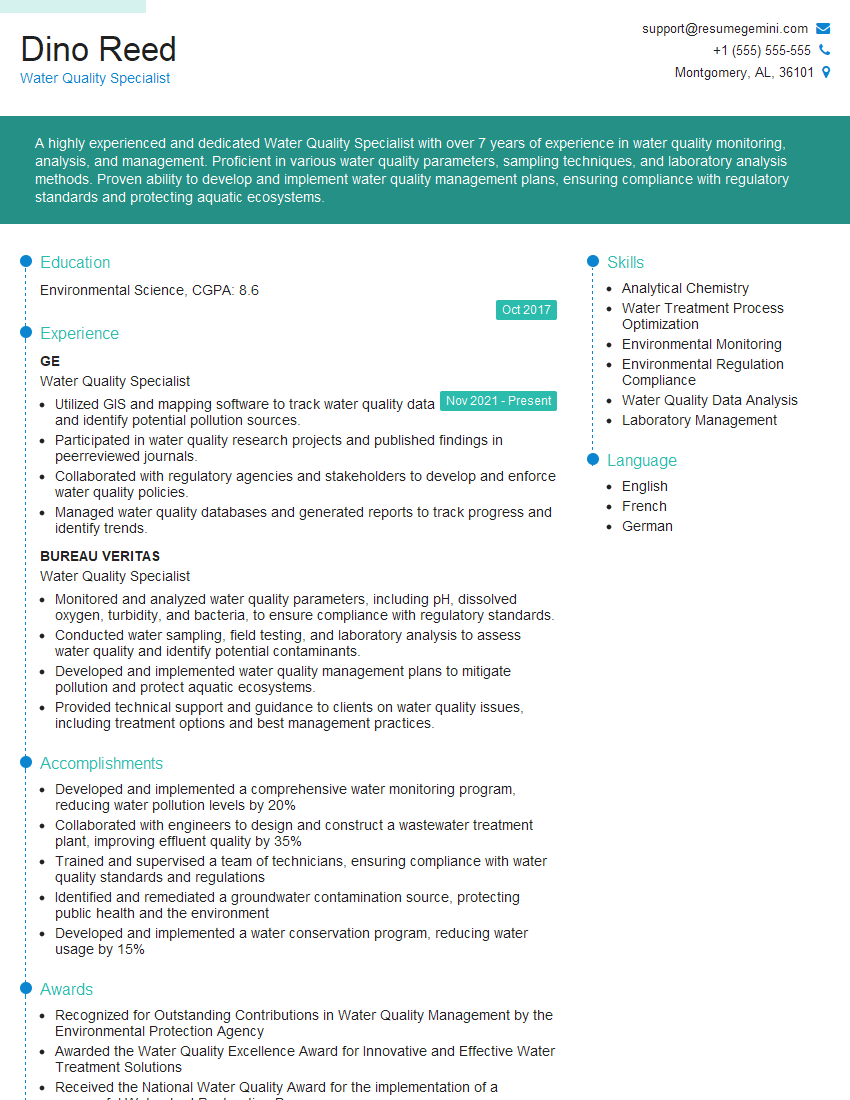
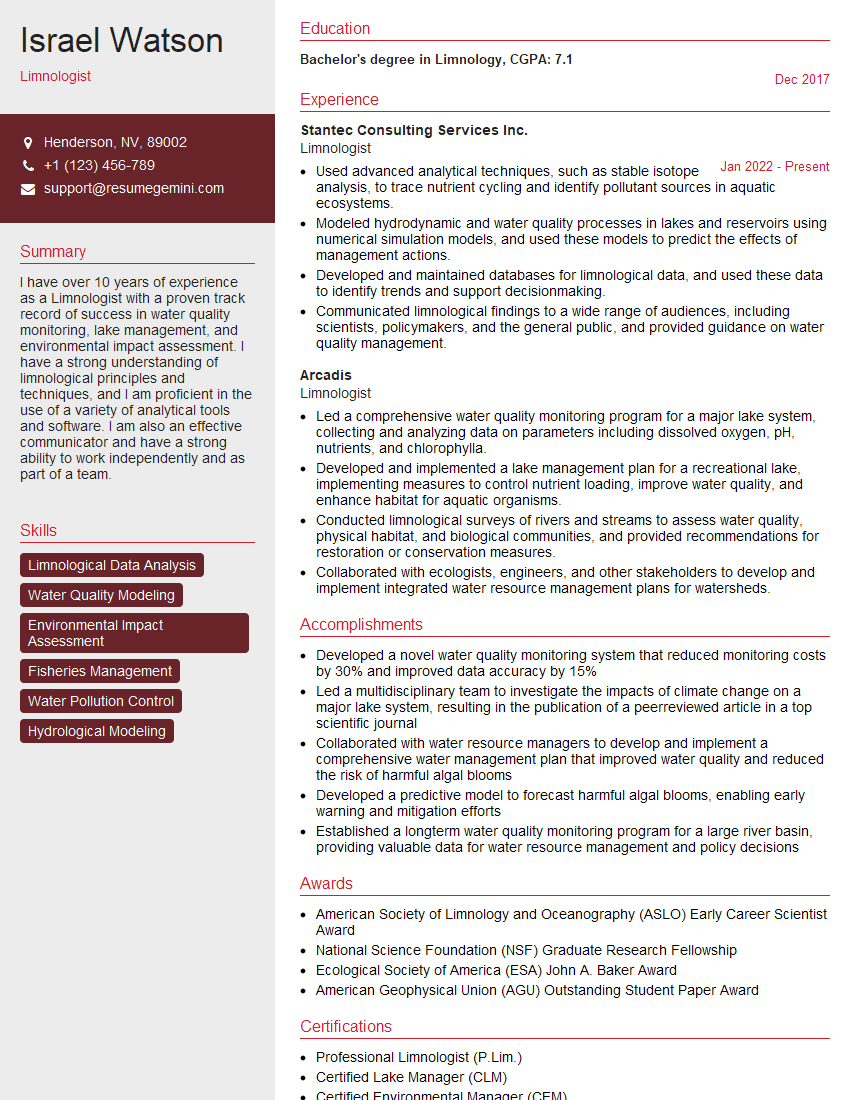
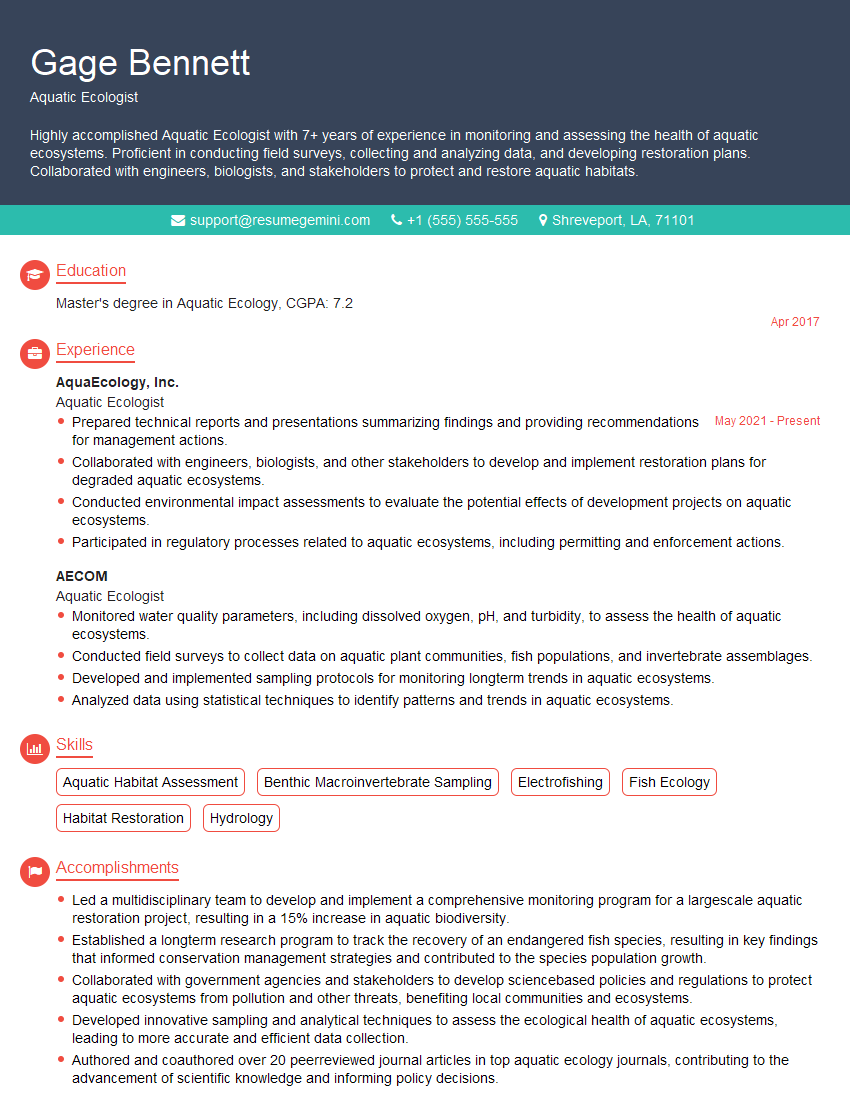
Mastering Pond Ecosystem Management opens doors to exciting and impactful careers in environmental science, conservation, and resource management. To significantly boost your job prospects, crafting an ATS-friendly resume is crucial. This ensures your application gets noticed by recruiters and hiring managers. We highly recommend using ResumeGemini, a trusted resource, to build a professional and effective resume. ResumeGemini offers examples of resumes tailored to Pond Ecosystem Management, providing you with valuable templates and guidance to present your skills and experience in the best possible light. Take the next step toward your dream career today!
Explore more articles
Users Rating of Our Blogs
Share Your Experience
We value your feedback! Please rate our content and share your thoughts (optional).
What Readers Say About Our Blog
Very informative content, great job.
good