Preparation is the key to success in any interview. In this post, we’ll explore crucial Narrowing or Stretching interview questions and equip you with strategies to craft impactful answers. Whether you’re a beginner or a pro, these tips will elevate your preparation.
Questions Asked in Narrowing or Stretching Interview
Q 1. Explain the difference between narrowing and stretching in a problem-solving context.
Narrowing and stretching are complementary problem-solving strategies focusing on resource management. Narrowing involves focusing on a smaller, more manageable subset of a problem, eliminating irrelevant information or options. Think of it like using a funnel – you start with a wide range of possibilities and systematically reduce them to a smaller, more focused set. Stretching, conversely, involves maximizing available resources, whether it’s time, budget, or personnel, to achieve a goal. This often necessitates creative solutions and efficient allocation of resources. It’s like using a lever – finding the right point to apply your effort to achieve maximum impact.
For example, if you’re planning a marketing campaign, narrowing might involve choosing a specific target demographic or focusing on one marketing channel. Stretching might involve using cost-effective advertising methods or reallocating budget from a less successful area to a more promising one.
Q 2. Describe a situation where you had to narrow down a large dataset to identify key insights.
During a customer churn analysis project, I was initially faced with a massive dataset encompassing years of customer interactions, purchase history, and demographic information. To identify key insights, I employed a multi-step narrowing process. First, I segmented the data based on churn status (churned vs. retained customers). Then, I applied statistical analysis techniques, focusing on variables like average purchase value, customer service interactions, and engagement with our online platform. I used correlation matrices and feature importance scores to further pinpoint the most impactful factors. Finally, I visualized the results using histograms, scatter plots, and other techniques to highlight key trends and patterns. This systematic approach allowed me to move from a massive, unwieldy dataset to a concise set of actionable insights about customer churn.
Q 3. How do you prioritize tasks when faced with multiple, competing demands?
I use a prioritization matrix based on urgency and importance. I list all tasks, then assign them a score for urgency (high, medium, low) and importance (high, medium, low). Tasks scoring ‘high’ on both are prioritized first, followed by those that are ‘high’ in either urgency or importance. This provides a clear ranking, enabling me to focus on the most critical tasks and delegate or defer others accordingly. I also use time blocking to allocate specific time slots for working on each priority. Additionally, I review my priorities regularly to adjust to changing circumstances.
Q 4. Give an example of a time you had to stretch your resources to achieve a goal.
We were tasked with launching a new product feature within a significantly shorter timeframe than initially planned, with the same existing team size and budget constraints. To ‘stretch’ our resources, we adopted an agile development methodology, breaking down the project into smaller, manageable sprints. We prioritized core features, deferring less critical elements to future releases. We also leveraged external resources for specific tasks, such as graphic design or content creation, outsourcing where it made financial sense. We enhanced internal communication and collaboration through daily stand-up meetings and shared project management tools. This allowed us to deliver the core functionality within the shortened timeframe while maintaining quality.
Q 5. How do you handle information overload when analyzing data?
Information overload is a common challenge in data analysis. My approach involves a structured process. Firstly, I define clear analytical objectives: what specific questions am I trying to answer? This helps focus my efforts and filter out irrelevant data. Secondly, I leverage data summarization and visualization techniques. I use descriptive statistics, dashboards, and summary reports to grasp the key trends before diving into granular detail. Thirdly, I break down the problem into smaller, manageable chunks. Instead of trying to analyze everything at once, I tackle one aspect at a time, using a modular approach. Finally, I regularly review my progress to ensure I remain focused and efficient.
Q 6. Describe your approach to identifying the root cause of a complex problem.
When tackling complex problems, I employ a structured approach often based on the ‘5 Whys’ technique. I start by identifying the problem’s symptoms. Then, I repeatedly ask ‘Why?’ to delve deeper into the underlying causes. For instance, if the problem is low website traffic, the ‘5 Whys’ might reveal poor SEO optimization as the root cause. This technique is often complemented by using tools like fishbone diagrams (Ishikawa diagrams) which facilitate a visual brainstorming approach that visually outlines the potential root causes, categorized into different aspects (methods, materials, manpower, machinery, measurements).
Q 7. How do you determine the appropriate level of detail when presenting findings?
Determining the appropriate level of detail depends entirely on the audience and the purpose of the presentation. For a high-level executive summary, I focus on key findings, presenting them concisely using charts and graphs. I avoid overwhelming them with excessive detail. For a technical audience or a detailed report, a more granular level of detail is appropriate, including supporting data, methodology descriptions, and detailed analysis. Tailoring the presentation to my audience’s knowledge and needs ensures clarity and maximizes impact. It’s about communicating effectively, not just presenting all the data.
Q 8. How do you balance the need for thorough analysis with the need for timely delivery?
Balancing thorough analysis with timely delivery is a crucial skill in any analytical role. It’s akin to finding the sweet spot between precision and speed. The key lies in proactive planning and prioritization.
My approach involves:
- Scoped Definition: Clearly defining the scope of the analysis upfront, identifying critical elements and potential areas for simplification. This avoids getting bogged down in unnecessary detail. For example, in a market analysis, instead of analyzing every single competitor, we might focus on the top 5 players to get a high-level understanding quickly.
- Agile Methodology: Embracing an iterative approach, where I deliver initial findings early, and refine the analysis based on feedback and new information. This allows for course correction and ensures we’re on the right track without sacrificing time.
- Prioritization Matrix: Using a matrix that ranks analysis tasks by importance and urgency, focusing on high-impact areas first. This ensures that the most valuable insights are delivered quickly, even if some less critical aspects are slightly delayed.
- Effective Communication: Regularly communicating progress and any potential delays to stakeholders. This ensures transparency and prevents misunderstandings.
Ultimately, successful balancing comes from a combination of experience, strategic planning and the ability to adapt to changing priorities.
Q 9. Describe a time you had to make a decision with incomplete information.
In a recent project involving customer segmentation, we needed to predict future buying behavior. We had detailed historical purchase data, but information on upcoming marketing campaigns was incomplete. To make an informed decision, I used a combination of approaches:
- Scenario Planning: We developed multiple scenarios based on different assumptions about the marketing campaign’s impact. Each scenario provided a range of potential outcomes, giving us a sense of uncertainty.
- Sensitivity Analysis: We tested the sensitivity of our model to changes in the missing data. This identified variables that had a greater impact on the results and highlighted areas where additional information would be most valuable.
- Data Augmentation: Where possible, we used techniques to augment the existing data to account for the missing information. We leveraged publicly available market trend data to supplement our analysis.
While the analysis wasn’t perfect due to incomplete data, this approach ensured we made a reasoned decision, communicating the associated uncertainties to our stakeholders.
Q 10. How do you handle conflicting priorities?
Conflicting priorities are inevitable. My approach focuses on clear communication and collaborative prioritization:
- Prioritization Framework: I use a framework like the Eisenhower Matrix (urgent/important) to categorize tasks, clearly identifying which needs immediate attention and which can be delegated or deferred.
- Stakeholder Alignment: I proactively communicate the conflicts and work collaboratively with stakeholders to understand their priorities and re-align expectations as needed. This often involves transparently discussing trade-offs and reaching a mutually acceptable compromise.
- Timeboxing: Allocating specific time blocks for each task helps maintain focus and ensures progress is made on all priorities, albeit possibly at a slower pace for lower priority items.
- Task Delegation: When possible, I delegate tasks to others to free up time to focus on the most critical priorities.
The core is open communication and a willingness to find efficient solutions that address all concerns, even if it means adjusting expectations.
Q 11. Explain your process for identifying and mitigating risks.
My risk identification and mitigation process is systematic and proactive:
- Risk Assessment: I begin by identifying potential risks through brainstorming, reviewing past project experiences, and analyzing project documentation. This often involves checking for data quality issues, model limitations, and potential biases.
- Risk Prioritization: I then prioritize risks based on their likelihood and potential impact using a risk matrix. This helps focus efforts on the most significant threats.
- Mitigation Strategies: For each high-priority risk, I develop specific mitigation strategies. This could involve data validation techniques, alternative analytical approaches, or contingency plans.
- Monitoring and Review: Throughout the project, I regularly monitor the identified risks and evaluate the effectiveness of the mitigation strategies. I adapt the plan as needed to ensure the risks are effectively managed.
For example, in a predictive modeling project, a key risk might be overfitting. To mitigate this, I’d use techniques like cross-validation and regularization.
Q 12. How do you stay organized when managing multiple projects?
Managing multiple projects requires a structured approach to stay organized:
- Project Management Software: I leverage project management tools like Asana or Jira to track tasks, deadlines, and progress across all projects. This provides a central repository for all project-related information.
- Time Blocking: I allocate specific time blocks for each project to ensure focused work. This helps avoid task switching and improves efficiency.
- Prioritization: I use a prioritization matrix to allocate my time effectively across different projects based on urgency and importance.
- Regular Reviews: I schedule regular reviews to assess progress, identify roadblocks, and make necessary adjustments to the project plans.
This structured approach ensures that all projects receive the necessary attention and progress smoothly without feeling overwhelmed.
Q 13. How do you ensure the accuracy of your analysis?
Ensuring accuracy is paramount. My approach involves a multi-layered process:
- Data Validation: Rigorous data validation is crucial. This includes checking for data completeness, consistency, and accuracy. I use techniques like data profiling, outlier detection, and plausibility checks.
- Methodological Rigor: Employing appropriate statistical methods and ensuring their correct application is key. This includes verifying assumptions and selecting methods suitable for the data and research questions.
- Peer Review: Seeking feedback from colleagues to identify potential errors or biases in my analysis strengthens accuracy. A fresh perspective can often uncover things I might have missed.
- Documentation: Thorough documentation of the entire analytical process, including data sources, methods, and assumptions, enables reproducibility and transparency.
Accuracy is a continuous process; it’s not just a final step, but integrated into each stage of the analysis.
Q 14. Describe your experience with data visualization tools.
I’m proficient with various data visualization tools, including Tableau, Power BI, and Python libraries like Matplotlib and Seaborn. My choice of tool depends on the specific project needs and data size.
For instance, Tableau is excellent for creating interactive dashboards for stakeholders, while Python libraries provide more control for highly customized visualizations. Power BI offers a good balance between ease of use and functionality.
My experience includes creating:
- Interactive dashboards to track key performance indicators (KPIs).
- Statistical charts and graphs to present analytical findings.
- Geographic maps to visualize spatial data.
I always strive to create clear, concise, and insightful visualizations that effectively communicate complex data to both technical and non-technical audiences.
Q 15. How do you communicate complex information to non-technical audiences?
Communicating complex information to non-technical audiences requires translating technical jargon into plain language and using effective visual aids. I start by identifying the key takeaways and simplifying the core message. Instead of focusing on intricate details, I highlight the impact and benefits. For instance, if explaining ‘narrowing’ in the context of data analysis, I wouldn’t talk about dimensionality reduction algorithms. Instead, I’d focus on how narrowing helps to make sense of overwhelming amounts of data, leading to clearer insights and better decisions. I use analogies and real-world examples to make abstract concepts relatable. For example, I might compare narrowing data to focusing a camera lens – by zooming in, you get a clearer picture of what’s important. Visual aids like charts, graphs, and infographics can be incredibly powerful in conveying complex information efficiently.
For example, when explaining the concept of ‘stretching’ in machine learning, particularly data augmentation, I might use the analogy of a child learning to recognize a cat. Showing the child many different images of cats – kittens, adult cats, cats in different poses, different lighting conditions – helps them learn to recognize the broader category of ‘cat’. That’s essentially what data augmentation (stretching the data) does: it provides a wider variety of examples to enhance the machine learning model’s ability to generalize.
Career Expert Tips:
- Ace those interviews! Prepare effectively by reviewing the Top 50 Most Common Interview Questions on ResumeGemini.
- Navigate your job search with confidence! Explore a wide range of Career Tips on ResumeGemini. Learn about common challenges and recommendations to overcome them.
- Craft the perfect resume! Master the Art of Resume Writing with ResumeGemini’s guide. Showcase your unique qualifications and achievements effectively.
- Don’t miss out on holiday savings! Build your dream resume with ResumeGemini’s ATS optimized templates.
Q 16. How do you adapt your approach to problem-solving based on the context?
Adapting my approach to problem-solving is crucial. The context dictates the tools and strategies I employ. For instance, a quick fix for a minor issue might involve a heuristic approach, while a complex problem may require a systematic, data-driven methodology. When dealing with large datasets and narrowing/stretching techniques, the context would consider computational resources, data quality, and the specific objective (e.g., classification, clustering, regression). A small dataset with clear features might benefit from simple feature selection (narrowing), while a large, high-dimensional dataset might need more sophisticated dimensionality reduction techniques like PCA or t-SNE. Similarly, the strategy for ‘stretching’ data – say, through augmentation – would depend on the type of data (images, text, time series) and the specific challenges of the model training.
For example, if the goal is to improve the accuracy of an image classification model and the dataset is small, I would likely focus on data augmentation techniques (‘stretching’) to create more training examples. However, if the dataset is large but noisy, I might prioritize data cleaning and feature selection (‘narrowing’) to remove irrelevant or redundant information before model training.
Q 17. Describe a time you had to innovate to solve a problem.
I once faced a challenge where the initial data for a customer churn prediction model was highly imbalanced (far more non-churn than churn cases). This made it difficult for standard machine learning algorithms to accurately predict churn. Simply applying a standard model resulted in poor performance. To innovate, I didn’t just rely on existing techniques. Instead, I combined several approaches. First, I used data augmentation (‘stretching’) techniques to synthetically generate more churn cases, focusing on generating examples similar to existing churn cases using SMOTE (Synthetic Minority Over-sampling Technique). Then, I combined this with feature engineering to create new features that were more indicative of churn behavior. Finally, I explored different algorithms known for handling imbalanced datasets, such as cost-sensitive learning or ensemble methods. The combined effect of these innovations significantly improved the model’s accuracy and predictive power.
Q 18. How do you measure the success of your problem-solving efforts?
Measuring the success of problem-solving efforts depends heavily on the specific problem and objectives. For data-driven problems involving narrowing and stretching, key metrics include:
- Accuracy/Precision/Recall: For classification tasks, these metrics assess the correctness of predictions.
- F1-score: A harmonic mean of precision and recall, providing a balanced measure of model performance.
- AUC (Area Under the ROC Curve): Measures the ability of the classifier to distinguish between classes.
- RMSE (Root Mean Squared Error) or MAE (Mean Absolute Error): For regression tasks, these quantify the difference between predicted and actual values.
- Computational Efficiency: The time and resources needed to process the data and train the model. Narrowing techniques should ideally improve efficiency.
- Interpretability: The ease of understanding the model’s predictions and insights. Sometimes simpler models (achieved through narrowing) are preferred for interpretability.
Beyond these quantitative metrics, I also consider qualitative aspects such as stakeholder satisfaction and the practical impact of the solution. Did the model improve decision-making? Did it lead to tangible benefits, cost savings, or improved efficiency?
Q 19. How do you handle setbacks or unexpected challenges?
Setbacks and unexpected challenges are inevitable. My approach involves a structured process:
- Identify the root cause: Carefully analyze what went wrong. Was it a data issue, a methodological flaw, or an unforeseen circumstance?
- Adapt and adjust: Based on the root cause, modify the approach. This might involve trying different algorithms, refining data preprocessing steps, or seeking external expertise.
- Document and learn: Thoroughly document the setback, including the root cause, the attempted solutions, and the lessons learned. This creates a knowledge base for future projects.
- Communicate transparently: Keep stakeholders informed about the challenges and the progress made in addressing them.
For example, if a data augmentation technique (‘stretching’) initially worsened model performance, I might investigate whether the augmented data introduced artifacts or noise. I might then refine the augmentation process, perhaps by applying more sophisticated techniques or stricter filtering criteria.
Q 20. Describe your experience working with large datasets.
I have extensive experience working with large datasets, often involving terabytes of data. My workflow typically involves distributed computing frameworks like Spark or Hadoop to efficiently handle such volumes. The process involves several steps:
- Data Ingestion and Storage: Efficiently loading and storing the data in a scalable manner, often using cloud-based storage solutions.
- Data Cleaning and Preprocessing: Handling missing values, outliers, and inconsistencies to ensure data quality.
- Feature Engineering: Creating new features from existing ones to improve model performance. This often involves dimensionality reduction techniques (‘narrowing’) to simplify the data.
- Model Training and Evaluation: Training and evaluating machine learning models using appropriate algorithms and metrics.
My experience also includes working with various data types – structured (databases), semi-structured (JSON, XML), and unstructured (text, images). I adapt my approach to each data type, employing specific techniques for preprocessing and feature extraction.
Q 21. How do you identify patterns and trends in data?
Identifying patterns and trends in large datasets involves a combination of statistical methods, visualization techniques, and domain expertise. The process typically includes:
- Exploratory Data Analysis (EDA): Using descriptive statistics, visualizations (histograms, scatter plots, box plots), and summary tables to gain a high-level understanding of the data.
- Data Mining Techniques: Employing techniques like clustering (to group similar data points), association rule mining (to identify relationships between variables), and anomaly detection (to find unusual data points).
- Dimensionality Reduction: Using techniques like Principal Component Analysis (PCA) or t-distributed Stochastic Neighbor Embedding (t-SNE) to ‘narrow’ the data down to a smaller number of relevant features while preserving essential information. This simplifies visualization and modeling.
- Time Series Analysis: For time-dependent data, methods like moving averages, ARIMA models, or Fourier transforms can be used to identify trends and seasonality.
For example, when analyzing customer transaction data, I might use clustering to segment customers into different groups based on their purchasing behavior, then use time series analysis to identify trends in spending over time. I would employ dimensionality reduction to reduce the high number of transactional variables to a smaller set of meaningful features.
Q 22. How do you use data to support decision-making?
Data is the bedrock of effective decision-making. I approach data-driven decision-making systematically. First, I identify the specific business problem or question needing an answer. Then, I collect relevant data, ensuring its quality and reliability through rigorous checks for completeness, accuracy, and consistency. Once cleaned and prepared, I employ appropriate analytical techniques (depending on the data type and question) to extract meaningful insights. This might involve descriptive statistics to understand the data’s characteristics, inferential statistics to draw conclusions about a larger population, or predictive modeling to forecast future trends. Finally, I present my findings in a clear, concise, and actionable manner, using visualizations where appropriate, to support informed decision-making.
For instance, in a previous role, we were struggling with high customer churn. By analyzing customer data, including demographics, purchase history, and customer service interactions, we identified a key segment of customers at high risk of churning. We then targeted this group with a retention strategy resulting in a significant decrease in churn rate.
Q 23. Describe your experience with statistical analysis techniques.
My experience encompasses a wide range of statistical analysis techniques. I’m proficient in descriptive statistics (mean, median, standard deviation, etc.) to summarize and understand data distributions. I’m also experienced in inferential statistics, including hypothesis testing (t-tests, ANOVA, chi-square tests) and regression analysis (linear, logistic, multiple) to establish relationships between variables and make predictions. Furthermore, I’m familiar with more advanced techniques such as time series analysis for forecasting, clustering for customer segmentation, and principal component analysis for dimensionality reduction. I’m adept at using statistical software packages such as R and Python (with libraries like Pandas, Scikit-learn, and Statsmodels) to conduct these analyses efficiently and accurately.
# Example R code for a simple linear regression model <- lm(y ~ x, data = mydata) summary(model)Q 24. How do you ensure the ethical implications of your analysis are considered?
Ethical considerations are paramount in my analytical work. I adhere to principles of fairness, transparency, and accountability throughout the entire process. This starts with ensuring data privacy and security, complying with all relevant regulations (like GDPR or CCPA). I am careful to avoid biases in data collection, analysis, and interpretation. This involves being mindful of potential biases in the data itself and employing techniques to mitigate them. I also strive to communicate my findings honestly and transparently, acknowledging any limitations or uncertainties in the analysis. Furthermore, I always consider the potential impact of my analysis on different stakeholders and strive to ensure that my work is used responsibly and ethically.
For example, if analyzing data related to loan applications, I would be acutely aware of the potential for algorithmic bias and actively work to ensure fairness and avoid discriminatory outcomes.
Q 25. How do you utilize critical thinking skills in your problem solving process?
Critical thinking is fundamental to my problem-solving approach. I begin by clearly defining the problem, gathering all relevant information, and identifying potential biases. I then analyze the information systematically, considering different perspectives and exploring various solutions. I evaluate the potential consequences of each solution, weighing the pros and cons, and selecting the most effective and ethical approach. I'm comfortable challenging assumptions, questioning existing methods, and seeking out diverse viewpoints to enhance the robustness of my solutions. Throughout the process, I iterate and refine my thinking based on new evidence and feedback.
In a recent project, initial analysis suggested a certain marketing campaign was unsuccessful. However, through critical thinking, I questioned the metrics used and discovered that while initial sales were low, customer engagement was high, indicating potential long-term benefits not captured by the initial metrics. This led to a revised evaluation of the campaign's success.
Q 26. How familiar are you with different analytical methodologies?
I'm familiar with a wide range of analytical methodologies, including:
- Descriptive Analytics: Summarizing and visualizing data to understand key trends and patterns.
- Diagnostic Analytics: Investigating the causes of events or outcomes using techniques like drill-down and data mining.
- Predictive Analytics: Forecasting future outcomes using statistical modeling and machine learning techniques.
- Prescriptive Analytics: Recommending actions to optimize outcomes using optimization and simulation techniques.
My choice of methodology depends on the specific problem, the available data, and the desired outcome. I'm comfortable using both quantitative and qualitative methods, adapting my approach as needed to ensure the most effective solution.
Q 27. Describe a time you successfully implemented a data-driven solution.
In a previous role, our e-commerce website was experiencing high bounce rates. Using web analytics data, I identified that a slow loading time on the product pages was a primary contributor. I analyzed data on page load times, user behavior, and conversion rates. This analysis revealed a strong correlation between longer loading times and higher bounce rates. I then presented this data to the development team, recommending specific improvements to optimize the website's speed. After implementing these changes, we saw a significant reduction in bounce rates and a corresponding increase in conversions.
This success was a direct result of using data to identify the problem's root cause, propose a solution, and measure its effectiveness. The data-driven approach ensured that the solution was targeted, efficient, and demonstrably successful.
Q 28. How do you ensure the long-term impact of your solutions?
Ensuring long-term impact involves several key strategies. First, I prioritize building robust and sustainable solutions. This means using methodologies and tools that are scalable and adaptable to future changes. Second, I focus on knowledge transfer and training, empowering others to understand and utilize the insights derived from my analyses. This ensures that the solutions I create continue to be effective even after I'm no longer directly involved. Third, I incorporate monitoring and evaluation mechanisms into the solutions, allowing for continuous improvement and adaptation over time. Regular review and updates help maintain the effectiveness and relevance of the solutions in a dynamic environment.
For example, instead of just providing a report on a specific project, I often create dashboards or automated reporting systems that continue to track key metrics and provide ongoing insights, allowing for proactive adjustments and improvements.
Key Topics to Learn for Narrowing or Stretching Interview
Successfully navigating a Narrowing or Stretching interview requires a deep understanding of both theoretical foundations and practical applications. The following areas are crucial for demonstrating your expertise:
- Defining Narrowing and Stretching: Understand the core principles and differences between these techniques, including their respective strengths and weaknesses.
- Algorithm Selection: Learn to choose the appropriate algorithm based on the specific problem constraints and data characteristics. Consider factors like efficiency, accuracy, and resource consumption.
- Data Preprocessing Techniques: Explore how data preprocessing impacts the effectiveness of Narrowing and Stretching methods. Master techniques relevant to your field of expertise.
- Performance Evaluation Metrics: Familiarize yourself with key metrics used to assess the performance of Narrowing or Stretching algorithms. Understand precision, recall, F1-score, and other relevant metrics.
- Practical Applications and Case Studies: Study real-world applications of Narrowing and Stretching across various domains (e.g., image processing, natural language processing, machine learning). Be prepared to discuss these applications and their challenges.
- Troubleshooting and Optimization: Develop a strong understanding of common issues and debugging strategies. Be ready to discuss optimization techniques to improve the efficiency and accuracy of your implementations.
- Ethical Considerations: Understand the potential ethical implications of Narrowing and Stretching and how to address biases in your chosen approach.
Next Steps
Mastering Narrowing and Stretching techniques is vital for career advancement in many competitive fields. A strong understanding of these concepts significantly enhances your problem-solving abilities and opens doors to exciting opportunities. To maximize your chances of landing your dream job, it’s crucial to present your skills effectively. Creating a compelling, ATS-friendly resume is the first step. ResumeGemini is a trusted resource that can help you build a professional and impactful resume tailored to showcase your expertise in Narrowing and Stretching. Examples of resumes tailored to this field are available to guide you. Invest the time in crafting a standout resume—it's a critical investment in your future career success.
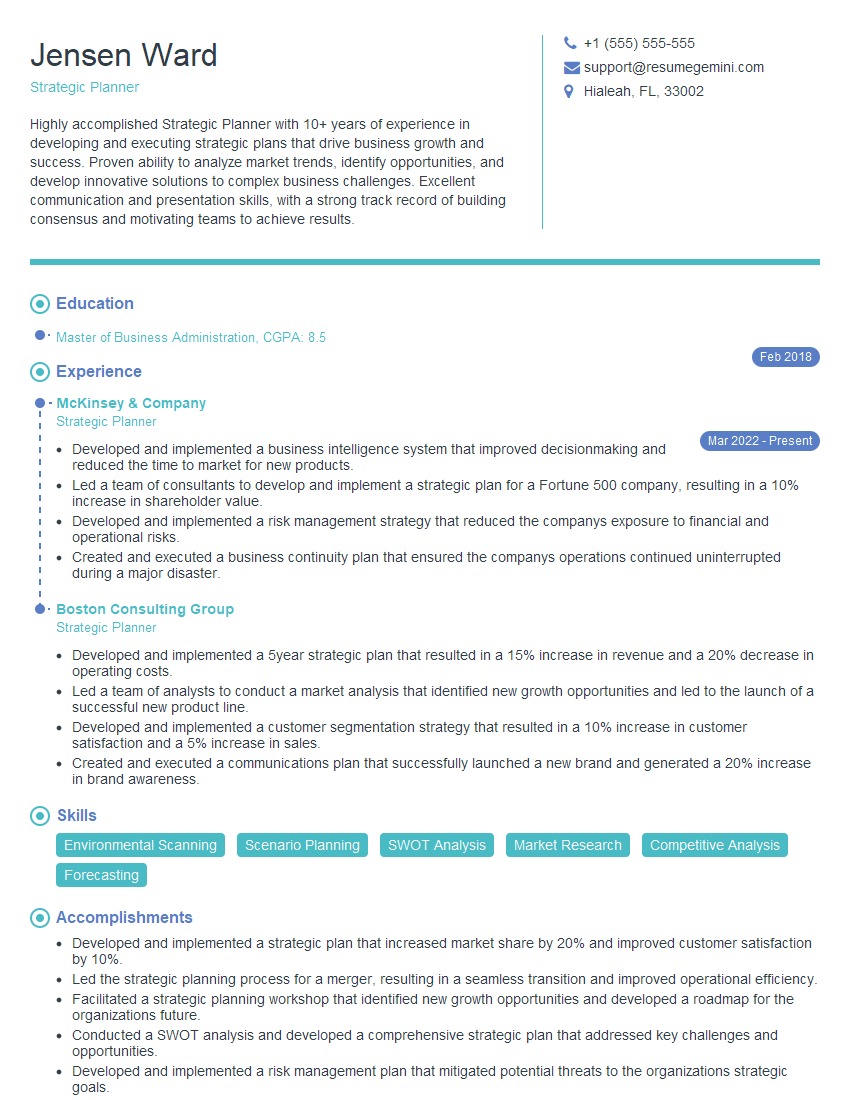
Strategic Planner Resume Sample

Operations Manager Resume Sample
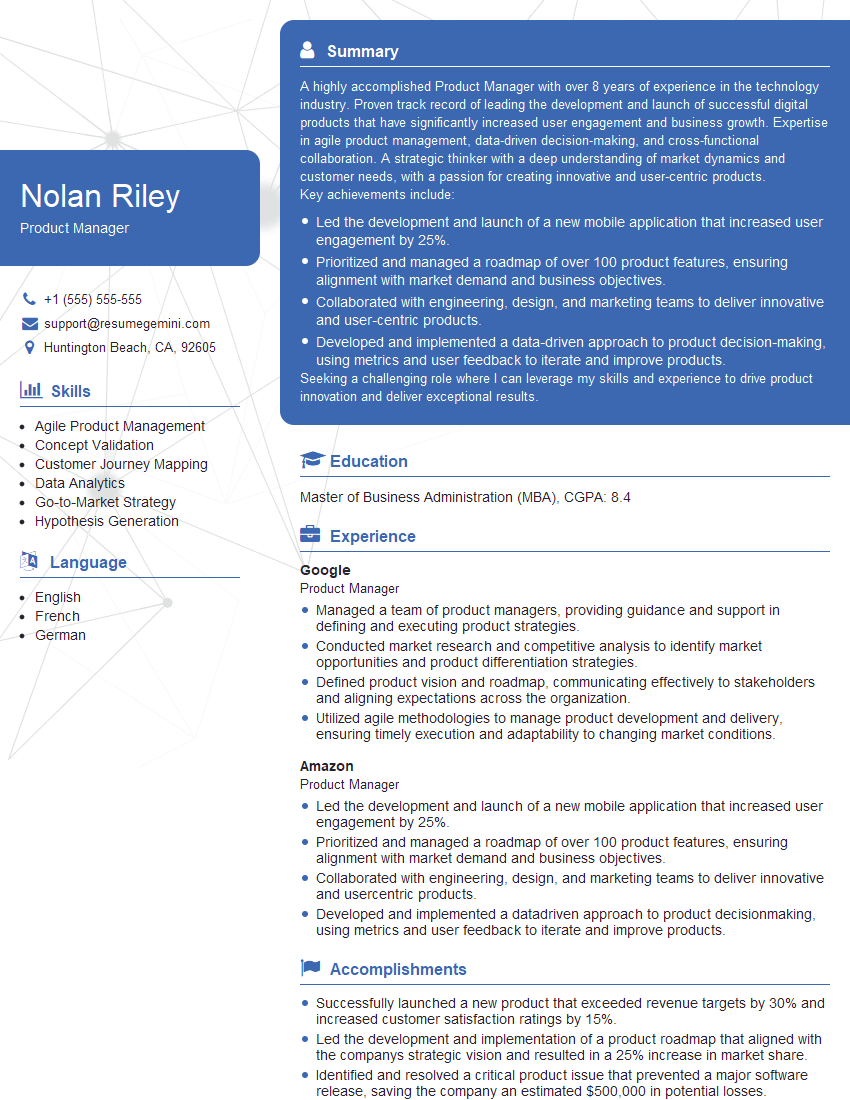
Product Manager Resume Sample
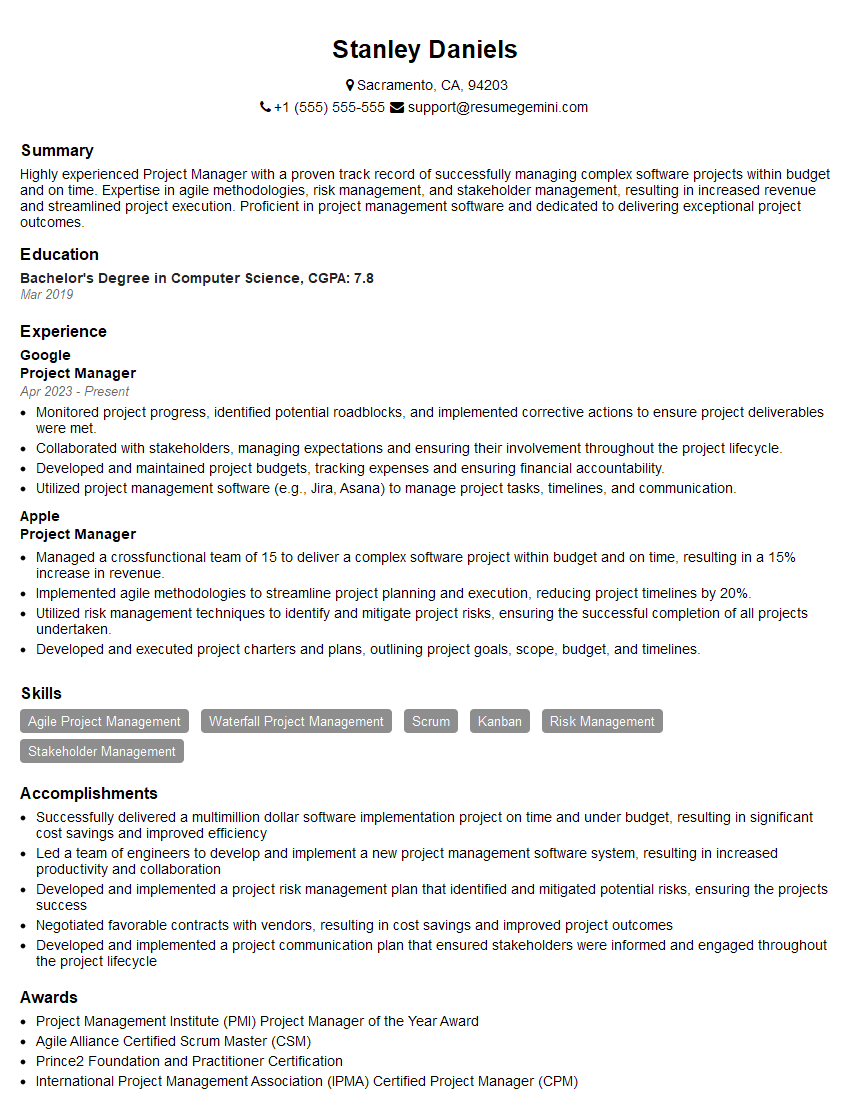
Project Manager Resume Sample

Compliance Officer Resume Sample
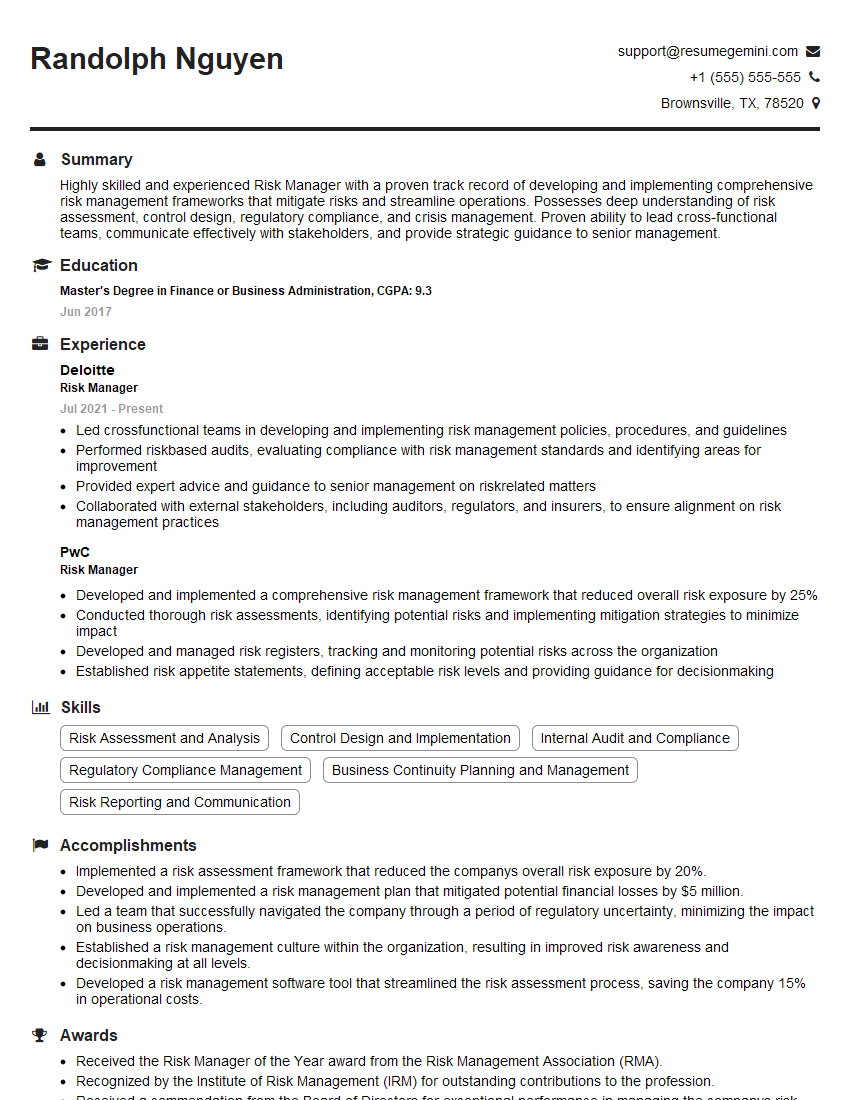
Risk Manager Resume Sample
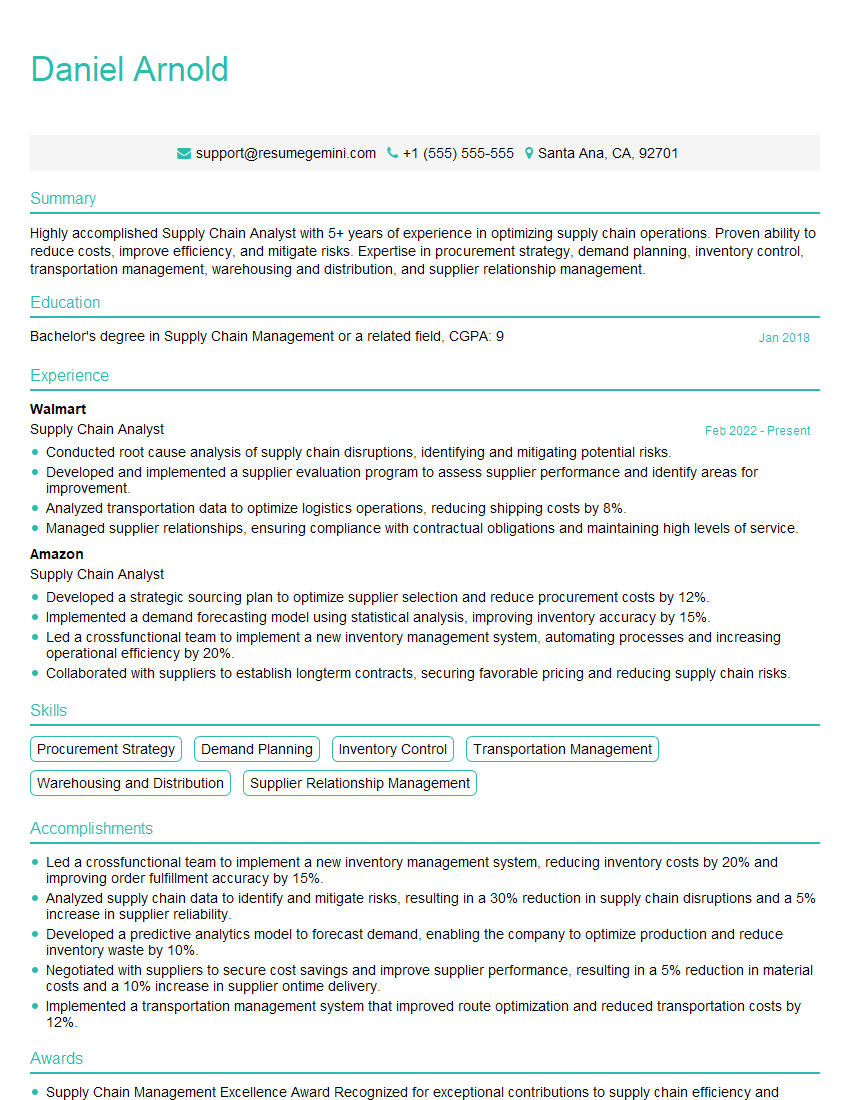
Supply Chain Analyst Resume Sample
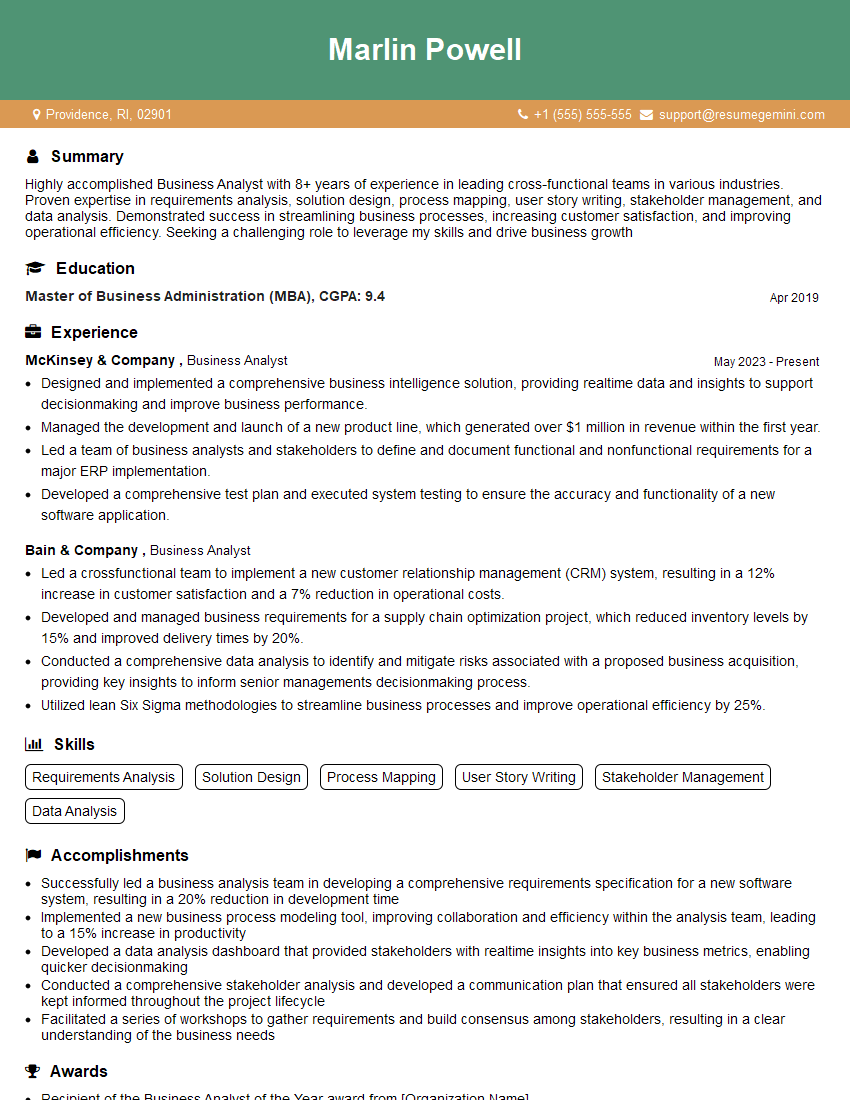
Business Analyst Resume Sample
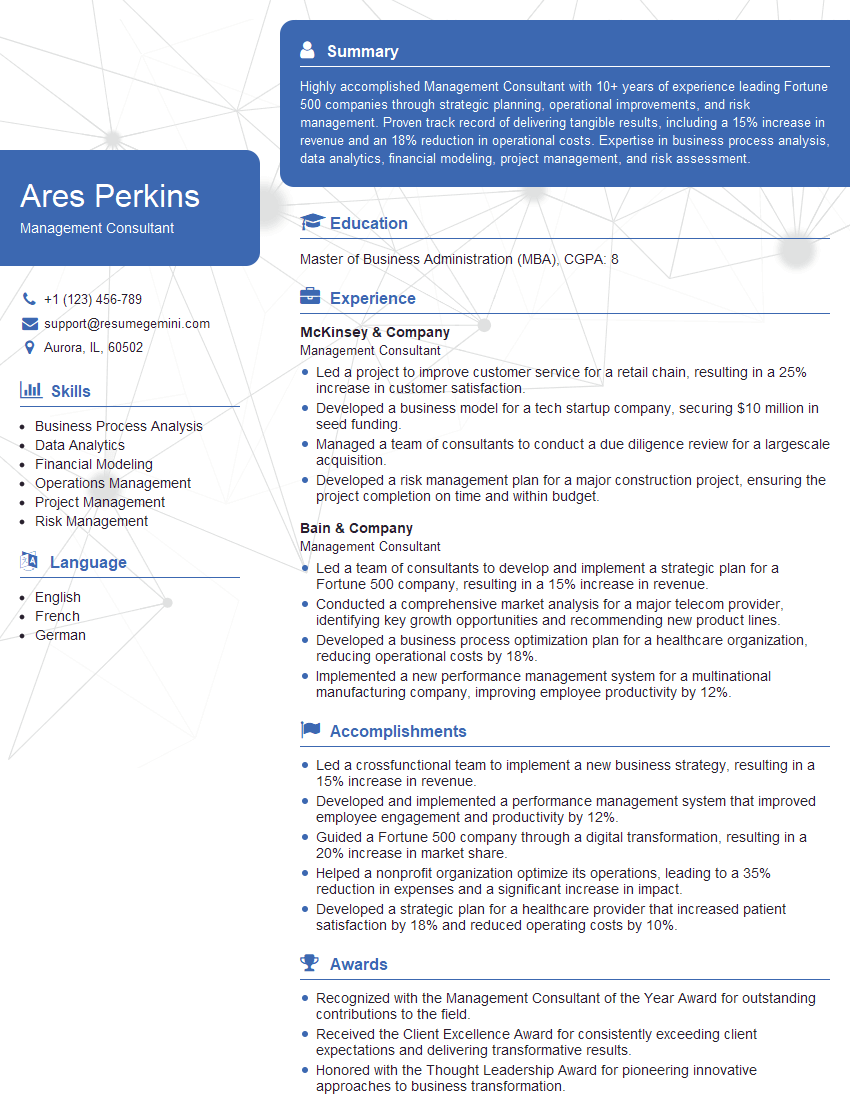
Management Consultant Resume Sample
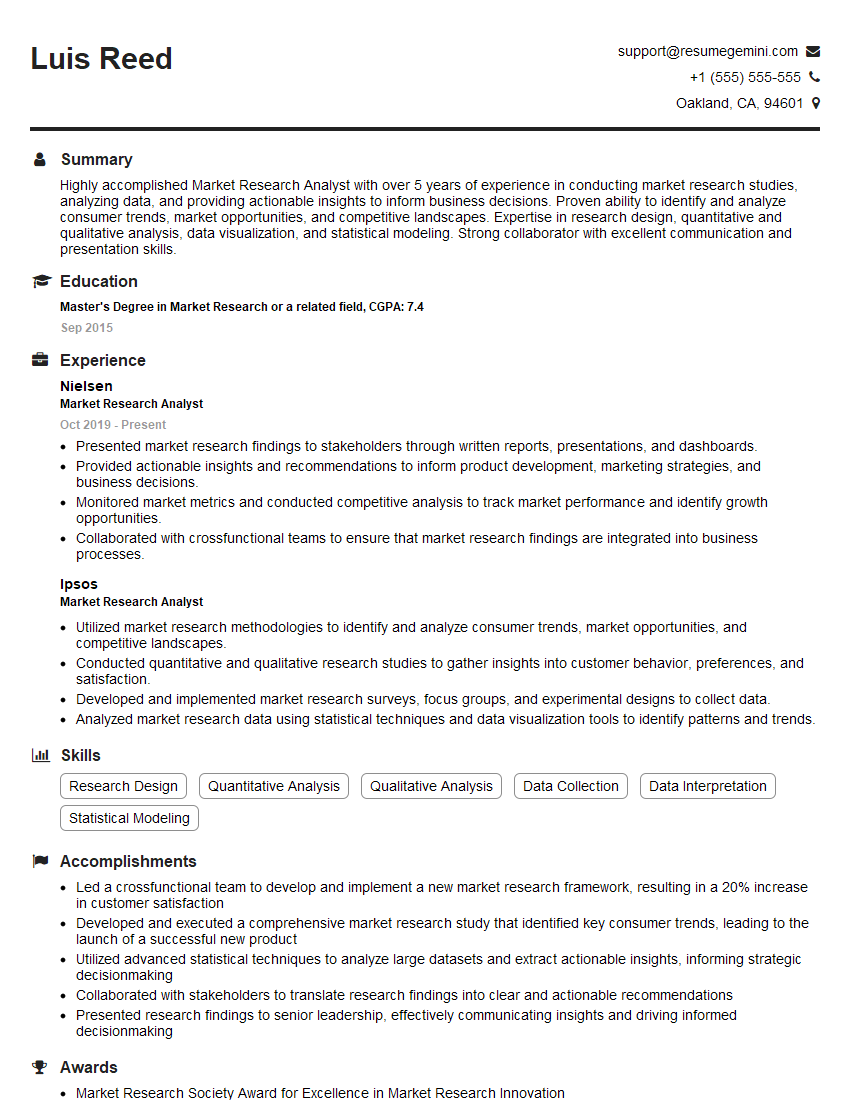
Market Research Analyst Resume Sample
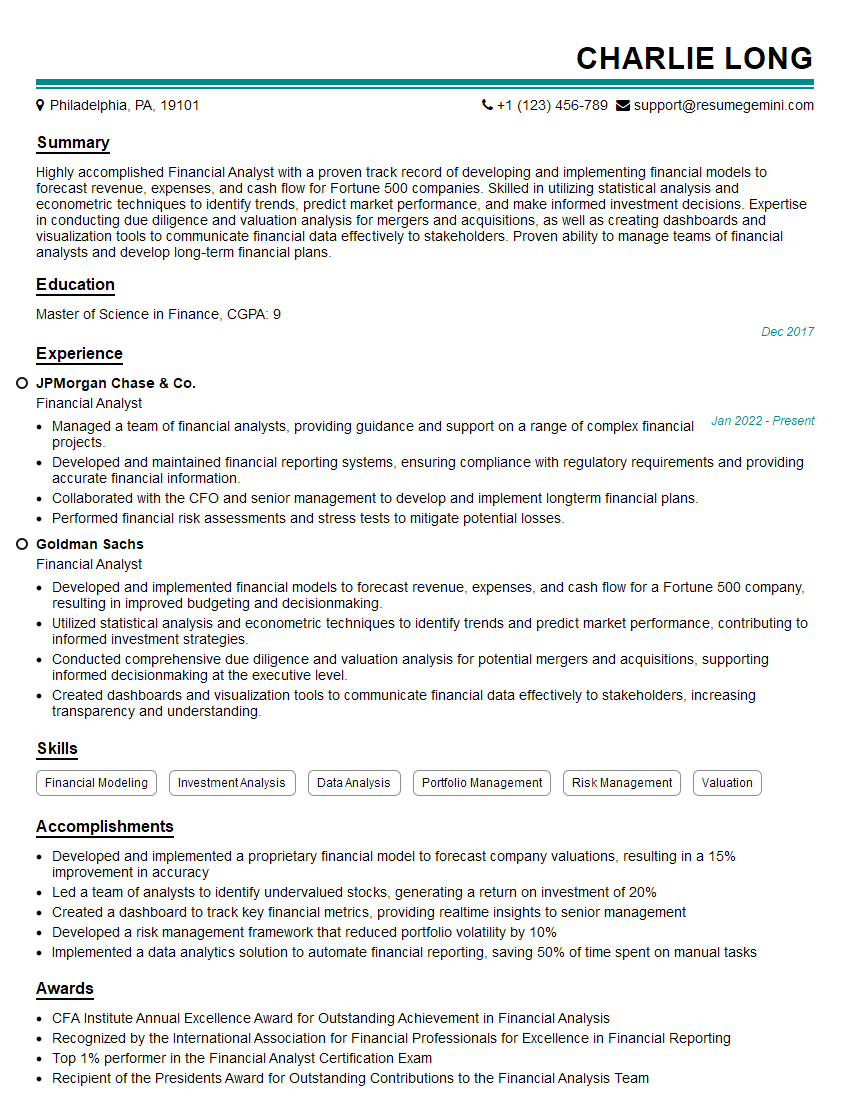
Financial Analyst Resume Sample
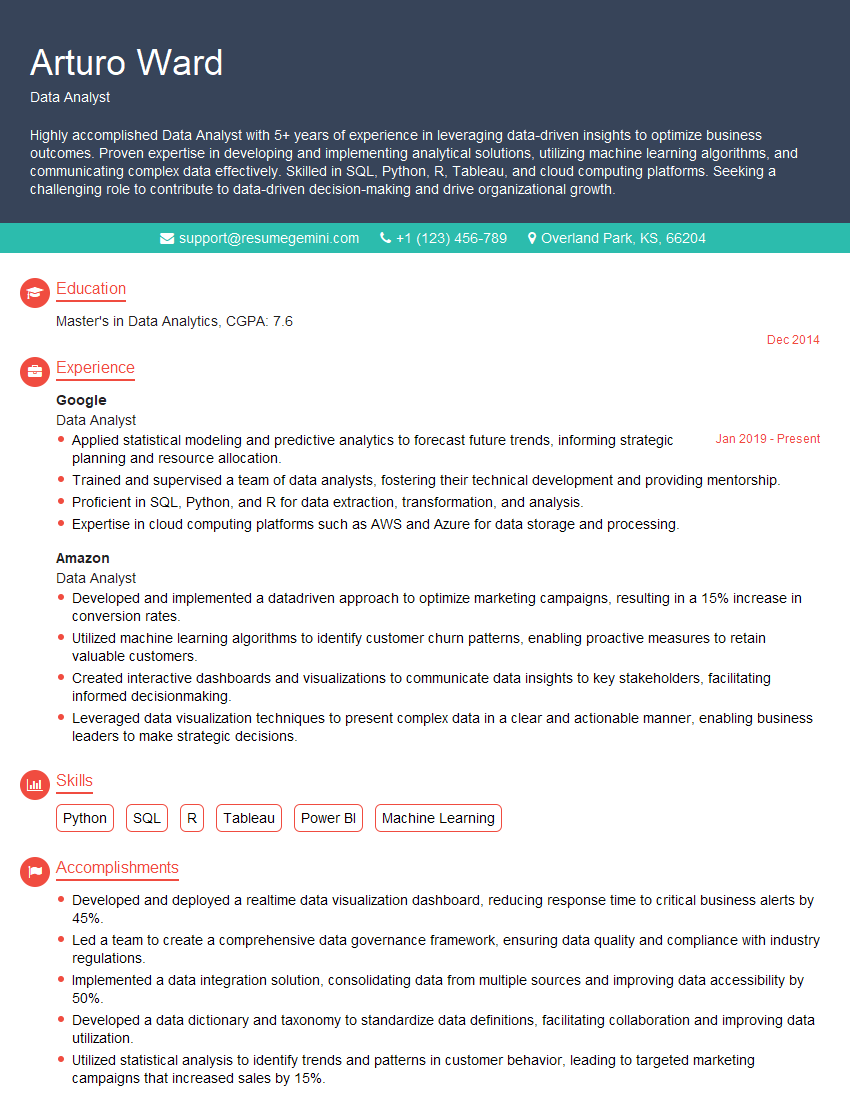
Data Analyst Resume Sample
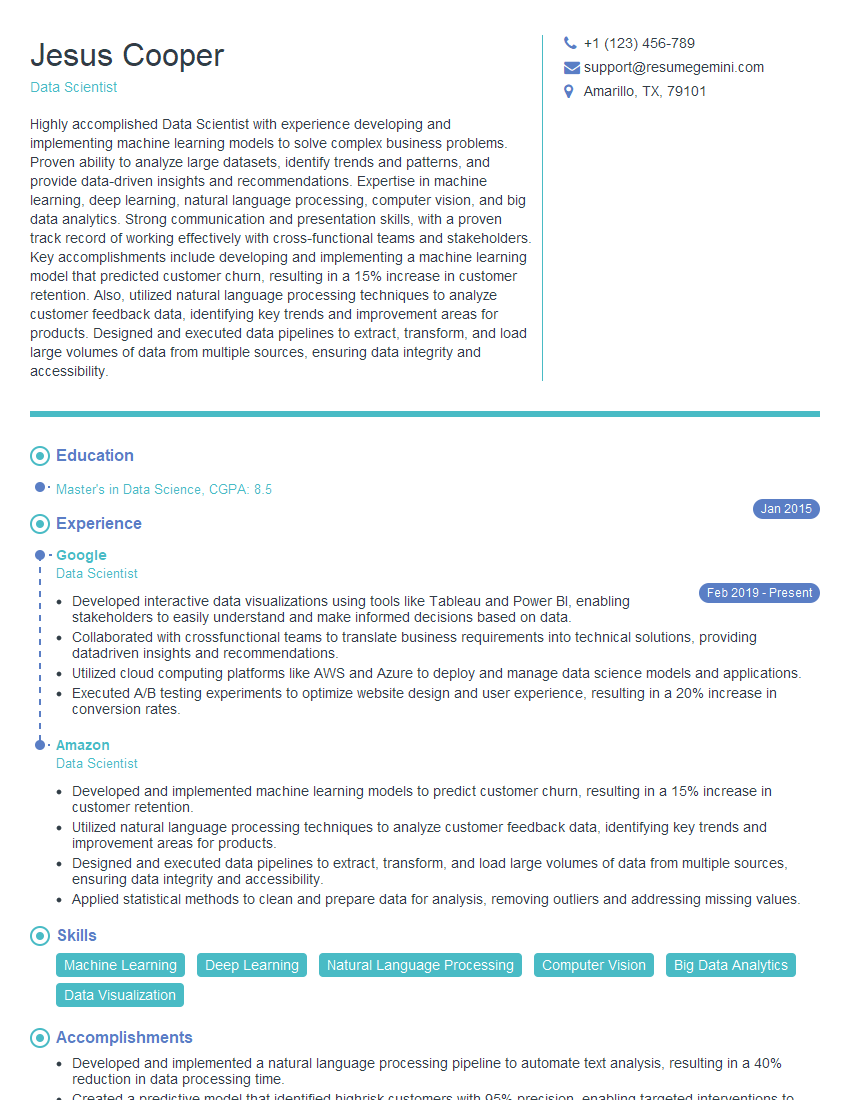
Data Scientist Resume Sample
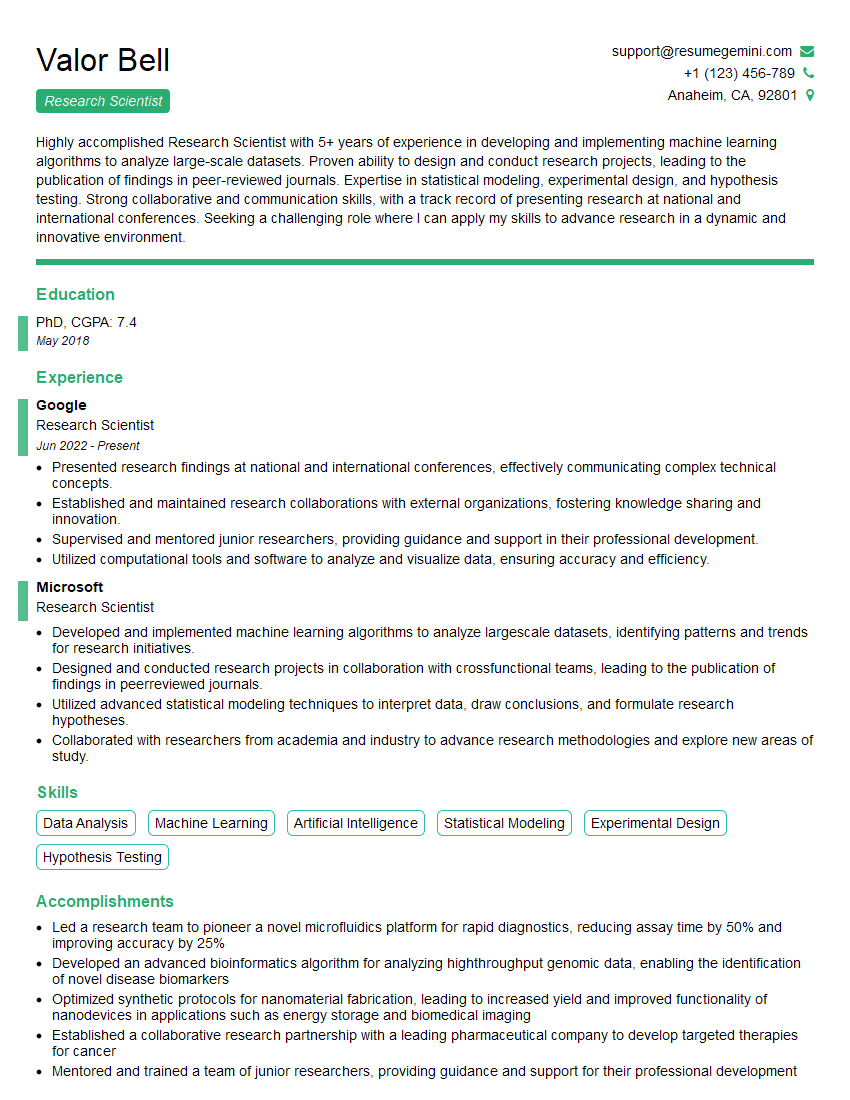
Research Scientist Resume Sample

Software Engineer Resume Sample

Information Architect Resume Sample
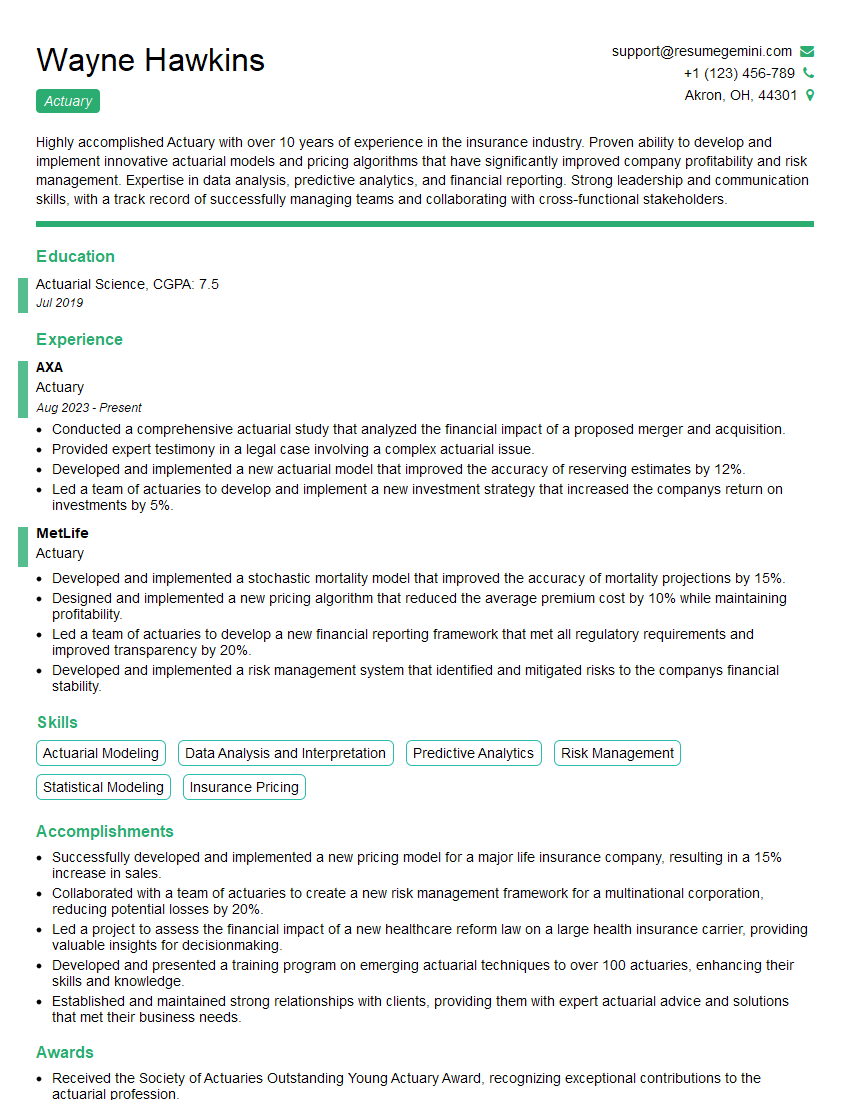
Actuary Resume Sample
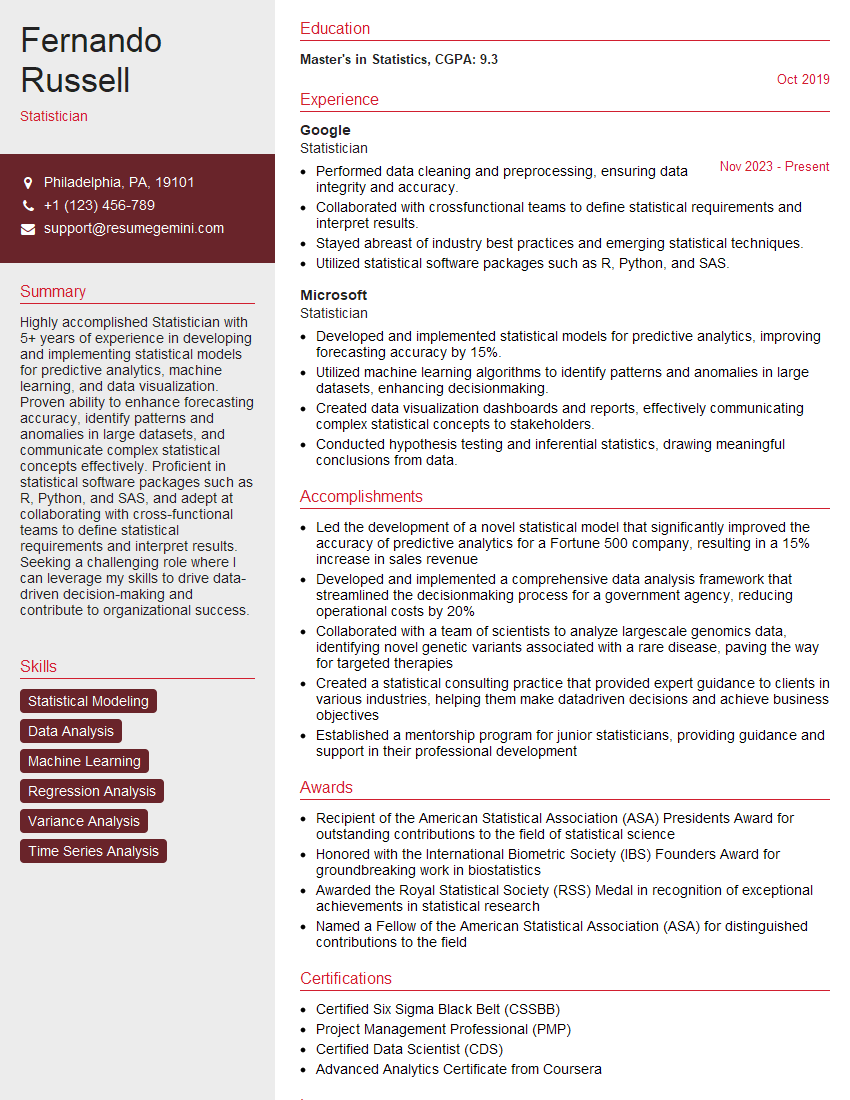
Statistician Resume Sample
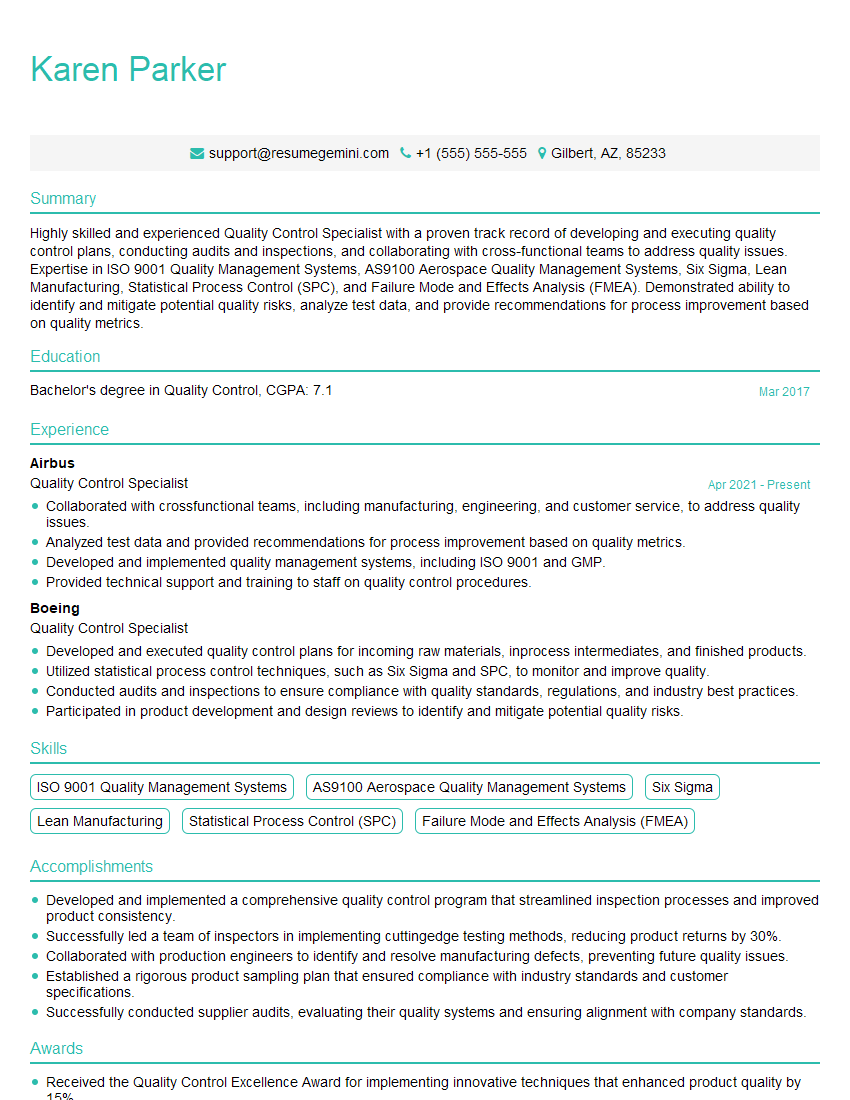
Quality Control Specialist Resume Sample
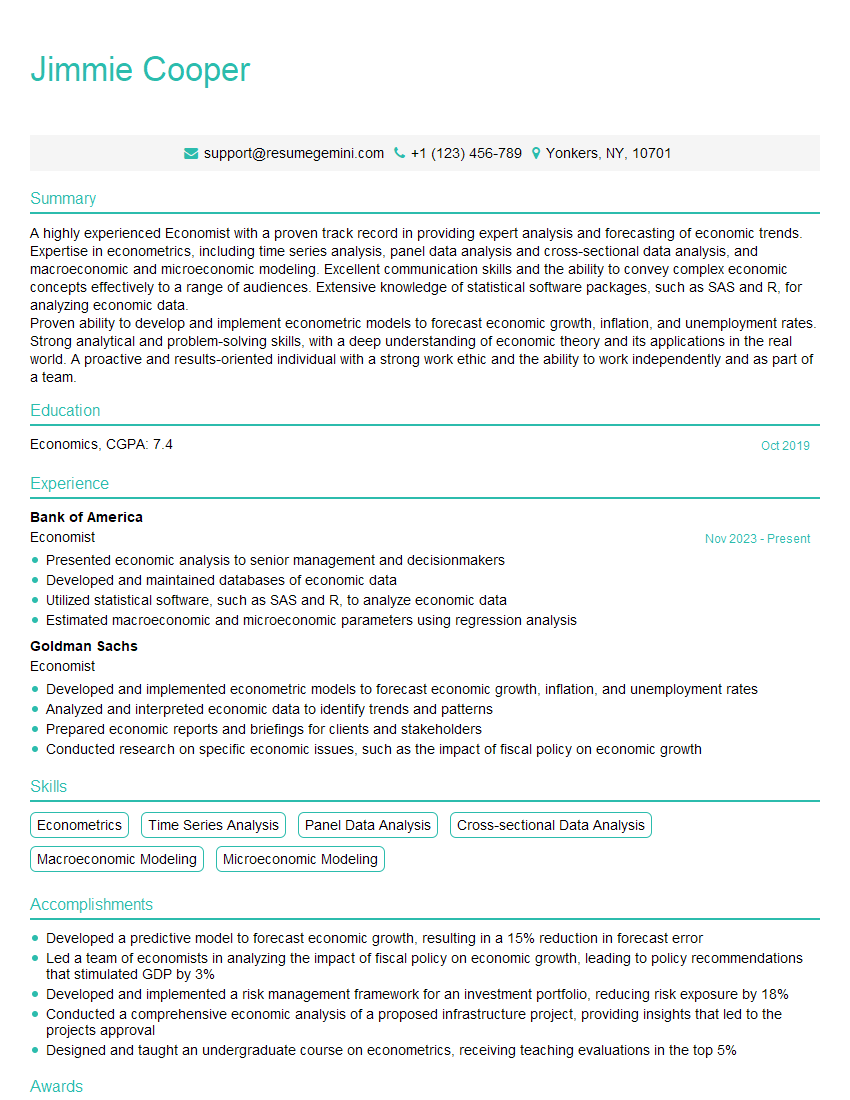
Economist Resume Sample
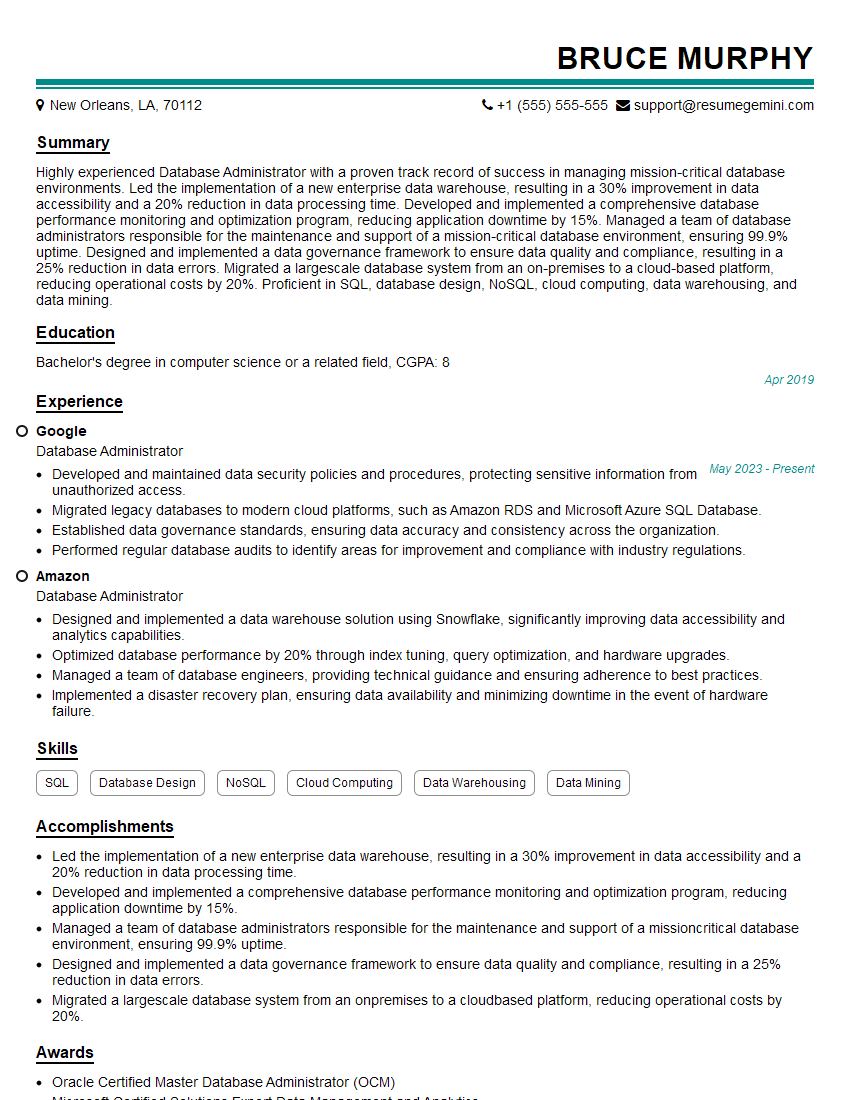
Database Administrator Resume Sample

UX Designer Resume Sample
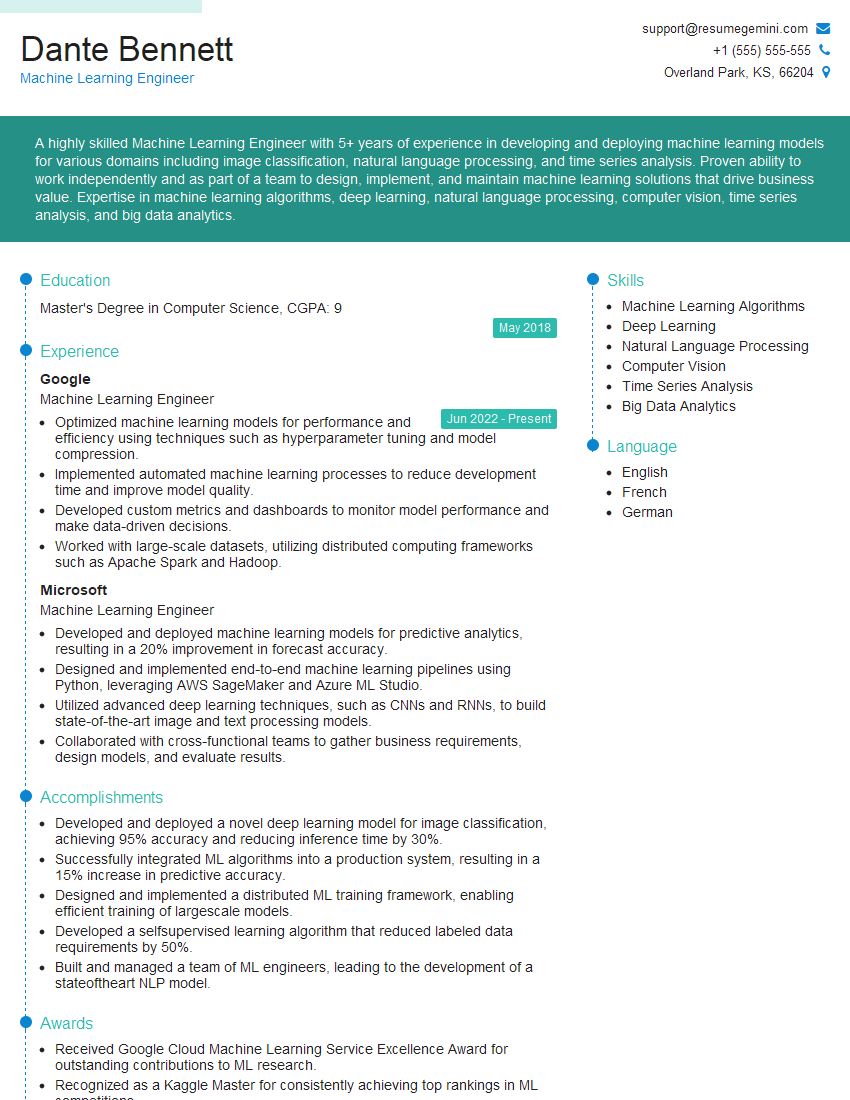
Machine Learning Engineer Resume Sample
- Strategic Planner
- Operations Manager
- Product Manager
- Project Manager
- Compliance Officer
- Risk Manager
- Supply Chain Analyst
- Business Analyst
- Management Consultant
- Market Research Analyst
- Financial Analyst
- Data Analyst
- Data Scientist
- Research Scientist
- Software Engineer
- Information Architect
- Actuary
- Statistician
- Quality Control Specialist
- Economist
- Database Administrator
- UX Designer
- Machine Learning Engineer
Explore more articles
Users Rating of Our Blogs
Share Your Experience
We value your feedback! Please rate our content and share your thoughts (optional).
What Readers Say About Our Blog
Very informative content, great job.
good