The right preparation can turn an interview into an opportunity to showcase your expertise. This guide to Collaboration with Engineers, Architects, and Contractors interview questions is your ultimate resource, providing key insights and tips to help you ace your responses and stand out as a top candidate.
Questions Asked in Collaboration with Engineers, Architects, and Contractors Interview
Q 1. Describe your experience managing conflicts between engineering and architectural design teams.
Managing conflicts between engineering and architectural design teams requires a proactive and collaborative approach. It’s rarely about assigning blame; instead, it’s about understanding the root cause of the conflict and finding mutually agreeable solutions. I typically begin by fostering open communication – creating a safe space for each team to express their concerns without fear of retribution. This often involves individual meetings followed by a facilitated joint session.
For example, in one project, the architectural design called for a large, unsupported glass wall, which the structural engineers deemed unsafe. Instead of dismissing each other’s perspectives, we organized a workshop involving both teams and a structural consultant. Together, we explored alternative materials, support structures, and design adjustments that met both aesthetic and safety requirements. We documented all decisions and rationale, creating transparency and buy-in from both parties.
My approach emphasizes finding creative solutions – sometimes compromises are needed, and other times innovative thinking can lead to better outcomes than the original plans. Regular meetings, clear documentation, and a commitment to collaborative problem-solving are crucial in mitigating future conflicts.
Q 2. Explain your process for facilitating effective communication among engineers, architects, and contractors.
Facilitating effective communication involves establishing clear communication channels and protocols from the project’s outset. This includes regular meetings – both formal and informal – using various methods suited to the team’s preferences and the complexity of the issue. I often utilize a combination of in-person meetings, video conferencing, and collaborative online platforms.
For instance, I use project management software to centralize all documentation, drawings, and communication threads. This ensures everyone has access to the same information in real-time. I also schedule regular design coordination meetings where all disciplines are present to discuss progress, identify potential conflicts, and proactively resolve issues before they escalate. Clear agendas, defined roles, and concise meeting minutes are essential for maintaining focus and accountability.
Furthermore, establishing a culture of open communication is vital. This means encouraging questions, feedback, and even constructive criticism. I promote a ‘no blame’ approach to error correction, focusing instead on problem identification and collaborative solution development. This fosters trust and improves the overall communication flow.
Q 3. How do you ensure all stakeholders are aligned on project goals and objectives?
Aligning stakeholders requires a structured and participatory approach. It begins with a well-defined project brief that clearly outlines the goals, objectives, key performance indicators (KPIs), and budget. This document serves as a shared understanding of the project’s vision and expectations.
I often facilitate a kickoff meeting involving all stakeholders where we review the project brief, discuss roles and responsibilities, and establish a clear communication plan. Regular progress meetings, where we track performance against the KPIs, help to keep everyone informed and on track. The use of visual tools like Gantt charts and dashboards is crucial for providing a clear overview of progress and identifying potential issues early on.
Addressing concerns and addressing changes proactively is critical. A transparent change management process ensures that any deviations from the original plan are documented, reviewed, and approved by all relevant stakeholders. This collaborative process prevents misunderstandings and maintains project alignment. Open and honest communication is key in maintaining a cohesive vision.
Q 4. How do you handle schedule delays caused by conflicts between different disciplines?
Schedule delays caused by interdisciplinary conflicts demand swift and decisive action. My approach starts with identifying the root cause of the delay through a thorough investigation. This typically involves reviewing project documentation, meeting with affected teams, and analyzing the impact of the conflict on the critical path.
Once the cause is identified, I work with the relevant teams to develop a recovery plan. This might involve adjusting the schedule, reallocating resources, implementing alternative construction methods, or negotiating revised deadlines with clients. Detailed communication with stakeholders is paramount throughout this process to maintain transparency and manage expectations.
For instance, if a delay is caused by disagreements between the architect and structural engineer regarding structural elements, I’ll facilitate meetings to identify acceptable compromises or explore alternative design solutions that maintain project integrity and minimize further delays. Tracking progress meticulously and employing earned value management techniques helps to monitor the effectiveness of the recovery plan.
Q 5. Describe your approach to resolving technical disagreements between engineers and contractors.
Resolving technical disagreements between engineers and contractors requires a neutral and objective approach. I start by ensuring all parties have a clear understanding of the technical issue at hand. This often involves reviewing relevant drawings, specifications, and contract documents. My aim is to promote a collaborative atmosphere of problem solving, rather than confrontation.
I often involve independent experts or consultants when needed, especially if the disagreement involves specialized knowledge outside the scope of the project team’s expertise. Their objective assessment helps inform the decision-making process. In addition, the contract provisions should be carefully reviewed to determine the appropriate course of action. Clear documentation of the disagreement, the resolution process, and the final agreement is crucial for maintaining transparency and avoiding future disputes.
A critical aspect is to ensure that all parties are committed to finding a solution that meets safety and quality standards. Compromise may be necessary, but it should never compromise project safety or the integrity of the design. Clear communication, documentation, and a commitment to fairness are essential throughout the resolution process.
Q 6. How do you leverage BIM (Building Information Modeling) to improve collaboration?
Building Information Modeling (BIM) is a powerful tool for improving collaboration significantly. BIM allows all stakeholders to access and work with a shared, central model of the project. This eliminates the risk of working with outdated or conflicting information, a common source of errors and delays. It supports better coordination by allowing everyone to visualize the design and identify potential clashes early in the process.
For example, using BIM software, architects, structural engineers, and MEP (Mechanical, Electrical, and Plumbing) engineers can model their respective designs simultaneously, and the software can automatically detect any clashes between them. This enables early identification and resolution of potential conflicts, preventing costly rework later in the project. Furthermore, BIM facilitates better communication through visual collaboration and allows for detailed cost estimation and scheduling based on the model.
BIM also streamlines the construction process by providing accurate information to contractors, reducing errors and accelerating construction. The use of virtual reality (VR) and augmented reality (AR) capabilities within BIM further enhances collaboration and allows for immersive project visualization.
Q 7. What strategies do you employ to foster a collaborative team environment?
Fostering a collaborative team environment requires a deliberate and ongoing effort. It starts with establishing a culture of trust and respect where everyone feels comfortable contributing their ideas and concerns. This includes creating a safe space for open dialogue and feedback, free from judgment or blame.
Regular team-building activities, both formal and informal, can significantly contribute to building strong relationships and improving communication. These can range from simple team lunches to more structured workshops focusing on communication skills or conflict resolution. Recognizing and rewarding individual and team achievements also boosts morale and enhances collaboration.
A clear communication plan is crucial. This includes establishing regular meeting schedules, using collaboration platforms effectively, and ensuring clear documentation of all decisions and agreements. Providing opportunities for professional development and training to enhance collaboration skills will also strengthen the team’s overall functionality. By actively promoting a culture of collaboration, I aim to create a team environment where every member feels valued and empowered to contribute to the overall success of the project.
Q 8. How do you manage expectations and communication with multiple stakeholders?
Managing expectations and communication with multiple stakeholders, especially in complex projects involving engineers, architects, and contractors, requires a proactive and structured approach. Think of it like conducting an orchestra – each section (stakeholder group) has its own part, but they need to harmonize for a successful performance.
- Regular Communication Plan: I establish a clear communication plan outlining frequency, methods (e.g., weekly meetings, email updates, project management software), and responsible parties for disseminating information. This ensures everyone is informed and aligned.
- Centralized Information Hub: Utilizing a project management tool like Asana or Monday.com provides a single source of truth for documents, schedules, and updates, minimizing confusion and conflicting information. This acts as the ‘score’ for our project orchestra.
- Stakeholder Mapping: I identify key stakeholders and their individual needs and priorities. This helps tailor communication to ensure everyone receives relevant information in a timely and accessible manner. Understanding each instrument’s role is crucial.
- Proactive Issue Management: Addressing potential conflicts or misunderstandings before they escalate is key. This involves actively listening, facilitating discussions, and documenting agreements. This is like addressing a potential dissonance before it disrupts the harmony.
- Meeting Minutes & Action Items: Detailed meeting minutes with clearly defined action items and assigned responsibilities help track progress and ensure accountability. This is the ‘performance review’ of our project.
Q 9. Explain your experience in conducting regular project status meetings.
Conducting regular project status meetings is crucial for maintaining momentum and identifying potential roadblocks. My approach focuses on structure, efficiency, and engagement. I typically use a consistent agenda, including:
- Review of Action Items from Previous Meeting: Tracking progress on assigned tasks and addressing any delays or challenges. This keeps everyone accountable and focused.
- Progress Report on Key Milestones: Each team (engineering, architecture, contracting) provides updates on their progress towards key project milestones. This gives a holistic view of the project’s health.
- Discussion of Open Issues & Challenges: A dedicated segment for openly discussing and brainstorming solutions to any roadblocks or unexpected issues. This fosters collaboration and problem-solving.
- Review of Upcoming Tasks & Deadlines: Forecasting upcoming tasks and deadlines allows for proactive planning and resource allocation. This is like rehearsing for upcoming sections of the performance.
- Risk Assessment & Mitigation Strategies: Identifying potential risks and developing mitigation strategies is crucial for proactive project management. Identifying potential ‘off-key’ notes in advance.
I also emphasize visual aids, like Gantt charts or progress dashboards, to effectively communicate project status in a concise and understandable manner.
Q 10. Describe a time you had to negotiate a change order effectively.
Negotiating change orders requires careful consideration of several factors. In one project, a significant design change was requested by the client after the foundation was poured. This was a major ‘improvisation’ during our performance.
- Document the Request: First, I documented the client’s request formally, outlining the reasons and impact on the project scope and schedule.
- Cost & Time Impact Assessment: My team worked to thoroughly assess the cost and time implications of the change. This involved collaboration with engineers, architects, and contractors to get accurate estimates.
- Options & Alternatives: We presented the client with several options, including the original plan, modified options to minimize impacts, and a ‘no-change’ scenario with the associated risks. Offering different ‘variations’ of the melody.
- Negotiation & Agreement: I engaged in open and transparent negotiations with the client, explaining the financial and time implications of each option. This involved compromising on some aspects to reach a mutually acceptable agreement.
- Formal Change Order: The final agreement was documented in a formal change order, specifying the changes, costs, schedule adjustments, and the signatures of all involved parties. Our final score with the agreed-upon ‘additions’.
This approach ensured transparency and fairness, minimizing disputes and maintaining a positive client relationship.
Q 11. How do you ensure project documents are accurate and accessible to all parties?
Maintaining accurate and accessible project documents is paramount. It’s like having a well-organized sheet music library for our ‘orchestra’.
- Centralized Document Management System: A cloud-based platform like Dropbox, SharePoint, or dedicated project management software is essential. This acts as our central ‘library’.
- Version Control: Using version control ensures everyone is working with the most up-to-date documents. This avoids confusion and potential errors. Like having timestamped versions of our score.
- Clear File Naming Conventions: Consistent file naming conventions make it easier for everyone to find and access specific documents. Organized ‘folders’ for easy retrieval.
- Regular Audits: Conducting periodic audits of project documents helps identify outdated or missing information and ensures data integrity. Ensuring our library is always ‘up-to-date’.
- Access Control: Establishing appropriate access control rights prevents unauthorized modifications and protects sensitive information. Appropriate ‘permissions’ for each user.
Q 12. How do you address safety concerns raised by contractors on site?
Addressing safety concerns raised by contractors is paramount. Safety is the foundation of any successful project—it’s our ‘stage’.
- Immediate Investigation: Upon receiving a safety concern, I immediately initiate a thorough investigation, documenting the concern and involving relevant personnel (safety officer, engineers, contractor).
- Root Cause Analysis: Determining the root cause of the concern is vital to prevent recurrence. This involves asking ‘why’ repeatedly until the fundamental issue is identified.
- Corrective Actions: Implementing immediate corrective actions to address the concern and mitigate the risk. This may involve temporarily halting work, modifying procedures, or providing additional safety equipment.
- Communication & Documentation: Clearly communicating the corrective actions taken to all involved parties. This includes documenting the concern, investigation, corrective actions, and follow-up steps.
- Safety Training & Reinforcement: Reinforcing safety training and procedures to prevent future incidents. A well-trained ‘orchestra’ plays smoothly and safely.
Q 13. What software/tools are you proficient in that facilitate collaboration?
Proficiency in various software and tools is crucial for effective collaboration. I’m adept at utilizing several platforms to streamline workflows.
- Project Management Software: Asana, Monday.com, or Microsoft Project for task management, scheduling, and communication.
- Cloud Storage: Dropbox, Google Drive, or SharePoint for centralized document storage and version control.
- Communication Tools: Slack or Microsoft Teams for real-time communication and collaboration.
- BIM Software: Revit or ArchiCAD for design collaboration and coordination.
- Video Conferencing: Zoom or Google Meet for virtual meetings and presentations.
Q 14. How do you deal with budget overruns due to design changes or unforeseen circumstances?
Budget overruns due to design changes or unforeseen circumstances are a challenge, but a well-defined strategy helps to mitigate the impact. It’s like managing an unexpected ‘encore’ in our performance.
- Contingency Planning: Incorporating a contingency budget from the start acknowledges the possibility of unforeseen circumstances.
- Value Engineering: If overruns occur, value engineering techniques analyze project elements to identify cost-saving alternatives without compromising quality or safety.
- Change Order Management: All design changes are documented through formal change orders, which carefully assess the cost and schedule implications before implementation. This keeps a record of our ‘improvisations’.
- Open Communication: Transparent communication with stakeholders regarding budget changes is key to maintaining trust and support. This ensures we’re all ‘on the same page’.
- Negotiation & Reconciliation: Negotiating with stakeholders to share the financial burden or exploring alternative financing options if required.
Q 15. Describe your experience in risk management related to collaborative projects.
Risk management in collaborative projects is crucial for successful project delivery. It involves identifying, analyzing, and mitigating potential problems before they impact the project timeline, budget, or quality. My approach is proactive and involves a multi-stage process.
- Identification: I utilize brainstorming sessions with engineers, architects, and contractors to identify potential risks, such as material shortages, permitting delays, or design flaws. We use tools like SWOT analysis and risk registers to document these.
- Analysis: Once risks are identified, we analyze their likelihood and potential impact. This helps prioritize which risks require immediate attention. We might use a probability/impact matrix to visualize this.
- Mitigation: For each identified risk, we develop a mitigation strategy. This might include contingency planning (e.g., having backup suppliers), insurance, or simply building extra time into the schedule. We regularly review and update these strategies as the project progresses.
- Monitoring and Control: Throughout the project lifecycle, we monitor the identified risks and adjust our mitigation plans as needed. Regular meetings are essential to track progress and address emerging issues.
For example, on a recent high-rise project, we identified a potential risk of steel price fluctuations. Our mitigation strategy involved securing a fixed-price contract with the steel supplier for a significant portion of our needs, minimizing the impact of market volatility.
Career Expert Tips:
- Ace those interviews! Prepare effectively by reviewing the Top 50 Most Common Interview Questions on ResumeGemini.
- Navigate your job search with confidence! Explore a wide range of Career Tips on ResumeGemini. Learn about common challenges and recommendations to overcome them.
- Craft the perfect resume! Master the Art of Resume Writing with ResumeGemini’s guide. Showcase your unique qualifications and achievements effectively.
- Don’t miss out on holiday savings! Build your dream resume with ResumeGemini’s ATS optimized templates.
Q 16. How do you ensure quality control throughout the construction process?
Quality control is an ongoing process that starts with the initial design and continues through construction completion. My approach emphasizes a multi-layered system of checks and balances.
- Design Review: Thorough review of design documents by all stakeholders (architects, engineers, contractors) to identify potential flaws or inconsistencies early in the process. We often use BIM (Building Information Modeling) to facilitate this.
- Material Inspection: Rigorous inspection of all incoming materials to ensure they meet specifications. This often involves independent testing and verification.
- Construction Oversight: Regular site inspections by qualified personnel to monitor construction progress and ensure adherence to design and building codes. This might include daily logs and progress reports.
- Quality Assurance Testing: Independent testing of critical systems (e.g., structural integrity, HVAC) to verify performance and compliance with standards. We engage third-party testing agencies to ensure objectivity.
- Documentation: Meticulous documentation of all processes, inspections, and test results, creating a clear audit trail for future reference.
For instance, on a recent hospital project, our rigorous quality control processes ensured that all medical gas lines were installed and tested according to the strictest industry standards, significantly reducing the risk of operational failures.
Q 17. How do you facilitate design reviews with various stakeholders?
Facilitating effective design reviews requires meticulous planning and open communication. My process centers around a structured approach.
- Preparation: Distribute design documents well in advance of the review. This allows stakeholders to thoroughly review and prepare comments.
- Agenda Setting: Create a clear agenda outlining the specific aspects of the design to be reviewed. This keeps the meeting focused and productive.
- Meeting Facilitation: I lead the review, ensuring everyone has the opportunity to express their concerns and contribute ideas. I use visual aids and interactive tools to enhance understanding.
- Minutes and Action Items: Detailed minutes documenting the discussion, decisions made, and assigned action items. This ensures accountability and keeps the project on track.
- Follow-up: I track the completion of assigned action items and ensure that any necessary changes are implemented.
For example, on a recent bridge project, we used a collaborative online platform to share design documents and conduct virtual design reviews, facilitating participation from multiple geographically dispersed stakeholders. This significantly improved efficiency and reduced travel time.
Q 18. Describe your process for handling change requests from clients.
Handling change requests from clients requires a systematic and transparent process. It’s crucial to balance client needs with project constraints.
- Request Evaluation: Formalize all change requests in writing. We carefully analyze the impact of each request on the project scope, schedule, and budget.
- Impact Assessment: We quantify the changes required, determining the necessary adjustments to resources, timelines, and costs.
- Proposal and Approval: We develop a detailed proposal outlining the changes, their costs, and revised project timelines. This proposal is presented to the client for review and approval.
- Contract Amendment: Once approved, the changes are formally documented through a contract amendment that reflects the revised scope and cost.
- Implementation: The agreed-upon changes are integrated into the project plan and executed accordingly.
In one instance, a client requested a significant change to the façade of a building. Following our process, we assessed the impact, developed a detailed proposal that addressed budget, schedule and design impacts, and after client approval, we formally amended the contract to reflect the changes. This process ensured that both the client and our team were on the same page, preventing misunderstandings and disputes later in the project.
Q 19. How do you use technology to enhance collaboration and communication?
Technology plays a vital role in enhancing collaboration and communication on construction projects. We leverage several tools to facilitate seamless workflows.
- Building Information Modeling (BIM): BIM software allows for real-time collaboration on design models, enabling all stakeholders to access and update the design concurrently. This significantly reduces errors and improves coordination.
- Project Management Software: Tools like MS Project or Primavera P6 are used to track progress, manage tasks, and monitor resources. This improves transparency and accountability.
- Cloud-based Collaboration Platforms: Platforms like Dropbox, Google Drive, or SharePoint allow for the secure sharing of documents and information across all teams, regardless of location.
- Video Conferencing: Tools like Zoom or Microsoft Teams facilitate real-time communication and virtual meetings, reducing travel time and costs.
- Mobile Applications: Field management apps enable real-time updates on site progress, material deliveries, and issue tracking. This keeps everyone informed.
For instance, using BIM on a recent stadium project facilitated early detection of clashes between mechanical, electrical, and plumbing systems, saving time and cost later in construction.
Q 20. How do you measure the success of collaborative efforts on a project?
Measuring the success of collaborative efforts requires a multi-faceted approach. We evaluate success based on several key indicators.
- On-Time Delivery: Did the project meet the agreed-upon schedule? We track milestones and compare actual progress against the baseline schedule.
- Budget Adherence: Was the project completed within the allocated budget? We track costs meticulously and analyze variances.
- Quality of Deliverables: Did the project meet the required quality standards? This involves assessing performance against design specifications and building codes.
- Client Satisfaction: How satisfied is the client with the outcome of the project? We obtain feedback through surveys, interviews, and formal reviews.
- Team Collaboration: How effectively did the team members work together? We assess this through regular feedback sessions and team performance reviews.
For a recent office building project, we successfully delivered the project on time and within budget, achieving high client satisfaction scores. Our post-project review highlighted the effectiveness of our collaborative approach in achieving these results.
Q 21. What is your experience with different contract types (e.g., lump sum, cost plus)?
Experience with different contract types is crucial for effective project management. Each type presents unique challenges and opportunities.
- Lump Sum Contracts: These contracts involve a fixed price for a defined scope of work. They offer predictability in terms of cost but can be challenging if the scope changes significantly during the project. Risk management is crucial in these scenarios.
- Cost Plus Contracts: These contracts reimburse the contractor for their actual costs plus a predetermined fee or percentage. They offer flexibility to adapt to changing conditions but require more stringent cost control mechanisms.
- Unit Price Contracts: These contracts specify a price per unit of work (e.g., cubic yards of excavation). They are useful for projects with variable scopes but require careful estimation of quantities upfront.
My experience includes managing projects under all three contract types. For example, a recent highway project utilized a unit price contract, which allowed for adjustments as unforeseen ground conditions were encountered. For another project, we used a lump sum contract, emphasizing upfront risk assessment and clear scope definition.
Q 22. How do you handle disagreements regarding responsibility for project issues?
Resolving disagreements about project issue responsibility starts with a clear definition of roles and responsibilities upfront, ideally documented in a well-defined contract or project execution plan. This should include a clear process for escalation and dispute resolution.
When a disagreement arises, I initiate a collaborative meeting involving all relevant parties – engineers, architects, contractors, and potentially the client. We review the project documents, focusing on the specific clauses outlining responsibilities. I facilitate a structured discussion, encouraging each party to explain their perspective and supporting evidence. The goal isn’t to assign blame, but to understand the contributing factors.
If the issue isn’t resolved through discussion, I might suggest a neutral third-party mediator or utilize a pre-agreed dispute resolution method, such as arbitration. Open communication, a focus on finding solutions rather than fault, and a fair process are key to maintaining positive working relationships.
For example, if a delay occurs due to a design error, I’d meticulously analyze the design documents and construction plans to pinpoint where the responsibility lies, potentially involving a professional review if needed. This ensures fairness and prevents future occurrences.
Q 23. Explain your approach to resolving conflicts between different construction trades.
Conflicts between construction trades are common, often stemming from scheduling clashes, unclear interfaces, or differing interpretations of plans. My approach is proactive and involves several steps. First, I establish clear lines of communication. This includes regular coordination meetings, preferably on-site, involving representatives from each trade.
Second, I emphasize the importance of open communication and collaboration. I encourage tradespeople to raise issues promptly and suggest solutions collaboratively. Instead of viewing disagreements as confrontations, I frame them as opportunities for problem-solving. Third, I implement a robust change management process to address any alterations to the original plan. All parties must be informed and approve changes.
Finally, if a conflict persists despite these efforts, I intervene directly, mediating discussions and helping the parties reach a mutually agreeable solution. Sometimes, adjustments to the schedule, allocation of additional resources, or clarification of specifications might be necessary. The key is to focus on shared objectives and the successful completion of the project.
For instance, if the electrical and plumbing trades clash over space allocation, I facilitate a meeting where they discuss the issue, review the plans together, and propose alternative solutions that accommodate both needs without compromising the project’s integrity.
Q 24. Describe your experience with lean construction principles and collaborative practices.
Lean construction principles focus on eliminating waste and maximizing value through collaboration. My experience incorporates several key lean practices, including Last Planner® System, Building Information Modeling (BIM), and a strong emphasis on visual management. The Last Planner® System, for instance, involves weekly planning meetings where the construction team collaboratively develops a detailed plan for the upcoming week. This improves forecasting accuracy and reduces rework.
BIM provides a central digital model of the project, allowing all stakeholders to access and collaborate on the same information, improving coordination and reducing clashes. Visual management uses tools like Kanban boards or project dashboards to make project status and potential issues instantly clear to everyone involved. This enhances transparency and accountability. I’ve seen firsthand how these practices enhance communication, streamline workflows, and reduce project delays.
For example, on a recent project, using BIM helped identify clashes between mechanical, electrical, and plumbing systems early in the design phase. This avoided costly rework during construction. The Last Planner® system ensured all trades were synchronized and working towards shared weekly goals. This proactive collaboration significantly improved project efficiency and reduced overall construction time.
Q 25. How do you ensure the timely completion of project milestones within a collaborative environment?
Ensuring timely completion of project milestones in a collaborative environment requires a combination of planning, communication, and monitoring. This starts with establishing realistic milestones and a well-defined schedule at the outset of the project. I then work with the project team to develop a comprehensive schedule that incorporates all tasks and dependencies, using tools like Gantt charts or project management software.
Regular progress meetings, including daily stand-ups and weekly progress reviews, are crucial. These meetings allow for real-time monitoring of progress, identification of potential delays, and proactive problem-solving. We use visual management tools to track progress against the schedule, making it easy to identify areas that need attention. Open and honest communication is key. I foster a culture where team members feel comfortable flagging potential issues early on.
When delays are inevitable, I work with the team to develop mitigation plans, exploring options such as resource allocation changes, schedule adjustments, or value engineering. This requires strong collaboration and flexibility from all involved parties. Regular communication with stakeholders keeps everyone informed and prevents misunderstandings.
For example, on a previous project, we utilized a weekly progress report system that included both a quantitative (percentage complete) and qualitative (potential risks and mitigation strategies) assessment. This enabled proactive identification and resolution of emerging issues, preventing them from jeopardizing milestones.
Q 26. How do you navigate differing communication styles among engineers, architects, and contractors?
Engineers, architects, and contractors often have vastly different communication styles. Engineers might prefer detailed technical reports, architects might favor visual presentations, and contractors might rely on concise, action-oriented communication. I address this by tailoring my communication approach to each audience.
I employ a multi-faceted strategy, using various communication channels to reach each group effectively. For example, I might use formal reports for engineers, presentations with visuals for architects, and regular, informal on-site meetings for contractors. I also pay attention to communication frequency and format, ensuring that everyone has access to information in the way they need it and in a timely fashion.
Furthermore, I emphasize active listening and clear articulation. I ensure everyone understands the goals and objectives of the project, clarifying technical details or jargon as needed. Building rapport and trust through respectful communication helps bridge the gaps in communication styles and fosters a collaborative environment. Regular feedback sessions also provide opportunities to assess communication effectiveness and make adjustments.
For example, I’ve successfully utilized a combination of regular email updates with technical specifics for the engineering team, coupled with weekly site meetings focusing on practical progress for the contractor team, and visually compelling presentations for client review, ensuring all stakeholders are informed and engaged.
Q 27. Explain how you maintain positive relationships with stakeholders throughout the project lifecycle.
Maintaining positive stakeholder relationships throughout the project lifecycle requires proactive communication, transparency, and responsiveness. I prioritize regular updates, both formal and informal, using a variety of communication channels tailored to each stakeholder’s preference. This might involve weekly progress reports, site visits, project meetings, or informal calls.
Open and honest communication is paramount. I ensure that stakeholders are aware of potential challenges and risks, and I actively involve them in the decision-making process whenever appropriate. Transparency builds trust and helps manage expectations. I make sure that all issues are addressed promptly and fairly, and that all stakeholders are kept informed of progress and any changes to the plan.
Regular feedback sessions provide opportunities to assess stakeholder satisfaction and address concerns. Proactive issue resolution and conflict management are also essential for maintaining positive relationships. A positive, collaborative work environment helps everyone feel valued and engaged, which is fundamental to building lasting positive relationships.
For instance, proactively scheduling meetings to discuss potential schedule impacts with the client long before any issue manifests builds confidence and allows for collaborative problem-solving, ensuring mutual understanding and a positive working relationship.
Q 28. Describe a situation where you successfully resolved a complex issue through effective collaboration.
On a recent high-rise project, a significant delay occurred due to unforeseen subsurface conditions that impacted the foundation work. This threatened the entire project schedule and budget. The geotechnical engineer’s initial assessment had been inaccurate.
Instead of assigning blame, I immediately convened a meeting with all key stakeholders – the client, the geotechnical engineer, the contractor, and the structural engineer. We collaboratively reviewed the revised geotechnical data and explored different solutions to address the foundation issues.
Through open communication and collaborative brainstorming, we developed a revised foundation design that mitigated the risks and minimized delays. This involved a combination of schedule adjustments, value engineering to optimize the revised design, and effective communication with the client to manage their expectations. This successful resolution demonstrated the power of collaboration in overcoming unforeseen challenges and maintaining positive stakeholder relations.
The key to our success was transparent communication, acknowledging the problem upfront and seeking a collaborative solution instead of assigning blame. The revised approach, though requiring extra effort, resulted in only a minor schedule adjustment and minimized cost overruns. The project ultimately finished successfully.
Key Topics to Learn for Collaboration with Engineers, Architects, and Contractors Interview
- Understanding Project Roles and Responsibilities: Clearly defining the roles and responsibilities of each discipline (engineering, architecture, construction) within a project lifecycle.
- Effective Communication Strategies: Mastering techniques for clear, concise, and professional communication across different disciplines, including active listening and conflict resolution.
- Technical Proficiency and Terminology: Demonstrating a foundational understanding of relevant technical terms and concepts across engineering, architecture, and construction to facilitate effective communication.
- Collaboration Tools and Technologies: Familiarity with project management software (e.g., BIM, scheduling tools) and collaborative platforms used in the industry.
- Risk Management and Problem-Solving: Identifying potential conflicts or challenges early in the project lifecycle and developing collaborative solutions to mitigate risks.
- Contractual Understanding: Basic knowledge of common contract types and their implications for collaboration and project success.
- Building Information Modeling (BIM): Understanding the principles and applications of BIM in collaborative project delivery.
- Negotiation and Conflict Resolution: Developing skills in negotiating solutions and resolving conflicts constructively among team members with differing perspectives.
- Legal and Regulatory Compliance: Understanding relevant building codes, regulations, and permitting processes.
- Sustainable Design Principles: Familiarity with sustainable practices and their impact on collaboration within the project team.
Next Steps
Mastering collaboration among engineers, architects, and contractors is crucial for career advancement in the construction and design industries. It signifies your ability to work effectively within a multidisciplinary team, a highly valued skill leading to increased opportunities and responsibilities. To maximize your job prospects, create an ATS-friendly resume that highlights your collaborative skills and relevant experience. ResumeGemini is a trusted resource to help you build a professional and impactful resume that gets noticed. Examples of resumes tailored specifically to showcase expertise in collaborating with engineers, architects, and contractors are available to guide you.
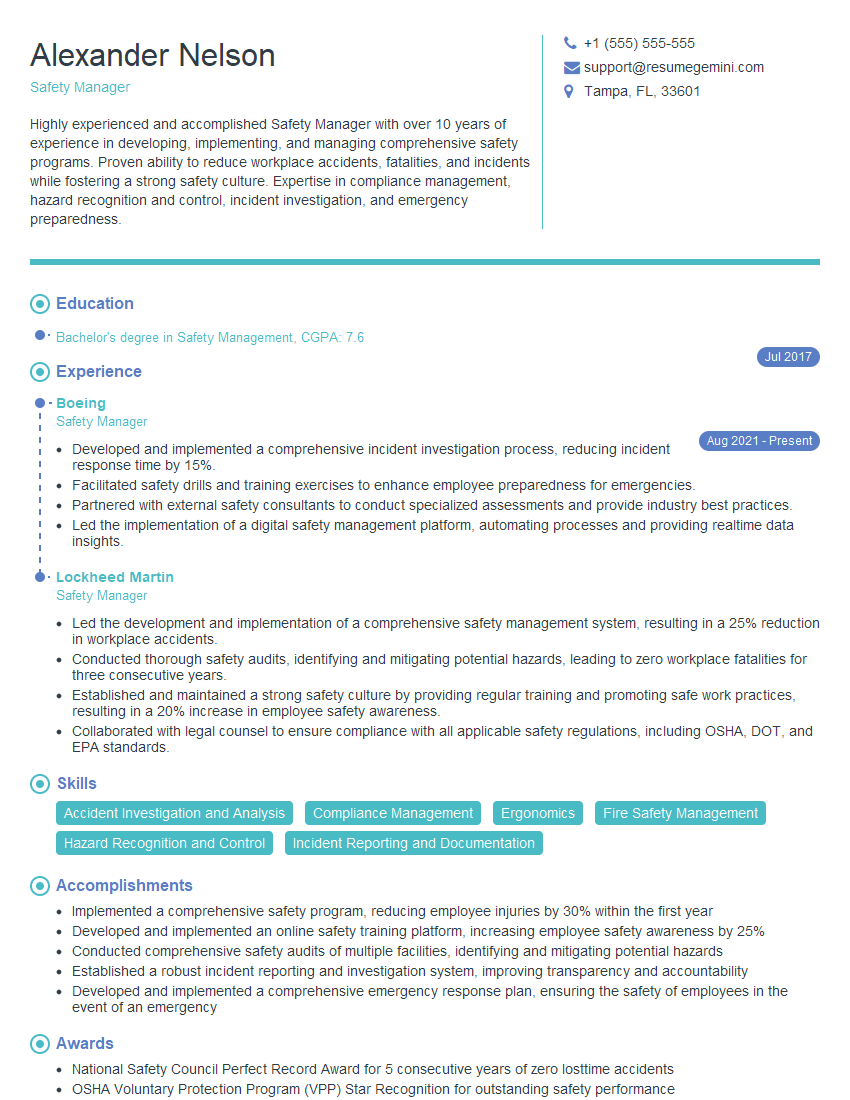
Safety Manager Resume Sample
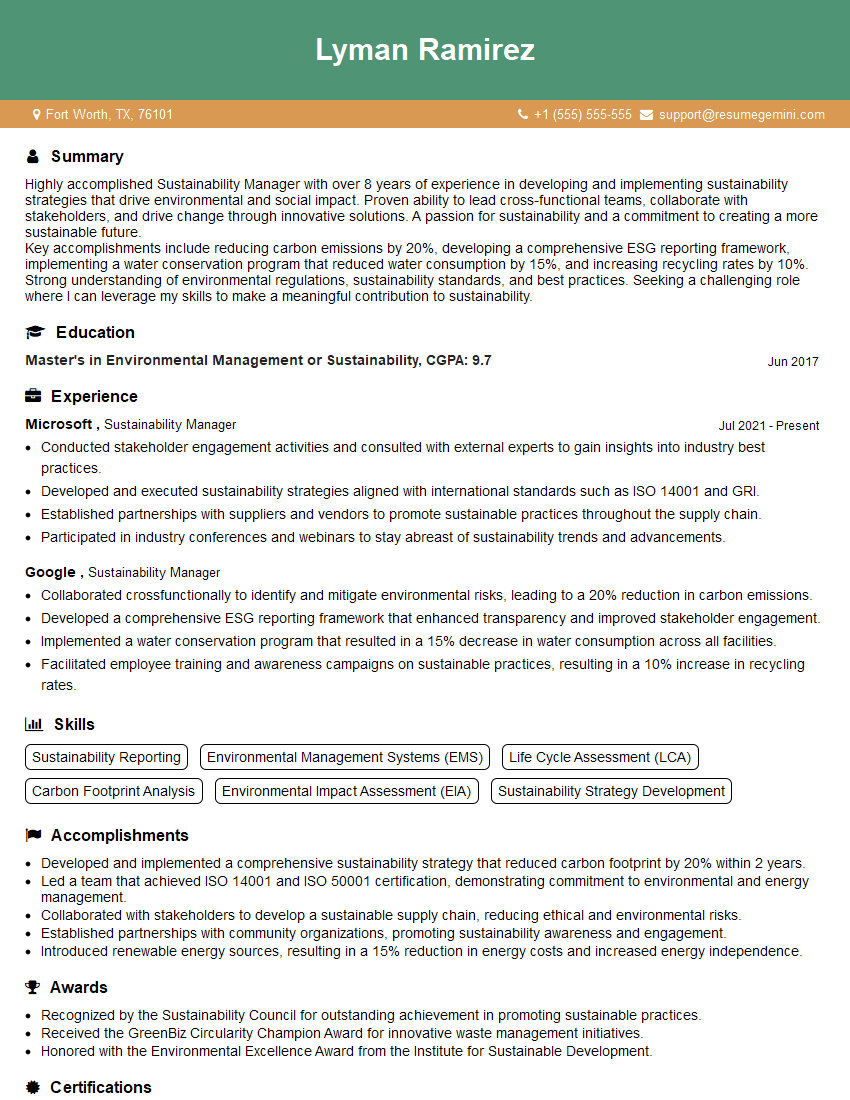
Sustainability Manager Resume Sample
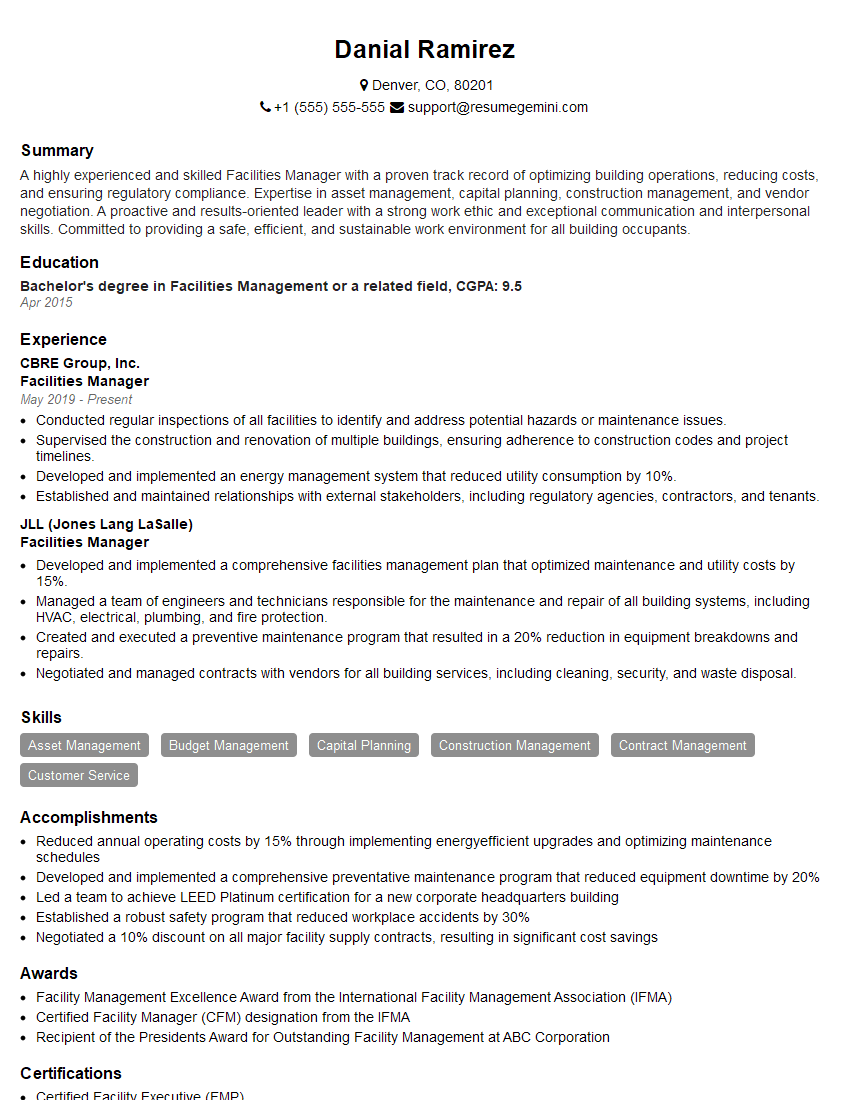
Facilities Manager Resume Sample
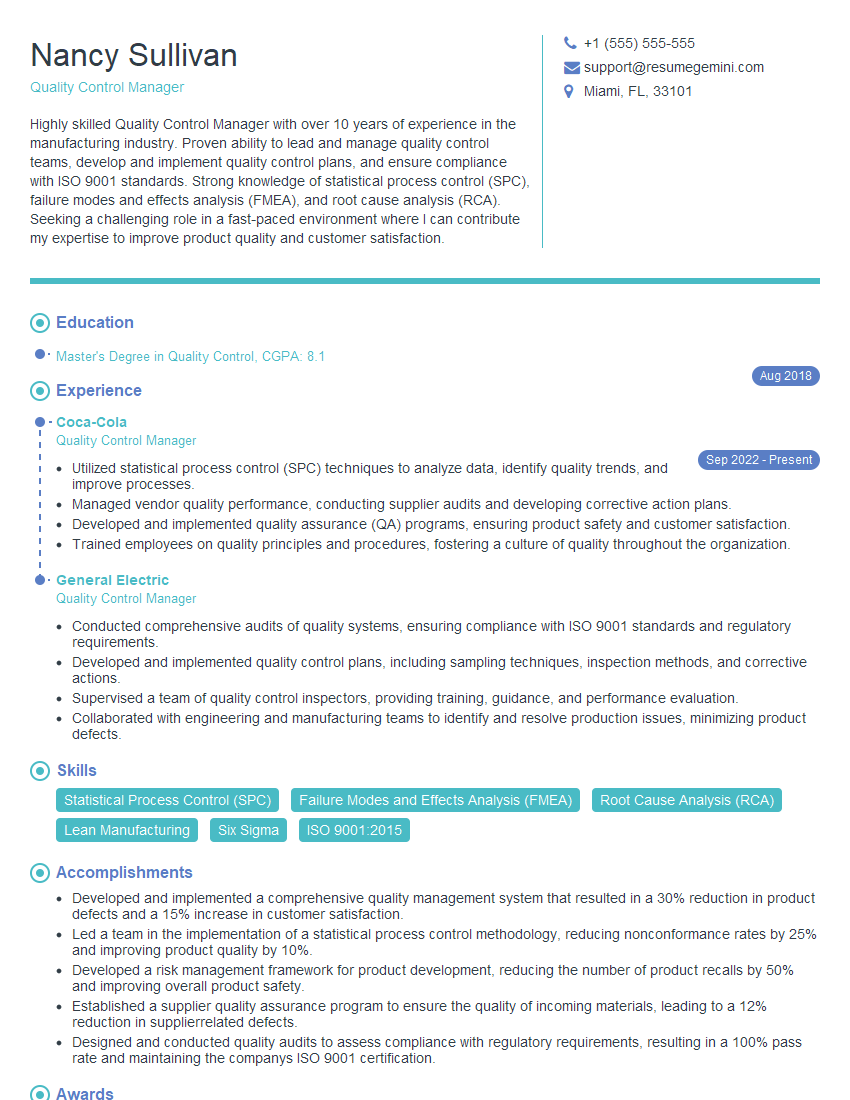
Quality Control Manager Resume Sample
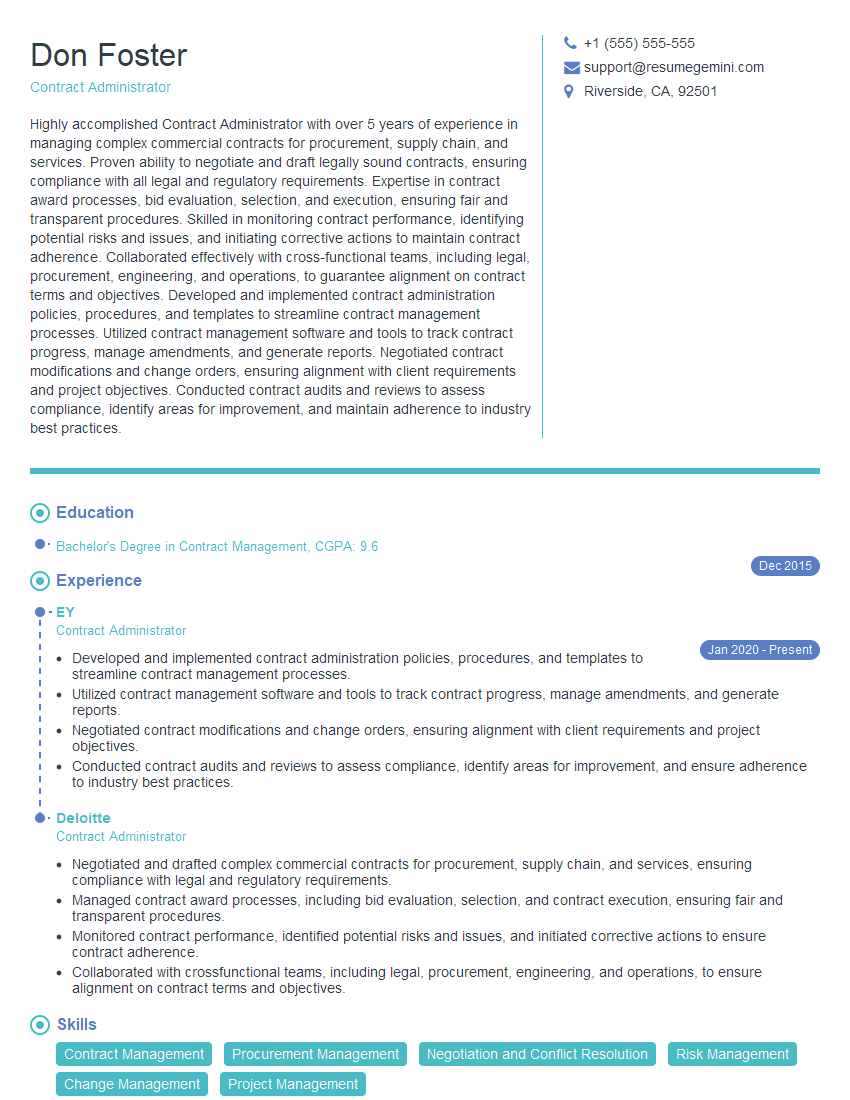
Contract Administrator Resume Sample
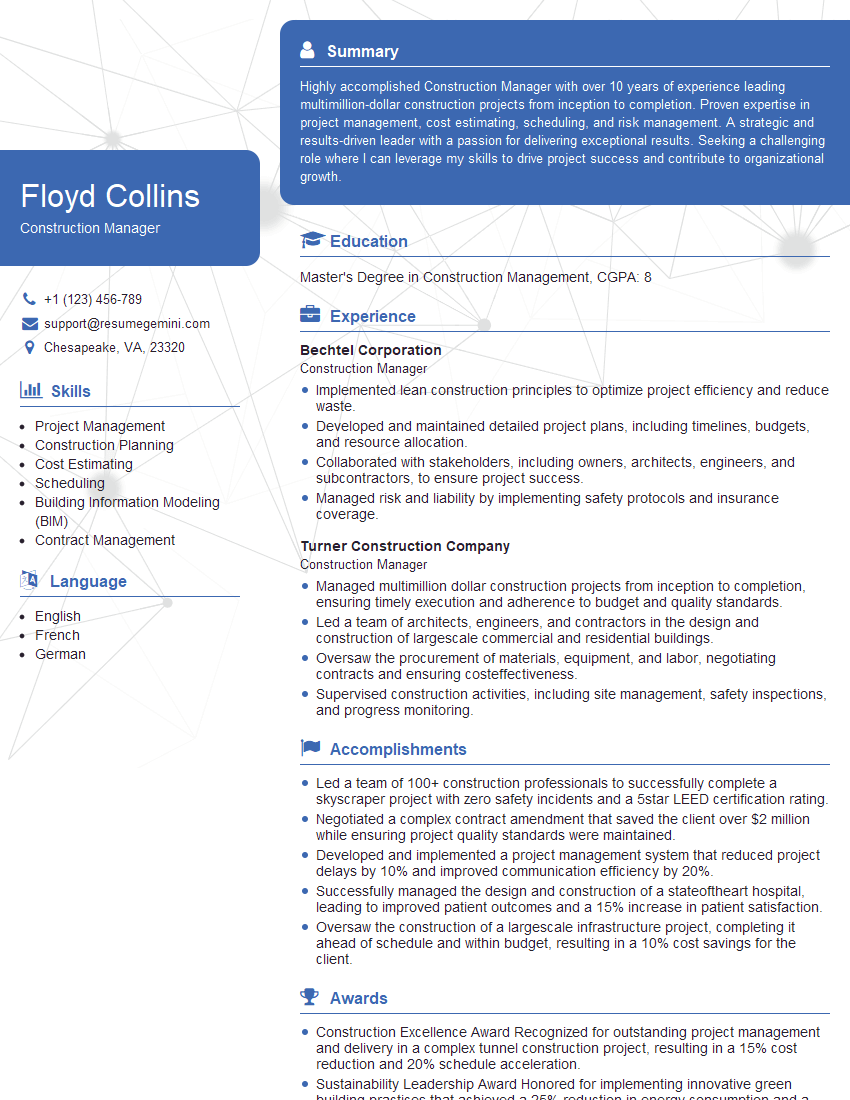
Construction Manager Resume Sample

Construction Superintendent Resume Sample
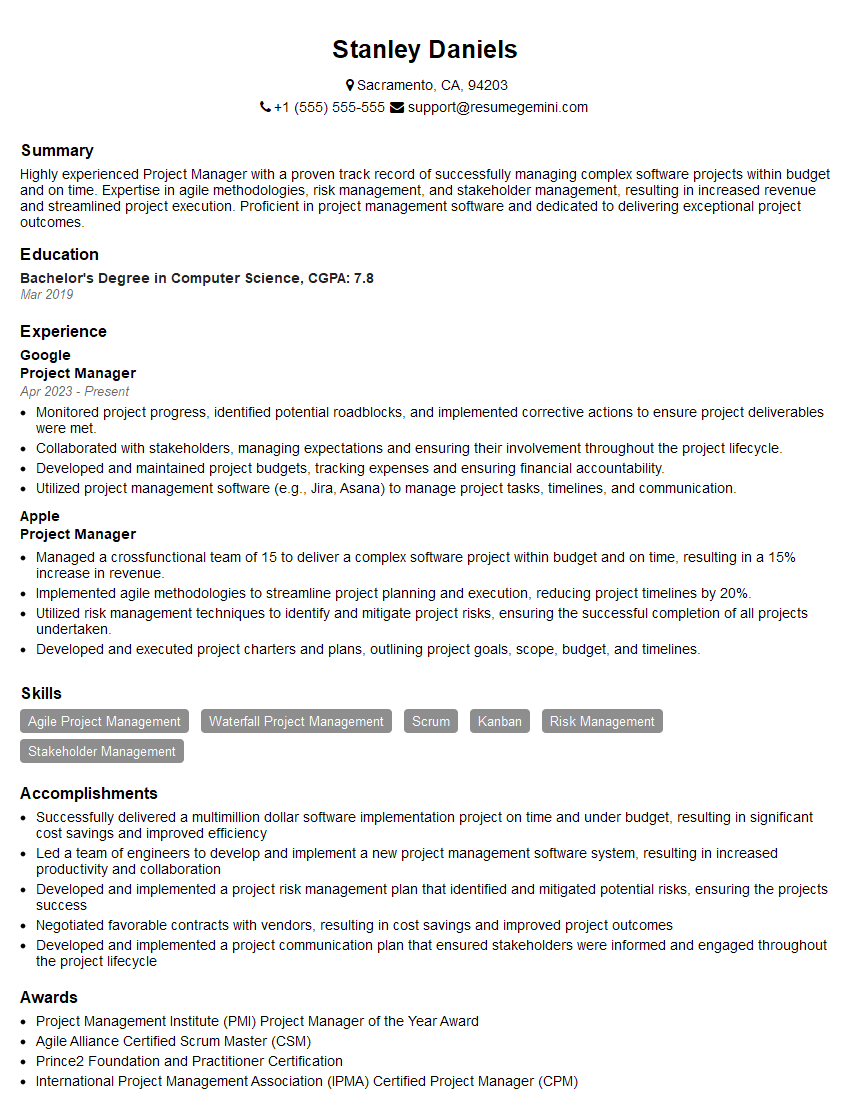
Project Manager Resume Sample
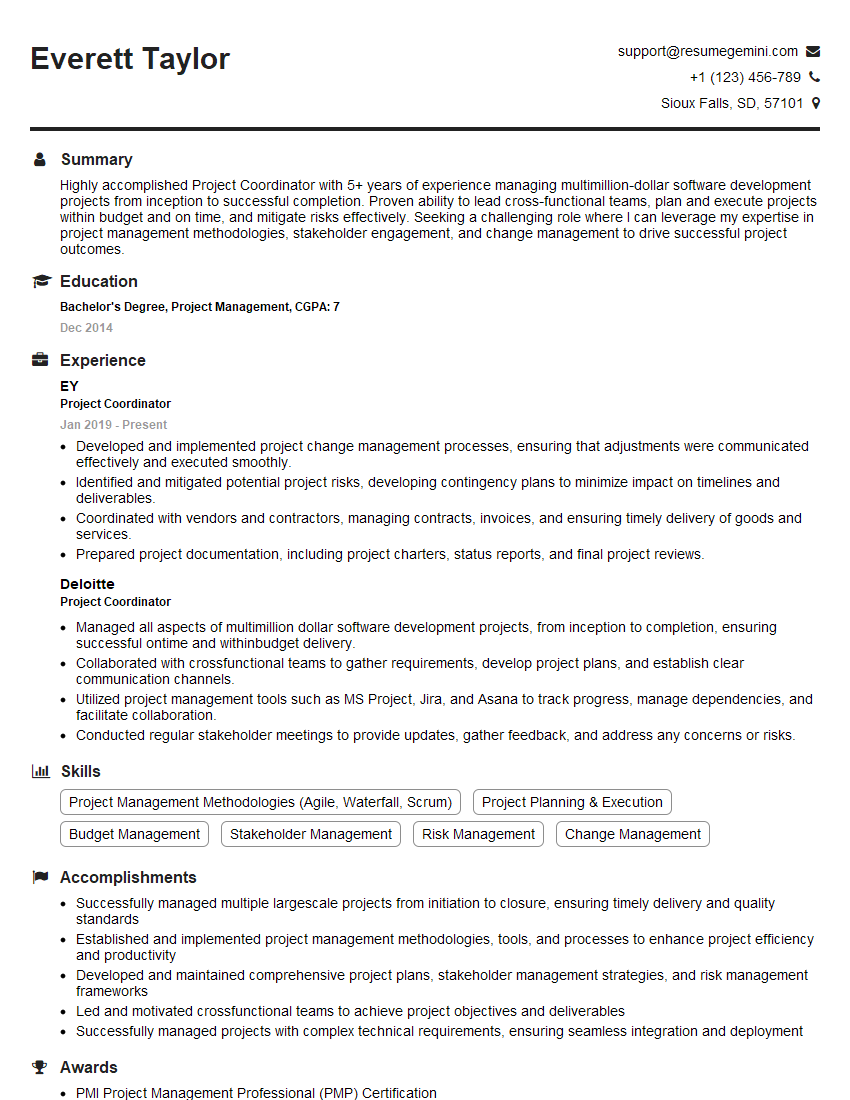
Project Coordinator Resume Sample
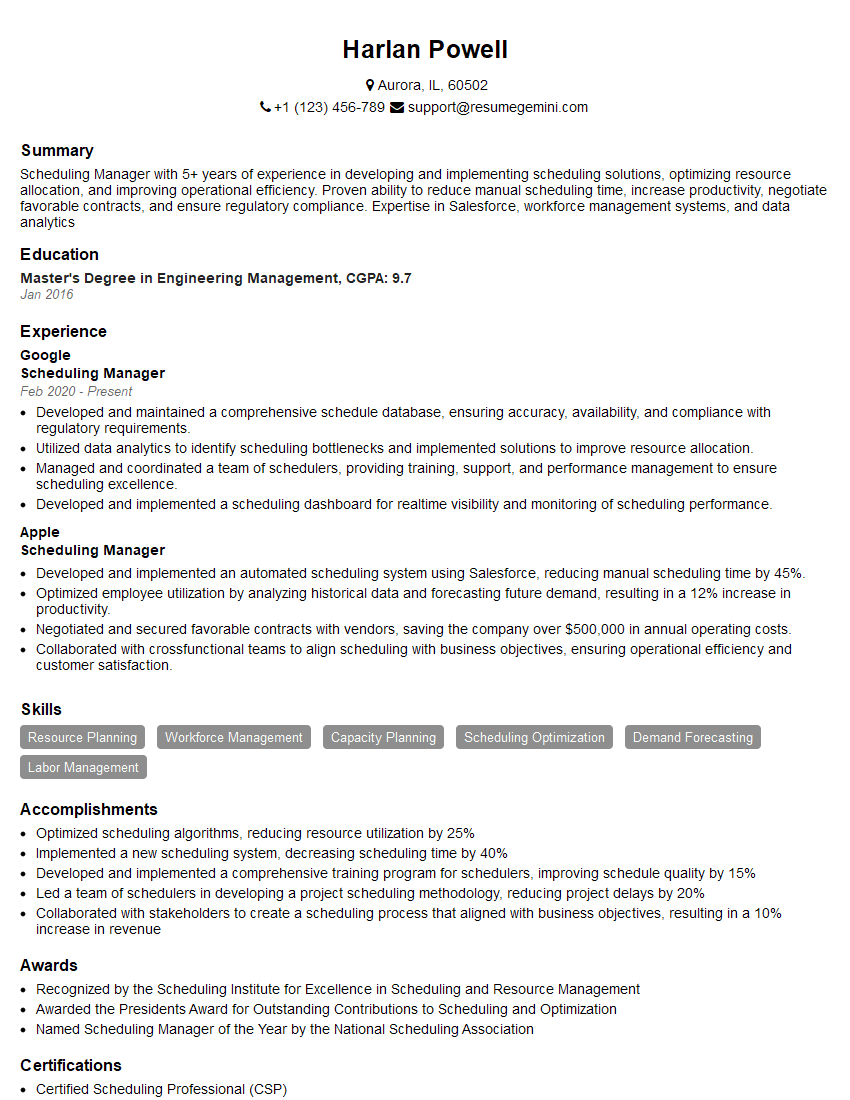
Scheduling Manager Resume Sample
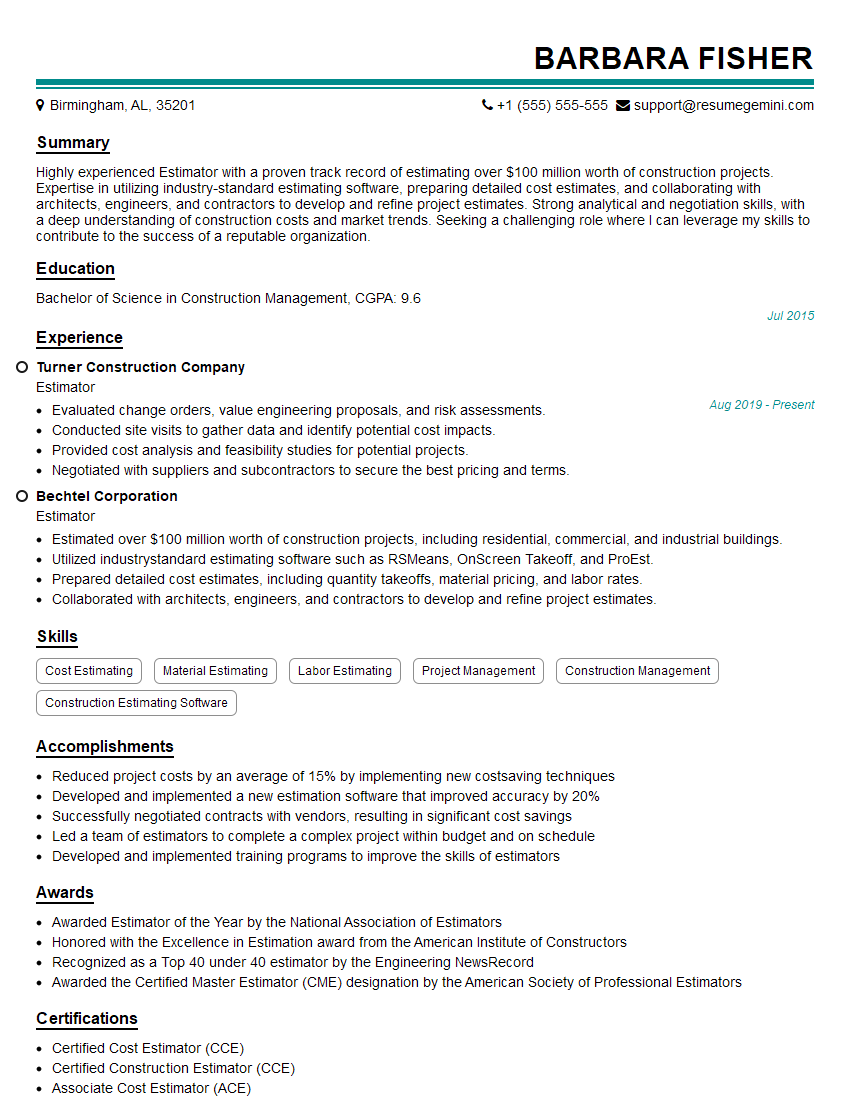
Estimator Resume Sample
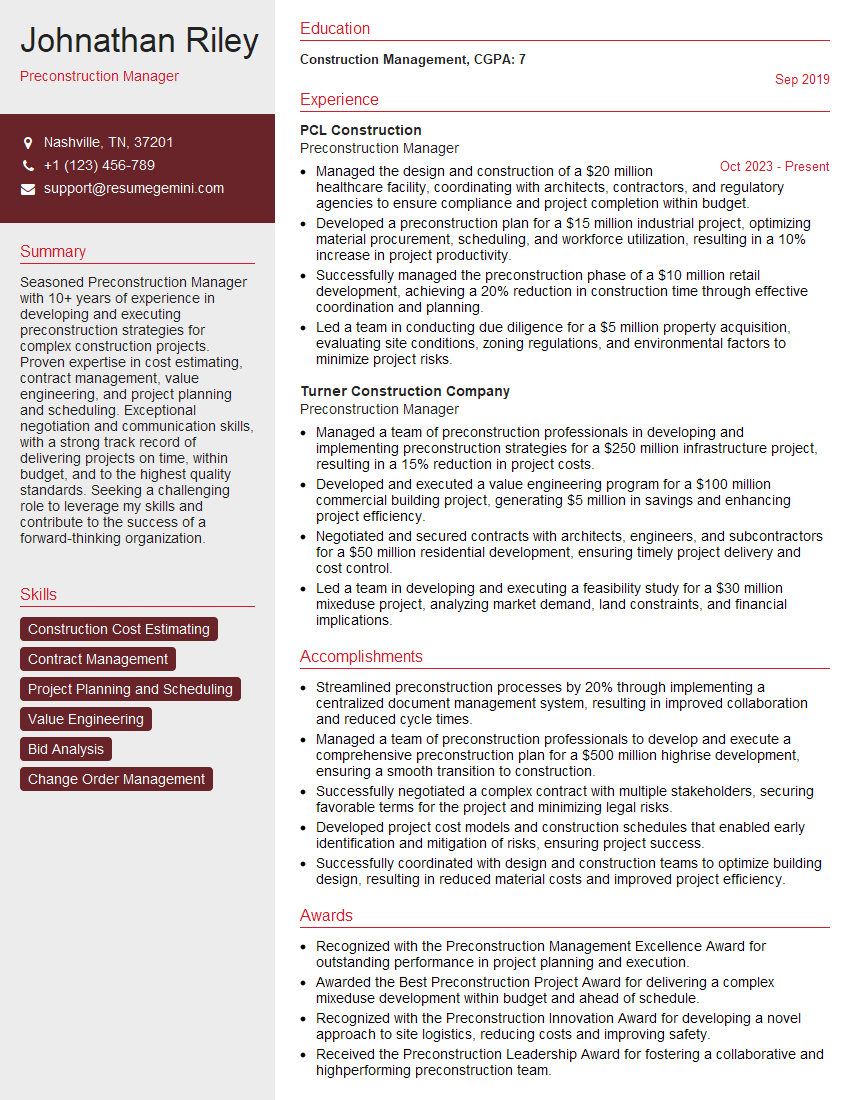
Preconstruction Manager Resume Sample
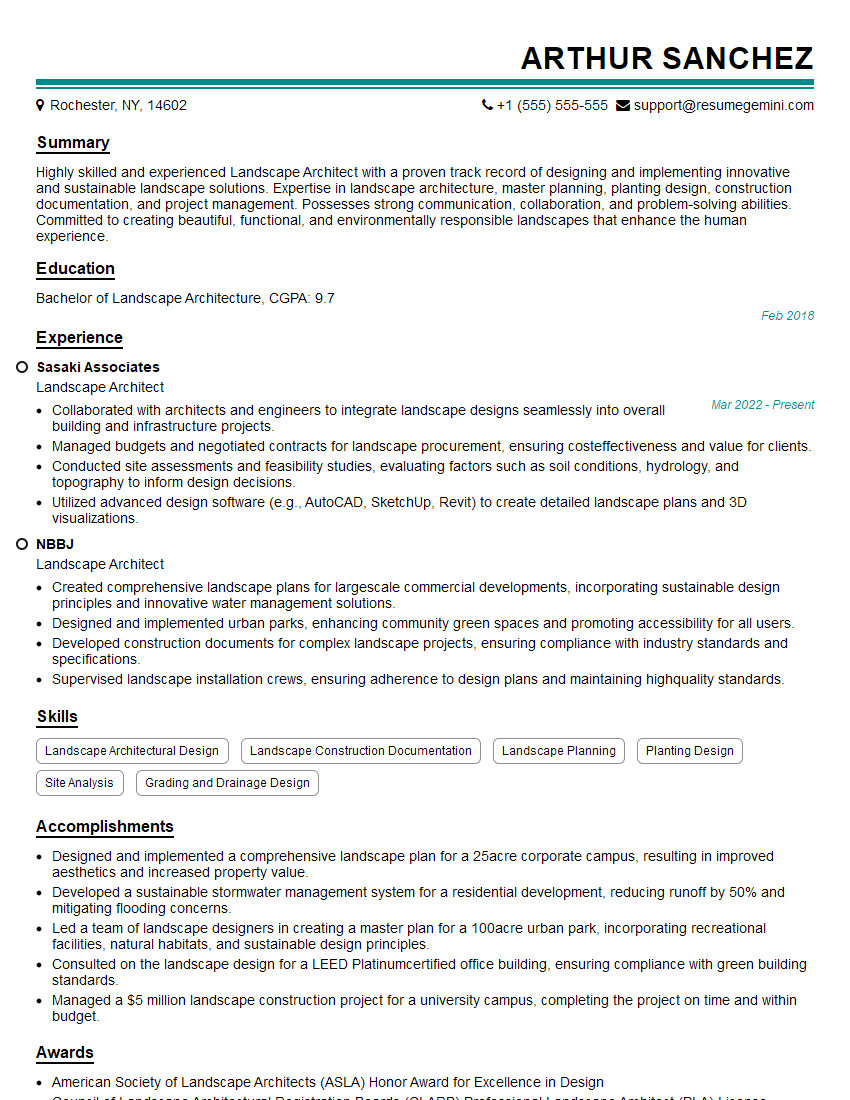
Landscape Architect Resume Sample
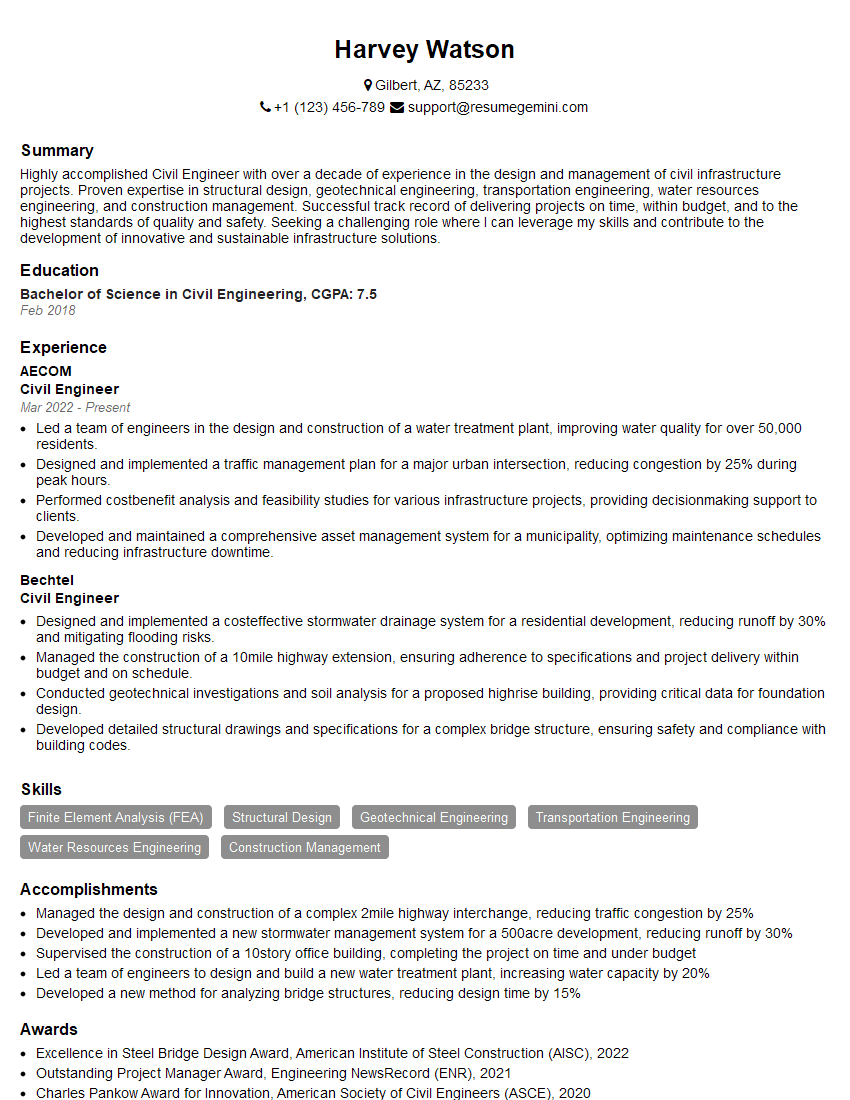
Civil Engineer Resume Sample
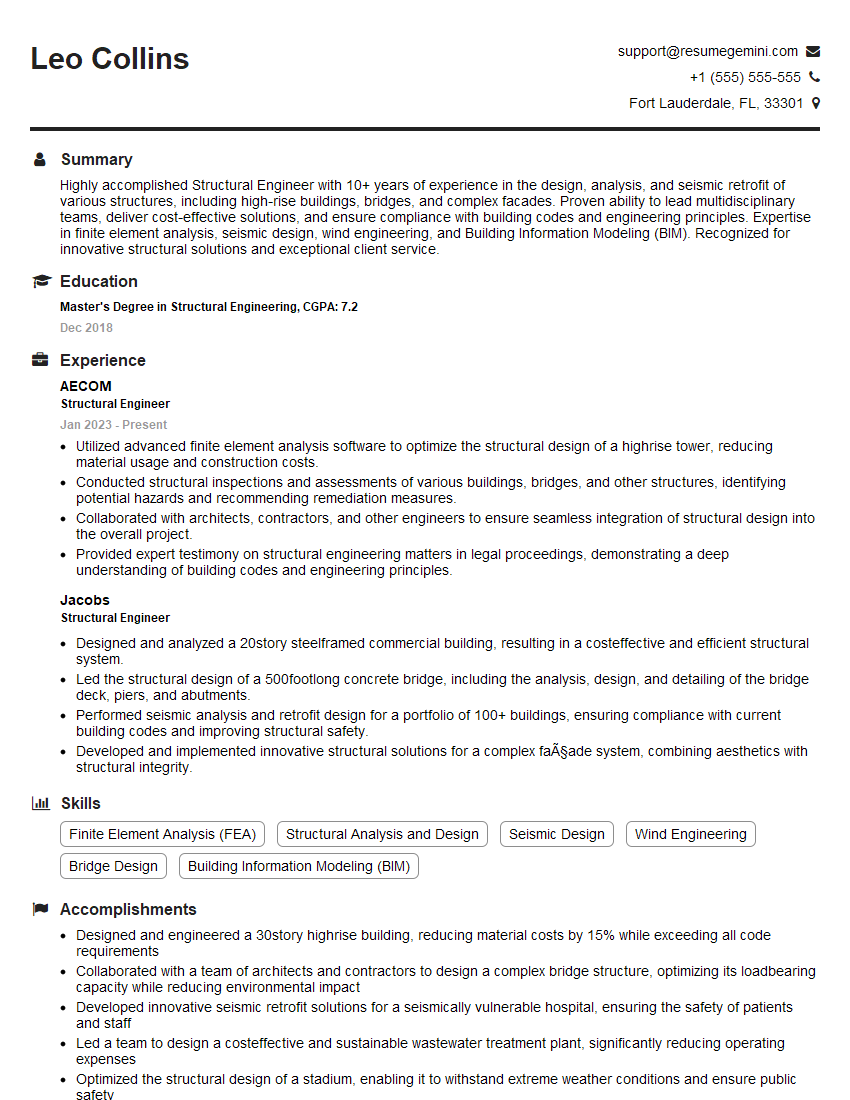
Structural Engineer Resume Sample
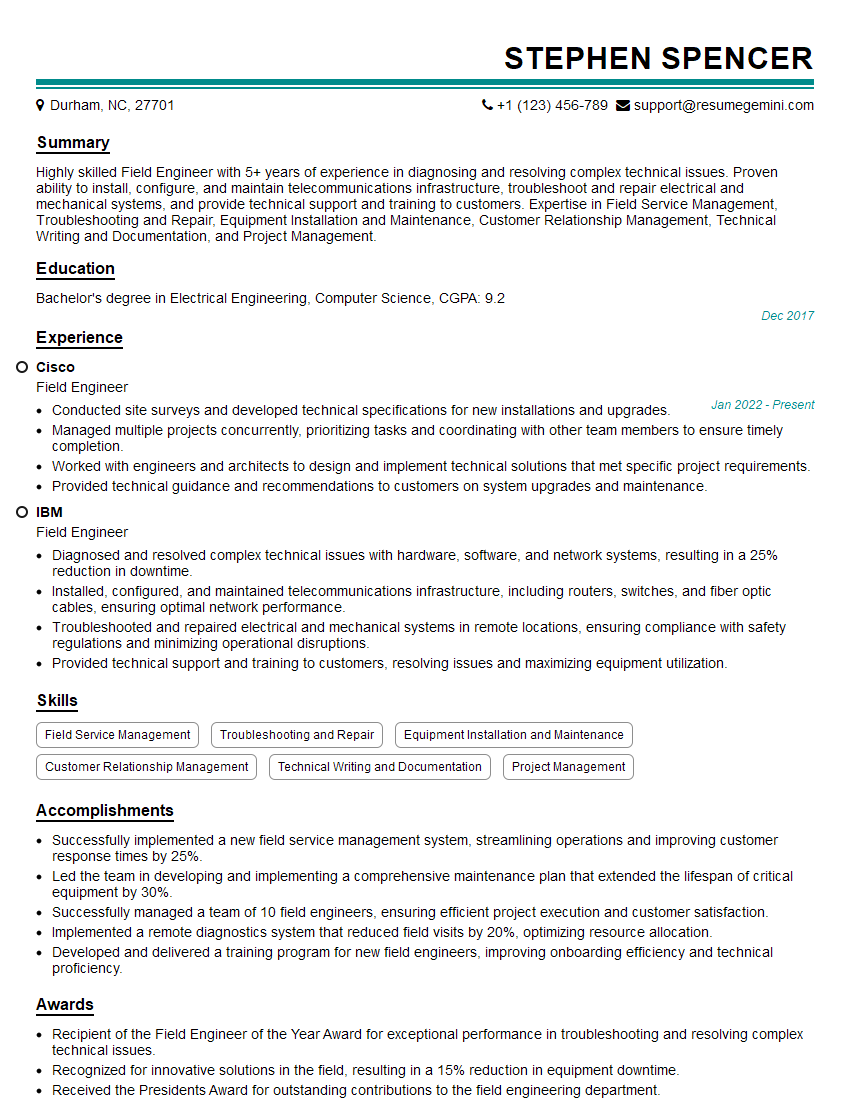
Field Engineer Resume Sample
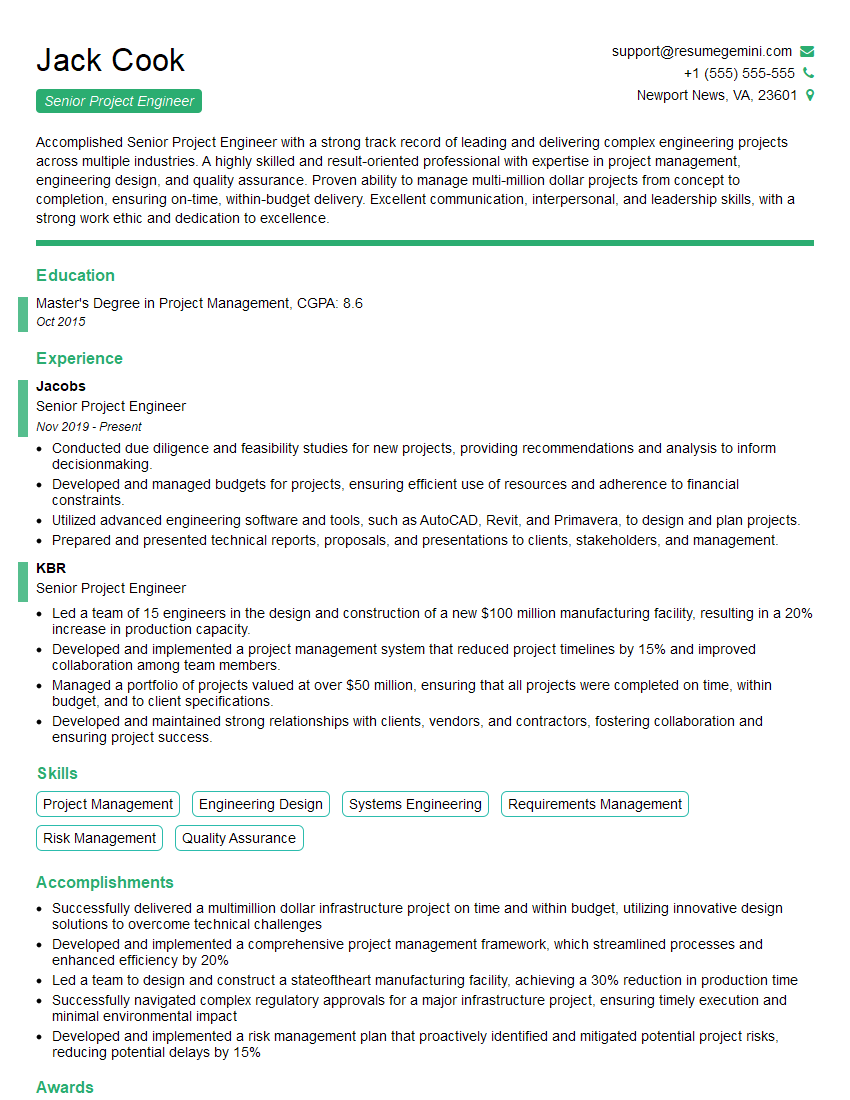
Senior Project Engineer Resume Sample
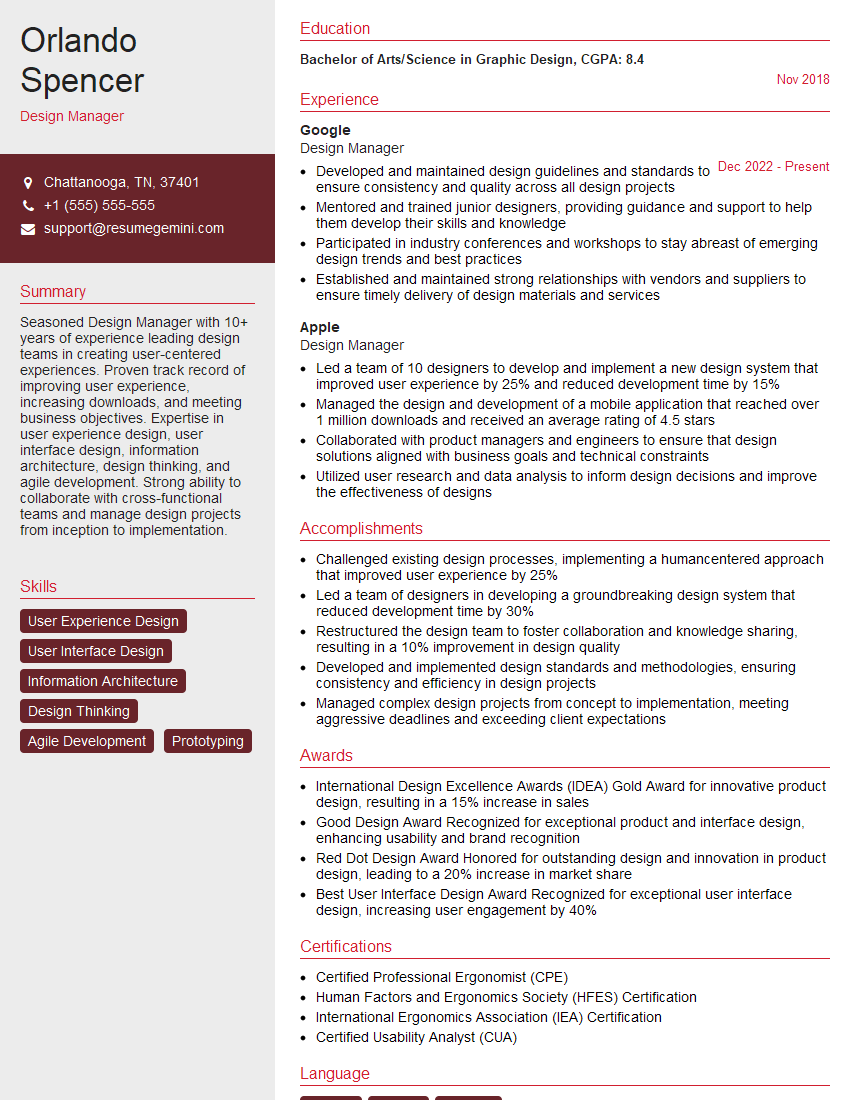
Design Manager Resume Sample
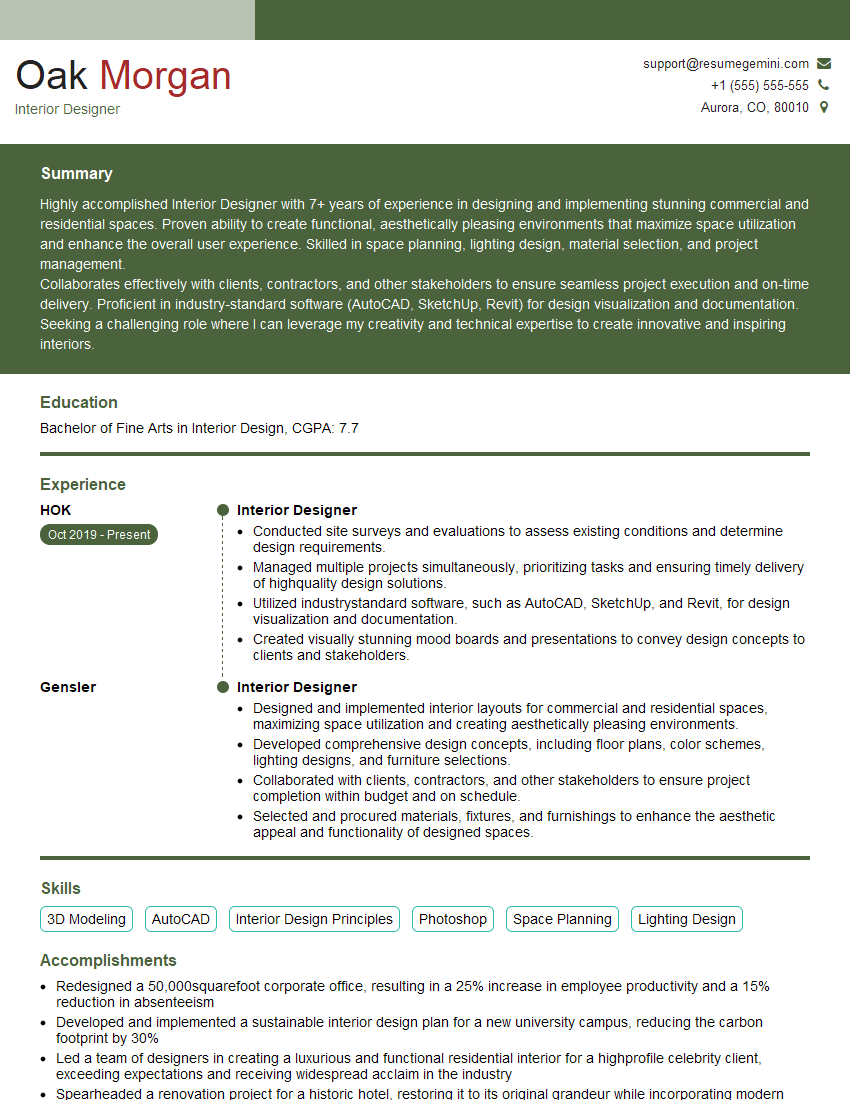
Interior Designer Resume Sample
- Safety Manager
- Sustainability Manager
- Facilities Manager
- Quality Control Manager
- Contract Administrator
- Construction Manager
- Construction Superintendent
- Project Manager
- Project Coordinator
- Scheduling Manager
- Estimator
- Preconstruction Manager
- Landscape Architect
- Civil Engineer
- Structural Engineer
- Field Engineer
- Senior Project Engineer
- Design Manager
- Interior Designer
Explore more articles
Users Rating of Our Blogs
Share Your Experience
We value your feedback! Please rate our content and share your thoughts (optional).
What Readers Say About Our Blog
Very informative content, great job.
good