Unlock your full potential by mastering the most common Familiar with aviation regulations and standards, such as FARs and JARs interview questions. This blog offers a deep dive into the critical topics, ensuring you’re not only prepared to answer but to excel. With these insights, you’ll approach your interview with clarity and confidence.
Questions Asked in Familiar with aviation regulations and standards, such as FARs and JARs Interview
Q 1. Explain the differences between FAR Part 91 and FAR Part 121.
FAR Part 91 and FAR Part 121 govern different categories of flight operations within the United States. Think of it like this: Part 91 is for general aviation, while Part 121 is for the big airlines.
- FAR Part 91 (General Aviation): This part covers operations of civil aircraft of all categories, except those covered under Parts 121, 125, 129, and 135. This includes private pilots flying for personal recreation, flight schools conducting training flights, and even some small businesses using aircraft. It has less stringent operational and maintenance requirements compared to Part 121.
- FAR Part 121 (Air Carriers and Operators for Compensation or Hire): This part sets the standards for large air carriers (like Delta, United, American) that operate for compensation or hire, carrying passengers or cargo. These operations are subject to much more rigorous safety standards, including more stringent crew qualifications, maintenance programs, and operational controls, reflective of the higher risk associated with carrying large numbers of passengers.
Key differences include crew qualifications (much stricter in Part 121), maintenance programs (far more extensive in Part 121, including detailed maintenance tracking and inspections), operational controls (more robust procedures and oversight in Part 121), and flight planning requirements (more detailed and regulated in Part 121).
Q 2. Describe the process for obtaining an Airworthiness Certificate.
Obtaining an Airworthiness Certificate is a crucial step to legally operate an aircraft. It’s essentially a certificate stating the aircraft meets all the safety standards mandated by the relevant aviation authority. The process typically involves these steps:
- Pre-Inspection: A thorough pre-inspection is carried out by a certified mechanic to identify any existing discrepancies before the official inspection.
- Inspection by an FAA-authorized Inspector or Designated Maintenance Organisation (DMO): A qualified inspector carefully examines the aircraft, reviewing its airframe, engine, systems, and documentation. This usually includes a thorough review of the aircraft’s maintenance records.
- Compliance with Regulations: The aircraft must meet all applicable airworthiness standards. This might involve necessary repairs or modifications to ensure compliance.
- Issuance of the Certificate: Upon successful completion of the inspection and verification of compliance, the aviation authority issues the Airworthiness Certificate.
- Ongoing Maintenance: The certificate is not permanent and requires continuous compliance with maintenance requirements defined by the approved maintenance program. Regular inspections and maintenance are essential for retaining airworthiness.
Think of it like a car inspection; the car needs to meet certain safety standards to be deemed roadworthy. Similarly, an aircraft needs to meet airworthiness standards to be declared safe for flight.
Q 3. What are the key provisions of FAR Part 135?
FAR Part 135 governs the operations of commuter air carriers and on-demand operations, meaning it covers smaller airlines or operators that fly scheduled or unscheduled flights for hire. It sits between Part 91 and Part 121 in terms of regulatory stringency.
- Pilot Qualifications: More stringent than Part 91, but less so than Part 121. Part 135 pilots need specific training and experience.
- Aircraft Maintenance: Detailed maintenance programs are required, though not as extensive as those in Part 121.
- Operations Specifications: Operators must obtain operating specifications that detail their operational procedures and limitations.
- Dispatch Requirements: Similar to Part 121, but simplified. This includes aspects such as weather and aircraft suitability checks.
- Crew Rest Requirements: Specific regulations regarding crew rest periods to mitigate fatigue.
For example, a small airline carrying passengers between regional airports would operate under Part 135. The rules balance operational flexibility with a reasonable level of safety and oversight.
Q 4. Explain the requirements for maintaining aircraft flight records.
Maintaining accurate and complete aircraft flight records is critical for safety and regulatory compliance. These records provide a history of the aircraft’s operations and maintenance. Requirements typically include:
- Flight Logbook: Detailed records of each flight, including date, time, departure and arrival airports, flight duration, pilot-in-command, and any significant events.
- Maintenance Logbook: A comprehensive record of all maintenance performed on the aircraft, including inspections, repairs, overhauls, and part replacements. This helps track airworthiness and predict potential issues.
- Weight and Balance Records: Tracking the aircraft’s weight and balance is crucial for safe flight operations. These records are essential for determining the aircraft’s center of gravity.
These records are not just bureaucratic requirements; they are essential for tracking potential maintenance issues, identifying trends, and ensuring the aircraft is airworthy. Neglecting these records can lead to serious consequences, including accidents and regulatory penalties.
Q 5. How do you handle discrepancies found during a maintenance inspection?
Handling discrepancies found during a maintenance inspection requires a systematic approach to ensure safety and compliance. The process typically involves these steps:
- Identify and Document: Meticulously document each discrepancy, including its location, nature, and severity. Use clear and concise language.
- Assess the Severity: Determine whether the discrepancy is a major or minor issue impacting airworthiness. Major discrepancies require immediate attention.
- Implement Corrective Actions: Depending on severity, implement appropriate corrective actions, which could range from simple adjustments to major repairs. Consult relevant maintenance manuals and regulations.
- Record Corrective Actions: Thoroughly document all corrective actions undertaken, including parts used, labor performed, and the date of completion. This information is crucial for maintaining accurate maintenance records.
- Re-Inspection: After corrective actions, conduct a re-inspection to verify the repair or adjustment has resolved the discrepancy. Document the successful completion of the re-inspection.
- Notification: If required, notify the relevant aviation authority if the discrepancy impacted the aircraft’s airworthiness.
Imagine you discover a crack in an aircraft’s wing during inspection – this requires immediate attention, thorough documentation, repair, and a follow-up inspection to verify the repair’s success. Failure to follow this process could compromise safety.
Q 6. What is the role of a Designated Maintenance Organisation (DMO)?
A Designated Maintenance Organisation (DMO) is an organization approved by a national aviation authority to perform maintenance on aircraft. They essentially act as an independent body overseeing and ensuring aircraft are maintained to the highest safety standards. Their role is crucial in maintaining the safety and airworthiness of aircraft.
- Maintenance Oversight: DMOs perform routine and heavy maintenance tasks, ensuring the aircraft meets all airworthiness requirements.
- Quality Control: They implement robust quality control systems to ensure the quality and accuracy of the work performed.
- Compliance with Regulations: DMOs ensure all maintenance activities comply with the relevant regulations and standards.
- Personnel Certification: They ensure their maintenance personnel are qualified and certified to perform the required tasks.
- Record Keeping: DMOs maintain accurate and detailed records of all maintenance activities.
Think of them as independent safety inspectors, ensuring aircraft are meticulously maintained and compliant with safety regulations. Their approval adds an extra layer of safety and assurance to the maintenance process.
Q 7. Describe your understanding of the principles of risk management in aviation.
Risk management in aviation is a proactive approach to identify, assess, and mitigate potential hazards that could lead to accidents or incidents. It’s a systematic process aiming to minimize the probability and impact of such events. The key principles include:
- Hazard Identification: This involves systematically identifying potential hazards through various methods like checklists, risk assessments, and hazard reporting systems. Examples include pilot fatigue, adverse weather conditions, and mechanical failures.
- Risk Assessment: Once hazards are identified, they are assessed based on their likelihood and severity. This determines the level of risk associated with each hazard.
- Risk Mitigation: Once the risks are assessed, appropriate mitigation strategies are developed and implemented. These strategies might involve operational procedures, technical solutions, training programs, or regulatory changes.
- Risk Monitoring and Review: The effectiveness of the risk mitigation strategies is continuously monitored and reviewed. The risk management process is iterative and adapts to new information and emerging threats.
A classic example is the implementation of flight data recorders (FDRs) and cockpit voice recorders (CVRs) – these technologies significantly reduce the risk associated with accidents by providing valuable data for accident investigation and subsequent safety improvements. Risk management is an ongoing process, constantly adapting to changing circumstances and technology.
Q 8. How do you ensure compliance with aviation safety regulations?
Ensuring compliance with aviation safety regulations, such as those outlined in the Federal Aviation Regulations (FARs) in the US or Joint Aviation Regulations (JARs) in Europe (now largely superseded by EASA regulations), is a multifaceted process requiring a proactive and systematic approach. It’s not just about ticking boxes; it’s about embedding a safety culture.
- Regular Audits and Inspections: Scheduled internal and external audits ensure adherence to regulations and identify areas for improvement. Think of it like a regular health check for your operation. We examine our procedures, documentation, and physical infrastructure to ensure they meet the required standards.
- Training and Competency: All personnel, from pilots and mechanics to air traffic controllers, must receive adequate training and demonstrate competency in their respective areas. This is crucial because human error is a significant factor in aviation accidents.
- Maintenance Programs: Strict adherence to maintenance schedules and procedures is paramount. Detailed records are kept, and aircraft are inspected rigorously to guarantee airworthiness. This is like regularly servicing your car to prevent breakdowns.
- Risk Management: Proactive identification and mitigation of potential hazards are key. This involves hazard identification, risk assessment, and the implementation of appropriate controls. We use tools like hazard logs and safety risk assessments to identify and manage risks.
- Documentation and Record Keeping: Meticulous record-keeping is vital. This allows for tracking, auditing, and continuous improvement. Maintaining accurate logs of maintenance, training, and safety incidents is crucial for demonstrating compliance.
For example, during my time at [Previous Company Name], we implemented a comprehensive safety management system (SMS) that included regular internal audits, robust training programs, and a proactive hazard reporting system. This led to a significant reduction in safety incidents.
Q 9. Explain the concept of SMS (Safety Management System).
A Safety Management System (SMS) is a proactive approach to managing safety risks within an aviation organization. It moves beyond simply reacting to incidents to actively preventing them. It’s a structured system built upon a foundation of safety culture and continuous improvement.
- Safety Policy: A clearly defined policy outlining the organization’s commitment to safety.
- Safety Risk Management: A systematic process for identifying, assessing, and controlling safety hazards. This often involves hazard identification, risk assessment, risk mitigation, and risk monitoring.
- Safety Assurance: Monitoring the effectiveness of safety controls and the overall safety performance of the organization. This includes audits, inspections, and performance reviews.
- Safety Promotion: Creating a culture of safety through training, communication, and open reporting. This is essential for encouraging employees to report safety concerns without fear of retribution.
Think of SMS as a continuous cycle: identify hazards, assess risks, implement controls, monitor effectiveness, and then repeat. It’s not a one-time project but an ongoing commitment to safety excellence. In my previous role, we implemented an SMS that reduced near-miss incidents by 30% within a year, demonstrating the effectiveness of a well-implemented system.
Q 10. What are the key elements of a flight data monitoring program?
A Flight Data Monitoring (FDM) program uses data recorded by an aircraft’s flight data recorders (FDRs) or flight data acquisition units (FDAUs) to analyze flight operations and identify potential safety issues. It’s not about blaming individuals but about improving safety practices.
- Data Acquisition: Collecting flight data from FDRs/FDAUs. This data includes parameters like airspeed, altitude, heading, and flight control inputs.
- Data Analysis: Using specialized software to analyze the data for trends, anomalies, and potential safety concerns. Statistical analysis helps identify recurring issues.
- Feedback and Training: Providing feedback to pilots and other flight crew based on the analysis. This feedback can lead to targeted training to address identified weaknesses.
- Safety Improvement: Implementing changes in procedures, training, or equipment to address identified safety hazards.
For instance, an FDM program might reveal a trend of pilots exceeding airspeed limits during a particular phase of flight. This allows for the implementation of additional training on airspeed management or adjustments to operational procedures.
Q 11. Describe your experience with aircraft accident investigation reports.
I have extensive experience reviewing aircraft accident investigation reports from various sources, including the NTSB (National Transportation Safety Board), AAIB (Air Accidents Investigation Branch), and EASA. These reports provide invaluable insights into the causes of accidents and the identification of safety issues.
My review process focuses on understanding the sequence of events, identifying contributing factors, and analyzing the safety recommendations provided. I’m particularly interested in identifying patterns and trends that might indicate systemic issues within an organization or across the industry. For example, a recurring theme of pilot fatigue in several reports might indicate a need for industry-wide improvements to flight duty time regulations.
This experience helps me to stay updated on current safety challenges and best practices. I often use these reports to inform our own safety initiatives and improve our processes.
Q 12. How do you handle a situation where a regulation is unclear or ambiguous?
When encountering an unclear or ambiguous regulation, a multi-step approach is crucial. It’s not about finding a loophole but ensuring safe operations within the spirit of the regulation.
- Internal Review: First, we consult internal experts and review relevant documentation within our organization to see if there’s any existing guidance or interpretation.
- Regulatory Authority Consultation: If internal resources fail to clarify the ambiguity, we contact the relevant regulatory authority (e.g., FAA, EASA) for an official interpretation. This might involve submitting a formal request for clarification.
- Industry Best Practices: While not legally binding, we might consult industry best practices and guidance documents to inform our interpretation. This demonstrates a commitment to safety, even in the absence of explicit regulatory guidance.
- Conservative Approach: In the case of significant ambiguity, we always err on the side of caution, selecting the interpretation that prioritizes safety. Safety should never be compromised.
For example, if a regulation regarding the use of a specific piece of equipment is unclear, we would consult the FAA, and pending their response, would adopt the most conservative interpretation to ensure continued safe operations.
Q 13. What are the reporting requirements for aviation incidents and accidents?
Reporting requirements for aviation incidents and accidents vary depending on the severity of the event and the location. However, the general principle is timely reporting to the relevant authorities.
- Serious Incidents: These are events that could have resulted in an accident but did not. They are typically reported immediately to the responsible authority. The definition of a serious incident often differs between countries and organizations.
- Accidents: Accidents involving fatalities, serious injuries, or substantial aircraft damage are usually reported immediately, following established procedures.
- Authorities: In the US, the NTSB (National Transportation Safety Board) is the primary investigating body for accidents and serious incidents. In Europe, it’s usually the respective national investigation authority, often under the oversight of EASA.
The specific reporting requirements involve detailed information about the event, the aircraft, the personnel involved, and any contributing factors. Failure to report can lead to penalties.
Often, organizations have internal reporting systems that allow employees to report safety concerns or near-misses. These reports are analyzed to identify potential safety hazards before they escalate to serious incidents or accidents.
Q 14. Explain your understanding of the European Union Aviation Safety Agency (EASA).
The European Union Aviation Safety Agency (EASA) is an independent agency responsible for developing and implementing safety regulations for aviation within the European Union. It’s analogous to the FAA in the United States.
EASA’s role includes:
- Developing and Implementing Regulations: Creating and enforcing safety standards for aircraft design, manufacturing, operation, and maintenance. They essentially write the rules.
- Certification: Certifying aircraft, personnel, and organizations to ensure they meet safety standards. This is like giving a safety seal of approval.
- Surveillance: Monitoring the safety performance of operators and ensuring compliance with regulations. Regular audits and inspections make sure everyone follows the rules.
- Accident Investigation Oversight: Overseeing accident investigations carried out by national investigation authorities. They make sure investigations are thorough and aim to improve safety.
EASA’s regulations are critical to ensuring a high level of safety across European aviation. Their influence extends beyond the EU as their standards are often adopted internationally. My experience involves interpreting and implementing EASA regulations in the context of aircraft operations and maintenance.
Q 15. What are the differences between FARs and JARs/EASA regulations?
FARs (Federal Aviation Regulations) and JARs/EASA (Joint Aviation Requirements/European Union Aviation Safety Agency) regulations are both sets of aviation safety rules, but they govern different regions and have some structural differences. FARs are the aviation regulations of the United States, enforced by the FAA. JARs were the predecessor to EASA regulations, which are now the primary aviation regulations for the European Union and many other countries.
- Geographic Scope: FARs apply only within US airspace and to US-registered aircraft operating internationally. EASA regulations cover the EU and signatory states.
- Enforcement Body: The FAA enforces FARs, while EASA and its associated national aviation authorities enforce EASA regulations.
- Structure and Approach: While both aim for similar safety outcomes, their structures and approaches to rulemaking can differ. EASA often uses a more harmonized and risk-based approach. For example, EASA might focus on achieving safety objectives through a performance-based approach whereas FARs might be more prescriptive.
- Regulatory Style: FARs are known for being quite detailed and prescriptive in many areas, while EASA regulations can sometimes allow more flexibility in meeting the overall safety objectives.
Imagine trying to build a house; FARs might provide very specific instructions for every nail and piece of wood, while EASA might provide the blueprint and overall safety requirements, giving you more leeway in the construction methods as long as the final product meets the safety standards.
Career Expert Tips:
- Ace those interviews! Prepare effectively by reviewing the Top 50 Most Common Interview Questions on ResumeGemini.
- Navigate your job search with confidence! Explore a wide range of Career Tips on ResumeGemini. Learn about common challenges and recommendations to overcome them.
- Craft the perfect resume! Master the Art of Resume Writing with ResumeGemini’s guide. Showcase your unique qualifications and achievements effectively.
- Don’t miss out on holiday savings! Build your dream resume with ResumeGemini’s ATS optimized templates.
Q 16. Describe the process for obtaining and maintaining an aircraft operating certificate.
Obtaining and maintaining an aircraft operating certificate is a rigorous process designed to ensure the safety and airworthiness of the aircraft and its operation. It involves a series of steps, including:
- Application: Submit a comprehensive application to the relevant aviation authority (FAA or EASA, depending on location) detailing the type of operation (e.g., Part 135 air taxi, Part 121 air carrier), the aircraft’s details, and the operator’s safety management system.
- Inspection: The aviation authority will conduct an extensive inspection of the aircraft and the operator’s facilities, maintenance program, and operational procedures to ensure compliance with all applicable regulations.
- Documentation Review: A thorough review of all documentation, including manuals, training records, and maintenance logs, is essential. Any deficiencies must be rectified before certification.
- Demonstration of Compliance: The operator must demonstrate to the authority that they meet all regulatory requirements, which often involves practical demonstration of procedures and emergency response capabilities.
- Issuance of Certificate: Upon successful completion of the inspection and review, the operating certificate will be issued.
- Continued Airworthiness and Surveillance: Maintaining the certificate requires ongoing compliance with regulations, regular maintenance, and inspections. The aviation authority conducts ongoing surveillance and audits to ensure the operator continues to meet safety standards.
For example, a Part 135 operator would need to demonstrate comprehensive safety management, meticulous maintenance programs, highly qualified pilots, and well-defined operational procedures. Failure to maintain these standards can lead to the suspension or revocation of the operating certificate.
Q 17. How do you ensure compliance with weight and balance regulations?
Weight and balance control is critical for safe flight. It’s about ensuring the aircraft’s center of gravity remains within prescribed limits, preventing handling difficulties and potential accidents. The process involves:
- Weight Determination: Accurately determine the weight of the aircraft, fuel, passengers, baggage, and cargo.
- Center of Gravity Calculation: Calculate the aircraft’s center of gravity (CG) using the weight and arm of each item. Arm is the horizontal distance of an item from the datum (reference point).
- Comparison with Limits: Compare the calculated CG with the manufacturer’s specified limits. These limits are depicted on the aircraft’s weight and balance chart, typically found in the aircraft’s flight manual.
- Corrective Actions: If the CG is outside the limits, corrective actions such as shifting cargo, adjusting fuel load, or removing weight may be necessary to bring it within the acceptable range.
- Documentation: Maintaining detailed records of weight and balance calculations for each flight is crucial for safety.
Imagine a seesaw; if the weight is unevenly distributed, the seesaw will tip. Similarly, an aircraft with an unbalanced CG will be difficult to control and potentially dangerous.
Q 18. What is your experience with conducting internal audits for regulatory compliance?
I have extensive experience conducting internal audits for regulatory compliance, focusing primarily on operational safety, maintenance programs, and training records. My audit process typically involves:
- Planning and Scope Definition: Defining the scope of the audit, identifying key regulatory requirements and areas of focus.
- Data Collection: Reviewing documentation (manuals, maintenance logs, training records), conducting interviews with personnel, and observing operational procedures.
- Compliance Assessment: Comparing the collected data with regulatory requirements and identifying any deviations or non-compliance issues.
- Reporting and Corrective Actions: Preparing a comprehensive audit report detailing findings, recommendations, and corrective actions. Following up to ensure that identified issues are addressed.
For instance, in a recent audit of a Part 135 operator, I identified a deficiency in the maintenance tracking system which led to the implementation of a new, more robust software, preventing potential maintenance oversights.
Q 19. Describe your experience with the implementation of a safety management system.
I have been directly involved in the implementation of several Safety Management Systems (SMS) in various aviation settings. This includes:
- Hazard Identification and Risk Assessment: Facilitating workshops to identify potential hazards and conducting risk assessments to determine their severity and likelihood.
- Safety Policy and Objectives: Defining a comprehensive safety policy and establishing measurable safety objectives.
- Safety Reporting System: Implementing a robust system for reporting safety occurrences, ensuring anonymity and encouraging proactive reporting.
- Safety Promotion and Training: Developing and delivering training programs to enhance safety awareness among all personnel.
- Continuous Improvement: Regularly reviewing safety data, assessing the effectiveness of safety measures, and implementing continuous improvements.
In one instance, I assisted an airline in implementing a proactive SMS, resulting in a significant reduction in incidents through improved hazard identification and risk mitigation strategies.
Q 20. How familiar are you with the ICAO Standards and Recommended Practices?
I am very familiar with ICAO (International Civil Aviation Organization) Standards and Recommended Practices (SARPs). They form the foundation of international aviation safety regulations. My understanding covers a wide range of areas, including:
- Annex 1 (Personnel Licensing): Pilot licensing, training, and medical standards.
- Annex 6 (Operation of Aircraft): Rules for air operations, airworthiness, and flight procedures.
- Annex 8 (Airworthiness of Aircraft): Aircraft design, manufacturing, and maintenance standards.
- Annex 14 (Aerodromes): Standards for airport design, construction, and operation.
ICAO SARPs provide a framework for national regulations. While not directly enforceable themselves, they represent globally accepted best practices and influence the development of national aviation regulations, ensuring a degree of consistency and interoperability worldwide.
Q 21. Explain the concept of human factors in aviation safety.
Human factors in aviation safety encompass all the aspects of human behavior, physiology, and psychology that affect the safety of aviation operations. It recognizes that humans are not perfect and are prone to errors. Understanding human factors is crucial to mitigating risks and improving safety. Key elements include:
- Crew Resource Management (CRM): Techniques for effective communication, teamwork, and decision-making within a flight crew.
- Workload Management: Preventing pilots from becoming overloaded by optimizing tasks, procedures, and crew coordination.
- Situational Awareness: Maintaining a clear understanding of the surrounding environment and the status of the aircraft.
- Fatigue Management: Minimizing the effects of fatigue on performance through appropriate rest and scheduling practices.
- Error Management: Designing systems and procedures to minimize the likelihood of errors and to mitigate the consequences of errors when they do occur.
Consider a pilot experiencing fatigue. Understanding human factors allows us to develop strategies like better flight duty time limitations or enhanced cockpit alerting systems to address the increased risk of error associated with fatigue.
Q 22. Describe your experience with conducting safety investigations.
My experience in safety investigations spans over ten years, encompassing various roles from investigator to lead investigator. I’ve been involved in incidents ranging from minor runway incursions to more serious accidents involving significant damage and potential loss of life. My approach is always systematic, following established investigation methodologies such as those outlined in ICAO Annex 13. This involves securing the scene, gathering evidence (flight data recorders, cockpit voice recorders, witness statements, aircraft maintenance logs), conducting interviews, and meticulously analyzing the data to determine the root cause(s) of the incident. A crucial part is the preparation of a comprehensive, factual report, avoiding speculation and focusing on objective findings and safety recommendations. For instance, in one investigation involving a bird strike, a detailed analysis of the bird species, flight path, and aircraft systems led us to recommend improved bird strike mitigation strategies at the affected airport.
I’m proficient in using various investigative tools, including flight simulation software to recreate accident scenarios and specialized software for analyzing flight data. Furthermore, I am experienced in collaborating effectively with regulatory bodies, manufacturers, and other stakeholders to ensure a thorough and timely investigation and the implementation of corrective actions.
Q 23. How do you stay updated on changes to aviation regulations?
Staying current with aviation regulations is paramount. I utilize multiple strategies to achieve this. Firstly, I subscribe to official newsletters and publications from relevant regulatory bodies like the FAA (for FARs) and EASA (for EASA regulations). Secondly, I actively participate in industry conferences, seminars, and workshops. This direct engagement with regulatory experts and fellow professionals provides invaluable insights into emerging trends and regulatory changes. Thirdly, I leverage online resources such as government websites and reputable industry journals. Finally, I’m a member of several professional aviation organizations, which provide updates and training materials. Think of it like constantly updating the software on your phone – you wouldn’t want to be running an outdated version, and it’s the same with aviation regulations.
Q 24. What are some common challenges in maintaining regulatory compliance?
Maintaining regulatory compliance presents several challenges. One major hurdle is the sheer volume and complexity of regulations. FARs and JARs are extensive documents, and staying abreast of all amendments and interpretations can be demanding. Another challenge is the dynamic nature of the industry. New technologies, operational changes, and evolving safety standards require continuous adaptation and updates to comply. Resource constraints, both financial and personnel, can also hamper efforts to maintain compliance. For example, a small airline may struggle to afford the latest navigation equipment mandated by new regulations. Finally, maintaining a strong safety culture within the organization is critical; complacency can easily lead to shortcuts that compromise compliance. Effective training programs and regular audits are key to overcoming this challenge.
Q 25. How do you handle pressure to compromise safety for operational efficiency?
Pressure to compromise safety for operational efficiency is an unacceptable risk. My approach is steadfast: safety always comes first. I would firmly but professionally resist any pressure to cut corners that could jeopardize safety. This would involve clearly articulating the potential safety implications of any proposed compromise, citing relevant regulations and industry best practices. I’d document all such instances and seek support from my superiors or relevant regulatory authorities if necessary. In essence, I would treat it as a matter of ethical responsibility, understanding that operational efficiency gains are meaningless if achieved at the expense of safety. The safety of passengers, crew, and the public is non-negotiable.
Q 26. Explain your understanding of the different classes of airspace.
Airspace is classified into different classes to manage air traffic flow and ensure safety. The classes (in the US system, as an example, but the principle is similar globally) are generally categorized by levels of air traffic control and the types of aircraft permitted to operate within them.
- Class A: High-altitude airspace, requiring instrument flight rules (IFR) operation with controlled separation between aircraft. Think of it as the ‘highway’ of the sky, densely populated and precisely managed.
- Class B: Surrounds major airports, requires two-way radio communication with air traffic control and IFR or visual flight rules (VFR) flight depending on the situation. It’s like a busy city center, highly regulated and requiring constant communication.
- Class C: Similar to Class B but extends out further from the airport, with reduced air traffic control services. A slightly less busy city center.
- Class D: Operates at smaller airports with basic air traffic control services, offering greater operational flexibility for VFR traffic.
- Class E: Controlled airspace extending upwards from 1,200 feet above ground level, providing varying levels of control depending on altitude and location. A rural area, with some rules but more freedom of movement.
- Class G: Uncontrolled airspace below 1,200 feet above ground level. This is like a wide-open road, with minimal restrictions but a higher level of pilot responsibility.
Understanding these classifications is crucial for safe flight planning and operation. A pilot’s knowledge of airspace classes directly impacts flight planning and decision-making.
Q 27. How would you approach resolving a conflict between operational needs and regulatory requirements?
Resolving conflicts between operational needs and regulatory requirements necessitates a balanced and methodical approach. The first step is to clearly define the conflict. What specific operational need clashes with which regulation? Then, I would thoroughly investigate all available options to find a solution that satisfies both operational efficiency and regulatory compliance. This may involve exploring alternative operational methods, seeking clarification or waivers from the regulatory authority, or proposing modifications to operational procedures to address the regulatory concerns. Open communication with all involved parties – operations, maintenance, and regulatory authorities – is paramount. Ultimately, if a compromise that ensures safety cannot be found, regulatory compliance must prevail. Safety is not a negotiable item; efficiency must always be secondary to safety.
Q 28. Describe your experience with using aviation regulatory databases and resources.
I’m highly proficient in using various aviation regulatory databases and resources. This includes the FAA’s website for accessing FARs and related guidance material, and equivalent resources for other jurisdictions, including EASA’s website. I regularly use these databases to research specific regulations, track changes, and stay updated on regulatory announcements. I’m familiar with databases containing information about aircraft registration, airworthiness certificates, and pilot licenses. For incident investigation, I use specialized accident investigation databases and reports to gain insights into previous incidents and best practices. Proficiency in using these resources is essential to ensuring regulatory compliance and conducting thorough investigations. The skill is like having a comprehensive library at your fingertips – the key to finding the specific information needed at any given time.
Key Topics to Learn for Aviation Regulations and Standards Interviews (FARs, JARs, etc.)
- Understanding the Regulatory Framework: Explore the history and purpose of FARs (Federal Aviation Regulations) and JARs (Joint Aviation Regulations), and their evolution into EASA (European Union Aviation Safety Agency) regulations. Understand the differences and similarities between these regulatory bodies and their impact on aviation operations.
- Airworthiness Directives (ADs): Learn how ADs are issued, their purpose, and how to effectively research and comply with them. Practice interpreting ADs and understanding their implications for maintenance and operational procedures.
- Flight Operations Regulations: Focus on key aspects like Visual Flight Rules (VFR) and Instrument Flight Rules (IFR) regulations, airspace classifications, and flight planning requirements. Understand the practical application of these rules in various scenarios.
- Safety Management Systems (SMS): Gain a solid understanding of SMS principles, hazard identification, risk assessment, and mitigation strategies. Be prepared to discuss how SMS contributes to a proactive safety culture within aviation.
- Accident Investigation and Reporting: Familiarize yourself with the reporting requirements for aviation incidents and accidents. Understand the importance of accurate and timely reporting and the role of investigation in improving safety.
- Human Factors in Aviation: Understand the impact of human factors on safety, including fatigue management, crew resource management (CRM), and the importance of effective communication and teamwork.
- Specific Regulations Relevant to Your Role: Research the regulations most pertinent to the specific aviation role you are applying for. This shows initiative and a deep understanding of the job requirements.
Next Steps
Mastering aviation regulations and standards is crucial for a successful and rewarding career in aviation. A strong understanding of these regulations demonstrates your commitment to safety and professionalism, opening doors to more significant roles and opportunities for advancement. To maximize your job prospects, create an ATS-friendly resume that effectively highlights your expertise. ResumeGemini is a trusted resource to help you build a professional and impactful resume tailored to the aviation industry. Examples of resumes tailored to showcasing expertise in aviation regulations and standards are available through ResumeGemini, helping you present your skills and experience in the best possible light.
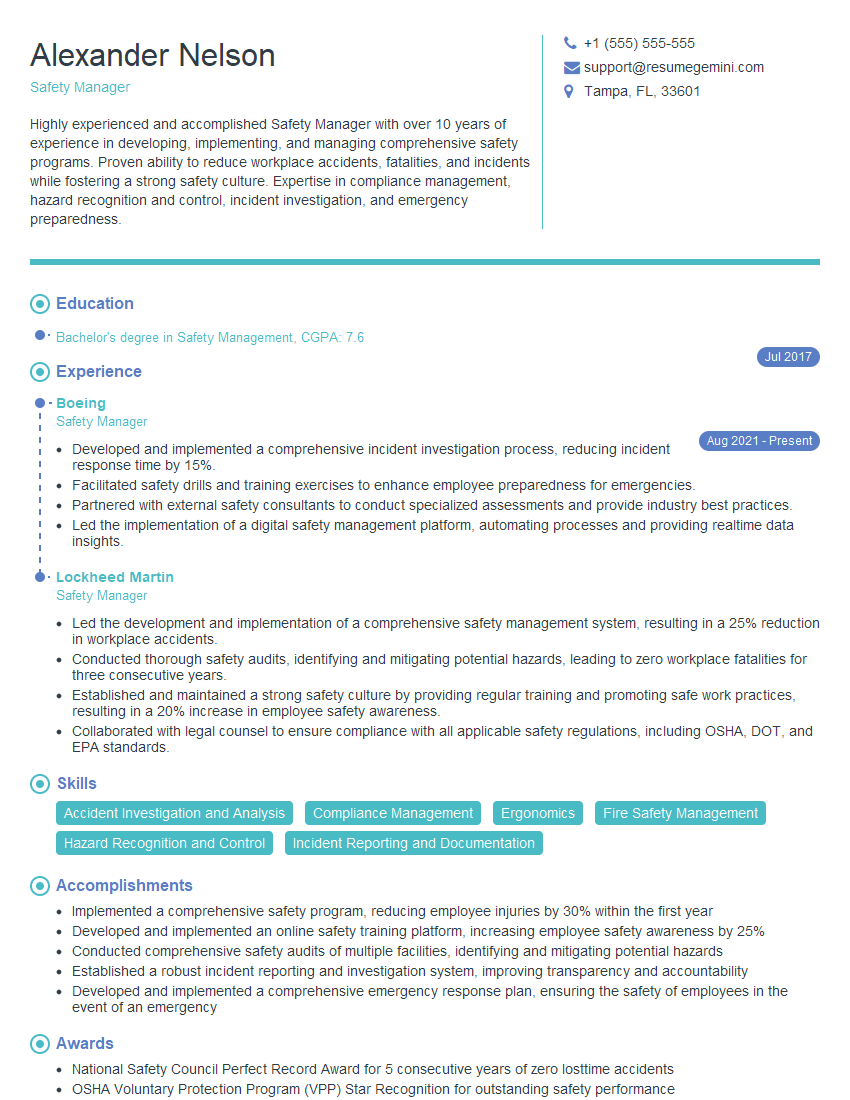
Safety Manager Resume Sample

Operations Manager Resume Sample

Training Manager Resume Sample
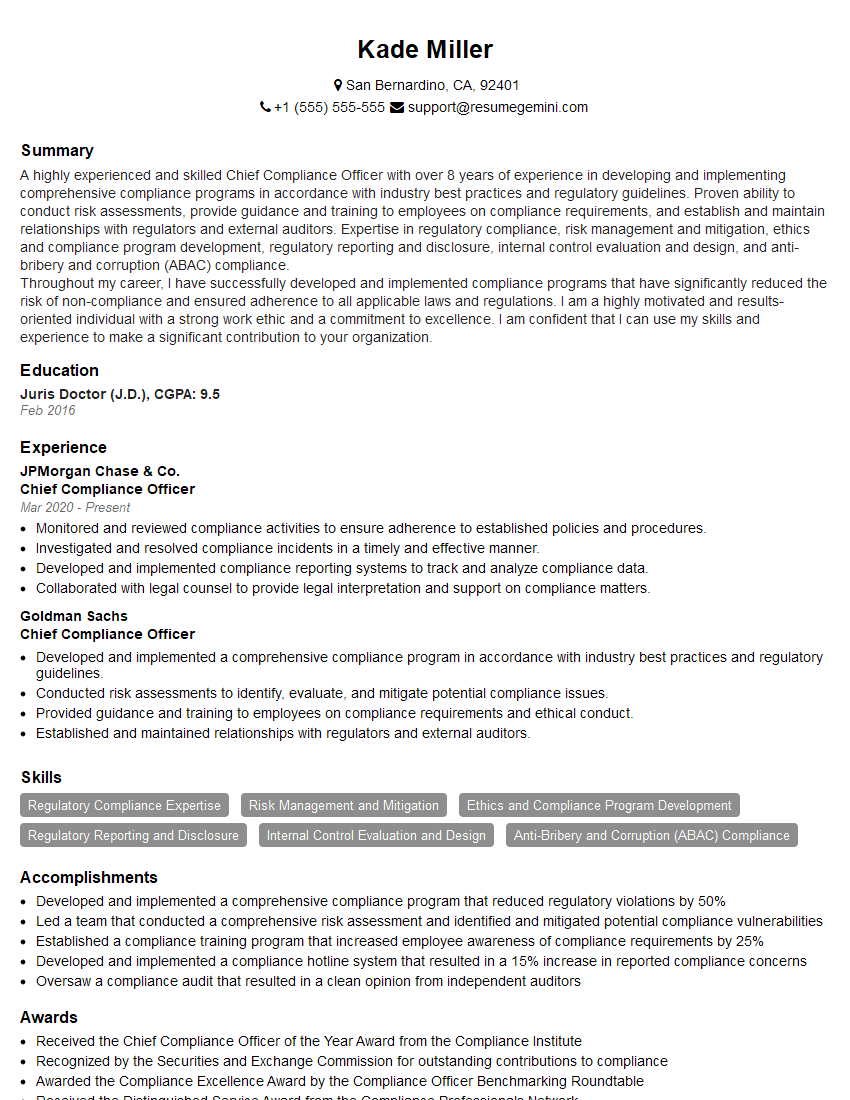
Chief Compliance Officer Resume Sample
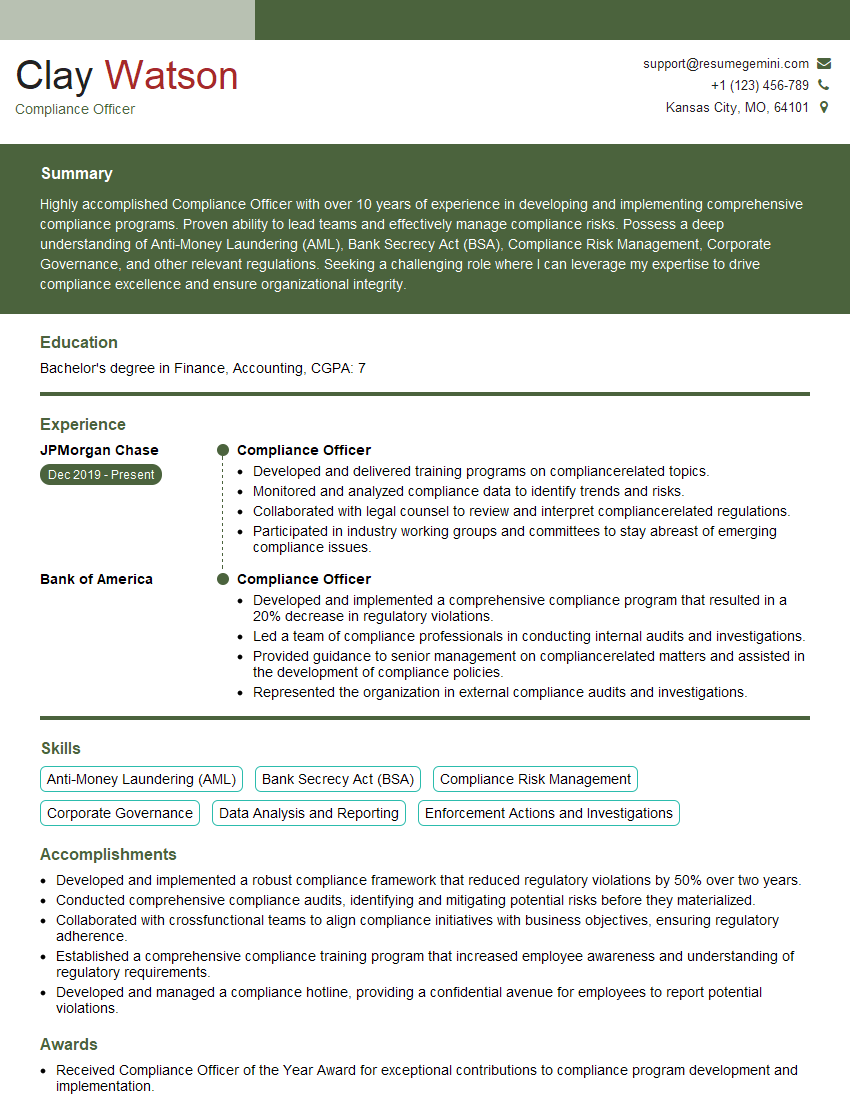
Compliance Officer Resume Sample
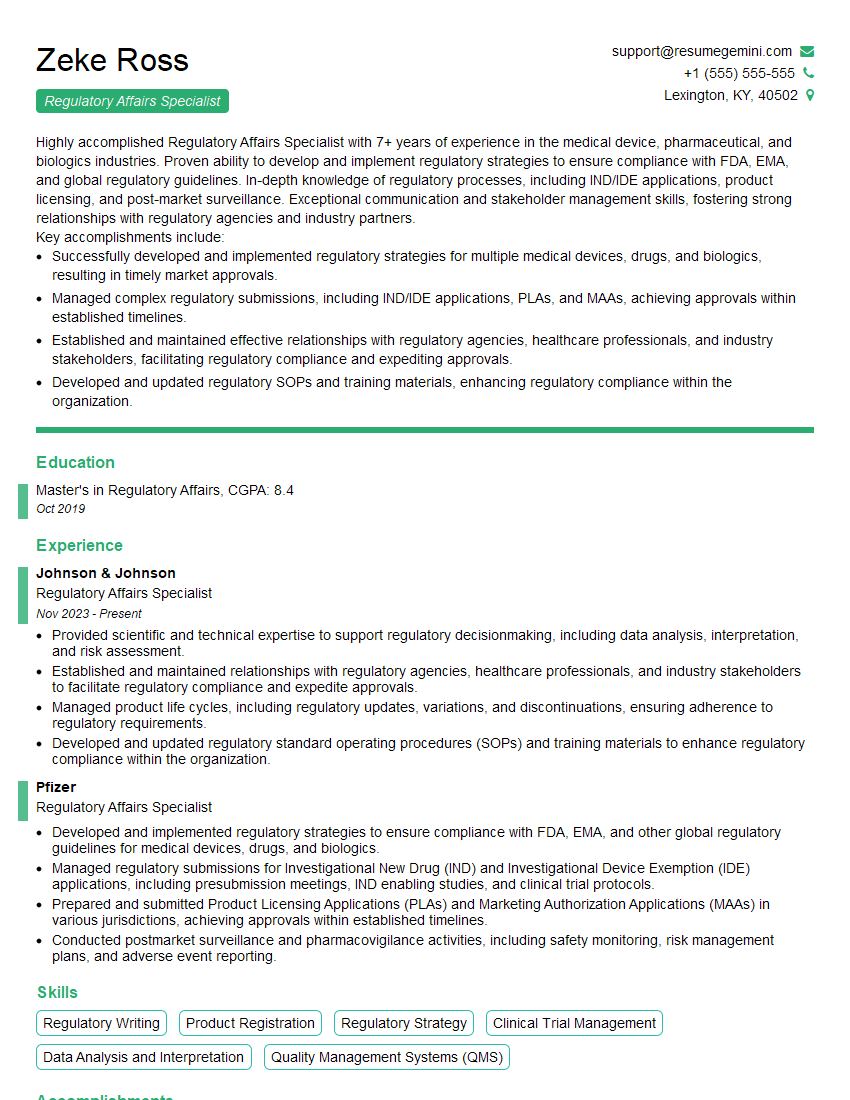
Regulatory Affairs Specialist Resume Sample
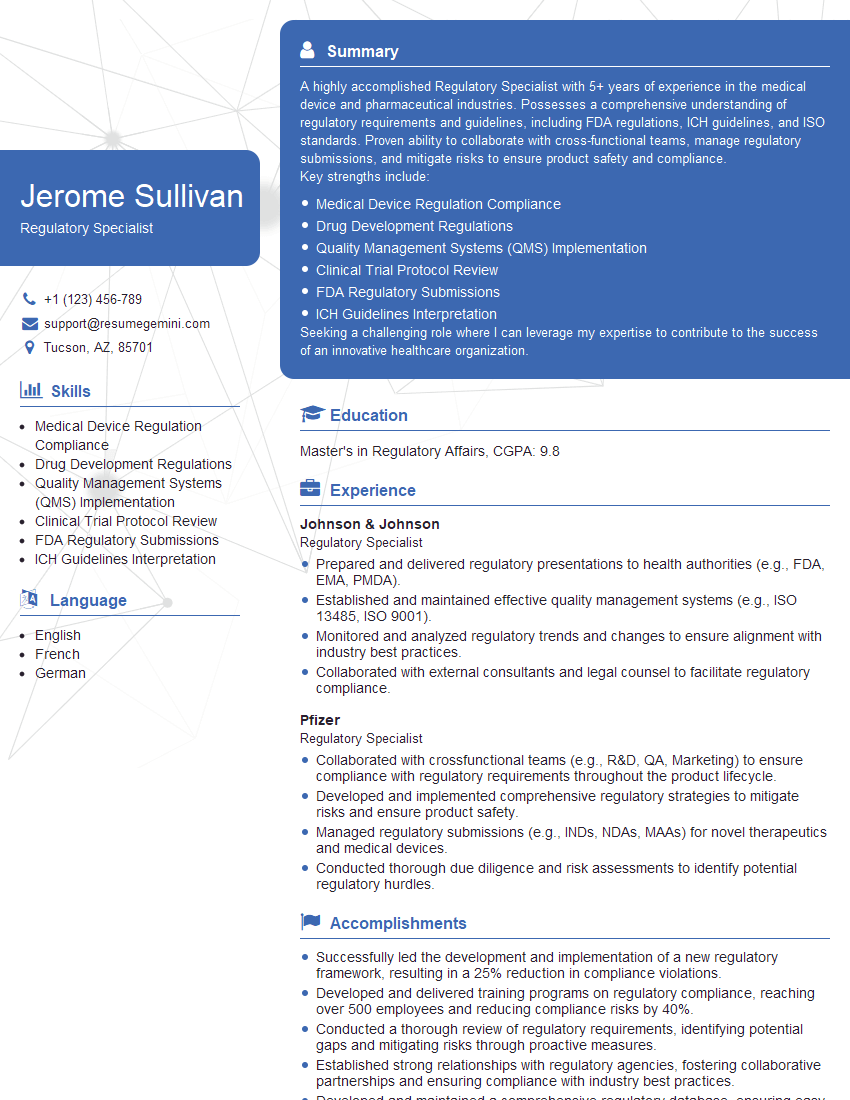
Regulatory Specialist Resume Sample
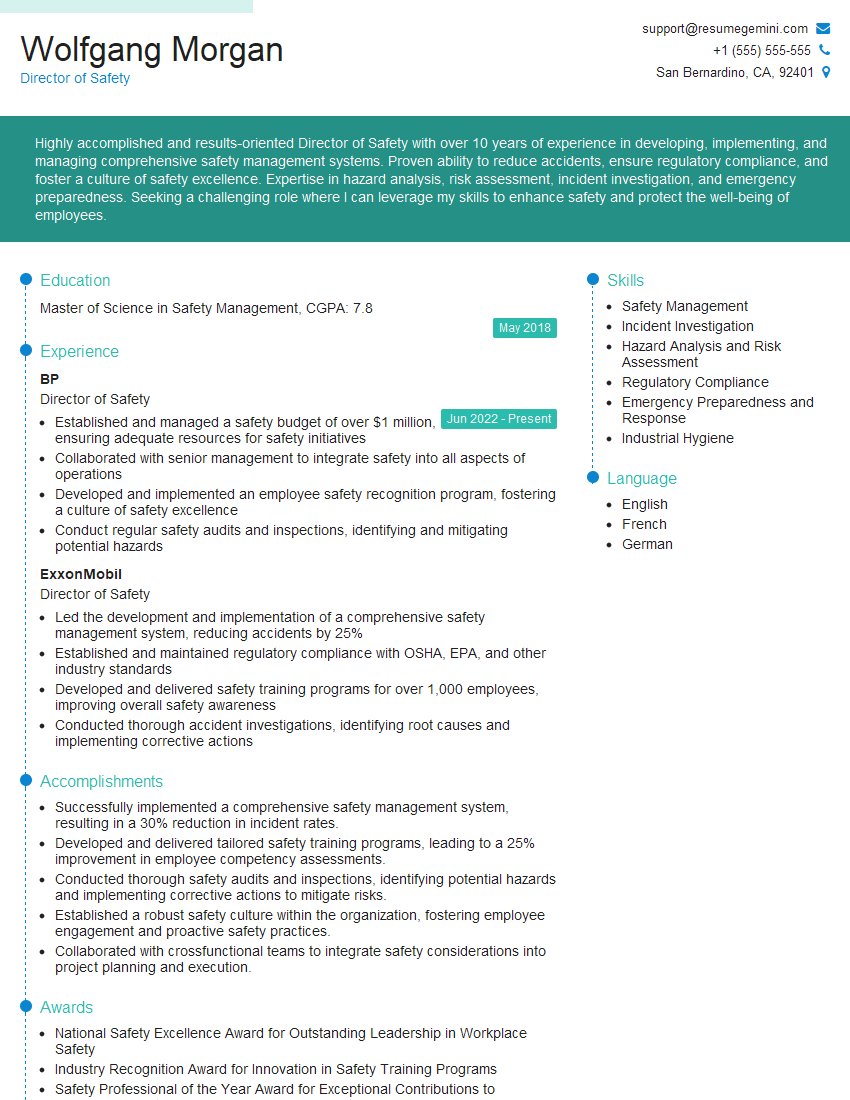
Director of Safety Resume Sample
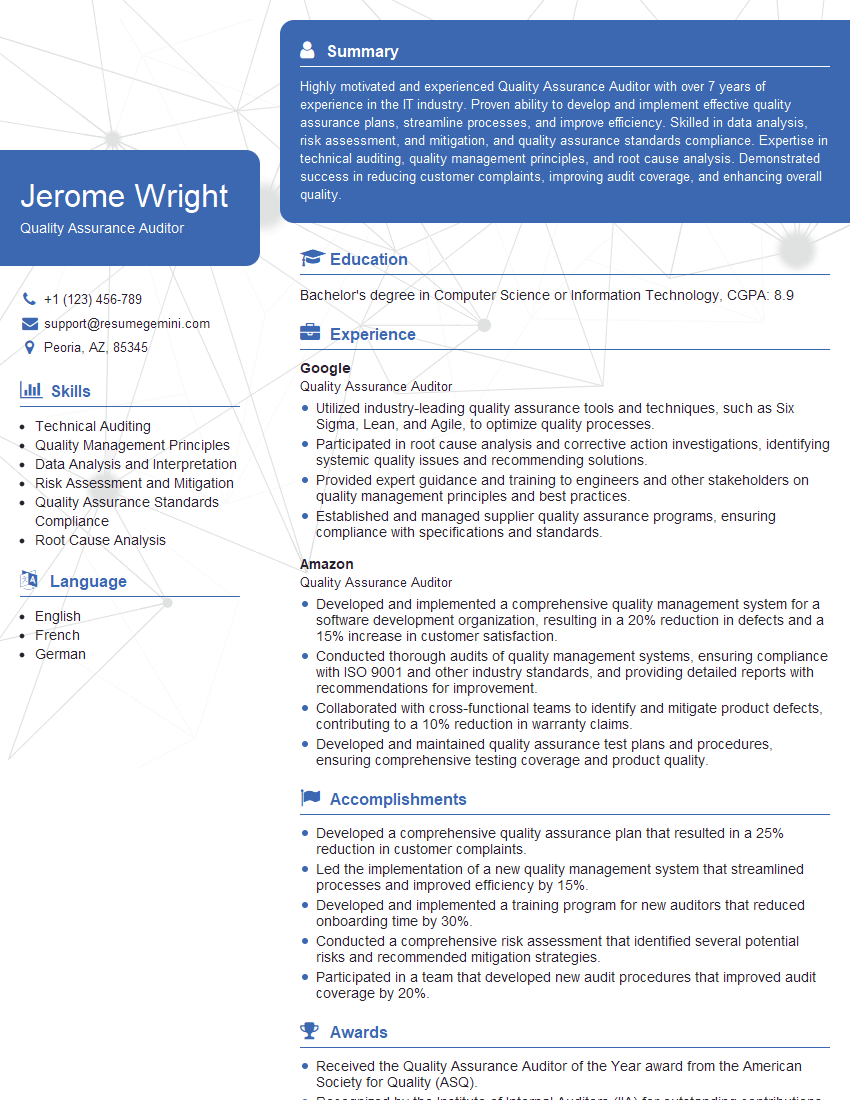
Quality Assurance Auditor Resume Sample

Airworthiness Inspector Resume Sample
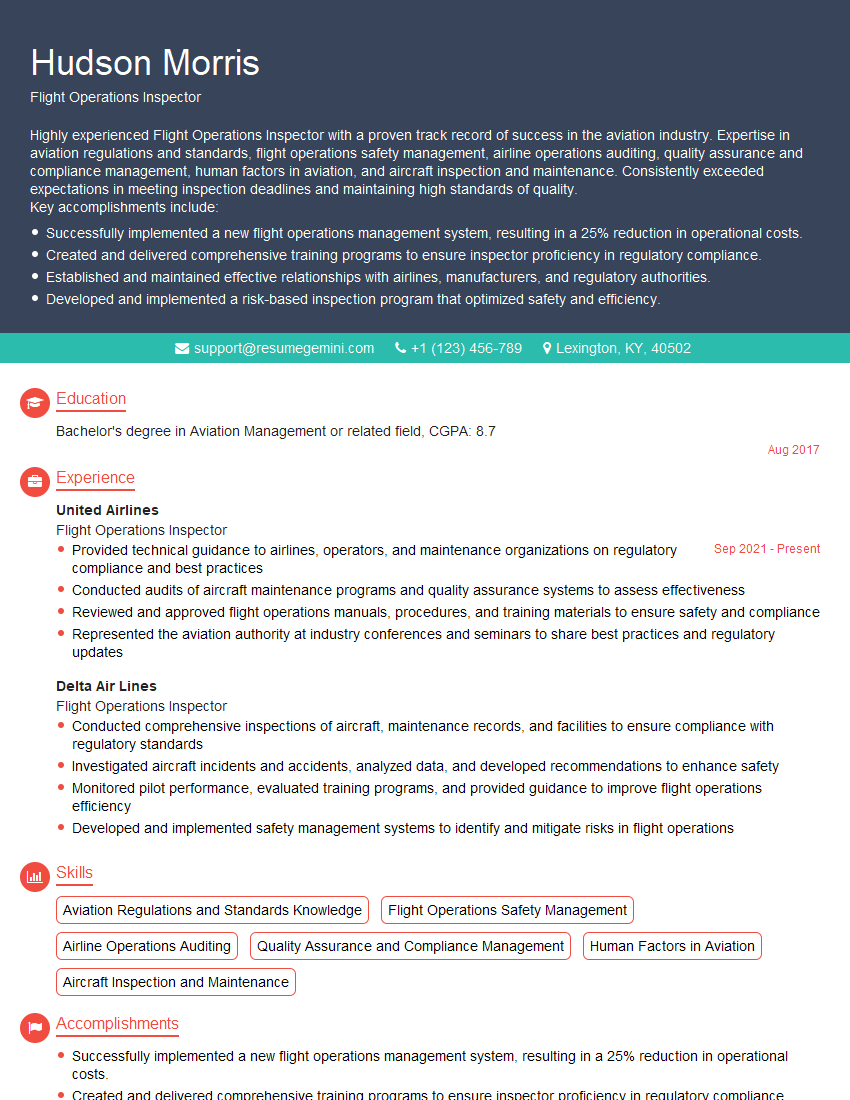
Flight Operations Inspector Resume Sample
Explore more articles
Users Rating of Our Blogs
Share Your Experience
We value your feedback! Please rate our content and share your thoughts (optional).
What Readers Say About Our Blog
Very informative content, great job.
good