The right preparation can turn an interview into an opportunity to showcase your expertise. This guide to R&D Support interview questions is your ultimate resource, providing key insights and tips to help you ace your responses and stand out as a top candidate.
Questions Asked in R&D Support Interview
Q 1. Describe your experience with laboratory equipment maintenance and troubleshooting.
My experience with laboratory equipment maintenance and troubleshooting spans over seven years, encompassing a wide range of instruments, from basic spectrophotometers and centrifuges to sophisticated HPLC and mass spectrometers. I’m proficient in performing routine preventative maintenance, including cleaning, calibration, and minor repairs. For example, during my previous role at BioTech Solutions, I developed a standardized checklist for weekly maintenance of our HPLC system, significantly reducing downtime and improving data accuracy. This involved not only the physical cleaning and calibration but also software checks and logging of maintenance activities. When troubleshooting, I follow a systematic approach, starting with the simplest potential causes and working my way up to more complex issues. I utilize instrument manuals, online resources, and collaborate with engineers or vendors when necessary. One instance involved a malfunctioning incubator. By systematically checking power, temperature sensors, and internal components, I identified a faulty heating element, which I then replaced, restoring functionality.
Furthermore, I’m trained in handling hazardous materials and equipment safely, adhering to all relevant safety protocols and regulations. This includes safe handling of chemicals, waste disposal, and electrical safety procedures.
Q 2. Explain your understanding of GLP (Good Laboratory Practice) and its importance in R&D.
Good Laboratory Practice (GLP) is a set of principles that ensure the uniformity, consistency, reliability, reproducibility, quality, and integrity of non-clinical laboratory studies. It’s crucial in R&D because it establishes a framework for generating high-quality data that can be trusted and used for regulatory submissions and decision-making. GLP principles encompass various aspects of laboratory operations, including documentation, personnel qualifications, equipment calibration, reagent management, and data handling. For instance, GLP mandates detailed record-keeping, with every step of an experiment documented meticulously. This includes the date, time, personnel involved, materials used, methods employed, and any deviations from the protocol.
The importance of GLP in R&D can’t be overstated. Non-compliance can lead to invalid data, regulatory setbacks, and even product recalls. In my previous role, we implemented a GLP compliant system for managing all our research data. This involved adopting electronic lab notebooks, establishing standard operating procedures (SOPs), and undergoing regular internal audits to ensure continuous compliance.
Q 3. How familiar are you with different research methodologies (e.g., qualitative, quantitative)?
I’m familiar with both qualitative and quantitative research methodologies, understanding their strengths and limitations in different contexts. Quantitative research uses numerical data and statistical analysis to identify patterns and relationships, while qualitative research focuses on in-depth understanding of experiences, perspectives, and meanings through methods like interviews and observations. For instance, if investigating the effectiveness of a new drug, quantitative methods might involve measuring physiological parameters and analyzing statistical significance. In contrast, a qualitative approach might involve interviewing patients to gather their subjective experiences with the drug. My experience often involves a mixed-methods approach, combining both quantitative and qualitative data for a more comprehensive understanding. This could involve using surveys to quantify user satisfaction alongside interviews to explore the reasons behind those satisfaction ratings.
Q 4. Describe your experience with data analysis and reporting in an R&D setting.
I have extensive experience in data analysis and reporting within an R&D environment. I’m proficient in using statistical software packages like R and SPSS to analyze experimental data, generate visualizations, and prepare reports. My skills include descriptive statistics, hypothesis testing, regression analysis, and ANOVA. For example, in a recent project investigating the efficacy of a new biomaterial, I used R to perform statistical analysis on the experimental data, creating graphs and tables to illustrate the results. I then integrated this analysis into a comprehensive report that included the experimental design, methods, results, and conclusions, suitable for internal review and potential publication. I’m also comfortable preparing presentations to communicate the findings to both technical and non-technical audiences.
Q 5. How would you handle a situation where experimental results deviate significantly from expectations?
When experimental results deviate significantly from expectations, I follow a systematic approach to identify the cause. This process involves meticulously reviewing every step of the experiment, checking for potential errors in experimental design, methodology, or data collection. First, I would verify the accuracy of the data itself – looking for potential recording errors, instrument malfunctions, or outliers. Next, I’d examine the experimental design, looking for any flaws or inconsistencies. Third, I would assess the quality and handling of reagents and materials. For example, if I’m working with a biological sample, contamination could be a source of error. If the problem persists after these steps, I would consult with colleagues or experienced researchers for guidance. Documentation at each step is essential. This process of investigation and thorough documentation is critical not only to identify the source of the problem but also for learning and improvement in future experiments.
Q 6. What software and tools are you proficient in using for R&D support?
I’m proficient in various software and tools relevant to R&D support. This includes statistical software such as R and SPSS, data management and visualization tools like Excel and GraphPad Prism, and specialized software specific to certain instruments (e.g., HPLC software, mass spectrometry software). I also have experience with electronic lab notebook (ELN) software, which is crucial for maintaining accurate and traceable records. Additionally, I’m comfortable using various types of laboratory information management systems (LIMS) for sample tracking and data management. My experience with these tools goes beyond simple use; I can effectively adapt and customize them to meet the specific needs of a research project.
Q 7. Explain your experience with managing and organizing laboratory supplies and reagents.
Managing and organizing laboratory supplies and reagents is a crucial aspect of my role and one I take very seriously. I employ a combination of strategies to ensure efficient management, minimizing waste and maintaining inventory control. This includes utilizing inventory management software, implementing a system of regular stock checks, and employing a first-in-first-out (FIFO) system for reagents with expiration dates. I meticulously label all reagents and supplies with clear identification, including date of receipt, lot number, and expiration date, to prevent errors and ensure traceability. Additionally, I develop and maintain detailed inventory records, facilitating the timely ordering of new supplies and preventing stockouts. In my previous role, I implemented a new inventory management system, improving efficiency and reducing the incidence of expired reagents.
Q 8. Describe your experience with preparing and submitting regulatory documents.
Preparing and submitting regulatory documents is a critical aspect of R&D, ensuring compliance and ethical conduct. My experience encompasses the entire lifecycle, from initial concept review to final submission. This includes meticulously gathering all necessary data, ensuring it aligns with the relevant regulatory guidelines (e.g., FDA, EMA, etc.), and formatting the documents according to stringent submission requirements. I’ve worked with various document types, such as Investigational New Drug (IND) applications, New Drug Applications (NDA), and various other submissions for medical devices and clinical trials.
For example, in a recent project involving a novel drug compound, I was responsible for compiling preclinical toxicology data, pharmacokinetic and pharmacodynamic studies, and manufacturing information into a comprehensive IND application. This required close collaboration with scientists, chemists, and project managers, ensuring all information was accurate, consistent, and appropriately presented. We meticulously tracked every amendment, ensuring all updates were appropriately documented and submitted to maintain compliance. The successful submission and approval of this IND underscored the importance of meticulous preparation and a thorough understanding of regulatory requirements.
Q 9. How do you ensure the accuracy and reliability of experimental data?
Ensuring the accuracy and reliability of experimental data is paramount in R&D. This involves a multi-faceted approach encompassing meticulous experimental design, rigorous data collection, and thorough data analysis.
- Experimental Design: This starts with a well-defined protocol that minimizes bias and error. This includes using appropriate controls, replicates, and blinding techniques where necessary. For instance, in a clinical trial, randomization of participants is crucial to avoid bias.
- Data Collection: Accurate and precise data collection is critical. This includes using calibrated instruments, maintaining detailed lab notebooks, and employing robust data management systems. Regular instrument calibration and preventative maintenance are also essential.
- Data Analysis: Statistical analysis plays a crucial role. This includes using appropriate statistical tests, understanding the limitations of the data, and appropriately presenting the results. Outlier detection and careful consideration of potential sources of error are crucial steps.
- Quality Control: Implementing rigorous quality control measures throughout the process is essential. This includes regular audits and reviews of the data and experimental procedures.
Think of it like baking a cake – you need the right recipe (experimental design), precise measurements (data collection), and proper baking techniques (data analysis) to get a consistently delicious result (reliable data). Any deviation will lead to an inferior outcome.
Q 10. How would you prioritize tasks when faced with multiple competing deadlines?
Prioritizing tasks with competing deadlines requires a strategic approach. I use a combination of techniques to effectively manage my workload.
- Prioritization Matrix: I utilize a prioritization matrix (e.g., Eisenhower Matrix – Urgent/Important) to categorize tasks based on urgency and importance. This helps me focus on high-impact tasks first.
- Time Blocking: I allocate specific time blocks for different tasks, ensuring I dedicate sufficient time to high-priority items. This prevents multitasking and enhances focus.
- Task Breakdown: Breaking down large tasks into smaller, manageable sub-tasks makes them less daunting and allows for better progress tracking.
- Communication: Open communication with stakeholders is crucial. This ensures that everyone understands priorities and potential delays are addressed proactively.
For example, if I have a regulatory submission deadline looming and also need to analyze ongoing experimental data, I’d prioritize the regulatory submission because of its critical nature and potential consequences for missing the deadline. However, I will also allocate specific time blocks to address experimental data analysis to ensure this task is completed efficiently.
Q 11. Describe your experience with collaborating with scientists and engineers in a team environment.
Collaboration is essential in R&D. My experience involves working effectively within multidisciplinary teams of scientists, engineers, and project managers. I excel at fostering a collaborative environment where everyone’s expertise is valued.
- Effective Communication: I ensure clear and concise communication of information, utilizing various methods such as presentations, reports, and email.
- Active Listening: I am a keen listener, actively seeking input and perspectives from team members.
- Conflict Resolution: I proactively address conflicts constructively, focusing on solutions rather than blame.
- Shared Goals: I ensure that everyone understands the project’s goals and objectives. This creates a sense of shared purpose and enhances teamwork.
In a recent project involving the development of a new medical device, I collaborated effectively with engineers on the design specifications, scientists on testing protocols, and marketing specialists on market analysis. This interdisciplinary collaboration ensured a successful product launch.
Q 12. Explain your understanding of intellectual property rights and their relevance to R&D.
Intellectual property (IP) rights are crucial in R&D, protecting the innovations and inventions of an organization. This includes patents, trademarks, and copyrights.
- Patents: Protect novel inventions, granting exclusive rights to the inventor for a specified period.
- Trademarks: Protect brand names and logos, ensuring brand recognition and preventing counterfeiting.
- Copyrights: Protect original works of authorship, such as research publications and software code.
Understanding IP rights is critical for R&D because it protects the organization’s investment in research and development, enabling them to commercialize innovations and gain a competitive edge. It also prevents unauthorized use of their intellectual property. For example, securing a patent on a novel drug compound protects the company’s investment in the research and development of the compound, allowing it to exclusively market the drug for a period of time.
Q 13. How familiar are you with different types of research grants and funding opportunities?
I am familiar with various types of research grants and funding opportunities, both governmental and private. This includes:
- Governmental Grants: Such as NIH grants (National Institutes of Health), NSF grants (National Science Foundation), and various other government agencies focused on specific areas of research. I understand the application processes, required documentation, and reporting requirements associated with these grants.
- Private Funding: This includes philanthropic organizations, venture capital, and corporate funding. Each funding source has unique requirements and evaluation criteria.
My knowledge extends to identifying suitable funding opportunities based on the project’s scope, objectives, and eligibility requirements. I have experience preparing grant proposals, including budget justification, research timelines, and anticipated outcomes. For instance, I helped secure an NIH grant for a project focusing on the development of a new cancer treatment. This involved writing a comprehensive proposal, highlighting the research’s novelty, potential impact, and strong team expertise.
Q 14. Describe your experience with literature review and scientific writing.
Literature review and scientific writing are fundamental skills in R&D. My experience encompasses conducting comprehensive literature reviews, identifying relevant publications, synthesizing information, and writing clear, concise, and impactful scientific reports and manuscripts.
- Literature Review: I utilize various databases (e.g., PubMed, Web of Science) to identify and analyze relevant research publications. I critically evaluate the quality and relevance of the sources to ensure a comprehensive understanding of the existing knowledge.
- Scientific Writing: I can write clear, concise, and well-structured scientific reports and manuscripts, adhering to established guidelines and style manuals. I am proficient in using various writing tools to improve clarity and coherence.
For instance, I have written several peer-reviewed publications based on my research findings. The process involves conducting a thorough literature review to contextualize the work, developing a strong narrative, presenting the data clearly, and carefully addressing any potential limitations or criticisms. The successful publication of these papers reflects my expertise in scientific writing and effective communication of research findings.
Q 15. Explain your experience with safety protocols and procedures in a laboratory setting.
Safety is paramount in any laboratory setting. My experience encompasses a thorough understanding and strict adherence to all relevant safety protocols and procedures, including those outlined in our company’s Safety Manual and relevant governmental regulations (e.g., OSHA). This includes comprehensive training in the handling of hazardous materials, proper use of personal protective equipment (PPE) like gloves, lab coats, eye protection, and respirators, as well as emergency procedures like fire drills and chemical spill response.
For example, in my previous role at BioTech Solutions, I was responsible for ensuring that all personnel followed the established protocols for handling biohazardous waste, including proper segregation, labeling, and autoclaving before disposal. We regularly conducted mock chemical spills to practice response procedures, and everyone was trained on the location and usage of safety showers and eyewash stations. This proactive approach helped to maintain a safe and productive work environment.
- Understanding and complying with all relevant safety data sheets (SDS) for chemicals used.
- Regular safety inspections of the lab to identify and rectify potential hazards.
- Participation in safety training and refresher courses.
Career Expert Tips:
- Ace those interviews! Prepare effectively by reviewing the Top 50 Most Common Interview Questions on ResumeGemini.
- Navigate your job search with confidence! Explore a wide range of Career Tips on ResumeGemini. Learn about common challenges and recommendations to overcome them.
- Craft the perfect resume! Master the Art of Resume Writing with ResumeGemini’s guide. Showcase your unique qualifications and achievements effectively.
- Don’t miss out on holiday savings! Build your dream resume with ResumeGemini’s ATS optimized templates.
Q 16. How would you address a safety hazard or incident in the lab?
Addressing a safety hazard or incident requires a calm and systematic approach. My first step would always be to assess the situation and ensure the safety of myself and those around me. This might involve evacuating the area if necessary or taking immediate action to contain the hazard. The next step is to report the incident immediately to the appropriate supervisor or safety officer, providing a clear and concise account of what happened.
For instance, if there were a chemical spill, I would first contain it using appropriate absorbent materials, then alert my supervisor and follow the established spill response protocol. This typically involves contacting emergency services if necessary, completing an incident report, and participating in a post-incident investigation to determine the root cause and prevent future occurrences. Thorough documentation of the incident, including actions taken, is critical.
Essentially, my response follows a simple framework: Assess, Respond, Report, Investigate.
Q 17. Describe your experience with maintaining accurate and detailed lab notebooks.
Maintaining accurate and detailed lab notebooks is crucial for reproducibility and traceability in research. My experience includes meticulous record-keeping, using both physical and electronic notebooks, following established guidelines (e.g., GLP – Good Laboratory Practice). Every entry is dated, includes a clear description of the experiment, the materials used, the procedures followed, and the results obtained. Raw data, observations, calculations, and any modifications to the original plan are all meticulously documented. I also utilize a clear and consistent structure for my entries, to ensure easy retrieval and understanding by other researchers.
I often used a combination of physical and electronic notebooks. The physical notebook serves as the primary record and allows for quick, handwritten notes and sketches. The electronic version, often a shared, cloud-based system, serves for data analysis, easier searching and backup. This dual approach ensures redundancy and long-term data security.
Imagine trying to replicate an experiment without a detailed record. It would be practically impossible! Accurate lab notebooks are the bedrock of reproducible science.
Q 18. How do you ensure the integrity and confidentiality of research data?
Ensuring the integrity and confidentiality of research data is paramount. My approach involves several key strategies. Firstly, I follow strict data management protocols including regular backups, using secure cloud storage solutions with appropriate access controls. I use version control systems to track changes to data files and prevent accidental overwriting. Secondly, I adhere to all relevant confidentiality agreements and guidelines, restricting access to sensitive information on a need-to-know basis.
For sensitive data, I would employ encryption techniques to protect against unauthorized access. Moreover, I always obtain proper authorization before sharing any research data with external parties. Data integrity is also ensured through regular data audits and verification processes. In short, data security is treated with the utmost care and seriousness to protect intellectual property and maintain the validity of the research.
Q 19. Describe your experience with quality control procedures in R&D.
My experience with quality control (QC) procedures in R&D focuses on ensuring the accuracy, reliability, and consistency of research results. This involves implementing and adhering to established QC protocols at each stage of the research process, from sample preparation and instrument calibration to data analysis and reporting. This may include using control samples to assess the precision and accuracy of assays, performing regular maintenance on equipment to minimize errors, and utilizing statistical methods to evaluate data quality.
For example, in a previous project involving antibody production, we used multiple QC checkpoints to ensure consistent product quality: ELISA for antibody concentration, Western blot to verify specificity, and size exclusion chromatography to assess purity. Deviations from established standards triggered investigations to identify and correct the root cause of the problem.
Q 20. How would you contribute to the improvement of existing R&D processes?
Contributing to the improvement of existing R&D processes requires a proactive and analytical approach. I begin by identifying areas where efficiency or accuracy can be enhanced. This involves observing current workflows, analyzing data on throughput, identifying bottlenecks, and gathering feedback from team members. Once potential improvement areas are identified, I develop and propose solutions. This might involve suggesting new technologies, optimizing existing protocols, or implementing new data management systems.
For example, I once identified a significant time bottleneck in our sample preparation workflow. By implementing a new automation system, we were able to increase throughput by 40% and reduce the error rate significantly. My contribution involved research into different automation solutions, developing a cost-benefit analysis, and leading the implementation and training efforts. This was done through collaboration with the team, emphasizing a continuous improvement methodology.
Q 21. What are your strengths and weaknesses in relation to R&D support?
My strengths in R&D support include meticulous attention to detail, strong organizational skills, proficiency in data analysis and interpretation, and a proactive approach to problem-solving. I am highly adaptable and comfortable working both independently and collaboratively within a team. I possess a solid understanding of safety regulations and a commitment to maintaining the highest ethical and professional standards.
A potential area for improvement is my experience with certain advanced analytical techniques. While I am proficient in many standard techniques, I am always seeking opportunities to expand my knowledge base and learn new methods to broaden my contributions to the team. I am actively pursuing online courses and attending workshops to address this.
Q 22. Describe a time you had to adapt to a changing research project or timeline.
Adaptability is crucial in R&D, where shifting priorities and unforeseen challenges are common. In one project involving the development of a new biofuel, we initially focused on algae cultivation. However, after six months, market analysis revealed a stronger demand for cellulosic ethanol. We needed to pivot quickly.
My approach involved several steps: First, I collaborated with the research team to assess the feasibility of shifting focus. We evaluated existing resources, expertise, and the time required to adapt our methodologies. Second, I facilitated a series of brainstorming sessions to explore the optimal path for transitioning to cellulosic ethanol research. This involved identifying key research gaps, securing new funding if necessary (we did secure a grant), and readjusting the project timeline. Finally, we implemented a phased approach, integrating relevant aspects of our algae research into the cellulosic ethanol project to minimize waste and optimize efficiency. This transition, while demanding, allowed us to meet the market’s needs and successfully deliver a viable biofuel solution, albeit with a revised timeline.
Q 23. How do you stay up-to-date with the latest advancements in your field?
Staying current in the rapidly evolving field of R&D requires a multi-pronged approach. I leverage several strategies to keep abreast of the latest advancements.
- Scientific Publications: I regularly read journals like Science, Nature, and specialized publications relevant to my areas of expertise (e.g., biotechnology journals). I utilize online databases like PubMed and Web of Science for targeted literature searches.
- Conferences and Workshops: Attending industry conferences and workshops provides valuable insights into cutting-edge research and allows for networking with leading researchers.
- Online Resources: I actively follow prominent researchers and institutions on social media platforms like ResearchGate and LinkedIn, as well as subscribing to relevant newsletters and podcasts. This ensures I’m alerted to new breakthroughs and publications.
- Professional Development Courses: I participate in online courses and workshops to enhance my skills and learn about emerging techniques. This might include advanced statistical analysis or project management training.
This holistic approach ensures I remain knowledgeable about new technologies, methodologies, and trends within my field.
Q 24. Explain your understanding of statistical analysis techniques relevant to R&D.
Statistical analysis is integral to R&D, providing the foundation for drawing meaningful conclusions from experimental data. My expertise encompasses various techniques:
- Descriptive Statistics: Calculating measures of central tendency (mean, median, mode) and dispersion (standard deviation, variance) to summarize data and identify trends.
- Inferential Statistics: Employing techniques like t-tests, ANOVA, and regression analysis to test hypotheses, compare groups, and establish relationships between variables. For example, I’ve used ANOVA to compare the yield of different biofuel production methods.
- Regression Analysis: Building models to predict outcomes based on multiple variables. In a recent project, we used linear regression to model the relationship between reaction temperature and product yield.
- Design of Experiments (DOE): Planning and analyzing experiments to optimize processes and minimize the number of trials needed. This is particularly valuable in optimizing reaction conditions for chemical synthesis or biological processes.
- Data Visualization: Presenting results effectively using various charts and graphs (e.g., histograms, scatter plots) to convey patterns and insights to a broader audience.
Proficiency in statistical software such as R or SPSS is essential for effectively applying these techniques.
Q 25. Describe your experience with project management tools and methodologies.
Throughout my career, I’ve utilized various project management tools and methodologies to ensure efficient and effective project execution. My experience includes:
- Project Management Software: I’m proficient with tools like Asana, Trello, and Jira for task management, collaboration, and progress tracking. For example, I used Jira to manage a complex project with multiple teams and stakeholders.
- Methodologies: I have experience applying Agile and Waterfall methodologies, adapting the most suitable approach based on project requirements. Agile’s iterative nature is beneficial for projects with evolving needs, while Waterfall is more appropriate for projects with well-defined scopes.
- Gantt Charts: Creating and managing Gantt charts to visualize project timelines, dependencies, and milestones. This aids in monitoring progress and identifying potential delays.
- Risk Management: I actively participate in identifying and mitigating potential risks throughout the project lifecycle, developing contingency plans to address unforeseen challenges.
My experience allows me to effectively manage resources, deadlines, and deliverables, contributing to successful project completion.
Q 26. How would you handle conflict within an R&D team?
Conflict is inevitable in team environments, and addressing it effectively is essential for maintaining productivity and morale. My approach to resolving conflict within an R&D team is based on open communication and collaborative problem-solving:
- Active Listening: I begin by actively listening to all parties involved, ensuring everyone feels heard and understood. This helps to identify the root cause of the conflict.
- Neutral Facilitation: I facilitate a discussion in a neutral setting, focusing on the issue at hand rather than personal attacks. I encourage open dialogue and respectful communication.
- Collaborative Problem-Solving: Together, we brainstorm potential solutions, considering the needs and perspectives of all involved. The goal is to reach a mutually agreeable solution that addresses the concerns of everyone.
- Documentation and Follow-up: I document the agreed-upon solution and ensure that there’s a follow-up to confirm its effectiveness and address any outstanding concerns. This helps to prevent similar conflicts in the future.
In some situations, involving a mediator might be necessary if the conflict remains unresolved through internal efforts.
Q 27. Describe your experience with preparing presentations or reports on research findings.
Effective communication of research findings is crucial for disseminating knowledge and securing further funding. I have extensive experience in preparing presentations and reports for various audiences, including scientific peers, management, and potential investors.
- Presentations: I develop engaging presentations using tools like PowerPoint or Google Slides. I focus on clear visuals, concise language, and storytelling to convey complex information effectively. I tailor the level of detail and technical language to the audience’s expertise.
- Reports: I prepare detailed reports that include methodology, results, analysis, and conclusions, adhering to established scientific writing conventions. I ensure the report is well-structured, logically organized, and easy to understand.
- Data Visualization: I utilize appropriate charts and graphs to highlight key findings and present data in a clear and compelling manner.
- Feedback and Revision: I actively solicit feedback from colleagues and supervisors to improve the quality and clarity of my presentations and reports before dissemination.
My presentations and reports consistently receive positive feedback for their clarity, accuracy, and engagement.
Q 28. What are your salary expectations for this R&D Support role?
My salary expectations for this R&D Support role are in the range of $85,000 to $105,000 per year. This range reflects my experience, skills, and qualifications, as well as the market value for similar roles in this region. I am open to discussing this further and am confident that my contributions will significantly benefit your organization.
Key Topics to Learn for R&D Support Interview
- Laboratory Techniques & Equipment: Understanding common laboratory procedures, equipment operation (e.g., HPLC, GC-MS, spectrophotometers), and safety protocols is crucial. Consider practical applications like troubleshooting equipment malfunctions or optimizing experimental setups.
- Data Management & Analysis: Proficiency in organizing, analyzing, and interpreting experimental data using relevant software (e.g., Excel, specialized statistical packages) is essential. Focus on practical skills like data visualization, statistical analysis, and report writing.
- Research Project Support: Familiarize yourself with the various stages of a research project, from experimental design and execution to data analysis and reporting. Practice explaining your understanding of the research process and your role in supporting its success.
- Inventory Management & Ordering: Understanding inventory control systems, ordering supplies, and maintaining accurate records is a critical aspect of R&D support. Consider how you would optimize inventory processes or manage supply chain challenges.
- Regulatory Compliance & Safety: Knowledge of relevant safety regulations (e.g., GLP, GMP) and best practices for handling hazardous materials is vital. Be prepared to discuss your understanding of safety procedures and your approach to maintaining a safe working environment.
- Communication & Collaboration: Effective communication with scientists, engineers, and other team members is paramount. Prepare examples demonstrating your ability to clearly communicate technical information and collaborate effectively in a team setting.
- Problem-Solving & Troubleshooting: R&D support often involves troubleshooting experimental issues and finding creative solutions to challenges. Practice describing your problem-solving approach and your ability to think critically under pressure.
Next Steps
Mastering R&D support skills opens doors to exciting career opportunities and significant growth within the scientific field. Your expertise in laboratory techniques, data analysis, and project management will be highly valued. To enhance your job prospects, focus on crafting an ATS-friendly resume that showcases your skills and experience effectively. ResumeGemini is a trusted resource that can help you build a professional and impactful resume. We provide examples of resumes tailored to R&D Support to guide you in creating a compelling application that highlights your qualifications and experience.
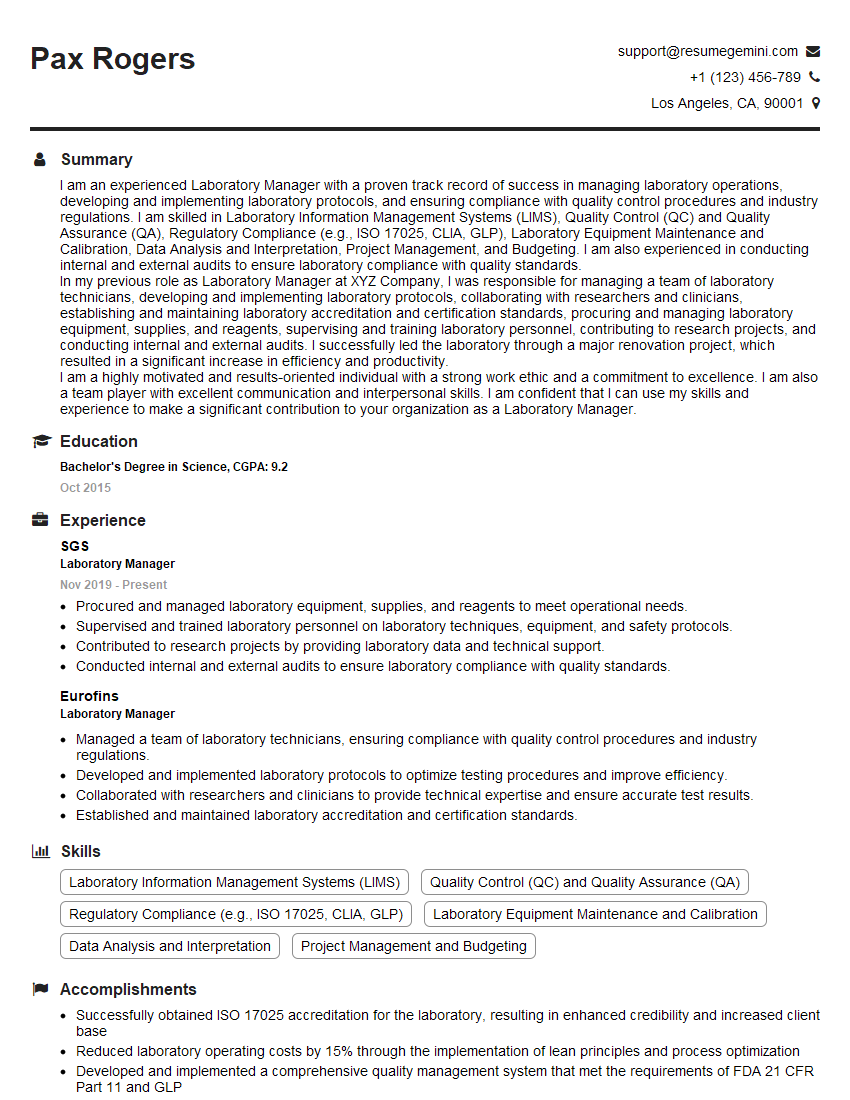
Laboratory Manager Resume Sample
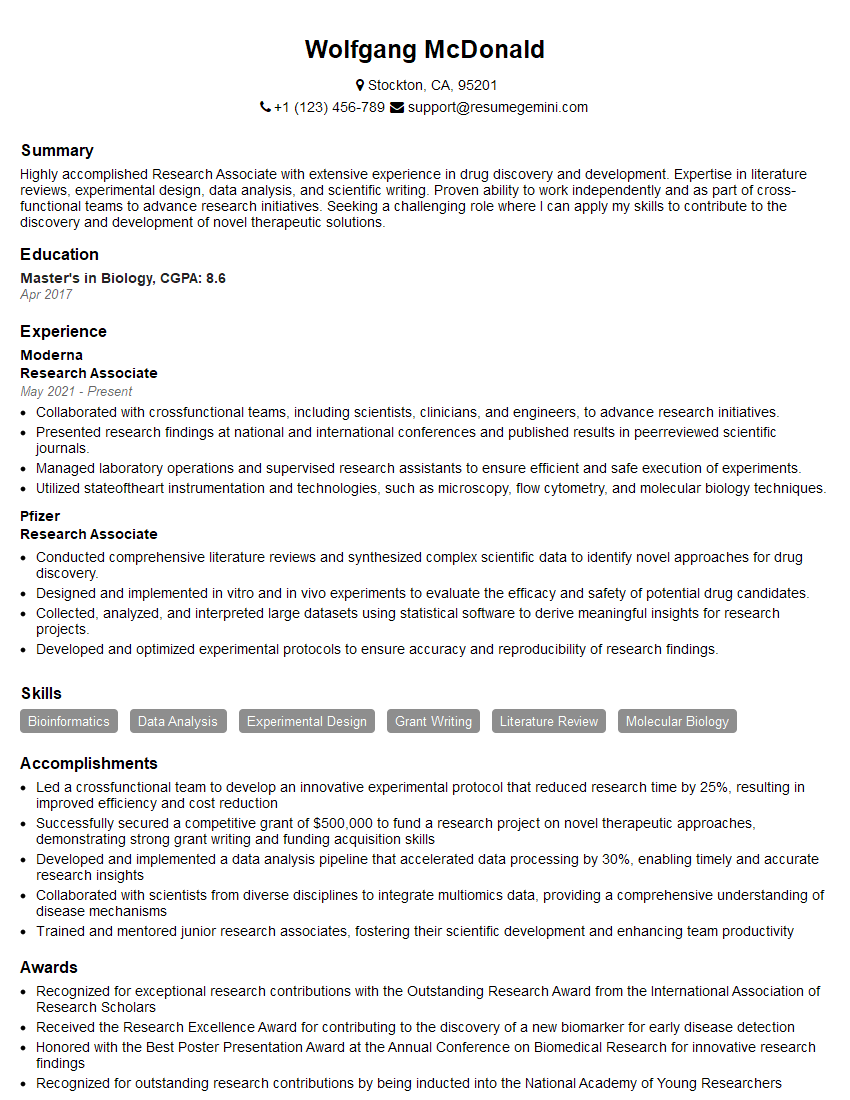
Research Associate Resume Sample
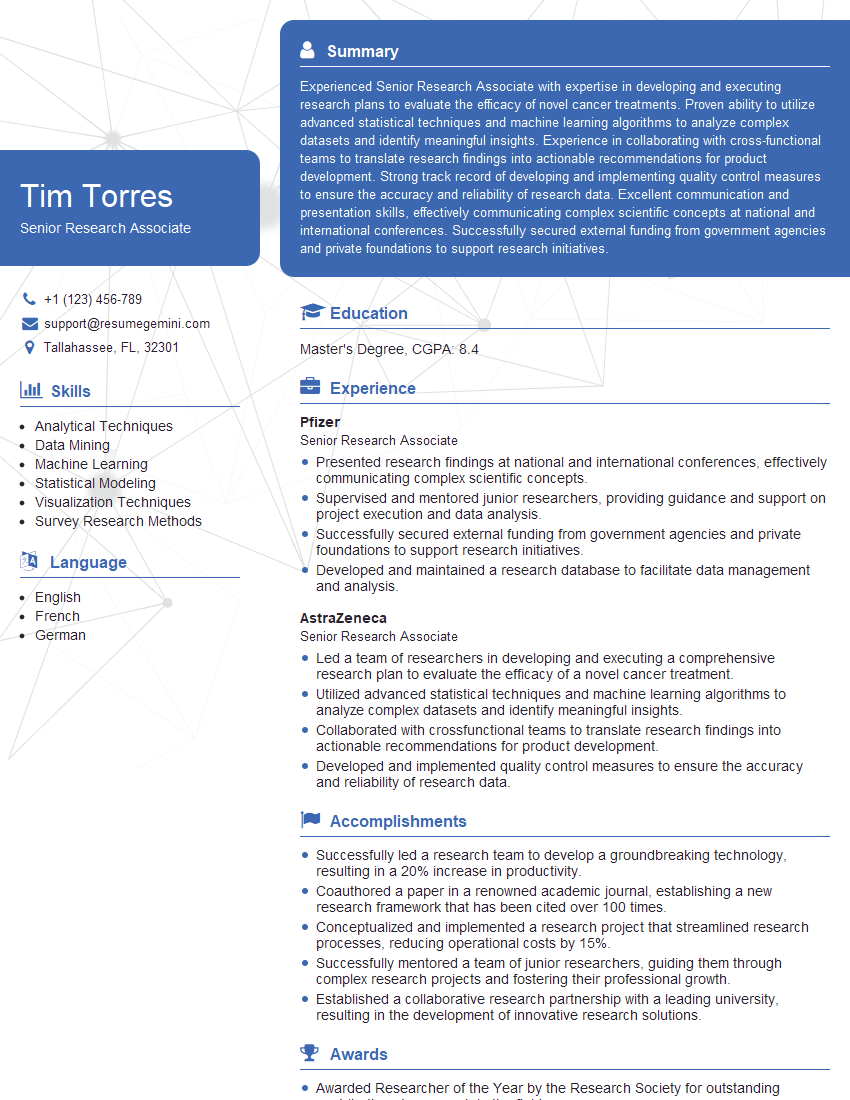
Senior Research Associate Resume Sample
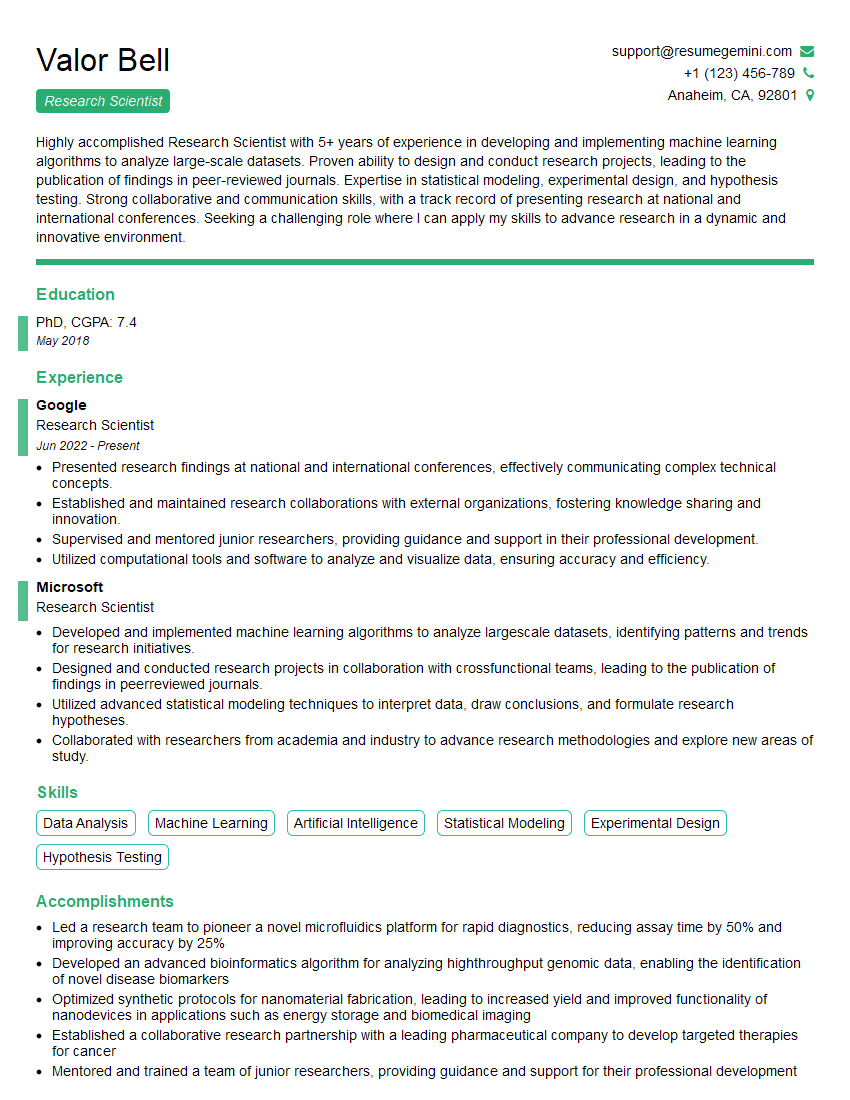
Research Scientist Resume Sample
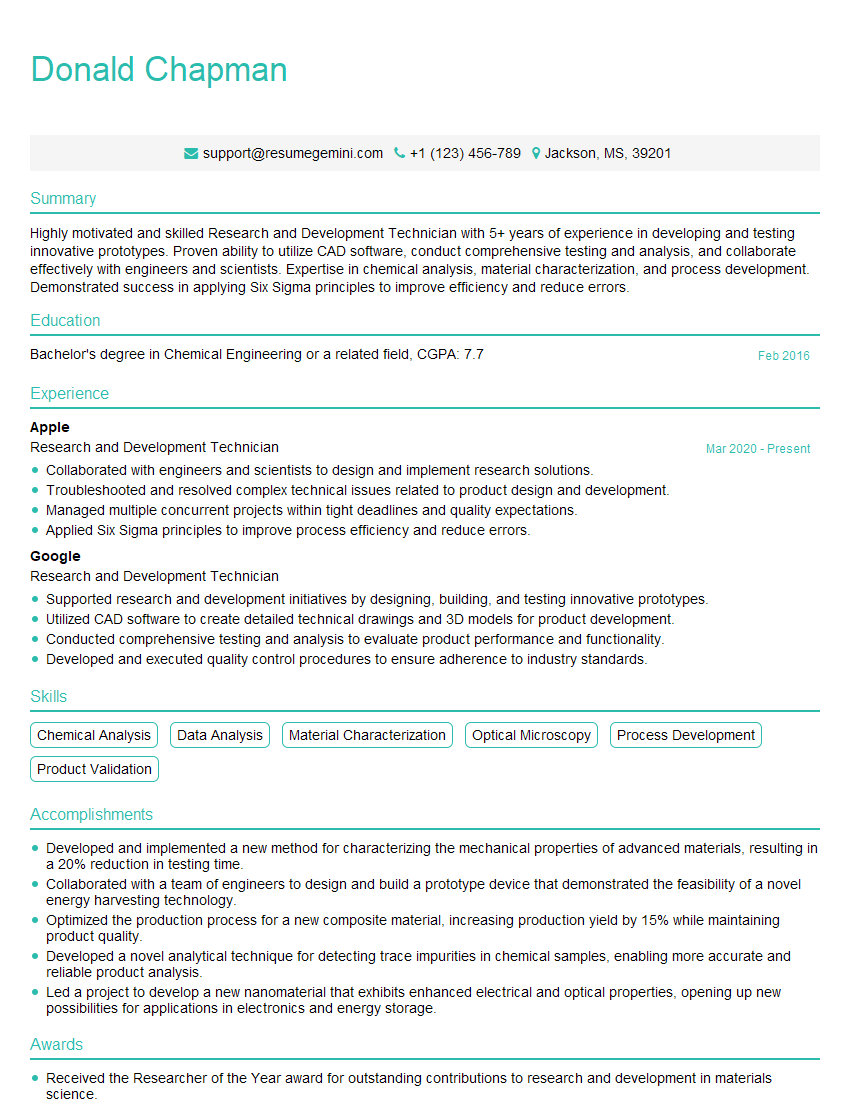
Research and Development Technician Resume Sample
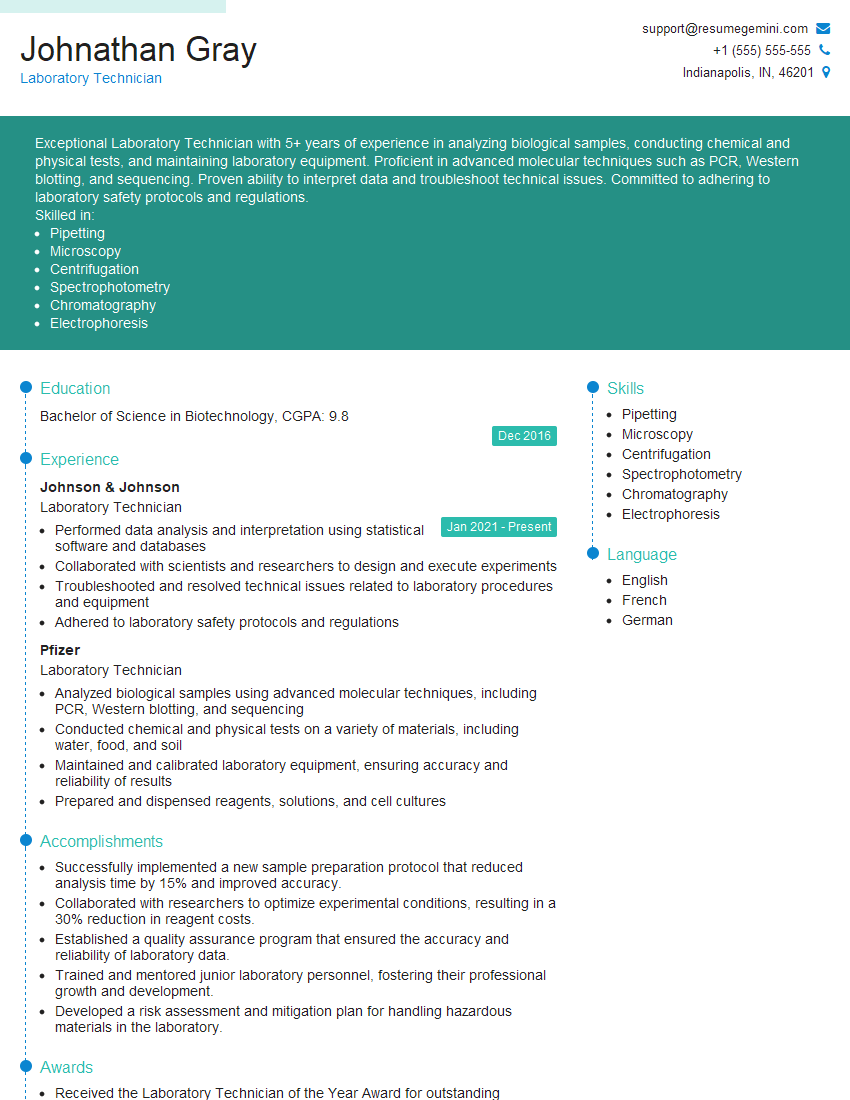
Laboratory Technician Resume Sample
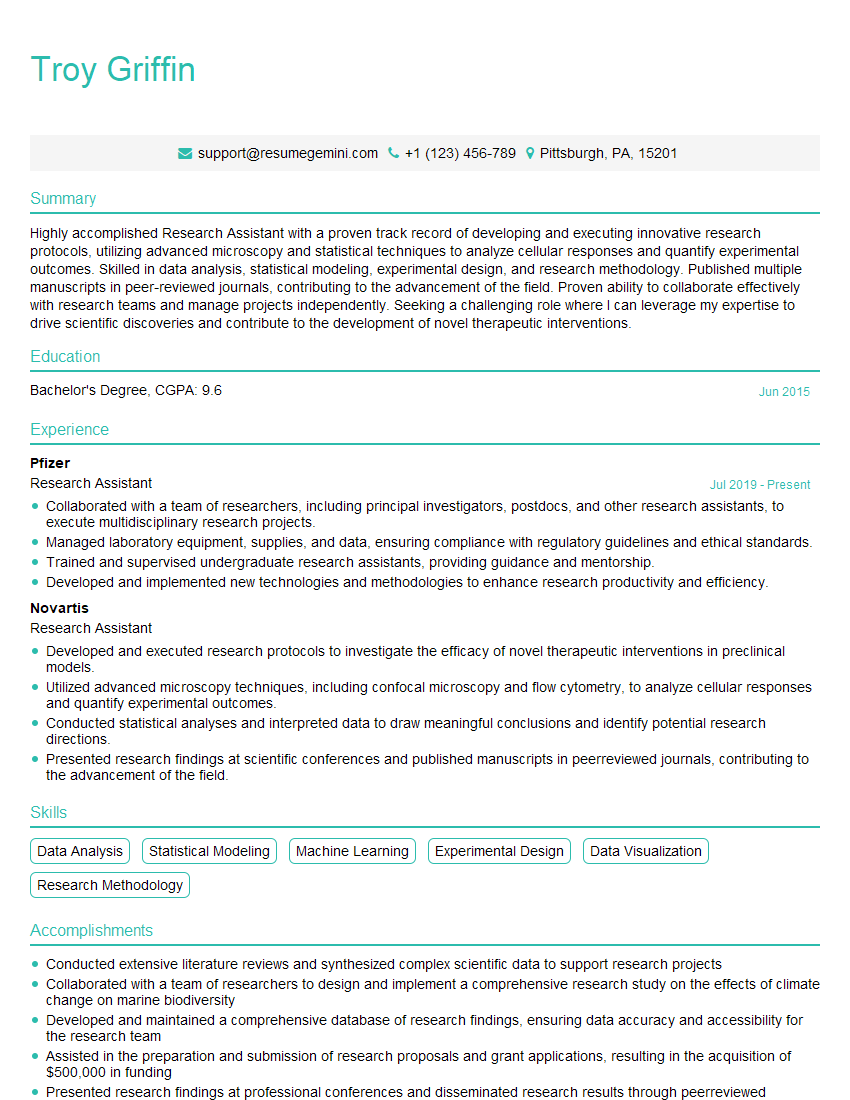
Research Assistant Resume Sample
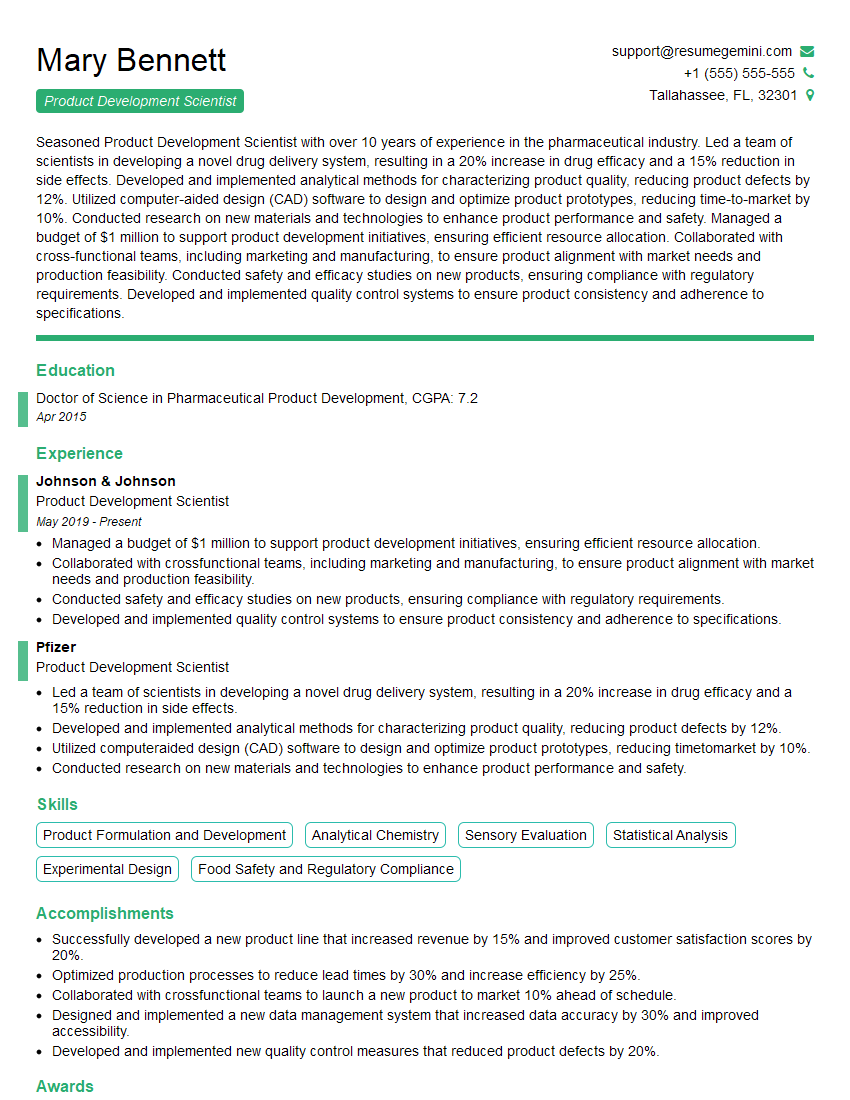
Product Development Scientist Resume Sample
Explore more articles
Users Rating of Our Blogs
Share Your Experience
We value your feedback! Please rate our content and share your thoughts (optional).
What Readers Say About Our Blog
Very informative content, great job.
good