Cracking a skill-specific interview, like one for Warm-up Routine Development, requires understanding the nuances of the role. In this blog, we present the questions you’re most likely to encounter, along with insights into how to answer them effectively. Let’s ensure you’re ready to make a strong impression.
Questions Asked in Warm-up Routine Development Interview
Q 1. Explain the physiological rationale behind a dynamic warm-up.
The physiological rationale behind a dynamic warm-up centers on preparing the body for activity by increasing blood flow, heart rate, muscle temperature, and range of motion without static stretching. This is achieved through controlled movements that mimic the activity to come. Increased muscle temperature improves muscle elasticity and contractility, reducing the risk of injury. Enhanced blood flow delivers oxygen and nutrients to working muscles, improving performance. The increased range of motion allows for a greater amplitude of movement during the subsequent workout, preventing restrictions and strains. Think of it like warming up your car engine – you wouldn’t just start driving at full speed without letting it run for a bit, right?
Specifically, a dynamic warm-up improves neuromuscular efficiency by activating the nervous system and enhancing muscle activation patterns. It primes the body for the demands of the workout by gradually increasing intensity, mimicking the specific movement patterns required.
Q 2. Describe the differences between a dynamic and static warm-up.
The key difference between dynamic and static warm-ups lies in the type of movement involved. A dynamic warm-up involves active movements like arm circles, leg swings, and torso twists, gradually increasing in intensity. These movements prepare the muscles and joints for activity by improving range of motion and increasing blood flow. In contrast, a static warm-up involves holding stretches for a prolonged period (typically 15-30 seconds). While static stretching has its place in a cool-down, performing it before strenuous activity can actually decrease muscle power output and increase the risk of injury by reducing muscle fiber tension.
Imagine this: a dynamic warm-up is like getting your muscles ready for a race by doing some light jogging and stretches that mimic the running movements. A static warm-up, on the other hand, is like holding a stretch for an extended period before the race, which may actually hinder your performance.
Q 3. How do you assess an individual’s needs to design a personalized warm-up routine?
Assessing an individual’s needs for a personalized warm-up routine requires a multi-faceted approach. It begins with a thorough health history, including any pre-existing conditions, injuries, or limitations. This information is crucial for designing a safe and effective routine. Next, I would assess their current fitness level and training goals. Are they a beginner, intermediate, or advanced athlete? What sport or activity are they preparing for? Finally, I would conduct a movement assessment to identify any muscle imbalances, limitations in range of motion, or postural deviations. This assessment may involve observation, palpation, and functional tests. This holistic approach ensures that the warm-up addresses individual needs and reduces the risk of injury.
For example, a marathon runner would need a different warm-up than a weightlifter. A runner might benefit from dynamic stretches that focus on leg mobility, while a weightlifter might incorporate more dynamic movements targeting the major muscle groups involved in their lifts.
Q 4. What are the key components of a safe and effective warm-up for elderly clients?
Warm-ups for elderly clients must prioritize safety and mobility. The routine should start with light cardio, such as walking or stationary cycling, for 5-10 minutes to gradually increase heart rate and blood flow. Then, I would include dynamic stretches with a focus on maintaining balance and joint mobility. Exercises like arm circles, leg swings, torso rotations, and gentle hip circles are beneficial. It’s important to ensure the movements are controlled and within their range of motion, and avoid ballistic movements or excessive force. The session should be tailored to their individual physical capabilities and any limitations they may have. Including exercises that focus on balance and proprioception (the body’s sense of position in space) is crucial to prevent falls. Finally, the intensity should remain low to moderate to prevent injury.
For example, instead of deep lunges, we might opt for modified step-ups or assisted lunges. Instead of fast arm circles, we might opt for slow and controlled movements.
Q 5. How would you modify a warm-up for athletes with pre-existing injuries?
Modifying a warm-up for athletes with pre-existing injuries requires careful consideration. The warm-up should be tailored to avoid aggravating the injury. The first step is to identify the specific injury and its limitations. Then, modify the warm-up to exclude movements that stress the injured area. For example, if an athlete has a knee injury, high-impact movements and deep knee bends should be avoided. The focus should be on improving mobility and blood flow in other areas without compromising the injured joint. Range of motion exercises can be used to gently improve the flexibility of surrounding muscles. Moreover, strengthening exercises for areas surrounding the injury may improve stability and support. The intensity of the warm-up should be reduced, and close attention should be paid to the athlete’s feedback during the session.
For instance, an athlete with a shoulder injury might avoid overhead presses during their warm-up and instead focus on lower body dynamic stretching.
Q 6. What are the common mistakes people make when designing their warm-up routines?
Common mistakes in warm-up design include:
- Ignoring individual needs: A one-size-fits-all approach is ineffective and can lead to injury.
- Overdoing static stretching before activity: This can decrease muscle power and increase injury risk.
- Insufficient duration: A warm-up should be long enough to adequately prepare the body for the activity, typically 10-20 minutes.
- Neglecting sport-specific movements: The warm-up should mimic the demands of the main activity.
- Ignoring the cool-down: The cool-down is just as important as the warm-up for muscle recovery and reducing soreness.
- Starting too intensely: The warm-up should gradually increase in intensity, not jump straight into high-intensity movements.
These mistakes can lead to decreased performance, increased risk of injury, and ultimately, hinder progress toward fitness goals.
Q 7. How do you incorporate sport-specific movements into a warm-up?
Incorporating sport-specific movements into a warm-up is crucial for optimizing performance and injury prevention. The goal is to mimic the movements and muscle activation patterns required for the main activity. This can be achieved by including scaled-down versions of the key movements in the sport. For example, a basketball player might incorporate dribbling drills, jump shots with reduced height, and passing exercises into their warm-up. A tennis player might include light serves, forehands, and backhands with reduced intensity. A swimmer could use arm and leg movements that mimic the strokes used during their training. This helps to prime the muscles and nervous system for the specific demands of the sport, improving efficiency and reducing injury risk.
The key is to begin with low intensity and gradually increase the intensity and complexity as the warm-up progresses. This approach helps prepare the body for the specific demands of the sport while reducing the risk of injury. Remember, the goal is to prepare the body, not exhaust it.
Q 8. Explain the importance of progressive overload in warm-up design.
Progressive overload in warm-up design is crucial because it gradually increases the demands placed on the body, preparing it for the subsequent workout’s intensity. Think of it like gently stretching a rubber band – if you pull too hard too soon, it snaps. Similarly, if a warm-up jumps straight to intense activity without a gradual increase in intensity and duration, it risks injury. Instead, we should progressively increase the intensity of movements and the duration of the warm-up over time. For example, a runner might start with a slow jog for 5 minutes, then gradually increase the pace and duration to a brisk jog for 10-15 minutes over several weeks. This principle applies to all aspects of the warm-up, from cardiorespiratory exercises to dynamic stretches.
This systematic increase in demand allows the body to adapt and improve its functional capacity. It enhances cardiovascular fitness, improves muscular strength and endurance, and enhances flexibility, ultimately reducing the risk of injury and optimizing performance.
Q 9. What are the benefits of incorporating mobility exercises into a warm-up routine?
Incorporating mobility exercises into a warm-up offers several key benefits. Mobility exercises focus on improving the range of motion around joints. They prepare the body for the specific movements required in the main workout, reducing the risk of injury and enhancing performance. For instance, incorporating hip circles and arm swings before a basketball game will improve joint mobility and prepare the body for the quick movements needed.
- Improved Range of Motion: Increased joint flexibility enhances movement efficiency and reduces stiffness.
- Reduced Injury Risk: Warming up the muscles and joints makes them less susceptible to strains and tears during the workout.
- Enhanced Performance: Improved mobility allows for a fuller range of motion during the workout, leading to better technique and increased power.
- Increased Blood Flow: Mobility exercises help increase blood flow to the muscles, preparing them for work.
Think of it like oiling a machine before using it. Mobility exercises lubricate the joints and prepare the muscles for the activity to come.
Q 10. How do you determine the appropriate duration for a warm-up routine?
The appropriate duration of a warm-up depends on several factors, including the intensity and duration of the main workout, the individual’s fitness level, and the environmental conditions. There is no one-size-fits-all answer. Generally, a warm-up should last between 10 and 20 minutes. A more intense workout will require a longer warm-up.
- Intensity of the Workout: A high-intensity workout like HIIT will necessitate a longer and more intense warm-up than a light yoga session.
- Fitness Level: Individuals with lower fitness levels may require a longer warm-up to adequately prepare their bodies.
- Environmental Conditions: Colder temperatures may necessitate a longer warm-up to increase body temperature.
A good rule of thumb is to start with a light cardio phase, followed by dynamic stretches and mobility work. As you become more comfortable, you can adjust the duration based on how your body feels. Listen to your body – if you still feel tight or cold after 10 minutes, continue for a bit longer.
Q 11. Describe how you would structure a warm-up for a high-intensity interval training (HIIT) session.
A warm-up for a HIIT session needs to be more intense than a warm-up for a less demanding activity. The goal is to elevate both the heart rate and body temperature significantly. A sample structure could be:
- Light Cardio (5 minutes): Begin with a low-intensity activity like jogging, jumping jacks, or cycling to increase blood flow.
- Dynamic Stretching (5 minutes): Include movements like arm circles, leg swings, torso twists, and high knees. This improves range of motion and prepares the muscles for the intense movements to come.
- Specific Movement Preparation (2-3 minutes): Incorporate exercises that mimic the movements used in the HIIT workout. For example, if your HIIT session includes burpees, practice a few slower, controlled burpees to prime the muscles.
It’s crucial to avoid fatigue during this warm-up. The goal is to prepare, not exhaust, the body. The intensity should increase gradually, mirroring the principle of progressive overload.
Q 12. Explain the role of neuromuscular activation in warm-up exercises.
Neuromuscular activation, a crucial component of a well-designed warm-up, refers to the process of stimulating the nervous system to prepare muscles for optimal performance. It involves activating the motor units that control muscle contraction, enhancing communication between the brain and muscles. Effective neuromuscular activation leads to improved coordination, power, and reaction time. Exercises like light weight training or bodyweight exercises with a focus on proper form can achieve this.
For example, performing light squats before a leg workout improves neuromuscular activation in the leg muscles, making them ready for heavier weight. This leads to improved performance and minimizes the risk of injury. Think of it as ‘waking up’ the nervous system and getting the muscles ready to fire correctly. Ignoring neuromuscular activation increases injury risk during intense exercise.
Q 13. How would you design a warm-up for a team sport, such as basketball or soccer?
Designing a warm-up for a team sport like basketball or soccer requires a more holistic approach. The warm-up should incorporate elements that address both the general physical demands and the sport-specific movements. Here’s a possible structure:
- General Warm-up (5-7 minutes): Begin with light cardio such as jogging or jumping jacks to increase heart rate and blood flow.
- Dynamic Stretching (5-7 minutes): Include sport-specific movements such as leg swings for soccer or arm circles and torso twists for basketball. This improves flexibility and prepares the body for game-specific actions.
- Sport-Specific Drills (10-15 minutes): Incorporate drills that mimic the movements of the game, such as passing drills for soccer or shooting drills for basketball. This enhances coordination, agility, and reaction time.
Team warm-ups often incorporate a team element – for example, a basketball team might start with passing drills that focus on teamwork and communication. It’s also crucial to tailor the intensity to the specific demands of the game – a high-intensity game requires a more vigorous warm-up than a low-intensity practice.
Q 14. Discuss the importance of considering environmental factors when designing warm-ups.
Environmental factors significantly influence warm-up design. Ignoring these factors can negatively impact performance and increase injury risk. Key considerations include:
- Temperature: In cold weather, a longer warm-up is needed to elevate body temperature and prevent muscle stiffness. In hot weather, hydration is crucial, and the warm-up intensity might need to be adjusted to avoid overheating.
- Humidity: High humidity can increase the risk of heat exhaustion, requiring modifications to the warm-up duration and intensity.
- Altitude: Training at high altitudes reduces oxygen availability. A slower, more gradual warm-up may be necessary.
- Wind: Wind chill can make the body lose heat faster; adjusting the warm-up accordingly is vital.
Consider, for example, a marathon runner competing in a high-altitude, cold environment. The warm-up will differ vastly from a runner participating in a warm, low-altitude race. The environmental conditions will dictate the duration, intensity, and specific exercises included in the warm-up routine. This adaptability is key to safety and optimal performance.
Q 15. How do you address client concerns or resistance to performing warm-up exercises?
Addressing client concerns about warm-up routines requires empathy and a tailored approach. Many resist warm-ups due to time constraints or perceived irrelevance. I begin by explaining the why – how warm-ups enhance performance, reduce injury risk, and improve the overall workout experience. I use analogies like preparing a car engine before driving or warming up a musical instrument before playing. For those short on time, I suggest incorporating dynamic stretches (movements like arm circles or leg swings) that can be integrated into the transition to the main activity, rather than a separate session. If a client expresses discomfort with a specific exercise, I modify it or find an alternative, always emphasizing that the goal is to prepare the body for movement, not to cause pain.
For example, if a client dislikes traditional static stretching, I’ll introduce dynamic stretches like arm circles, leg swings, and torso twists. If they find jumping jacks too strenuous, we’ll substitute with less intense cardio like brisk walking. The key is to create a personalized warm-up that is both effective and enjoyable, fostering their commitment and adherence.
Career Expert Tips:
- Ace those interviews! Prepare effectively by reviewing the Top 50 Most Common Interview Questions on ResumeGemini.
- Navigate your job search with confidence! Explore a wide range of Career Tips on ResumeGemini. Learn about common challenges and recommendations to overcome them.
- Craft the perfect resume! Master the Art of Resume Writing with ResumeGemini’s guide. Showcase your unique qualifications and achievements effectively.
- Don’t miss out on holiday savings! Build your dream resume with ResumeGemini’s ATS optimized templates.
Q 16. What are the contraindications for certain types of warm-up exercises?
Certain warm-up exercises have contraindications, meaning they should be avoided by individuals with specific conditions. For instance, high-impact exercises like jumping jacks are contraindicated for people with osteoarthritis or other joint problems. Individuals with hypertension or heart conditions should avoid exercises that cause sudden and significant increases in blood pressure. Neck exercises that involve extreme ranges of motion should be avoided by individuals with neck injuries or conditions like whiplash. Similarly, individuals with back pain should avoid activities that exacerbate their discomfort. It’s crucial to screen clients for any such conditions and adapt the warm-up accordingly. A thorough medical history is paramount before designing any exercise program.
For example, a client with a history of knee injuries might benefit from a warm-up that focuses on dynamic movements for the legs and avoids high-impact activities like jumping. If a client has a history of shoulder impingement, we need to carefully select warm-up exercises for the shoulders, avoiding those that cause impingement of the tendons or bursa.
Q 17. Describe how you would measure the effectiveness of a warm-up routine.
Measuring the effectiveness of a warm-up routine involves both subjective and objective measures. Subjectively, I assess client feedback regarding how they feel before and after the warm-up – are they more relaxed, less stiff, and better prepared for activity? Objective measures include monitoring heart rate, range of motion, and reaction time. A good warm-up should lead to a gradual increase in heart rate and an improvement in joint mobility and flexibility without inducing excessive fatigue. I might use tools like a goniometer to measure range of motion objectively and compare pre- and post-warm-up values. Furthermore, I observe clients during their main workout; improved performance and reduced risk of injuries indirectly point to an effective warm-up.
For example, comparing a client’s pre- and post-warm-up range of motion in shoulder flexion using a goniometer, or tracking their heart rate increase and recovery after the warm-up are valid measurements of effectiveness. A reduction in the number of injuries during training sessions over time further supports the efficacy of the warm-up routine.
Q 18. How do you incorporate cool-down strategies into your warm-up plans?
Cool-down strategies are integral to a complete warm-up plan; they’re not separate entities. The cool-down phase focuses on gradually decreasing heart rate and body temperature, promoting relaxation, and facilitating muscle recovery. I incorporate cool-down activities at the end of the warm-up, such as slow, controlled movements, static stretches (holding a stretch for a period), and deep breathing exercises. This helps to avoid a sudden drop in blood pressure and prevent dizziness. Essentially, the transition from the warm-up into the main workout is gradual, and the transition out is also gradual, ensuring a smooth progression and recovery.
For instance, after a dynamic warm-up involving jumping jacks and high knees, I’ll incorporate slow, controlled movements like walking lunges and torso twists, followed by static stretches that are held for 15-30 seconds, targeting muscle groups used in the upcoming workout. Concluding with deep, slow breaths helps regulate the nervous system.
Q 19. Explain your understanding of the relationship between warm-up and injury prevention.
Warm-up plays a crucial role in injury prevention. It prepares the musculoskeletal system for the demands of exercise, increasing blood flow to muscles, enhancing elasticity of tendons and ligaments, and increasing synovial fluid in the joints, improving lubrication. This reduces the risk of muscle strains, ligament tears, and joint injuries. A properly designed warm-up also improves neuromuscular coordination, which enhances proprioception (body awareness), leading to better control and stability during exercise, further reducing the risk of injuries.
Think of it like this: a warm-up primes the body like you’d prepare an engine before driving – without it, the machine is much more prone to sudden strain and failure. By gradually increasing blood flow and improving joint mobility, a warm-up reduces the stress on the body when starting intense activity, diminishing the likelihood of tears, strains, or other injuries.
Q 20. What is the role of the central nervous system in a proper warm-up?
The central nervous system (CNS) plays a vital role in a proper warm-up. The CNS governs muscle activation and coordination. A warm-up gradually increases CNS activity, improving motor unit recruitment (activating more muscle fibers) and enhancing inter-muscular coordination, making movements more efficient and controlled. This is particularly important for activities requiring precise movements or high levels of coordination. In essence, a warm-up ‘wakes up’ the CNS, readying it for the specific demands of the workout. This gradual activation reduces the risk of sudden muscle pulls or strains that can occur when the CNS is not fully engaged.
For example, performing dynamic stretches like arm circles improves the coordination between the shoulder muscles and the CNS. This allows for a smoother and more controlled range of motion during overhead exercises like shoulder presses.
Q 21. Discuss the benefits of using various modalities (e.g., foam rolling, self-myofascial release) in warm-ups.
Incorporating various modalities like foam rolling (self-myofascial release) into warm-ups offers several advantages. Foam rolling helps to address muscle tightness and fascial restrictions, improving flexibility and range of motion. This preparation is key to optimizing performance and reducing injury risk. Furthermore, it can increase blood flow to the muscles, enhancing their readiness for activity. By addressing areas of muscle tension before the main workout, these modalities can prevent muscle imbalances that could lead to injuries. This addresses the myofascial chains which are interconnected tissues and can cause pain if restricted.
For instance, foam rolling the quads and hamstrings before a leg workout can improve flexibility and range of motion, preparing these muscles for activities like squats or lunges. Similarly, foam rolling the upper back and shoulders can improve flexibility, preparing these muscles for overhead pressing movements, minimizing risks of strains or impingement.
Q 22. How do you adapt warm-up routines for different fitness levels and goals?
Adapting warm-up routines hinges on understanding the individual’s fitness level and training goals. We need to consider factors like their current fitness, experience, and the intensity of the subsequent workout.
- Beginner Level: For beginners, the focus is on building a foundation of movement and increasing body temperature. The warm-up would emphasize low-intensity activities like light cardio (e.g., brisk walking or cycling for 5-10 minutes), dynamic stretching (arm circles, leg swings), and mobility exercises (cat-cow, hip circles). The intensity and duration should be gradually increased.
- Intermediate Level: Individuals at this level can tolerate more intense warm-ups. We’d incorporate more dynamic movements, including drills relevant to their sport or activity. For example, a basketball player might include dribbling and shooting drills while a runner might add high knees and butt kicks. The duration could extend to 10-15 minutes.
- Advanced Level: Advanced athletes might benefit from more sport-specific drills and plyometrics, such as jump squats or box jumps, within their warm-up. The focus here shifts toward preparing the body for high-intensity performance. The warm-up duration might be 15-20 minutes.
- Goal-Specific Adaptation: If the goal is strength training, the warm-up would prioritize activating relevant muscle groups with lighter weights or bodyweight exercises. If it’s endurance training, the focus would be on sustained cardiovascular activity. A warm-up targeting improved flexibility would include more static stretches (held for 20-30 seconds).
Essentially, the warm-up should progressively increase heart rate and body temperature while preparing the body both physically and mentally for the demands of the upcoming workout. It’s a personalized approach!
Q 23. Describe your experience with designing warm-up routines for specific populations (e.g., youth athletes, seniors).
My experience working with diverse populations has taught me the importance of tailoring warm-ups to specific needs. For example:
- Youth Athletes: Warm-ups for young athletes emphasize fun, engaging activities to maintain their interest. I incorporate games and playful movements while focusing on proper form and injury prevention. They often have shorter attention spans, so I keep it dynamic and varied.
- Seniors: With seniors, the focus is on safety and mobility. We start with gentle movements to improve range of motion and reduce the risk of injury. Warm-ups might include chair exercises, slow dynamic stretches, and simple cardio like walking. I always consider any pre-existing conditions and adapt accordingly.
For both groups, communication is key. I ensure that instructions are clear and easy to follow, fostering a positive and supportive environment.
Q 24. What is your preferred method for tracking client progress regarding warm-up adherence and effectiveness?
Tracking client progress requires a multi-faceted approach. I use a combination of methods:
- Self-reporting: Clients record their daily warm-up completion in a journal or app. This provides immediate feedback on adherence.
- Observation: I observe the client’s form and movement quality during the warm-up to identify any issues or areas needing improvement.
- Performance Metrics: For athletes, tracking performance metrics (e.g., speed, power output, range of motion) before and after the warm-up can help assess its effectiveness. Improvements in these metrics suggest a well-designed and effective warm-up.
- Feedback Sessions: Regular check-ins allow clients to discuss any challenges or concerns they have, ensuring adjustments are made to optimize the warm-up routine.
By combining these methods, I gain a comprehensive understanding of the effectiveness of the warm-up and make necessary modifications for optimal results.
Q 25. How do you stay current with the latest research and best practices in warm-up routine development?
Staying current in this field involves continuous learning. I utilize several strategies:
- Peer-reviewed Journals: Regularly reviewing publications like the Journal of Strength and Conditioning Research and Medicine & Science in Sports & Exercise keeps me abreast of the latest scientific findings.
- Professional Conferences: Attending conferences and workshops provides opportunities to learn from leading experts and network with colleagues.
- Continuing Education Courses: I actively participate in courses and certifications focused on exercise science and warm-up methodologies.
- Online Resources: I utilize reputable online platforms and organizations such as the American College of Sports Medicine (ACSM) and the National Strength and Conditioning Association (NSCA) for evidence-based information.
This continuous learning ensures I’m equipped with the most effective and safe practices for warm-up routine development.
Q 26. How would you handle a situation where a client experiences discomfort during a warm-up?
If a client experiences discomfort during a warm-up, my immediate response is to stop the activity. I follow these steps:
- Assess the Situation: Determine the nature and location of the discomfort. Is it a sharp pain, muscle soreness, or something else?
- Listen to the Client: I carefully listen to the client’s description of their discomfort. This helps me understand the severity and potential cause.
- Modify or Stop the Activity: Depending on the severity, I’ll either modify the exercise to reduce intensity or stop the activity altogether.
- Provide Appropriate Care: Depending on the situation, I might provide first aid, such as ice for inflammation, or recommend rest.
- Refer to a Healthcare Professional: If the discomfort is severe or persistent, I recommend seeking the advice of a physician or physical therapist.
Preventing injuries is paramount, so I prioritize a safe and comfortable environment.
Q 27. Describe a time you had to modify a warm-up routine due to unexpected circumstances.
Once, I was preparing a group for a cross-country run, and a sudden downpour made the planned outdoor warm-up impossible. I quickly adapted by moving the warm-up inside a covered area. I replaced the planned jogging with jumping jacks and high knees to maintain cardiovascular preparation. I also modified the dynamic stretches, focusing on ones easily performed in a smaller space. This ensured the athletes were still adequately prepared for the run while maintaining safety.
Q 28. How do you ensure the warm-up routine aligns with the overall training plan?
Aligning the warm-up with the overall training plan is crucial for optimal results. The warm-up should:
- Prepare the Body: Specifically prepare the body for the demands of the upcoming workout. For instance, a weight training session requires a warm-up focusing on dynamic stretching and activating target muscle groups.
- Match Intensity: The warm-up intensity should gradually increase to match the planned workout intensity. A high-intensity interval training session would require a more vigorous warm-up than a low-impact yoga class.
- Include Specific Drills: The warm-up may include sport-specific drills relevant to the main workout. For example, a basketball player might include dribbling drills.
- Consider Time Constraints: The warm-up should be efficiently designed, not taking away from the allocated time for the primary training activity.
The warm-up is not a separate entity, but an integral part of the training program, designed to optimize performance and prevent injuries.
Key Topics to Learn for Warm-up Routine Development Interview
- Physiological Principles: Understanding the body’s response to exercise, including increased heart rate, blood flow, and muscle temperature. Consider the impact of different warm-up intensities and durations.
- Dynamic vs. Static Stretching: Differentiating between dynamic (movement-based) and static (held stretches) and their appropriate application in warm-up routines. Discuss the benefits and drawbacks of each.
- Specificity and Individual Needs: Tailoring warm-up routines to specific activities or sports, considering factors like age, fitness level, and potential injury history. How do you assess individual needs and adapt your approach?
- Warm-up Structure and Progression: Designing a structured warm-up with a logical progression from general to specific movements, gradually increasing intensity and complexity.
- Cool-down Integration: Understanding the importance of a cool-down and its relationship to the warm-up. How does the cool-down help prevent injury and aid recovery?
- Practical Application & Program Design: Designing and implementing warm-up routines for various populations and activity levels. Consider the practical challenges of implementing a warm-up in diverse settings.
- Injury Prevention Strategies: Identifying and mitigating risk factors for injuries through proper warm-up techniques. Discuss common injuries related to inadequate warm-ups.
- Assessing Effectiveness: Methods for evaluating the effectiveness of a warm-up routine, both subjectively (athlete feedback) and objectively (physiological measurements).
Next Steps
Mastering Warm-up Routine Development is crucial for a successful career in fitness, sports science, or related fields. A strong understanding of physiological principles and practical application will set you apart. To maximize your job prospects, create an ATS-friendly resume that highlights your skills and experience effectively. ResumeGemini is a trusted resource to help you build a professional resume that showcases your expertise. We provide examples of resumes tailored to Warm-up Routine Development to guide you in crafting a compelling application.

Wellness Coach Resume Sample

Rehabilitation Specialist Resume Sample
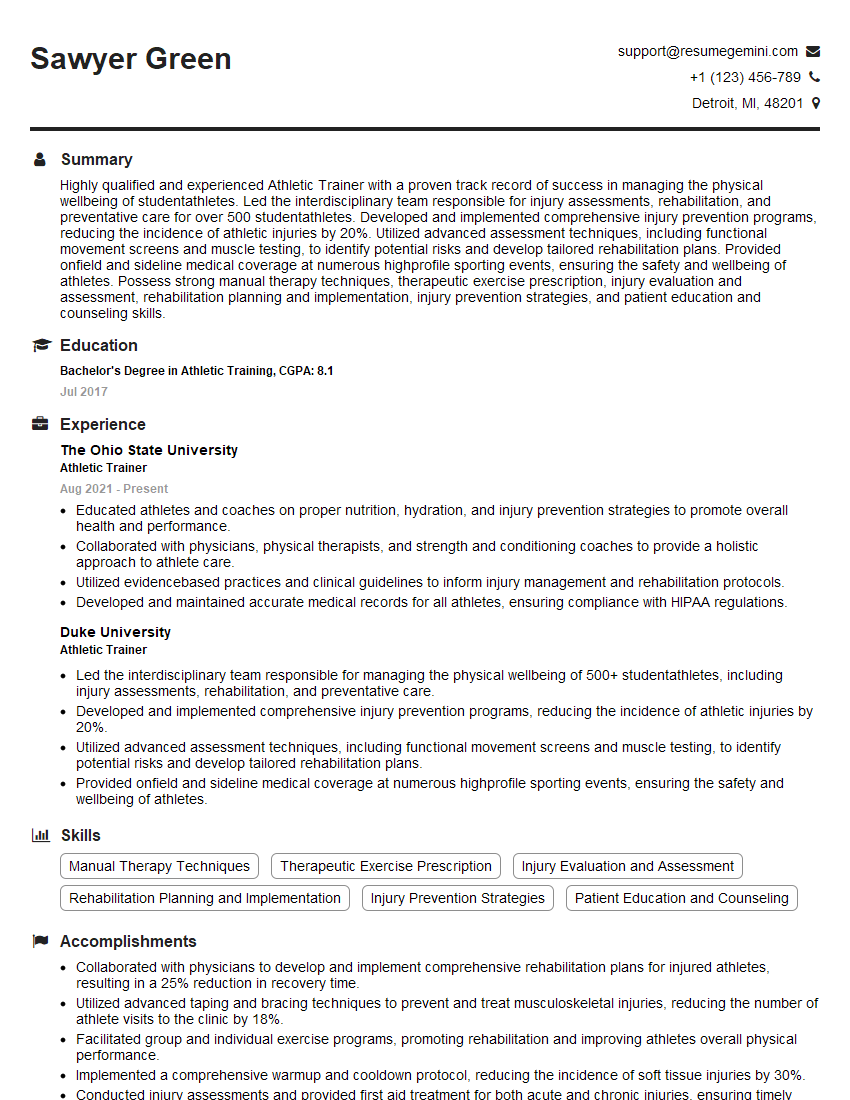
Athletic Trainer Resume Sample
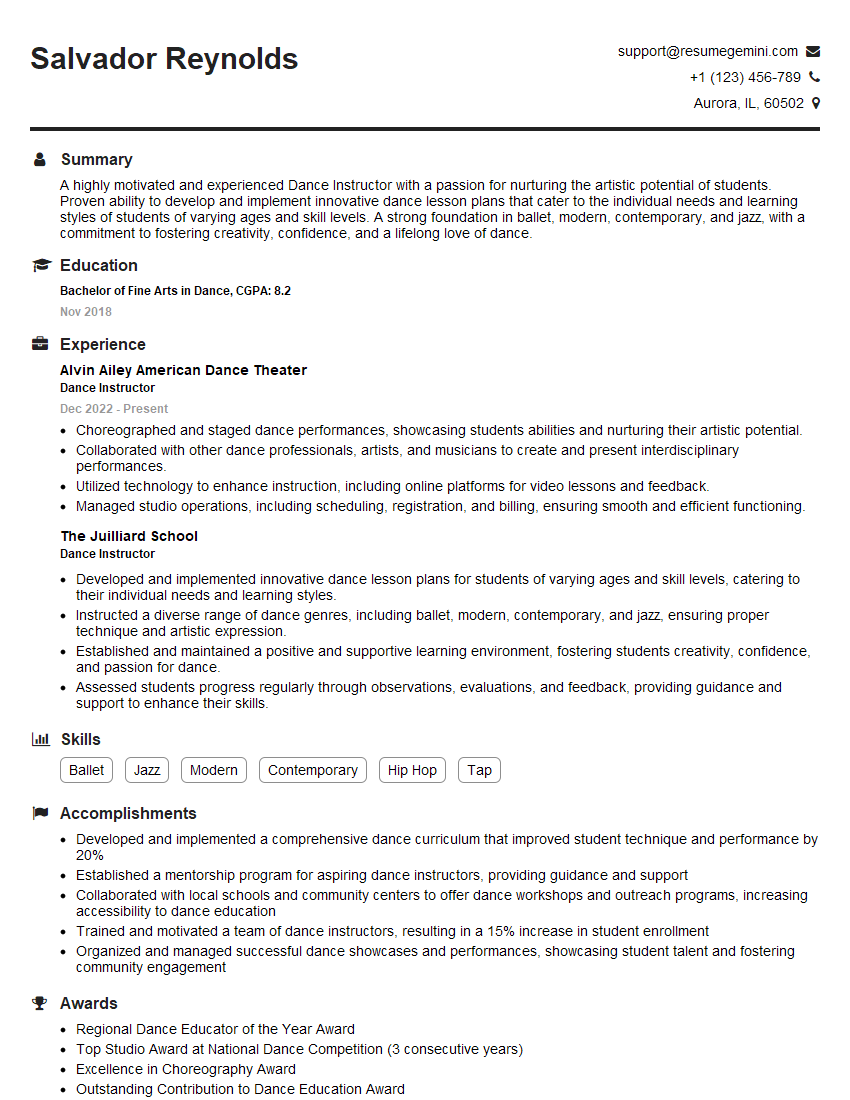
Dance Instructor Resume Sample
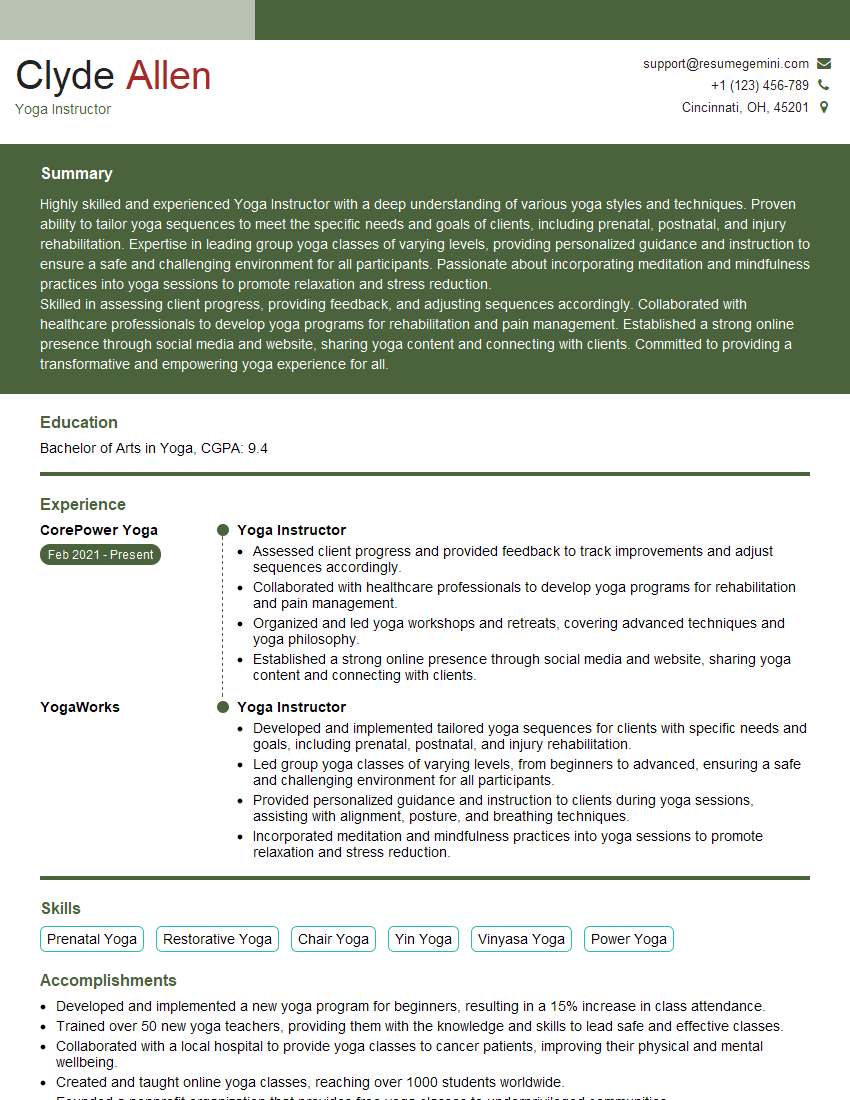
Yoga Instructor Resume Sample
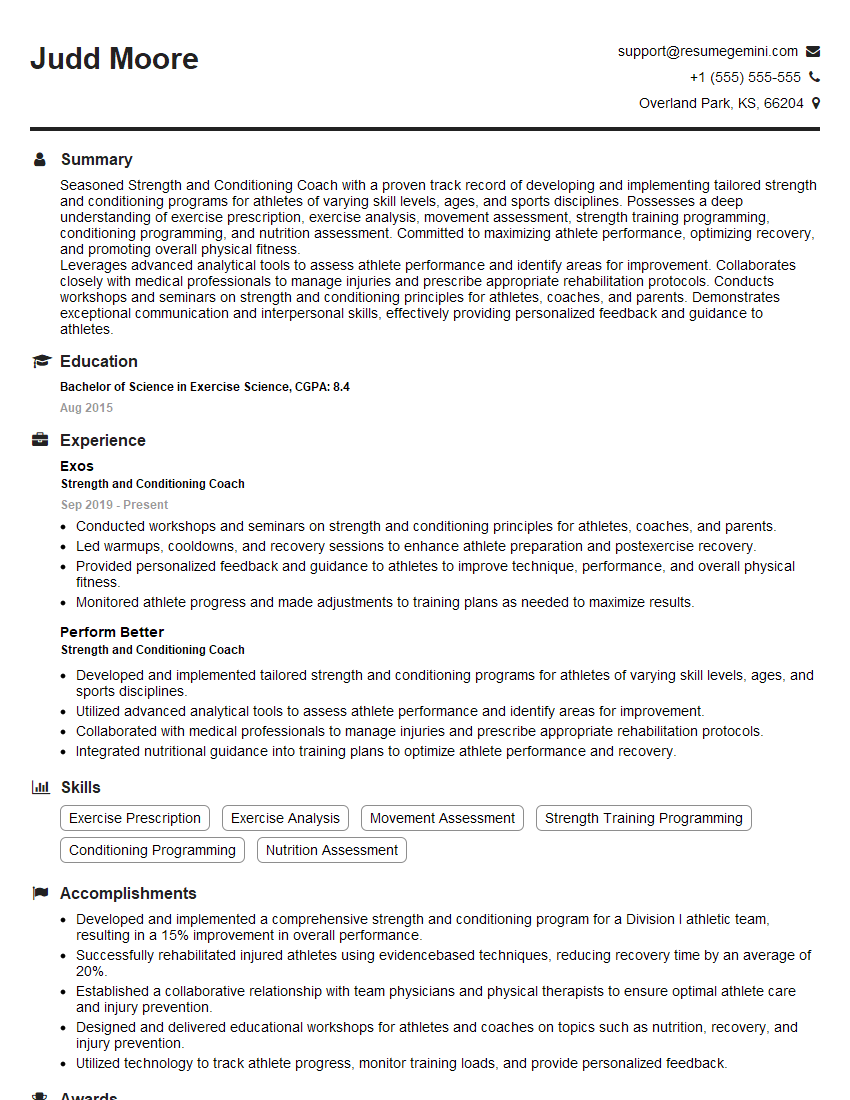
Strength and Conditioning Coach Resume Sample

Sports Medicine Physician Resume Sample

Exercise Physiologist Resume Sample
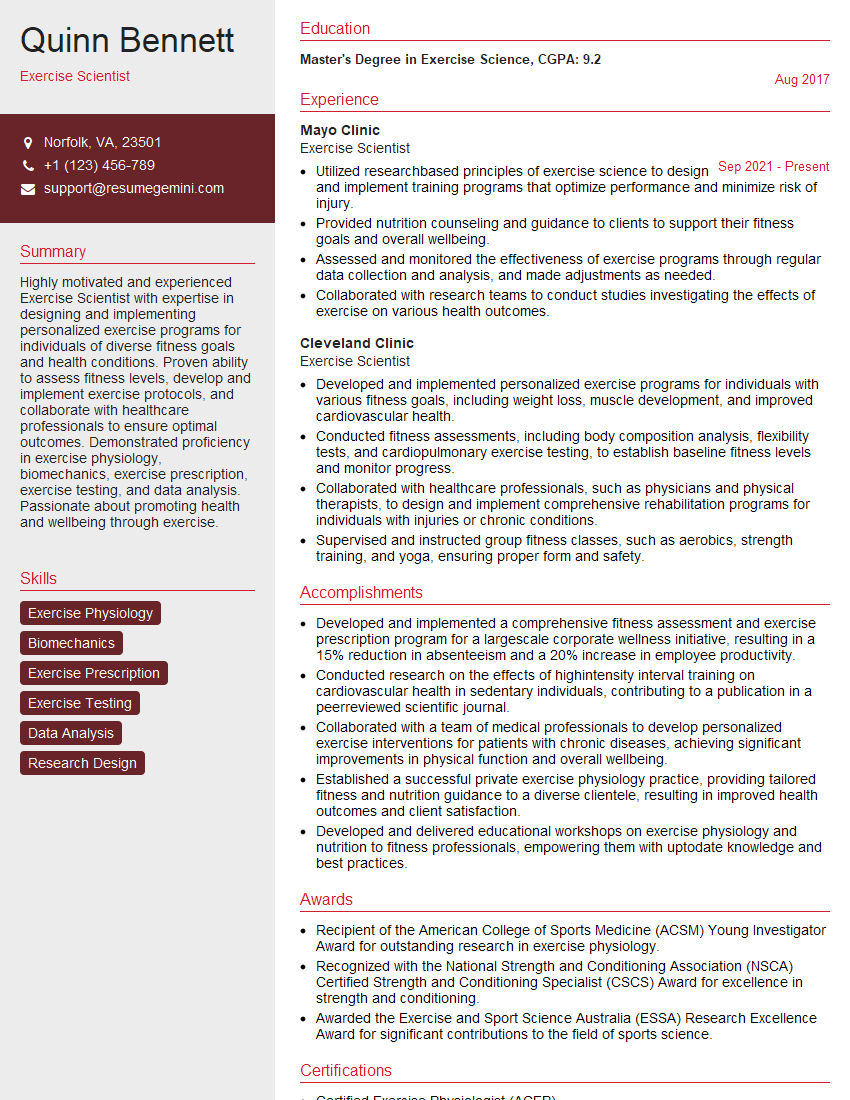
Exercise Scientist Resume Sample

Kinesiologist Resume Sample

Occupational Therapist Resume Sample
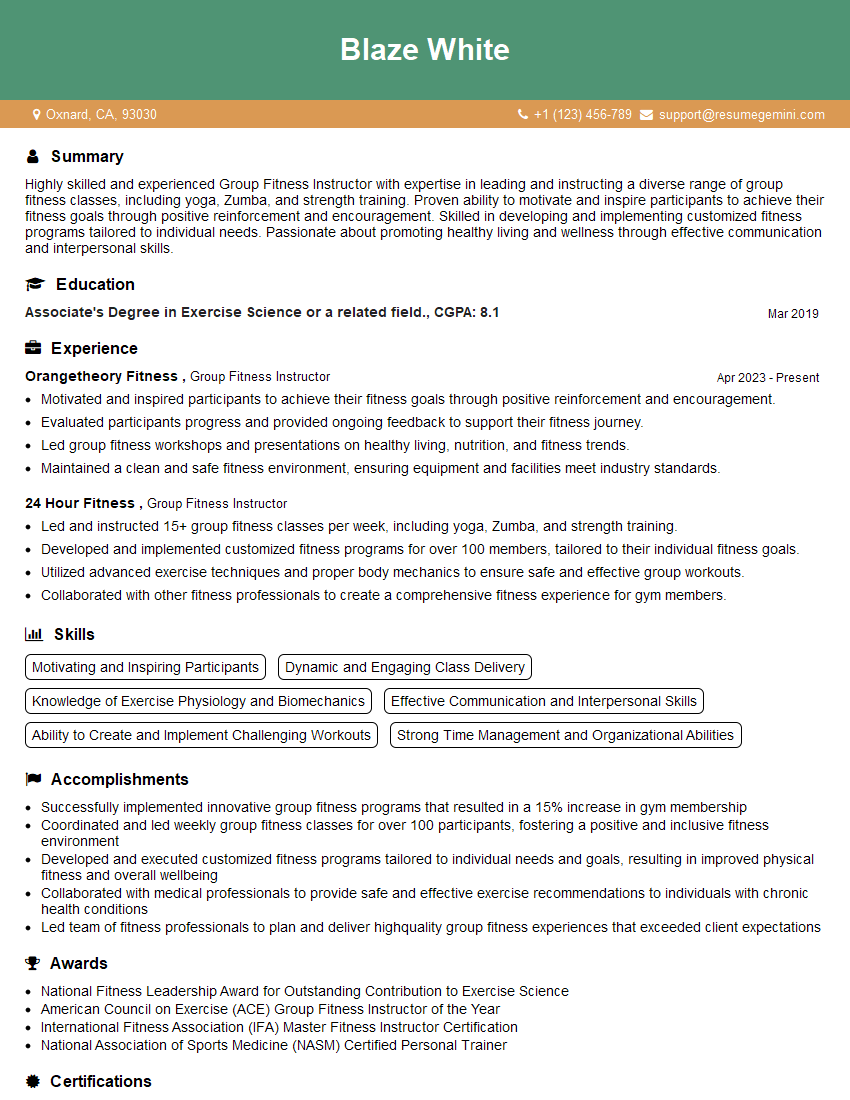
Group Fitness Instructor Resume Sample
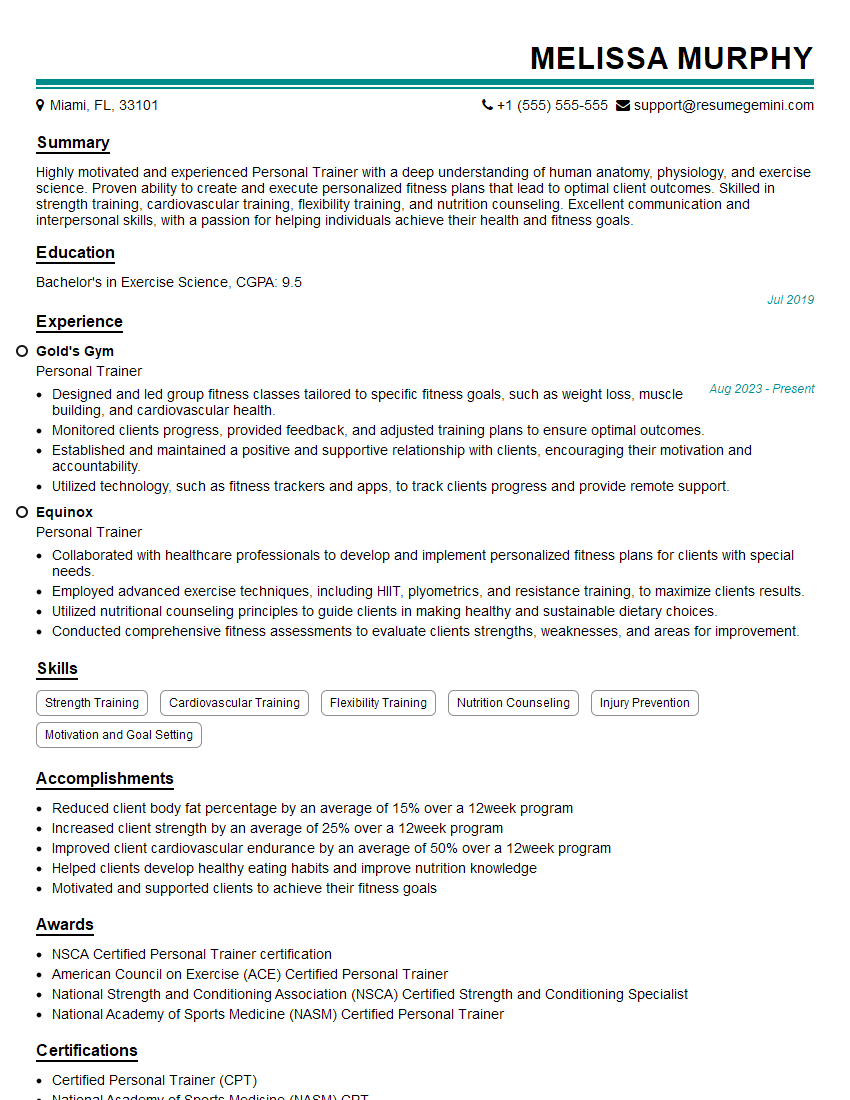
Personal Trainer Resume Sample

Pilates Instructor Resume Sample
Explore more articles
Users Rating of Our Blogs
Share Your Experience
We value your feedback! Please rate our content and share your thoughts (optional).
What Readers Say About Our Blog
Very informative content, great job.
good