Are you ready to stand out in your next interview? Understanding and preparing for Preventive and Corrective Maintenance interview questions is a game-changer. In this blog, we’ve compiled key questions and expert advice to help you showcase your skills with confidence and precision. Let’s get started on your journey to acing the interview.
Questions Asked in Preventive and Corrective Maintenance Interview
Q 1. Explain the difference between preventive and corrective maintenance.
Preventive maintenance (PM) and corrective maintenance (CM) are two fundamental approaches to maintaining equipment and infrastructure. Think of PM as proactive healthcare – regular checkups to prevent problems, while CM is reactive healthcare – addressing issues only after they arise.
- Preventive Maintenance (PM): This involves scheduled inspections, lubrication, cleaning, and minor repairs to prevent equipment failures. It’s about extending the lifespan of assets and minimizing downtime. An example would be regularly changing the oil in a vehicle or performing scheduled inspections on industrial machinery according to the manufacturer’s recommendations.
- Corrective Maintenance (CM): This addresses equipment failures *after* they occur. This is reactive; you fix things when they break. An example is repairing a broken pump after it fails, leading to production downtime.
The key difference lies in their timing: PM is scheduled and proactive, aiming to prevent problems, whereas CM is unscheduled and reactive, dealing with problems as they happen. A balanced approach incorporating both PM and CM is crucial for optimal equipment management.
Q 2. Describe your experience with CMMS (Computerized Maintenance Management Systems).
I have extensive experience with CMMS, primarily using [Mention Specific CMMS software used, e.g., UpKeep, Fiix, IBM Maximo]. I’ve used it to schedule and track PM tasks, manage work orders, track inventory, and generate reports on maintenance costs and equipment performance. In my previous role at [Previous Company Name], I implemented a new CMMS system, training the maintenance team on its usage and integrating it with our existing ERP system. This significantly improved our maintenance efficiency by streamlining work order creation, reducing response times, and providing better data-driven decision-making. For example, using the CMMS, we identified a recurring issue with a specific machine component, leading us to adjust our PM schedule to address it proactively, reducing costly breakdowns. I also have experience customizing CMMS workflows to optimize processes specific to our needs.
Q 3. How do you prioritize maintenance tasks?
Prioritizing maintenance tasks is critical for efficient resource allocation. I use a multi-faceted approach, considering several factors:
- Criticality: Equipment crucial for production gets top priority. A broken production line needs immediate attention over a minor issue in a support system.
- Urgency: How quickly does the issue need to be addressed? Imminent equipment failure demands immediate action.
- Cost of Failure: What are the financial consequences of equipment failure? Downtime costs are factored into the priority levels. A failure causing significant production downtime warrants higher priority.
- Safety: Safety hazards always take precedence. Addressing a safety-related issue is paramount regardless of other factors.
Often, I utilize a prioritization matrix that combines these factors, assigning a score to each task and scheduling them accordingly. This allows for a systematic and objective approach to prioritizing, ensuring critical tasks aren’t overlooked.
Q 4. What are some common indicators of equipment failure?
Recognizing potential equipment failure before it happens is crucial for effective preventative maintenance. Several indicators can signal impending issues:
- Unusual Noises: Grinding, squealing, or unusual vibrations often indicate wear or misalignment.
- Increased Vibration: Excessive vibrations can point to imbalance, misalignment, or bearing wear.
- Elevated Temperatures: Higher-than-normal temperatures indicate friction, overloading, or potential overheating.
- Leaking Fluids: Oil, grease, or coolant leaks are clear signs of potential problems.
- Decreased Performance: Reduced output, slower speeds, or lower efficiency are warning signs of underlying problems.
- Unusual Smells: Burning smells are often indicative of electrical problems or overheating components.
Regular inspections, coupled with monitoring key performance indicators (KPIs), can help identify these signs early on, allowing for timely intervention and preventing major failures.
Q 5. Explain your experience with root cause analysis.
Root cause analysis (RCA) is essential for addressing recurring issues and preventing future failures. My experience involves using various RCA techniques, including the ‘5 Whys’ method, fishbone diagrams (Ishikawa diagrams), and fault tree analysis.
For instance, in a previous role, we experienced repeated failures in a specific pump. Using the ‘5 Whys’ method, we progressively investigated the cause: Why did the pump fail? Because the bearing failed. Why did the bearing fail? Because of insufficient lubrication. Why was there insufficient lubrication? Because the lubrication system was clogged. Why was the system clogged? Because of inadequate filtration. This allowed us to identify the root cause – insufficient filtration – and implement a solution to prevent future failures. Fishbone diagrams help visualize all contributing factors to the problem, aiding in brainstorming solutions.
Q 6. How do you handle emergency maintenance situations?
Emergency maintenance requires a rapid and effective response. My approach involves:
- Immediate Assessment: Quickly assess the situation, prioritizing safety and minimizing further damage.
- Emergency Response Team: Activate an emergency response team with clearly defined roles and responsibilities.
- Containment: If possible, contain the problem to prevent escalation or impact on other systems.
- Repair or Replacement: Implement immediate repairs or, if necessary, replace the failed component to restore functionality.
- Post-Incident Review: Conduct a thorough post-incident review to analyze the causes and identify measures to prevent future occurrences.
Clear communication is vital during emergencies. I ensure all relevant personnel are informed and updated on the situation. Documentation of the event, repair actions, and post-incident analysis is crucial for continuous improvement.
Q 7. Describe your experience with predictive maintenance techniques.
Predictive maintenance (PdM) uses data analysis and technology to anticipate potential equipment failures *before* they occur. My experience involves utilizing various PdM techniques:
- Vibration Analysis: Using vibration sensors to detect imbalances, misalignments, and bearing wear.
- Infrared Thermography: Detecting overheating components via infrared imaging, identifying potential electrical or mechanical problems.
- Oil Analysis: Analyzing oil samples for contaminants and wear particles to assess the condition of lubricated components.
- Ultrasonic Testing: Detecting leaks in pressurized systems or assessing the condition of bearings.
The data collected from these techniques is analyzed using specialized software to create predictive models, enabling proactive maintenance scheduling and avoiding unexpected downtime. For example, detecting an increase in vibration on a motor through vibration analysis allows us to schedule maintenance before the motor fails, saving significant downtime costs and preventing potential safety hazards.
Q 8. What is your experience with lubrication and its importance in PM?
Lubrication is absolutely critical in preventive maintenance (PM). It’s the lifeblood of many mechanical systems, reducing friction, wear, and heat between moving parts. Without proper lubrication, components can seize, fail prematurely, and lead to costly downtime. My experience spans various lubrication techniques, from simple grease gun applications to complex automated lubrication systems for high-speed machinery. I’m proficient in selecting the right lubricant based on factors like operating temperature, load, and speed, ensuring compatibility with different materials. For instance, I once prevented a catastrophic failure in a large industrial press by identifying the wrong lubricant being used – a simple oversight that could have resulted in hundreds of thousands of dollars in damages. I understand the importance of lubrication schedules and condition-based monitoring to optimize lubrication effectiveness and minimize waste.
In one project, we implemented a centralized lubrication system for a series of conveyor belts. This automated system ensured consistent and timely lubrication, significantly extending the lifespan of the belts and reducing maintenance frequency. We also incorporated data logging to track lubricant usage and predict future needs, further streamlining maintenance operations and reducing costs.
Q 9. How do you manage spare parts inventory?
Managing spare parts inventory is all about striking a balance between avoiding costly downtime due to part shortages and preventing excessive capital tied up in unused inventory. I utilize a combination of methods to achieve this. This includes using a Computerized Maintenance Management System (CMMS) to track parts usage, predict demand based on historical data and equipment condition, and manage minimum/maximum stock levels. I also employ techniques like ABC analysis, which categorizes parts based on their criticality and consumption rate, to prioritize inventory management efforts. Critical parts (A items) receive closer scrutiny and higher stock levels, while less critical parts (C items) are managed more loosely. Furthermore, regular inventory audits and vendor relationship management are key to ensuring parts availability and competitive pricing.
For example, in a previous role, I implemented a Kanban system for frequently used parts. This visual system simplified ordering and minimized storage space while preventing stockouts. We also started using predictive maintenance techniques, allowing us to anticipate part failures and order replacements proactively, reducing emergency procurement costs and minimizing downtime.
Q 10. How do you ensure compliance with safety regulations during maintenance?
Safety is paramount in any maintenance operation. My approach to ensuring compliance with safety regulations begins with thorough risk assessments for each maintenance task. This involves identifying potential hazards, such as working at heights, exposure to hazardous materials, and operating heavy machinery. I develop and implement control measures to mitigate those risks, such as providing appropriate personal protective equipment (PPE), implementing lockout/tagout procedures for electrical systems, and using proper lifting techniques. Regular safety training for technicians is also crucial, and I make sure all team members are up-to-date on safety protocols. We maintain meticulous records of safety training, inspections, and incident reports, which are regularly reviewed to identify areas for improvement.
For instance, we conducted a comprehensive safety audit on our high-pressure hydraulic systems and implemented new procedures for pressure testing, incorporating safety interlocks to prevent accidental activation. This proactive approach significantly reduced the risk of injury and ensured compliance with industry safety standards.
Q 11. Describe your experience with developing and implementing a PM schedule.
Developing and implementing a PM schedule is a systematic process. I begin by conducting a thorough assessment of all equipment, identifying critical components and their failure modes. I then analyze historical maintenance data, manufacturers’ recommendations, and industry best practices to determine appropriate maintenance intervals. The schedule is developed considering equipment criticality, cost of maintenance, and potential impact of failure. A well-structured PM schedule typically involves routine inspections, lubrication, cleaning, and component replacements at defined intervals. Once the schedule is finalized, it’s implemented using a CMMS for task assignment, tracking, and reporting. The effectiveness of the schedule is continually monitored and adjusted based on performance indicators and equipment condition.
I once developed a new PM schedule for a bottling plant, integrating predictive maintenance techniques based on vibration analysis. This allowed us to identify potential failures early and schedule maintenance proactively, minimizing unexpected downtime and increasing production efficiency. The new schedule resulted in a 20% reduction in equipment failures and a 15% decrease in maintenance costs.
Q 12. What are the key performance indicators (KPIs) you use to measure maintenance effectiveness?
Several KPIs are essential for measuring maintenance effectiveness. These include:
- Mean Time Between Failures (MTBF): Indicates the average time between equipment failures. A higher MTBF signifies improved reliability.
- Mean Time To Repair (MTTR): Measures the average time taken to repair a failed piece of equipment. Lower MTTR indicates faster response times and reduced downtime.
- Overall Equipment Effectiveness (OEE): A comprehensive metric combining availability, performance, and quality. Higher OEE reflects better equipment utilization and efficiency.
- Maintenance Cost per Unit of Production: This KPI tracks the relationship between maintenance spending and output, allowing for cost optimization.
- Preventive Maintenance Compliance Rate: Shows the percentage of scheduled PM tasks completed on time.
By tracking these KPIs, we can identify areas for improvement, optimize maintenance strategies, and demonstrate the value of a well-managed maintenance program.
Q 13. How do you document maintenance activities?
Accurate and comprehensive documentation is crucial for accountability, traceability, and continuous improvement. We use a CMMS to digitally record all maintenance activities. This includes work orders, task completion reports, spare parts usage, and maintenance schedules. All documentation includes details about the equipment, the type of maintenance performed, the technician responsible, materials used, and any relevant observations. Photographs and videos are often incorporated to provide visual evidence of the work performed. Furthermore, we maintain historical data on equipment performance, failures, and maintenance history to inform future maintenance decisions.
This detailed documentation is not only vital for regulatory compliance but also helps identify trends, optimize maintenance practices, and support warranty claims if necessary. It also ensures consistent maintenance procedures across the team, maintaining quality and reducing errors.
Q 14. How do you handle disagreements with other technicians or supervisors?
Disagreements are inevitable in any team-based environment. My approach to resolving conflicts emphasizes open communication and collaboration. I believe in actively listening to all perspectives, seeking common ground, and finding solutions that benefit the team and the organization. I encourage a respectful environment where everyone feels comfortable expressing their opinions and concerns. If a disagreement cannot be resolved directly, I escalate the issue to a supervisor or manager, providing a clear and concise explanation of the situation and the perspectives of all involved parties. Ultimately, the goal is to find a solution that is both technically sound and respects the professional opinions of all team members.
For example, I once had a disagreement with another technician regarding the best approach to repairing a complex piece of equipment. Instead of arguing, we jointly reviewed technical documentation, discussed various repair methods, and collaborated on a solution that combined our expertise. This collaborative approach not only resolved the disagreement but also fostered a stronger working relationship and a more efficient repair process.
Q 15. Describe your experience with different types of maintenance work orders.
My experience encompasses a wide range of maintenance work orders, categorized by urgency and complexity. I’ve worked with routine preventative maintenance (PM) orders, which involve scheduled inspections, lubrication, and minor adjustments to prevent equipment failures. These are often documented in a CMMS (Computerized Maintenance Management System) with specific tasks and intervals. Then there are corrective maintenance (CM) orders, triggered by equipment malfunctions or breakdowns. These require troubleshooting, repair, or part replacement. The severity ranges from simple fixes (like a loose bolt) to major overhauls. I’m also experienced with emergency work orders, requiring immediate attention due to safety hazards or critical production downtime. For example, a sudden power outage requiring immediate generator activation falls under this category. Finally, I’ve managed planned maintenance orders, involving more extensive work requiring scheduling and planning, such as annual inspections of critical machinery or system upgrades.
- Preventative Maintenance (PM): Regular oil changes on a vehicle are a perfect analogy; they are small investments of time and resources that pay off big by extending the life of the engine.
- Corrective Maintenance (CM): Think of a flat tire; you wouldn’t wait for a catastrophic event, you’d fix it before you can’t drive.
- Emergency Work Orders: A fire in a building requires immediate action, irrespective of existing schedules.
- Planned Maintenance Orders: Scheduled overhaul of a large industrial engine – this needs advance planning and resource allocation.
Career Expert Tips:
- Ace those interviews! Prepare effectively by reviewing the Top 50 Most Common Interview Questions on ResumeGemini.
- Navigate your job search with confidence! Explore a wide range of Career Tips on ResumeGemini. Learn about common challenges and recommendations to overcome them.
- Craft the perfect resume! Master the Art of Resume Writing with ResumeGemini’s guide. Showcase your unique qualifications and achievements effectively.
- Don’t miss out on holiday savings! Build your dream resume with ResumeGemini’s ATS optimized templates.
Q 16. How familiar are you with various maintenance methodologies (e.g., RCM)?
I’m very familiar with several maintenance methodologies, including Reliability-Centered Maintenance (RCM). RCM focuses on identifying and prioritizing critical equipment functions, then determining the most effective maintenance tasks to ensure reliability. This differs from traditional preventive maintenance, which often involves scheduled tasks regardless of actual equipment condition. RCM uses a systematic approach to analyze equipment failure modes, their consequences, and the best methods for preventing them. I also have experience with Total Productive Maintenance (TPM), which involves the whole workforce in maintenance activities to improve overall equipment effectiveness (OEE). This fosters a collaborative culture of maintenance responsibility.
In my previous role, we implemented RCM for a critical production line. By analyzing failure data and potential consequences, we shifted from time-based preventative maintenance to condition-based maintenance, leading to significant cost savings and reduced downtime. For instance, instead of changing a specific component every 6 months as part of a PM schedule, which was based on a best-guess estimate, we used predictive tools like vibration analysis, to ascertain the actual component wear-and-tear and schedule the replacement based on the results. This significantly reduced unnecessary part replacement.
Q 17. What is your experience with troubleshooting electrical and/or mechanical systems?
I possess extensive experience in troubleshooting both electrical and mechanical systems. My troubleshooting approach is systematic, starting with a thorough inspection to identify obvious problems. I utilize diagnostic tools such as multimeters for electrical systems and calipers/micrometers for mechanical systems. I use schematics and technical manuals to understand the system’s architecture and function. I follow a logical process of elimination, testing components and connections until I isolate the root cause. For example, while troubleshooting a malfunctioning conveyor belt system, I initially verified power supply to the motor, then checked for mechanical obstructions, ultimately identifying a faulty motor bearing as the problem.
I’ve effectively addressed issues ranging from simple component failures (blown fuses, broken belts) to complex problems involving faulty sensors, control logic errors, or hydraulic system leaks. Data logging and trending often assist in identifying recurring or escalating issues, thereby allowing for preventative measures before major failures occur.
Q 18. Explain your experience with hydraulic and pneumatic systems maintenance.
My experience with hydraulic and pneumatic systems maintenance includes troubleshooting leaks, repairing or replacing components (cylinders, valves, pumps, etc.), and performing routine maintenance tasks such as fluid changes and filter replacements. Understanding the principles of fluid power (Pascal’s law) is crucial for effective troubleshooting. I’m proficient in using diagnostic tools like pressure gauges, flow meters, and leak detectors. I’m also familiar with safety procedures related to high-pressure systems, as hydraulic and pneumatic systems can be extremely hazardous if not handled properly.
For instance, I once tackled a problem with a hydraulic press experiencing inconsistent pressure. I systematically checked the hydraulic pump, pressure relief valve, and control valves, and performed several pressure tests. This process resulted in the identification of a faulty pressure relief valve that had developed an internal leak.
Q 19. How do you balance preventive and corrective maintenance workloads?
Balancing preventative and corrective maintenance workloads requires careful planning and prioritization. This involves considering several factors: criticality of equipment, frequency of failures, potential impact of downtime, and available resources. I typically use a CMMS (Computerized Maintenance Management System) to schedule preventive maintenance tasks and track corrective maintenance requests. I prioritize tasks based on their potential impact on production and safety. Urgent corrective maintenance tasks often take precedence, but I ensure that scheduled preventative maintenance activities are not neglected for too long. It’s about striking a balance; a good preventative maintenance program helps reduce the need for emergency repairs. Think of it like regular health check-ups that reduce the chances of serious health issues down the line.
Often, a well-defined and documented preventive maintenance schedule reduces the number of unexpected corrective maintenance requests.
Q 20. Describe a time you had to troubleshoot a complex equipment failure.
In a previous role, we experienced a complete shutdown of a critical packaging line. The initial symptoms included erratic machine operation and repeated error messages. The troubleshooting process began with a detailed inspection and diagnostic testing of all components involved in the line. This included checking electrical connections, sensors, and pneumatic actuators. Through systematic analysis and extensive troubleshooting, we identified the root cause as a failing PLC (Programmable Logic Controller) module responsible for coordinating the various parts of the packaging line. Replacing the faulty module resolved the problem, but we also discovered a wider issue of outdated PLC software, and updated the entire system to prevent future occurrences. This experience highlighted the importance of a layered approach to troubleshooting, combining initial observations, systematic investigation, and ultimately a thorough system review.
Q 21. What are the potential consequences of neglecting preventive maintenance?
Neglecting preventive maintenance can lead to a cascade of negative consequences, affecting safety, production, and finances. The most immediate consequence is increased equipment downtime due to unexpected failures. This downtime translates directly to lost production, reduced output, and potential delays in meeting customer demands. Beyond production losses, neglecting maintenance increases the risk of safety hazards. Malfunctioning equipment can lead to injuries or even fatalities. Furthermore, the cost of corrective maintenance is typically far higher than preventative maintenance. Repairing a major breakdown is exponentially more expensive than performing routine maintenance tasks.
Furthermore, deferred maintenance can lead to a decline in overall equipment efficiency (OEE). Over time, this leads to reduced product quality, increased material waste, and escalating maintenance costs. A proactive maintenance strategy ensures sustained operational efficiency and profitability. Think of it as the difference between patching a small hole in a dam and dealing with a catastrophic flood; prevention is always cheaper and safer.
Q 22. How do you ensure the accuracy of maintenance records?
Maintaining accurate maintenance records is crucial for effective preventive and corrective maintenance programs. Inaccuracy can lead to costly downtime, safety hazards, and inefficient resource allocation. I ensure accuracy through a multi-pronged approach:
Utilizing a robust CMMS (Computerized Maintenance Management System): A CMMS provides a centralized, digital platform for recording all maintenance activities. This eliminates the ambiguity and potential errors associated with manual record-keeping. For example, I’ve used several CMMS platforms like UpKeep and Fiix, each with its own features for scheduling, tracking parts, and generating reports. The data within these systems are always auditable.
Implementing standardized procedures and checklists: Standardized forms and checklists ensure consistency in data collection. Every task, from a simple lubrication check to a major overhaul, follows a predefined procedure, minimizing the chances of omissions or inconsistencies. This makes it easier to verify the quality of the data entered.
Regular audits and reconciliation: Periodic audits of the maintenance records help identify any discrepancies or inconsistencies. Comparing CMMS data with physical inspections and asset tags helps detect errors and omissions. For instance, I once discovered a discrepancy between scheduled preventive maintenance and actual completion dates during an audit, allowing for immediate corrective action and process improvement.
Training and empowerment of technicians: Proper training ensures technicians understand the importance of accurate record-keeping and the proper use of the CMMS. Clear instructions, regular updates on system use and best practices, and access to documentation significantly reduce errors. I actively support cross-training and mentorship to ensure that these crucial skills are shared across the team.
Q 23. How do you contribute to a safe and efficient work environment?
Contributing to a safe and efficient work environment is paramount. My approach is based on proactive measures and adherence to safety protocols:
Strict adherence to safety regulations and best practices: I ensure all maintenance activities comply with relevant safety regulations (OSHA, etc.) and industry best practices. This includes the use of appropriate personal protective equipment (PPE), lockout/tagout procedures for electrical equipment, and regular safety meetings. I encourage reporting of near misses to promote a culture of safety.
Risk assessment and mitigation: Before starting any maintenance task, I conduct a thorough risk assessment to identify potential hazards and implement appropriate control measures. This might involve using specialized tools, modifying procedures, or providing additional training to technicians. This proactive approach minimizes the chances of accidents.
Proper equipment maintenance and inspection: Regular inspections and preventive maintenance minimize equipment failures, which can create unsafe situations. By ensuring equipment is in optimal working order, we reduce the likelihood of malfunctions that could lead to accidents or injuries. For example, a poorly maintained crane could result in a serious incident.
Promoting a culture of safety: I believe a safe work environment stems from a strong safety culture. This involves actively engaging with the team, encouraging the reporting of safety concerns, and fostering open communication. Regular safety training and updates are crucial to maintain awareness and improve performance.
Q 24. Explain your experience with training junior technicians.
I have extensive experience training junior technicians, focusing on both theoretical knowledge and practical skills. My approach is a blend of formal training and hands-on mentorship:
Structured training programs: I develop and deliver structured training programs covering relevant topics, such as basic electrical principles, mechanical systems, troubleshooting techniques, and safety procedures. These programs incorporate both classroom instruction and practical exercises.
Mentorship and on-the-job training: I believe in the power of hands-on experience. I mentor junior technicians by pairing them with senior technicians on various tasks, providing guidance, and allowing them to learn through observation and practice. I provide constructive feedback and address any questions or concerns.
Utilizing simulations and virtual training: To enhance learning and reduce the risk of errors during practical training, I often incorporate simulations and virtual environments. This allows junior technicians to practice complex procedures in a safe environment. For instance, virtual reality simulations allow technicians to practice complex repairs on equipment without the risk of damage.
Performance evaluation and continuous improvement: I regularly assess junior technicians’ performance, providing feedback and guidance to address weaknesses and build upon their strengths. This continuous feedback loop helps them to grow professionally and improve their skills.
Q 25. How do you stay up-to-date with the latest maintenance technologies and best practices?
Staying updated with the latest maintenance technologies and best practices is crucial for optimizing efficiency and safety. My strategies include:
Professional development courses and certifications: I actively pursue professional development opportunities, including attending industry conferences, workshops, and online courses to stay abreast of the latest trends and technologies. Certifications demonstrate my commitment to professional growth and enhance my credibility.
Industry publications and journals: I regularly read industry publications, journals, and online resources to learn about new maintenance techniques, technologies, and best practices. This keeps me informed about advancements in CMMS software, predictive maintenance techniques, and other relevant areas.
Networking with peers and industry professionals: Networking allows me to share experiences, learn from others, and stay informed about the latest trends. Attending industry events and participating in online forums facilitates knowledge exchange.
Experimentation and implementation of new technologies: I’m always open to exploring and implementing new technologies that could improve our maintenance processes. For example, we recently integrated IoT sensors into our equipment to enable predictive maintenance, reducing downtime and optimizing resource allocation.
Q 26. What are your salary expectations?
My salary expectations are commensurate with my experience and skills, and aligned with the industry standard for a professional with my background in preventive and corrective maintenance. I’m open to discussing a competitive compensation package that reflects my value to your organization. I’m more interested in a role that offers opportunities for growth and professional development than a specific salary figure. A detailed discussion of the compensation and benefits package is something I welcome.
Q 27. What are your long-term career goals?
My long-term career goals involve becoming a recognized leader in the field of preventive and corrective maintenance. I aspire to leverage my expertise to optimize maintenance programs, improve safety, and increase efficiency for organizations. Specifically, I am interested in taking on increasing responsibility, potentially leading a team or department, and mentoring other professionals. I also aim to continue contributing to the advancement of maintenance technologies and practices through research and innovation.
Q 28. Do you have any questions for me?
Yes, I have a few questions. Firstly, can you describe the company’s current maintenance program and the challenges you’re currently facing? Secondly, what opportunities exist for professional development and advancement within the company? Finally, what are the team dynamics and collaborative aspects of the role?
Key Topics to Learn for Preventive and Corrective Maintenance Interview
- Preventive Maintenance Strategies: Understanding various PM schedules (time-based, condition-based, predictive), their implementation, and the criticality of choosing the right strategy for different equipment.
- Corrective Maintenance Techniques: Troubleshooting methodologies, root cause analysis (RCA) techniques, effective use of diagnostic tools, and efficient repair procedures. Practical application: Describe a time you successfully diagnosed and repaired a malfunctioning system.
- Maintenance Management Systems (CMMS): Familiarity with CMMS software, data entry, reporting, and how these systems support both preventive and corrective maintenance efforts. Consider discussing specific software you’ve used or are familiar with.
- Inventory Management for Maintenance: Understanding the importance of spare parts inventory, optimal stock levels, and the impact of inventory management on maintenance costs and downtime.
- Safety Protocols and Regulations: Demonstrating knowledge of relevant safety standards, lockout/tagout procedures, and risk assessment related to maintenance tasks.
- Cost Optimization in Maintenance: Analyzing maintenance costs, identifying areas for improvement, and proposing cost-effective solutions to enhance efficiency. This includes understanding the trade-off between preventive and corrective maintenance.
- Metrics and KPIs for Maintenance Performance: Understanding key performance indicators (KPIs) such as Mean Time Between Failures (MTBF), Mean Time To Repair (MTTR), and how to use data to improve maintenance strategies.
- Communication and Teamwork in Maintenance: Highlighting the importance of effective communication with operators, supervisors, and other team members to ensure smooth maintenance operations.
Next Steps
Mastering Preventive and Corrective Maintenance is crucial for a successful and rewarding career in many industries. Strong skills in this area demonstrate efficiency, problem-solving abilities, and a commitment to operational excellence – highly sought-after qualities by employers. To maximize your job prospects, create an ATS-friendly resume that effectively showcases your expertise. ResumeGemini is a trusted resource to help you build a professional and impactful resume that gets noticed. We provide examples of resumes tailored to Preventive and Corrective Maintenance roles to guide you through the process. Invest time in crafting a compelling resume – it’s your first impression on potential employers.
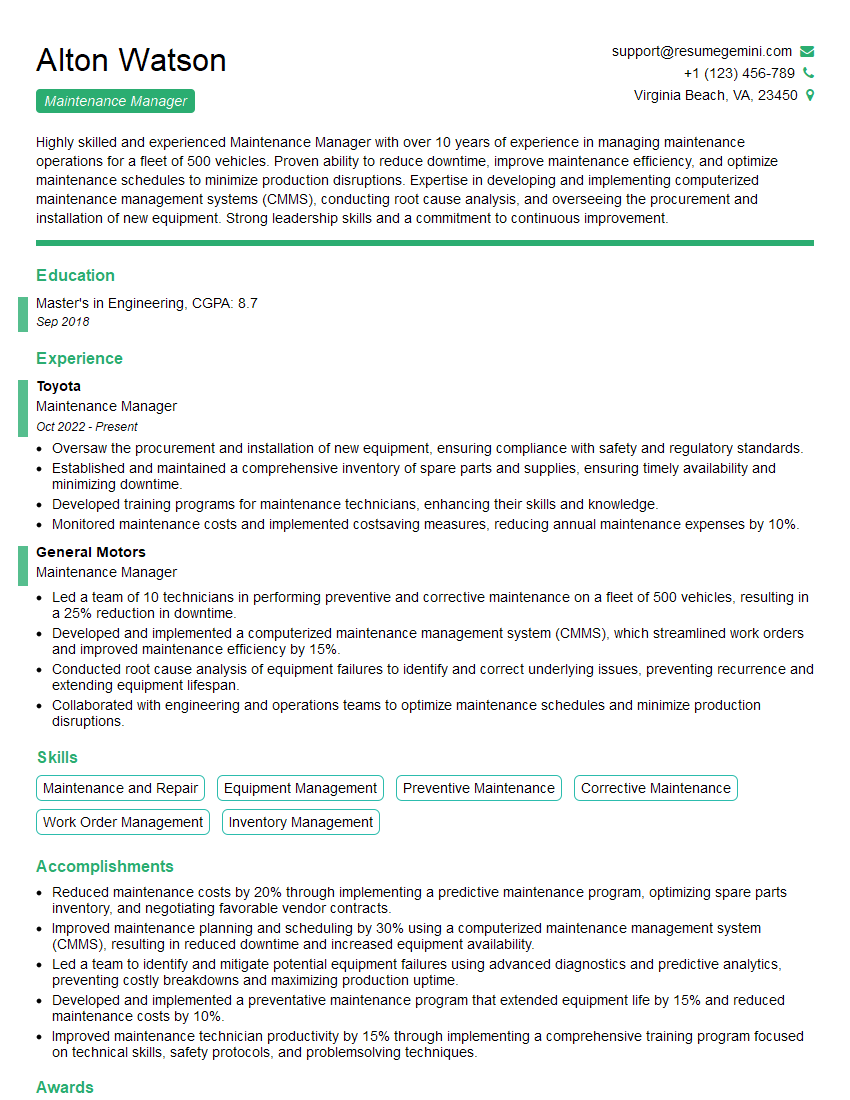
Maintenance Manager Resume Sample
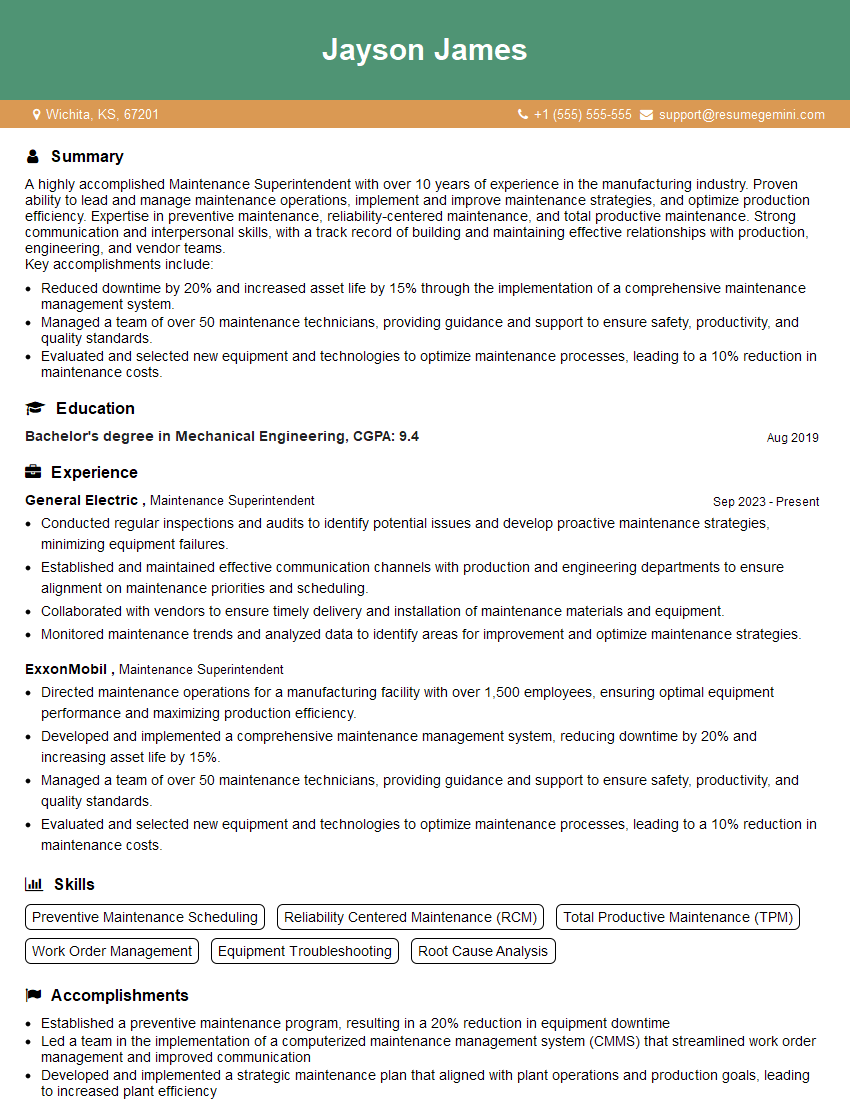
Maintenance Superintendent Resume Sample
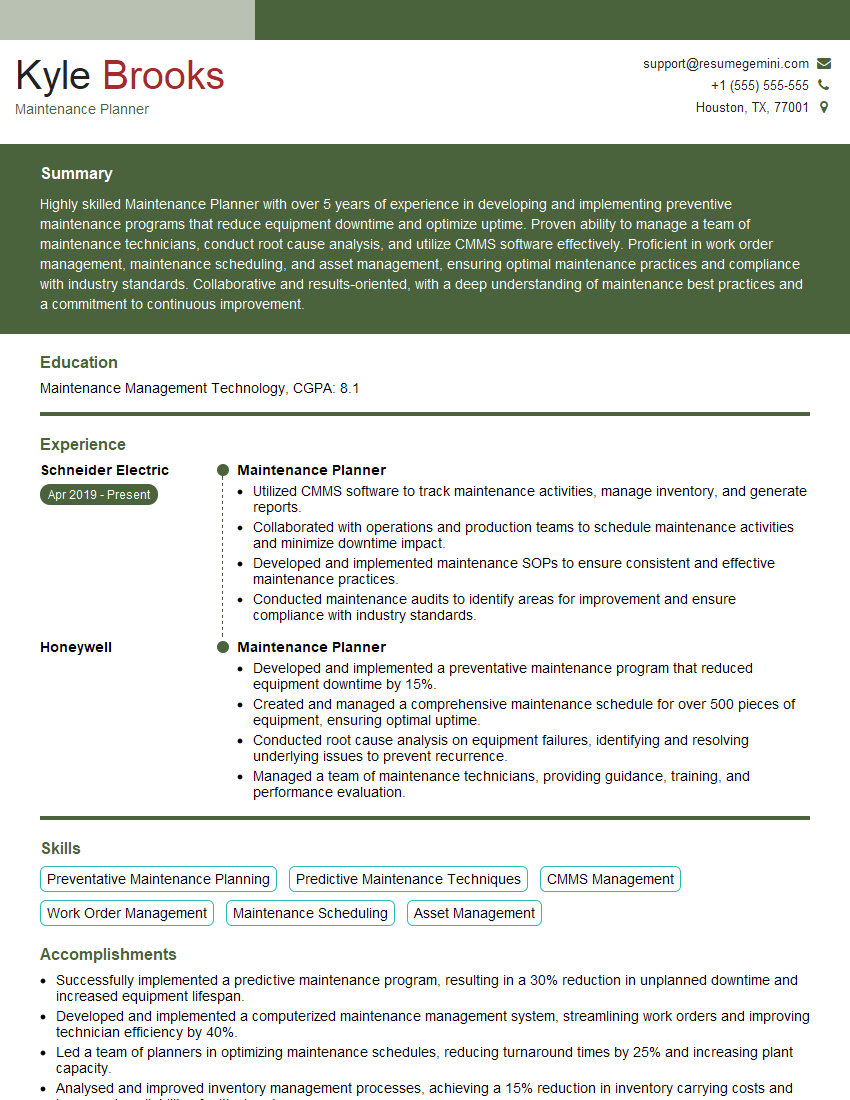
Maintenance Planner Resume Sample
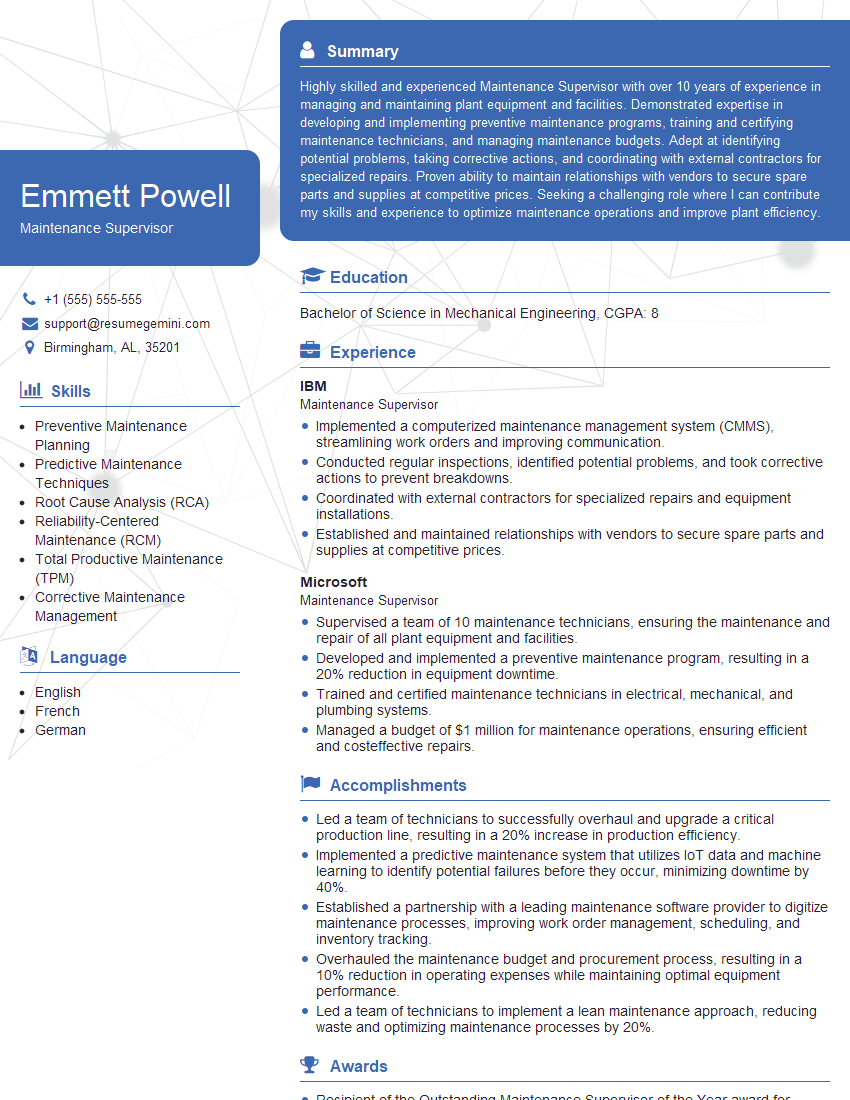
Maintenance Supervisor Resume Sample
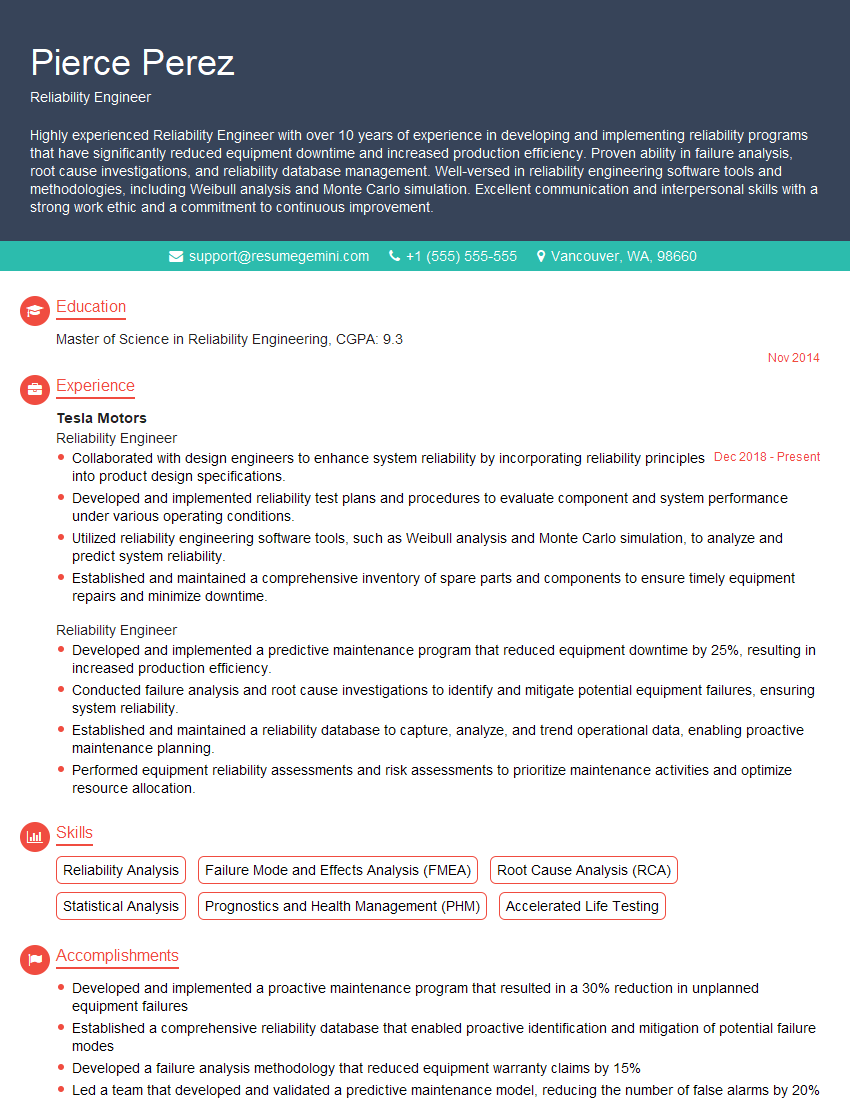
Reliability Engineer Resume Sample
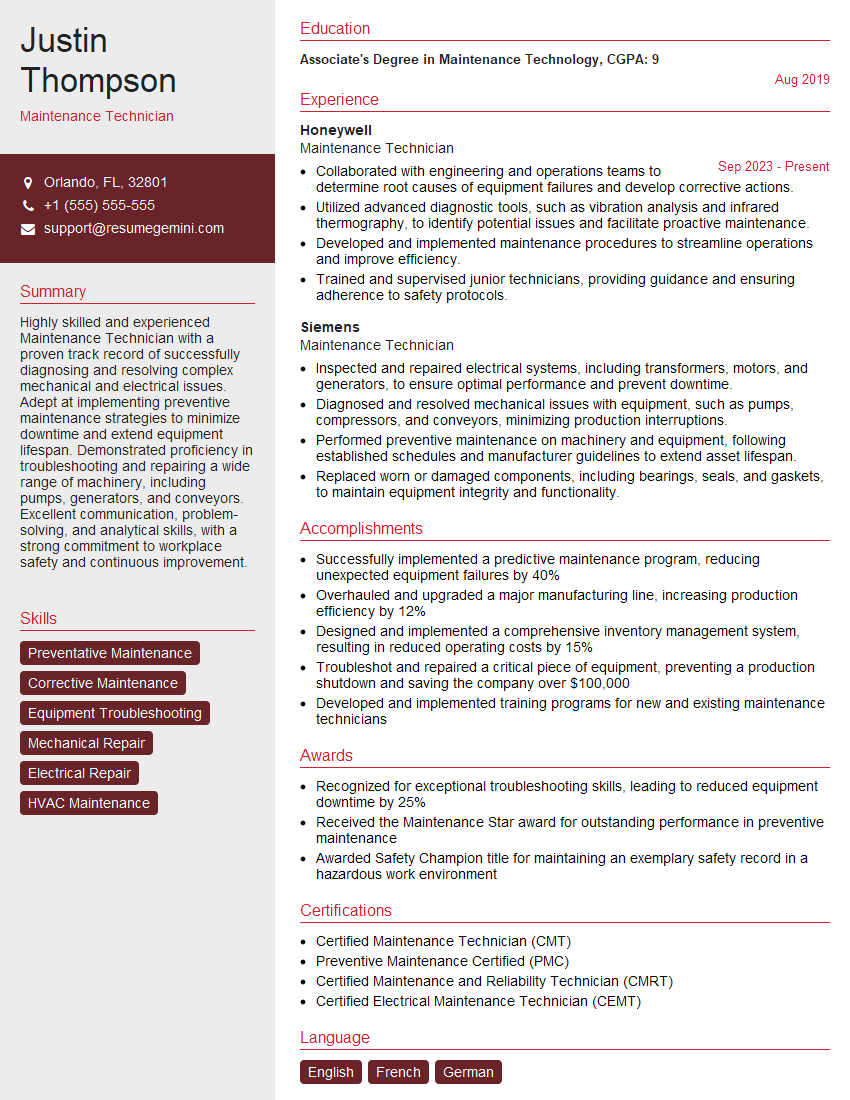
Maintenance Technician Resume Sample
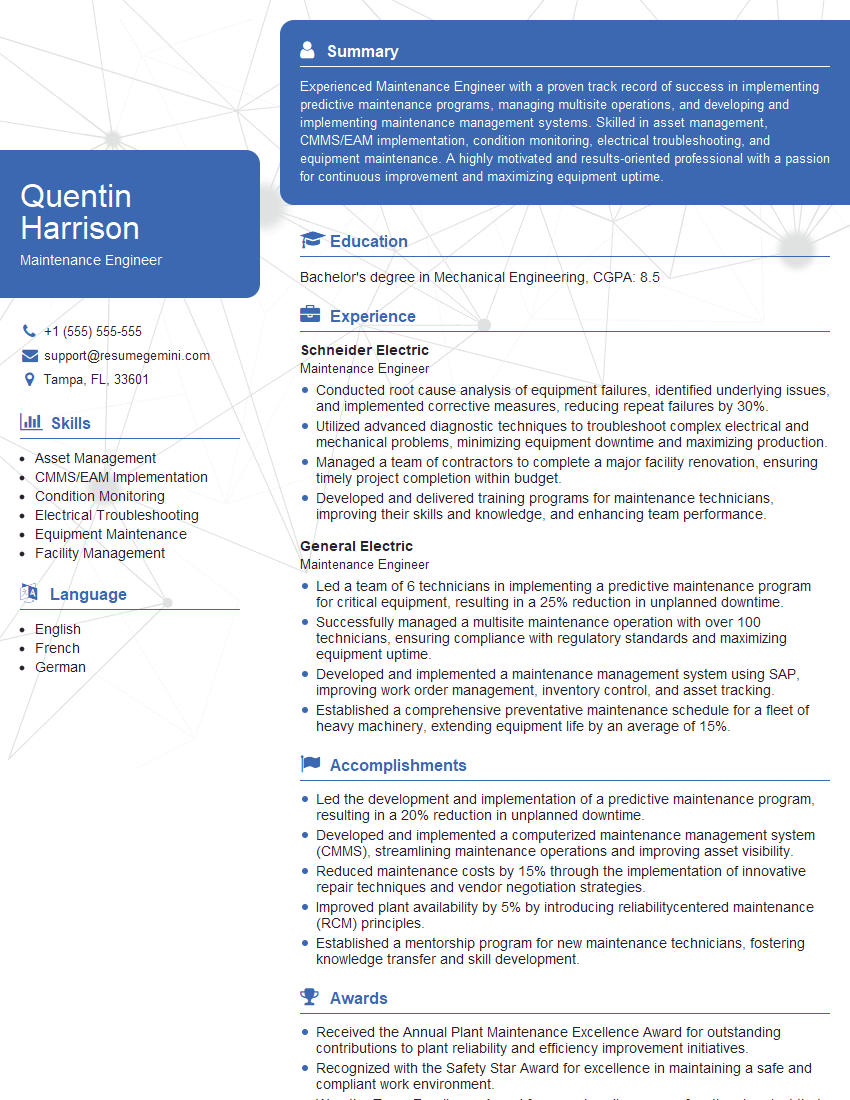
Maintenance Engineer Resume Sample
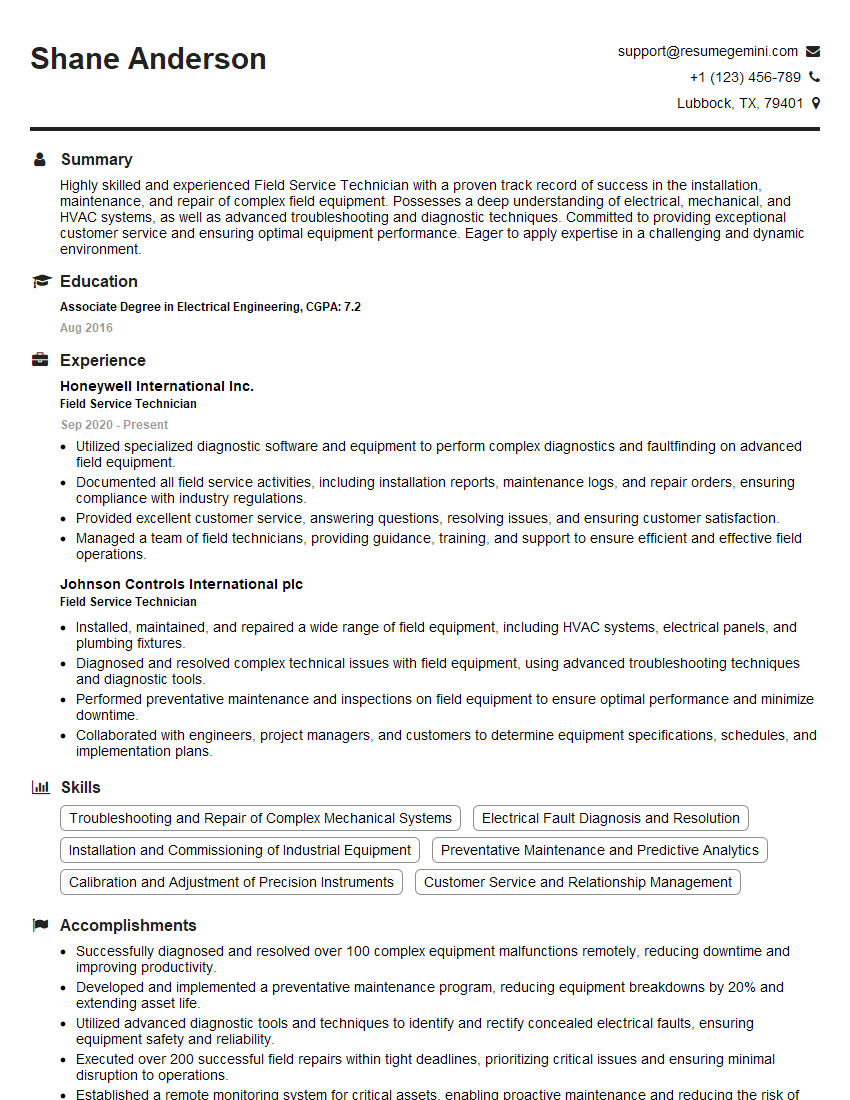
Field Service Technician Resume Sample
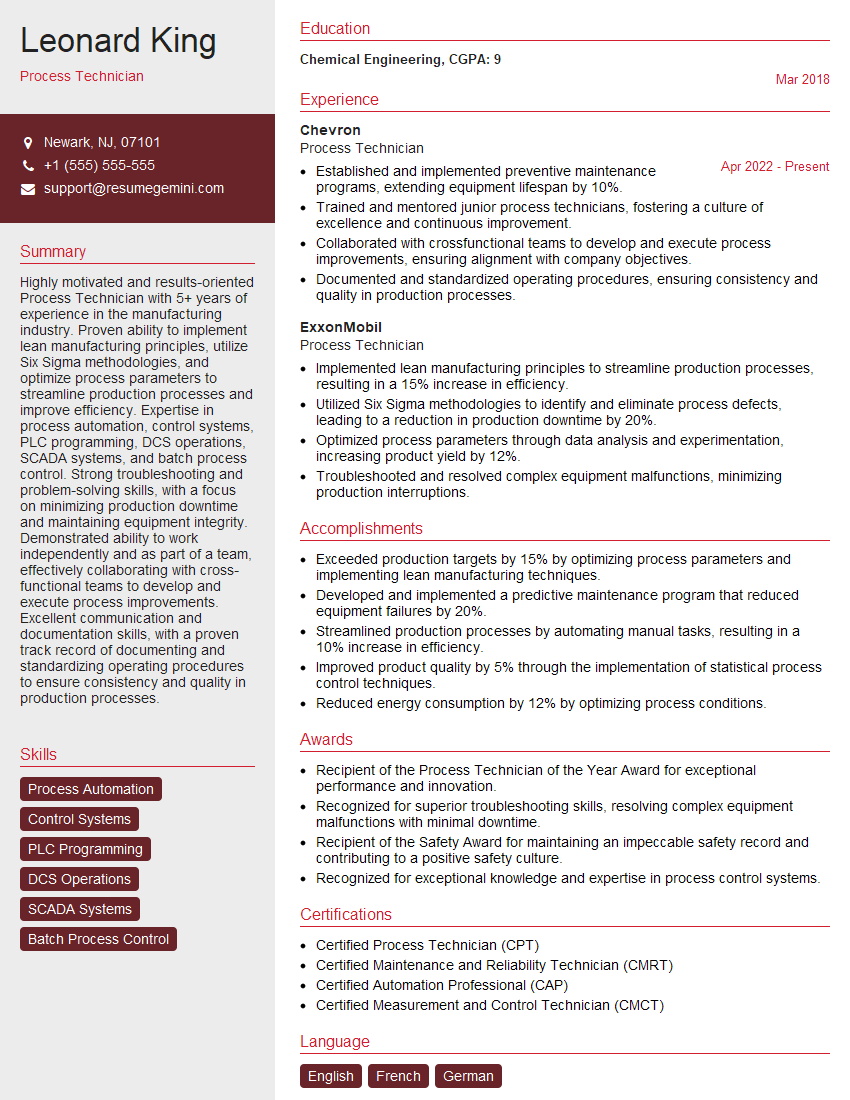
Process Technician Resume Sample
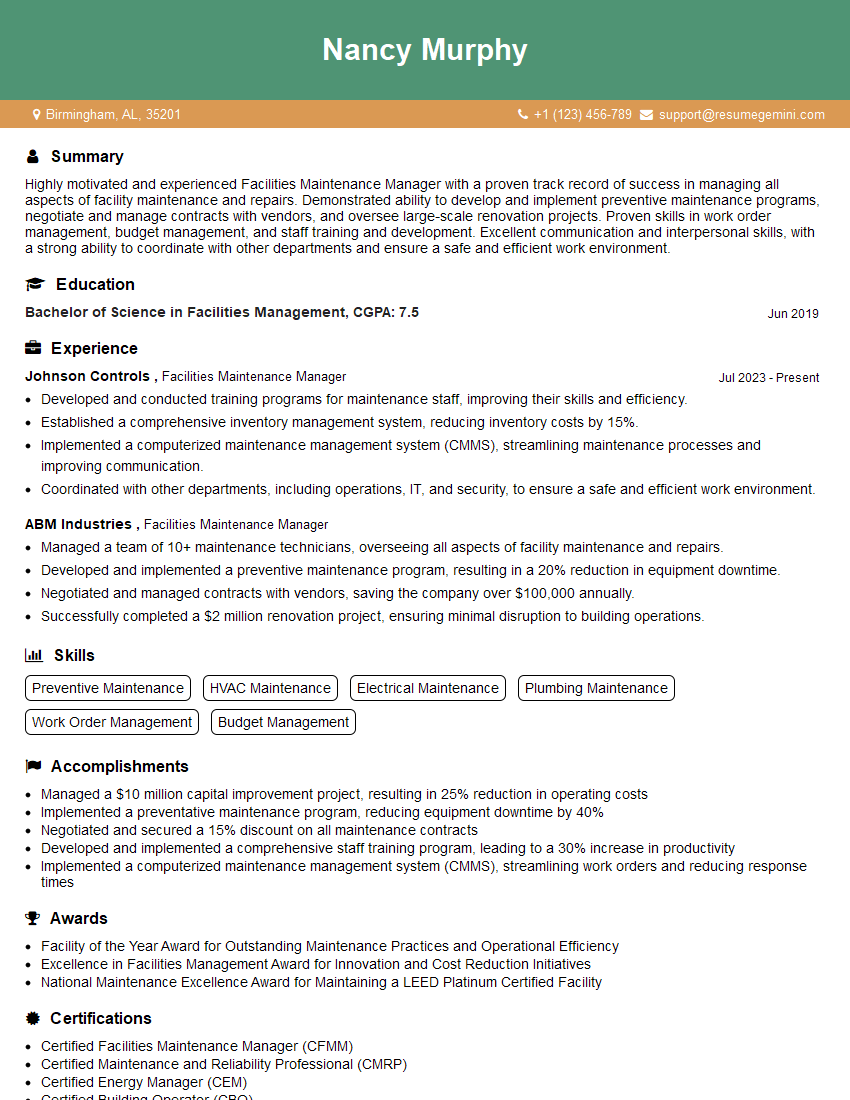
Facilities Maintenance Manager Resume Sample
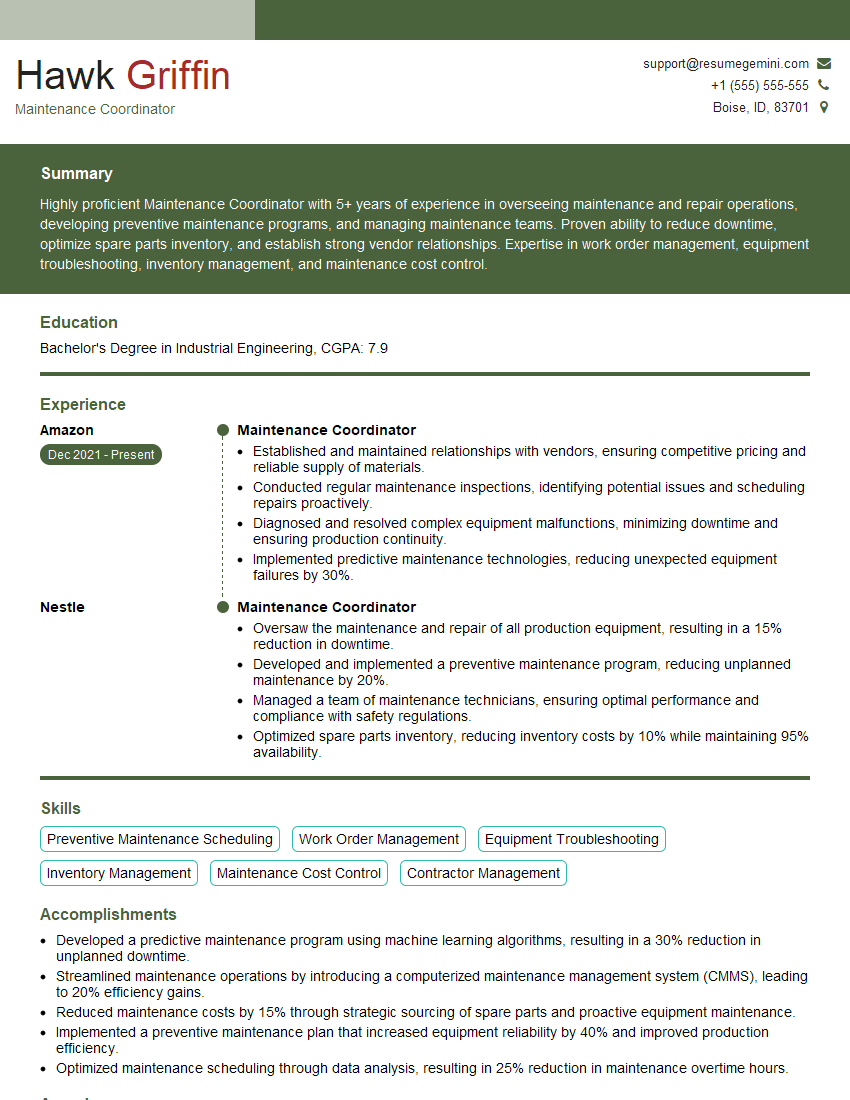
Maintenance Coordinator Resume Sample

Electrical Maintenance Technician Resume Sample
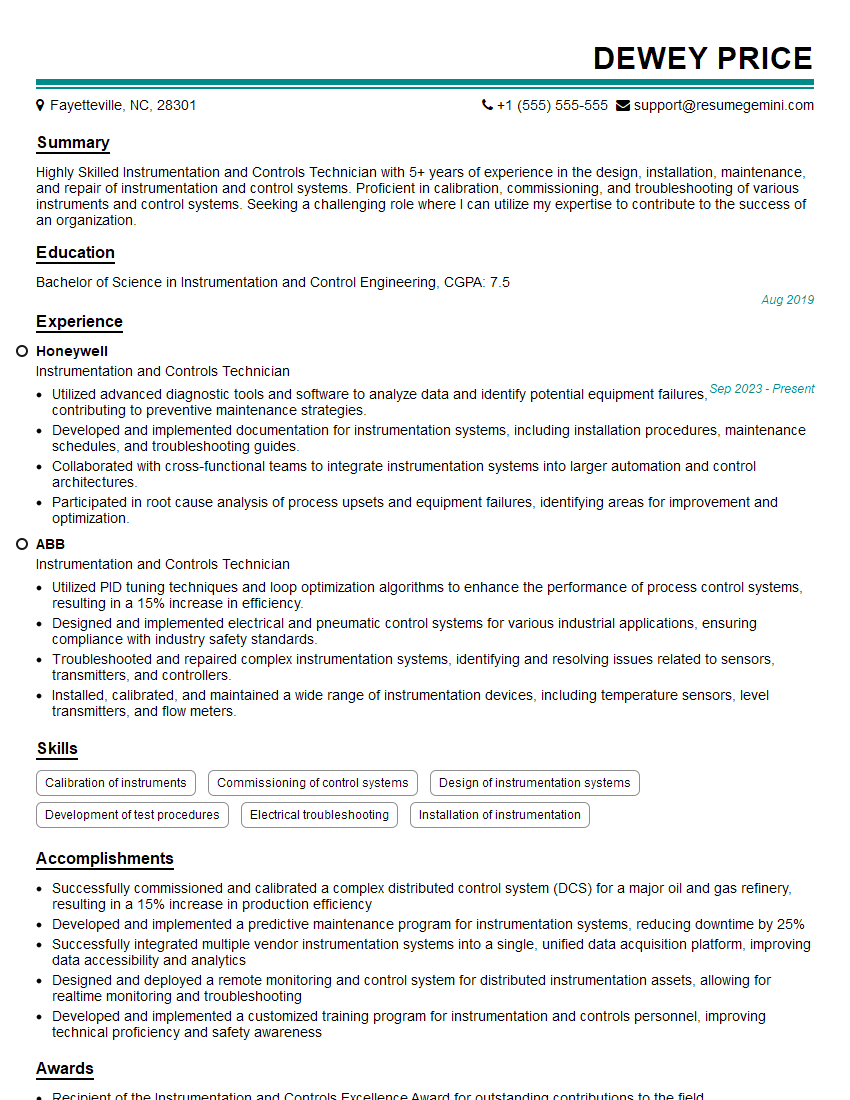
Instrumentation and Controls Technician Resume Sample
- Maintenance Manager
- Maintenance Superintendent
- Maintenance Planner
- Maintenance Supervisor
- Reliability Engineer
- Maintenance Technician
- Maintenance Engineer
- Field Service Technician
- Process Technician
- Facilities Maintenance Manager
- Maintenance Coordinator
- Electrical Maintenance Technician
- Instrumentation and Controls Technician
Explore more articles
Users Rating of Our Blogs
Share Your Experience
We value your feedback! Please rate our content and share your thoughts (optional).
What Readers Say About Our Blog
Very informative content, great job.
good