Interviews are opportunities to demonstrate your expertise, and this guide is here to help you shine. Explore the essential Custom Binding interview questions that employers frequently ask, paired with strategies for crafting responses that set you apart from the competition.
Questions Asked in Custom Binding Interview
Q 1. Explain the difference between perfect binding and saddle stitch binding.
Perfect binding and saddle stitch binding are two common methods for securing the pages of a document, but they differ significantly in their approach and the resulting look and feel. Think of it like this: perfect binding is like gluing a stack of papers together, while saddle stitch binding is like stapling them.
- Perfect Binding: This method involves gluing the edges of a block of pages together to create a smooth spine. The cover is then wrapped around this glued spine. It’s ideal for books with a thicker page count (typically more than 40 pages) and allows for a lay-flat design once opened. Think of most paperback novels – they’re almost always perfectly bound.
- Saddle Stitch Binding: This simpler method involves folding sheets of paper in half and then stapling them through the fold to create a booklet. It’s suitable for documents with a lower page count (generally under 48 pages) and is much less expensive than perfect binding. Brochures and magazines often utilize this method.
The key differences lie in page count, cost, and the final aesthetic. Perfect binding offers a more professional and durable finish, while saddle stitch is quicker and cheaper but less suitable for thicker documents.
Q 2. Describe your experience with various binding methods (e.g., case binding, wire-O, spiral).
Throughout my career, I’ve had extensive experience with a wide range of binding methods. Each has its own strengths and limitations that dictate its suitability for different projects.
- Case Binding: This is the most robust and durable method, often used for high-quality books, hardcovers, and journals. It involves sewing the pages together, creating a spine that’s then adhered to a cover board. It’s a complex process but ensures longevity and a professional appearance. I’ve used this for projects requiring archival-quality binding.
- Wire-O Binding: This uses double-loop wire to fasten pages together, creating a book that lays flat and allows for easy turning. It’s frequently used for calendars, notebooks, and reports where 360-degree page turning is essential. I recall a project where we used this to create a high-end promotional calendar with custom die-cuts.
- Spiral Binding (Coil Binding): This method uses plastic or metal coils to hold pages together. It’s relatively inexpensive and allows for easy page turning, making it perfect for reports, papers, and documents that need to lay flat. I’ve used this extensively for internal company reports and training manuals.
My experience spans diverse applications, from managing large-scale book production to smaller, customized projects, ensuring I can select and execute the optimal binding for any client’s needs.
Q 3. What are the key quality control checks you perform during the custom binding process?
Quality control is paramount in custom binding. My checks are meticulous and cover every stage of the process.
- Pre-Press Inspection: This involves verifying the page count, checking for any misaligned pages or damaged sheets, and ensuring the paper stock is appropriate for the chosen binding method.
- Binding Process Monitoring: During the binding process itself, I continuously monitor the machine’s performance, checking for consistent glue application (for perfect binding), proper coil insertion (for spiral binding), or even stitching quality (for case binding).
- Post-Binding Inspection: This involves carefully examining the finished product for any binding flaws – loose pages, misaligned covers, uneven spine, etc. This stage also includes checking the overall appearance, ensuring it meets the client’s specifications.
- Random Sampling: For larger projects, I implement random sampling to ensure consistent quality throughout the entire run. This might include pulling several finished products at random and subjecting them to rigorous quality checks.
These quality control measures are crucial in ensuring client satisfaction and maintaining a high standard of professionalism.
Q 4. How do you troubleshoot common binding machine malfunctions?
Troubleshooting binding machine malfunctions requires a systematic approach and a good understanding of the equipment. My experience has taught me to approach these issues methodically.
- Identify the Problem: First, accurately determine the nature of the malfunction. Is the machine jamming? Is the glue application inconsistent? Is the binding not secure? Observing the issue carefully is crucial.
- Check the Obvious: Often, the issue is simple – paper jams, low glue, or a depleted coil supply. Addressing these straightforward problems can resolve many malfunctions.
- Consult Manuals and Documentation: If the issue persists, consult the machine’s manual or online resources. These often have troubleshooting guides that can pinpoint potential issues.
- Systematic Elimination: Rule out issues one by one. Is it a problem with the paper feed? The glue mechanism? The binding mechanism itself? Methodically checking each component will help pinpoint the source of the malfunction.
- Seek Expert Assistance: If the problem is beyond my expertise, or if the machine requires specialized repair, I don’t hesitate to contact qualified service technicians.
Preventative maintenance is also essential; regularly cleaning and lubricating the machine significantly reduces the likelihood of malfunctions. It is a proactive approach to maintaining peak efficiency and quality.
Q 5. What types of materials are suitable for different binding methods?
Material selection is critical for successful binding, as the paper stock and cover material must be compatible with the chosen binding method. The wrong choice can lead to binding failures or an aesthetically unpleasing result.
- Perfect Binding: Works best with papers that have good glue adhesion. Heavier papers are generally preferred for thicker books to provide better support to the glued spine. Covers can range from paperback to heavier board stock.
- Saddle Stitch Binding: This method is best suited to lighter weight papers that can easily be folded and stapled. Heavier stock may cause problems with the stapling mechanism.
- Case Binding: Requires papers suitable for sewing. Often, higher-quality papers are used, which will allow for better durability and overall aesthetic of the book. Cover boards are generally much heavier to provide support.
- Wire-O and Spiral Binding: These methods work well with a variety of paper weights, but thicker papers may require a larger gauge wire or coil to ensure the binding is secure. Covers can be made of various materials, including card stock, plastic, or even fabric.
Understanding these material compatibility issues is crucial to choose the right materials for a smooth and successful binding process.
Q 6. Explain the importance of pre-press preparation for efficient binding.
Pre-press preparation is the unsung hero of efficient binding. Proper preparation minimizes errors and ensures a smooth workflow, ultimately leading to higher quality and faster turnaround times.
- Accurate Page Count and Ordering: Correctly organizing and numbering pages is vital. Errors at this stage can lead to significant rework during or after the binding process.
- Imposition and Layout: Properly setting up pages for printing and folding (imposition) is critical, especially for saddle stitch and perfect binding. Incorrect imposition will result in pages being printed or bound in the wrong order.
- Paper Selection and Handling: Selecting the right paper type and ensuring it’s handled carefully to prevent damage are equally important. Damaged sheets can delay the entire binding process.
- Cover Design and Preparation: Ensuring the cover design is compatible with the chosen binding method is crucial. The cover must be designed with the right dimensions and bleed to avoid aesthetic issues once bound.
Thorough pre-press preparation prevents costly mistakes, reducing time and resource waste. It’s the foundation for a successful and efficient binding process. Investing time in this crucial stage saves time and resources down the line.
Q 7. How do you determine the appropriate binding method for a specific project?
Choosing the right binding method depends on several factors, and it’s a decision I make by carefully analyzing the project’s specific needs.
- Page Count: This is a primary factor. Saddle stitch is suitable for fewer pages, while perfect binding and case binding are better for larger volumes.
- Budget: Saddle stitch binding is the most cost-effective, followed by spiral, wire-O, perfect binding, and then case binding, which is the most expensive.
- Desired Look and Feel: Case binding provides a high-end, professional look, while saddle stitch might be more suitable for a casual or informal publication. Wire-O and spiral bindings provide a more contemporary feel.
- Lay-Flat Requirement: If the document needs to lay completely flat, Wire-O or lay-flat perfect binding are necessary. Saddle stitch will only partially lay flat.
- Durability Requirements: For documents that need to withstand repeated handling, case binding is the most durable option.
I consider all these factors when recommending a binding method to a client, ensuring the final product is both functional and aesthetically pleasing. It’s about finding the perfect balance between cost, aesthetics, and functionality for each individual project.
Q 8. Describe your experience with different adhesive types used in binding.
My experience with adhesives in custom binding is extensive, encompassing a wide range of types, each suited to specific needs. Think of adhesives like choosing the right tool for a job – a screwdriver for screws, a hammer for nails. Similarly, different adhesives excel in different binding scenarios.
- Hot Melt Adhesives: These are fast-setting, thermosetting adhesives ideal for high-speed production. They’re perfect for applications requiring strong initial tack, like perfect binding where the spine needs immediate adhesion. However, they can be less flexible and prone to cracking with age, making them less suitable for highly flexible materials.
- Polyurethane Adhesives: Known for their flexibility and strong bond, these are superb for books requiring frequent opening and closing. They provide durability and resistance to cracking, making them excellent for applications like case binding where the spine needs to withstand repeated handling. However, their slower curing time can impact production speed.
- Epoxies: Offering exceptional strength and durability, epoxies are often used in specialized binding projects or when extreme strength is required. They’re great for archival-quality bindings, but they’re less suitable for high-volume production due to their long curing times and complexities in application.
- Animal Glues: While less common now due to cost and availability concerns, they still offer a beautiful, traditional finish suitable for high-quality, limited-edition books. However, their long drying time and sensitivity to moisture necessitates careful handling.
Choosing the right adhesive depends on factors like the paper stock, binding style (perfect binding, saddle stitch, case binding, etc.), project volume, and the desired longevity of the bound product. I always take these factors into account to ensure the best outcome.
Q 9. How do you handle large-volume binding projects efficiently?
Handling large-volume binding projects efficiently requires a strategic approach, much like orchestrating a symphony. It’s all about organization, process optimization, and the right equipment.
- Pre-press Planning: Thorough planning, including accurate estimations of quantities and materials, is crucial. We utilize digital workflows and pre-flight checks to minimize errors and ensure a smooth production process.
- Automation and Machinery: Leveraging automated binding machines, including high-speed perfect binders and case-making machines, significantly increases productivity. These machines drastically reduce manual labor and handling times.
- Workflow Optimization: Implementing lean manufacturing principles helps eliminate waste and streamline operations. We constantly look for ways to improve our workflows to minimize bottlenecks and maximize efficiency, such as optimizing the setup and layout of our work stations.
- Quality Control: Consistent quality control checks throughout the process are non-negotiable. Regular inspections ensure that the finished products meet the client’s requirements and maintain a high standard.
For instance, on a recent large-scale project for a textbook publisher, by carefully optimizing the workflow and utilizing automated perfect binding machines, we were able to cut production time by almost 40% compared to our previous, less optimized methods.
Q 10. What safety precautions do you follow while operating binding machinery?
Safety is paramount in any binding operation. I always adhere to strict safety protocols, including:
- Personal Protective Equipment (PPE): This includes safety glasses, gloves, and hearing protection, especially when operating loud or potentially hazardous machinery. The specific PPE will vary based on the machine and task.
- Machine Guards: Ensuring all machine guards are in place and functioning correctly before operation is crucial. Never bypass safety mechanisms for speed.
- Proper Training: All staff members receive thorough training on the safe operation of all binding machinery before handling any equipment. Regular refresher courses reinforce safe practices.
- Emergency Procedures: We have clearly defined emergency procedures and readily accessible emergency equipment, such as fire extinguishers and first aid kits, placed strategically throughout the workspace.
- Regular Maintenance: Regular maintenance of all machinery helps prevent accidents and ensures optimal performance. We perform routine checks and address potential problems promptly.
Safety isn’t just a set of rules; it’s a mindset. I foster a culture of safety awareness among the team, emphasizing that everyone shares responsibility for a safe working environment.
Q 11. Explain your experience with die-cutting and its role in custom binding.
Die-cutting plays a vital role in enhancing the aesthetic appeal and functionality of custom-bound products. Think of it as a tailor crafting a precise garment; the die-cutter crafts precise shapes and designs.
My experience includes using die-cutting for a variety of applications, including:
- Creating unique shapes and sizes for books and brochures: This allows for the creation of visually striking, non-standard shapes, adding a premium and memorable touch.
- Producing custom cover designs: Intricate designs or textural elements can be efficiently created using die-cutting techniques for added flair.
- Creating specialized cutouts in book covers for added dimension: This allows for unique visual effects, such as revealing parts of the inside pages or creating layered designs.
- Producing packaging that complements the bound product: Die-cut boxes and sleeves can be produced to specifically fit custom-bound books or documents.
For example, I recently utilized die-cutting to create a uniquely shaped book cover with rounded corners and intricate cutouts for a client launching a high-end coffee table book. The results were stunning, perfectly showcasing the artistry and quality of the product.
Q 12. How do you ensure color consistency throughout the binding process?
Maintaining color consistency throughout the binding process is critical for a professional finish. It’s like painting a masterpiece – every stroke needs to complement the whole.
- Color Management System (CMS): Employing a robust CMS is fundamental. This ensures that colors are accurately reproduced from the digital design to the printed pages and the final bound product.
- Color Calibration: Regular calibration of printing presses and other color-related equipment is essential. This minimizes deviations and guarantees consistent color reproduction.
- Standardized Paper Stock: Using paper from the same batch minimizes variations in color absorption and brightness.
- Proofing and Verification: Proofs are crucial at every stage. This allows for the timely detection and correction of color inconsistencies, preventing costly rework.
- Consistent Ink Management: Maintaining the same ink type, batch, and application methods ensures uniform color throughout the printing run.
On a recent project involving a high-end photo album, careful color management ensured that the vibrant images appeared consistent across all pages and throughout the binding process, resulting in a product that exceeded the client’s expectations.
Q 13. How familiar are you with different paper stocks and their suitability for binding?
Familiarity with various paper stocks and their suitability for different binding methods is key. Choosing the wrong paper can lead to poor results or even damage the equipment.
My experience encompasses a wide range of paper types, including:
- Coated Papers: Excellent for high-quality printing, but may not be suitable for all binding types, as the coating can sometimes interfere with adhesive bonding.
- Uncoated Papers: Offer a natural feel and are compatible with most binding methods. However, they can be more prone to damage and less resistant to wear and tear.
- Specialty Papers: Such as textured, recycled, or handmade papers, have unique characteristics and often require specialized binding techniques.
Consider this analogy: a lightweight fabric like silk wouldn’t be ideal for a heavy-duty garment. Similarly, a delicate paper might not be suitable for a book designed for heavy use. The choice of paper needs to consider the binding method, intended use, and the desired aesthetic.
I always advise clients on the most suitable paper stock for their project, ensuring the final product is not only visually appealing but also durable and long-lasting.
Q 14. Describe your experience with automated binding systems.
My experience with automated binding systems is extensive. These systems are crucial for achieving high-volume production and consistency.
I have worked with a variety of automated systems, including:
- Perfect Binding Machines: These are high-speed machines for perfect binding, capable of handling thousands of books per hour. I’m proficient in operating and maintaining these machines, including troubleshooting and performing routine maintenance.
- Case Binding Machines: For producing high-quality, durable case-bound books, these machines are typically more complex and require higher levels of expertise. I’m experienced in configuring and operating these machines to different specifications.
- Saddle Stitch Machines: These machines are ideal for low-page count documents like brochures and booklets. I can operate and maintain these systems, ensuring efficient production.
The use of automated systems necessitates a strong understanding of their operation, maintenance, and troubleshooting. It also demands familiarity with different programming parameters and capabilities, allowing me to tailor each process for different output and speed requirements.
For instance, I recently implemented a new automated case-binding system for a client, resulting in a 30% increase in production output while maintaining the high-quality standards required for their premium books.
Q 15. What software are you proficient in for design and pre-press for custom binding?
For design and pre-press in custom binding, my proficiency spans several key software applications. I’m highly skilled in Adobe InDesign, the industry standard for page layout and design, ensuring precise text and image placement crucial for accurate spine calculations and cover design. I also leverage Adobe Illustrator for creating intricate cover artwork and vector-based graphics, guaranteeing crisp, high-resolution output. For managing color consistency across the entire binding process, I rely on Adobe Acrobat Pro to create press-ready PDF files with embedded color profiles. Finally, I utilize pre-press software like PitStop Pro to ensure the final PDF meets the highest quality standards, checking for font issues, missing images, and other potential problems before printing.
For example, I recently used InDesign to design a bespoke hardcover book with intricate gold foil detailing on the cover. Illustrator was essential for creating the intricate vector artwork for the foil, and Acrobat Pro ensured the color accuracy of the gold matched the client’s specifications.
Career Expert Tips:
- Ace those interviews! Prepare effectively by reviewing the Top 50 Most Common Interview Questions on ResumeGemini.
- Navigate your job search with confidence! Explore a wide range of Career Tips on ResumeGemini. Learn about common challenges and recommendations to overcome them.
- Craft the perfect resume! Master the Art of Resume Writing with ResumeGemini’s guide. Showcase your unique qualifications and achievements effectively.
- Don’t miss out on holiday savings! Build your dream resume with ResumeGemini’s ATS optimized templates.
Q 16. How do you manage and organize materials for efficient workflow?
Efficient material management is critical in custom binding. I utilize a combination of digital and physical organization systems. Digitally, I maintain a detailed database of all materials, including supplier information, material specifications (like thickness and weight), and stock levels. This allows for quick referencing and ordering. Physically, I implement a well-organized storage system with clearly labeled shelves and bins for different paper stocks, cover materials, and binding supplies. This clear system minimizes search time and prevents material mix-ups. A first-in, first-out (FIFO) inventory system helps to use older materials first, minimizing waste.
For example, I might categorize paper by gsm (grams per square meter), color, and finish (coated, uncoated), ensuring quick access for specific projects. The database allows me to immediately see if I have enough stock for a new order, and if not, to order more efficiently.
Q 17. What are your strategies for meeting tight deadlines in custom binding?
Meeting tight deadlines in custom binding requires meticulous planning and efficient execution. My approach involves breaking down each project into smaller, manageable tasks with clearly defined timelines. I use project management software to track progress, identify potential bottlenecks, and prioritize tasks. Communication with clients and the print team is crucial – transparent updates prevent surprises. If unforeseen delays occur, I proactively communicate with the client to explore alternative solutions, such as adjusting the project scope or prioritizing critical elements.
In a recent rush order, I successfully delivered a 500-copy limited edition book ahead of schedule by strategically delegating tasks to team members while maintaining close supervision to ensure quality. Efficient prioritization and communication were key to meeting the tight deadline.
Q 18. How do you handle customer requests and manage expectations regarding custom binding?
Managing customer expectations is paramount. I begin by actively listening to the client’s vision, asking clarifying questions to fully understand their requirements. I provide realistic timelines and clearly explain any potential constraints or challenges. I offer multiple options to accommodate different budgets and preferences, presenting samples and mockups to visualize the final product. Throughout the process, I maintain open communication, promptly addressing any concerns or questions that arise. If adjustments are needed, I work collaboratively with the client to find mutually agreeable solutions.
For example, if a client has an unrealistic expectation regarding a specific deadline, I explain the limitations and offer alternative solutions, possibly suggesting a phased delivery approach to manage expectations effectively.
Q 19. Explain your experience with different types of cover materials.
My experience with cover materials is extensive. I’ve worked with a wide range, including various paper stocks (coated, uncoated, textured), cloth (linen, cotton, buckram), leather (genuine and synthetic), and even specialty materials like metal or wood veneers. I understand the properties of each material, considering factors like durability, texture, printability, and cost-effectiveness. I can advise clients on the most suitable material based on their budget, design aesthetic, and the intended use of the bound item.
I’ve found that understanding the specific needs of each project—whether it’s a high-end photo book requiring archival-quality materials or a cost-effective academic textbook—dictates material selection. This knowledge ensures the final product not only looks beautiful but also functions well and lasts.
Q 20. How do you ensure the accuracy of spine measurements and text placement?
Accuracy in spine measurements and text placement is crucial. I use precise calculations based on the page count, paper thickness, and binding method to determine the exact spine width. InDesign allows for precise control over text placement, and I always create bleed marks to ensure consistent printing. I carefully check all measurements against the design specifications and always generate a mock-up before proceeding to the printing and binding stages. Regular quality checks during production further ensure the accuracy is maintained throughout the process.
For instance, if a client wants specific text to appear exactly 1cm from the spine edge, I will meticulously measure and verify this in the design and print-ready files using InDesign’s measurement tools, and then use a sample to check the actual printed product before final production.
Q 21. Describe your experience with using different types of tooling in custom binding.
My experience with binding tooling is varied. I am familiar with a wide range of tools and techniques, including different types of sewing (e.g., saddle stitch, perfect binding), case binding (using specialized presses and equipment for attaching covers), and adhesive binding. I’m also experienced with specialized tooling used for creating unique finishes, like embossing, debossing, and foil stamping. The selection of tooling depends on the project’s requirements—the number of pages, the desired aesthetic, and the budget.
For example, for a large-format coffee table book with a high page count, perfect binding might not be suitable due to its inherent fragility. Instead, case binding would offer superior durability. For a more luxurious feel, I might utilize embossing or foil stamping tools to add unique tactile and visual elements to the cover.
Q 22. How do you maintain and clean binding machinery?
Maintaining binding machinery is crucial for consistent quality and longevity. It’s like regularly servicing your car – preventative maintenance is key. My routine involves daily, weekly, and monthly checks. Daily checks focus on clearing debris, lubricating moving parts like gears and rollers, and checking for any loose components. Weekly maintenance includes more thorough cleaning, inspecting for wear and tear on critical parts such as the stitching needles or glue rollers, and tightening any loose screws or bolts. Monthly, we perform a deeper inspection, potentially including replacing worn parts and more extensive lubrication. We also keep detailed logs of all maintenance activities, aiding in preventative measures and identifying potential issues before they become major problems. This proactive approach minimizes downtime and maximizes the lifespan of our equipment.
Cleaning procedures vary depending on the machine. For instance, glue applicators require careful cleaning with appropriate solvents to prevent clogging. We use specialized cleaning agents, following manufacturer guidelines to avoid damaging delicate components. Safety is paramount; all cleaning and maintenance activities are performed following stringent safety protocols, including lockout/tagout procedures to prevent accidental startup.
Q 23. What are the common challenges you face in custom binding, and how do you overcome them?
Common challenges in custom binding include dealing with unusual paper stocks (think extremely thick or delicate papers), inconsistent material quality from suppliers, and meeting tight deadlines with complex binding specifications. To overcome these, we employ several strategies. For challenging papers, we adjust machine settings – pressure, speed, and glue application – to achieve optimal results. We also maintain strong relationships with our paper suppliers to ensure consistent quality, and we proactively address any variations in materials. Meeting tight deadlines requires meticulous planning, prioritizing tasks effectively (as discussed later), and sometimes engaging additional staff or outsourcing specific tasks when necessary. Effective communication with clients is vital, ensuring realistic expectations and potential adjustments to project timelines.
Q 24. How do you identify and address defects in the bound product?
Defect identification is a multi-step process. It starts with a visual inspection of the finished product, checking for things like crooked spines, uneven glue application, misaligned pages, or damaged covers. We use checklists and standardized quality control procedures to ensure consistency. Beyond visual inspection, we also perform functional tests, for example, checking the durability of the binding by flexing the book repeatedly to detect loose pages or weak binding. Once a defect is identified, we analyze its root cause. Was it a problem with the paper, the machine settings, or operator error? This analysis informs our corrective actions, ensuring we prevent the same defect from recurring. This is similar to a doctor diagnosing and treating an illness; we need to understand the root cause to fix the problem effectively.
Q 25. Explain your process for calculating the cost of a custom binding project.
Calculating the cost of a custom binding project involves a multi-faceted approach. First, we consider the material costs: paper, cover stock, thread, glue, and any additional embellishments. Next, we factor in labor costs, taking into account the time required for each step, from pre-press preparation to the final finishing. We also include machine operating costs, such as electricity and maintenance. Overhead expenses, such as rent and administrative costs, are factored into our cost calculations. Finally, we add a profit margin to arrive at the final price. We often use project management software to track time spent on each task, ensuring accurate cost estimations. For complex projects, we may break them into smaller, more manageable units, which helps with accurate costing and monitoring project progress.
Q 26. Describe your experience with different finishing techniques such as embossing or debossing.
I have extensive experience with various finishing techniques, including embossing and debossing. Embossing creates a raised design, while debossing creates a recessed one. Both techniques add a touch of elegance and sophistication to the finished product. We use specialized machinery for both processes, which require precise adjustments of pressure, temperature, and die design to achieve the desired outcome. The process is similar to using a cookie cutter, but on a much larger and more precise scale. Careful setup and maintenance of these machines are vital for achieving consistent and high-quality results. We’ve successfully used these techniques on a wide variety of projects, from corporate brochures and luxury packaging to personalized photo albums. The choice between embossing and debossing is often dictated by the desired aesthetic effect and the overall design of the piece.
Q 27. How do you prioritize tasks when dealing with multiple projects?
Prioritizing tasks when juggling multiple projects requires a systematic approach. I utilize project management tools and techniques like Kanban or Agile methodologies. This helps visualize the workflow, track progress, and identify potential bottlenecks. The priority is often determined by deadlines, client importance, and project complexity. Urgent projects with tight deadlines naturally take precedence. However, I also consider the potential impact of delays; a smaller project with a later deadline might be temporarily deprioritized if it won’t significantly impact the overall schedule, allowing me to focus on more time-sensitive projects first. Open communication with clients is critical, keeping them informed of progress and any potential delays.
Q 28. What are your strategies for continuous improvement in custom binding processes?
Continuous improvement is at the heart of our operations. We use data-driven approaches to identify areas for improvement. This includes tracking key metrics such as production time, defect rates, and client satisfaction. Regular team meetings allow us to discuss challenges, share best practices, and brainstorm new ideas. We encourage employee suggestions and implement changes based on their insights. We also invest in training and development to ensure our team stays up-to-date with the latest technologies and techniques. Furthermore, we regularly review our processes and explore opportunities to streamline our workflows, reducing waste and increasing efficiency. This iterative approach is crucial to staying competitive and providing clients with the highest quality service.
Key Topics to Learn for Custom Binding Interview
- Data Binding Fundamentals: Understanding the core principles of data binding, including one-way and two-way binding, and their implications for application performance and maintainability.
- Implementation Strategies: Exploring different approaches to custom binding, such as using decorators, proxies, or custom directives, and understanding their trade-offs.
- Event Handling and Change Detection: Mastering the mechanisms for detecting and responding to changes in bound data, ensuring efficient updates and avoiding performance bottlenecks.
- Advanced Techniques: Investigating techniques for handling complex data structures, asynchronous operations, and error handling within the context of custom binding.
- Performance Optimization: Learning strategies for optimizing custom binding implementations to ensure responsiveness and scalability, especially in large applications.
- Testing and Debugging: Developing effective testing strategies for custom binding logic, and understanding common debugging techniques for identifying and resolving issues.
- Security Considerations: Understanding potential security vulnerabilities related to data binding and implementing secure coding practices to mitigate risks.
- Framework-Specific Implementations: If applicable, delve into the specifics of custom binding within the frameworks you’re familiar with (e.g., Angular, React, Vue.js).
Next Steps
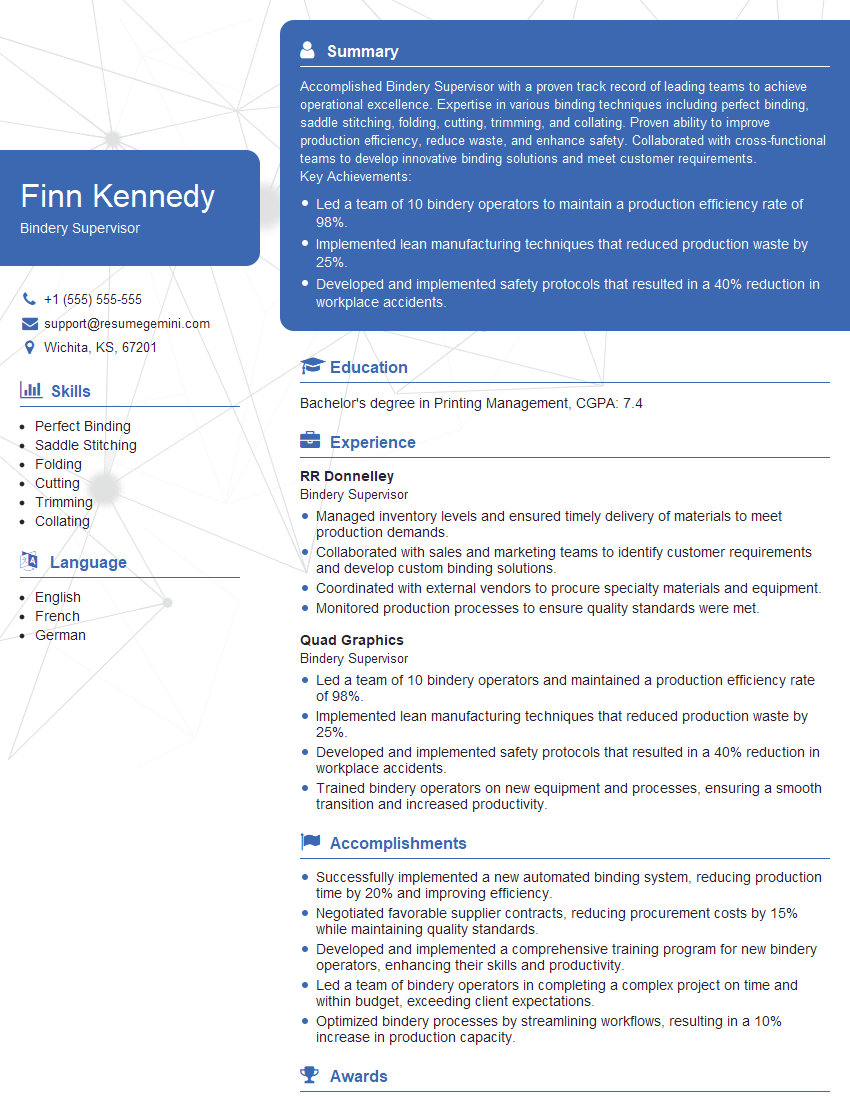
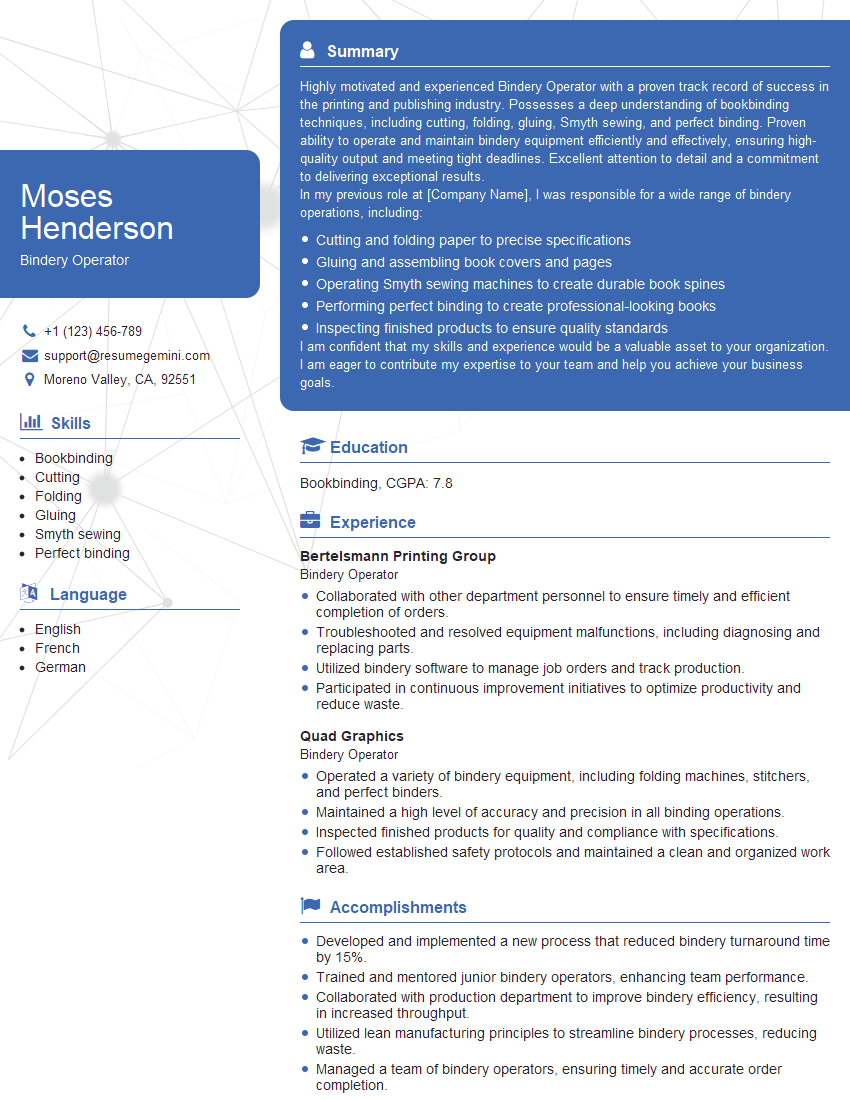
Mastering custom binding significantly enhances your value as a developer, opening doors to more challenging and rewarding roles. A strong understanding of this crucial skill demonstrates your proficiency in building robust and efficient applications. To maximize your job prospects, create an ATS-friendly resume that showcases your expertise effectively. ResumeGemini is a trusted resource that can help you build a professional and impactful resume. We provide examples of resumes tailored to Custom Binding to guide you in creating a compelling application that highlights your skills and experience.

Explore more articles
Users Rating of Our Blogs
Share Your Experience
We value your feedback! Please rate our content and share your thoughts (optional).
What Readers Say About Our Blog
Very informative content, great job.
good