Interviews are opportunities to demonstrate your expertise, and this guide is here to help you shine. Explore the essential Contra Dance Calling interview questions that employers frequently ask, paired with strategies for crafting responses that set you apart from the competition.
Questions Asked in Contra Dance Calling Interview
Q 1. Describe your experience calling different contra dance figures.
Calling contra dances involves a wide repertoire of figures, each with its own nuances. My experience spans decades, encompassing everything from the simplest basic figures like ‘allemande left’ and ‘swing your partner’ to more complex formations such as ‘star turns,’ ‘hey for four,’ and ‘circle left and right.’ I’m comfortable calling both traditional figures and more modern variations, incorporating elements of improvisation while ensuring the integrity of the dance. For example, I’ve called dances incorporating ‘box the gnat’ which, while complex, adds a delightful challenge for intermediate and advanced dancers. I’ve also worked with callers to develop unique sequences that incorporate elements of both traditional and modern figures, fostering a sense of creativity and innovation within the contra dance community.
- Basic Figures: These are the foundation, essential for beginners to understand the basic mechanics of partner interaction and movement.
- Intermediate Figures: These introduce more complex partner changes and formations, requiring better spatial awareness and coordination.
- Advanced Figures: These often involve multiple partner changes and intricate formations, demanding precision and experience from dancers.
Q 2. How do you adapt your calling style to different skill levels?
Adapting my calling style to different skill levels is crucial for creating an inclusive and enjoyable experience for everyone. For beginners, I emphasize clear and concise instructions, breaking down complex figures into smaller, manageable steps. I use visual aids, such as hand gestures, to complement my verbal calls, and I’ll often include simple repetition of basic steps. For intermediate dancers, I can introduce more intricate variations, faster tempos, and more complex sequences. Advanced dancers appreciate more challenging figures, creative variations on traditional steps, and possibly even improvisation. I often gauge the dancers’ skills during the first couple of dances, and adjust my tempo, complexity, and clarity of instructions accordingly. It’s like teaching a musical piece: beginners learn the basic melody; intermediate dancers add harmonies; and advanced players include variations and improvisations.
Q 3. Explain your approach to teaching new contra dance steps.
Teaching new contra dance steps involves a multi-faceted approach. I start with a clear explanation of the steps, using simple language and visual demonstrations. I break down the steps into smaller, more manageable components, practicing each part individually before combining them. I use analogies and relatable imagery to help dancers visualize the movements. For example, explaining a ‘right-hand star’ as ‘reaching out and making a star shape with your partner’ is more understandable than merely stating the technical steps. Hands-on practice is crucial; I encourage dancers to try the steps multiple times with their partners, providing individual guidance and corrections where necessary. I also emphasize the importance of listening to the music and maintaining good posture and balance. The key is patience and positive reinforcement.
Q 4. How do you handle unexpected situations or mistakes during a dance?
Unexpected situations and mistakes are part and parcel of contra dancing. My approach involves a combination of quick thinking, adaptability, and a sense of humor. If someone makes a mistake, I might simply say something like, ‘Oops, let’s try that again,’ or offer a brief, clear correction. For larger issues, such as a significant miscommunication among dancers, I pause the music, offer gentle guidance and encouragement, and resume the dance once everyone is back on track. It’s important to keep the atmosphere light and positive, encouraging dancers to learn from their mistakes and view these instances as opportunities for improvement. Maintaining a calm and reassuring presence is key to maintaining the flow and enjoyment of the dance.
Q 5. What music styles are you most comfortable calling contra dances to?
I’m comfortable calling contra dances to a variety of music styles, but I have a particular affinity for traditional New England styles, including lively jigs, reels, and hornpipes. The rhythmic structure and tempo of these genres lend themselves particularly well to the energetic nature of contra dancing. I also enjoy calling to more contemporary styles, such as bluegrass, Celtic, and even some upbeat folk music, provided they maintain a suitable tempo and rhythmic structure for the dance. Ultimately, the music needs to have a good, strong beat that dancers can easily follow.
Q 6. How do you maintain energy and enthusiasm throughout a long dance?
Maintaining energy and enthusiasm throughout a long dance requires a combination of preparation, pacing, and engagement. Prior to the dance, I’ll make sure I’m well-rested and hydrated. During the dance, I vary the sequence of figures to prevent monotony. I also use a mix of high-energy and more relaxed calls to give dancers some breathing room, and I take short breaks as needed without interrupting the flow of the dance. I engage with the dancers, making eye contact, smiling, and providing words of encouragement. It’s a performance, and my own energy is contagious! Ultimately, it’s about sharing my passion for contra dancing and creating a joyful, memorable experience for everyone.
Q 7. Describe your method for selecting appropriate music for contra dances.
Selecting music for contra dances requires careful consideration of tempo, rhythm, and overall feel. I prioritize music with a strong, clear beat that’s easy to follow, generally in 4/4 or 2/4 time. The tempo should be appropriate for the skill level of the dancers, and the pieces should flow well together, creating a cohesive and enjoyable sequence. I aim for a variety of tempos and styles within a set, blending high-energy tunes with more moderate ones to prevent fatigue. I also consider the overall mood I want to create— whether it’s a lively and upbeat atmosphere or a more relaxed and contemplative one. I always test the music beforehand to ensure it meets these criteria and works well within the chosen dance sequence.
Q 8. How do you incorporate audience participation and engagement?
Audience participation is key to a lively contra dance! I achieve this through several methods. Firstly, I use clear and enthusiastic calling, making sure to explain the figures in a way everyone can understand, even beginners. I often add little jokes or anecdotes to keep the energy high and make the experience more fun. Secondly, I incorporate elements of audience interaction directly into the calls. For instance, I might ask dancers to shout a particular instruction along with me, or I’ll call out specific groups to lead, fostering a sense of community and shared responsibility.
For example, during a ‘swing your partner’, I’ll might call “And SWING those partners with all your heart!” encouraging more enthusiastic participation. Another example is incorporating a simple call-and-response: “Ready for the Allemande Left? (Dancers: Left!) Allemande Left!” This small interaction boosts energy and participation.
Finally, I create an inclusive atmosphere where everyone feels comfortable participating regardless of their skill level. Encouragement goes a long way, and actively welcoming newcomers helps them feel included, leading to greater overall engagement.
Q 9. How do you ensure clarity and precision in your calling?
Clarity and precision in calling are paramount. My approach is multifaceted. First, I use concise and consistent language. I avoid jargon, opting for simple, direct instructions. I clearly enunciate each word, ensuring everyone can hear and understand. Secondly, I use a structured calling style, providing ample time between instructions, letting the dancers complete each movement before starting the next one. This prevents confusion and allows dancers to catch up if needed. I also prioritize timing; I call in time with the music, making the dances feel seamless and fluid.
For example, instead of saying “Balance and swing”, I might call “Now, balance, and swing your partner!”. The extra pause and emphasis allows more processing time for the dancers.
Thirdly, I regularly check for understanding. I may pause occasionally to observe the dancers, adjusting my speed and clarity based on their response. If I see confusion, I might briefly clarify the steps, always keeping the overall rhythm and flow intact. Finally, I regularly practice my calls to ensure smooth delivery and perfect timing; this practice is essential for clear and precise communication during the dance.
Q 10. What techniques do you use to teach dancers proper etiquette?
Teaching contra dance etiquette is an essential part of my role. I do this through a combination of verbal instruction and subtle modeling. I begin by clearly explaining the importance of basic courtesy such as asking for a dance before beginning, maintaining good posture and footwork, and being mindful of the space around you (no elbows!). I demonstrate these behaviors myself while calling, setting a positive example for others to follow. For instance, I would always politely ask a dancer to dance, offering my hand and keeping eye contact.
Furthermore, I frequently include brief announcements, weaving etiquette tips into the breaks between dances. For example, I might say something like, “Let’s remember to thank our partners after each dance and be mindful of your neighbors on the floor.”
Finally, in more advanced contra dance settings, I might conduct short workshops or tutorials focusing specifically on etiquette, providing an opportunity for more in-depth discussion and practice.
Q 11. How do you handle requests for specific dances or variations?
Handling requests for specific dances or variations is important to cater to the dancers’ preferences. Before the event, I assess the dancers’ skill level and interests through questionnaires or initial communication. This allows me to curate a program that balances popular favorites with potentially challenging or less familiar dances. During the event, I’ll address requests by either incorporating them directly into the setlist or by explaining that it’s not feasible at the time, providing an alternative similar dance.
If a dancer requests a particular dance and it is appropriate for the skill level of the dancers present, I will include it within a logical flow. If it’s a more challenging dance, or the timing doesn’t suit the overall flow, I will politely explain this and suggest a similar alternative dance or offer to teach it during a workshop at a future event.
Transparency and flexibility are key – I strive to meet as many requests as possible while ensuring a well-structured and enjoyable event for everyone.
Q 12. Explain your process for creating a dance program for an event.
Creating a dance program for an event is a thoughtful process. I begin by considering the event’s duration, the skill level of the expected dancers, and the overall atmosphere I aim to create. I then select dances that offer a good balance of familiar and less common figures, ensuring a progressive increase in difficulty. I also consider the music’s impact; some dances lend themselves better to certain musical styles.
The program usually begins with simpler dances to warm everyone up, gradually introducing more complex figures as dancers gain confidence. I use a mix of couple dances and group dances, including some that allow for more improvisation or creative movement. It’s common practice to finish with a well-known, upbeat dance, leaving everyone with a feeling of accomplishment and good spirits.
Throughout this process, I create a clear sequence listing the dances and the music for each. I also note any necessary instructions or modifications needed for specific figures. The resulting program is then shared with the musicians, helping in their preparation and ensuring smooth coordination during the event.
Q 13. How do you manage the flow and pace of a contra dance event?
Managing the flow and pace of a contra dance event requires skillful planning and adaptability. I start by creating a program that flows smoothly from one dance to the next, keeping in mind the increasing difficulty and energy levels. I vary the types of dances, alternating between fast and slower paces to prevent fatigue and maintain interest. I incorporate appropriate breaks for rest and socializing, and always check in with the dancers’ energy levels. I might even use this break to explain upcoming figures.
During the event, I adjust the pacing based on the dancers’ responses. If they seem tired, I shorten a dance or add a longer break. If they’re energized, I might incorporate a slightly more challenging dance or accelerate the tempo within the confines of the music’s capabilities. I use my calls to seamlessly transition between dances, using announcements to keep everyone informed and engaged.
Ultimately, the key is to create a balance between structured choreography and responsiveness to the dancers’ needs, resulting in a dynamic and well-paced dance experience.
Q 14. How do you work with live musicians to coordinate dance calls?
Collaboration with live musicians is crucial for a successful contra dance. Before the event, I meet with the musicians to discuss the program, ensuring we’re both on the same page regarding the tempo, style, and duration of each dance. We might listen to different musical interpretations of the chosen tunes to ensure agreement on style and approach. This ensures they play appropriate music for each dance’s pace and complexity.
During the event, clear communication is essential. I may use nonverbal cues, such as hand signals or eye contact, to indicate changes in pace or rhythm. I would also incorporate verbal cues with advanced warning before starting or ending a dance. In many instances, the musicians may have a dance program too; they know the set list and can anticipate certain rhythmic calls.
A strong working relationship with the musicians is built on mutual respect and understanding. We value each other’s expertise and work together to create a cohesive and enjoyable experience for the dancers.
Q 15. What strategies do you use to encourage dancers of all skill levels to participate?
Encouraging participation from dancers of all skill levels is crucial for a vibrant contra dance community. My strategy focuses on creating a welcoming and supportive atmosphere where everyone feels comfortable, regardless of experience. This involves several key approaches:
- Clear and Concise Calling: I emphasize clear instructions, using simple language and avoiding jargon. I also provide visual cues whenever possible, such as hand gestures to indicate the direction of movement. For example, instead of saying “Allemande left,” I might say “Take your partner’s left hand and turn around.”
- Progressive Instruction: I introduce figures gradually, building upon simpler steps before introducing more complex ones. I often call a dance multiple times, allowing less experienced dancers to gain confidence and master the steps.
- Positive Reinforcement: I actively praise dancers’ efforts and participation, regardless of their skill level. A simple “great job” or a smile goes a long way in fostering a positive environment.
- Partnering Strategies: I encourage experienced dancers to partner with less experienced dancers, providing guidance and support on the dance floor. I may also offer brief tips on partnering techniques during breaks.
- Workshops and Introductory Sessions: Organizing introductory workshops or offering beginner-friendly dance sessions helps build a foundation for new dancers and makes them feel more prepared to join the regular dances.
Career Expert Tips:
- Ace those interviews! Prepare effectively by reviewing the Top 50 Most Common Interview Questions on ResumeGemini.
- Navigate your job search with confidence! Explore a wide range of Career Tips on ResumeGemini. Learn about common challenges and recommendations to overcome them.
- Craft the perfect resume! Master the Art of Resume Writing with ResumeGemini’s guide. Showcase your unique qualifications and achievements effectively.
- Don’t miss out on holiday savings! Build your dream resume with ResumeGemini’s ATS optimized templates.
Q 16. Describe your experience working with diverse groups of dancers.
I’ve had the pleasure of working with incredibly diverse groups of dancers—from college students to retirees, individuals with varying levels of dance experience, and people from various cultural backgrounds. The beauty of contra dance is its inherent inclusivity. However, successful collaboration requires sensitivity and adaptation:
- Language Accessibility: I adjust my calling style to be easily understood, avoiding complex terminology and potentially using multiple languages if there is a need.
- Physical Considerations: I am mindful of dancers’ physical limitations and offer modifications or alternative steps when appropriate. For instance, some dancers might prefer a simpler variation of a figure.
- Cultural Sensitivity: I actively listen to understand any cultural norms that may affect participation and strive to create a dance environment that respects individual differences. This may involve being mindful of touch and personal space.
- Building Community: I work to foster a sense of community where everyone feels welcome and valued, creating a space for sharing stories and fostering friendships.
In one instance, I adapted a dance for a group including visually impaired dancers by incorporating audible cues to complement my calling.
Q 17. How do you resolve conflicts or disagreements among dancers?
Disagreements among dancers are rare in contra dance, but when they do arise, my approach is one of mediation and de-escalation.
- Active Listening: I listen carefully to both sides, ensuring each individual feels heard and understood.
- Neutral Facilitation: I facilitate a discussion where each person can express their perspective without interruption. I focus on clarifying the issue rather than assigning blame.
- Finding Common Ground: I work to identify common goals and explore solutions that satisfy both parties while upholding the community’s shared values of respect and courtesy.
- Setting Clear Expectations: I clearly communicate expectations regarding respectful behavior and etiquette on the dance floor to prevent future conflicts.
- Privacy and Confidentiality: I maintain the privacy of individuals involved in any disagreements, respecting their confidentiality.
Often, a simple clarification or a reminder of the dance’s basic rules is sufficient to resolve minor disagreements.
Q 18. How do you provide constructive feedback to dancers?
Providing constructive feedback is about helping dancers improve their skills and confidence. I avoid criticism and focus on positive reinforcement:
- Focus on Specifics: Rather than offering general statements, I highlight specific aspects of their dancing that could be improved. For instance, instead of saying “you’re not very good at that step,” I might say, “I noticed you were having some trouble with the timing of that turn. Let’s try working on that together.”
- Offer Suggestions, Not Instructions: I offer suggestions and alternatives instead of dictating specific movements. This empowers dancers to experiment and discover what works best for them.
- Individualized Approach: I tailor my feedback to the individual dancer’s experience level and learning style.
- Positive Framing: I always frame my feedback positively, emphasizing their strengths and progress while suggesting areas for improvement.
- Encourage Practice: I encourage dancers to practice outside of the dance event, offering suggestions on how they can improve their skills independently.
For example, I might suggest a dancer practice a particular figure by themselves or with a friend to gain more confidence and fluency.
Q 19. How do you maintain a safe and inclusive environment for dancers?
Maintaining a safe and inclusive environment is paramount. My strategies include:
- Clear Communication of Expectations: I clearly communicate expectations for respectful behavior, including policies on harassment and appropriate physical contact.
- Zero Tolerance Policy: I have a zero-tolerance policy for any form of harassment or discrimination. I actively intervene to address any inappropriate behavior.
- Creating a Welcoming Atmosphere: I actively work to create a welcoming atmosphere where everyone feels comfortable and respected, regardless of their background, experience, or identity.
- Accessibility: I ensure the dance venue is physically accessible to people with disabilities and that the dance instructions are easily understood by everyone.
- Building Community: I foster a sense of community and camaraderie, where people feel supported and encouraged to participate.
This includes being aware of and addressing potential power dynamics within the group to ensure equitable participation for all dancers.
Q 20. What are your strategies for promoting contra dance events?
Promoting contra dance events requires a multi-faceted approach:
- Social Media Marketing: Utilizing social media platforms like Facebook, Instagram, and potentially TikTok to create engaging content, including videos, photos, and event announcements.
- Website and Email List: Having a dedicated website or email list to announce upcoming events, provide details about the dances, and share related information.
- Partnerships with Local Organizations: Collaborating with local community centers, colleges, and other organizations to reach wider audiences.
- Flyers and Posters: Utilizing traditional methods such as flyers and posters in relevant locations to promote events.
- Word-of-Mouth Marketing: Encouraging word-of-mouth promotion by creating a positive and memorable experience for attendees.
- Cross-Promotion with Other Events: Collaborating with other dance events or community gatherings to cross-promote activities and reach new audiences.
For example, I once partnered with a local folk music group to host a combined event that attracted a larger and more diverse audience.
Q 21. Describe your experience working with event organizers or committees.
Working with event organizers and committees requires effective communication and collaboration:
- Clear Communication: Maintaining open and transparent communication throughout the planning process. This includes clearly defining roles and responsibilities, establishing timelines, and sharing updates regularly.
- Shared Vision: Working collaboratively with the organizing team to ensure a shared vision for the event and aligning individual tasks towards that goal.
- Flexibility and Adaptability: Being flexible and adaptable to changing circumstances, such as unexpected issues or changes in attendance.
- Active Participation: Actively participating in all stages of event planning, from initial brainstorming to post-event evaluation.
- Respectful Collaboration: Respecting the opinions and contributions of all members of the organizing team.
In past events, I’ve collaborated closely with event organizers to ensure that the venue, music, and overall atmosphere complement the dance experience, creating a truly memorable event for all.
Q 22. How do you use technology to enhance your contra dance calling?
Technology plays a vital role in modern contra dance calling, going beyond simply using a microphone. I use a digital audio workstation (DAW) to pre-record and refine my calls, ensuring consistency and allowing me to add subtle musical elements like instrumental cues or sound effects that enhance the dance experience. For example, I might add a light cymbal crash to emphasize a particularly tricky transition. Furthermore, I utilize a tablet or laptop running dance notation software to visually display the dance sequence, helping both me and the dancers keep track during longer, more complex dances. This is especially helpful for teaching workshops or introducing new dances. Finally, online platforms are great for sharing recordings and written calls, promoting broader access to dances and fostering a wider contra dancing community.
Q 23. How do you ensure that your calls are audible and understandable in various settings?
Ensuring audibility and understanding requires a multi-faceted approach. Firstly, I prioritize clear articulation and pacing. I make sure my calls are concise, using simple language that everyone can understand. Think of it like storytelling – you want to paint a picture with words, not confuse your audience with technical jargon. Secondly, I adapt my volume and tone to the acoustics of the space. A large barn requires a much fuller, louder projection than an intimate community hall. I always do a sound check before the dance to ensure microphone placement and gain are optimized. Lastly, I frequently incorporate visual cues, such as hand gestures or pointing to specific directions on the dance floor, to provide further clarification, especially during complex sequences or turns.
Q 24. What experience do you have with different microphone techniques?
My experience with microphone techniques is extensive. I’m proficient with both handheld and lavalier microphones, understanding the benefits and drawbacks of each. Handheld mics offer flexibility in movement, but require careful handling to avoid unwanted noise. Lavalier mics provide a more consistent sound level but limit my physical freedom, sometimes restricting gestures. I’ve experimented with different microphone types – dynamic mics for their robustness and feedback resistance, and condenser mics for their sensitivity and clarity. Additionally, I understand the importance of proper microphone placement relative to sound sources to minimize feedback and maximize clarity. A sound engineer’s experience and knowledge about sound systems is invaluable to successfully handle different settings and microphone options.
Q 25. How familiar are you with different contra dance traditions and variations?
My familiarity with contra dance traditions extends across various regional styles. I’m well-versed in the New England tradition, with its emphasis on clear phrasing and rhythmic precision. I also have experience with English and Canadian traditions, noticing their unique phrasing and structural variations. Understanding these variations allows me to tailor my calls to different audiences, incorporating elements that resonate with their preferred style. For instance, the pace and emphasis on specific figures can vary significantly depending on tradition. This knowledge enriches my calling and allows me to offer a diverse range of dances to the community.
Q 26. Describe your approach to learning and incorporating new dance calls.
Learning and incorporating new calls is a continuous process. I start by carefully studying the written notation of a dance, paying close attention to the figure descriptions and sequence. Then, I listen to recordings of experienced callers to grasp the rhythm, phrasing, and overall feel of the dance. After that, I practice calling the dance repeatedly, often recording myself to identify areas for improvement in clarity and pacing. I often test the dance on a small group before introducing it to a larger audience, allowing for revisions based on real-time feedback. This iterative process ensures a smooth and enjoyable dance experience.
Q 27. How do you handle variations in tempo or style within a single dance?
Handling variations in tempo or style within a dance requires adaptability and sensitivity. I listen closely to the dancers and adjust my calling accordingly. If the dance is lagging, I might slightly increase the pace while maintaining clear articulation. Conversely, if the dance feels rushed, I slow down and emphasize the cues for each figure. I might also subtly change my phrasing to reflect a different style, for instance, emphasizing the rhythmic qualities in one part of the dance and the narrative flow in another. This is about listening to the dancers and adjusting to maintain the energy and cohesiveness of the dance.
Q 28. How do you adjust your calling style to account for different dance floor conditions?
Dance floor conditions significantly impact calling style. A crowded floor might necessitate simpler calls with more lead time. A slippery floor may require slower paces and more explicit warnings to prevent injuries. On a smaller floor, I may need to reduce the complexity of the dances, and I adjust my position to enhance visual contact. Conversely, a spacious floor might allow for more elaborate dances and figures. The key is observation and adaptation – I continuously assess the floor conditions and adjust my calling to maintain a safe and enjoyable experience for all dancers.
Key Topics to Learn for Your Contra Dance Calling Interview
- Understanding Basic Dance Figures: Mastering the fundamental figures (allemande left, right and left, swing, etc.) and their variations is crucial. Practice smoothly transitioning between them.
- Call Sequencing and Choreography: Learn how to create engaging and logical sequences of figures, building complexity gradually. Consider the flow and musicality of your calls.
- Vocal Technique and Delivery: Clear, concise, and enthusiastic calling is paramount. Practice projection, articulation, and pacing to ensure dancers understand your instructions.
- Adaptability and Improvisation: Be prepared to handle unexpected situations, such as dancers making mistakes or needing clarification. Practice improvisation skills to maintain the flow of the dance.
- Audience Engagement and Communication: Learn to read your audience and adjust your calling style accordingly. Effective communication builds a positive dance experience.
- Understanding Musicality and Rhythm: Contra dance is deeply rooted in music. Develop a strong sense of rhythm and timing to enhance your calls and the overall dance experience. Practice calling to different musical styles.
- Troubleshooting and Problem Solving: Anticipate common challenges and develop strategies to address them effectively. For example, how would you handle a dancer who is struggling to keep up?
- Different Contra Dance Styles and Traditions: Familiarize yourself with variations in calling styles across different regions or communities.
Next Steps
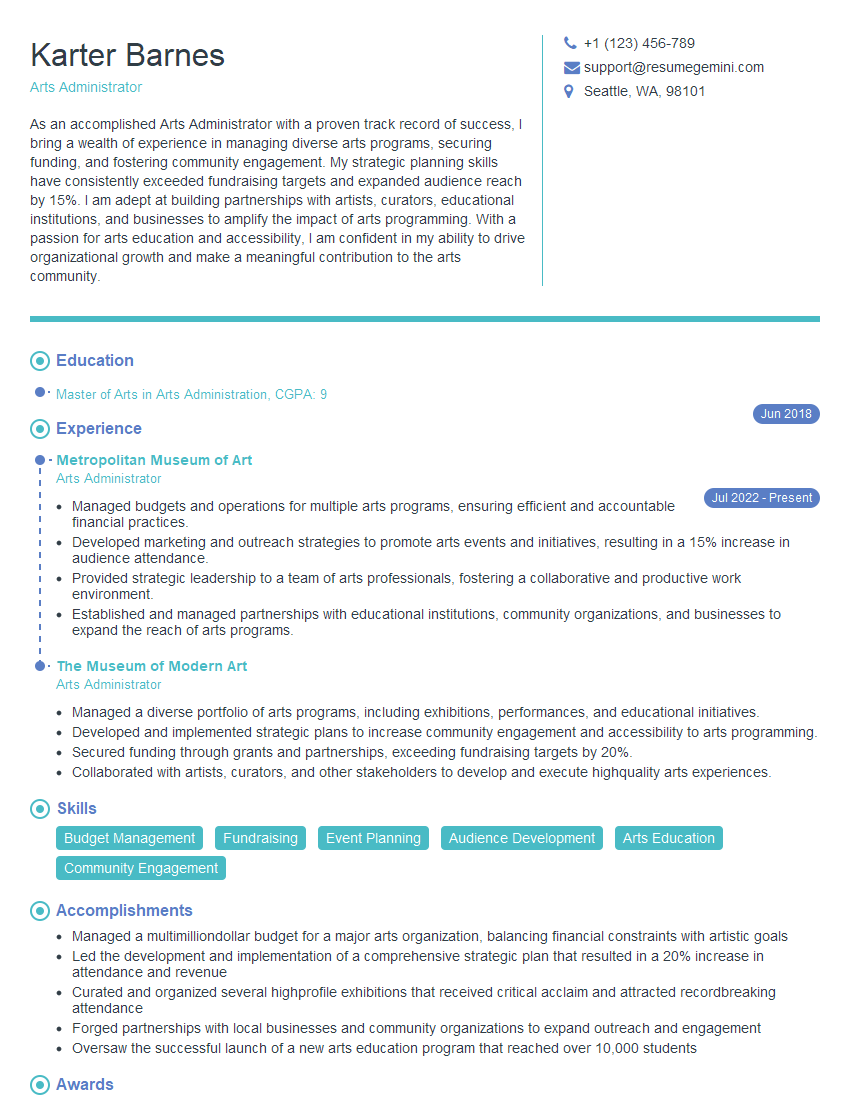
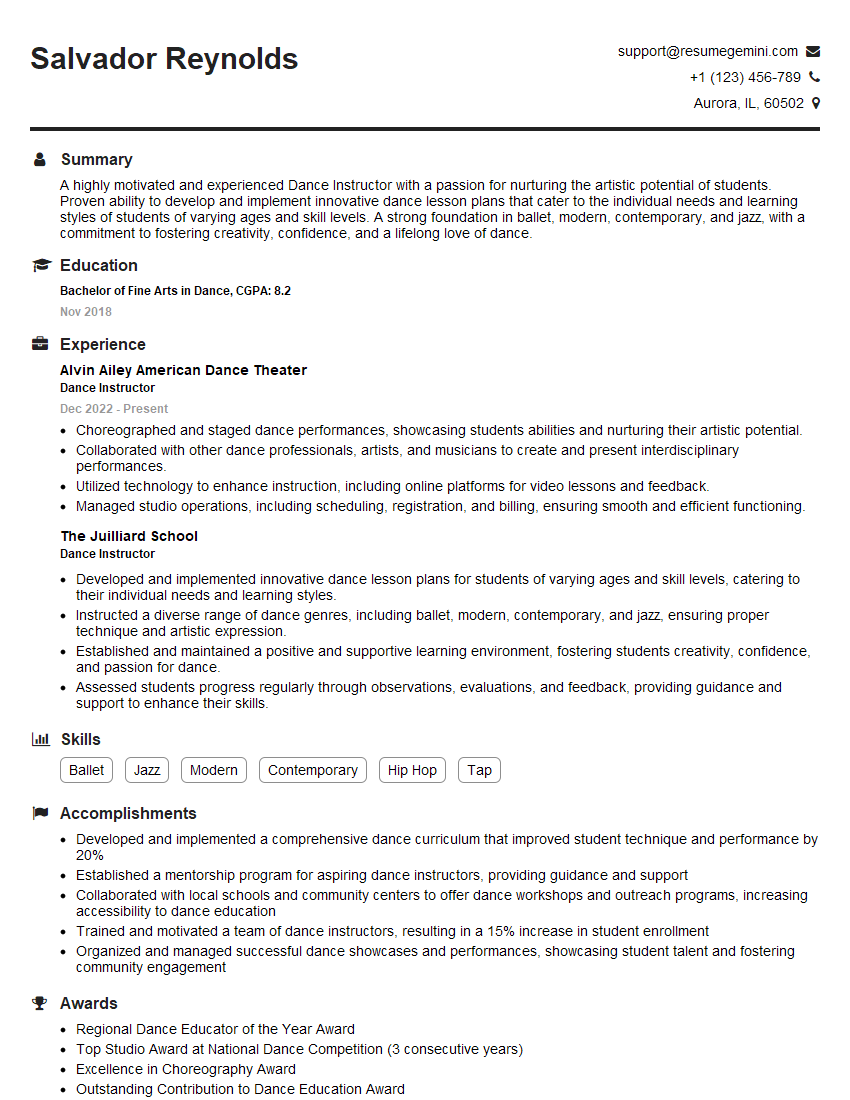
Mastering Contra Dance Calling can significantly enhance your career prospects, showcasing your communication, leadership, and organizational skills. These are highly valuable assets in many fields. To maximize your job search success, it’s vital to create an ATS-friendly resume that highlights your abilities effectively. ResumeGemini is a trusted resource to help you build a professional and impactful resume. Examples of resumes tailored specifically to Contra Dance Calling positions are available to help guide you. Take advantage of these resources to present your skills and experience in the best possible light.
Explore more articles
Users Rating of Our Blogs
Share Your Experience
We value your feedback! Please rate our content and share your thoughts (optional).
What Readers Say About Our Blog
Very informative content, great job.
good