The right preparation can turn an interview into an opportunity to showcase your expertise. This guide to Host Nation Coordination and Support interview questions is your ultimate resource, providing key insights and tips to help you ace your responses and stand out as a top candidate.
Questions Asked in Host Nation Coordination and Support Interview
Q 1. Describe your experience in building and maintaining relationships with host nation counterparts.
Building and maintaining strong relationships with host nation counterparts is paramount to successful Host Nation Coordination and Support (HNCS). It’s a process of continuous engagement, based on mutual respect, trust, and understanding. My approach involves proactive communication, consistent follow-through, and a genuine interest in building personal connections.
For example, in a previous project involving the construction of a vital infrastructure project in a remote region, I initiated weekly meetings with local government officials, community leaders, and representatives from affected villages. This wasn’t just about project updates; we also discussed local concerns, celebrated cultural events, and even participated in community workdays. This fostered a sense of partnership, leading to significantly smoother project implementation and community buy-in.
I also believe in documenting all agreements, understanding and expectations clearly. This not only avoids misunderstandings but also serves as a testament to our commitment to transparency and accountability. Regular feedback mechanisms, including both formal and informal channels, ensure that lines of communication remain open and potential issues are addressed promptly.
Q 2. Explain your approach to navigating cultural differences in a professional setting.
Navigating cultural differences requires sensitivity, humility, and a willingness to learn. It’s about understanding that different cultures have different communication styles, norms, and expectations. My approach centers on active listening, cultural sensitivity training, and adapting my communication style to the context. This includes learning basic phrases in the host nation’s language, showing respect for local customs, and being mindful of non-verbal cues.
In one instance, I was working with a team in a country where direct confrontation is considered impolite. I had to adjust my feedback style from direct critique to more subtle suggestions and indirect communication, which proved much more effective in achieving my objectives without causing offense.
Utilizing cultural mediators or employing individuals with strong cross-cultural experience within the team is also crucial. These individuals can bridge communication gaps and help prevent potential misunderstandings or conflicts.
Q 3. How would you handle a conflict between the host nation and your organization?
Conflicts are inevitable in HNCS, but how they’re handled determines project success. My approach involves a structured, multi-step process. First, I would ensure open communication channels remain active, focusing on active listening to understand both sides’ perspectives. I would aim to identify the root cause of the conflict, rather than focusing on assigning blame. A neutral facilitator may be helpful here. Following this, we would collaboratively brainstorm and explore mutually acceptable solutions, emphasizing compromise and win-win outcomes.
For example, if a dispute arises concerning land usage rights, I would facilitate meetings involving all stakeholders: our organization, the host nation government, and the affected communities. The focus would be on creating a transparent process, based on existing legal frameworks and community input, to find a solution that respects everyone’s interests. Documentation is crucial at each stage, ensuring that all parties understand and agree upon the resolution.
Escalation protocols should be clearly defined beforehand. These protocols, agreed upon with the host nation counterparts, would outline the steps to follow if a resolution cannot be achieved at the local level.
Q 4. Describe your experience in developing and implementing communication strategies for host nation engagement.
Developing and implementing communication strategies for host nation engagement is a multifaceted process that needs to account for language, cultural norms, and technological capabilities. I use a multi-pronged approach, leveraging various media to ensure wide reach and understanding. This includes formal briefings, community meetings, presentations, and local media outreach.
For a project in a region with limited internet access, I would prioritize face-to-face communication, supplemented by visual aids and simplified written materials translated into the local language. If dealing with a technologically advanced nation, I would leverage digital platforms, such as social media and dedicated websites, to disseminate information, collect feedback, and foster dialogue.
Regular feedback mechanisms, such as surveys and focus groups, are critical to gauge the effectiveness of our communication strategies. This ensures we adapt our methods based on audience understanding and engagement.
Q 5. How do you ensure effective information sharing and collaboration with host nation stakeholders?
Effective information sharing and collaboration require establishing clear communication channels and protocols. I advocate for creating a shared information platform, whether a physical document repository or a secure digital platform. This platform should hold all relevant project information, agreements, and updates. Regular meetings, both formal and informal, ensure consistent dialogue and address emerging issues promptly.
Transparency is key. We actively share progress reports, upcoming activities, and potential challenges with host nation stakeholders. This open communication fosters trust and strengthens collaborative relationships. Building the information infrastructure involves establishing clear data sharing protocols, ensuring data privacy and security are maintained.
For instance, using a shared online platform with appropriate access control allows stakeholders to see real-time updates, access documents, and leave comments. This avoids information silos and promotes efficient collaborative work.
Q 6. What strategies do you employ to build trust and rapport with host nation representatives?
Building trust and rapport requires demonstrating respect, empathy, and a genuine interest in the host nation’s culture and concerns. I actively listen to their perspectives, acknowledging their valuable insights and expertise. I also emphasize mutual benefits and demonstrate a commitment to working collaboratively towards shared goals.
Actions speak louder than words. Following through on commitments, demonstrating transparency in decision-making, and being accountable for our actions significantly builds trust. Celebrating local successes and acknowledging challenges openly further strengthens the bond.
In one project, I built strong rapport by actively participating in community events, learning about local traditions, and supporting local businesses. These seemingly small gestures signaled my genuine interest and respect, laying the foundation for lasting collaborative relationships.
Q 7. How would you assess the political and security landscape of a host nation?
Assessing the political and security landscape is critical for effective HNCS. It requires a multifaceted approach, utilizing various intelligence sources and analytical tools. This includes reviewing publicly available information from reputable sources, such as government reports, news articles, and academic studies.
Understanding the political system, including power structures, key players, and potential points of conflict, is crucial. Analyzing the security situation includes evaluating potential threats, such as terrorism, crime, and civil unrest. This also involves assessing the host nation’s capacity to manage these risks. Consultation with local experts and security professionals can significantly enhance situational awareness.
Consider using a framework that examines political stability, security threats, potential risks to personnel and assets, and the host nation’s governance capacity. Regular monitoring and risk assessments are essential to adapt strategies as the situation evolves. This allows for proactive mitigation strategies to safeguard personnel and assets while maintaining project objectives.
Q 8. Describe your experience in managing logistical challenges in a host nation environment.
Managing logistics in a host nation environment requires a multifaceted approach. It’s not just about shipping goods; it’s about navigating unfamiliar regulations, coordinating with local partners, and anticipating unforeseen challenges. My experience includes coordinating the transportation of sensitive equipment across international borders, ensuring compliance with customs regulations in multiple countries. This involved meticulous planning, securing necessary permits, and working closely with local freight forwarders to ensure timely and secure delivery. Another significant logistical challenge involved setting up a temporary field office in a remote region. This demanded careful consideration of infrastructure limitations, resource availability, and potential security risks. We successfully addressed this by partnering with a local construction firm to build a secure compound and collaborating with local suppliers to secure essential supplies. Effectively managing these challenges requires strong project management skills, adaptability, and a proactive approach to risk mitigation.
Q 9. Explain your understanding of host nation laws and regulations relevant to your work.
Understanding host nation laws and regulations is paramount to successful operations. My work necessitates familiarity with a range of legal frameworks, including those concerning import/export regulations, environmental protection, labor laws, and security protocols. For example, in one project, we had to ensure compliance with strict environmental regulations before commencing construction. This involved detailed environmental impact assessments, obtaining necessary permits, and adhering to strict waste management protocols. Similarly, understanding labor laws was crucial in ensuring fair wages and working conditions for local staff. Failure to comply with these laws can lead to significant delays, financial penalties, and reputational damage. I stay updated on relevant legislation through regular engagement with local legal counsel and government agencies, utilizing online legal databases, and attending relevant workshops.
Q 10. How would you manage expectations between your organization and host nation partners?
Managing expectations is crucial for building trust and ensuring a successful partnership. It’s a continuous process of open communication, mutual understanding, and proactive conflict resolution. I begin by clearly defining roles, responsibilities, and timelines with our host nation partners, ensuring there’s a shared understanding of project goals and objectives. This often involves holding regular meetings, documenting agreements, and establishing clear communication channels. When challenges arise – and they inevitably do – I focus on active listening, seeking to understand the perspectives of our partners, and collaboratively finding solutions. Transparency is key; I believe in openly addressing concerns and providing regular updates on project progress, even if it involves sharing setbacks. Building a relationship based on mutual respect and trust is fundamental to successfully navigating differing expectations.
Q 11. How do you adapt your communication style to effectively interact with different cultural groups?
Effective cross-cultural communication requires adaptability and sensitivity. My approach centers on understanding cultural nuances in communication styles, including differences in directness, nonverbal cues, and decision-making processes. For example, I’ve learned that in some cultures, direct confrontation is considered rude, while in others, it’s a sign of efficiency. To adapt, I consciously adjust my communication style based on the cultural context. This might involve being more indirect in certain situations, paying closer attention to nonverbal cues, or building rapport through relationship-building activities before discussing business matters. I also ensure that all communication materials are appropriately translated and culturally sensitive, avoiding language or imagery that could be misconstrued. This approach has fostered stronger working relationships and improved project outcomes.
Q 12. What metrics would you use to measure the success of your host nation coordination efforts?
Measuring the success of host nation coordination requires a comprehensive approach using both quantitative and qualitative metrics. Quantitative metrics might include the timely completion of projects, adherence to budget, and the number of successful collaborations. For instance, we might track the number of permits obtained on time, the number of successful local hires, or the percentage of the budget spent with local businesses. Qualitative metrics, however, are equally important. This includes assessing the strength of our relationships with host nation partners, the level of community engagement, and the overall satisfaction of all stakeholders. We achieve this by conducting regular feedback sessions with local partners and community members, analyzing project reports for signs of success or areas for improvement, and conducting post-project evaluations to identify lessons learned.
Q 13. Describe your experience in conducting cultural awareness training.
I have extensive experience conducting cultural awareness training, emphasizing interactive and engaging methodologies. My training sessions aim to equip personnel with the necessary skills to navigate diverse cultural landscapes effectively. This includes modules on communication styles, cultural etiquette, conflict resolution strategies, and understanding societal norms and values. I often incorporate role-playing exercises, case studies, and group discussions to promote active learning and provide practical application of the concepts learned. For example, I’ve designed and delivered a training session on cross-cultural negotiations, where participants practiced negotiating contracts while considering the cultural context of their counterparts. The feedback from these sessions has been consistently positive, indicating increased confidence and competence in cross-cultural interactions.
Q 14. How do you identify and mitigate potential risks associated with host nation engagement?
Identifying and mitigating risks associated with host nation engagement is a critical aspect of my work. This starts with a thorough risk assessment, considering political stability, security concerns, regulatory uncertainty, and potential social or environmental impacts. For example, before undertaking a project in a region with potential political instability, we conduct thorough political risk assessments and develop contingency plans. Similarly, security risks are addressed through collaborations with local security forces and implementing robust security protocols. Mitigation strategies include building strong relationships with local authorities and communities, establishing clear communication channels, maintaining insurance coverage, and ensuring adherence to all relevant regulations. Regular monitoring and continuous adaptation of strategies based on emerging risks are crucial to ensuring successful and safe operations.
Q 15. Explain your experience in translating and interpreting information between different languages and cultures.
Effective Host Nation Coordination necessitates seamless communication across linguistic and cultural divides. My experience involves not only literal translation of words but also nuanced interpretation of meaning, considering cultural context, nonverbal cues, and potential misunderstandings. For instance, while working on a project in South Korea, I translated a seemingly straightforward environmental regulation document. However, I also had to explain the underlying cultural emphasis on respect for authority and the implicit expectations within the regulatory process, going beyond the literal translation to ensure complete understanding and cooperation.
I’ve utilized various tools and techniques including employing professional interpreters for formal meetings, providing culturally sensitive training materials, and proactively researching cultural norms and communication styles. This multifaceted approach ensures that information is not just translated but genuinely understood and accepted by all stakeholders. Another example involved facilitating a meeting between a US engineering firm and a local community in rural Peru. Here, interpreting wasn’t just about translating Spanish to English; it was about bridging the gap between differing perspectives on development and environmental impact, requiring skillful mediation and cultural sensitivity.
Career Expert Tips:
- Ace those interviews! Prepare effectively by reviewing the Top 50 Most Common Interview Questions on ResumeGemini.
- Navigate your job search with confidence! Explore a wide range of Career Tips on ResumeGemini. Learn about common challenges and recommendations to overcome them.
- Craft the perfect resume! Master the Art of Resume Writing with ResumeGemini’s guide. Showcase your unique qualifications and achievements effectively.
- Don’t miss out on holiday savings! Build your dream resume with ResumeGemini’s ATS optimized templates.
Q 16. How would you handle a situation where there is a significant language barrier?
Significant language barriers pose a significant challenge in Host Nation Coordination. My approach is multi-pronged and begins with immediate identification and assessment of the barrier. This involves quickly determining the level of language proficiency among stakeholders. I then prioritize solutions depending on the urgency and complexity. For short-term solutions, I rely on professional, qualified interpreters for critical meetings and documentation. For longer-term solutions, I would advocate for and implement language training programs for key personnel, promoting cross-cultural communication. Technology can also help bridge the gap; using translation software, though imperfect, offers a valuable support tool.
For example, during a project in rural Kenya, we encountered significant communication challenges due to limited English proficiency. We immediately hired Swahili-speaking interpreters and started a basic English language training course for local project team members. We also adopted visual aids and simple language to facilitate clear communication. This layered approach ensured effective collaboration while fostering long-term capacity-building.
Q 17. Describe your experience working within a complex matrix organizational structure involving host nation entities.
Navigating complex matrix structures involving host nation entities requires exceptional organizational and communication skills. My experience includes working on projects where I’ve interacted with various governmental departments, NGOs, local communities, and international organizations. I build and maintain strong relationships with key individuals across these entities. For example, in a project in Morocco, I had to coordinate with the Ministry of Infrastructure, local municipalities, and private contractors. This involved regularly scheduling meetings, understanding individual stakeholders’ priorities, and proactively resolving conflicts. It also involved understanding and respecting the differing decision-making processes within each entity. A key to success here is meticulous documentation and transparent communication across all channels.
To manage this, I typically create clear communication protocols, utilizing a centralized project management system, facilitating regular progress meetings, and maintaining detailed records of all communications and agreements. This ensures transparency and accountability across the matrix.
Q 18. How do you ensure compliance with all relevant laws and regulations in the host nation?
Compliance with host nation laws and regulations is paramount. My approach involves proactive engagement. Before initiating any project, I conduct a thorough due diligence review of all applicable laws, regulations, and permits. This includes working closely with local legal counsel and relevant government agencies. I then develop and implement comprehensive compliance plans, integrating legal requirements into all aspects of project planning, execution, and reporting. For example, during a project in Vietnam, careful attention was paid to environmental regulations. We secured all necessary permits and maintained detailed records of our environmental impact to ensure strict adherence.
Ongoing monitoring and evaluation are crucial. Regular audits, both internal and external, ensure continued compliance and identification of any potential risks. Training for project staff on relevant laws and regulations is critical in maintaining compliance.
Q 19. How do you manage competing priorities and deadlines in a fast-paced host nation environment?
Prioritization and effective time management are critical in fast-paced host nation environments. My strategy centers on clearly defining project objectives and breaking them down into manageable tasks. Using project management tools (like Gantt charts or agile methodologies) helps visualize timelines and dependencies. I also prioritize tasks based on their urgency and importance, often applying techniques such as the Eisenhower Matrix to categorize tasks. Regular communication with stakeholders, transparent reporting, and proactive problem-solving minimizes delays and keeps the project on track.
For example, during a disaster relief effort in Haiti, I had to prioritize immediate needs like water distribution, while simultaneously managing long-term objectives like infrastructure reconstruction. Using an agile approach, I was able to swiftly adapt to shifting priorities and deadlines without compromising the overall project goals.
Q 20. What are your strategies for building consensus and achieving common goals with diverse stakeholders?
Building consensus with diverse stakeholders requires active listening, empathy, and a collaborative approach. I start by establishing clear communication channels and actively seeking input from all parties involved. Understanding the needs and concerns of each stakeholder is paramount. This involves actively listening, asking clarifying questions, and demonstrating a genuine commitment to collaboration. I often facilitate workshops or meetings to encourage open dialogue and identify common ground. A strategy I often employ is to clearly define shared objectives and then work collaboratively to develop solutions that address the concerns of all stakeholders. Compromise and flexibility are often key elements in achieving consensus.
For instance, in a community development project in India, I facilitated several meetings between government officials, local community leaders, and NGOs to create a mutually agreeable plan. Through active listening and collaboration, we were able to identify shared priorities and develop a project plan that addressed everyone’s concerns.
Q 21. Describe your experience in negotiating with host nation representatives.
Negotiating with host nation representatives requires skillful diplomacy, cultural sensitivity, and a thorough understanding of the local context. My approach involves preparation, building rapport, and employing effective negotiation techniques. Before engaging in any negotiations, I gather as much information as possible on the host nation’s legal framework, political climate, and cultural nuances. I strive to build strong relationships with key representatives by demonstrating respect, trust, and a genuine interest in their perspectives. I typically employ collaborative negotiation strategies, focusing on finding mutually beneficial solutions. This approach often involves identifying common interests and creating win-win scenarios. The process of negotiation is an iterative one, often involving several discussions and potential compromises.
For example, during negotiations for land acquisition for a project in Mozambique, I spent considerable time building rapport with local community leaders, understanding their concerns, and offering fair compensation. This approach led to a smoother negotiation process and a successful outcome acceptable to all parties.
Q 22. How do you identify and address potential ethical dilemmas involving host nation interactions?
Identifying and addressing ethical dilemmas in host nation interactions requires a proactive and multifaceted approach. It begins with a strong ethical framework, clearly defined roles and responsibilities, and a commitment to transparency and accountability. We must anticipate potential conflicts of interest – for example, a project that benefits one community at the expense of another, or a situation where local laws clash with our organization’s ethical standards.
My approach involves:
- Proactive Risk Assessment: Before any engagement, we conduct a thorough assessment, identifying potential ethical challenges specific to the host nation’s cultural context and legal framework.
- Stakeholder Consultation: We actively involve host nation representatives, community leaders, and relevant experts in ethical discussions. This ensures diverse perspectives are considered and fosters trust.
- Clear Communication Channels: Establishing transparent and readily accessible communication channels allows for early identification and resolution of ethical concerns. We encourage open dialogue and feedback.
- Robust Reporting Mechanisms: We implement a robust system for reporting ethical violations or potential conflicts of interest, ensuring accountability and swift action.
- Cultural Sensitivity Training: Providing our team with cultural sensitivity training equips them to navigate complex ethical issues with awareness and respect.
For instance, in a previous project in a rural community, we identified a potential conflict between our efforts to improve infrastructure and the community’s traditional land-use practices. By engaging in open dialogue with community elders and incorporating their concerns into the project design, we successfully mitigated the potential ethical conflict.
Q 23. How do you ensure the sustainability of your host nation coordination efforts after your departure?
Ensuring the sustainability of host nation coordination efforts post-departure is critical for long-term impact. It’s not about simply handing over projects; it’s about building capacity and fostering ownership within the host nation. This requires a strategic and phased approach.
- Capacity Building: We invest heavily in training and mentoring local personnel, equipping them with the skills and knowledge needed to manage projects independently. This includes technical skills, leadership development, and financial management.
- Knowledge Transfer: We create comprehensive documentation, including operational manuals, best practices, and contact information for ongoing support. We also facilitate knowledge sharing through workshops and peer-to-peer learning.
- Local Partnerships: We forge strong partnerships with local organizations and institutions, ensuring continuity of support and project maintenance. This might involve collaborating with NGOs, government agencies, or community-based groups.
- Financial Sustainability: We explore and support strategies for long-term project funding, working with local stakeholders to identify sustainable funding mechanisms. This could involve securing government grants, establishing local fundraising initiatives, or integrating projects into existing national programs.
- Monitoring and Evaluation: We establish a system for monitoring project performance and impact after our departure, providing feedback and adjustments as needed. This allows for course correction and ensures long-term success.
For example, in a past engagement, we transitioned project management to a local NGO after training their staff and establishing a sustainable funding model through a partnership with a local government agency. The project continues to thrive, demonstrating the success of our approach.
Q 24. What is your approach to crisis management in a host nation context?
Crisis management in a host nation context requires a swift, coordinated, and culturally sensitive response. Effective crisis management hinges on preparedness, clear communication, and strong relationships with local stakeholders.
- Preemptive Planning: We develop comprehensive crisis management plans that anticipate various scenarios, including natural disasters, security threats, and public health emergencies. These plans outline roles, responsibilities, communication protocols, and emergency response procedures.
- Strong Local Relationships: Cultivating strong relationships with local authorities, emergency services, and community leaders is crucial for effective response. This includes building trust and understanding local customs and protocols.
- Rapid Assessment and Response: In a crisis, our priority is rapid assessment of the situation and immediate response to address immediate needs. This involves collaborating closely with local responders and leveraging their expertise.
- Clear Communication: Maintaining open and transparent communication with all stakeholders – host nation officials, our team, and impacted communities – is crucial for minimizing confusion and fostering trust during a crisis. We utilize various communication channels to ensure timely dissemination of information.
- Post-Crisis Evaluation: After the crisis subsides, we conduct a thorough evaluation to identify lessons learned and improve future crisis response strategies. This ensures continuous improvement in our preparedness and response capabilities.
For instance, during a recent political unrest, our established communication channels and strong relationships with local authorities allowed for the safe evacuation of our personnel and the protection of our assets. Our pre-planned protocols minimized disruption and ensured the safety and well-being of everyone involved.
Q 25. Describe your experience using various communication tools and platforms for effective host nation engagement.
Effective host nation engagement requires leveraging a variety of communication tools and platforms, adapting our approach to the specific context and preferences of our partners.
- Face-to-Face Meetings: These are invaluable for building trust and rapport, facilitating nuanced conversations, and demonstrating respect for cultural norms.
- Video Conferencing: Tools like Zoom and Microsoft Teams enable remote collaboration, reducing travel costs and time, and facilitating regular communication.
- Email and Instant Messaging: These are essential for quick information dissemination and routine communication. However, we are mindful of potential language barriers and cultural nuances in written communication.
- Local Communication Platforms: We utilize local communication platforms, such as WhatsApp groups or community radio, to reach wider audiences and share information in culturally appropriate ways.
- Translation Services: To overcome language barriers and ensure accurate communication, we utilize professional translation services for official documents and critical communications.
In one project, we used a combination of face-to-face meetings with community leaders, video conferencing for technical consultations with experts, and WhatsApp groups to keep stakeholders informed of project progress. This multi-pronged approach ensured effective engagement and fostered a sense of shared ownership.
Q 26. How would you adapt your approach to Host Nation Coordination based on the specific cultural context?
Adapting to specific cultural contexts is paramount for successful host nation coordination. A ‘one-size-fits-all’ approach is ineffective and can even be detrimental. My approach involves:
- Cultural Due Diligence: Before any engagement, we conduct thorough research to understand the host nation’s culture, customs, values, communication styles, and social structures.
- Cultural Sensitivity Training: We provide our team members with comprehensive cultural sensitivity training, equipping them with the knowledge and skills to navigate intercultural interactions effectively.
- Local Partner Engagement: We actively involve local partners and stakeholders in all aspects of project planning and implementation. Their expertise and insights are invaluable for adapting our approach and avoiding cultural missteps.
- Communication Adaptation: We adapt our communication style to align with the local norms. This may involve adjusting our language, tone, and communication channels.
- Respect for Hierarchy and Authority: In many cultures, hierarchical structures and formal protocols are important. We adhere to these norms to build trust and avoid causing offense.
For instance, in a project in a hierarchical society, we ensured that communication flowed through established channels of authority. Respecting these protocols fostered trust and facilitated smoother collaboration. Conversely, in a more egalitarian society, we used more participatory approaches to project planning and decision-making.
Q 27. Explain your understanding of the importance of building long-term partnerships with host nation communities.
Building long-term partnerships with host nation communities is crucial for sustainable development and lasting impact. It’s not merely about completing a project; it’s about fostering relationships built on trust, mutual respect, and shared goals.
- Community Engagement: We prioritize active community engagement throughout the project lifecycle. This involves open communication, soliciting feedback, and ensuring that project benefits align with community needs and priorities.
- Mutual Benefit: We strive to create projects that provide mutual benefit to both our organization and the host nation community. This avoids the perception of ‘aid’ as a one-way street.
- Capacity Building: We invest in building the capacity of local communities to manage and sustain projects long after our involvement ceases. This empowers communities to take ownership of their development.
- Long-Term Commitment: We demonstrate a long-term commitment to the host nation community, building relationships that extend beyond individual projects. This reinforces our credibility and trust.
- Transparency and Accountability: We maintain transparency in our operations and are accountable to the host nation community. This fosters trust and ensures that projects are implemented responsibly.
Building strong relationships takes time and effort. In one instance, our consistent engagement and responsiveness to community concerns during a lengthy infrastructure project fostered strong bonds with local leaders and residents, paving the way for future collaborations.
Q 28. Describe a time you successfully overcame a significant challenge in your Host Nation Coordination efforts.
During a water sanitation project in a remote region, we faced a significant challenge when the local community’s skepticism regarding our project’s long-term viability led to low participation. The initial community engagement efforts had not fully addressed concerns about the project’s sustainability after our departure.
To overcome this challenge, we took the following steps:
- Increased Community Engagement: We held several additional meetings, actively listening to community members’ concerns and answering their questions openly and honestly.
- Local Ownership: We involved community members in the project’s implementation, creating a sense of ownership. This included training local residents to maintain the water systems.
- Sustainable Funding Model: We worked closely with local authorities to establish a sustainable funding model that ensured long-term maintenance and operation of the water systems. This involved establishing a local water users association and exploring possibilities for micro-financing.
- Transparency and Accountability: We maintained transparent financial records and shared regular project updates with the community.
This multi-pronged approach successfully reversed the initial skepticism. The community embraced the project, and it continues to operate successfully, demonstrating our commitment to lasting impact and community empowerment.
Key Topics to Learn for Host Nation Coordination and Support Interview
- Understanding Host Nation Context: Researching and analyzing the cultural, political, and social landscape of the host nation; understanding its legal frameworks relevant to your role.
- Stakeholder Management: Building and maintaining positive relationships with government officials, local communities, and other relevant stakeholders; effective communication and negotiation skills.
- Logistics and Operations: Planning and executing logistical support activities; managing resources effectively; addressing unforeseen challenges and adapting to changing circumstances.
- Risk Assessment and Mitigation: Identifying potential risks and vulnerabilities; developing and implementing mitigation strategies; ensuring safety and security of personnel and operations.
- Cross-Cultural Communication: Demonstrating sensitivity and adaptability in communication styles; building trust and rapport across cultural boundaries; navigating potential communication barriers.
- Compliance and Regulations: Understanding and adhering to local laws, regulations, and protocols; ensuring compliance with organizational policies and procedures.
- Conflict Resolution and Negotiation: Employing effective strategies for conflict resolution; mediating disagreements and fostering collaboration among diverse stakeholders.
- Project Management: Planning, executing, and monitoring projects related to Host Nation Coordination and Support; managing timelines and budgets effectively.
- Reporting and Documentation: Maintaining accurate and comprehensive records; preparing regular reports on progress and challenges; presenting findings clearly and concisely.
- Ethical Considerations: Understanding ethical implications of your role and adhering to the highest professional standards.
Next Steps
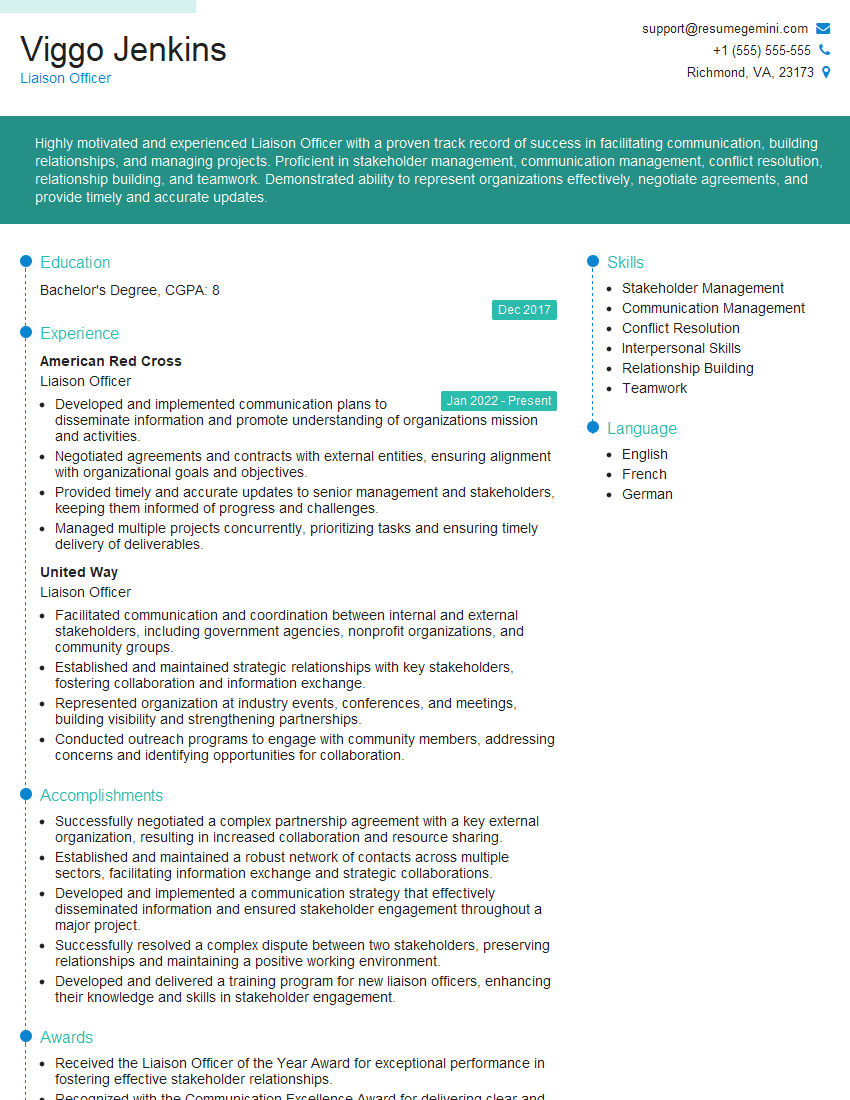
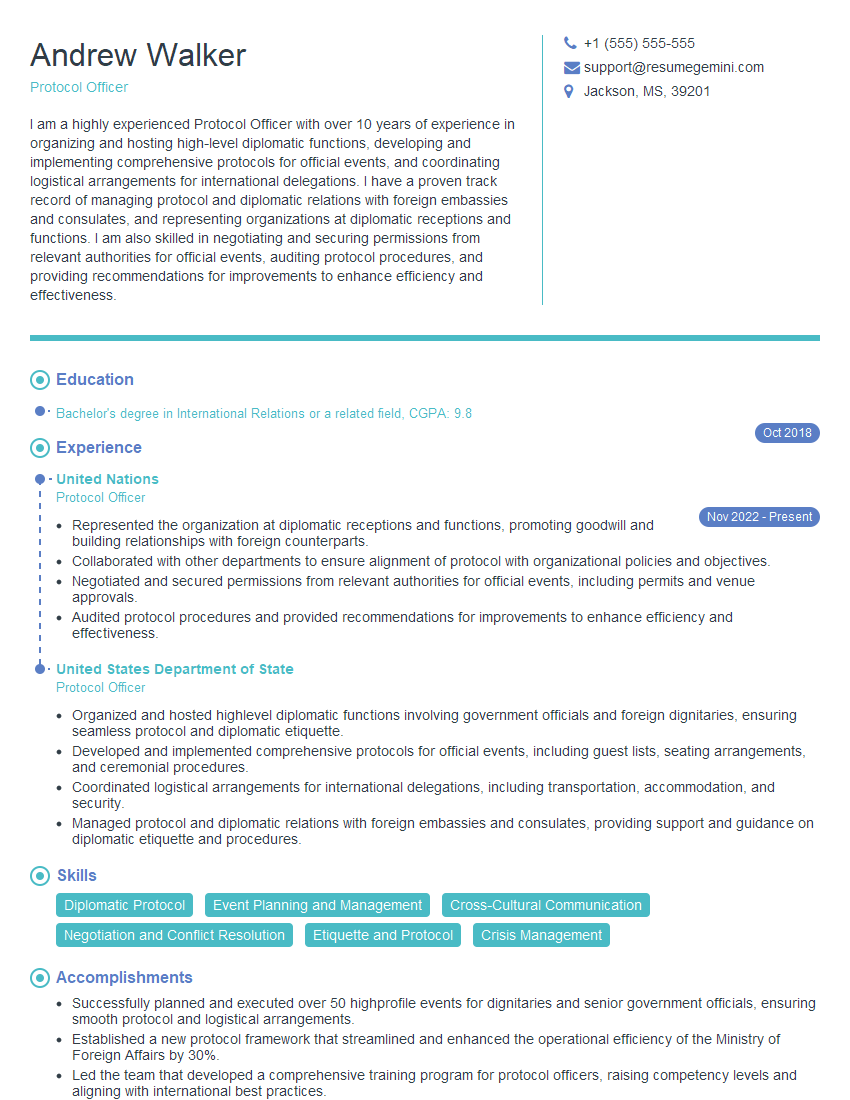
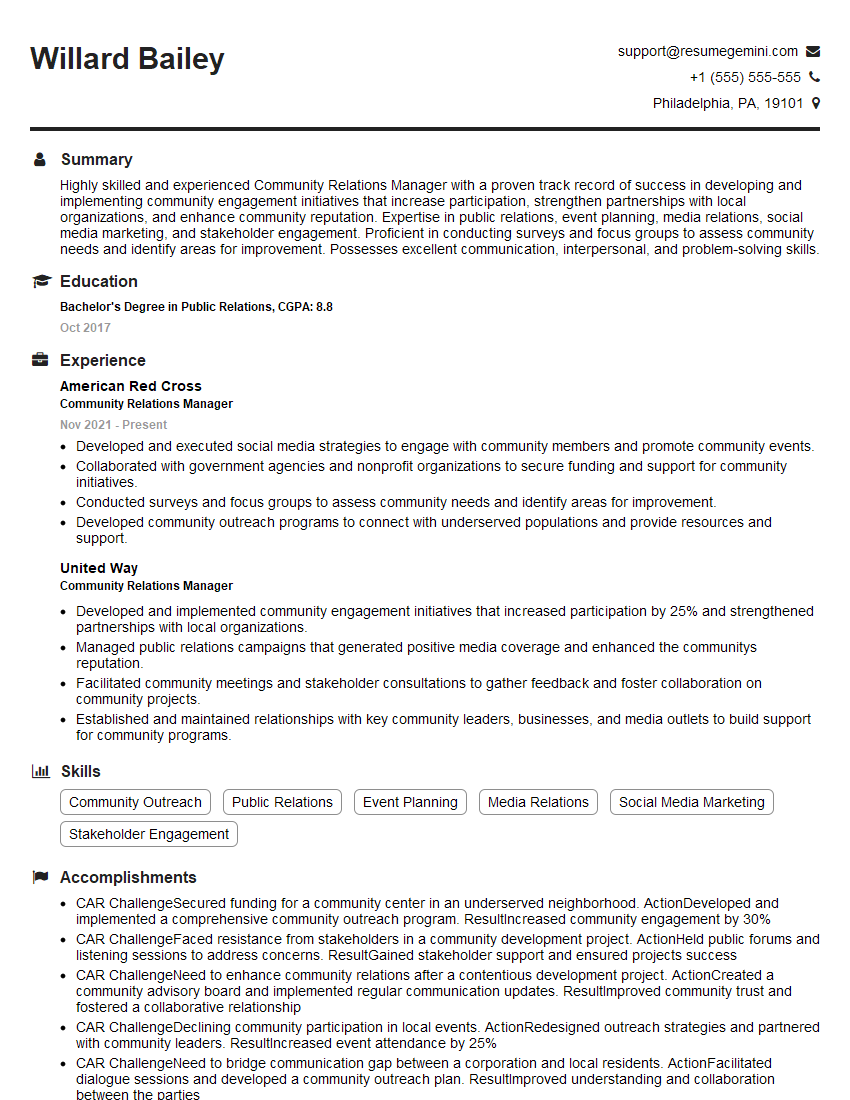
Mastering Host Nation Coordination and Support opens doors to exciting and impactful career opportunities, offering significant growth potential within international organizations and multinational companies. To maximize your chances of securing your dream role, crafting a strong, ATS-friendly resume is crucial. This ensures your qualifications are effectively highlighted and easily identified by Applicant Tracking Systems. We highly recommend using ResumeGemini to build a professional and impactful resume. ResumeGemini provides tools and resources to create a resume that truly showcases your skills and experience, and we offer examples of resumes tailored to Host Nation Coordination and Support to help guide you. Invest time in building a compelling resume – it’s your first impression with potential employers.
Explore more articles
Users Rating of Our Blogs
Share Your Experience
We value your feedback! Please rate our content and share your thoughts (optional).
What Readers Say About Our Blog
Very informative content, great job.
good