The right preparation can turn an interview into an opportunity to showcase your expertise. This guide to Heel Presentation interview questions is your ultimate resource, providing key insights and tips to help you ace your responses and stand out as a top candidate.
Questions Asked in Heel Presentation Interview
Q 1. Describe the mechanisms of heel presentation.
Heel presentation, also known as breech presentation, is a type of malpresentation where the baby’s feet or buttocks are positioned to enter the birth canal first, instead of the head. The mechanisms involved are complex and depend on fetal lie, attitude, and position. Essentially, the baby isn’t optimally positioned for a vaginal delivery. Instead of the usual vertex presentation (head down), the presenting part is the baby’s heels or buttocks. The process of labor and delivery in a heel presentation is significantly different from a vertex presentation due to the different shape and size of the presenting part. The descent and rotation of the fetus are altered, making it more challenging for the baby to navigate the pelvic canal. Imagine trying to fit a square peg into a round hole – the baby’s shape isn’t ideal for the birth canal in this position. This can lead to complications during labor and delivery.
Q 2. What are the common causes of heel presentation?
The causes of heel presentation aren’t always fully understood, but several factors increase the risk. These include:
- Prematurity: Premature babies often haven’t had enough time to settle into the optimal head-down position.
- Uterine abnormalities: Structural issues in the uterus, such as fibroids or a bicornuate uterus (uterus with two horns), can hinder fetal movement and positioning.
- Multiple gestation: In twin pregnancies, the babies may have less room to maneuver into the optimal head-down position.
- Polyhydramnios (excess amniotic fluid): Excessive fluid allows the baby more freedom of movement, making it less likely to remain head down.
- Placenta previa: If the placenta is low-lying, it can restrict fetal movement.
- Previous breech presentation: A history of breech presentation increases the risk in subsequent pregnancies.
- Congenital fetal anomalies: Certain birth defects may contribute to abnormal fetal positioning.
It’s important to note that in many cases, the cause remains unknown.
Q 3. How is heel presentation diagnosed?
Heel presentation is typically diagnosed during a routine prenatal checkup using abdominal palpation (feeling the baby’s position through the mother’s abdomen) and confirmed with ultrasound. The ultrasound provides a definitive visual confirmation of the fetal lie, presentation, and position. It allows the healthcare provider to visualize the baby’s position accurately and rule out other potential complications. For example, an ultrasound will clearly show whether it is a frank breech (buttocks down), complete breech (buttocks and feet down), or a footling breech (one or both feet down). This information is crucial in guiding management decisions.
Q 4. What are the potential risks associated with heel presentation?
Heel presentation increases the risk of several complications, including:
- Prolapsed umbilical cord: The umbilical cord can slip down before the baby, causing compression and reduced blood flow to the baby.
- Umbilical cord compression: Even without prolapse, the baby’s position may compress the cord, impacting oxygen supply.
- Cephalopelvic disproportion (CPD): The baby’s head may be too large to pass through the mother’s pelvis after the buttocks deliver, requiring a cesarean section.
- Shoulder dystocia: The baby’s shoulders may get stuck during delivery.
- Fetal hypoxia (lack of oxygen): This can cause brain damage or death.
These risks highlight the importance of careful monitoring and management during pregnancy and labor.
Q 5. What are the different management strategies for heel presentation?
Management strategies for heel presentation depend on several factors, including gestational age, fetal position, and maternal health. Options include:
- External cephalic version (ECV): A procedure where the doctor attempts to manually turn the baby to a head-down position. This is usually attempted after 37 weeks of gestation.
- Vaginal delivery: In certain cases, carefully planned vaginal delivery may be possible. However, this depends heavily on the specific type of breech presentation and maternal factors. The risks must be carefully weighed against the benefits.
- Cesarean section: This is often the safest option, especially if there are complications or high risks associated with a vaginal delivery.
The choice of management strategy will always involve a shared decision-making process between the pregnant woman and her healthcare provider, with a thorough consideration of the benefits and risks associated with each option.
Q 6. When is a Cesarean section indicated for heel presentation?
A Cesarean section is indicated for heel presentation in several scenarios:
- Complete or footling breech presentation: These positions pose a significantly higher risk of complications during vaginal delivery.
- Fetal distress: Any signs of fetal distress during labor necessitate an immediate Cesarean section.
- Failure of external cephalic version (ECV): If ECV is attempted but unsuccessful.
- Cephalopelvic disproportion (CPD): When the baby’s head is too large to pass through the pelvis.
- Maternal risk factors: Pre-existing conditions or complications during pregnancy may increase the risk of complications during vaginal delivery.
- Previous Cesarean section: A history of Cesarean delivery can influence the decision-making.
The decision is made on a case-by-case basis, always considering the individual circumstances of the mother and baby.
Q 7. Describe the role of ultrasound in managing heel presentation.
Ultrasound plays a critical role in managing heel presentation. It’s essential for:
- Diagnosing the presentation: Confirming the type of breech presentation (frank, complete, or footling).
- Assessing fetal anatomy and well-being: Identifying any potential anomalies or complications.
- Guiding ECV: Providing real-time visualization during the procedure.
- Assessing fetal position and progress during labor: Monitoring the baby’s position and identifying potential problems.
- Determining placental location: Excluding placenta previa, which can complicate vaginal delivery.
- Estimating fetal weight: Helping to determine the possibility of vaginal delivery based on fetal size.
Ultrasound helps make informed decisions about the best course of management, minimizing risks and maximizing the chances of a positive outcome for both mother and baby.
Q 8. What are the potential complications during delivery in heel presentation?
Heel presentation, a type of breech presentation where the fetal heel is presenting part, is a relatively rare but high-risk condition. The potential complications during delivery stem primarily from the compromised fetal position and the difficulty in delivering the head after the body. These complications can include:
- Prolapsed umbilical cord: The cord can slip down ahead of the presenting part, which can compromise the baby’s oxygen supply. This is a life-threatening emergency.
- Uterine rupture: The forceful pushing during delivery can lead to a tear in the uterine wall, especially if previous C-sections have taken place.
- Shoulder dystocia: While less common directly with heel presentation than other breech variations, the baby’s shoulders might get stuck during delivery, requiring maneuvers to resolve it.
- Fetal hypoxia (oxygen deprivation): Due to the unusual presentation, blood flow to the baby may be restricted, resulting in oxygen deficiency.
- Fetal trauma: Injuries can occur to the head or body during delivery due to the abnormal position.
- Postpartum hemorrhage: Excessive bleeding after delivery may occur, as the uterus may not contract effectively.
- Perinatal mortality: Sadly, in some cases, the complications mentioned above can lead to the death of the baby.
The risk of these complications underscores the critical need for careful monitoring and a planned, often cesarean, delivery approach.
Q 9. How do you assess fetal well-being in cases of heel presentation?
Assessing fetal well-being in heel presentation is crucial and involves a multi-faceted approach. The goal is to detect any signs of distress early on and intervene promptly. We utilize:
- Continuous electronic fetal monitoring (EFM): This is essential for detecting changes in the fetal heart rate (FHR) that might indicate hypoxia.
- Ultrasound: This provides a clear visualization of the fetal position, presentation, and amniotic fluid volume. It also helps assess the fetal anatomy and placental position.
- Amniotic fluid analysis: Assessing the color and composition of the amniotic fluid can help determine fetal well-being. Meconium-stained fluid might suggest fetal distress.
- Physical exam of the mother: Assessing maternal vital signs (heart rate, blood pressure) and signs of infection are important factors.
- Clinical assessment: Regular observation of maternal progress and fetal response to labor is critical.
A combination of these methods offers the most comprehensive assessment of fetal well-being, guiding decisions regarding the mode of delivery.
Q 10. Explain the importance of fetal monitoring in heel presentation.
Fetal monitoring in heel presentation is paramount because of the inherently higher risk of complications. It allows for continuous observation of the fetal response to labor, enabling prompt detection of any signs of distress. This is particularly important because subtle changes in the fetal heart rate might be missed without continuous monitoring. The information gathered helps the team to:
- Identify potential problems early: Detect fetal distress before it becomes severe and irreversible.
- Guide management decisions: Inform the choice of delivery method (vaginal or Cesarean) and the timing of intervention.
- Optimize fetal oxygenation: Implement measures such as maternal repositioning or supplemental oxygen to improve fetal oxygenation if any distress is detected.
- Improve maternal and neonatal outcomes: By enabling timely interventions, the goal is to reduce morbidity and mortality for both the mother and the baby.
Essentially, fetal monitoring is a cornerstone of safe management in heel presentation.
Q 11. What are the signs of fetal distress in heel presentation?
Recognizing signs of fetal distress is critical in heel presentation. These signs, often picked up through continuous EFM, include:
- Tachycardia: A heart rate consistently above 160 bpm.
- Bradycardia: A heart rate consistently below 110 bpm.
- Late decelerations: These are decreases in the FHR that occur after the peak of a uterine contraction and indicate uteroplacental insufficiency.
- Variable decelerations: These are abrupt decreases in FHR often associated with umbilical cord compression.
- Loss of beat-to-beat variability: This means the fetal heart rate is very regular, without normal fluctuations, indicating a problem with the fetal nervous system.
- Meconium-stained amniotic fluid: This indicates fetal distress and passage of meconium (baby’s first stool) into the amniotic fluid.
Any of these signs should prompt immediate assessment and potentially intervention to protect the baby’s well-being.
Q 12. What is the role of the obstetrician in managing heel presentation?
The obstetrician plays a central role in managing heel presentation. Their responsibilities include:
- Diagnosis and assessment: Confirming the diagnosis through physical examination and ultrasound.
- Fetal well-being monitoring: Careful and continuous monitoring of the fetal heart rate and other indicators of fetal well-being.
- Decision-making regarding delivery: Determining the most appropriate mode of delivery based on the maternal and fetal condition. Cesarean delivery is often the safest option.
- Delivery procedure: Performing the delivery, whether vaginal (with extreme caution and expertise, and usually only in very specific circumstances) or Cesarean section.
- Postpartum care: Managing potential complications such as postpartum hemorrhage or uterine atony.
The obstetrician’s expertise is crucial to ensure a safe outcome for both mother and baby.
Q 13. What is the role of the anesthesiologist in managing heel presentation?
The anesthesiologist’s role in managing heel presentation is largely supportive but crucial. They are responsible for:
- Providing anesthesia for Cesarean section: This is often the preferred delivery method in heel presentation, requiring the expertise of an anesthesiologist to ensure maternal comfort and safety during the procedure.
- Pain management during labor: If a vaginal delivery is attempted (rare and under very specific circumstances), pain management might be necessary.
- Monitoring maternal vital signs: The anesthesiologist helps monitor maternal vital signs and blood loss during the delivery procedure.
- Managing potential complications: Addressing any anesthetic-related complications that might arise during the procedure.
Their contribution ensures a safe and comfortable experience for the mother during what can be a stressful and complex situation.
Q 14. What is the role of the nurse in managing heel presentation?
The nurse plays a vital role in the collaborative care of heel presentation. Their responsibilities include:
- Continuous fetal monitoring: Close observation and interpretation of the fetal heart rate tracing.
- Maternal monitoring: Monitoring maternal vital signs, assessing for any signs of infection or complications.
- Assisting the obstetrician: Preparing for and assisting during both vaginal and Cesarean deliveries.
- Communication: Keeping the birthing team informed about changes in maternal and fetal status.
- Postpartum care: Assisting with postpartum care, monitoring for any complications such as hemorrhage.
- Emotional support: Providing emotional support and information to the parents.
The nurse acts as a key liaison and support member within the team, ensuring the seamless delivery of care.
Q 15. Describe the appropriate resuscitation techniques for a neonate born with heel presentation.
Resuscitation of a neonate born in a heel presentation requires immediate attention due to the potential for complications. The priority is establishing a patent airway, initiating effective ventilation, and providing cardiovascular support. The initial steps mirror those of any newborn resuscitation, with specific adaptations made depending on the clinical presentation.
Airway Management: Gentle suctioning of the mouth and nose is crucial. The neonate’s head and neck should be carefully positioned to maintain an open airway. Intubation may be necessary, but it’s important to proceed carefully considering the potential for trauma associated with the unusual presentation.
Ventilation: Positive pressure ventilation (PPV) should be initiated promptly if the neonate is not breathing or is gasping. The rate and pressure should be adjusted based on the neonate’s response. Careful monitoring for signs of pneumothorax or other complications is essential.
Circulatory Support: Heart rate should be monitored continuously. Chest compressions are administered if the heart rate remains below 60 bpm despite effective ventilation. Umbilical venous catheterization might be required for rapid fluid administration or medication delivery.
Maintaining Body Temperature: Thermoregulation is crucial. The neonate should be immediately dried, wrapped in warm blankets, and placed in a radiant warmer to prevent hypothermia.
Remember, this is a high-risk situation. Rapid assessment, coordinated action, and expert neonatal resuscitation skills are paramount. Continuous monitoring of the neonate’s vital signs and clinical status is critical.
Career Expert Tips:
- Ace those interviews! Prepare effectively by reviewing the Top 50 Most Common Interview Questions on ResumeGemini.
- Navigate your job search with confidence! Explore a wide range of Career Tips on ResumeGemini. Learn about common challenges and recommendations to overcome them.
- Craft the perfect resume! Master the Art of Resume Writing with ResumeGemini’s guide. Showcase your unique qualifications and achievements effectively.
- Don’t miss out on holiday savings! Build your dream resume with ResumeGemini’s ATS optimized templates.
Q 16. What are the postpartum considerations for mothers who delivered a baby via heel presentation?
Postpartum considerations for mothers who have delivered a baby in a heel presentation focus on addressing potential maternal complications and providing comprehensive support. Because heel presentation is often associated with other complications, meticulous postpartum care is essential.
Uterine atony: The risk of postpartum hemorrhage is heightened due to the often-prolonged and challenging labor. Close monitoring of uterine tone and blood loss is crucial, with prompt intervention if bleeding occurs.
Perineal trauma: Extensive perineal tears are more common in heel presentations. Careful assessment and repair are needed.
Emotional support: The delivery of a baby in an unusual presentation can be emotionally taxing for the mother. Providing emotional support, counseling, and addressing any concerns or anxieties are vital.
Infection prevention: The risk of infection is increased due to prolonged labor and potential trauma. Meticulous hygiene and prophylactic antibiotics may be necessary.
Monitoring for other complications: The mother should be carefully monitored for signs of other complications, such as uterine rupture, disseminated intravascular coagulation (DIC), or other serious conditions.
A multidisciplinary approach involving obstetricians, midwives, nurses, and potentially other specialists, ensures the best possible care for the mother.
Q 17. What are the long-term implications of heel presentation for the newborn?
Long-term implications for newborns born in a heel presentation depend heavily on the presence of associated injuries and the effectiveness of immediate neonatal care. While many infants experience no long-term effects, there’s a potential for significant challenges.
Neurological complications: Hypoxic-ischemic encephalopathy (HIE) can occur due to prolonged labor and potential birth asphyxia. This can lead to cerebral palsy, learning disabilities, or other neurological impairments. Regular developmental follow-up is crucial.
Orthopedic injuries: Fractures of the bones in the lower limbs are possible, particularly in breech deliveries, but less common with a true heel presentation. Early detection and appropriate intervention are essential.
Respiratory complications: Birth asphyxia can lead to respiratory distress syndrome (RDS) or other respiratory problems. Continuous monitoring and respiratory support are important.
Gastrointestinal complications: Necrotizing enterocolitis (NEC) can occur, particularly in premature infants or those who experience birth asphyxia.
Regular follow-up appointments are vital for early detection of any long-term problems and appropriate intervention.
Q 18. How do you counsel parents about the risks and management of heel presentation?
Counseling parents about heel presentation involves a sensitive and informative approach, balancing the potential risks with the reassurance that most babies born in this presentation survive and thrive.
Explain the presentation: Use clear, simple language to describe the unusual fetal position and its potential implications.
Discuss the risks: Clearly outline the potential risks, including complications for both the mother and the baby. This includes the risk of birth asphyxia, umbilical cord compression, and the potential for injuries to the baby.
Explain the management plan: Clearly explain the planned approach to management, including the possibility of a cesarean section and the need for close monitoring during labor.
Address parental concerns: Actively listen to parents’ concerns and anxieties. Answer questions openly and honestly.
Provide reassurance: Emphasize that many babies born in heel presentation do not have problems. Highlight the medical team’s expertise and commitment to ensuring a safe delivery.
Offer ongoing support: Let the parents know that they have ongoing access to medical professionals for any questions or concerns they may have following the birth.
Remember, empathy and clear communication are crucial to build trust and support parents through a potentially stressful situation.
Q 19. What are the ethical considerations associated with managing heel presentation?
Ethical considerations associated with managing heel presentation center around the balance between maternal and fetal well-being. Decisions need to be made considering the best interests of both.
Shared decision-making: Involving parents in the decision-making process regarding the mode of delivery (vaginal vs. cesarean) is crucial. Respecting their autonomy and preferences is paramount while also providing them with clear, unbiased information to guide them.
Balancing risks and benefits: A careful assessment of the risks and benefits of different management approaches is necessary. Decisions should be made based on the best available evidence and the specific circumstances of each case.
Resource allocation: In cases where resources are limited, ethical considerations may arise around the allocation of resources to mothers and newborns presenting with heel presentation. Fair and equitable access to care should always be prioritized.
Informed consent: Obtaining informed consent from the mother is vital for all procedures and interventions. This requires clear communication about the risks and benefits of all available options.
Ethical considerations need careful reflection, particularly in scenarios that involve complex medical decisions or potential conflict between maternal and neonatal interests.
Q 20. How do you document a case of heel presentation?
Documentation of a heel presentation should be comprehensive and accurate to ensure continuity of care and facilitate future reference. Key elements include:
Maternal demographics and history: Age, parity, medical history, any previous pregnancies.
Fetal presentation: Clearly document the presentation as “heel presentation” and specify which heel is presenting.
Labor course: Detailed record of labor progression, any complications encountered, use of pain relief, and interventions used.
Mode of delivery: Document whether the delivery was vaginal or by cesarean section. If vaginal, details of the delivery process are crucial.
Neonatal assessment: Record Apgar scores, birth weight, presence of any injuries or abnormalities.
Postpartum course: Record any postpartum complications experienced by the mother, e.g., postpartum hemorrhage, perineal tear, infection.
Follow-up: Include details of any follow-up appointments scheduled for both mother and baby.
Accurate and detailed documentation is not only crucial for legal purposes but also aids in better managing and understanding heel presentation cases. This information is used for research and improves overall patient care.
Q 21. Discuss your experience managing a challenging case of heel presentation.
One challenging case involved a primiparous patient who presented in labor with a complete breech presentation that unexpectedly progressed to a heel presentation. Despite continuous monitoring and careful management, the fetus exhibited signs of fetal distress. The initial plan was to attempt a vaginal delivery, but the escalating fetal distress necessitated an urgent cesarean section. The baby was born with a low Apgar score and required immediate resuscitation, including intubation and PPV. Post-delivery, the baby was transferred to the neonatal intensive care unit (NICU) for observation and treatment of respiratory distress. The mother experienced a significant perineal laceration requiring extensive repair. This case highlighted the unpredictable nature of heel presentations and the importance of close monitoring and immediate intervention when fetal distress occurs. It emphasized the need for a multidisciplinary approach involving obstetricians, anesthesiologists, neonatologists, and nursing staff, to provide optimal care in such complex scenarios. The long-term outcome was positive, as both mother and baby ultimately recovered completely, but it was a clear illustration of the critical need for readiness, skilled management, and close monitoring in these complex cases.
Q 22. Compare and contrast heel presentation with other malpresentations.
Heel presentation, a type of breech presentation, is characterized by one or both heels presenting at the pelvic inlet. Unlike other breech presentations (frank breech, complete breech, footling breech), where the buttocks present first, in heel presentation, the fetal heels are the leading presenting parts. This significantly impacts the birthing process and necessitates careful management. Other malpresentations include shoulder presentations (where a shoulder is the leading part) and face presentations (where the fetal face presents). These differ drastically in terms of the presenting part and the resultant challenges in vaginal delivery. Shoulder presentations, for instance, often require significant intervention, while face presentations can lead to fetal trauma if not managed properly. Each malpresentation requires tailored management strategies based on its unique characteristics and associated risks.
In contrast to breech presentations where the buttocks may allow for some degree of molding and passage, the heels’ rigid structure makes this less likely. This directly contributes to increased risk of complications like cord prolapse and fetal distress. In comparison to cephalic (head-first) presentation, which is considered ideal, any malpresentation involves a higher chance of complications and necessitates increased vigilance and potential interventions.
Q 23. What are the advantages and disadvantages of different delivery methods in heel presentation?
The choice of delivery method in heel presentation is complex and depends on several factors including gestational age, fetal size and wellbeing, maternal health, and the expertise available. Vaginal delivery is sometimes attempted but carries a significantly higher risk of complications compared to a cephalic presentation. The main disadvantage of attempting vaginal delivery in heel presentation is the increased risk of fetal injury, including brachial plexus palsy and intracranial hemorrhage. The smaller presenting part might seem easier initially but the legs can impede descent and rotation. Furthermore, umbilical cord prolapse is a serious threat.
Cesarean section is generally the preferred method for managing heel presentation, as it significantly reduces the risk of perinatal morbidity and mortality. This offers the safest outcome for both mother and baby. While cesarean section is associated with its own risks, it is generally considered the safer option in this context. The advantages of a cesarean delivery include reducing the risks of fetal injury, uterine rupture, and postpartum hemorrhage. The procedure eliminates the need for potentially risky and unsuccessful attempts at vaginal delivery.
Q 24. Describe the techniques used for external cephalic version in heel presentation.
External cephalic version (ECV) in heel presentation is generally not attempted. ECV aims to turn the fetus from a breech position to a cephalic presentation, but in a heel presentation, the legs are already extended, making successful version highly unlikely. The procedure involves manual manipulation of the fetal position through the maternal abdomen under ultrasound guidance. The maneuvers would be largely ineffective because the legs create a significant obstacle. Instead of trying to turn the presentation into cephalic, efforts would focus on other methods to manage the delivery, such as preparing for a Cesarean section.
Q 25. What are the indications and contraindications for external cephalic version in heel presentation?
There are no indications for ECV in heel presentation. As mentioned above, the inherent difficulty in turning a fetus whose legs are already extended, makes ECV essentially a contraindication. The risks associated with attempting ECV in this situation far outweigh any potential benefits. Contraindications, therefore, are essentially all cases of heel presentation, as the procedure is simply not applicable and potentially harmful.
Q 26. How would you manage a case of heel presentation with suspected fetal distress?
Suspected fetal distress in a heel presentation is a serious obstetric emergency requiring immediate action. The first step is to confirm fetal distress using continuous fetal monitoring. If fetal heart rate abnormalities are confirmed, emergency Cesarean section is indicated. There is no time for attempts at vaginal delivery in such a scenario. The risks of further compromising the fetus by delaying Cesarean section are unacceptable. Preparation for emergency Cesarean section should be initiated immediately, including administration of intravenous fluids, oxygen support for the mother, and informing the anesthesiologist. The primary focus is on delivering the baby quickly and safely.
Q 27. What is your approach to a case of persistent heel presentation despite attempted maneuvers?
If attempts to change the fetal presentation are unsuccessful, which is highly probable with a heel presentation, the decision to proceed with Cesarean section should be made. This should be done in discussion with the patient after explaining the risks and benefits. The risks associated with prolonged attempts at vaginal delivery in this case far outweigh the potential benefits. A Cesarean section is the safest and most efficient approach, minimizing risks to both mother and child. Delaying Cesarean delivery can increase risks of fetal distress, trauma, and complications like uterine rupture.
Q 28. How would you manage a shoulder dystocia in a heel presentation delivery?
Shoulder dystocia is a rare complication in heel presentation, but still a possibility. It occurs when the fetal shoulders become impacted after the head is delivered. In a heel presentation, the usual maneuvers for shoulder dystocia, such as McRoberts maneuver and suprapubic pressure, are less effective as the shoulders are less likely to be engaged. The primary response is to immediately perform a Cesarean section. Attempts to manage shoulder dystocia vaginally can severely damage the fetus. Emergency Cesarean section is the safest way to resolve the situation and minimize the risk of complications like brachial plexus injury, clavicular fracture, and fetal asphyxia. Time is crucial; any delay can have devastating consequences for the newborn.
Key Topics to Learn for Heel Presentation Interview
- Understanding the Fundamentals: Define and articulate your understanding of Heel Presentation, its core principles, and its various applications within different professional contexts.
- Practical Application & Case Studies: Explore real-world scenarios where Heel Presentation techniques are utilized. Prepare examples demonstrating your ability to analyze situations and apply relevant strategies.
- Strengths and Weaknesses Analysis: Practice evaluating the effectiveness of different Heel Presentation approaches. Be prepared to discuss both advantages and disadvantages of various methods.
- Problem-Solving & Critical Thinking: Develop your ability to identify challenges associated with Heel Presentation and articulate creative solutions. Focus on demonstrating a structured problem-solving approach.
- Communication & Collaboration: Consider how Heel Presentation skills contribute to effective communication and collaboration within a team setting. Prepare to discuss your collaborative experience.
- Adaptability and Innovation: Demonstrate your ability to adapt Heel Presentation techniques to diverse situations and propose innovative solutions to overcome obstacles.
Next Steps
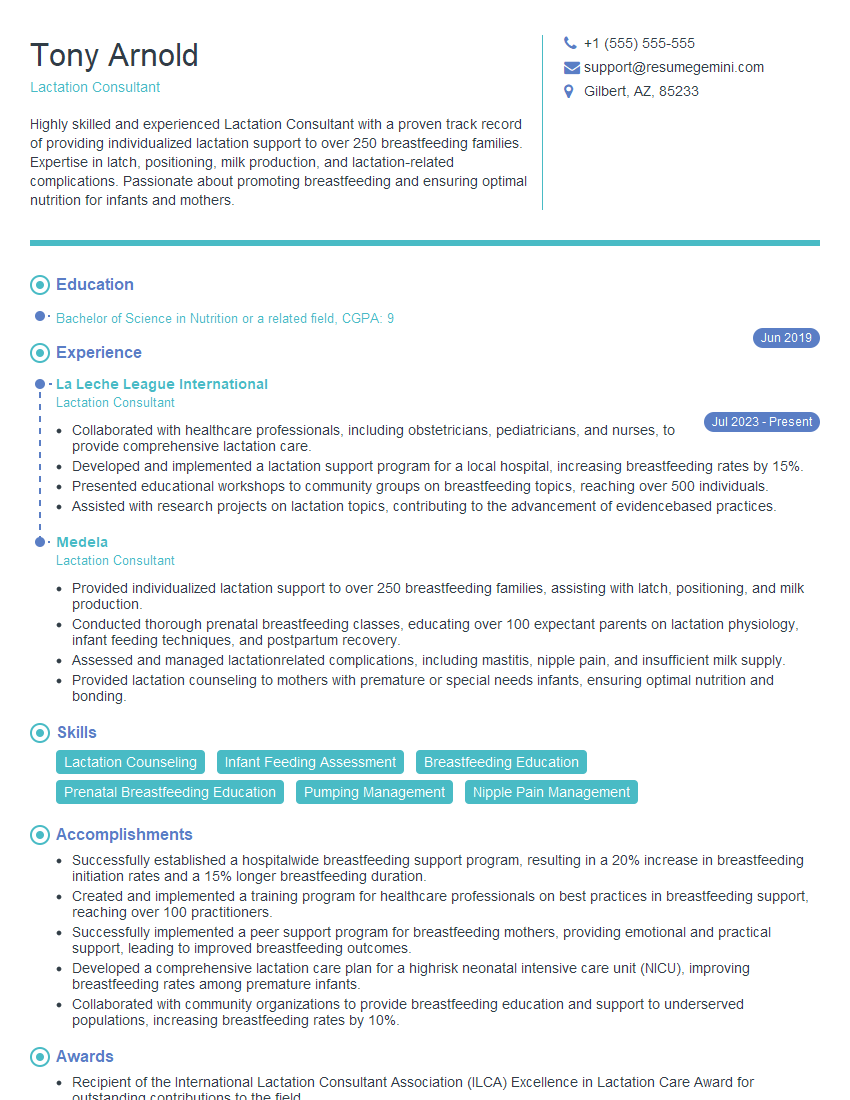
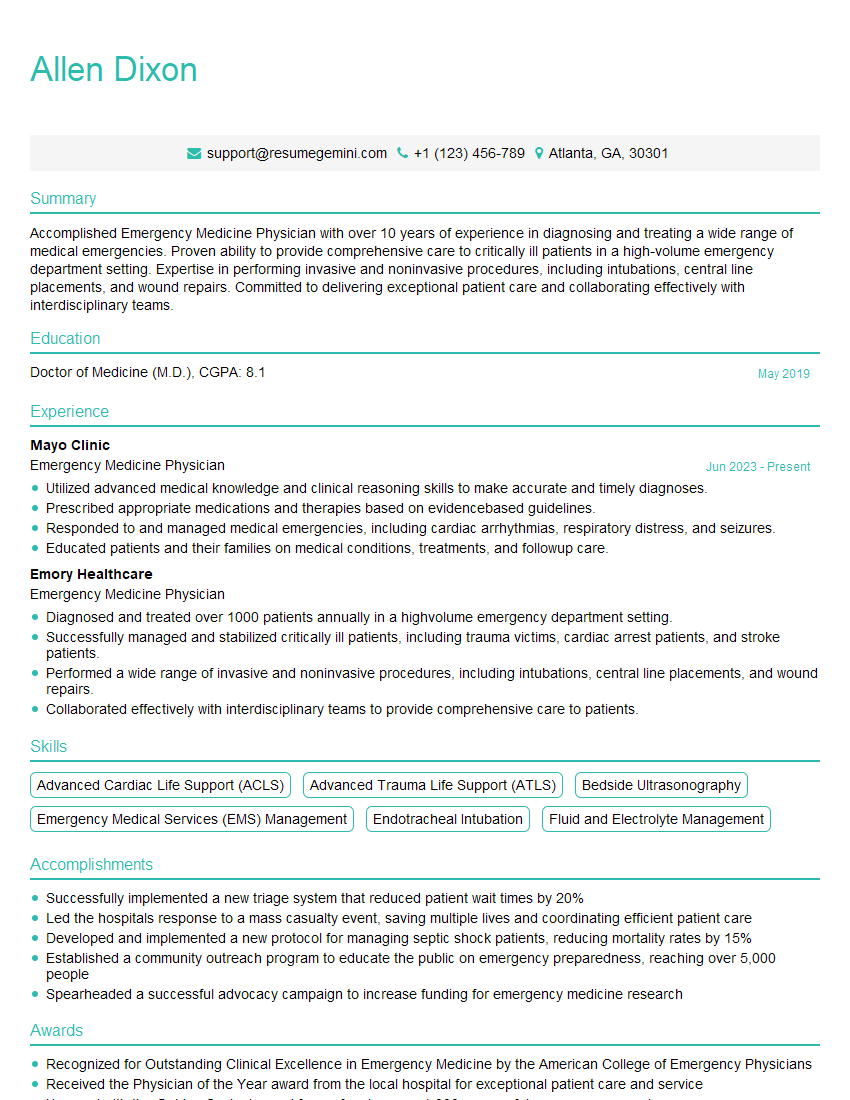
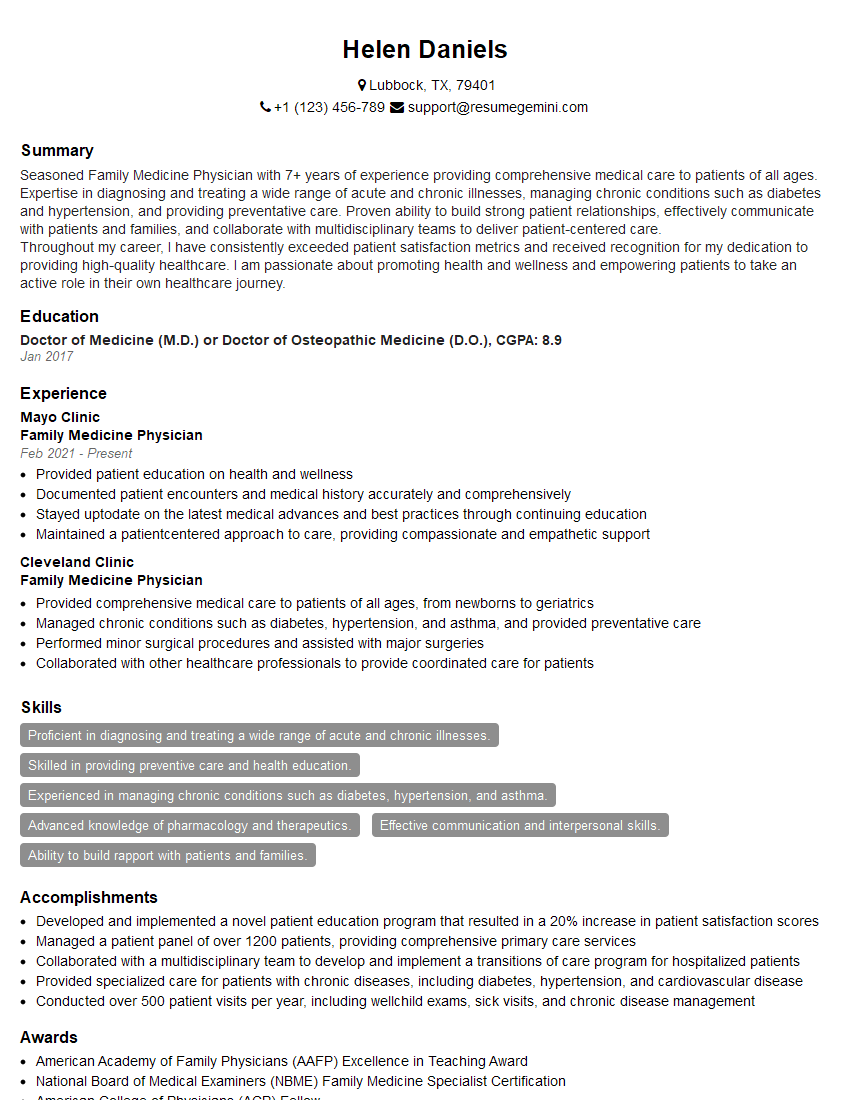
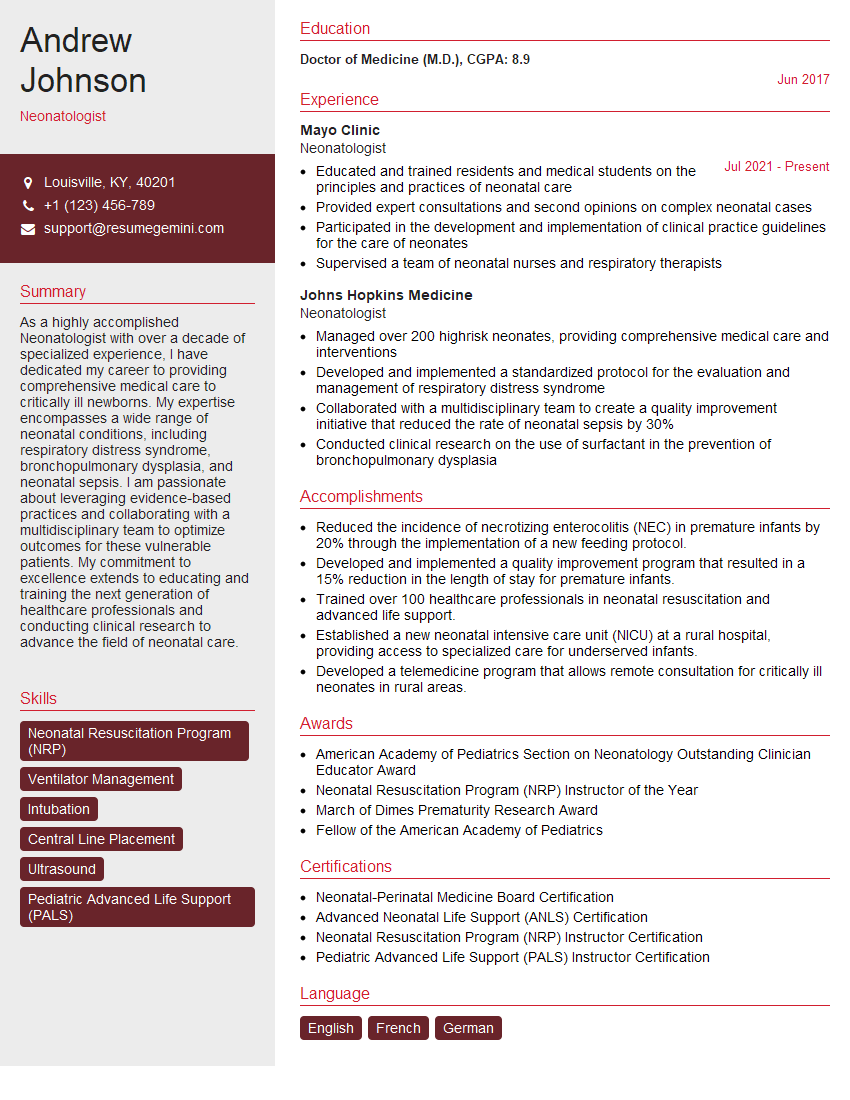
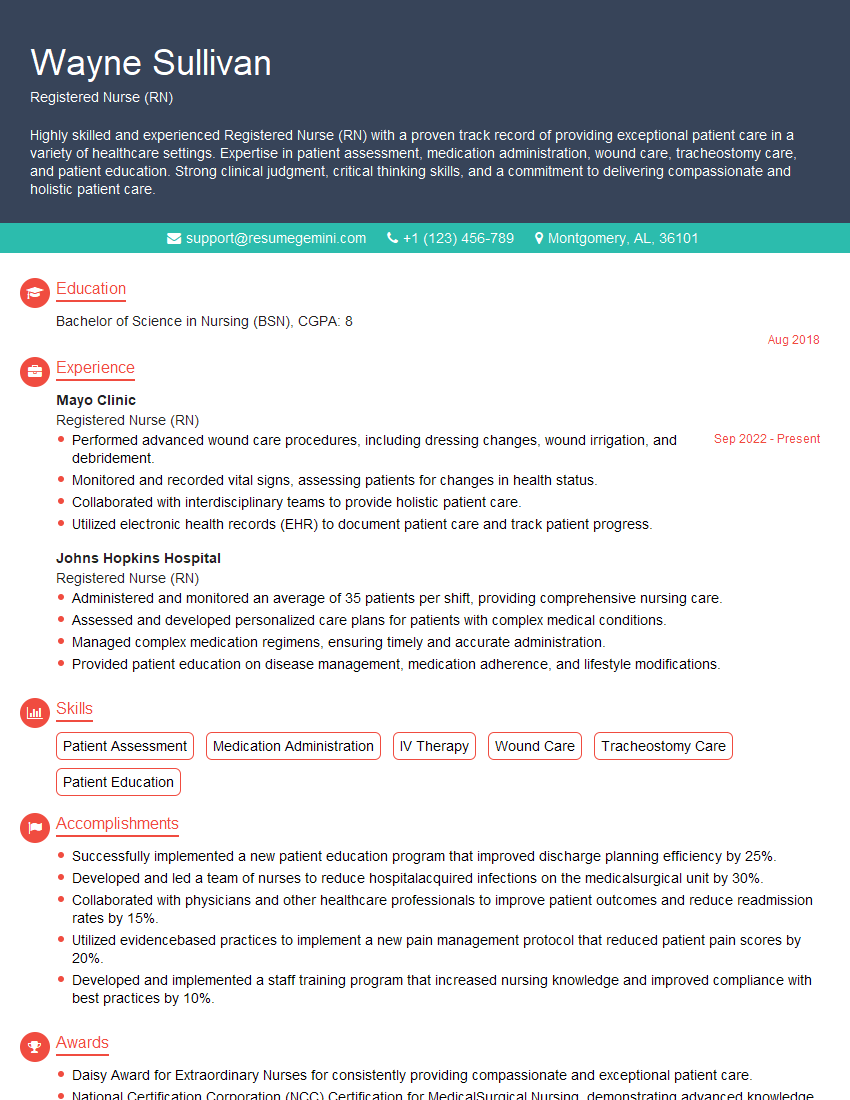
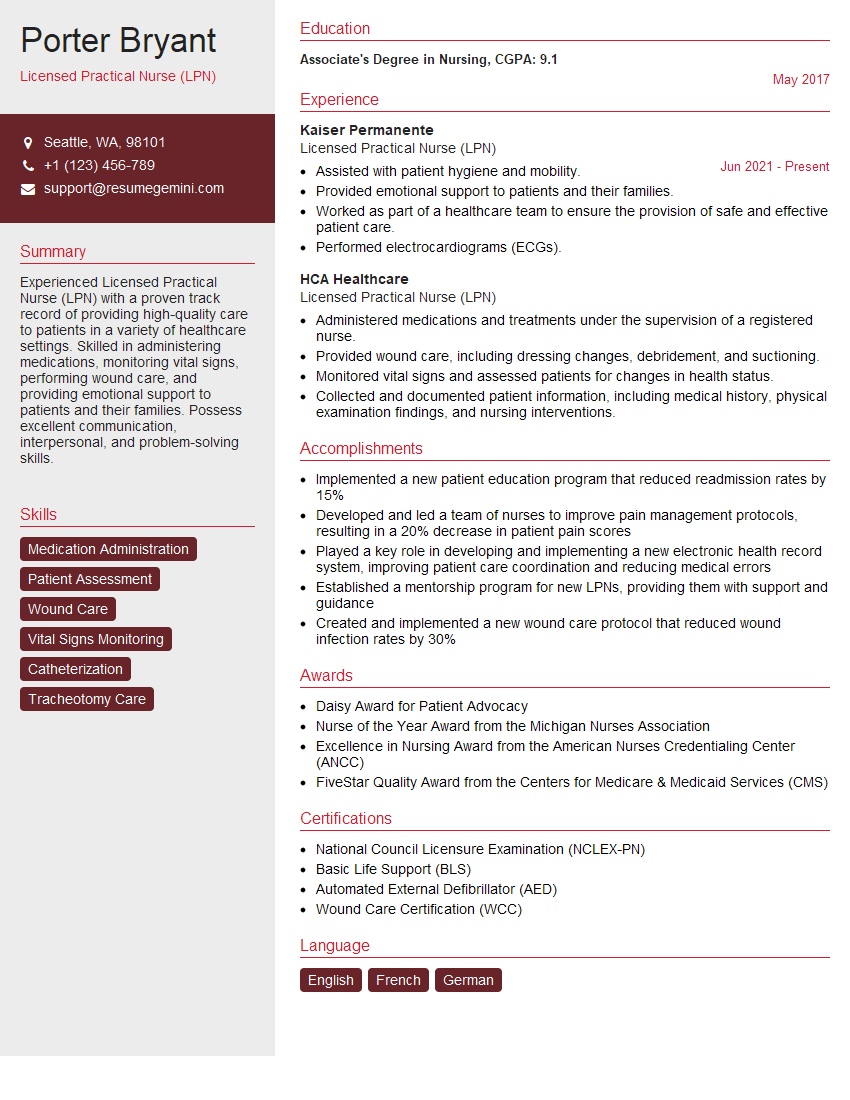
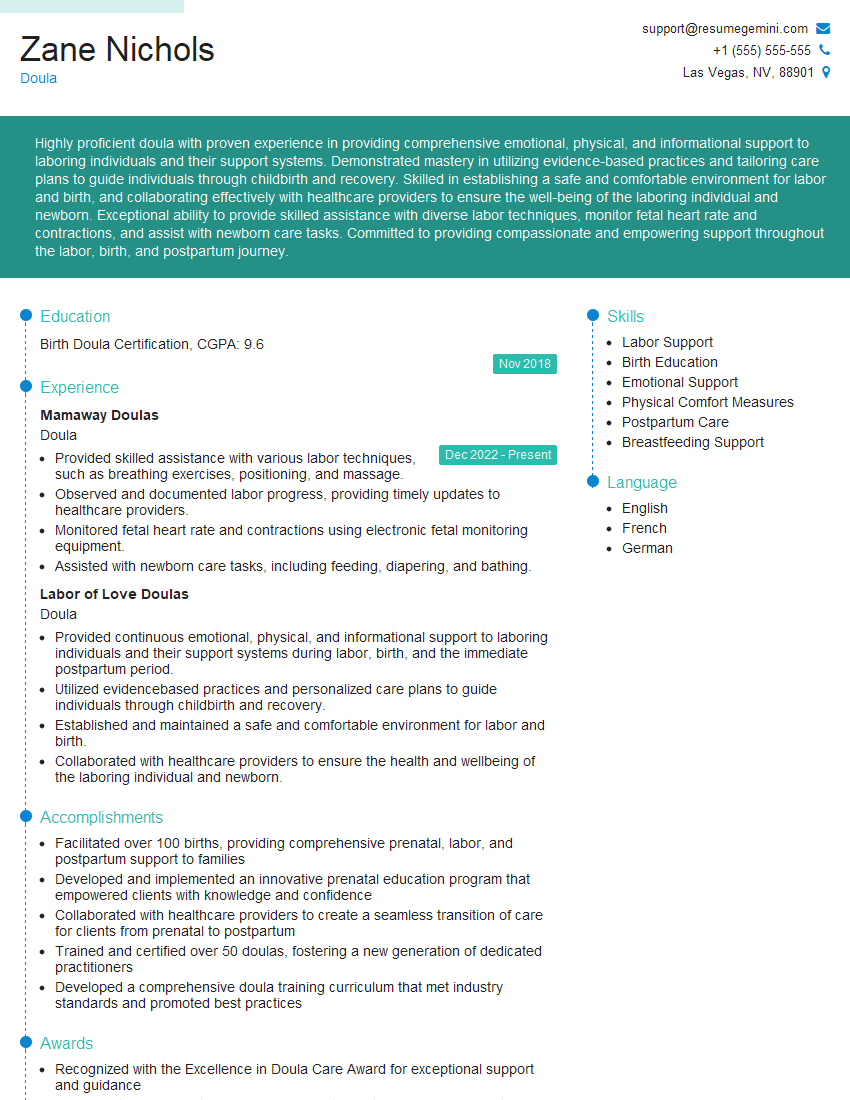
Mastering Heel Presentation is crucial for career advancement, showcasing your ability to think critically, solve problems creatively, and communicate effectively. A strong, ATS-friendly resume is essential for landing your dream role. To significantly increase your job prospects, we strongly encourage you to leverage ResumeGemini, a trusted resource for building professional resumes that highlight your skills and experience effectively. Examples of resumes tailored to showcase Heel Presentation expertise are available below to help you craft your compelling narrative.

Explore more articles
Users Rating of Our Blogs
Share Your Experience
We value your feedback! Please rate our content and share your thoughts (optional).
What Readers Say About Our Blog
Very informative content, great job.
good