The thought of an interview can be nerve-wracking, but the right preparation can make all the difference. Explore this comprehensive guide to Ability to adapt to new technologies and techniques interview questions and gain the confidence you need to showcase your abilities and secure the role.
Questions Asked in Ability to adapt to new technologies and techniques Interview
Q 1. Describe a time you had to learn a new technology quickly. What was your approach?
Adapting to new technologies quickly is crucial in today’s rapidly evolving digital landscape. My approach involves a structured learning process that prioritizes understanding the core concepts before diving into the specifics. For example, when our team needed to transition from a legacy CRM system to Salesforce, I didn’t just jump into the software; I first focused on understanding Salesforce’s underlying architecture, its key features, and its integration capabilities. This foundational knowledge allowed me to troubleshoot more effectively when I encountered issues.
I then combined online tutorials (Salesforce Trailhead is excellent!), official documentation, and hands-on practice using a sandbox environment. I also actively sought out colleagues with experience in Salesforce and collaborated with them, leveraging their expertise and learning from their best practices. This collaborative approach, combined with focused self-learning, allowed me to become proficient in Salesforce within a very short timeframe, contributing significantly to the successful system implementation.
Q 2. How do you stay current with the latest technological advancements in your field?
Staying current requires a multi-pronged approach. I subscribe to relevant industry publications, both print and digital, such as TechCrunch, Wired, and specialized journals in my field. I actively participate in online communities and forums, engaging in discussions and learning from peers’ experiences. Attending webinars, conferences, and workshops allows for direct interaction with industry experts and insights into cutting-edge technologies.
Furthermore, I regularly explore online learning platforms such as Coursera and edX, focusing on courses that address emerging trends and technologies. Finally, I dedicate time for personal experimentation and exploration, testing new tools and frameworks in a controlled environment to gain hands-on experience. This continuous learning process ensures I remain at the forefront of technological advancements.
Q 3. What strategies do you use to overcome the challenges of adopting new technologies?
Adopting new technologies is rarely seamless. My strategies for overcoming challenges center around proactive planning and a methodical approach. Firstly, I ensure a thorough understanding of the technology’s limitations and potential challenges. This often involves risk assessment and careful evaluation of potential integration issues with existing systems.
Secondly, I break down the adoption process into manageable steps, setting realistic milestones and celebrating each achievement to maintain momentum. When encountering roadblocks, I utilize a structured problem-solving approach, starting with clearly defining the problem, researching potential solutions, testing those solutions systematically, and finally documenting the resolution for future reference. Collaborating with colleagues and seeking mentorship is crucial in navigating more complex challenges. Finally, I embrace a culture of continuous improvement, regularly evaluating the effectiveness of the implemented technology and iteratively refining the processes as needed. Think of it like climbing a mountain; you break it down into smaller, achievable ascents.
Q 4. How do you assess the potential risks and benefits of implementing new technologies?
Assessing risks and benefits requires a balanced perspective. I start by identifying the potential benefits: Will this technology improve efficiency? Will it enhance the user experience? Will it create new revenue streams? I then carefully analyze the potential risks: What are the implementation costs? Are there security implications? What’s the potential for disruption to existing workflows? This is often done using a cost-benefit analysis framework and SWOT analysis (Strengths, Weaknesses, Opportunities, Threats).
I also consider the scalability and maintainability of the technology. Is it adaptable to future growth? Will it be easy to maintain and update? A detailed impact assessment helps anticipate potential problems and develop mitigation strategies beforehand. This thorough evaluation ensures a data-driven approach to adopting new technologies, minimizing risks and maximizing positive outcomes.
Q 5. Explain your experience with Agile methodologies and how they help with adapting to change.
Agile methodologies are fundamental to adapting to change. My experience with Scrum and Kanban has shown their effectiveness in fostering flexibility and responsiveness. In Agile, the iterative approach allows for continuous feedback and adjustment. Each sprint (in Scrum) or iteration (in Kanban) provides an opportunity to assess progress, address emerging issues, and adapt the strategy as needed. This contrasts sharply with traditional waterfall methodologies, which are less flexible and adaptive to evolving requirements.
For example, during a project involving a new mobile app development, we used Scrum’s iterative cycles. Each sprint resulted in a functional increment, allowing us to receive user feedback early and often. This feedback directly shaped subsequent sprints, ensuring the final product met user expectations and market demands efficiently. Agile’s emphasis on collaboration, transparency, and continuous improvement is essential for successfully navigating the challenges associated with new technologies and dynamic environments.
Q 6. Describe a time you had to adapt to a new tool or software. What were the challenges, and how did you overcome them?
My experience with adapting to a new project management software, Asana, involved several challenges. Initially, the interface felt cumbersome, and the learning curve seemed steep. I overcame this by breaking the learning process into smaller, manageable tasks. I started by mastering the basic functionalities, then gradually explored more advanced features. The initial challenge was understanding the workflow system compared to our previous tool.
Another challenge was training my team to use the new software efficiently. I addressed this by conducting interactive training sessions, providing readily available documentation, and offering one-on-one support. We also established clear communication channels to quickly address questions and resolve any issues that arose. Through persistence and collaboration, our team efficiently transitioned to Asana, leading to improved project management and team collaboration. It was a testament to focusing on clear communication and structured onboarding.
Q 7. How do you evaluate the effectiveness of a newly implemented technology?
Evaluating the effectiveness of newly implemented technology involves a multi-faceted approach that moves beyond simple qualitative feedback. I use a combination of quantitative and qualitative metrics to assess impact. Quantitative metrics might include analyzing improvements in efficiency (e.g., reduced processing time), cost savings, increased user engagement (e.g., higher website traffic), or error reduction. I use tools like Google Analytics or internal dashboards to track this data.
Qualitative metrics involve gathering user feedback through surveys, focus groups, or interviews. This provides valuable insight into user satisfaction, ease of use, and overall experience. I also look at how the technology has impacted team workflows and communication. By combining both qualitative and quantitative data, I can create a comprehensive picture of the technology’s impact and determine whether it’s achieving its intended goals. A critical review of the ROI (Return on Investment) is also critical. This holistic approach ensures a thorough evaluation of success.
Q 8. How do you prioritize learning new technologies when faced with competing demands?
Prioritizing learning new technologies amidst competing demands requires a strategic approach. I employ a system that blends urgency, impact, and personal growth. First, I categorize tasks based on their deadlines and importance to ongoing projects. Then, I allocate time for learning new technologies based on their potential to improve efficiency, solve critical problems, or enhance my skillset for future opportunities. This isn’t simply about the newest trend; it’s about aligning technology acquisition with business needs and personal career goals. For example, if a crucial project requires mastering a specific cloud service like AWS Lambda, that takes priority. But I also dedicate time, even if it’s just 30 minutes a day, to learning a more futuristic technology to stay ahead of the curve, such as exploring quantum computing principles. The key is finding a balance between immediate needs and long-term career development.
- Prioritization Matrix: I use a matrix plotting urgency against impact to visualize which technologies deserve immediate attention.
- Time Blocking: Dedicated blocks of time are scheduled specifically for learning, ensuring consistency and avoiding distractions.
- SMART Goals: Setting Specific, Measurable, Achievable, Relevant, and Time-bound goals for technology acquisition provides a framework for progress.
Q 9. Describe your experience with cloud computing technologies (AWS, Azure, GCP). How did you learn them?
My experience with cloud computing spans across AWS, Azure, and GCP. I’ve utilized AWS extensively for serverless applications using Lambda functions, S3 for storage, and EC2 for virtual machines. With Azure, I’ve worked with their virtual machines and Cosmos DB for NoSQL database solutions. Finally, I have experience using GCP’s BigQuery for data warehousing and analysis.
My learning approach is multifaceted. Formal training, such as online courses from platforms like Coursera and Udemy, provided a solid foundational understanding. Hands-on experience was crucial; I built numerous personal projects using each platform, experimenting with different services and configurations. I also actively participated in online communities, forums, and read blogs from experts in the field, allowing me to learn from best practices and troubleshoot challenges. Furthermore, I frequently consult the official documentation of each provider, which is incredibly comprehensive and regularly updated. This combination of structured learning, practical application, and community engagement solidified my understanding of cloud technologies.
Q 10. What resources do you utilize to stay informed about technological advancements?
Staying informed about technological advancements requires a multi-pronged strategy. I subscribe to several reputable technology publications, both online and print, such as IEEE Spectrum and MIT Technology Review. I actively follow influential figures and thought leaders in various technology fields on platforms like LinkedIn and Twitter. Attending webinars, online conferences, and industry events provides exposure to cutting-edge research and developments. Furthermore, I regularly browse relevant GitHub repositories and explore open-source projects to see what the community is building. Podcasts are another valuable resource, allowing me to learn while commuting or working out. Finally, I leverage professional networking to connect with peers and discuss emerging technologies. A diverse mix of these resources keeps me abreast of the latest innovations and trends.
Q 11. How do you handle situations where new technologies render your existing skills obsolete?
The tech landscape is constantly evolving, and skills can become obsolete. However, I view this as an opportunity rather than a threat. When new technologies render existing skills less relevant, my response is proactive and multifaceted. I begin by identifying the new technologies that are replacing or augmenting the older ones. Then I assess the overlap between my existing skills and the requirements of the new technology. Often, transferable skills, such as problem-solving, analytical thinking, and software design principles, remain valuable even with technology shifts. I focus on strengthening these core abilities while actively acquiring new skills related to the emerging technology through online courses, tutorials, and personal projects. Networking and mentoring also play a vital role in understanding the practical applications of new technologies and how they’re used in the industry.
Q 12. How do you approach the learning curve associated with new technologies?
Approaching the learning curve of new technologies involves breaking down the process into manageable steps. I start by understanding the foundational concepts, often through a combination of online courses and documentation. I then focus on practical application through small, incremental projects, building upon my knowledge as I progress. I don’t try to master everything at once. Instead, I concentrate on mastering specific functionalities and integrating them into my work or personal projects. I find that actively applying the new technology is the most effective way to learn and retain information. Seeking feedback from mentors and colleagues is also important, as they can offer valuable insights and identify areas for improvement. I embrace the iterative nature of learning; it’s a continuous process, not a destination.
Q 13. Give an example of how you identified and solved a problem related to a new technology implementation.
During a recent project involving the implementation of a serverless architecture using AWS Lambda, we encountered an issue with unexpected cold starts causing significant latency. The initial solution, increasing the memory allocated to the Lambda functions, proved insufficient. After analyzing CloudWatch logs and monitoring metrics, I identified a bottleneck in the function’s initialization process. The problem stemmed from unnecessary dependencies included in the deployment package. By optimizing the code to remove redundant libraries and streamlining the initialization sequence, I reduced the cold start time significantly, improving overall performance and response times. This involved not only reviewing code but also deepening my understanding of Lambda’s runtime environment and deployment processes. The solution involved a combination of code refactoring and configuration adjustments, demonstrating my ability to troubleshoot and optimize complex systems.
Q 14. Explain your experience with version control systems (Git, SVN). How has it aided your adaptability?
I have extensive experience with Git, utilizing it daily for version control in collaborative projects. My understanding extends beyond basic commands like git add, git commit, and git push; I’m proficient in branching strategies, merging, resolving conflicts, and using pull requests for code reviews. I’ve used SVN in the past, primarily for legacy projects, and understand its functionality and limitations. Git, however, is my preferred choice for its superior flexibility and collaborative features. The use of Git has significantly aided my adaptability by enabling me to experiment with code changes without fear of losing previous versions. It allows for seamless collaboration with teams, allowing multiple developers to work concurrently on the same project. Furthermore, the detailed history provided by Git is invaluable for debugging and tracking changes over time. This has been crucial in rapidly adapting to new technologies by allowing me to easily revert to previous states if experiments don’t produce the desired results, fostering a risk-free experimentation environment.
Q 15. How do you collaborate effectively with others when learning and implementing new technologies?
Effective collaboration when learning and implementing new technologies is crucial for success. My approach involves proactive communication, active listening, and a willingness to share knowledge and responsibilities. I believe in establishing clear roles and responsibilities from the outset, ensuring everyone understands their contribution to the project.
- Regular Check-ins: I schedule regular meetings to discuss progress, address challenges, and ensure alignment on goals. This keeps everyone informed and prevents misunderstandings.
- Knowledge Sharing: I actively share my learnings with the team, whether through presentations, documentation, or informal discussions. Similarly, I actively seek input and feedback from others to leverage their expertise.
- Version Control & Collaboration Tools: We utilize tools like Git for code management and platforms like Slack or Microsoft Teams for communication, facilitating collaborative work and efficient problem-solving.
- Open Communication: I encourage open communication where team members feel comfortable raising concerns or suggesting alternative approaches. A collaborative environment breeds innovation and improves overall outcomes.
For instance, during a recent project involving migrating our system to a cloud-based platform, I collaborated closely with the DevOps team, regularly sharing updates, addressing concerns about security and performance, and ensuring a smooth transition.
Career Expert Tips:
- Ace those interviews! Prepare effectively by reviewing the Top 50 Most Common Interview Questions on ResumeGemini.
- Navigate your job search with confidence! Explore a wide range of Career Tips on ResumeGemini. Learn about common challenges and recommendations to overcome them.
- Craft the perfect resume! Master the Art of Resume Writing with ResumeGemini’s guide. Showcase your unique qualifications and achievements effectively.
- Don’t miss out on holiday savings! Build your dream resume with ResumeGemini’s ATS optimized templates.
Q 16. What is your preferred method for learning new technologies – self-study, training courses, mentorship?
My preferred learning method is a blended approach, combining self-study with structured training and mentorship. Each approach offers unique advantages.
- Self-Study: I find self-study crucial for developing a foundational understanding. This involves reading documentation, tutorials, and exploring online resources like blogs and open-source projects. This allows me to learn at my own pace and focus on specific areas of interest.
- Training Courses: Formal training courses offer structured learning paths, expert instruction, and hands-on practice. They are invaluable for quickly gaining proficiency in a new technology, especially when dealing with complex systems.
- Mentorship: Mentorship provides invaluable guidance and support from experienced professionals. It’s particularly helpful for navigating complex challenges and learning best practices. A mentor can provide insights and feedback, accelerating the learning process.
For example, when learning a new programming language like Go, I started with online tutorials and documentation (self-study), then enrolled in a structured online course (training) to consolidate my knowledge and get hands-on experience, and finally sought guidance from a senior developer experienced in Go (mentorship) to refine my skills and address any challenges I faced.
Q 17. Describe a time you had to convince others to adopt a new technology. What was your approach?
In a previous role, I had to convince the team to adopt a new project management software. My approach focused on demonstrating the value proposition through a structured process of data-driven insights, practical demonstrations, and addressing concerns.
- Data-Driven Analysis: I presented a comprehensive analysis of our current project management process, highlighting inefficiencies and bottlenecks. This included quantifiable data on project delays, communication issues, and resource allocation problems.
- Proof of Concept: I created a small-scale proof-of-concept project using the new software, demonstrating its capabilities and ease of use. This allowed the team to experience the benefits firsthand.
- Addressing Concerns: I proactively addressed the team’s concerns, such as the learning curve and potential disruption to their workflows. I offered training sessions and provided ongoing support to ease the transition.
- Phased Implementation: Instead of a complete overhaul, we implemented the new software in phases, allowing the team to gradually adapt and providing ample opportunity for feedback.
This phased approach minimized disruption and maximized buy-in, leading to a successful adoption of the new software and ultimately improved project efficiency.
Q 18. How do you manage the pressure of implementing new technologies within tight deadlines?
Managing pressure under tight deadlines when implementing new technologies requires a structured approach focused on prioritization, efficient resource allocation, and proactive risk management.
- Prioritization: I employ techniques like MoSCoW analysis (Must have, Should have, Could have, Won’t have) to prioritize features and functionalities based on their criticality and impact.
- Agile Methodologies: Utilizing agile methodologies like Scrum allows for iterative development, enabling flexibility and adaptability in response to changing requirements or unforeseen challenges.
- Task Delegation & Collaboration: I effectively delegate tasks based on individual team members’ strengths and expertise, fostering collaboration and efficient work distribution.
- Risk Assessment & Mitigation: I proactively identify potential risks and develop mitigation strategies to minimize their impact on the project timeline. This involves careful planning and contingency planning.
For example, during a critical system upgrade, we used an agile approach, breaking the project into smaller sprints, allowing for continuous feedback and adjustments based on progress and emerging challenges. This ensured that we met the tight deadline without compromising quality.
Q 19. How do you identify the training and resources you’ll need to master a new technology effectively?
Identifying the necessary training and resources to master a new technology involves a systematic process of needs assessment, resource exploration, and continuous learning.
- Needs Assessment: I start by clearly defining the specific skills and knowledge required to effectively use the new technology. This involves analyzing documentation, tutorials, and consulting with experts.
- Resource Exploration: I then explore various resources such as online courses (Coursera, Udemy, etc.), official documentation, tutorials, and community forums. I also evaluate the availability of mentors or experts within my network.
- Learning Path Creation: I create a structured learning path based on the identified resources, incorporating elements like hands-on exercises, projects, and regular knowledge assessments.
- Continuous Learning: Mastery of new technologies is an ongoing process. I actively participate in online communities, attend workshops, and keep abreast of industry best practices through continuous learning and self-improvement.
For instance, when learning about cloud computing services, I started by identifying the specific services needed for our project, then researched online courses on AWS or Azure, supplemented by official documentation and practical exercises to consolidate my understanding.
Q 20. What is your experience with different programming languages? How easily can you transition between them?
I have extensive experience with various programming languages, including Java, Python, C++, JavaScript, and Go. My ability to transition between them is facilitated by a strong understanding of fundamental programming concepts and a structured approach to learning new syntax and libraries.
- Understanding Fundamentals: A solid grasp of core programming concepts such as data structures, algorithms, and design patterns allows for quick adaptation to different languages.
- Structured Learning: I approach each new language with a systematic learning process, focusing on the language’s syntax, key features, and libraries relevant to my project needs.
- Practical Application: I prioritize hands-on projects to reinforce my learning and gain practical experience, quickly building proficiency.
For example, transitioning from Java to Python involved understanding Python’s dynamic typing, different syntax, and libraries. By focusing on the core concepts and completing a few small projects, I quickly gained proficiency in Python.
Q 21. How do you determine the feasibility of incorporating a new technology into an existing system?
Determining the feasibility of incorporating a new technology into an existing system is a critical decision requiring careful evaluation of technical, financial, and operational factors.
- Technical Feasibility: This involves assessing the compatibility of the new technology with the existing infrastructure, systems, and applications. It also includes evaluating potential integration challenges and the need for modifications to existing systems.
- Financial Feasibility: This includes evaluating the cost of acquiring, implementing, and maintaining the new technology, considering factors like licensing fees, hardware costs, and training expenses.
- Operational Feasibility: This involves assessing the impact of the new technology on the existing workflows, processes, and personnel. It also includes considering training requirements and potential disruptions to operations during implementation.
- Risk Assessment: A thorough risk assessment is crucial, identifying potential challenges and developing mitigation strategies to minimize potential disruptions and ensure a smooth transition.
For example, before adopting a new CRM system, we performed a detailed assessment of its compatibility with our existing ERP system, estimated the implementation costs, evaluated the impact on our sales team’s workflows, and developed a phased implementation plan to minimize disruption. This thorough analysis helped ensure a smooth and successful integration.
Q 22. Describe your experience with troubleshooting issues related to new technology implementations.
Troubleshooting new technology implementations requires a systematic approach. My experience involves a blend of technical skills, problem-solving abilities, and a proactive mindset. I begin by thoroughly understanding the system’s architecture and the specific issue. This often involves reviewing logs, monitoring system performance metrics, and utilizing debugging tools. For example, during the implementation of a new microservices architecture, we encountered latency issues. By analyzing application logs and using network monitoring tools, we identified a bottleneck in the inter-service communication. We resolved this by optimizing the API calls and implementing caching mechanisms. In another instance, integrating a new CRM system involved data migration challenges. We developed a custom script to cleanse and transform the data before importing it, resolving data integrity issues and preventing errors.
I find root cause analysis crucial. Simply fixing a symptom doesn’t address the underlying problem. It’s about understanding *why* the issue occurred to prevent recurrence. This often involves collaborating with other team members, leveraging their expertise, and using version control to track changes and revert if necessary. Effective communication is key throughout the process, keeping stakeholders informed of progress and challenges.
Q 23. How do you measure your success in adapting to and implementing new technologies?
Measuring success in adapting to and implementing new technologies is multifaceted. It’s not just about technical functionality; it’s about the overall impact on the business. I use a combination of metrics:
- Technical Success: This includes factors like successful deployment, minimal downtime, efficient resource utilization, and improved system performance. For instance, reducing database query times by 50% after migrating to a new database system is a clear indicator of success.
- Business Impact: This measures the effect on key business goals. Did the new technology increase efficiency, reduce costs, or improve customer satisfaction? For example, implementing a new automated workflow reduced processing time by 30%, directly improving operational efficiency and reducing costs.
- User Adoption: Successfully implemented technologies are useless if users don’t adopt them. I measure user feedback, training completion rates, and usage statistics to gauge adoption. A high user satisfaction score after a new software launch demonstrates successful integration.
- Maintainability and Scalability: I consider the long-term aspects. Is the new technology easy to maintain, update, and scale as the business grows? This often involves evaluating code quality, documentation, and the overall system architecture.
By combining these metrics, I gain a holistic view of the success of any new technology implementation.
Q 24. What are the key factors you consider when deciding whether to adopt a new technology?
Deciding whether to adopt a new technology requires careful consideration. I use a framework that balances risk and reward:
- Business Need: Does this technology directly address a specific business problem or opportunity? A clear justification is crucial. Implementing a new technology just because it’s ‘trendy’ is rarely a good strategy.
- Cost-Benefit Analysis: This includes both upfront costs (licensing, implementation, training) and long-term benefits (increased efficiency, reduced costs, revenue generation). A strong ROI is essential.
- Risk Assessment: What are the potential risks and downsides of adoption? This involves considering integration challenges, security implications, and potential disruption to existing systems. A mitigation plan is critical.
- Technical Feasibility: Can our team successfully implement and maintain the technology? We need to evaluate the skills and resources available.
- Vendor Support and Community: Is there adequate support from the vendor or a strong community to assist with troubleshooting and ongoing maintenance?
- Scalability and Future-Proofing: Will the technology scale with our business needs in the long term?
I often use a weighted scoring system to objectively compare different options and prioritize based on these factors.
Q 25. How do you balance the need to innovate with the need to maintain stability when implementing new technologies?
Balancing innovation and stability is crucial. A phased approach is often most effective. I start with a proof of concept (POC) to test the technology in a controlled environment before deploying it to production. This allows us to identify potential issues and refine the implementation strategy before impacting the entire system. We might deploy the new technology to a small subset of users initially, allowing us to gather feedback and make adjustments before wider rollout. This minimizes disruption and allows for iterative improvements.
Version control and rollback plans are essential. We use tools like Git to track changes, allowing us to easily revert to previous versions if issues arise. Thorough testing is crucial, including unit tests, integration tests, and user acceptance testing (UAT) to identify and address potential problems before they impact production. Monitoring tools provide real-time visibility into system performance, allowing us to quickly identify and respond to any issues. This combination of careful planning and robust monitoring ensures a balanced approach to innovation and stability.
Q 26. Describe your experience with continuous integration and continuous deployment (CI/CD).
My experience with CI/CD (Continuous Integration and Continuous Deployment) involves implementing and managing automated build, test, and deployment pipelines. I’ve used various tools like Jenkins, GitLab CI, and Azure DevOps to automate these processes. For instance, in a recent project, we used Jenkins to automate the build process, run unit tests, and deploy the application to different environments (development, staging, production). This significantly reduced deployment time and improved the frequency of releases. We also integrated automated testing frameworks like JUnit and Selenium to ensure code quality and prevent regressions.
CI/CD not only accelerates the deployment process but also improves code quality. Frequent integration and testing catch errors early, preventing them from accumulating and becoming more difficult to fix later. This results in higher quality software releases and faster feedback loops, allowing us to respond quickly to user needs and market demands. Implementing a robust CI/CD pipeline is essential for any modern software development team aiming for agility and efficiency.
Q 27. How do you ensure that the implementation of new technologies aligns with the overall business objectives?
Aligning new technology implementation with business objectives is fundamental. I ensure alignment by:
- Clearly Defining Business Goals: Starting with well-defined business goals—for example, increasing customer conversion rates, reducing operational costs, or improving customer satisfaction—is crucial. The technology implementation should directly contribute to these goals.
- Identifying Key Performance Indicators (KPIs): We need to establish measurable KPIs to track progress. This could involve metrics such as website conversion rates, customer churn, or operational efficiency.
- Regular Reporting and Monitoring: Continuously monitoring the KPIs and reporting on progress allows us to ensure the technology is delivering the expected results and make necessary adjustments along the way.
- Stakeholder Communication: Keeping stakeholders (management, users, and other teams) informed of progress and challenges is crucial. This fosters buy-in and facilitates problem-solving.
- Iterative Approach: Using an iterative approach with regular feedback loops allows us to adapt the implementation as needed to ensure alignment with evolving business needs.
Ultimately, the success of any technology implementation should be measured against its contribution to the overall business objectives. If the technology doesn’t deliver tangible benefits, then it’s not a successful implementation, regardless of its technical merits.
Key Topics to Learn for Ability to Adapt to New Technologies and Techniques Interview
- Learning Agility: Understanding your learning style, identifying personal strengths and weaknesses in acquiring new skills, and proactively seeking opportunities for growth.
- Technical Proficiency: Demonstrating a foundation in core technologies relevant to your field and a willingness to expand your knowledge base. This includes discussing experience with various programming languages, software, or tools.
- Problem-Solving with New Technologies: Highlighting your approach to tackling unfamiliar technologies or tools. Describe how you break down complex problems, research solutions, and implement them effectively. Examples of successful troubleshooting experiences are crucial.
- Resourcefulness and Self-Learning: Showcasing your ability to independently learn new technologies through online courses, documentation, tutorials, or collaborative learning. Emphasize effective self-directed learning strategies.
- Adaptability in Practice: Providing specific examples from your past experiences where you successfully adapted to new technologies or methodologies. Focus on the challenges you faced, the strategies you employed, and the positive outcomes achieved.
- Continuous Learning Mindset: Articulating your commitment to continuous professional development and staying current with industry trends. Discuss relevant certifications, workshops, or personal projects undertaken to expand your skillset.
- Collaboration and Knowledge Sharing: Demonstrating your ability to work effectively with others to learn and implement new technologies. Highlight instances where you’ve mentored colleagues or contributed to team knowledge sharing initiatives.
Next Steps
Mastering the ability to adapt to new technologies and techniques is paramount for career advancement in today’s rapidly evolving landscape. Employers highly value individuals who can quickly learn and effectively utilize new tools and processes. To showcase this crucial skill, crafting a strong, ATS-friendly resume is essential. This will significantly increase your chances of landing your dream job. We encourage you to leverage ResumeGemini, a trusted resource for building professional and impactful resumes. ResumeGemini provides examples of resumes tailored to highlight your ability to adapt to new technologies and techniques, helping you present your skills and experiences in the most compelling way. Take the next step towards your career success today!
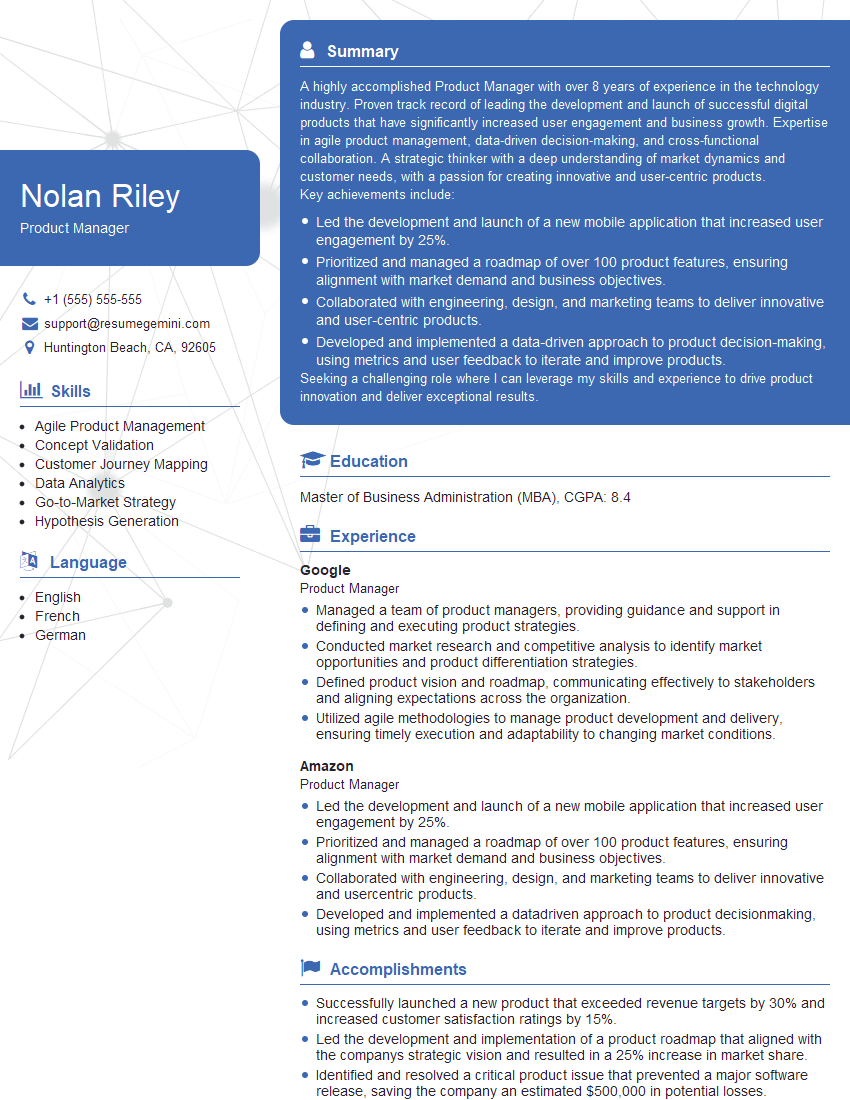
Product Manager Resume Sample
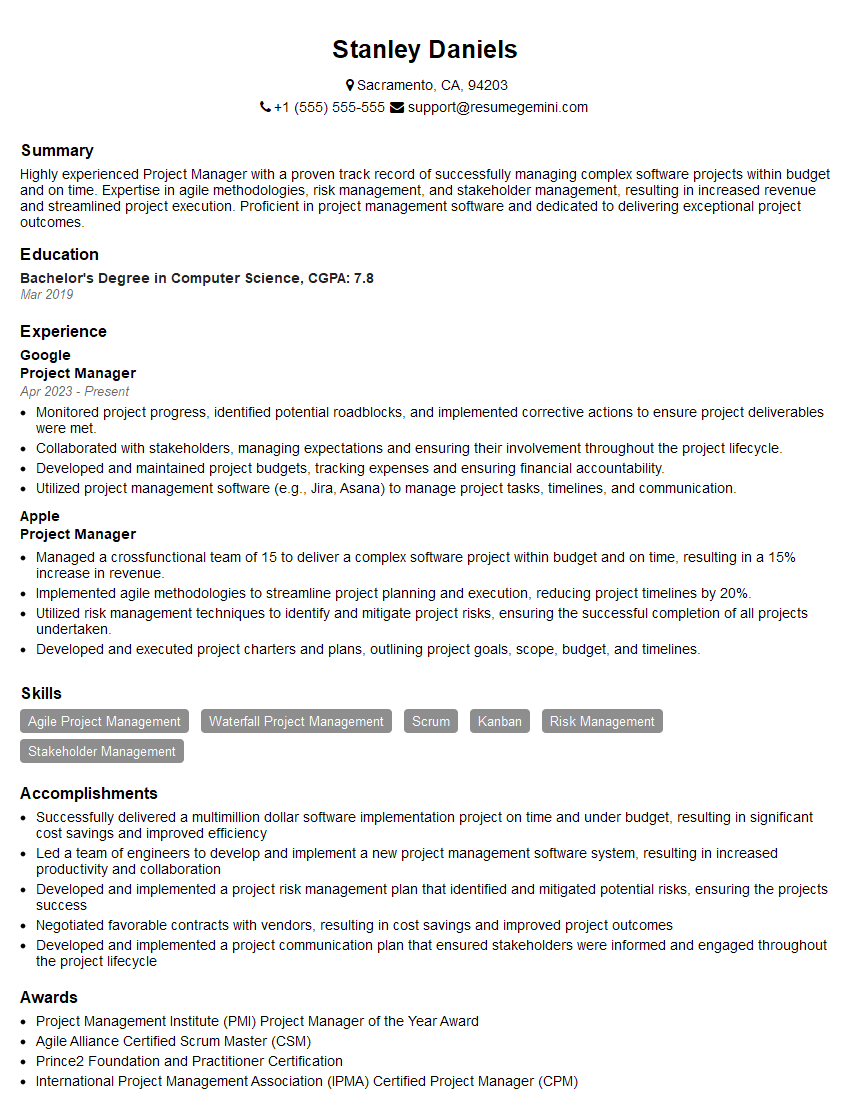
Project Manager Resume Sample
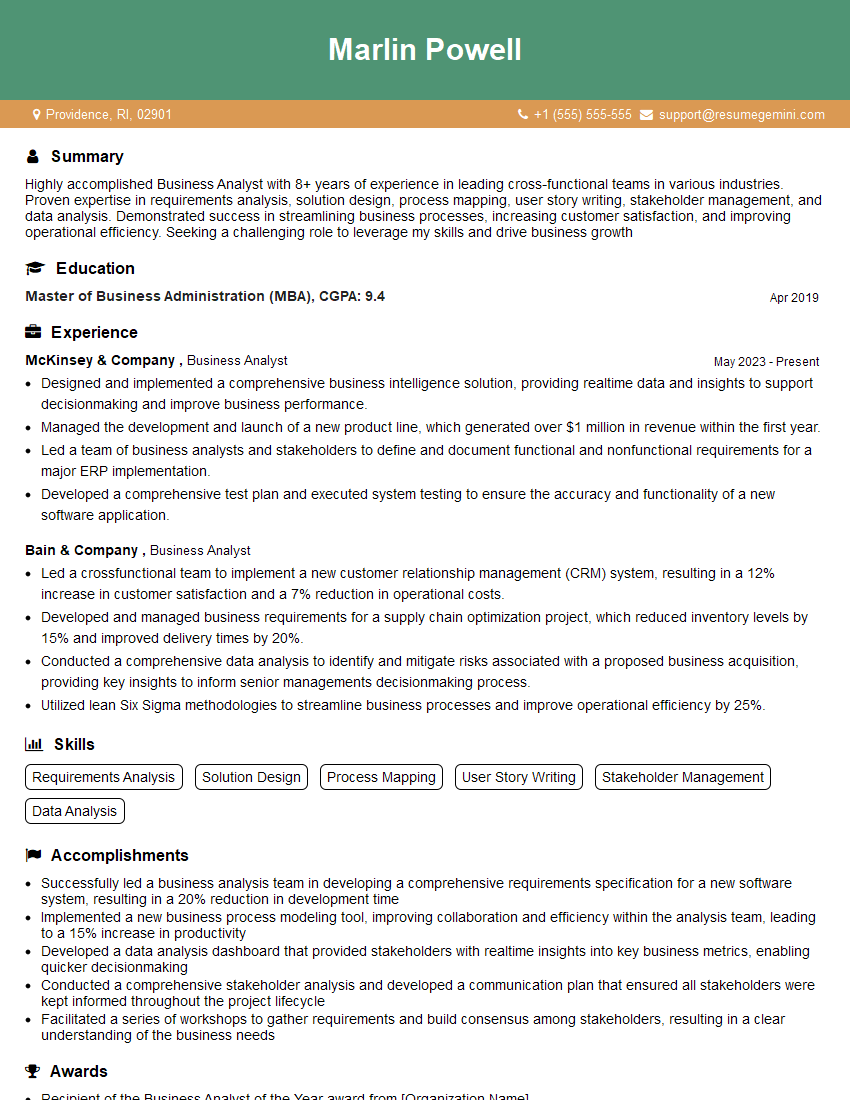
Business Analyst Resume Sample
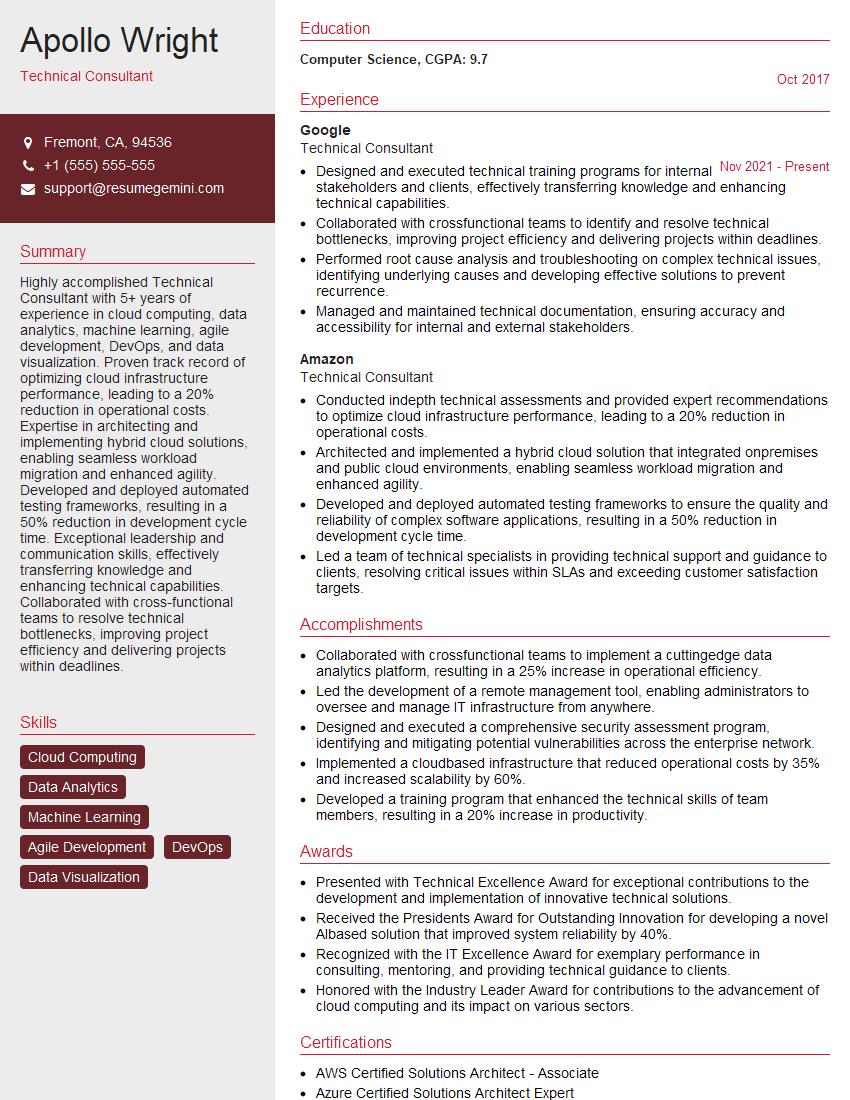
Technical Consultant Resume Sample
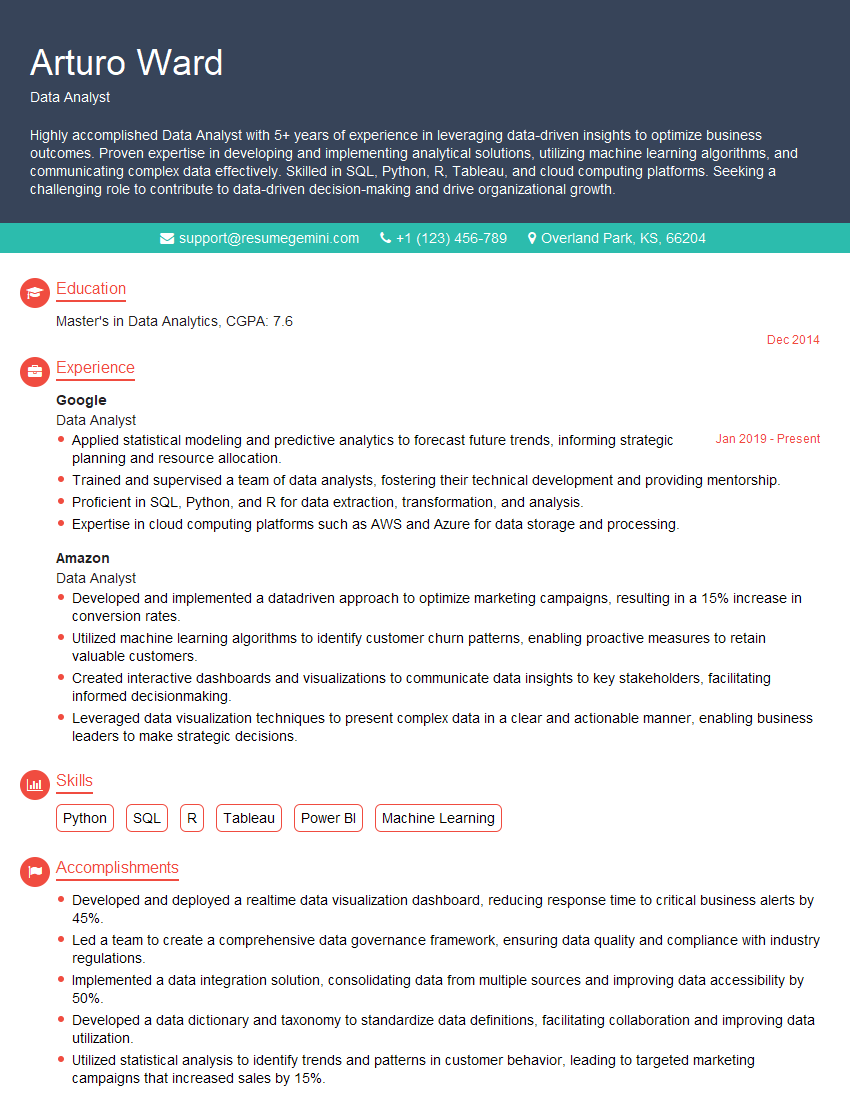
Data Analyst Resume Sample
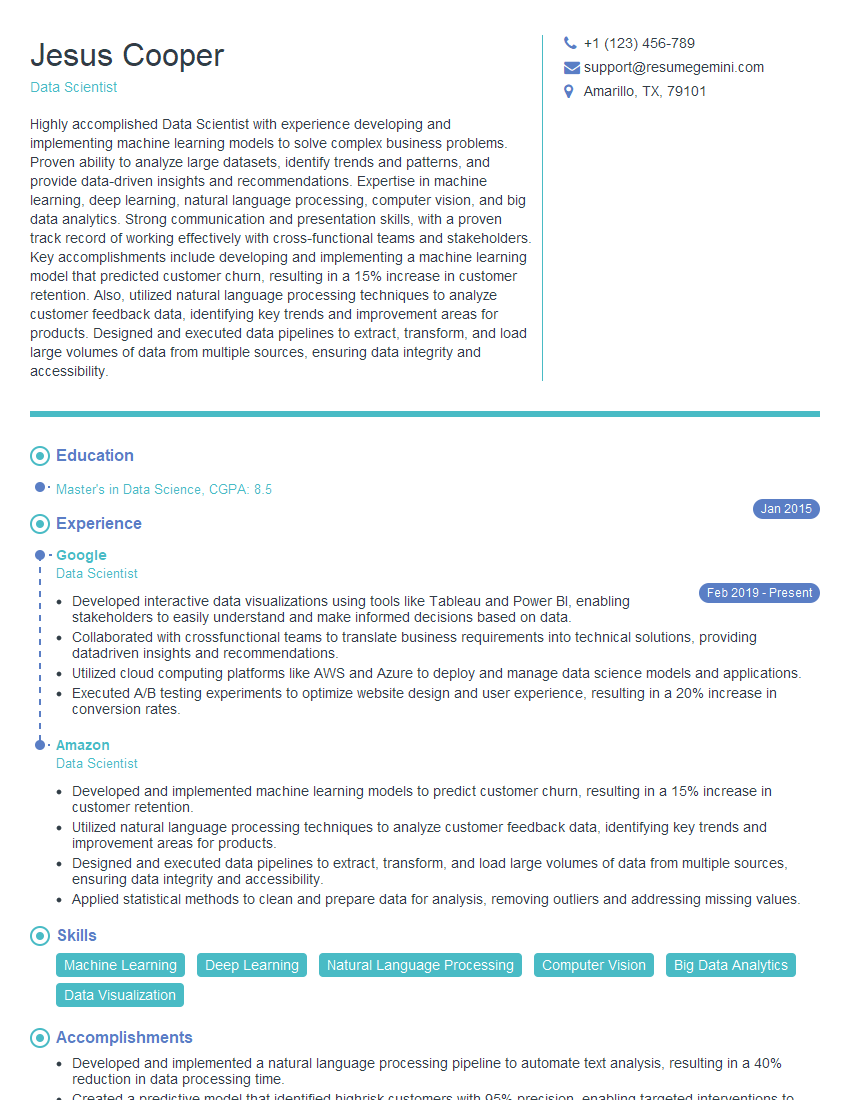
Data Scientist Resume Sample
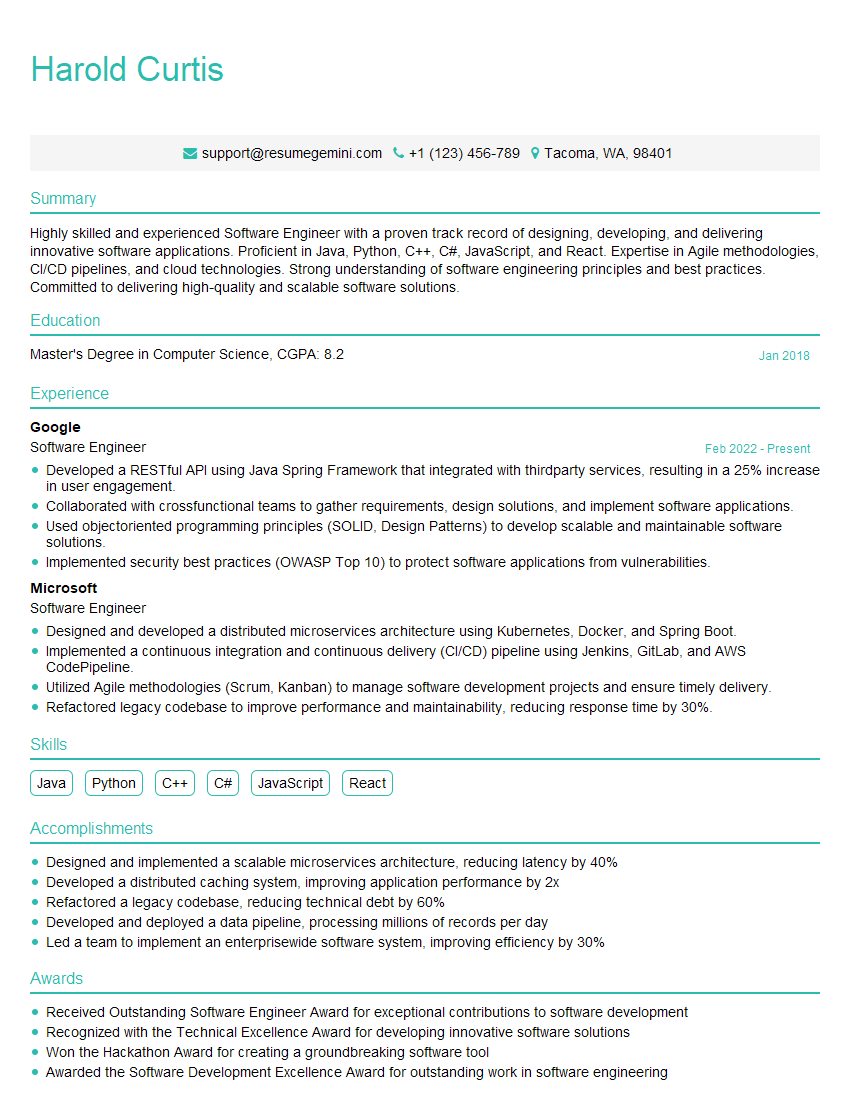
Software Engineer Resume Sample
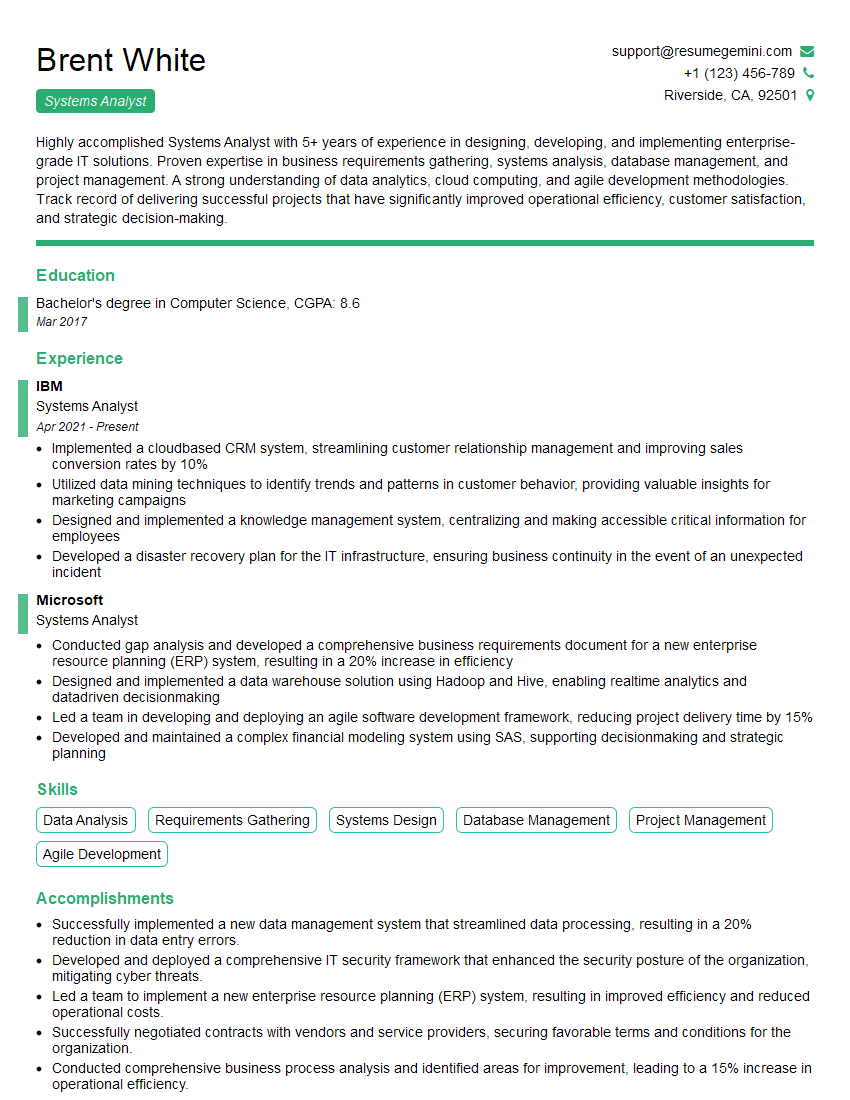
Systems Analyst Resume Sample
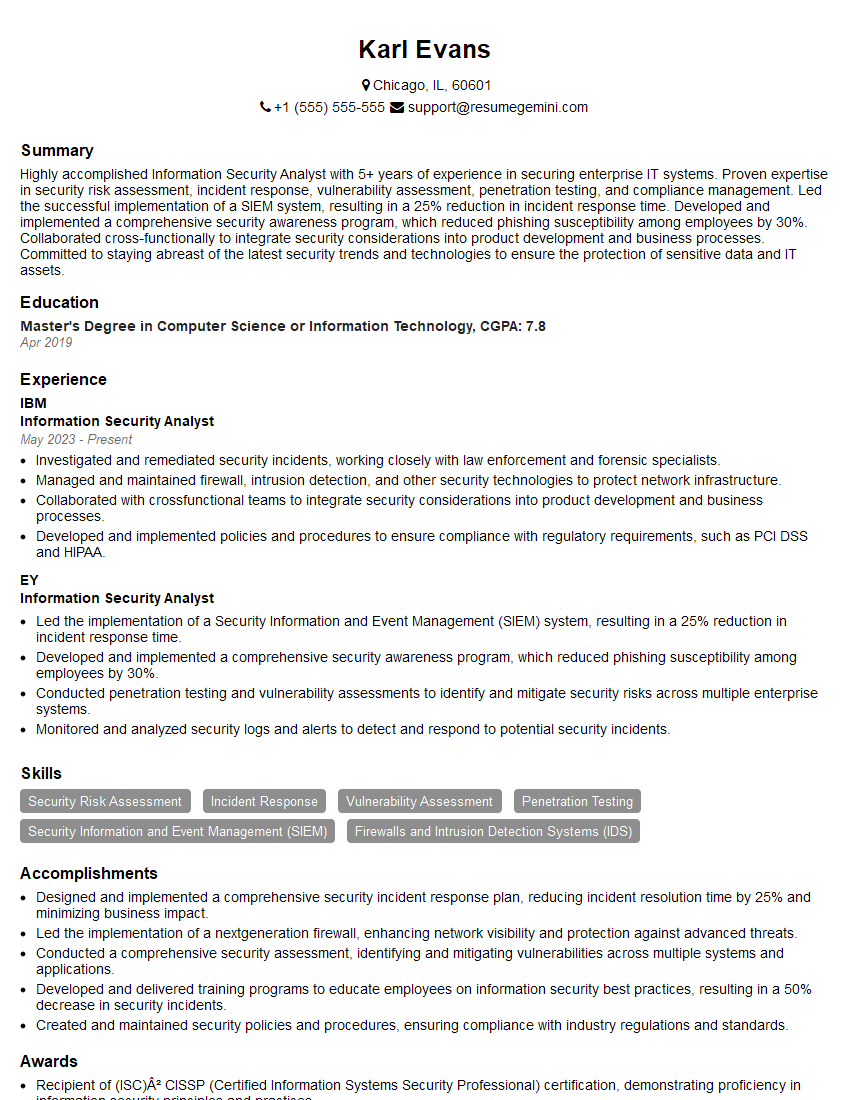
Information Security Analyst Resume Sample
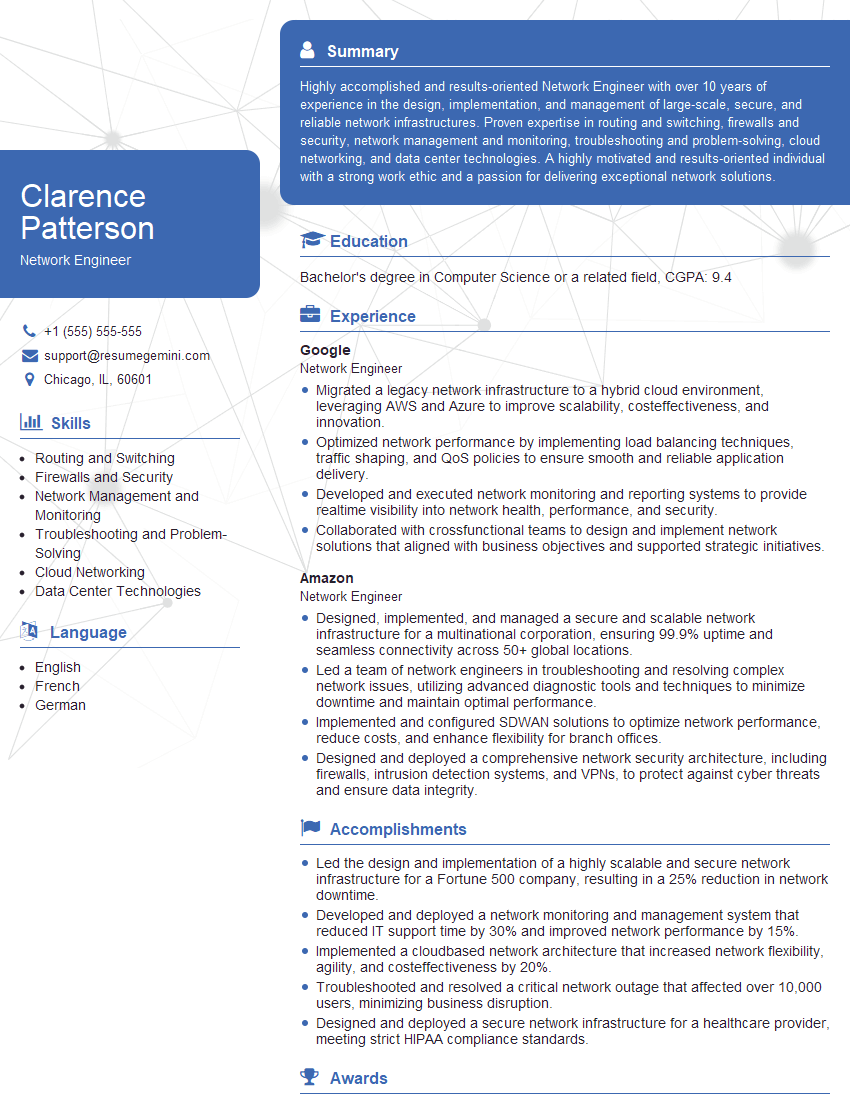
Network Engineer Resume Sample
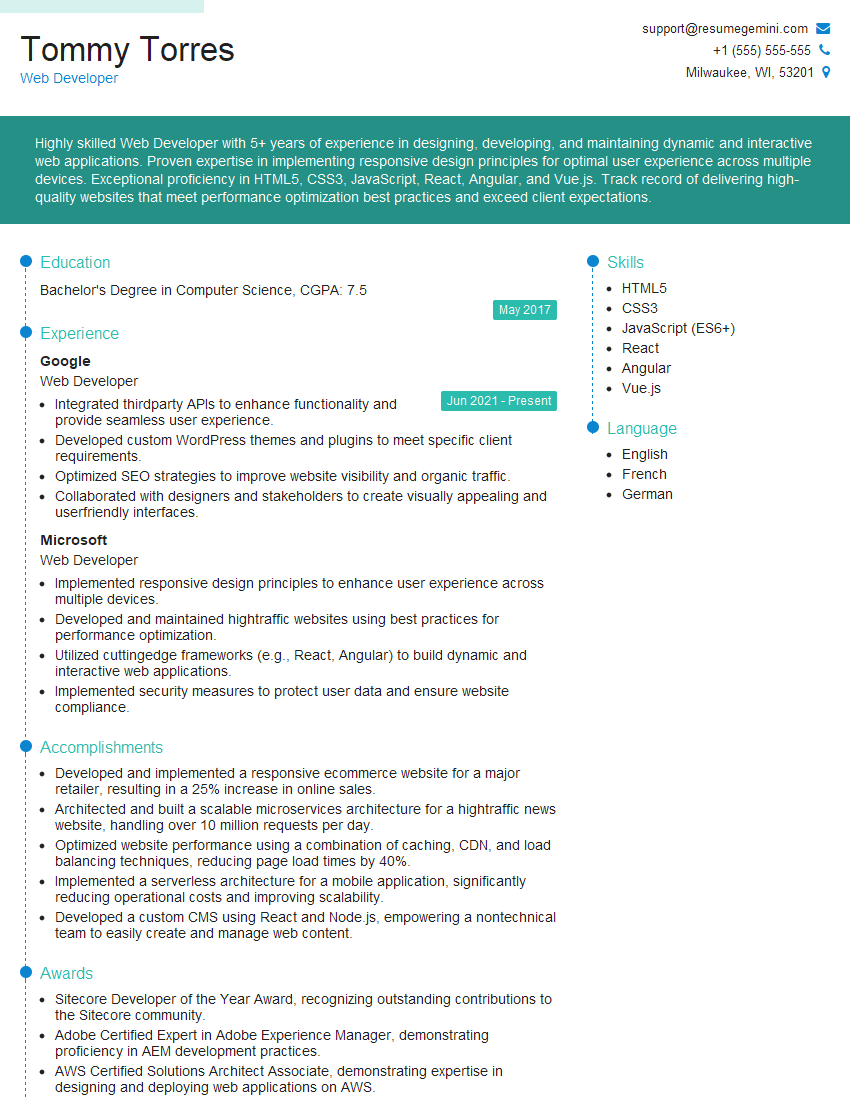
Web Developer Resume Sample
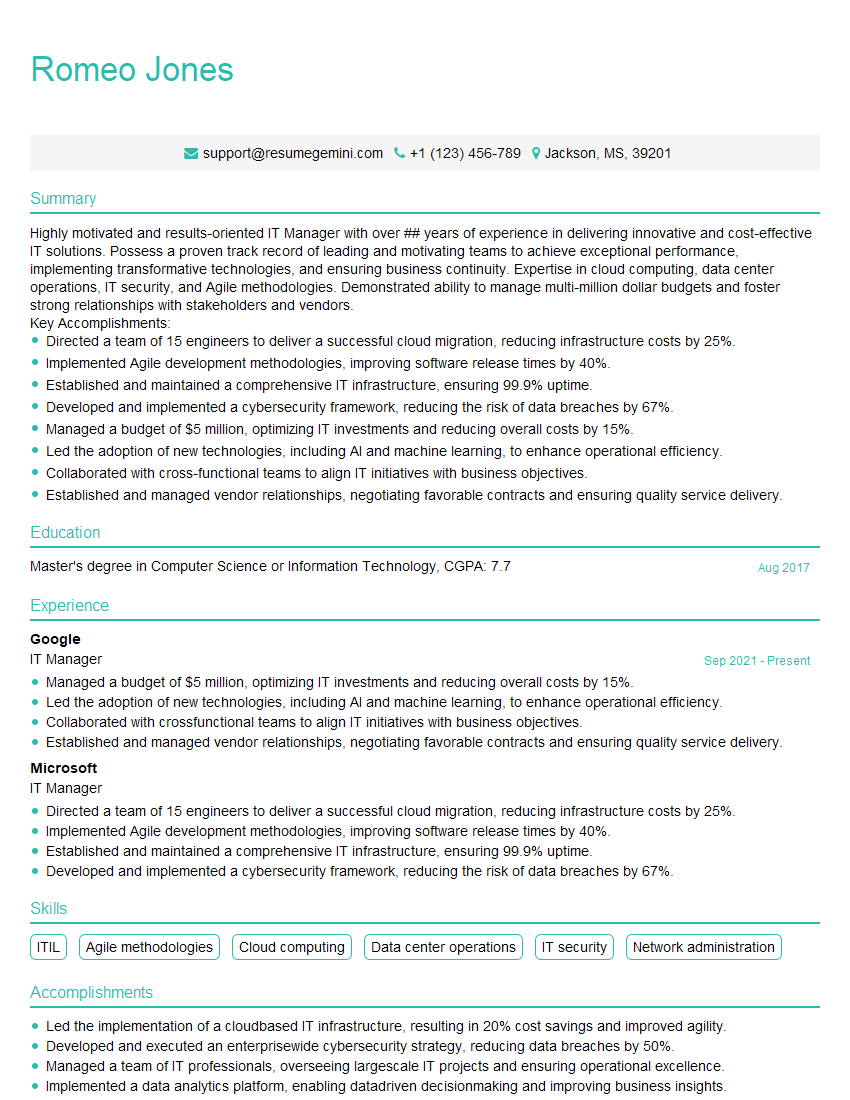
IT Manager Resume Sample
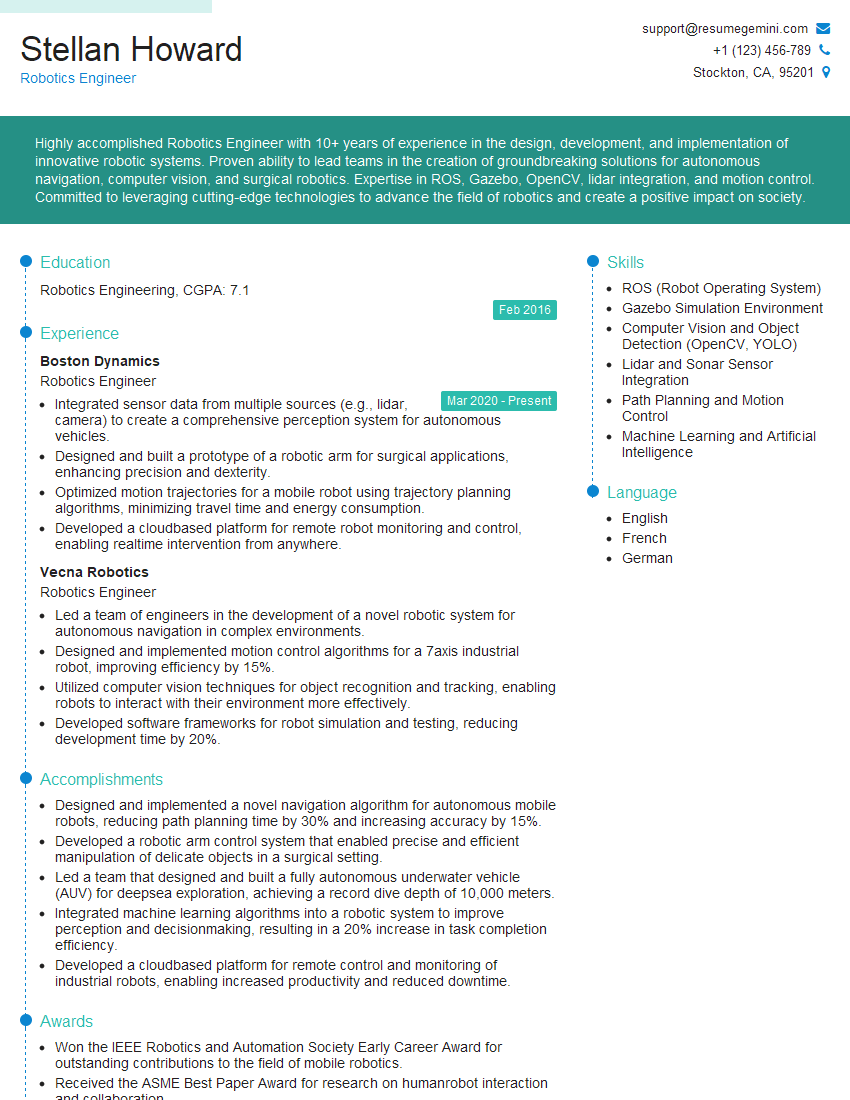
Robotics Engineer Resume Sample

Technical Writer Resume Sample
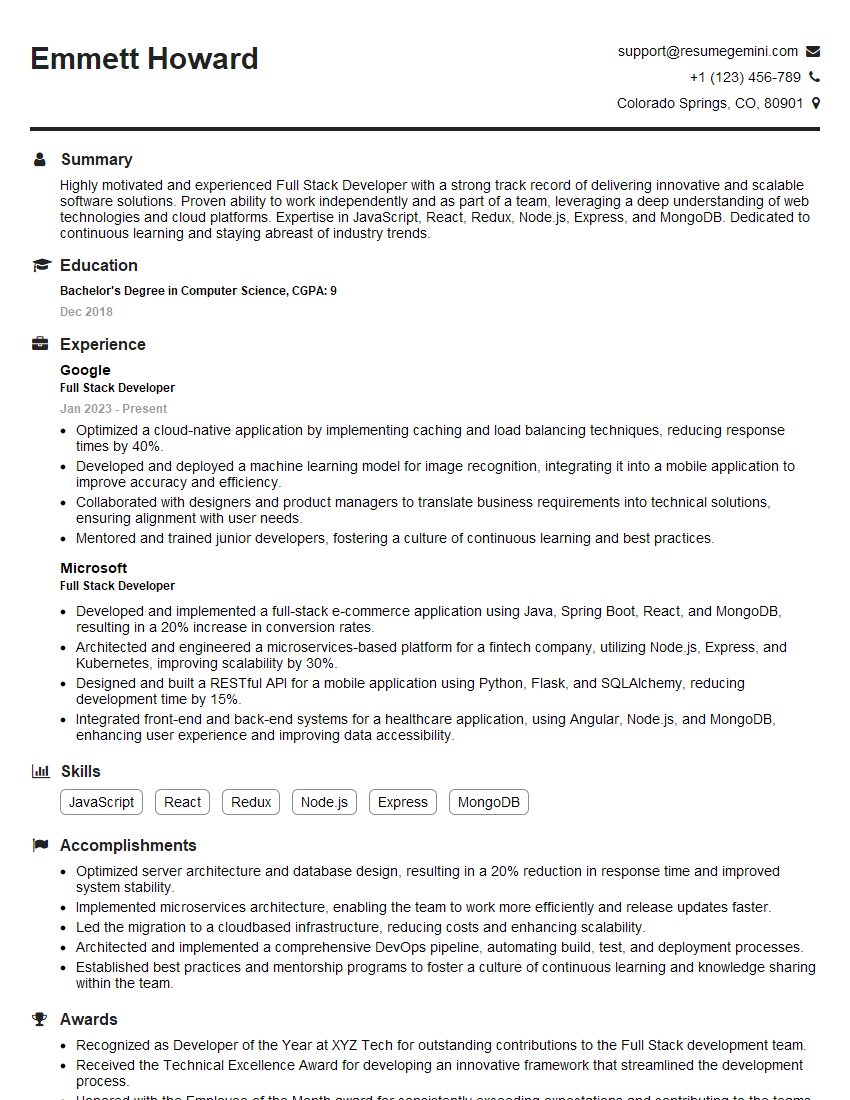
Full Stack Developer Resume Sample
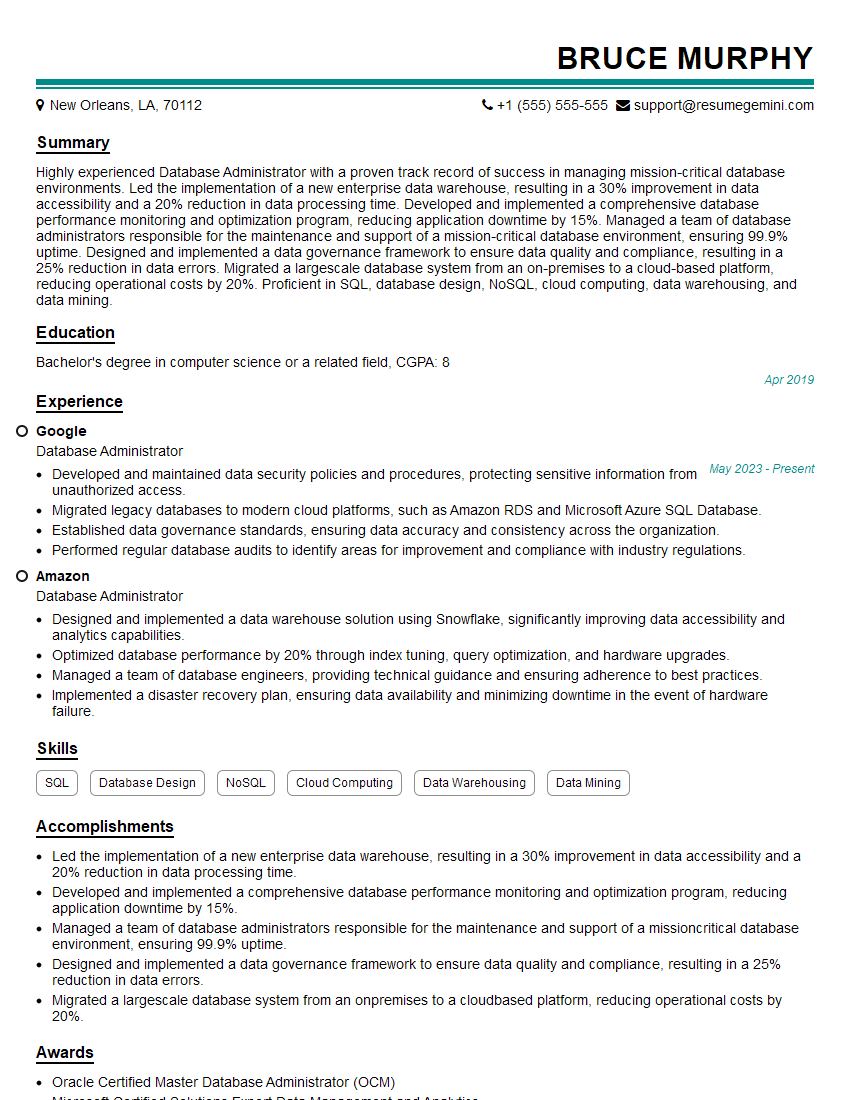
Database Administrator Resume Sample
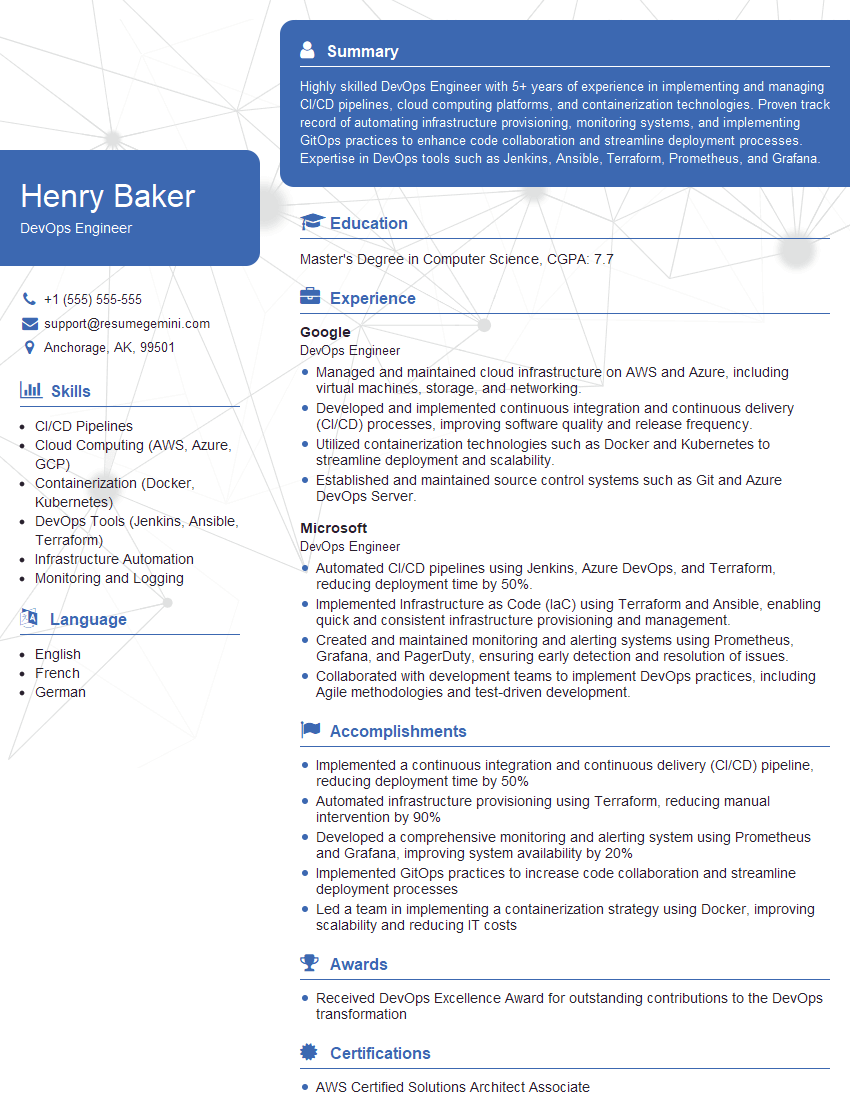
DevOps Engineer Resume Sample
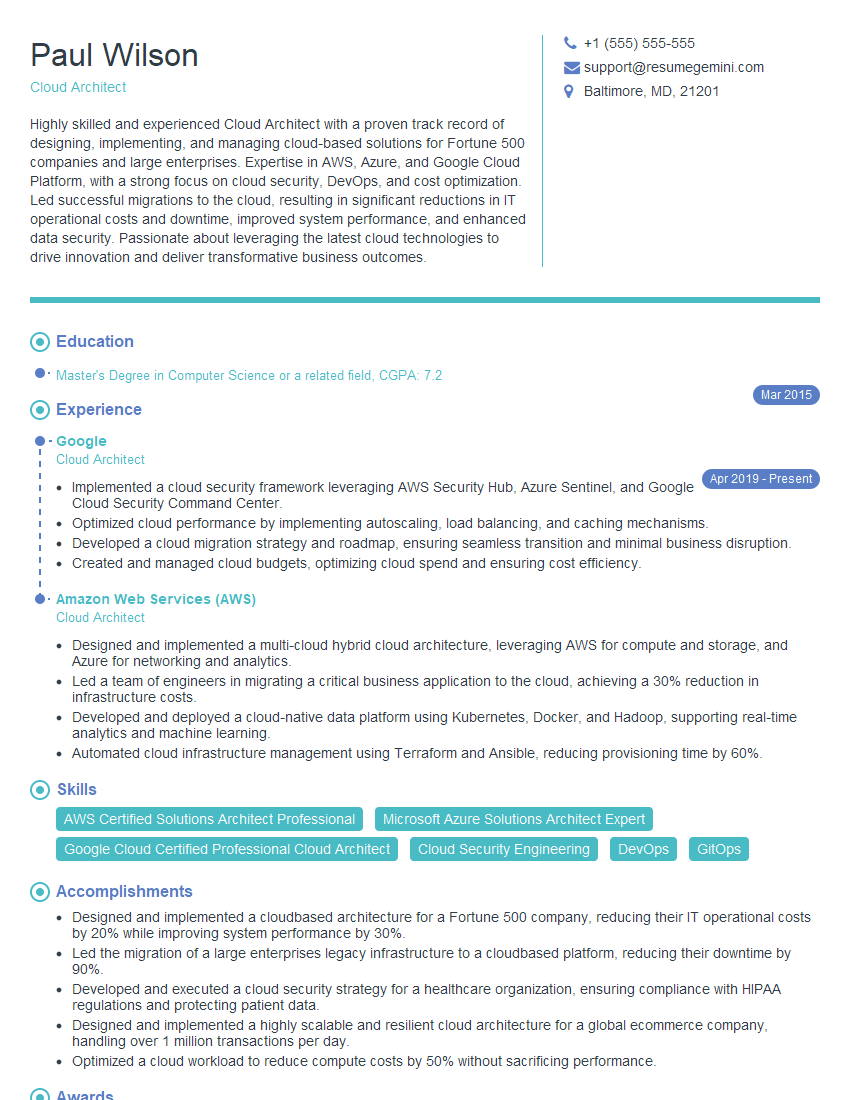
Cloud Architect Resume Sample
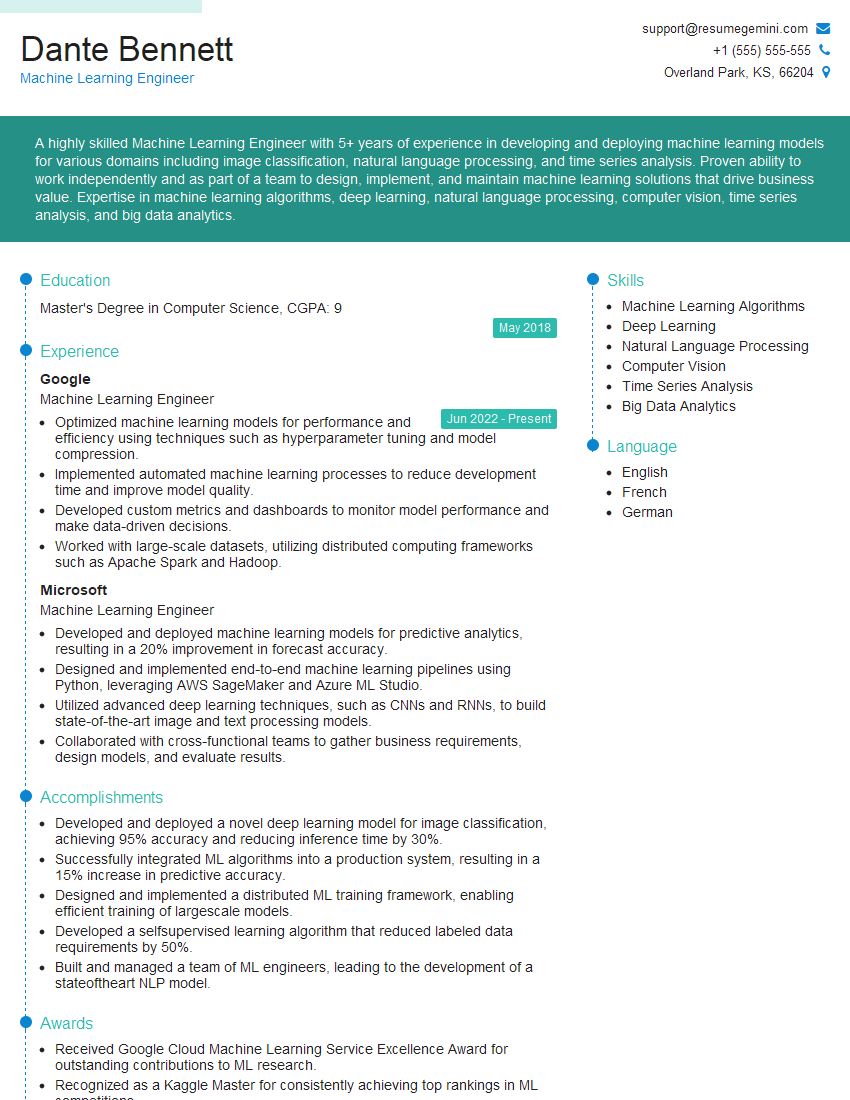
Machine Learning Engineer Resume Sample
- Product Manager
- Project Manager
- Business Analyst
- Technical Consultant
- Data Analyst
- Data Scientist
- Software Engineer
- Systems Analyst
- Information Security Analyst
- Network Engineer
- Web Developer
- IT Manager
- Robotics Engineer
- Technical Writer
- Full Stack Developer
- Database Administrator
- DevOps Engineer
- Cloud Architect
- Machine Learning Engineer
Explore more articles
Users Rating of Our Blogs
Share Your Experience
We value your feedback! Please rate our content and share your thoughts (optional).
What Readers Say About Our Blog
Very informative content, great job.
good