Unlock your full potential by mastering the most common Ability to build customer relationships interview questions. This blog offers a deep dive into the critical topics, ensuring you’re not only prepared to answer but to excel. With these insights, you’ll approach your interview with clarity and confidence.
Questions Asked in Ability to build customer relationships Interview
Q 1. Describe your approach to building rapport with a new client.
Building rapport with a new client is about establishing trust and understanding. My approach is multifaceted and begins even before the first meeting. I research the client’s business, industry, and recent activities to identify their key challenges and priorities. This allows me to tailor my communication and demonstrate genuine interest from the outset.
During our initial interaction, I focus on active listening, asking open-ended questions to understand their needs and concerns. I avoid interrupting and instead focus on truly understanding their perspective. I mirror their communication style – if they are formal, I maintain professionalism; if they are more casual, I adapt accordingly. I also share relevant information about my expertise and experience to establish credibility, but always prioritize understanding their needs first. Finally, I always aim to end the meeting with a clear next step, reinforcing my commitment to their success.
For example, before a meeting with a potential tech startup client, I researched their recent funding round and their target market. This allowed me to ask informed questions during our meeting, demonstrating my understanding of their business and building immediate rapport. They felt valued and understood, fostering a strong foundation for our working relationship.
Q 2. How do you handle a difficult or angry customer?
Handling a difficult or angry customer requires patience, empathy, and a structured approach. The first step is to actively listen to their complaint without interruption. I aim to understand the root cause of their frustration, acknowledging their feelings and validating their experience. Even if I disagree with their perception, I strive to show empathy and understanding. Phrase like, ‘I understand your frustration,’ or ‘I can see why you’re upset,’ can be incredibly effective.
Next, I take ownership of the situation, even if the problem isn’t directly my fault. This demonstrates responsibility and shows the client that I’m committed to resolving the issue. I then clearly outline the steps I’ll take to address their concerns. Transparency and realistic timelines are crucial. Finally, I follow up to ensure the issue is resolved and the client is satisfied. If I can’t resolve the issue immediately, I’ll provide updates regularly.
For instance, I once dealt with a client who was furious about a delayed project. Instead of getting defensive, I acknowledged their anger, explained the reasons for the delay (which were beyond my control), and outlined a revised timeline with proactive measures to prevent similar occurrences. Regular updates, open communication, and ultimately delivering the project successfully, helped to repair the relationship.
Q 3. Explain a time you went above and beyond for a customer.
Going above and beyond for a customer often involves anticipating their needs and proactively finding solutions. One instance involved a long-term client whose critical system experienced a failure just before a major trade show. While this wasn’t directly my responsibility, I knew the impact this failure would have on their business. Therefore, I immediately mobilized my team, working late into the night and even through the weekend, to assist in troubleshooting and restoring their system.
This involved coordinating with various technical teams, providing on-site support, and even arranging emergency courier services to deliver necessary components. The successful resolution within a tight timeframe not only prevented a significant financial loss for the client but also significantly strengthened our relationship. The client was incredibly grateful, and it resulted in increased business and referrals.
Q 4. How do you identify and prioritize customer needs?
Identifying and prioritizing customer needs is an ongoing process that involves various techniques. Firstly, I use active listening and open-ended questions during every interaction to uncover both explicit and implicit needs. Explicit needs are openly stated, while implicit needs are inferred through observations and deeper understanding of their context. I also analyze customer data, including past purchase history, website activity, and feedback surveys, to gain insights into their preferences and priorities.
To prioritize needs, I use a combination of urgency and importance. Urgency refers to how quickly a need must be addressed, while importance reflects its overall impact on the client’s business or satisfaction. I often use a simple matrix to visually represent this, prioritizing needs with high urgency and high importance first. For example, a critical system failure needs immediate attention (high urgency, high importance), while a feature request could be scheduled later (low urgency, potentially high importance).
Q 5. What strategies do you use to maintain long-term customer relationships?
Maintaining long-term customer relationships requires consistent effort and a strategic approach. Regular communication is vital, whether it’s through newsletters, personalized emails, or scheduled check-in calls. This keeps the client engaged and informed. Providing excellent customer service, going beyond expectations whenever possible, is another cornerstone. Proactive problem-solving and anticipating potential issues before they arise show commitment to the client’s success.
Furthermore, I leverage feedback mechanisms – such as surveys and regular reviews – to understand the client’s evolving needs and ensure ongoing satisfaction. Finally, I offer value-added services and resources to foster a mutually beneficial relationship, showing a genuine interest in their continued growth and success. This could include tailored training, exclusive access to new features, or invitations to industry events. A long-term relationship is not just a transaction, but a partnership built on mutual respect and trust.
Q 6. How do you measure the success of your customer relationships?
Measuring the success of customer relationships involves a combination of quantitative and qualitative metrics. Quantitative metrics include customer retention rate, Net Promoter Score (NPS), customer lifetime value (CLTV), and repeat business. These metrics provide a numerical representation of customer loyalty and the financial impact of the relationships.
Qualitative metrics are equally important and include customer satisfaction scores from surveys, feedback from individual interactions, and testimonials. These metrics provide rich insights into customer experience and perception. By combining both quantitative and qualitative data, I gain a comprehensive understanding of the health and effectiveness of our customer relationships, enabling me to identify areas for improvement and further strengthen our partnerships.
Q 7. Describe your experience with CRM software.
I have extensive experience with various CRM (Customer Relationship Management) software, including Salesforce, HubSpot, and Zoho CRM. I’m proficient in using these tools to manage customer interactions, track leads, analyze data, and automate various tasks. My skills extend beyond basic data entry; I can leverage advanced features like workflow automation, reporting and analytics, and customization to optimize customer relationship management processes.
For instance, I’ve used Salesforce to create customized dashboards to monitor key performance indicators (KPIs) related to customer satisfaction and sales conversion rates. This data-driven approach allows for proactive identification of potential issues and informed decision-making. In HubSpot, I’ve implemented automated email sequences for lead nurturing and customer onboarding, improving efficiency and enhancing customer experience. My proficiency in CRM software empowers me to manage and nurture a large number of client relationships effectively and efficiently.
Q 8. How do you handle customer complaints effectively?
Handling customer complaints effectively involves a multi-step process focused on empathy, problem-solving, and follow-up. It’s not just about fixing the problem; it’s about preserving the relationship.
- Listen Actively: Let the customer fully explain their complaint without interruption. Show genuine empathy and acknowledge their frustration. A simple phrase like, “I understand your frustration, and I’m here to help,” can go a long way.
- Take Ownership: Even if the complaint isn’t directly your fault, take responsibility for resolving it. Avoid blaming others or making excuses.
- Investigate Thoroughly: Gather all necessary information to understand the root cause of the problem. This may involve checking records, talking to colleagues, or examining the product/service in question.
- Offer a Solution: Present a clear, concise solution that addresses the customer’s needs. If immediate resolution isn’t possible, provide a realistic timeline and keep the customer updated on progress.
- Follow Up: After resolving the issue, follow up with the customer to ensure they are satisfied. This shows you value their business and helps build trust.
Example: A customer called complaining about a faulty product they received. Instead of getting defensive, I apologized for the inconvenience, offered a replacement, expedited shipping, and a small discount on their next purchase. I followed up a week later to confirm they received the replacement and were satisfied.
Q 9. How do you proactively identify potential customer issues?
Proactively identifying potential customer issues involves anticipating challenges and addressing them before they escalate into complaints. This requires a combination of data analysis, customer feedback monitoring, and insightful observation.
- Analyze Data: Monitor key metrics like customer churn rate, support ticket volume, and product usage patterns to identify trends and potential problem areas. For example, a sudden spike in support tickets related to a specific feature could indicate a usability issue.
- Gather Feedback: Actively solicit customer feedback through surveys, reviews, and direct communication. Regularly review this feedback to pinpoint recurring concerns or unmet needs.
- Observe Customer Behavior: Pay close attention to how customers interact with your product or service. Are they struggling to use a specific feature? Are they frequently contacting support for the same issue?
- Stay Informed: Keep up-to-date on industry trends and competitor offerings to anticipate potential challenges and adjust your strategies accordingly.
Example: By analyzing our website analytics, we noticed a high bounce rate on our pricing page. This indicated a potential problem with clarity or user experience. We redesigned the page to make pricing more transparent and user-friendly, resulting in a significant decrease in the bounce rate.
Q 10. How do you tailor your communication style to different customer types?
Tailoring communication to different customer types is crucial for building rapport and achieving desired outcomes. Understanding personality styles and communication preferences ensures effective interaction.
- Identify Customer Types: Recognize various personality styles (e.g., decisive, collaborative, analytical, etc.). Observe their communication patterns – are they direct, indirect, formal, or informal?
- Adapt your Language: Use clear, concise language avoiding jargon. Adjust your tone to match their communication style. A formal customer might appreciate a professional and structured approach, while a more casual customer may respond better to a friendly and conversational tone.
- Active Listening: Pay close attention to their verbal and non-verbal cues. Adjust your communication based on their responses and reactions.
- Choose the Right Channel: Select the communication channel that best suits the customer and situation. Email might be appropriate for formal matters, while a phone call could be better for complex issues needing immediate clarification.
Example: When dealing with a highly analytical customer, I provided detailed data and technical explanations to support my recommendations. With a more emotional customer, I focused on empathy and reassurance, addressing their concerns with sensitivity.
Q 11. Describe a time you had to negotiate with a customer.
I once had to negotiate with a large client who was unhappy with a slight delay in delivering a project. The delay was due to unforeseen circumstances beyond our control, but the client was threatening to terminate the contract.
- Understood Their Perspective: I started by acknowledging their frustration and validating their concerns. I listened carefully to their perspective, avoiding interruptions.
- Presented Our Case: I explained the reasons for the delay transparently and honestly, providing documentation to support our claims.
- Offered a Solution: I proposed a revised timeline and a compensation plan to offset the inconvenience, which included a discount on future services.
- Negotiated Terms: We engaged in a collaborative discussion, finding a mutually acceptable solution that addressed both their concerns and our operational realities. This involved compromising on certain aspects while firmly holding the line on others.
The result was a successful negotiation that preserved the client relationship while mitigating the negative impact of the delay. The client agreed to the revised timeline and accepted the compensation offered.
Q 12. How do you manage expectations with customers?
Managing customer expectations involves setting realistic goals, communicating clearly, and providing regular updates throughout the process. Under-promising and over-delivering is a key strategy.
- Set Clear Expectations: Clearly define the scope of the product or service, timelines, deliverables, and potential challenges upfront. Avoid making promises you can’t keep.
- Communicate Regularly: Provide regular updates on progress, even if there are no significant changes. This keeps customers informed and prevents misunderstandings.
- Address Concerns Promptly: Respond to customer inquiries and concerns in a timely and professional manner. Be honest about any potential delays or difficulties.
- Under-Promise, Over-Deliver: Setting slightly lower expectations allows you to exceed them and surprise customers positively. This builds trust and loyalty.
Example: When launching a new software feature, we communicated the expected release date, acknowledging potential minor delays. We proactively sent updates every week, keeping clients informed. The feature launched slightly ahead of schedule, exceeding expectations and enhancing client satisfaction.
Q 13. How do you resolve conflicts between customers and internal teams?
Resolving conflicts between customers and internal teams requires a neutral and objective approach, focusing on finding a mutually acceptable solution. It’s about facilitating communication and fostering collaboration.
- Gather Information: Obtain a complete understanding of the situation from both the customer and the internal team involved. Listen to both sides without judgment.
- Facilitate Communication: Create a safe space for open and honest communication. Encourage both parties to express their perspectives and concerns.
- Identify the Root Cause: Determine the underlying cause of the conflict. This may involve addressing procedural issues, communication breakdowns, or misunderstandings.
- Develop a Solution: Work collaboratively to develop a mutually acceptable solution. This might involve compromise from both sides.
- Document the Resolution: Keep a record of the agreed-upon solution, actions taken, and any follow-up required.
Example: A customer was upset with a delay in their order due to an internal processing error. I facilitated a conversation between the customer and the relevant team, explaining the situation to both parties. We agreed on a revised delivery date and a partial refund as compensation.
Q 14. What are some key indicators of a strong customer relationship?
Key indicators of a strong customer relationship are multifaceted and reflect both the customer’s satisfaction and the ongoing engagement.
- High Customer Satisfaction (CSAT): Consistently positive feedback from customers through surveys, reviews, or direct communication indicates a strong, positive relationship.
- Customer Loyalty: Repeated purchases, referrals, and long-term engagement demonstrate strong customer loyalty built on trust and satisfaction.
- Positive Net Promoter Score (NPS): A high NPS score signifies that customers are likely to recommend your product or service to others.
- Low Customer Churn: A low churn rate indicates that customers are satisfied and are unlikely to switch to competitors.
- Open Communication: Regular and open communication channels, where customers feel comfortable sharing feedback and concerns, are critical for strong relationships.
- Proactive Engagement: The customer feels valued and understood; you anticipate their needs and proactively address potential issues.
Example: A company with a high CSAT score, repeat business, and numerous positive online reviews is demonstrating a strong customer relationship. The active participation in customer forums and the quick responses to comments show their dedication to maintaining relationships.
Q 15. How do you use feedback to improve customer relationships?
Feedback is the lifeblood of strong customer relationships. I actively solicit it through various channels – surveys, in-person conversations, online reviews, and even informal chats. I don’t just passively collect feedback; I actively analyze it to identify recurring themes and pinpoint areas for improvement. For example, if several customers complain about a slow delivery time, that’s a clear signal to investigate our logistics processes. I then use this feedback to implement changes, whether it’s streamlining internal workflows, adjusting delivery options, or improving communication regarding shipping timelines. Following implementation, I measure the impact of these changes to ensure they’ve effectively addressed the customer concerns. This iterative process of feedback, analysis, implementation, and measurement is crucial for continuous relationship enhancement.
For instance, in my previous role, customer feedback revealed dissatisfaction with our online support system’s navigation. By analyzing the feedback, we identified specific pain points within the site’s interface and subsequently redesigned it with clearer labels and intuitive pathways. Post-redesign, customer satisfaction scores related to online support significantly improved, demonstrating the direct positive impact of acting on customer feedback.
Career Expert Tips:
- Ace those interviews! Prepare effectively by reviewing the Top 50 Most Common Interview Questions on ResumeGemini.
- Navigate your job search with confidence! Explore a wide range of Career Tips on ResumeGemini. Learn about common challenges and recommendations to overcome them.
- Craft the perfect resume! Master the Art of Resume Writing with ResumeGemini’s guide. Showcase your unique qualifications and achievements effectively.
- Don’t miss out on holiday savings! Build your dream resume with ResumeGemini’s ATS optimized templates.
Q 16. How do you stay updated on industry best practices for customer relationship management?
Staying ahead in customer relationship management (CRM) requires continuous learning. I leverage several resources to stay current on industry best practices. I regularly attend webinars and conferences focused on CRM strategies, allowing me to network with other professionals and learn about the latest tools and techniques. I also subscribe to reputable industry publications and journals, such as those focused on marketing and sales technologies, and actively engage in online communities dedicated to CRM. This allows me to tap into collective industry knowledge and stay informed about evolving trends. Further, I actively seek out case studies and success stories of companies who excel in CRM, dissecting their approaches to understand what works and how those strategies could be adapted to my own work.
A recent example of this is my exploration of AI-powered chatbots for customer service. By studying successful implementations, I’ve gained a clear understanding of how to leverage this technology to improve response times, personalize customer interactions, and free up human agents to handle more complex issues.
Q 17. Describe your experience with customer segmentation.
Customer segmentation is a critical part of building effective relationships. It involves dividing your customer base into distinct groups based on shared characteristics, like demographics, purchase history, behavior, or needs. This enables targeted communication and personalized experiences. I’ve extensive experience segmenting customers using various methods. For example, in one role, we segmented customers based on their product usage frequency into ‘High-Value,’ ‘Medium-Value,’ and ‘Low-Value’ segments. This allowed us to tailor our marketing efforts and customer service approach to each group. The High-Value customers received proactive, personalized communication and premium service, while the Low-Value customers received targeted offers to encourage increased engagement. This led to increased customer retention and sales across all segments.
Another example involved using behavioral data to segment customers based on their preference for specific product categories. This allowed for more relevant product recommendations and personalized email campaigns, improving customer satisfaction and sales conversions. Understanding the nuances of each segment is crucial to building strong relationships and delivering value.
Q 18. How do you balance the needs of individual customers with overall business goals?
Balancing individual customer needs with overall business goals is a delicate dance. My approach is to prioritize creating win-win situations whenever possible. I firmly believe that exceeding individual customer expectations contributes to broader business success. Therefore, I work to understand both the specific customer need and the broader business objectives. I approach each interaction with empathy, actively listening to understand the customer’s situation and seeking solutions that address their concerns without compromising the company’s strategic goals. Sometimes, this involves finding creative solutions, such as offering alternative options or exploring exceptions to standard procedures within reason.
For instance, if a customer requests a significant discount that’s outside our usual policy, but their case represents a genuine hardship, I might escalate it to management to explore options. This demonstrates customer focus while also protecting the company’s profitability.
Q 19. How do you handle situations where a customer’s needs conflict with company policy?
Handling situations where a customer’s needs conflict with company policy requires a nuanced approach. My first step is always to empathetically listen to the customer and understand their perspective. Then, I clearly explain the company policy, ensuring they understand the rationale behind it. I don’t just state the policy; I explain why it exists, often relating it back to broader business objectives like maintaining fairness for all customers or upholding regulatory compliance. If possible, I explore alternative solutions that meet the customer’s needs while staying within company policy. This might involve suggesting a compromise, offering a different product or service, or referring the issue to a higher authority for potential exception.
Transparency and honesty are key here. If no solution within policy can be reached, I’ll explain that clearly and offer a clear explanation of why, without making the customer feel dismissed. Maintaining a respectful dialogue throughout the process is critical to preserving the relationship even when a desired outcome cannot be delivered.
Q 20. Describe your experience with customer surveys and feedback mechanisms.
Customer surveys and feedback mechanisms are indispensable for understanding customer sentiment and improving relationships. I have experience designing and implementing various feedback mechanisms, including online surveys, in-app feedback forms, and post-purchase email questionnaires. When designing surveys, I focus on asking clear, concise questions and use a mix of question types – multiple choice, rating scales, and open-ended questions – to gather comprehensive feedback. I always ensure surveys are easy to complete and incentivize participation (where appropriate). Post-survey, I meticulously analyze the responses, identifying key trends and areas for improvement. This data then directly informs product development, service improvements, and marketing strategies.
For instance, in a past project, we implemented a post-purchase survey that measured customer satisfaction with the entire purchase process, from browsing to delivery. The results revealed a bottleneck in the shipping phase. This feedback directly led to improvements in our logistics process and a subsequent reduction in customer complaints related to shipping.
Q 21. How do you utilize data to understand customer behavior?
Data is crucial for understanding customer behavior and building better relationships. I utilize various data sources, including CRM systems, website analytics, and social media listening tools, to gain insights into customer preferences, purchase patterns, and pain points. I analyze this data to identify trends, segment customers effectively, and personalize marketing campaigns. For example, analyzing website analytics can reveal which pages customers spend the most time on, indicating areas of high interest or potential usability issues. Similarly, CRM data can reveal customer lifetime value and purchasing frequency, enabling targeted retention strategies. Social media listening can identify emerging customer needs and concerns, giving proactive opportunities to address them.
In a recent project, we used data analytics to identify a segment of customers who were churning after their first purchase. By analyzing their purchase history and website behavior, we identified a pattern of confusion during the checkout process. This insight led us to redesign the checkout flow, resulting in a significant reduction in churn for that customer segment.
Q 22. How do you adapt your communication style to different communication channels?
Adapting communication style across channels is crucial for effective customer relationship building. Different platforms demand different approaches. For instance, a formal email is appropriate for a complex issue, while a quick, informal text message might suffice for a simple query. My approach involves understanding the context and audience.
- Email: I maintain a professional tone, using complete sentences and proper grammar. I provide detailed information and carefully track responses. Example: When addressing a complaint via email, I’d offer a sincere apology, explain the situation clearly, and outline the steps being taken to resolve the issue.
- Phone: I prioritize active listening, using a friendly and empathetic tone. I aim for clear and concise communication, making sure to confirm understanding at key stages. Example: If a customer is frustrated on the phone, I start by acknowledging their feelings before offering solutions.
- Social Media: I keep it concise and engaging, using informal yet respectful language appropriate for the platform. I respond promptly and publicly acknowledge feedback, addressing concerns directly. Example: A public response on a negative social media comment might involve thanking them for their feedback, empathizing, and outlining a private path to resolution.
- In-Person: Nonverbal communication is key here. I maintain eye contact, use a warm tone, and mirror body language (positively) to establish rapport. Example: If meeting a client in person to discuss a contract, I’d offer a handshake, smile, and actively listen to their thoughts and concerns before presenting information.
Ultimately, the goal is to ensure consistent brand messaging and maintain a professional and helpful persona regardless of the platform.
Q 23. How do you collaborate with other departments to ensure excellent customer service?
Collaboration is paramount for excellent customer service. Siloed departments create friction, leading to dissatisfied customers. I actively seek out opportunities to work with different teams to ensure a seamless customer journey.
- Example: If a customer has a product issue (Sales), I will coordinate with the technical support team (Technology) to get the problem resolved quickly and efficiently. I would also keep the customer updated on the progress, acting as a single point of contact.
- Methods: I utilize regular cross-departmental meetings, internal communication tools (like Slack or Microsoft Teams), and shared customer relationship management (CRM) systems. This allows for transparent communication and efficient problem-solving. I also proactively identify potential issues and work with relevant teams to prevent future problems.
- Proactive Approach: I believe in establishing strong working relationships with colleagues across various departments. This fosters trust and encourages open communication, streamlining issue resolution and preventing negative customer experiences.
By acting as a bridge between departments, I ensure that the customer receives consistent, high-quality service throughout their interaction with the company.
Q 24. How do you handle situations where a customer is consistently unhappy despite your efforts?
Persistent customer unhappiness, despite best efforts, requires a measured and empathetic approach. It often signals a deeper underlying issue beyond the immediate problem.
- Understanding the Root Cause: I begin by actively listening and asking open-ended questions to understand the customer’s perspective fully. Are there unmet expectations? Are there systematic issues contributing to their dissatisfaction?
- Escalation and Empathy: If the issue cannot be resolved at my level, I’ll escalate it to the appropriate manager or department. Throughout the process, I maintain empathy and transparent communication, keeping the customer updated on the progress.
- Seeking Feedback and Improvement: Even if the resolution isn’t entirely satisfactory, I always seek feedback to improve future interactions and processes. This shows the customer that their concerns are valued and helps identify areas for improvement within the company.
- Offer a Gesture of Goodwill: A sincere apology, a discount on future services, or a small gift can go a long way in demonstrating goodwill, even if the core problem is beyond immediate resolution.
The key is to approach the situation with understanding, patience, and a willingness to find a solution that, while not always perfectly satisfying, demonstrates a commitment to customer care.
Q 25. Describe your experience with implementing customer loyalty programs.
I’ve been involved in several aspects of customer loyalty program implementation. My experience includes:
- Program Design: I’ve assisted in designing programs that reward customer loyalty through points, discounts, exclusive access, or other perks. This often involves market research to determine which benefits resonate most with our target customer base.
- Technology Integration: Implementing the program into our CRM system, ensuring seamless tracking of customer activity and rewards redemption. This often involved working with technical teams and marketers.
- Marketing and Promotion: Developing strategies to effectively communicate the benefits of the loyalty program and incentivize customer participation. This can involve email marketing campaigns, in-app promotions, and social media engagement.
- Performance Monitoring and Optimization: Analyzing program performance data to identify areas for improvement. This involves tracking key metrics such as participation rates, redemption rates, and customer lifetime value.
For example, in a previous role, we implemented a tiered loyalty program that increased customer retention by 15% within six months. This success was driven by a carefully designed rewards structure and effective communication strategy.
Q 26. How do you use technology to enhance the customer experience?
Technology is crucial in enhancing customer experience. It allows for personalized interactions, efficient service, and proactive problem-solving.
- CRM Systems: I utilize CRM systems to track customer interactions, preferences, and purchase history. This allows for personalized communication and proactive service. For example, I can use this data to send targeted offers or proactively address potential issues before they arise.
- Live Chat and Chatbots: These tools provide immediate customer support, improving responsiveness and satisfaction. Chatbots can handle simple queries while live chat enables more complex issue resolution.
- Self-Service Portals: These portals empower customers to resolve issues independently through FAQs, tutorials, and knowledge bases. This reduces customer support workload and empowers customers to take control.
- Data Analytics: Analyzing customer data helps identify trends and patterns, enabling proactive service improvements and personalized recommendations. This also allows for better understanding of customer needs and pain points.
By leveraging technology effectively, I can provide a more efficient, personalized, and satisfying customer experience.
Q 27. How do you identify opportunities for upselling or cross-selling to existing customers?
Identifying upselling and cross-selling opportunities requires a deep understanding of the customer and their needs. It’s not about aggressive selling, but about providing valuable solutions.
- Understanding Customer Needs: Through conversation and analyzing past purchases, I identify unmet needs or potential areas for improvement. For example, if a customer frequently purchases a specific product, I might suggest a related accessory or upgrade.
- Product Knowledge: Thorough product knowledge allows me to suggest relevant alternatives or enhancements. I need to know my product offerings intimately.
- Personalized Recommendations: Using CRM data, I can personalize recommendations, focusing on products or services that align with the customer’s past behavior and expressed interests.
- Timing and Approach: The right timing is crucial. I avoid pushing products aggressively. Instead, I offer suggestions naturally during conversations, highlighting the value and benefits for the customer.
For example, if a customer purchases a basic subscription, I might suggest an upgraded version with additional features during a follow-up call, highlighting the added value for their needs.
Q 28. How do you manage your time effectively when dealing with multiple customers?
Effective time management with multiple customers requires a structured approach, combining planning, prioritization, and efficient communication.
- Prioritization: I use a system to prioritize customer interactions based on urgency and impact. Urgent issues (complaints, critical inquiries) take precedence.
- Time Blocking: I allocate specific time slots for various tasks, ensuring dedicated time for handling customer interactions without constant interruptions.
- Efficient Communication: I use concise and focused communication to avoid lengthy exchanges when not necessary. This could involve using pre-written responses for common queries or directing customers to self-service resources when appropriate.
- Batching Similar Tasks: I group similar tasks together, such as responding to emails or making phone calls, to improve efficiency.
- Tools and Technology: I leverage CRM systems and other tools to streamline tasks, reducing administrative overhead and allowing more time for direct customer interaction.
By combining these strategies, I can manage multiple customers effectively, ensuring prompt and quality service to everyone.
Key Topics to Learn for Ability to Build Customer Relationships Interview
- Active Listening & Empathy: Understanding customer needs beyond stated requests. Practical application: Use reflective listening techniques to confirm understanding and demonstrate empathy during client interactions.
- Building Rapport & Trust: Establishing a positive connection and fostering confidence in your abilities. Practical application: Tailoring communication style to individual customer personalities and preferences; proactively addressing concerns.
- Effective Communication (Verbal & Written): Clearly conveying information and actively soliciting feedback. Practical application: Crafting concise and informative emails, delivering compelling presentations, and conducting engaging phone conversations.
- Problem-Solving & Conflict Resolution: Addressing customer issues effectively and finding mutually agreeable solutions. Practical application: Utilizing a structured problem-solving approach; employing active listening and empathy to de-escalate conflicts.
- Relationship Management & Retention: Nurturing ongoing relationships to ensure customer loyalty and advocacy. Practical application: Implementing follow-up strategies, proactively identifying potential issues, and seeking feedback for improvement.
- Understanding Customer Segmentation & Needs: Recognizing diverse customer profiles and adapting your approach accordingly. Practical application: Analyzing customer data to identify key characteristics and tailor communication strategies.
- Negotiation & Persuasion (where applicable): Successfully navigating challenging conversations and reaching mutually beneficial agreements. Practical application: Employing persuasive communication techniques while maintaining a collaborative approach.
Next Steps
Mastering the ability to build strong customer relationships is paramount for career advancement in virtually any field. It directly impacts customer satisfaction, retention, and ultimately, a company’s success. To significantly boost your job prospects, create an ATS-friendly resume that highlights your achievements in this crucial area. ResumeGemini can help you craft a compelling resume that showcases your skills and experience effectively. We offer examples of resumes tailored to highlight expertise in building customer relationships; take advantage of this valuable resource to elevate your job search.
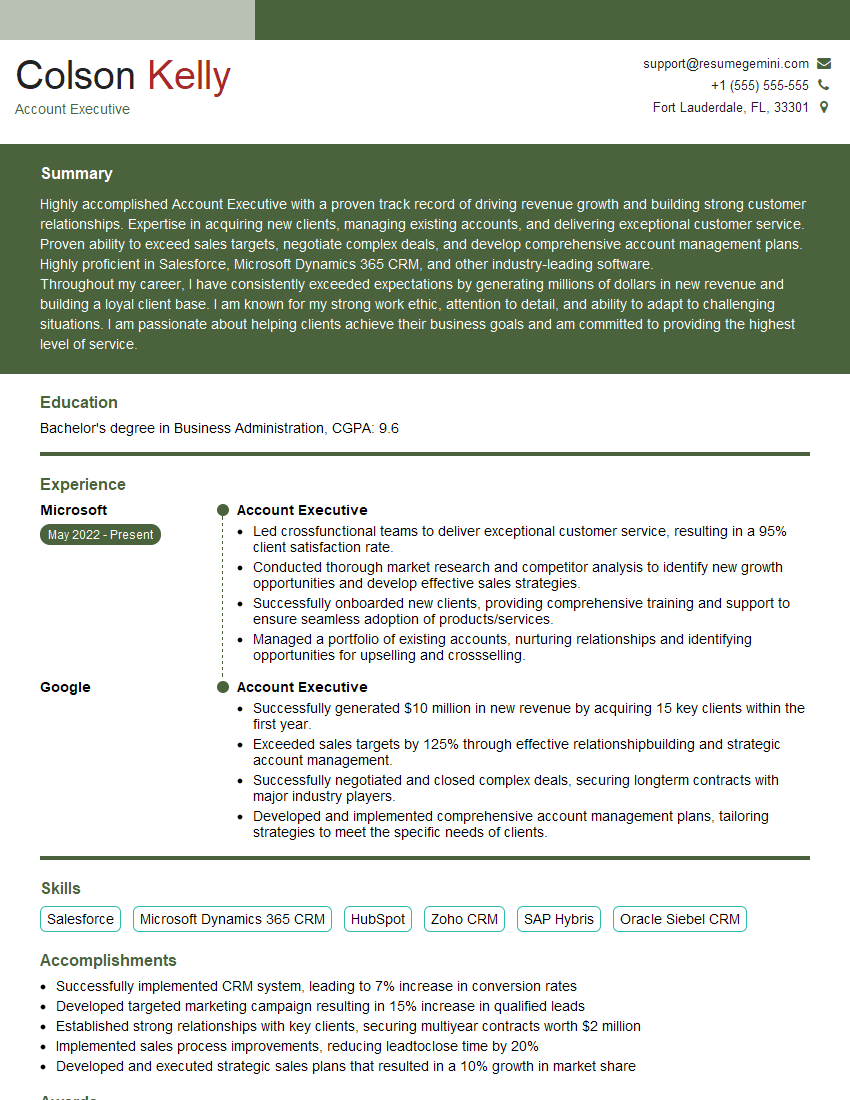
Account Executive Resume Sample
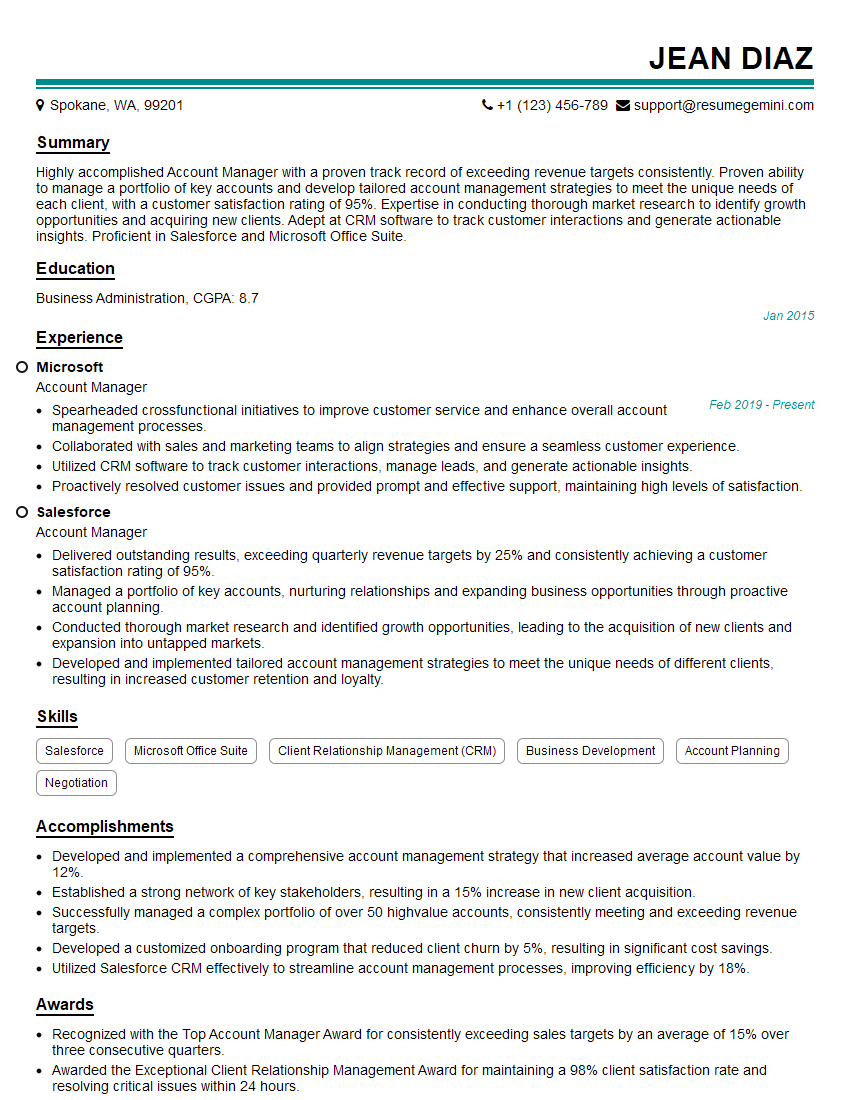
Account Manager Resume Sample
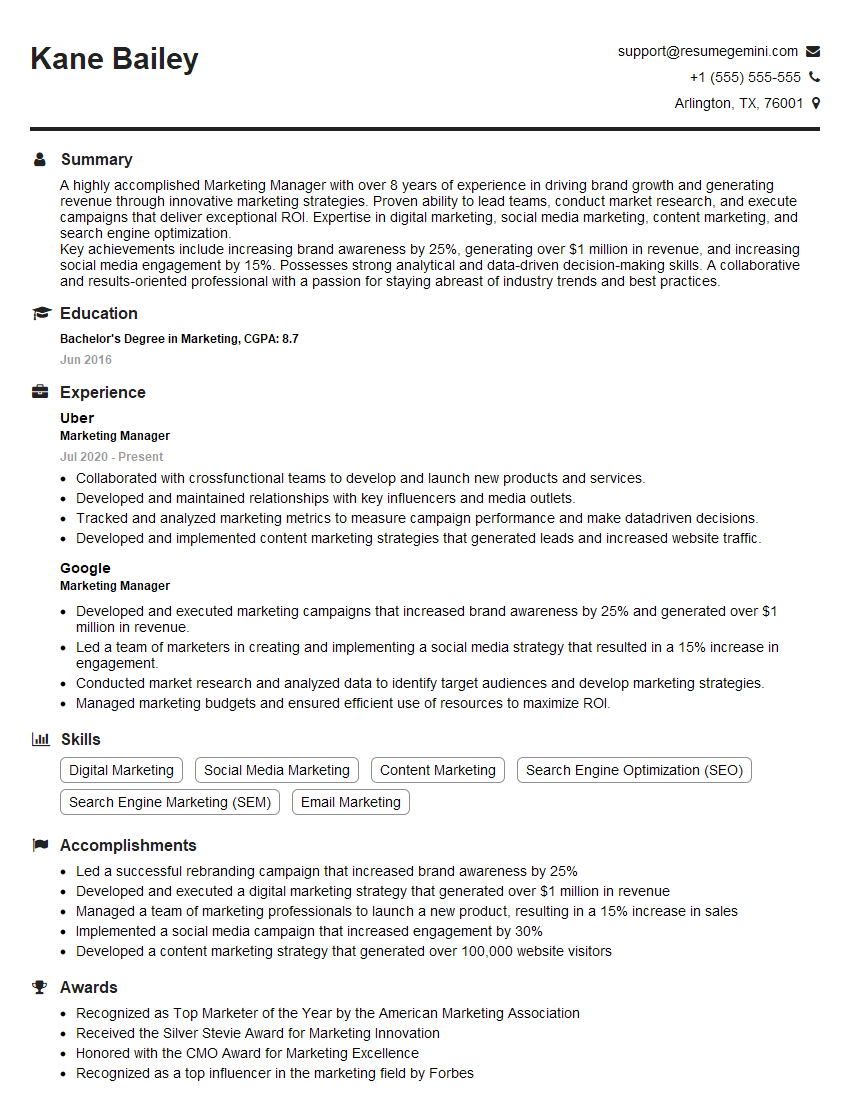
Marketing Manager Resume Sample
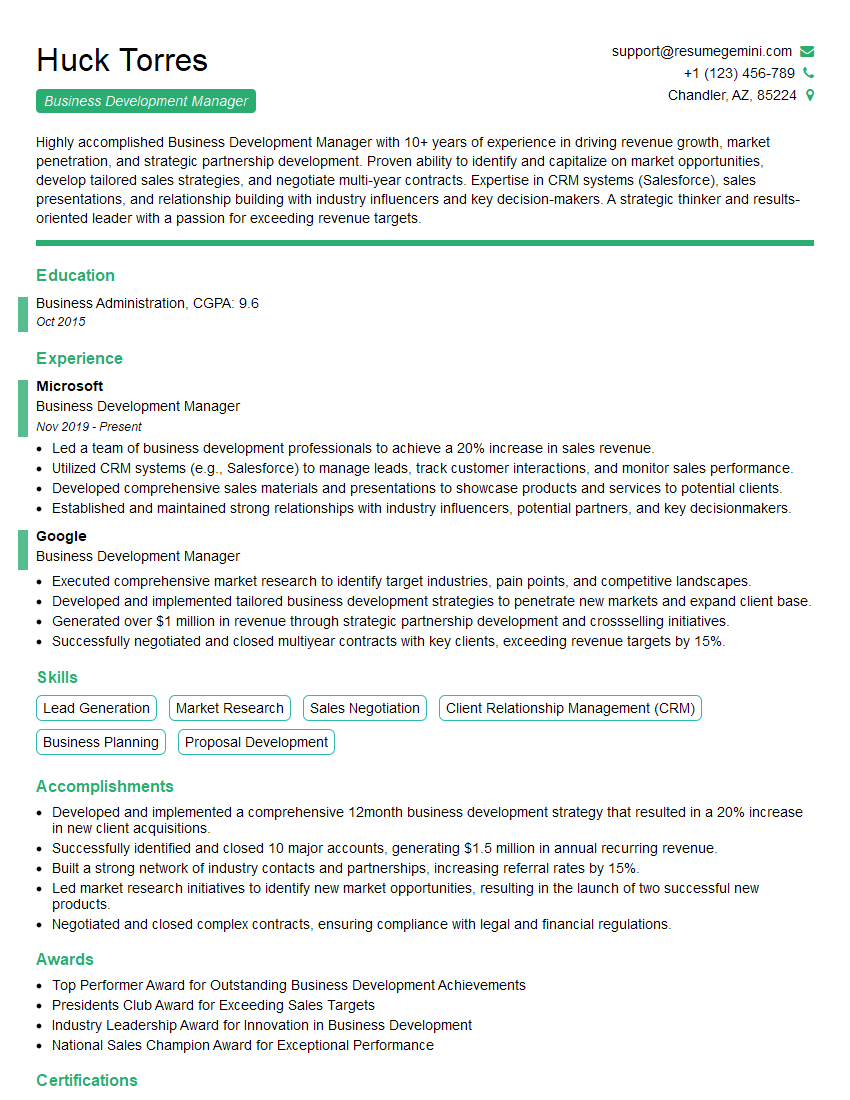
Business Development Manager Resume Sample
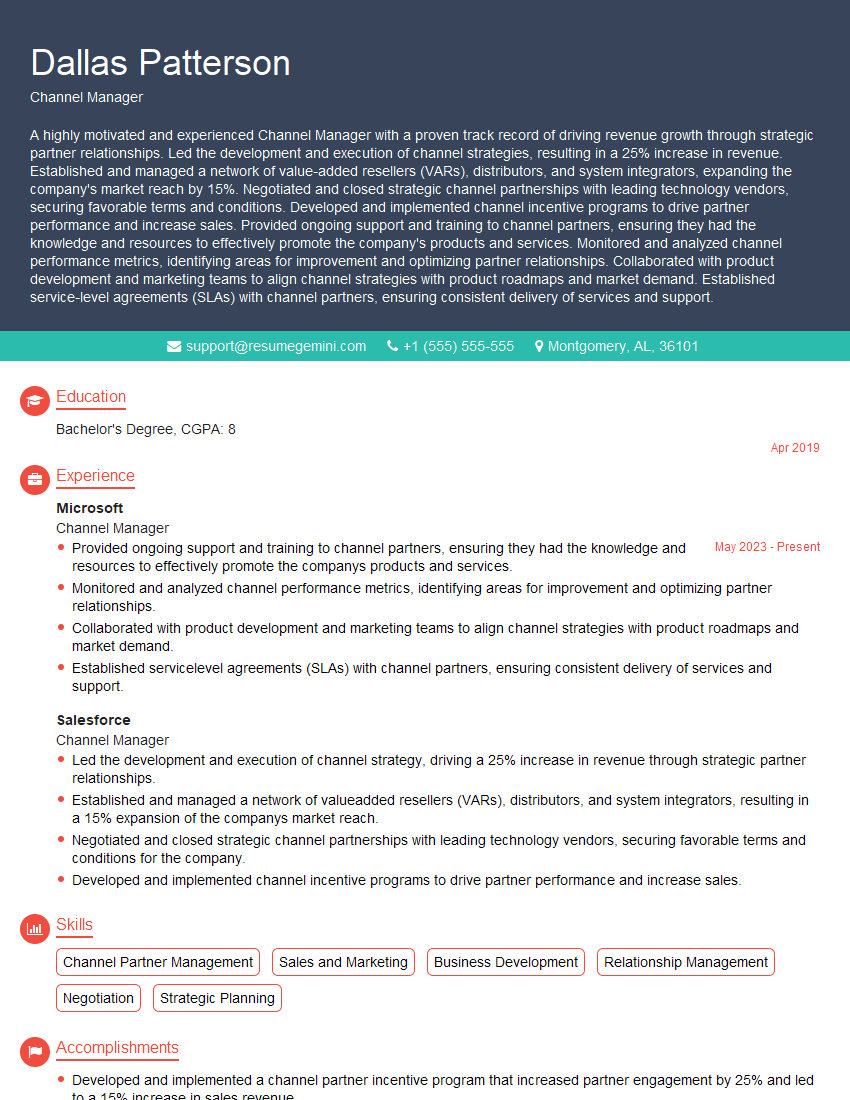
Channel Manager Resume Sample
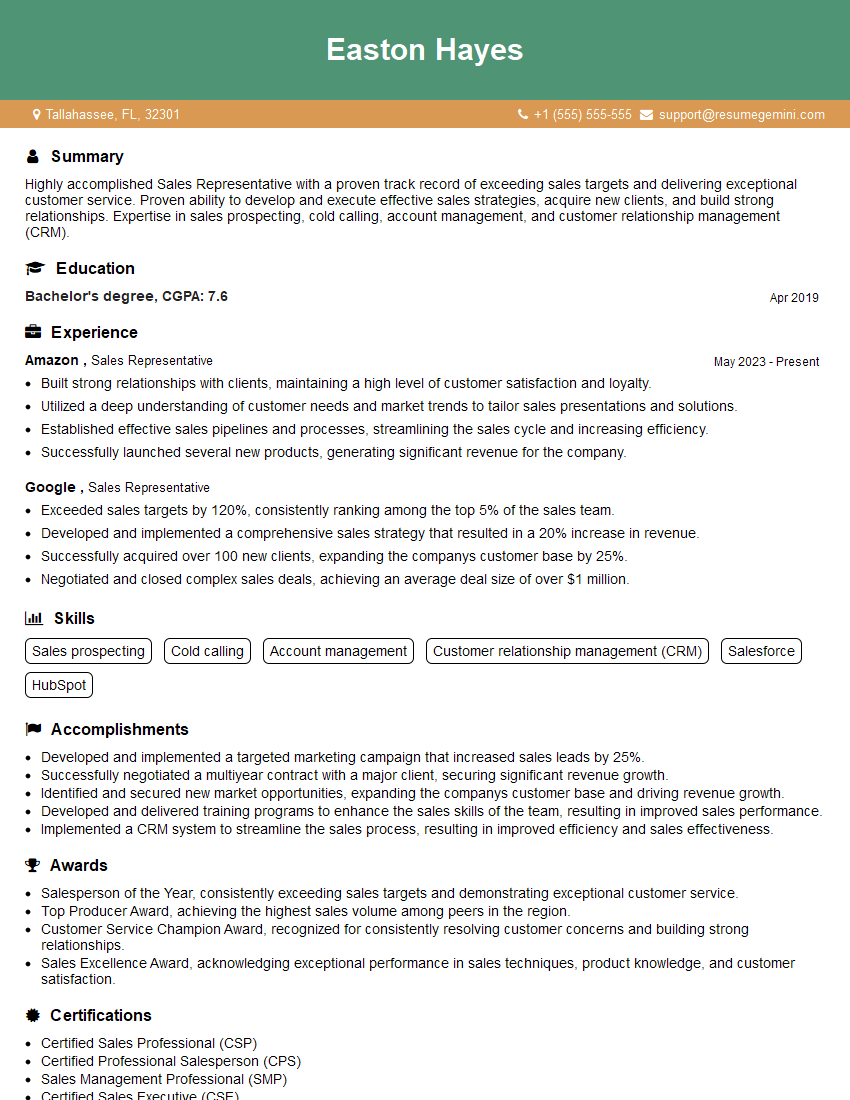
Sales Representative Resume Sample
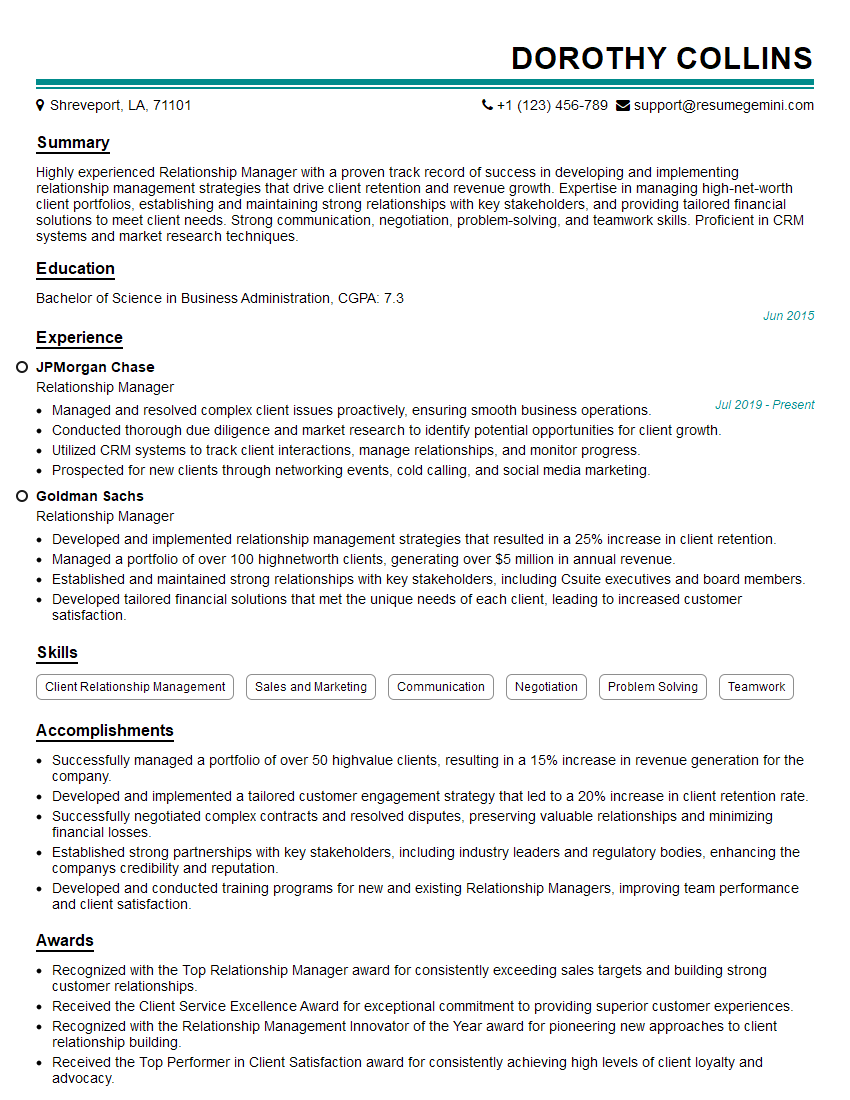
Relationship Manager Resume Sample
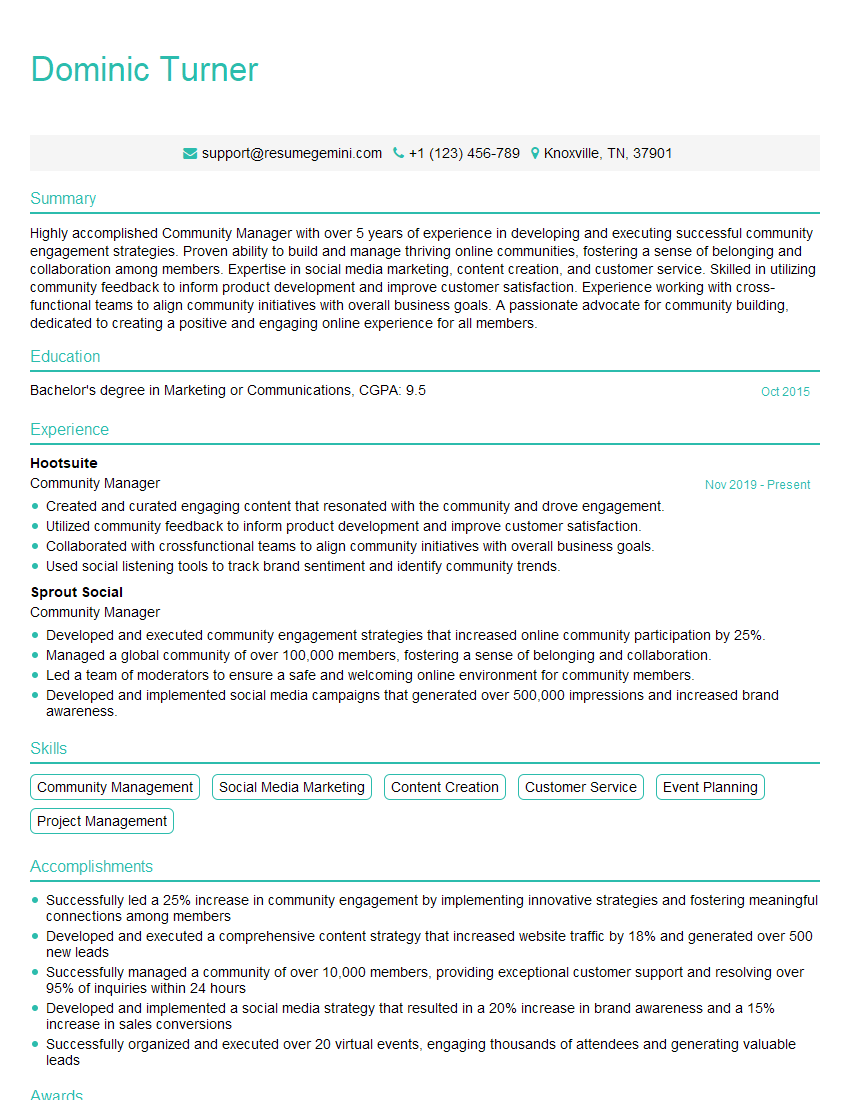
Community Manager Resume Sample
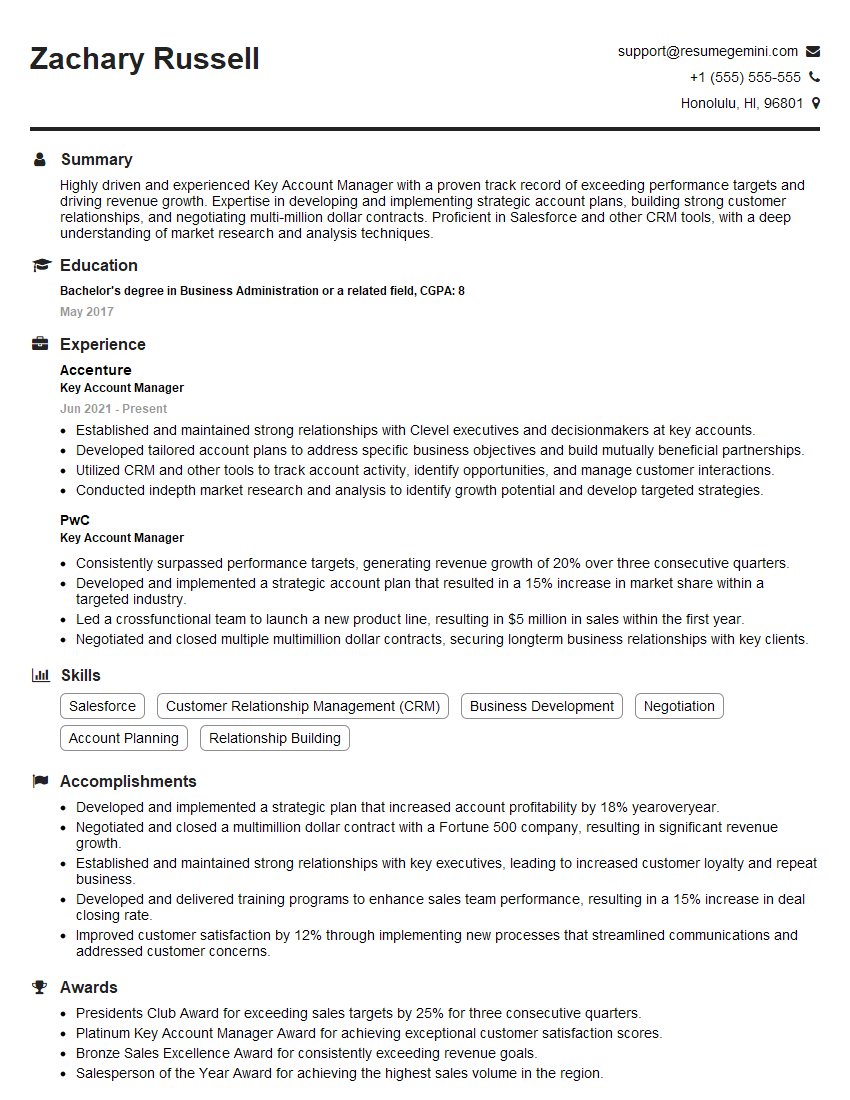
Key Account Manager Resume Sample
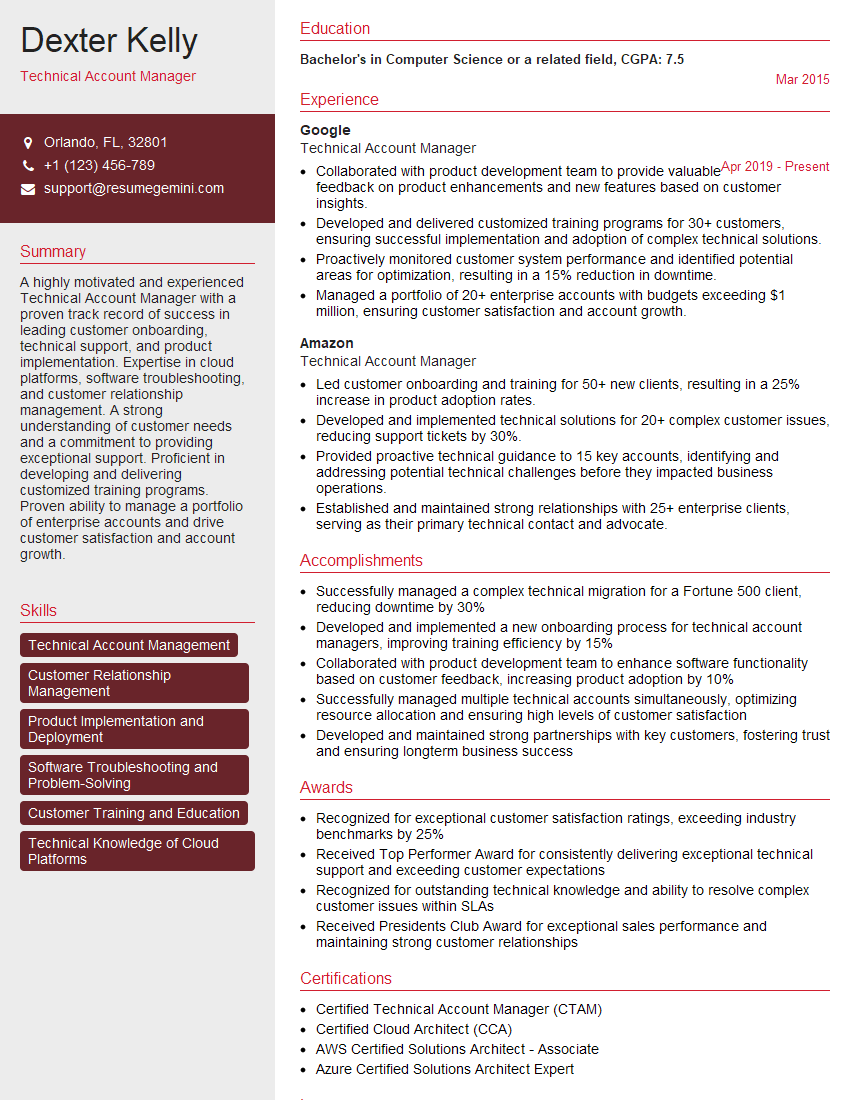
Technical Account Manager Resume Sample
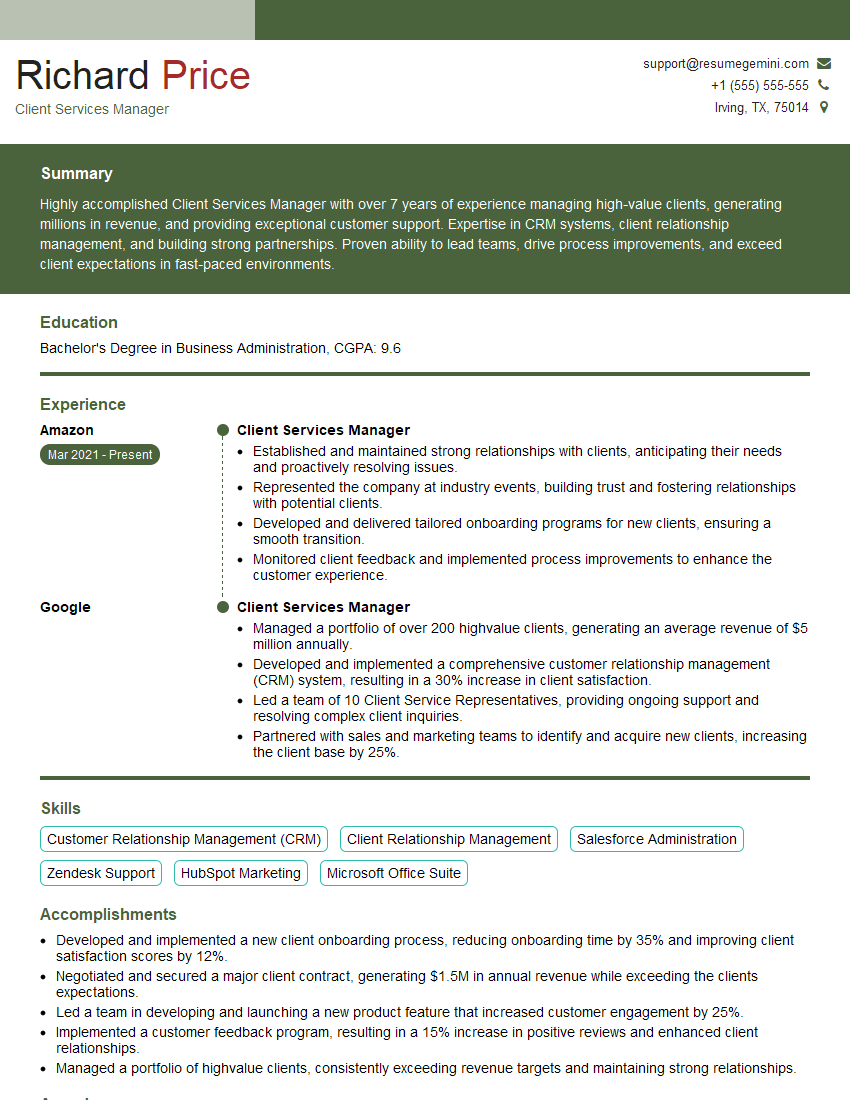
Client Services Manager Resume Sample
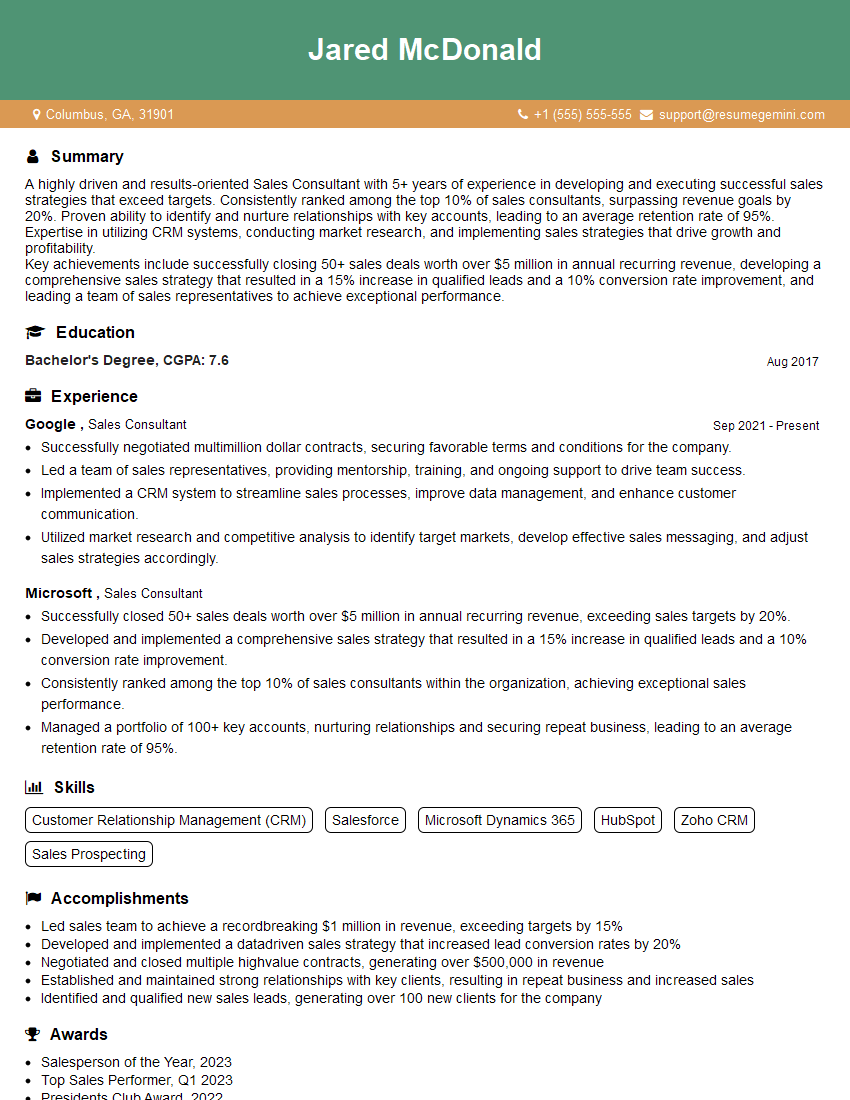
Sales Consultant Resume Sample
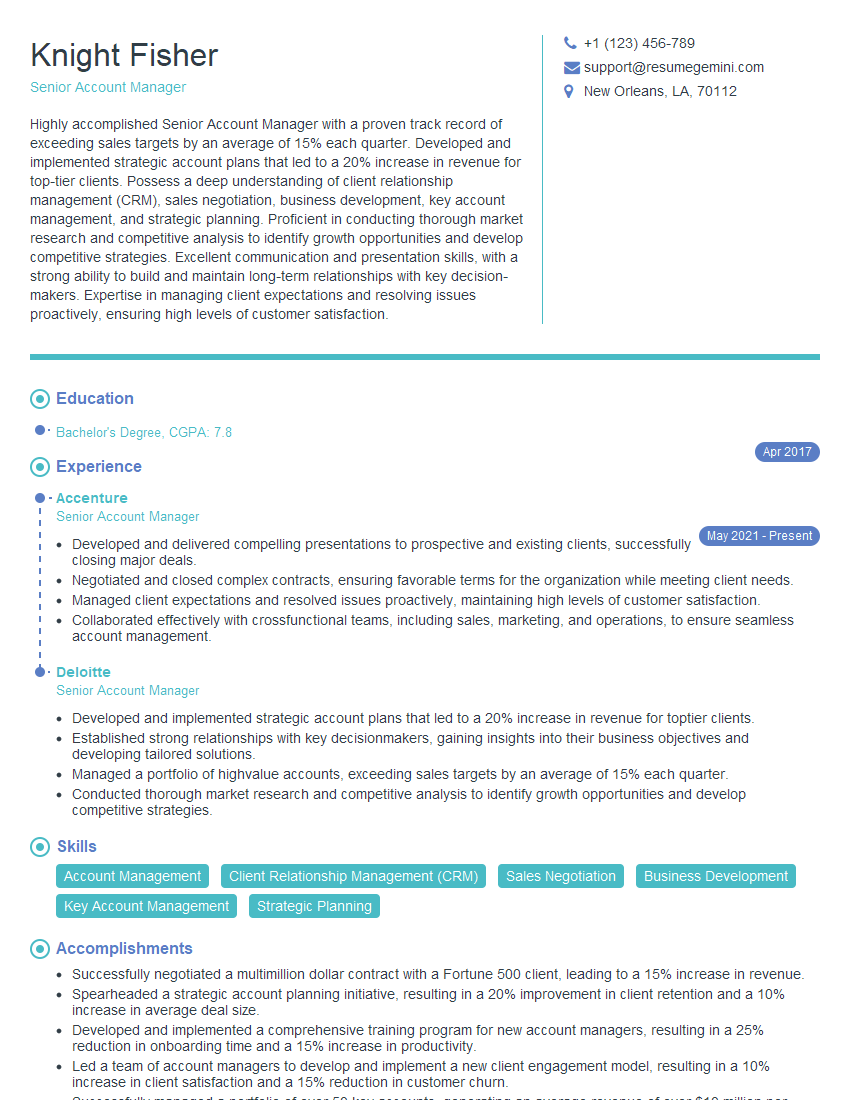
Senior Account Manager Resume Sample
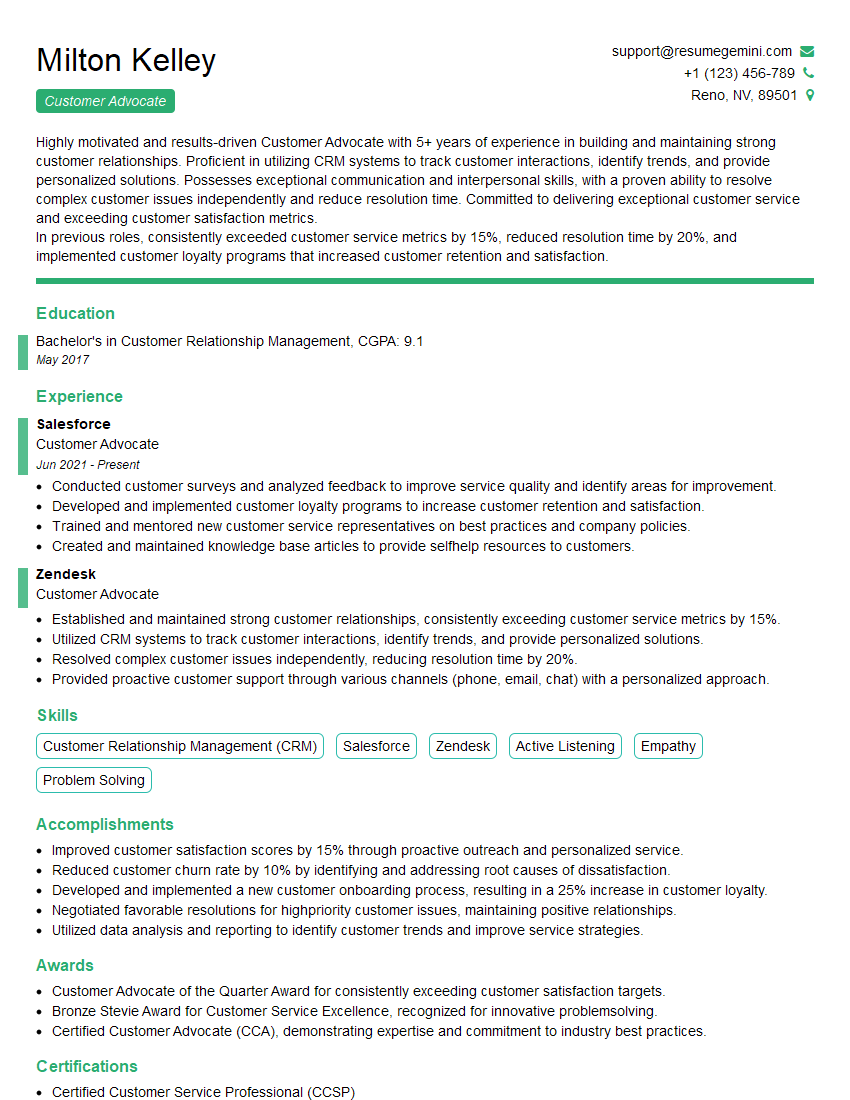
Customer Advocate Resume Sample
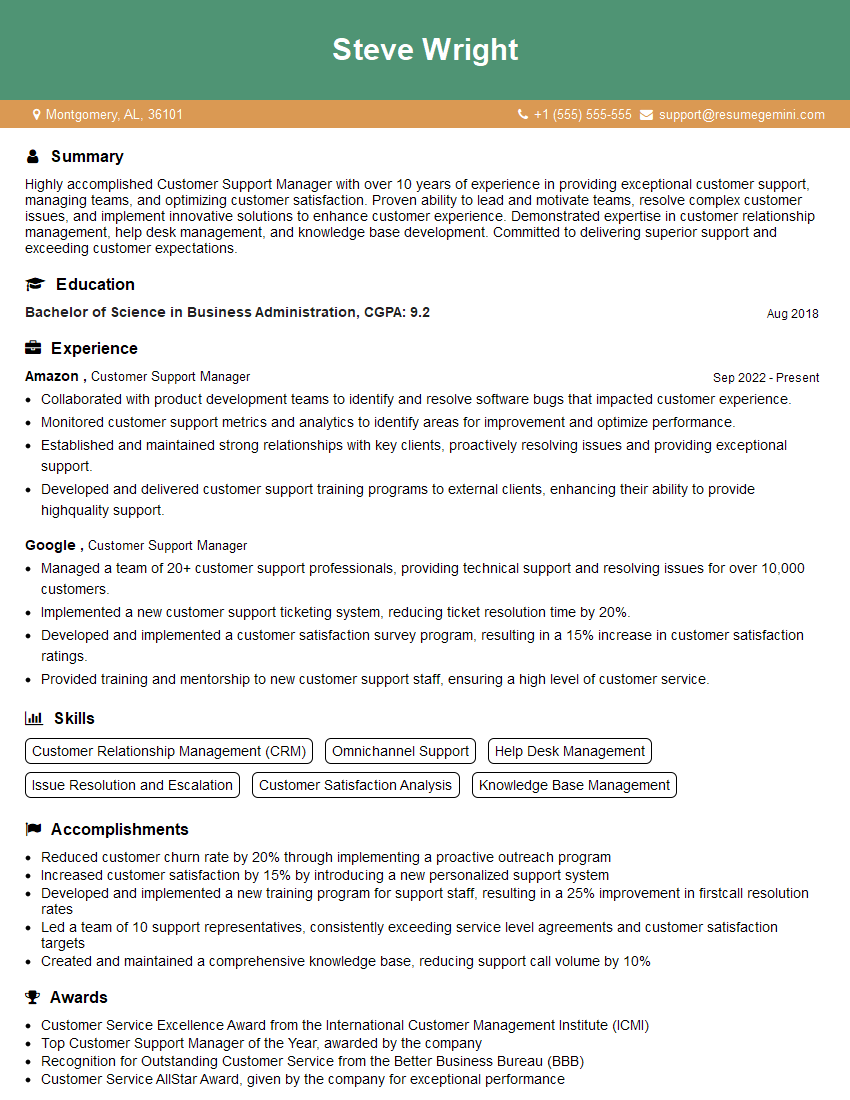
Customer Support Manager Resume Sample
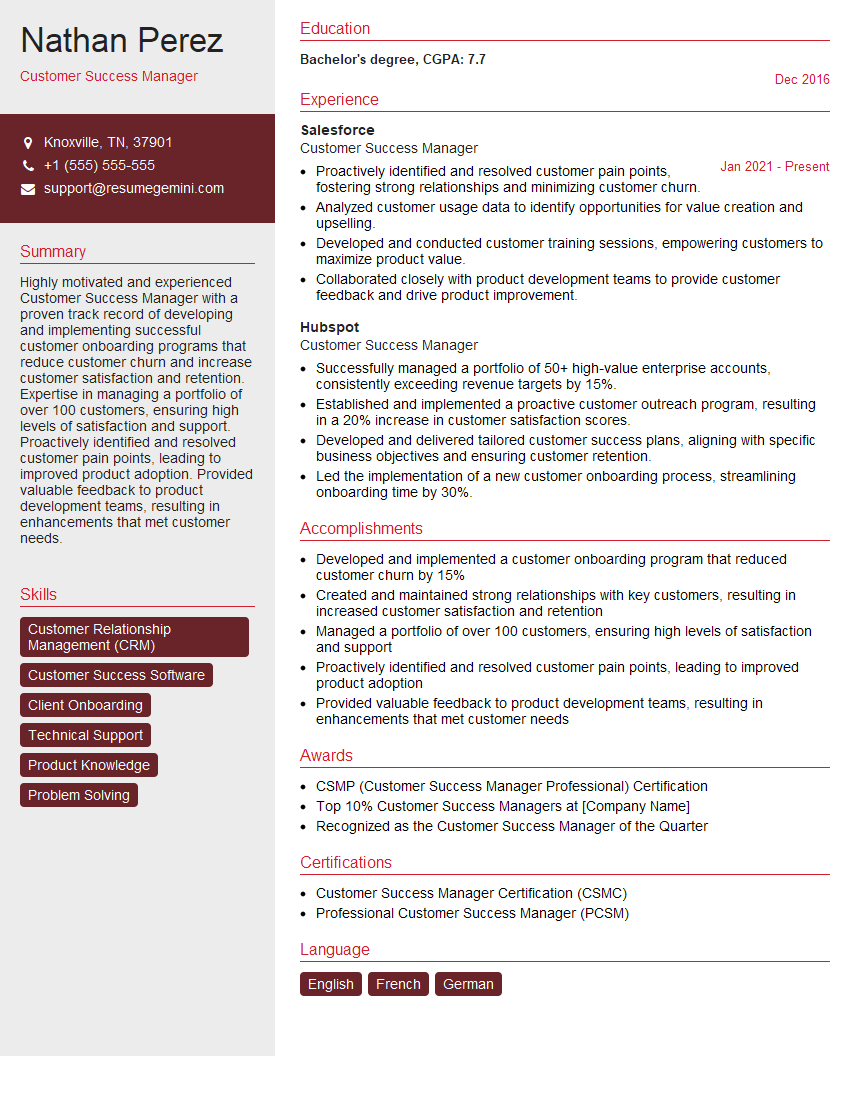
Customer Success Manager Resume Sample
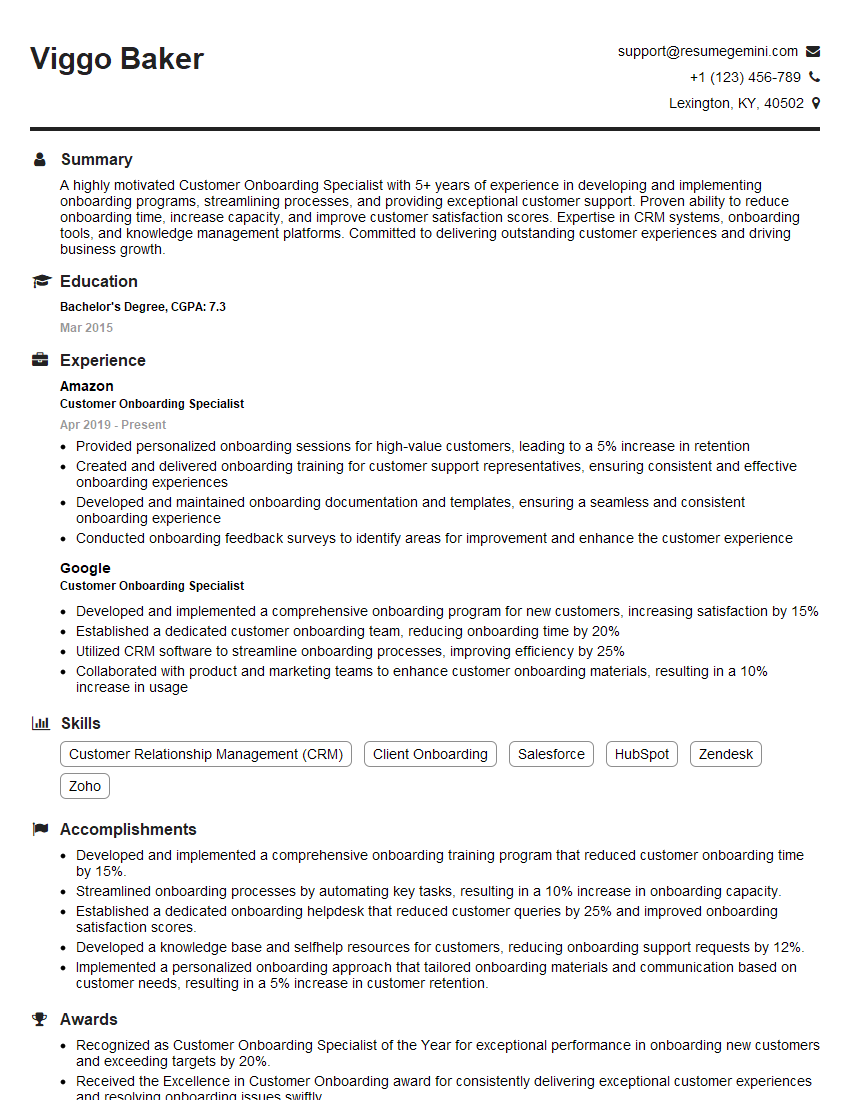
Customer Onboarding Specialist Resume Sample
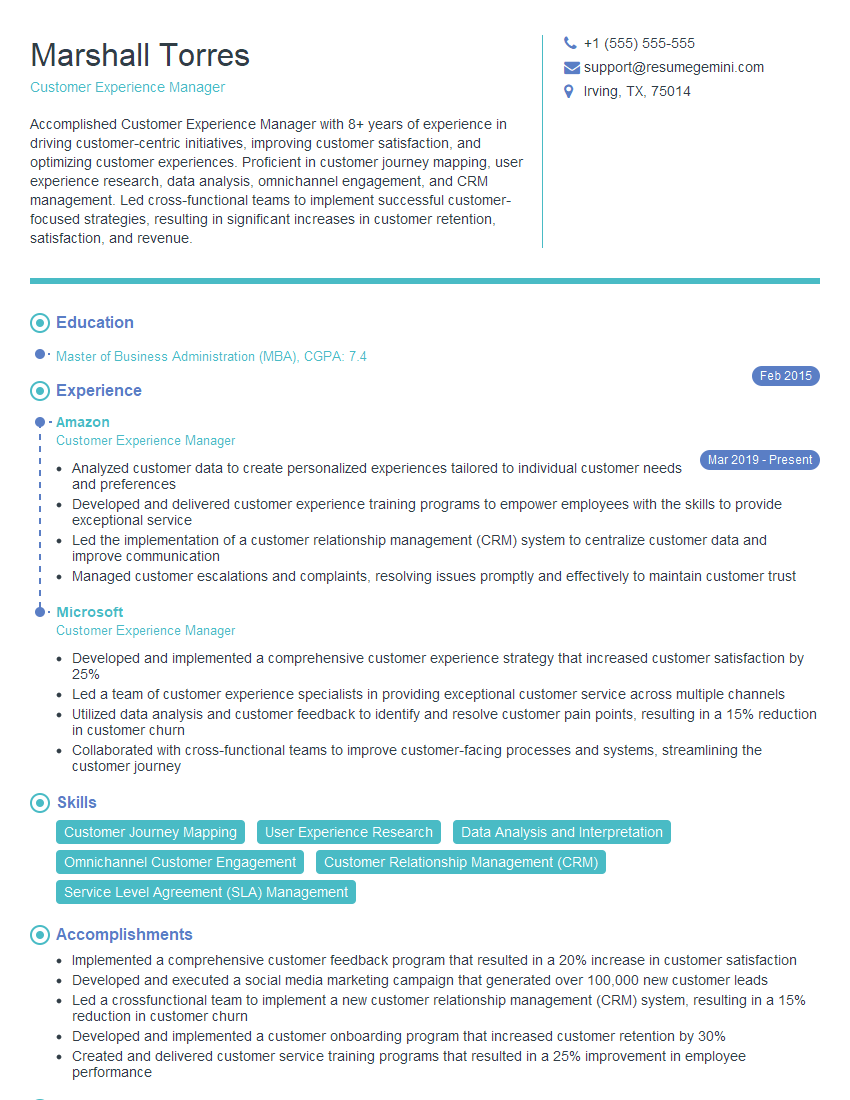
Customer Experience Manager Resume Sample
- Account Executive
- Account Manager
- Marketing Manager
- Business Development Manager
- Channel Manager
- Sales Representative
- Relationship Manager
- Community Manager
- Key Account Manager
- Technical Account Manager
- Client Services Manager
- Sales Consultant
- Senior Account Manager
- Customer Advocate
- Customer Support Manager
- Customer Success Manager
- Customer Onboarding Specialist
- Customer Experience Manager
Explore more articles
Users Rating of Our Blogs
Share Your Experience
We value your feedback! Please rate our content and share your thoughts (optional).
What Readers Say About Our Blog
Very informative content, great job.
good