The right preparation can turn an interview into an opportunity to showcase your expertise. This guide to Ability to collaborate with other staff members interview questions is your ultimate resource, providing key insights and tips to help you ace your responses and stand out as a top candidate.
Questions Asked in Ability to collaborate with other staff members Interview
Q 1. Describe your preferred method for resolving conflicts within a team.
My preferred method for resolving conflicts involves a collaborative, solution-focused approach. I believe that conflicts, when handled constructively, can lead to improved team dynamics and outcomes. My process typically involves:
- Active Listening: I start by ensuring I understand each person’s perspective completely, avoiding interruption and focusing on truly hearing their concerns. This means paraphrasing to ensure understanding and acknowledging their feelings.
- Identifying the Root Cause: Once everyone feels heard, we collaboratively identify the underlying issue causing the conflict. This often involves asking clarifying questions and separating the issue from the emotions involved.
- Brainstorming Solutions: We work together to brainstorm potential solutions, encouraging creativity and considering all options. This fosters a sense of shared ownership in the resolution.
- Negotiation and Compromise: We discuss the pros and cons of each solution, aiming for a compromise that addresses everyone’s needs as much as possible. This may involve making concessions or finding creative solutions that meet everyone’s needs.
- Agreement and Follow-up: Finally, we agree on a specific action plan and set timelines for implementation. I then follow up to ensure the agreed-upon solution is working and to address any lingering concerns.
For example, in a previous project, a disagreement arose regarding the best approach to data analysis. By using this method, we were able to identify the root of the conflict – differing understandings of project priorities – and find a compromise that integrated both approaches, resulting in a more comprehensive analysis.
Q 2. How do you ensure everyone’s voice is heard in a group project?
Ensuring everyone’s voice is heard requires a conscious effort to create an inclusive and respectful environment. I employ several strategies:
- Rotating Roles: Assigning different roles and responsibilities ensures that each team member has an opportunity to lead and contribute in different ways.
- Structured Meetings: Utilizing techniques like round-robin discussions, where each person gets a turn to speak without interruption, ensures everyone gets a chance to share their ideas.
- Collaborative Tools: Leveraging online platforms or shared documents allows for asynchronous communication, giving introverted members the space to contribute their thoughts in writing.
- Active Solicitation: Consciously asking for input from quieter team members, by name, encourages participation and demonstrates that their contributions are valued.
- Creating a Safe Space: Fostering a culture of psychological safety where team members feel comfortable expressing dissenting opinions without fear of judgment.
For instance, in a recent project, we used a shared online whiteboard to brainstorm ideas. This allowed everyone to contribute visually, regardless of their communication style.
Q 3. Share an example of a time you had to compromise to achieve a team goal.
During a website redesign project, my team faced a tight deadline. My initial design preference leaned towards a more minimalist aesthetic, while a team member strongly advocated for a bolder, more visually stimulating design. While I believed my approach was more efficient in terms of development time, I recognized the value of his idea in attracting a broader audience.
To achieve the team goal of launching the site on time, I compromised. We incorporated elements from both designs. We adopted the bolder color scheme and imagery he suggested, while streamlining the overall layout to maintain efficiency in development. The resulting design successfully met both aesthetic and time constraints, demonstrating that compromise can yield a superior outcome.
Q 4. Explain your approach to delegating tasks effectively within a team.
My approach to delegating tasks is built on understanding individual strengths, matching tasks to those strengths, and fostering ownership. I consider:
- Individual Skills and Preferences: I carefully assess each team member’s skills and experience, aligning tasks with their areas of expertise. I also consider their preferences, aiming to assign work they find engaging and challenging.
- Workload Balance: I ensure that tasks are distributed fairly, avoiding overburdening some team members while others have less to do. This requires constant monitoring and adjustment.
- Clear Expectations: I provide clear instructions, deadlines, and expected outcomes for each task. This includes defining success metrics and clarifying any ambiguities.
- Empowerment and Support: I encourage ownership by providing team members with autonomy and resources. I’m also available for guidance and support throughout the process.
- Regular Check-ins: I conduct regular check-ins to track progress, address challenges, and provide timely feedback.
For instance, when leading a marketing campaign, I delegated tasks based on individual skills, assigning content writing to our strongest writer, social media management to our social media specialist, and data analysis to our data expert.
Q 5. How do you handle disagreements with colleagues regarding project approaches?
Disagreements regarding project approaches are common and often valuable. My approach focuses on respectful dialogue and collaborative problem-solving:
- Seek Understanding: I start by actively listening to each perspective, ensuring I fully understand the reasoning behind each approach. This involves asking clarifying questions and summarizing each point of view to confirm understanding.
- Identify Shared Goals: We reaffirm the project’s overall objectives. This helps ensure that differing approaches are aligned with the final goal.
- Evaluate Approaches: We objectively evaluate the pros and cons of each approach, considering factors like feasibility, resources, timeline, and potential impact.
- Find Common Ground: We look for areas of agreement and explore ways to integrate the best aspects of each approach into a hybrid solution.
- Decision-Making Process: If a consensus can’t be reached, we establish a clear and agreed-upon decision-making process to determine the next steps. This might involve a vote, consultation with a manager, or further data collection to inform the decision.
For example, during a software development project, a disagreement arose regarding the use of two different programming languages. By following this process, we conducted a thorough comparison, considering factors such as project specifications, team expertise and long-term maintainability. This led us to a compromise that incorporated the best aspects of both languages, improving efficiency and maintainability.
Q 6. Describe a time you had to adapt your communication style to work effectively with a diverse team.
In a recent project involving a global team, I had to adapt my communication style to effectively collaborate with individuals from diverse cultural backgrounds. Initially, my direct communication style, common in my culture, was misconstrued as aggressive by some team members from cultures that prioritize indirect communication.
To overcome this, I consciously adjusted my approach. I became more mindful of non-verbal cues, providing more context and background information, and using a more collaborative, inclusive tone. I also actively solicited feedback on my communication style to ensure mutual understanding. For example, I shifted from using short, direct emails to more detailed, explanatory messages, and scheduled more frequent virtual meetings to encourage dialogue and build rapport. This adaptation fostered stronger relationships and more effective collaboration.
Q 7. How do you contribute to a positive and collaborative team environment?
Contributing to a positive and collaborative team environment involves both individual actions and proactive team-building strategies. My contributions include:
- Open Communication: I encourage open and honest communication by actively listening to others and sharing my own thoughts and ideas constructively.
- Respectful Interactions: I treat every team member with respect, regardless of their role or background, actively valuing their contributions.
- Team Building Activities: I participate in and suggest team-building activities that help foster camaraderie and build trust among team members.
- Positive Reinforcement: I consistently provide positive feedback and recognition for the contributions and achievements of team members.
- Conflict Resolution: I proactively address conflicts and disagreements, using collaborative approaches to foster resolution and improve team dynamics.
- Mentorship and Support: I offer mentorship and support to team members, helping them to develop their skills and achieve their goals.
By actively fostering these elements, I believe I contribute significantly to a supportive, productive, and enjoyable team environment.
Q 8. How do you handle situations where team members aren’t pulling their weight?
Addressing underperformance requires a nuanced approach. It’s crucial to first understand the root cause. Is it a lack of skill, insufficient resources, unclear expectations, or perhaps personal issues? I start by having a private, one-on-one conversation with the individual. I use a supportive, non-confrontational tone, focusing on performance rather than personality. I’ll ask open-ended questions to encourage them to share their perspective, such as: “How are you feeling about your workload?” or “Are there any obstacles preventing you from meeting your goals?”
Once I understand the situation, I collaborate with them to create a performance improvement plan (PIP). This plan outlines specific, measurable, achievable, relevant, and time-bound (SMART) goals, along with the support and resources they need to succeed. Regular check-ins are essential to monitor progress and provide further assistance. If the underperformance persists despite these efforts, more formal disciplinary actions might be necessary, always following company policy.
For example, in a previous project, a team member consistently missed deadlines. After a private conversation, we discovered they were overwhelmed by a complex aspect of the project. By assigning a mentor and breaking down the task into smaller, more manageable chunks, we were able to get them back on track.
Q 9. Explain your experience using collaborative tools (e.g., Slack, Microsoft Teams).
I’m highly proficient in using various collaborative tools, including Slack, Microsoft Teams, and Google Workspace. My experience spans utilizing these platforms for communication, project management, file sharing, and video conferencing. I find Slack particularly effective for quick, informal communication and threaded discussions, ideal for real-time collaboration and brainstorming. Microsoft Teams, on the other hand, excels at managing larger projects, with its built-in features for file sharing, task assignment, and video calls. I leverage Google Workspace for document collaboration and version control, ensuring seamless teamwork on shared documents.
For example, in a previous role, we utilized Microsoft Teams to manage a large-scale software development project. We used the channels to organize different aspects of the project, assigned tasks using the task management features, and held regular virtual team meetings using the video conferencing capabilities. This helped streamline communication and maintain transparency throughout the project lifecycle.
Q 10. How do you ensure everyone on the team understands project goals and objectives?
Ensuring everyone understands project goals and objectives is paramount. My approach involves a multi-faceted strategy. I begin with a clear and concise project kickoff meeting. This meeting not only outlines the project’s goals but also explains the “why” behind the project, connecting the work to the bigger picture. I use visual aids like mind maps or flowcharts to make the information more accessible and engaging.
Following the kickoff, I utilize project management tools to centralize information and track progress. This transparency ensures everyone stays informed and aligned. Regular team meetings provide opportunities for clarifying doubts, addressing concerns, and reinforcing the project goals. I also encourage open communication and make myself readily available to answer questions throughout the project lifecycle. This proactive communication minimizes misunderstandings and ensures everyone remains focused on the shared objectives. Think of it like a ship’s captain ensuring the entire crew understands the destination and their role in reaching it.
Q 11. Describe your process for providing and receiving constructive feedback.
Providing and receiving constructive feedback is a crucial aspect of effective teamwork. My process involves creating a safe and open environment where feedback is viewed as an opportunity for growth, not criticism. When giving feedback, I focus on specific behaviors or outcomes rather than making personal attacks. I use the SBI (Situation, Behavior, Impact) model: I describe the situation, the observed behavior, and its impact. For example, instead of saying “You’re lazy,” I would say “In the last meeting, the deadline for the report was missed (Situation), which resulted in delays for the next stage (Impact). This is because the report was not submitted on time (Behavior). What can we do to avoid this in the future?”
When receiving feedback, I listen actively, ask clarifying questions, and avoid getting defensive. I appreciate the feedback’s intent and seek to understand the perspective of the giver. I then reflect on the feedback and identify actionable steps for improvement. Regular feedback sessions, both formal and informal, are key to maintaining a culture of continuous improvement.
Q 12. How do you facilitate effective brainstorming sessions?
Facilitating effective brainstorming sessions requires careful planning and execution. I begin by clearly defining the problem or challenge to be addressed and setting the stage for a collaborative environment. I encourage equal participation, using techniques like round-robin to ensure everyone has a chance to contribute. I actively listen and record all ideas, avoiding judgment or premature evaluation. To foster creativity, I may utilize visual tools like whiteboards or online collaboration platforms.
After generating ideas, we collectively evaluate them based on feasibility, impact, and alignment with the project goals. This structured approach encourages diverse perspectives and ensures that the brainstorming session yields actionable outcomes. For instance, in one project, we used a mind-mapping tool to brainstorm innovative marketing strategies. This allowed everyone to visually contribute and see the interconnectedness of different ideas, resulting in a comprehensive and innovative marketing plan.
Q 13. How do you handle situations where deadlines are tight and team members are stressed?
Tight deadlines and stressed team members necessitate a calm and organized response. My approach involves first assessing the situation – what are the critical path tasks? Where are the bottlenecks? Then, I facilitate a team meeting to openly discuss the challenges and collaboratively identify solutions. This might involve re-prioritizing tasks, re-allocating resources, or seeking additional support. Transparency is key; keeping the team informed of the situation and the plan to address it helps manage stress and maintain morale.
Beyond task management, I also focus on team well-being. Encouraging breaks, suggesting stress-reduction techniques, and ensuring a healthy work-life balance are all crucial aspects of managing a stressed team under pressure. Open communication and proactive problem-solving, coupled with empathy and support, are essential in navigating these challenging situations. In essence, it’s about leading through collaboration and demonstrating care for the team’s well-being.
Q 14. Describe your experience working in a matrix organizational structure.
A matrix organizational structure, where individuals report to multiple managers, requires strong communication and coordination skills. My experience in such environments has taught me the importance of proactively communicating with all stakeholders. I prioritize clear expectations and alignment with all reporting managers regarding roles, responsibilities, and deliverables. I meticulously manage my time and resources to ensure all projects and responsibilities are addressed effectively. Regular communication with all managers helps keep everyone informed of progress and potential roadblocks.
For example, in a previous role, I reported to both a project manager and a functional manager. To manage this, I established clear communication protocols with both, using regular check-ins and shared project management tools to ensure transparency and alignment. This proactive approach facilitated seamless collaboration and avoided conflicts, allowing me to successfully contribute to multiple projects simultaneously.
Q 15. How do you manage your time effectively when working collaboratively on multiple projects?
Effective time management in collaborative projects hinges on proactive planning and clear communication. I utilize several strategies. First, I participate actively in initial project scoping meetings to understand individual roles, deadlines, and dependencies. This clarity allows for the creation of a realistic project timeline using tools like Gantt charts or project management software (e.g., Asana, Trello). I then break down my tasks into smaller, manageable chunks, prioritizing those with the most significant impact and the shortest deadlines. Regular check-ins with team members help identify roadblocks early, allowing for adjustments to the schedule and resource allocation. Finally, I dedicate specific blocks of time for focused work on individual tasks, minimizing distractions and maximizing productivity.
For example, on a recent website redesign project, I used a Kanban board to track task progress. This visual representation helped both myself and the team understand where we stood at all times, enabling efficient task prioritization and issue resolution.
Career Expert Tips:
- Ace those interviews! Prepare effectively by reviewing the Top 50 Most Common Interview Questions on ResumeGemini.
- Navigate your job search with confidence! Explore a wide range of Career Tips on ResumeGemini. Learn about common challenges and recommendations to overcome them.
- Craft the perfect resume! Master the Art of Resume Writing with ResumeGemini’s guide. Showcase your unique qualifications and achievements effectively.
- Don’t miss out on holiday savings! Build your dream resume with ResumeGemini’s ATS optimized templates.
Q 16. How do you build rapport and trust with team members?
Building rapport and trust is fundamental to successful collaboration. I focus on fostering open communication, active listening, and mutual respect. I begin by actively seeking to understand my team members’ perspectives, experiences, and working styles. I show genuine interest in their contributions and acknowledge their expertise. I’m also mindful of creating a safe space where people feel comfortable sharing ideas, concerns, and even mistakes, without fear of judgment. Transparency in my own work and approach further builds confidence and trust.
For instance, during a particularly challenging software development project, I made a point of regularly acknowledging the team’s effort and celebrating milestones reached. This recognition created a positive environment that fostered collaboration and boosted morale.
Q 17. How do you contribute to the overall team morale?
Contributing to team morale involves fostering a positive and supportive work environment. I actively celebrate successes, both big and small, recognizing individual and collective achievements. I encourage open communication, promoting a culture of mutual respect and understanding. I am also proactive in identifying and addressing any conflicts or issues that could negatively impact team morale, mediating disagreements and finding solutions collaboratively. Furthermore, I support my colleagues, offering assistance and celebrating their contributions to demonstrate genuine care and appreciation.
In a past project, I noticed one team member struggling with a specific task. By offering my support and expertise, I not only helped them overcome the challenge but also demonstrated my commitment to their well-being and the overall team success, which improved overall team morale.
Q 18. Describe a time you successfully navigated a complex group project.
During a large-scale marketing campaign, we faced unexpected challenges when a key vendor failed to deliver on time. Our team, initially disheartened, needed to quickly adapt. I facilitated a problem-solving session, encouraging open discussion and brainstorming alternative solutions. We analyzed the impact of the delay, prioritized the most critical tasks, and reassigned responsibilities accordingly. This collaborative approach resulted in an effective contingency plan, allowing us to minimize the disruption and successfully launch the campaign, albeit slightly delayed. We learned valuable lessons about risk management and adaptability as a team.
Q 19. How do you identify and utilize each team member’s strengths?
Identifying and utilizing each team member’s strengths requires a keen understanding of individual skills and preferences. I start by having informal conversations with each team member, getting to know their areas of expertise and what they enjoy doing. I also observe their performance on previous projects and look for patterns and strengths. I then actively delegate tasks that match these strengths, ensuring everyone feels valued and engaged. This approach not only maximizes individual productivity but also fosters a sense of ownership and accomplishment within the team.
In a previous project, I identified a team member with exceptional design skills and assigned them the lead role in designing our marketing materials. This allowed them to leverage their strengths, leading to a high-quality outcome and boosting their confidence.
Q 20. Describe a situation where you had to teach or mentor a colleague.
I mentored a junior colleague on a recent project, guiding them through the complexities of data analysis. I started by explaining the fundamental concepts, using relatable analogies and examples. I then provided them with structured training materials, including tutorials and documentation. We worked together on practice projects, allowing me to offer real-time feedback and address their questions. Finally, I encouraged them to take ownership of increasingly complex tasks, providing support and guidance as needed. Their improved performance and confident presentation of their findings were incredibly rewarding, highlighting the impact of effective mentorship.
Q 21. How do you ensure that communication is clear and concise within a team?
Clear and concise communication is crucial for team success. I use multiple channels strategically, choosing the best medium for the message. For quick updates, I use instant messaging. For detailed discussions, I schedule meetings or utilize collaborative platforms like Microsoft Teams. Regardless of the method, I always aim for clarity, using precise language and avoiding jargon. I encourage active listening and seek clarification to ensure everyone is on the same page. Regular check-ins and status updates further ensure that communication remains open and efficient. I also prioritize written documentation for important decisions and action items to avoid misunderstandings and create a shared understanding of the project’s direction.
Q 22. How do you handle competing priorities when working collaboratively?
Handling competing priorities in collaborative settings requires a structured approach. Think of it like juggling – you need to keep all the balls in the air, but some might be more critical than others. My strategy involves prioritization frameworks like the Eisenhower Matrix (urgent/important), which helps categorize tasks. I also rely heavily on open communication with team members. We discuss our individual workloads and deadlines, openly identifying conflicts and collaboratively adjusting priorities. For instance, in a previous project, we had overlapping deadlines for a marketing campaign and a software release. By openly discussing our constraints and re-allocating some tasks, we successfully managed to meet both deadlines without compromising quality. This involved clearly defining dependencies and creating a revised schedule that was agreed upon by all involved parties.
Q 23. How do you stay organized and track progress when working with multiple teams?
Staying organized across multiple teams demands a robust system for tracking progress and communication. I utilize project management tools like Jira or Asana to centralize all tasks, deadlines, and relevant documentation. These platforms allow for clear task assignments, progress monitoring through Kanban boards or Gantt charts, and seamless communication through integrated messaging systems. Furthermore, I schedule regular check-in meetings with each team, not just to discuss progress, but to identify any roadblocks or potential issues early on. In one instance, I used Asana to track the progress of a multi-team software development project. By visually tracking each team’s contribution on the Kanban board, we could easily identify bottlenecks and re-allocate resources effectively, ensuring the project remained on schedule.
Q 24. How do you document team decisions and project updates?
Comprehensive documentation is crucial for successful team collaboration. I utilize a combination of methods to ensure all decisions and updates are properly recorded. Meeting minutes are meticulously documented and shared with all stakeholders using platforms like Google Docs, ensuring everyone has access to the same information. Project updates are tracked within our project management tools, with comments and annotations making it easy to trace the evolution of the project. Critical decisions are summarized and documented in a centralized repository. We also maintain a version-controlled document system (e.g., Google Drive, SharePoint) to manage all project materials, ensuring clarity and accountability for any changes made.
Q 25. Describe your experience with remote collaboration.
My experience with remote collaboration is extensive, having worked successfully on numerous projects with globally dispersed teams. Effective remote collaboration requires a proactive approach to communication and the strategic use of technology. We utilize video conferencing tools (Zoom, Google Meet) for regular meetings, fostering a sense of connection and enabling non-verbal communication. Asynchronous communication channels like Slack or Microsoft Teams are crucial for quick questions, updates, and general team communication. Establishing clear communication protocols, defined roles, and regular check-ins are vital for maintaining productivity and engagement. For instance, during a recent remote project, we implemented daily stand-up meetings using video conferencing, allowing each team member to quickly update the group on their progress and any roadblocks. This ensured everyone remained aligned and prevented potential issues from escalating.
Q 26. How do you measure the success of team collaboration?
Measuring the success of team collaboration goes beyond simply completing a project on time and within budget. I consider several key metrics. First, we assess the quality of the final product or outcome. Did we meet our objectives? Did we achieve the desired results? Secondly, we evaluate team dynamics and communication. Were team members engaged and collaborative? Were there any significant conflicts or communication breakdowns? Finally, we look at efficiency and productivity. Did we complete the project efficiently, utilizing resources effectively? For example, in a recent project, we not only delivered a high-quality product on time but also had a high level of team satisfaction as measured by post-project surveys. This demonstrated effective collaboration and a positive work environment.
Q 27. How do you adapt your collaboration style to different personalities and working styles?
Adapting my collaboration style involves understanding individual communication preferences and working styles. Some people prefer direct communication, others need more detailed explanations. Some thrive in structured environments, while others prefer more flexibility. I use active listening and observation to understand each team member’s style, tailoring my communication and approach accordingly. I also encourage open feedback and adjust my methods based on what works best for the team as a whole. For example, with a team member who prefers detailed instructions, I provide comprehensive documentation and clear guidelines, whereas with a team member who prefers autonomy, I offer clear expectations and allow for more flexible approaches to task completion.
Q 28. How do you handle situations where a team member is resistant to collaboration?
Addressing resistance to collaboration requires a thoughtful and empathetic approach. I start by understanding the root cause of the resistance. Is it a personality clash? A lack of trust? A misunderstanding of the collaborative process? Once I identify the cause, I address it directly through open and honest communication. I might involve other team members to facilitate discussion or seek mediation if necessary. Building trust is key – showcasing the benefits of collaboration and the value of each team member’s contribution is crucial. If the resistance persists despite these efforts, I may involve management to help resolve the issue. For example, in one situation, a team member was resistant to sharing information due to a past negative experience. By having an open conversation, addressing their concerns, and emphasizing the importance of transparency for team success, I was able to foster collaboration and build trust.
Key Topics to Learn for Ability to Collaborate with Other Staff Members Interview
- Active Listening & Communication: Understanding diverse perspectives, providing constructive feedback, and effectively communicating your ideas and needs within a team.
- Teamwork & Shared Goals: Demonstrating your ability to work towards common objectives, contributing your unique skills, and supporting colleagues.
- Conflict Resolution: Identifying and addressing disagreements professionally and constructively, finding mutually beneficial solutions, and maintaining positive working relationships.
- Respectful Collaboration: Valuing diverse viewpoints, appreciating the contributions of others, and fostering a positive and inclusive team environment.
- Delegation & Collaboration: Effectively delegating tasks, coordinating efforts with others, and ensuring smooth workflow.
- Problem-Solving as a Team: Participating in brainstorming sessions, contributing innovative solutions, and collaborating to overcome challenges effectively.
- Adaptability & Flexibility: Adjusting to changing team dynamics, shifting priorities, and collaborating effectively in diverse team settings.
- Utilizing Collaborative Tools: Demonstrating proficiency in using project management software, communication platforms, and other tools to enhance team collaboration.
Next Steps
Mastering the ability to collaborate effectively is crucial for career advancement. It demonstrates essential soft skills highly valued by employers across all industries. To significantly boost your job prospects, focus on crafting an ATS-friendly resume that showcases your collaborative achievements. ResumeGemini is a trusted resource that can help you build a professional and impactful resume, highlighting your collaborative skills. We provide examples of resumes tailored to emphasize “Ability to collaborate with other staff members,” allowing you to see successful implementations and adapt them to your own experiences. Take advantage of these resources to present your best self to potential employers.

Operations Manager Resume Sample
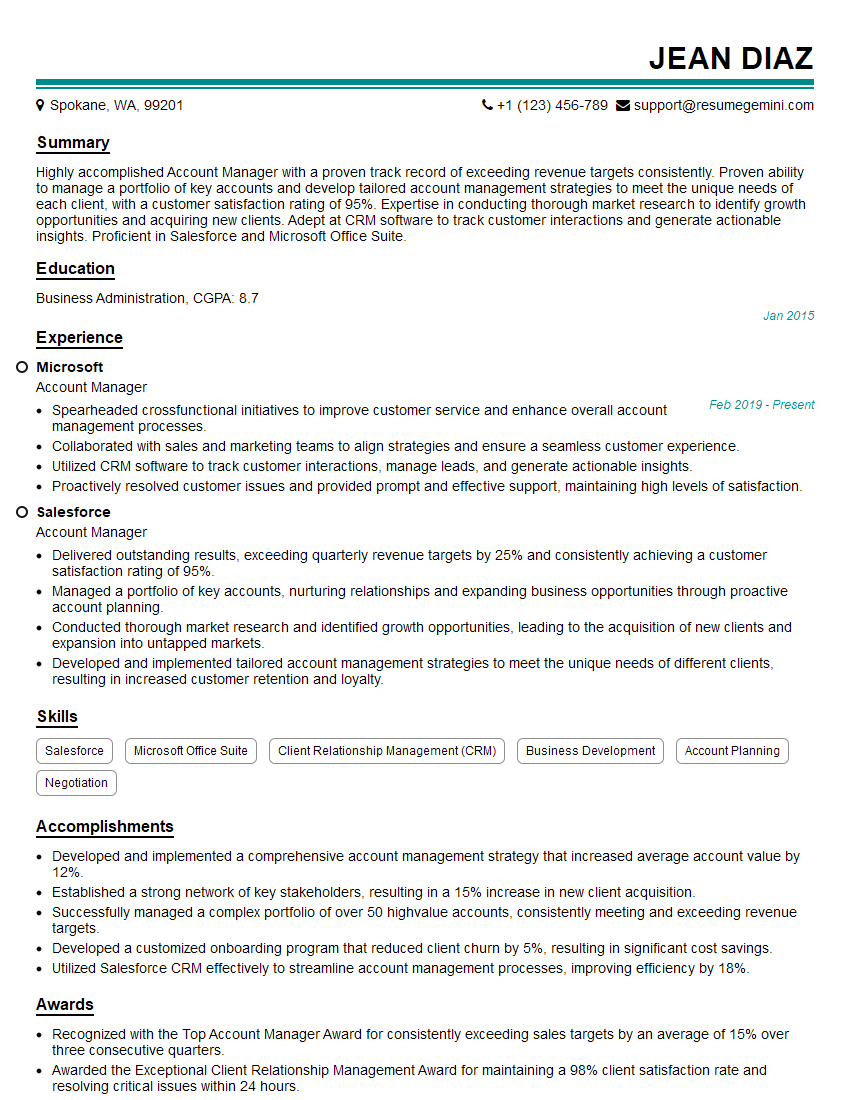
Account Manager Resume Sample
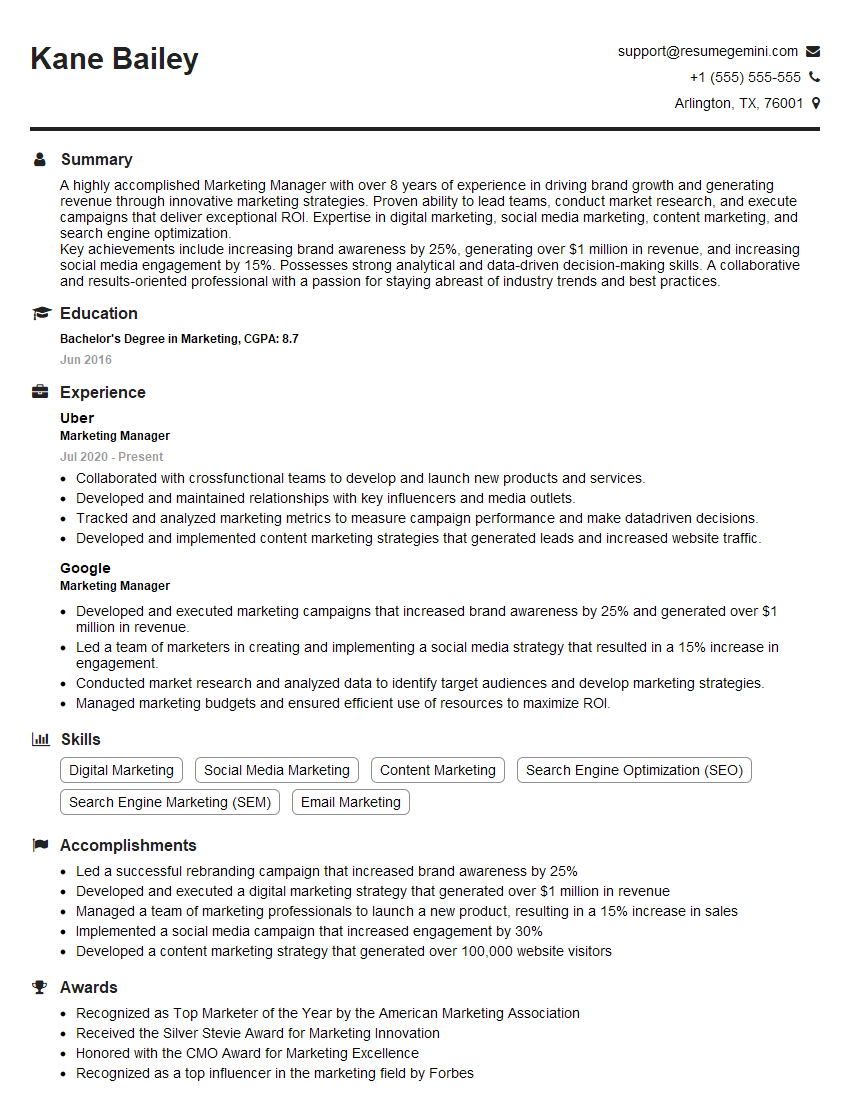
Marketing Manager Resume Sample
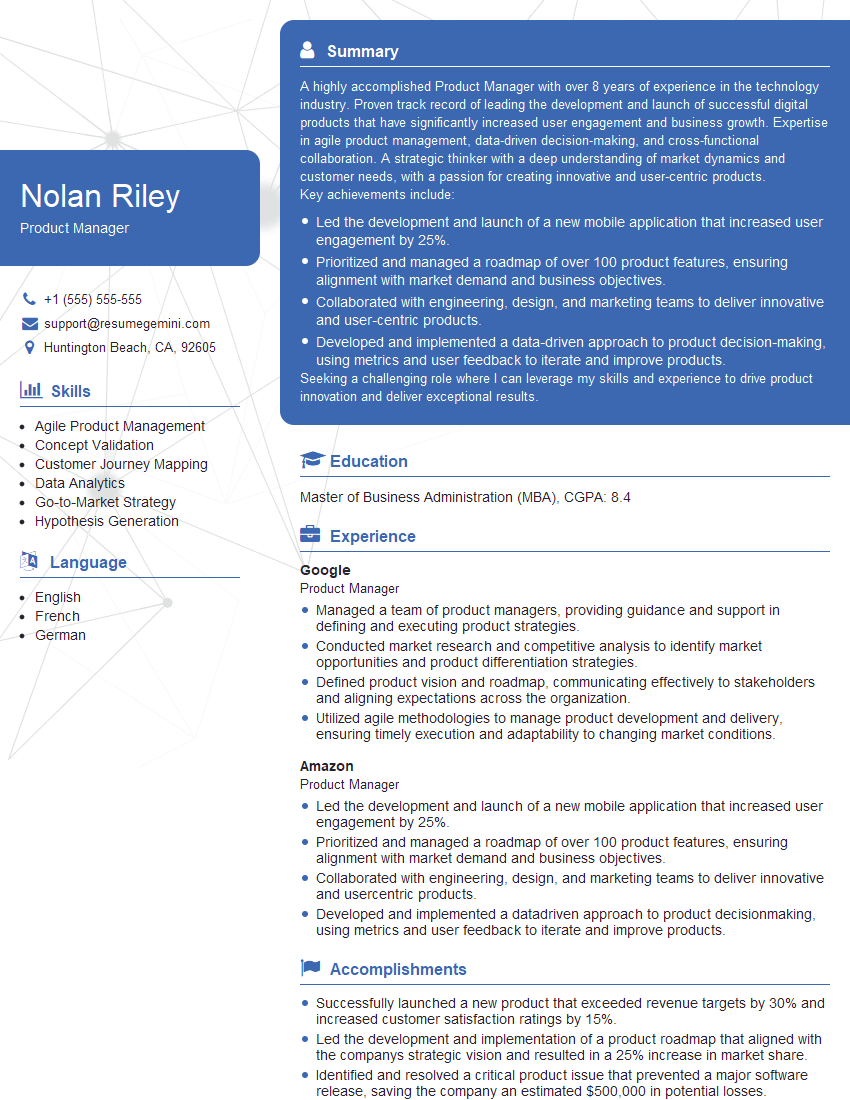
Product Manager Resume Sample
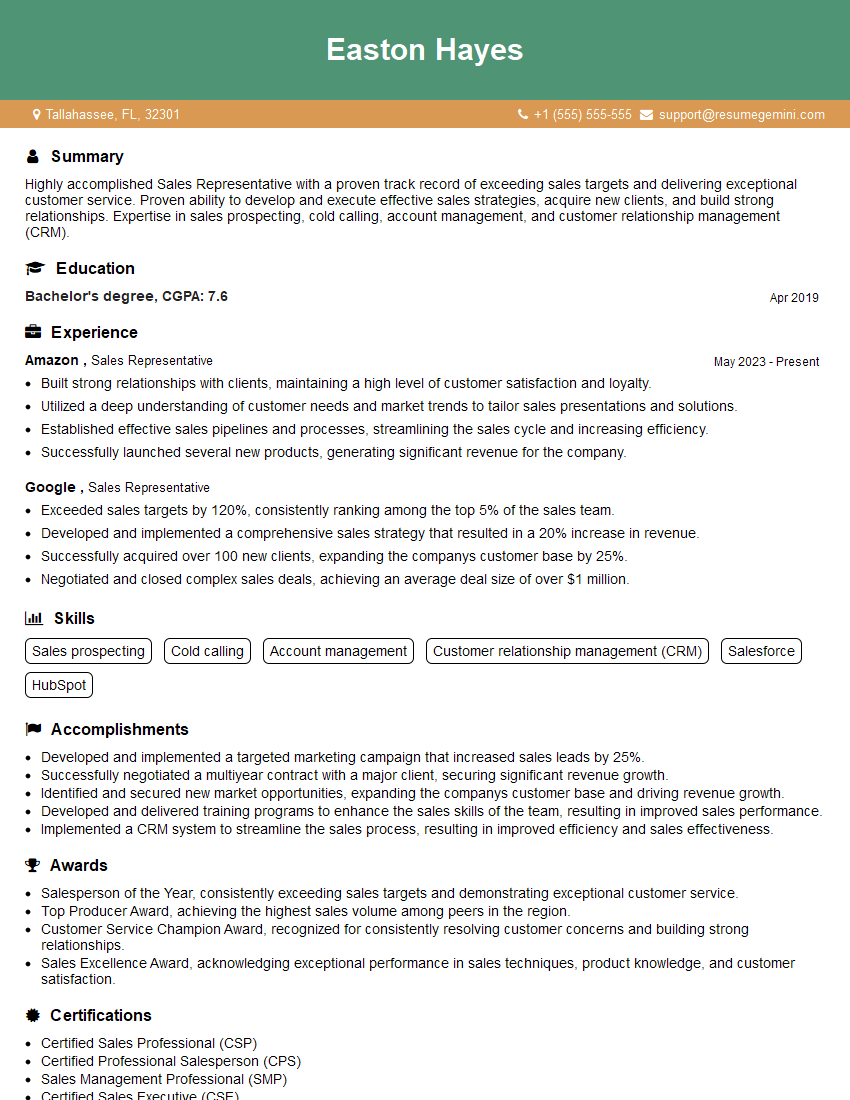
Sales Representative Resume Sample
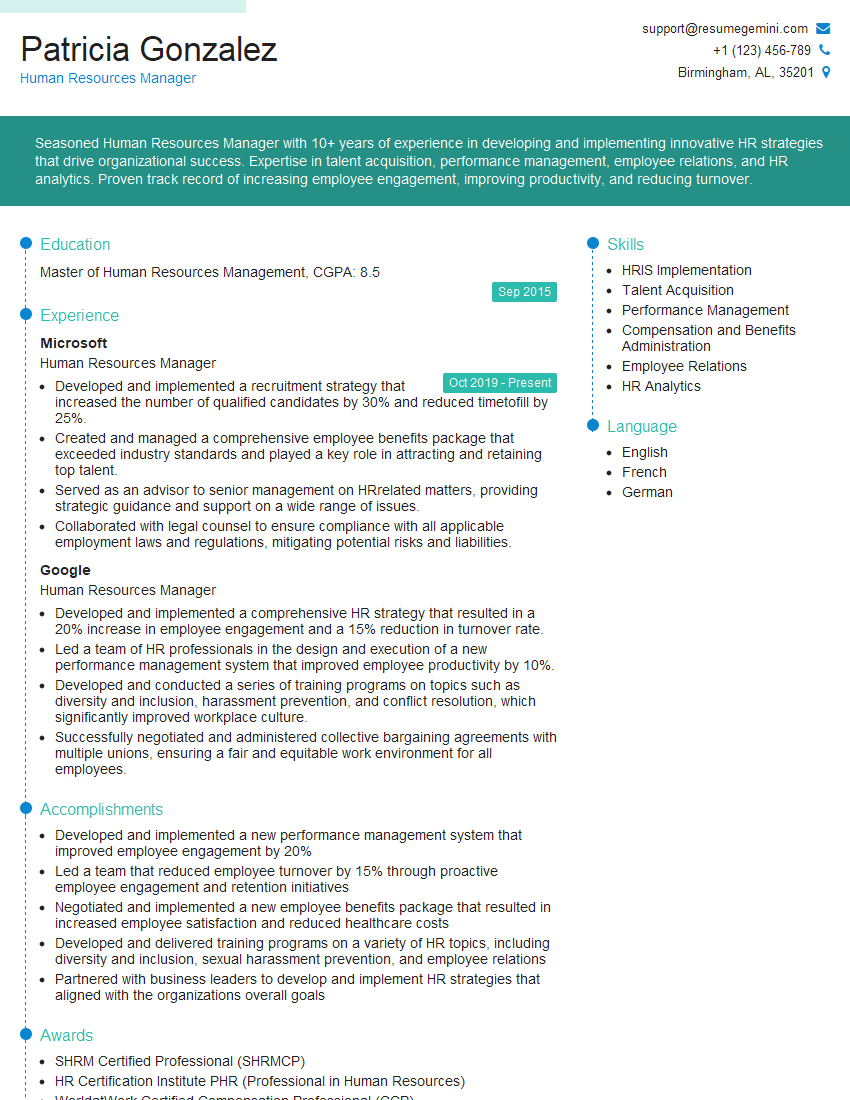
Human Resources Manager Resume Sample
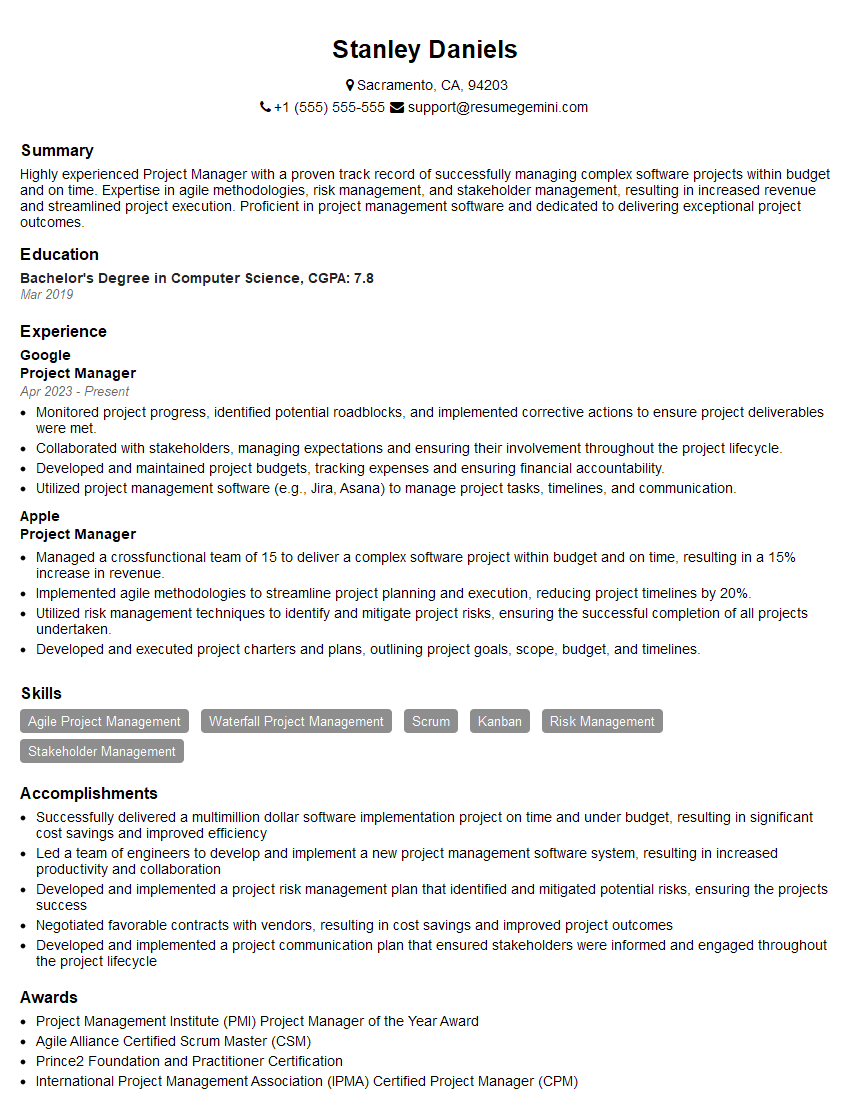
Project Manager Resume Sample
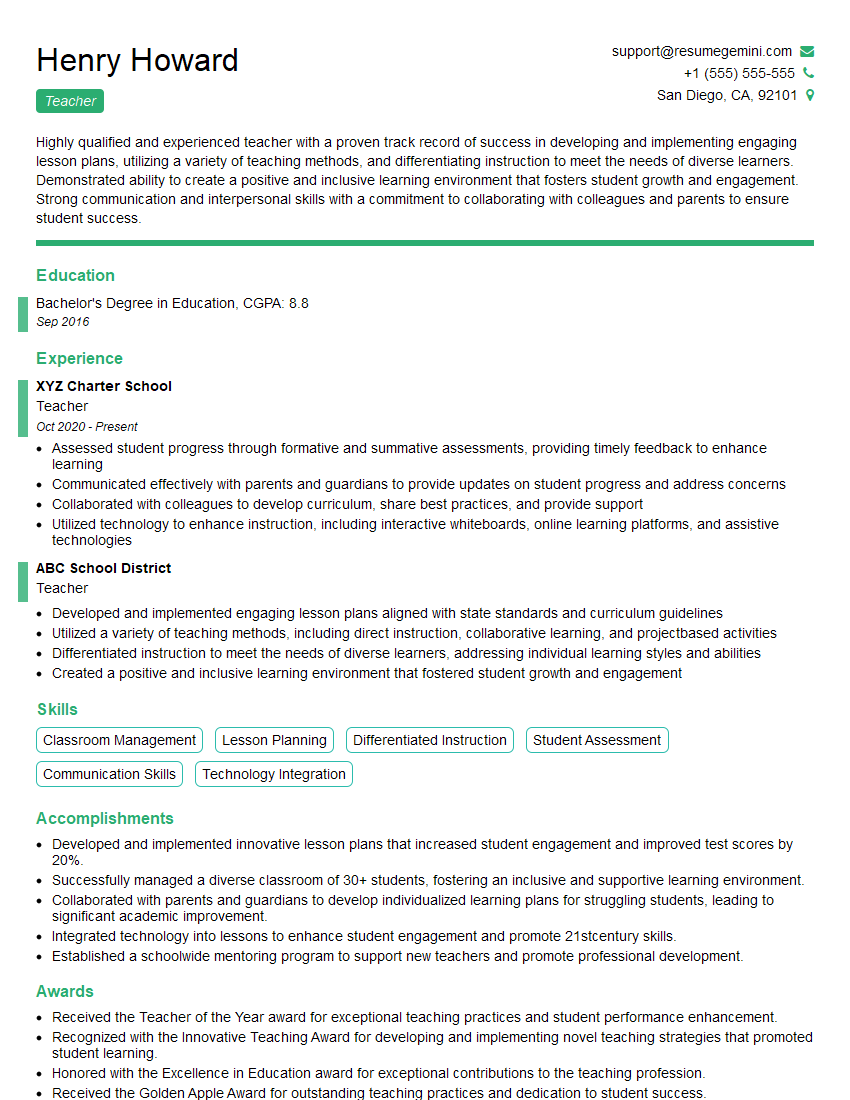
Teacher Resume Sample
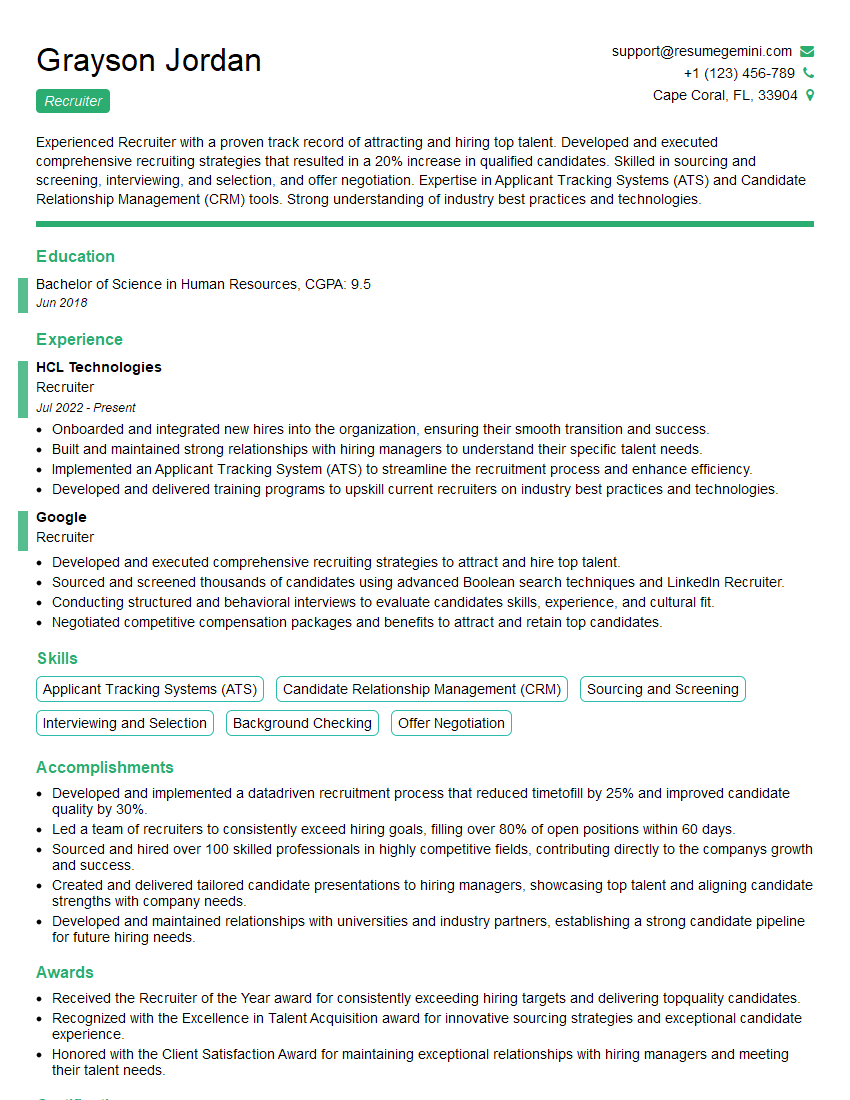
Recruiter Resume Sample
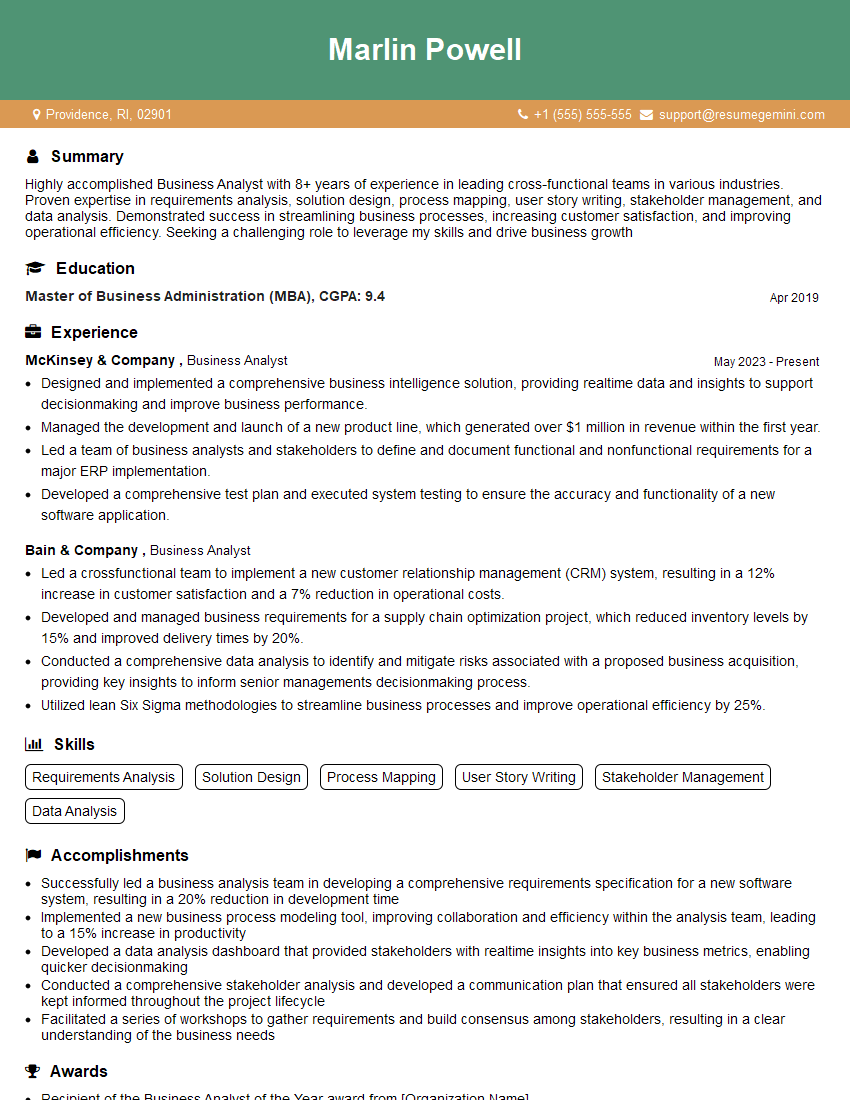
Business Analyst Resume Sample
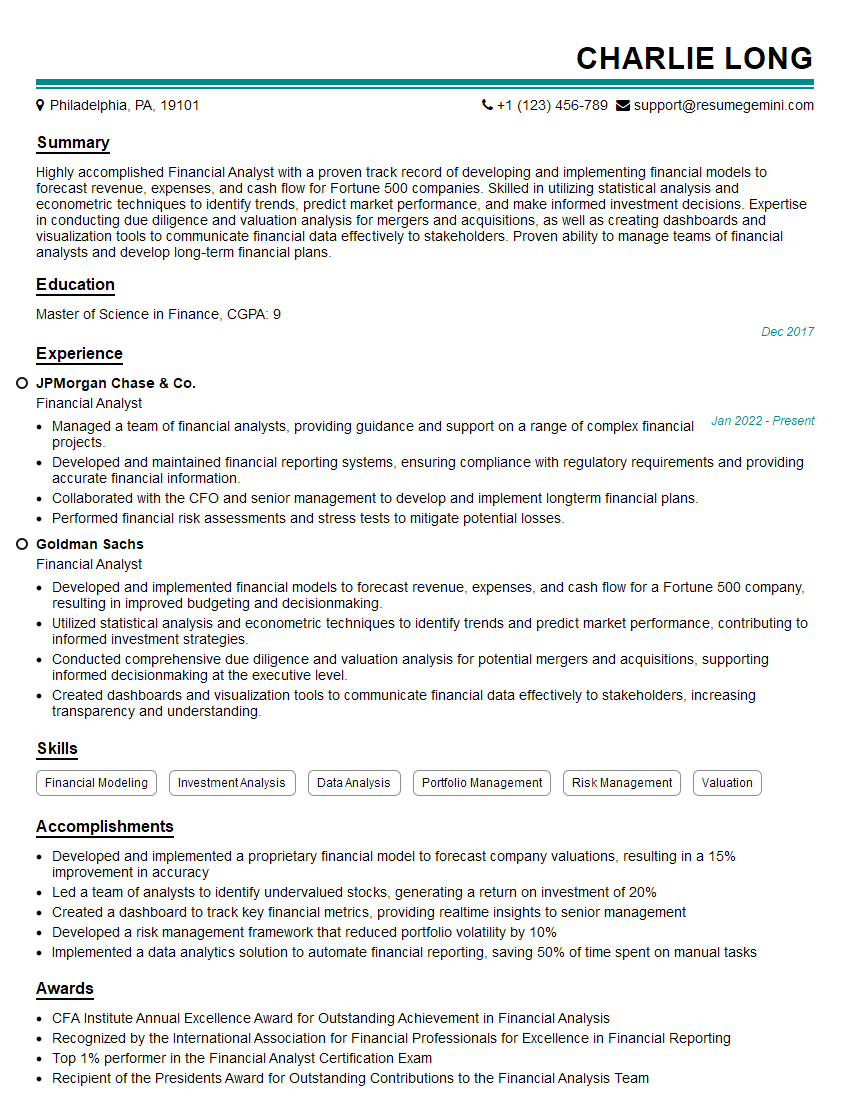
Financial Analyst Resume Sample
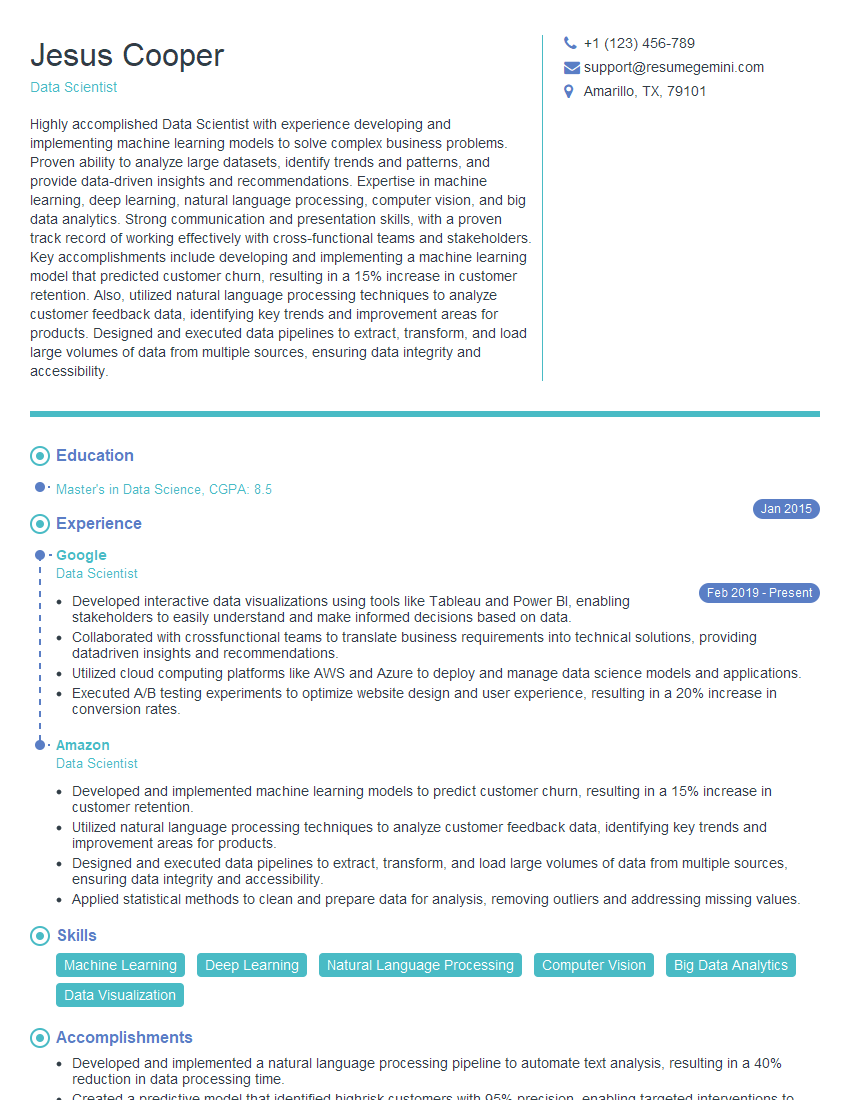
Data Scientist Resume Sample
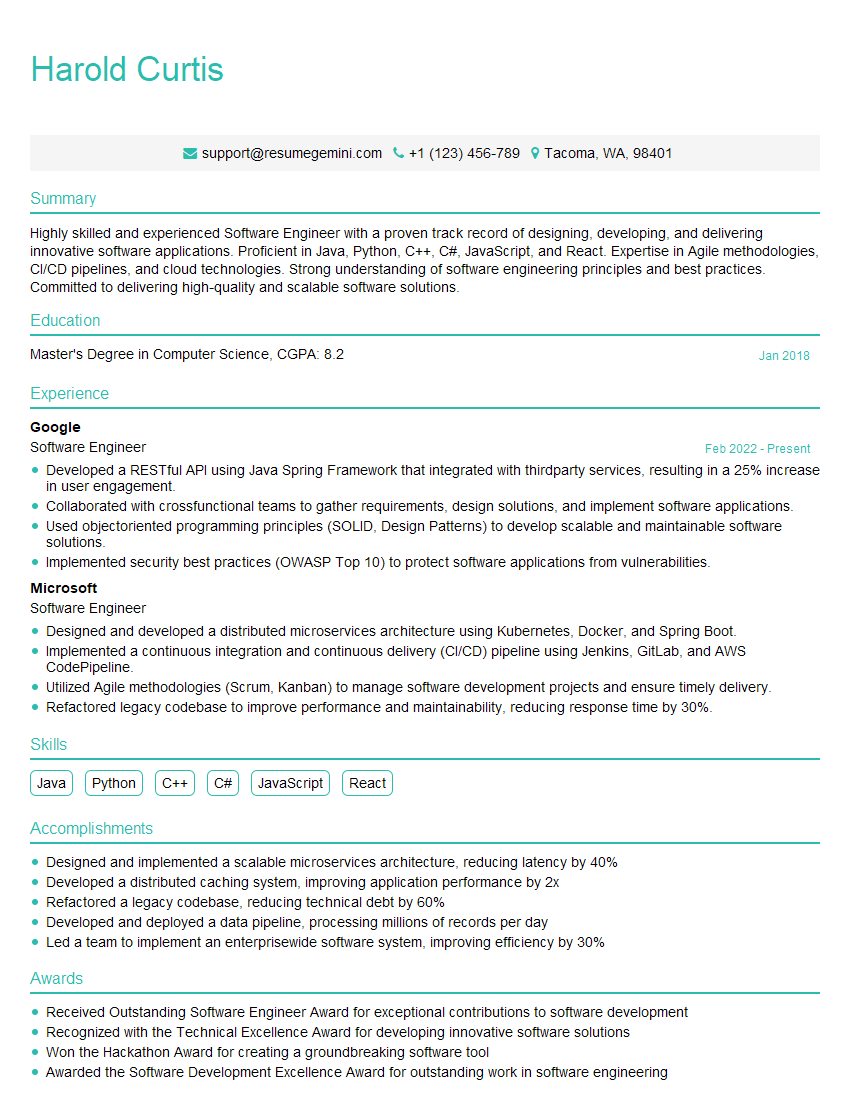
Software Engineer Resume Sample
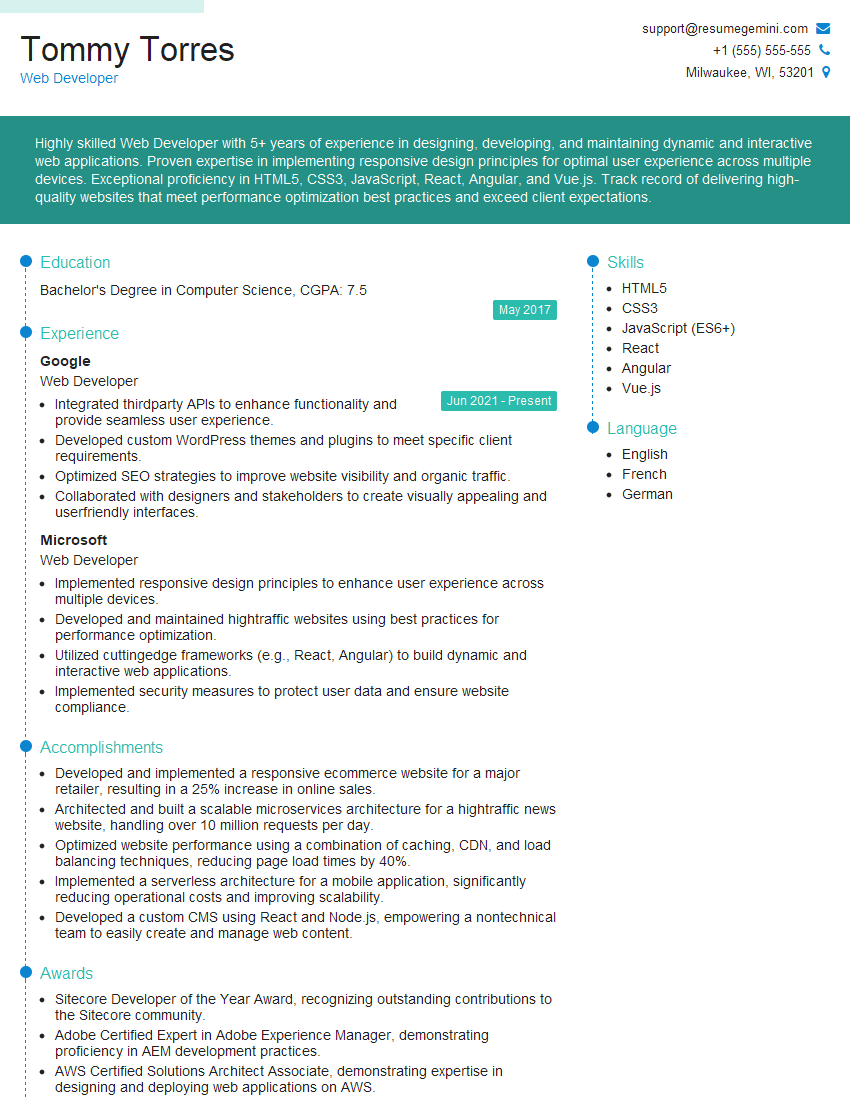
Web Developer Resume Sample
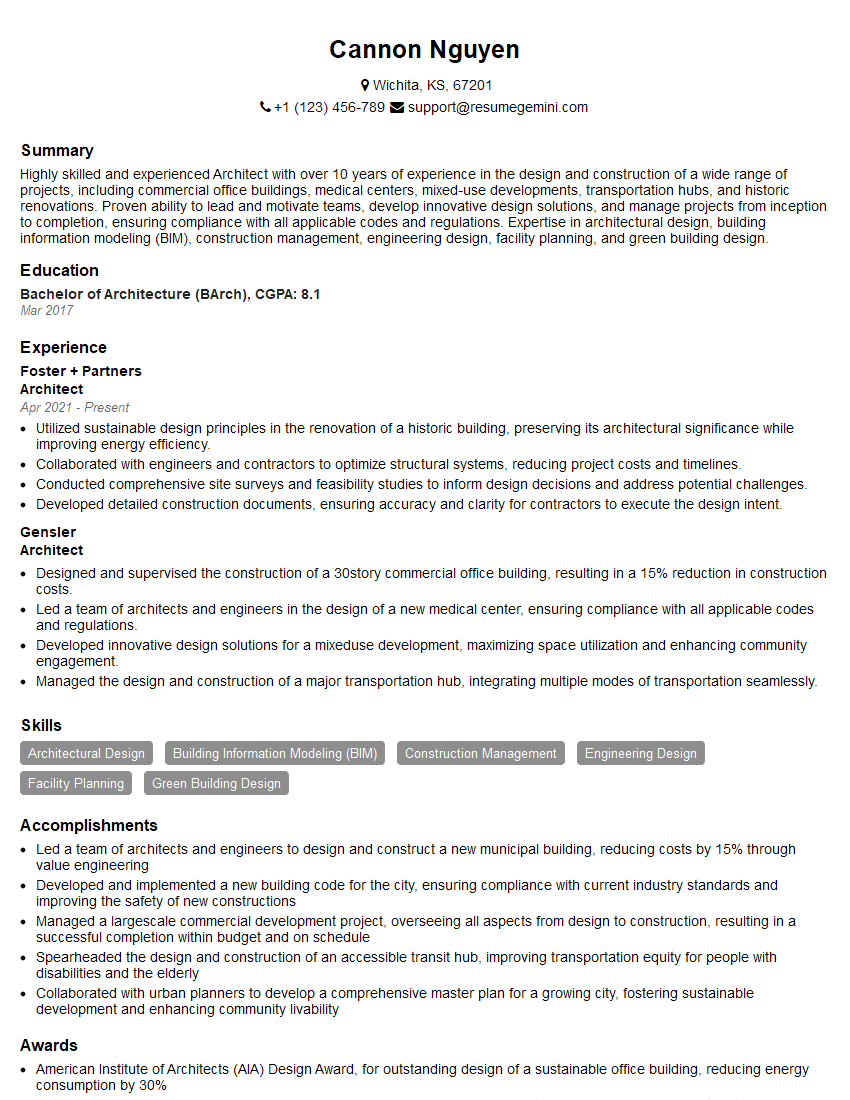
Architect Resume Sample
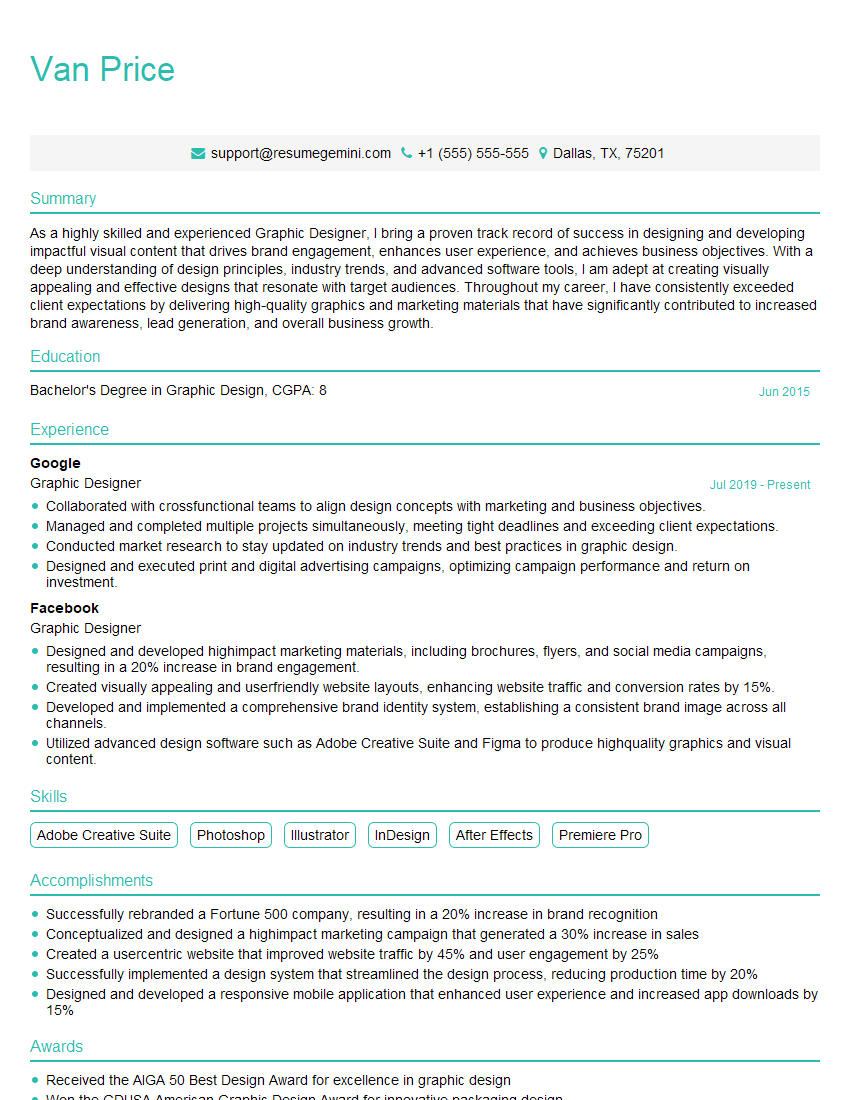
Graphic Designer Resume Sample
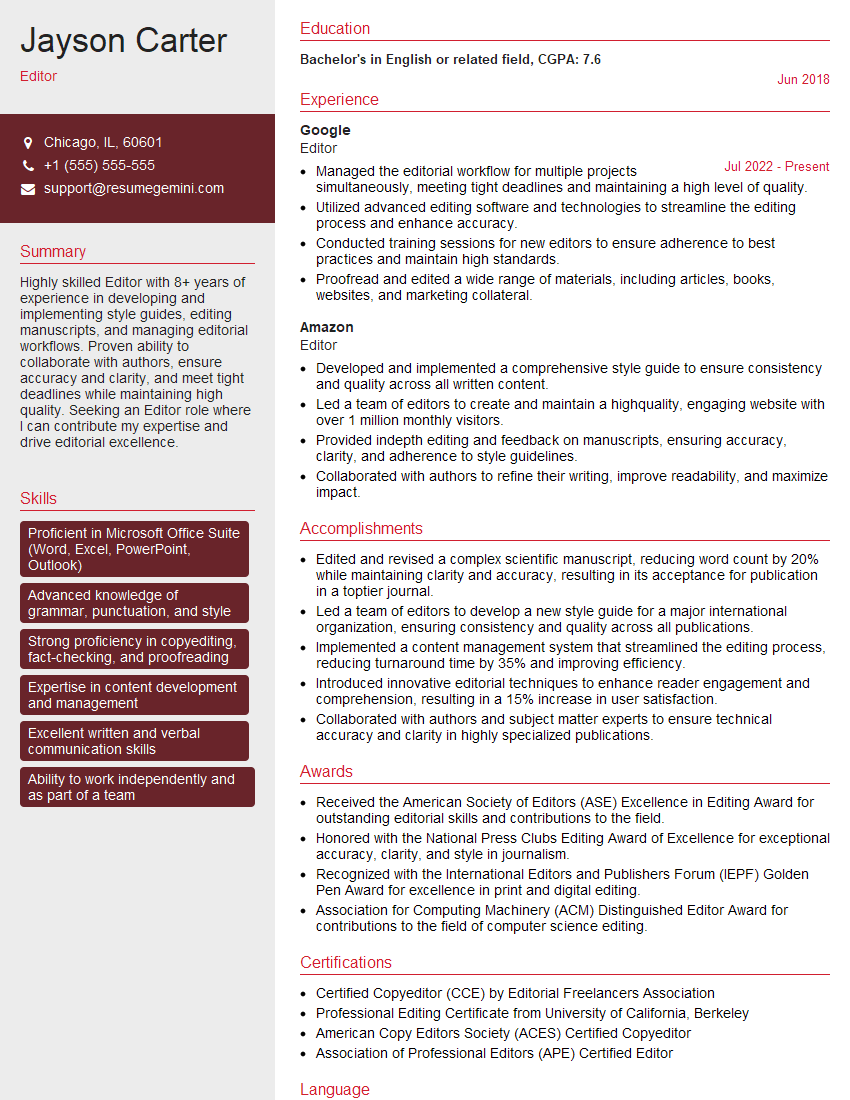
Editor Resume Sample

Technical Writer Resume Sample

Copywriter Resume Sample
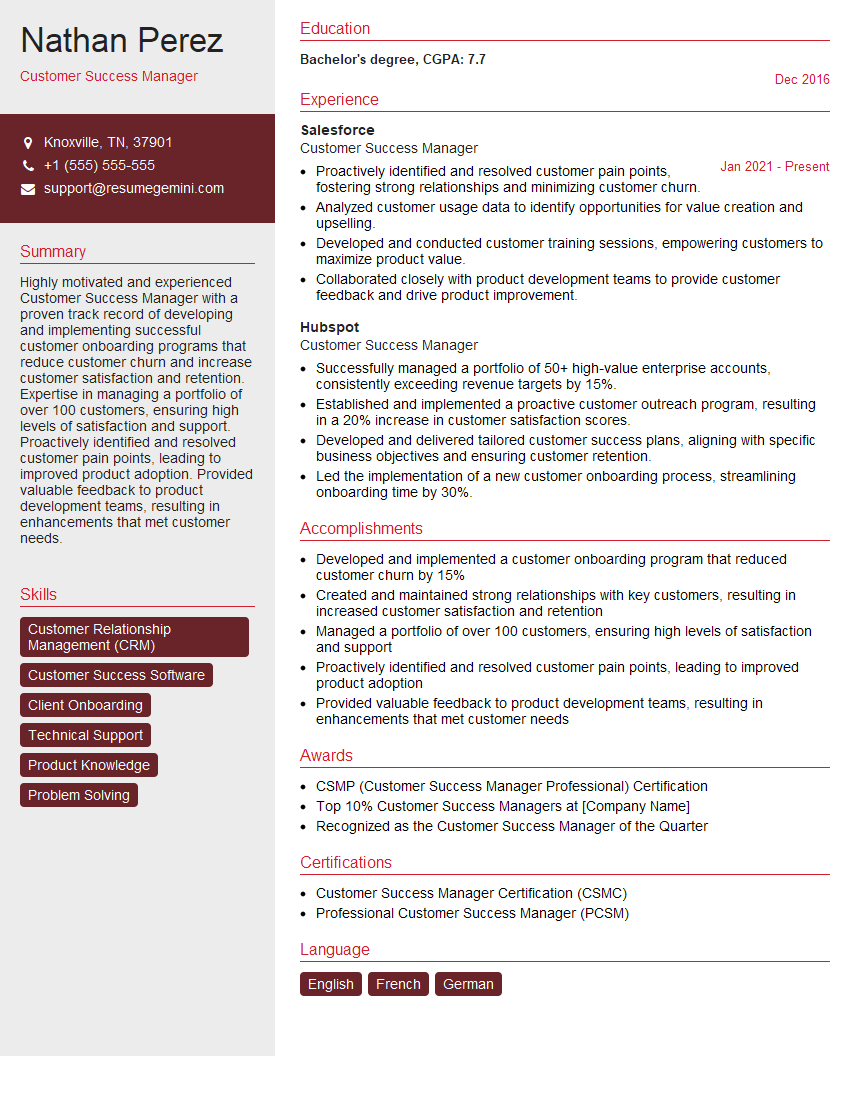
Customer Success Manager Resume Sample
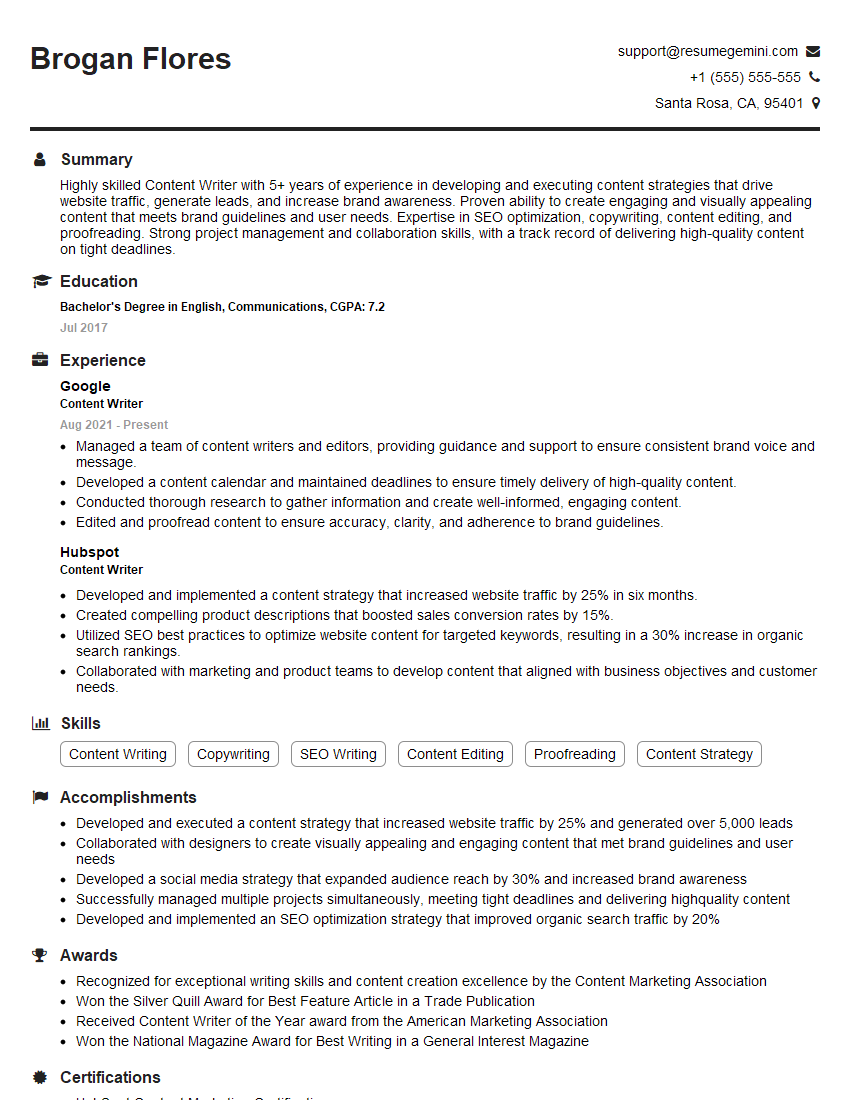
Content Writer Resume Sample
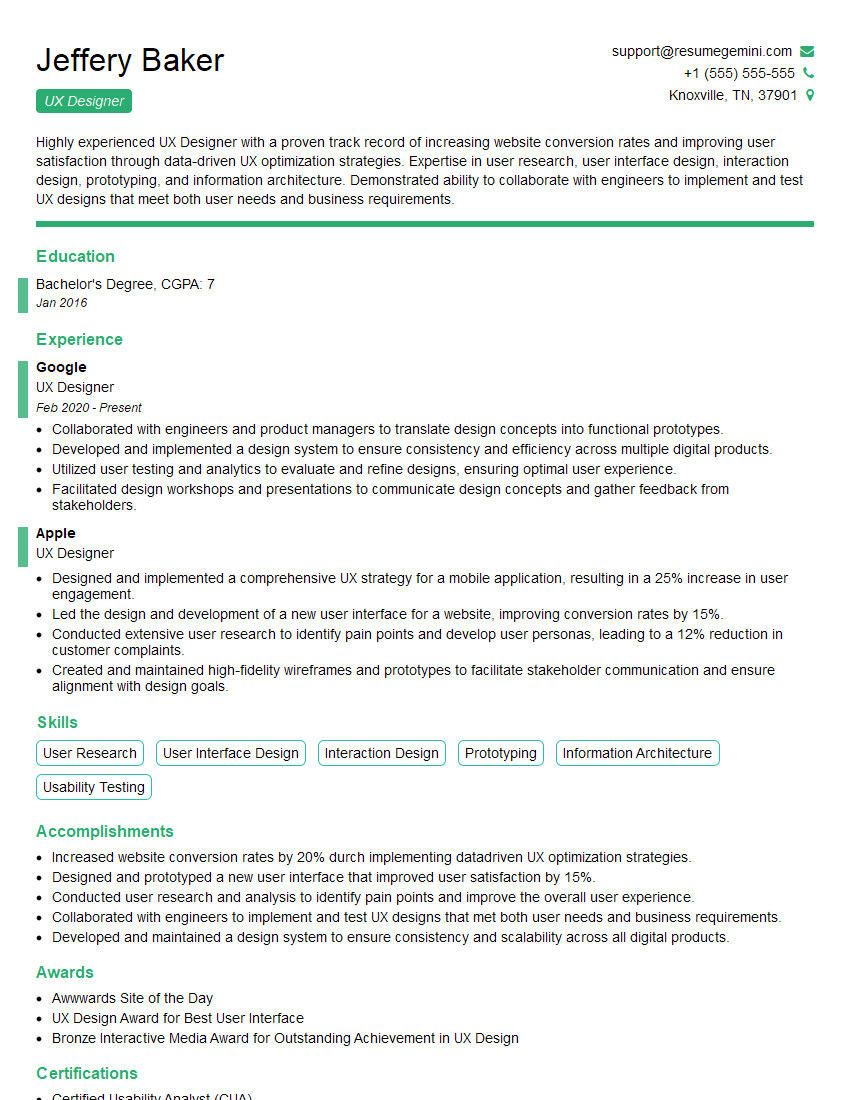
UX Designer Resume Sample
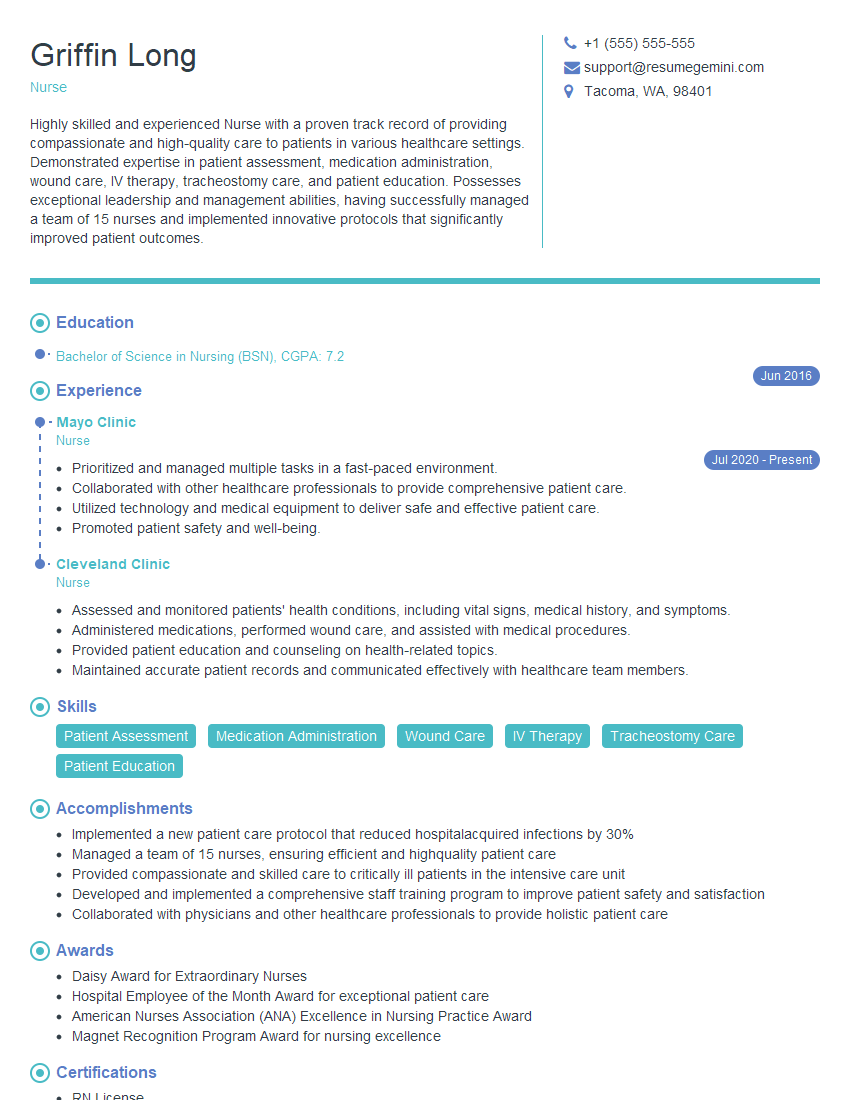
Nurse Resume Sample
- Operations Manager
- Account Manager
- Marketing Manager
- Product Manager
- Sales Representative
- Human Resources Manager
- Project Manager
- Teacher
- Recruiter
- Business Analyst
- Financial Analyst
- Data Scientist
- Software Engineer
- Web Developer
- Architect
- Graphic Designer
- Editor
- Technical Writer
- Copywriter
- Customer Success Manager
- Content Writer
- UX Designer
- Nurse
Explore more articles
Users Rating of Our Blogs
Share Your Experience
We value your feedback! Please rate our content and share your thoughts (optional).
What Readers Say About Our Blog
Very informative content, great job.
good