Cracking a skill-specific interview, like one for Ability to develop and implement visual communication strategies, requires understanding the nuances of the role. In this blog, we present the questions you’re most likely to encounter, along with insights into how to answer them effectively. Let’s ensure you’re ready to make a strong impression.
Questions Asked in Ability to develop and implement visual communication strategies Interview
Q 1. Describe your process for developing a visual communication strategy.
Developing a visual communication strategy is a multifaceted process that begins with a deep understanding of the target audience and the communication goals. It’s like building a house – you need a solid foundation before you start adding walls and a roof.
- Define Objectives: What do we want to achieve? Increased brand awareness? Drive sales? Educate the audience? Clear objectives guide every subsequent decision.
- Audience Analysis: Who are we talking to? Understanding their demographics, psychographics, and media consumption habits is crucial for tailoring the visuals effectively. For example, a youthful audience might respond better to bold colors and dynamic imagery than a more mature audience.
- Brand Identity Alignment: How does the visual strategy align with the overall brand identity? The visuals should reinforce the brand’s personality, values, and messaging consistently.
- Visual Style Guide Creation: This document serves as the blueprint for the entire visual communication effort. It defines the brand’s color palette, typography, imagery style, and logo usage, ensuring consistency across all platforms.
- Content Creation & Selection: This stage involves creating or sourcing the visual assets – images, videos, illustrations, infographics – that will deliver the message. High-quality visuals are non-negotiable.
- Platform & Channel Selection: Where will the visuals be used? Different platforms (website, social media, print) require different formats and sizes. For instance, Instagram stories need a vertical format, while a website banner needs a horizontal one.
- Implementation & Monitoring: This involves executing the strategy and tracking its performance. Data analysis helps in refining the strategy over time.
Q 2. How do you determine the best visual style for a given project?
Choosing the right visual style is about finding the perfect match between the project’s goals, target audience, and brand identity. Think of it as choosing an outfit for a specific occasion – you wouldn’t wear a tuxedo to a beach party.
- Project Goals: A campaign promoting a luxury product requires a sophisticated and elegant style, while a campaign for a tech startup might benefit from a modern and minimalist approach.
- Target Audience: Visual styles should resonate with the target audience’s preferences and expectations. For example, a younger audience might appreciate a more playful and informal style.
- Brand Identity: The chosen style should align with the brand’s personality and values. A consistent visual language reinforces brand recognition and trust.
- Mood Board Creation: Creating a mood board is a great way to visualize and brainstorm different visual styles. It helps in refining the style and ensuring everyone is on the same page.
- Testing & Iteration: Before finalizing the style, it’s crucial to test it with the target audience to ensure it resonates with them effectively. This might involve A/B testing different visual options.
Q 3. Explain your experience using different visual communication tools (e.g., Adobe Creative Suite).
I’m proficient in Adobe Creative Suite, specifically Photoshop, Illustrator, and InDesign. These tools are fundamental for creating and editing high-quality visual content. My experience spans from designing marketing materials such as brochures and flyers to creating complex website mockups and interactive presentations.
- Photoshop: Used extensively for image editing, retouching, and creating photorealistic visuals.
- Illustrator: My go-to for creating vector graphics, logos, and illustrations, ensuring scalability and crispness at any size.
- InDesign: Used for designing layouts for print and digital publications, including brochures, magazines, and ebooks, ensuring efficient page management and consistent formatting.
Beyond the Adobe suite, I’m also familiar with other tools like Figma for collaborative design and Canva for quick graphic creation.
Q 4. How do you measure the effectiveness of a visual communication strategy?
Measuring the effectiveness of a visual communication strategy involves analyzing both quantitative and qualitative data. It’s not just about aesthetics; it’s about impact.
- Website Analytics: Tracking website traffic, bounce rates, time on page, and conversion rates can reveal how well visuals are engaging users.
- Social Media Analytics: Analyzing engagement metrics such as likes, shares, comments, and reach can provide insights into the effectiveness of social media visuals.
- Surveys & Feedback: Gathering user feedback through surveys, polls, and focus groups can provide valuable qualitative data on audience perception.
- Brand Awareness Tracking: Measuring changes in brand awareness before and after a campaign helps determine the impact of visual communication efforts.
- Sales Data: If the goal is to drive sales, analyzing sales data can directly correlate with the success of the visual communication strategy.
Combining these methods offers a holistic view of the strategy’s performance, enabling data-driven improvements.
Q 5. How do you incorporate data and analytics into visual communication decisions?
Data and analytics are integral to informed visual communication decisions. They move us beyond gut feelings to evidence-based choices.
- Data Visualization: Transforming complex data sets into visually appealing charts, graphs, and infographics makes information easily digestible and impactful.
- A/B Testing: Testing different visual elements (e.g., headlines, images, colors) allows us to identify which versions perform best in terms of engagement and conversions.
- Heatmaps & Eye-Tracking: These tools help us understand how users interact with visuals, identifying areas of high and low attention. This informs design choices to optimize visual hierarchy and focus.
- User Segmentation: Analyzing user data allows us to create tailored visuals for different segments of the audience, maximizing effectiveness.
By combining creative intuition with data analysis, we create visuals that are both aesthetically pleasing and strategically effective.
Q 6. Describe a time you had to adapt a visual communication strategy due to unforeseen challenges.
During a product launch campaign, we faced an unforeseen challenge: a key influencer unexpectedly withdrew their support at the last minute. This jeopardized a significant portion of our planned social media strategy.
We quickly adapted by:
- Reallocating Resources: We shifted budget and efforts towards other planned channels, such as email marketing and paid advertising, to maintain momentum.
- Content Repurposing: We repurposed existing visuals to suit different platforms and messages, maximizing the use of our existing assets.
- Identifying Alternative Influencers: We found replacement influencers who could effectively reach our target audience, and we crafted new content that suited their styles.
- Crisis Communication Plan: We were able to react promptly with a transparent communication addressing the change and avoiding negative impact.
This experience highlighted the importance of flexibility and adaptability in visual communication strategy. Having a contingency plan is crucial for navigating unforeseen hurdles.
Q 7. How do you ensure visual consistency across multiple platforms and channels?
Maintaining visual consistency is paramount for building a strong brand identity. It’s like having a consistent brand voice, but through visuals.
- Style Guide Implementation: A comprehensive style guide is the cornerstone of visual consistency. It clearly defines brand colors, fonts, imagery style, and logo usage, ensuring all visual elements align.
- Template Creation: Creating templates for different platforms (e.g., social media posts, email headers) ensures uniformity in design and messaging.
- Asset Libraries: Centralized asset libraries provide easy access to approved brand assets, preventing inconsistencies and ensuring everyone uses the correct versions.
- Regular Audits: Periodically auditing all visual materials across platforms ensures that the style guide is followed consistently. This helps to identify and rectify any discrepancies promptly.
- Collaboration & Training: Training team members on the style guide and providing regular feedback fosters consistent visual execution across departments and projects.
With careful planning and ongoing maintenance, visual consistency strengthens brand recognition and builds a cohesive brand experience.
Q 8. Explain your understanding of accessibility and inclusivity in visual communication.
Accessibility and inclusivity in visual communication are paramount. It’s about ensuring that everyone, regardless of ability, can understand and engage with your visual content. This means considering people with visual impairments, cognitive differences, and diverse cultural backgrounds.
- Color Contrast: Sufficient contrast between text and background is crucial for readability, especially for people with low vision. Tools like WebAIM’s contrast checker can help ensure adequate contrast ratios (e.g., 4.5:1 for normal text).
- Alternative Text (Alt Text): For images, providing descriptive alt text is vital. Screen readers use this text to describe images to visually impaired users. For example, instead of
alt="image.jpg", usealt="A smiling woman holding a coffee cup". - Captions and Transcripts: Videos should always have captions for the deaf and hard of hearing. Transcripts provide an even more accessible option.
- Simple Language and Clear Layout: Avoid jargon and complex layouts. Use clear, concise language and a logical visual hierarchy to aid comprehension for all users.
- Cultural Sensitivity: Be mindful of cultural differences in symbolism and imagery. What’s acceptable in one culture may be offensive in another.
For example, I once redesigned a company’s website, ensuring sufficient color contrast and alt text for all images. Website traffic from assistive technology users increased significantly, demonstrating the positive impact of inclusive design.
Q 9. How do you collaborate effectively with cross-functional teams on visual communication projects?
Collaboration is key. I thrive in cross-functional environments and believe in open communication. My approach involves:
- Early and Frequent Communication: I start by setting clear expectations, outlining project goals, and establishing consistent communication channels (e.g., daily stand-ups, project management software).
- Active Listening and Feedback: I actively listen to input from team members, valuing their perspectives and expertise. I make sure everyone feels heard and their contributions are acknowledged.
- Iterative Design Process: I present designs early and often, incorporating feedback throughout the process. This iterative approach allows for adjustments and refinements based on collective input.
- Shared Design Resources: Utilizing cloud-based design tools allows seamless collaboration and version control. This ensures everyone is working with the latest updates.
- Documenting Decisions: Maintaining clear documentation helps track design choices and rationale, facilitating future reference and understanding.
In a recent project with marketing and engineering, I used a collaborative design platform to share mockups, gather feedback, and track revisions, resulting in a streamlined and successful project launch.
Q 10. How do you handle feedback and revisions on visual communication designs?
Feedback is invaluable. I embrace constructive criticism as an opportunity for improvement. My approach includes:
- Active Listening: I carefully consider all feedback, seeking to understand the underlying concerns and rationale.
- Clarifying Questions: I ask clarifying questions to ensure I fully grasp the feedback before making changes.
- Prioritizing Feedback: I prioritize feedback based on its impact on the overall design and project goals.
- Presenting Revisions: I present revisions clearly and concisely, explaining the rationale behind changes. I often provide multiple options for clients to choose from.
- Documenting Changes: I keep track of all revisions, their rationale, and the final approved design for future reference.
I remember a project where initial feedback resulted in a complete redesign of the color palette. By actively listening and incorporating the feedback, we achieved a far more effective design that resonated better with the target audience.
Q 11. Describe your experience working with different brand guidelines.
I have extensive experience working with various brand guidelines, ranging from established Fortune 500 companies to smaller startups. My approach emphasizes understanding the nuances of each brand’s unique identity.
- Thorough Review: I begin by thoroughly reviewing the brand guidelines, paying close attention to logo usage, color palettes, typography, imagery style, and overall brand voice.
- Consistent Application: I meticulously apply the brand guidelines to all design elements, ensuring consistency across all platforms.
- Seeking Clarification: When guidelines are unclear or ambiguous, I proactively seek clarification from the brand team to avoid inconsistencies.
- Adapting Guidelines: While adhering to the core principles, I sometimes need to adapt the guidelines for specific projects or mediums while maintaining brand integrity.
- Maintaining Brand Consistency: I use style guides and design systems to ensure the consistent application of the brand guidelines across all projects.
For example, I recently worked on a project for a tech company with very specific guidelines about their logo placement and color usage. By meticulously adhering to these guidelines, I produced marketing materials that were on-brand and highly effective.
Q 12. Explain your knowledge of color theory and typography.
Color theory and typography are fundamental to effective visual communication.
- Color Theory: I understand the principles of color harmony (complementary, analogous, triadic), color temperature (warm vs. cool), and the psychological impact of different colors. I use this knowledge to create visually appealing and emotionally resonant designs. For example, I might use warm colors to evoke feelings of comfort and trust, while cool colors could be used to create a sense of calm and serenity.
- Typography: My expertise includes selecting appropriate fonts, understanding font hierarchies (headline, body copy), kerning, tracking, and leading. I use typography to create visual clarity and enhance readability. I know the difference between serif and sans-serif fonts and choose them based on the context and intended message.
I recently designed a marketing brochure where I strategically used a complementary color scheme to create visual harmony and selected a legible and appropriate typeface to ensure readability. The result was a visually appealing and impactful piece.
Q 13. How do you create compelling visuals for different audiences?
Creating compelling visuals for diverse audiences requires understanding their unique needs and preferences. My approach involves:
- Audience Research: I conduct thorough audience research to understand their demographics, psychographics, and communication styles.
- Targeted Messaging: I tailor the visual message and style to resonate with the specific audience. A young audience might respond to a bold and modern design, whereas an older audience might prefer a more classic and understated approach.
- Visual Language: I use imagery, colors, and typography that align with the audience’s values and preferences.
- Testing and Iteration: I test different versions of the visuals with the target audience to ensure effectiveness and make necessary adjustments.
For example, when designing a campaign for a senior audience, I used a large, clear font, high contrast colors, and calming imagery. This resulted in much higher engagement than a previous campaign that didn’t consider their visual needs.
Q 14. Describe your process for designing effective infographics.
Designing effective infographics involves a structured process:
- Data Analysis: I start by thoroughly analyzing the data to identify key insights and trends. This includes determining what story the data tells and what message to communicate.
- Storytelling: I develop a clear narrative to guide the design, focusing on delivering a concise and compelling message.
- Visual Hierarchy: I establish a visual hierarchy to guide the viewer’s eye through the information, using size, color, and placement to highlight key points.
- Visual Elements: I use icons, charts, graphs, and other visual elements to represent the data in a clear and engaging way. I choose visual elements relevant and appropriate to the data and target audience.
- Simplicity and Clarity: I prioritize simplicity and clarity, avoiding clutter and unnecessary details.
- Testing and Iteration: I test the design with a target audience to get feedback and make adjustments as needed.
In a recent project, I created an infographic explaining complex financial data for a non-technical audience. By using clear visuals and simple language, I made complex data understandable and engaging.
Q 15. How do you ensure your visual communication is aligned with overall marketing objectives?
Aligning visual communication with marketing objectives is crucial for a successful campaign. It’s not just about creating pretty pictures; it’s about ensuring every visual element contributes directly to achieving specific marketing goals, whether that’s increasing brand awareness, driving sales, or boosting website traffic. I begin by thoroughly understanding the overarching marketing strategy and objectives. This involves reviewing marketing plans, target audience profiles, and key performance indicators (KPIs).
For instance, if the objective is to increase brand awareness among young adults, the visual style should reflect their preferences – perhaps using vibrant colors, dynamic imagery, and a modern, minimalist design. Conversely, a campaign targeting a more mature audience might benefit from a more sophisticated and refined aesthetic. Once the objectives are clear, I develop a visual communication plan outlining the style guidelines, color palettes, imagery, typography, and overall tone that directly support those goals. This plan acts as a blueprint, ensuring consistency across all visual assets.
I regularly review progress against KPIs to measure the effectiveness of the visual communication strategy. If the visuals aren’t contributing to the desired outcomes, adjustments are made to optimize the approach. This iterative process ensures that the visual communication remains aligned with, and contributes to, the success of the overall marketing plan.
Career Expert Tips:
- Ace those interviews! Prepare effectively by reviewing the Top 50 Most Common Interview Questions on ResumeGemini.
- Navigate your job search with confidence! Explore a wide range of Career Tips on ResumeGemini. Learn about common challenges and recommendations to overcome them.
- Craft the perfect resume! Master the Art of Resume Writing with ResumeGemini’s guide. Showcase your unique qualifications and achievements effectively.
- Don’t miss out on holiday savings! Build your dream resume with ResumeGemini’s ATS optimized templates.
Q 16. How familiar are you with A/B testing in visual communication?
A/B testing is fundamental to effective visual communication. It’s a systematic method of comparing two or more versions of a visual element (e.g., different headlines, images, or button colors) to determine which performs better based on predefined metrics like click-through rates, conversion rates, or time spent on page. I’m highly proficient in A/B testing methodologies and have extensive experience implementing them across various platforms.
For example, I might A/B test two different hero images on a landing page: one featuring a close-up product shot and another showcasing people using the product in a lifestyle setting. By tracking the performance of each version, I can determine which image resonates more strongly with the target audience and drives higher conversion rates. This data-driven approach ensures we optimize our visuals for maximum impact.
I leverage various tools for A/B testing, including website analytics platforms like Google Analytics and dedicated A/B testing software. My approach incorporates rigorous statistical analysis to ensure the results are reliable and actionable.
Q 17. Explain your experience with visual communication in digital marketing.
My experience in visual communication within digital marketing is extensive. I have a proven track record of developing and implementing effective visual strategies across a range of digital channels, including social media, email marketing, websites, and online advertising. This includes creating engaging social media graphics, designing eye-catching email templates, optimizing website visuals for user experience (UX), and developing visually compelling ad creatives.
For instance, I recently worked on a social media campaign for a new product launch. I developed a comprehensive visual style guide, created engaging video content, and designed visually consistent assets for various platforms like Instagram, Facebook, and Twitter. The campaign successfully increased brand awareness and drove significant website traffic, exceeding the projected goals. My approach always centers around understanding the target audience, platform-specific best practices, and the marketing objectives.
I understand the importance of responsive design, ensuring visual assets look good across different screen sizes and devices. I also leverage data analytics to continuously refine and improve visual performance, optimizing for engagement and conversions.
Q 18. How do you stay up-to-date with the latest trends in visual communication?
Staying current in the rapidly evolving field of visual communication is paramount. I employ a multi-pronged approach to maintain my expertise. I regularly follow industry blogs, publications, and influencers. This provides insights into emerging trends, new technologies, and best practices.
I actively participate in online and offline communities, attending webinars, conferences, and workshops to engage with peers and learn from industry leaders. I also subscribe to design newsletters and follow design-focused accounts on social media platforms like Behance and Dribbble.
Furthermore, I actively experiment with new design tools and techniques. By continuously exploring and applying innovative approaches, I stay ahead of the curve and enhance my creative capabilities. This combination of formal and informal learning allows me to seamlessly integrate the latest trends into my work while maintaining a critical and discerning eye for what truly resonates with audiences.
Q 19. How do you manage multiple visual communication projects simultaneously?
Managing multiple visual communication projects simultaneously requires a highly organized and efficient approach. I use a project management methodology, typically a hybrid of Agile and Kanban, to effectively juggle various tasks and deadlines. This involves breaking down large projects into smaller, manageable tasks, prioritizing based on urgency and importance, and setting realistic timelines.
I utilize project management software to track progress, manage deadlines, and facilitate communication within the team. This allows for transparency and accountability. Regular check-ins and progress reports with stakeholders ensure everyone is aligned and informed. I also delegate tasks effectively, leveraging team members’ strengths to optimize efficiency. Clear communication and proactive problem-solving are key to ensuring all projects are completed on time and to a high standard.
My experience enables me to adeptly navigate competing priorities, adapting my workflow as needed. Flexibility and strong time management skills are crucial for success in this environment.
Q 20. Describe your experience with project management software for visual communication projects.
I have extensive experience using various project management software for visual communication projects, including Asana, Trello, Monday.com, and Adobe Workfront. My choice of software often depends on the specific project requirements and the team’s preferences. However, the core functionalities I rely on are task management, collaboration tools, file sharing, and progress tracking.
For example, in Asana, I create projects with detailed task breakdowns, assign tasks to team members, set due dates, and monitor progress through Kanban boards or list views. The software’s integrated communication features facilitate seamless collaboration, and the file-sharing capabilities ensure everyone has access to the latest versions of assets. The reporting features allow me to monitor project health and identify potential roadblocks proactively.
I’m proficient in using these tools not just for task management but also for facilitating client communication and ensuring transparency throughout the project lifecycle.
Q 21. How do you handle conflicting creative visions within a team?
Handling conflicting creative visions within a team requires a collaborative and diplomatic approach. It’s important to remember that diverse perspectives can lead to innovative solutions. My process begins with open and honest communication. I encourage team members to clearly articulate their ideas and the rationale behind them.
I facilitate constructive discussions by focusing on the underlying goals and objectives. I guide the team towards finding common ground and exploring potential compromises. Sometimes, this involves visualizing different approaches through mockups or prototypes, enabling a more objective comparison.
Data and testing play a vital role in resolving creative differences. A/B testing, as discussed earlier, can objectively determine which creative direction performs better. Ultimately, I strive to create a collaborative environment where everyone feels heard and valued, leading to a unified and effective visual communication strategy. The final decision is always data-driven and reflects the best interests of the project and the client.
Q 22. What is your preferred method for presenting visual communication strategies to clients or stakeholders?
My preferred method for presenting visual communication strategies involves a multi-faceted approach tailored to the client’s needs and preferences. I typically begin with a concise presentation outlining the core strategy, using compelling visuals like mood boards and initial design concepts to illustrate the overall vision. This is followed by a more detailed walkthrough, explaining the rationale behind each design choice, the target audience considerations, and the measurable objectives. Interactive elements, such as prototypes or clickable mockups, allow stakeholders to experience the strategy firsthand. Finally, I conclude with a Q&A session to address any concerns and ensure everyone is on the same page. For example, when presenting a social media campaign strategy, I might showcase a series of mock-up posts, demonstrating how different visual elements contribute to a cohesive brand identity and targeted message delivery. This allows clients to visualize the final product and actively participate in the refinement process.
Q 23. How do you incorporate storytelling into your visual communication designs?
Storytelling is fundamental to effective visual communication. It allows me to connect with the audience on an emotional level, making the message more memorable and impactful. I incorporate storytelling by identifying the central narrative – the core message – and then structuring the visuals to reflect its arc. This might involve using a series of images or illustrations to depict a journey, problem, or transformation. For instance, a campaign promoting sustainable practices might begin with imagery showcasing environmental damage, then transition to visuals depicting solutions and positive outcomes, ultimately ending with a call to action. Each visual element contributes to building the narrative, making it more engaging and persuasive. I often use metaphors and visual symbolism to enhance the storytelling and ensure the narrative resonates with the target audience.
Q 24. How do you use visual communication to improve user engagement?
Improving user engagement through visual communication is about creating a compelling and intuitive experience. This involves several key strategies. First, I prioritize clear and concise messaging, ensuring that the visual elements directly support and enhance the textual information. Second, I utilize high-quality visuals that are visually appealing and relevant to the target audience. This could include using vibrant colors, striking imagery, or engaging animations depending on the context. Third, I focus on creating interactive elements that encourage active participation. Think clickable maps, interactive infographics, or quizzes. For example, I once designed an interactive infographic for a financial institution, where users could click on different sections to learn more about specific investment options. This resulted in a 30% increase in user engagement compared to a static infographic. Finally, I ensure the design is responsive and accessible across various devices and platforms.
Q 25. Describe your experience with visual communication in e-learning or training materials.
I have extensive experience designing visual communication for e-learning and training materials. My approach focuses on creating engaging and informative content that keeps learners motivated and promotes knowledge retention. This often involves utilizing various visual aids such as illustrations, animations, videos, and interactive simulations. I understand the importance of breaking down complex information into digestible chunks, using clear visual cues and navigational aids. For example, I developed a series of e-learning modules for a medical device company, using 3D animations to illustrate the functionality of their products. These modules incorporated interactive quizzes and progress trackers to reinforce learning and track learner performance, significantly improving employee training efficiency. Accessibility is also a paramount concern; I ensure all materials adhere to WCAG guidelines for users with disabilities.
Q 26. Explain your understanding of the importance of user research in visual communication.
User research is crucial for creating effective visual communication. It ensures that the design resonates with the intended audience and achieves its objectives. This involves various techniques, including user surveys, interviews, focus groups, and usability testing. For example, I conducted user interviews before designing a website for a non-profit organization, gaining insights into their needs and preferences. This helped me create a user-friendly interface that was visually appealing and aligned with their brand identity. Analyzing user data allows for data-driven design decisions, minimizing guesswork and ensuring the final product is efficient and user-friendly. Ignoring user research can lead to designs that fail to engage the audience and ultimately hinder the communication objectives.
Q 27. How do you balance aesthetics with functionality in visual communication design?
Balancing aesthetics and functionality is a core principle in visual communication. A visually stunning design is useless if it’s not user-friendly. My approach is to start with the functionality, defining the key information architecture and user flow before focusing on the aesthetics. I use a design system to maintain consistency and ensure that all elements work together harmoniously. For example, when designing a website, I would first define the information hierarchy and navigational structure, ensuring users can easily find the information they need. Then, I would apply a carefully chosen color palette, typography, and imagery to create a visually appealing and consistent brand experience. The key is to find a synergy between form and function, creating a design that is both beautiful and practical. Striking the right balance significantly improves the overall user experience and enhances message effectiveness.
Q 28. How do you measure the return on investment (ROI) of a visual communication campaign?
Measuring the ROI of a visual communication campaign requires a multi-faceted approach. It’s not enough to simply track likes and shares on social media. The key is to define clear, measurable objectives beforehand. For a marketing campaign, this could include increased brand awareness, website traffic, lead generation, or sales. After the campaign, I analyze data from various sources to assess its impact. This might include website analytics (tracking website traffic and conversion rates), social media analytics (monitoring engagement metrics), and sales data. A/B testing different visual elements can also provide valuable insights into what resonates best with the audience. Qualitative data, such as user feedback and surveys, provides additional context and can help identify areas for improvement. By meticulously tracking these metrics and correlating them with the campaign’s objectives, a robust assessment of its return on investment can be achieved.
Key Topics to Learn for Ability to Develop and Implement Visual Communication Strategies Interview
- Understanding Target Audiences: Defining your audience’s demographics, psychographics, and communication preferences to tailor visual messaging effectively.
- Visual Storytelling: Crafting compelling narratives through images, graphics, and typography to convey key messages and evoke emotional responses. Practical application: Developing a presentation for a new product launch highlighting its key features and benefits.
- Brand Identity and Visual Consistency: Creating and maintaining a cohesive brand identity across all visual communication channels (e.g., logos, color palettes, typography). Practical application: Designing a consistent brand style guide for a company’s website and marketing materials.
- Choosing the Right Medium: Selecting appropriate visual communication channels based on target audience and message (e.g., infographics, videos, social media posts, print materials). Practical application: Deciding between using an infographic or a short video to explain complex data.
- Data Visualization: Transforming complex data into easily understandable and engaging visuals (e.g., charts, graphs, maps). Practical application: Creating a dashboard to track key performance indicators (KPIs).
- Accessibility and Inclusivity: Designing visuals that are accessible to people with disabilities, considering factors like color contrast, alt text for images, and captioning for videos.
- Measuring Effectiveness: Tracking key metrics to evaluate the success of visual communication campaigns and make data-driven improvements. Practical application: Analyzing website traffic and social media engagement to assess the impact of a visual marketing campaign.
- Design Principles and Best Practices: Understanding fundamental design principles such as balance, contrast, hierarchy, and proximity to create effective and aesthetically pleasing visuals.
- Software Proficiency: Demonstrating familiarity with relevant design software (e.g., Adobe Creative Suite, Figma, Canva).
- Problem-Solving and Collaboration: Describing your approach to solving visual communication challenges and working effectively within a team.
Next Steps
Mastering the ability to develop and implement visual communication strategies is crucial for career advancement in many fields. A strong understanding of these concepts opens doors to exciting opportunities and allows you to significantly impact your organization’s success. To maximize your job prospects, focus on creating an ATS-friendly resume that clearly highlights your skills and experience. ResumeGemini is a trusted resource to help you build a professional and impactful resume. Examples of resumes tailored to showcasing expertise in visual communication strategies are available, helping you present your qualifications effectively. Invest time in crafting a compelling resume—it’s your first impression on potential employers.
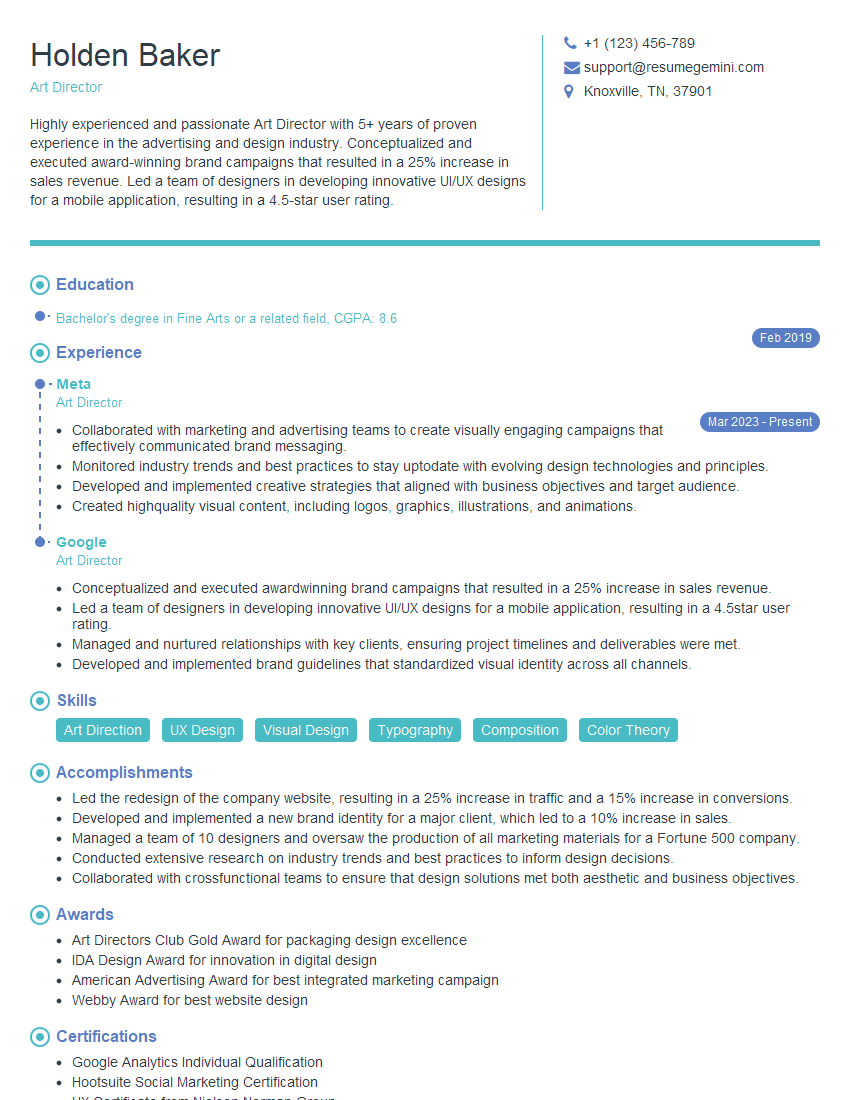
Art Director Resume Sample
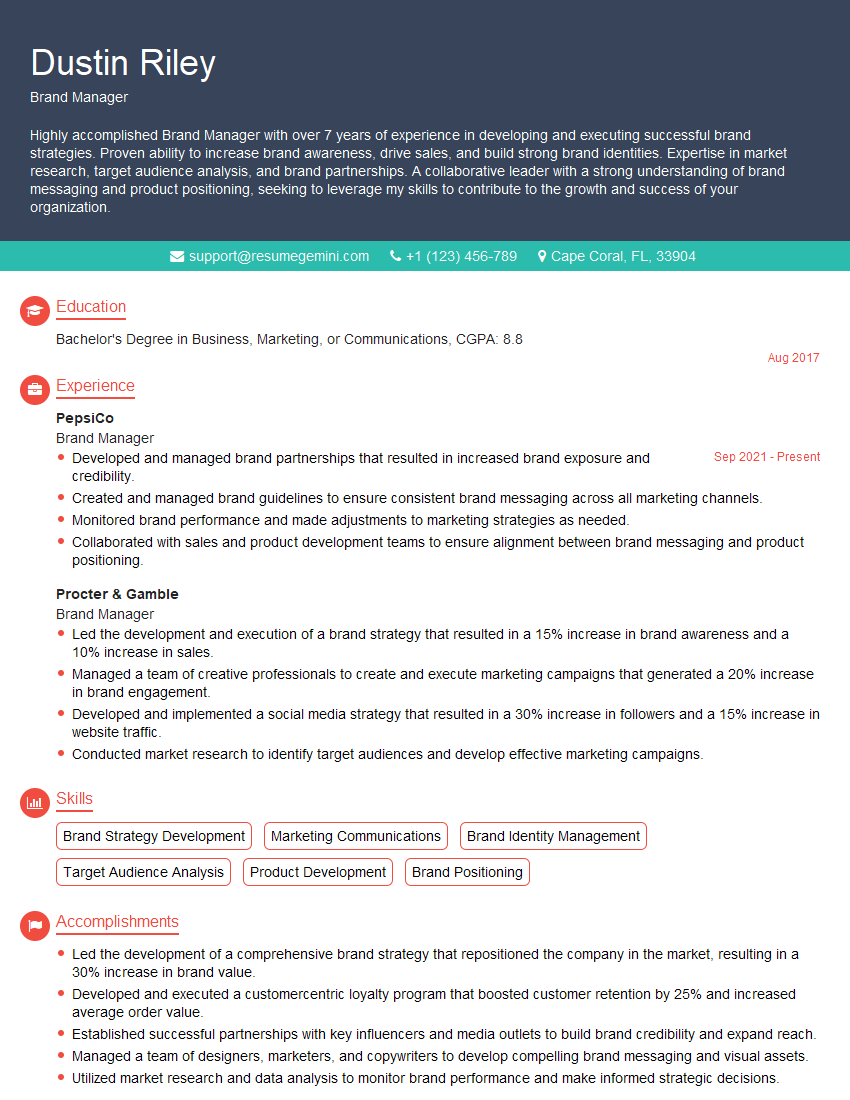
Brand Manager Resume Sample

Creative Director Resume Sample
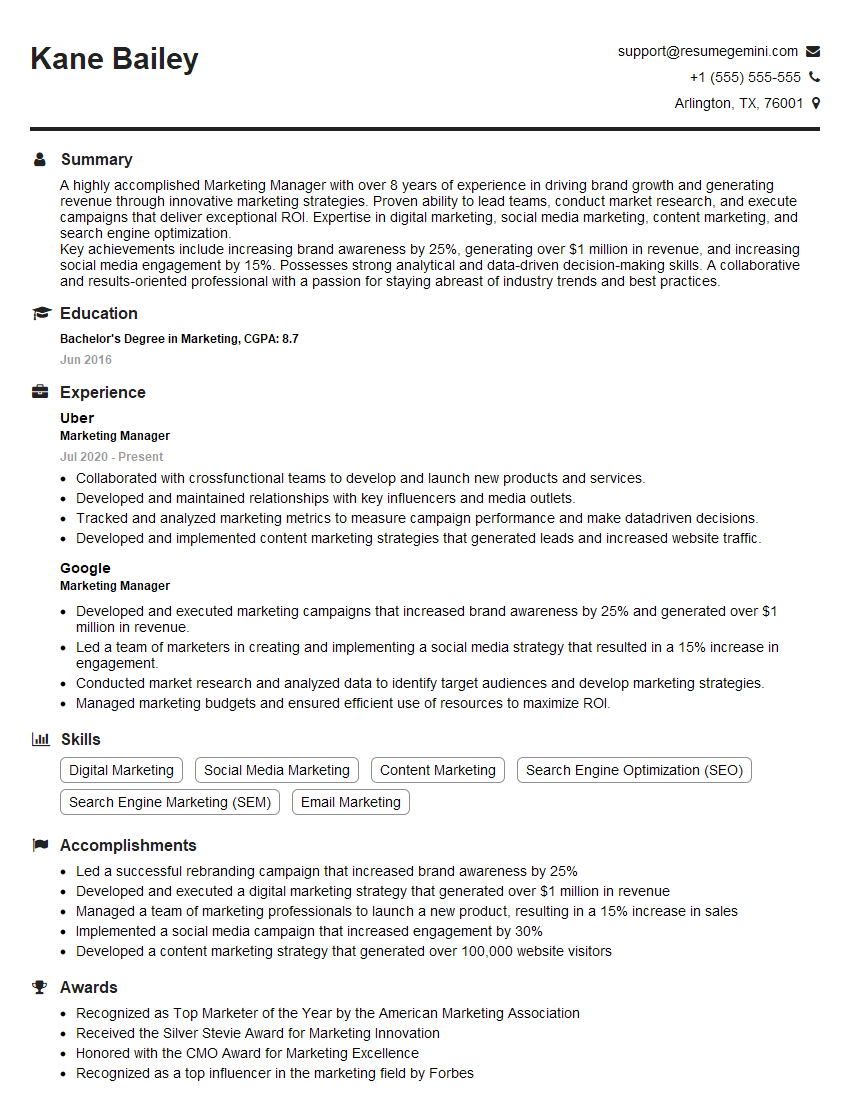
Marketing Manager Resume Sample

Communications Manager Resume Sample

Social Media Manager Resume Sample

Information Architect Resume Sample
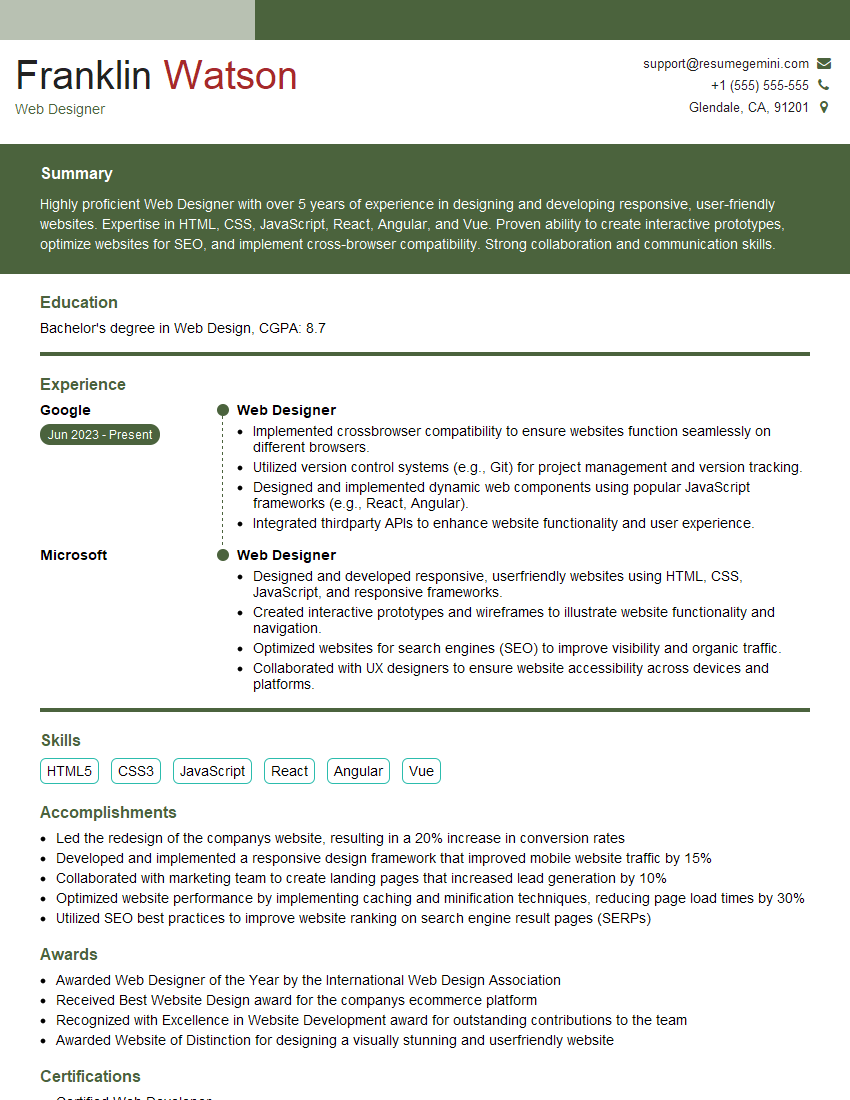
Web Designer Resume Sample
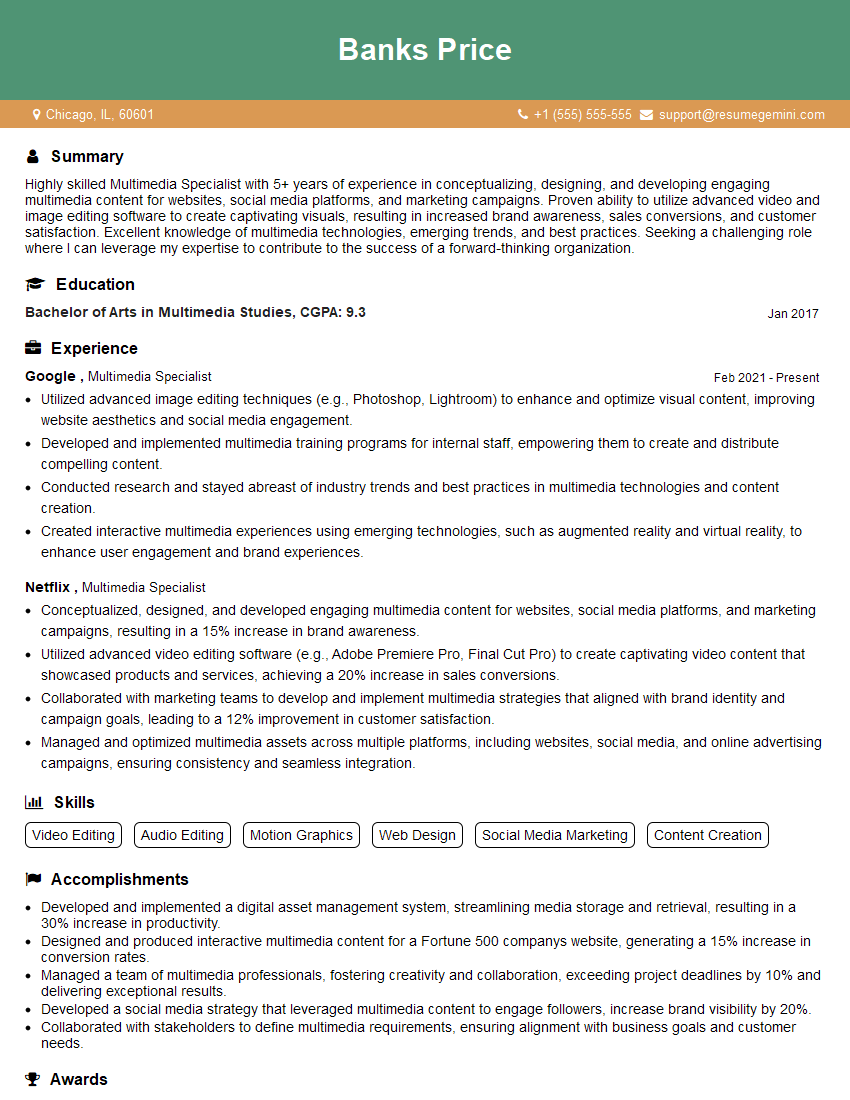
Multimedia Specialist Resume Sample
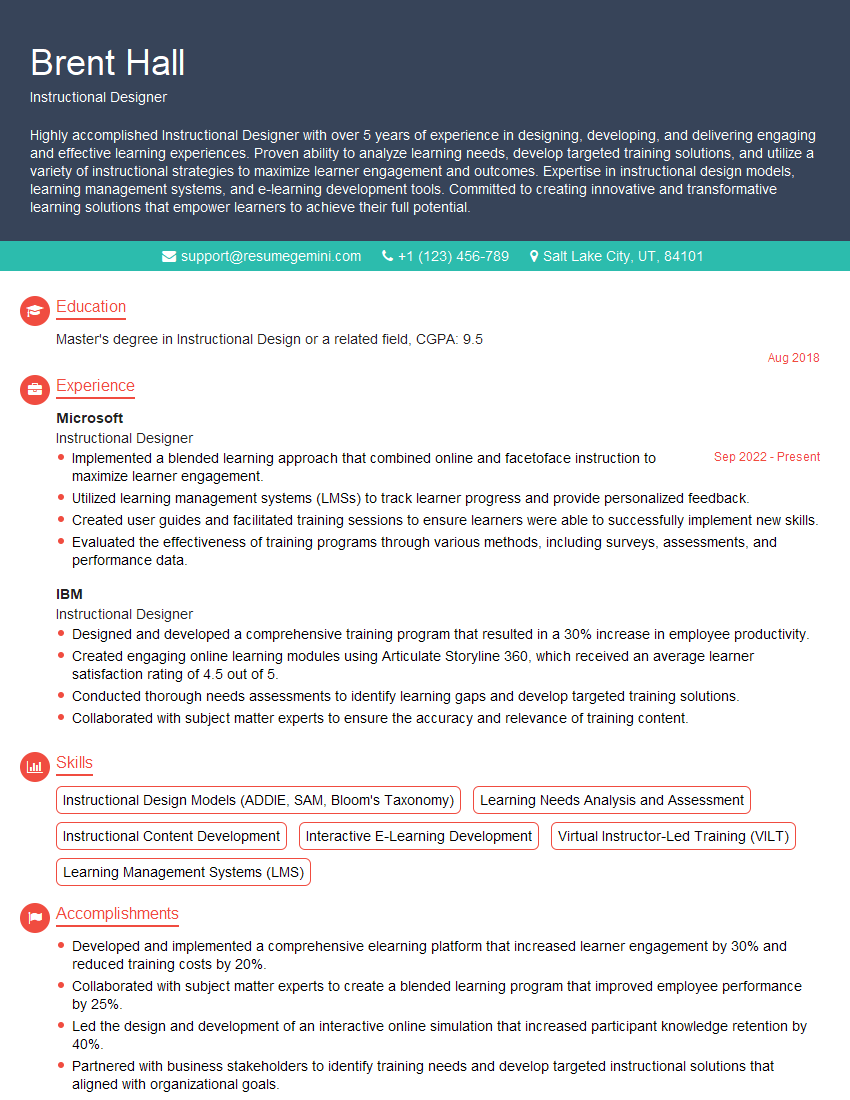
Instructional Designer Resume Sample
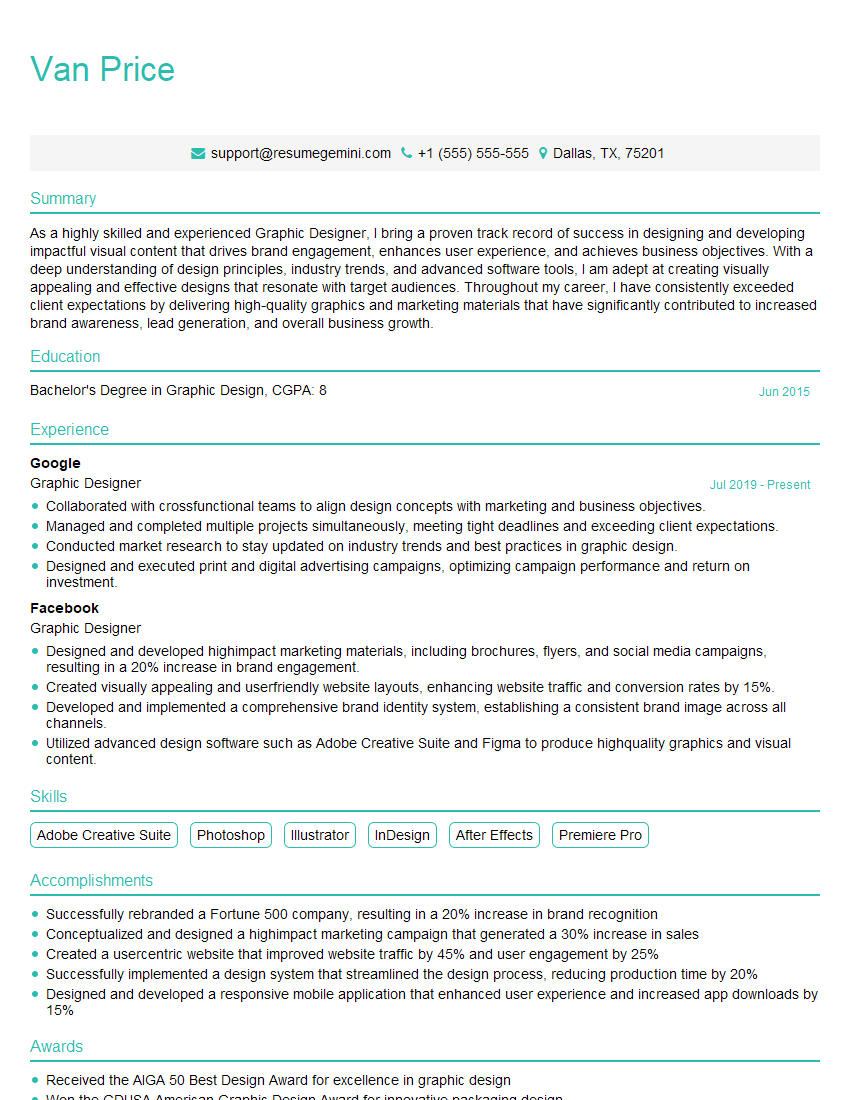
Graphic Designer Resume Sample

Technical Writer Resume Sample
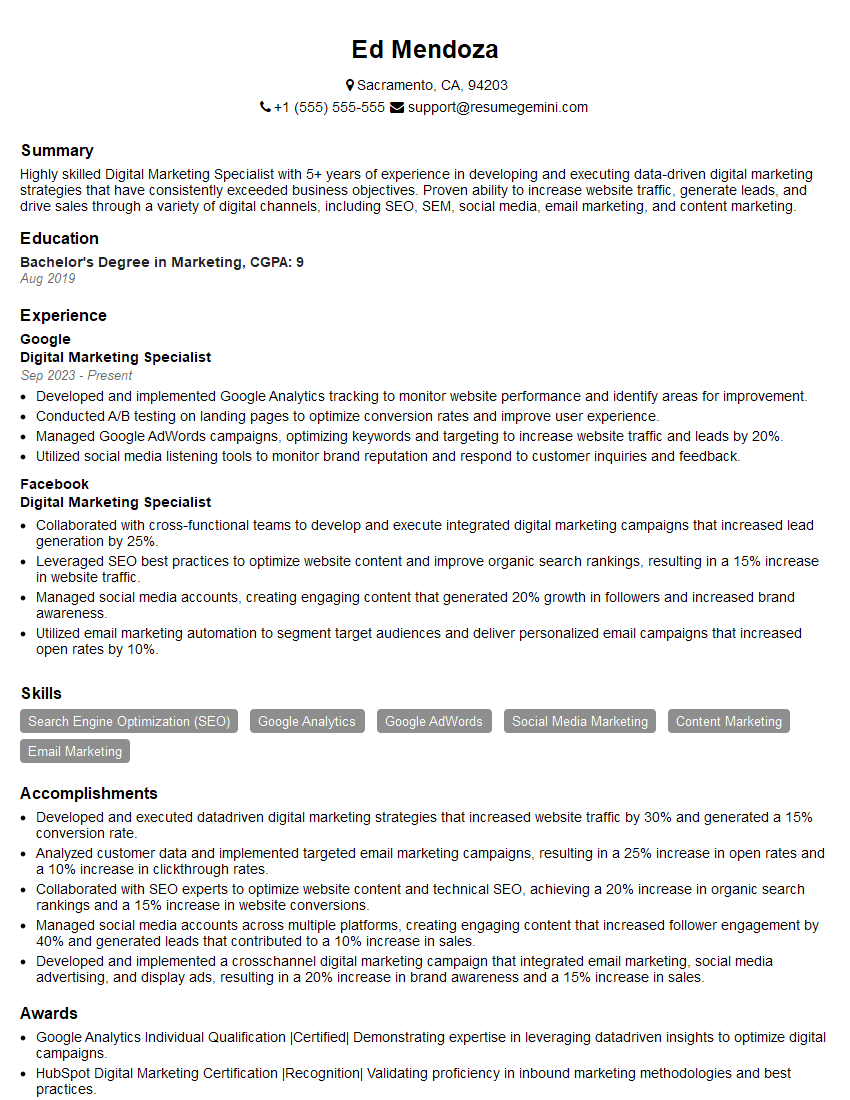
Digital Marketing Specialist Resume Sample
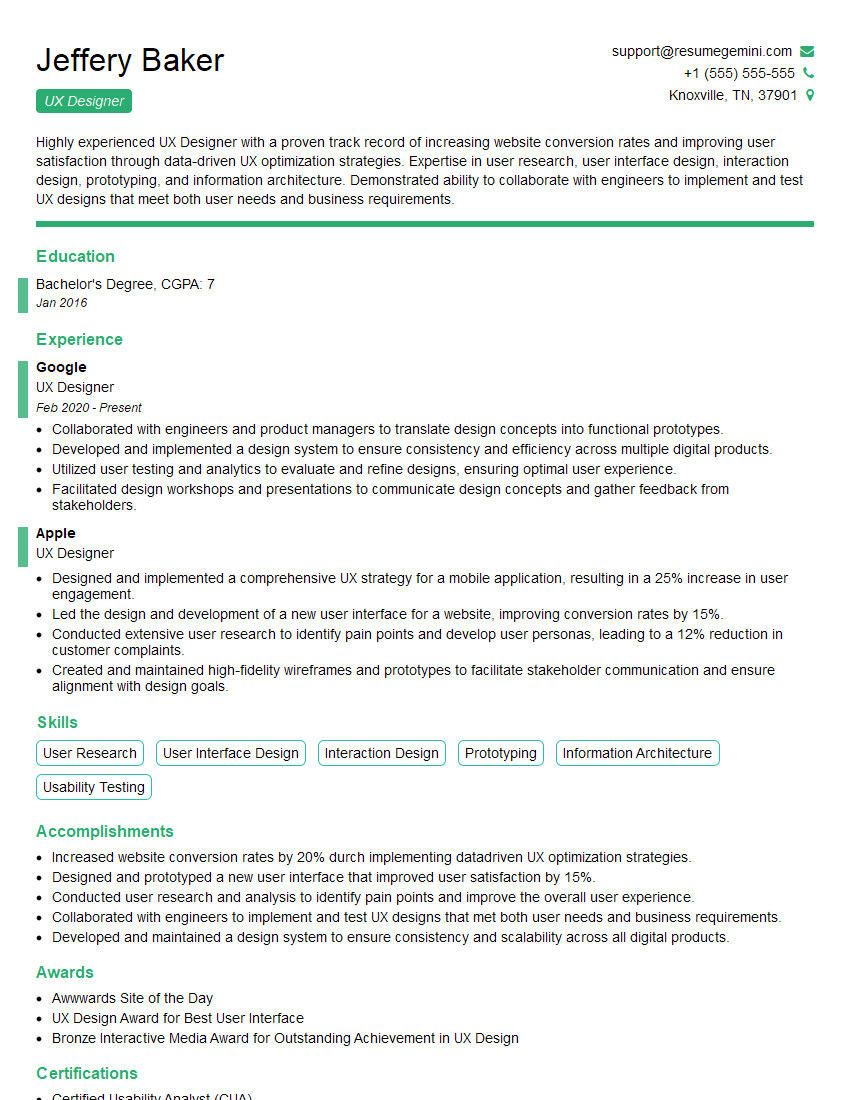
UX Designer Resume Sample
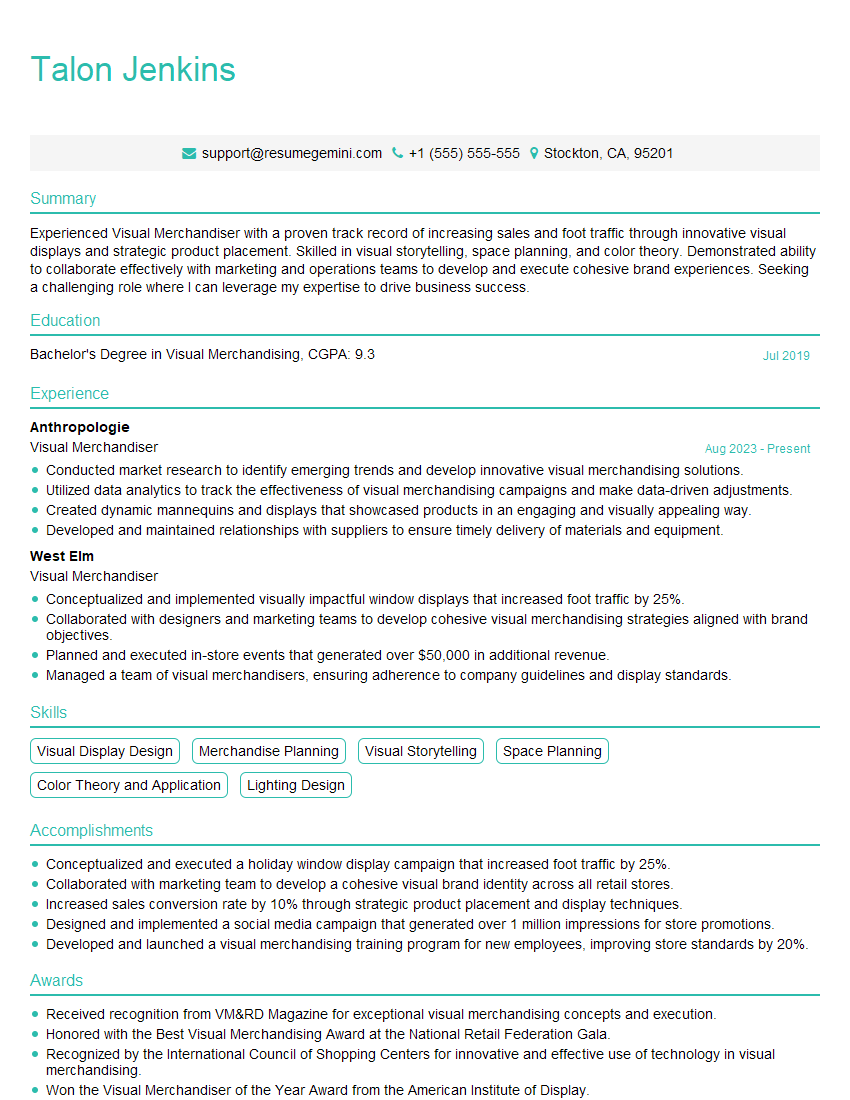
Visual Merchandiser Resume Sample
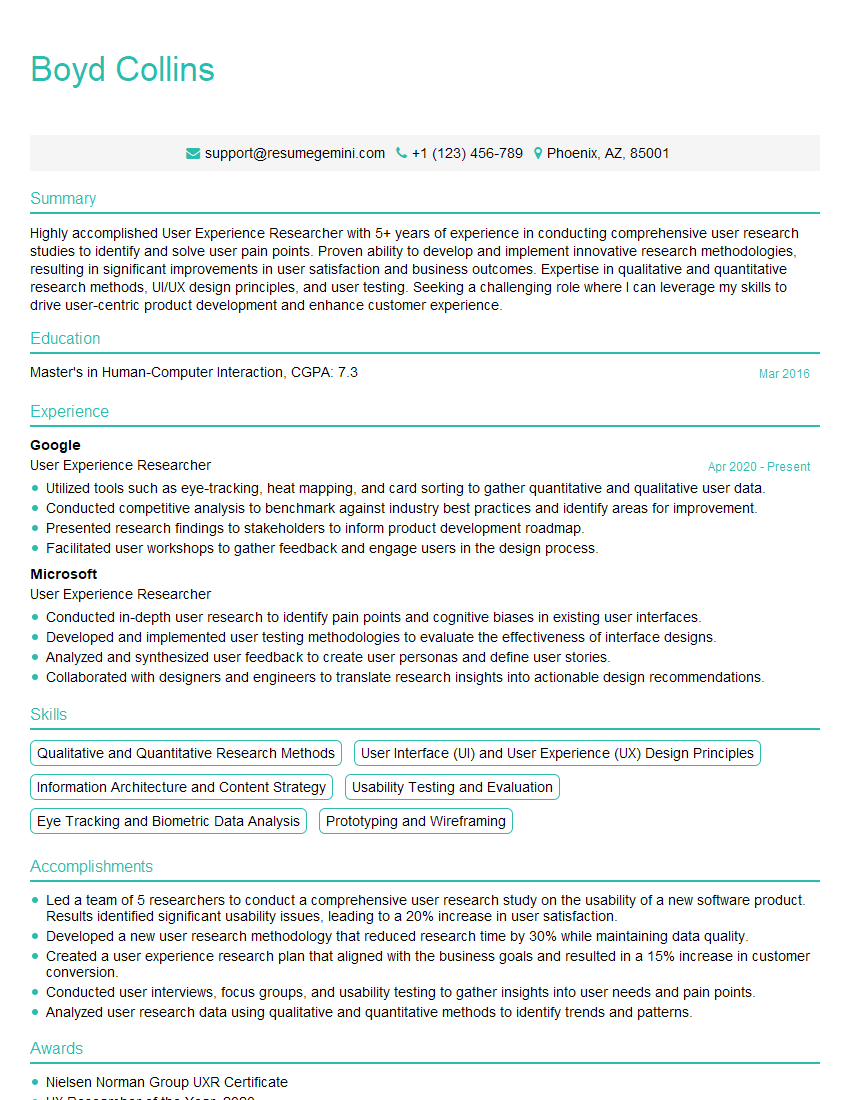
User Experience Researcher Resume Sample
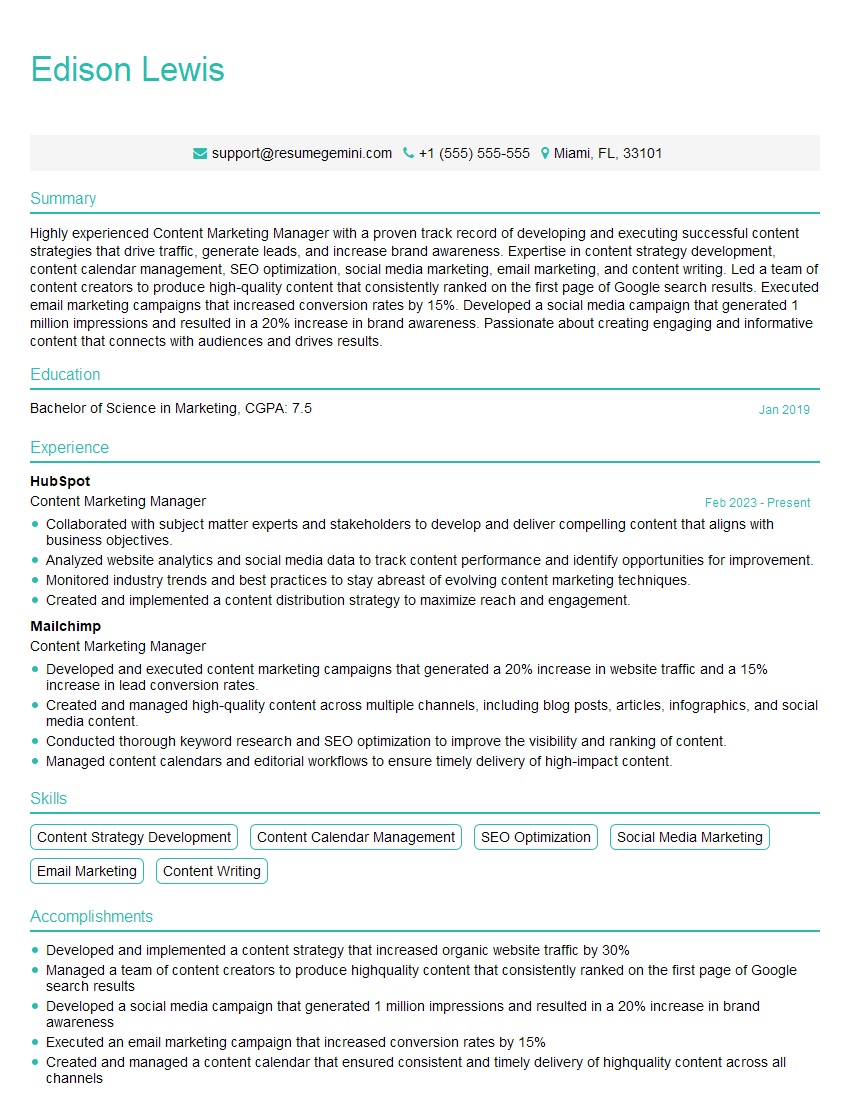
Content Marketing Manager Resume Sample
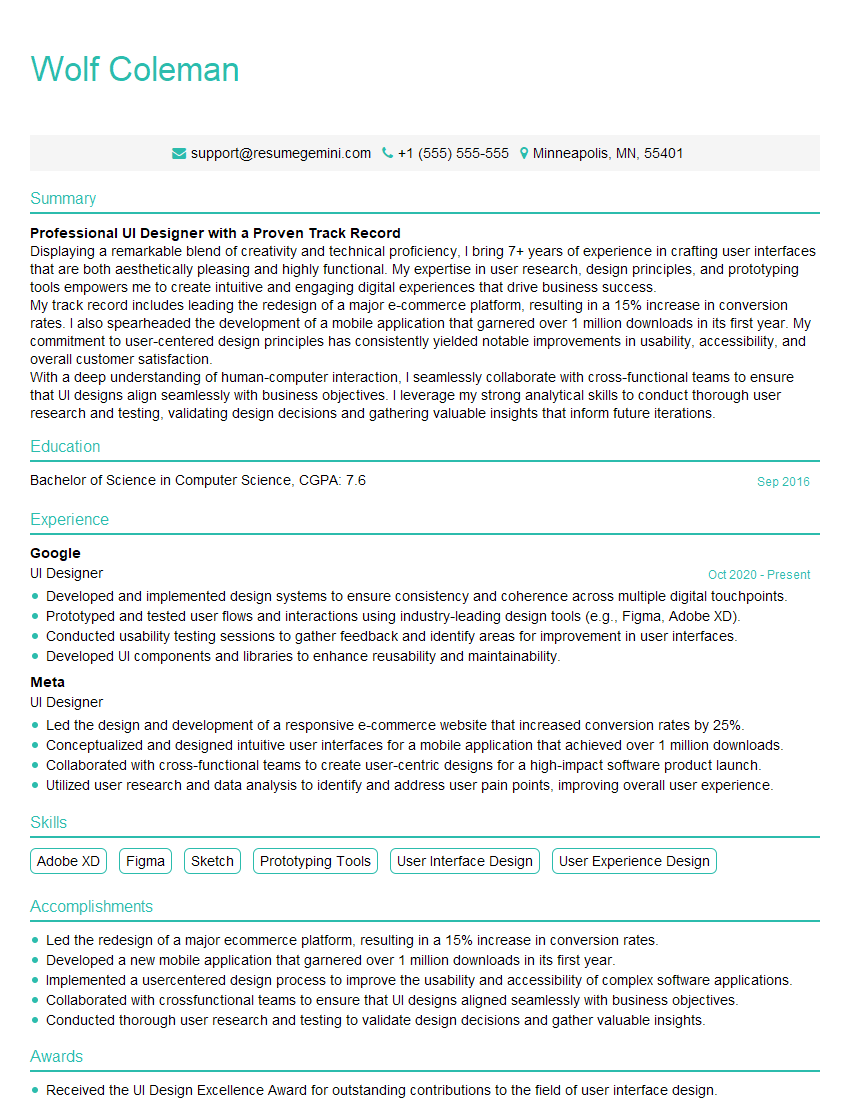
UI Designer Resume Sample
- Art Director
- Brand Manager
- Creative Director
- Marketing Manager
- Communications Manager
- Social Media Manager
- Information Architect
- Web Designer
- Multimedia Specialist
- Instructional Designer
- Graphic Designer
- Technical Writer
- Digital Marketing Specialist
- UX Designer
- Visual Merchandiser
- User Experience Researcher
- Content Marketing Manager
- UI Designer
Explore more articles
Users Rating of Our Blogs
Share Your Experience
We value your feedback! Please rate our content and share your thoughts (optional).
What Readers Say About Our Blog
Very informative content, great job.
good