Are you ready to stand out in your next interview? Understanding and preparing for Ability to follow complex instructions and specifications interview questions is a game-changer. In this blog, we’ve compiled key questions and expert advice to help you showcase your skills with confidence and precision. Let’s get started on your journey to acing the interview.
Questions Asked in Ability to follow complex instructions and specifications Interview
Q 1. Describe a time you had to follow unusually complex instructions. What challenges did you face, and how did you overcome them?
One of the most complex instruction sets I followed involved configuring a highly customized network security system for a large financial institution. The instructions spanned over 100 pages, detailing intricate firewall rules, VPN configurations, intrusion detection system settings, and integration with various third-party security tools. The challenge wasn’t just the sheer volume of information, but also the interdependencies between different components. A misconfiguration in one area could cascade into significant vulnerabilities elsewhere.
To overcome this, I employed a phased approach. First, I meticulously read through the entire documentation to gain a holistic understanding of the system architecture and the relationships between different modules. I then created a detailed flowchart to visualize the sequence of operations and the dependencies between various configuration steps. This helped me break down the complex task into smaller, manageable chunks. Next, I started with the core components, meticulously verifying each step against the instructions and using test environments to simulate different scenarios and identify potential issues early on. Finally, I rigorously tested the entire system for functionality and security vulnerabilities before deployment. This methodical, phased approach allowed me to successfully configure the system without major issues.
Q 2. How do you approach a task with ambiguous or incomplete instructions?
When faced with ambiguous or incomplete instructions, my approach is proactive and methodical. I prioritize clarification and verification. First, I meticulously analyze the available information, looking for any clues or implicit instructions. Then, I identify the missing pieces of information—the gaps in my understanding. I actively seek clarification from the relevant stakeholders, whether that’s the project manager, the client, or the documentation author. This might involve asking clarifying questions, requesting additional documentation, or even suggesting alternative solutions based on my understanding of the broader context. I document all assumptions made and clarify them promptly. This ensures that everyone is on the same page and prevents misinterpretations further down the line.
For instance, if the instructions say ‘integrate module X,’ but don’t specify the integration method, I would ask clarifying questions like: ‘Should this integration be achieved via API calls, a database connection, or a different method?’ This avoids potential misunderstandings and ensures the final product aligns with the expectations.
Q 3. Explain your process for verifying the accuracy of your work when following complex instructions.
Verifying the accuracy of my work when following complex instructions is crucial. My process involves multiple layers of checks and balances. Firstly, I perform self-checks at each stage of the process, comparing my work against the original instructions. I use checklists to ensure that every step is completed accurately and efficiently. This might involve using automated scripts for repetitive tasks or conducting manual spot checks for more intricate tasks. Secondly, I perform peer reviews, where I have a colleague review my work. A fresh pair of eyes can catch errors I might have missed. Finally, I always conduct thorough testing. This involves simulating real-world scenarios to ensure the functionality and accuracy of my work. This may include unit testing, integration testing and end-to-end testing depending on the complexity of the task. I document all testing procedures and results, which serves as a record of my verification process.
Q 4. Have you ever encountered conflicting instructions? How did you handle the situation?
Conflicting instructions are a real challenge, but handling them effectively requires clear communication and a structured approach. When I encounter conflicting instructions, my first step is to meticulously document each set of instructions and their source. Then, I analyze the discrepancies and try to identify the root cause of the conflict. Is it a simple oversight, a change in requirements, or a more fundamental disagreement about the project’s goals? Once the root cause is identified, I approach the relevant stakeholders—the individuals or teams who issued the conflicting instructions—to discuss the issue and reach a consensus. I aim for collaborative problem-solving, ensuring everyone understands the implications of each approach. We often reach a solution by prioritizing instructions based on their criticality or by finding a compromise that satisfies all parties involved.
Q 5. How do you prioritize tasks when faced with multiple sets of complex instructions?
Prioritizing tasks with multiple sets of complex instructions requires a well-defined strategy. I use a combination of techniques to manage this efficiently. First, I prioritize based on deadlines. Tasks with the most imminent deadlines are tackled first. Second, I prioritize based on dependencies. Tasks that are prerequisites for other tasks are given higher priority. Third, I assess the potential impact of each task. Tasks with the highest potential impact on the overall project are given preference. This might involve considering risks and rewards associated with each task. Finally, I break down large tasks into smaller, more manageable sub-tasks. This allows for flexibility and efficient progress tracking. I regularly review my priorities and adjust them as needed, based on new information or changing circumstances. I use project management tools to help visualize and track progress towards achieving each prioritized task. This allows me to efficiently allocate my time and resources to achieve the best possible results.
Q 6. Describe your experience using technical documentation to complete a task.
Technical documentation is an essential part of my workflow. My experience with technical documentation ranges from using straightforward manuals to navigating complex API specifications and software architecture diagrams. I approach technical documentation strategically. Firstly, I always start with a quick scan of the documentation to grasp the overall structure and scope. Then, I focus on the sections most relevant to my immediate task. I use keywords and search functions to quickly find specific information. Where diagrams or flowcharts are available, I carefully study them to get a visual understanding. I cross-reference information from different parts of the documentation to ensure consistency. When dealing with particularly complex documentation, I often create my own notes or summaries to condense the key information and make it easier to refer to. My experience has shown me that effectively using technical documentation significantly reduces the time spent on troubleshooting and problem-solving, thereby enhancing efficiency.
Q 7. How do you ensure you understand all aspects of a complex instruction before starting work?
Ensuring a complete understanding of complex instructions before starting work is paramount to avoid costly mistakes. My approach involves a multi-step process. Firstly, I read the instructions thoroughly, paying attention to all details, including any caveats or exceptions. Secondly, I actively look for any ambiguities or uncertainties. If any are present, I seek clarification from the relevant stakeholders. Thirdly, I create a plan or outline that breaks down the instructions into smaller, more manageable steps. This process involves clarifying dependencies and potential roadblocks. Fourthly, I perform a quick sanity check, reviewing the plan to ensure it aligns with the instructions and addresses all aspects of the task. Finally, I test a small segment of the plan using a test environment, before commencing work on the complete task. This iterative approach ensures a solid understanding of the instructions and minimizes the risk of errors.
Q 8. What strategies do you use to manage the complexity of multi-step instructions?
Managing the complexity of multi-step instructions involves a systematic approach. Think of it like building with LEGOs – you wouldn’t just throw all the pieces together at once. My strategy centers around breaking down the instructions into smaller, manageable chunks. This involves:
Decomposition: I dissect the overall task into smaller, logically related sub-tasks. For example, if the instruction is ‘build a website’, I would break it down into ‘design the layout’, ‘code the front-end’, ‘develop the back-end’, ‘test functionality’, and ‘deploy the site’.
Prioritization: I identify dependencies between sub-tasks and prioritize them accordingly. For example, the back-end development might need to be completed before the front-end integration can happen.
Visual aids: Flowcharts, diagrams, or mind maps can visually represent the steps and their relationships, making the process clearer. I often find that a visual representation can greatly reduce confusion.
Documentation: I meticulously document each step completed, along with any decisions made or challenges faced. This creates a clear audit trail and assists in troubleshooting if problems arise.
Q 9. Describe a time you had to adapt your approach when following complex instructions due to unforeseen circumstances.
During a large-scale software implementation project, we were following a detailed migration plan. The plan outlined a specific sequence of database updates and system restarts. However, midway through, we discovered an unforeseen incompatibility between a new library and an existing system component. My initial approach, following the instructions verbatim, would have resulted in a system failure.
Instead of rigidly adhering to the original plan, I collaborated with the development team to devise a workaround. We prioritized the steps and decided to implement a temporary patch to resolve the incompatibility before proceeding with the remaining database updates. This required a significant deviation from the original instructions, but it prevented a much larger problem, demonstrating adaptability and quick problem-solving.
Q 10. How do you identify potential errors or inconsistencies in complex instructions?
Identifying errors or inconsistencies in complex instructions requires a critical and methodical approach. I use several techniques, including:
Cross-referencing: I compare different sections of the instructions to ensure consistency. Contradictions or conflicting information are flagged and investigated.
Logical checks: I verify that each step is logically sound and achievable. If a step seems unrealistic or impossible, I investigate further.
Step-by-step walkthrough: I often perform a ‘dry run’ – mentally or partially – executing the instructions to identify potential issues before starting the actual work. This ‘tabletop’ exercise highlights potential problems early.
Seeking clarification: If ambiguity or inconsistencies remain, I actively seek clarification from the source of the instructions, rather than making assumptions.
Q 11. How do you handle situations where you are unsure about a specific instruction?
When unsure about a specific instruction, I prioritize careful investigation and responsible communication. My approach is to:
Review related instructions: I carefully examine surrounding sections of the instructions to see if they shed light on the unclear step.
Consult resources: I refer to any provided documentation, manuals, or online resources related to the task.
Seek expert advice: I reach out to colleagues or supervisors who might have more experience or knowledge about the specific instruction. This is crucial to avoid costly mistakes based on incorrect assumptions.
Document the uncertainty: I meticulously document my uncertainty and the steps taken to resolve it. This ensures transparency and helps prevent similar issues in the future.
Q 12. What is your preferred method for tracking your progress when working on a task with multiple steps?
My preferred method for tracking progress on multi-step tasks is a combination of techniques. I find that a multifaceted approach is the most effective. This includes:
Checklists: I create detailed checklists that list each step, allowing me to mark them off as completed. This provides a clear visual representation of progress.
Project management tools: For larger tasks, I utilize project management software like Jira or Asana to track progress, dependencies, and deadlines.
Regular updates: I set aside time for regular progress reviews, to assess my progress against the plan and identify potential roadblocks.
Timeboxing: Allocating specific time blocks for each sub-task helps maintain focus and improves time management.
Q 13. How do you communicate with others when you encounter difficulties while following complex instructions?
Communicating difficulties effectively is critical. I prioritize clear, concise, and proactive communication. My approach involves:
Prompt notification: I inform relevant stakeholders immediately upon encountering a difficulty. Delaying communication often exacerbates the problem.
Detailed description: My communication includes a precise description of the issue, the specific instruction causing the difficulty, and any attempts made to resolve the problem.
Proposed solutions: Whenever possible, I offer potential solutions or workarounds to address the issue.
Collaborative approach: I view challenges as opportunities for collaboration and seek input from others to find the best solution.
Q 14. How do you manage your time effectively when completing tasks with complex instructions?
Managing time effectively when dealing with complex instructions requires careful planning and execution. My strategies include:
Time estimation: I break down the task into smaller units and estimate the time required for each. This estimation process is crucial for realistic scheduling.
Prioritization and scheduling: I prioritize tasks based on their urgency and dependencies, scheduling them accordingly. This could involve the use of Gantt charts or other visual scheduling tools.
Timeboxing: I allocate specific time blocks to each sub-task, helping maintain focus and prevent time slippage. Regular breaks are incorporated to maintain concentration and avoid burnout.
Contingency planning: I build in buffer time to account for unforeseen delays or complications. This reduces stress and helps prevent missed deadlines.
Q 15. How do you handle interruptions when working on a complex task?
Handling interruptions while working on complex tasks requires a proactive and organized approach. My strategy involves a combination of planning, communication, and effective time management. Before starting a complex task, I break it down into smaller, manageable chunks, creating a detailed plan with milestones. This allows me to easily assess my progress and identify where I left off if interrupted. When an interruption occurs, I immediately note my current position and the next step in my plan. If the interruption is brief, I quickly address it and return to my task. However, if it’s a significant interruption requiring considerable time, I prioritize based on urgency and importance. For example, if a critical issue arises, I will address it first, then return to my original task, meticulously documenting my progress to avoid rework. I also communicate clearly with my colleagues about my workload and deadlines to minimize unnecessary interruptions.
For instance, during a recent project involving the development of a complex algorithm, I was interrupted several times with urgent requests. By having a well-defined plan with clear checkpoints, I was able to quickly return to my work after each interruption, maintaining focus and meeting my deadline. I also made sure to communicate the time constraints on my original task to those who requested my assistance. This ensured that the disruption was as minimal as possible and did not impact the project timeline.
Career Expert Tips:
- Ace those interviews! Prepare effectively by reviewing the Top 50 Most Common Interview Questions on ResumeGemini.
- Navigate your job search with confidence! Explore a wide range of Career Tips on ResumeGemini. Learn about common challenges and recommendations to overcome them.
- Craft the perfect resume! Master the Art of Resume Writing with ResumeGemini’s guide. Showcase your unique qualifications and achievements effectively.
- Don’t miss out on holiday savings! Build your dream resume with ResumeGemini’s ATS optimized templates.
Q 16. Describe your experience working with detailed technical specifications.
I have extensive experience working with detailed technical specifications, often involving diagrams, flowcharts, and detailed textual descriptions. My approach is methodical and begins with a thorough review of all provided documentation to grasp the overall architecture and functionalities. I then create a comprehensive checklist based on the specifications, ensuring that every requirement is accounted for. This checklist serves as a roadmap throughout the project, allowing me to track my progress and identify any discrepancies. I often use visual aids such as mind maps to organize information and identify potential dependencies. This process ensures I fully comprehend the intricate details and avoid making assumptions that could lead to errors.
For example, in a recent project involving the integration of a new software module into an existing system, the specifications were extensive and highly detailed, spanning over 100 pages. I systematically reviewed each section, creating a detailed checklist and a mind map to visualize the interactions between various components. This structured approach enabled me to seamlessly integrate the new module while adhering to all the given requirements.
Q 17. How do you ensure that your work meets all specified requirements?
Ensuring my work meets all specified requirements involves a multi-step process starting with meticulous planning and continuing through rigorous testing. I prioritize understanding the ‘why’ behind each requirement, not just the ‘what.’ This deep understanding helps me anticipate potential issues and design robust solutions. During the execution phase, I frequently cross-reference my work against the specifications using my checklist and conducting regular self-reviews. Once the initial work is complete, I implement rigorous testing procedures, including unit tests, integration tests, and system tests, depending on the complexity of the project. These tests help identify and resolve any deviations from the requirements early on. Finally, I document all testing results and submit a comprehensive report detailing my findings and ensuring complete compliance with the specifications.
For instance, in developing a mobile application, the specifications included specific performance benchmarks and accessibility standards. Throughout the development process, I regularly tested the app against these criteria, documenting each test and addressing any shortcomings. The final version met all specified performance and accessibility requirements, ensuring a high-quality user experience.
Q 18. How do you handle feedback on your work when you have followed complex instructions?
Handling feedback, especially on complex tasks, requires a receptive and analytical approach. I view feedback as an opportunity for improvement and learning. I begin by carefully reviewing all feedback, separating constructive criticism from subjective opinions. I then analyze the feedback in relation to the original specifications to determine if any requirements were misinterpreted or overlooked. If the feedback highlights a genuine error or omission on my part, I take full responsibility and work diligently to correct the issue. I document the changes made and communicate my revised approach. If the feedback is subjective or based on a misunderstanding, I engage in respectful dialogue with the provider to clarify any ambiguity and reach a mutual understanding. I focus on understanding their perspective and explaining my reasoning, providing data or evidence to support my approach if necessary.
In one instance, I received feedback indicating that a particular feature in a complex system wasn’t intuitive enough. After careful analysis, I realized that the user interface could be improved. I proactively collaborated with the user experience (UX) team, incorporating their suggestions and ultimately delivering a user-friendly version that addressed the concerns raised. This collaborative approach led to a significantly enhanced user experience.
Q 19. What techniques do you use to stay organized when working with multiple sets of instructions?
Staying organized when juggling multiple sets of instructions necessitates a robust system for managing information. I employ several techniques, including utilizing project management tools, creating detailed workflows, and leveraging visual aids. Project management software like Jira or Asana helps me track individual tasks, deadlines, and dependencies across different instruction sets. For each instruction set, I create a separate workflow document, outlining the specific steps, expected outcomes, and timelines. Visual aids such as mind maps or flowcharts allow me to quickly grasp the relationships between different instruction sets and identify potential overlaps or conflicts. This structured approach ensures I don’t lose track of critical details and can effectively prioritize tasks based on their urgency and importance.
For example, while working on a large-scale project with multiple teams and numerous instruction sets, I used Jira to manage all tasks and deadlines, while creating individual workflow documents for each team’s specific instructions. This allowed me to effectively coordinate the different parts of the project and ensure everyone was on track. I also used a shared mind map to visually represent the dependencies between various tasks and instruction sets.
Q 20. Have you ever had to modify complex instructions to improve efficiency? Describe the process.
Modifying complex instructions to improve efficiency is a crucial skill that often involves a balance of creativity and rigor. My process begins with a thorough understanding of the instructions and the overall goals. I then analyze the existing process, identifying potential bottlenecks or redundancies. Once identified, I explore alternative approaches, considering factors such as time constraints, resource availability, and potential risks. I document all proposed modifications, providing clear justifications and conducting a thorough risk assessment before implementing any changes. Once implemented, I monitor the results carefully to measure the effectiveness of the modifications and make further adjustments as needed. It’s important to always maintain transparency, documenting these changes for future reference and communicating them to all stakeholders.
In a previous project, the instructions for data processing were complex and time-consuming. By analyzing the workflow, I identified a step that could be automated using scripting. After careful testing and documentation of this change, I implemented the automation, reducing processing time by 50% without compromising data integrity. This modification significantly improved efficiency and freed up valuable time for other crucial tasks.
Q 21. How do you stay focused when working on a tedious task with complex instructions?
Maintaining focus on tedious tasks with complex instructions requires a combination of strategic planning and self-discipline. I utilize the Pomodoro Technique, which involves working in focused bursts (typically 25 minutes) followed by short breaks. This technique helps prevent mental fatigue and maintains productivity. I also break down the task into smaller, more manageable sub-tasks, creating a sense of accomplishment as I complete each one. I reward myself with small breaks after achieving milestones, keeping myself motivated. Creating a distraction-free work environment is also critical. This could involve minimizing interruptions, turning off notifications, and using noise-canceling headphones. Regularly stepping away for short breaks to stretch or do something completely unrelated can also help refresh the mind and improve concentration.
When faced with a particularly tedious data entry task involving a complex data format, I used the Pomodoro Technique and divided the task into smaller chunks, using a reward system of short breaks after each completed segment. By consistently applying these strategies, I was able to maintain focus and complete the task efficiently and accurately.
Q 22. What steps do you take to prevent errors when following complex instructions?
Preventing errors when following complex instructions is paramount. My approach is multifaceted, focusing on proactive measures and thorough verification. I begin by carefully reading the entire instruction set before starting, looking for any potential ambiguities or inconsistencies. This initial overview helps me form a mental roadmap of the process. I then break down the instructions into smaller, manageable steps, creating a checklist to track my progress. This prevents getting overwhelmed and allows for focused attention on each individual task. Crucially, I actively seek clarification on any unclear points before proceeding, rather than making assumptions. Finally, I perform regular self-checks throughout the process, comparing my work against the instructions at key milestones. This iterative verification significantly reduces the risk of errors accumulating unnoticed.
- Example: When assembling intricate machinery, I wouldn’t simply start connecting parts. I would meticulously review the assembly manual, identify all components, and then systematically follow each step, verifying each connection before moving on to the next.
Q 23. Describe your experience working with diagrams, flowcharts, or other visual aids to understand instructions.
Visual aids are invaluable for understanding complex instructions. I’m highly proficient in interpreting diagrams, flowcharts, and other visual representations. Flowcharts, for instance, provide a clear, sequential overview of the process, highlighting decision points and branching paths. This allows me to quickly grasp the overall workflow and identify potential bottlenecks. Diagrams provide a visual representation of the components and their relationships, which is crucial for tasks involving assembly or configuration. I find that these visual aids significantly reduce the cognitive load and improve comprehension, minimizing the chance of misinterpretations. I often combine visual aids with textual instructions for a holistic understanding.
- Example: When troubleshooting network issues, network diagrams are essential in identifying the potential points of failure within the system. I can quickly locate the specific segment of the network that needs attention, based on the visual representation of the network’s components and their interconnections.
Q 24. How do you ensure that you are following the correct version of the instructions?
Ensuring I’m using the correct version of instructions is critical to avoid costly mistakes. I always confirm the version number explicitly stated in the document itself. If there’s a revision control system in place (like Git or a similar system), I utilize it to access the most recent, approved version. I also confirm the document’s source – is it from a reliable and authorized source? If I receive instructions verbally, I always request a written, documented version to confirm the instructions and to have a reference point throughout the process. This documented version serves as the single source of truth, minimizing the risk of conflicting information.
- Example: Before updating software, I meticulously check the version number on the download page and compare it to my existing version to ensure I’m applying the correct patch, preventing unintended conflicts or incompatibility issues.
Q 25. How do you document your work when following complex instructions?
Thorough documentation is essential when dealing with complex instructions. My documentation strategy involves maintaining a detailed log of actions taken, including timestamps, and any decisions made. This log is crucial for troubleshooting, auditing, and future reference. I use a combination of methods: a structured checklist to track progress, detailed notes to explain choices or unusual circumstances encountered, and screenshots or screen recordings where relevant (especially for software configurations). This comprehensive documentation provides a clear audit trail of the entire process and facilitates collaboration and knowledge sharing.
- Example: While configuring a server, I document every command executed, including the parameters used, the results, and any error messages encountered. This allows me to retrace my steps if problems occur later.
Q 26. What is your approach to troubleshooting problems that arise while following complex instructions?
Troubleshooting is an iterative process. When faced with problems, I start by carefully reviewing the instructions and my own documentation to identify where the discrepancy lies. I systematically check each step, comparing my work against the instructions, looking for inconsistencies. I utilize debugging tools specific to the task at hand. For example, if it’s a software issue, I use debugging tools to analyze code or logs. If it’s hardware, I check connections and power supply. If the issue persists, I leverage available resources: online documentation, forums, or colleagues, to gather insights. I break the problem into smaller parts, testing each component individually to isolate the root cause, and document all attempts made along the way.
- Example: When a software application fails to launch, I would first check the logs for error messages, then verify system requirements, and finally, consider reinstalling the software or contacting technical support.
Q 27. How do you learn new processes and techniques required for following unfamiliar complex instructions?
Learning new processes and techniques involves a structured approach. I start by thoroughly reading any relevant documentation or tutorials. I often look for video tutorials or online courses that complement textual resources, as visual demonstrations can significantly enhance understanding. I then practice the new process in a safe environment, like a test environment or sandbox, allowing me to make mistakes without causing disruptions. I actively seek feedback from experienced colleagues or mentors. Finally, I use the newly acquired skills in real-world scenarios, starting with simpler applications to gradually build confidence and proficiency.
- Example: When tasked with learning a new programming language, I begin by following online courses, practicing with simple exercises, and building small projects to reinforce my understanding.
Q 28. Describe a time you successfully followed complex instructions to achieve a significant outcome.
In a previous role, I was tasked with implementing a new data migration process for a large-scale database. The instructions were incredibly complex, involving intricate data transformations and validation steps across multiple systems. The success of this project was critical, and failure could have resulted in significant data loss. I approached the task methodically. I first broke the instructions into phases, creating a detailed project plan and checklist for each phase. I used flowcharts and diagrams to visually represent the data transformations. I maintained rigorous documentation at each step, including version control of the scripts and a log of all actions. Throughout the process, I regularly performed data validation and integrity checks, ensuring data consistency. The project was successfully completed on time and without data loss, demonstrating my ability to manage and execute complex instructions effectively.
Key Topics to Learn for Ability to Follow Complex Instructions and Specifications Interview
- Understanding the Scope: Learn to thoroughly analyze instructions, identifying key objectives, constraints, and potential ambiguities before beginning any task. This includes asking clarifying questions when necessary.
- Process Decomposition: Practice breaking down complex instructions into smaller, manageable steps. This structured approach minimizes errors and allows for efficient progress tracking.
- Prioritization and Time Management: Develop strategies for prioritizing tasks within a complex instruction set, efficiently allocating time to meet deadlines and manage competing demands.
- Attention to Detail: Highlight your ability to meticulously follow instructions, paying close attention to even minor details to ensure accuracy and completeness. Provide examples of how you’ve handled this in past experiences.
- Documentation and Record Keeping: Emphasize your ability to maintain thorough records of your work, including notes, progress reports, and any adjustments made based on the instructions. This demonstrates accountability and transparency.
- Problem-Solving and Adaptability: Prepare examples where you encountered unexpected challenges while following complex instructions and how you creatively solved them. Show your ability to adapt to changing requirements.
- Communication and Collaboration: Demonstrate your ability to effectively communicate your understanding of the instructions and seek clarification when needed, especially in team-based projects. Highlight your collaborative problem-solving skills.
- Error Detection and Correction: Explain your strategies for identifying and correcting errors efficiently. Show your proactive approach to quality control and attention to detail in the process.
Next Steps
Mastering the ability to follow complex instructions and specifications is crucial for career advancement, opening doors to more challenging and rewarding roles. A well-crafted resume showcasing these skills is essential to securing your ideal position. Building an ATS-friendly resume significantly increases your chances of getting noticed by recruiters. Use ResumeGemini to create a professional and impactful resume that highlights your capabilities. ResumeGemini provides examples of resumes tailored to emphasize your ability to follow complex instructions and specifications, helping you present your skills effectively.
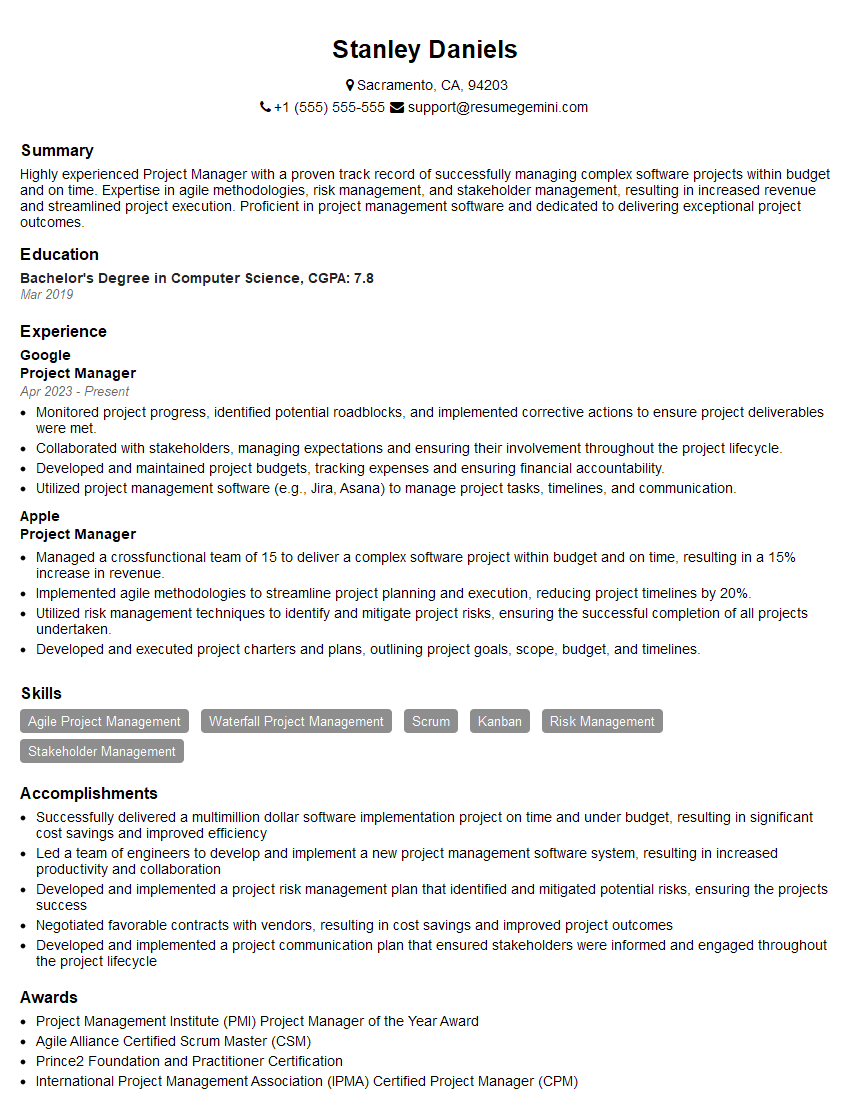
Project Manager Resume Sample

Compliance Officer Resume Sample
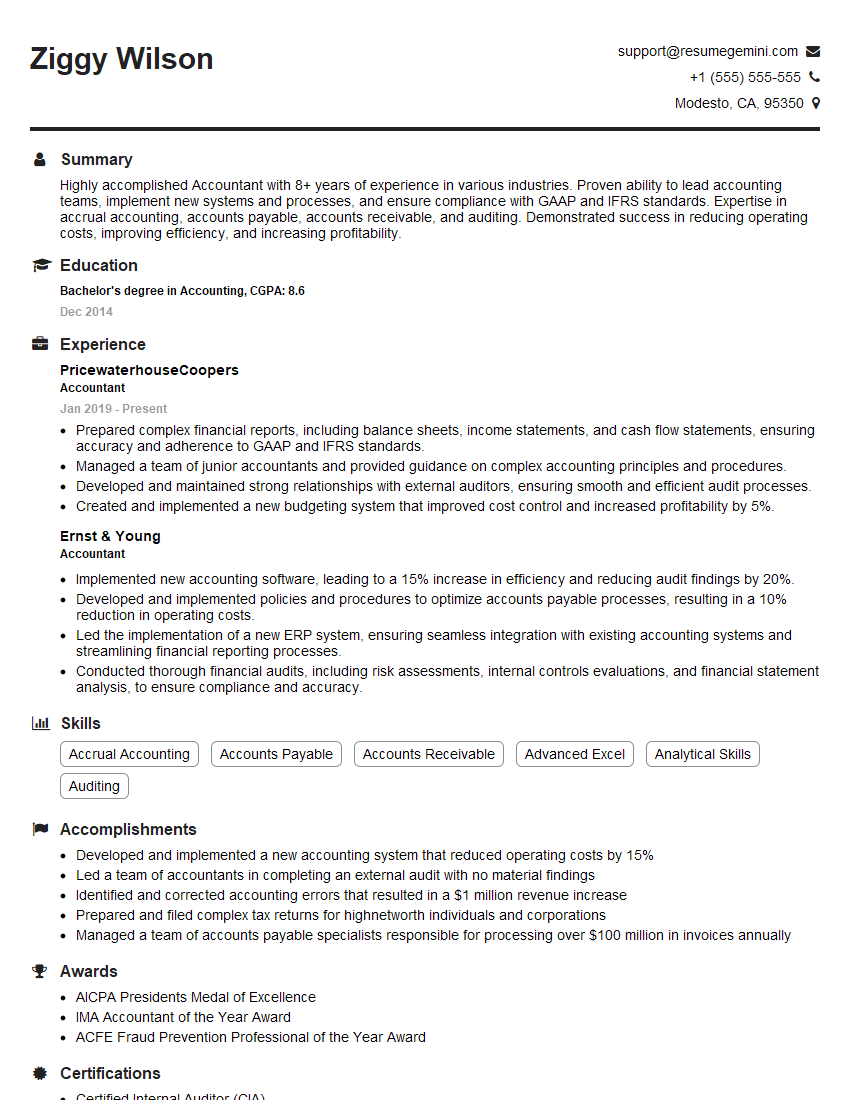
Accountant Resume Sample
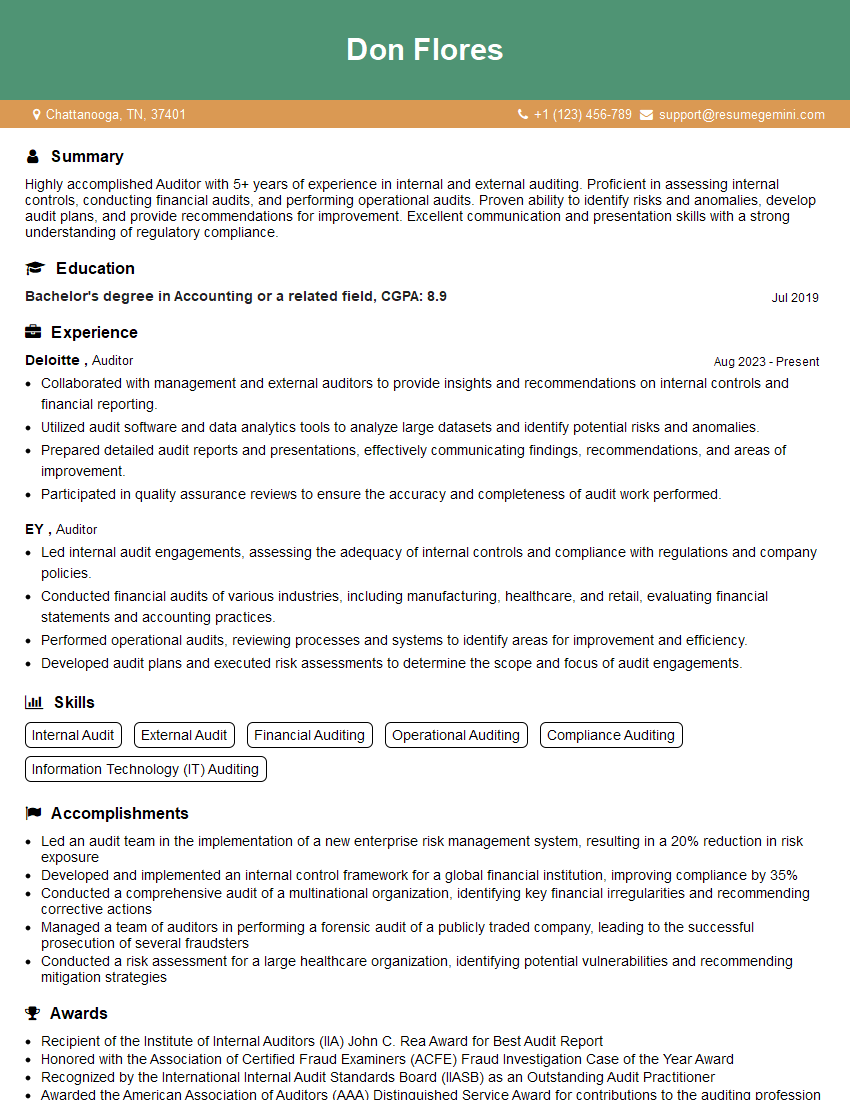
Auditor Resume Sample
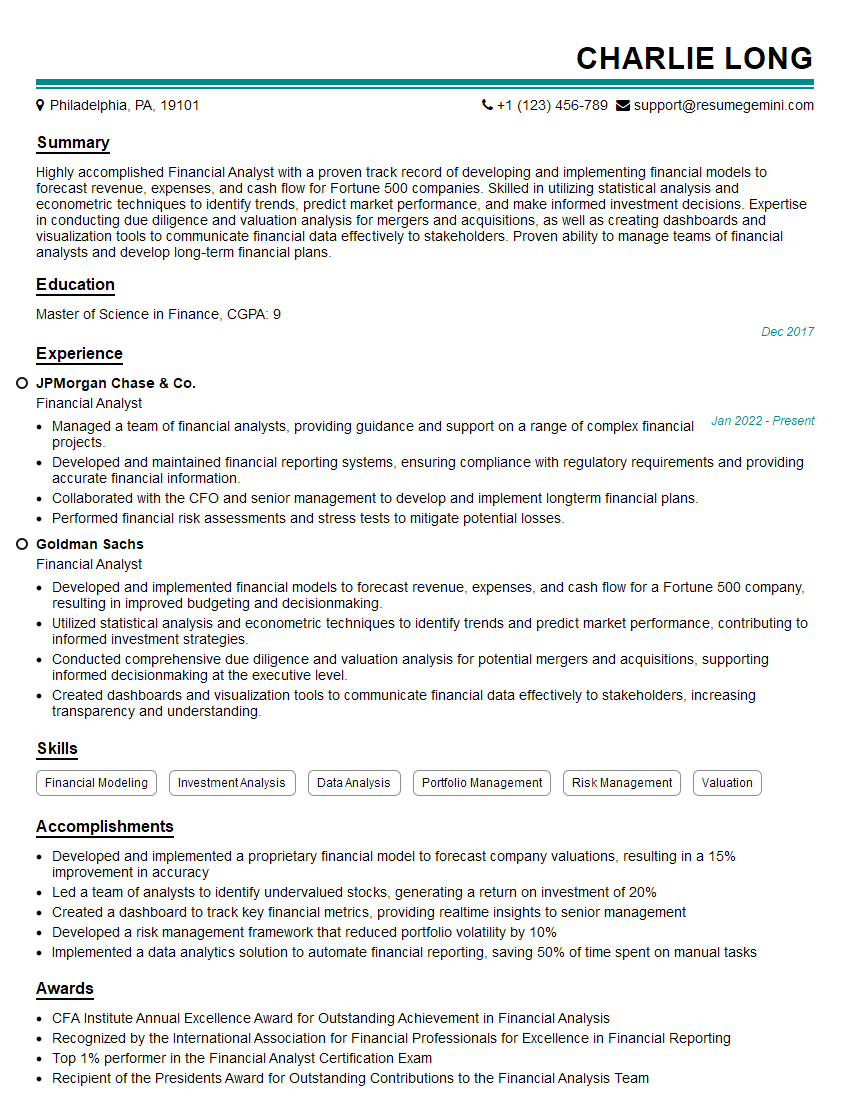
Financial Analyst Resume Sample
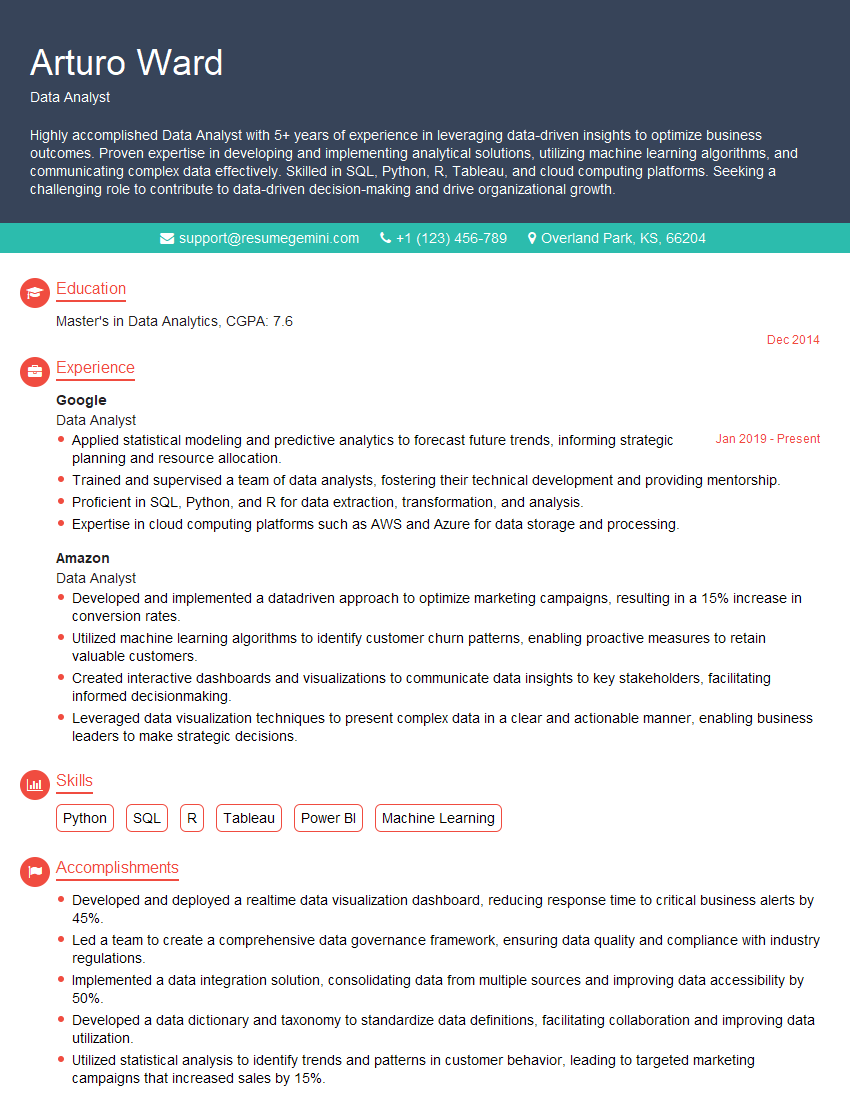
Data Analyst Resume Sample
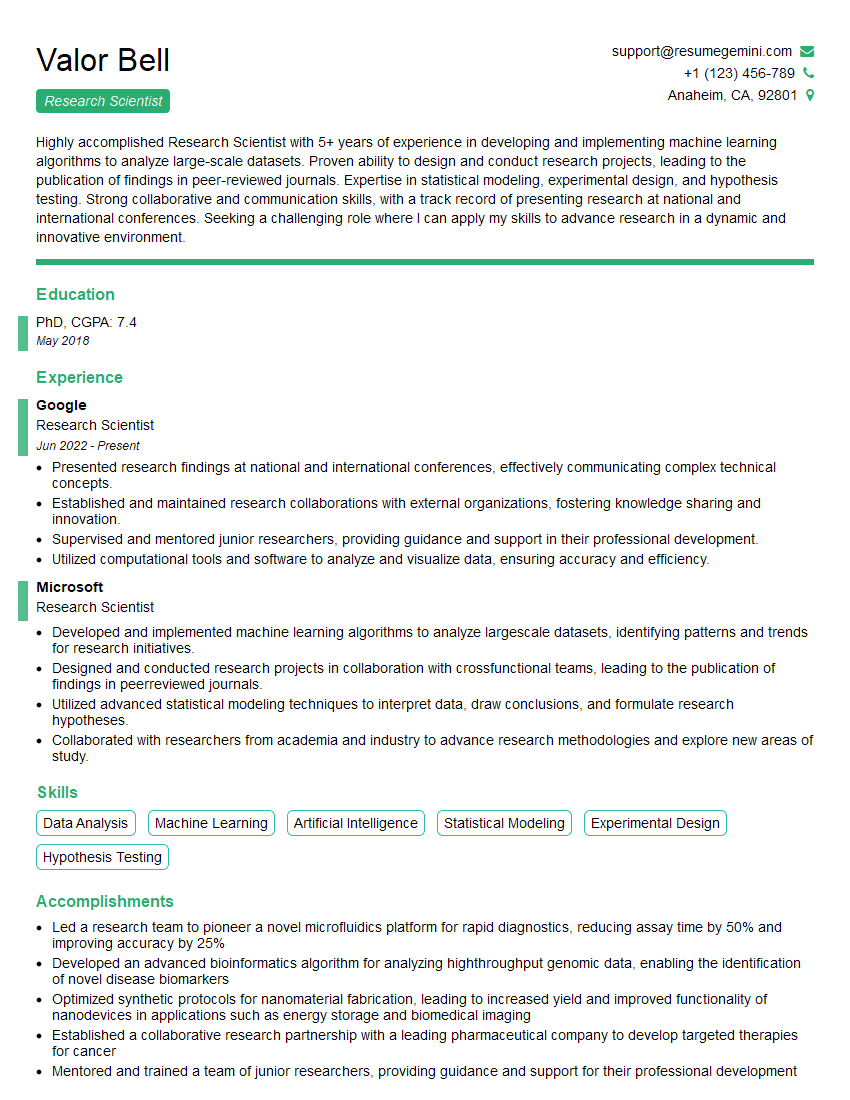
Research Scientist Resume Sample
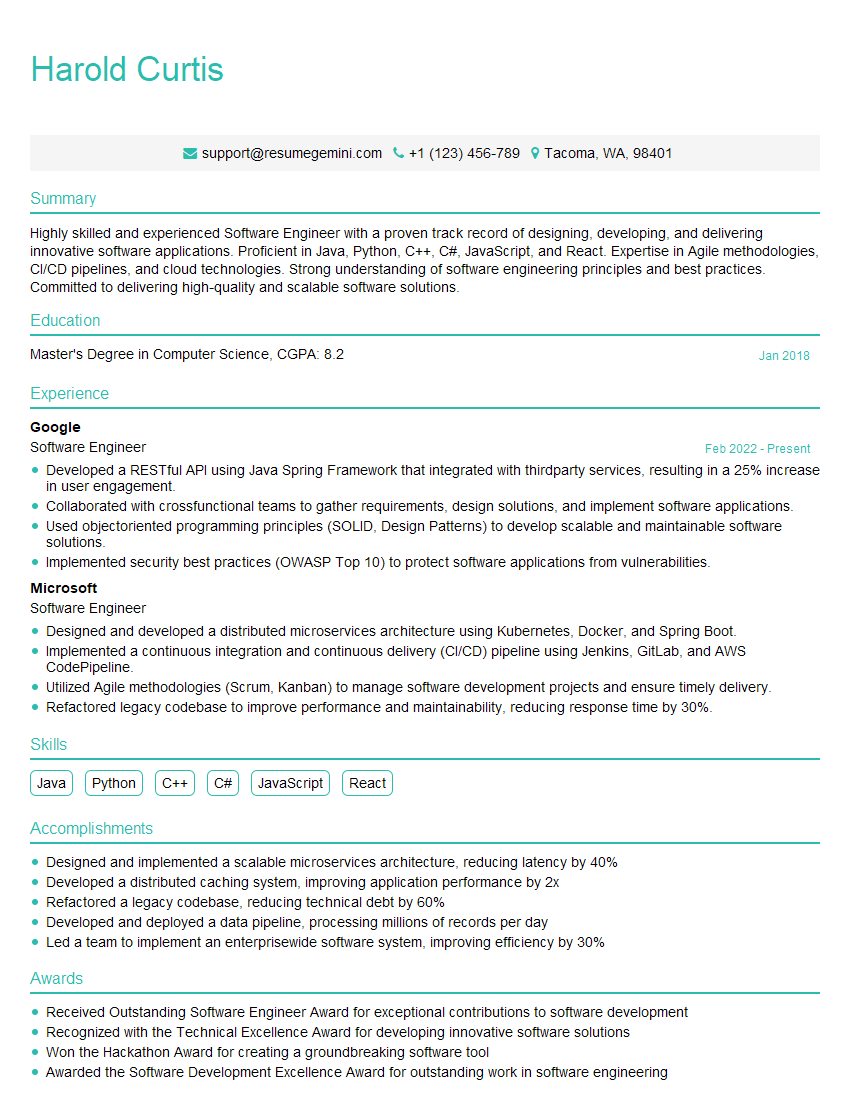
Software Engineer Resume Sample
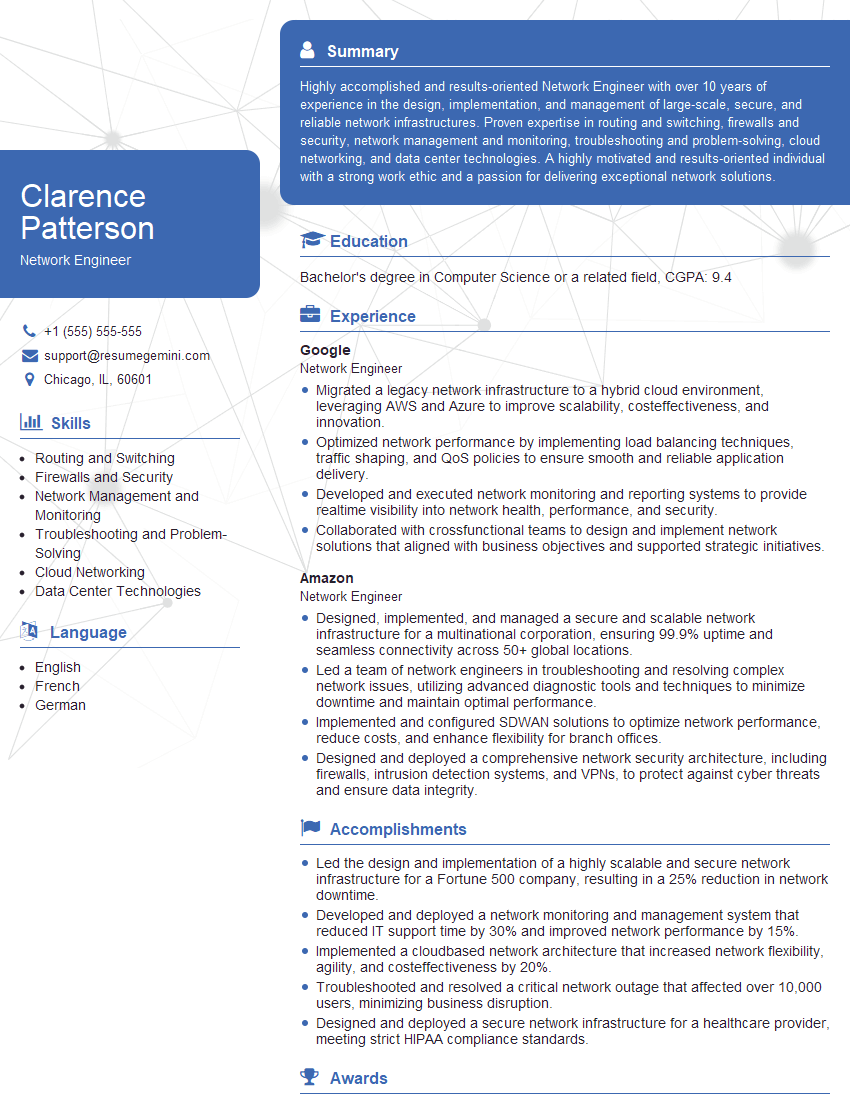
Network Engineer Resume Sample
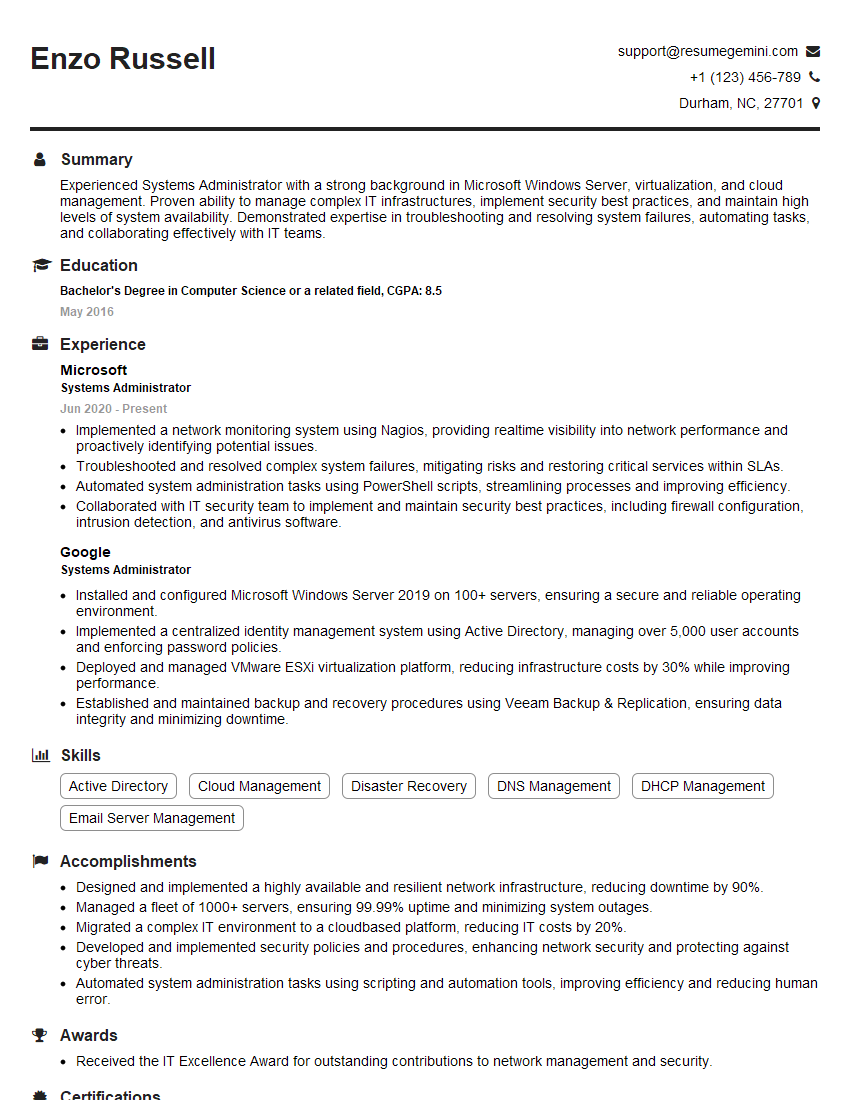
Systems Administrator Resume Sample
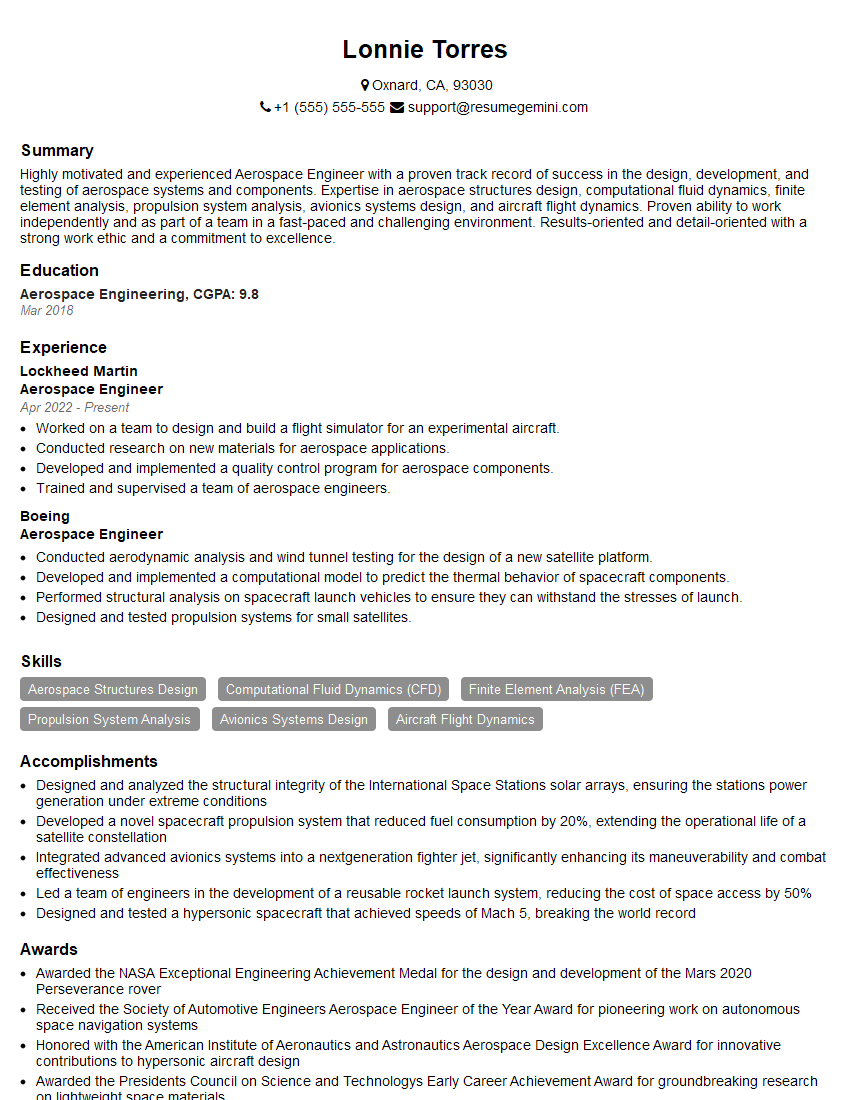
Aerospace Engineer Resume Sample
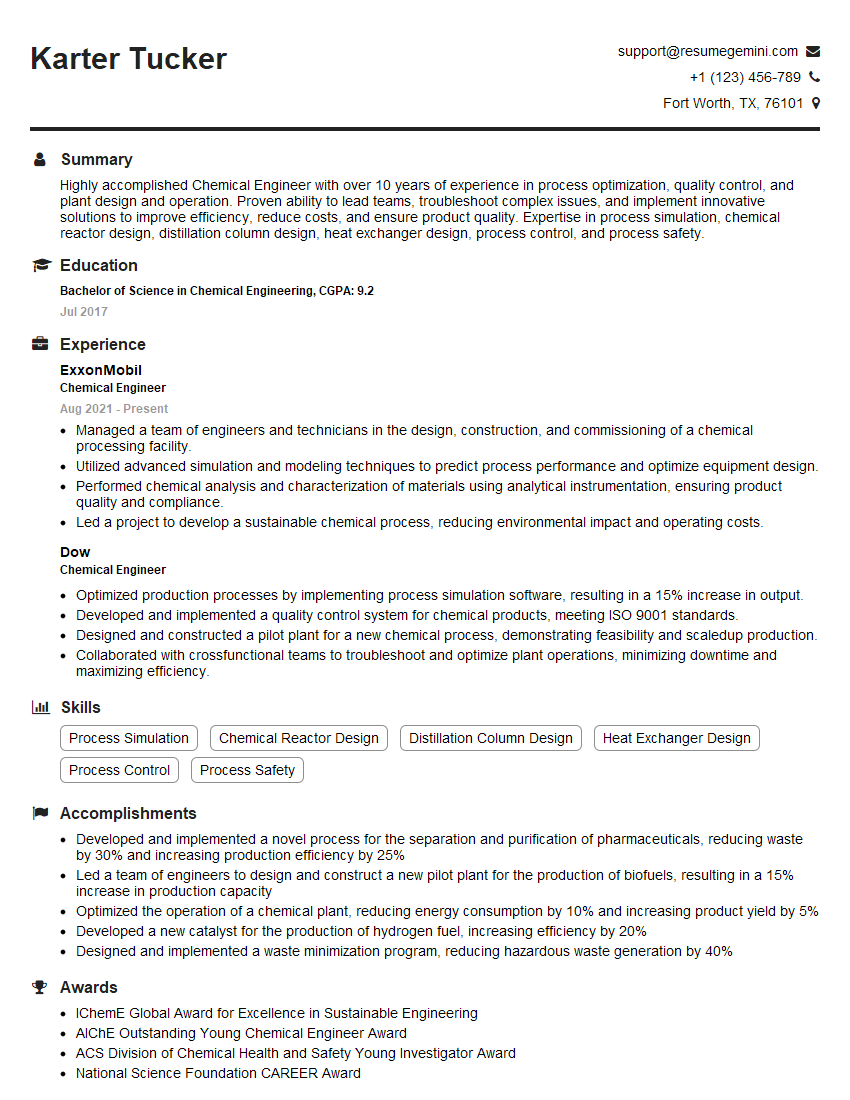
Chemical Engineer Resume Sample
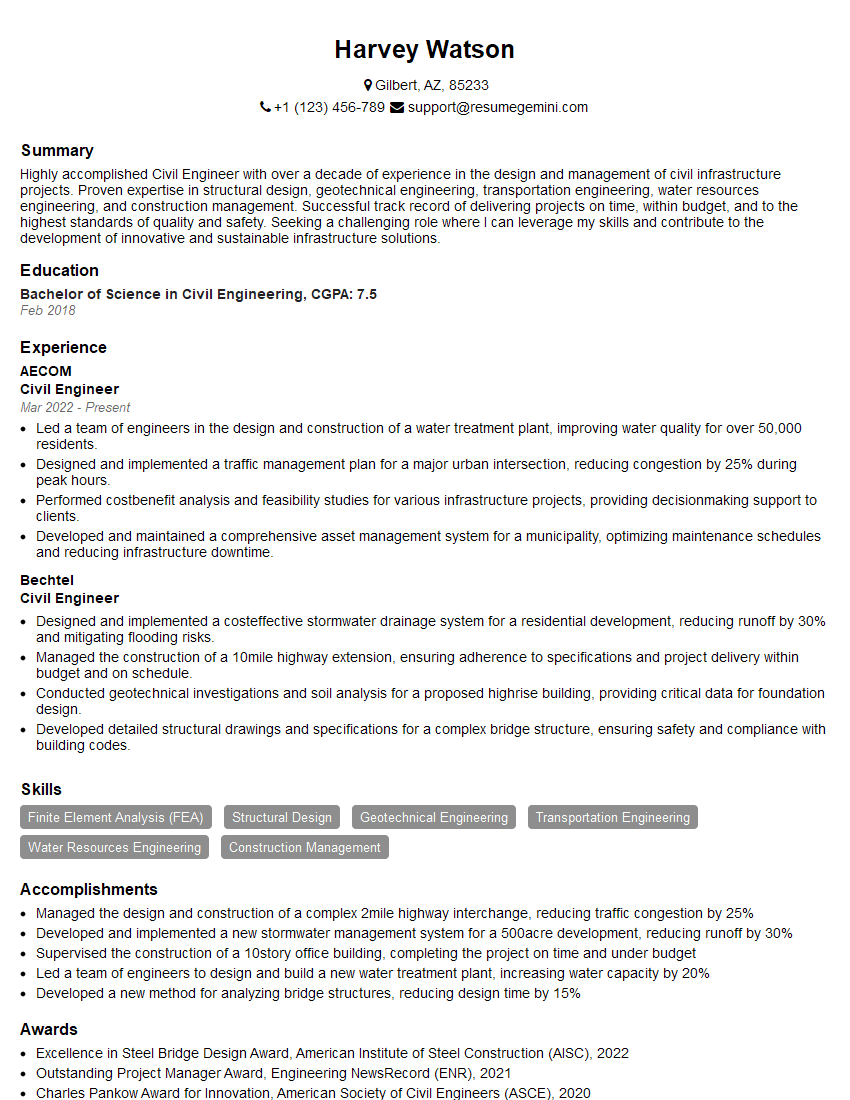
Civil Engineer Resume Sample
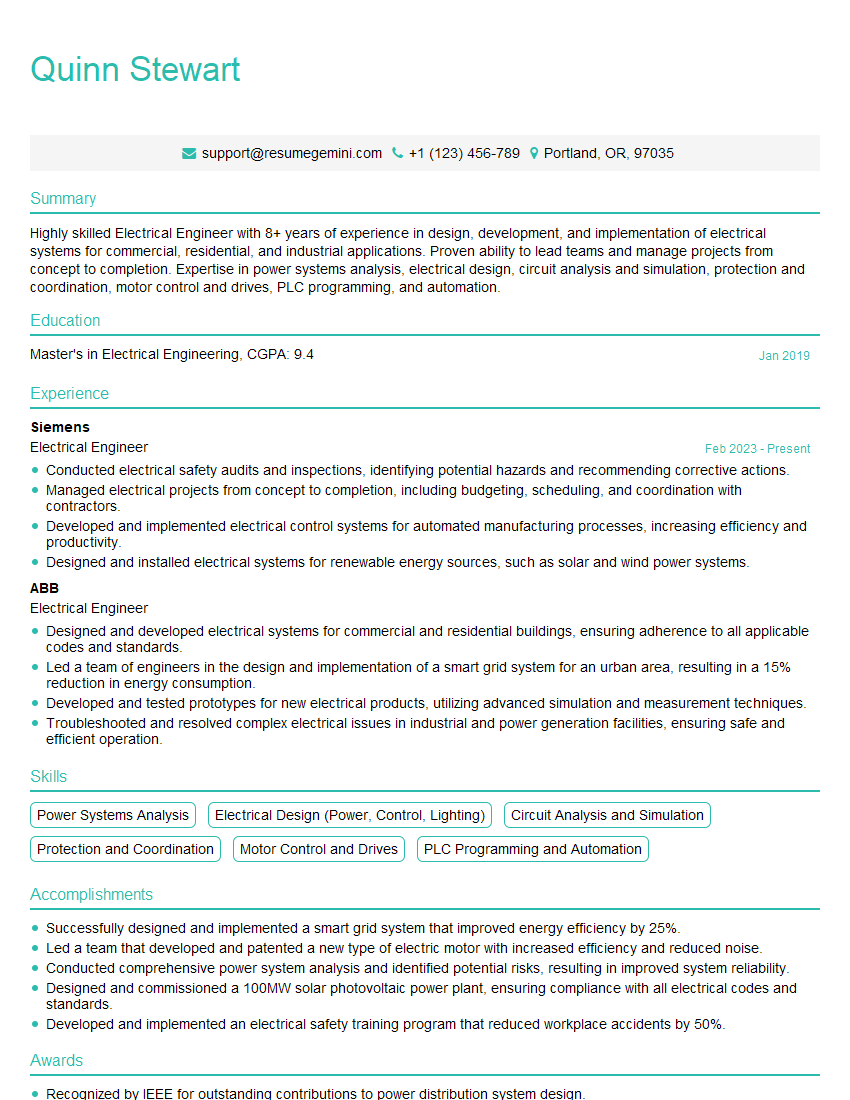
Electrical Engineer Resume Sample
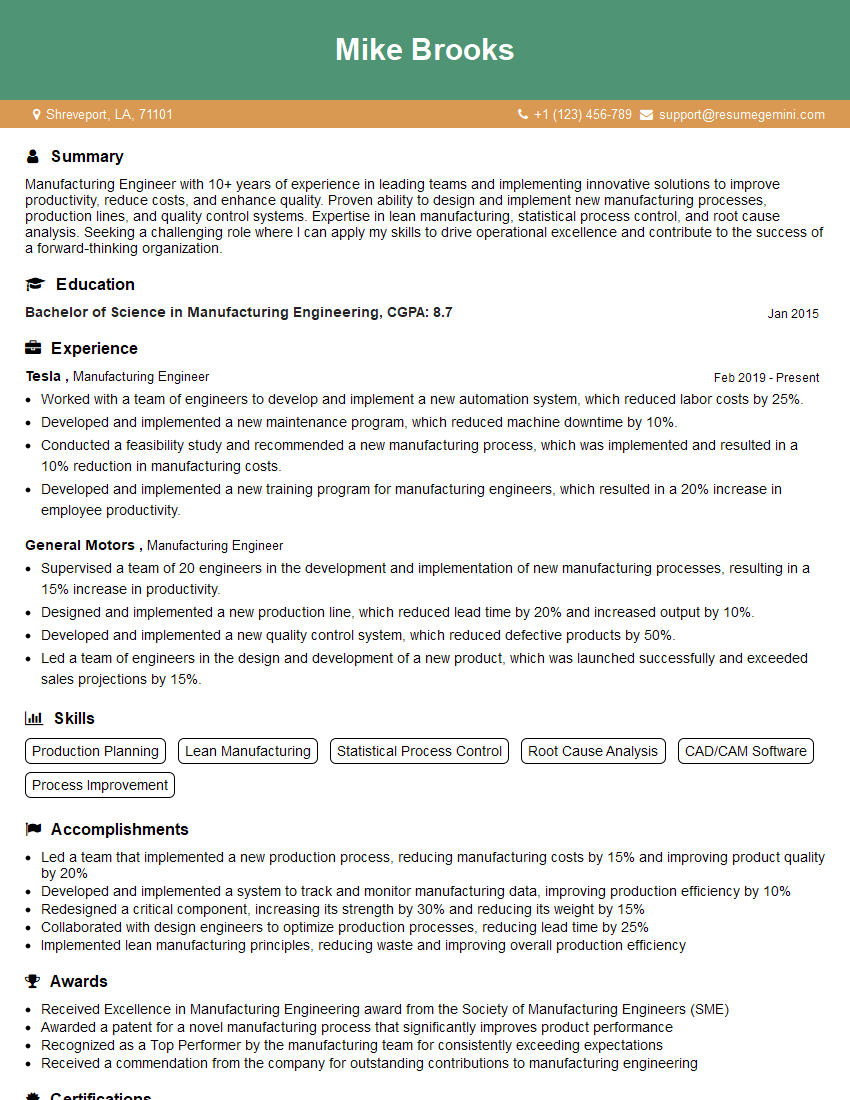
Manufacturing Engineer Resume Sample
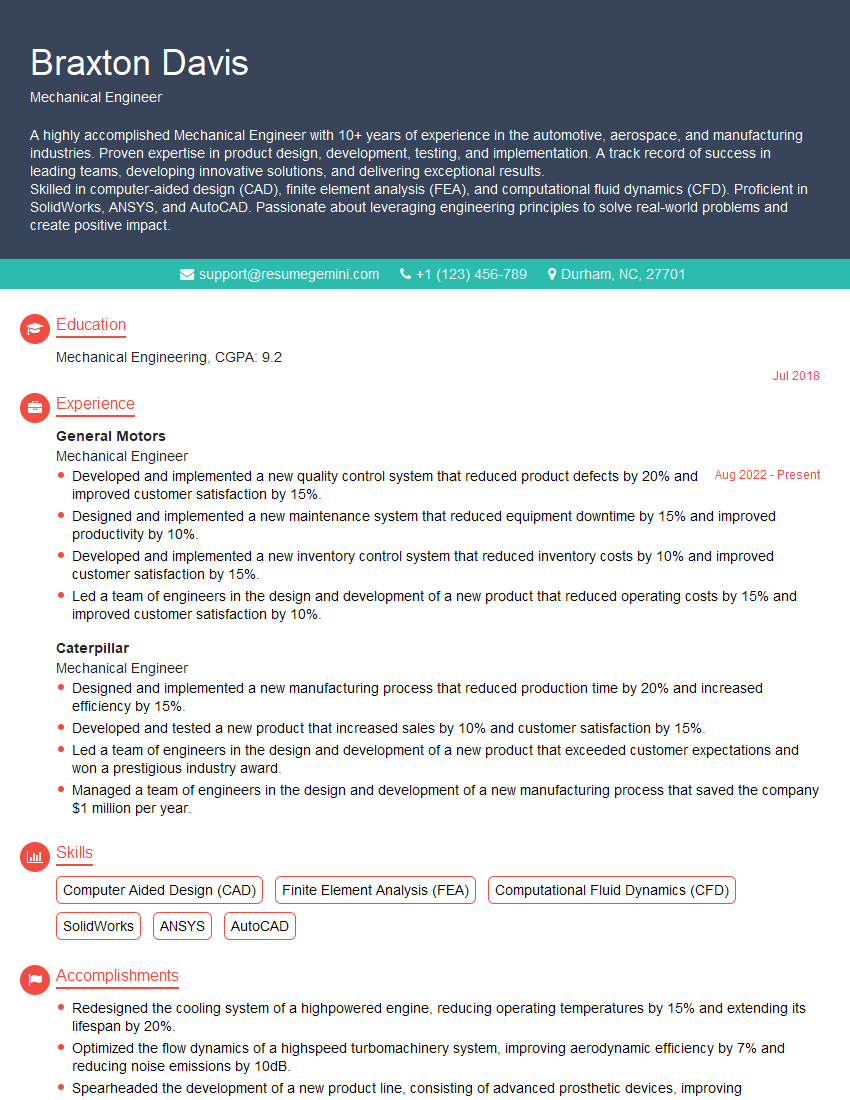
Mechanical Engineer Resume Sample
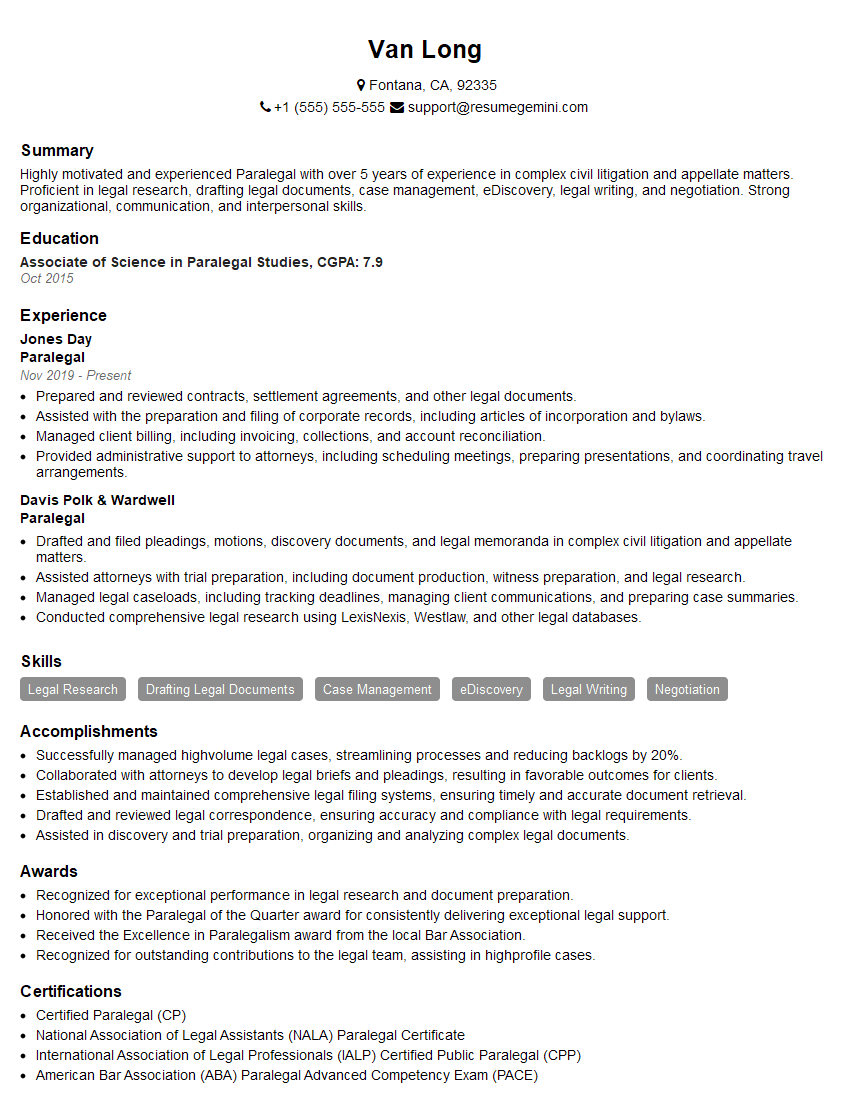
Paralegal Resume Sample

Technical Writer Resume Sample
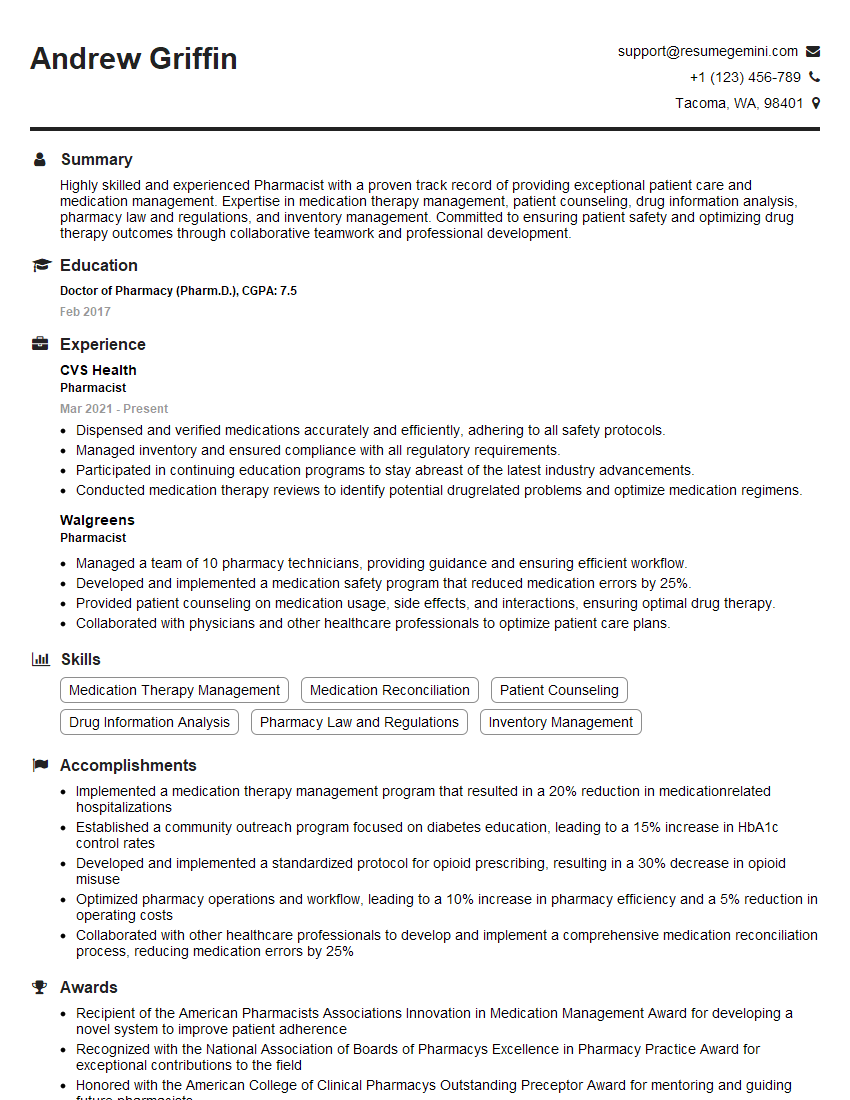
Pharmacist Resume Sample
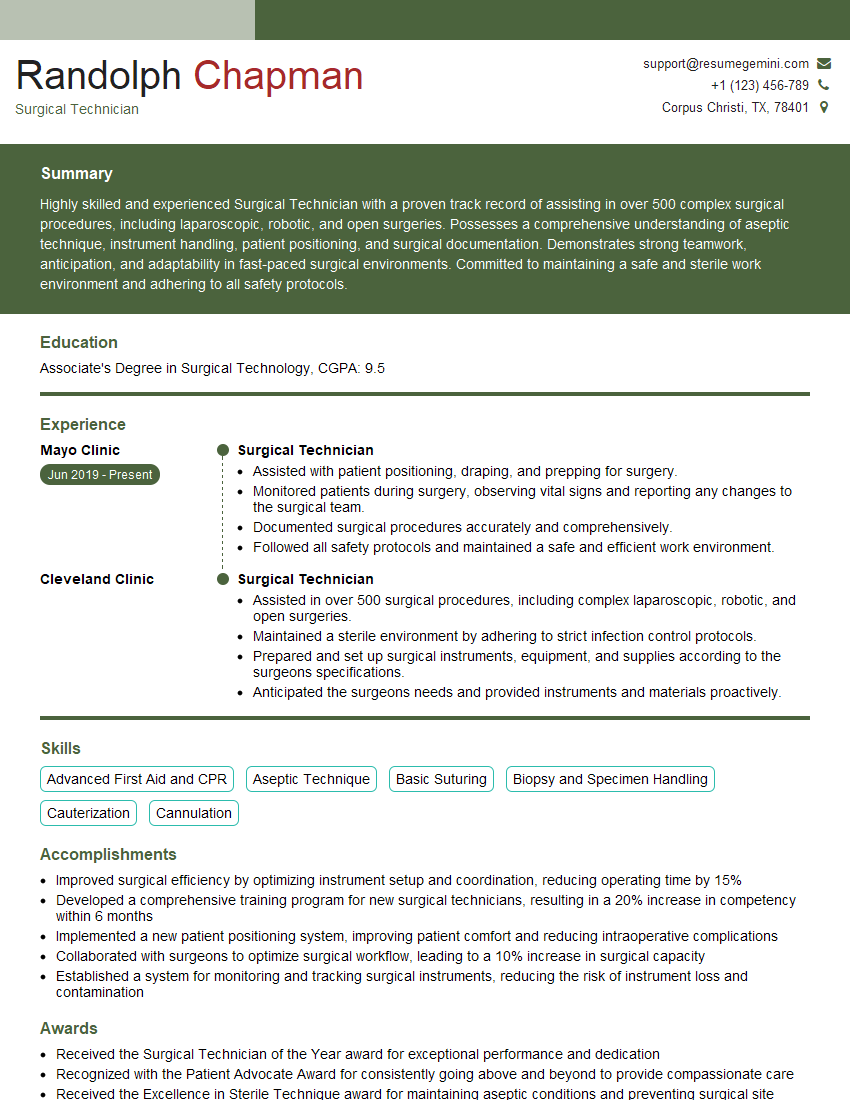
Surgical Technician Resume Sample
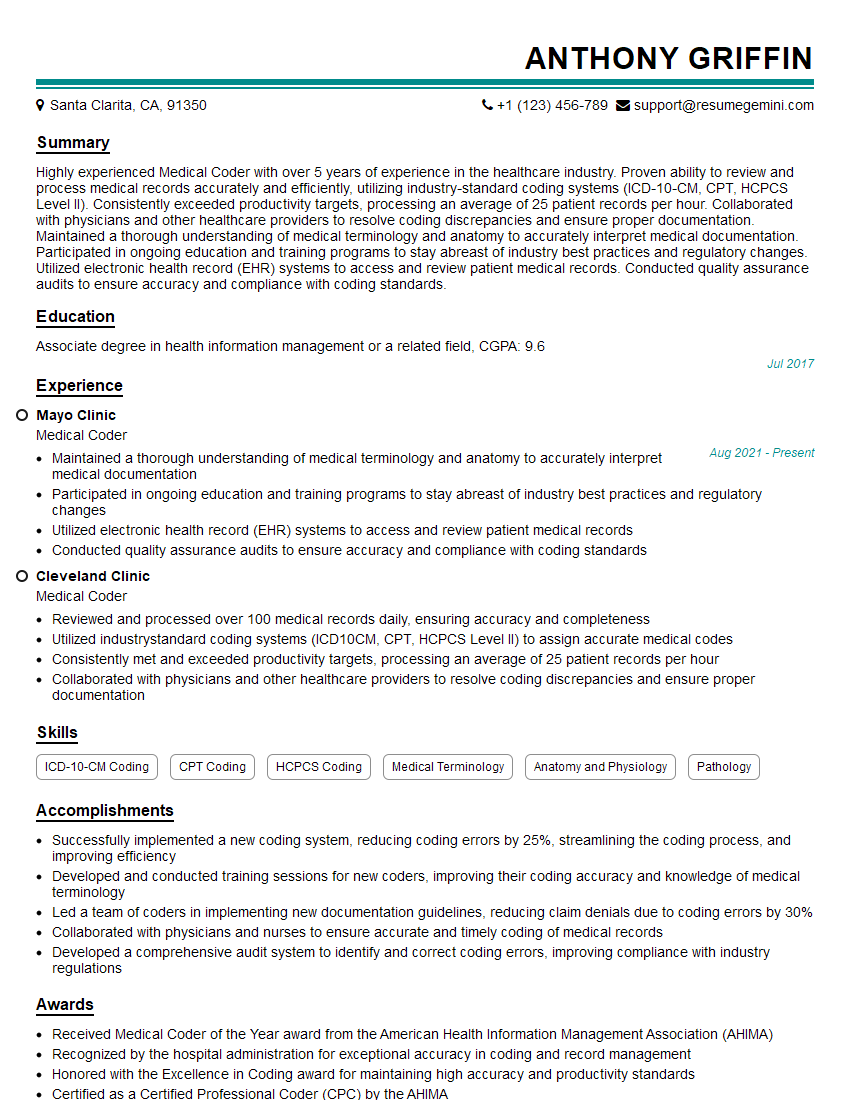
Medical Coder Resume Sample
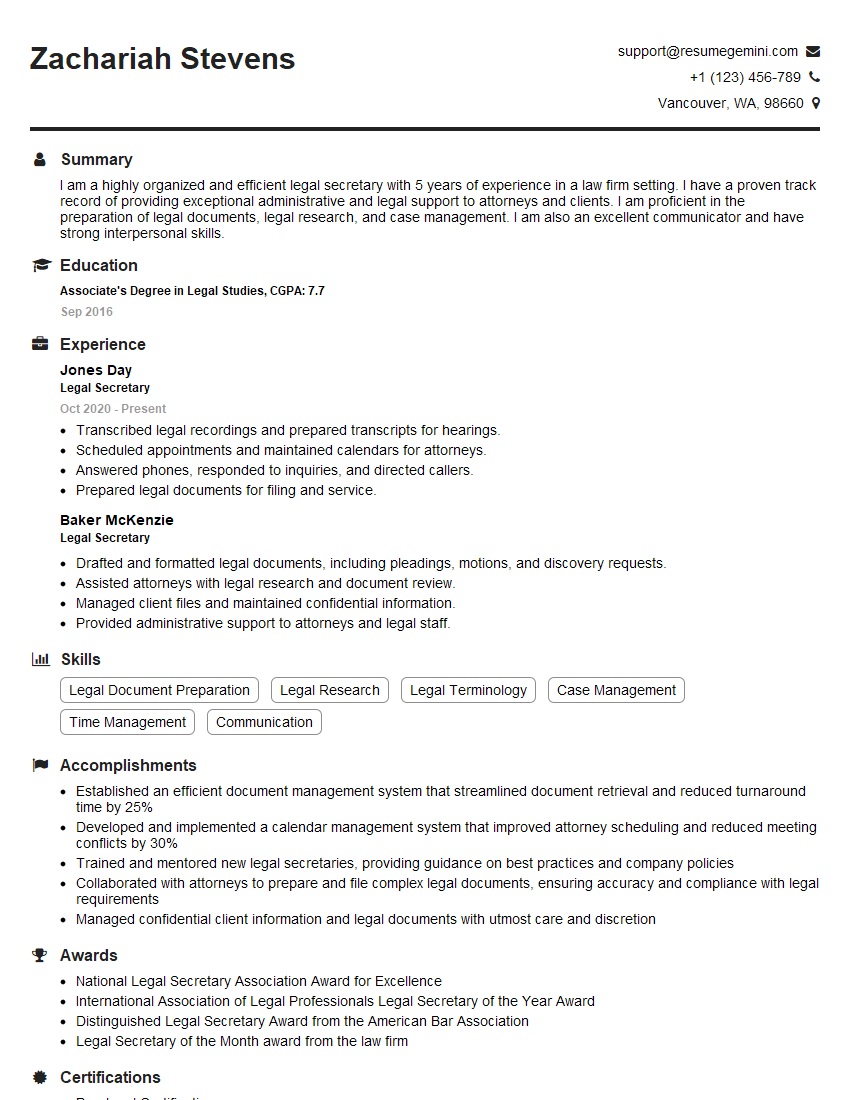
Legal Secretary Resume Sample
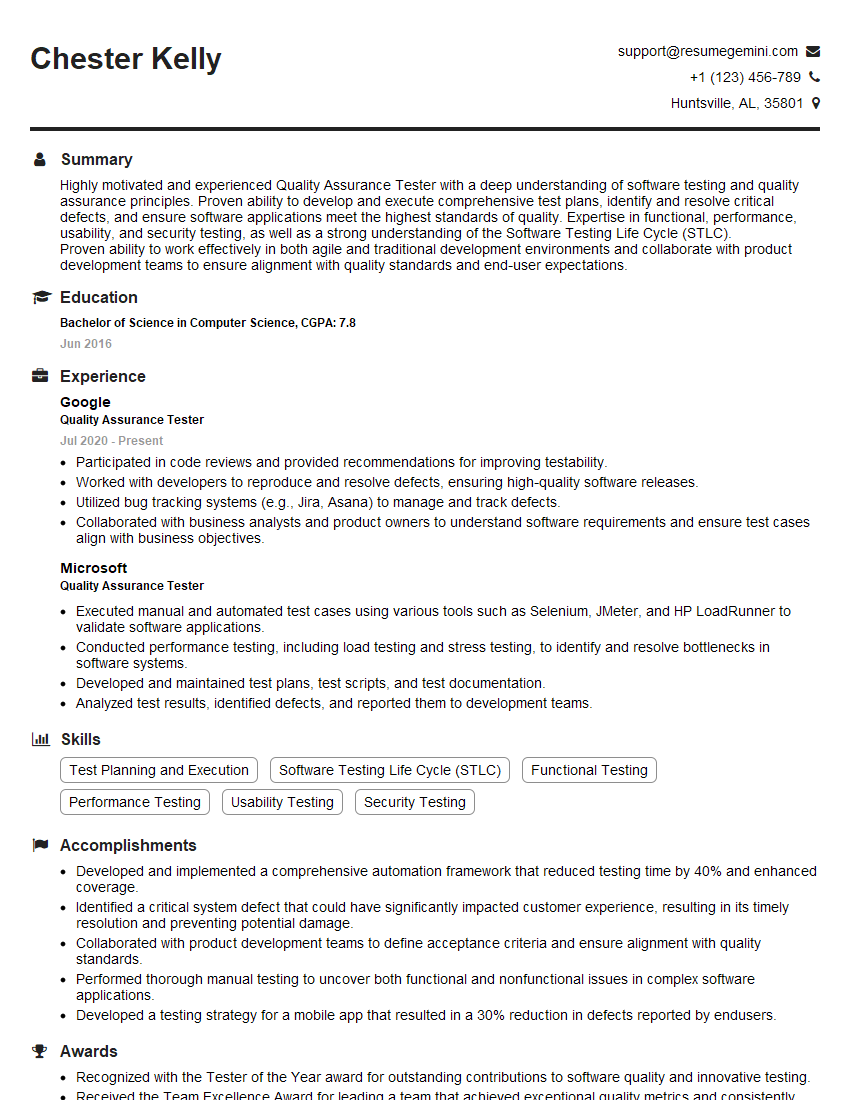
Quality Assurance Tester Resume Sample
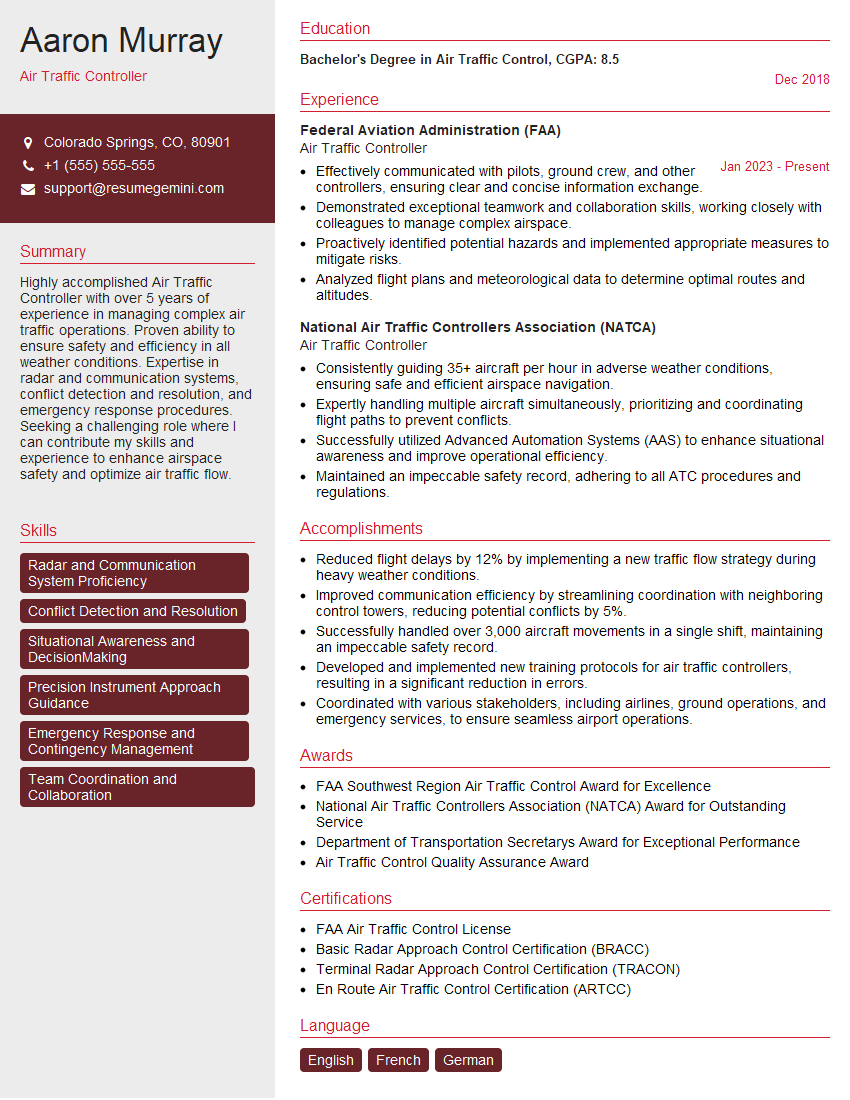
Air Traffic Controller Resume Sample
- Project Manager
- Compliance Officer
- Accountant
- Auditor
- Financial Analyst
- Data Analyst
- Research Scientist
- Software Engineer
- Network Engineer
- Systems Administrator
- Aerospace Engineer
- Chemical Engineer
- Civil Engineer
- Electrical Engineer
- Manufacturing Engineer
- Mechanical Engineer
- Paralegal
- Technical Writer
- Pharmacist
- Surgical Technician
- Medical Coder
- Legal Secretary
- Quality Assurance Tester
- Air Traffic Controller
Explore more articles
Users Rating of Our Blogs
Share Your Experience
We value your feedback! Please rate our content and share your thoughts (optional).
What Readers Say About Our Blog
Very informative content, great job.
good