Are you ready to stand out in your next interview? Understanding and preparing for Ability to fundraise and manage budgets interview questions is a game-changer. In this blog, we’ve compiled key questions and expert advice to help you showcase your skills with confidence and precision. Let’s get started on your journey to acing the interview.
Questions Asked in Ability to fundraise and manage budgets Interview
Q 1. Describe your experience developing and managing a budget.
Developing and managing a budget involves a structured approach encompassing planning, monitoring, and controlling financial resources. It’s like creating a roadmap for your finances, ensuring you allocate funds effectively to achieve your objectives.
In my previous role at [Previous Company Name], I was responsible for managing a $5 million annual budget for the marketing department. This involved:
- Detailed Planning: I started by identifying all anticipated expenses, categorizing them (e.g., advertising, events, salaries, software), and projecting revenue streams. This process involved collaborating with various team leads to get accurate cost estimates.
- Budget Allocation: Based on strategic priorities and projected ROI, I allocated funds to different marketing initiatives. For instance, a larger portion went to digital marketing based on past performance data showing higher conversion rates.
- Regular Monitoring: I used a project management software (e.g., Asana or Monday.com) to track expenditures against the budget. This allowed for proactive identification of potential overspending or underperformance.
- Variance Analysis: Monthly, I analyzed variances between planned and actual spending, identifying reasons for any discrepancies and adjusting future projections accordingly. For example, a sudden increase in advertising costs might necessitate a review of our strategy and negotiation with vendors.
This meticulous approach ensured efficient resource management and alignment with overall business goals.
Q 2. How do you prioritize competing budget demands?
Prioritizing competing budget demands requires a strategic framework that balances urgency, importance, and long-term value. Think of it like triage in a hospital – addressing the most critical needs first.
My approach involves a three-step process:
- Assessment: I analyze each request, considering its strategic alignment with organizational goals, potential ROI, and the urgency of the need. I utilize a scoring system to quantify these factors objectively.
- Prioritization Matrix: I use a prioritization matrix (e.g., Eisenhower Matrix – Urgent/Important) to visually represent the requests. This allows me to easily identify high-impact initiatives that deserve immediate attention.
- Resource Allocation: Once the priorities are established, I allocate resources accordingly, explaining the decision-making process clearly to stakeholders. This might involve adjusting timelines or seeking alternative funding sources for less critical projects.
For example, if we have competing demands for a new software license and marketing campaign, and the software is critical for operational efficiency, while the campaign could be slightly delayed, I would prioritize the software purchase.
Q 3. What methods do you use to forecast future budget needs?
Forecasting future budget needs involves a combination of historical data analysis, market research, and informed projections. It’s like predicting the weather – you use past patterns and current indicators to make an educated guess.
My methods include:
- Analyzing Historical Data: I examine past budget performance, identifying trends and patterns in spending. This provides a baseline for future projections.
- Market Research: I stay updated on market trends, industry benchmarks, and competitor activities to anticipate potential changes in costs or revenue streams.
- Sales Projections: I work closely with the sales team to get realistic revenue forecasts, as this directly influences resource allocation.
- Scenario Planning: I develop multiple budget scenarios based on different potential outcomes, allowing for flexibility and adaptability to unexpected events.
For example, if we see a trend of increased customer acquisition costs, I might adjust the marketing budget projection for the following year to account for this increase.
Q 4. Explain your process for tracking budget expenditures.
Tracking budget expenditures requires a systematic and accurate approach to ensure financial transparency and accountability. It’s like keeping a detailed record of all your household expenses.
My process includes:
- Utilizing Budgeting Software: I use budgeting software (e.g., QuickBooks, Xero) to input all financial transactions automatically.
- Regular Reporting: I generate regular reports (e.g., weekly or monthly) that track actual spending against the budget, highlighting any discrepancies.
- Reconciliation: I regularly reconcile bank statements with the budget to ensure accuracy and identify any missing or incorrect entries.
- Categorization: I ensure that all expenses are properly categorized to facilitate analysis and reporting.
This detailed tracking allows for quick identification of overspending or areas requiring attention, promoting timely corrective actions.
Q 5. How do you identify and address budget variances?
Identifying and addressing budget variances requires a thorough investigation to understand the root causes and implement corrective actions. It’s like troubleshooting a problem – you need to find the source to fix it effectively.
My approach involves:
- Variance Analysis: I analyze the differences between actual and budgeted figures, identifying areas of significant variance.
- Root Cause Investigation: I investigate the reasons for the variances, considering factors such as unexpected expenses, price changes, or inaccurate projections.
- Corrective Actions: I implement appropriate corrective actions to mitigate future variances. This might involve renegotiating contracts, adjusting spending patterns, or improving forecasting methods.
- Communication: I communicate findings and actions to relevant stakeholders to ensure transparency and collaboration.
For example, if a project unexpectedly goes over budget, I would investigate the reasons (e.g., unforeseen delays, increased material costs), identify solutions (e.g., renegotiate with vendors, streamline processes), and communicate the plan to the project manager.
Q 6. What strategies do you employ to secure funding?
Securing funding involves a multifaceted strategy that leverages various channels and compelling narratives. It’s like selling a product – you need to showcase its value proposition effectively.
My strategies include:
- Grant Writing: I write compelling grant proposals highlighting the project’s significance and potential impact.
- Investor Relations: I cultivate relationships with potential investors and present a strong business case for funding.
- Crowdfunding Campaigns: I leverage online platforms to engage broader audiences and garner support.
- Sponsorship Opportunities: I explore partnership opportunities with organizations aligned with our goals.
- Government Funding: I identify and apply for relevant government grants and subsidies.
The key is tailoring the approach to the specific funding source and demonstrating a clear understanding of their priorities and criteria.
Q 7. Describe your experience writing grant proposals.
Writing grant proposals is a meticulous process requiring a strong understanding of the funder’s priorities and a compelling narrative. It’s like crafting a persuasive story – you need to capture the reader’s attention and demonstrate the value of your project.
My experience includes:
- Needs Assessment: I thoroughly research the funder’s guidelines and priorities, ensuring the project aligns with their mission.
- Compelling Narrative: I craft a clear and concise narrative that highlights the problem, proposed solution, and anticipated impact of the project.
- Detailed Budget: I develop a detailed and justifiable budget, outlining all expenses and demonstrating fiscal responsibility.
- Strong Evaluation Plan: I incorporate a robust evaluation plan outlining how success will be measured.
- Professional Editing: I ensure the proposal is free from grammatical errors and conforms to the funder’s formatting requirements.
In one instance, I secured a $200,000 grant for a community development project by meticulously following this process and showcasing the project’s potential to improve the lives of residents in a marginalized community. The key was aligning our proposal with the funder’s commitment to social justice initiatives.
Q 8. How do you build relationships with potential donors?
Building strong relationships with potential donors is the cornerstone of successful fundraising. It’s not about a quick ask; it’s about cultivating genuine connections based on shared values and a mutual understanding of the organization’s mission. I approach this in a multi-faceted way:
Research and Personalization: Before reaching out, I thoroughly research potential donors to understand their philanthropic interests and past giving patterns. This allows me to tailor my communication, demonstrating that I value their time and understand their priorities. For example, if a donor has a history of supporting environmental causes, I’ll highlight how our organization’s work aligns with their values.
Networking and Events: I actively participate in networking events and industry conferences to meet potential donors in person. These events offer opportunities for informal conversations, building rapport and laying the groundwork for future collaborations.
Storytelling: I believe in the power of storytelling. I craft compelling narratives that showcase the impact of our organization’s work and highlight the human stories behind the numbers. This emotional connection is crucial in inspiring donors to invest.
Consistent Communication: Regular communication, even without a direct ask, is key to maintaining relationships. This could involve newsletters, progress reports, or invitations to exclusive events. The goal is to keep donors informed and engaged.
Q 9. How do you measure the success of your fundraising efforts?
Measuring the success of fundraising efforts involves a comprehensive approach, looking beyond just the total dollars raised. Key metrics I use include:
Total funds raised: This is the most obvious metric, but it’s crucial to analyze it in context with the fundraising goal.
Donor acquisition cost: This helps determine the efficiency of fundraising strategies. A high acquisition cost may indicate a need to refine approaches.
Donor retention rate: This reflects the effectiveness of donor stewardship. High retention rates show that donors are satisfied and are likely to continue supporting the organization.
Average gift size: This indicates the level of donor engagement and provides insights into the effectiveness of communication and outreach.
Number of new donors: Tracking this metric helps evaluate the reach and impact of fundraising campaigns.
I also analyze qualitative data, such as feedback from donors, to gain a deeper understanding of their motivations and concerns. This holistic approach ensures a well-rounded evaluation of fundraising performance.
Q 10. What is your experience with different fundraising strategies (e.g., major gifts, crowdfunding)?
My experience spans a range of fundraising strategies, each with its own strengths and weaknesses.
Major Gifts: I have a proven track record in cultivating relationships with high-net-worth individuals and securing significant donations. This often involves personalized cultivation strategies, building trust over time and clearly articulating the impact of their contribution. For example, I successfully secured a $500,000 grant for a new research lab by building a relationship with a philanthropist who shared our passion for scientific advancement.
Crowdfunding: I’ve successfully implemented crowdfunding campaigns, leveraging social media and digital marketing to reach a broader audience. For instance, a recent campaign using a platform like Kickstarter raised over $20,000 to support a community outreach program, demonstrating the power of a well-structured campaign and compelling narrative.
Grant Writing: I have extensive experience in writing compelling grant proposals tailored to specific foundations and funding agencies. This involves thorough research to identify suitable funders and crafting persuasive narratives that clearly articulate the project’s goals, impact, and budget.
Planned Giving: I’m also experienced in developing strategies to encourage planned gifts, such as bequests or charitable trusts, which provide long-term financial sustainability for the organization.
Q 11. How do you manage donor relationships?
Donor relationship management (DRM) is an ongoing process that requires consistent effort and genuine care. I use a CRM system to track interactions, preferences, and giving history. However, technology is just a tool; the core is about building authentic relationships. My approach involves:
Regular Communication: Thank-you notes, updates on the organization’s progress, and personalized communications are crucial in maintaining engagement.
Recognition and Appreciation: Public acknowledgment of donor contributions, through newsletters or events, reinforces their importance and inspires continued support.
Transparency and Accountability: Regular reporting on how funds are utilized demonstrates fiscal responsibility and builds trust.
Personalized Engagement: Tailoring communication to individual donor interests ensures that each relationship feels valued and unique.
For example, I regularly invite major donors to exclusive events and briefings, allowing for deeper engagement and creating a stronger sense of community.
Q 12. How do you handle budget shortfalls?
Budget shortfalls are a reality in many organizations. My approach involves a multi-pronged strategy:
Identify the shortfall: A thorough review of expenses and revenue projections is the first step. This helps pinpoint the areas contributing to the deficit.
Explore cost-saving measures: This could involve renegotiating contracts with vendors, reducing non-essential expenses, or identifying opportunities for increased efficiency. For instance, we may explore consolidating office spaces to reduce rent costs.
Increase revenue streams: This might involve launching a new fundraising campaign, applying for grants, or exploring partnerships with other organizations.
Prioritize programs: In situations where drastic measures are necessary, careful prioritization of programs based on impact and alignment with the organization’s mission may be required. This is a difficult decision but sometimes necessary for long-term viability.
Communicate transparently: Openly communicating the shortfall and the steps taken to address it to stakeholders builds trust and understanding.
Q 13. Describe a time you had to make difficult budget decisions.
In my previous role, we faced a significant budget shortfall due to unexpected expenses related to a major project. To address this, I convened a team to analyze the budget, line by line. We discovered opportunities for cost reduction without compromising the project’s core objectives. For example, we explored alternative vendors for some materials, resulting in considerable savings. We also postponed some less critical components of the project, prioritizing the essential aspects that would ensure its completion. Finally, we initiated a targeted fundraising campaign, focusing on our existing donor base, emphasizing the project’s immediate need and illustrating how contributions could make a vital difference. This combination of strategic cost-cutting and aggressive fundraising allowed us to successfully complete the project while navigating a challenging financial climate.
Q 14. What software or tools do you use for budget management?
For budget management, I utilize a combination of software and tools, depending on the organization’s needs and size. I’m proficient in using software like:
QuickBooks: For accounting and financial reporting.Microsoft Excel: For detailed budget modeling and analysis.CRM software (e.g., Salesforce, DonorPerfect): To track donor interactions and manage fundraising data.Budgeting and forecasting software (e.g., Adaptive Insights, Planful): For more advanced forecasting and scenario planning.
The choice of software depends on the complexity of the budget and the organization’s technological infrastructure. Regardless of the specific tool, my emphasis remains on data accuracy, transparent reporting, and proactive monitoring of the budget to ensure fiscal responsibility.
Q 15. How do you ensure budget compliance?
Budget compliance is paramount. It ensures that spending stays within allocated funds and avoids overspending, which can lead to financial instability. I achieve this through a multi-pronged approach.
- Regular Monitoring: I utilize budgeting software and spreadsheets to track expenses against the budget in real-time. This allows for early identification of potential overruns.
- Pre-Approval System: All expenditures exceeding a certain threshold require prior approval. This adds a layer of control and ensures that all purchases are aligned with the budget’s objectives.
- Variance Analysis: Regularly analyzing budget variances—the difference between planned and actual spending—helps pinpoint areas needing attention. This analysis informs corrective actions and prevents future discrepancies.
- Robust Reporting: Detailed financial reports are generated periodically, highlighting areas of compliance and potential issues. These reports are shared with relevant stakeholders to ensure transparency and proactive management.
- Contingency Planning: A contingency fund is built into the budget to absorb unexpected costs. This safeguards against unforeseen circumstances and helps maintain budget compliance.
For example, in my previous role at XYZ Company, we consistently maintained budget compliance by using a combination of these methods. We implemented a system of alerts triggered when expenses approached pre-defined limits, allowing for timely intervention and preventing significant overruns.
Career Expert Tips:
- Ace those interviews! Prepare effectively by reviewing the Top 50 Most Common Interview Questions on ResumeGemini.
- Navigate your job search with confidence! Explore a wide range of Career Tips on ResumeGemini. Learn about common challenges and recommendations to overcome them.
- Craft the perfect resume! Master the Art of Resume Writing with ResumeGemini’s guide. Showcase your unique qualifications and achievements effectively.
- Don’t miss out on holiday savings! Build your dream resume with ResumeGemini’s ATS optimized templates.
Q 16. What is your experience with financial reporting?
My experience with financial reporting is extensive. I’m proficient in preparing various financial statements, including income statements, balance sheets, and cash flow statements. I understand the importance of clear, concise, and accurate reporting, adhering to generally accepted accounting principles (GAAP) or other relevant accounting standards.
I’ve used different software packages like QuickBooks, Xero, and Oracle Financials to generate reports. I’m adept at customizing reports to meet specific stakeholder needs, such as creating dashboards that track key performance indicators (KPIs) related to the budget.
In my previous role, I was responsible for producing monthly financial reports for the executive team. These reports not only detailed financial performance against the budget but also included insightful analysis, highlighting trends and suggesting recommendations for future actions. This proactive approach enabled the organization to make data-driven decisions.
Q 17. How do you prepare a budget presentation for stakeholders?
Presenting a budget to stakeholders requires careful planning and clear communication. My approach focuses on tailoring the presentation to the audience’s level of understanding and their specific interests.
- Clear Narrative: The presentation starts with a concise overview of the budget’s purpose and key objectives. I avoid technical jargon and use visual aids such as charts and graphs to convey information effectively.
- Key Highlights: I focus on the most important aspects of the budget, such as revenue projections, major expense categories, and key assumptions. This ensures that the presentation remains focused and avoids overwhelming the audience.
- Interactive Session: I encourage questions and discussions throughout the presentation to ensure that everyone understands the budget’s implications. This fosters engagement and builds consensus.
- Data Visualization: Using charts and graphs simplifies complex financial data, making it easier for stakeholders to grasp key trends and patterns. For example, a bar chart can effectively compare budgeted vs. actual expenses.
- Call to Action: The presentation ends with a clear call to action, outlining the next steps and who is responsible for what. This creates accountability and ensures follow-up.
For instance, in one presentation, I used a simple analogy of a household budget to explain complex financial concepts to a non-financial audience, ensuring they understood the budget’s implications.
Q 18. How do you allocate resources effectively within a budget?
Effective resource allocation requires a strategic approach that aligns resources with the budget’s priorities and objectives. This involves several key steps:
- Prioritization: Identifying and prioritizing key activities and projects based on their strategic importance and alignment with organizational goals.
- Needs Assessment: Determining the resources required (personnel, materials, equipment) for each prioritized activity.
- Cost-Benefit Analysis: Evaluating the cost-effectiveness of different resource allocation options. This helps to make informed decisions about where to invest resources.
- Regular Review: Monitoring resource allocation on an ongoing basis and making adjustments as needed. This ensures that resources remain aligned with evolving priorities.
- Flexibility: Building flexibility into the resource allocation process to accommodate unexpected events or changes in priorities.
For example, in a project I managed, we used a weighted scoring system to prioritize tasks based on urgency and importance, ensuring that resources were allocated to the most critical activities first. This methodology led to successful project completion within budget.
Q 19. Describe your understanding of different budgeting methods (e.g., zero-based budgeting).
Several budgeting methods exist, each with its own advantages and disadvantages. Understanding these methods allows for selecting the most appropriate approach for a given situation.
- Incremental Budgeting: This is the most common method, using the previous year’s budget as a baseline and adjusting it based on anticipated changes. It’s simple but can perpetuate inefficiencies.
- Zero-Based Budgeting (ZBB): This method requires justifying every expense from scratch each year, starting with a zero base. It encourages a more critical evaluation of spending but can be time-consuming.
- Activity-Based Budgeting (ABB): This approach links budget allocations directly to specific activities or projects. It provides better control over costs but requires a detailed understanding of activities and their resource needs.
- Value-Based Budgeting (VBB): This method prioritizes funding for activities that deliver the most value to the organization. It is aligned with strategic goals, but requires robust value measurement techniques.
Choosing the right method depends on factors such as organizational size, complexity, and strategic goals. For example, a rapidly growing company might benefit from ZBB to challenge existing spending habits, while a stable organization might find incremental budgeting sufficient.
Q 20. What is your experience with financial forecasting?
Financial forecasting is crucial for planning and decision-making. It involves predicting future financial performance based on historical data, market trends, and other relevant factors.
My experience includes using various forecasting techniques, such as trend analysis, regression analysis, and time series modeling. I’m proficient in using forecasting software and spreadsheets to create accurate and reliable financial projections. I also understand the importance of incorporating assumptions and sensitivities into the forecast to account for uncertainties.
In my previous role, I developed a financial forecast for the next three years, which was instrumental in securing funding for a major expansion project. The forecast demonstrated the project’s financial viability and helped to persuade investors.
Q 21. How do you ensure transparency and accountability in budget management?
Transparency and accountability are critical for effective budget management. I ensure these principles by:
- Open Communication: Regularly communicating budget information to relevant stakeholders, including updates on spending, variances, and any significant changes.
- Accessible Data: Making budget data readily available to authorized personnel through secure systems and reports.
- Clear Responsibilities: Defining clear roles and responsibilities for budget management to ensure that everyone understands their accountability.
- Regular Audits: Conducting regular audits or reviews of budget spending to identify any discrepancies or irregularities. This acts as a safeguard and keeps everyone accountable.
- Documentation: Maintaining thorough documentation of all budget-related transactions and decisions. This ensures a clear audit trail.
For instance, in my last position, we established a transparent budget tracking system accessible to all team members, fostering a culture of shared responsibility and accountability for budget management.
Q 22. How do you manage risk associated with budget planning?
Managing risk in budget planning is crucial for ensuring financial stability. It involves proactively identifying potential problems and developing mitigation strategies. Think of it like building a house – you wouldn’t start construction without blueprints and a plan for dealing with unexpected weather or material shortages.
- Scenario Planning: We create several budget scenarios – best-case, worst-case, and most-likely – to anticipate various economic conditions and funding possibilities. This helps us prepare for potential shortfalls or surpluses.
- Contingency Funds: A percentage of the total budget is typically allocated as a contingency fund to cover unexpected expenses or revenue shortfalls. This acts as a buffer against unforeseen circumstances, like a sudden increase in material costs or a decrease in donations.
- Risk Assessment: We perform a thorough risk assessment, identifying potential risks (e.g., grant application rejection, inflation, unforeseen project delays) and their potential impact. We then assign probabilities and develop mitigation plans for each risk, including alternative funding sources or strategies to reduce impact.
- Regular Monitoring and Reporting: We track budget performance closely, comparing actual spending to the planned budget on a regular basis. This allows for early detection of potential issues and quick corrective action. This might involve using dashboards and regular review meetings.
For example, in a previous role, we anticipated a potential decrease in government funding by creating a worst-case budget scenario. This allowed us to secure alternative funding sources well in advance, avoiding a crisis.
Q 23. How do you adapt your budget in response to changing circumstances?
Adapting to changing circumstances requires agility and a flexible approach. Think of it like navigating a ship – you constantly adjust the course based on weather conditions and unexpected obstacles.
- Regular Budget Reviews: We conduct regular budget reviews (monthly or quarterly) to assess performance against targets and identify deviations. This allows for timely adjustments.
- Data-Driven Decisions: We use data and key performance indicators (KPIs) to inform our budget adjustments. This might involve analyzing fundraising campaign results or project progress to determine where reallocations are needed.
- Prioritization: When faced with limited resources, we prioritize activities based on their strategic importance and impact. This may involve delaying or cutting low-priority projects to free up funds for critical areas.
- Communication: Open communication with stakeholders – funders, team members, and board members – is crucial. Transparency about budget adjustments and the reasons behind them builds trust and facilitates cooperation.
For instance, during an economic downturn, we reallocated funds from marketing campaigns to essential program services. We carefully explained these adjustments to our funders, highlighting the impact on our core mission.
Q 24. Describe your experience with fundraising metrics and analysis.
My experience with fundraising metrics and analysis is extensive. I leverage data to understand what’s working and what’s not, optimize strategies, and demonstrate impact to potential funders.
- Key Performance Indicators (KPIs): I utilize KPIs such as conversion rates (online donations, grant applications), donor acquisition cost, average gift size, retention rate, and return on investment (ROI) for fundraising campaigns.
- Data Analysis: I employ data analysis techniques to identify trends, patterns, and insights from fundraising data. This helps us understand donor behavior, campaign effectiveness, and areas for improvement. Tools like Excel, databases and specialized fundraising software are all utilized.
- Reporting and Visualization: I create insightful reports and visualizations (charts, dashboards) to communicate fundraising performance to stakeholders. This ensures transparent and data-driven decision-making.
- Attribution Modeling: I utilize attribution modeling to understand which channels and activities are most effective in driving donations, allowing for optimized resource allocation.
In a previous role, by analyzing donation data, we identified a segment of high-value donors and tailored our communication to increase their engagement and contributions. This resulted in a significant increase in overall revenue.
Q 25. How do you leverage technology to improve fundraising and budget management?
Technology plays a vital role in enhancing fundraising and budget management efficiency. It allows for automation, improved data analysis, and enhanced communication.
- Customer Relationship Management (CRM) Systems: We utilize CRM systems (e.g., Salesforce, DonorPerfect) to manage donor information, track interactions, and automate fundraising processes (e.g., thank-you notes, donation acknowledgements).
- Fundraising Platforms: Online fundraising platforms (e.g., GoFundMe, Kickstarter) provide tools for creating and managing online campaigns, processing donations, and tracking progress.
- Budgeting Software: Budgeting software (e.g., QuickBooks, Xero) simplifies budget creation, tracking, and reporting, providing real-time insights into financial performance.
- Data Analytics Tools: Data analytics tools (e.g., Tableau, Power BI) help visualize data, identify trends, and make data-driven decisions related to fundraising strategies and budget allocation.
For example, implementing a CRM system significantly improved our ability to personalize donor communications and increase donor retention. The automation features saved considerable staff time and resources.
Q 26. What is your experience with audit processes and compliance requirements?
I have extensive experience navigating audit processes and compliance requirements. This involves maintaining accurate financial records, adhering to accounting standards, and collaborating with auditors to ensure transparency and accountability.
- Internal Controls: We establish robust internal controls to ensure the accuracy, reliability, and security of financial information. This includes segregation of duties, authorization procedures, and regular reconciliation of accounts.
- Compliance with Regulations: We adhere to all relevant accounting standards (e.g., Generally Accepted Accounting Principles – GAAP) and regulatory requirements (e.g., tax laws). This ensures legal and ethical compliance.
- Audit Preparation: We prepare for audits proactively by organizing financial records, documenting processes, and providing timely responses to auditor inquiries.
- Collaboration with Auditors: We work collaboratively with external auditors, providing them with the necessary information and support to conduct a thorough audit.
In my previous role, we successfully navigated a rigorous financial audit with no findings, demonstrating our commitment to transparency and sound financial management practices.
Q 27. How do you maintain accurate financial records?
Maintaining accurate financial records is fundamental to sound financial management. This ensures transparency, facilitates informed decision-making, and prevents errors and fraud.
- Accounting Software: We utilize accounting software to record transactions, generate financial reports, and manage accounts payable and receivable. This minimizes manual errors and improves efficiency.
- Regular Reconciliation: We reconcile bank statements, credit card statements, and other accounts regularly to ensure that the recorded transactions match the bank records. This helps identify and correct discrepancies early on.
- Data Backup and Security: We maintain regular backups of financial data and implement robust security measures to protect against data loss or unauthorized access.
- Documentation: We maintain detailed documentation of all financial transactions, including supporting documents (e.g., invoices, receipts). This ensures that all financial activity is properly tracked and auditable.
For example, our meticulous record-keeping system allowed us to quickly identify a minor error in a grant application, preventing potential complications and delays.
Q 28. Explain your approach to building a strong case for funding.
Building a strong case for funding requires a compelling narrative that clearly articulates the problem, proposed solution, and expected impact. Think of it like writing a persuasive story that resonates with the funder.
- Needs Assessment: We conduct thorough research to understand the problem and its impact. We gather data to support the need for funding.
- Solution Development: We develop a clear and concise solution that directly addresses the problem. We highlight the innovation and effectiveness of our approach.
- Impact Measurement: We define measurable outcomes and indicators to assess the success of the project. This demonstrates accountability and value for money.
- Compelling Narrative: We craft a compelling narrative that connects the problem, solution, and impact in a way that resonates with the funder. We use storytelling techniques to engage the audience.
- Budget Justification: We provide a detailed and justifiable budget, explaining each expense and its relevance to the project.
For example, in a grant proposal for a community development program, we presented compelling data on the prevalence of poverty in the target area, explained our innovative approach to job training, and showcased projected improvements in community health and economic indicators. This resulted in securing the funding needed for the project.
Key Topics to Learn for Ability to Fundraise and Manage Budgets Interview
- Understanding Fundraising Strategies: Explore various fundraising methods (e.g., grants, individual donations, corporate sponsorships, crowdfunding) and their suitability for different organizations and projects. Consider the ethical implications of each approach.
- Budget Development and Management: Learn to create realistic and detailed budgets, including forecasting income and expenses. Practice analyzing budget variances and implementing corrective actions. Understand different budgeting methods (e.g., zero-based budgeting, incremental budgeting).
- Grant Writing and Proposal Development: Master the art of crafting compelling grant proposals that clearly articulate needs, objectives, and expected outcomes. Practice tailoring proposals to specific funders and their priorities.
- Donor Relationship Management: Develop strategies for cultivating and maintaining relationships with donors. Understand the importance of donor recognition and stewardship.
- Financial Reporting and Accountability: Learn to prepare clear and concise financial reports for stakeholders, demonstrating transparency and accountability in the use of funds. Understand relevant financial regulations and compliance requirements.
- Resource Allocation and Prioritization: Practice making informed decisions about allocating resources effectively to maximize impact and achieve organizational goals. This includes understanding opportunity costs and trade-offs.
- Risk Management in Fundraising and Budgeting: Identify and mitigate potential financial risks associated with fundraising and budget management. Develop contingency plans for unforeseen circumstances.
Next Steps
Mastering the ability to fundraise and manage budgets is crucial for career advancement in many sectors, opening doors to leadership roles and increased responsibilities. A strong resume is essential for showcasing these skills effectively to potential employers. Creating an ATS-friendly resume significantly increases your chances of getting noticed. To build a compelling and effective resume highlighting your fundraising and budget management expertise, we recommend using ResumeGemini. ResumeGemini provides tools and resources to create a professional resume and we offer examples of resumes tailored specifically to highlight Ability to fundraise and manage budgets.
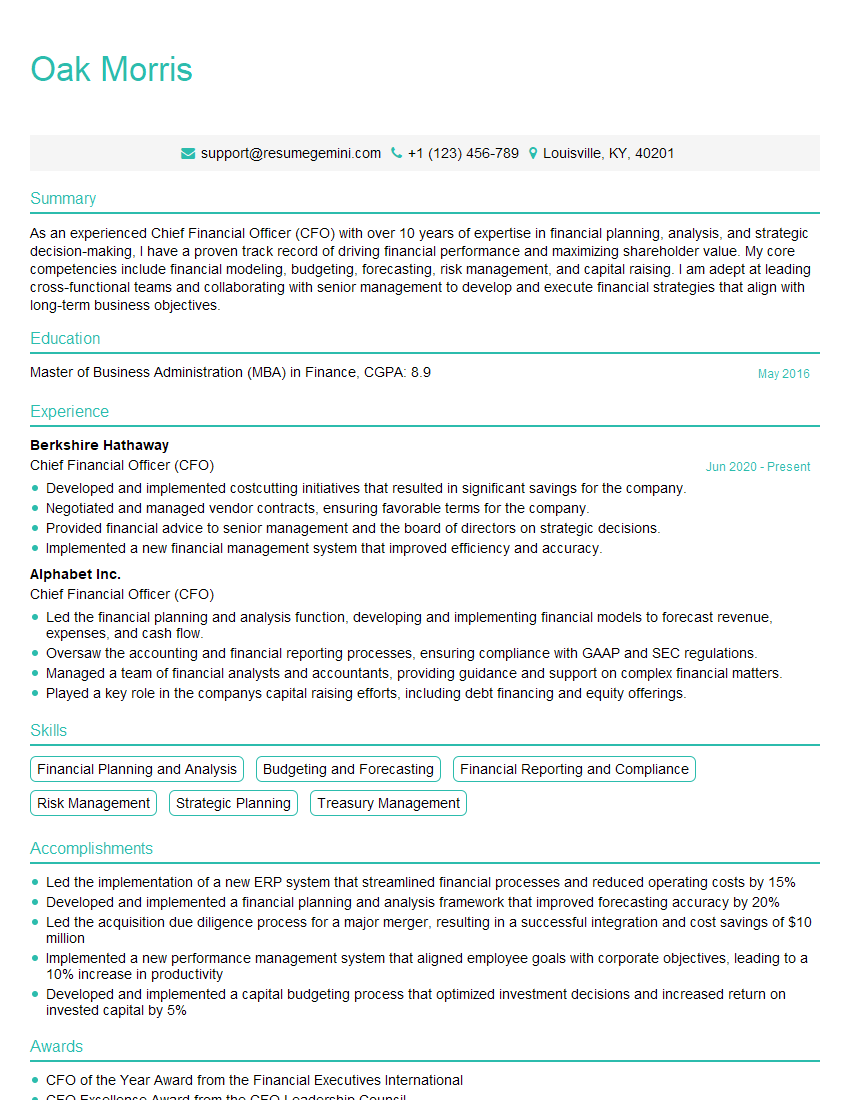
Chief Financial Officer (CFO) Resume Sample
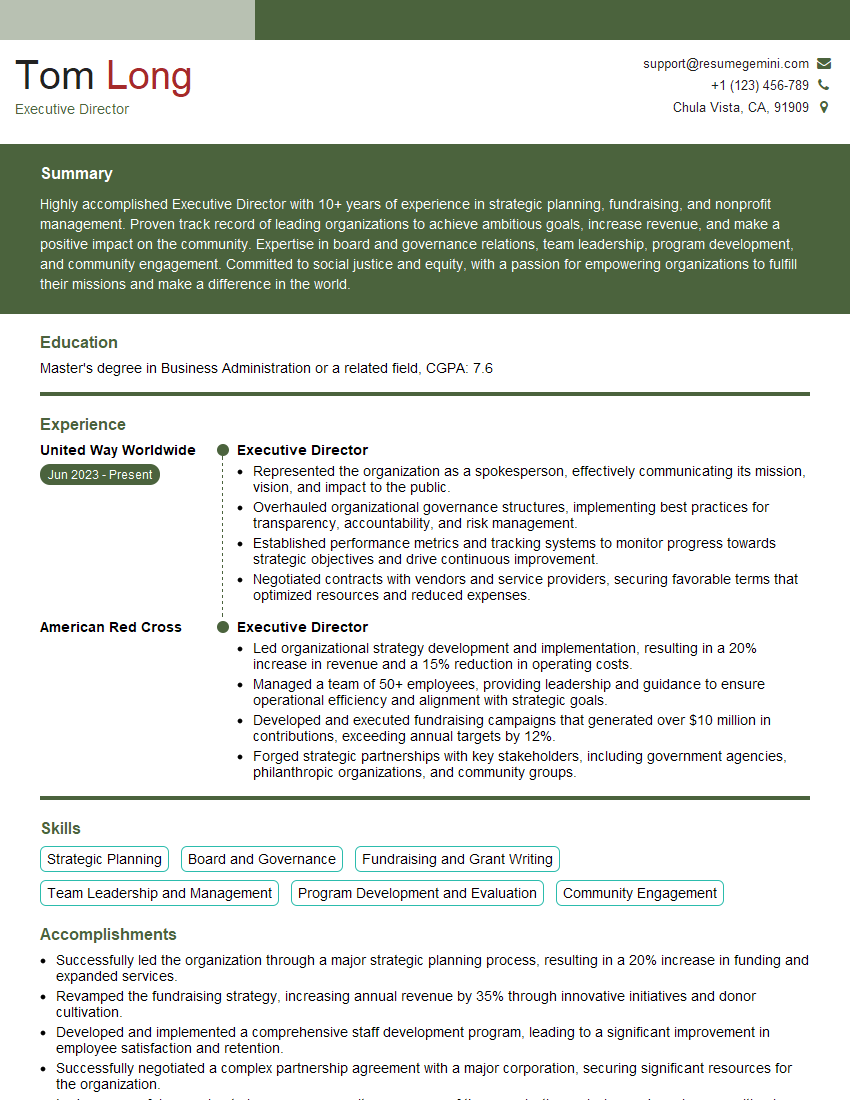
Executive Director Resume Sample
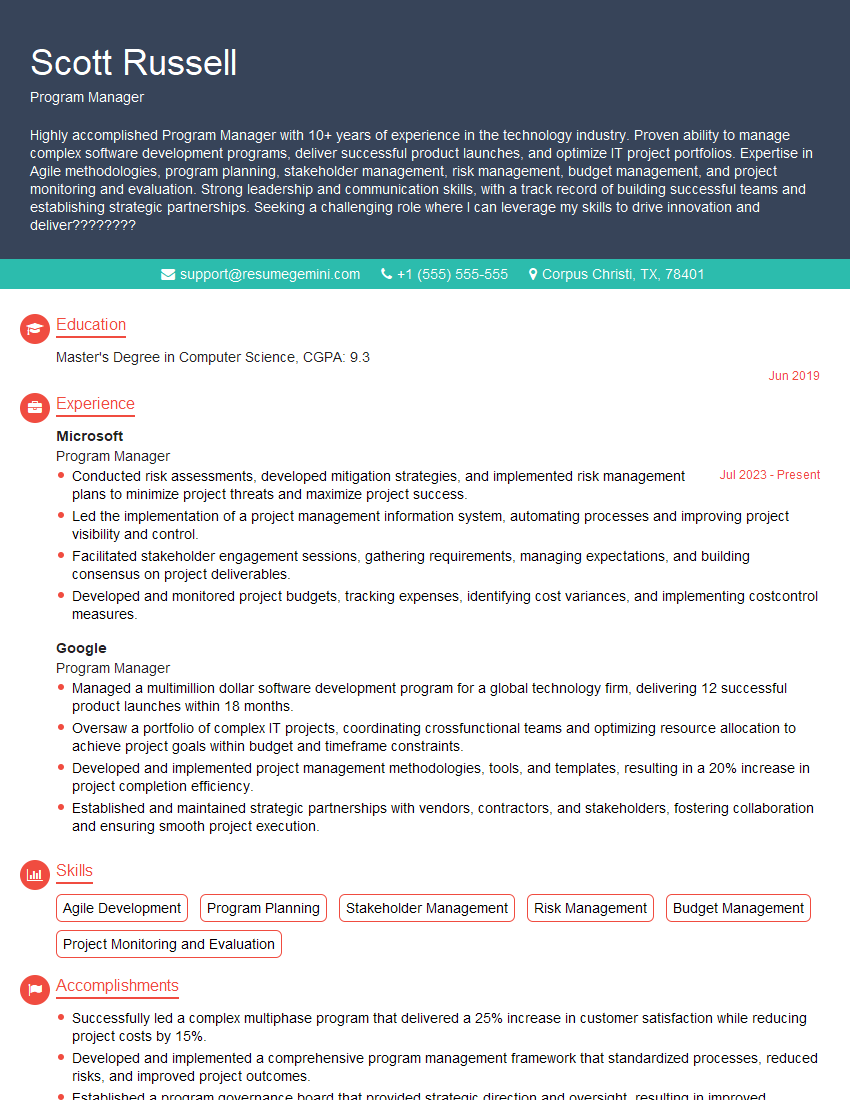
Program Manager Resume Sample
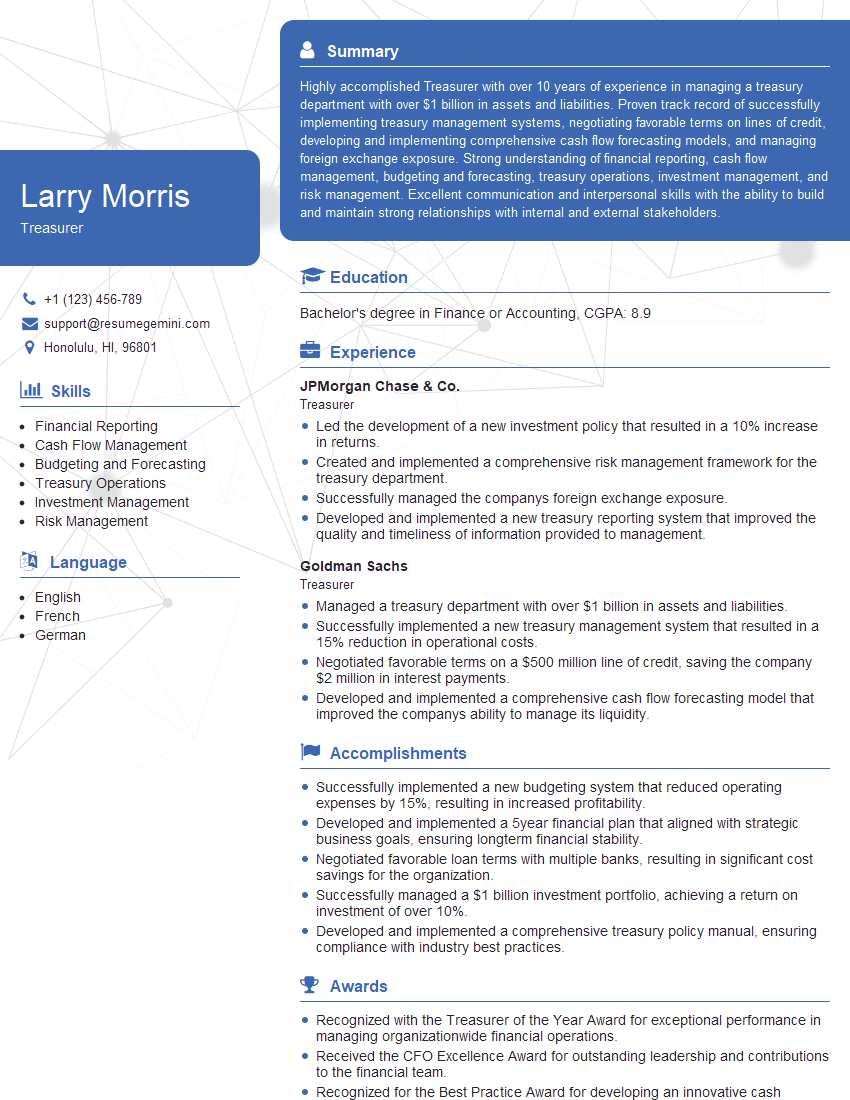
Treasurer Resume Sample
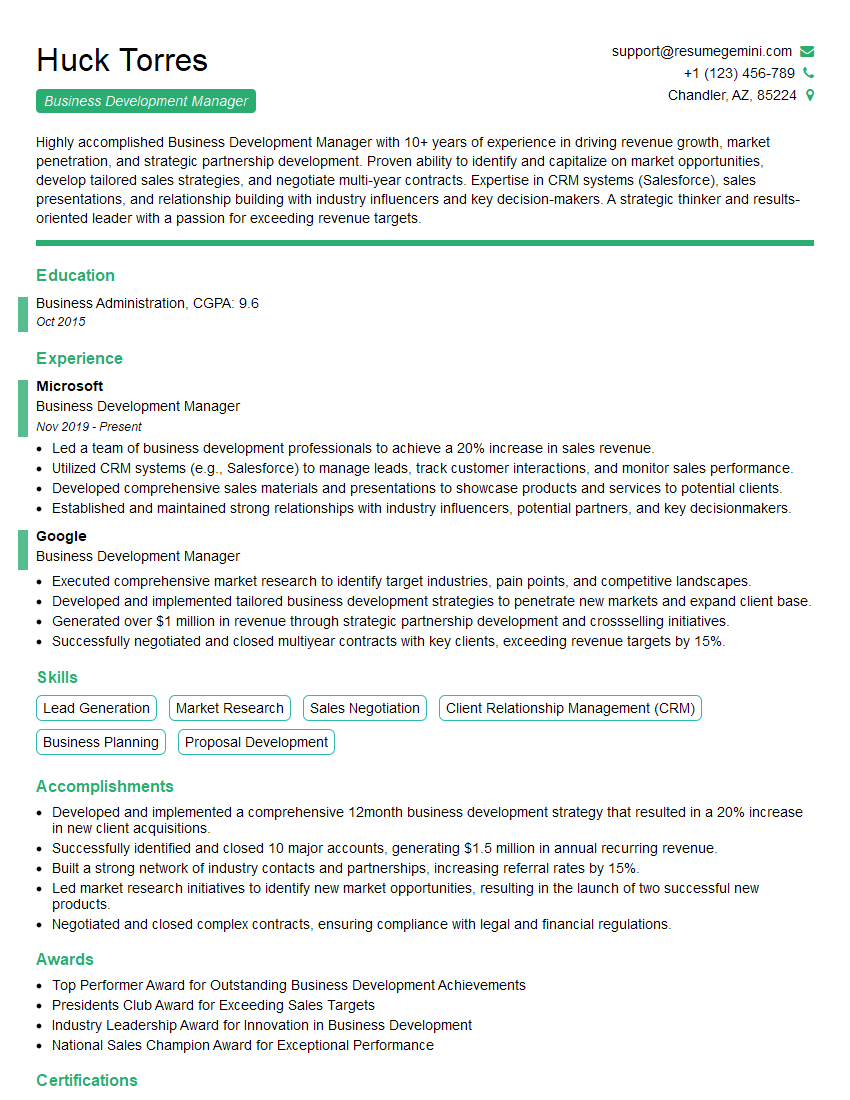
Business Development Manager Resume Sample
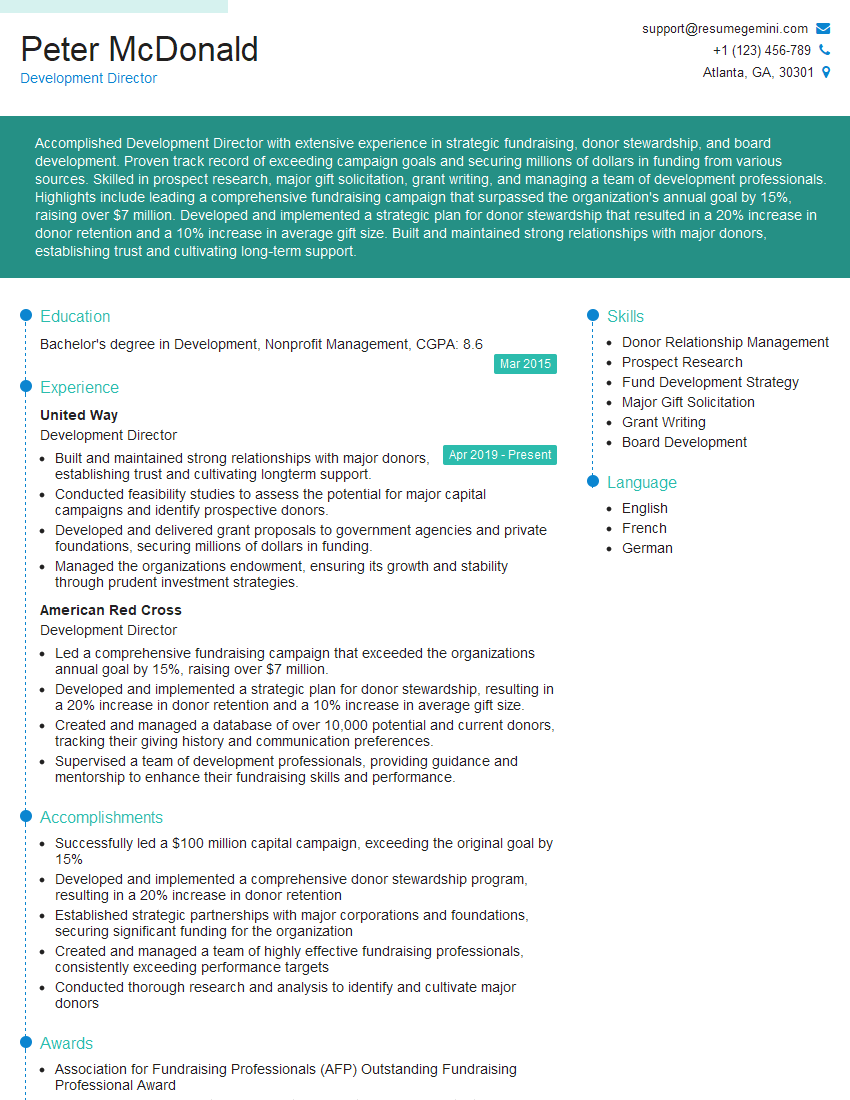
Development Director Resume Sample
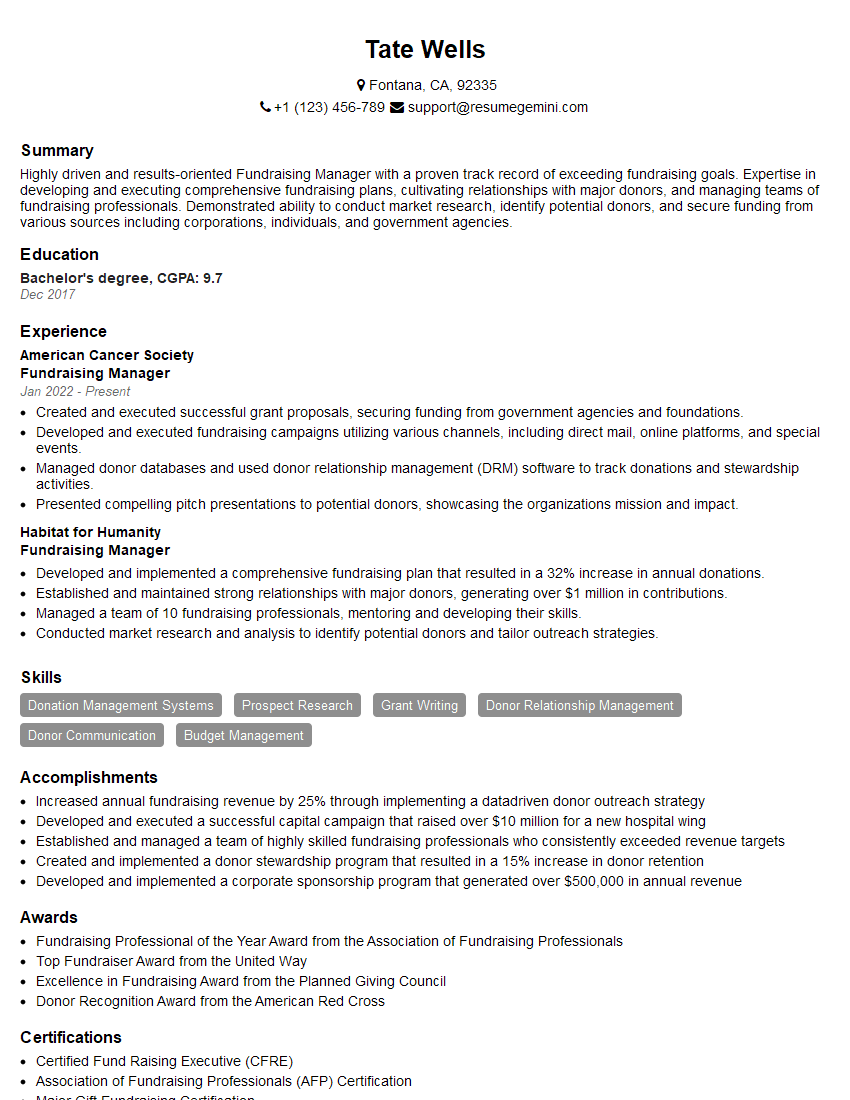
Fundraising Manager Resume Sample
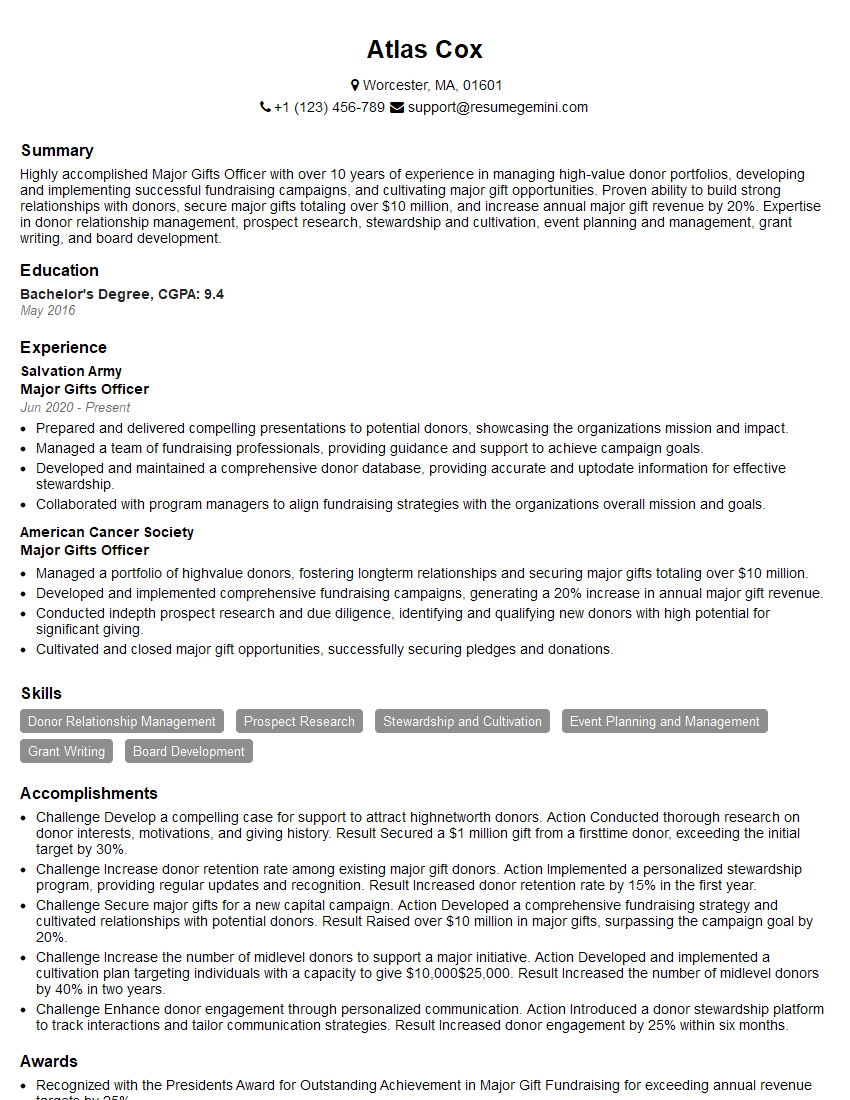
Major Gifts Officer Resume Sample
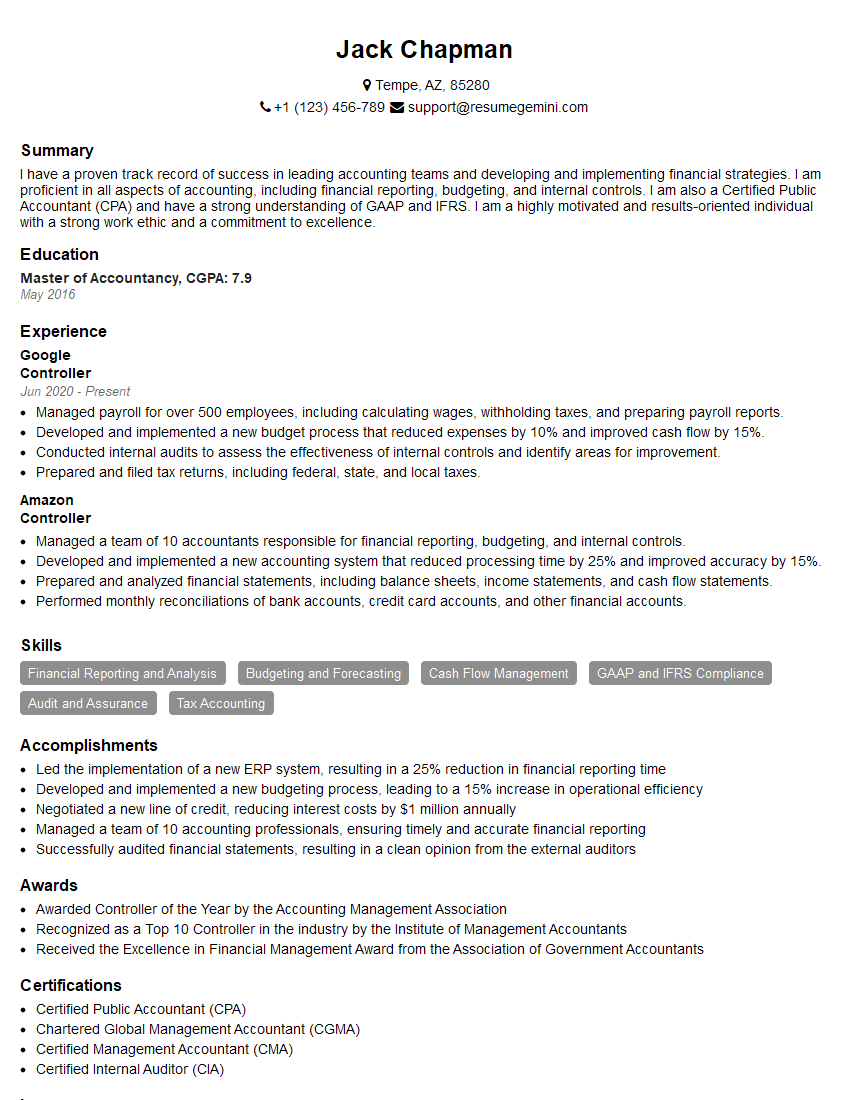
Controller Resume Sample
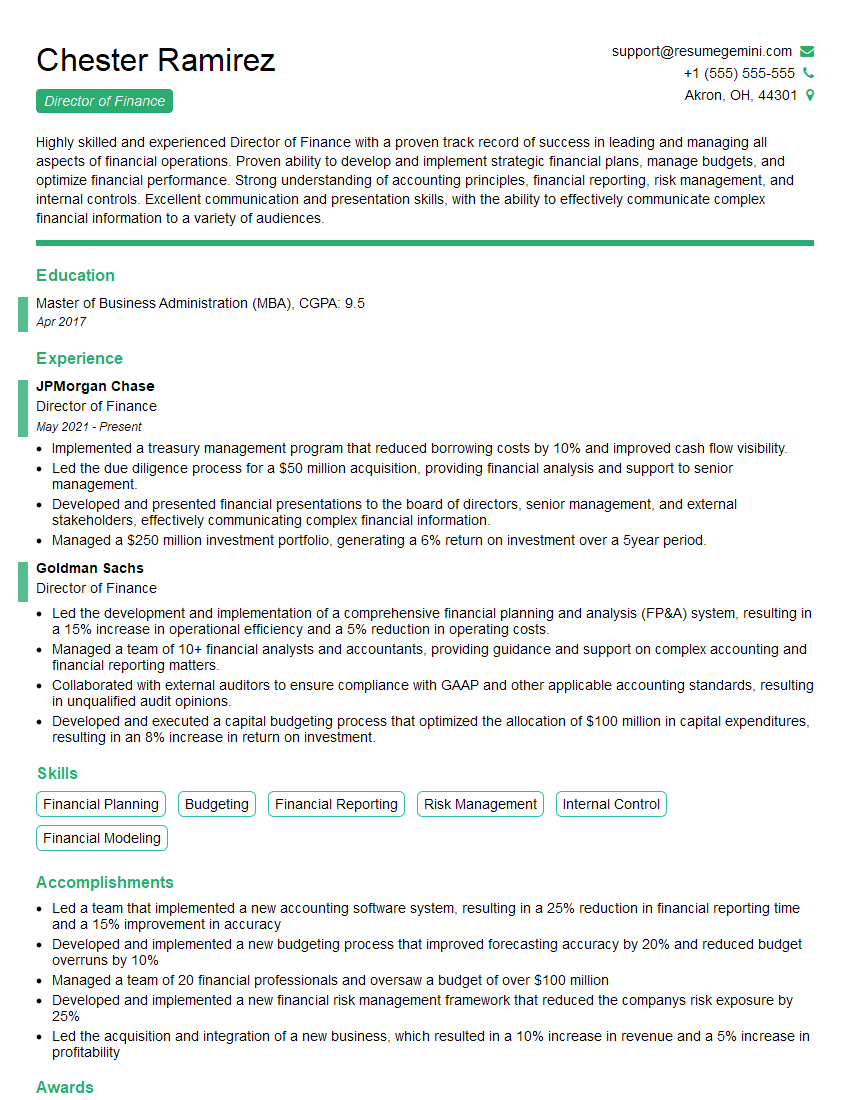
Director of Finance Resume Sample
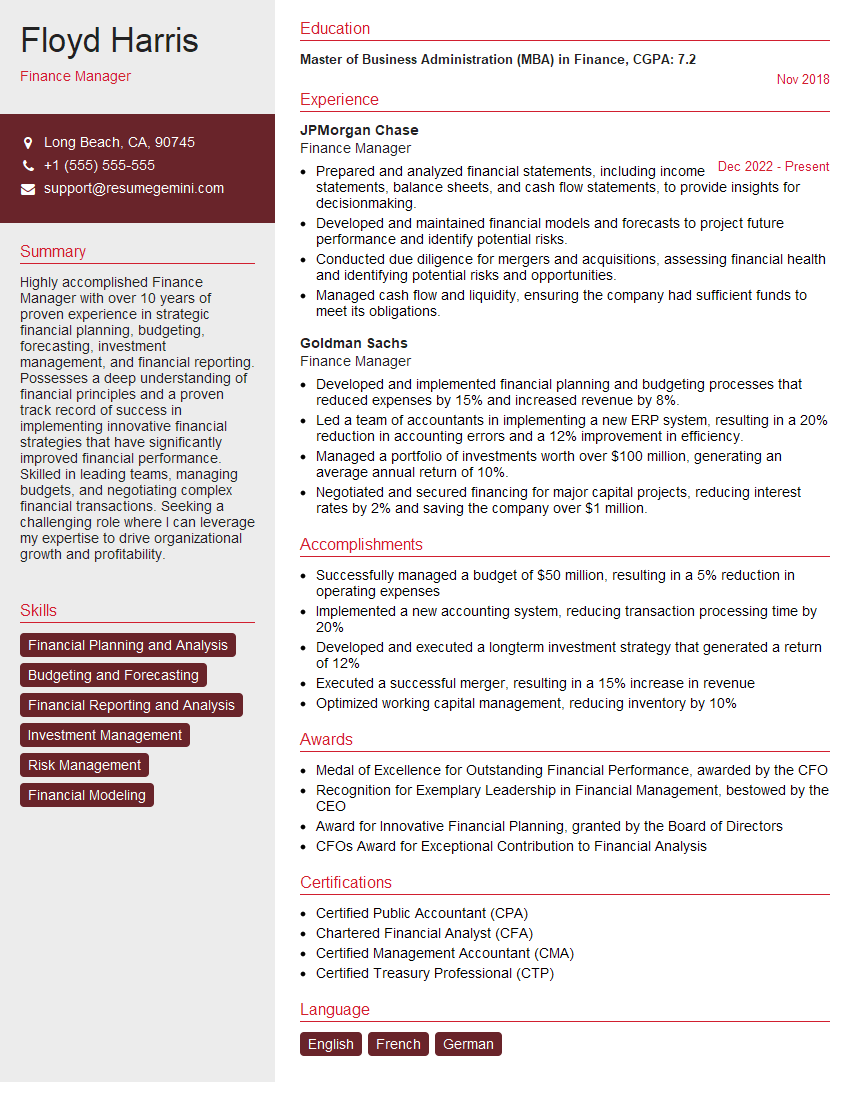
Finance Manager Resume Sample
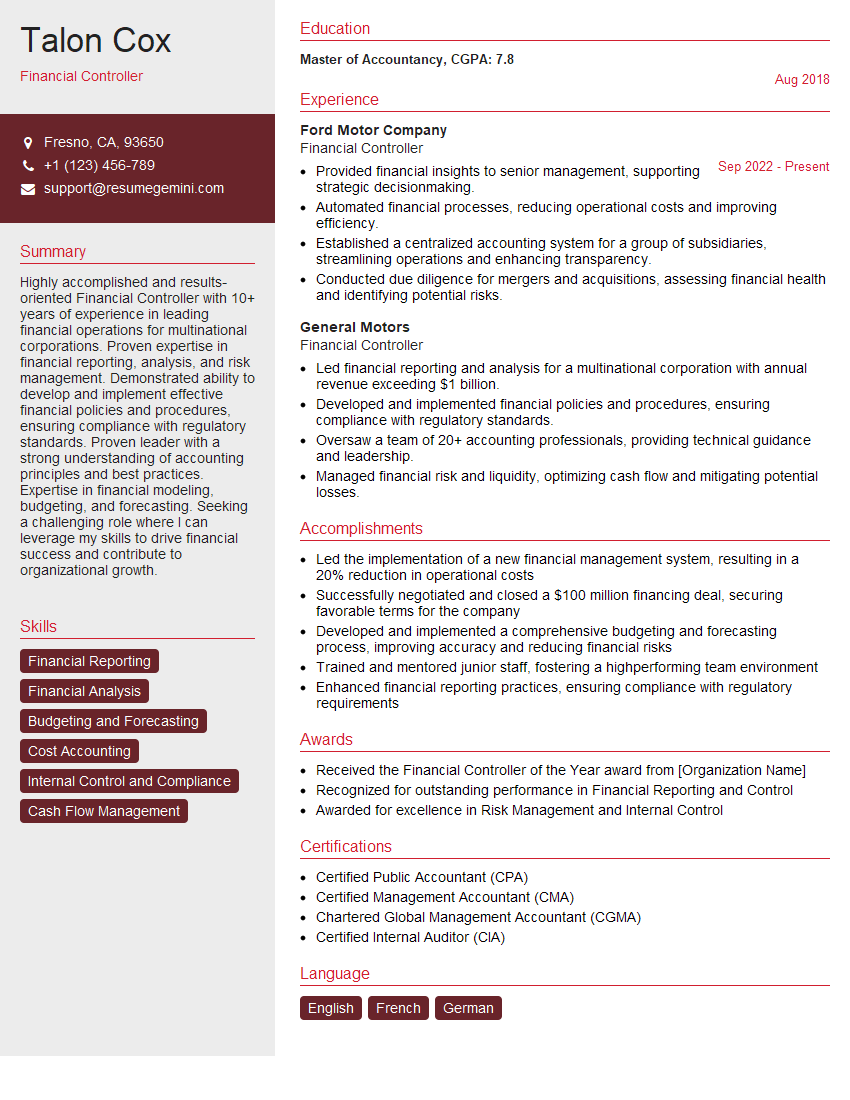
Financial Controller Resume Sample

Budget Manager Resume Sample
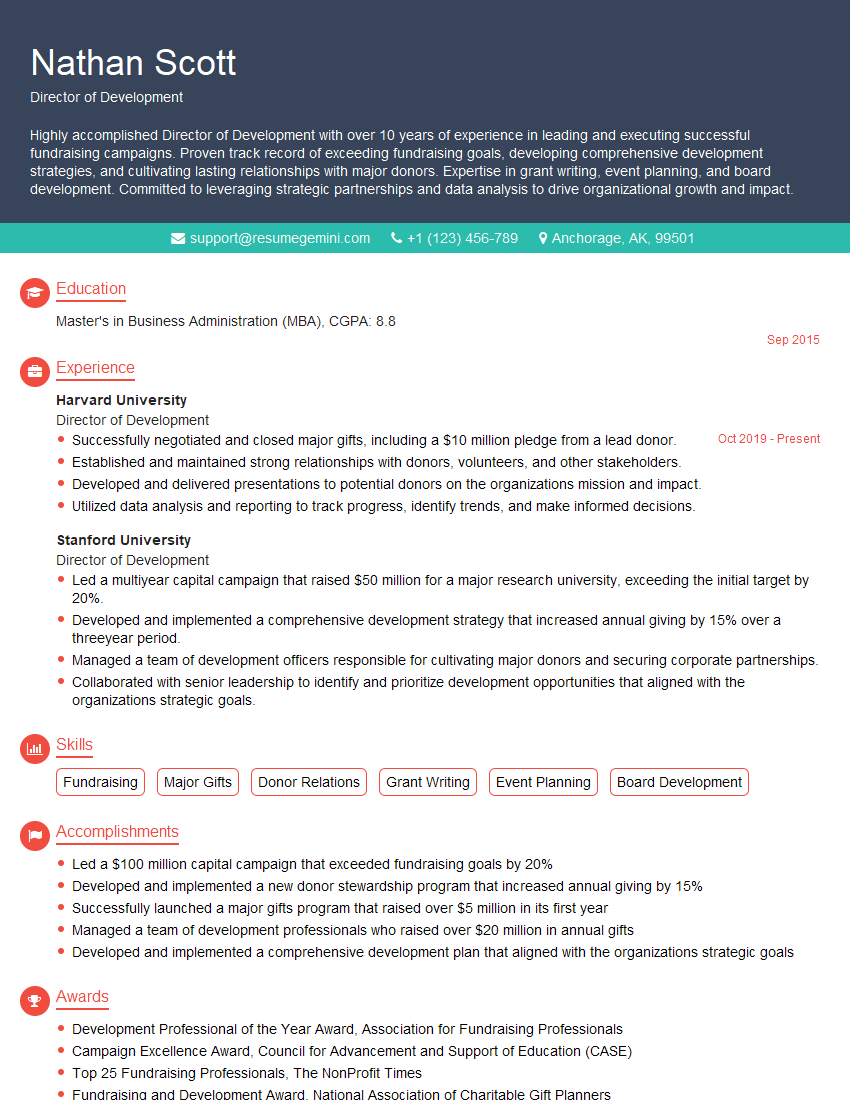
Director of Development Resume Sample
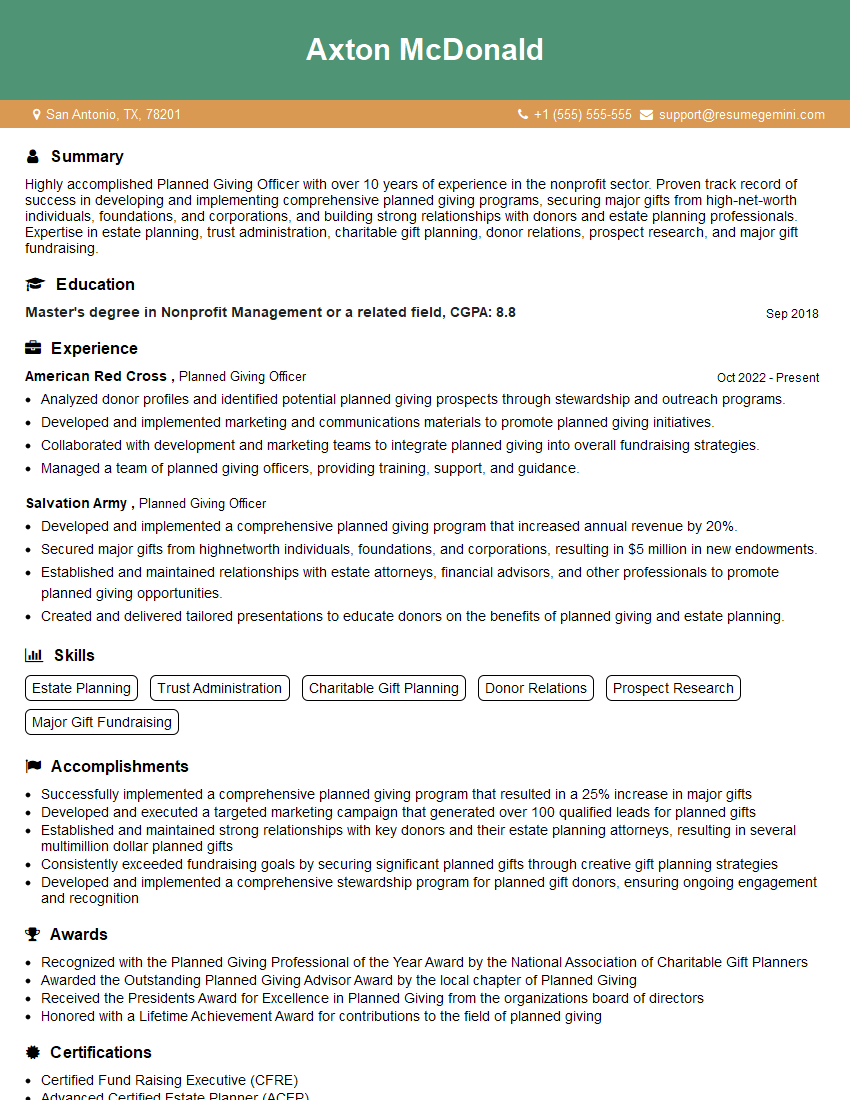
Planned Giving Officer Resume Sample
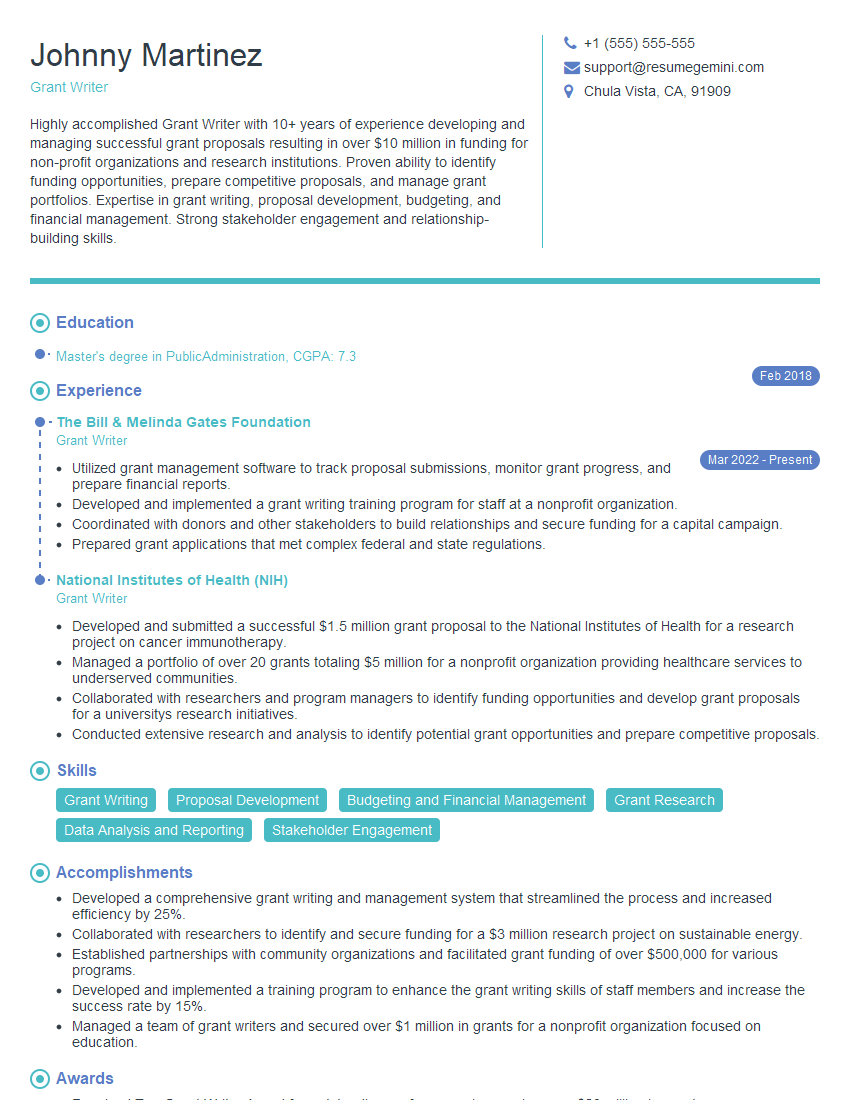
Grant Writer Resume Sample
- Chief Financial Officer (CFO)
- Executive Director
- Program Manager
- Treasurer
- Business Development Manager
- Development Director
- Fundraising Manager
- Major Gifts Officer
- Controller
- Director of Finance
- Finance Manager
- Financial Controller
- Budget Manager
- Director of Development
- Planned Giving Officer
- Grant Writer
Explore more articles
Users Rating of Our Blogs
Share Your Experience
We value your feedback! Please rate our content and share your thoughts (optional).
What Readers Say About Our Blog
Very informative content, great job.
good