Interviews are more than just a Q&A session—they’re a chance to prove your worth. This blog dives into essential Ability to Handle Challenges and Disputes Respectfully interview questions and expert tips to help you align your answers with what hiring managers are looking for. Start preparing to shine!
Questions Asked in Ability to Handle Challenges and Disputes Respectfully Interview
Q 1. Describe a situation where you had to mediate a disagreement between two colleagues. What approach did you take?
Mediating disagreements requires a neutral and empathetic approach. I once had to resolve a conflict between two designers, Sarah and Mark, regarding the design of a new website. Sarah felt Mark’s design lacked innovation, while Mark believed Sarah’s approach was impractical.
My approach involved several steps:
- Active Listening: I started by letting each person fully explain their perspective without interruption, ensuring they felt heard and understood. I paraphrased their points to confirm understanding.
- Identifying Common Ground: I focused on finding areas of agreement. Both designers ultimately agreed on the importance of user-friendliness and brand consistency.
- Collaborative Problem-Solving: I facilitated a discussion where they jointly brainstormed solutions that incorporated both their ideas. This involved focusing on the objectives rather than individual preferences.
- Reaching a Compromise: We agreed on a revised design that incorporated elements from both proposals, addressing concerns from both sides.
- Following Up: After the project, I checked in with both Sarah and Mark to ensure the resolution was successful and the working relationship remained positive.
This approach not only resolved the immediate conflict but also strengthened their working relationship by fostering mutual respect and understanding.
Q 2. How do you handle a situation where a client is expressing anger or frustration?
Handling an angry or frustrated client requires patience, empathy, and a calm demeanor. The goal is to de-escalate the situation and find a solution that addresses their concerns. Imagine a client whose order was delayed.
My approach would be:
- Empathetic Listening: I’d let the client fully express their frustration without interruption, acknowledging their feelings with phrases like, “I understand your frustration,” or “I can see why you’re upset.”
- Validation: I would validate their feelings and concerns without necessarily agreeing with their assessment of blame. For example: “It’s understandable to be disappointed when a delivery is late.”
- Taking Ownership (when appropriate): If the delay was our fault, I’d apologize sincerely and take responsibility. If not, I’d explain the situation objectively and transparently.
- Offering Solutions: I’d propose concrete solutions, such as expedited shipping, a discount, or a refund, to compensate for the inconvenience.
- Setting Expectations: I’d set clear expectations about the next steps and the timeline for resolving the issue.
The key is to remain calm, professional, and focused on finding a mutually acceptable resolution. Sometimes, simply acknowledging the client’s feelings goes a long way in diffusing anger.
Q 3. Explain your process for de-escalating a tense situation.
De-escalating a tense situation is crucial for maintaining a productive and respectful environment. Think of it as slowly lowering the temperature of a boiling pot.
My process includes:
- Creating a Safe Space: Find a private area to discuss the issue away from distractions or onlookers.
- Maintaining a Calm Demeanor: Speak softly and use a measured tone of voice. Your calm demeanor can have a contagious effect.
- Active Listening: Let each person vent their feelings without interruption. Show empathy and understanding.
- Paraphrasing and Clarifying: To ensure understanding, paraphrase what each person says, summarizing their main points to confirm you’ve grasped their perspective.
- Focusing on Facts: Steer the conversation away from emotional accusations and toward factual details. What actually happened?
- Identifying Underlying Issues: Often, surface-level conflicts mask deeper disagreements. What are the root causes of the tension?
- Collaborative Problem-Solving: Work together to find solutions that address the needs of all parties involved.
Remember that de-escalation is a process, not an event. It requires patience, empathy, and a commitment to finding a mutually acceptable outcome.
Q 4. How do you ensure all parties feel heard and respected during a conflict?
Ensuring everyone feels heard and respected is paramount in conflict resolution. It’s not just about listening; it’s about demonstrating that you value their input.
My strategies include:
- Equal Time: Give each party equal time to express their views, ensuring no one feels silenced or dominated.
- Non-Verbal Communication: Maintain open and receptive body language: make eye contact, nod to show you’re following along, and avoid interrupting.
- Validating Feelings: Acknowledge and validate the emotions of each individual, even if you don’t agree with their perspective. Phrases like “I understand your frustration” can go a long way.
- Summarizing and Reflecting: Regularly summarize what each person has said to confirm understanding and show you’re actively listening. This demonstrates respect and prevents misunderstandings.
- Neutral Language: Use neutral language, avoiding accusatory or judgmental statements.
- Creating a Safe Space: Ensure a safe environment where individuals feel comfortable expressing themselves honestly without fear of retribution.
By actively demonstrating that each person’s perspective is valued, you foster mutual respect and create a more conducive environment for conflict resolution.
Q 5. What strategies do you use to find common ground during a disagreement?
Finding common ground during disagreements is key to reaching a mutually acceptable solution. It’s about identifying shared goals and values, not necessarily agreeing on everything.
My strategies include:
- Focus on Shared Interests: Begin by identifying areas where all parties share common interests or objectives. What are the ultimate goals?
- Ask Open-Ended Questions: Use open-ended questions to encourage discussion and exploration of different viewpoints. Avoid leading questions.
- Reframing the Issue: Sometimes, reframing the issue can help reveal hidden commonalities. Is there a different way to look at the problem?
- Focusing on Solutions, Not Blame: Shift the focus from assigning blame to finding solutions that address everyone’s concerns.
- Brainstorming: Facilitate a brainstorming session to generate a wide range of potential solutions. Encourage creative thinking and collaboration.
- Compromise: Be prepared to compromise. Reaching a solution often requires all parties to give something up.
By focusing on shared interests and exploring solutions collaboratively, you can create a bridge between differing perspectives and find common ground.
Q 6. Describe a time you had to compromise to reach a solution.
Compromise is often essential for achieving a fair and workable solution. In a project planning meeting, the marketing team strongly advocated for a launch date two months earlier than what the development team believed was feasible.
To reach a compromise, I facilitated a discussion exploring the reasons behind each team’s position. Marketing explained the urgency from a market opportunity standpoint, highlighting potential gains from an early launch. The development team explained the potential risks of rushing the development process, outlining potential technical issues and decreased product quality.
After a discussion, we agreed on a compromise: launch the core product features on the original date proposed by development, but launch some additional features a month later. This allowed Marketing to capitalize on the initial market opportunity while ensuring Development could deliver a high-quality product.
This compromise showed both teams that their concerns were heard and valued, resulting in a successful product launch and improved cross-team relations.
Q 7. How do you maintain professionalism while addressing a challenging situation?
Maintaining professionalism during challenging situations is vital for preserving trust and respect. It requires self-control, empathy, and a focus on solutions.
My strategies for maintaining professionalism include:
- Remain Calm and Composed: Even when faced with provocation, strive to maintain a calm and composed demeanor. Avoid reacting emotionally.
- Use Respectful Language: Always speak respectfully, regardless of the other person’s behavior. Avoid using inflammatory or abusive language.
- Focus on the Issue, Not the Person: Address the issue at hand, not the individual’s personality or character. Keep the conversation objective.
- Active Listening: Demonstrate active listening to show that you respect the other person’s perspective, even if you don’t agree with it.
- Set Clear Boundaries: If necessary, set clear boundaries to prevent the situation from escalating further. For example, “I’m happy to discuss this further, but personal attacks are unacceptable.”
- Document Everything: Keep a record of all communications and agreements. This can be valuable for future reference.
By consistently maintaining professionalism, you show respect for yourself, the other individuals involved, and the organization as a whole. This fosters trust and contributes to a positive and productive work environment.
Q 8. How do you handle criticism or feedback from colleagues or superiors?
I view criticism as an opportunity for growth. My approach involves active listening, clarifying the feedback, and seeking to understand the perspective offered. I avoid becoming defensive and instead focus on the content of the feedback, asking clarifying questions like, “Can you give me a specific example?” or “What would you suggest as an alternative approach?” I then consider the feedback objectively, assessing its validity and relevance to my performance. If the feedback is constructive, I implement changes and document my progress. If the feedback seems subjective or unfair, I address it respectfully, expressing my understanding while clarifying my position and offering solutions. For example, if a colleague criticized my report for lacking detail, I’d thank them for their input and, instead of getting defensive, I’d ask for specific examples of missing detail and then revise accordingly.
Q 9. Have you ever had to navigate a conflict with someone who holds a different viewpoint? How did you approach it?
In a previous role, I encountered a conflict with a colleague regarding the best approach to a new marketing campaign. He advocated for a more traditional approach, while I believed a more innovative digital-first strategy would be more effective. Instead of immediately arguing, I initiated a collaborative dialogue. I actively listened to his concerns, acknowledging the validity of his points about the risks of a completely new strategy. I then presented my case, providing data and research to support the benefits of the digital-first approach. We engaged in a respectful exchange of ideas, eventually compromising on a hybrid strategy that incorporated elements of both our proposals. This allowed us to leverage the strengths of both approaches and learn from each other’s perspectives. The campaign was ultimately successful, demonstrating the power of collaborative conflict resolution.
Q 10. Describe a time you had to address a conflict involving sensitive information.
I once had to address a conflict involving sensitive employee performance data. Two team members disagreed about the accuracy of the data related to a colleague’s performance review. To handle this situation, I first ensured confidentiality. I held separate private meetings with each individual to understand their perspectives and gather all the relevant information without disclosing details to the other party. Then, I compared the differing accounts, examining the data carefully for discrepancies. I discovered a miscalculation in the initial data entry. Once the error was identified and corrected, I brought both team members together and transparently explained the mistake and the corrected data. Emphasizing the importance of accuracy, I reinforced our commitment to maintaining confidentiality and fair evaluation practices. The problem was resolved quickly and professionally because of a focus on accuracy and respect for all involved.
Q 11. How do you balance maintaining objectivity while still empathizing with those involved in a dispute?
Balancing objectivity and empathy is crucial in dispute resolution. Objectivity ensures fairness and impartiality by focusing on facts and evidence, avoiding personal biases. Empathy allows me to understand the emotional perspectives of those involved. It’s not about agreeing with their feelings, but acknowledging their feelings as valid and creating a safe space for communication. For example, if two colleagues are arguing over project deadlines, I would objectively assess the project timeline and available resources while acknowledging the stress and pressure each person is experiencing. I would focus on finding a solution that’s fair and addresses everyone’s needs, even if it requires compromise from all parties.
Q 12. What steps do you take to prevent disputes from escalating?
Preventing disputes requires proactive measures. I believe in fostering a culture of open communication and clear expectations. This includes regularly scheduling team meetings for open discussions, setting clear guidelines and responsibilities, and encouraging proactive problem-solving. I also actively listen to team members, addressing concerns before they escalate. If a conflict starts to brew, I immediately attempt to address it directly, facilitating a discussion to understand both perspectives and collaboratively find a solution. Clear communication and a culture of respect are vital for preventing unnecessary conflicts.
Q 13. Describe a situation where you had to make a difficult decision that impacted multiple stakeholders. How did you balance their needs?
In a previous project, we faced budget constraints that required difficult decisions about resource allocation. Multiple teams needed access to the same resources. To address this, I gathered all stakeholders and facilitated a collaborative meeting. We transparently discussed the budget limitations, and each team presented their needs and priorities. I used a prioritization matrix to visually represent the relative importance and urgency of each team’s requests. This allowed us to collectively make informed decisions, ensuring that the most critical needs were met while minimizing disruption to each team. While not everyone got everything they wanted, the process was transparent and fair, leading to a sense of shared responsibility and ownership of the solution.
Q 14. How do you handle situations where you feel someone is being unfair or unreasonable?
If I perceive unfair or unreasonable behavior, my approach prioritizes respectful communication. I first assess the situation objectively to understand the context and motivations behind the behavior. I then address the situation directly but tactfully, expressing my concerns clearly and calmly, focusing on the impact of the behavior rather than making personal attacks. For instance, “I understand you’re under pressure, but constantly interrupting colleagues in meetings is disruptive and disrespectful. Could we find a way to ensure everyone has a chance to share their input?” If the behavior continues, I escalate the issue to the appropriate authority, documenting all instances and maintaining a professional demeanor throughout the process.
Q 15. Describe your experience using different conflict resolution styles (e.g., collaborating, competing, accommodating).
My experience encompasses a range of conflict resolution styles, recognizing that the most effective approach is highly context-dependent. I’ve successfully utilized collaborative methods, where all parties work together to find a mutually beneficial solution. For example, in a project team disagreement over resource allocation, I facilitated open communication, enabling each member to voice their needs and priorities. We collaboratively created a schedule that addressed everyone’s concerns.
In situations demanding immediate action or involving critical safety concerns, a more competitive approach might be necessary, although always with respect and transparency. For instance, if a team member consistently misses deadlines and impacts project deliverables, I’d directly address the issue, outlining clear expectations and consequences. The focus here would be on achieving the project goals, while ensuring the conversation stays focused on performance, not personality.
Finally, accommodating is useful when the issue is less critical and maintaining a positive relationship is paramount. If a junior team member is struggling with a task, I might assist directly, recognizing that their learning curve may be steeper. This fosters a supportive work environment. I am adept at recognizing when each style is most appropriate and adapt my communication accordingly.
Career Expert Tips:
- Ace those interviews! Prepare effectively by reviewing the Top 50 Most Common Interview Questions on ResumeGemini.
- Navigate your job search with confidence! Explore a wide range of Career Tips on ResumeGemini. Learn about common challenges and recommendations to overcome them.
- Craft the perfect resume! Master the Art of Resume Writing with ResumeGemini’s guide. Showcase your unique qualifications and achievements effectively.
- Don’t miss out on holiday savings! Build your dream resume with ResumeGemini’s ATS optimized templates.
Q 16. How do you ensure a resolution is implemented and monitored effectively?
Effective implementation and monitoring of a resolution require a multi-step process. First, we clearly define the agreed-upon solution, documenting it in writing and ensuring all parties understand their roles and responsibilities. This might involve a formal agreement or a detailed action plan. Second, we establish clear timelines and milestones to track progress. Regular check-ins are crucial, ensuring transparency and addressing any emerging challenges proactively. For example, in a client dispute over a service delivery, we might establish weekly meetings to review progress, identify roadblocks, and adjust the plan as needed. Finally, I employ feedback mechanisms to assess the effectiveness of the resolution, looking for indicators of satisfaction and sustainable improvement. This feedback informs future conflict management strategies.
Q 17. How do you know when to involve a third party in a dispute?
The decision to involve a third party depends on several factors. If the conflict is escalating, impacting productivity significantly, or involves legal or ethical concerns, external mediation may be necessary. For example, if a serious disagreement involves accusations of misconduct, an independent HR representative might be brought in to ensure fairness and transparency. I also involve a third party when internal attempts at resolution have been unsuccessful. A neutral third party can offer a fresh perspective, facilitate open communication, and help parties find common ground. The key is to carefully weigh the costs and benefits, making sure the intervention doesn’t exacerbate the situation.
Q 18. Describe your experience documenting and reporting on conflict resolution processes.
Thorough documentation is essential. I maintain detailed records of all communication, including emails, meeting notes, and any agreements reached. These records are organized and easily accessible, providing a clear audit trail. My reporting focuses on the process, not just the outcome. I highlight the steps taken, challenges faced, and lessons learned. This ensures accountability and helps refine conflict resolution strategies. For instance, after resolving a complex client complaint, I would produce a report detailing the timeline of events, the communication strategies used, the final agreement, and any insights gained for handling similar situations in the future.
Q 19. How do you adapt your conflict resolution style to different personalities and situations?
Adaptability is crucial. I adjust my communication style based on individual personalities and the situation’s context. For example, when dealing with a direct and assertive individual, I might adopt a similarly direct approach, focusing on clear and concise communication. With someone more reserved, I’d opt for a more patient, empathetic approach, creating a safe space for them to express themselves. Similarly, the complexity of the issue will influence my strategy. A minor disagreement may only require a brief informal conversation, while a major conflict could necessitate a more structured mediation process. The goal is to build rapport and find a common understanding, regardless of personality differences or the situation’s gravity.
Q 20. How do you measure the success of your conflict resolution efforts?
Measuring success goes beyond just resolving the immediate conflict. I use a combination of quantitative and qualitative metrics. Quantitative measures might include a reduction in complaints, improved team performance, or increased client satisfaction scores. Qualitative measures involve gathering feedback from all involved parties, assessing their satisfaction with the resolution process and outcome, and determining if a sustainable solution has been found. For example, following a dispute amongst project team members, I would assess both the project’s success post-resolution (on-time delivery, budget adherence) and gather feedback from team members on their sense of collaboration and trust moving forward. This holistic approach allows for a more comprehensive evaluation of the effectiveness of my intervention.
Q 21. How do you manage your own emotions during a stressful conflict situation?
Managing my emotions during stressful conflict is paramount. I employ several techniques. Firstly, I practice mindfulness and deep breathing exercises to center myself and maintain composure. Secondly, I actively listen to understand perspectives without letting emotions cloud my judgment. Thirdly, I take breaks when needed to avoid emotional burnout. Stepping away for a few minutes to clear my head can help me approach the situation with renewed clarity and objectivity. Finally, I regularly reflect on my performance, acknowledging both successes and areas for improvement. This self-awareness helps me refine my approach to conflict resolution and manage my emotional responses more effectively. Remembering that everyone has their own perspective and emotions helps maintain a level of empathy throughout the process.
Q 22. How do you handle disagreements that involve power imbalances?
Handling disagreements involving power imbalances requires a delicate approach prioritizing respect and fairness. The key is to level the playing field, ensuring everyone feels heard and valued, regardless of their position. This involves active listening, demonstrating empathy, and focusing on the issue at hand, not the individuals’ hierarchical positions.
For example, if a senior manager is in conflict with a junior team member, I would facilitate a meeting where both parties have equal speaking time. I’d encourage the manager to actively listen to the team member’s perspective without interruption or judgment. Similarly, I would guide the junior team member to express their concerns clearly and respectfully. The focus would be on finding common ground and mutually agreeable solutions, not on determining who is ‘right’ or ‘wrong’. The goal is to create a solution that addresses the underlying problem and fosters a more positive working relationship going forward.
In situations where a clear power imbalance leads to silencing or intimidation, I would intervene proactively, ensuring a safe space for all voices to be heard. This might involve mediating separately with each party before a joint meeting, or even involving HR to ensure fairness and address any potential policy violations.
Q 23. What are some common pitfalls to avoid when resolving conflicts?
Common pitfalls in conflict resolution can derail even the best intentions. These include:
- Personalizing the conflict: Focusing on personalities rather than the issue. Remember, it’s the problem, not the person.
- Interrupting or dominating the conversation: Everyone deserves to be heard. Active listening is crucial.
- Jumping to conclusions or making assumptions: Seek to understand all perspectives before offering solutions.
- Focusing on blame: Instead of assigning blame, concentrate on finding solutions and preventing future conflicts.
- Ignoring underlying issues: Surface issues might mask deeper problems. Digging deeper often reveals the root cause.
- Lack of follow-up: Ensuring the agreed-upon solution is implemented and its effectiveness is evaluated is crucial for long-term resolution.
Avoiding these pitfalls requires conscious effort, patience, and a commitment to fairness and respectful communication.
Q 24. How do you determine the root cause of a conflict?
Determining the root cause of a conflict involves more than just addressing surface-level disagreements. It’s about identifying the underlying needs, interests, and perspectives driving the conflict. Think of it like peeling an onion – each layer reveals a deeper understanding.
I typically use a combination of techniques:
- Active listening: Carefully listening to each party, paying attention to their emotional tone and underlying concerns.
- Open-ended questions: Asking questions like “What are your concerns?” or “What would an ideal solution look like to you?” helps uncover deeper motivations.
- Identifying unmet needs: Conflicts often arise from unmet needs – whether it’s for recognition, resources, or clarity. Pinpointing these needs helps to address the root of the problem.
- Exploring different perspectives: Understanding the perspectives of all involved parties is key to understanding the root cause of the conflict. Sometimes, what seems like an irreconcilable difference stems from misunderstandings or miscommunication.
By systematically investigating these areas, I can usually pinpoint the root cause and develop strategies for a lasting resolution.
Q 25. Describe a time you had to manage a conflict with a difficult personality.
In a previous role, I had to manage a conflict with a team member known for being highly critical and confrontational. This individual consistently undermined team efforts and was openly disrespectful to colleagues. Instead of engaging in direct confrontation, which would likely escalate the situation, I opted for a more strategic approach.
I scheduled a private meeting, focusing on specific instances of their behavior, using neutral language and avoiding personal attacks. I acknowledged their contributions to the team while directly addressing the negative impact of their communication style. I also actively listened to their perspective, aiming to understand the underlying reasons for their behavior.
It turned out they felt undervalued and overlooked. Addressing this underlying issue, by providing more opportunities for recognition and involvement in decision-making, significantly improved their behavior. We implemented regular check-ins to monitor progress and address any emerging issues proactively. This situation highlighted the importance of understanding the underlying causes of difficult behavior and using empathy to find common ground, even with challenging personalities.
Q 26. How do you build rapport with individuals involved in a conflict to foster trust and open communication?
Building rapport and trust is fundamental to effective conflict resolution. It establishes a safe space for open communication and fosters collaboration. I achieve this through:
- Empathetic listening: Showing genuine interest in each person’s perspective and acknowledging their feelings.
- Respectful communication: Using positive language, avoiding interruptions, and actively showing that I value their input.
- Finding common ground: Highlighting shared goals or values to create a sense of unity.
- Active acknowledgment: Summarizing their points to show I understand their concerns and perspectives.
- Neutral facilitation: Acting as an impartial mediator rather than taking sides.
Building trust is a process, not an event. It requires patience, consistency, and a genuine desire to understand and support all parties involved. Consistent demonstration of respect and empathy builds confidence and encourages open dialogue.
Q 27. How do you prioritize resolving conflicts while maintaining other responsibilities?
Prioritizing conflict resolution while managing other responsibilities requires effective time management and strategic planning. I use a prioritization matrix, assessing the urgency and importance of each task. Conflicts that could escalate significantly or severely impact productivity are prioritized higher.
I employ several strategies:
- Timeboxing: Allocating specific time slots for conflict resolution, ensuring it doesn’t consume disproportionate time.
- Delegation (when appropriate): If a conflict can be effectively handled by another team member, I delegate the task.
- Seeking immediate resolution for urgent issues: Addressing urgent conflicts quickly can minimize disruption and prevent escalation.
- Scheduling regular check-ins: Regular follow-ups on conflict resolutions help ensure they remain on track and prevent recurrence.
This strategic approach allows me to efficiently manage competing priorities while ensuring that important conflicts are addressed promptly and effectively.
Q 28. Describe a situation where you had to handle a conflict outside of your typical job responsibilities.
Outside my typical responsibilities, I once mediated a conflict between two neighbors who were locked in a bitter dispute over a shared fence. This involved proactively approaching both parties, individually and then together, in a neutral setting. I actively listened to their concerns, validated their feelings, and encouraged them to consider each other’s perspectives.
I guided them through a structured conversation, focusing on the underlying issues and helping them brainstorm potential solutions. This involved suggesting compromises, facilitating negotiation, and ensuring a mutually agreeable resolution was reached. The process highlighted the importance of active listening, empathy, and creative problem-solving, regardless of the context. The successful resolution not only fostered a more positive relationship between the neighbors but also provided me with valuable experience in conflict resolution across different settings.
Key Topics to Learn for Ability to Handle Challenges and Disputes Respectfully Interview
- Active Listening and Empathetic Communication: Understanding different perspectives and responding with genuine empathy. This involves paying close attention, asking clarifying questions, and reflecting back what you’ve heard to ensure understanding.
- Conflict Resolution Strategies: Applying techniques like negotiation, mediation, and compromise to find mutually acceptable solutions. Practice identifying the root cause of the dispute, not just the symptoms.
- Professional De-escalation Techniques: Learning how to calmly and respectfully address heated situations, avoiding escalation through assertive yet non-confrontational communication. This includes managing your own emotions and reactions.
- Maintaining Professionalism Under Pressure: Demonstrating composure and self-control even when facing difficult individuals or challenging circumstances. This showcases emotional intelligence and resilience.
- Respectful Assertiveness: Expressing your needs and opinions clearly and confidently while respecting the viewpoints of others. This is about finding the balance between being assertive and being aggressive.
- Documentation and Record Keeping: Understanding the importance of maintaining accurate records of events, communications, and resolutions for future reference. This demonstrates a responsible and professional approach.
- Ethical Considerations: Navigating challenging situations while adhering to ethical principles and organizational policies. This shows integrity and commitment to fairness.
Next Steps
Mastering the ability to handle challenges and disputes respectfully is crucial for career advancement. It demonstrates maturity, professionalism, and strong interpersonal skills – qualities highly valued by employers across all industries. To significantly boost your job prospects, create an ATS-friendly resume that clearly showcases these skills. ResumeGemini is a trusted resource to help you build a powerful and effective resume. We provide examples of resumes tailored to highlight your ability to handle challenges and disputes respectfully, demonstrating your capabilities to potential employers. Take the next step towards your dream career by building a resume that reflects your strengths.

Operations Manager Resume Sample
Account Manager Resume Sample
Sales Manager Resume Sample

Customer Service Manager Resume Sample
Human Resources Manager Resume Sample
Project Manager Resume Sample
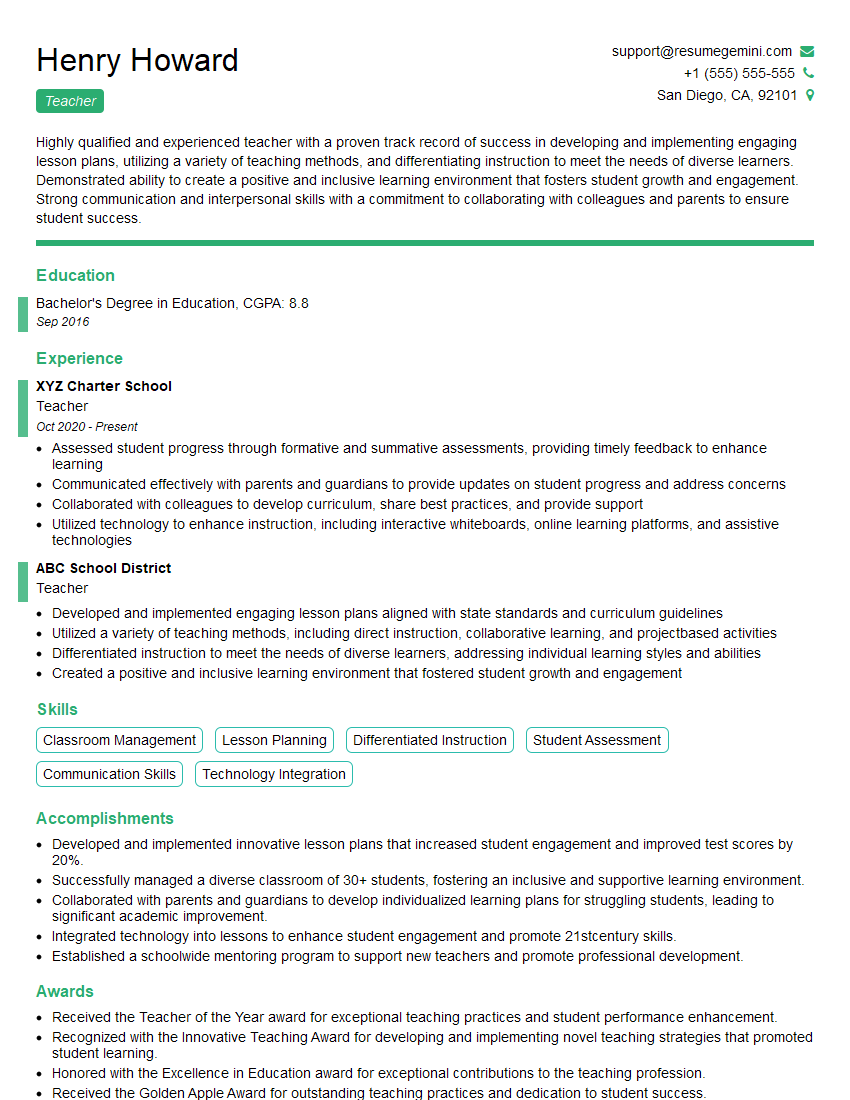
Teacher Resume Sample
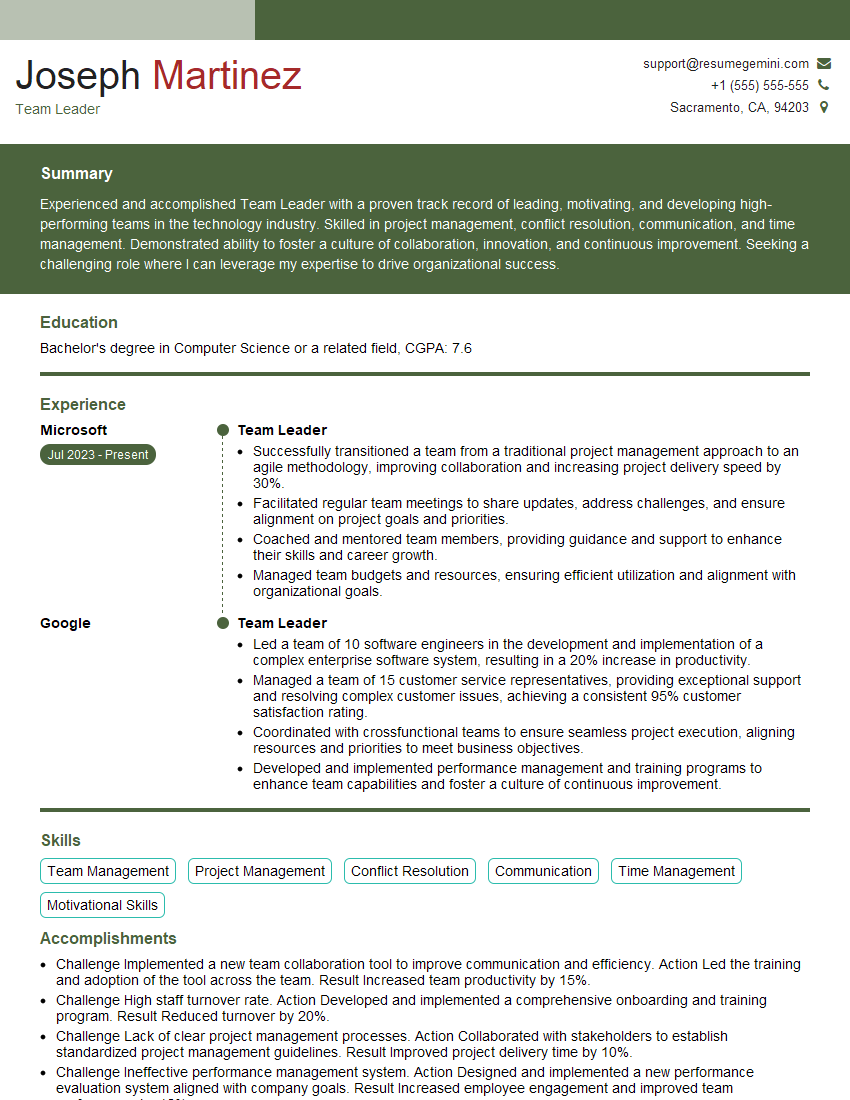
Team Leader Resume Sample

Compliance Officer Resume Sample
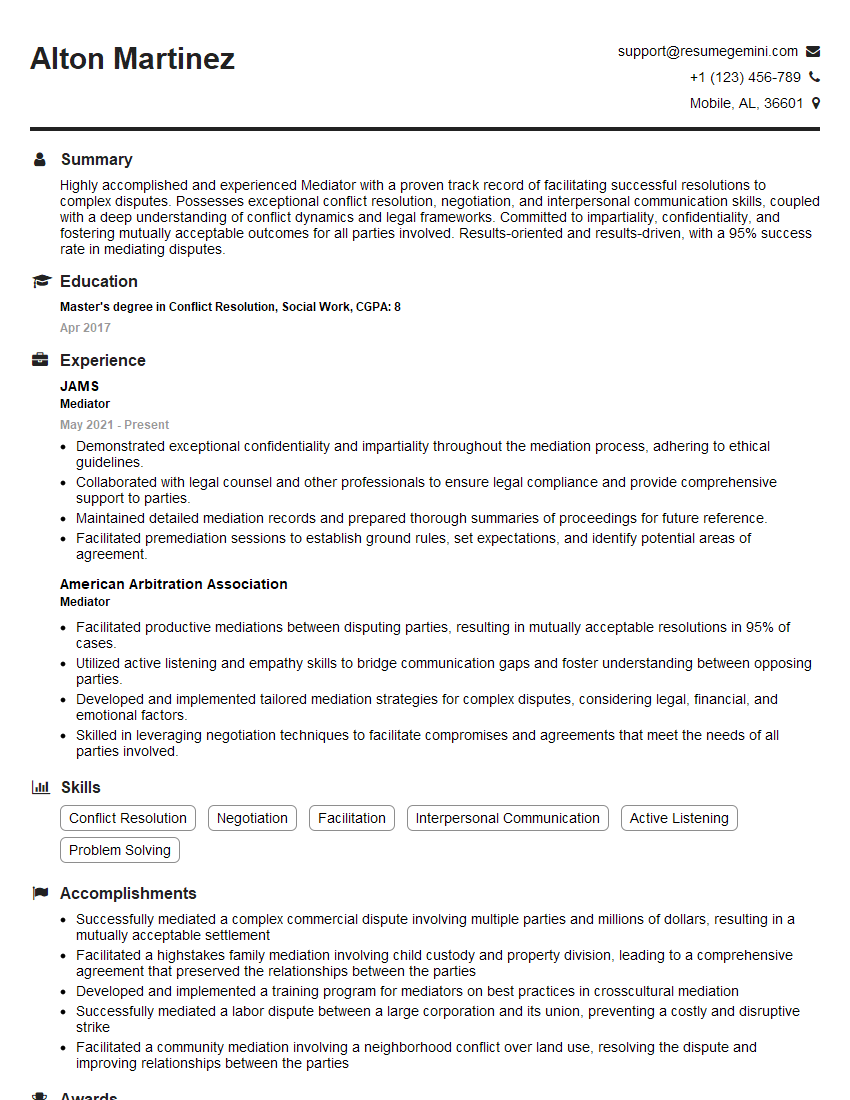
Mediator Resume Sample
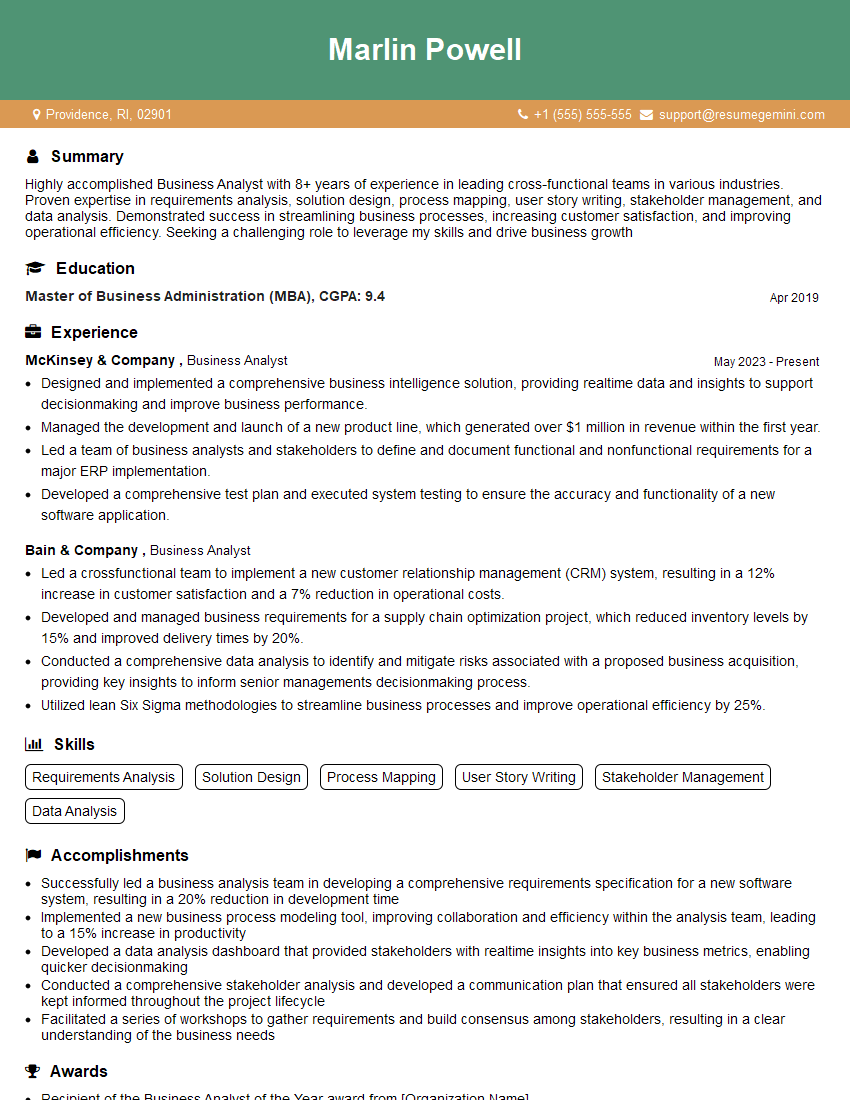
Business Analyst Resume Sample
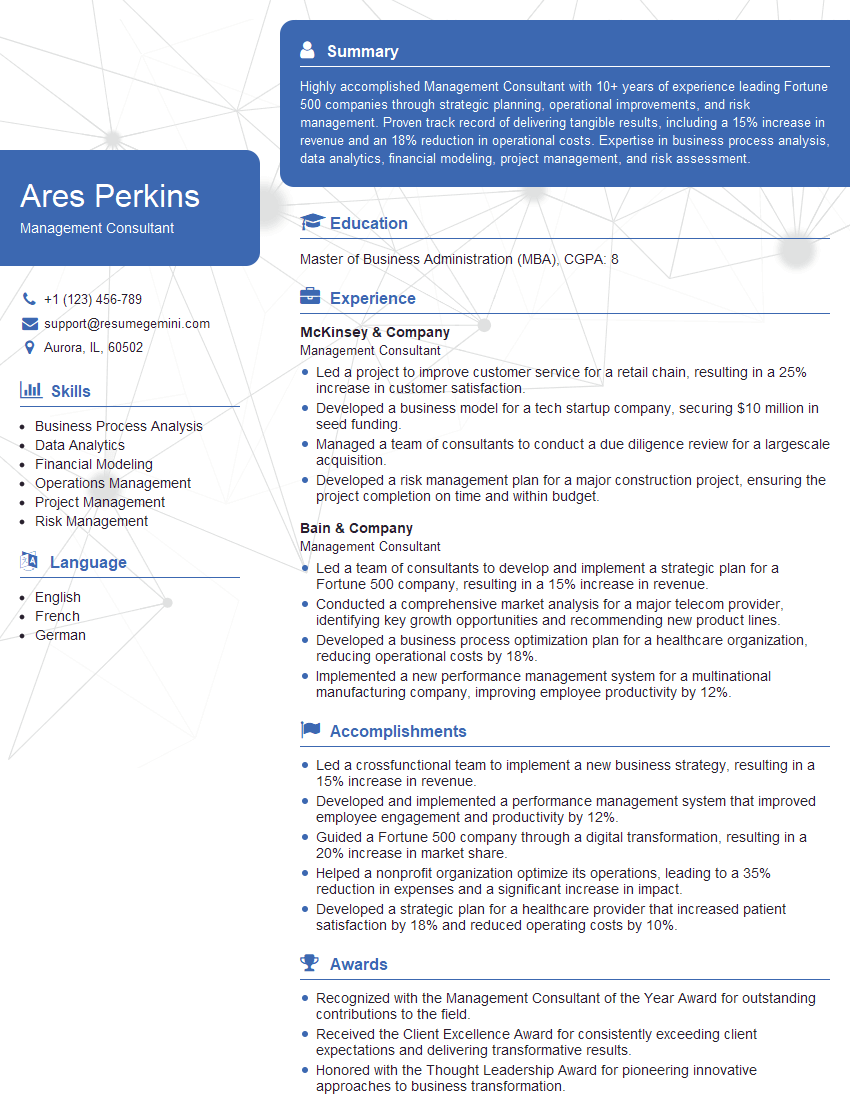
Management Consultant Resume Sample

Social Media Manager Resume Sample
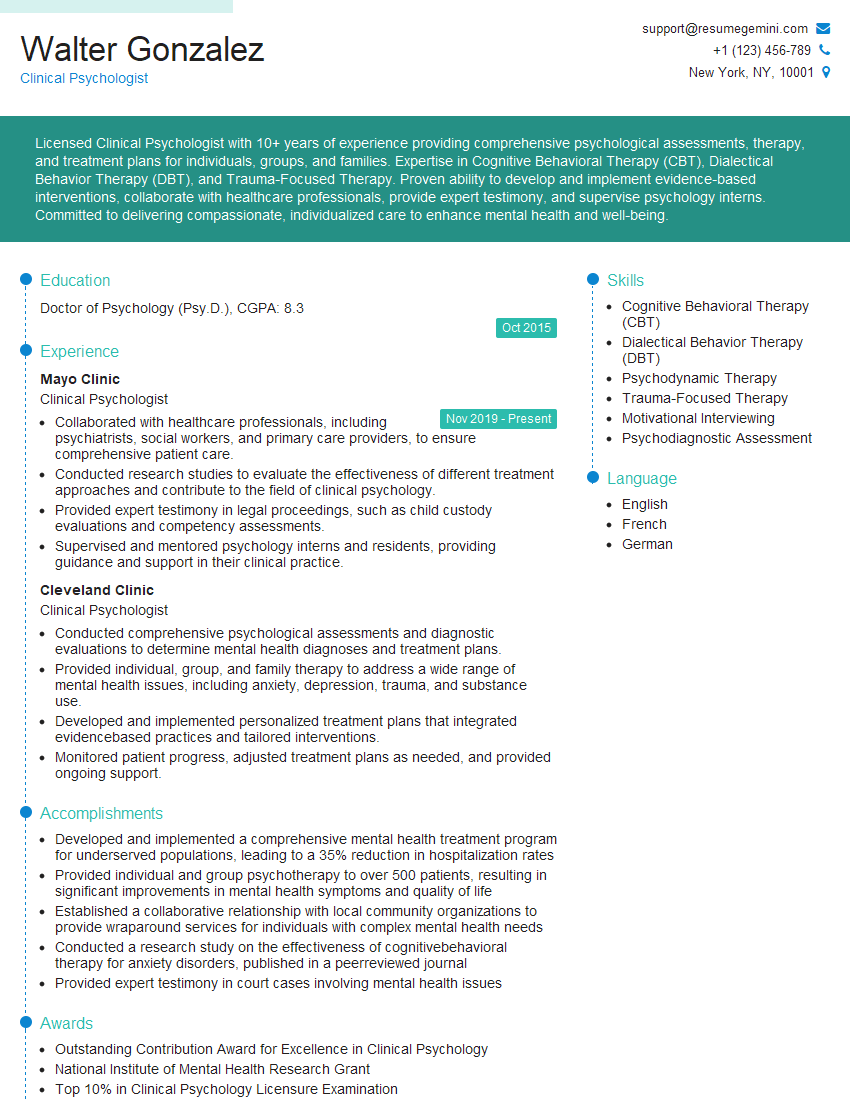
Clinical Psychologist Resume Sample
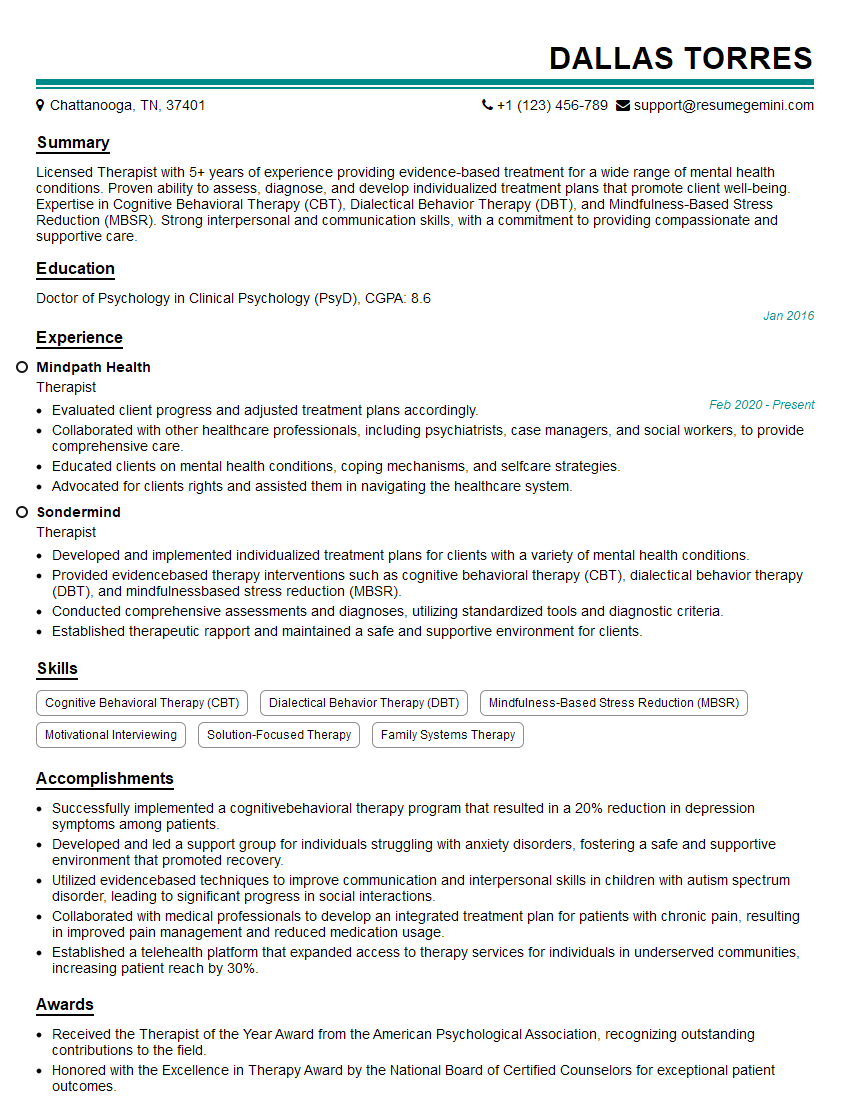
Therapist Resume Sample

Community Organizer Resume Sample
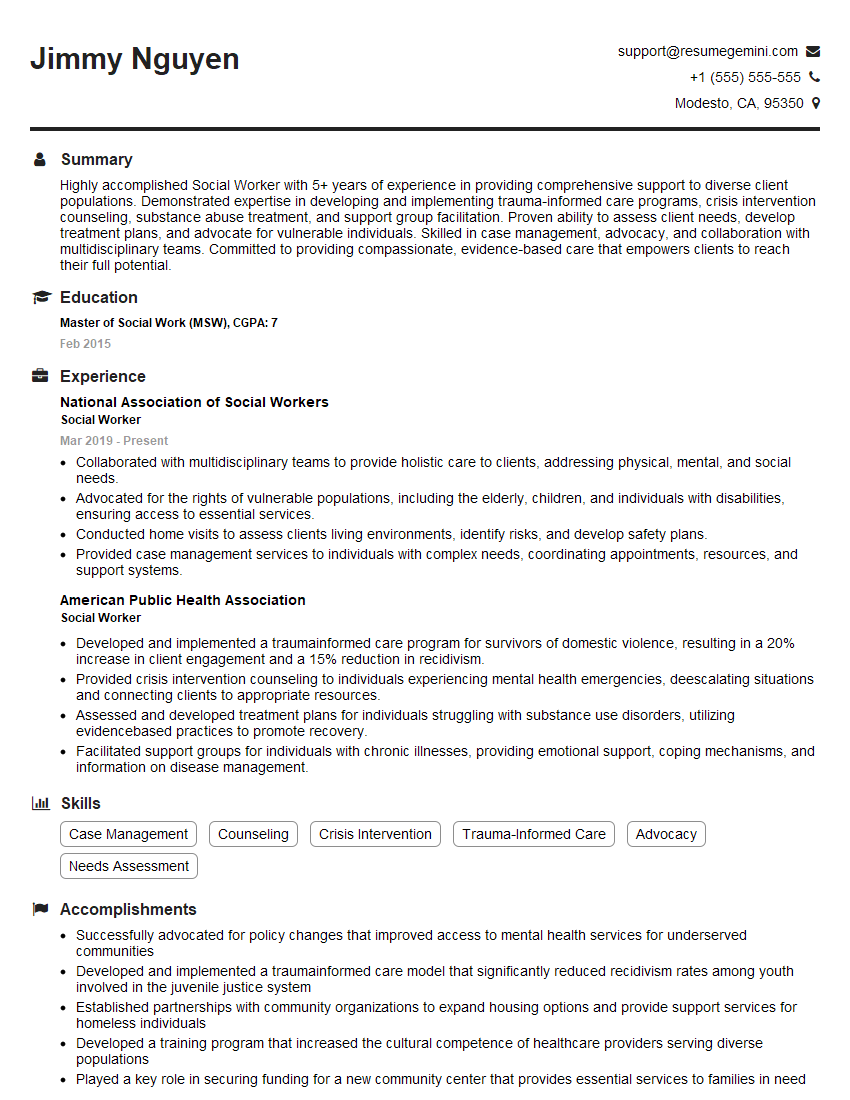
Social Worker Resume Sample
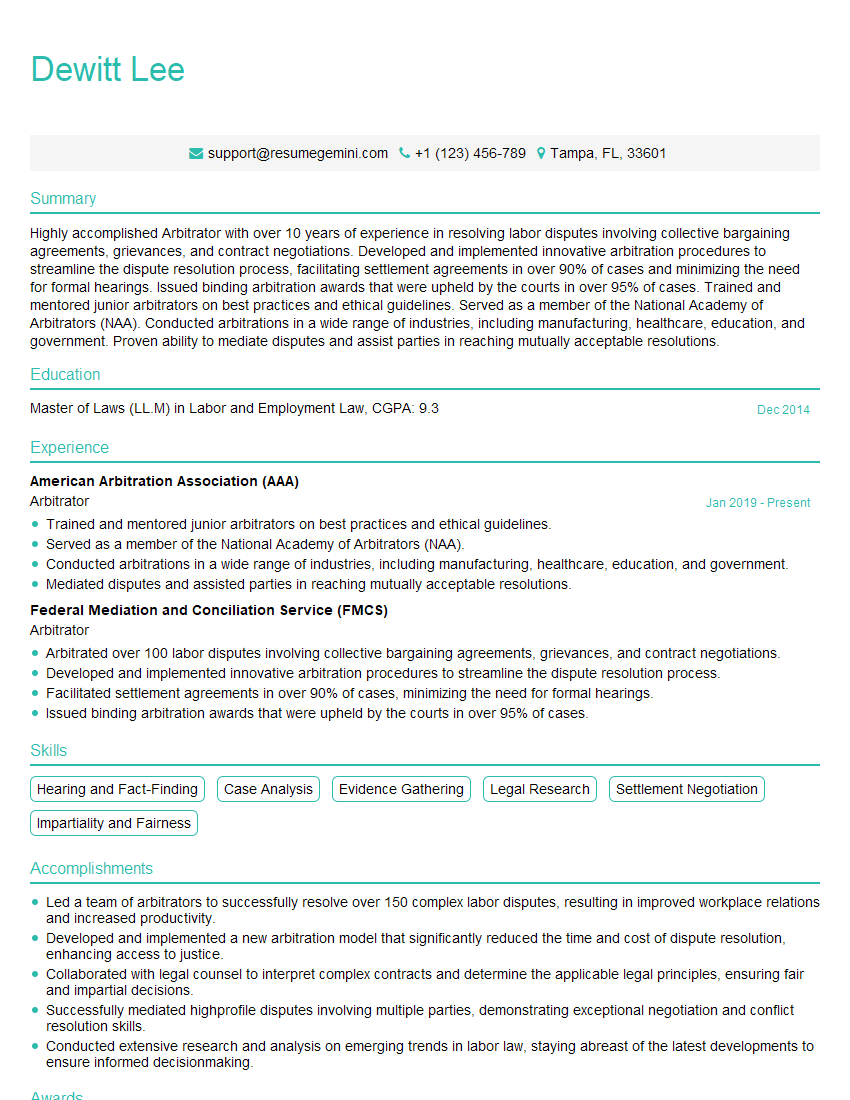
Arbitrator Resume Sample
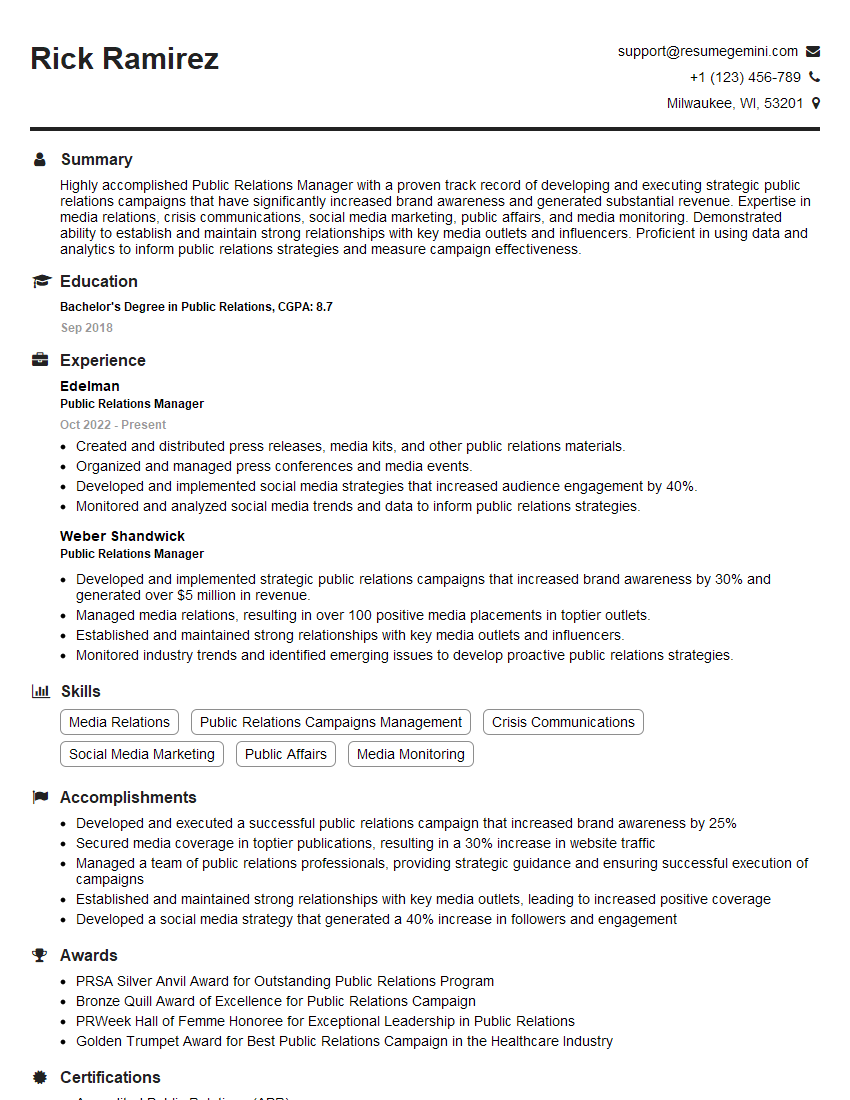
Public Relations Manager Resume Sample
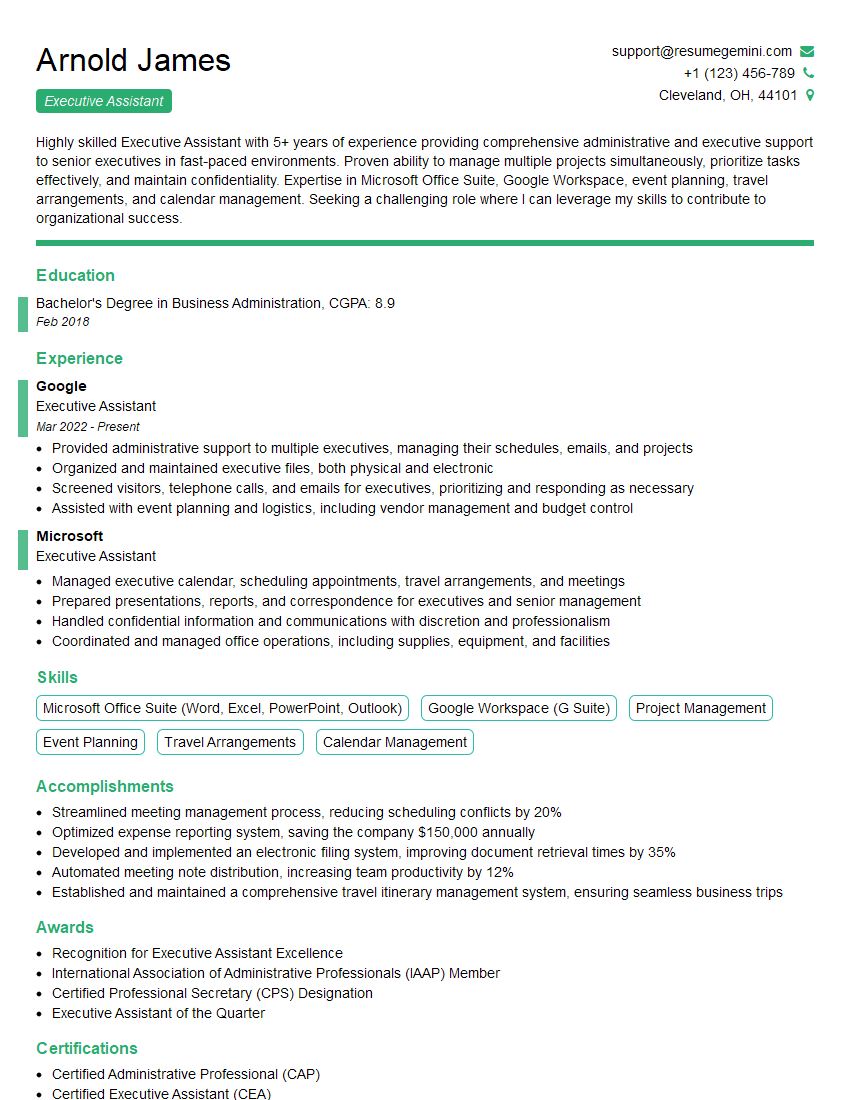
Executive Assistant Resume Sample
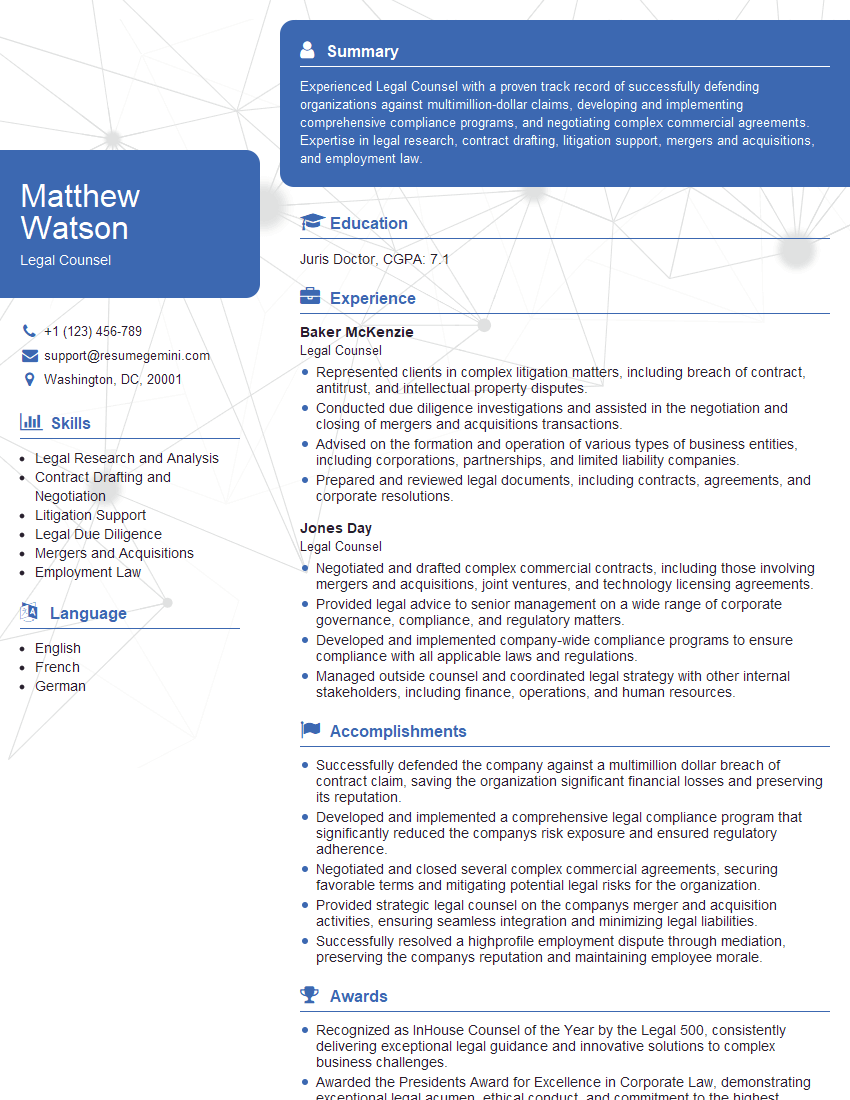
Legal Counsel Resume Sample
- Operations Manager
- Account Manager
- Sales Manager
- Customer Service Manager
- Human Resources Manager
- Project Manager
- Teacher
- Team Leader
- Compliance Officer
- Mediator
- Business Analyst
- Management Consultant
- Social Media Manager
- Clinical Psychologist
- Therapist
- Community Organizer
- Social Worker
- Arbitrator
- Public Relations Manager
- Executive Assistant
- Legal Counsel
Explore more articles
Users Rating of Our Blogs
Share Your Experience
We value your feedback! Please rate our content and share your thoughts (optional).
What Readers Say About Our Blog
Very informative content, great job.
good