Unlock your full potential by mastering the most common Ability to Identify New Talent interview questions. This blog offers a deep dive into the critical topics, ensuring you’re not only prepared to answer but to excel. With these insights, you’ll approach your interview with clarity and confidence.
Questions Asked in Ability to Identify New Talent Interview
Q 1. Describe your process for identifying high-potential candidates in a competitive job market.
Identifying high-potential candidates in a competitive market requires a multi-faceted approach that goes beyond simply reviewing resumes. My process starts with a clear understanding of the role’s requirements and the company’s culture. I then employ a combination of strategies to find the best fit.
Targeted Sourcing: Instead of relying solely on job boards, I actively seek out candidates on platforms like LinkedIn, professional networking events, and industry-specific communities. This allows me to tap into a wider pool of talent, including passive candidates who aren’t actively looking for jobs.
Skills-Based Assessments: I utilize online assessments and coding challenges to evaluate technical skills and problem-solving abilities objectively. This helps to filter candidates based on demonstrable skills rather than just self-reported abilities. For example, a coding challenge can reveal a candidate’s proficiency in a specific programming language much better than their resume alone.
Behavioral Interviewing: This technique focuses on past behaviors to predict future performance. By asking targeted questions about past experiences, I gain insights into a candidate’s approach to challenges, teamwork, and leadership. For instance, asking ‘Tell me about a time you failed. What did you learn?’ reveals self-awareness and learning agility.
Reference Checks and Background Verification: Thorough reference checks are crucial. I go beyond simply asking for contact information; I actively engage with references to gain a well-rounded perspective on the candidate’s work ethic and interpersonal skills. Background checks are also essential for ensuring integrity and compliance.
This comprehensive approach ensures that I identify candidates not just with the right skills, but also with the potential for growth and long-term success within the organization.
Q 2. How do you assess a candidate’s cultural fit within an organization?
Assessing cultural fit is as important as assessing technical skills. It’s about finding candidates who align with the company’s values, work style, and overall environment. My approach involves several steps:
Reviewing the Candidate’s Background: I analyze their resume and cover letter for clues about their work experience, interests, and involvement in activities that might reveal their personality and values. This includes looking at volunteer work, professional organizations, and personal interests that suggest alignment with the company’s culture.
Behavioral Interview Questions: I ask questions designed to understand how they’ve handled situations in the past that demonstrate how they would navigate situations within our specific environment. Examples include, ‘Describe a time you worked on a team with conflicting personalities,’ or ‘Tell me about a time you had to adapt to a significant change.’
Culture-Specific Questions: I might incorporate specific questions that reveal understanding of the company’s culture based on previously shared information during the recruiting process. For example, if the company emphasizes innovation, I might ask, ‘How would you approach a problem that requires creative thinking?’
Meeting with the Team: I often arrange informal meetings with potential team members to allow for natural interaction and observation. This provides valuable insights into how well the candidate would integrate into the existing team dynamic.
By combining these methods, I can build a clearer picture of a candidate’s compatibility with the organization’s culture and predict their likelihood of thriving in the role.
Q 3. What methods do you use to evaluate a candidate’s problem-solving skills?
Evaluating problem-solving skills involves a combination of techniques that go beyond simply asking about past experiences. I focus on assessing both the process and the outcome.
Case Studies: I present candidates with realistic scenarios relevant to the role and ask them to describe their approach to solving the problem. This allows me to assess their analytical skills, decision-making abilities, and creativity.
Situational Questions: I ask hypothetical questions that require the candidate to think critically and creatively. For example, I might ask, ‘How would you handle a situation where a critical project is behind schedule?’
Technical Assessments: Depending on the role, technical assessments, such as coding challenges or simulations, can provide direct evidence of problem-solving skills in a specific context.
Brainstorming Exercises: I might use brainstorming sessions to assess a candidate’s ability to generate ideas, evaluate options, and collaborate effectively.
By combining these methods, I gain a comprehensive understanding of the candidate’s problem-solving capabilities and their ability to apply them to real-world scenarios.
Q 4. How do you identify candidates who demonstrate strong leadership potential?
Identifying candidates with strong leadership potential involves looking beyond just experience in leadership roles. I focus on identifying individuals who demonstrate key leadership attributes.
Behavioral Indicators: I look for evidence of initiative, taking ownership of tasks, influencing others positively, mentoring others, and fostering collaboration. For example, a candidate who describes taking initiative to improve a process demonstrates a proactive approach to leadership.
Past Accomplishments: I delve into their past experiences, looking for instances where they’ve successfully led teams or projects, even in small capacities. This could include leading a student group, volunteering in a leadership position, or taking ownership of a significant task.
Leadership Style Assessment: Depending on the role and the organizational culture, leadership style assessments can be valuable. These assessments help to identify a candidate’s preferred leadership style and its alignment with the company’s needs.
Assessing Emotional Intelligence: Effective leaders possess high emotional intelligence, including self-awareness, empathy, and social skills. I assess this through behavioral questions and observation during the interview process.
By focusing on these attributes, I can identify individuals who not only possess the technical skills for the role but also the potential to become effective and influential leaders within the organization.
Q 5. Explain your approach to sourcing passive candidates.
Sourcing passive candidates requires a proactive and strategic approach that focuses on building relationships and utilizing various channels.
Networking: Attending industry events, conferences, and workshops provides opportunities to meet and connect with potential candidates who may not be actively seeking new roles. This builds relationships and keeps me updated on industry trends and talent.
LinkedIn Recruiter: I actively use LinkedIn Recruiter to identify passive candidates with the desired skills and experience. I carefully craft personalized messages to engage them and highlight the value proposition of the opportunity.
Employee Referrals: Encouraging employee referrals is a highly effective way to source passive candidates. Employees often have connections within their networks that might be a good fit for open positions.
Professional Associations and Groups: Engaging with professional organizations and online communities provides access to a pool of skilled professionals who might be open to new opportunities.
Targeted Advertising: Using targeted advertising on platforms like LinkedIn allows me to reach a specific audience of passive candidates who fit the desired profile.
My approach to sourcing passive candidates emphasizes relationship-building, personalized communication, and a deep understanding of the target audience. It’s a long-term strategy focused on building a strong talent pipeline.
Q 6. How do you use behavioral interviewing techniques to predict future performance?
Behavioral interviewing is a powerful technique for predicting future performance by focusing on past behaviors. The underlying principle is that past behavior is the best predictor of future behavior.
STAR Method: I encourage candidates to use the STAR method (Situation, Task, Action, Result) when answering behavioral questions. This framework helps them structure their answers and provide specific examples of their past experiences. For instance, asking ‘Tell me about a time you had to deal with a difficult client’ encourages a detailed response using this method.
Open-Ended Questions: I use open-ended questions to encourage detailed responses and avoid simple ‘yes’ or ‘no’ answers. This allows candidates to provide rich examples of their experiences and thought processes.
Consistency Check: I look for consistency in answers across multiple questions. Discrepancies or inconsistencies may indicate a lack of honesty or reliability.
Focus on Relevant Behaviors: I tailor my questions to assess behaviors that are critical to success in the specific role. This might include teamwork, problem-solving, leadership, communication, or adaptability.
By carefully selecting questions and analyzing answers using the STAR method, I can gain valuable insights into a candidate’s past behavior and confidently predict their future performance.
Q 7. What are the key indicators you look for in assessing a candidate’s communication skills?
Assessing communication skills involves looking at various aspects of how a candidate conveys information, both verbally and nonverbally.
Clarity and Conciseness: I evaluate whether the candidate can articulate their thoughts clearly and concisely, avoiding jargon or overly technical language. This involves both verbal and written communication.
Active Listening: I observe whether the candidate actively listens to questions and responds thoughtfully, showing an understanding of what’s being asked.
Nonverbal Cues: I pay attention to nonverbal cues such as eye contact, body language, and tone of voice to assess their confidence and engagement.
Adaptability: I assess how well the candidate adjusts their communication style to suit the audience and context. This might involve adapting to a more technical or less technical discussion depending on who they are speaking to.
Written Communication: Where applicable, I review writing samples or ask candidates to complete a writing task to evaluate their written communication skills. This could include reviewing previous reports, emails, or asking for a short written summary of a complex topic.
By carefully considering these indicators, I can form a comprehensive assessment of a candidate’s communication skills and their ability to effectively convey information in a professional setting.
Q 8. How do you handle situations where a candidate’s resume doesn’t fully reflect their abilities?
A resume is a snapshot, not a complete picture. Many candidates, particularly those from underrepresented groups or those who have had career shifts, may not fully showcase their abilities on paper. My approach centers around using behavioral interviewing techniques and digging deeper.
I start by carefully reviewing the resume for transferable skills and experiences. For example, volunteer work, side projects, or even hobbies can reveal hidden talents relevant to the job description. Then, I construct interview questions designed to elicit narratives. I move beyond surface-level questions, using open-ended prompts that encourage the candidate to describe specific situations, tasks, actions, and results (STAR method). This helps to uncover capabilities that may not be explicitly stated on their resume. For example, instead of asking ‘Are you a team player?’, I might ask ‘Describe a time you had to collaborate with a challenging team member to achieve a common goal.’ The response provides a much richer understanding of their abilities.
Finally, I often incorporate practical assessments or portfolio reviews into the process to further gauge the candidate’s real-world skills. This could involve a coding challenge for technical roles or a presentation for a leadership position. Combining these methods allows me to build a holistic view of a candidate’s potential, regardless of resume limitations.
Q 9. What strategies do you employ to attract diverse candidate pools?
Attracting a diverse candidate pool requires a multifaceted strategy that goes beyond simply posting job ads on general platforms. It involves proactively reaching out to diverse communities and actively dismantling biases within the recruitment process.
- Targeted Recruitment: I partner with organizations focused on underrepresented groups, attend industry events targeting specific demographics, and leverage specialized job boards to reach wider audiences.
- Inclusive Job Descriptions: I craft inclusive job descriptions that avoid gendered or biased language, focusing on skills and experience rather than making assumptions about the ideal candidate.
- Blind Resume Screening: Implementing blind resume screening helps mitigate unconscious bias by removing identifying information like names and schools from initial reviews, allowing for more objective assessment based solely on skills and experience.
- Diverse Interview Panels: Utilizing interview panels composed of people from various backgrounds and experiences ensures a broader perspective and reduces the likelihood of bias influencing the selection process.
- Employer Branding: Creating an inclusive employer brand that highlights diversity and inclusion efforts attracts candidates who align with these values.
Essentially, creating a truly inclusive recruitment environment involves a holistic, ongoing commitment to equity and diversity throughout the entire process.
Q 10. Describe a time you identified a hidden gem candidate. What made them stand out?
I once identified a ‘hidden gem’ candidate who had a somewhat unconventional background for the marketing role we were filling. Their resume highlighted experience in a completely different sector but revealed a surprising passion for design and a deep understanding of customer behavior through volunteer work with a non-profit.
What set this candidate apart was their exceptional communication skills, demonstrated through well-articulated narratives during the interview process, coupled with their unique perspective gained from their non-traditional background. Their volunteer work showed initiative, empathy, and problem-solving skills. Their portfolio, showcased during the interview, contained stunning examples of design work that far exceeded expectations for someone without formal marketing training. We were initially hesitant given the resume, but they quickly proved their suitability. Their creativity and understanding of customers have been immensely valuable to the team. Their success highlights the importance of moving beyond superficial resume analysis and focusing on uncovering a candidate’s true potential.
Q 11. How do you measure the success of your talent acquisition strategies?
Measuring the success of talent acquisition strategies involves a multi-pronged approach, going beyond simply filling open positions. I use key performance indicators (KPIs) to track both efficiency and effectiveness.
- Time-to-Hire: This metric tracks the time taken to fill a position, indicating efficiency.
- Cost-per-Hire: This measures the total cost of filling a position, including advertising, recruiting fees, and internal time.
- Candidate Quality: This is evaluated through factors like interview performance, skills assessments, and feedback from hiring managers. I often use a rating system for each candidate at different stages of the recruitment process.
- Employee Retention Rate: A key indicator of the long-term success of my recruitment strategies, indicating whether I am attracting candidates who are a good fit for the company.
- Employee Performance: Regular performance reviews help to assess the productivity and contribution of newly hired employees.
- Diversity metrics: Tracking the diversity of our candidate pool and new hires to ensure the effectiveness of our diversity and inclusion strategies.
Analyzing these KPIs allows me to identify areas for improvement and refine my strategies over time.
Q 12. How do you use data and analytics to inform your talent acquisition decisions?
Data and analytics are crucial in informing talent acquisition decisions. They help move beyond gut feelings and provide objective insights into candidate behavior, recruitment effectiveness, and overall talent pipeline health.
I utilize Applicant Tracking Systems (ATS) to gather data on source of hire, time-to-hire, cost-per-hire, and candidate flow. This data allows me to optimize our sourcing strategies. For example, if we notice a higher conversion rate from referrals, we can invest more in employee referral programs. I also analyze the performance of different job postings to understand what content resonates best with potential candidates. A/B testing different job titles, descriptions, and call-to-actions helps optimize postings for maximum reach.
Furthermore, I use data to identify trends in candidate skills and experience. This information allows me to anticipate future talent needs and proactively build relationships with potential candidates through targeted outreach programs. Understanding these trends facilitates succession planning and ensures we have a robust talent pool ready for future growth.
Q 13. What are some common biases in the hiring process, and how do you mitigate them?
Several biases can creep into the hiring process, often unconsciously. These include confirmation bias (favoring candidates who confirm pre-existing beliefs), affinity bias (favoring candidates similar to the interviewer), and anchoring bias (over-relying on the first piece of information received).
To mitigate these, I implement several strategies:
- Structured Interviews: Using standardized interview questions and scoring rubrics ensures objective evaluation of all candidates.
- Blind Resume Screening: Removing identifying information from resumes before initial screening minimizes the impact of affinity bias.
- Diverse Interview Panels: Having diverse interviewers reduces the risk of single-perspective bias.
- Calibration Sessions: Regular calibration sessions among interviewers help ensure consistency in scoring and reduce individual bias.
- Implicit Bias Training: Providing training to all involved in the hiring process helps to raise awareness of these biases and provides strategies for mitigation.
By actively addressing these biases, I strive to create a fair and equitable hiring process that attracts and retains top talent from diverse backgrounds.
Q 14. How do you handle situations where multiple strong candidates are vying for the same position?
When multiple strong candidates vie for one position, it’s a positive problem reflecting a successful recruitment strategy. The decision process needs to be methodical and transparent.
I begin by re-evaluating the job description and requirements, ensuring they accurately reflect the needs of the role. Then, I use a weighted scoring system based on the essential skills and experience outlined in the updated job description. Each candidate’s strengths and weaknesses are carefully evaluated against these criteria. This ensures objectivity and minimizes potential bias. Following this, I conduct final interviews where specific scenarios or case studies relevant to the role are presented. This allows for a more in-depth assessment of their problem-solving skills and critical thinking abilities. Finally, I involve stakeholders from the team to gather diverse perspectives before making a final decision.
Even with a clear winner, I strive to maintain strong relationships with other strong candidates. I communicate with them candidly and transparently, providing constructive feedback and keeping them informed about future opportunities. This approach nurtures a talent pool for future openings and showcases the organization’s commitment to attracting and retaining top talent.
Q 15. How do you ensure the candidate experience is positive and professional throughout the recruitment process?
A positive candidate experience is paramount for attracting top talent. It’s about treating every applicant with respect and professionalism, regardless of whether they’re ultimately hired. My approach involves several key steps:
- Prompt Communication: I acknowledge every application promptly, setting clear expectations about the timeline and next steps. This avoids leaving candidates hanging and demonstrates respect for their time.
- Transparent Process: I clearly explain the interview process upfront, including the stages, types of assessments, and the expected duration. Transparency builds trust and reduces anxiety.
- Personalized Interactions: I strive to make each interaction feel personal and engaging. This means tailoring communication to the individual candidate and their background, showcasing genuine interest in their skills and experience.
- Constructive Feedback: Even if a candidate isn’t selected, I provide timely and constructive feedback, explaining the reasons for the decision in a supportive manner. This is crucial for maintaining a positive brand image.
- Follow-up: I follow up after each stage of the process, keeping candidates informed and engaged. A simple thank you email or a brief phone call can go a long way in showing appreciation for their time.
For example, I once had a candidate who was very enthusiastic about a specific project mentioned in the job description. I made a point of discussing that project in detail during the interview, showing genuine interest in their passion and expertise. This resulted in a highly positive experience, even though they weren’t the perfect fit for the role in the end.
Career Expert Tips:
- Ace those interviews! Prepare effectively by reviewing the Top 50 Most Common Interview Questions on ResumeGemini.
- Navigate your job search with confidence! Explore a wide range of Career Tips on ResumeGemini. Learn about common challenges and recommendations to overcome them.
- Craft the perfect resume! Master the Art of Resume Writing with ResumeGemini’s guide. Showcase your unique qualifications and achievements effectively.
- Don’t miss out on holiday savings! Build your dream resume with ResumeGemini’s ATS optimized templates.
Q 16. Describe your approach to using social media and online platforms for candidate sourcing.
Social media and online platforms are invaluable tools for candidate sourcing. My strategy involves a multi-pronged approach:
- Targeted Searches: I use LinkedIn Recruiter, Boolean search strings on LinkedIn and other platforms, and advanced search features on job boards to identify candidates with specific skills and experience. For example, a search string like
"project management" AND "agile" AND "Scrum" AND "financial services"on LinkedIn would target project managers with experience in agile methodologies within the financial services sector. - Engaging Content: I create and share engaging content (articles, videos, insights) on platforms like LinkedIn to showcase our company culture and attract passive candidates. This helps position us as an employer of choice.
- Community Engagement: I actively participate in relevant online communities and forums, engaging with professionals in my industry and building relationships. This allows me to identify potential candidates and get a sense of their expertise and personality.
- Employee Referrals: I leverage employee referral programs to tap into their professional networks. Referrals often lead to higher-quality hires and faster onboarding.
For instance, I recently found a highly skilled data analyst through a targeted LinkedIn search using Boolean operators. They weren’t actively looking for a new job, but were intrigued by our company culture and the opportunity to work on challenging projects.
Q 17. How do you evaluate a candidate’s technical skills in a non-technical role?
Evaluating technical skills in a non-technical role requires a nuanced approach. Instead of focusing on hard technical skills, I look for transferable skills and abilities relevant to the role. This might include:
- Problem-solving skills: I use behavioral interview questions to assess their ability to approach and solve problems logically and creatively. Examples include asking about past situations where they had to overcome challenges and the steps they took.
- Analytical skills: I present them with case studies or scenarios that require analytical thinking and data interpretation, even if the data is not directly technical in nature. For example, a marketing role might involve analyzing sales data or market trends.
- Attention to detail: I might ask them to review a document or presentation for errors, assessing their level of attention to detail and accuracy.
- Communication skills: I focus on their ability to clearly articulate their thoughts and ideas, both verbally and in writing. This is vital for collaborating effectively with other team members.
For example, when hiring for a project management role that doesn’t require coding skills, I might ask the candidate to describe a time they had to manage conflicting priorities and explain how they approached the situation. Their response would reveal their problem-solving, organizational, and communication skills.
Q 18. How do you stay updated on industry trends and best practices in talent acquisition?
Staying current on industry trends is crucial in talent acquisition. My strategies include:
- Professional Networking: I actively participate in industry events, conferences, and online forums to network with other professionals in the field and stay abreast of the latest developments.
- Industry Publications: I regularly read industry publications, blogs, and research reports to learn about the latest trends and best practices in talent acquisition and related areas.
- Online Courses and Webinars: I participate in online courses and webinars offered by reputable organizations to enhance my knowledge and skills in talent acquisition.
- Professional Associations: I am a member of relevant professional associations, such as SHRM (Society for Human Resource Management), to access resources, participate in discussions, and stay informed about industry developments.
For example, I recently completed a course on inclusive hiring practices, which has significantly impacted my approach to sourcing and interviewing candidates.
Q 19. What tools and technologies do you use to streamline the recruitment process?
To streamline the recruitment process, I leverage various tools and technologies:
- Applicant Tracking Systems (ATS): I use an ATS (like Taleo or Workday) to manage job postings, applications, and candidate communication, making the process more efficient and organized.
- Video Interviewing Platforms: Platforms like HireVue allow for asynchronous interviews, saving time and allowing candidates to interview at their convenience.
- Candidate Relationship Management (CRM) systems: CRM tools help me manage communication and relationships with candidates, improving engagement and fostering long-term relationships.
- Background Check Services: I utilize reputable background check services to ensure the integrity of candidate information and compliance with legal requirements.
- Collaboration Tools: I use tools like Slack or Microsoft Teams to facilitate communication and collaboration with hiring managers and the recruitment team.
For example, using an ATS has significantly reduced the time spent on manual tasks like screening applications, resulting in faster and more efficient candidate selection.
Q 20. How do you build relationships with hiring managers to understand their needs effectively?
Building strong relationships with hiring managers is essential for effective recruitment. My approach involves:
- Regular Communication: I maintain regular communication with hiring managers, proactively providing updates on the recruitment process and addressing their questions or concerns.
- Understanding their Needs: I conduct thorough needs analysis meetings with hiring managers to gain a comprehensive understanding of the role requirements, the team dynamics, and the desired candidate profile. I ask probing questions to uncover their unspoken needs and expectations.
- Collaborative Approach: I collaborate with hiring managers throughout the recruitment process, involving them in key decisions like candidate selection and interviews.
- Active Listening: I practice active listening to ensure I fully understand their requirements and concerns. I ask clarifying questions and summarize their needs to confirm my understanding.
- Building Trust: I build trust and rapport by consistently delivering on my commitments and being responsive to their needs.
For example, I recently had a hiring manager who was initially unsure about the ideal candidate profile. By asking probing questions and conducting a thorough job analysis together, we clarified the essential skills and experience required. This resulted in a smoother recruitment process and the selection of a highly suitable candidate.
Q 21. Describe your experience with various assessment tools (e.g., aptitude tests, personality assessments).
I have extensive experience using various assessment tools to evaluate candidates effectively. The choice of assessment tools depends on the specific role and requirements:
- Aptitude Tests: I use aptitude tests (like cognitive ability tests or numerical reasoning tests) to assess candidates’ cognitive abilities and problem-solving skills. These tests provide objective data to supplement behavioral interviews.
- Personality Assessments: I use personality assessments (like Myers-Briggs Type Indicator or Big Five personality traits) to understand candidates’ personality traits and work styles. This helps determine their fit within the team and company culture.
- Skills Assessments: For technical roles, I utilize skills assessments to evaluate specific technical expertise. These assessments can range from coding challenges to simulations of real-world tasks.
- Situational Judgment Tests: These tests present candidates with realistic work scenarios and evaluate their judgment and decision-making abilities.
It’s important to note that I always use assessment tools ethically and responsibly, ensuring that they align with legal and ethical guidelines and that they are not used to discriminate against candidates. I also combine assessment data with other information gathered during the interview process to gain a holistic view of the candidate.
For example, in a recent hiring process for a customer service role, I used a personality assessment to identify candidates with high emotional intelligence and strong communication skills. This helped ensure we hired someone who could effectively handle challenging customer interactions.
Q 22. How do you handle candidate rejection and provide constructive feedback?
Rejecting a candidate is never easy, but it’s crucial to do it professionally and constructively. My approach focuses on empathy and transparency. I always schedule a brief phone call or video call to deliver the news personally, rather than sending a generic email. I begin by expressing appreciation for their time and interest in the role. Then, I clearly and concisely explain why they weren’t selected, focusing on specific aspects of their application or interview performance, avoiding vague statements like ‘not a good fit’. For instance, if a candidate lacked a specific technical skill, I’d say something like, “While your experience in X was impressive, the role requires a higher level of proficiency in Y, which wasn’t fully demonstrated during the interview.” I always conclude by offering encouragement and suggesting areas for improvement, potentially providing resources like online courses or networking opportunities. This approach maintains a positive relationship, even in a negative outcome, and demonstrates respect for the candidate’s time and effort.
Q 23. How do you prioritize candidates with different levels of experience for a given role?
Prioritizing candidates across experience levels requires a nuanced approach. It’s not simply a matter of favoring the most experienced. Instead, I assess each candidate against the specific requirements of the role, considering both hard skills (technical expertise) and soft skills (communication, teamwork, problem-solving). I create a weighted scoring system, assigning points to different criteria based on their importance for the role. For example, a senior-level role might weigh technical expertise more heavily, while a junior role might prioritize potential and learning agility. This allows me to objectively compare candidates, regardless of experience level. For instance, a highly motivated junior candidate with transferable skills and a strong learning aptitude might score higher than a less engaged senior candidate with only slightly more relevant experience. The final decision also factors in the company’s overall growth strategy – are we looking for someone who can immediately contribute, or someone we can invest in for long-term growth?
Q 24. What is your approach to negotiating compensation and benefits packages?
Compensation and benefits negotiation requires careful preparation and a collaborative approach. I begin by thoroughly researching industry benchmarks and internal salary ranges to ensure I’m offering a competitive package. I also understand the candidate’s expectations, not just their salary requirements, but also their needs regarding benefits such as health insurance, retirement plans, and paid time off. I enter the negotiation with a clear understanding of our budget and flexibility. The goal is not just to meet the candidate’s requirements but also to demonstrate the value proposition of the role and the company. The negotiation is a two-way conversation—it’s not about winning or losing, but about finding a mutually agreeable solution that ensures both sides feel fairly compensated. For example, if a candidate’s salary expectation is slightly higher than our budget, we might explore other avenues, like offering a more generous benefits package, signing bonus, or faster promotion opportunities to reach a consensus.
Q 25. How do you ensure compliance with relevant employment laws and regulations?
Compliance with employment laws and regulations is paramount. I ensure compliance through several strategies. Firstly, I maintain up-to-date knowledge of relevant laws, including equal opportunity employment (EEO) guidelines, anti-discrimination laws, and wage and hour regulations. I regularly attend training sessions and stay informed about any changes in legislation. Secondly, all recruitment materials and processes are reviewed to ensure they adhere to legal requirements, avoiding biased language or discriminatory practices. Thirdly, I use applicant tracking systems (ATS) and other tools that help manage candidate data securely and confidentially, complying with data privacy laws like GDPR. For example, if we are recruiting internationally, I will be sure to understand and comply with all relevant international employment laws in the target country before posting the job. This proactive and methodical approach to compliance minimizes legal risk and promotes a fair and equitable hiring process.
Q 26. How do you address situations where a candidate’s qualifications are overstated or misleading?
Discovering misleading information on a candidate’s application requires careful and professional handling. My approach involves a multi-step process. First, I verify the information using multiple sources – checking references, confirming credentials with educational institutions or previous employers, and potentially conducting background checks. If discrepancies are found, I address them directly with the candidate in a private and neutral setting. I aim to understand the reason behind the misrepresentation – was it intentional, or an honest mistake? The next step depends on the severity and nature of the misrepresentation. Minor inaccuracies might be overlooked if they don’t significantly impact the candidate’s qualifications. However, significant misrepresentations or intentional falsification of information would result in disqualifying the candidate. Transparency and honesty are critical throughout this process. It’s important to document everything and follow company policy regarding such issues.
Q 27. Describe a time you had to adapt your recruitment strategy due to unforeseen circumstances.
During a recent recruitment drive for a software engineer, we faced an unexpected shortage of qualified candidates in our target location. Our initial strategy relied heavily on traditional job boards and referrals. To overcome the shortfall, we quickly adapted by broadening our geographic reach using remote-work-friendly job boards and platforms. We also adjusted our criteria to consider candidates with slightly less direct experience but strong potential and willingness to learn. We further enhanced our employer branding on social media to attract a wider pool of talent. Finally, we increased our engagement with university career centers to tap into a pipeline of fresh graduates. This multi-pronged approach enabled us to successfully fill the position, demonstrating agility and resourcefulness in responding to unforeseen challenges.
Key Topics to Learn for Ability to Identify New Talent Interview
- Understanding Talent Acquisition Strategies: Explore different sourcing methods, from passive to active recruiting, and their effectiveness in various contexts. Consider the pros and cons of each approach.
- Assessing Candidate Potential: Learn how to evaluate resumes, cover letters, and conduct effective screening interviews. Focus on techniques to identify not only skills but also cultural fit and long-term potential.
- Behavioral Interviewing Techniques: Master the art of asking behavioral questions to uncover past performance and predict future behavior. Practice analyzing candidate responses for consistency and depth.
- Identifying Skills Gaps and Development Potential: Develop your ability to recognize areas where candidates excel and areas needing improvement. Understand how to assess learning agility and potential for growth.
- Using Data to Inform Decisions: Explore the role of metrics in talent acquisition. Learn how to track key performance indicators (KPIs) and use data to refine your talent identification process. This includes understanding the cost-per-hire and time-to-hire.
- Legal and Ethical Considerations: Understand and adhere to best practices in fair hiring, avoiding bias, and maintaining compliance with relevant employment laws.
- Building a Diverse and Inclusive Talent Pipeline: Explore strategies for attracting and hiring candidates from diverse backgrounds and fostering an inclusive workplace.
Next Steps
Mastering the ability to identify new talent is crucial for career advancement in any HR or recruitment-focused role. It demonstrates your strategic thinking, problem-solving abilities, and your understanding of the ever-evolving talent landscape. To significantly increase your chances of landing your dream job, create an ATS-friendly resume that highlights your relevant skills and experience. ResumeGemini is a trusted resource that can help you build a powerful and effective resume tailored to showcase your expertise in identifying and attracting top talent. Examples of resumes tailored to highlight your “Ability to Identify New Talent” are available to further assist your preparation.
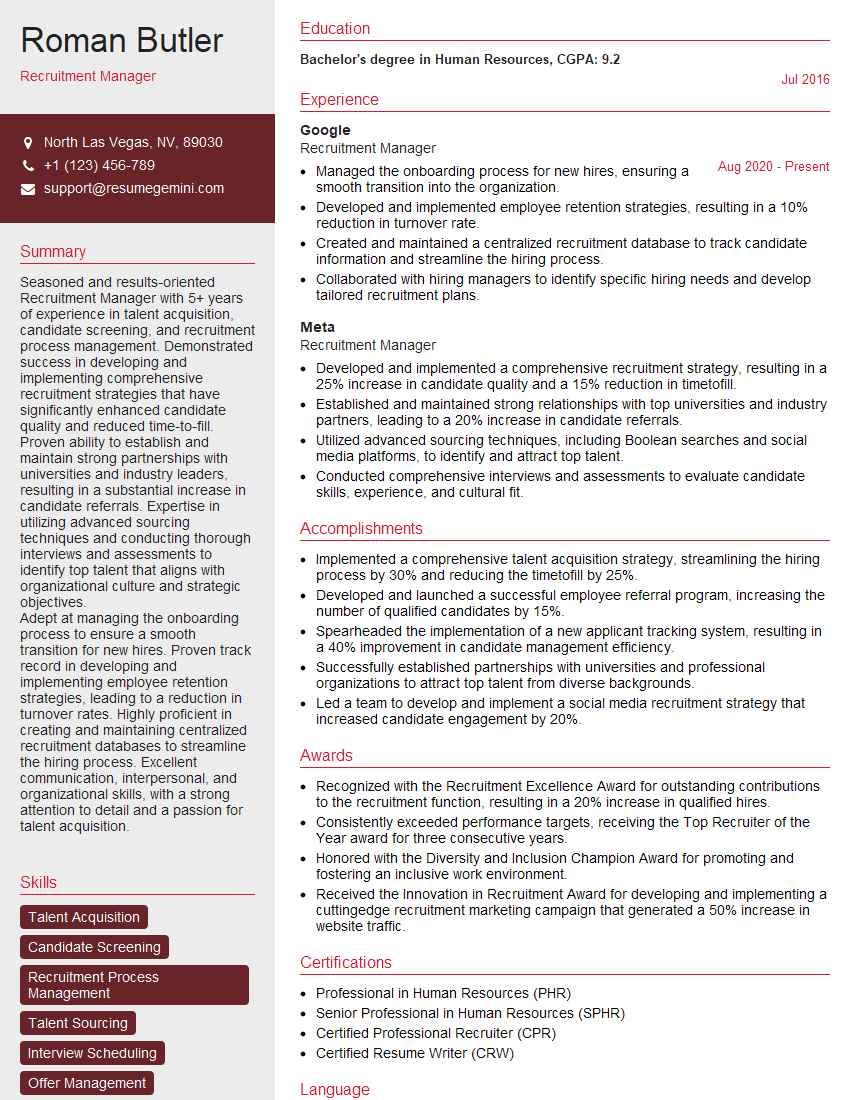
Recruitment Manager Resume Sample
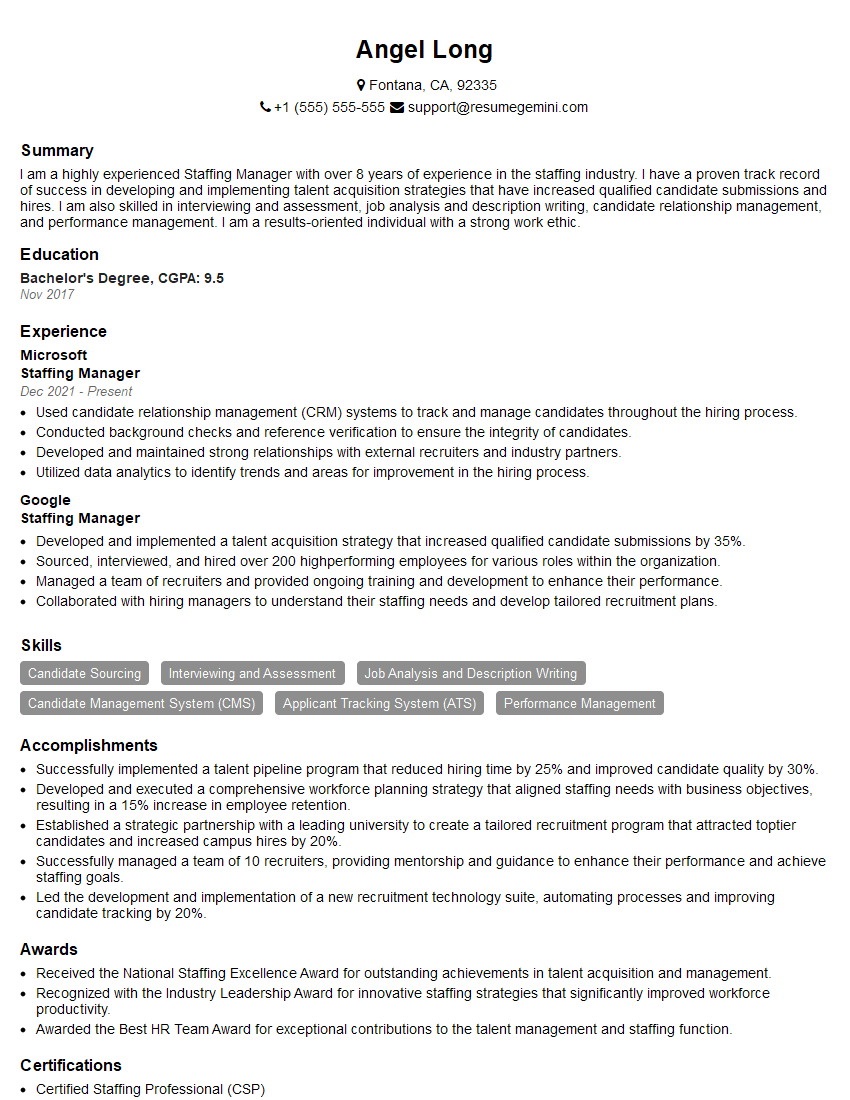
Staffing Manager Resume Sample
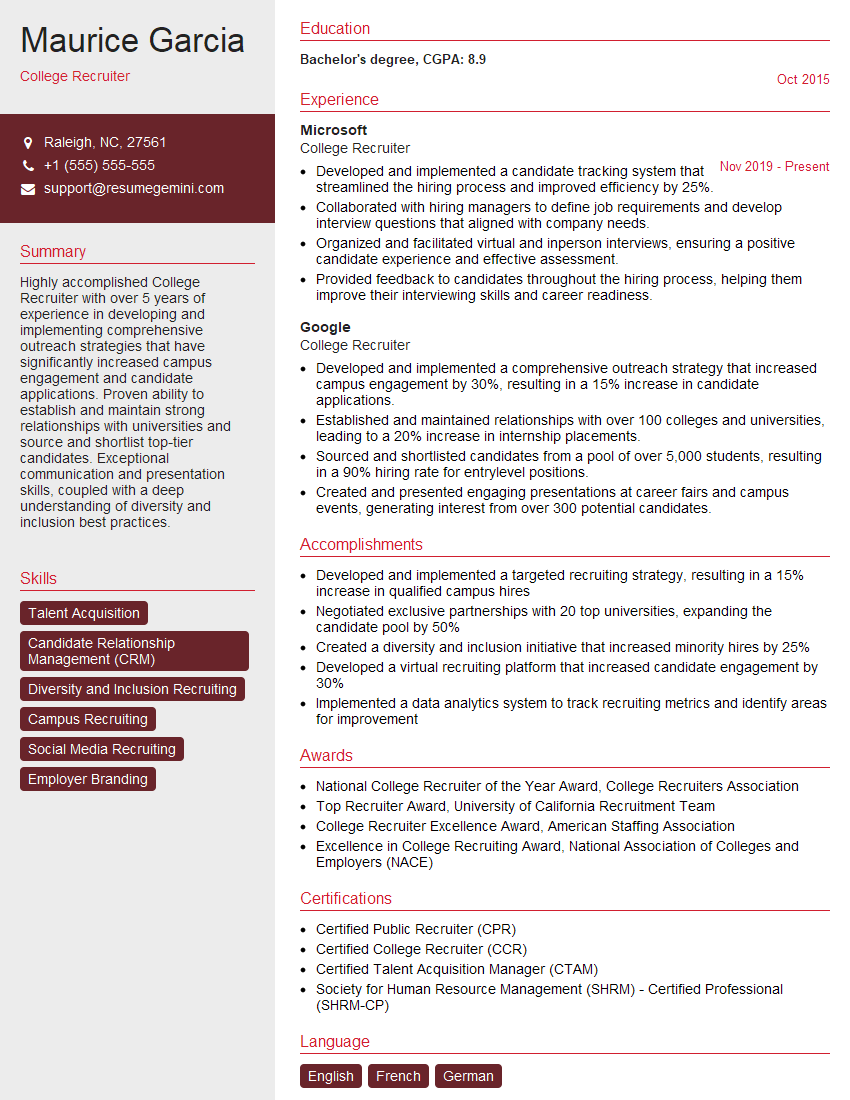
College Recruiter Resume Sample
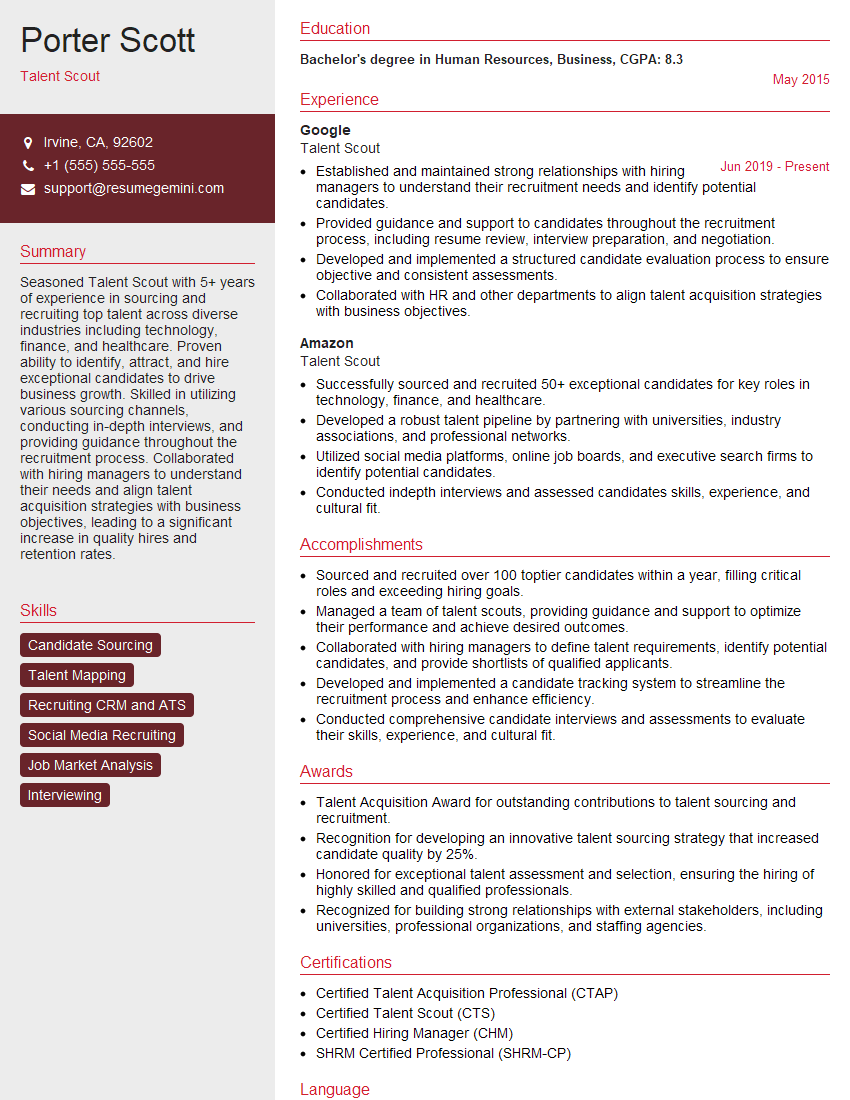
Talent Scout Resume Sample
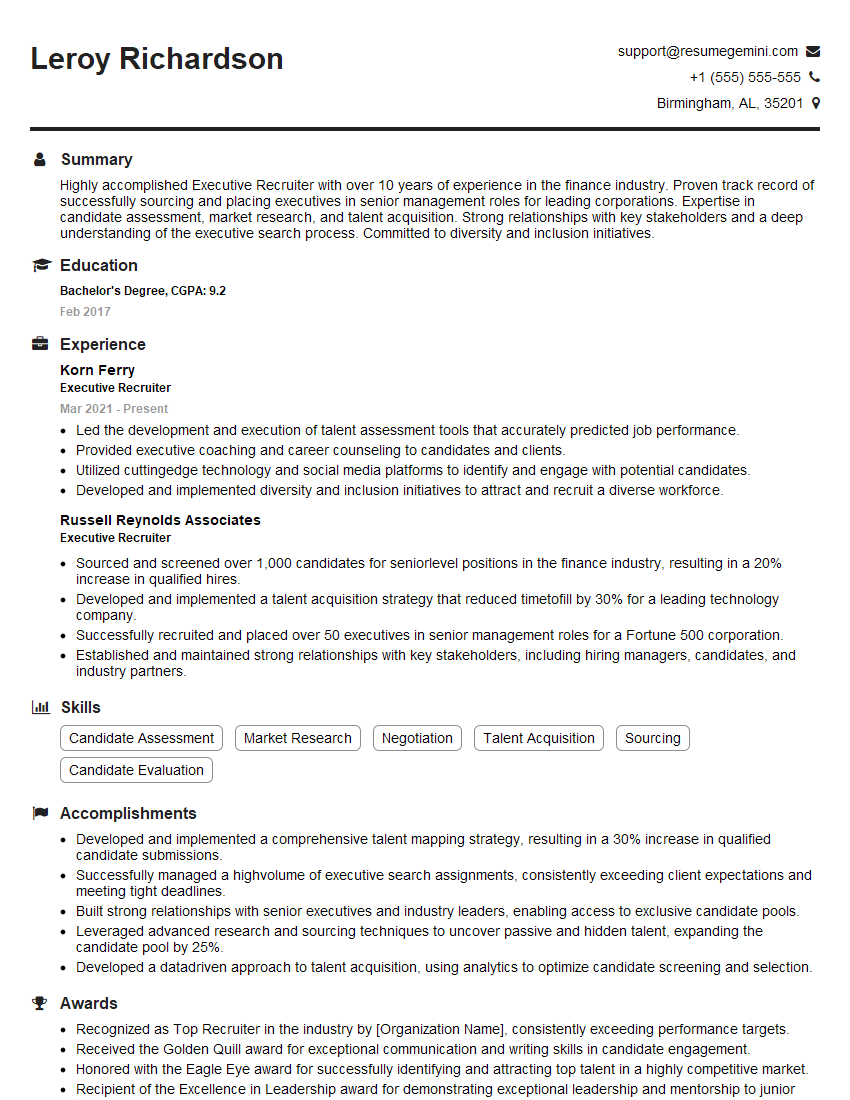
Executive Recruiter Resume Sample
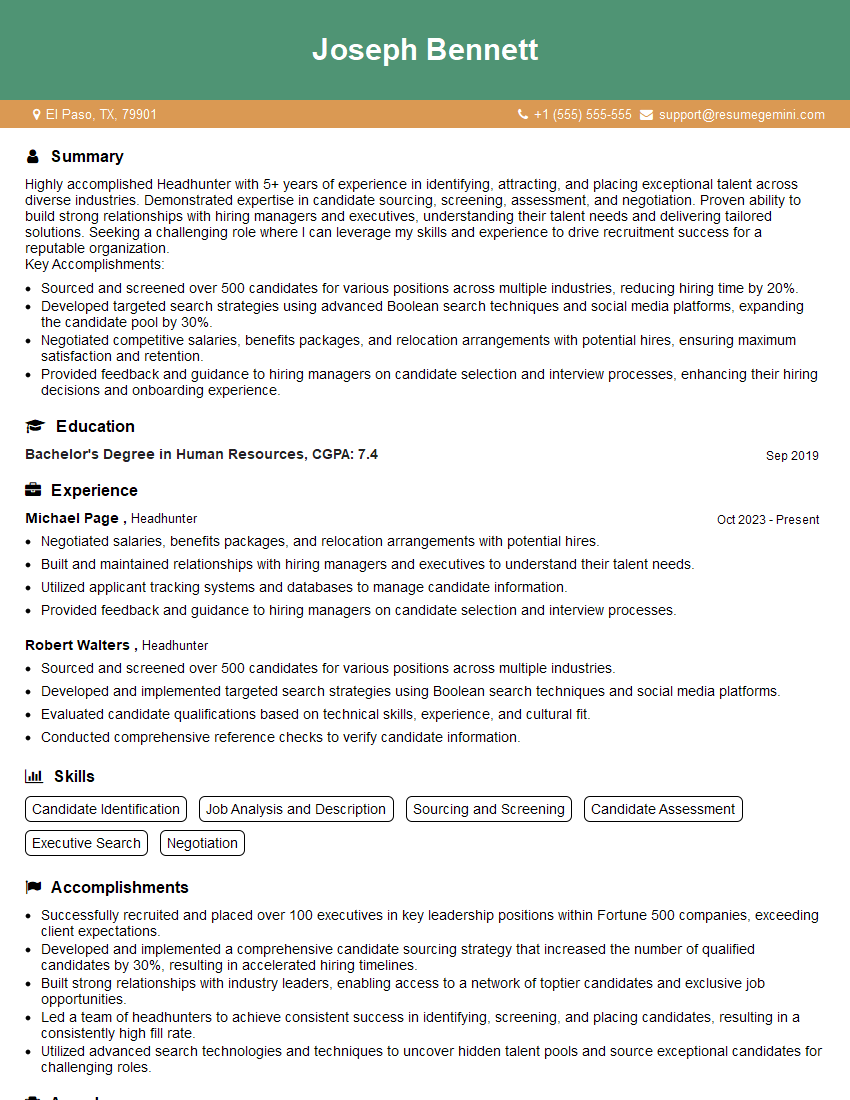
Headhunter Resume Sample
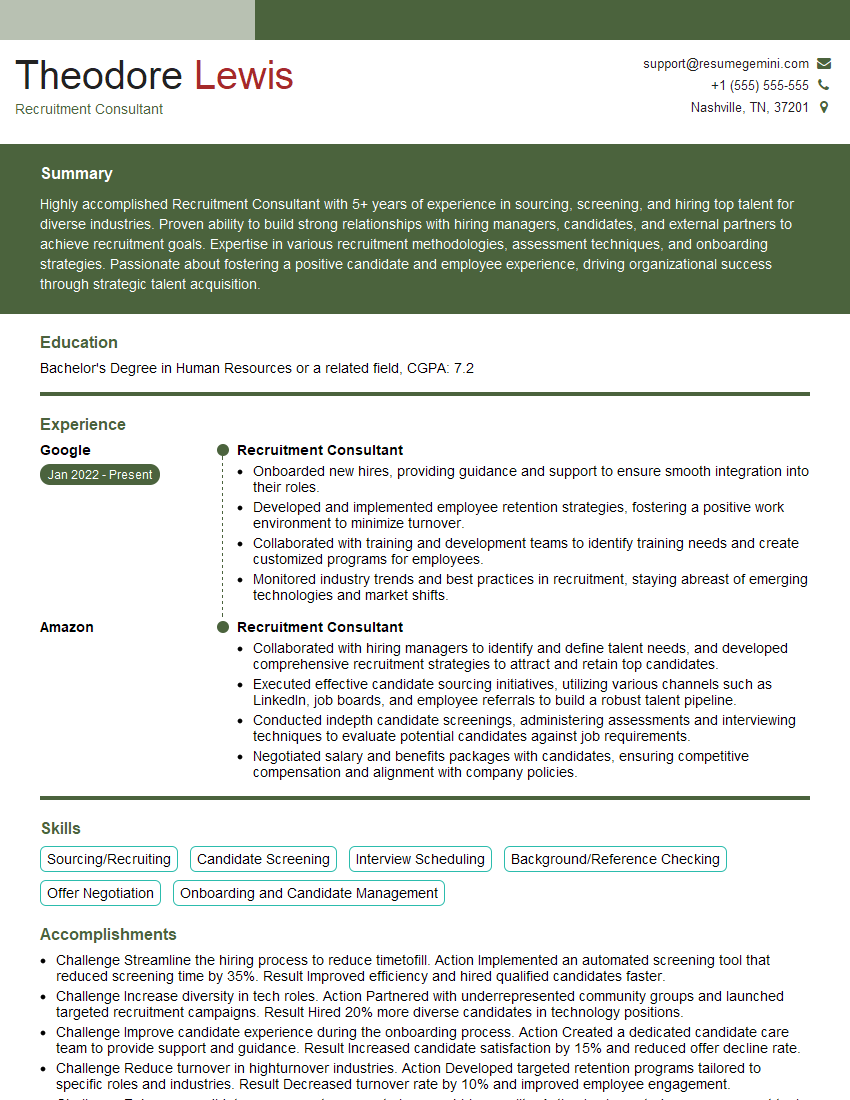
Recruitment Consultant Resume Sample
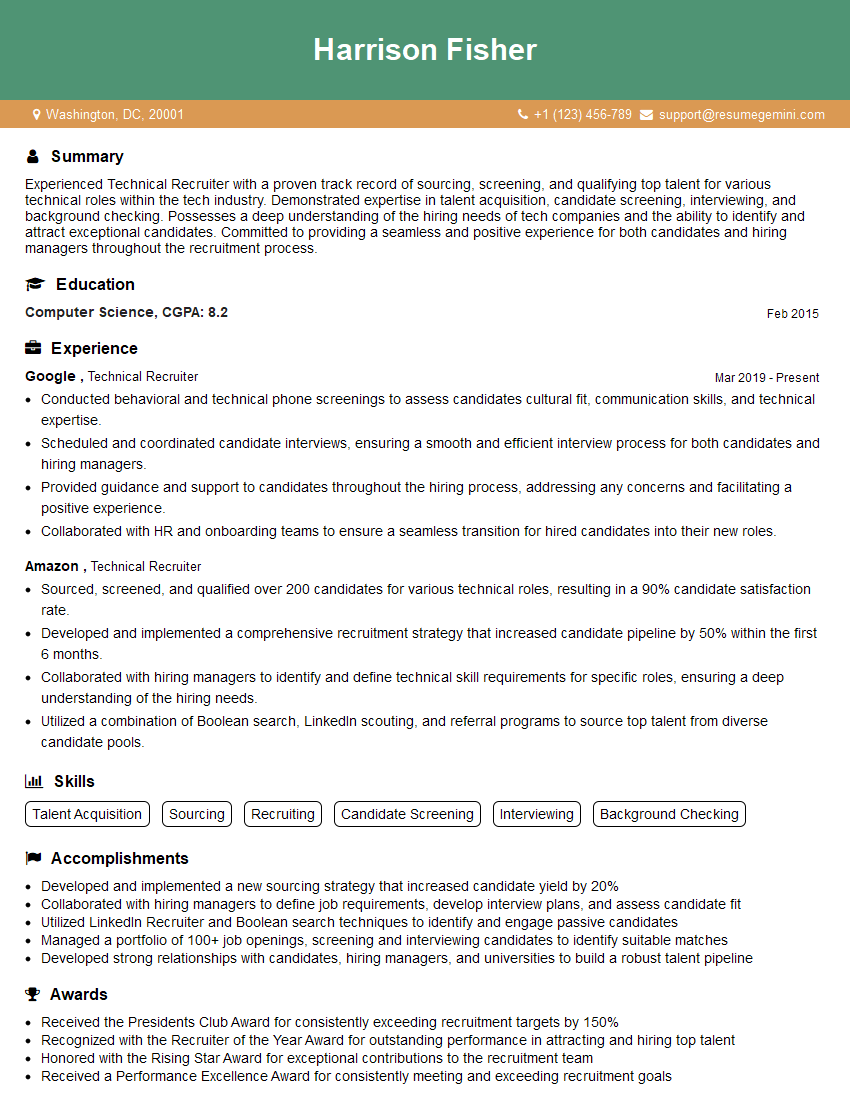
Technical Recruiter Resume Sample
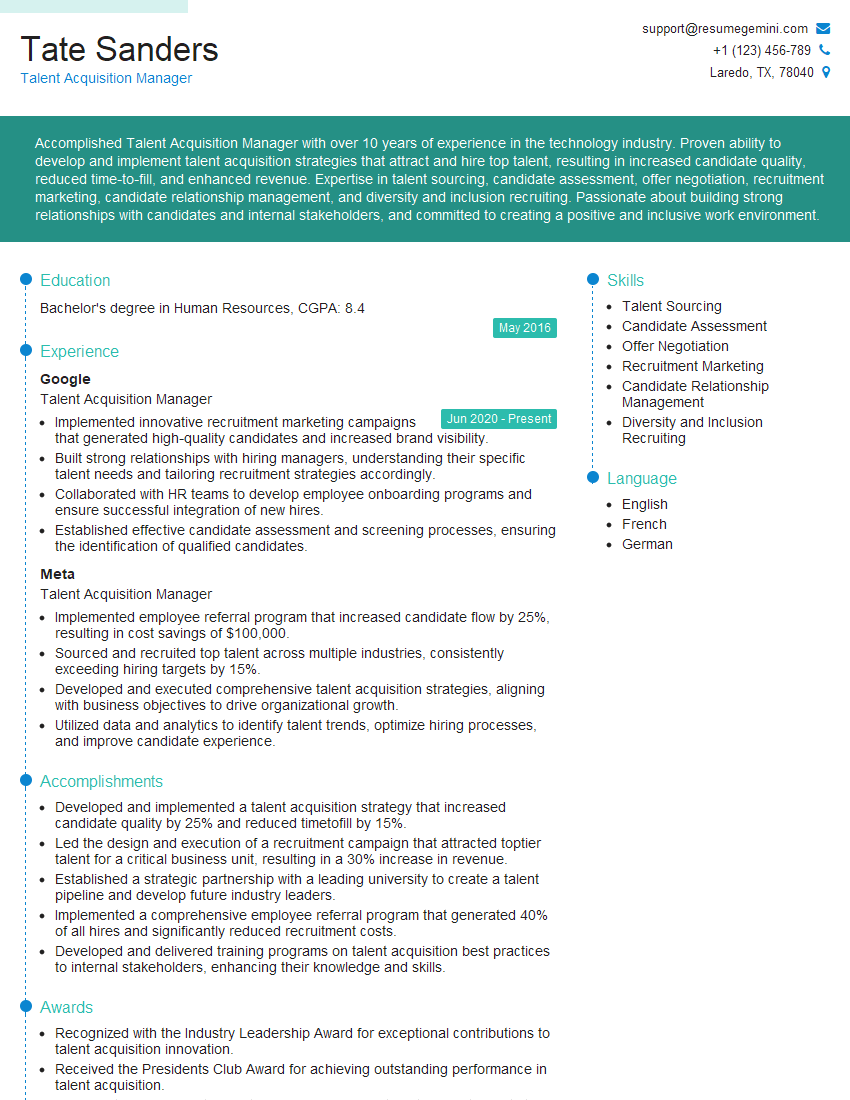
Talent Acquisition Manager Resume Sample
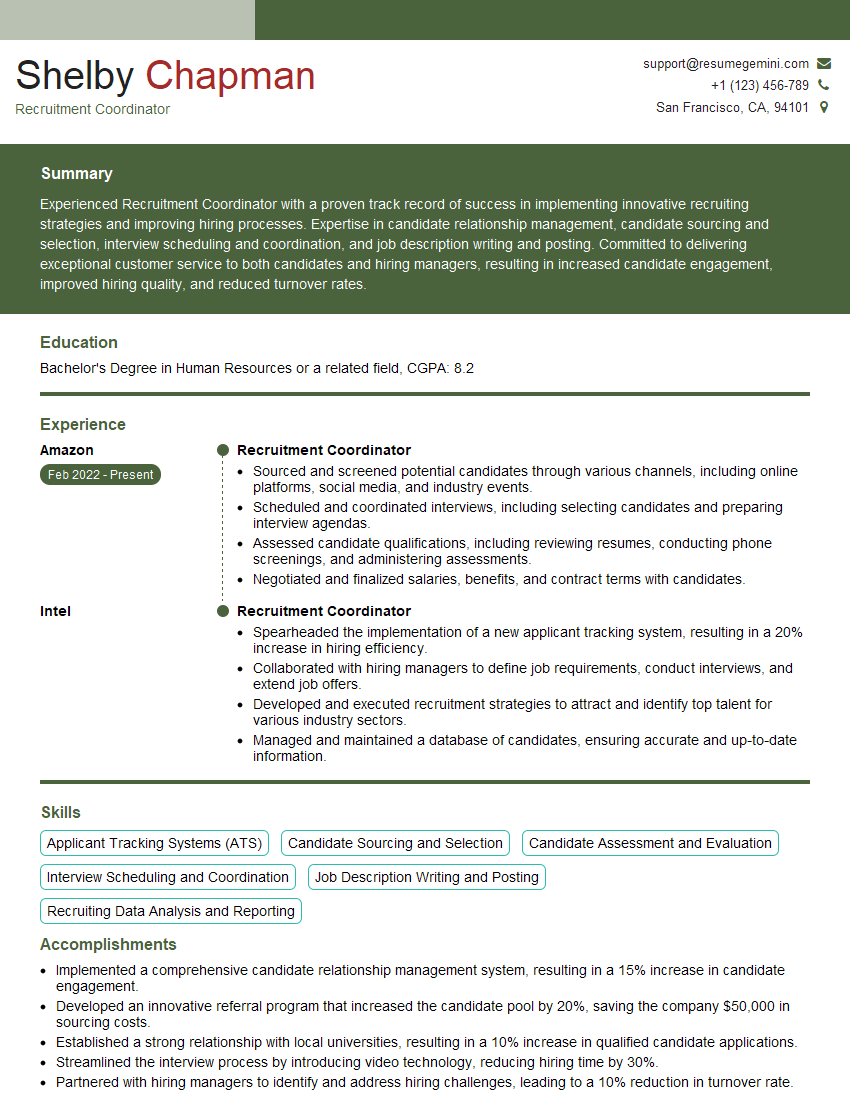
Recruitment Coordinator Resume Sample
Explore more articles
Users Rating of Our Blogs
Share Your Experience
We value your feedback! Please rate our content and share your thoughts (optional).
What Readers Say About Our Blog
Very informative content, great job.
good