Interviews are more than just a Q&A session—they’re a chance to prove your worth. This blog dives into essential Ability to Interpret Production Schedules interview questions and expert tips to help you align your answers with what hiring managers are looking for. Start preparing to shine!
Questions Asked in Ability to Interpret Production Schedules Interview
Q 1. Explain the difference between a Gantt chart and a PERT chart in production scheduling.
Both Gantt charts and PERT charts are visual tools used in production scheduling, but they differ in their focus and application. A Gantt chart provides a visual representation of a project’s schedule, showing tasks on a timeline. It’s excellent for illustrating task durations, dependencies, and overall project progress. Think of it like a roadmap showing when each step of a journey begins and ends. A PERT chart (Program Evaluation and Review Technique), on the other hand, focuses on the critical path – the sequence of tasks that determines the shortest possible project duration. It highlights tasks that, if delayed, will delay the entire project. Imagine it as a high-level overview, pinpointing the most crucial stages that need close monitoring. In production, Gantt charts are better for day-to-day scheduling and tracking, while PERT charts are useful for complex projects where identifying potential bottlenecks is crucial.
Example: Imagine manufacturing a car. A Gantt chart would show the timeline for each stage: engine assembly, bodywork, painting, etc. A PERT chart would highlight the critical path, perhaps identifying that any delay in engine assembly directly impacts the overall delivery date, necessitating close monitoring of that specific task.
Q 2. How do you identify and resolve scheduling conflicts in a production environment?
Identifying and resolving scheduling conflicts requires a systematic approach. First, I use the scheduling software (more on this later) to pinpoint resource contention. This might involve two jobs needing the same machine at the same time or a shortage of skilled labor. Once identified, I use a multi-pronged strategy:
- Negotiation and Prioritization: I discuss with relevant teams (production, engineering, etc.) to assess the urgency and impact of each task. Can deadlines be adjusted? Can tasks be broken down or re-sequenced to reduce resource clashes?
- Resource Allocation Optimization: This involves finding alternative resources if possible – perhaps using a different machine, re-assigning personnel, or adjusting production batches.
- Overtime or External Resources: In some cases, it might be necessary to explore overtime for employees or outsourcing certain tasks to external suppliers to meet deadlines.
- Root Cause Analysis: After resolving the immediate conflict, I conduct a thorough analysis to understand the underlying cause (e.g., inaccurate demand forecasts, equipment malfunctions). This helps to prevent similar conflicts in the future.
Example: If two orders require the same cutting machine at the same time, I might prioritize the order with the shorter lead time or higher profit margin. If that’s not possible, I’d explore options like using a different machine (if available), adjusting the cutting schedule for one order, or utilizing overtime to complete the cutting operations sooner.
Q 3. Describe your experience with different production scheduling software or systems.
Throughout my career, I’ve worked extensively with several production scheduling software systems. My experience includes using:
- MRP (Material Requirements Planning) systems: These software packages are fundamental in managing inventory and ensuring sufficient materials are available for production. I’ve used systems like SAP and Oracle’s manufacturing modules.
- APS (Advanced Planning and Scheduling) software: These sophisticated systems offer optimization capabilities, allowing for better resource allocation and conflict resolution. I’m familiar with tools such as Preactor and Infor SyteLine.
- Gantt chart software: While simpler than APS, tools like MS Project offer a valuable visual representation of schedules and progress tracking, vital for communication and monitoring.
My proficiency extends beyond merely using the software; I understand the underlying algorithms and constraints that govern these systems, allowing me to fine-tune settings for optimal performance and to interpret the output meaningfully.
Q 4. How do you prioritize tasks when multiple production orders compete for resources?
Prioritizing competing production orders requires a clear understanding of several factors. I use a multi-criteria decision-making approach:
- Due Dates: Orders with tighter deadlines take precedence. This is often the most critical factor.
- Profitability: High-margin orders are prioritized to maximize revenue.
- Customer Importance: Orders from key or high-value customers might be prioritized regardless of other factors.
- Material Availability: Orders utilizing readily available materials might be prioritized over those with potential supply chain risks.
- Production Complexity: Simple orders might be given priority to free up resources for complex tasks later.
I often use a weighted scoring system to incorporate all these factors, allowing for a more objective prioritization scheme. This prevents subjective decisions that could negatively impact overall production efficiency.
Q 5. What metrics do you use to evaluate the effectiveness of a production schedule?
Evaluating the effectiveness of a production schedule relies on several key metrics:
- On-Time Delivery Rate: The percentage of orders delivered on or before their scheduled due date.
- Lead Time: The time it takes to complete an order from start to finish.
- Throughput: The amount of product produced within a given timeframe.
- Inventory Turnover: The rate at which inventory is used and replenished.
- Resource Utilization: The extent to which resources (machinery, labor) are being used efficiently.
- Production Costs: The cost per unit produced, taking into account material, labor, and overhead expenses.
By tracking these metrics over time, I can identify areas for improvement and fine-tune the scheduling process to enhance efficiency and reduce costs.
Q 6. How do you handle unexpected delays or disruptions to the production schedule?
Handling unexpected delays or disruptions requires a proactive and adaptable approach. My process involves:
- Immediate Assessment: Quickly identify the nature and extent of the disruption. What caused the delay? Which orders or tasks are affected?
- Communication: Inform all relevant stakeholders (customers, management, production teams) about the situation and the potential impact.
- Replanning: Use the scheduling software to revise the production schedule, considering the delay. This might involve re-prioritizing orders, adjusting resource allocation, or extending deadlines.
- Problem Solving: Identify and implement solutions to address the root cause of the disruption. This could involve troubleshooting equipment malfunctions, addressing material shortages, or improving communication.
- Contingency Planning: Regularly review the schedule and identify potential vulnerabilities to proactively prevent future disruptions. This includes maintaining buffer times and having contingency plans in place.
Example: If a machine breaks down, I would immediately assess the impact, re-prioritize tasks that don’t need that machine, communicate the delay, and potentially arrange for repairs or use an alternative machine while repairs are being done.
Q 7. Describe your process for creating a production schedule from a bill of materials.
Creating a production schedule from a bill of materials (BOM) involves a systematic process. The BOM lists all the components required to manufacture a product. My steps are:
- BOM Analysis: Carefully review the BOM to understand the component requirements for each product and identify any potential bottlenecks.
- Resource Requirements: Determine the resources (machines, labor, materials) needed for each production step.
- Sequencing: Define the sequence of operations needed to manufacture the product, respecting dependencies between tasks (e.g., assembling components before final assembly).
- Time Estimation: Estimate the time required for each operation, considering machine setup times, processing times, and potential delays.
- Capacity Planning: Assess the availability of resources and ensure that the schedule is feasible given the available capacity.
- Schedule Creation: Use scheduling software to create a detailed schedule, assigning tasks to specific resources and specifying start and end times. This may involve optimizing for factors like minimizing total completion time, maximizing resource utilization, or meeting specific deadlines.
- Schedule Review and Refinement: Review the generated schedule to identify potential conflicts and refine the schedule as necessary. This might involve iteratively adjusting task sequences, resource allocation, or deadlines.
Example: If the BOM shows that a product requires parts A, B, and C, and that part C needs to be manufactured before it can be assembled with A and B, the schedule must reflect this dependency, ensuring that part C is produced and ready before the final assembly starts.
Q 8. Explain how you would adjust a production schedule in response to changes in demand.
Adjusting a production schedule in response to demand changes requires a flexible and data-driven approach. The first step is accurately forecasting future demand. This might involve analyzing historical sales data, considering market trends, and taking into account any anticipated promotional campaigns or seasonal fluctuations. Once we have a reliable demand forecast, we can compare it to the existing schedule. If the forecast indicates a surge in demand, we need to explore options like increasing production capacity through overtime, adding extra shifts, or outsourcing some production. Conversely, if demand decreases, we might need to reduce production, potentially delaying non-critical projects or adjusting work schedules to avoid layoffs. Throughout this process, communication with the sales and marketing teams is crucial to ensure we’re reacting to realistic market predictions.
Example: Imagine we manufacture bicycles. A sudden surge in demand around a major cycling event requires us to immediately increase our production of certain models. We’d prioritize those models in the schedule, potentially delaying less popular models, and possibly secure additional manufacturing resources from external suppliers to meet the increased demand. Conversely, if after the event demand drops, we’d dial back production accordingly, perhaps adjusting staffing levels and stock inventory.
Q 9. How do you ensure that the production schedule aligns with inventory levels and material availability?
Aligning production schedules with inventory levels and material availability is paramount for efficient operations. We use a Material Requirements Planning (MRP) system to track inventory levels, project future needs based on the production schedule, and trigger purchase orders for raw materials and components well in advance. This system considers lead times for material procurement, allowing us to anticipate potential shortages and adjust the production schedule proactively. For instance, if the MRP system flags a potential shortage of a key component, we can adjust the production schedule to either prioritize production of items that use the component or to temporarily postpone production of items with insufficient materials.
Example: If our MRP system shows that we are running low on bicycle tires with a 3-week lead time for delivery, we would adjust the production schedule to ensure that tire-intensive production doesn’t continue beyond the point at which we anticipate running out. We might prioritize production of models that use alternative tires or even temporarily halt production of some models until new tires arrive.
Q 10. What techniques do you use to optimize resource allocation in production scheduling?
Optimizing resource allocation in production scheduling involves employing various techniques to maximize efficiency and minimize waste. This includes:
- Capacity Planning: Accurately assessing the available capacity of machines, labor, and other resources.
- Linear Programming: Using mathematical models to find the optimal allocation of resources to maximize output or minimize cost.
- Simulation: Creating models to test different scenarios and evaluate the impact of various resource allocation strategies.
- Heuristics and Metaheuristics: Employing rules of thumb and sophisticated algorithms to find near-optimal solutions for complex scheduling problems.
These techniques help us identify bottlenecks, balance workloads across different resources, and minimize idle time. We frequently use software tools that support these techniques.
Q 11. How do you communicate the production schedule to different stakeholders?
Effective communication of the production schedule is crucial. We use a multi-pronged approach:
- Regular Meetings: We hold regular meetings with different teams (production, engineering, procurement, sales) to discuss the schedule, highlight potential challenges, and solicit feedback.
- Digital Dashboards: Real-time dashboards provide a visual representation of the schedule, key performance indicators (KPIs), and potential bottlenecks.
- Automated Notifications: Email or SMS alerts inform stakeholders of schedule changes, potential delays, or critical updates.
- Project Management Software: Using tools such as MS Project or Asana allows for centralized information sharing, updates, and task assignments.
The choice of communication method depends on the audience and the urgency of the information. For instance, a major schedule change might require a meeting, while a minor adjustment might only require a brief email notification.
Q 12. Describe your experience with lean manufacturing principles and their impact on scheduling.
Lean manufacturing principles, such as minimizing waste, maximizing flow, and empowering employees, significantly impact scheduling. We implement these principles by:
- Just-in-Time (JIT) Scheduling: Producing goods only when needed, reducing inventory holding costs and minimizing waste.
- Kanban Systems: Using visual signals to manage workflow and material flow, ensuring a smooth and efficient process.
- 5S Methodology: Organizing the workspace to improve efficiency and reduce waste.
- Kaizen Events: Regularly identifying and eliminating inefficiencies in the production process.
By embracing lean principles, we create a more responsive and efficient production system that can adapt more easily to demand changes. For example, JIT scheduling allows for rapid adjustments to the production schedule when demand fluctuates.
Q 13. How do you incorporate safety considerations into production scheduling?
Safety is paramount in production scheduling. We integrate safety considerations throughout the entire scheduling process by:
- Scheduling adequate time for maintenance and safety checks: This prevents accidents caused by malfunctioning equipment.
- Allocating sufficient personnel for safe operation: Ensuring there are enough workers to handle tasks safely without rushing.
- Prioritizing safety training and incorporating it into the schedule: Ensuring that employees receive regular training and updates on safety procedures.
- Incorporating safety protocols into the production process and schedule: This might include specific time slots for safety inspections or equipment shutdowns for maintenance and risk mitigation.
Safety protocols aren’t an afterthought; they’re actively integrated into our schedules to prevent accidents and ensure a safe working environment for all employees.
Q 14. How do you handle bottleneck situations in production?
Handling bottleneck situations requires a systematic approach. First, we identify the bottleneck, which might be a specific machine, a shortage of skilled labor, or a logistical constraint. Once identified, we analyze the root cause. This could involve data analysis, observations, and discussions with the production team. We then implement solutions, which might include:
- Investing in additional capacity: This could involve purchasing new equipment or hiring additional staff.
- Improving process efficiency: Streamlining workflows to reduce processing time at the bottleneck.
- Re-sequencing tasks: Rearranging the production schedule to prioritize tasks that are blocked by the bottleneck.
- Outsourcing part of the work: Subcontracting some of the tasks to relieve pressure on the bottleneck.
We continuously monitor the situation to ensure that the implemented solutions are effective and that new bottlenecks don’t emerge.
Q 15. What is your experience with capacity planning and its relationship to production scheduling?
Capacity planning is the process of determining the resources needed to meet production demands, while production scheduling is the process of allocating those resources over time to create a detailed production plan. They are intrinsically linked; you can’t effectively schedule production without understanding your capacity. For example, if capacity planning reveals you only have two machines capable of a specific task, your production schedule must reflect this limitation. You can’t schedule more than two simultaneous operations requiring that machine. My experience includes working with manufacturing plants to model their capacity – considering factors like machine uptime, labor availability, and material supply – and then translating those constraints into feasible and optimized production schedules using software like ERP systems.
I’ve been involved in projects where we optimized capacity utilization by identifying bottlenecks. In one case, we discovered a single operator was slowing down the entire assembly line. By identifying and rectifying the bottleneck (through training and process improvement), we increased overall capacity and allowed for a more aggressive production schedule.
Career Expert Tips:
- Ace those interviews! Prepare effectively by reviewing the Top 50 Most Common Interview Questions on ResumeGemini.
- Navigate your job search with confidence! Explore a wide range of Career Tips on ResumeGemini. Learn about common challenges and recommendations to overcome them.
- Craft the perfect resume! Master the Art of Resume Writing with ResumeGemini’s guide. Showcase your unique qualifications and achievements effectively.
- Don’t miss out on holiday savings! Build your dream resume with ResumeGemini’s ATS optimized templates.
Q 16. How do you measure the efficiency of the production schedule?
Measuring the efficiency of a production schedule involves evaluating several key performance indicators (KPIs). These include:
- On-Time Delivery Rate: What percentage of orders were delivered on or before their scheduled due dates?
- Throughput Time: The total time it takes for a product to move from raw materials to finished goods. Lower is better.
- Work-in-Progress (WIP) Inventory: The amount of partially finished goods. High WIP often indicates inefficiencies in the production flow. We aim for low WIP.
- Machine Utilization: The percentage of time machines are actively producing. High utilization is desirable, but not at the expense of other KPIs.
- Overall Equipment Effectiveness (OEE): This combines machine availability, performance, and quality rate to provide a comprehensive measure of equipment efficiency.
Analyzing these KPIs together provides a holistic view of the schedule’s performance. For instance, high throughput time might indicate bottlenecks, even if the on-time delivery rate is acceptable. Conversely, high on-time delivery might mask low machine utilization suggesting opportunities for improvement.
Q 17. Describe a time you had to make a significant change to a production schedule. What was the outcome?
In a previous role, we faced an unexpected surge in demand for a key product. Our initial production schedule couldn’t accommodate the increase without jeopardizing on-time delivery for other products. To address this, I initiated a series of steps:
- Emergency Meeting: Brought together the production team, sales team, and procurement to assess the situation and identify solutions.
- Prioritization: We prioritized the high-demand product, temporarily adjusting the schedule for other products with less urgent deadlines. This required careful communication with clients about potential minor delays.
- Resource Allocation: We re-allocated resources (personnel and machinery) to support the increased production of the high-demand product, potentially utilizing overtime and/or bringing in temporary workers.
- Supplier Collaboration: We worked closely with our suppliers to ensure an adequate supply of raw materials to support the accelerated production schedule.
- Monitoring and Adjustment: We constantly monitored the production progress and made adjustments as needed, ensuring we remained on track to meet the surge in demand.
The outcome was successful. We managed to fulfill the unexpected demand without significant negative impacts on other product lines. The experience highlighted the importance of flexibility, proactive communication, and collaborative problem-solving in production scheduling.
Q 18. What software or tools are you proficient in for production scheduling and analysis?
I am proficient in several software and tools for production scheduling and analysis. My expertise includes:
- Enterprise Resource Planning (ERP) systems: Such as SAP, Oracle, and Microsoft Dynamics 365, for integrated planning and execution.
- Manufacturing Execution Systems (MES): For real-time monitoring and control of production processes. These systems often integrate directly with shop floor equipment.
- Advanced Planning and Scheduling (APS) software: Tools like Preactor or iBASEt, offering more sophisticated optimization capabilities than basic ERP scheduling modules. APS often incorporates features like Finite Capacity Scheduling (FCS).
- Spreadsheet software: While less sophisticated, Excel and Google Sheets remain valuable for simpler scheduling and data analysis tasks.
- Data visualization tools: Such as Tableau or Power BI, to effectively communicate schedule performance and identify areas needing improvement.
Q 19. Explain the concept of critical path analysis in production scheduling.
Critical Path Analysis (CPA) is a project management technique used to identify the longest sequence of tasks in a project, known as the critical path. In production scheduling, this means pinpointing the activities that directly influence the overall completion time. Any delay on the critical path automatically delays the entire project. Imagine building a house: laying the foundation is on the critical path, because you can’t proceed with the walls until the foundation is complete. CPA helps to focus resources and attention on the most critical tasks to minimize delays and ensure on-time project completion. For example, in manufacturing, CPA can be applied to identify the sequence of operations that determine the overall production lead time. By focusing on optimizing these critical tasks (e.g., reducing setup time, improving process efficiency), one can effectively improve overall production efficiency and lead times.
Q 20. How do you ensure the accuracy of data used in production scheduling?
Data accuracy is paramount in production scheduling. Inaccurate data leads to poor planning, missed deadlines, and wasted resources. I ensure data accuracy through several measures:
- Data Validation: Regularly reviewing and validating data from various sources (e.g., bill of materials, machine availability records, demand forecasts). This could involve cross-checking information from different systems.
- Data Cleaning: Identifying and correcting errors or inconsistencies in the data. This is often an iterative process.
- Data Source Management: Establishing clear processes for data collection and entry, minimizing human error and ensuring consistency. This could include establishing standardized input forms or using automated data capture techniques.
- Regular Audits: Conducting periodic audits of data to identify potential issues and ensure the continued accuracy of the data used for scheduling.
- Feedback Loops: Implementing feedback mechanisms to capture and address discrepancies between the schedule and actual production results. This allows for continuous improvement in data accuracy and the scheduling process itself.
Q 21. How familiar are you with different scheduling algorithms (e.g., FIFO, LIFO, priority scheduling)?
I am very familiar with various scheduling algorithms. Each has its strengths and weaknesses, and the best choice depends on specific circumstances:
- FIFO (First-In, First-Out): Processes jobs in the order they arrive. Simple to implement, but can lead to longer overall processing times if urgent jobs arrive later.
- LIFO (Last-In, First-Out): Processes jobs in the reverse order of arrival. Sometimes useful for processing short, urgent jobs quickly.
- Priority Scheduling: Assigns priorities to jobs based on factors like due dates, importance, or processing time. More complex, but allows for better control over job sequencing and meeting critical deadlines. Different priority rules exist (e.g., shortest processing time first, earliest due date first). This is often used in conjunction with other techniques like Shortest Processing Time (SPT) or Earliest Due Date (EDD).
- Shortest Processing Time (SPT): Prioritizes jobs with the shortest processing times, often reducing average waiting time.
- Earliest Due Date (EDD): Prioritizes jobs with the earliest due dates, minimizing the number of late jobs.
My experience has shown that a hybrid approach, combining aspects of several algorithms (e.g., using priority scheduling with considerations for SPT and EDD), is frequently most effective in real-world production environments.
Q 22. How do you deal with unrealistic deadlines or overly ambitious production targets?
Unrealistic deadlines and overly ambitious targets are a common challenge in production. My approach involves a three-pronged strategy: analysis, negotiation, and mitigation. First, I meticulously analyze the production schedule, identifying bottlenecks and resource constraints. This often involves reviewing capacity planning, machine availability, and labor hours. For example, if a target requires 100 units produced with only 80% of machine capacity available, I can immediately see a problem. Second, I engage in constructive negotiation with stakeholders, explaining the identified constraints and proposing alternative solutions. This might involve adjusting the deadline, prioritizing critical orders, or securing additional resources. Finally, if neither adjustment nor renegotiation is possible, I implement mitigation strategies, such as overtime scheduling (while carefully considering labor laws and fatigue), subcontracting a portion of the work, or optimizing the production process to improve efficiency. It’s crucial to document every step of this process, ensuring transparency and accountability.
Q 23. Explain the importance of regular monitoring and review of the production schedule.
Regular monitoring and review are the bedrock of successful production scheduling. Think of it as navigating a ship – constant checks ensure you stay on course. Without regular oversight, even well-planned schedules can quickly deviate due to unforeseen circumstances – machine breakdowns, material shortages, or even employee absenteeism. My approach incorporates daily progress reports, weekly performance reviews, and monthly performance analysis. These reviews compare actual production against the schedule, identify variances, and pinpoint the root causes. For example, consistent delays on a particular work order might highlight a skills gap in the workforce, necessitating additional training. Regular monitoring allows for proactive adjustments and prevents minor issues from escalating into major disruptions. This data also informs future schedule creation, leading to more realistic and accurate planning.
Q 24. How do you incorporate feedback from the shop floor into the production scheduling process?
Incorporating shop floor feedback is essential for creating a realistic and achievable schedule. The people on the ground have invaluable insights into practical challenges, often unseen in the office. I establish clear communication channels, like daily stand-up meetings or regular feedback forms, to encourage input. This feedback might reveal hidden inefficiencies, potential quality issues, or unexpected machine downtime. For example, a worker might highlight a recurring problem with a specific machine, impacting production time. This input is then incorporated into the schedule either by adjusting the task duration, adding buffer time to account for potential delays, or even revising the production sequence to minimize disruption. Open communication ensures that the schedule reflects the realities of the shop floor, maximizing its accuracy and practicality.
Q 25. Describe your experience with different types of production schedules (e.g., master production schedule, detailed schedule).
My experience encompasses various production scheduling methodologies. The Master Production Schedule (MPS) provides a high-level overview of planned production quantities over a specific timeframe, often several months. It serves as a roadmap. Then, we have the Detailed Schedule, breaking down the MPS into specific tasks, resource allocations, and times. Imagine the MPS as a blueprint and the detailed schedule as the construction plan. I have also worked with Kanban systems for lean manufacturing environments, focusing on visualizing workflow and managing inventory. Furthermore, I’m familiar with MRP (Material Requirements Planning) systems that help optimize material procurement based on the production schedule, ensuring materials are available when needed. Choosing the right methodology depends on the specific context, industry, and the size and complexity of the production environment. For example, a large-scale manufacturing facility might require a sophisticated MRP system, whereas a small workshop could effectively utilize a simple Kanban system.
Q 26. How do you handle changes to customer orders and their impact on the production schedule?
Changes to customer orders require a flexible and responsive approach. I use a combination of techniques to handle these changes effectively. First, I prioritize the order based on factors such as urgency, revenue impact, and contractual obligations. Then, I conduct a thorough impact analysis to assess the effect on the existing schedule. This might involve rescheduling existing tasks, adjusting resource allocation, or even negotiating extended lead times with the customer. Tools like Gantt charts or specialized scheduling software are invaluable in visualizing the impacts of these changes and optimizing the revised schedule. For instance, if a rush order is received, I might prioritize it by delaying less critical orders while keeping stakeholders informed of the potential delays. Transparency and proactive communication are key to mitigating customer dissatisfaction.
Q 27. What is your approach to forecasting demand and its impact on production planning?
Accurate demand forecasting is crucial for effective production planning. I employ a variety of forecasting methods, including historical data analysis (looking at past sales trends), market research, and collaborative forecasting with sales and marketing teams. For example, seasonal demand fluctuations are considered, and adjustments are made to the schedule accordingly. I often use statistical forecasting techniques, such as moving averages or exponential smoothing, to project future demand. These forecasts are then integrated into the MPS, enabling us to preemptively manage resource allocation, material procurement, and production capacity. It’s vital to regularly review and refine the forecast as new data becomes available, ensuring the schedule remains aligned with actual demand.
Q 28. How do you ensure compliance with relevant regulations and safety standards in production scheduling?
Compliance with regulations and safety standards is paramount. This is woven into every aspect of the production scheduling process. I ensure that the schedule incorporates sufficient time for regular safety checks, machine maintenance, and employee training. We abide by all relevant occupational safety and health administration (OSHA) guidelines and industry-specific regulations. For instance, the schedule might include allocated time for cleaning and inspecting machinery to prevent accidents, complying with local safety standards. Furthermore, the schedule considers environmental regulations, ensuring compliance with waste management and emissions control procedures. This proactive approach reduces risks, prevents costly fines, and fosters a safe and responsible work environment.
Key Topics to Learn for Ability to Interpret Production Schedules Interview
- Understanding Schedule Formats: Become proficient in reading and interpreting various production schedule formats, including Gantt charts, Kanban boards, and spreadsheets. Practice identifying key information like task dependencies, deadlines, and resource allocation.
- Identifying Bottlenecks and Constraints: Learn to analyze production schedules to pinpoint potential bottlenecks and resource constraints. Develop strategies for optimizing workflows and mitigating delays. Practice identifying critical path activities.
- Resource Allocation and Optimization: Understand how to effectively allocate resources (personnel, equipment, materials) based on the production schedule. Explore techniques for optimizing resource utilization and minimizing waste.
- Scenario Planning and Contingency Management: Practice anticipating potential disruptions (e.g., equipment failure, material shortages) and developing contingency plans to minimize their impact on the production schedule. This includes understanding buffer times and slack.
- Data Analysis and Reporting: Learn to extract meaningful insights from production schedule data. Develop skills in using data analysis tools to monitor progress, identify trends, and generate reports to inform decision-making.
- Communication and Collaboration: Understand the importance of clear communication and collaboration with cross-functional teams to ensure efficient execution of the production schedule. This includes effectively communicating schedule changes and updates.
Next Steps
Mastering the ability to interpret production schedules is crucial for career advancement in many manufacturing and operational roles. It demonstrates a key skillset for improving efficiency, reducing costs, and meeting deadlines. To significantly enhance your job prospects, focus on building an ATS-friendly resume that highlights your abilities in this area. ResumeGemini is a trusted resource to help you create a professional and impactful resume that showcases your skills effectively. Examples of resumes tailored to highlight “Ability to Interpret Production Schedules” are available to help guide you.

Operations Manager Resume Sample
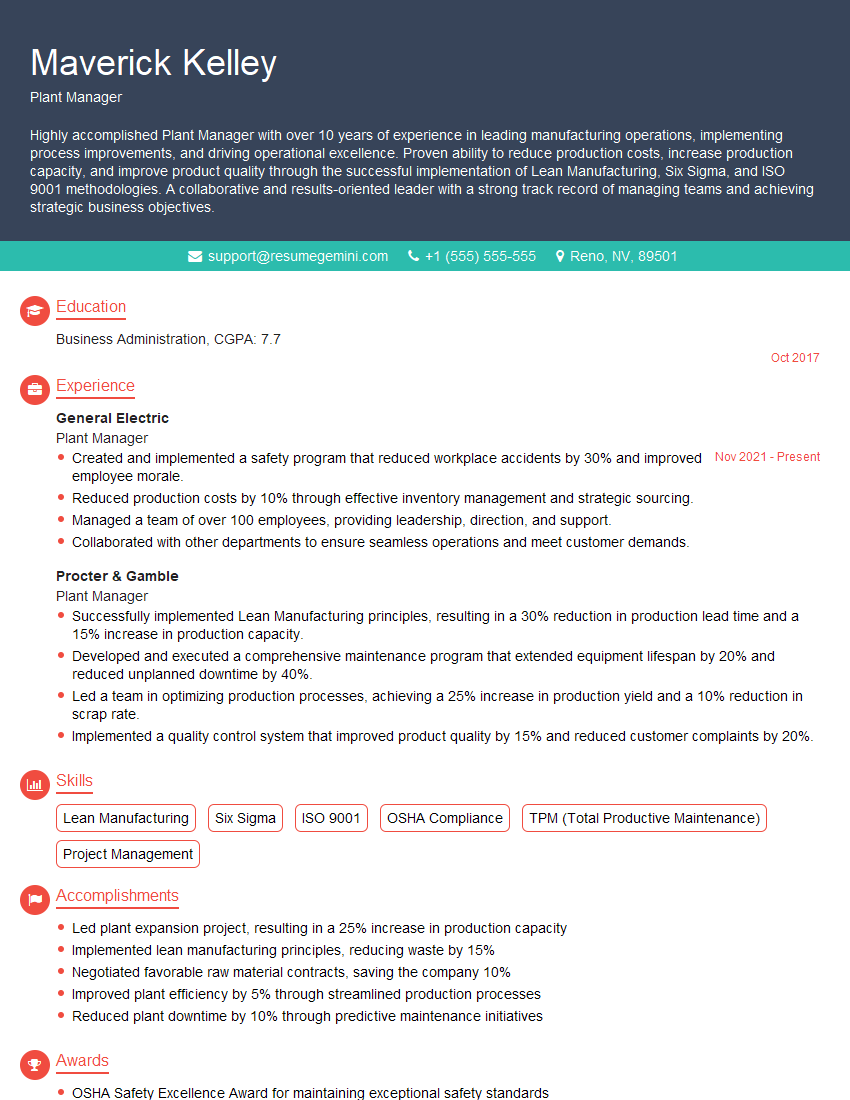
Plant Manager Resume Sample
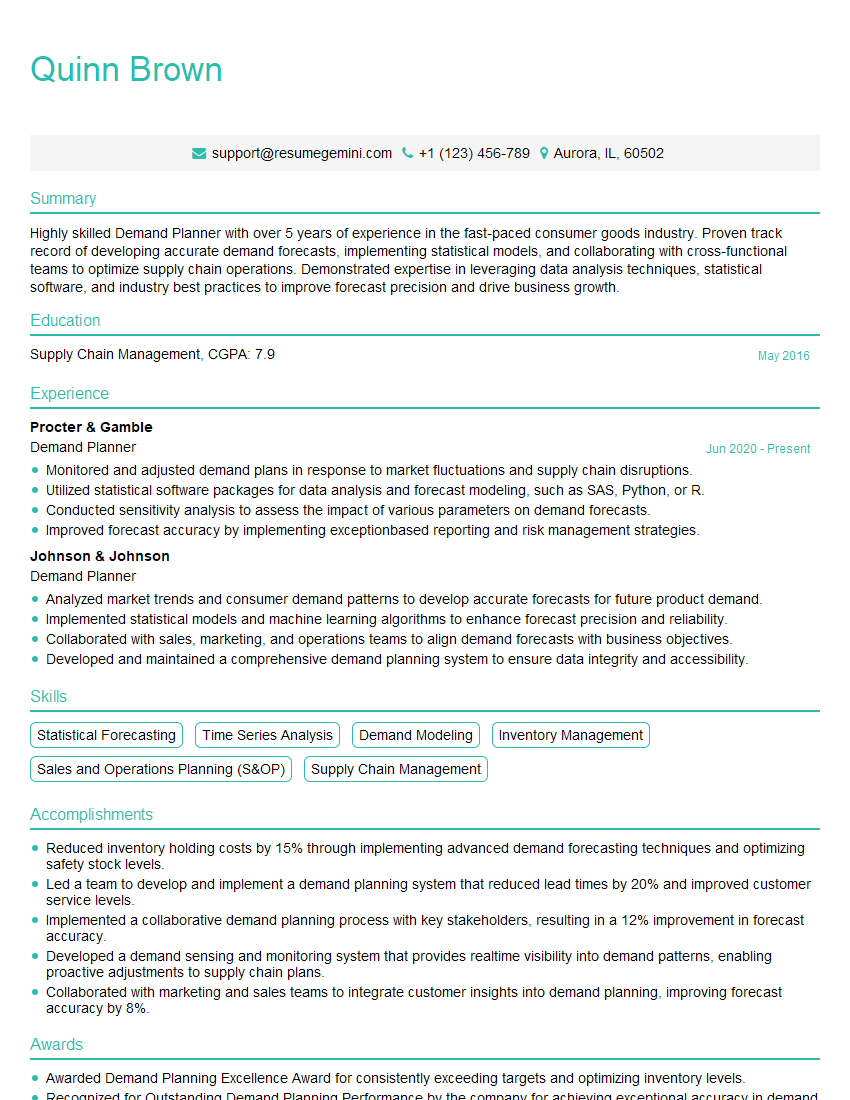
Demand Planner Resume Sample
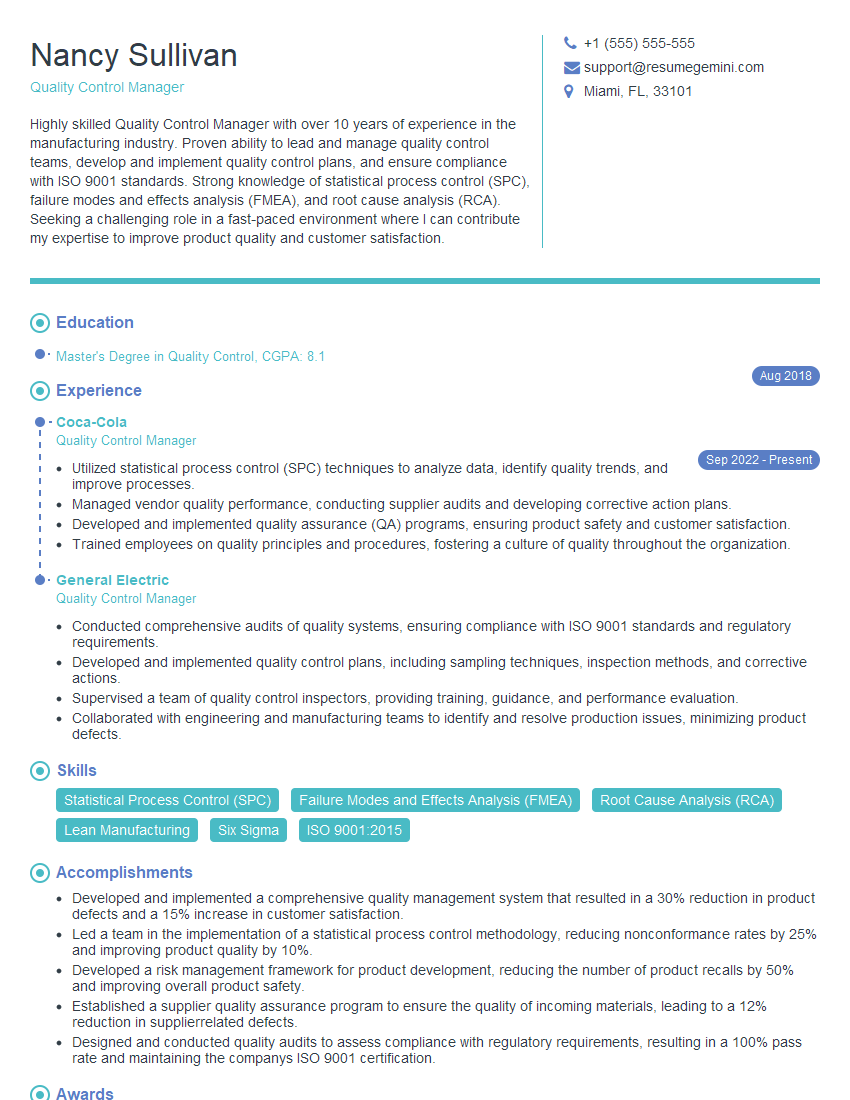
Quality Control Manager Resume Sample
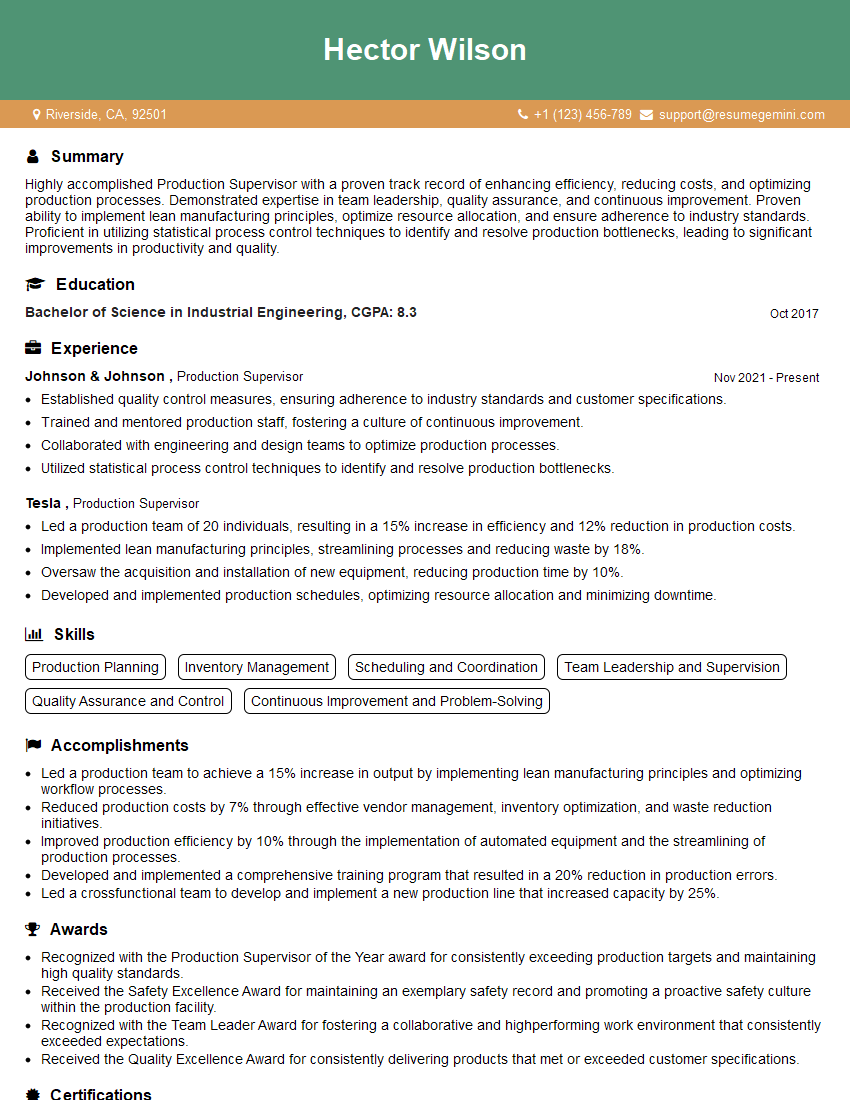
Production Supervisor Resume Sample
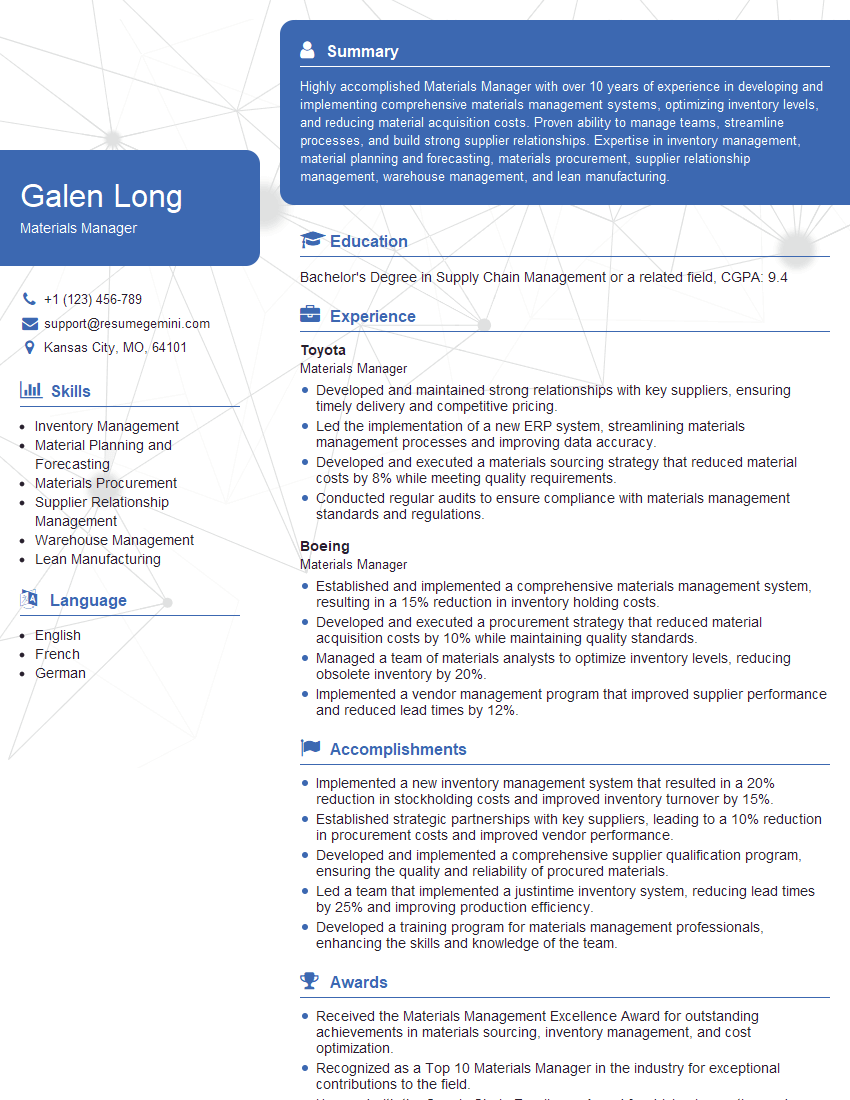
Materials Manager Resume Sample
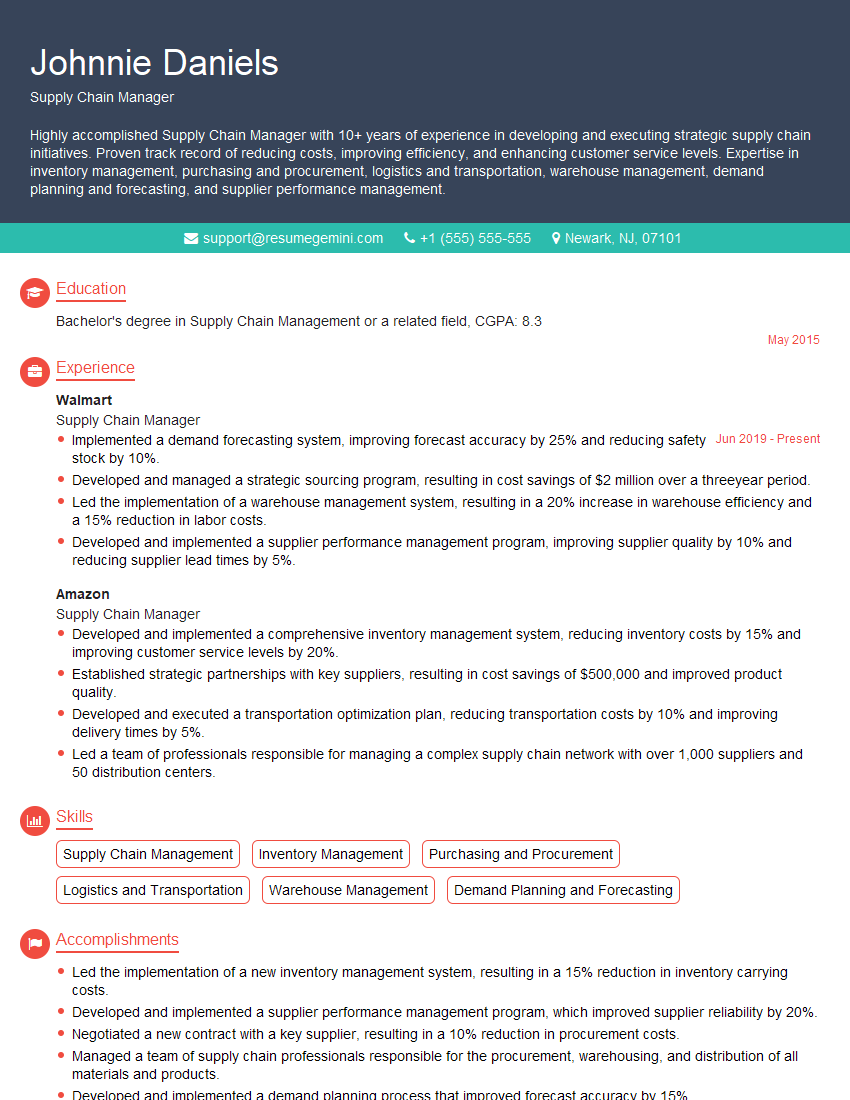
Supply Chain Manager Resume Sample
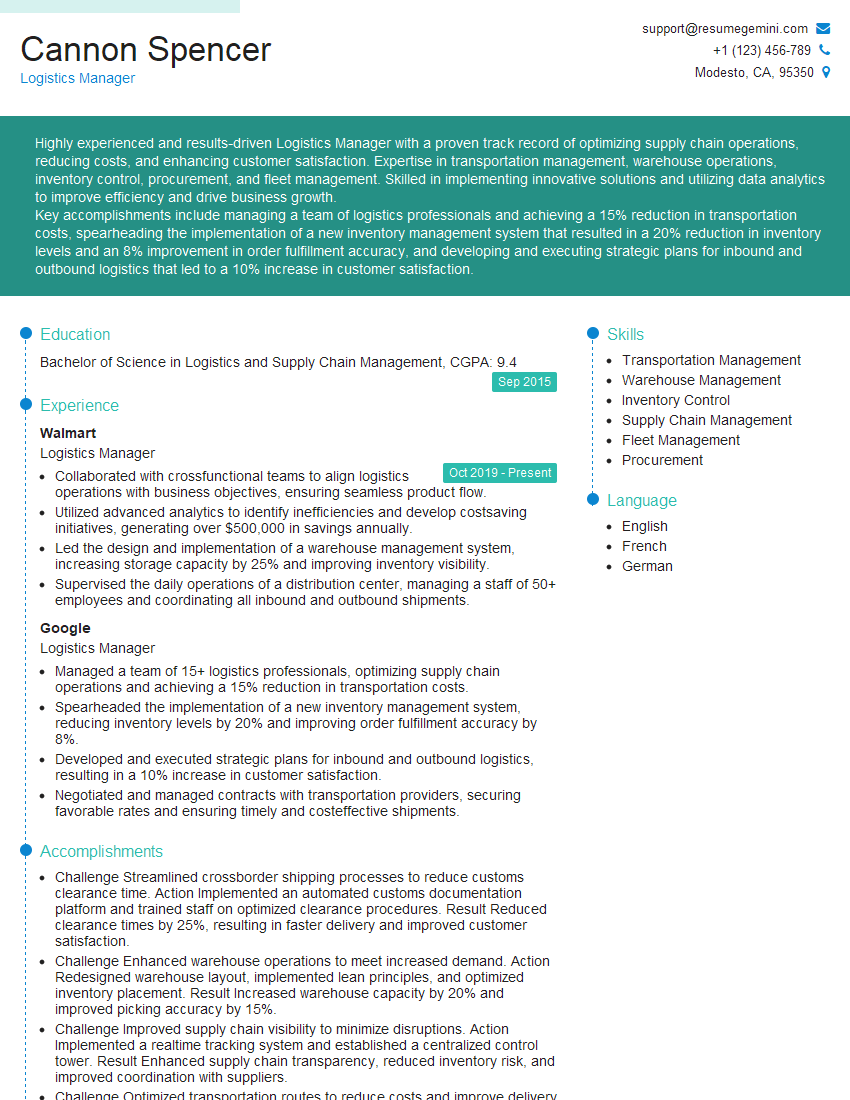
Logistics Manager Resume Sample
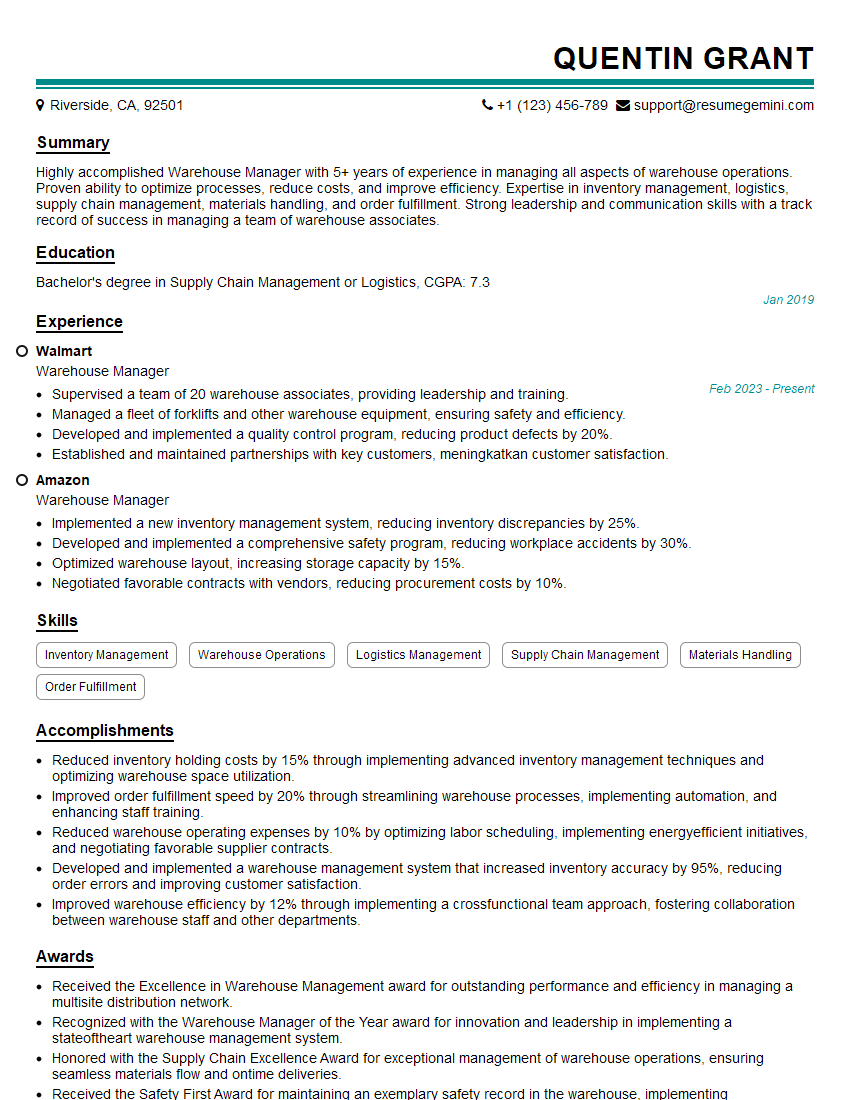
Warehouse Manager Resume Sample
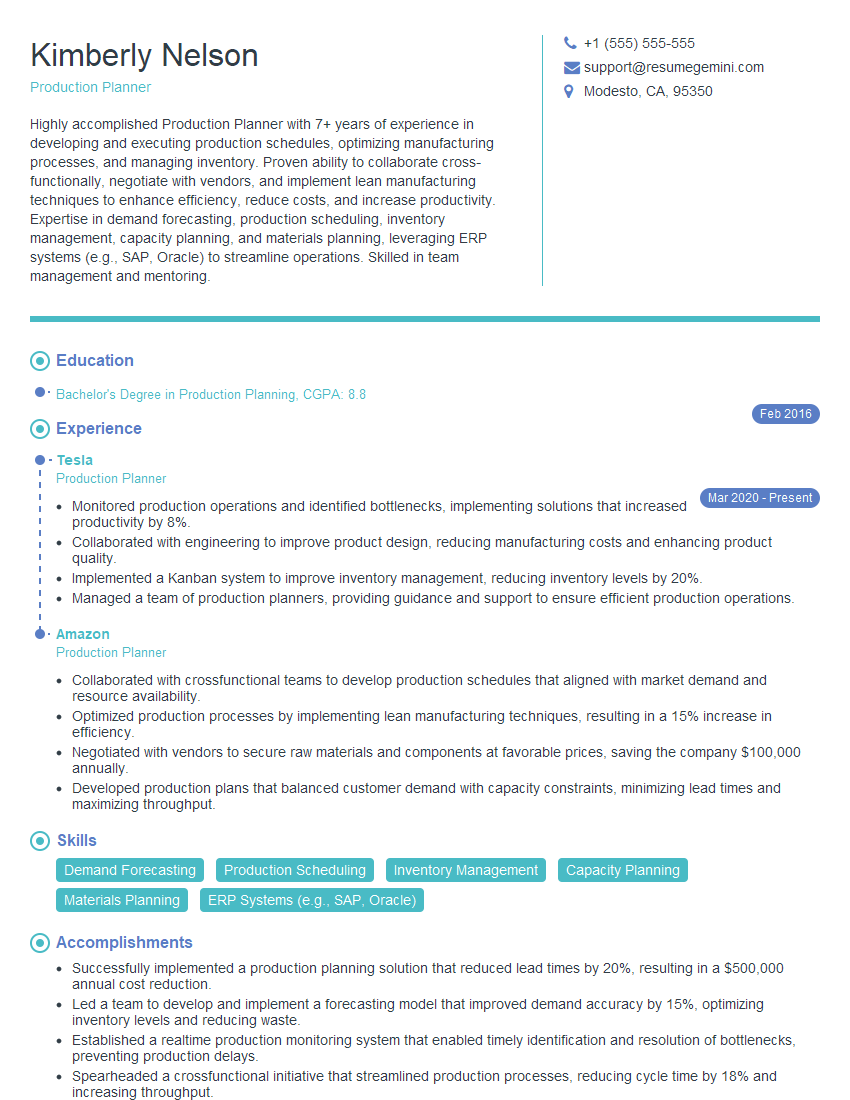
Production Planner Resume Sample
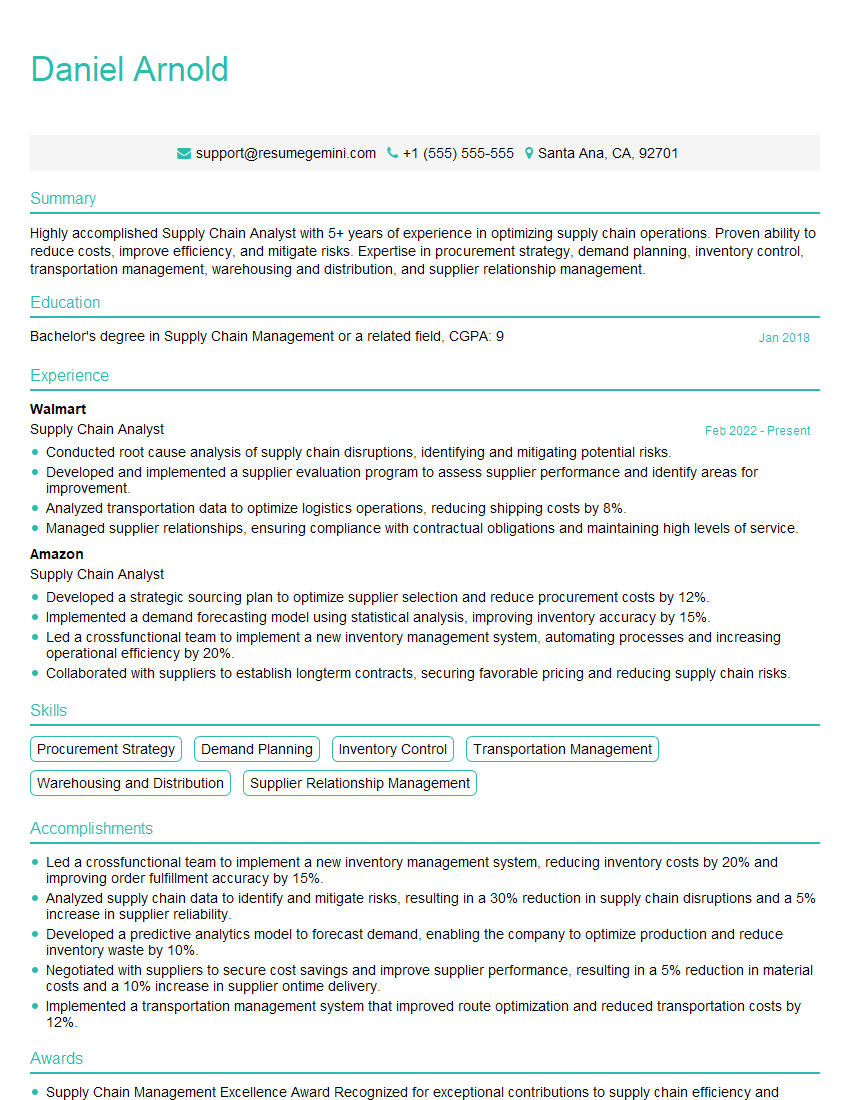
Supply Chain Analyst Resume Sample
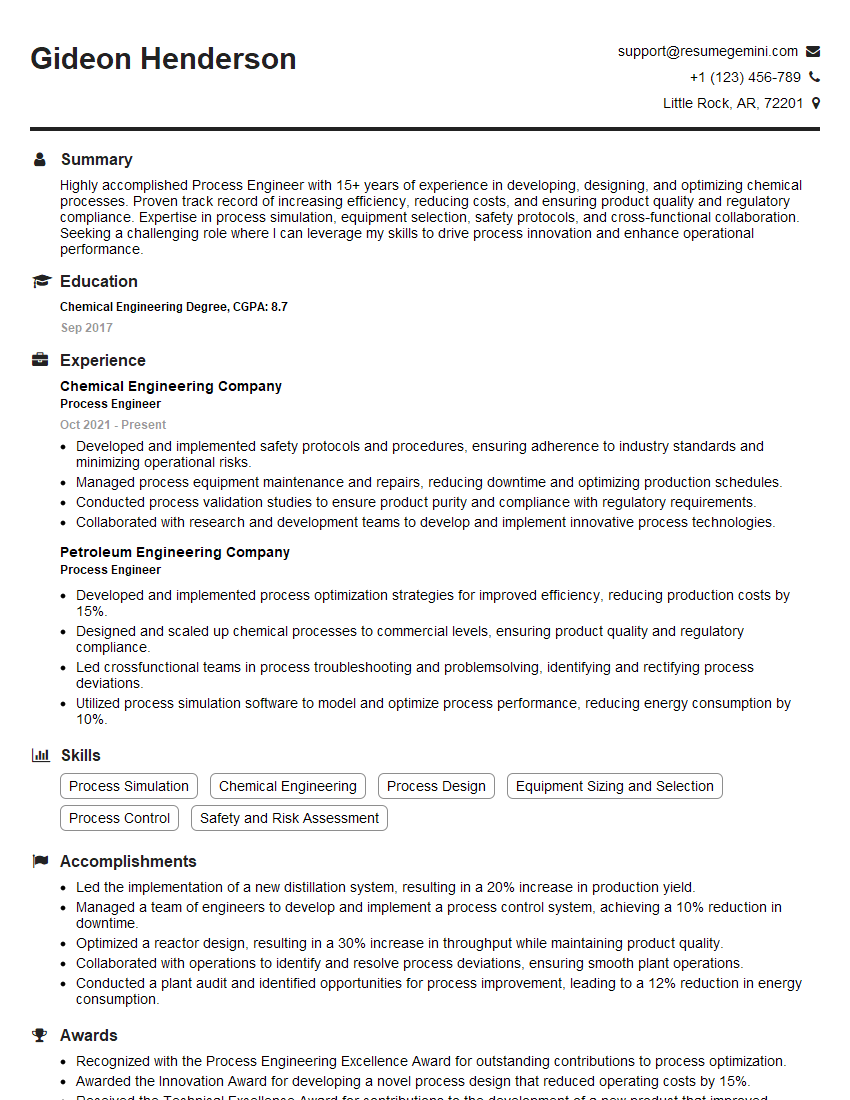
Process Engineer Resume Sample
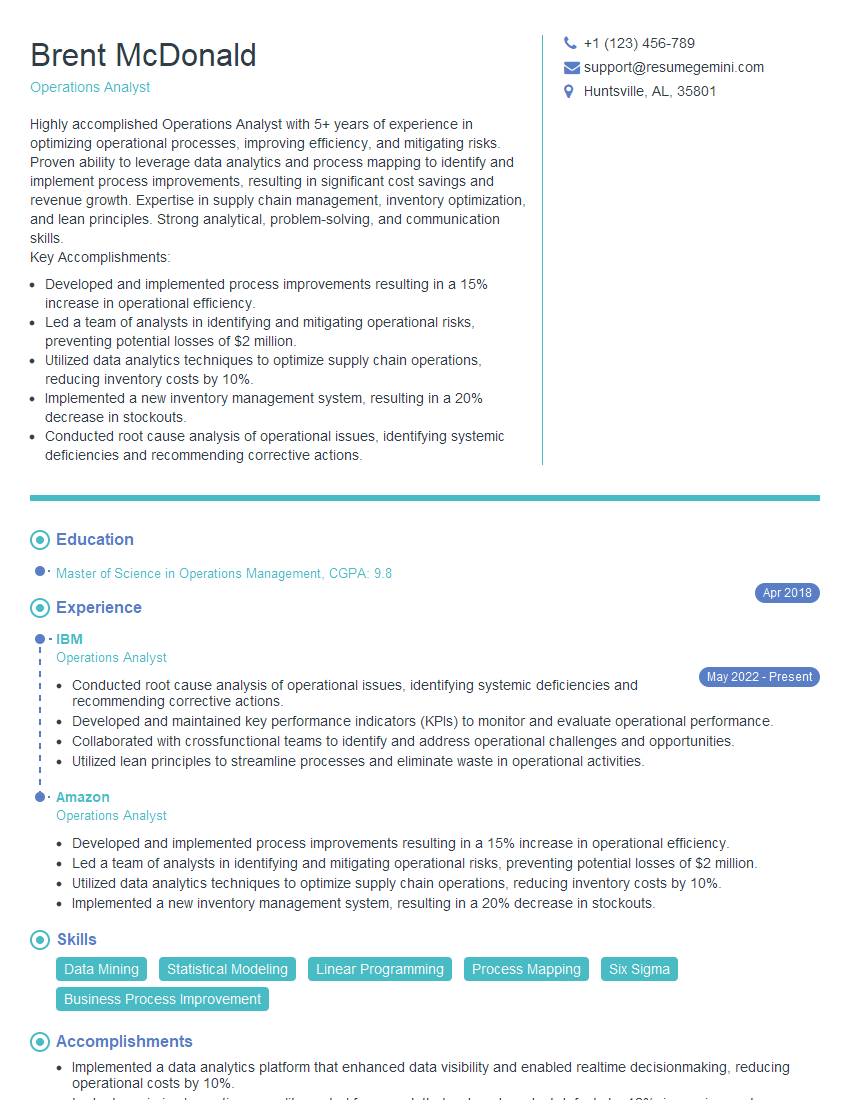
Operations Analyst Resume Sample
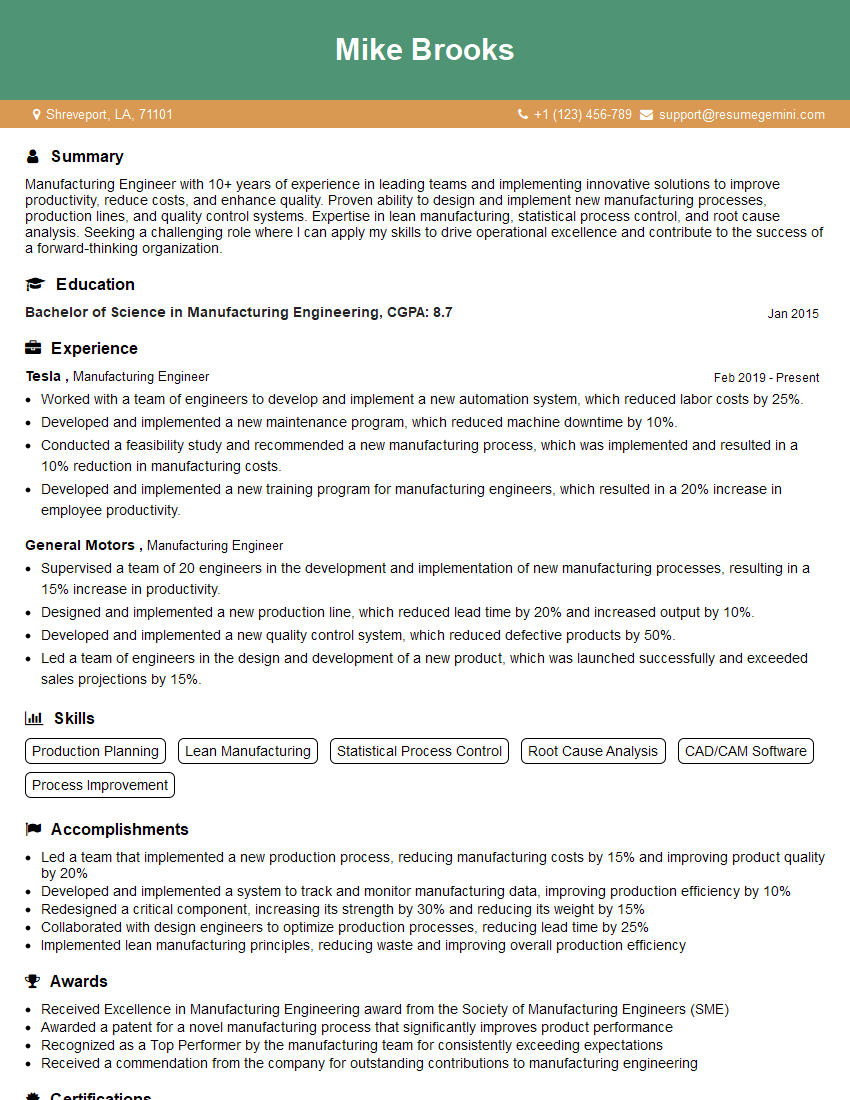
Manufacturing Engineer Resume Sample
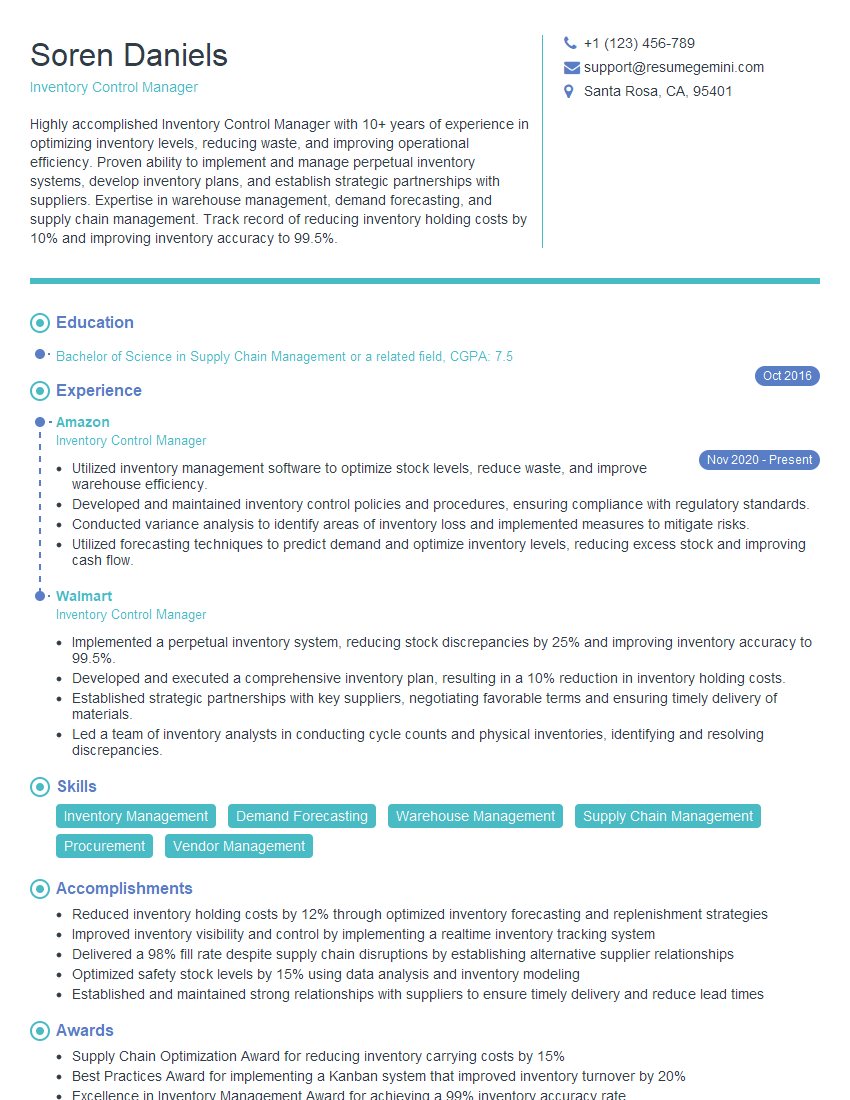
Inventory Control Manager Resume Sample
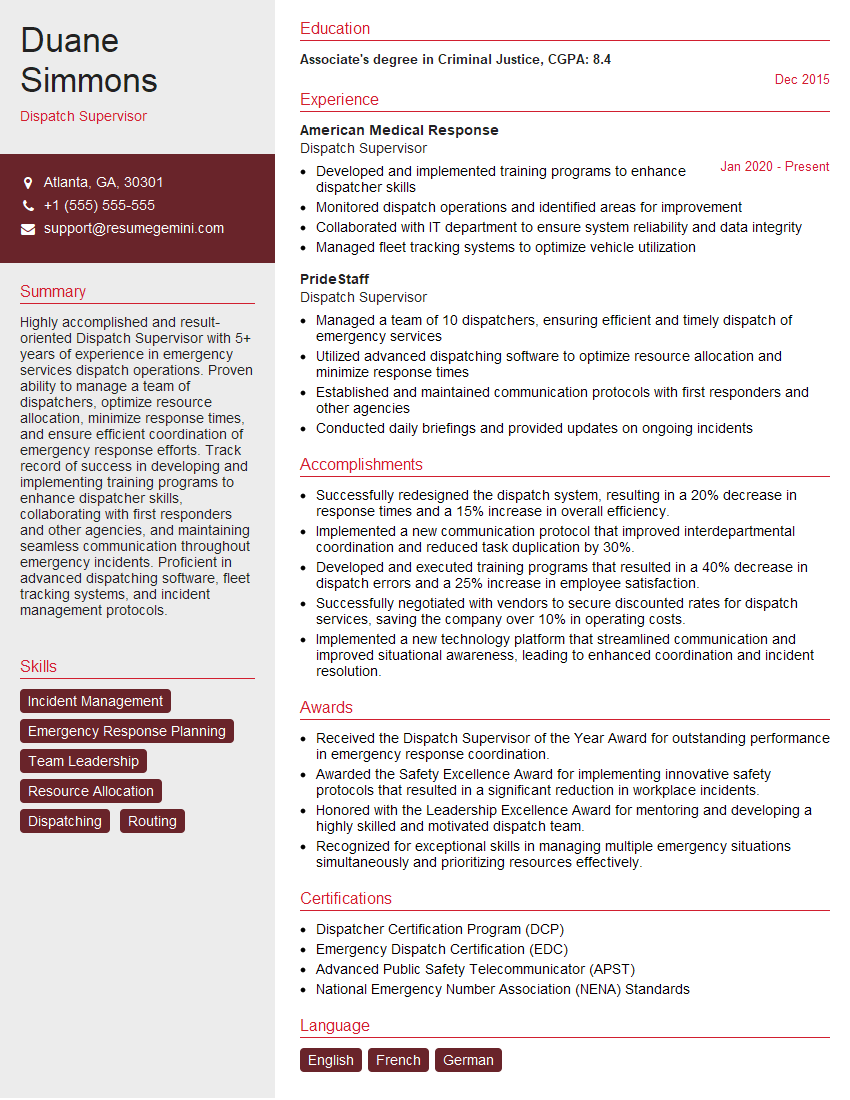
Dispatch Supervisor Resume Sample
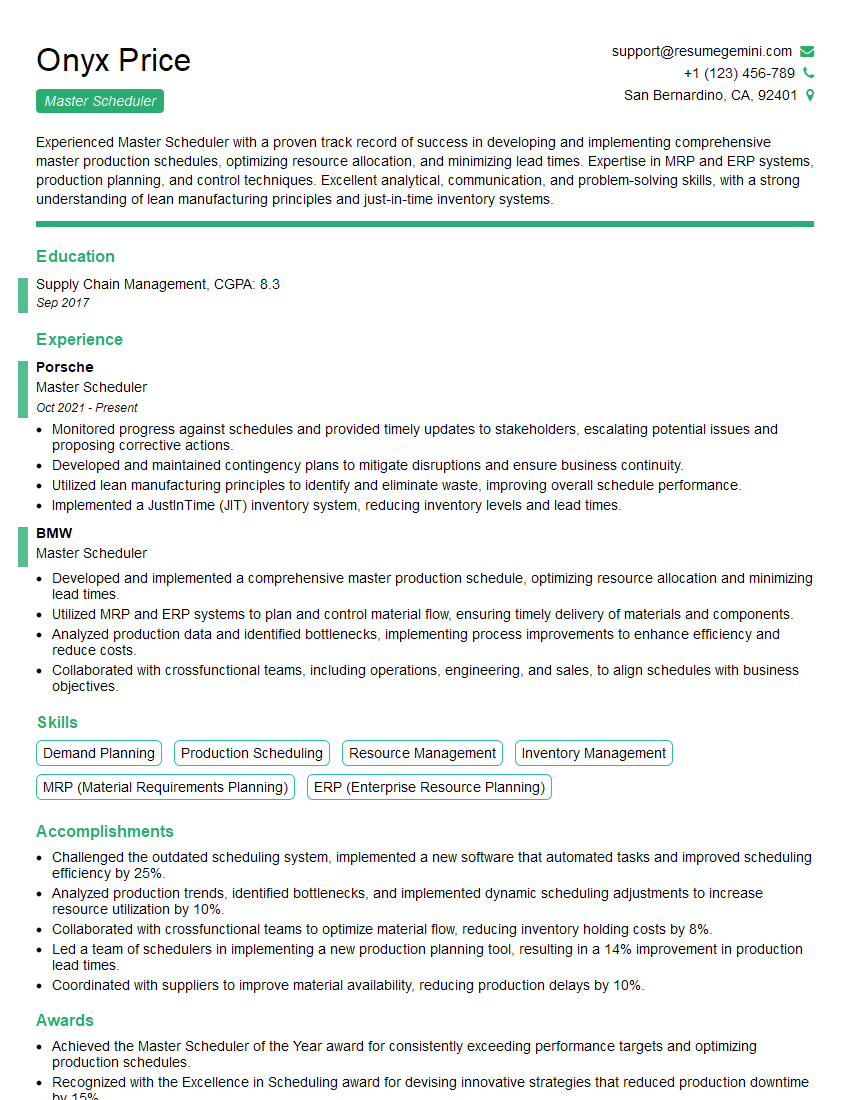
Master Scheduler Resume Sample
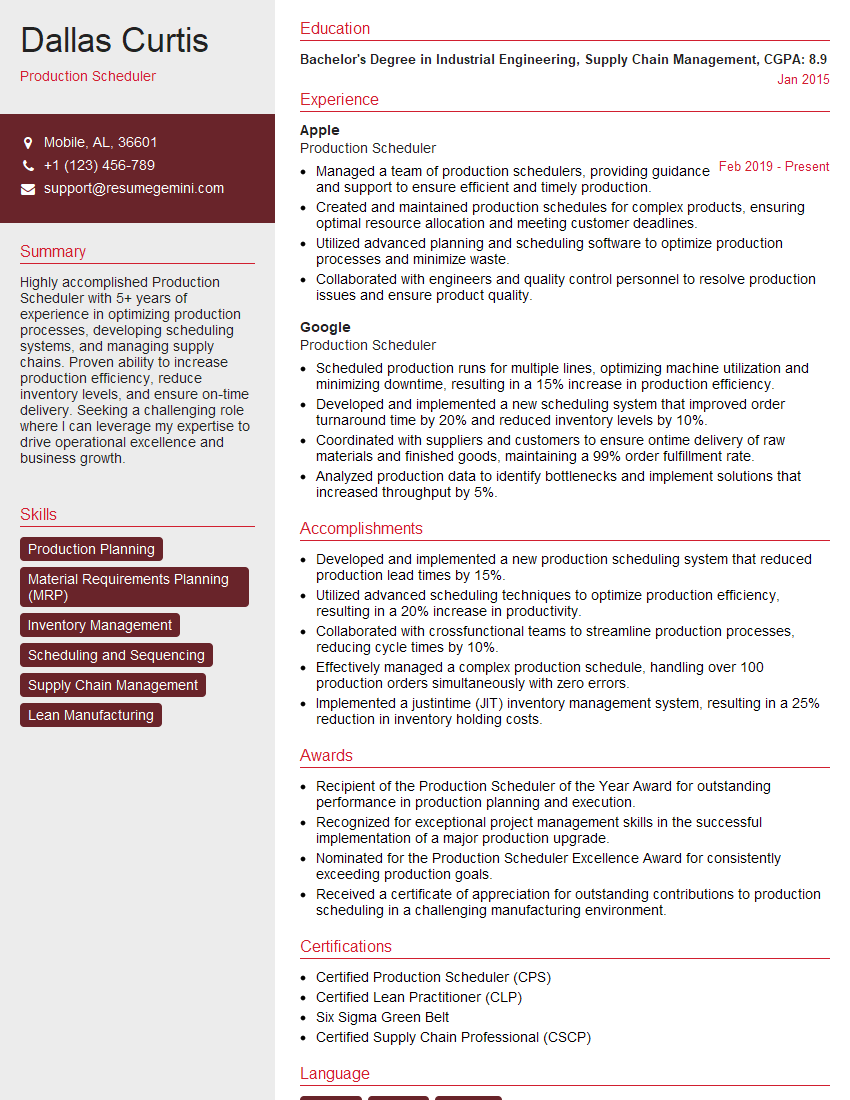
Production Scheduler Resume Sample
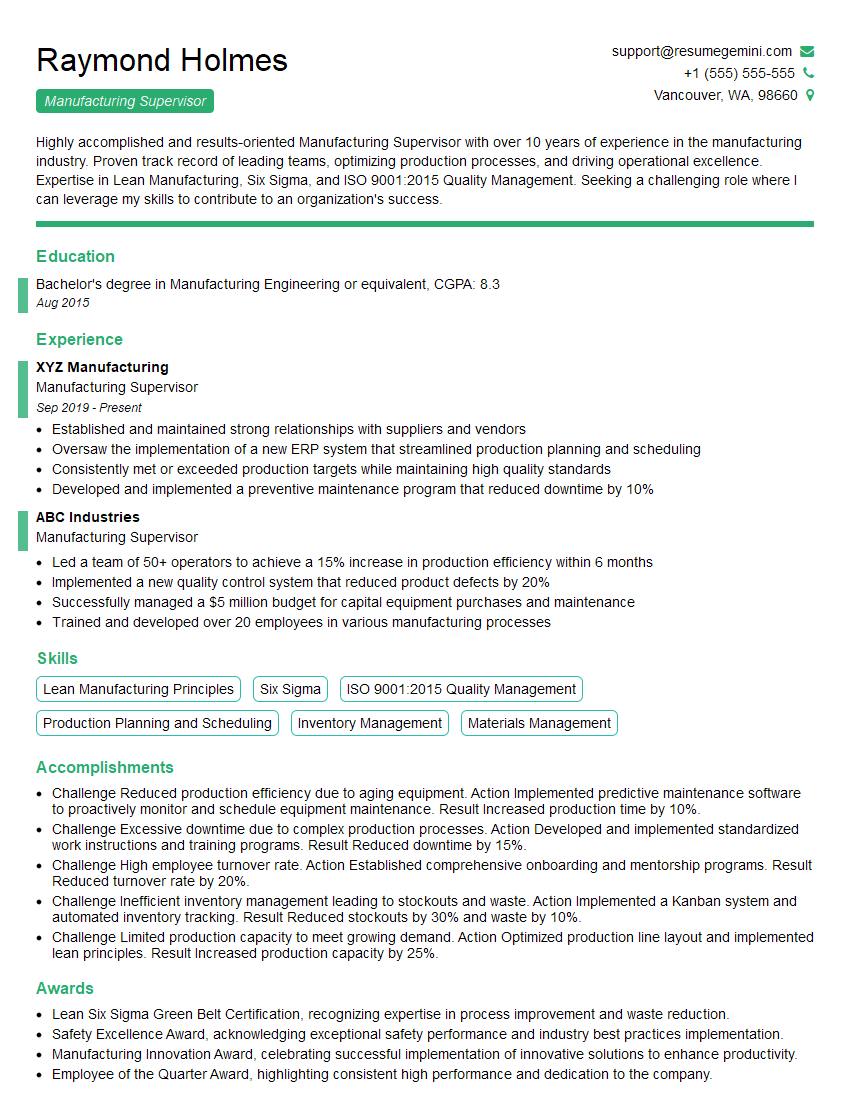
Manufacturing Supervisor Resume Sample
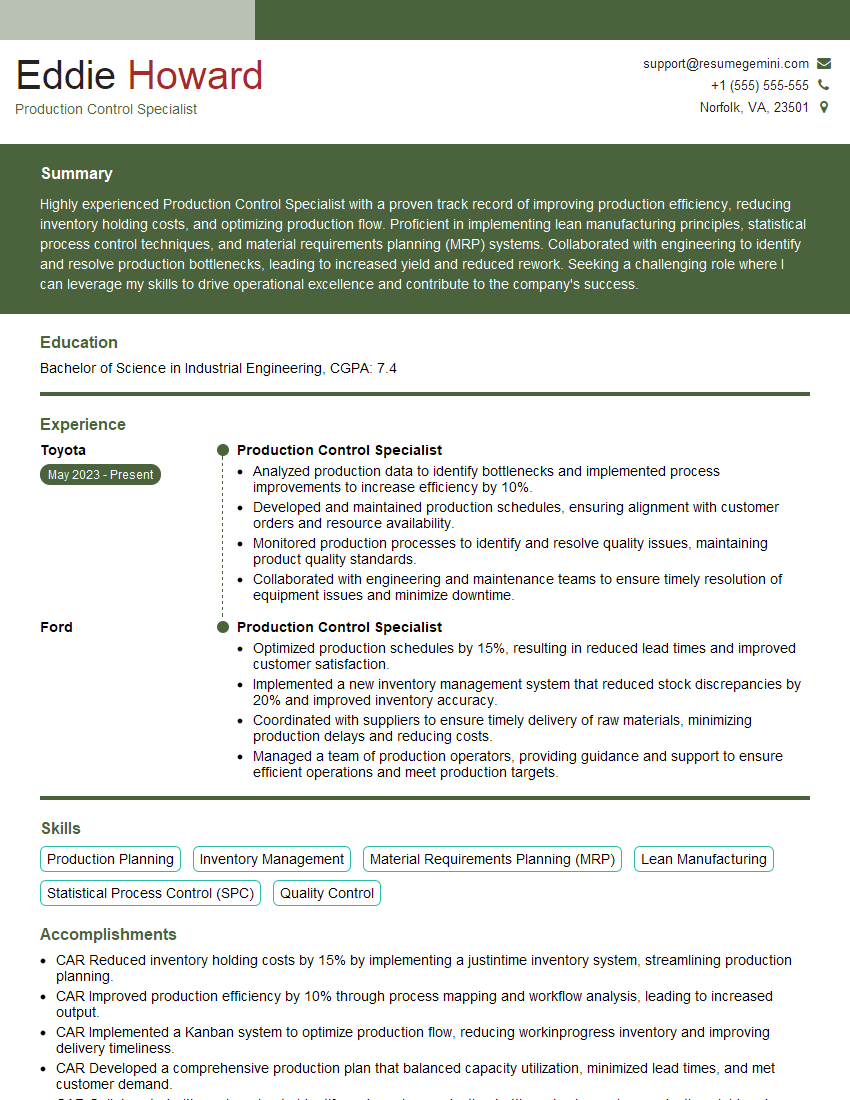
Production Control Specialist Resume Sample
- Operations Manager
- Plant Manager
- Demand Planner
- Quality Control Manager
- Production Supervisor
- Materials Manager
- Supply Chain Manager
- Logistics Manager
- Warehouse Manager
- Production Planner
- Supply Chain Analyst
- Process Engineer
- Operations Analyst
- Manufacturing Engineer
- Inventory Control Manager
- Dispatch Supervisor
- Master Scheduler
- Production Scheduler
- Manufacturing Supervisor
- Production Control Specialist
Explore more articles
Users Rating of Our Blogs
Share Your Experience
We value your feedback! Please rate our content and share your thoughts (optional).
What Readers Say About Our Blog
Very informative content, great job.
good