Preparation is the key to success in any interview. In this post, we’ll explore crucial Ability to lift and move heavy items interview questions and equip you with strategies to craft impactful answers. Whether you’re a beginner or a pro, these tips will elevate your preparation.
Questions Asked in Ability to lift and move heavy items Interview
Q 1. Describe your experience lifting and moving objects weighing over 50 pounds.
Throughout my career, I’ve consistently handled objects exceeding 50 pounds, frequently working with materials in warehousing, logistics, and construction environments. This involved lifting and moving everything from boxes of supplies weighing 75 pounds to industrial equipment exceeding 150 pounds, often requiring teamwork and the use of appropriate lifting aids. For example, in my previous role at Acme Warehouse, I regularly moved pallets of bottled water, each weighing approximately 800 pounds, utilizing a pallet jack efficiently and safely.
I’ve also been involved in lifting and moving heavy furniture (sofas, refrigerators, etc.) during various moving projects and home renovations. These experiences have honed my ability to assess weight, plan lifts, and execute them safely and effectively.
Q 2. What safety measures do you employ when lifting heavy objects?
Safety is paramount when lifting heavy objects. My safety measures always begin with a thorough assessment of the load. I consider factors like weight, shape, stability, and the distance of the lift. Then, I ensure I have adequate space to maneuver, free of obstructions. The correct lifting technique is crucial; this includes maintaining a stable base, bending at the knees, keeping the load close to my body, and lifting smoothly. Where appropriate, I always utilize assistive devices like hand trucks, dollies, or lifting straps.
Crucially, I never hesitate to ask for help if a load is too heavy or presents a safety risk. Teamwork is essential in safely handling heavy objects. If I experience any pain or discomfort during a lift, I immediately stop and reassess the situation.
Q 3. Explain the proper techniques for lifting heavy objects to avoid injury.
Proper lifting technique is essential to avoid injury. Think of it like this: you want to engage your strong leg muscles, not your back.
- Assess the load: Determine the weight and secure a firm grip.
- Position yourself: Stand close to the object with feet shoulder-width apart.
- Bend your knees: Lower your body by bending at the knees and hips, keeping your back straight. Avoid twisting.
- Lift with your legs: Keeping your back straight, lift the object by straightening your legs, not your back.
- Keep it close: Hold the object close to your body to maintain balance and reduce strain.
- Controlled movement: Lift slowly and smoothly, avoiding jerky movements.
- Set down carefully: Reverse the process to set the object down safely.
Practicing these steps consistently reduces the risk of back injuries, strains, and sprains.
Q 4. Have you ever used lifting equipment such as pallet jacks or hand trucks? Describe your experience.
Yes, I am proficient in using lifting equipment such as pallet jacks, hand trucks, and dollies. In my previous warehouse role, pallet jacks were essential for moving heavy pallets of goods. I’m familiar with their safe operation, including proper loading, maneuvering, and securing the load. Hand trucks are also invaluable for transporting heavier, less-uniformly shaped items.
My experience includes using different types of hand trucks, choosing the appropriate tool for the job based on the weight, size, and shape of the load. I understand the importance of maintaining the equipment and reporting any defects or malfunctions.
Q 5. How do you assess the weight of an object before attempting to lift it?
Assessing the weight of an object before lifting involves a combination of visual inspection and, when possible, physical estimation. I look at the size and type of material. For example, a small, dense metal object will weigh more than a large, bulky cardboard box. If possible, I’ll attempt to gently move or lift a corner of the object to get a feel for its weight. In many situations, lifting aids like scales are used to verify weights.
If I’m unsure, I always err on the side of caution and seek assistance or use appropriate lifting equipment. It’s better to be safe than sorry!
Q 6. What are the signs of a potential lifting injury, and how do you respond to them?
Signs of a potential lifting injury can include pain in the back, neck, shoulders, or legs, especially after lifting. Muscle stiffness, limited range of motion, or persistent discomfort are also potential indicators. Other symptoms could include numbness, tingling, or weakness in the extremities.
My response to any of these signs is immediate. I would stop the activity, rest, and assess the pain. If the pain is severe or doesn’t subside, I’d seek medical attention. Early intervention is crucial in preventing minor injuries from becoming long-term problems.
Q 7. Describe a time you had to lift a heavy object in an awkward position. How did you handle it?
During a recent home renovation project, I had to lift a heavy, oddly shaped piece of lumber into place on the attic. It was positioned awkwardly in a tight space with limited access. I couldn’t simply lift it straight up.
To manage this, I first assessed the area for potential hazards, ensuring a secure footing. Then, I used a combination of leverage and careful maneuvering. I wedged it using another piece of wood, then carefully rotated and lifted with the help of my colleague, ensuring a controlled and gradual movement, minimizing the risk of dropping it or causing injury. We communicated constantly to coordinate our efforts, focusing on safety and controlled execution. The teamwork and proper planning ensured the task was completed without incident.
Q 8. What is your understanding of ergonomic principles related to lifting?
Ergonomic principles in lifting focus on minimizing risk of injury by aligning the body’s natural movements with the task. This involves understanding factors like posture, load distribution, and the use of leverage. Poor ergonomics lead to muscle strain, back pain, and other musculoskeletal disorders (MSDs). Key elements include maintaining a neutral spine (avoiding excessive bending or twisting), keeping the load close to the body, bending at the knees and hips instead of the waist, and using leg muscles to lift rather than relying solely on back muscles. Think of it like this: imagine trying to lift a heavy box by only using your back – it’s much more likely to cause injury than if you use your legs and keep your back straight.
- Neutral Spine: Maintaining the natural curves of your spine throughout the lift prevents undue stress on vertebrae and surrounding muscles.
- Load Proximity: Keeping the object close to your body reduces strain on your back and improves balance.
- Leg Power: Utilizing leg and core muscles for the primary lifting force conserves energy and reduces back stress. Think of it like a squat – it leverages powerful muscle groups.
Q 9. How do you prioritize safety when working with a team to move heavy items?
Teamwork is crucial for safe heavy lifting. Prioritization starts with a thorough risk assessment: identifying the weight, dimensions, and potential obstacles. We’d then select the right number of people for the job, ensuring everyone understands their role and the plan. Clear communication is paramount – using hand signals and verbal cues to coordinate movements, especially during lifting and maneuvering. We’d emphasize maintaining a steady pace, avoiding sudden movements or jerking, and taking breaks if needed. One person will typically direct the lift, ensuring everyone is synchronized and lifting with proper form. Before lifting, the path should be cleared of obstacles and the destination assessed to ensure a smooth and injury-free move.
- Clear Communication: Verbal cues and hand signals are essential for coordinated lifting.
- Proper Technique: Everyone involved must use proper lifting techniques.
- Risk Assessment: Understanding the weight, size, and challenges of the load beforehand.
Q 10. What is your maximum lifting capacity?
My maximum lifting capacity is 50 lbs (23 kg) without mechanical assistance. However, this is a guideline and depends on various factors such as the object’s size, shape, and distance of the carry, as well as the environment. I would always err on the side of caution and seek assistance for heavier loads or challenging conditions. My actual lifting capacity may be lower depending on these variables.
Q 11. Explain the importance of using proper body mechanics while lifting.
Proper body mechanics are fundamental to safe lifting. They minimize strain on muscles, joints, and ligaments by engaging the strongest muscle groups and using leverage efficiently. Improper body mechanics frequently lead to injuries like back pain, muscle sprains, and hernias. By utilizing leg and core strength, maintaining a stable posture, and keeping the load close, the body efficiently distributes the weight, reducing stress on any single area. Imagine trying to lift a heavy suitcase by bending over at the waist – you’re putting all the stress on your lower back. But if you bend your knees, keep your back straight, and use your leg muscles, the lift becomes significantly easier and safer.
Q 12. Describe your experience with different lifting techniques, such as power lifts or squats.
My experience encompasses various lifting techniques, including power lifts (like deadlifts and squats) and other methods adapted to specific tasks. Power lifting techniques are invaluable for heavier items, distributing the load effectively across multiple muscle groups. For example, a deadlift distributes the weight across the legs and core, minimizing back strain, but requires proper form and training. Other techniques might involve using a shoulder lift for lighter, manageable objects or a two-person lift for extremely heavy items. My experience has emphasized adapting the lift to the object and the environment, prioritizing safety above all else. I understand the nuances of each technique and when each is appropriate.
Q 13. What steps do you take to ensure the stability of a heavy object during movement?
Ensuring stability during movement requires a multifaceted approach. First, a firm grip is essential—using both hands and securing the object as close as possible to the center of gravity. Moving the object slowly and steadily, keeping a balanced stance, is critical to avoid sudden movements that could destabilize the load. Adjusting foot placement to maintain balance and using teamwork to stabilize the object is essential, especially on uneven terrain or with awkward shapes. For particularly large or irregular objects, we may use straps or other securing devices to reinforce stability during transit.
Q 14. Have you worked with any specific lifting equipment? If so, describe your experience and training.
Yes, I have experience with various lifting equipment, including pallet jacks, hand trucks, and forklifts. My training with these tools covers both safe operation and maintenance. Pallet jacks are excellent for moving heavy pallets, while hand trucks facilitate moving bulky items. Forklifts, though requiring specialized licensing, drastically increase lifting capacity and efficiency, but demand meticulous training to ensure safety. My training in each case has emphasized safety protocols, pre-use inspections, and understanding the limitations of each piece of equipment. This includes understanding weight capacities, safe operating procedures, and emergency protocols.
Q 15. How do you communicate lifting needs and concerns to your supervisor or team?
Communicating lifting needs and concerns is crucial for safety. I always proactively inform my supervisor or team before attempting a lift if I have any doubts about my ability to handle the weight safely, or if the object’s size, shape, or packaging presents challenges. This includes specifying the weight, dimensions, and any potential hazards. I’d use clear, concise language, avoiding jargon. For example, I might say, “I’m concerned about lifting this 150-pound crate alone due to its awkward shape and the uneven floor; could we use a pallet jack?” or “This box seems heavier than indicated on the label; could we have a weight check before moving it?” I believe in open communication – preventing accidents is a team effort.
I also document any concerns or near misses to facilitate ongoing improvement of safety practices and ensure appropriate training. This can involve submitting incident reports or feedback forms highlighting areas where additional resources or safer equipment might be needed.
Career Expert Tips:
- Ace those interviews! Prepare effectively by reviewing the Top 50 Most Common Interview Questions on ResumeGemini.
- Navigate your job search with confidence! Explore a wide range of Career Tips on ResumeGemini. Learn about common challenges and recommendations to overcome them.
- Craft the perfect resume! Master the Art of Resume Writing with ResumeGemini’s guide. Showcase your unique qualifications and achievements effectively.
- Don’t miss out on holiday savings! Build your dream resume with ResumeGemini’s ATS optimized templates.
Q 16. How do you handle unexpected weight distribution issues when lifting?
Unexpected weight distribution can be dangerous. My immediate response is to stop the lift immediately and reassess the situation. I’d carefully examine the object to identify the source of the imbalance – perhaps an object inside shifted during transportation. If possible, I’d try to redistribute the weight to improve balance. If this isn’t feasible, I would seek assistance from colleagues or request appropriate lifting equipment, such as a hand truck or forklift. Safety is paramount – it’s better to take extra time and seek help than risk injury.
For example, if I’m lifting a box of books and feel a sudden shift in weight, I’d set it down immediately, check for loose items, and potentially repack it before attempting another lift. If the imbalance is due to the box itself being damaged, I’d flag it as unsafe for handling and notify my supervisor.
Q 17. How do you adapt your lifting techniques based on the environment (e.g., uneven surfaces)?
Adapting to different environments is essential for safe lifting. On uneven surfaces, I widen my stance for better stability. I always test the ground for firmness before committing to the lift, making sure I have a solid, level footing. I’ll also lower my center of gravity by bending my knees and keeping my back straight. This reduces the strain on my back and improves overall balance. If the surface is too unstable, I’ll use lifting aids like ramps or dollies to minimize the risk of slips or falls. I never lift heavy objects on unstable or compromised surfaces without the proper equipment and support.
Imagine lifting a heavy piece of equipment on a muddy slope. Instead of directly lifting it, I would first assess the slope, perhaps using planks to create a stable path. This ensures a controlled and safe lifting process.
Q 18. Describe a situation where you had to improvise a lifting solution due to equipment limitations.
In one instance, we needed to move a large, heavy piece of machinery but lacked the appropriate forklift. The machinery was too heavy to lift manually. We improvised by using a system of sturdy planks, heavy-duty straps, and a small hand winch, creating a makeshift ramp and pulley system to carefully lower the machinery onto a low-bed trailer. We worked as a team, taking our time and ensuring every step was safe and controlled. This required careful planning and consideration to ensure no one was at risk throughout the entire process. We also documented this solution, in case it might be helpful for future similar situations.
Q 19. What are the potential risks associated with improper lifting techniques?
Improper lifting techniques carry significant risks. The most common injuries include:
- Back injuries: Straining or tearing muscles, ligaments, and discs in the back are incredibly common due to improper lifting posture.
- Sprains and strains: These affect muscles and ligaments in the shoulders, arms, legs, and other parts of the body.
- Hernias: Improper lifting can put pressure on the abdominal muscles, potentially causing a hernia.
- Fractures: In severe cases, improper lifting can lead to bone fractures.
- Crushing injuries: If the load slips or falls, crushing injuries can occur.
These injuries can lead to long-term pain, disability, and lost work time. Proper training and technique are crucial for preventing these injuries.
Q 20. How familiar are you with workplace safety regulations concerning heavy lifting?
I am very familiar with workplace safety regulations concerning heavy lifting. I understand the importance of adhering to guidelines established by OSHA (or the relevant governing body in your location) and company policies. This includes understanding weight limits, proper lifting techniques, the use of personal protective equipment (PPE), and the importance of reporting all injuries and near misses. I am also trained in the use of various lifting aids, and I understand the importance of risk assessments before undertaking any heavy lifting task.
I am comfortable reviewing and adhering to relevant safety data sheets (SDS) concerning the materials being handled.
Q 21. How would you handle a situation where a heavy object is improperly secured or packaged?
If a heavy object is improperly secured or packaged, I would not attempt to lift it. My first step would be to report the issue immediately to my supervisor. Improper packaging increases the risk of the object shifting during lifting, leading to injury or damage. I would clearly explain the situation, highlighting the potential hazards. I might take pictures or videos to document the issue for further investigation. The object should be correctly secured or repackaged before any lifting attempt is made. Safety is non-negotiable; if there is a doubt about safe handling, the object shouldn’t be moved until addressed appropriately.
Q 22. What is your experience with assessing the stability of objects before moving them?
Assessing the stability of an object before moving it is crucial for preventing accidents. It involves a visual inspection and, sometimes, a hands-on assessment. I start by looking for any obvious damage, like cracks or weak points in the structure. I’ll check the object’s center of gravity – is it balanced or likely to tip? I also consider the surface it’s resting on; is it level and strong enough to support the weight? For example, before moving a stack of heavy boxes, I’d check that the boxes are stacked evenly, the bottom layer is stable, and the floor is strong enough to bear the combined weight. If there’s any doubt, I’d use additional support, like placing a sturdy pallet underneath, or securing the load with straps.
For irregularly shaped objects, I would carefully examine all sides to look for points of potential instability. Think of moving an oddly shaped piece of antique furniture – I might need to use padding to protect vulnerable areas and possibly additional support to prevent it from tilting during movement. Ultimately, safety comes first. If I have any reservations about an object’s stability, I won’t move it until I’m certain it’s safe to do so, or I’ll consult with a supervisor or colleague for assistance.
Q 23. How do you plan your lifting strategy for large or unusually shaped objects?
Planning a lifting strategy for large or unusually shaped objects requires a methodical approach. First, I assess the object’s weight and dimensions, noting any awkward shapes or weak points. I’ll then determine the best path for moving it, considering obstacles like doorways, corners, or stairs. This often involves mapping out a route beforehand, much like planning a complex delivery route. I’ll identify any potential hazards along the way, and I’ll always consider the best way to maintain balance and avoid twisting or straining my back.
For particularly challenging objects, I would involve additional personnel to assist. Teamwork is essential. We’d coordinate our movements precisely, using hand signals and clear communication to avoid collisions or injuries. Appropriate equipment, like dollies, pallet jacks, or lifting straps, would be selected to aid in the lifting process. Imagine moving a large refrigerator – we’d use a dolly to distribute the weight and carefully navigate it through the doorway, taking turns guiding it to prevent it from tipping or falling.
Q 24. How would you prevent injuries while lifting repeatedly throughout the workday?
Preventing injuries during repetitive lifting is crucial. The key is to maintain proper lifting techniques throughout the day. This includes keeping my back straight, bending at the knees, and using my leg muscles to lift, not my back. I would also prioritize taking regular breaks to allow my muscles to rest and recover. Frequent short breaks are far more effective than one long break. These breaks are not just for resting, I’d take the opportunity to perform stretching exercises to maintain flexibility and mobility, preventing muscle strain and stiffness.
Maintaining proper hydration and nutrition also plays a vital role. Dehydration and lack of energy can significantly increase the risk of injury. Knowing my physical limitations and not pushing myself beyond my capabilities is also crucial. If I’m feeling pain or fatigue, I would immediately stop, report it, and seek assistance. Safety is paramount; better to take a break and ensure a safe lifting strategy rather than risk injury.
Q 25. Describe your experience with using lifting straps or other assistive devices.
I have extensive experience using lifting straps and other assistive devices. Lifting straps, for example, are incredibly helpful for distributing the weight of heavy objects evenly and providing a secure grip. They are particularly useful for objects with awkward shapes or those that are too heavy to lift comfortably by hand. Proper use of lifting straps is key; they must be properly secured to the load to prevent slippage. I’ve used them countless times when moving large pieces of equipment, heavy furniture, or bulky materials, ensuring the load is stable and balanced before lifting.
Other assistive devices I’ve used include pallet jacks, hand trucks, and dollies. The choice of device depends on the object’s size, weight, and shape, as well as the environment. For example, a hand truck is ideal for moving long, heavy items, while a dolly is better suited for larger, bulky items. Knowing when and how to use these tools is fundamental to safe and efficient handling of heavy loads. Before using any equipment, I always ensure it’s in good working order and I’m familiar with its safe operating procedures.
Q 26. What is your understanding of weight limits and load capacity?
Understanding weight limits and load capacity is non-negotiable. Every piece of equipment, and even our own bodies, have limitations. I’m always aware of my personal lifting limits, adhering to company guidelines and safety regulations. This often involves checking the weight of objects using scales or weight estimates, and comparing that to the load capacity of any equipment or team members involved in the lift. This is not just about preventing injuries; it’s also about preventing damage to equipment and the surrounding environment.
For example, if a hand truck has a weight limit of 500 pounds, and the object weighs 600 pounds, I wouldn’t attempt to move it with the hand truck alone. I’d find an alternative method or obtain additional assistance. This understanding extends to things like floor load capacities in buildings. I am familiar with the weight limits in our facility to ensure we do not exceed those values with our materials, preventing damage to infrastructure. This proactive approach is essential for preventing costly accidents and injuries.
Q 27. How do you react to a lifting emergency?
My immediate reaction to a lifting emergency would be to assess the situation and prioritize safety. If someone is injured, I’d immediately call for medical assistance and follow established emergency procedures. If an object has fallen or is unstable, I’d clear the area to prevent further injuries. This would involve warning others in the vicinity and ensuring the area is secure.
Depending on the nature of the emergency, I’d take appropriate actions – this could involve stabilizing a fallen object, securing a load that is tipping over, or evacuating the immediate area. After the immediate danger has passed, I’d gather information about the incident, such as the cause of the accident, the extent of any injuries, and any damage to property. This information is crucial for incident reports and for improving safety procedures in the future.
Q 28. How do you maintain proper posture and balance while lifting heavy objects?
Maintaining proper posture and balance is paramount. I always keep my back straight and avoid twisting my torso while lifting. I bend at the knees and hips to lower myself to the object, using my leg muscles to lift the load. I keep the object close to my body, distributing the weight evenly. Imagine trying to lift a heavy suitcase – keeping it close to you, right against your body, makes the lift much easier and safer than holding it out at arm’s length.
Maintaining a stable base of support is essential. I always keep my feet shoulder-width apart and maintain a firm grip on the object. If I’m moving the object over any distance, I would take small, deliberate steps. For particularly heavy or awkward loads, I would work with a team and utilize appropriate lifting techniques and equipment. Regular stretching and maintaining good physical condition are crucial for preventing fatigue and injury.
Key Topics to Learn for Ability to Lift and Move Heavy Items Interview
- Understanding Lifting Techniques: Learn proper lifting mechanics, including posture, foot placement, and the use of legs for lifting, minimizing strain and risk of injury.
- Equipment Usage and Safety: Familiarize yourself with the safe operation of relevant equipment such as hand trucks, dollies, and lifting aids. Understand their limitations and proper use.
- Assessing Weight and Load Distribution: Practice evaluating the weight of objects and distributing the load evenly to prevent strain and maintain balance.
- Teamwork and Communication: Understand the importance of clear communication and collaboration when lifting heavy items with others. Discuss safe signaling and coordination techniques.
- Workplace Safety Regulations: Become familiar with relevant safety regulations and guidelines related to manual handling of heavy items and workplace safety procedures.
- Ergonomics and Injury Prevention: Learn about ergonomic principles and how to apply them to minimize risk of musculoskeletal injuries while lifting and moving heavy objects. This includes understanding common injury types and preventative measures.
- Adaptability to Different Lifting Scenarios: Discuss your ability to adapt your lifting techniques to various situations, such as awkward angles, uneven surfaces, and varying weights.
Next Steps
Mastering the ability to lift and move heavy items safely and efficiently is crucial for many roles, demonstrating your commitment to workplace safety and productivity. This skill significantly enhances your employability and opens doors to a wider range of opportunities. To maximize your job prospects, creating a strong, ATS-friendly resume is vital. ResumeGemini can help you build a professional and impactful resume that highlights your skills and experience effectively. We offer examples of resumes tailored to highlight expertise in handling and moving heavy items, providing you with a solid foundation to build upon. Take the next step towards a successful job search today.
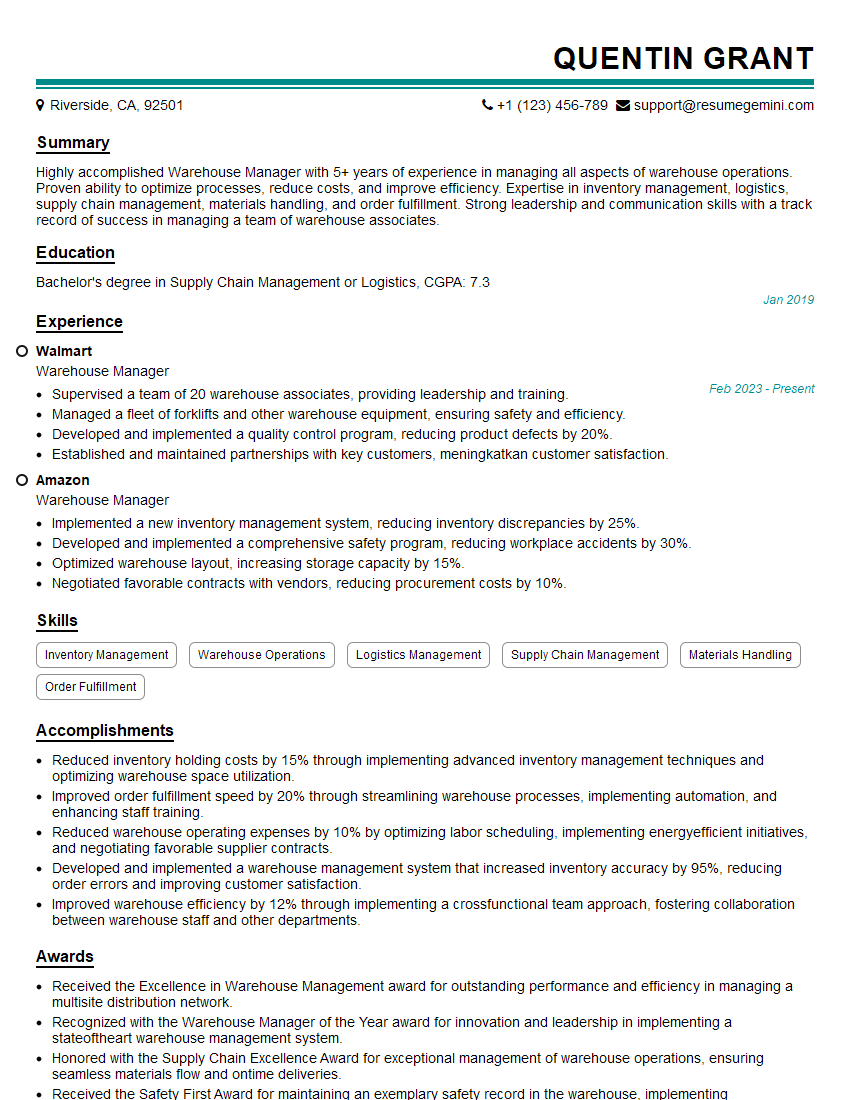
Warehouse Manager Resume Sample
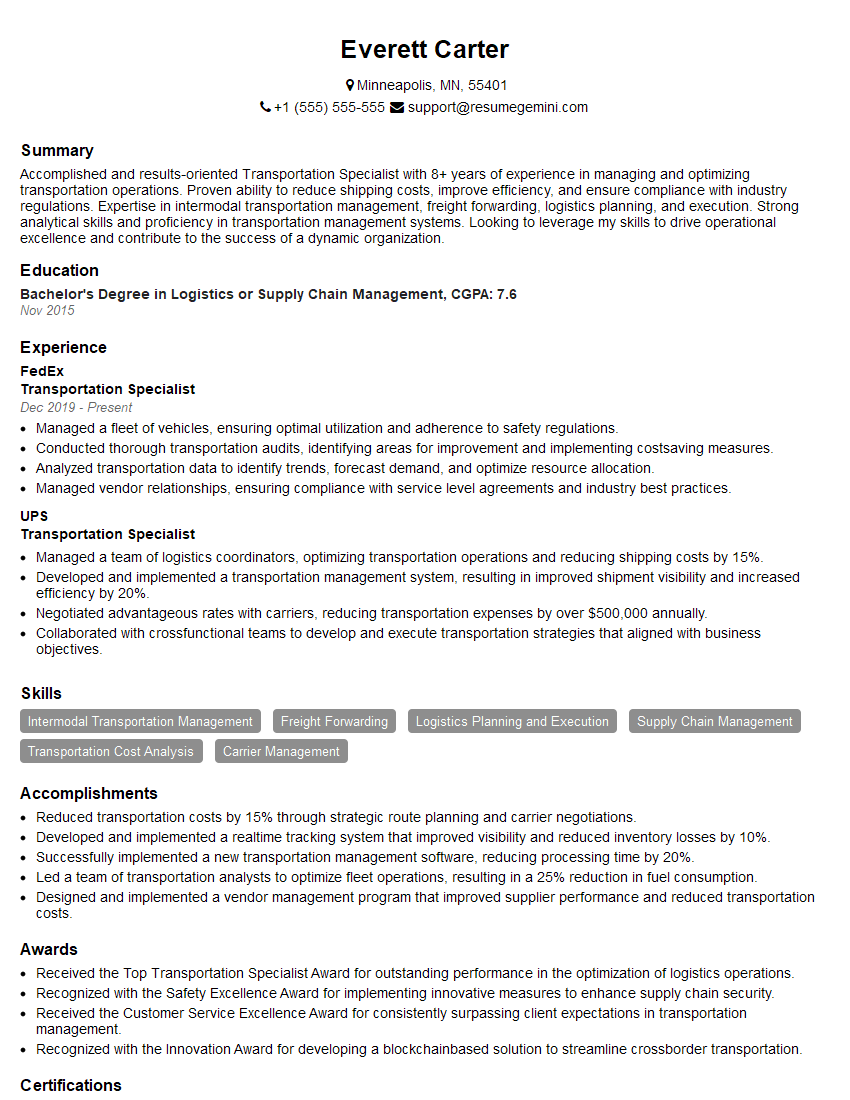
Transportation Specialist Resume Sample
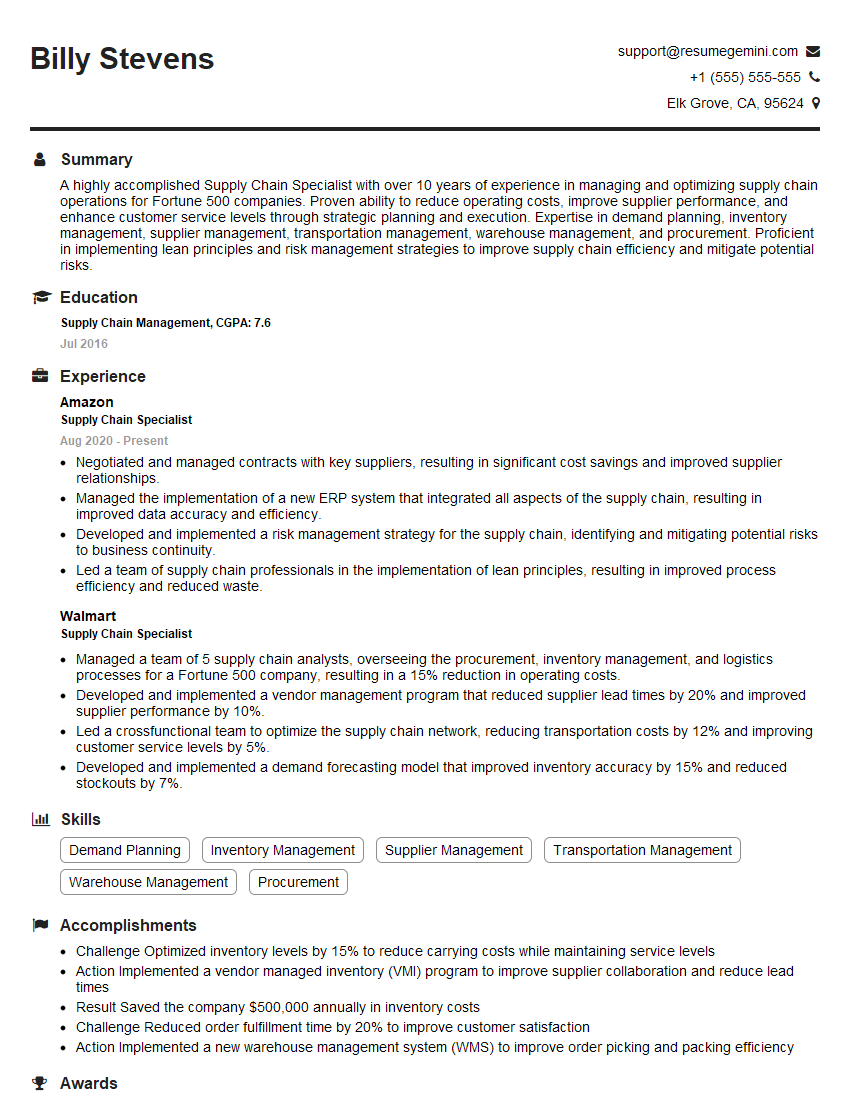
Supply Chain Specialist Resume Sample

Crane Operator Resume Sample
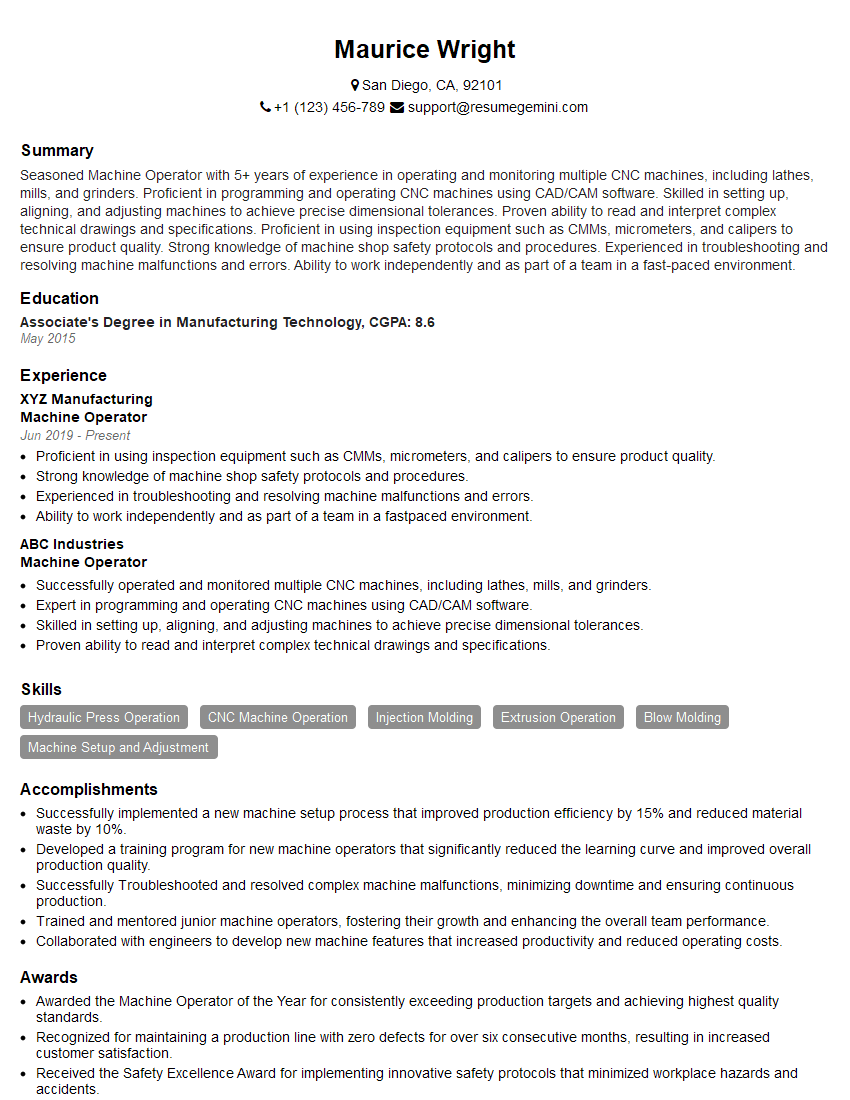
Machine Operator Resume Sample
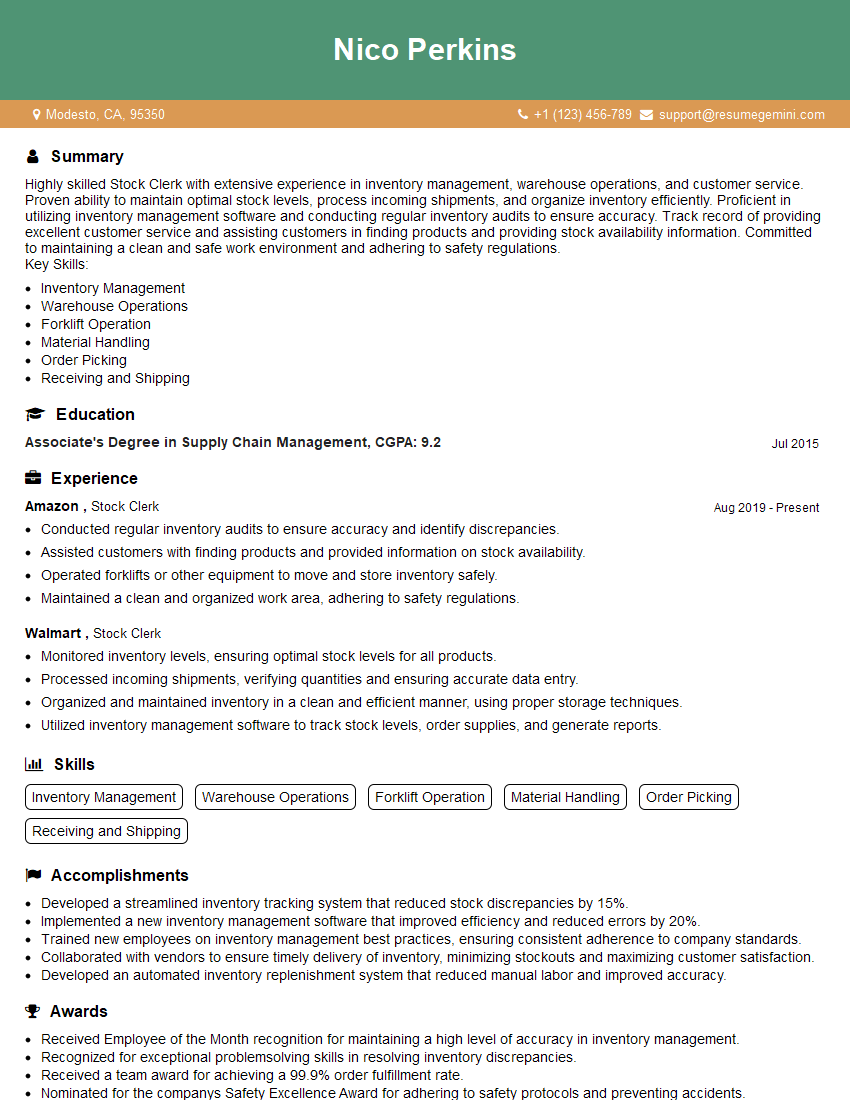
Stock Clerk Resume Sample
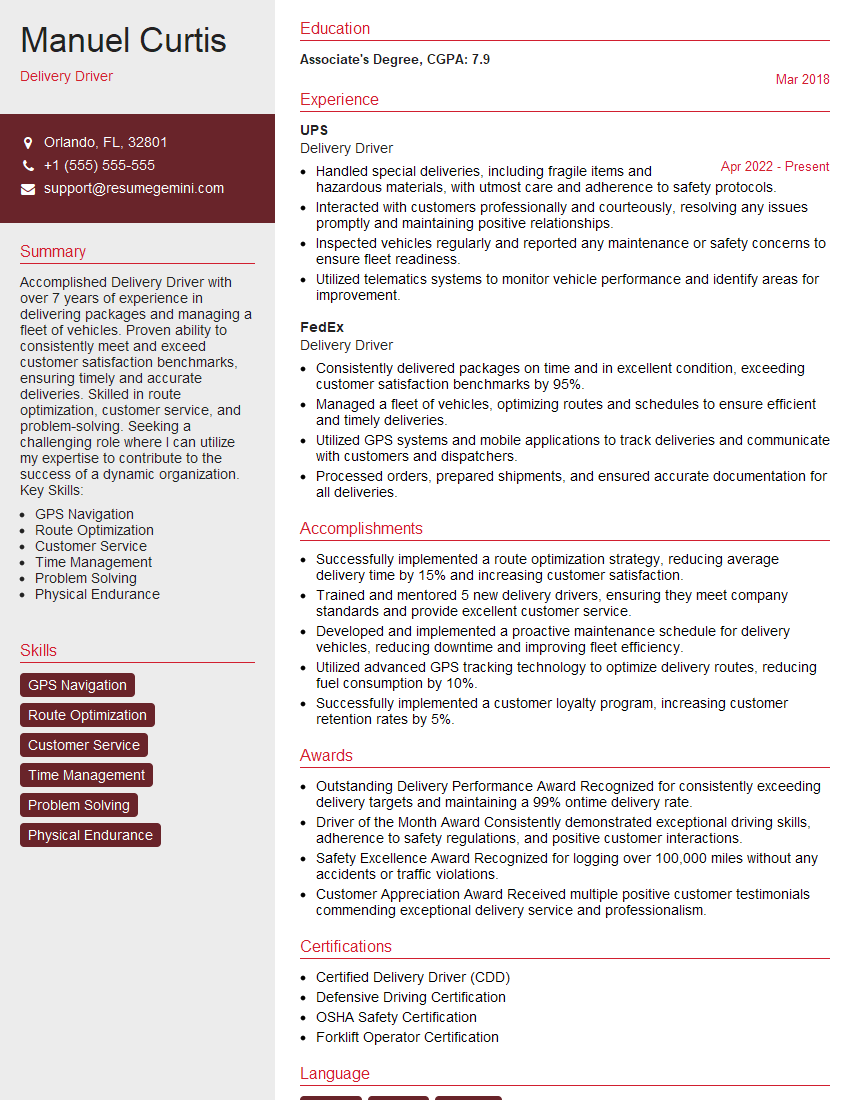
Delivery Driver Resume Sample

Shipping and Receiving Clerk Resume Sample
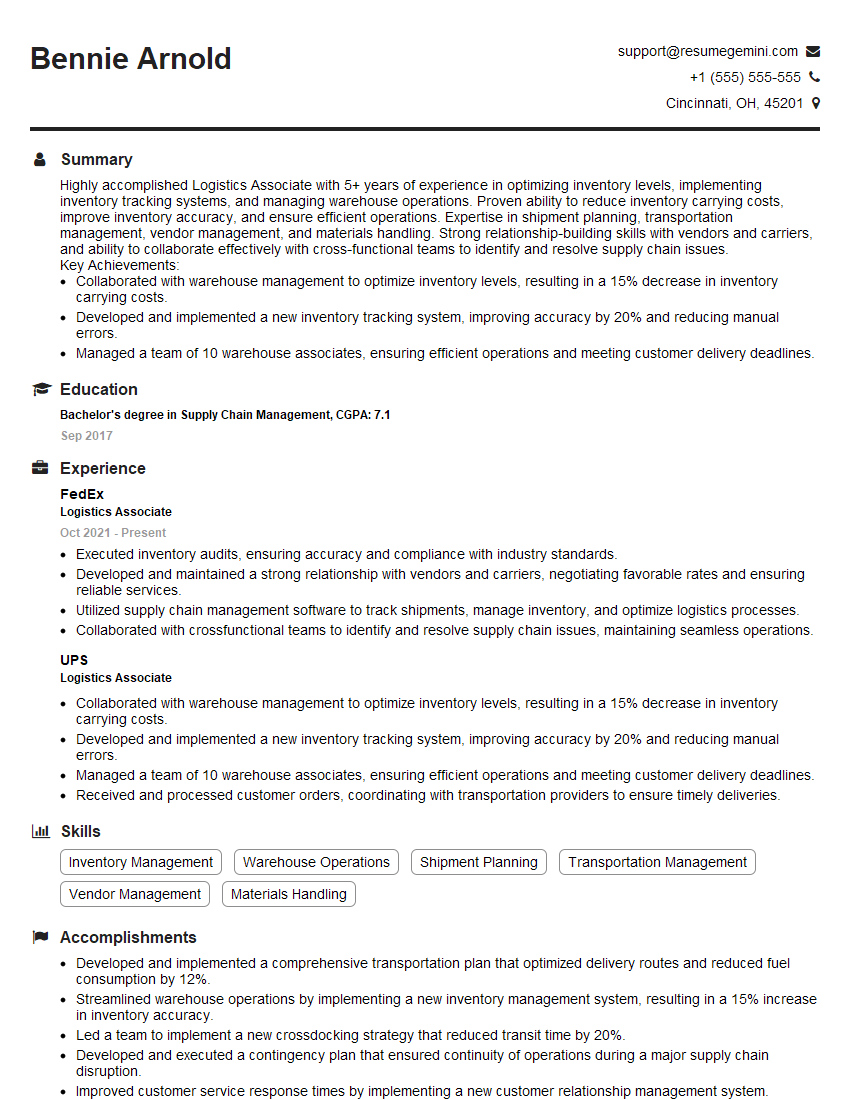
Logistics Associate Resume Sample
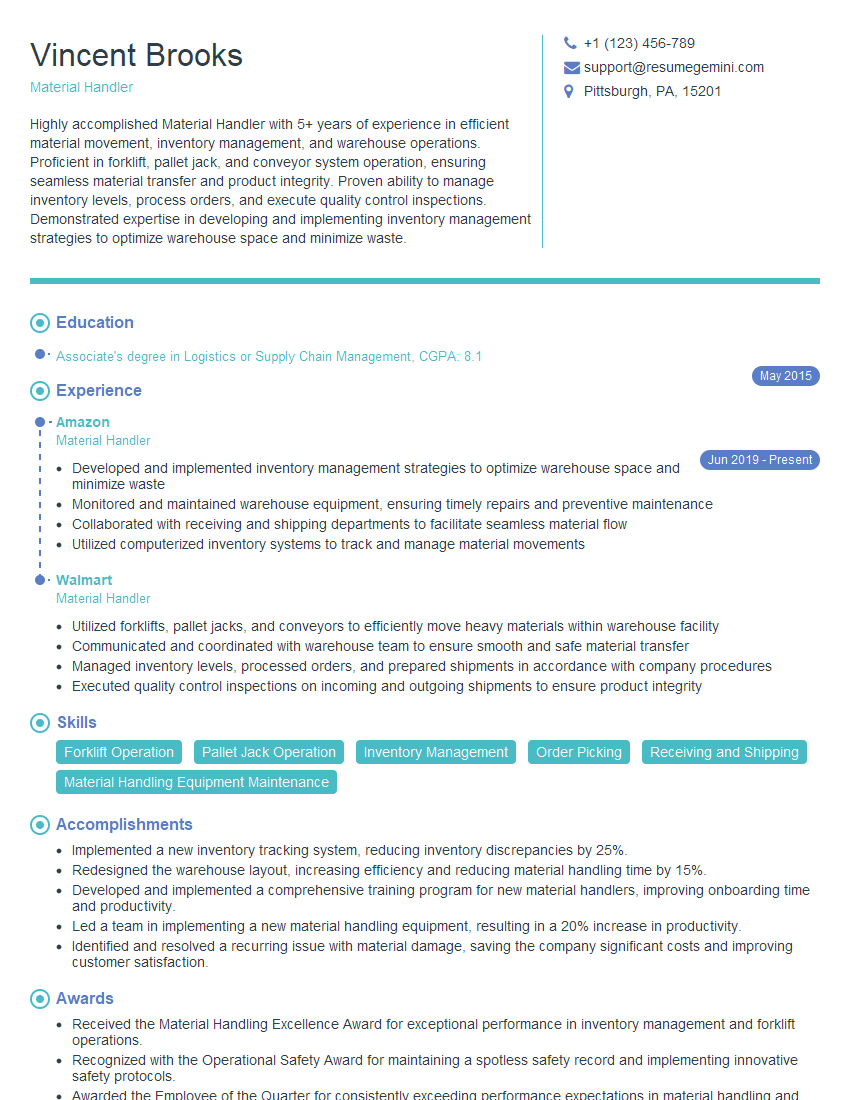
Material Handler Resume Sample
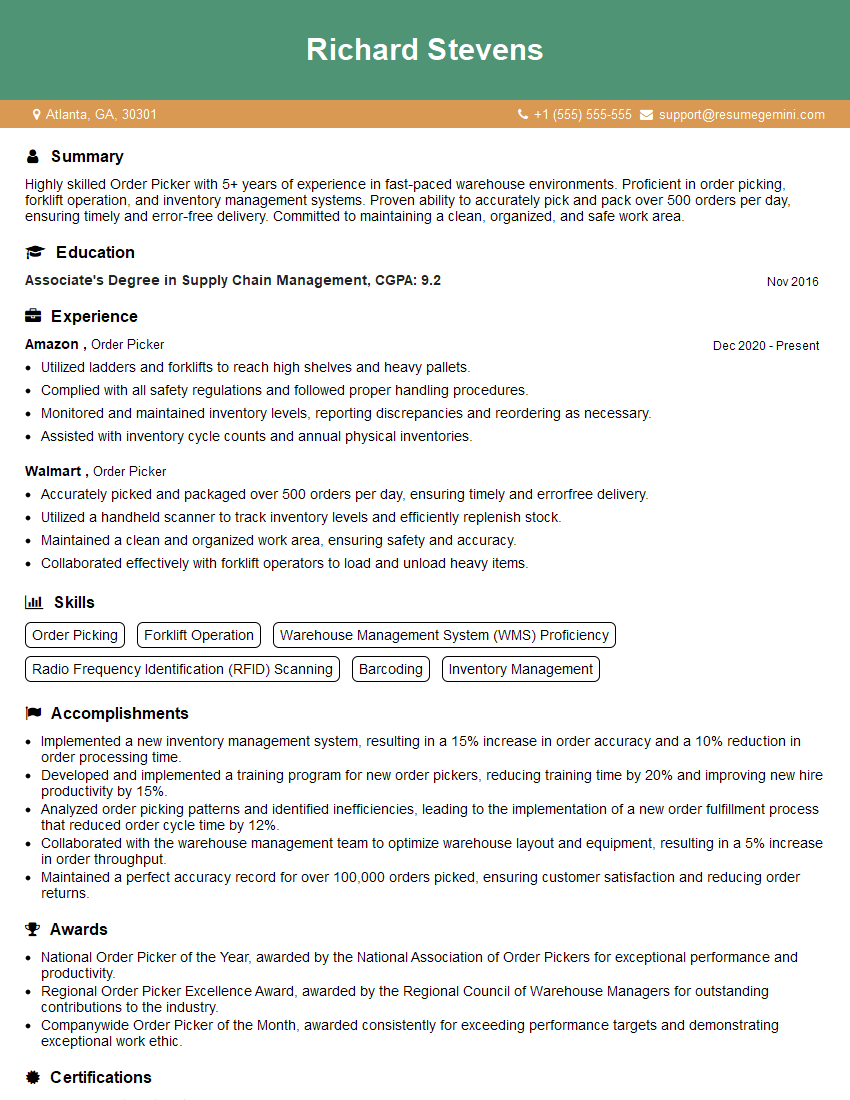
Order Picker Resume Sample
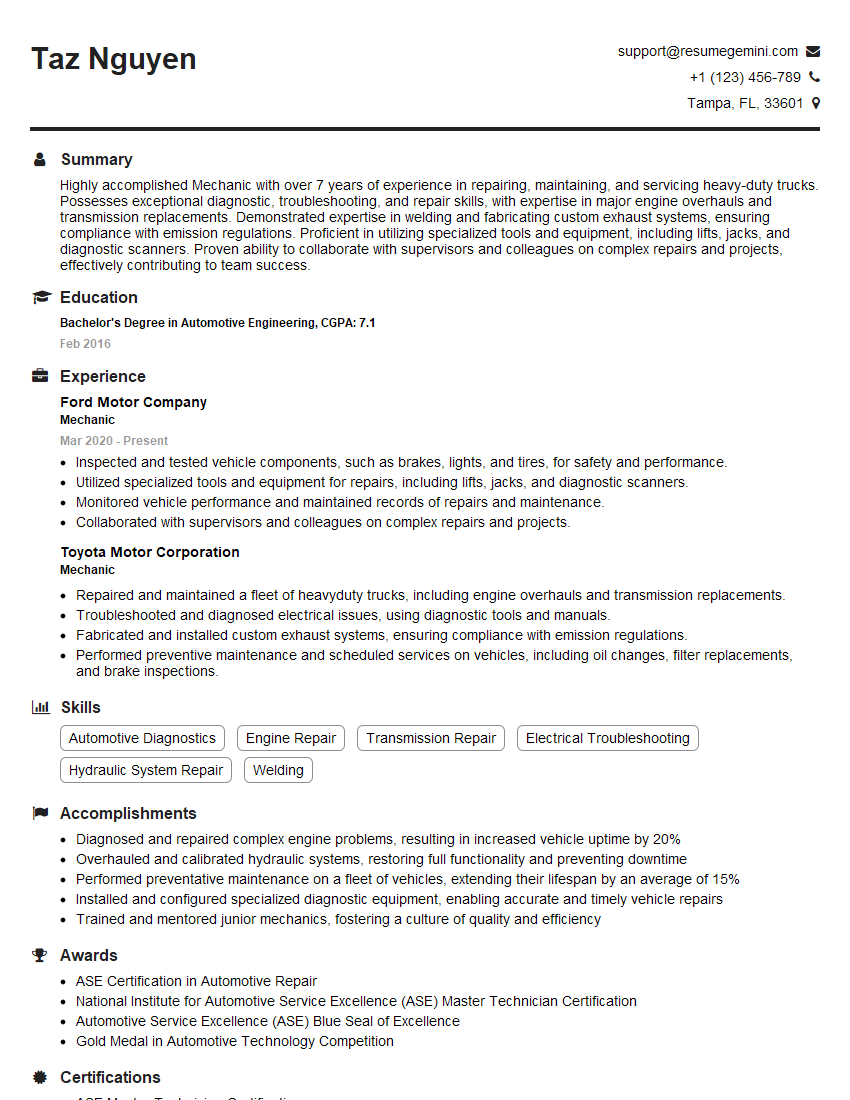
Mechanic Resume Sample
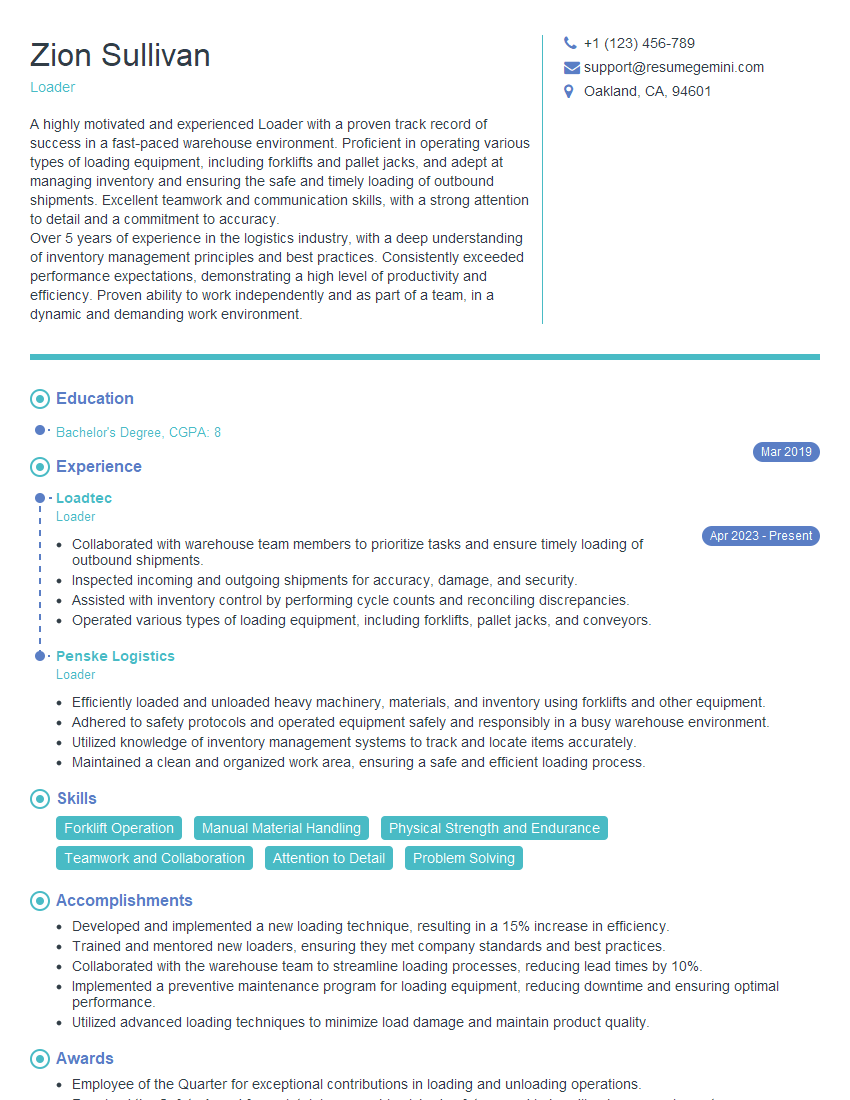
Loader Resume Sample
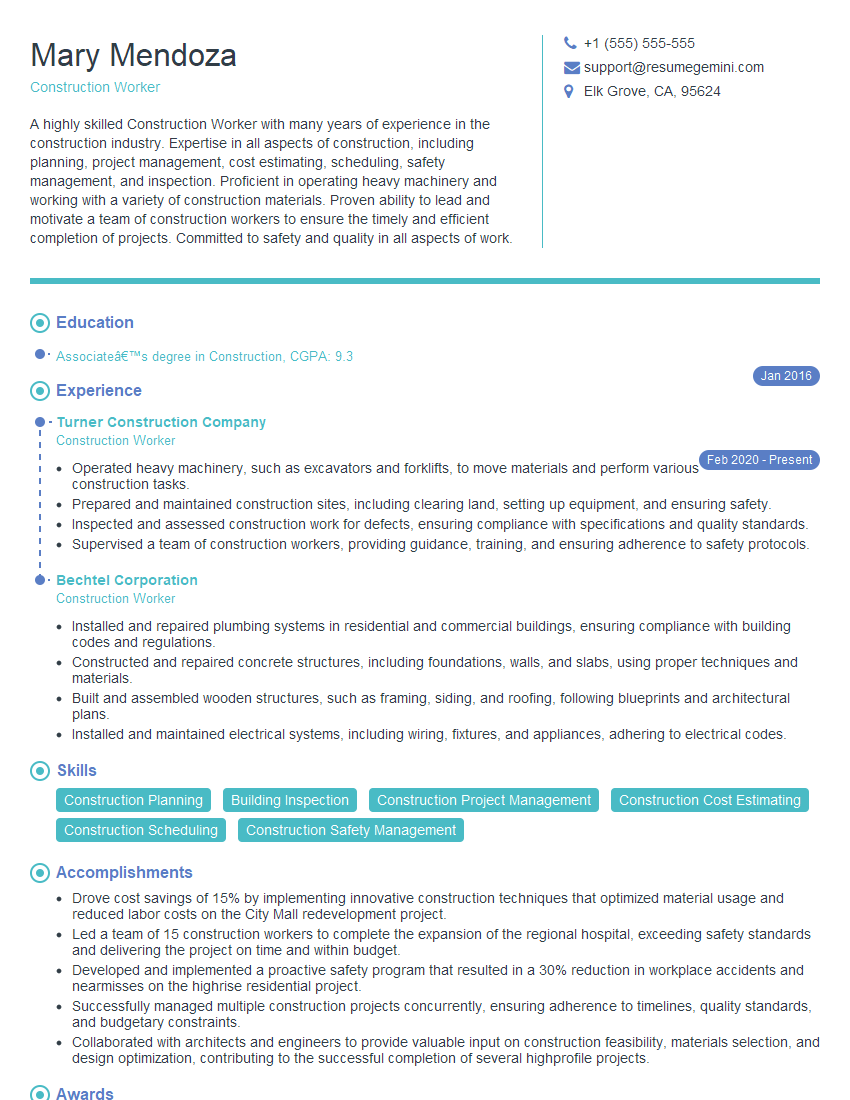
Construction Worker Resume Sample
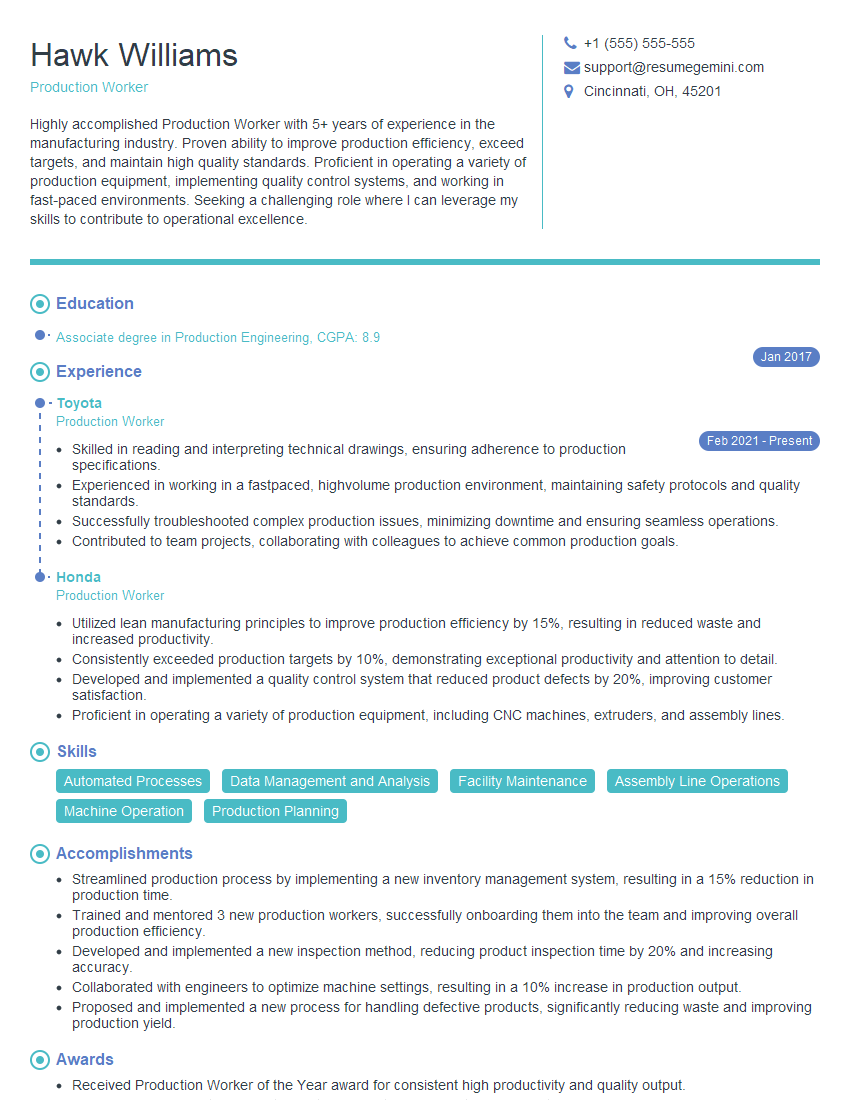
Production Worker Resume Sample
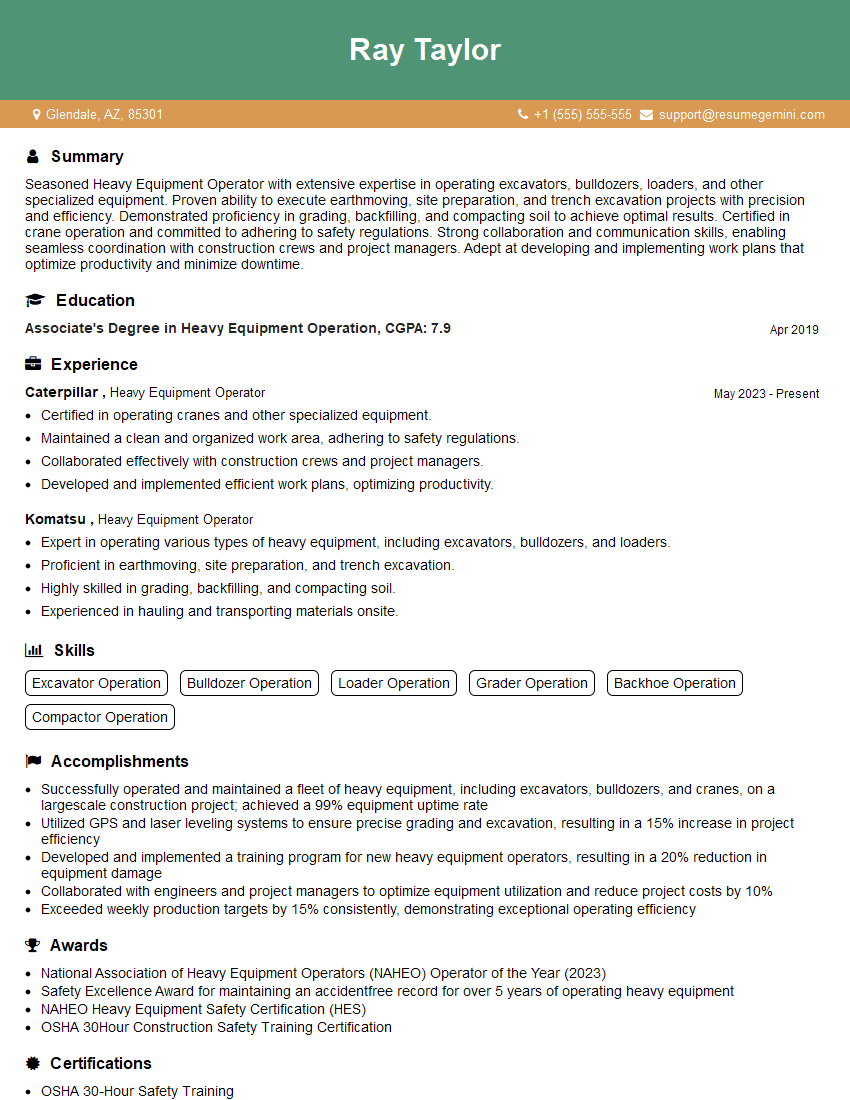
Heavy Equipment Operator Resume Sample
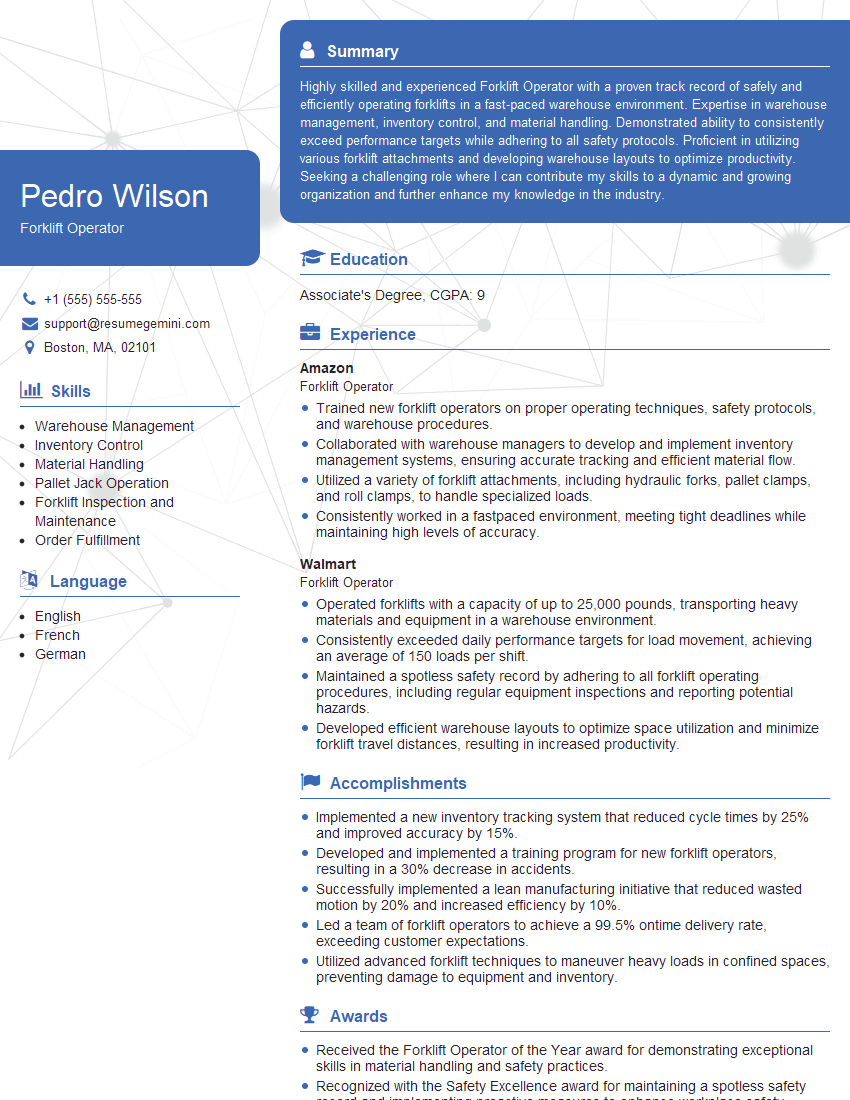
Forklift Operator Resume Sample
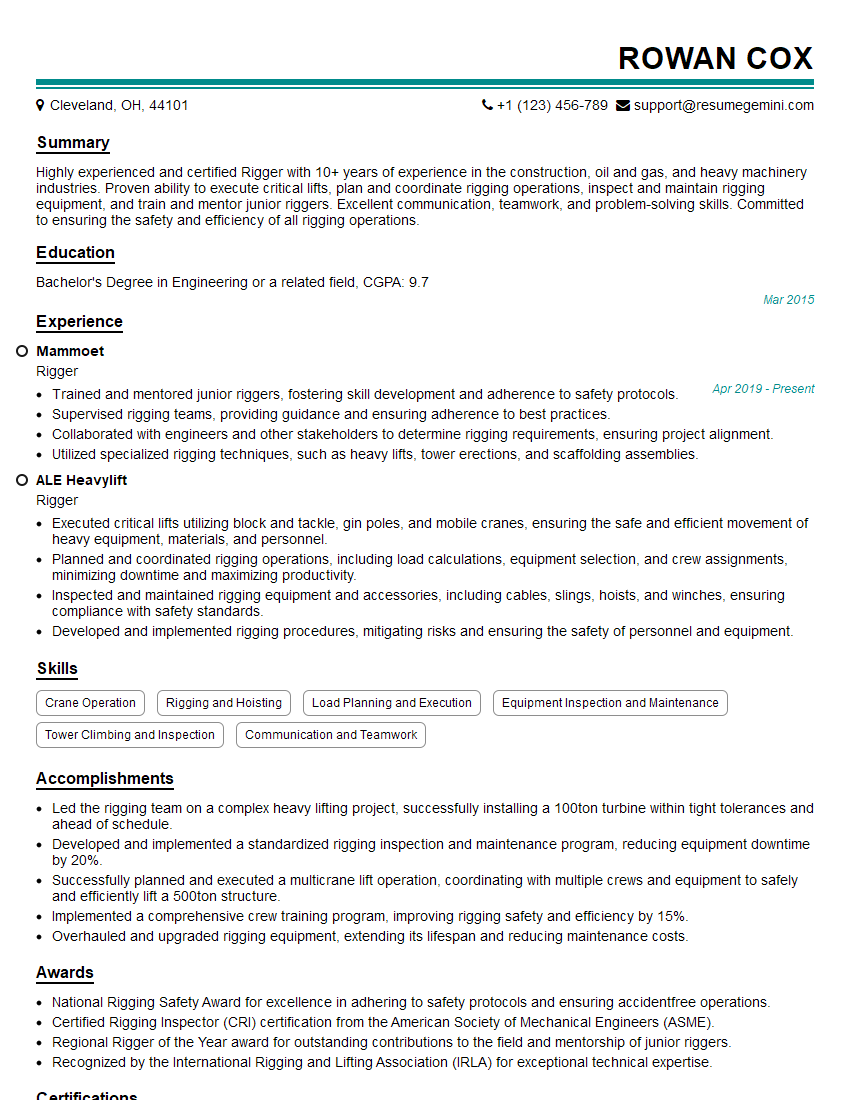
Rigger Resume Sample
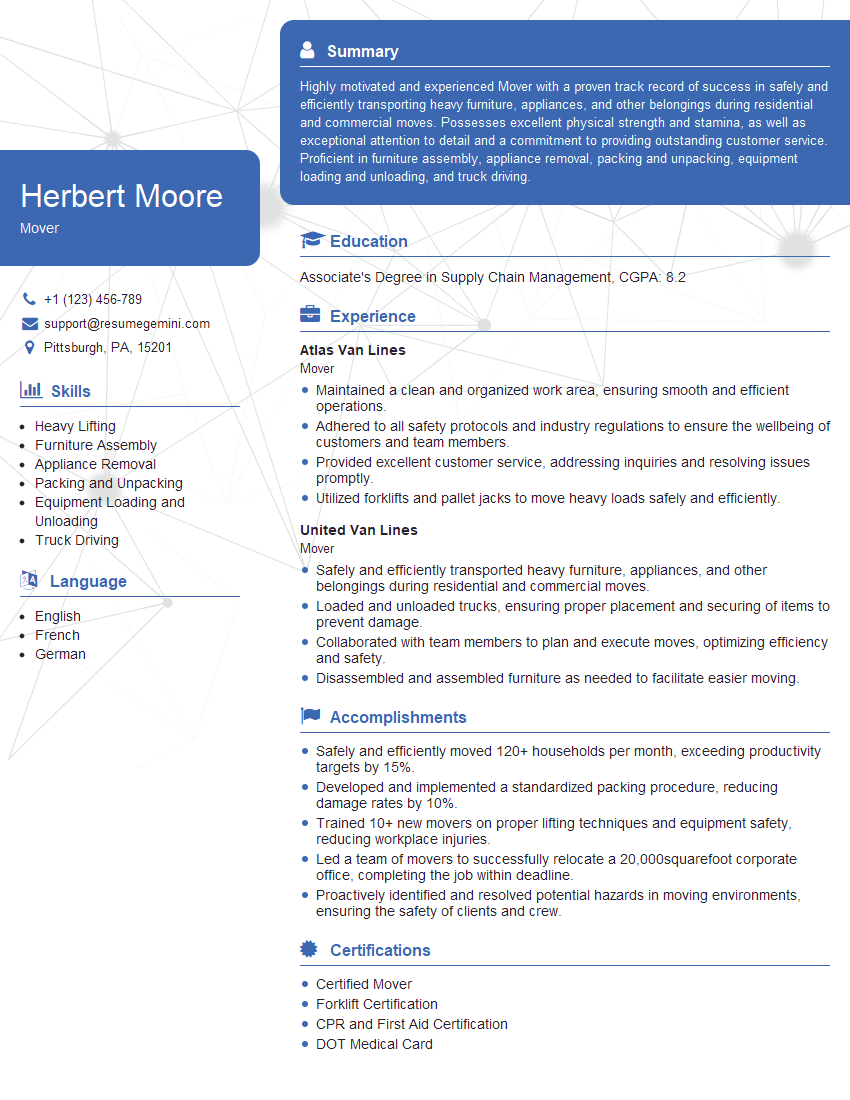
Mover Resume Sample
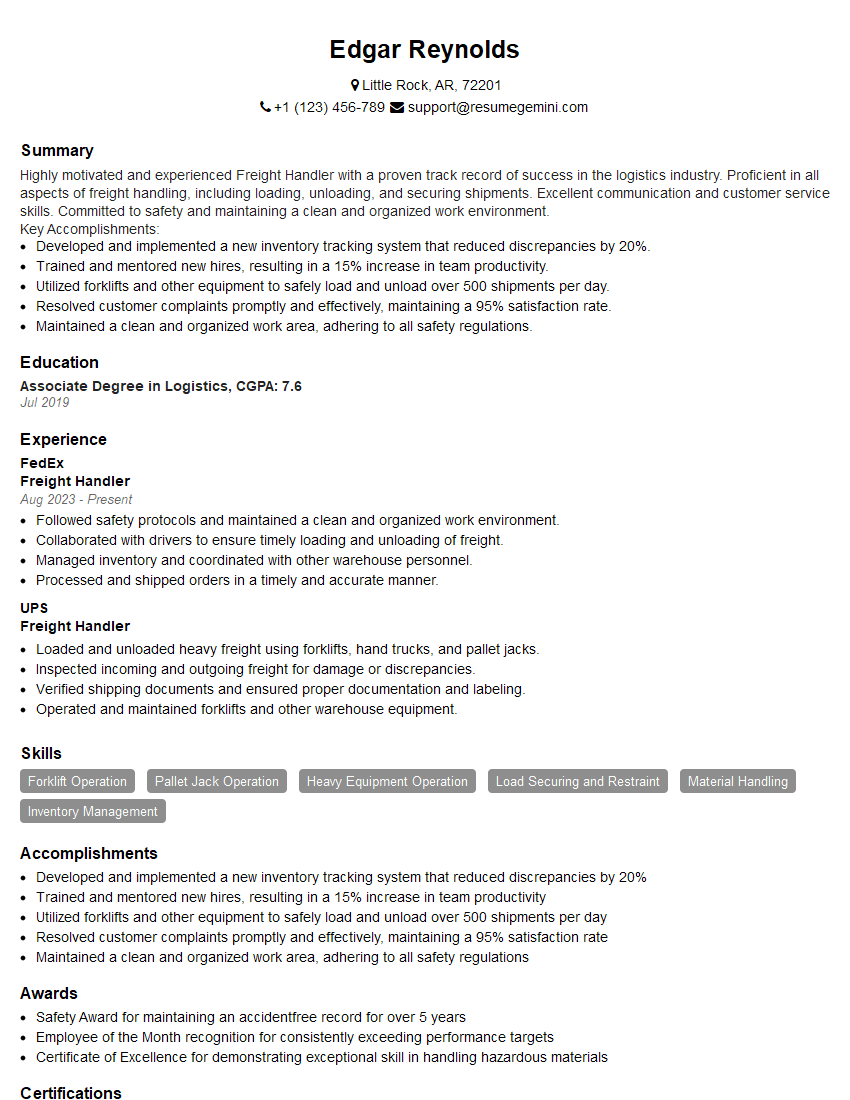
Freight Handler Resume Sample
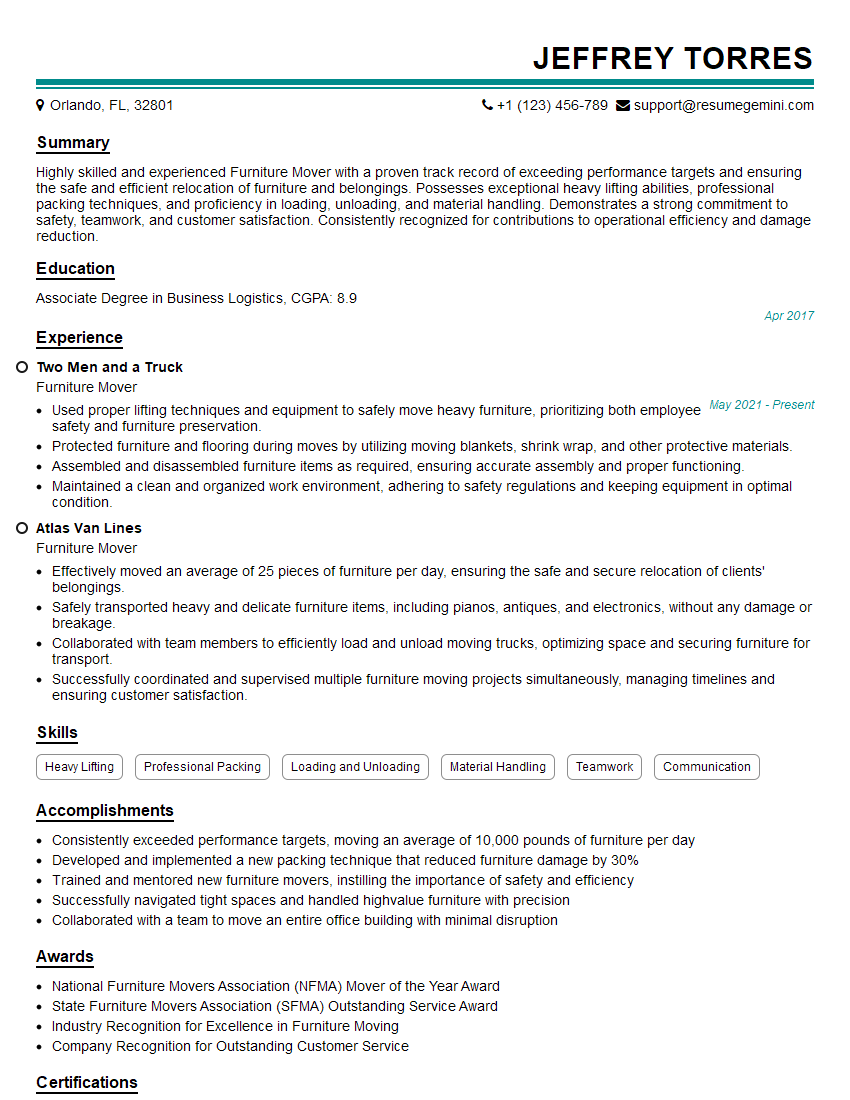
Furniture Mover Resume Sample
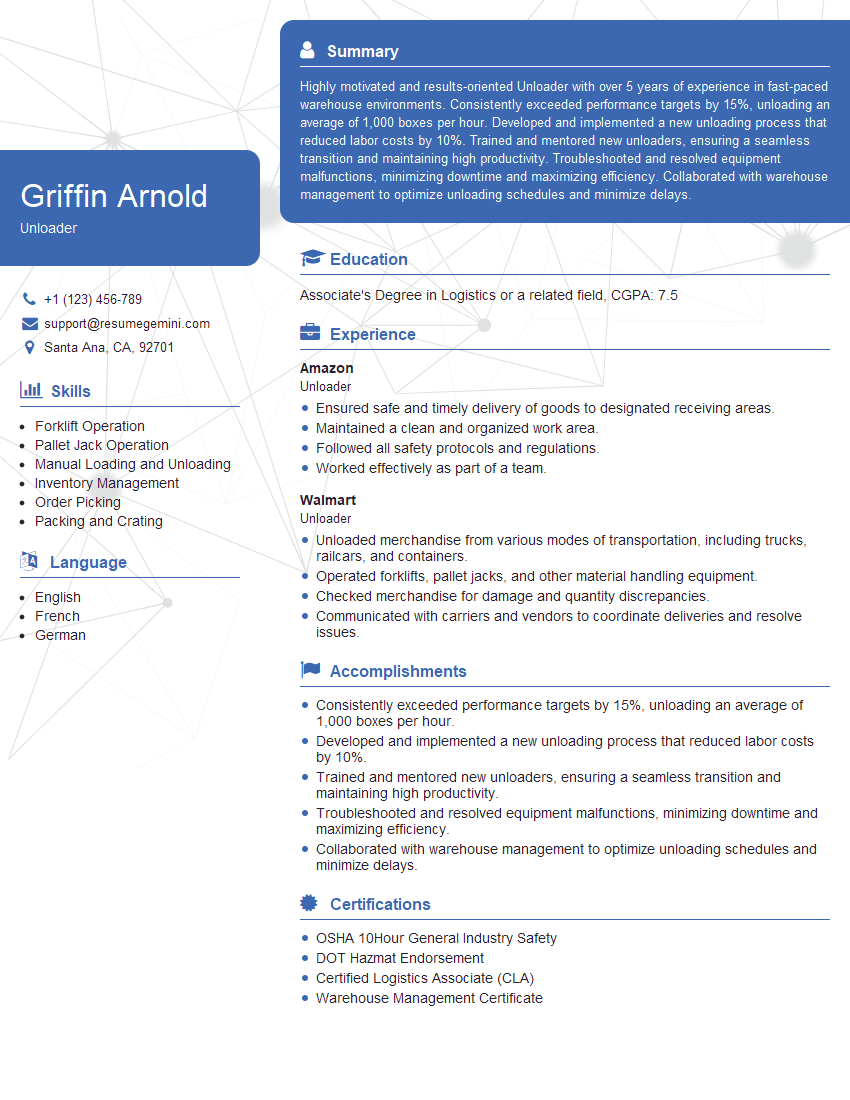
Unloader Resume Sample
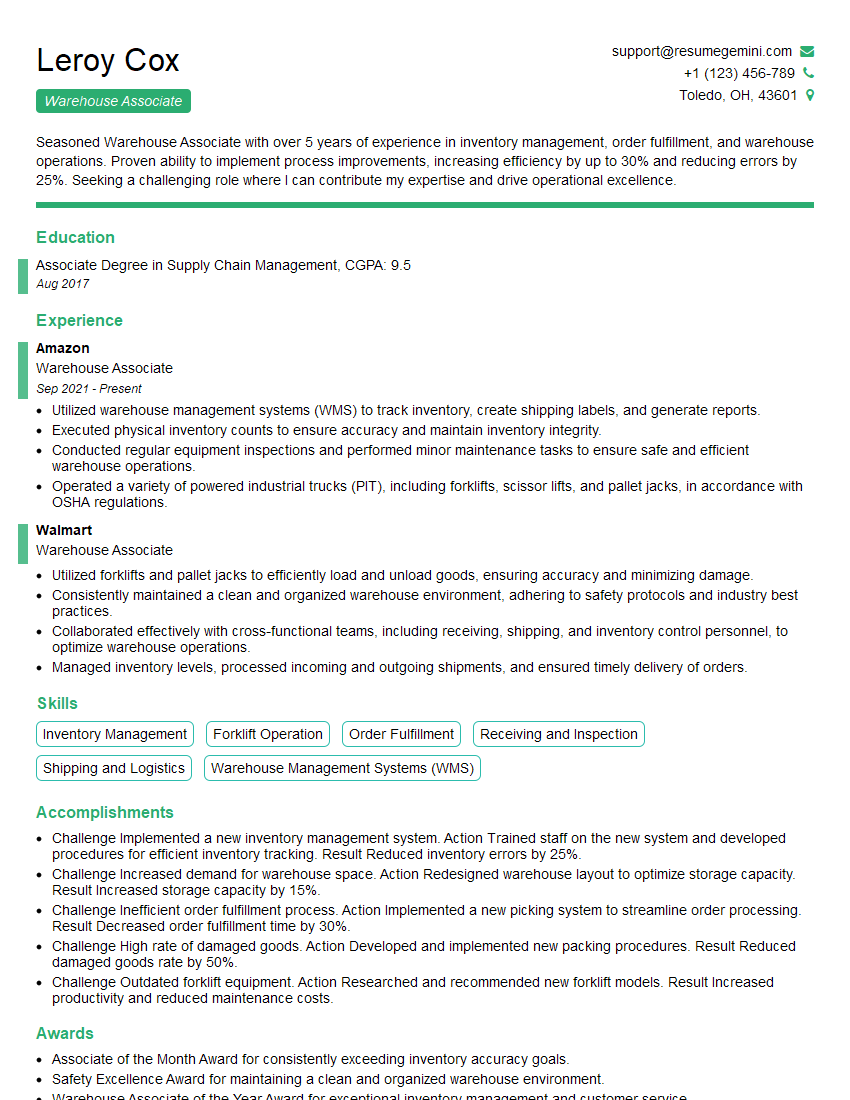
Warehouse Associate Resume Sample
- Warehouse Manager
- Transportation Specialist
- Supply Chain Specialist
- Crane Operator
- Machine Operator
- Stock Clerk
- Delivery Driver
- Shipping and Receiving Clerk
- Logistics Associate
- Material Handler
- Order Picker
- Mechanic
- Loader
- Construction Worker
- Production Worker
- Heavy Equipment Operator
- Forklift Operator
- Rigger
- Mover
- Freight Handler
- Furniture Mover
- Unloader
- Warehouse Associate
Explore more articles
Users Rating of Our Blogs
Share Your Experience
We value your feedback! Please rate our content and share your thoughts (optional).
What Readers Say About Our Blog
good