Unlock your full potential by mastering the most common Ability to lift heavy objects and work in a physically demanding environment interview questions. This blog offers a deep dive into the critical topics, ensuring you’re not only prepared to answer but to excel. With these insights, you’ll approach your interview with clarity and confidence.
Questions Asked in Ability to lift heavy objects and work in a physically demanding environment Interview
Q 1. Describe your experience with proper lifting techniques.
Proper lifting techniques are crucial for preventing injuries. They involve minimizing strain on the back and other body parts by utilizing leg strength and maintaining a stable posture. The key principles involve:
- Assess the load: Before lifting, determine the weight and size of the object. If it’s too heavy or awkward, seek assistance.
- Get a good grip: Use a firm, comfortable grip, keeping the object close to your body.
- Bend your knees, not your back: Squat down, keeping your back straight, and engage your core muscles.
- Lift with your legs: Straighten your legs to lift the object, using the power of your legs and core, not your back.
- Maintain a straight back: Avoid twisting or bending your back while lifting or carrying.
- Keep the load close: Hold the object close to your body to maintain balance and reduce strain on your back.
- Set the load down carefully: Reverse the lifting process—bend your knees, lower the object slowly and steadily, and avoid twisting.
For instance, lifting a heavy box from the floor, I would first assess its weight. If it’s manageable, I’d squat down, grip the box firmly, keep my back straight, and lift using my leg muscles, keeping the box close to my body. I’d then carefully place it on a designated surface, again avoiding twisting or sudden movements.
Q 2. What is your maximum weight capacity for lifting?
My maximum weight capacity for lifting is 75 pounds (34 kg) without assistance. This is based on my experience, physical fitness, and safe lifting practices. However, this capacity can vary depending on factors such as the object’s shape, size, and distance it needs to be carried. For weights exceeding this limit, I always ensure I have appropriate lifting equipment and/or assistance from a colleague to ensure both safety and efficiency.
Q 3. How do you prioritize safety when lifting heavy objects?
Safety is my top priority when lifting. I always follow these steps:
- Assess the environment: Check for obstacles, uneven surfaces, and adequate lighting.
- Get assistance if needed: Don’t hesitate to ask for help if the object is too heavy or awkwardly shaped.
- Use proper equipment: Utilize lifting aids like hand trucks, dollies, or pallet jacks when appropriate.
- Wear appropriate PPE: This might include safety gloves, steel-toe boots, or back support belts.
- Communicate clearly: If working with others, clearly communicate lifting plans to prevent accidents.
- Take breaks: Regular breaks prevent fatigue which increases the risk of injury.
Imagine lifting a heavy piece of machinery. I’d first clear the area, check for any hidden hazards, assess the weight, and then decide whether I need assistance or equipment like a pallet jack. Clear communication with coworkers is key to a safe and efficient lift.
Q 4. Have you ever experienced a lifting injury? If so, describe the incident and preventative measures taken.
Yes, I once strained my back slightly while lifting a heavy cabinet without proper support. It wasn’t a severe injury, but it taught me a valuable lesson. The cabinet was unexpectedly heavier than I anticipated, and I attempted to lift it with my back instead of my legs. Following the incident, I started regularly practicing proper lifting techniques, using back support belts when necessary, and always seeking assistance for heavy or awkward loads. This improved my awareness and reinforced the importance of prevention.
Q 5. Explain your understanding of ergonomic principles in lifting.
Ergonomic principles in lifting focus on minimizing physical strain and risk of injury by optimizing the work environment and body mechanics. Key considerations include:
- Maintaining a neutral spine: Keeping your back straight and avoiding twisting or bending.
- Using proper posture: Bending at the knees and hips, keeping the load close to the body.
- Avoiding repetitive motions: Taking breaks and using mechanical aids to reduce repetitive lifting tasks.
- Adjusting the work area: Using adjustable work surfaces and tools to reduce strain.
- Using assistive devices: Employing lifting equipment like hand trucks or hoists.
For example, designing a workstation with adjustable height, reducing the frequency of manual lifting, and providing training on proper techniques will positively impact the workers’ health and productivity.
Q 6. Describe a situation where you had to lift a heavy object in an awkward position. How did you manage it?
I once had to lift a large, heavy engine component that was positioned awkwardly on a sloped surface. I couldn’t get a good grip or leverage to lift it directly. To manage this, I first secured the component using straps to prevent it from shifting. Then, I used a combination of a lever (a sturdy bar) and a hand truck to gradually lift and stabilize the component before moving it to a more suitable location. This ensured safety and prevented injury despite the challenging circumstances.
Q 7. What are the different types of lifting equipment you are familiar with?
I’m familiar with a range of lifting equipment, including:
- Hand trucks/Dollies: For moving heavier objects over shorter distances.
- Pallet jacks: For moving palletized loads.
- Forklifts: For heavier and bulkier items.
- Overhead cranes: For extremely heavy or large objects.
- Lifting slings and straps: For secure handling of awkward or irregular shapes.
- Back support belts: To provide additional support and reduce strain on the back.
The choice of equipment depends on the weight, size, and shape of the object, as well as the environment and the distance it needs to be moved.
Q 8. How do you assess the weight of an object before lifting it?
Assessing the weight of an object before lifting is crucial for preventing injuries. I use a multi-pronged approach. Firstly, I visually inspect the object; its size and material give a preliminary indication. For example, a small, wooden crate is obviously lighter than a large metal drum. Secondly, if feasible, I attempt to gently move or shift the object to get a sense of its weight. A slight nudge can reveal whether it’s manageable. Finally, and most importantly, I look for any weight markings or labels on the object itself. Many items, especially in industrial settings, have clearly stated weights. If uncertain, I won’t hesitate to use a weighing scale or seek assistance from a colleague.
Q 9. What safety measures do you take when working with heavy machinery?
Safety when operating heavy machinery is paramount. My approach involves several key steps: Firstly, I thoroughly inspect the machine before use, checking for any visible damage or malfunctions – loose parts, oil leaks, etc. Secondly, I ensure I’m properly trained and authorized to operate the specific machine. Thirdly, I always wear appropriate Personal Protective Equipment (PPE), including safety glasses, gloves, and steel-toe boots. Fourthly, I clear the immediate work area of any obstacles or personnel to avoid accidents. Finally, I follow established safety protocols and operating procedures diligently, and never operate machinery when fatigued or under the influence of drugs or alcohol.
Q 10. How do you ensure the safe handling and transportation of heavy materials?
Safe handling and transportation of heavy materials requires careful planning and execution. This involves choosing the right equipment for the task – hand trucks, pallet jacks, forklifts, or cranes depending on the weight and dimensions of the material. Ensuring the chosen equipment is in good working order is vital. The load should be secured properly using straps, chains, or other appropriate restraints to prevent shifting or falling during transportation. The transportation route should be clear of obstacles and the speed should be appropriate for the weight and type of material. Furthermore, clear communication with team members is essential to coordinate movement and ensure a safe path.
For instance, when moving a heavy pallet of bricks, I’d use a pallet jack to maneuver it, securing it with straps to prevent shifting. The path would be cleared of obstructions, and I’d communicate with colleagues to avoid any collisions during transit.
Q 11. Describe your experience with using lifting aids (e.g., hoists, dollies).
I have extensive experience with various lifting aids. I’m proficient in using hand-operated and electric hoists, carefully adhering to load limits and safety guidelines. I understand the importance of proper rigging techniques to ensure the load is balanced and secure. I’m also skilled in using dollies and pallet jacks, understanding their limitations and appropriate applications. For example, when moving a heavy engine block, I’d utilize an engine hoist for lifting and carefully secure it to avoid damage or accidents. For palletized goods, I’d opt for a pallet jack for ease of movement. Regular maintenance checks on these aids are crucial to prevent malfunctions.
Q 12. How do you communicate with your team members when lifting heavy objects collaboratively?
Clear communication is the cornerstone of collaborative heavy lifting. Before lifting, we establish a clear plan – identifying the lift points, the intended path, and the responsibilities of each team member. We use hand signals, verbal cues, and maintain consistent eye contact to ensure everyone is on the same page. Simple commands like ‘Ready?’, ‘Lift!’, and ‘Set!’ are used to coordinate the lift and set-down actions. Maintaining open communication throughout the process is crucial for safety and efficiency. If anyone feels uncomfortable or senses a problem, we immediately stop and reassess the situation.
Q 13. How would you handle a situation where an object is too heavy to lift safely?
Safety is non-negotiable. If an object is too heavy to lift safely, I would never attempt it. Instead, I’d immediately seek assistance. This might involve using heavier-duty equipment like a forklift or crane, or obtaining more manpower. Alternatively, I would explore alternative methods, such as breaking down the load into smaller, manageable units. Documenting the situation and the actions taken is important for future reference and safety improvement. Safety trumps speed and efficiency every time.
Q 14. What is your understanding of workplace safety regulations regarding heavy lifting?
My understanding of workplace safety regulations regarding heavy lifting encompasses several key areas. This includes adhering to weight limits for manual handling, using appropriate lifting techniques to minimize strain and injury, understanding the requirements for using lifting equipment and PPE, and reporting any accidents or near misses. I’m familiar with OSHA regulations and other relevant industry standards pertaining to safe lifting practices. Regular training and refresher courses are crucial to staying updated on the latest regulations and best practices.
Q 15. What are the signs and symptoms of muscle strain or injury?
Muscle strain or injury, often resulting from overexertion or improper lifting techniques, manifests in several ways. Symptoms can range from mild discomfort to severe pain and immobility.
- Pain: A sharp, aching, or burning sensation in the affected muscle group is a primary indicator. The pain may worsen with movement or palpation.
- Swelling: Inflammation around the injured muscle causes noticeable swelling, often accompanied by redness and warmth to the touch.
- Stiffness: Difficulty moving the affected muscle or joint is common, limiting range of motion and causing discomfort.
- Weakness: A noticeable decrease in strength in the injured muscle or surrounding area may make simple tasks challenging.
- Muscle spasms: Involuntary muscle contractions can cause painful cramping and further limit movement.
- Bruising: In more severe cases, bruising may occur, indicating bleeding within the muscle tissue.
For example, a strained back might present with lower back pain that radiates down the leg, accompanied by stiffness and reduced ability to bend or lift. Ignoring these symptoms can lead to chronic pain and disability, highlighting the importance of early intervention and proper care.
Career Expert Tips:
- Ace those interviews! Prepare effectively by reviewing the Top 50 Most Common Interview Questions on ResumeGemini.
- Navigate your job search with confidence! Explore a wide range of Career Tips on ResumeGemini. Learn about common challenges and recommendations to overcome them.
- Craft the perfect resume! Master the Art of Resume Writing with ResumeGemini’s guide. Showcase your unique qualifications and achievements effectively.
- Don’t miss out on holiday savings! Build your dream resume with ResumeGemini’s ATS optimized templates.
Q 16. How do you maintain physical fitness for a physically demanding job?
Maintaining physical fitness for a physically demanding job requires a holistic approach encompassing strength training, cardiovascular exercise, and flexibility work. Think of it like maintaining a finely-tuned machine – regular maintenance is key to optimal performance and longevity.
- Strength Training: Focus on exercises that build strength in the core, legs, and back, crucial for lifting and carrying heavy objects. Examples include squats, deadlifts, lunges, and planks. This helps prevent injury by strengthening the muscles responsible for lifting.
- Cardiovascular Exercise: Incorporating cardio, such as running, swimming, or cycling, improves overall endurance and stamina, reducing fatigue during prolonged physical exertion. This boosts the cardiovascular system’s ability to deliver oxygen and nutrients to working muscles.
- Flexibility and Mobility: Regular stretching and flexibility exercises, like yoga or Pilates, improve joint range of motion and reduce the risk of injury. This ensures muscles are prepared for the demands of lifting and minimizes strain on joints.
- Proper Nutrition and Hydration: A balanced diet rich in protein, carbohydrates, and essential nutrients fuels the body for physical activity. Adequate hydration is also crucial for maintaining muscle function and preventing fatigue.
Personally, I incorporate a mix of weightlifting, running, and yoga into my weekly routine, ensuring a balance of strength, endurance, and flexibility. This regimen ensures I’m prepared for the physical demands of my work.
Q 17. Explain your experience working in a fast-paced, physically demanding environment.
My experience in a fast-paced, physically demanding environment, specifically in a warehouse setting, involved consistently handling heavy packages and maneuvering equipment throughout long shifts. This required constant physical exertion, quick decision-making, and efficient teamwork.
During my time there, I routinely lifted and moved packages weighing up to 50kg. The environment demanded precision and speed; mistakes could lead to injuries or delays. I collaborated effectively with my colleagues, coordinating movements and ensuring safety in a confined space. For instance, during peak seasons, the pressure increased significantly. We maintained productivity and safety by utilizing efficient lifting techniques and communicating effectively. My stamina and ability to maintain concentration were tested daily, fostering resilience and adaptability. This experience significantly improved my ability to work under pressure, manage physical exertion, and work collaboratively in a high-energy environment.
Q 18. Describe a time you had to adapt your lifting techniques due to environmental constraints.
In one instance, I was tasked with moving a large, unwieldy piece of equipment through a narrow corridor with limited clearance. My initial plan, using a conventional lifting technique, wouldn’t work due to the restricted space.
I had to adapt by using a combination of techniques. Instead of directly lifting, I used a wheeled dolly and carefully maneuvered the equipment through the corridor, frequently adjusting my grip and body position to navigate the turns and obstacles. This required patience, precision, and a keen awareness of my surroundings to prevent both damage to the equipment and injury to myself. The situation highlighted the importance of flexibility and adaptability in assessing the environment and modifying lifting techniques based on the specific constraints present. Problem-solving and safe handling were crucial to successful completion.
Q 19. How do you handle repetitive lifting tasks throughout the day?
Handling repetitive lifting tasks requires a strategic approach focused on minimizing strain and maximizing efficiency. The key is to avoid monotony and promote proper body mechanics consistently.
- Varying Tasks: If possible, alternate between different lifting tasks to avoid overuse of specific muscle groups. This prevents fatigue and reduces the risk of repetitive strain injuries.
- Proper Lifting Techniques: Consistently employing proper techniques, including bending at the knees and using leg muscles, minimizes strain on the back. Maintain a straight back and avoid twisting while lifting.
- Regular Breaks: Taking short, frequent breaks to rest and stretch is crucial. This allows muscles to recover and prevents fatigue buildup.
- Hydration and Nutrition: Maintaining adequate hydration and consuming nutritious snacks throughout the day supports muscle function and energy levels.
- Change of Posture: Varying your posture, changing positions, and taking breaks to sit or stand will reduce stress on particular muscle groups.
I find it helpful to set short timers, for instance, every 30 minutes I take a 5-minute break to stretch and rehydrate, allowing me to maintain productivity without compromising my health.
Q 20. What measures do you take to prevent fatigue and injury during prolonged lifting?
Preventing fatigue and injury during prolonged lifting hinges on proactive measures that address both physical and mental aspects. It’s a combination of preparation, technique, and mindful awareness.
- Warm-up: Always start with a thorough warm-up to prepare muscles and joints for activity, improving blood flow and range of motion.
- Proper Lifting Techniques: Consistently using correct lifting techniques, as described earlier, distributes the load and reduces strain on the back and other muscle groups.
- Regular Breaks: Scheduling frequent breaks for rest and stretching helps prevent fatigue and allows muscles to recover.
- Hydration and Nutrition: Staying hydrated and consuming nutritious food maintains energy levels and supports muscle function.
- Pacing: Avoid rushing and instead work at a sustainable pace that doesn’t compromise form or technique.
- Mindfulness: Pay attention to your body’s signals. If you experience pain or discomfort, stop immediately and rest.
For example, I might incorporate micro-breaks – quick stretches or a change of posture – even between lifts to proactively address potential fatigue. This is crucial for sustained performance and injury prevention.
Q 21. Describe your understanding of load limits and weight restrictions.
Understanding load limits and weight restrictions is paramount for safety and injury prevention. This involves knowing both personal limitations and the regulations surrounding specific tasks.
Personal Limitations: It is essential to be aware of your own physical capabilities. Don’t attempt to lift objects that exceed your capacity, even if you feel pressured. It’s always better to seek assistance or utilize appropriate equipment. For instance, I am aware of my maximum safe lifting weight and avoid exceeding it. This understanding is paramount.
Regulatory Restrictions: Many workplaces have established weight limits and safety guidelines. These regulations often specify maximum allowable weights for manual handling, and adhering to them is crucial for compliance and safety. Ignoring these limits can lead to injuries and workplace accidents. Familiarity with these regulations is as important as understanding personal limitations.
In essence, respecting load limits and weight restrictions is non-negotiable for safe and responsible handling of heavy objects. It’s about a balance of personal awareness and adherence to established guidelines.
Q 22. How do you identify potential hazards related to heavy lifting?
Identifying potential hazards in heavy lifting requires a systematic approach. It’s not just about the weight; it’s about the entire context. I begin by assessing the load itself: its weight, shape, size, and center of gravity. An unevenly distributed weight is far more dangerous than a uniformly weighted object of the same mass. Then, I examine the environment: is the floor level and stable? Are there any obstacles that could cause a trip or fall? Is there sufficient lighting? Are there environmental hazards like slippery surfaces or extreme temperatures? Finally, I consider the lifting technique – am I using proper body mechanics? Do I have adequate assistance if needed? For example, lifting a heavy box from a low shelf without proper back support could lead to serious injury. Conversely, lifting a lighter object in an unstable environment, like on a sloped surface, presents a significant risk of falling.
- Load Assessment: Weight, shape, size, center of gravity
- Environmental Assessment: Floor stability, obstacles, lighting, weather conditions
- Technique Assessment: Body mechanics, assistance required
Q 23. What is your experience with using personal protective equipment (PPE) when lifting heavy objects?
Personal Protective Equipment (PPE) is paramount in heavy lifting. My experience encompasses consistent use of safety shoes with steel toes to protect against dropped objects and compression injuries. I regularly utilize back supports to maintain proper posture and reduce strain on my spine. In situations involving potentially hazardous materials, I’ll also use gloves to protect my hands from cuts, abrasions, and chemical exposure. For example, while working with sharp-edged metal components, I always wear cut-resistant gloves. Furthermore, I’m always mindful of head protection, especially in environments with overhead hazards. Before commencing any heavy lifting task, I visually inspect my PPE to ensure it’s in good condition and appropriately fitted. Failing to use PPE is simply not an option – my safety, and the safety of my colleagues, depends on it.
Q 24. How would you respond to a colleague who is not following proper lifting procedures?
Observing a colleague not following proper lifting procedures warrants immediate and constructive intervention. My approach prioritizes safety and education. I’d first approach them privately and respectfully, explaining the risks associated with their technique. I’d use clear, non-confrontational language. For instance, I might say, “Hey [Colleague’s Name], I noticed you lifting that pallet a little differently than the training showed us. Just wanted to remind you about bending your knees and keeping your back straight to avoid injury.” I’d then offer to demonstrate proper technique and emphasize the company’s safety policies. If the behavior continues, I’d report it to my supervisor to ensure that the appropriate safety measures are enforced, preventing potential injuries.
Q 25. Describe a time you had to improvise a lifting solution due to a lack of resources.
During a warehouse move, we were short on pallet jacks and needed to move a large, heavy crate. Instead of waiting, I improvised a solution using sturdy wooden planks, two strong ropes, and the help of three colleagues. We created a makeshift sled using the planks and secured the crate on top using the ropes. We then carefully pulled the crate across the floor, rotating personnel periodically to avoid fatigue. This method wasn’t as efficient as using a pallet jack, but it ensured the crate was moved safely and without damage. This highlights the importance of thinking creatively and safely when resources are limited. The key was to break down the problem into smaller, manageable steps and prioritize safety above speed.
Q 26. How do you balance efficiency with safety when lifting heavy objects?
Balancing efficiency and safety in heavy lifting requires a deliberate strategy. While speed is important, it must never compromise safety. I start by assessing the weight and conditions. If a task is particularly challenging or involves heavy loads, I’ll prioritize a methodical approach, using proper body mechanics and seeking assistance when necessary, even if it takes a little longer. On simpler tasks, I can maintain a more efficient pace without sacrificing safety. The key is to always be aware of my physical limits and adjust my approach accordingly. It’s better to be safe and slightly slower than to be fast and injured.
Q 27. How would you report a near-miss incident involving heavy lifting?
Reporting a near-miss is crucial for preventing future accidents. My process starts with immediately documenting the event: what happened, where, when, who was involved, and what could have been done differently. I’d then use the company’s incident reporting system (if one exists) to officially log the near-miss. This usually involves completing a standardized form providing all the details of the incident and the contributing factors. If there’s a safety officer or supervisor, I’d inform them as soon as possible so they can investigate and take necessary preventative measures. The goal is to learn from the near-miss and implement changes to avoid a similar incident becoming an actual accident.
Q 28. What are your strategies for staying hydrated and fueled during physically demanding work?
Staying hydrated and fueled is non-negotiable during physically demanding work. My strategy begins before the work even starts: I have a large glass of water before starting my shift. Throughout the day, I regularly drink water, aiming for at least one bottle per hour. I avoid sugary drinks as they can lead to a crash in energy levels. I focus on nutrient-rich snacks like fruits, vegetables, and nuts to provide sustained energy. I avoid heavy meals close to strenuous activities as they can lead to discomfort and reduced efficiency. I also pay attention to my body’s cues; if I feel fatigued or thirsty, I immediately address it to avoid dehydration or exhaustion. This proactive approach ensures I can maintain peak performance while minimizing risks of heat stroke or other related issues.
Key Topics to Learn for Ability to lift heavy objects and work in a physically demanding environment Interview
- Proper Lifting Techniques: Understanding and demonstrating knowledge of safe lifting practices, including posture, foot placement, and using legs to lift, minimizing strain and risk of injury.
- Body Mechanics and Ergonomics: Applying principles of body mechanics to efficiently and safely handle heavy objects. This includes understanding leverage, balance, and minimizing twisting motions.
- Safety Procedures and Equipment: Familiarity with relevant safety regulations and the proper use of lifting aids (e.g., dollies, hand trucks, hoists) to reduce physical strain.
- Physical Stamina and Endurance: Articulating your ability to handle prolonged physical exertion and repetitive movements throughout a workday. Highlighting past experiences showcasing this is key.
- Injury Prevention and First Aid: Demonstrating awareness of common workplace injuries associated with heavy lifting and a basic understanding of first aid procedures for minor injuries.
- Teamwork and Communication: Emphasizing the importance of effective communication with colleagues when lifting heavy objects to ensure safety and efficiency. This demonstrates collaboration skills.
- Adaptability to Varying Physical Demands: Showcasing your ability to adapt to different physical tasks and environments, including adjusting to unexpected changes in workload or conditions.
Next Steps
Mastering the ability to lift heavy objects and work in physically demanding environments is crucial for career advancement in many fields. It demonstrates your commitment to safety, efficiency, and physical capability. To increase your job prospects, create an ATS-friendly resume that highlights your relevant skills and experience. ResumeGemini is a trusted resource to help you build a professional resume that stands out. We provide examples of resumes tailored to showcase expertise in handling heavy objects and working in physically demanding environments, helping you present yourself effectively to potential employers.
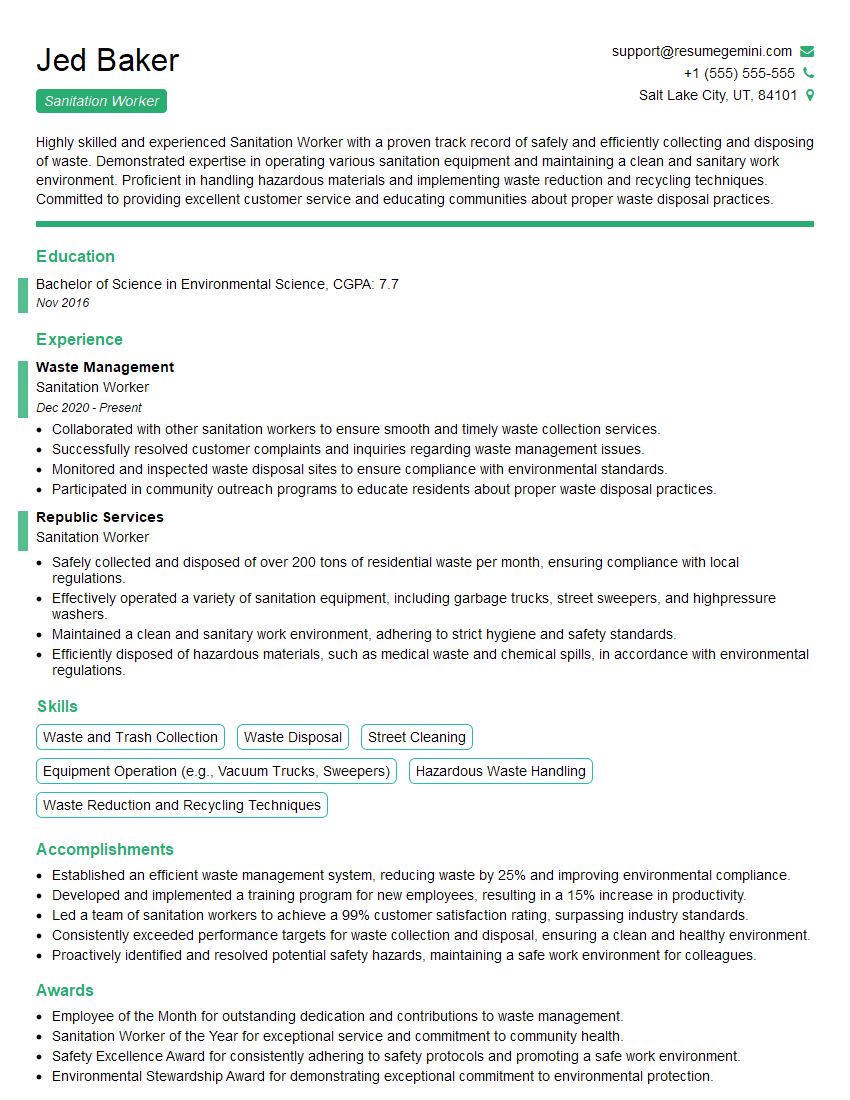
Sanitation Worker Resume Sample
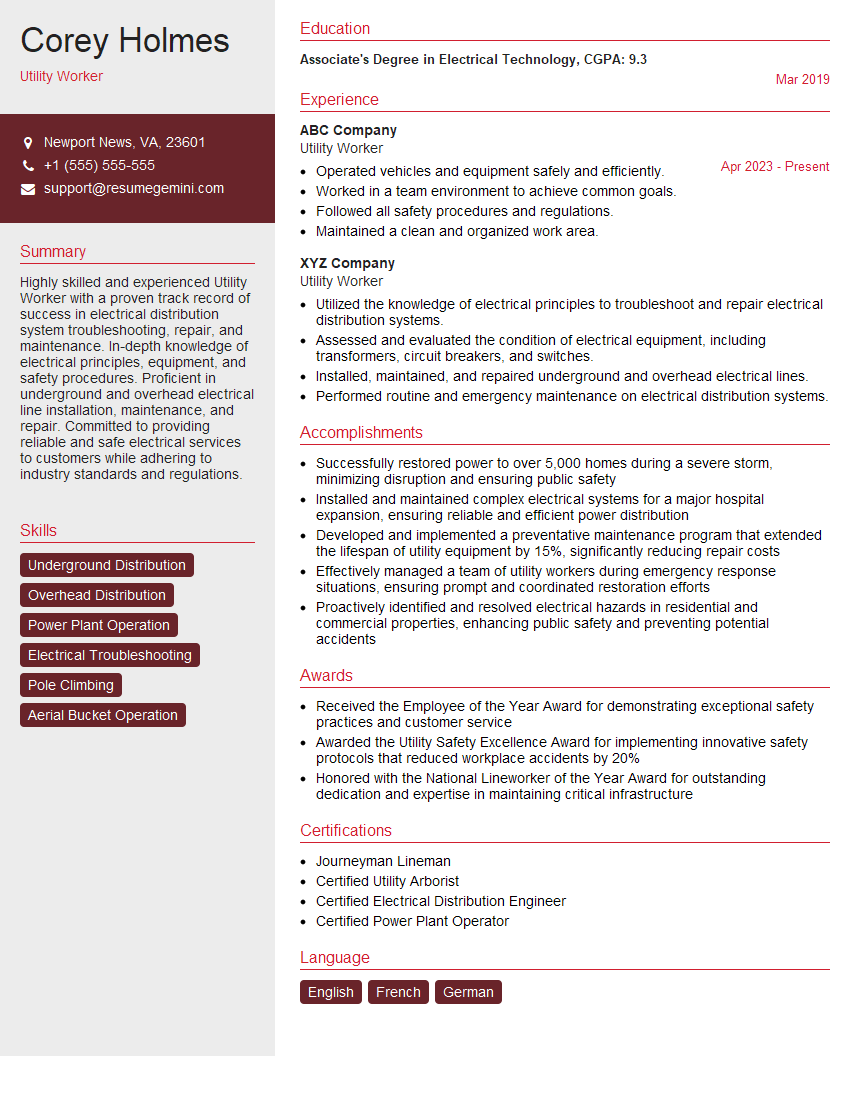
Utility Worker Resume Sample

Crane Operator Resume Sample
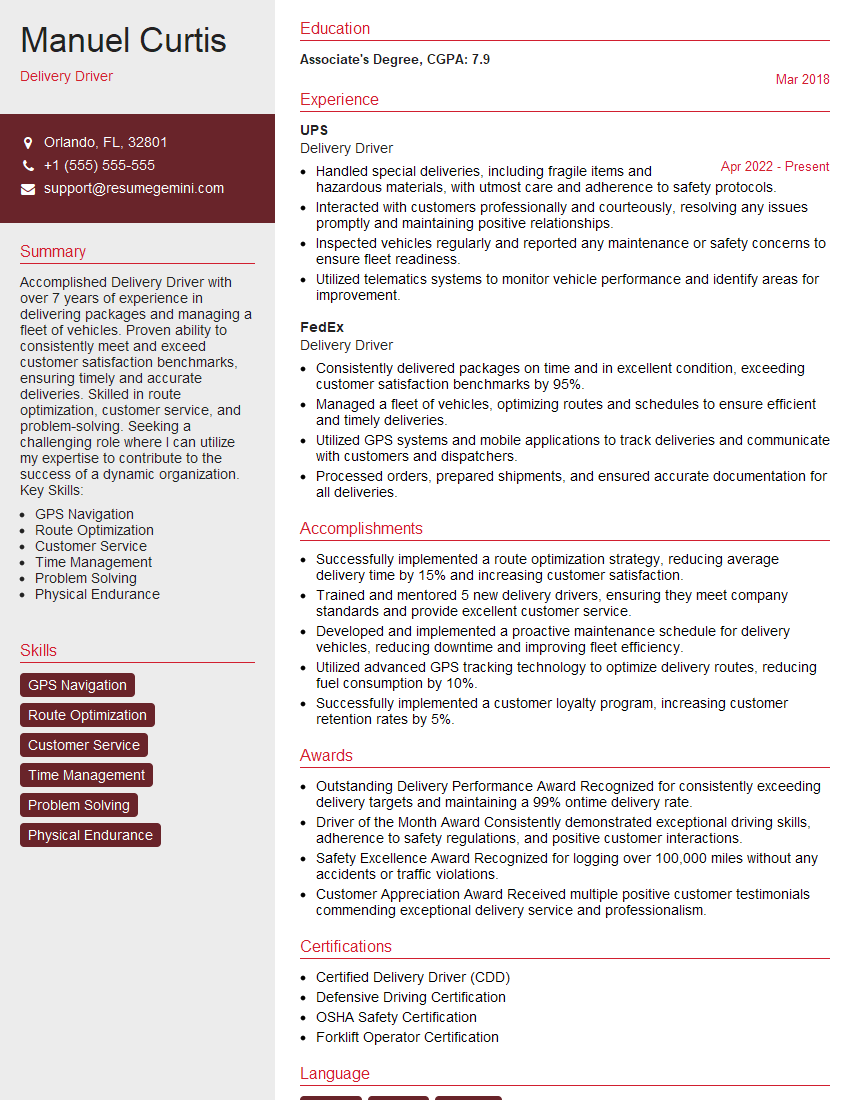
Delivery Driver Resume Sample

Shipping and Receiving Clerk Resume Sample
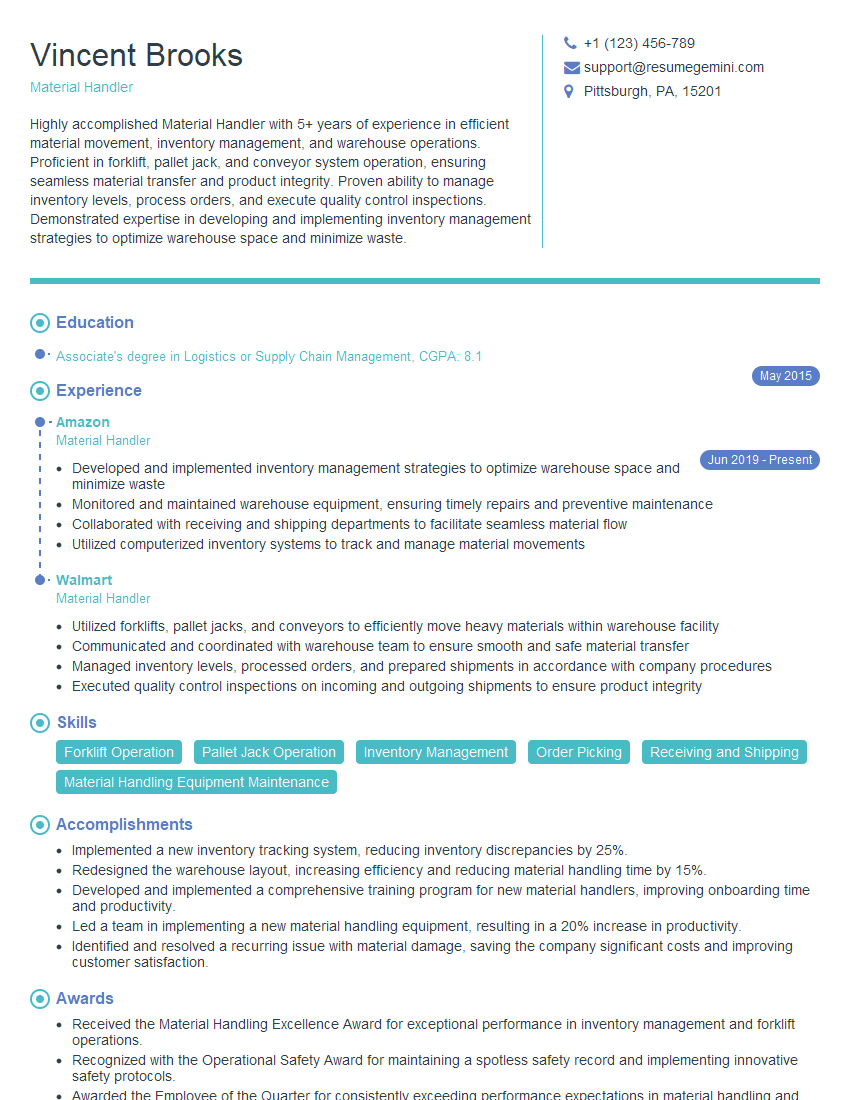
Material Handler Resume Sample
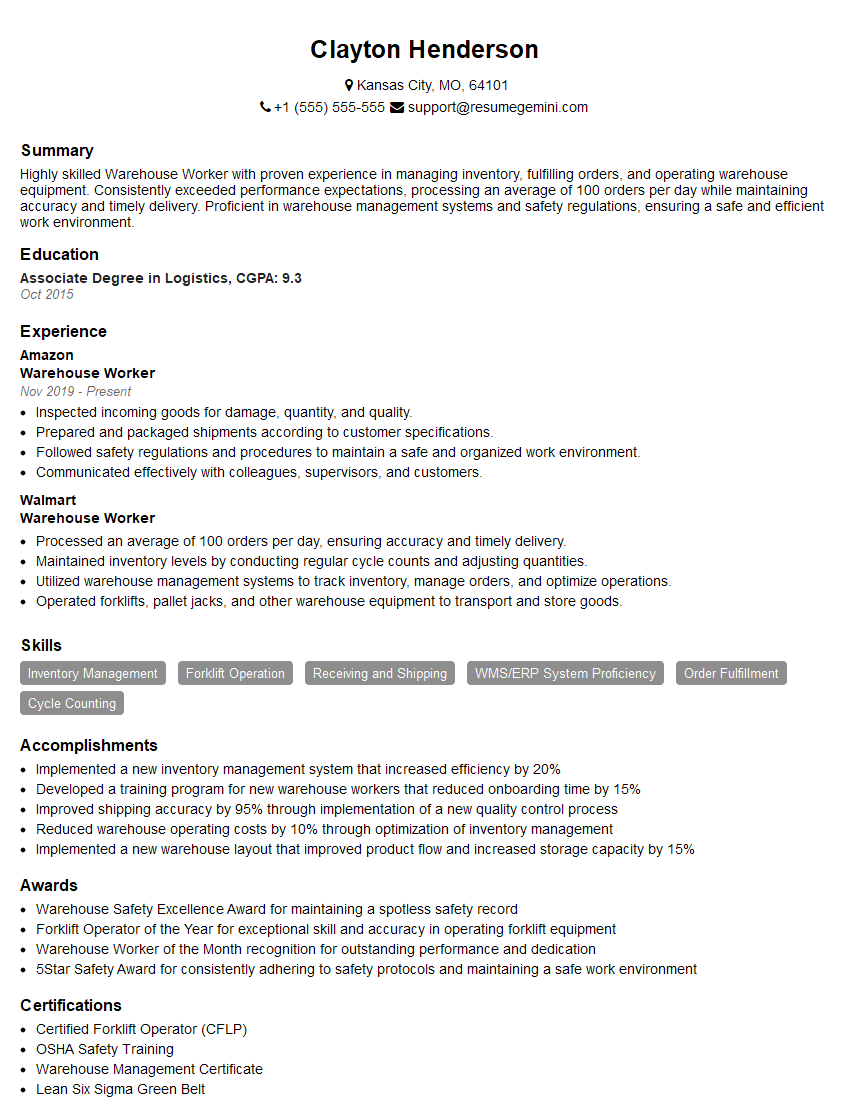
Warehouse Worker Resume Sample
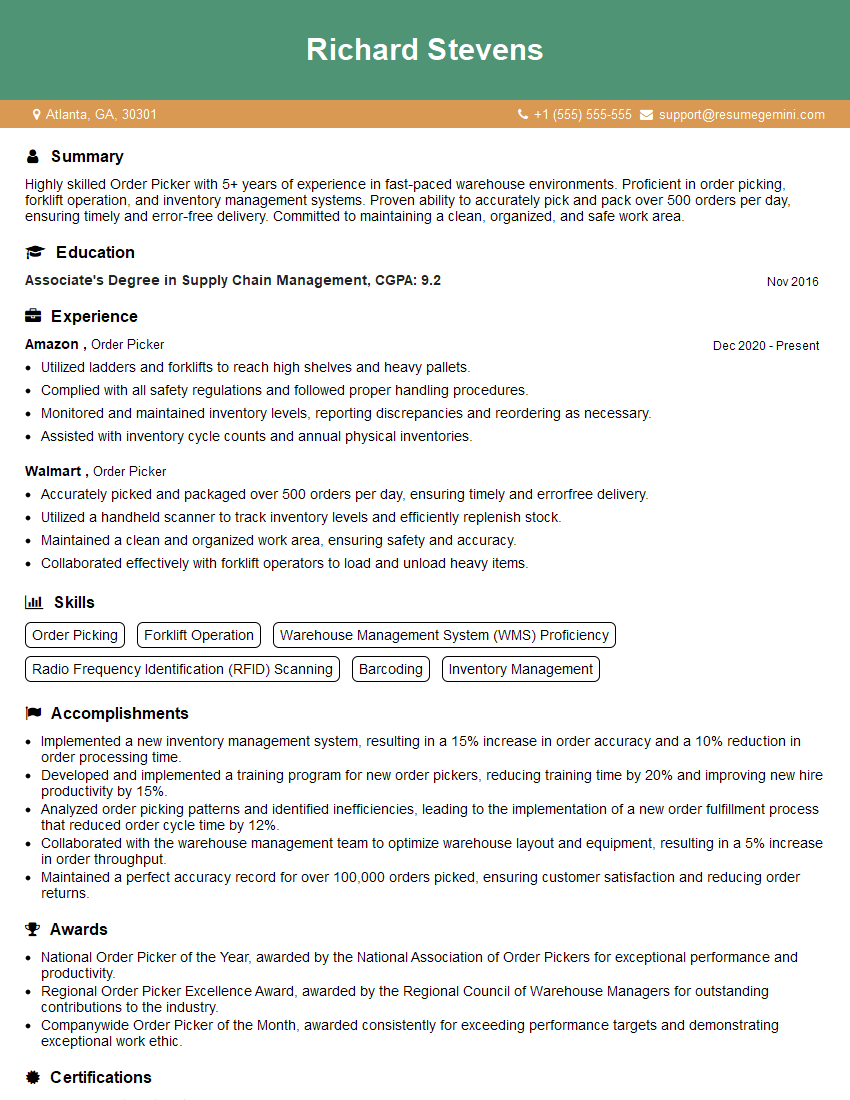
Order Picker Resume Sample
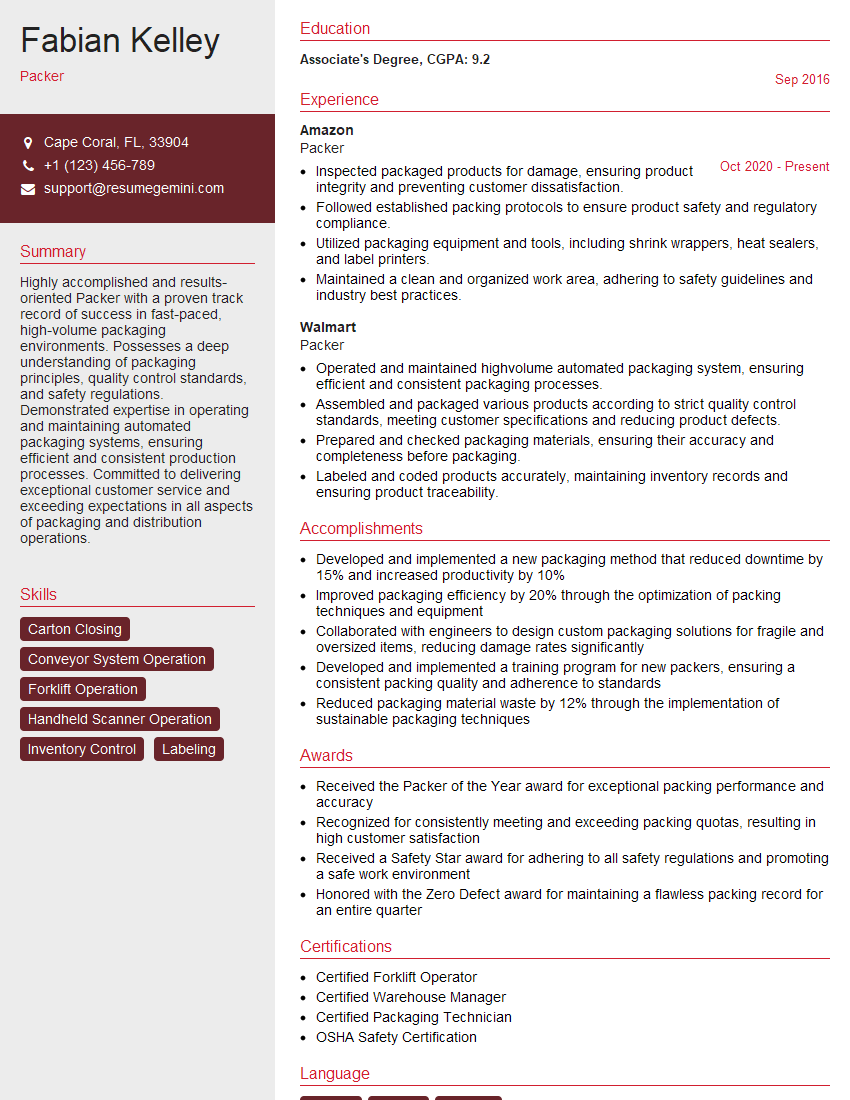
Packer Resume Sample
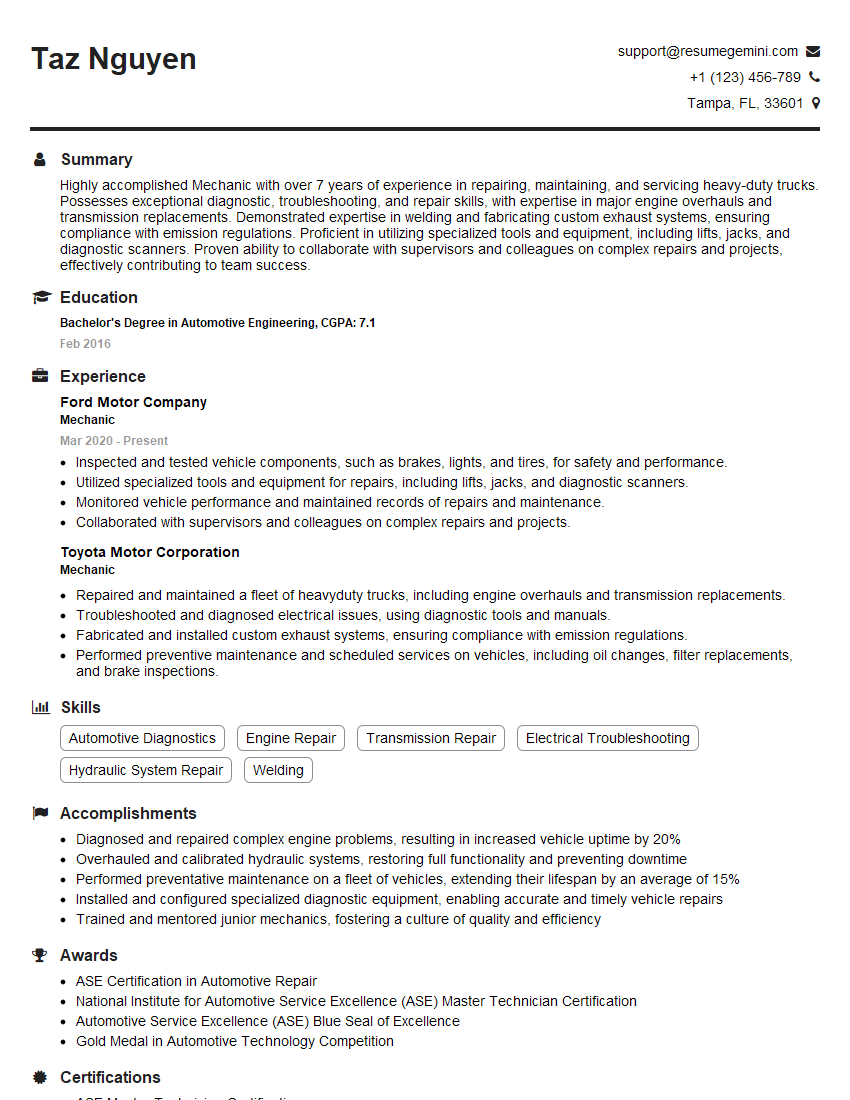
Mechanic Resume Sample
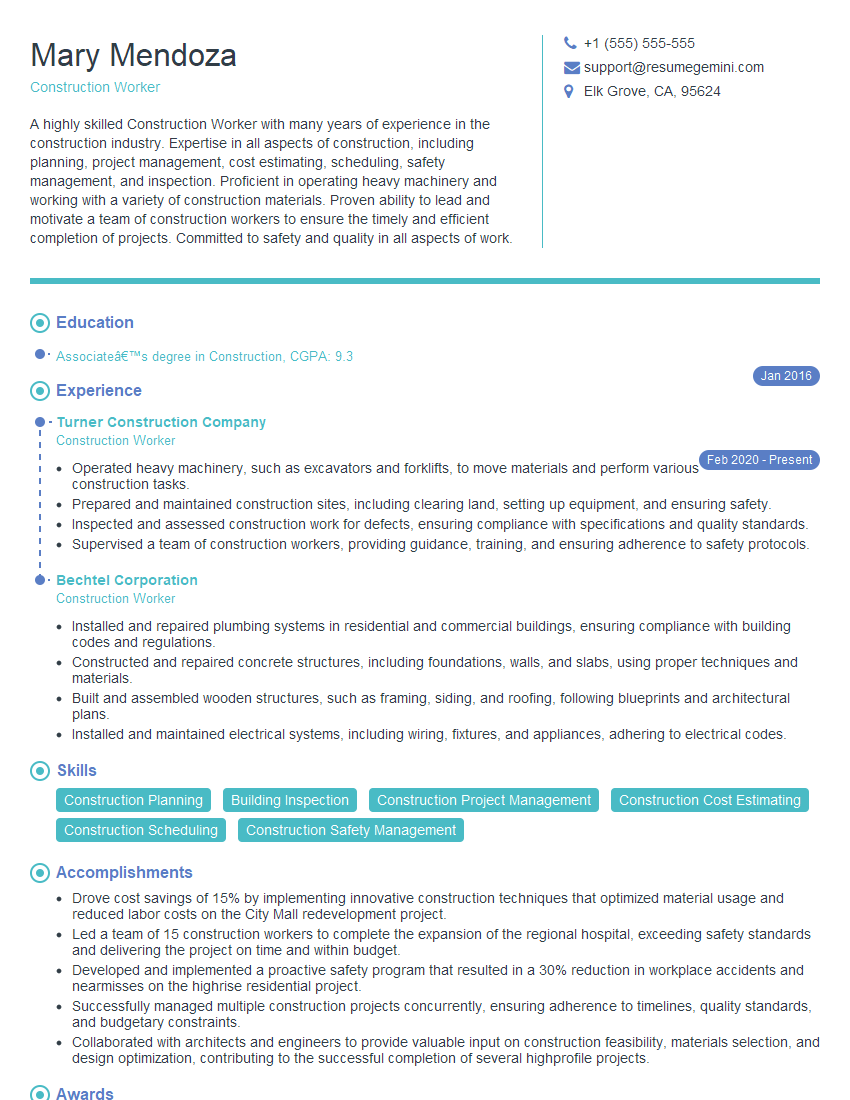
Construction Worker Resume Sample
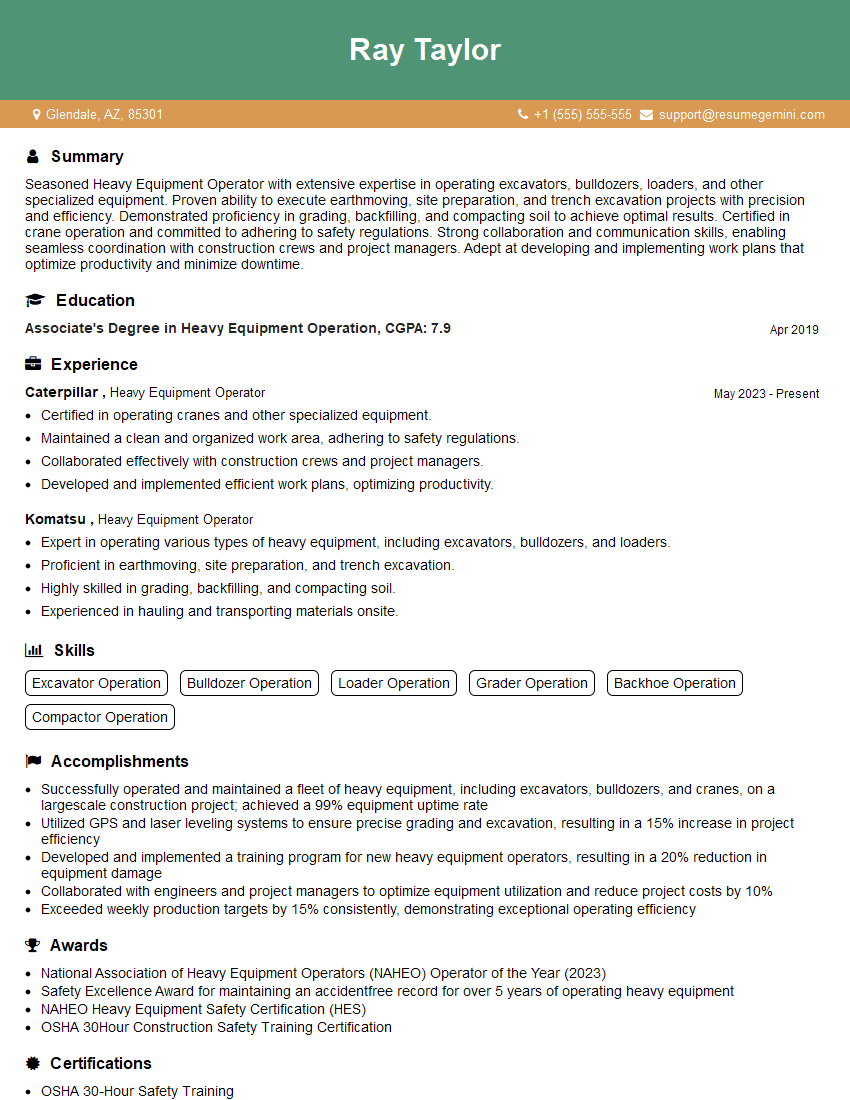
Heavy Equipment Operator Resume Sample
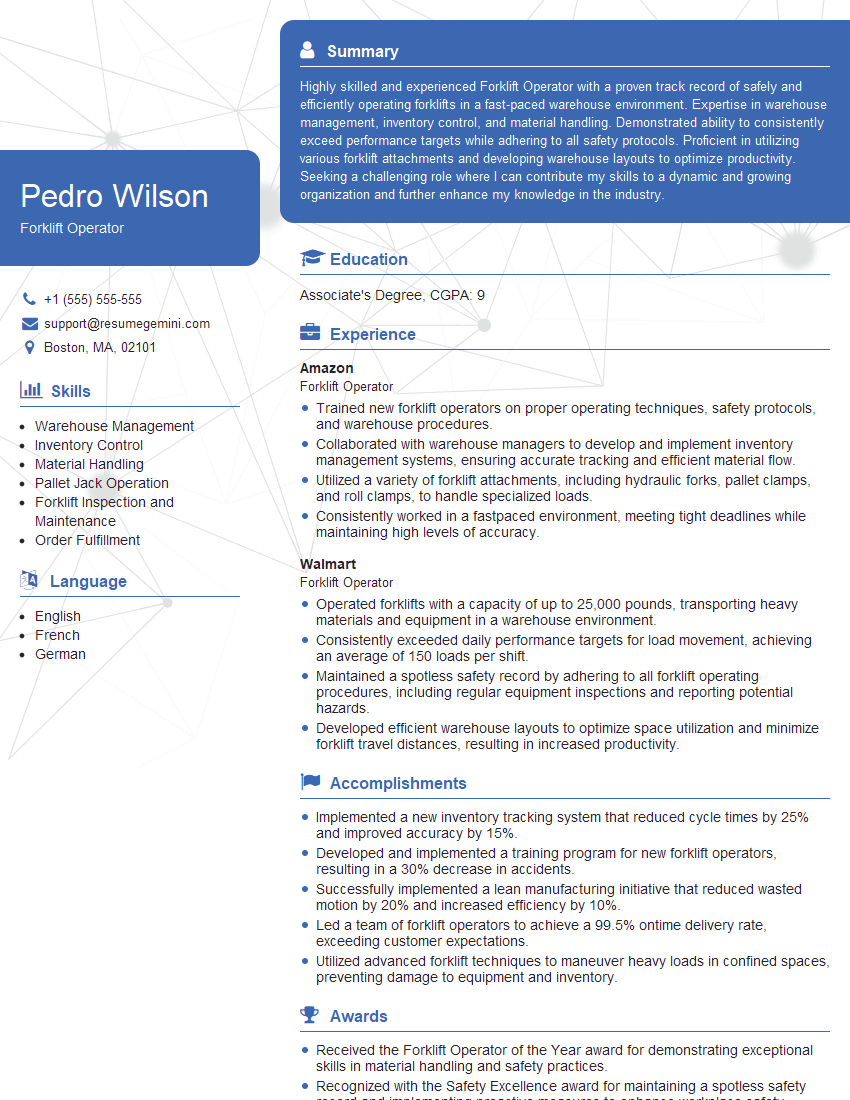
Forklift Operator Resume Sample
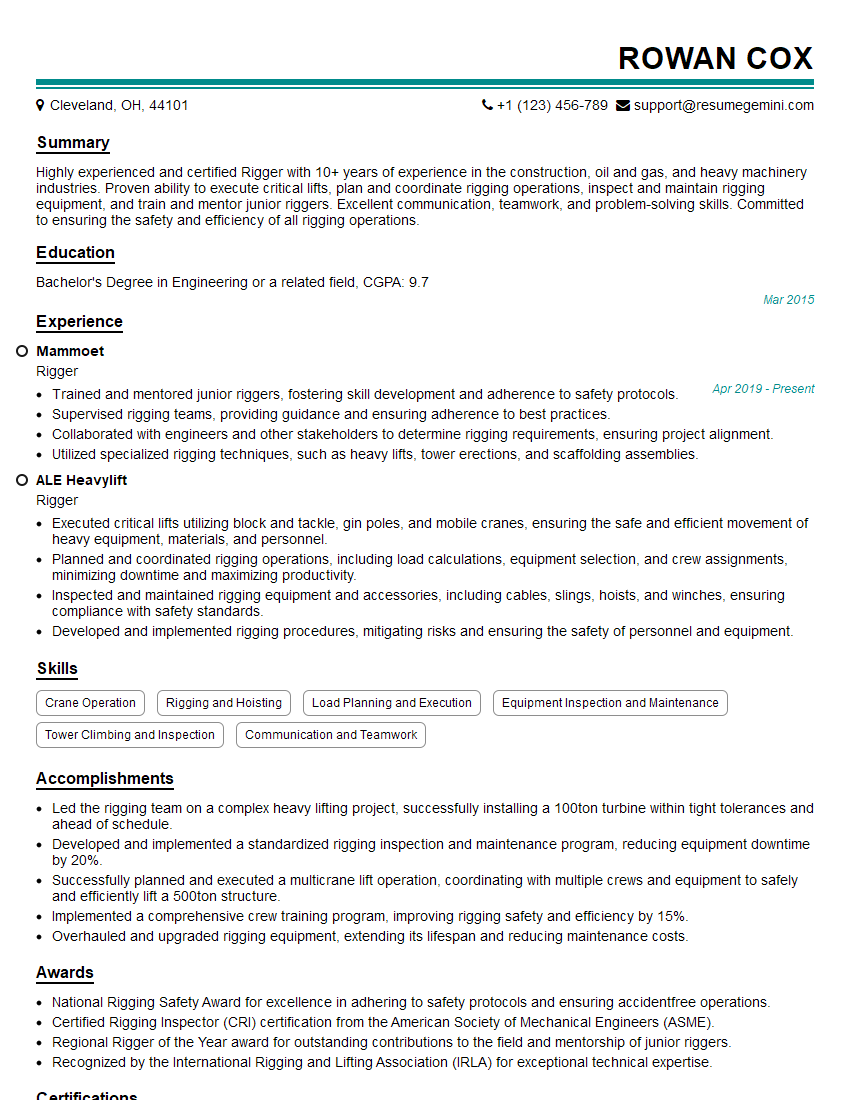
Rigger Resume Sample
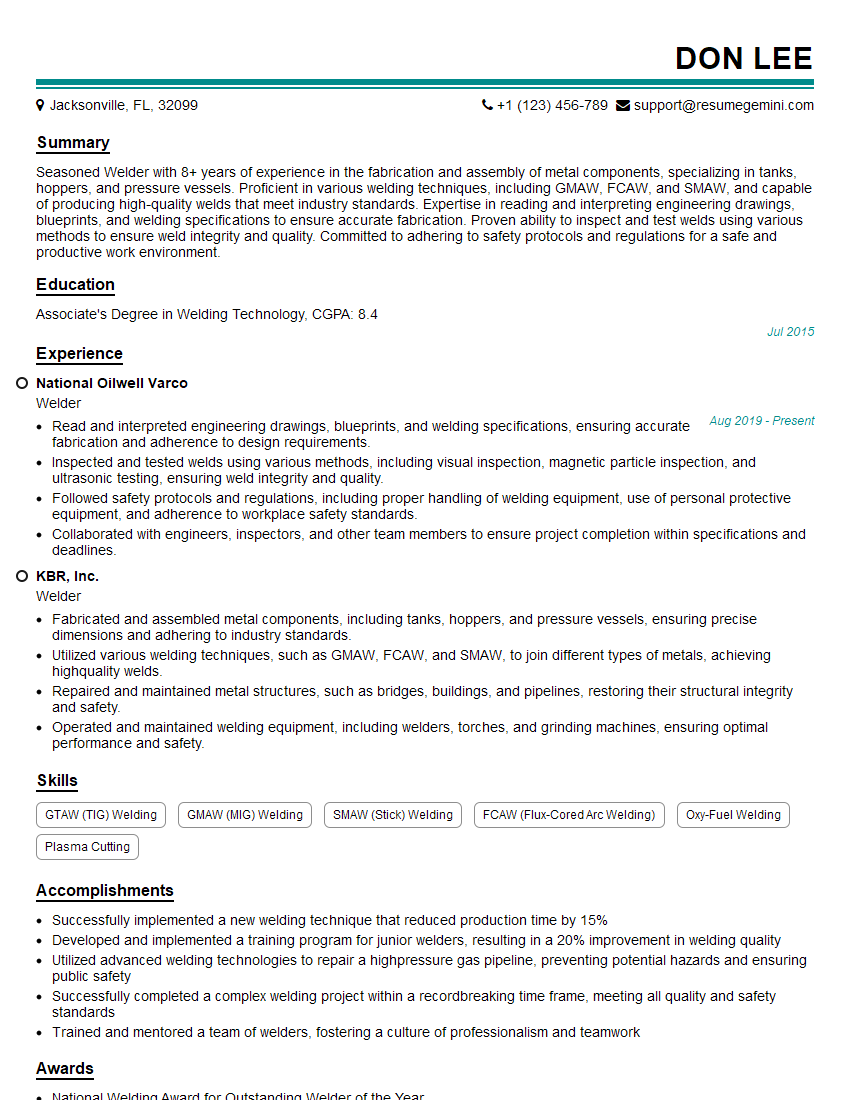
Welder Resume Sample
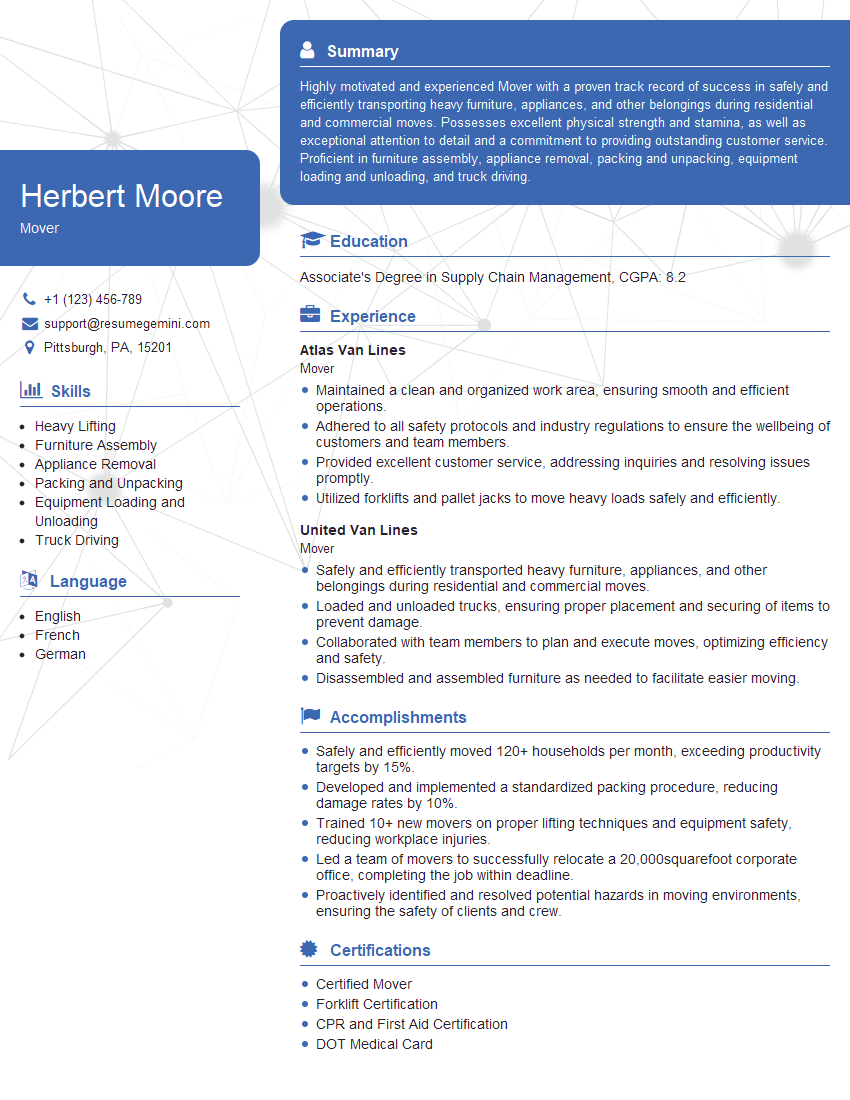
Mover Resume Sample
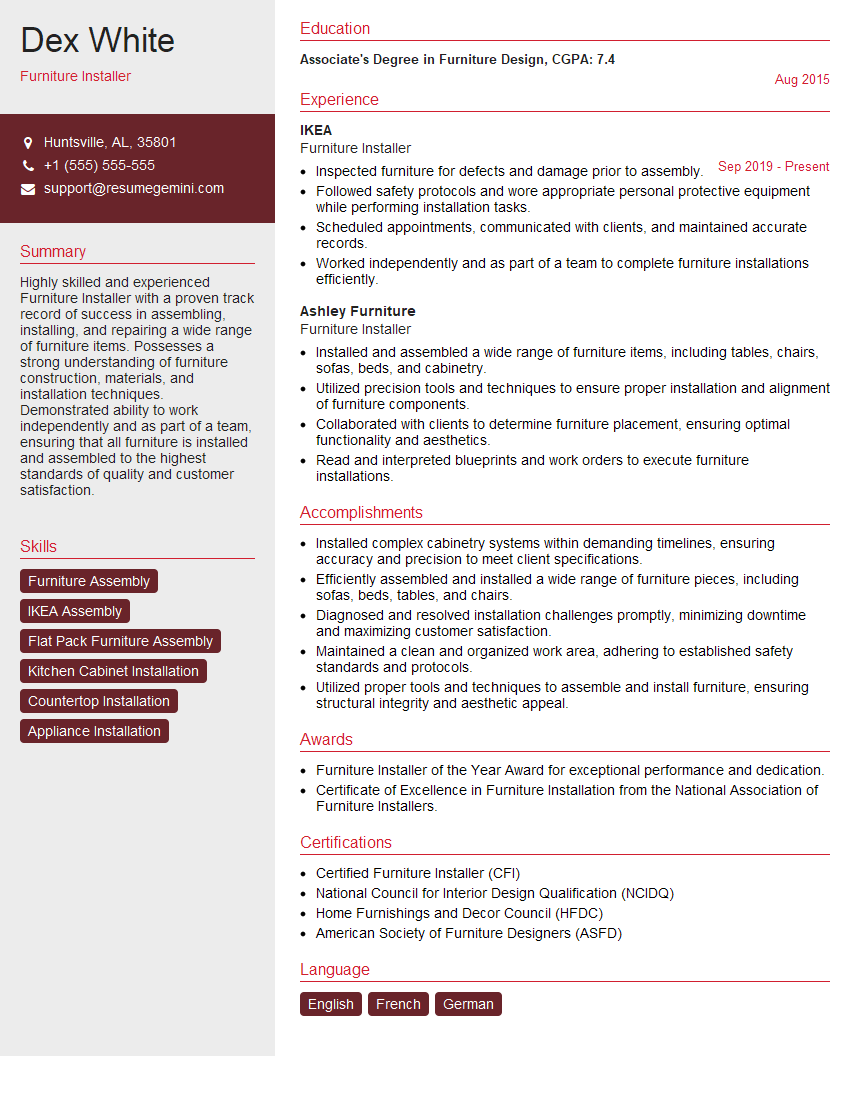
Furniture Installer Resume Sample
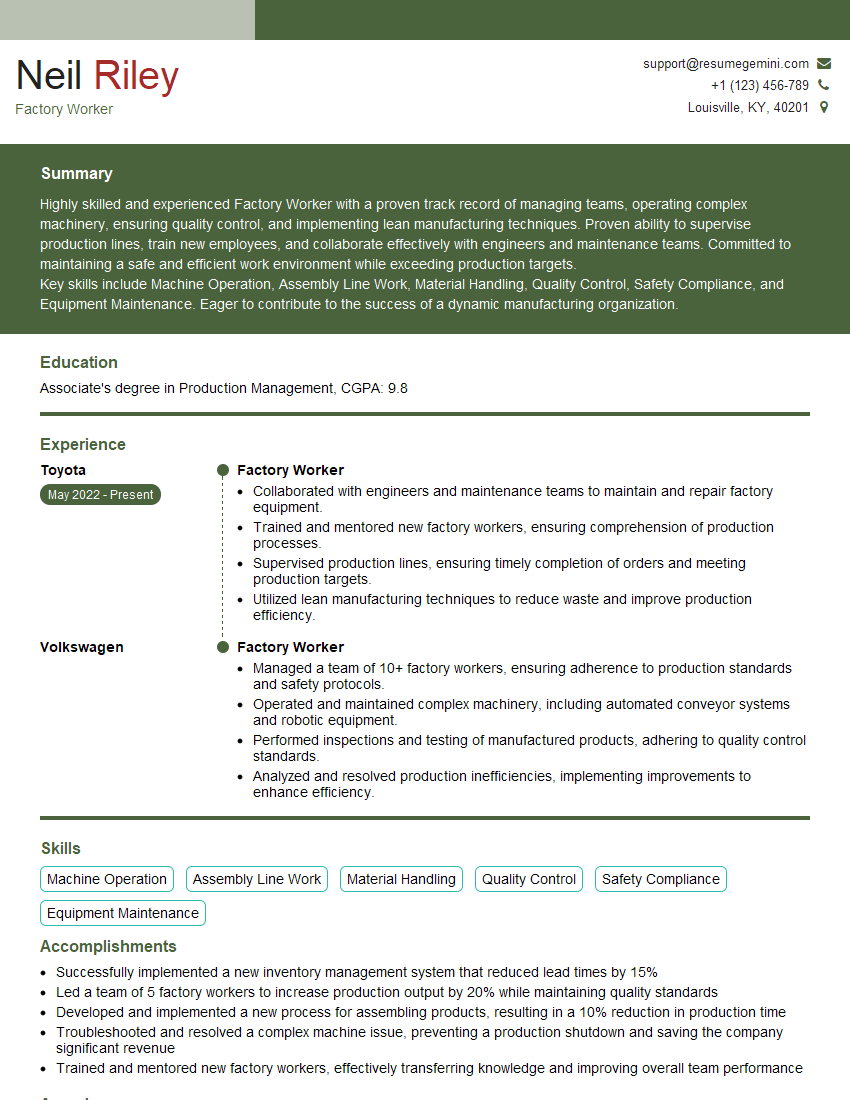
Factory Worker Resume Sample
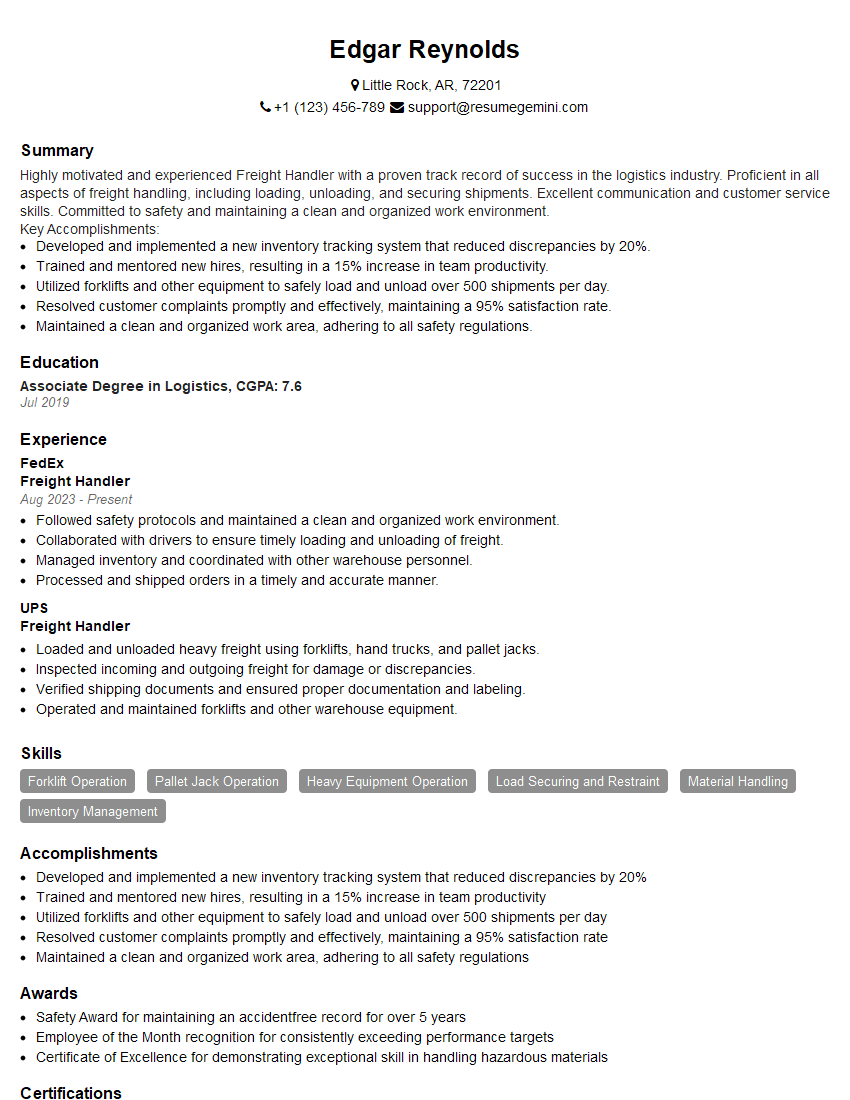
Freight Handler Resume Sample
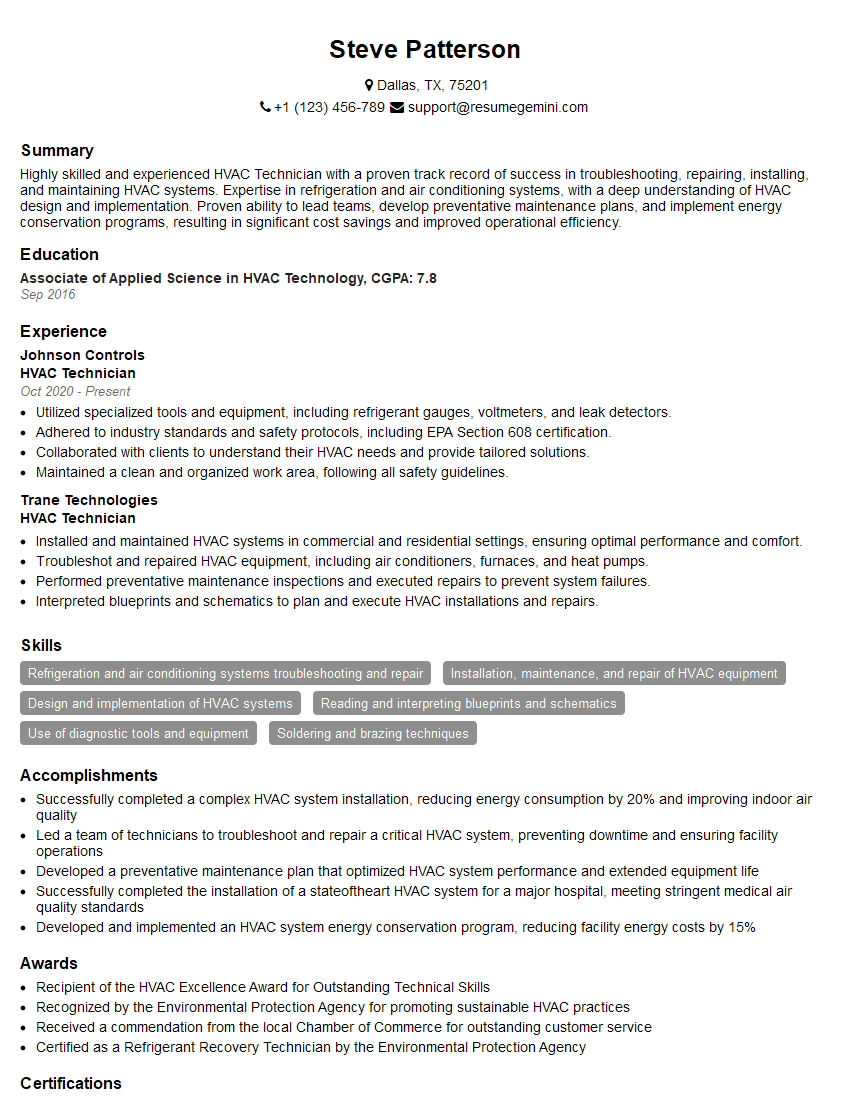
HVAC Technician Resume Sample
- Sanitation Worker
- Utility Worker
- Crane Operator
- Delivery Driver
- Shipping and Receiving Clerk
- Material Handler
- Warehouse Worker
- Order Picker
- Packer
- Mechanic
- Construction Worker
- Heavy Equipment Operator
- Forklift Operator
- Rigger
- Welder
- Mover
- Furniture Installer
- Factory Worker
- Freight Handler
- HVAC Technician
Explore more articles
Users Rating of Our Blogs
Share Your Experience
We value your feedback! Please rate our content and share your thoughts (optional).
What Readers Say About Our Blog
Very informative content, great job.
good