The thought of an interview can be nerve-wracking, but the right preparation can make all the difference. Explore this comprehensive guide to Ability to Lift Heavy Objects Safely interview questions and gain the confidence you need to showcase your abilities and secure the role.
Questions Asked in Ability to Lift Heavy Objects Safely Interview
Q 1. Describe your experience lifting heavy objects in previous roles.
In my previous roles at a warehouse and a construction site, I’ve regularly lifted objects ranging from 25 to 75 pounds, and occasionally heavier items with the assistance of proper equipment and colleagues. At the warehouse, this involved moving boxes of varying sizes and weights, always prioritizing safe lifting techniques to prevent injuries. At the construction site, I’ve lifted and moved materials like lumber, drywall, and concrete blocks, following strict safety protocols. I’ve developed a strong understanding of my physical limitations and always assess the situation before attempting a lift. For example, I remember one instance where a pallet of bricks seemed manageable, but after assessing its weight distribution and potential obstacles, I opted to use a pallet jack instead, preventing a potential back injury.
Q 2. What is your understanding of proper lifting techniques?
Proper lifting techniques are crucial for preventing injuries. The core principles include:
- Assessment: Before lifting, assess the weight, size, and stability of the object and the lifting path. Look for obstacles.
- Stance: Position your feet shoulder-width apart, with one foot slightly ahead of the other for better balance. Get as close to the object as possible.
- Bend at the Knees and Hips: Keep your back straight and bend at your hips and knees. Avoid twisting your torso.
- Lift with Your Legs: Use your leg muscles to lift the object, keeping the load close to your body.
- Control and Movement: Lift smoothly and steadily, avoiding jerky movements. Maintain eye contact with the object and the path ahead.
- Lower Carefully: Lower the object slowly, using the same leg muscles and keeping your back straight.
Think of it like this: your legs are your powerful engines, and your back is a delicate steering wheel. You wouldn’t drive a powerful car by only using the steering wheel, and likewise, you shouldn’t rely solely on your back for lifting.
Q 3. Explain the importance of maintaining a straight back when lifting.
Maintaining a straight back when lifting is paramount because it prevents strain and injury to your spine. When you bend over with a curved back, you put excessive pressure on your vertebrae and intervertebral discs. This pressure can lead to muscle strains, sprains, herniated discs, and even long-term back problems. A straight back allows you to distribute the weight evenly across your stronger leg and core muscles, acting as a natural brace for your spine. Imagine trying to lift a heavy box with a bent back: the weight is concentrated on a small, vulnerable area of your spine. A straight back distributes the load across your whole body, making the lift significantly safer.
Q 4. How do you assess the weight of an object before lifting it?
Assessing weight before lifting involves a multi-sensory approach. I first visually estimate the size and density of the object. Is it primarily empty space or solid material? I might attempt to gently rock or nudge the object to sense its weight distribution. If uncertain, I will try to lift a small portion to gauge the overall weight. If there’s any doubt, I always seek assistance or utilize appropriate lifting aids. For example, if I’m unsure about the weight of a box, I might try to slightly lift one end to get a sense of its heaviness before committing to a full lift. Remember safety is always the priority.
Q 5. What are some common causes of lifting-related injuries?
Common causes of lifting-related injuries include:
- Improper Lifting Techniques: This is the most significant factor, encompassing bending at the waist, twisting, lifting with outstretched arms, and failing to maintain a stable base.
- Overexertion: Attempting to lift objects heavier than one’s capacity puts immense stress on the body’s muscles and joints.
- Poor Physical Condition: A lack of physical fitness, especially core and leg strength, increases the risk of injury.
- Repetitive Lifting: Repeated lifting actions, even with proper form, can cumulatively strain muscles and joints.
- Unstable Surfaces: Lifting from uneven or slippery surfaces increases the risk of slips, trips, and falls.
- Lack of Awareness of Surroundings: Not checking the lifting path for obstacles can lead to unexpected strains or accidents.
It is important to remember that even seemingly minor injuries can have long-term consequences, so always prioritize safe practices.
Q 6. Describe your experience using lifting aids, such as dollies or hand trucks.
I have extensive experience using various lifting aids, such as dollies, hand trucks, and pallet jacks. These tools are invaluable for safely moving heavier objects that would otherwise strain the back and muscles. For example, when moving heavy furniture or equipment, using a dolly distributes the weight evenly, allowing for easier and safer movement. Similarly, hand trucks are ideal for transporting long, heavy items like lumber. Knowing which tool to use for the job is essential. I always inspect the equipment before use to ensure it is in good working order and safely secured to the object being moved. For example, ensuring the straps are tightly fastened when using a hand truck to prevent the load from shifting during transport.
Q 7. How would you handle a situation where you are required to lift an object beyond your capabilities?
If faced with an object beyond my capabilities, I would immediately seek assistance. I would never attempt to lift something I am unsure I can handle safely. This includes asking a coworker, supervisor, or using available mechanical aids like a forklift or crane. The safety of myself and others is paramount. Trying to lift an object that’s too heavy is a recipe for injury. My approach would be to assess the situation, seek the necessary help, and ensure the task is completed safely and efficiently using appropriate equipment and teamwork. For example, if we needed to move a heavy piece of machinery at the construction site, I’d immediately communicate the need for assistance with a forklift to my supervisor, ensuring the task is properly delegated to prevent any injury.
Q 8. Explain your understanding of ergonomic principles in lifting.
Ergonomic principles in lifting focus on minimizing the risk of musculoskeletal injuries by optimizing the way we move and lift. It’s all about matching the task to the person, not the other way around. This involves considering factors like posture, load, and movement.
- Posture: Maintaining a neutral spine (natural curvature) is crucial. Avoid twisting or bending at the waist; instead, keep your back straight and lift with your legs.
- Load: Lifting lighter loads reduces strain. If a load is too heavy, seek assistance or use mechanical aids. Understanding the object’s center of gravity is also important; closer to your body is safer.
- Movement: Smooth, controlled movements are key. Avoid jerky or sudden movements. Keep the load close to your body throughout the lift.
For example, imagine lifting a box. Instead of bending over and twisting to pick it up, I would get close, bend my knees, keep my back straight, and lift with my leg muscles, keeping the box close to my body. I’d also assess the weight beforehand; if it felt too heavy, I’d ask for help.
Q 9. What safety precautions do you take before lifting heavy objects?
Before lifting anything heavy, my safety checklist is comprehensive. It includes:
- Assessing the load: I determine the weight and size, and check for any sharp edges or unstable contents.
- Checking the path: I clear the area of any obstacles to ensure a clear path to my destination. This includes trip hazards, uneven surfaces, and obstructions.
- Getting help if needed: If the load is too heavy or awkward, I always ask for assistance rather than risk injury. Teamwork is essential in safety.
- Proper footwear: I ensure I’m wearing sturdy, closed-toe shoes that provide good grip.
- Using appropriate equipment: If available and appropriate, I’ll use lifting aids like dollies, hand trucks, or lifting straps.
Once I’ve completed this, I feel confident in approaching the lift itself.
Q 10. How do you ensure a stable base of support when lifting?
A stable base of support is fundamental to safe lifting. This means positioning your feet shoulder-width apart, with one foot slightly ahead of the other for better balance. Your weight should be evenly distributed, and your knees should be slightly bent, ready to power the lift. Imagine your feet are the foundation of a building – a wider base is stronger and more stable.
In a practical scenario, lifting a heavy piece of equipment, I would first ensure my feet are placed correctly, providing a stable and balanced foundation. This prevents me from losing balance during the lifting process and minimizes the risk of injury.
Q 11. Describe your experience working with lifting teams.
I’ve extensive experience working in lifting teams, particularly on construction sites. Effective teamwork is crucial for safety and efficiency. This involves clear communication, a shared understanding of the task, and mutual respect for individual capabilities. We often use a system where one person directs the lift, giving clear instructions about when to move, while others provide support and balance.
In one instance, we were lifting a large concrete slab. We had a designated leader who gave signals, and the rest of us were positioned strategically to support the slab, ensuring a smooth and controlled movement.
Q 12. How do you communicate lifting plans with team members?
Communication is paramount in lifting plans. Before any lift, we have a brief meeting, usually informally, to establish:
- The weight and dimensions of the object.
- The lifting technique: This might include the use of specific equipment or a coordinated lift.
- The route to the destination: Making sure the path is clear and safe.
- Designated roles: Who will lift, who will guide, and who will spot.
- Hand signals: Agreeing on and practicing clear hand signals for communication during the lift (especially if verbal communication is difficult).
I make it a point to ensure everyone understands the plan and feels comfortable before we begin. Clear, concise communication prevents misunderstandings and accidents.
Q 13. What is your experience with lifting equipment like forklifts or cranes?
I have experience operating forklifts and have received thorough training in their safe operation, including pre-operational checks, load capacity limits, and safe operating procedures. I always prioritize safety and follow all regulations. I have also worked alongside crane operators and understand the importance of their role and the communication required when working with heavy lifting machinery.
For example, when working with a forklift, I always check the load capacity to ensure I’m not exceeding it. I also inspect the machine thoroughly before each use and complete appropriate safety checks.
Q 14. How do you identify potential hazards related to lifting heavy objects?
Identifying potential hazards is a proactive approach to safety. My hazard identification process includes:
- Visual inspection: Careful examination of the load, the environment, and the lifting equipment for any defects or unsafe conditions.
- Assessment of the load: Determining the weight, shape, and stability of the load.
- Analyzing the environment: Looking for obstacles, uneven surfaces, slippery floors, or inadequate lighting.
- Reviewing lifting equipment: Checking the condition of any equipment to be used, ensuring it’s fit for purpose and within its safe operating limits.
- Considering weather conditions: Adverse weather can increase the risk of slips, trips, and falls.
A common example would be noticing a slippery floor near the location of a heavy load. I would either clean the area or find an alternative route.
Q 15. What are some ways to prevent back injuries when lifting?
Preventing back injuries when lifting heavy objects is paramount. It’s all about minimizing strain on your spine by using proper lifting techniques. Think of your back as a precious cargo – you wouldn’t want to damage it! Here’s how to protect it:
- Assess the weight: Before attempting to lift, gauge the weight and determine if you need assistance. Don’t be afraid to ask for help if it’s too heavy.
- Proper posture: Stand close to the object, feet shoulder-width apart, with one foot slightly ahead of the other for stability. Bend your knees, keeping your back straight and your core engaged. Imagine a string pulling you up from the crown of your head – this helps maintain a neutral spine.
- Lift with your legs: Use your leg muscles, not your back, to lift the object. Straighten your legs slowly and smoothly, keeping the object close to your body.
- Avoid twisting: Turn your whole body instead of twisting at the waist, which can put significant stress on your spine. If you need to change direction, put the object down and reposition yourself.
- Controlled movements: Move slowly and deliberately. Avoid jerky movements, which can cause strain.
- Maintain a firm grip: Ensure a secure grip to prevent the object from slipping and causing injury. Use appropriate lifting gloves if necessary.
For example, imagine lifting a heavy box. Instead of bending over and using your back to heave it up, squat down, keeping your back straight, grasp the box firmly, and use your leg muscles to lift it, keeping it close to your body. Then, pivot your whole body to change direction if needed.
Career Expert Tips:
- Ace those interviews! Prepare effectively by reviewing the Top 50 Most Common Interview Questions on ResumeGemini.
- Navigate your job search with confidence! Explore a wide range of Career Tips on ResumeGemini. Learn about common challenges and recommendations to overcome them.
- Craft the perfect resume! Master the Art of Resume Writing with ResumeGemini’s guide. Showcase your unique qualifications and achievements effectively.
- Don’t miss out on holiday savings! Build your dream resume with ResumeGemini’s ATS optimized templates.
Q 16. Explain the importance of proper footwear when lifting heavy objects.
Proper footwear is crucial for safe lifting. It provides the necessary support and stability to prevent slips, trips, and falls, which can lead to serious injuries, especially when handling heavy objects. Think of your feet as your foundation – a weak foundation leads to a wobbly structure.
- Good arch support: Shoes with adequate arch support help maintain proper posture and distribute weight evenly across your feet.
- Non-slip soles: This prevents accidental slips on uneven or slippery surfaces, a common hazard in many workplaces. Look for shoes with deep treads.
- Closed-toe design: Protects your toes from potential impacts or crushes.
- Appropriate fit: Shoes should fit snugly but not too tightly to avoid discomfort and reduced stability.
For instance, steel-toe boots are essential in construction, providing protection from falling objects, but even in office environments, shoes with good support are better for safe lifting of even lighter boxes.
Q 17. How do you adapt your lifting technique for different types of objects?
Adapting your lifting technique depends on the object’s size, shape, weight, and fragility. You need to adjust your grip, posture, and lifting method accordingly.
- Awkwardly shaped objects: For oddly shaped items, use multiple points of contact to maintain a secure grip. This ensures that you do not drop or damage the object and prevents injury. Think of using straps or even asking for additional assistance.
- Fragile objects: Handle fragile items with extra care, using padding or supportive material to prevent breakage and injury from falling pieces.
- Large objects: For bulky items, you might need to use lifting aids, like dollies or pallet jacks to reduce the strain on your body. You will likely require a team lift.
- Long objects: Always maintain balance with the weight distributed equally to avoid twisting your body.
For example, lifting a large, heavy appliance requires a different approach than lifting a small box. You might need to use a hand truck for the appliance, keeping it upright and securing it to prevent it from shifting. For a small box, the basic principles of proper posture and lifting with your legs will still apply.
Q 18. What’s your understanding of weight limits and load capacity?
Understanding weight limits and load capacity is critical. It’s about knowing your physical limitations and respecting the safe working load of any equipment you are using. Ignoring these limits can lead to injury and damage.
- Personal weight limits: Be aware of your own physical capabilities. Don’t attempt to lift anything that feels beyond your strength. It’s always better to err on the side of caution.
- Equipment weight limits: Always check the load capacity of any lifting equipment, such as forklifts, cranes, or hand trucks, before using them. Exceeding these limits can cause equipment failure and potentially cause serious injury.
- Environmental factors: Consider environmental factors like uneven surfaces or slippery floors. These can affect your lifting capacity and make lifting more hazardous.
For example, if a forklift has a 1,000kg load capacity, never attempt to lift a load exceeding that weight. Similarly, if you struggle to lift a certain weight alone, it’s crucial to get assistance, rather than risking injury.
Q 19. How do you maintain workplace safety during heavy lifting tasks?
Maintaining workplace safety during heavy lifting tasks involves a multi-pronged approach.
- Proper training: All employees involved in heavy lifting should receive comprehensive training on safe lifting techniques, including understanding weight limits, using appropriate equipment, and recognizing hazardous situations.
- Appropriate equipment: Provide the necessary tools, such as lifting aids, gloves, and safety footwear to help prevent injuries and make lifting easier and safer. Consider ergonomic tools.
- Clear communication: Ensure clear communication between workers, especially during team lifts. Coordination is key to prevent accidents.
- Regular inspections: Inspect the work area regularly to identify and address any potential hazards, such as uneven surfaces, obstacles, or poorly lit areas.
- Emergency procedures: Establish clear emergency procedures in case of an accident or injury, including first aid and reporting procedures.
For example, regular safety meetings should reinforce proper lifting techniques and discuss near misses or incidents. Providing workers with comfortable, well-fitting gloves can also reduce the risk of hand injuries.
Q 20. What are the signs of an unsafe lifting environment?
An unsafe lifting environment presents several warning signs.
- Cluttered workspace: Obstacles, such as boxes, equipment, or debris can cause trips and falls, especially when carrying a heavy object.
- Poor lighting: Inadequate lighting makes it difficult to see potential hazards and reduces visibility.
- Slippery surfaces: Spills, wet floors, or oily surfaces can increase the risk of slips and falls during heavy lifting.
- Lack of proper equipment: The absence of appropriate lifting aids, such as hand trucks or dollies, can force workers to lift heavier loads manually.
- Inadequate training: Insufficient training on safe lifting practices significantly increases the risk of injuries.
For example, a dark, cluttered warehouse with oily floors is a clear indication of an unsafe lifting environment. Similarly, a lack of adequate training on the use of forklifts is another critical safety concern.
Q 21. Describe a time you had to adjust your lifting technique due to an unexpected obstacle.
During a warehouse move, I was tasked with relocating several large, heavy filing cabinets. I had planned my route and had a colleague assisting. However, halfway through the move, we encountered an unexpected obstacle – a section of the floor had become unexpectedly uneven due to recent construction. My initial plan to lift and carry the cabinets directly was no longer safe.
We immediately adjusted our technique. Instead of a direct lift, we used a hand truck, carefully maneuvering it over the uneven section. This required more time and effort, but it prioritized safety. We also ensured someone was spotting us at all times to prevent tipping. The unexpected obstacle forced us to adapt our lifting strategy to avoid a potential accident or injury.
Q 22. How do you prioritize safety over speed when lifting heavy objects?
Prioritizing safety over speed when lifting heavy objects is paramount. It’s not a race; it’s about preventing injury. Think of it like this: a quick, unsafe lift can lead to weeks of recovery, far longer than a slightly slower, safe lift. My approach involves a methodical process:
- Assessment: Before I even touch the object, I assess its weight, size, and the lifting environment. Is the path clear? Are there any obstacles? Is the object stable?
- Planning: I plan my lift. This includes determining the best grip, my stance, and my lifting path. I’ll ensure I have a clear and stable path to avoid twisting or reaching.
- Execution: I use proper lifting techniques – bending at the knees, keeping my back straight, using my legs to lift, and keeping the object close to my body. I avoid sudden movements and maintain a controlled pace.
- Communication: If I’m working with a team, clear communication is crucial. We’ll coordinate our efforts to ensure everyone is safe and the lift is performed correctly. This can include verbal cues, hand signals, or a pre-lift strategy.
For example, if I’m lifting a heavy box, I wouldn’t just grab it and yank it up. I’d carefully assess the weight, check the floor for stability, get a good grip, and use my legs to lift it, keeping the box close to my body. This slow, deliberate process is far safer than a quick, potentially dangerous lift.
Q 23. What training have you received related to safe lifting techniques?
My training in safe lifting techniques is extensive. I’ve completed several OSHA-compliant courses on safe lifting practices, including comprehensive training on proper body mechanics, hazard identification, and emergency procedures. This training included hands-on practice with various lifting techniques, such as using proper lifting aids (like dollies or lifting straps), and how to assess the work environment for potential risks. I’ve also received specialized training on lifting in confined spaces and working with different types of loads (e.g., awkward shapes, unbalanced weights).
Beyond formal training, I’ve had ample opportunity to apply and refine my skills through years of experience in various work environments. Regular job site safety meetings and refresher training on safe lifting practices have further reinforced my knowledge and awareness.
Q 24. What resources do you utilize to stay updated on safe lifting practices?
To stay updated on safe lifting practices, I utilize a variety of resources. This includes:
- OSHA Publications: I regularly review OSHA guidelines and publications on ergonomics, back safety, and safe lifting practices. These publications offer detailed information and updated standards.
- Industry Journals and Publications: I subscribe to industry journals that discuss current research and best practices in workplace safety and ergonomics, including articles on new technologies and lifting aids.
- Professional Development Courses: I actively seek out opportunities for professional development and continuing education courses to remain updated on the latest advancements in safety procedures and technologies.
- Manufacturer Instructions: When using any lifting equipment or machinery, I meticulously review the manufacturer’s instructions to ensure safe and compliant operation.
Staying current on safety regulations and techniques ensures that I am always using the most effective and safest methods for handling heavy objects.
Q 25. How do you handle lifting objects in confined or awkward spaces?
Lifting in confined or awkward spaces requires even more careful planning and execution. The key is to adapt the standard safe lifting techniques to the limitations of the environment. My approach includes:
- Thorough Assessment: I meticulously assess the space, identifying potential obstacles, limited reach, and any possible pinch points. I evaluate the object’s weight, shape, and accessibility.
- Appropriate Equipment: I determine if any specialized equipment, such as a come-along, pulley system, or even simple hand tools, can assist in moving the object safely and efficiently. This might include using smaller, more maneuverable lifting devices.
- Adjusting Technique: Standard lifting techniques might need to be modified to account for limited space. This might involve using smaller, more controlled movements and adjusting my body position to better fit the constraints of the environment.
- Teamwork: In confined spaces, teamwork is especially crucial. Clear communication and coordinated effort ensure that the lift is performed safely and without compromising anyone’s safety.
For example, when lifting something heavy in a narrow corridor, I would use smaller steps and possibly move the object in stages. If the item is awkward shaped I might use straps or lifting hooks to improve my grip and control. I’d also ensure there’s no risk of hitting walls or other obstructions during the lift.
Q 26. What is your understanding of the employer’s responsibilities regarding workplace safety related to heavy lifting?
An employer has significant responsibilities regarding workplace safety related to heavy lifting. These include:
- Providing Training: Employers must provide adequate and comprehensive training on safe lifting techniques, proper equipment use, and hazard identification. Training should be tailored to the specific tasks and work environment.
- Providing Equipment: Employers are responsible for supplying the necessary equipment to minimize risk, such as lifting aids, personal protective equipment (PPE), and proper lifting tools. This might include things like back belts, gloves, or mechanical lifting equipment.
- Maintaining a Safe Work Environment: Employers must create and maintain a safe work environment free from unnecessary hazards. This includes clear pathways, proper lighting, and appropriate storage of materials.
- Implementing Safety Procedures: They must establish clear safety procedures and protocols for lifting and moving heavy objects. These procedures should be clearly communicated and enforced.
- Regular Inspections: The employer is responsible for regular inspections of the workplace to identify and mitigate potential hazards related to lifting, including reviewing ergonomic assessment of workspaces.
Ultimately, the employer’s responsibility is to ensure a safe and healthy work environment where employees can perform their tasks without unnecessary risk of injury.
Q 27. Describe a time you noticed a potential safety hazard related to lifting. How did you address it?
During a warehouse inventory, I noticed a stack of boxes precariously balanced on a pallet, with the bottom layer slightly unstable. This posed a significant risk because someone could be injured while attempting to lift or move the pallet. I immediately addressed the issue by:
- Reporting the Hazard: I reported the unsafe condition to my supervisor, detailing the potential hazard and suggesting immediate corrective action.
- Securing the Area: I placed caution tape around the unstable pallet to prevent anyone from accidentally approaching or attempting to move it.
- Suggesting a Solution: I suggested that the boxes be restacked to create a more stable and secure configuration, ensuring that the bottom layer was evenly distributed and supported.
My quick action prevented a potential accident. The supervisor immediately acted on my report, and the boxes were restacked correctly. This demonstrates my commitment to proactive safety measures.
Q 28. How do you ensure your lifting technique is efficient and minimizes strain?
Efficient and strain-minimizing lifting relies on proper technique and awareness. My strategy includes:
- Proper Body Mechanics: I consistently use proper lifting techniques: bending at the knees, keeping my back straight, and using my leg muscles to lift. This prevents unnecessary strain on my back and other joints. I always keep the load close to my body.
- Controlled Movements: I avoid jerky or sudden movements, opting for a smooth, controlled lift and set-down. This helps to distribute the workload evenly and minimizes the risk of injury.
- Using Lifting Aids: When appropriate, I utilize lifting aids such as dollies, hand trucks, or lifting straps to reduce the physical strain of lifting. These tools can significantly reduce the risk of injury and improve efficiency.
- Taking Breaks: I regularly take breaks to avoid fatigue. Fatigue can lead to poor lifting technique and increase the risk of injury. Regular breaks are crucial for maintaining efficiency and safety.
- Knowing My Limits: I am very aware of my physical limitations and will never attempt to lift an object that is beyond my safe capacity. I will seek assistance or appropriate equipment if necessary.
By consistently applying these principles, I can lift heavy objects efficiently while minimizing the risk of strain and injury.
Key Topics to Learn for Ability to Lift Heavy Objects Safely Interview
- Proper Lifting Techniques: Understanding and applying ergonomic principles to minimize strain and risk of injury. This includes proper posture, foot placement, and using leg muscles effectively.
- Assessing the Load: Evaluating the weight, size, and shape of an object before attempting to lift it. Knowing your physical limitations and seeking assistance when necessary.
- Using Lifting Aids: Familiarity with and proper use of various lifting aids such as dollies, hand trucks, hoists, and other equipment designed to assist with heavy lifting.
- Workplace Safety Regulations: Understanding and adhering to relevant safety regulations and company policies concerning heavy lifting. This includes reporting unsafe conditions.
- Teamwork and Communication: The importance of clear communication and collaboration with colleagues when lifting heavy objects, particularly when teamwork is required.
- Injury Prevention and First Aid: Basic understanding of common lifting-related injuries and first aid procedures. Knowing when to seek medical attention.
- Personal Protective Equipment (PPE): Knowing which PPE is appropriate for different lifting tasks and how to use it correctly (e.g., gloves, back supports).
- Understanding Material Handling Principles: Applying principles of balance, stability, and leverage to efficiently and safely move heavy items.
Next Steps
Mastering the ability to lift heavy objects safely is crucial for career progression in many physically demanding fields. It demonstrates a commitment to safety, efficiency, and responsibility, making you a valuable asset to any employer. To highlight these skills effectively, creating a strong, ATS-friendly resume is vital. This ensures your application gets noticed by recruiters and hiring managers. ResumeGemini is a trusted resource to help you build a professional and impactful resume tailored to your skills and experience. We provide examples of resumes specifically designed for candidates highlighting their proficiency in safely lifting heavy objects; use these examples as inspiration to craft your own compelling application.
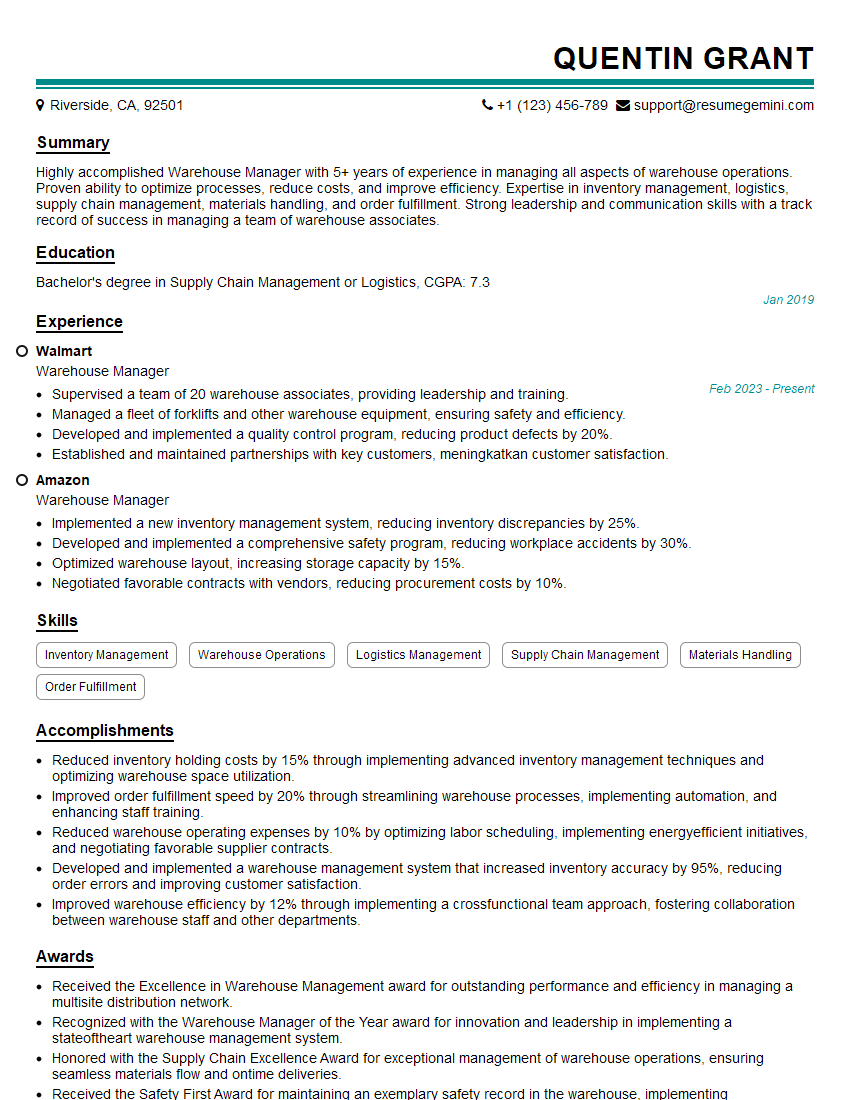
Warehouse Manager Resume Sample
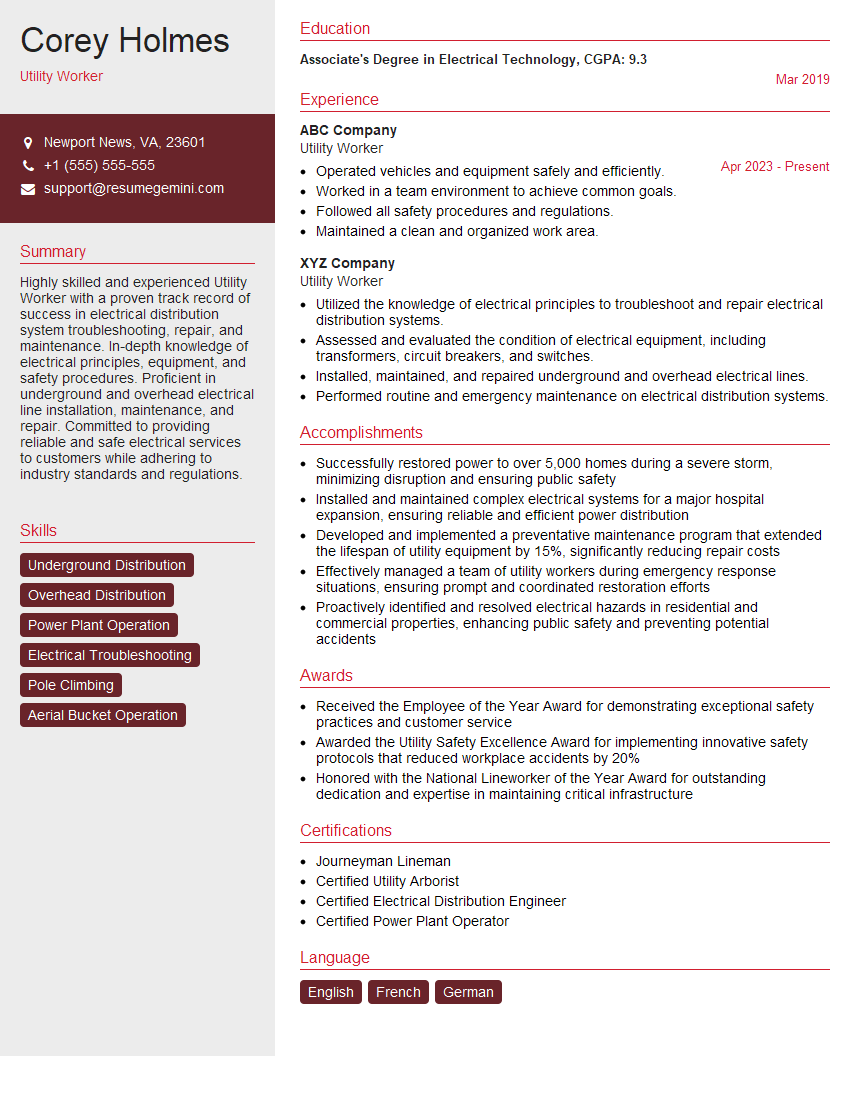
Utility Worker Resume Sample
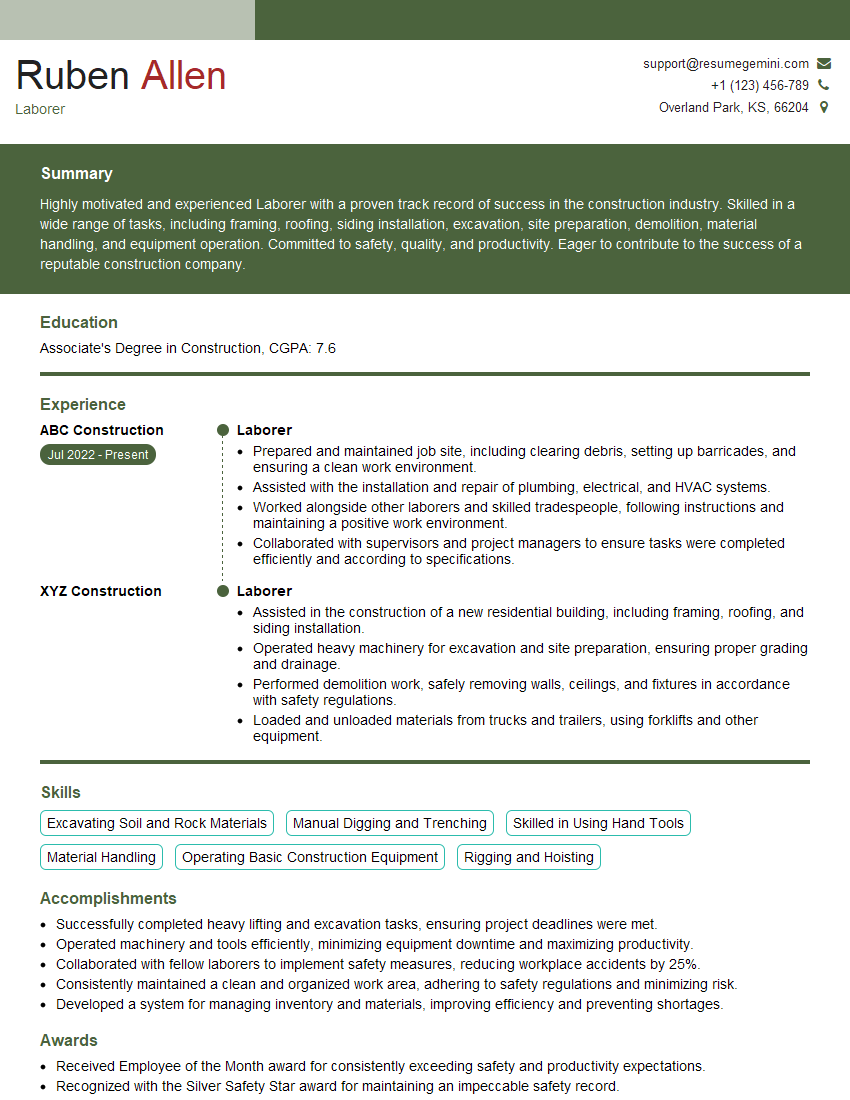
Laborer Resume Sample

Crane Operator Resume Sample
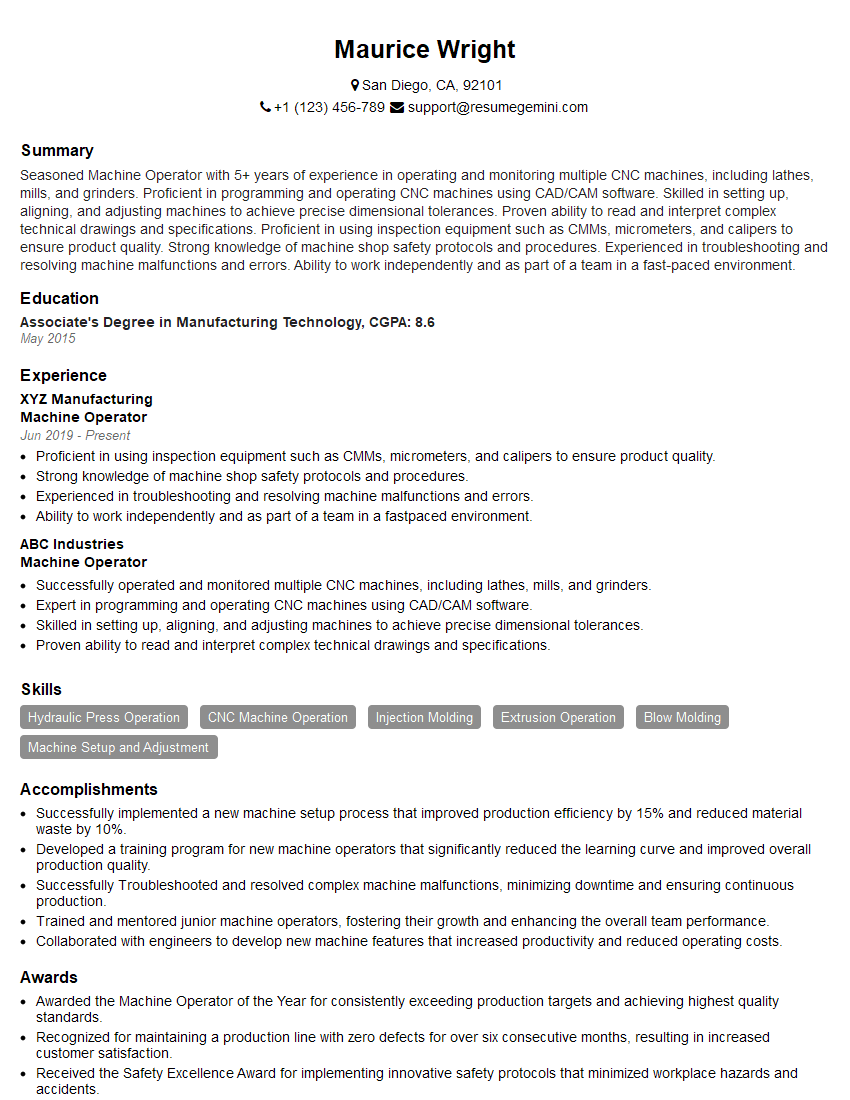
Machine Operator Resume Sample

Stock Clerk Resume Sample
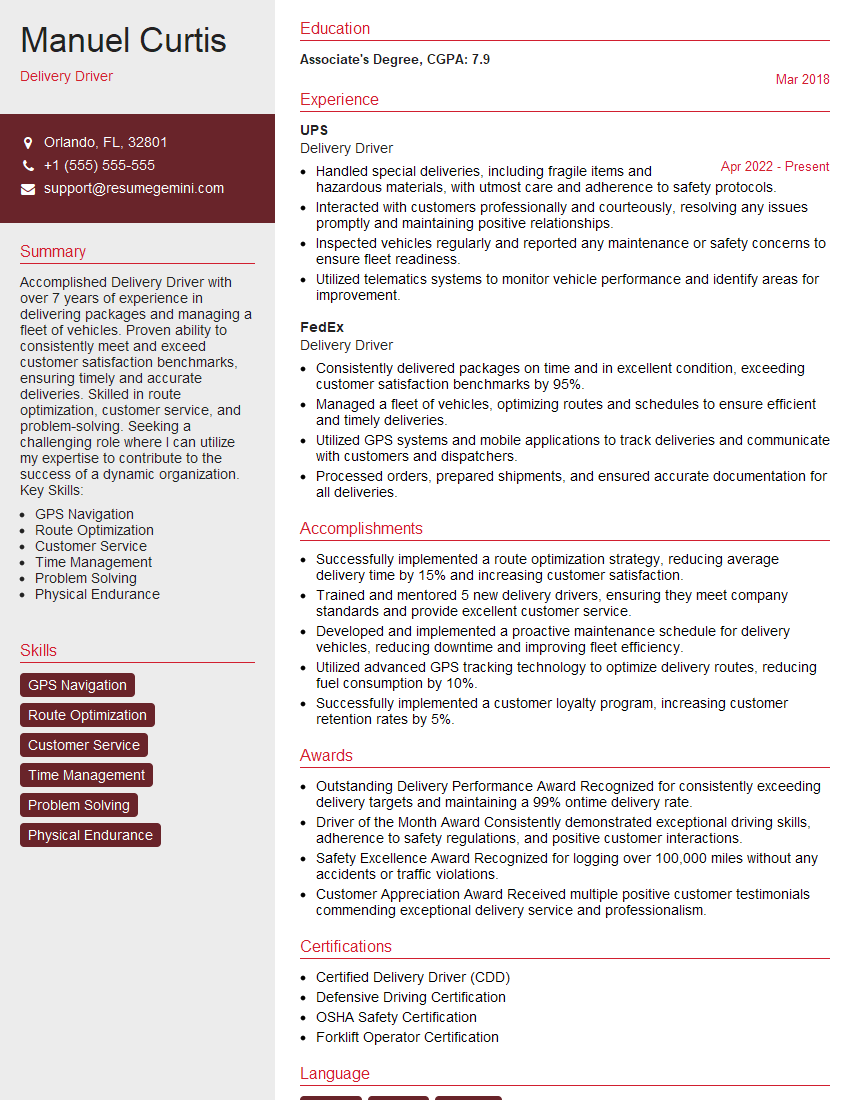
Delivery Driver Resume Sample

Shipping and Receiving Clerk Resume Sample
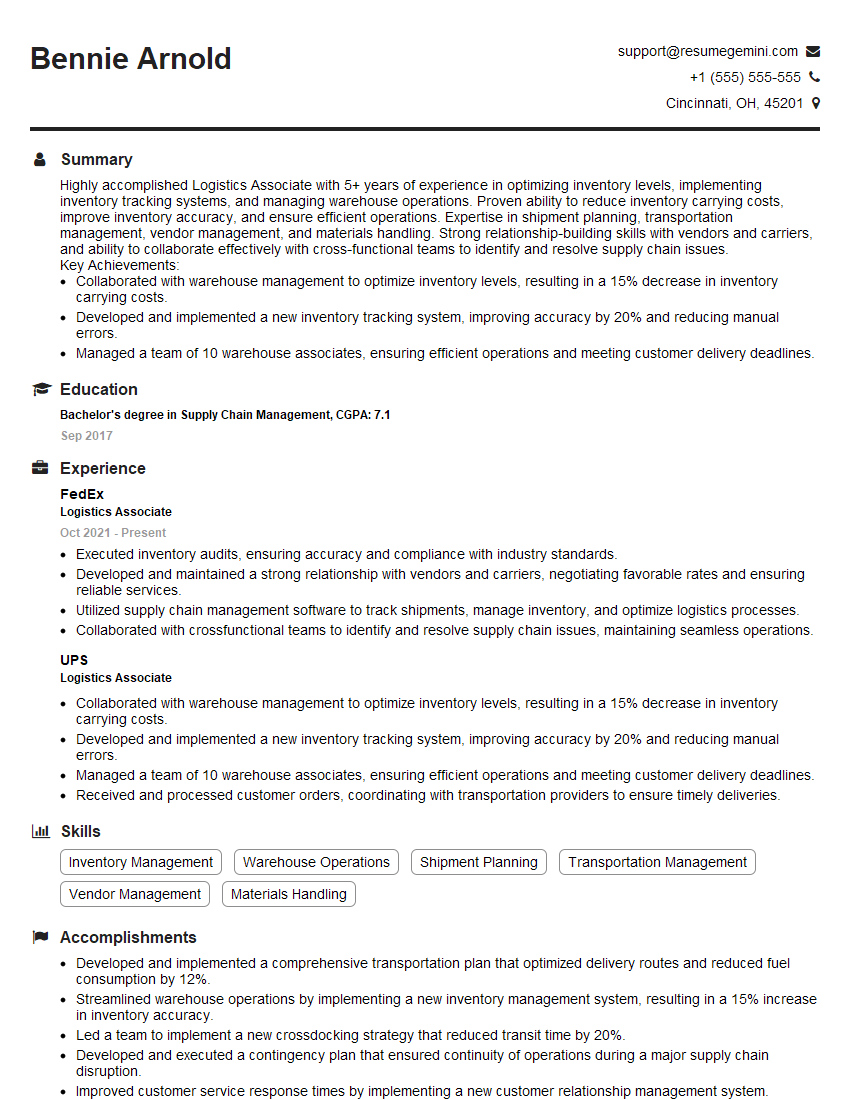
Logistics Associate Resume Sample
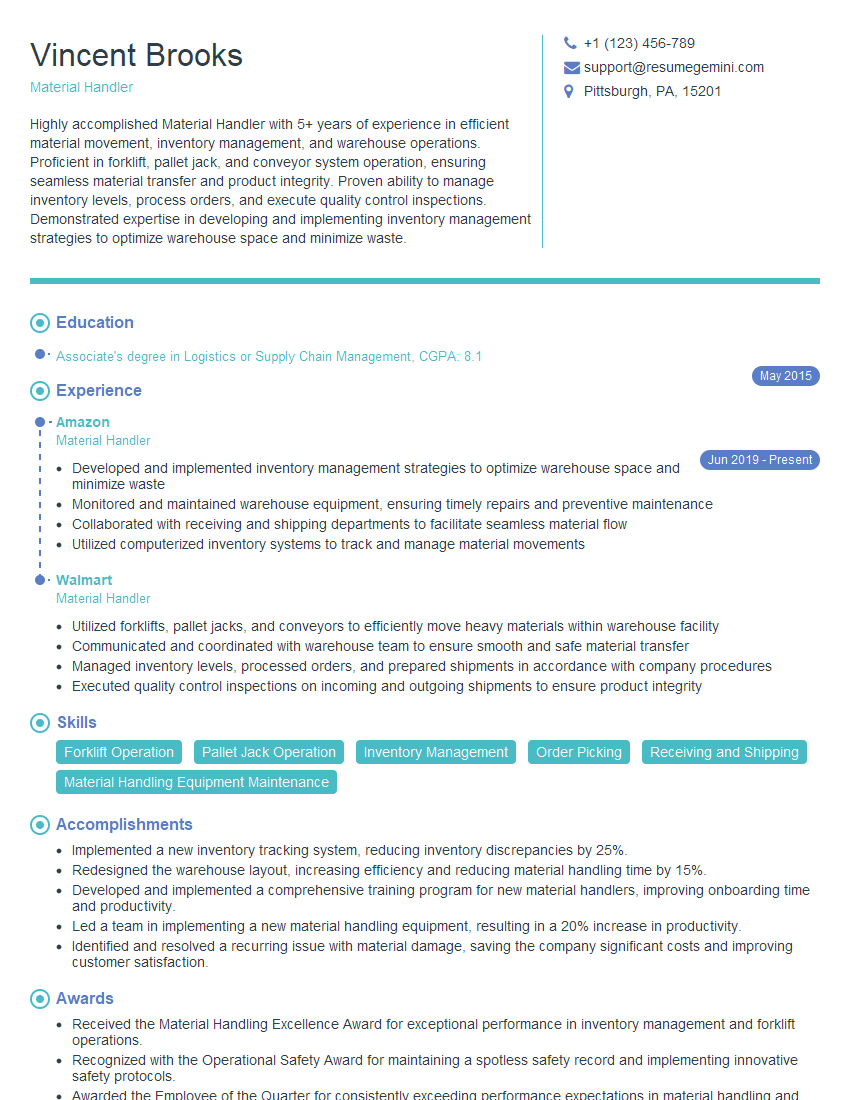
Material Handler Resume Sample
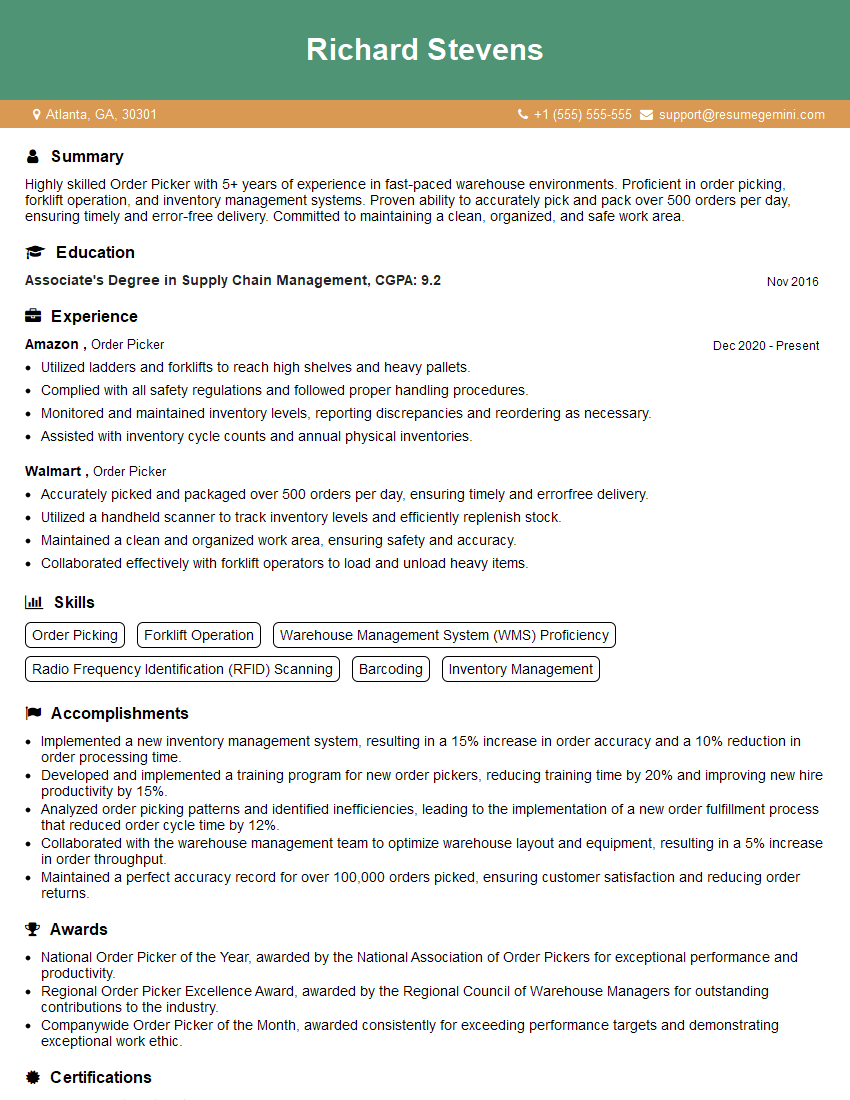
Order Picker Resume Sample
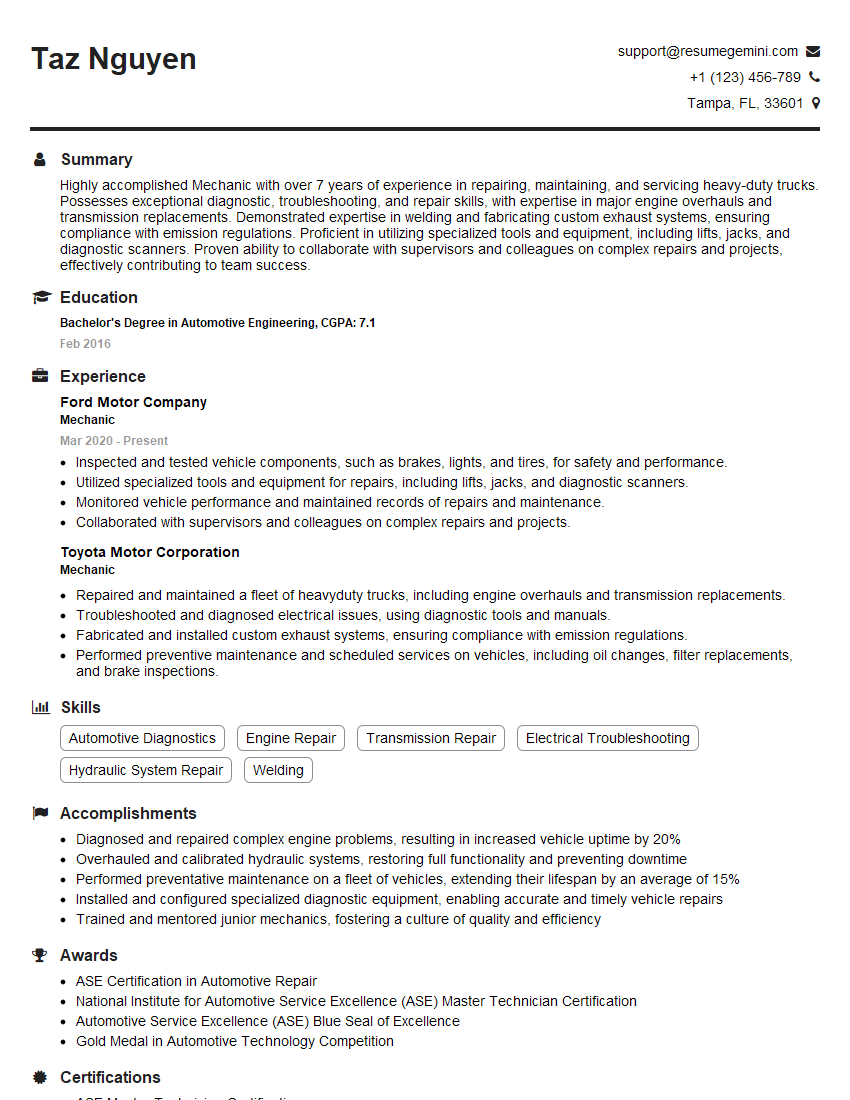
Mechanic Resume Sample
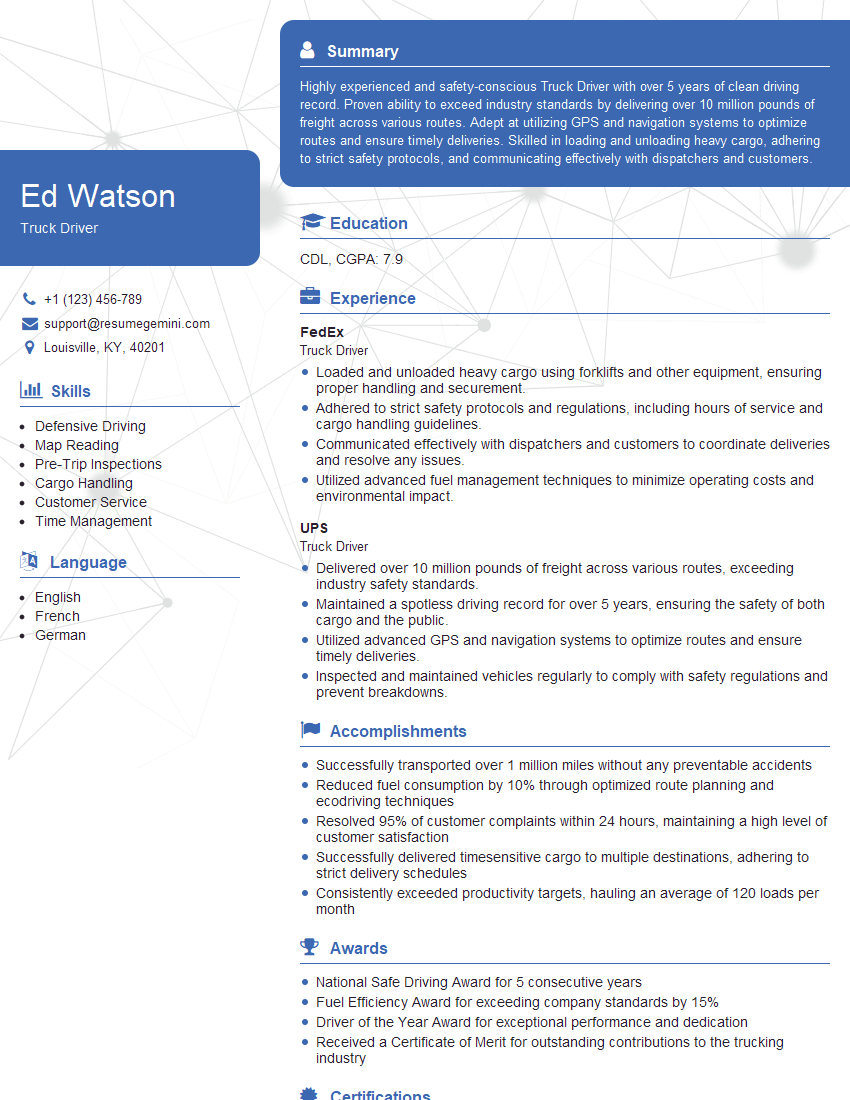
Truck Driver Resume Sample
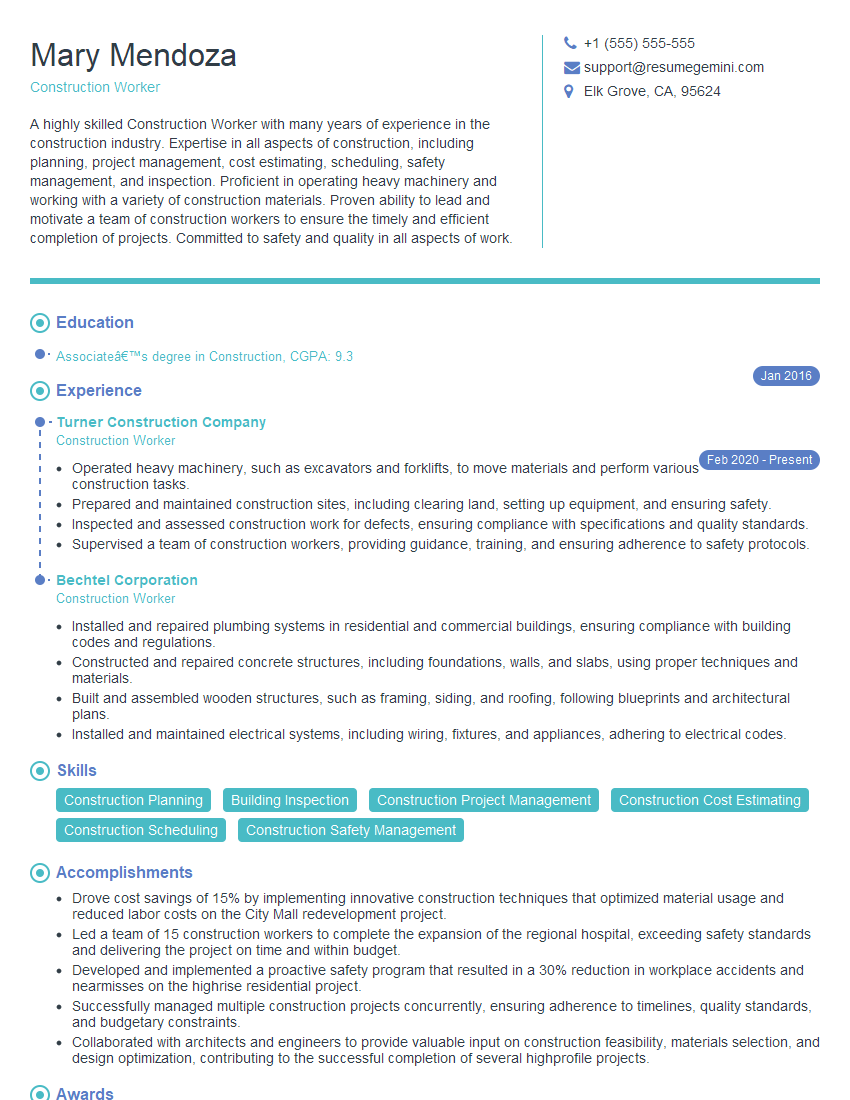
Construction Worker Resume Sample
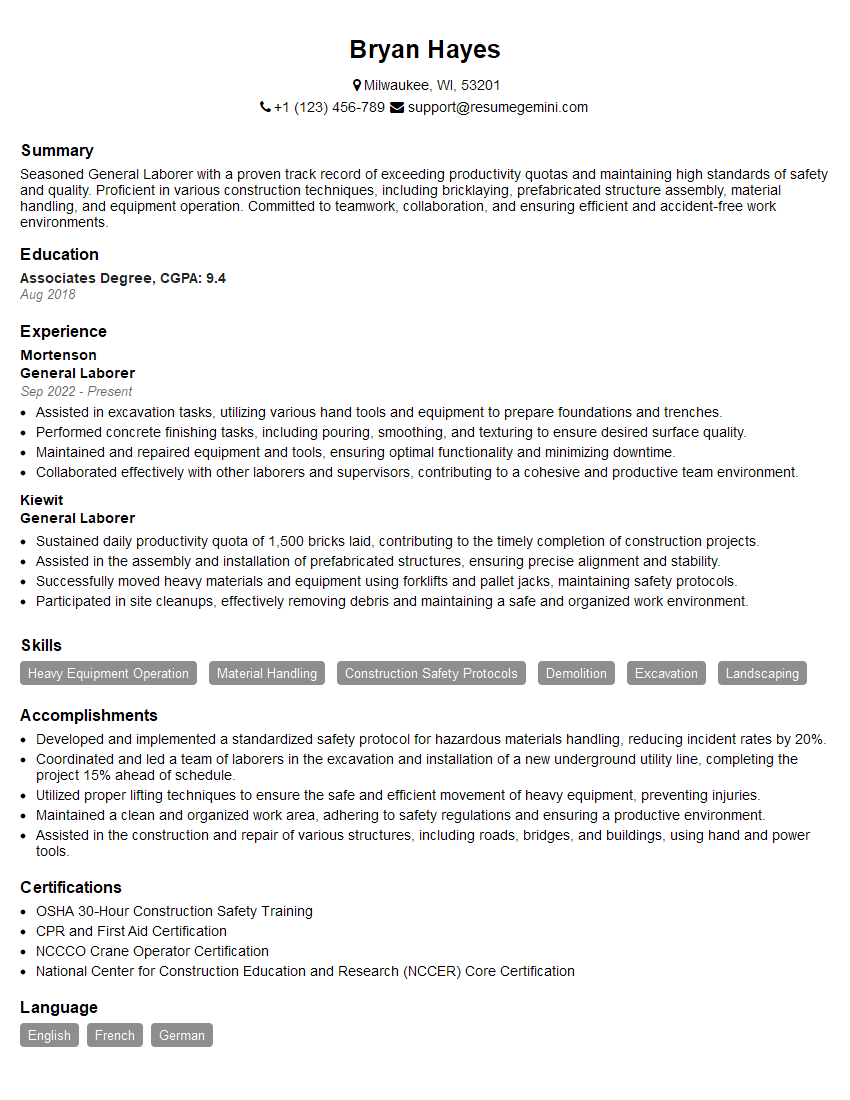
General Laborer Resume Sample
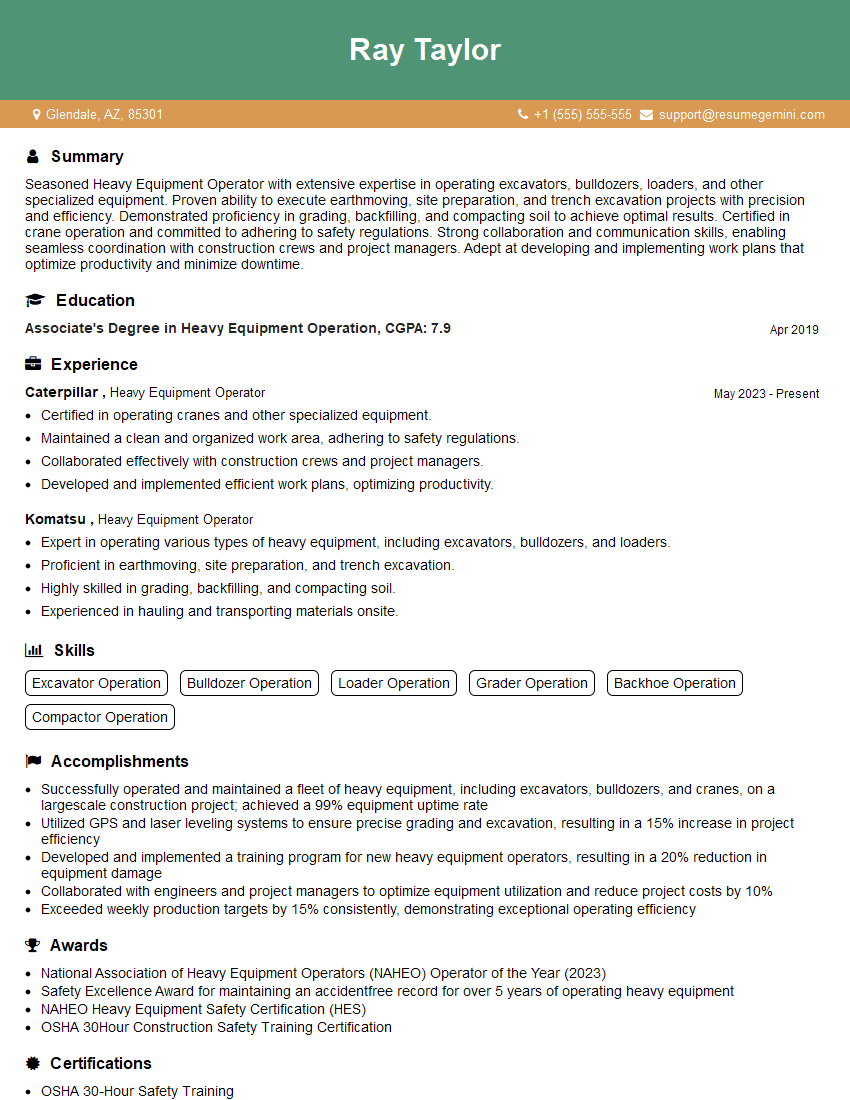
Heavy Equipment Operator Resume Sample
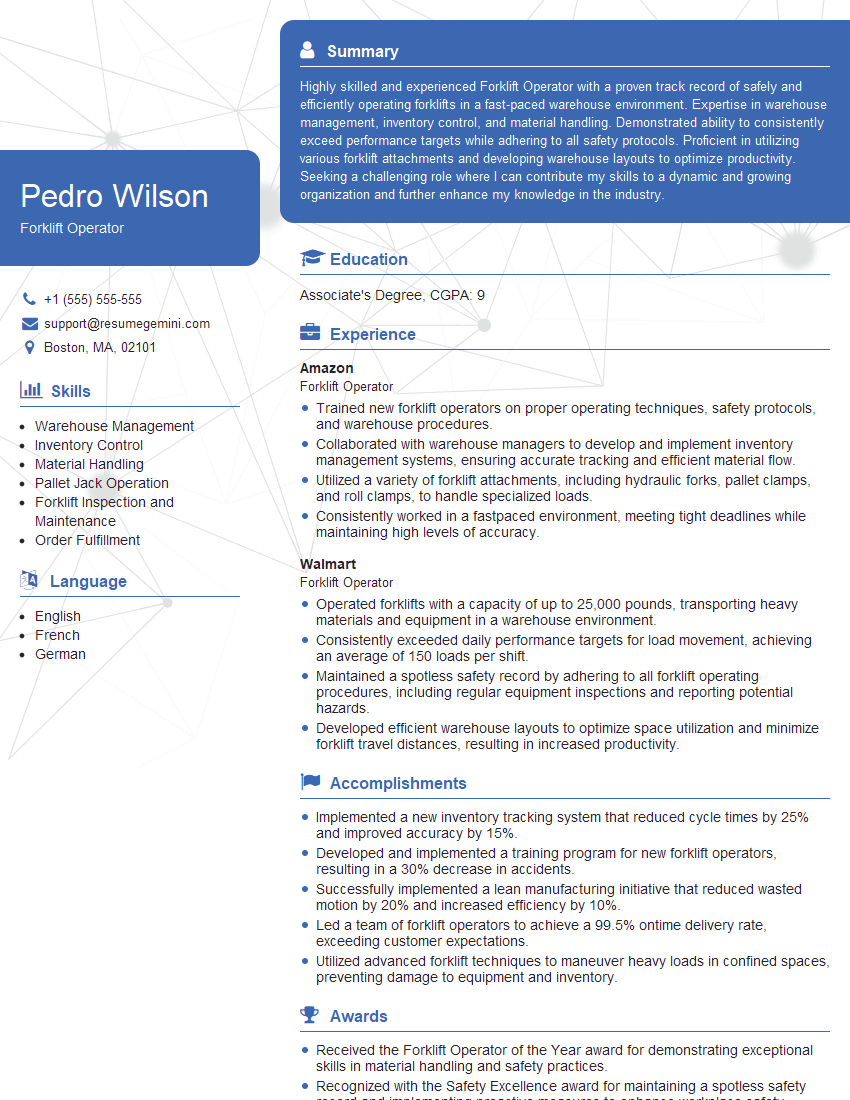
Forklift Operator Resume Sample
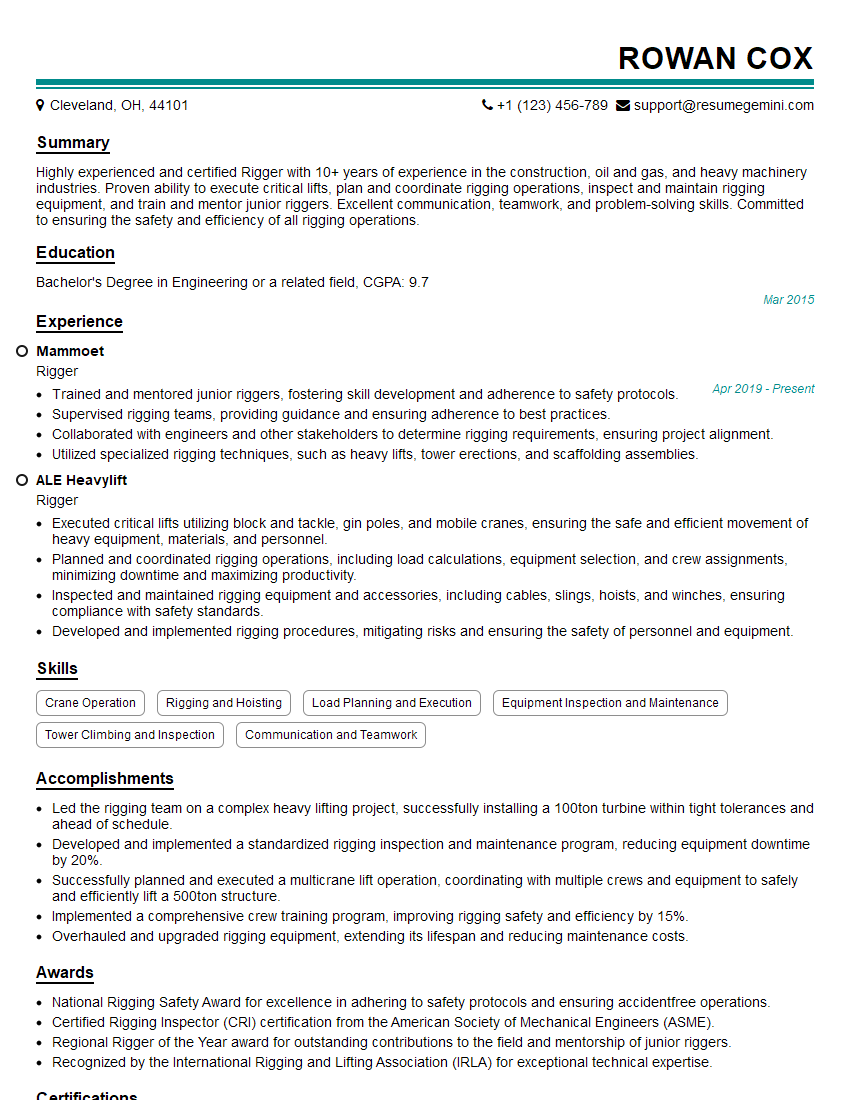
Rigger Resume Sample
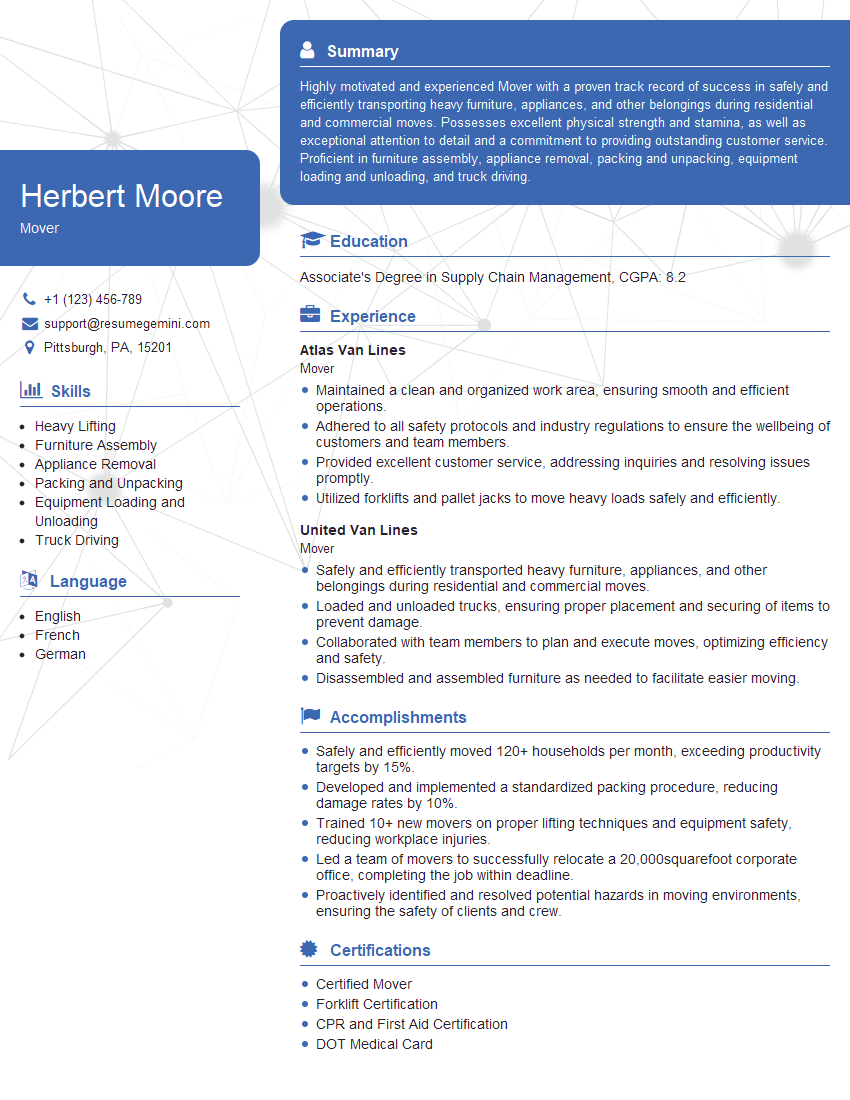
Mover Resume Sample
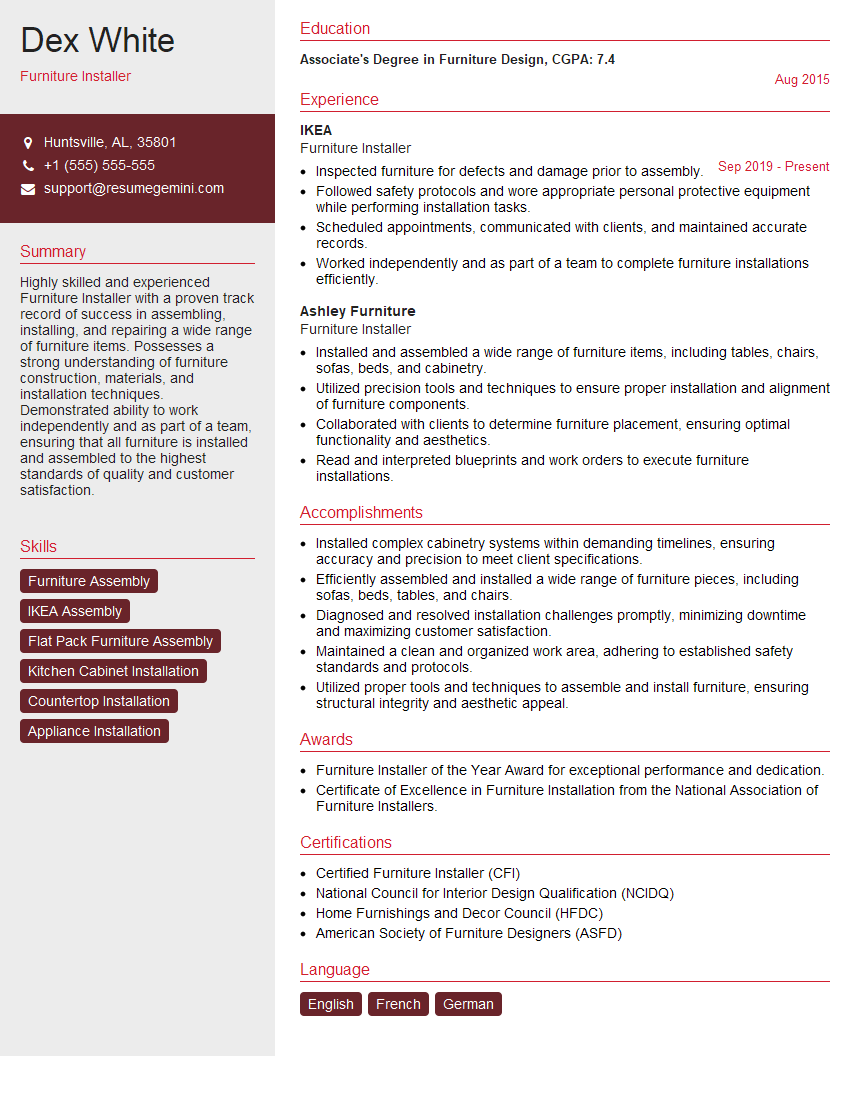
Furniture Installer Resume Sample
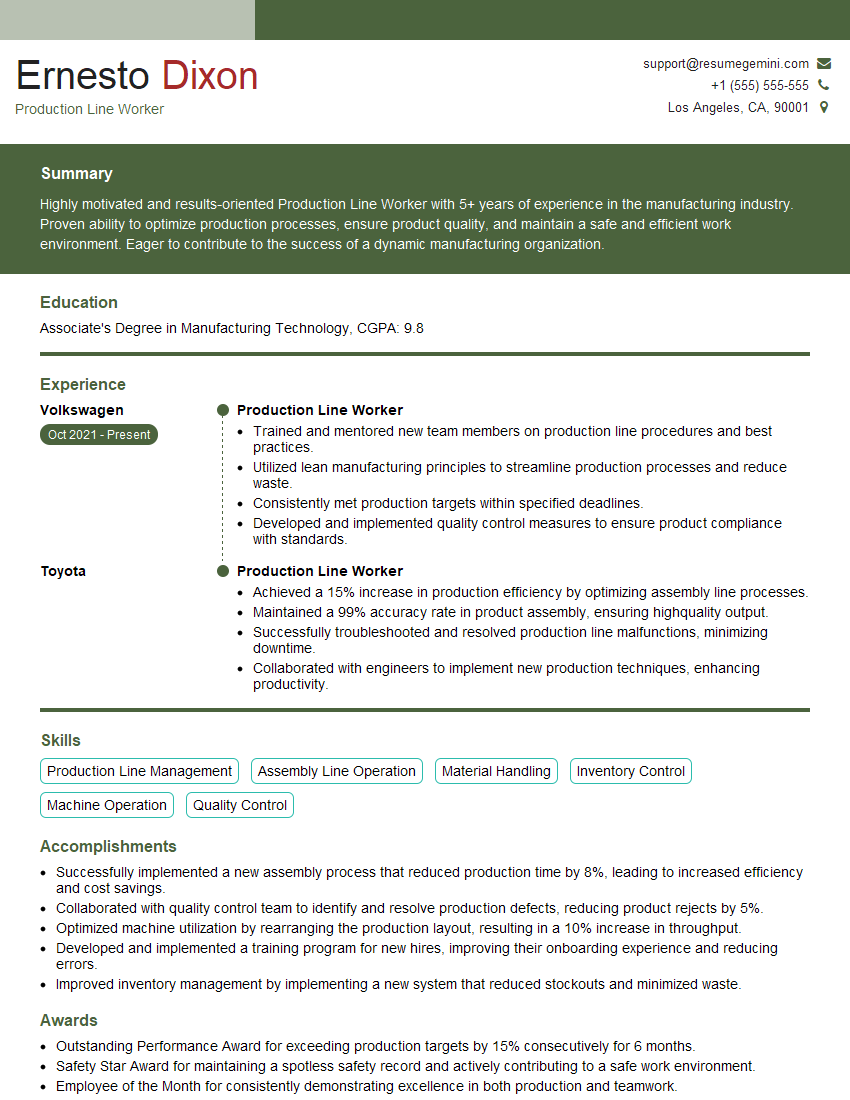
Production Line Worker Resume Sample
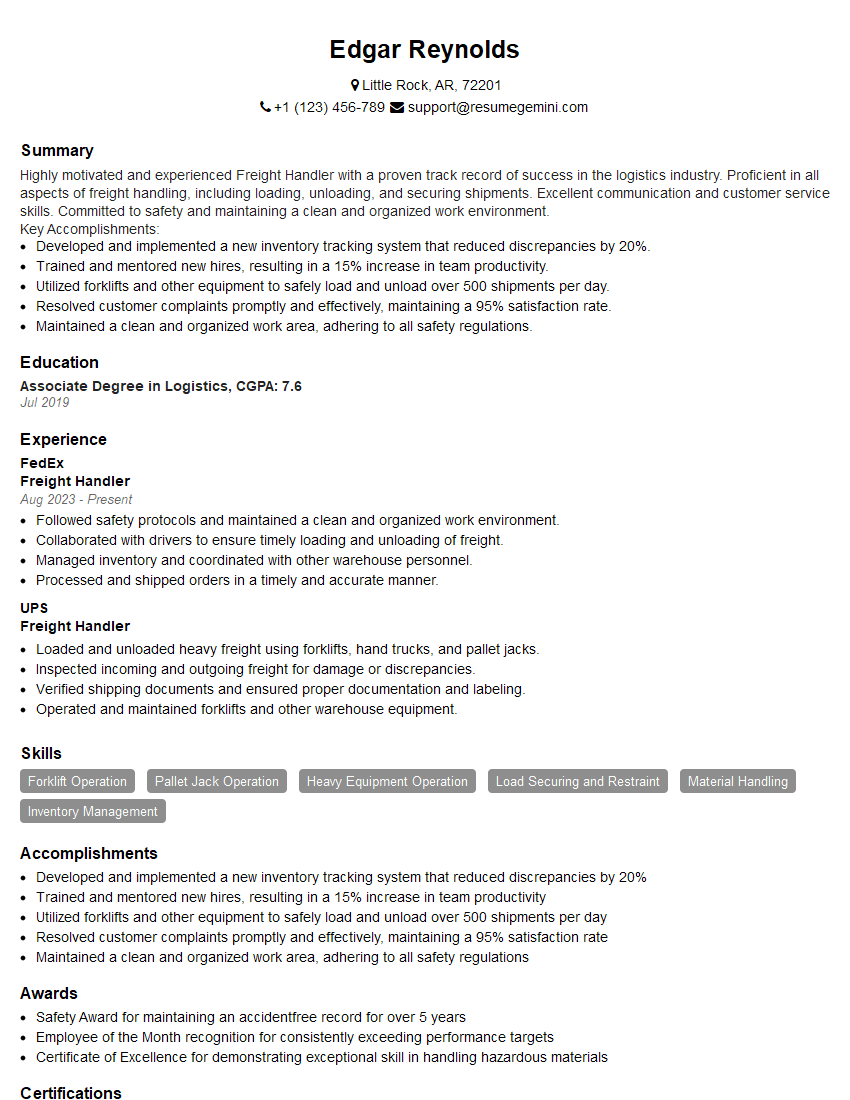
Freight Handler Resume Sample
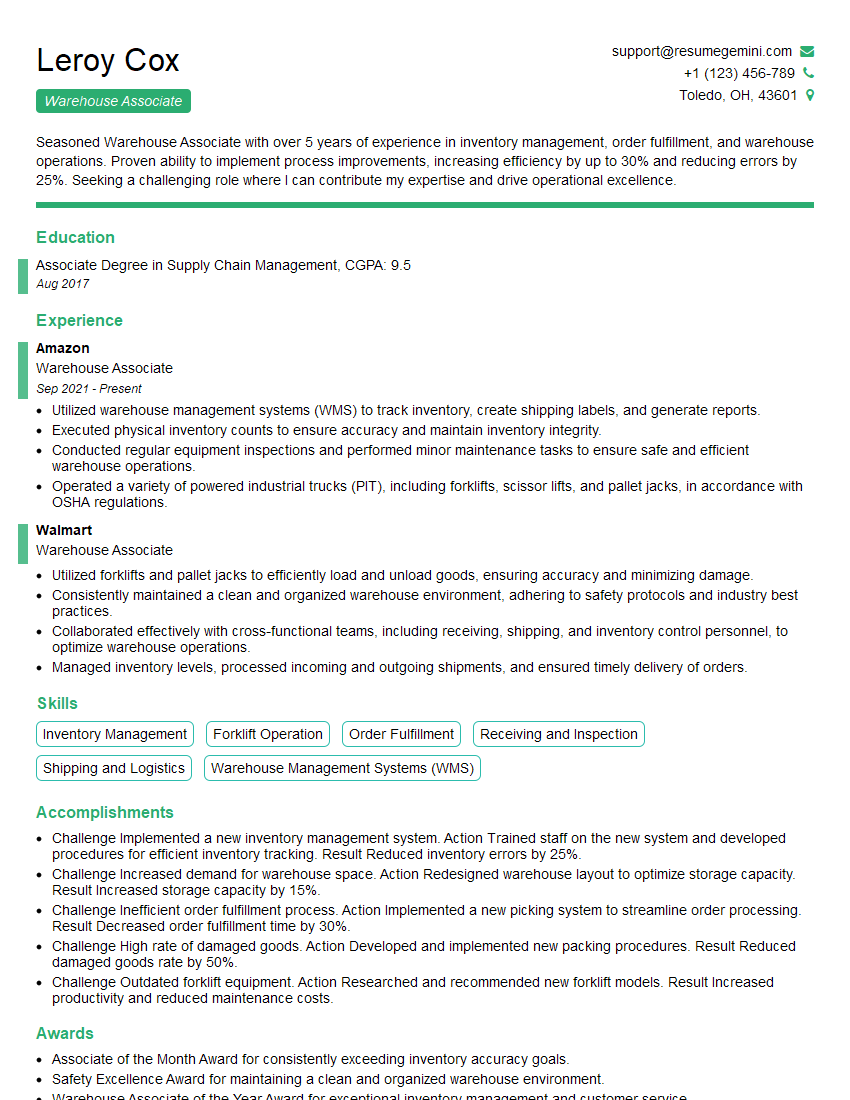
Warehouse Associate Resume Sample
- Warehouse Manager
- Utility Worker
- Laborer
- Crane Operator
- Machine Operator
- Stock Clerk
- Delivery Driver
- Shipping and Receiving Clerk
- Logistics Associate
- Material Handler
- Order Picker
- Mechanic
- Truck Driver
- Construction Worker
- General Laborer
- Heavy Equipment Operator
- Forklift Operator
- Rigger
- Mover
- Furniture Installer
- Production Line Worker
- Freight Handler
- Warehouse Associate
Explore more articles
Users Rating of Our Blogs
Share Your Experience
We value your feedback! Please rate our content and share your thoughts (optional).
What Readers Say About Our Blog
Very informative content, great job.
good