Interviews are opportunities to demonstrate your expertise, and this guide is here to help you shine. Explore the essential Ability to maintain a clean and efficient pressroom interview questions that employers frequently ask, paired with strategies for crafting responses that set you apart from the competition.
Questions Asked in Ability to maintain a clean and efficient pressroom Interview
Q 1. Describe your experience maintaining a clean and organized pressroom environment.
Maintaining a clean and organized pressroom isn’t just about aesthetics; it’s crucial for safety, efficiency, and print quality. My approach involves a multi-pronged strategy focusing on preventative measures and consistent upkeep. I begin by establishing clear workspace organization: designated areas for materials, tools, and waste. Think of it like a well-stocked kitchen – everything has its place, making it easy to find and put away. I then implement a daily cleaning schedule, tackling small messes immediately to prevent them from accumulating. This prevents larger, more time-consuming cleanups later. For example, wiping down ink spills immediately prevents them from hardening and becoming much harder to remove. Regular, more thorough cleanings of the presses themselves are also scheduled weekly, with deep cleans monthly, dependent on usage. This ensures consistent high-quality print runs.
Beyond physical organization, I utilize a system of visual cues, such as color-coded bins for different types of waste (ink cartridges, paper scraps, etc.) to streamline the recycling and disposal process. This systematic approach reduces clutter and minimizes the risk of accidents.
Q 2. What safety protocols do you follow in a pressroom to prevent accidents?
Safety is paramount in a pressroom. My approach aligns with industry best practices and involves a multi-layered system. Firstly, I ensure all personnel receive comprehensive safety training, covering machine operation, lockout/tagout procedures, proper handling of chemicals (inks, solvents), and emergency response protocols. We regularly conduct safety drills, simulating scenarios like power outages or equipment malfunctions. We maintain and regularly update detailed safety manuals readily available to everyone.
Secondly, we utilize personal protective equipment (PPE) consistently. This includes safety glasses, gloves, hearing protection, and steel-toed boots. PPE is checked before each shift and replaced as needed. Thirdly, we enforce strict adherence to machine safety guards and interlocks – no exceptions. Regularly scheduled machine inspections and preventative maintenance are critical to preempt potential malfunctions. Finally, all accidents, however minor, are reported and thoroughly investigated to identify root causes and prevent recurrence. This proactive approach has consistently maintained a near-zero incident rate.
Q 3. How do you identify and address potential pressroom hazards?
Identifying and addressing potential hazards is an ongoing process that requires vigilance and proactive thinking. My approach involves regular inspections of the pressroom, focusing on potential trip hazards (cords, spills, loose materials), areas with inadequate lighting, and potential pinch points on machinery. I also conduct regular checks of electrical wiring, hydraulic systems, and compressed air lines for leaks or damage.
I utilize a checklist system to document these inspections, making sure to address any issues immediately. If issues are beyond my capabilities, I escalate them to the appropriate maintenance personnel. Regular employee feedback is also invaluable; encouraging workers to report any safety concerns, no matter how minor, creates a culture of safety. For instance, a seemingly insignificant crack in a floor could become a serious trip hazard.
Q 4. Explain your process for cleaning and maintaining printing presses.
Cleaning and maintaining printing presses is crucial for consistent print quality and machine longevity. My process involves a structured approach, starting with a thorough cleaning after each print run. This involves removing excess ink and paper debris from the rollers, blankets, and impression cylinders. Then, a more detailed cleaning is done at the end of each day, removing any dried ink or other build-up that might affect print quality. This frequently involves the use of approved cleaning agents and solvents, always following manufacturer guidelines.
Weekly, a more comprehensive cleaning is performed, paying attention to the less frequently used areas. This usually involves a deep cleaning of the press’s components, lubrication of moving parts, and checking for any wear and tear. Monthly, a preventative maintenance checklist is followed, ensuring all critical components are in optimal working condition. This proactive approach minimizes downtime and maximizes the lifespan of the printing equipment. It’s like regularly servicing your car – preventative maintenance is far less costly and disruptive than emergency repairs.
Q 5. What are the key indicators of an efficient pressroom operation?
An efficient pressroom operation is characterized by several key indicators. Firstly, high uptime – minimizing downtime due to breakdowns or maintenance issues is critical. This points to effective preventative maintenance schedules and well-trained staff capable of addressing minor issues quickly. Secondly, consistent print quality ensures that each print run meets the required standards, reducing waste and re-runs. Thirdly, on-time delivery shows the pressroom’s ability to meet production deadlines efficiently, satisfying customer needs. Finally, minimizing waste – both material and ink – points towards optimized processes and resource management.
These metrics are tracked and analyzed regularly, allowing for identification of areas for improvement and adjustments in work processes. For instance, a sudden drop in uptime might indicate a need for additional training or a change in our maintenance schedule.
Q 6. How do you prioritize tasks to ensure both cleanliness and production efficiency?
Prioritizing tasks requires a balanced approach, considering both cleanliness and production efficiency. I utilize a Kanban system, a visual workflow management tool, to organize and prioritize tasks. This visually represents both the cleaning tasks (daily, weekly, and monthly cleaning schedules) and the production jobs. This approach allows for flexible task management, reacting quickly to changes in production demands. Urgency and impact are crucial factors; for example, a press malfunction requiring immediate attention takes precedence over a deep clean that can be slightly delayed.
By visually scheduling tasks and assigning them to specific individuals, the Kanban system enhances teamwork and transparency, keeping everyone informed about deadlines and progress. It’s like a conductor leading an orchestra – coordinating various instruments (tasks) to produce a harmonious (efficient) output.
Q 7. What methods do you use to minimize waste and optimize ink usage?
Minimizing waste and optimizing ink usage are essential for both environmental responsibility and cost efficiency. My strategy involves several key steps. Firstly, we meticulously monitor ink usage, tracking consumption against expected values for each job. This allows us to identify any significant deviations and investigate potential causes, such as incorrect ink settings or leaks. Secondly, we implement color management systems to ensure accurate color reproduction, reducing the need for adjustments and waste. Thirdly, we utilize ink management systems to minimize ink waste during press setup and clean-up, collecting and reusing ink where possible.
Regular employee training on ink management and waste reduction is also critical. This includes techniques for efficient ink loading and cleaning procedures. Finally, we participate in recycling programs for ink cartridges and other consumables. By actively managing waste at all stages, we not only reduce our environmental footprint but also significantly lower our operational costs.
Q 8. How do you handle unexpected equipment malfunctions that impact pressroom cleanliness?
Unexpected equipment malfunctions can significantly impact pressroom cleanliness, leading to ink spills, paper jams, and potential safety hazards. My approach prioritizes immediate containment and efficient cleanup while ensuring the safety of personnel and the protection of the equipment. For example, if a press malfunctions and spills ink, my first step is to immediately shut down the affected machine to prevent further spillage. Then, I’d focus on containing the spill using absorbent materials like spill pads or kitty litter to prevent it from spreading. After containment, I’d carefully clean the area using appropriate cleaning agents, following the manufacturer’s instructions. Once the area is clean and dry, I would then work with maintenance to diagnose and repair the malfunction, always documenting the incident for future preventative measures.
I’ve found that having a well-stocked emergency spill kit readily available is crucial. This kit should include absorbent materials, cleaning agents, gloves, and safety goggles, ready for immediate use.
Q 9. Describe your experience with implementing and adhering to pressroom safety regulations.
Safety is paramount in a pressroom environment. My experience includes comprehensive training on and strict adherence to OSHA regulations and company-specific safety protocols. This involves regular safety meetings, thorough understanding of lockout/tagout procedures, proper use of personal protective equipment (PPE) such as safety glasses, gloves, and hearing protection, and awareness of potential hazards like moving machinery, hazardous chemicals, and electrical risks. I’ve always actively participated in safety audits and helped implement improvements to reduce risks. For instance, I successfully advocated for the implementation of better lighting in a high-traffic area to improve visibility and reduce tripping hazards, resulting in a demonstrable decrease in near-miss incidents.
Q 10. How do you train new employees on pressroom cleanliness and safety procedures?
Training new employees on pressroom cleanliness and safety procedures is a multi-stage process. It begins with a comprehensive safety orientation that covers all relevant regulations and company policies. This is followed by hands-on training, where I demonstrate the proper use of cleaning agents, equipment operation, and safe handling of materials. I use a combination of visual aids, written manuals, and interactive sessions to ensure understanding. Each new employee is paired with an experienced team member for shadowing and practical application of learned skills. Regular quizzes and performance reviews reinforce the training and ensure consistent adherence to protocols. I also emphasize the importance of reporting any near misses or unsafe conditions immediately.
For example, when training on chemical handling, I ensure they understand the safety data sheets (SDS) for each cleaning agent and practice the correct procedure for mixing and applying them.
Q 11. What are some common pressroom cleaning agents and their proper usage?
The choice of cleaning agents depends on the specific surface and type of ink or contaminant. Common pressroom cleaning agents include water-based cleaners for routine cleaning, solvent-based cleaners for stubborn ink residue, and specialized cleaners for specific ink types. It’s crucial to always refer to the manufacturer’s instructions for safe and effective usage. Improper usage can damage equipment or pose health risks. For instance, some solvents are highly flammable and require careful handling and ventilation. I always ensure that all cleaning agents are properly labeled, stored in designated areas, and handled with appropriate PPE. We maintain a detailed inventory of cleaning supplies and their SDS sheets, ensuring readily available information for all personnel.
Q 12. How do you manage ink spills and other cleaning emergencies?
Managing ink spills and other cleaning emergencies requires a swift and systematic approach. My first priority is safety – ensuring the area is secured and personnel are protected with appropriate PPE. Next, I focus on immediate containment using absorbent materials. The type of absorbent material will depend on the nature of the spill – for example, using different materials for water-based versus solvent-based inks. After containment, I thoroughly clean the affected area, disposing of waste materials according to safety regulations. Documentation of the incident, including the cause, the cleaning procedure used, and any corrective actions, is crucial for preventing future occurrences.
For instance, a large ink spill might require a more involved cleanup process, potentially involving the use of specialized equipment and additional personnel.
Q 13. What is your approach to preventative maintenance to minimize pressroom downtime?
Preventative maintenance is crucial for minimizing pressroom downtime and ensuring optimal cleanliness. This involves regularly scheduled inspections, cleaning, and lubrication of equipment. I implement a robust preventive maintenance schedule, meticulously tracking all maintenance activities and noting any potential issues early on. This allows for proactive repairs, preventing major breakdowns and reducing the risk of spills or other accidents. For example, regularly cleaning and lubricating press rollers prevents ink build-up and ensures smooth operation, minimizing the chances of paper jams and ink spills. I also work closely with maintenance personnel to ensure timely repairs and address any emerging issues promptly.
Q 14. How do you track and record pressroom maintenance activities?
We utilize a computerized maintenance management system (CMMS) to track and record all pressroom maintenance activities. This system allows us to schedule preventative maintenance tasks, record completed work orders, and track parts inventory. The system also generates reports that provide valuable insights into maintenance trends and help identify potential areas for improvement. For example, using the CMMS, I can easily track the frequency of roller cleaning and lubrication, ensuring that the maintenance tasks are performed on schedule and that any emerging patterns or issues are promptly addressed. This data-driven approach allows for a proactive and efficient maintenance strategy.
Q 15. Describe a time you improved pressroom efficiency through a new cleaning or maintenance technique.
In my previous role, we faced significant downtime due to ink build-up on our Heidelberg Speedmaster press. Cleaning was a time-consuming manual process, involving harsh solvents and lots of scrubbing. To improve efficiency, I introduced a two-pronged approach. First, we implemented a daily preventative maintenance routine involving the use of a specialized ink-dissolving cleaner and microfiber cloths to wipe down the critical areas of the press after each print run. This prevented ink from hardening and becoming difficult to remove. Second, I trained the team on the proper use of an ultrasonic cleaning bath for smaller press components, greatly speeding up the cleaning process for parts that were frequently clogged with ink. This combination reduced cleaning time by 40%, directly translating to increased press uptime and reduced production costs. The before-and-after comparison clearly showed this efficiency improvement.
Career Expert Tips:
- Ace those interviews! Prepare effectively by reviewing the Top 50 Most Common Interview Questions on ResumeGemini.
- Navigate your job search with confidence! Explore a wide range of Career Tips on ResumeGemini. Learn about common challenges and recommendations to overcome them.
- Craft the perfect resume! Master the Art of Resume Writing with ResumeGemini’s guide. Showcase your unique qualifications and achievements effectively.
- Don’t miss out on holiday savings! Build your dream resume with ResumeGemini’s ATS optimized templates.
Q 16. How do you ensure proper disposal of hazardous materials in the pressroom?
Safe disposal of hazardous materials is paramount in a pressroom. We strictly adhere to all local and national regulations. This involves meticulous segregation of waste materials. Ink cartridges, cleaning solvents, and other chemical waste are kept in clearly labeled, sealed containers designated specifically for hazardous waste. We maintain detailed records of all hazardous waste generated, including the type, quantity, and disposal date. These records are vital for audits and regulatory compliance. A designated waste management company, licensed to handle hazardous materials, collects and disposes of our waste according to all legal requirements. We have regular training sessions to keep our team updated on the proper handling and disposal procedures to ensure consistent safe practices. We treat this not just as a regulation but as a core component of our environmental responsibility.
Q 17. What are the key performance indicators (KPIs) you use to measure pressroom efficiency?
Several KPIs are crucial for measuring pressroom efficiency. These include:
- Press Uptime: The percentage of time the press is actively printing, as opposed to being idle or undergoing maintenance.
- Make-Ready Time: The time it takes to set up the press for a new job. Reducing this time significantly boosts efficiency.
- Waste Percentage: The amount of printed material that is discarded due to errors or defects. Lowering this indicates improved precision and fewer production losses.
- Production Rate (sheets/hour): A direct measure of how much output the press generates per hour.
- Number of Press Stops: Fewer stops mean smoother production and less wasted time.
- Cleaning Time: The time spent on cleaning the press and associated equipment. Reducing this demonstrates efficient cleaning techniques and preventative maintenance.
Regular monitoring and analysis of these KPIs allows us to identify areas for improvement and track our progress over time.
Q 18. How familiar are you with different types of printing presses and their specific cleaning requirements?
My experience encompasses various printing press types, including offset presses (Heidelberg Speedmaster, Roland), digital presses (Xerox, HP Indigo), and screen-printing machines. Each requires a tailored cleaning approach. For example, offset presses demand meticulous cleaning of rollers, blankets, and dampening systems to avoid ink build-up and maintain print quality. Digital presses necessitate careful cleaning of print heads to prevent nozzle clogging. Screen-printing requires cleaning the screens meticulously to ensure consistent ink flow. I’m proficient in understanding the unique cleaning requirements for each press type and possess the skills to ensure these tasks are performed correctly, avoiding damage and maintaining performance.
Q 19. Describe your experience with using cleaning equipment such as pressure washers or specialized cleaning tools.
I’m highly experienced with various cleaning equipment. Pressure washers are invaluable for cleaning large areas and removing stubborn dirt, however, careful pressure control is vital to avoid damaging delicate press components. Specialized cleaning tools, such as brush sets, cleaning cloths, and solvent applicators, are essential for detailed cleaning of different press components. I’m skilled in using ultrasonic cleaning baths for delicate parts. For example, using an ultrasonic cleaner to clean the small ink fountain components significantly speeds up the process and ensures thorough cleaning compared to manual cleaning.
Q 20. How do you handle disagreements with colleagues regarding pressroom cleanliness protocols?
Disagreements are inevitable, but addressing them constructively is key. If a disagreement arises concerning cleanliness protocols, I begin by actively listening to my colleague’s perspective. Understanding their concerns is the first step. Then, I present my viewpoint, clearly explaining the rationale behind the protocol, highlighting safety and efficiency aspects. If we still disagree, I suggest we consult relevant safety manuals or industry best practices to establish a shared understanding. Involving a supervisor is a last resort, but it ensures a fair and equitable resolution. The goal is always to find a solution that maintains a safe and efficient work environment, respecting everyone’s input.
Q 21. How do you ensure compliance with environmental regulations in the pressroom?
Maintaining compliance with environmental regulations is non-negotiable. We meticulously follow all local and national guidelines for waste disposal, water usage, and air emissions. This includes using environmentally friendly cleaning agents, regularly monitoring wastewater discharge, and ensuring proper ventilation to prevent the accumulation of harmful fumes. We keep detailed records of all our environmental practices, ready for inspections. Our team receives regular training on environmental regulations and best practices. This proactive approach ensures we maintain a responsible and environmentally compliant pressroom.
Q 22. How do you maintain proper inventory of cleaning supplies and maintenance parts?
Maintaining a precise inventory of cleaning supplies and maintenance parts is crucial for efficient pressroom operation. Think of it like a well-stocked toolbox – you need the right tools at the right time to prevent downtime. I utilize a two-pronged approach:
Regular Stock Checks and Minimum Stock Levels: I conduct weekly physical checks of all supplies, comparing actual stock to predetermined minimum levels. This minimum level is calculated based on average usage, lead times for ordering, and potential peak demand periods. For example, if cleaning solution A typically lasts for two weeks and ordering takes one week, the minimum stock level would be three weeks’ worth.
Automated Inventory Management System: We use a computerized inventory management system (CIMs) to track stock levels in real-time, generating automatic alerts when supplies fall below a critical threshold. This system also helps us analyze consumption patterns to optimize ordering quantities and prevent waste. The CIMs allows for integration with our purchasing system, streamlining the ordering process.
This combined approach ensures we always have the necessary supplies on hand to maintain a clean and well-functioning pressroom while avoiding overstocking and unnecessary expenses.
Q 23. How do you communicate effectively with other departments regarding pressroom operations and maintenance?
Effective communication is the cornerstone of a smoothly running print operation. I believe in proactive and transparent communication with other departments. This involves several strategies:
Scheduled Meetings: Regular meetings with production planning, prepress, and post-press teams allow us to coordinate schedules, address potential bottlenecks, and discuss upcoming projects requiring specific cleaning or maintenance procedures. These meetings allow for the clear exchange of information and potential problem identification.
Daily Communication Logs: I maintain a daily log documenting pressroom activities, including any maintenance performed, issues encountered, and planned downtime. This log serves as a central source of information for all departments, ensuring everyone is informed about the pressroom’s status. This transparency prevents miscommunication and wasted time.
Immediate Reporting of Critical Issues: In case of urgent issues, such as a major malfunction or unexpected downtime, I immediately notify the relevant departments via phone or email, clearly outlining the problem and its potential impact on the production schedule. This immediate feedback allows for immediate corrective action to minimize disruption.
By fostering open communication channels, we ensure everyone is on the same page, enabling efficient collaboration and minimizing disruptions to the overall production process.
Q 24. What is your understanding of lean manufacturing principles and how they apply to pressroom management?
Lean manufacturing principles focus on eliminating waste and maximizing efficiency. In a pressroom, this translates to minimizing downtime, reducing material waste, and optimizing workflow. Here’s how I apply these principles:
5S Methodology: Implementing 5S (Sort, Set in Order, Shine, Standardize, Sustain) creates a clean, organized workspace, reducing search time for tools and supplies, and improving safety. (I’ll detail my 5S implementation in the next answer).
Preventive Maintenance: Regularly scheduled maintenance prevents unexpected breakdowns, reducing costly downtime. This is a proactive approach to avoid reactive measures that lead to greater inefficiencies.
Just-in-Time Inventory: Maintaining optimal inventory levels of cleaning supplies and parts ensures we have what we need when we need it, without excessive storage or waste. This aligns directly with the lean principle of minimizing inventory.
Continuous Improvement (Kaizen): Continuously evaluating processes and identifying areas for improvement, such as streamlining cleaning procedures or optimizing maintenance schedules, is critical to long-term efficiency gains. We regularly assess and adjust workflows.
By focusing on these lean principles, we can significantly improve pressroom productivity and reduce operational costs.
Q 25. Explain your experience with implementing a 5S methodology in a pressroom environment.
Implementing 5S in our pressroom was a transformative process. We followed a phased approach:
Sort: We began by removing all unnecessary items from the pressroom floor, including obsolete tools, unused supplies, and discarded materials. This decluttering created a safer and more organized environment.
Set in Order: We organized the remaining items logically, designating specific locations for tools, supplies, and equipment. We clearly labeled shelves, bins, and workstations for easy access and identification. We used shadow boards for tools for visual management.
Shine: We established a daily cleaning schedule to maintain a consistently clean environment. This included regular cleaning of presses, floors, and workstations. We assigned responsibilities and tracked cleaning tasks to ensure accountability.
Standardize: We developed standardized operating procedures (SOPs) for cleaning, maintenance, and organization of the pressroom. These SOPs ensured consistent practices across all shifts and personnel.
Sustain: This is ongoing. We conduct regular audits and implement continuous improvement measures to maintain the 5S system. Team involvement and regular training helps maintain standards.
The result was a significantly more efficient and safer pressroom with reduced downtime and improved morale. The visual order drastically reduced searching for items and created a sense of pride among the team.
Q 26. How do you adapt your cleaning and maintenance procedures to accommodate different printing projects?
Different printing projects have varying requirements in terms of inks, substrates, and cleaning needs. I adapt our procedures by:
Understanding Project Specifications: Before starting any project, I carefully review the job specifications to understand the inks, substrates, and any special cleaning requirements. This helps in selecting the appropriate cleaning agents and procedures.
Ink Compatibility: Some inks require specific cleaning agents to prevent cross-contamination. For example, UV inks require different cleaning solutions compared to water-based inks. We maintain separate cleaning stations and solutions for different ink types to avoid any potential issues.
Substrate Sensitivity: Certain substrates are more sensitive to cleaning agents than others. I adjust cleaning intensity and the type of cleaning agent to avoid damaging the substrate. This prevents costly reprintings.
Pre- and Post-Job Cleaning: We have developed customized pre- and post-job cleaning checklists tailored to the specific project. These checklists help prevent contamination and guarantee optimal press performance.
By adapting our procedures to the specific project requirements, we ensure consistent quality, minimize waste, and prevent potential problems.
Q 27. Describe a situation where you had to troubleshoot a problem impacting both pressroom cleanliness and production.
We once experienced a situation where a faulty ink duct caused ink to leak onto the press floor, creating a significant mess and halting production. This impacted both cleanliness and production efficiency. Here’s how we addressed the problem:
Immediate Containment: The first step was to contain the leak to prevent further spread of ink. We used absorbent materials to soak up the spilled ink and cordoned off the affected area.
Troubleshooting: We identified the source of the leak, which was a faulty ink duct. This involved a thorough inspection of the ink system to pinpoint the exact point of failure.
Repair and Cleaning: The faulty ink duct was repaired, and a complete cleaning of the affected area was conducted using appropriate cleaning agents. This included cleaning the press, the floor, and all affected equipment.
Preventive Measures: To prevent future occurrences, we implemented a more rigorous preventative maintenance schedule for the ink system and improved our routine cleaning procedures for the relevant components. We also added a daily visual inspection check.
This experience highlighted the importance of proactive maintenance and a well-defined troubleshooting process to minimize disruption and ensure a clean and efficient pressroom.
Q 28. How do you measure the effectiveness of your pressroom cleaning and maintenance procedures?
Measuring the effectiveness of our pressroom cleaning and maintenance procedures involves a multi-faceted approach:
Downtime Reduction: We track the amount of downtime due to pressroom-related issues. A reduction in downtime indicates improved maintenance and reduced disruptions.
Waste Reduction: We monitor the amount of cleaning supplies used and the amount of waste generated. This helps to assess the efficiency of our cleaning processes.
Quality Control: We inspect the final prints for any defects or imperfections that might be attributed to pressroom cleanliness. This helps to connect the cleaning procedures to the quality of the final product.
Employee Feedback: We regularly solicit feedback from pressroom staff about cleaning processes and equipment. Their insights help us identify areas for improvement and adjust our procedures accordingly.
Audits: Regular audits of the pressroom are conducted to assess adherence to safety standards and cleaning procedures. This provides an objective measure of cleanliness and effectiveness.
By tracking these metrics, we can continuously improve our cleaning and maintenance processes, ultimately leading to a cleaner, more efficient, and safer pressroom.
Key Topics to Learn for Ability to Maintain a Clean and Efficient Pressroom Interview
- Safety Procedures and Regulations: Understanding and adhering to all safety protocols within the pressroom, including lockout/tagout procedures, proper handling of chemicals, and personal protective equipment (PPE) usage. Practical application: Describe a situation where you proactively identified a safety hazard and corrected it.
- Pressroom Organization and Efficiency: Optimizing workflow, minimizing downtime, and implementing efficient inventory management systems for consumables like ink and paper. Practical application: Explain a strategy you’d use to improve the organization of a pressroom, reducing wasted time and materials.
- Cleaning and Maintenance Procedures: Detailed knowledge of cleaning protocols for different press components, preventative maintenance schedules, and troubleshooting minor mechanical issues. Practical application: Describe your experience cleaning and maintaining specific types of printing presses.
- Waste Management and Recycling: Understanding and implementing environmentally responsible waste disposal procedures for ink, paper, and other materials. Practical application: Explain how you would minimize waste in a pressroom environment.
- Teamwork and Communication: Effective collaboration with colleagues, reporting issues promptly, and contributing to a positive and productive work environment. Practical application: Describe a time you worked effectively as part of a team in a pressroom setting.
- Problem-Solving and Troubleshooting: Identifying and resolving issues related to press operation, ink consistency, and paper jams efficiently and effectively. Practical application: Describe a problem you encountered in a pressroom and how you solved it.
Next Steps
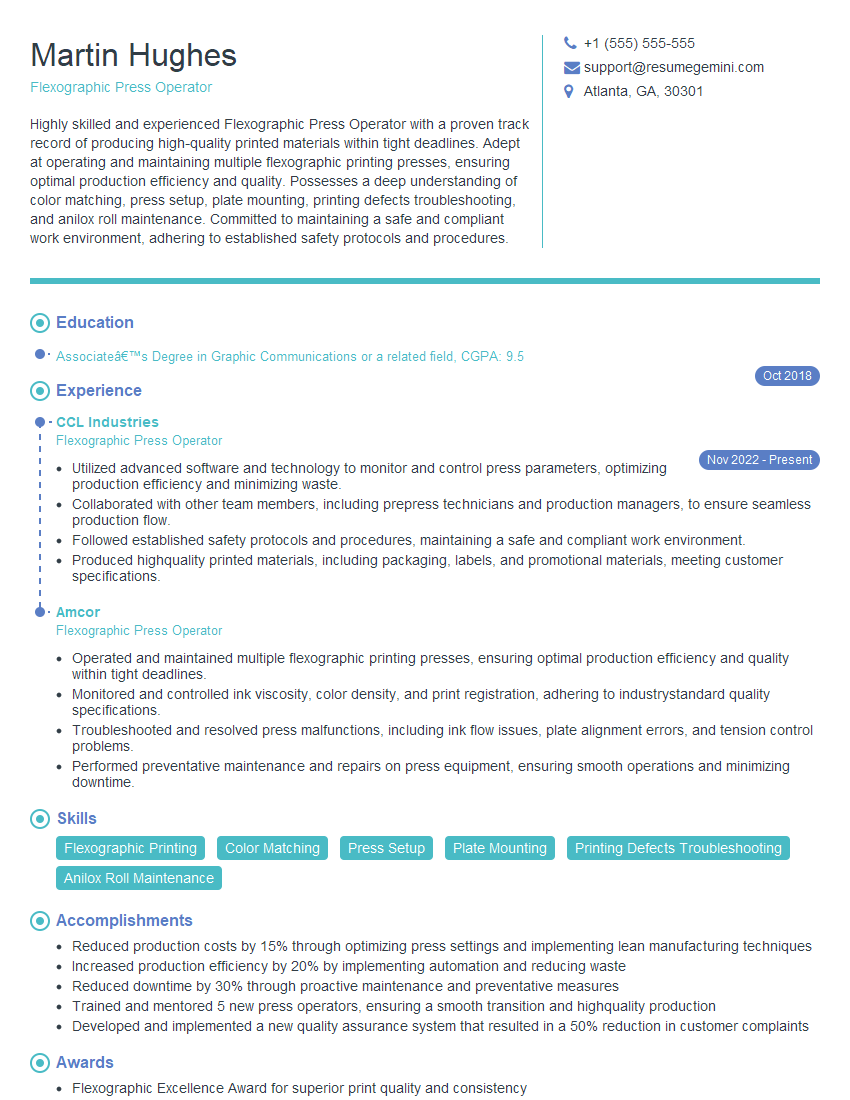
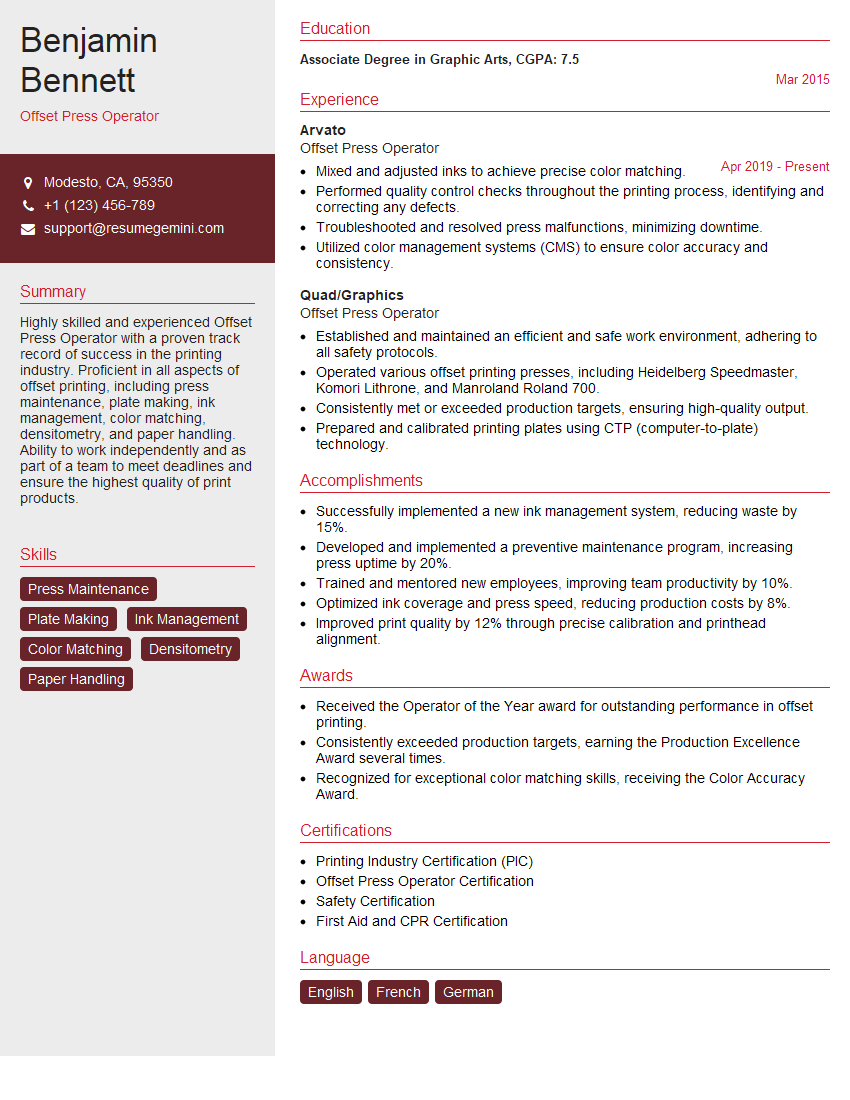
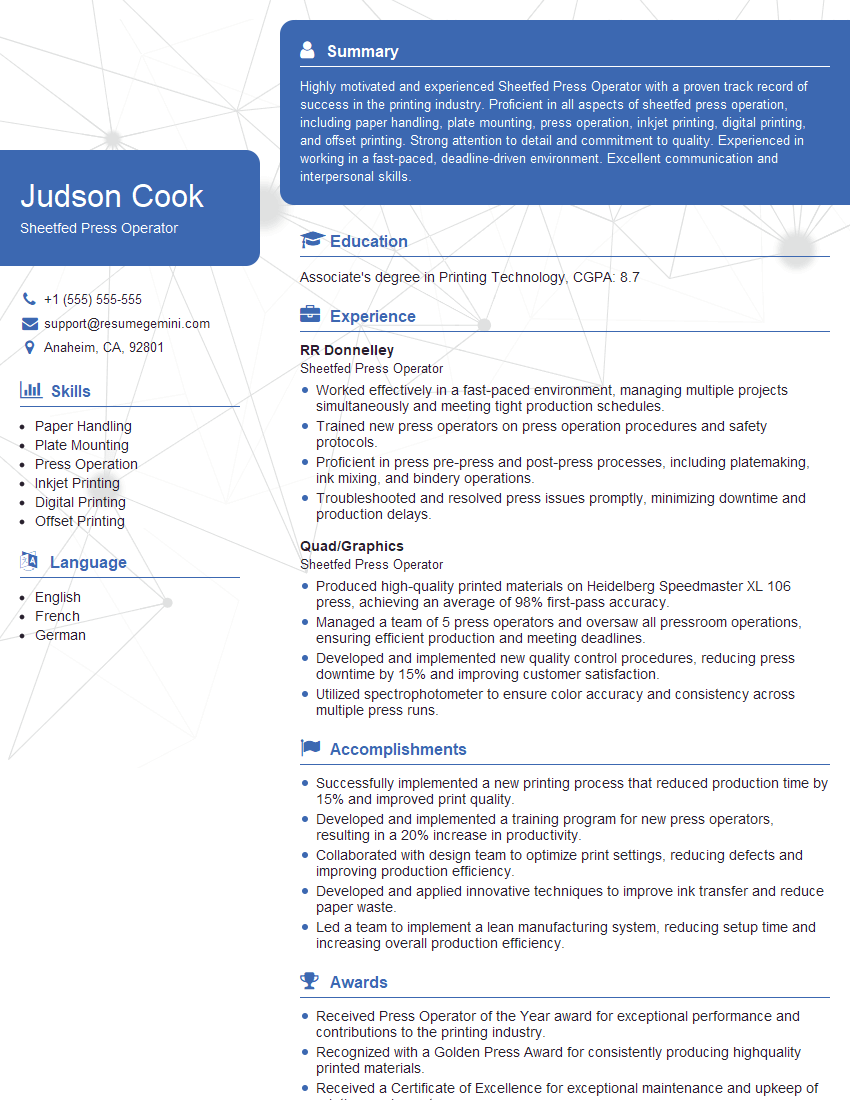
Mastering the ability to maintain a clean and efficient pressroom significantly enhances your value to any printing operation. It demonstrates your commitment to safety, efficiency, and a high-quality end product. This skill is highly sought after, leading to better job opportunities and career advancement. To maximize your chances, creating an ATS-friendly resume is crucial. ResumeGemini is a trusted resource to help you build a professional and impactful resume that highlights your skills and experience. Examples of resumes tailored to showcasing your ability to maintain a clean and efficient pressroom are available to help guide you.


Explore more articles
Users Rating of Our Blogs
Share Your Experience
We value your feedback! Please rate our content and share your thoughts (optional).
What Readers Say About Our Blog
Very informative content, great job.
good