Cracking a skill-specific interview, like one for Ability to Maintain a Positive Attitude and Motivate Players, requires understanding the nuances of the role. In this blog, we present the questions you’re most likely to encounter, along with insights into how to answer them effectively. Let’s ensure you’re ready to make a strong impression.
Questions Asked in Ability to Maintain a Positive Attitude and Motivate Players Interview
Q 1. Describe your approach to fostering a positive team environment.
Fostering a positive team environment is crucial for success. My approach is multifaceted, focusing on building trust, open communication, and mutual respect. I believe in leading by example, consistently demonstrating a positive attitude and proactively addressing any negativity that arises.
- Open Communication: I establish regular team meetings, both formal and informal, to encourage open dialogue and feedback. This allows team members to express their concerns, share ideas, and feel heard.
- Team Building Activities: I regularly incorporate team-building activities, both inside and outside of work, to build camaraderie and strengthen relationships. This could involve anything from casual team lunches to more structured exercises focusing on collaboration and problem-solving.
- Recognition and Appreciation: I actively recognize and appreciate individual and team accomplishments, both big and small. This could be through verbal praise, written acknowledgments, or small tokens of appreciation. Public acknowledgement of achievements is particularly effective.
- Inclusive Environment: I create an inclusive environment where every team member feels valued, respected, and comfortable contributing their ideas, regardless of their background or experience. This involves actively listening to all perspectives and promoting a culture of understanding and empathy.
Q 2. How do you handle negativity within a team?
Handling negativity within a team requires a delicate yet firm approach. Ignoring negativity is never the solution; it allows it to fester and spread. My strategy is to address it directly, but constructively. This involves understanding the root cause of the negativity and addressing it appropriately.
- Private Conversation: I usually start with a private conversation with the individual exhibiting negativity. I listen empathetically to understand their concerns and perspective, asking open-ended questions to encourage them to articulate their feelings.
- Focus on Solutions: Rather than dwelling on the problem, I shift the focus towards solutions. We collaboratively brainstorm ways to improve the situation, empowering the individual to contribute to the resolution.
- Mediation (If Necessary): If the negativity involves conflict between team members, I facilitate a constructive dialogue, mediating the disagreement and helping them find common ground. The goal is always a mutually agreeable solution.
- Setting Boundaries: In cases of persistent or disruptive negativity, I set clear boundaries regarding acceptable behavior, outlining the consequences of continued negativity. This ensures a productive and respectful work environment for everyone.
Q 3. Share an example where you successfully motivated a disengaged team member.
In a previous project, a team member, Sarah, became disengaged due to a perceived lack of recognition for her contributions. She felt her efforts were overlooked, leading to a decline in her productivity and morale.
To address this, I first had a one-on-one conversation with Sarah. I actively listened to her concerns, validating her feelings and acknowledging her past contributions. Then, I worked with her to create a tailored development plan that involved assigning her more challenging tasks aligned with her skills and interests. I also ensured that her accomplishments were publicly recognized and celebrated within the team. This involved specifically highlighting her work during team meetings and providing constructive feedback that focused on her strengths. Gradually, Sarah’s engagement increased, and she became one of the team’s most valuable contributors.
Q 4. What strategies do you use to build team morale?
Building team morale requires a consistent effort focused on appreciation, recognition, and creating a sense of shared purpose. My strategies include:
- Regular Team Celebrations: Celebrating both big wins and small milestones boosts morale and reinforces a sense of collective accomplishment. These can range from simple team lunches to more elaborate events.
- Open Feedback and Recognition: I actively solicit feedback from team members and use it to improve processes and enhance their experience. Regular feedback sessions and open communication foster a supportive environment.
- Team Outings: Social events outside of work allow team members to connect on a personal level, strengthening relationships and building trust.
- Clear Goals and Objectives: A shared understanding of goals and objectives creates a sense of purpose and unity, motivating team members to work collaboratively towards a common objective. This requires clearly defined roles and responsibilities.
Q 5. How do you address conflicts that impact team productivity?
Addressing conflicts that impact team productivity requires a structured approach focusing on understanding the root cause and finding a mutually acceptable solution. My process usually involves:
- Identify the Conflict: The first step is to clearly define the nature of the conflict and the individuals involved.
- Facilitate a Dialogue: I facilitate a calm and respectful dialogue between the involved parties, ensuring everyone feels heard and understood.
- Focus on Interests, Not Positions: I encourage the parties to explore their underlying interests and needs, rather than getting bogged down in their stated positions.
- Brainstorm Solutions: We collaboratively brainstorm potential solutions, exploring various options until we find one that addresses the concerns of everyone involved.
- Implement and Monitor: Once a solution is agreed upon, we implement it and monitor its effectiveness, making adjustments as necessary.
Q 6. Describe a time you had to boost team confidence after a setback.
After a significant project setback, I had to quickly rebuild team confidence. We had missed a critical deadline due to unforeseen technical challenges. The team was demoralized and lacked confidence in their abilities.
My approach involved a combination of empathy, constructive feedback, and a focus on future actions. I acknowledged the setback openly and honestly, validating their feelings of frustration and disappointment. I emphasized that setbacks are a normal part of the project lifecycle and that learning from mistakes is crucial for future success. We conducted a post-mortem analysis to identify the root causes of the issue, focusing on solutions rather than blame. I then re-framed the challenge as an opportunity for learning and growth. We developed a revised plan with clear milestones and achievable goals, boosting their belief in our ability to succeed.
Q 7. How do you recognize and reward team achievements?
Recognizing and rewarding team achievements is crucial for maintaining high morale and motivation. My approach is multifaceted and focuses on both individual and team recognition:
- Public Acknowledgement: I publicly acknowledge and celebrate team accomplishments during meetings, presentations, or company-wide announcements. This reinforces positive behaviors and motivates others.
- Individual Recognition: I also make a point of recognizing individual contributions. This could be through verbal praise, written acknowledgments, or even small gifts. Personalized recognition is particularly impactful.
- Team Rewards: I utilize team rewards like bonuses, additional time off, team lunches, or outings to celebrate major milestones. This fosters a sense of unity and shared accomplishment.
- Opportunities for Growth: Providing opportunities for professional development, like attending conferences or undertaking training, can be a significant reward that demonstrates investment in team members.
Q 8. What techniques do you employ to encourage open communication within your team?
Open communication is the bedrock of a high-performing team. I foster it through several key techniques. Firstly, I establish regular team meetings – both formal and informal – creating a safe space for dialogue. These aren’t just status updates; they’re opportunities for brainstorming, problem-solving, and sharing concerns. Secondly, I actively encourage feedback, both upwards and downwards. I make it clear that constructive criticism is valued and that there are no ‘stupid questions.’ Thirdly, I utilize various communication channels to cater to different preferences. Some team members thrive in email exchanges, while others prefer quick chats or project management software. I ensure all necessary information is disseminated effectively through the most suitable medium. Finally, I lead by example, being transparent in my own communication and readily sharing information.
For example, during a recent project, a team member voiced concerns about a looming deadline. Through open communication, we collaboratively adjusted the workload, avoiding burnout and maintaining project quality. Another instance involved using a team-building activity to enhance communication and trust, significantly improving collaboration within the group.
Q 9. How do you adapt your motivational strategies to different team members?
Motivation is not a one-size-fits-all approach; it requires understanding individual needs and preferences. I employ a differentiated motivational strategy. Some team members are intrinsically motivated by challenges and opportunities for growth; for them, I assign complex tasks and provide mentoring opportunities. Others are extrinsically motivated, responding well to recognition and rewards; I acknowledge their contributions publicly and offer incentives aligned with company policy. I also consider personality types. Some prefer collaborative work, while others excel independently. I tailor my approach to match individual work styles to optimize their performance and job satisfaction. Regular one-on-one check-ins are crucial for identifying individual needs and adjusting my strategy accordingly.
For instance, one team member thrived on autonomy and excelled in independent tasks, while another preferred collaborative projects that tapped into their strong communication skills. Recognizing this, I delegated tasks accordingly and created opportunities for them to shine in their respective strengths, resulting in boosted morale and higher productivity.
Q 10. How do you handle pressure and maintain a positive outlook during challenging projects?
Handling pressure and maintaining a positive outlook under challenging circumstances is essential. I approach it through a structured process. First, I acknowledge the pressure and allow the team to express their feelings. Bottling up stress is counterproductive. Second, I break down large, daunting tasks into smaller, more manageable steps. This makes the project feel less overwhelming and fosters a sense of accomplishment as each milestone is achieved. Third, I emphasize the importance of self-care and work-life balance. Burnout is a real threat, and a rested, rejuvenated team is a productive team. Finally, I maintain a positive attitude, focusing on solutions rather than problems. I consistently reiterate the team’s capability and the value of their work, emphasizing the shared goal. Leading by example is key in this aspect.
During a particularly demanding project with a tight deadline, I organized team-building activities to boost morale, and scheduled regular breaks to prevent burnout. The positive and collaborative environment we fostered helped us successfully navigate the challenges and deliver the project on time and to a high standard.
Q 11. Describe your process for setting clear goals and expectations for your team.
Setting clear goals and expectations is paramount for team success. I follow a structured approach, employing the SMART framework: Specific, Measurable, Achievable, Relevant, and Time-bound. We collaboratively define goals during team meetings, ensuring everyone understands their role and contributions. I translate the overall project goals into individual tasks, outlining clear expectations for each, including quality standards, deadlines, and performance metrics. These expectations are documented and shared with the team using project management tools, ensuring transparency and easy accessibility. Regular check-ins allow for timely adjustments based on progress and any unforeseen challenges.
For example, instead of saying ‘Improve customer satisfaction,’ a SMART goal would be ‘Increase customer satisfaction scores by 15% by the end of Q3, as measured by our quarterly survey.’ This provides clear direction and enables effective performance tracking.
Q 12. How do you provide constructive feedback to improve team performance?
Constructive feedback is crucial for growth. I provide feedback in a timely manner, focusing on specific behaviors or outcomes rather than personality traits. I use the ‘sandwich method’: starting with positive feedback, highlighting areas of strength, followed by constructive criticism focusing on specific improvement areas, and concluding with another positive statement emphasizing their potential. The feedback is always tailored to the individual, taking into consideration their strengths and areas for development. I encourage two-way communication, inviting questions and clarifications, ensuring the feedback is understood and accepted. I also follow up to assess whether the feedback has been acted upon and offer further support as needed.
For instance, instead of saying ‘Your work is sloppy,’ I might say ‘Your report contains valuable insights, and your analysis is insightful. However, the formatting could be improved for better readability. Let’s work together to refine the presentation, and I’m confident you’ll create an even more impactful report next time.’
Q 13. What methods do you utilize to identify and address individual team member needs?
Identifying and addressing individual team member needs requires attentive listening and observation. I use a multi-pronged approach. Regular one-on-one meetings are key. These provide a confidential space for team members to share concerns, challenges, and suggestions. I also actively observe team dynamics, looking for signs of stress, disengagement, or conflict. Employee surveys can provide valuable anonymous feedback. Finally, I foster a culture of open communication, where team members feel comfortable approaching me or other colleagues with any needs. Addressing these needs promptly not only improves individual well-being but also boosts team morale and productivity.
For example, if a team member seems consistently overwhelmed, I might offer additional training, adjust their workload, or pair them with a mentor. Addressing individual needs builds trust and reinforces that I value each team member’s well-being.
Q 14. How do you delegate tasks effectively to maximize team efficiency?
Effective delegation is crucial for maximizing team efficiency. I delegate based on individual skills, experience, and workload capacity. I clearly define the task, setting specific goals, deadlines, and expected outcomes. I provide the necessary resources and support to ensure success. I also empower team members by granting them autonomy to decide how best to accomplish the task, while remaining available for guidance and feedback. Regular progress checks are crucial to ensure tasks remain on track. I avoid micromanaging, allowing team members to take ownership and build their confidence.
Before delegating, I carefully consider each team member’s skills and interests. For instance, if a team member has strong analytical skills, I might delegate data analysis tasks. This allows me to utilize each team member’s strengths to the fullest extent.
Q 15. How do you manage a team facing burnout?
Burnout is a serious issue that significantly impacts team performance and individual well-being. Recognizing the signs – exhaustion, cynicism, reduced professional efficacy – is the first step. My approach is multifaceted and focuses on prevention and intervention.
- Prevention: This involves proactive measures like promoting work-life balance, setting realistic workloads, and ensuring clear communication of expectations. I regularly check in with team members, not just about tasks, but also about their overall well-being. We might even incorporate mindfulness techniques or stress-reduction activities into our routine.
- Intervention: If burnout is already present, I address it with empathy and understanding. This includes open conversations to understand the root causes, adjusting workloads, offering additional support (such as time off or access to employee assistance programs), and empowering team members to take ownership of their recovery. I also ensure the team understands that seeking help isn’t a sign of weakness, but a sign of strength.
For example, I once noticed a team member consistently arriving late and exhibiting signs of fatigue. After a private conversation, we discovered she was struggling with childcare issues. We implemented a flexible work arrangement that allowed her to manage her responsibilities more effectively, leading to a significant improvement in her well-being and productivity.
Career Expert Tips:
- Ace those interviews! Prepare effectively by reviewing the Top 50 Most Common Interview Questions on ResumeGemini.
- Navigate your job search with confidence! Explore a wide range of Career Tips on ResumeGemini. Learn about common challenges and recommendations to overcome them.
- Craft the perfect resume! Master the Art of Resume Writing with ResumeGemini’s guide. Showcase your unique qualifications and achievements effectively.
- Don’t miss out on holiday savings! Build your dream resume with ResumeGemini’s ATS optimized templates.
Q 16. How do you deal with interpersonal conflicts within your team?
Interpersonal conflicts are inevitable in any team environment, but they don’t have to derail progress. My approach is based on fostering open communication, active listening, and finding solutions that work for everyone involved.
- Facilitation: If a conflict arises, I facilitate a discussion where each party can express their perspective without interruption. I emphasize active listening and encourage empathy. This is not about assigning blame, but about understanding the underlying issues.
- Mediation: I act as a neutral mediator, helping the individuals find common ground and develop a mutually acceptable solution. I guide them through collaborative problem-solving, focusing on the task at hand rather than personalities.
- Setting Clear Expectations: Proactive measures like establishing clear communication protocols and team norms help prevent conflicts from escalating. This includes encouraging respectful disagreement and constructive feedback.
In one instance, two team members had a disagreement over project approach. Instead of dictating a solution, I facilitated a meeting where they could present their ideas, identify shared goals, and brainstorm a hybrid approach that incorporated the best aspects of both strategies.
Q 17. Describe a situation where you had to inspire a team facing a difficult task.
We faced a tight deadline on a critical project with a seemingly insurmountable challenge: integrating a new system with legacy infrastructure. The team was demoralized; the task seemed impossible. My approach was to focus on breaking down the large, daunting task into smaller, manageable steps.
- Shared Vision: I reiterated the importance of the project and the positive impact it would have. We visualized the successful completion and celebrated small wins along the way.
- Empowerment: I empowered team members to take ownership of specific aspects of the project, fostering a sense of responsibility and accomplishment.
- Positive Reinforcement: I consistently acknowledged individual and team contributions, highlighting their skills and dedication. I celebrated every milestone, no matter how small.
The shift from focusing on the overwhelming entirety of the task to achieving incremental successes created a sense of momentum and accomplishment. We successfully launched the project on time, demonstrating the power of positive reinforcement and collaborative effort.
Q 18. How do you create a sense of community and collaboration within your team?
Building a strong team community requires intentional effort. My approach involves creating opportunities for interaction, fostering mutual respect, and establishing shared goals.
- Team-Building Activities: I regularly organize team-building activities, both inside and outside of work, to foster camaraderie and strengthen bonds. These could range from casual lunch gatherings to more structured activities like escape rooms or volunteer work.
- Open Communication: I encourage open and honest communication, creating a safe space where team members feel comfortable sharing their ideas, concerns, and perspectives. Regular team meetings provide opportunities for updates and informal discussions.
- Shared Goals: I ensure the team shares a common understanding of their goals and how their individual contributions contribute to the larger picture. This creates a sense of collective purpose and shared responsibility.
For instance, we started a weekly ‘team coffee break’ where everyone shares something positive that happened during the week—personal or professional—and it’s fostered a stronger sense of belonging and support.
Q 19. What steps do you take to ensure your team feels valued and appreciated?
Making team members feel valued is crucial for maintaining high morale and productivity. My approach involves both individual and group recognition and appreciation.
- Individual Recognition: I provide regular, specific feedback, acknowledging both successes and areas for improvement. This includes praising individual contributions, recognizing hard work, and celebrating achievements publicly.
- Group Recognition: I regularly celebrate team accomplishments, whether big or small. This might involve team lunches, small gifts, or public acknowledgment in team meetings or company-wide communications.
- Opportunities for Growth: Providing opportunities for professional development, such as training, mentorship, or challenging assignments, demonstrates that I value my team members’ growth and future.
Recently, I nominated a team member for a company-wide award, which recognized their exceptional contributions and highlighted their dedication to the team’s success. Seeing the positive impact of this recognition on their confidence and motivation reinforced the importance of such gestures.
Q 20. How do you measure the success of your team’s motivation and morale?
Measuring the success of team motivation and morale is not just about quantifiable metrics, but also qualitative observations. My approach uses a combination of methods.
- Quantitative Metrics: I track key performance indicators (KPIs) such as project completion rates, task turnaround times, and employee satisfaction scores from regular surveys. These provide a numerical measure of team effectiveness.
- Qualitative Data: I conduct regular one-on-one meetings to gauge individual morale and identify any concerns. I also actively listen to team feedback during meetings and observe team dynamics. Are people engaged and collaborative, or are there signs of disengagement or conflict?
- Turnover Rate: A low employee turnover rate suggests a positive and motivating team environment.
By combining these quantitative and qualitative measures, I gain a holistic understanding of team motivation and morale, enabling me to make data-driven improvements.
Q 21. What are some common challenges you’ve faced in motivating a team and how did you overcome them?
One common challenge I’ve faced is motivating a team during periods of uncertainty or change. This often leads to decreased morale and productivity.
- Transparency and Communication: I address this by maintaining open and honest communication, providing regular updates, and involving the team in decision-making processes where appropriate. Transparency builds trust and reduces anxiety.
- Focus on the Positive: I emphasize the opportunities presented by the change, focusing on the positive aspects and long-term goals. This helps shift the perspective from fear to excitement.
- Skill Development: I ensure the team receives necessary training or support to adapt to the changes. Equipping the team with the right skills enhances their confidence and motivates them to embrace the new challenges.
During a recent organizational restructuring, I proactively communicated the changes, explained the reasons behind them, and offered additional training to help team members adapt to new roles and responsibilities. This proactive approach minimized anxiety and maintained a sense of purpose within the team.
Q 22. Describe your approach to team-building activities.
My approach to team building is multifaceted and focuses on fostering a collaborative and supportive environment. I believe in activities that encourage communication, trust, and shared understanding. I avoid generic icebreakers; instead, I design activities tailored to the team’s specific needs and goals.
- Skill-building exercises: We might participate in problem-solving challenges requiring diverse skills, such as building a structure with limited materials or designing a marketing campaign with a tight budget. This highlights individual strengths and fosters collaboration.
- Trust-building activities: Blindfolded obstacle courses or reliance exercises help build confidence and trust among team members, emphasizing the importance of clear communication and support.
- Social events with a purpose: Instead of purely social gatherings, I incorporate elements of team discussion and planning. For example, a team dinner might include a brainstorming session for future projects or a retrospective on a completed project. This blends social interaction with productive team work.
For example, during a particularly challenging software development project, I organized a team escape room experience. It wasn’t just fun; it required communication, strategic thinking, and problem-solving skills—all crucial to the project’s success. We saw immediate improvements in teamwork and project progress following the exercise.
Q 23. How do you ensure your team stays focused and productive during long projects?
Maintaining focus and productivity on long projects requires a proactive and structured approach. It’s crucial to balance workload, set clear expectations, and regularly monitor progress. I utilize several strategies:
- Regular check-ins: Short, frequent meetings (15-20 minutes) keep everyone updated and identify potential roadblocks early. I prefer stand-ups to ensure efficiency.
- Clear milestones and deadlines: Breaking down large projects into smaller, manageable tasks with specific deadlines provides a sense of accomplishment and keeps the team on track. We use project management software to visualize progress.
- Open communication channels: I encourage open dialogue. If someone feels overwhelmed or needs help, there’s a safe space to communicate it without fear of judgment. This prevents burnout and fosters mutual support.
- Strategic breaks and team events: Planned breaks and occasional team-building activities help prevent burnout and maintain team morale. This keeps the team engaged and refreshed. It’s important to avoid micromanagement, fostering trust and autonomy.
For instance, during a six-month web application development, we had weekly stand-up meetings, bi-weekly sprint reviews, and a team outing after each major milestone was reached. This structure ensured that the team stayed focused, engaged, and ultimately delivered a successful product on time.
Q 24. What is your preferred method for providing regular updates and feedback to your team?
My preferred method for providing regular updates and feedback involves a blend of formal and informal communication. Transparency and regular feedback are key to a successful team.
- Weekly team meetings: These are used to discuss progress, highlight achievements, and address challenges. I use a structured agenda to ensure all relevant information is discussed efficiently.
- Individual one-on-ones: Regular one-on-one meetings allow me to provide personalized feedback and address individual concerns. This creates a safe space for team members to express their ideas, concerns and receive support.
- Project management tools: Tools like Jira or Asana provide a central hub for updates, task assignments, and progress tracking, ensuring everyone is informed and on the same page.
- Informal communication: I actively encourage open communication outside formal channels. This makes communication more natural and fosters collaboration.
For example, during a recent project, we used a combination of weekly team meetings (using a project management tool for updates), individual check-ins, and a company-wide communication platform to ensure transparency and efficient feedback loops.
Q 25. How do you ensure transparency and trust within your team?
Transparency and trust are fundamental to a high-performing team. I cultivate these through consistent actions and open communication.
- Open and honest communication: I encourage open dialogue, ensuring everyone feels comfortable sharing their ideas, concerns, and perspectives without fear of reprisal. This means providing honest and timely feedback, and being receptive to feedback in return.
- Shared information: I ensure all relevant information is readily accessible to the team. This prevents information silos and empowers individuals to make informed decisions.
- Recognition and appreciation: Acknowledging individual and team accomplishments fosters a sense of value and belonging, strengthening trust and commitment.
- Fairness and consistency: Consistent application of rules and policies prevents favoritism and promotes a sense of equity, essential for building trust among team members.
For example, during a difficult period of restructuring, I prioritized open communication, holding regular town hall meetings to address concerns and ensure everyone understood the rationale behind the changes. This transparent approach maintained trust and team morale during a stressful time.
Q 26. How do you facilitate creative problem-solving within your team?
Facilitating creative problem-solving involves providing a safe and supportive environment where team members feel empowered to think outside the box. I use various techniques to encourage this.
- Brainstorming sessions: Structured brainstorming sessions with clear guidelines help generate a wide range of ideas. I encourage participation from everyone and avoid immediate judgment of ideas.
- Mind mapping: Visual tools like mind maps help organize thoughts and identify connections between ideas, fostering more creative solutions.
- Role-playing and simulations: These techniques help explore different perspectives and potential outcomes, encouraging innovative thinking.
- Lateral thinking puzzles: These can help the team to think creatively and solve problems in unconventional ways.
For instance, when facing a complex technical challenge, I facilitated a brainstorming session using a mind map to visually represent different approaches. This collaborative process led to an innovative solution that we hadn’t considered initially.
Q 27. How do you identify and develop the leadership potential within your team?
Identifying and developing leadership potential requires observation, mentoring, and providing opportunities for growth. It’s not about selecting a single leader but empowering individuals to step up.
- Observation and feedback: I pay close attention to individual contributions, identifying those who demonstrate initiative, problem-solving skills, and a willingness to mentor others. I provide constructive feedback to help them refine these skills.
- Delegation and responsibility: I delegate tasks and responsibilities that challenge team members and allow them to develop their leadership skills. This includes empowering them to make decisions independently.
- Mentorship programs: I may establish formal or informal mentorship programs to pair emerging leaders with experienced team members for guidance and support. This fosters professional growth and strengthens team dynamics.
- Training and development: I provide access to training opportunities that enhance leadership skills, such as communication, conflict resolution, and team management.
For example, I identified a team member with exceptional communication and organizational skills. I then assigned them to lead a small sub-project and provided regular coaching to help build their leadership confidence. This ultimately fostered their development into a future team leader.
Q 28. Describe your approach to celebrating team milestones and successes.
Celebrating team milestones and successes is crucial for maintaining motivation and morale. I believe in acknowledging achievements at both individual and team levels.
- Public recognition: I publicly acknowledge significant achievements in team meetings, company-wide announcements, or even social media. This fosters a sense of pride and accomplishment.
- Team celebrations: I organize team lunches, outings, or other celebratory events to mark major milestones. This provides opportunities for team bonding and relaxation.
- Individual rewards: I acknowledge and reward individual contributions, tailored to individual preferences. These might be gift cards, bonus time off, or recognition in a performance review.
- Feedback and appreciation: Regular feedback expressing sincere appreciation for hard work goes a long way. This keeps people motivated and engaged.
For instance, after successfully launching a new product, we held a team celebration with a catered lunch, acknowledging the significant contributions of each team member. This reinforced the value of teamwork and celebrated a shared accomplishment.
Key Topics to Learn for Ability to Maintain a Positive Attitude and Motivate Players Interview
- Understanding Team Dynamics: Learn to identify different personality types and communication styles within a team. Explore strategies for building rapport and fostering collaboration.
- Effective Communication Techniques: Master active listening, providing constructive feedback, and delivering motivational speeches or presentations. Practice clear and concise communication in both positive and challenging situations.
- Conflict Resolution & Mediation: Develop skills in identifying and addressing conflict proactively. Learn techniques for mediating disagreements and finding mutually beneficial solutions while maintaining a positive team environment.
- Building Trust and Rapport: Explore strategies for earning the respect and trust of your team members. Understand the importance of empathy, genuine care, and consistent positive reinforcement.
- Motivation Strategies: Learn about different motivational theories and their practical application. Explore techniques like setting clear goals, providing regular feedback, recognizing achievements, and fostering a sense of shared purpose.
- Stress Management & Resilience: Develop strategies for managing your own stress and building resilience in the face of challenges. This includes techniques for maintaining a positive attitude under pressure and inspiring your team to do the same.
- Positive Reinforcement & Recognition: Understand the power of positive reinforcement and learn effective methods for recognizing and rewarding individual and team accomplishments.
- Adaptability and Flexibility: Discuss your ability to adapt your approach to different situations and personalities. Highlight your flexibility in managing diverse team dynamics and unexpected challenges.
Next Steps
Mastering the ability to maintain a positive attitude and motivate players is crucial for career advancement in any team-oriented environment. It demonstrates leadership potential and the ability to build high-performing teams. To significantly increase your job prospects, create a resume that showcases these skills effectively – an ATS-friendly resume is key. ResumeGemini is a trusted resource that can help you build a professional and impactful resume. We provide examples of resumes tailored to highlight “Ability to Maintain a Positive Attitude and Motivate Players,” showcasing how to effectively present your skills and experience to potential employers. Review these examples to further strengthen your application.
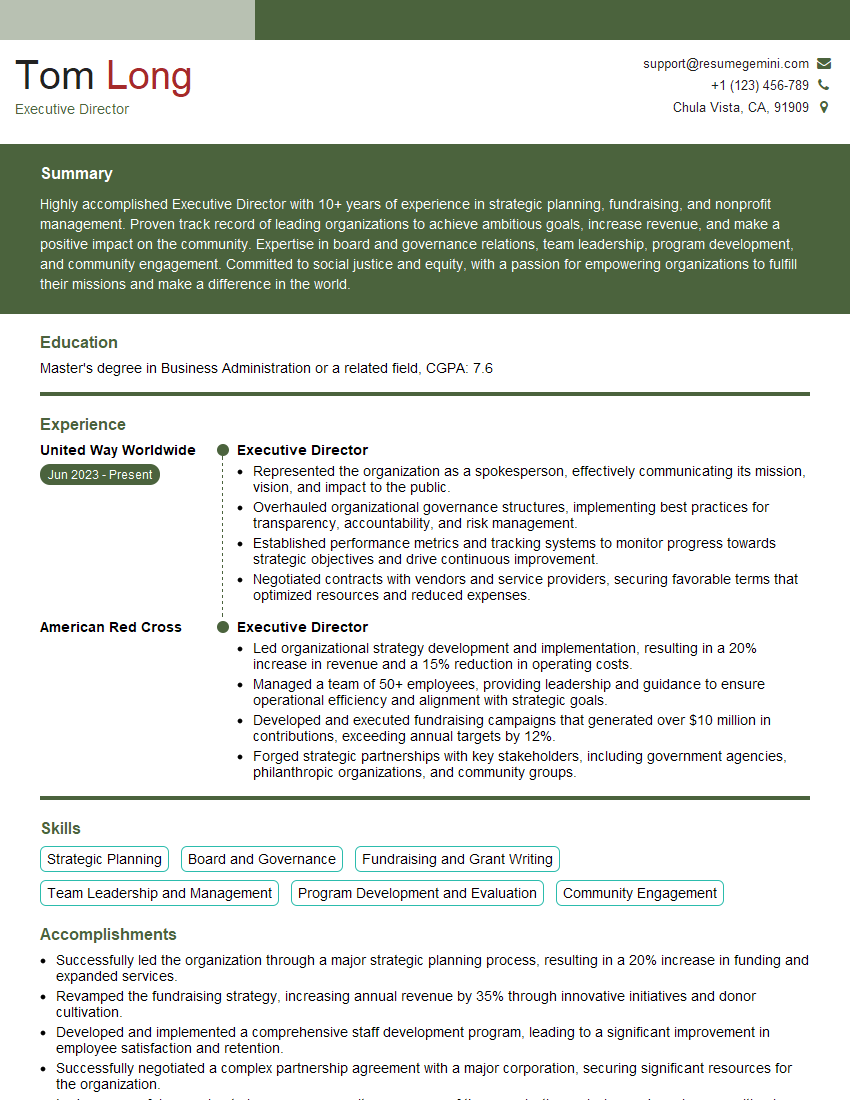
Executive Director Resume Sample
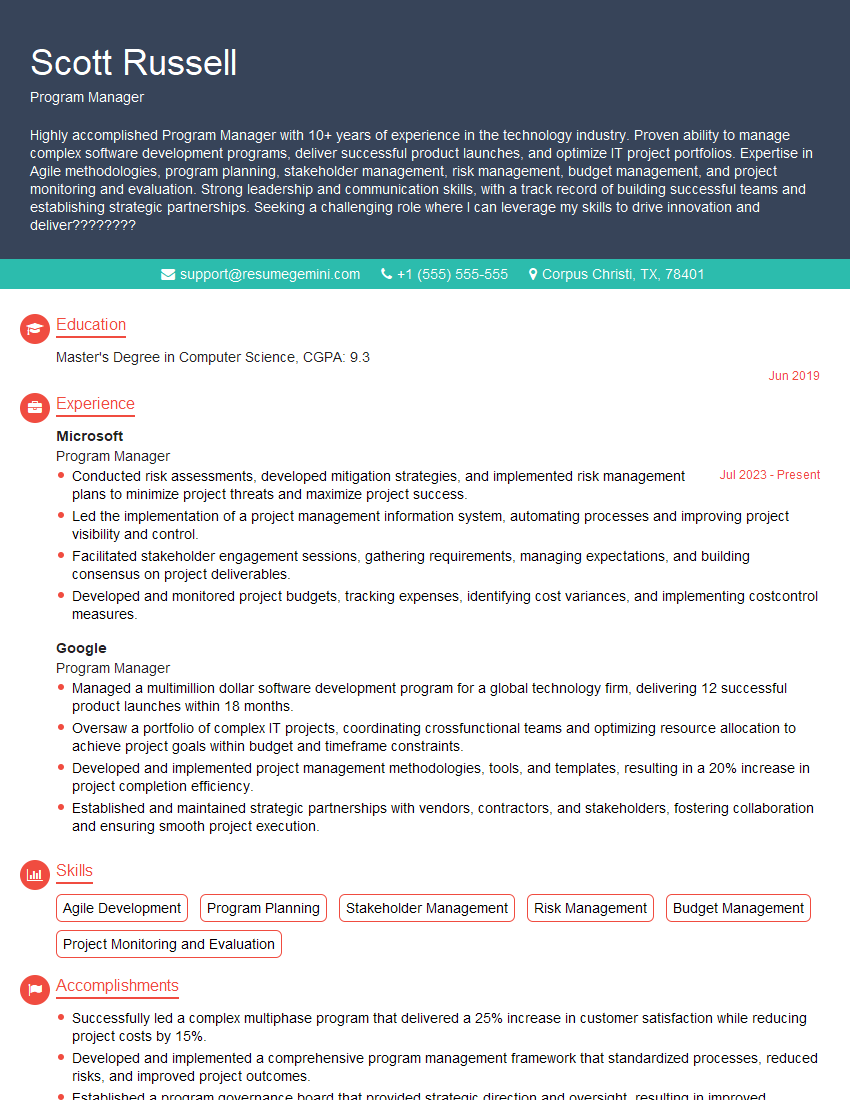
Program Manager Resume Sample
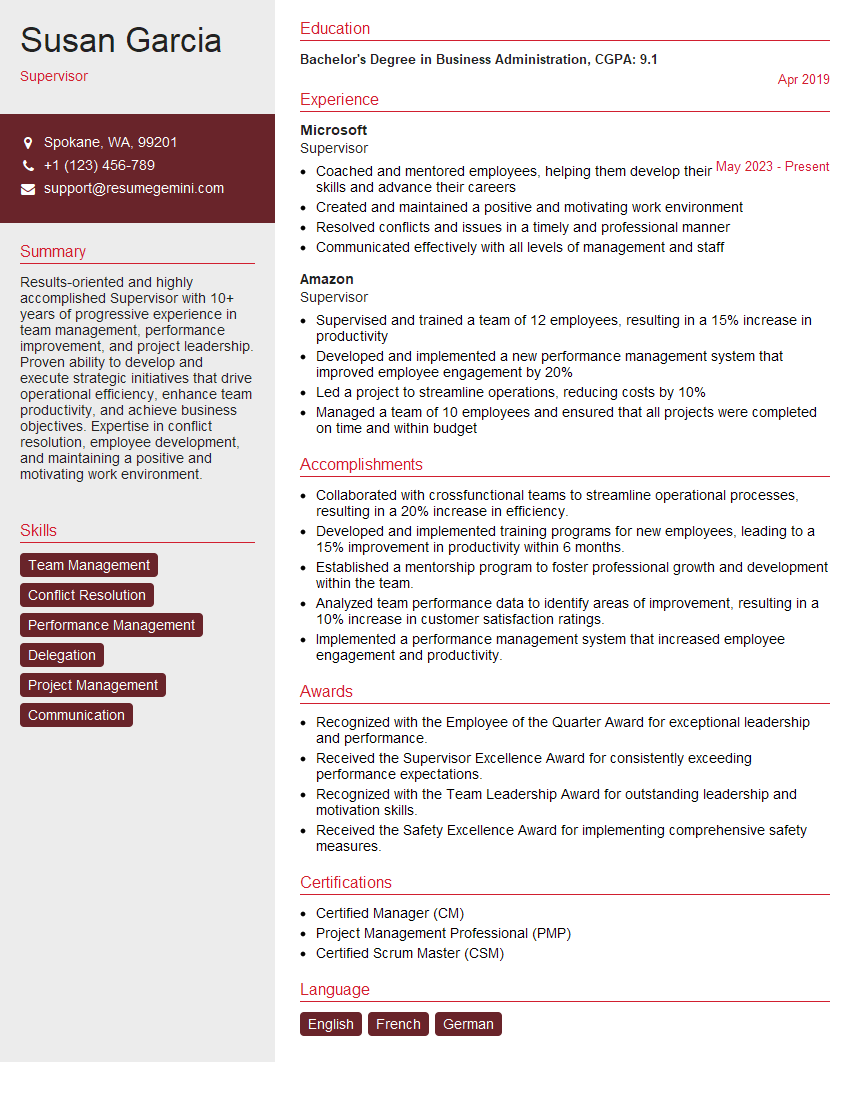
Supervisor Resume Sample

Operations Manager Resume Sample
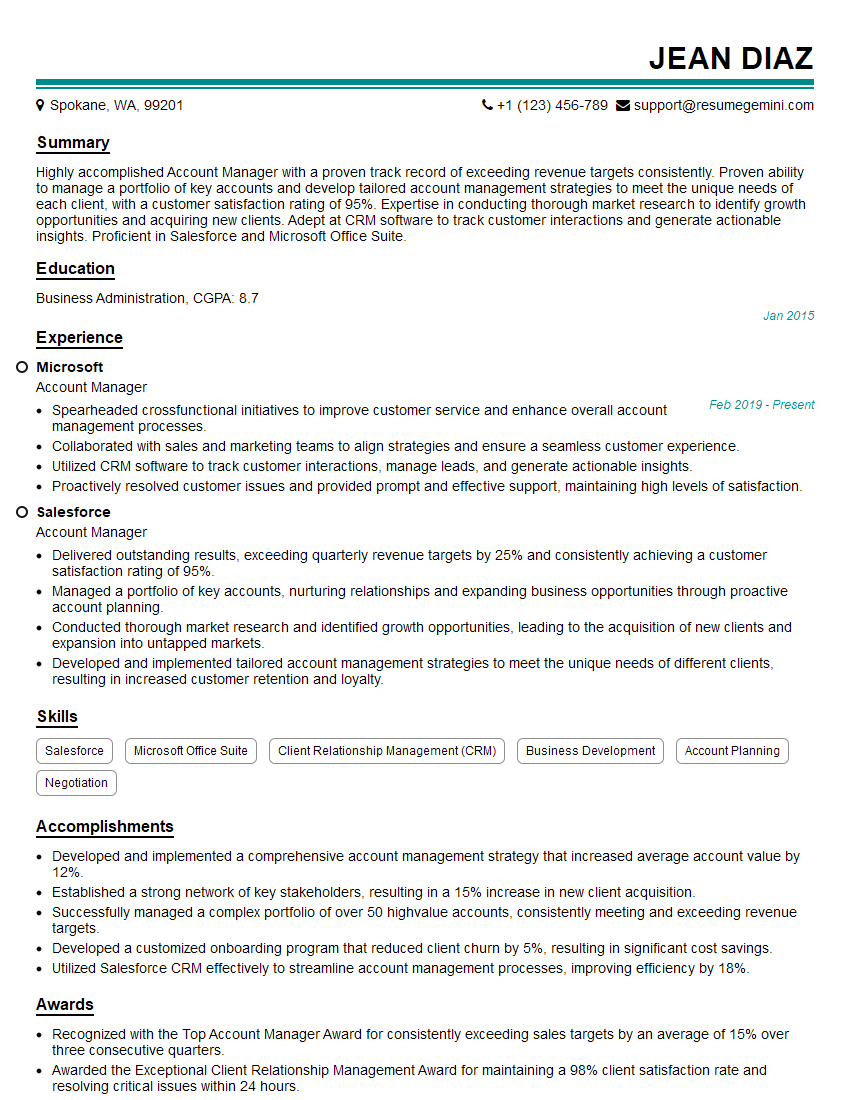
Account Manager Resume Sample
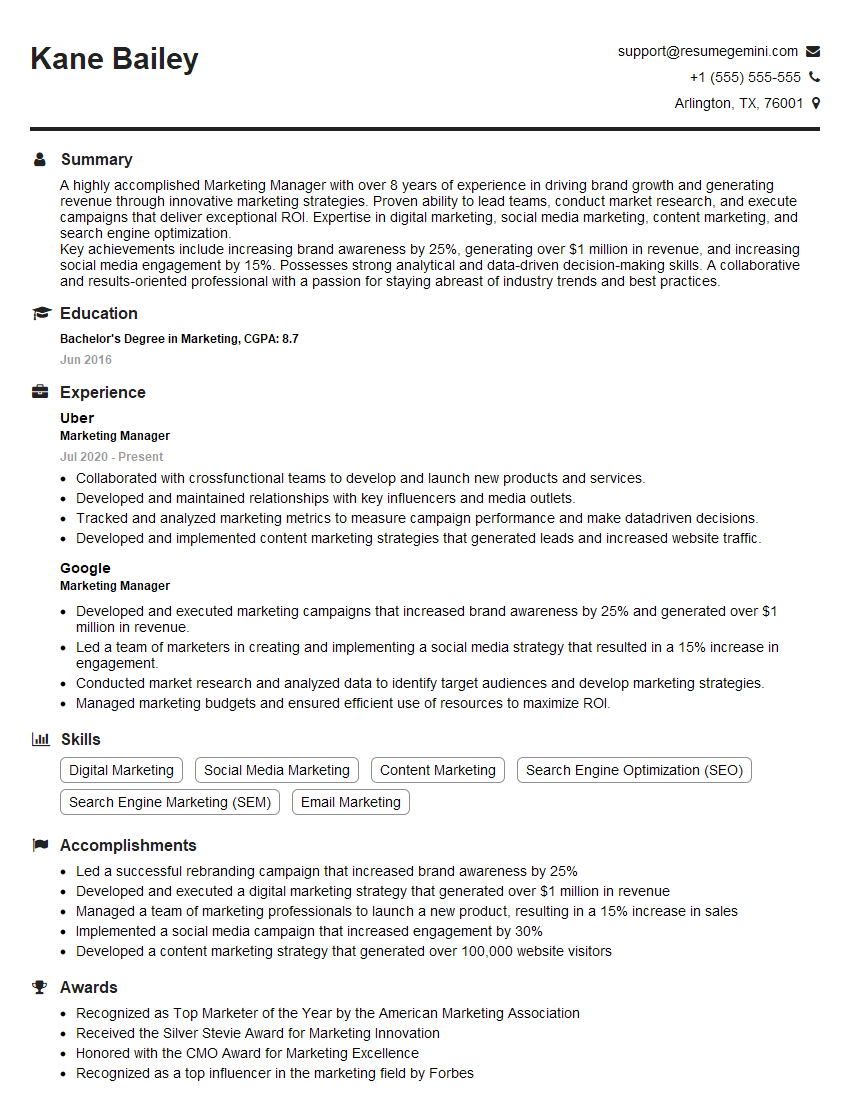
Marketing Manager Resume Sample
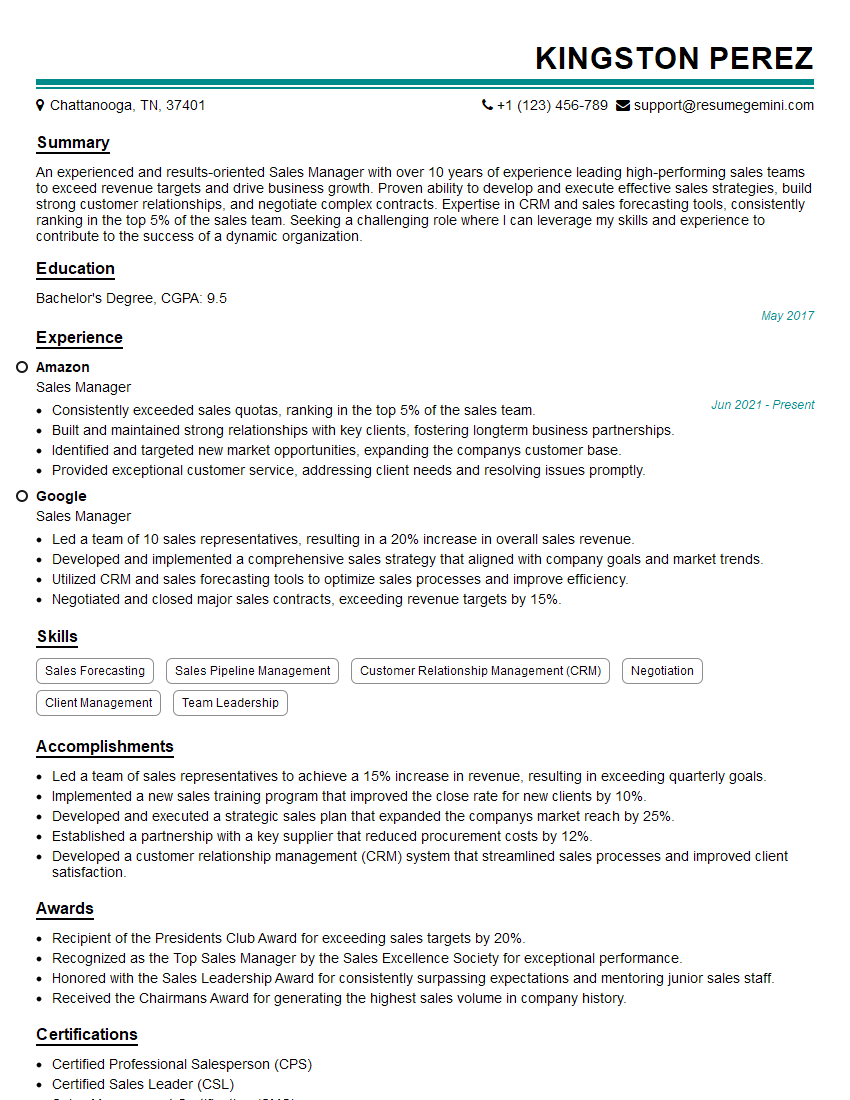
Sales Manager Resume Sample
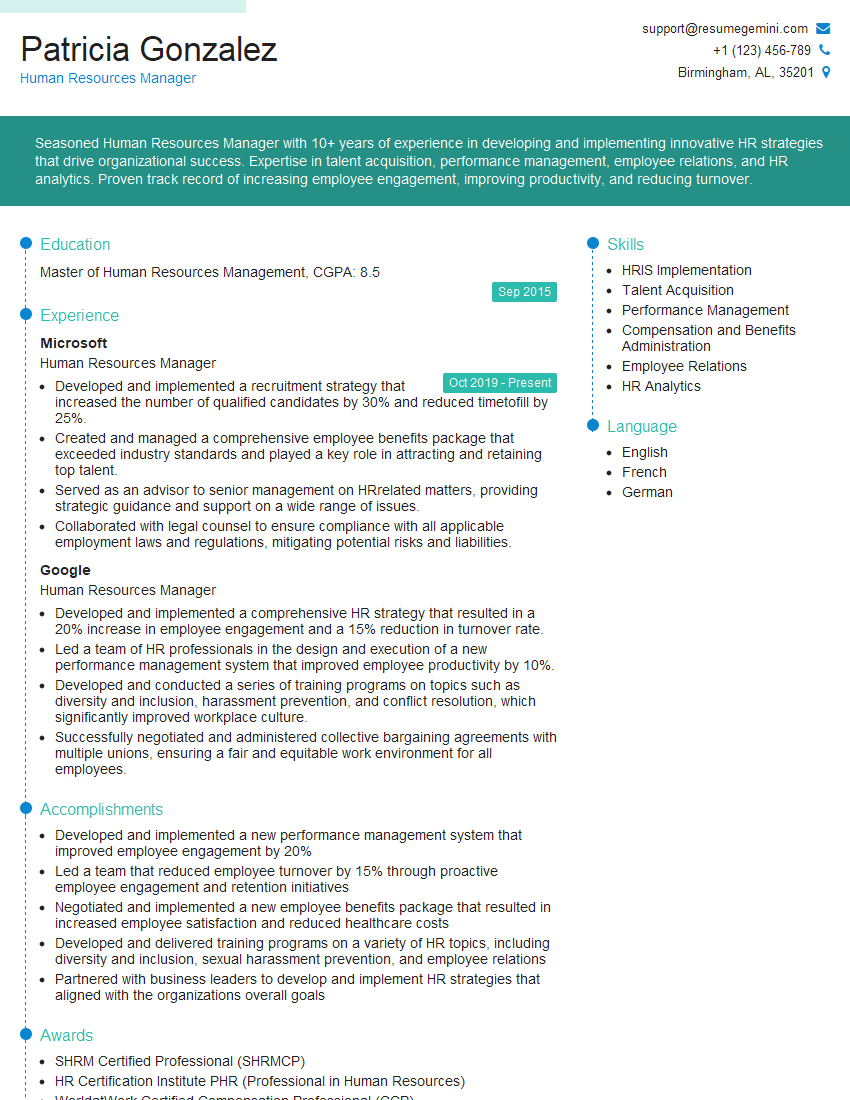
Human Resources Manager Resume Sample
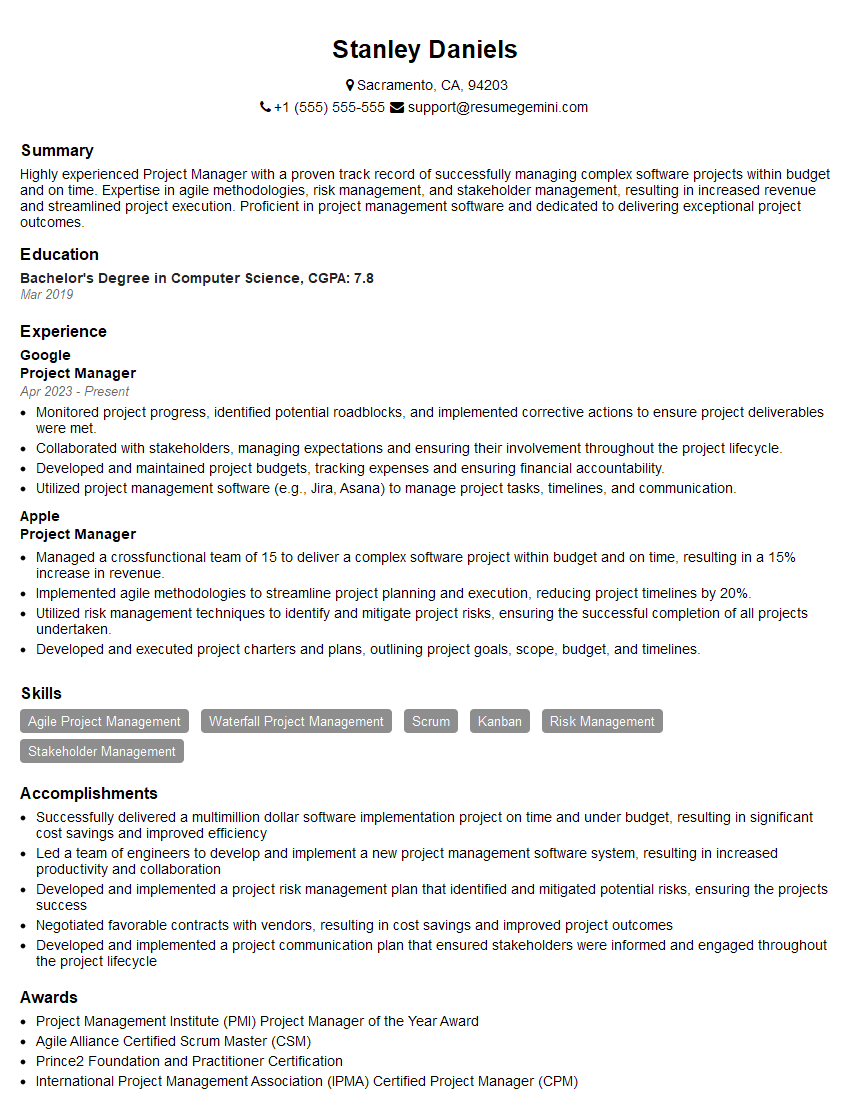
Project Manager Resume Sample
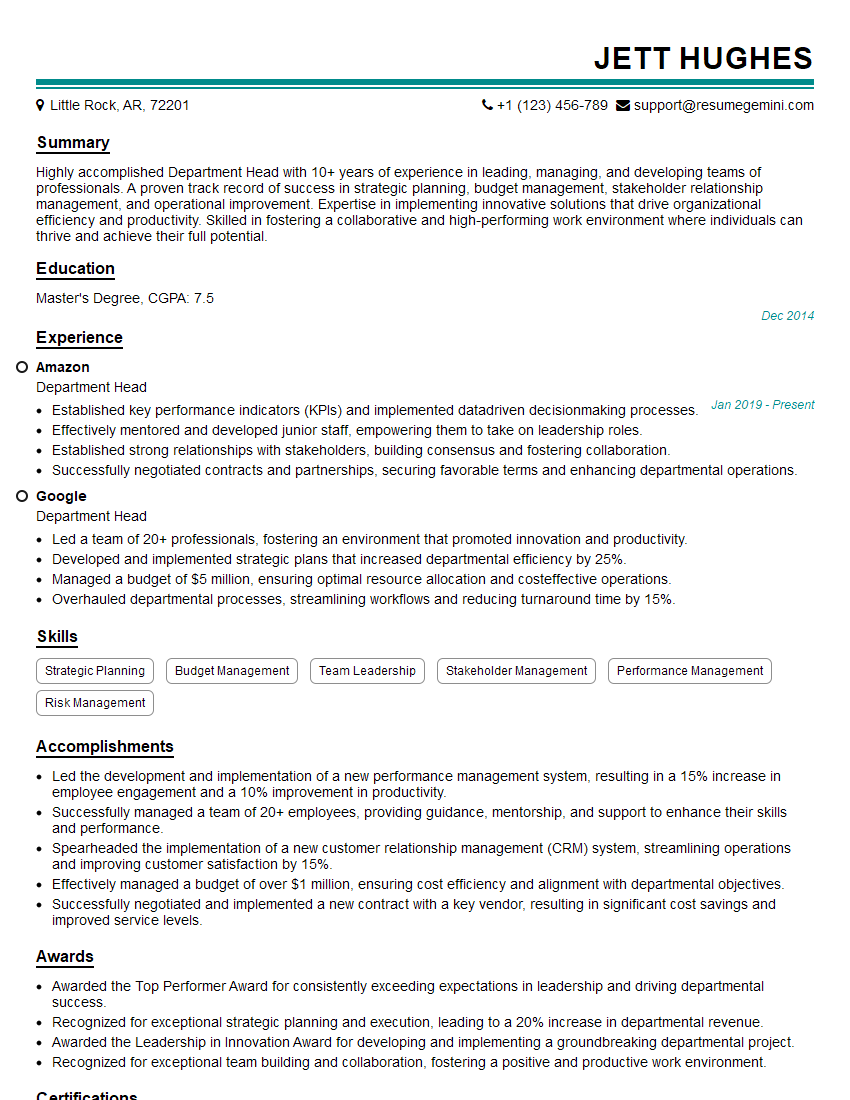
Department Head Resume Sample
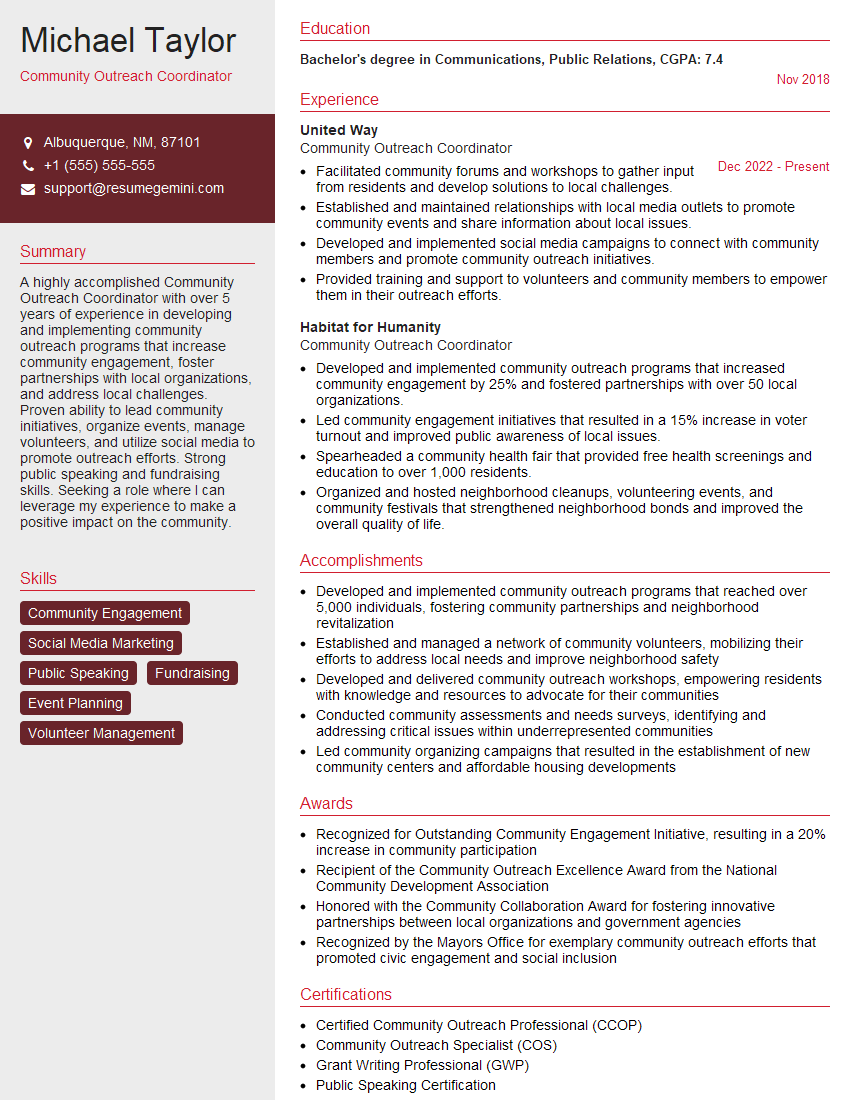
Community Outreach Coordinator Resume Sample
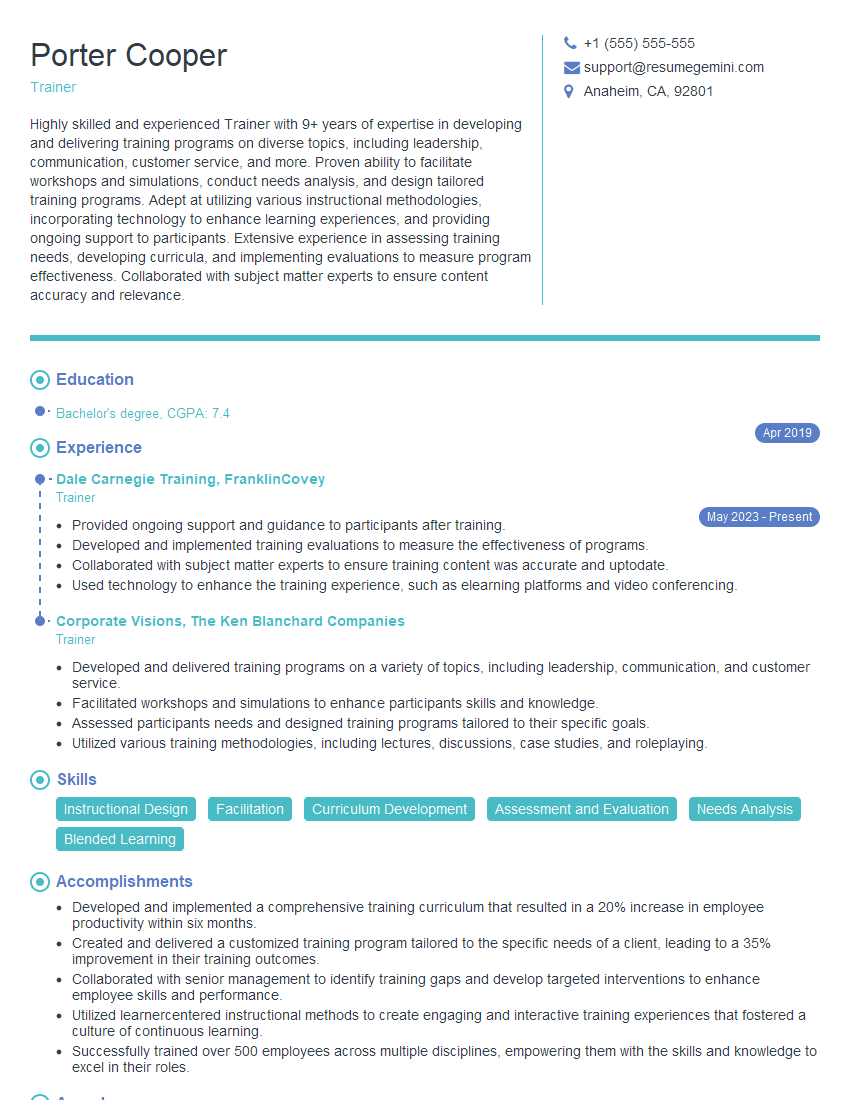
Trainer Resume Sample
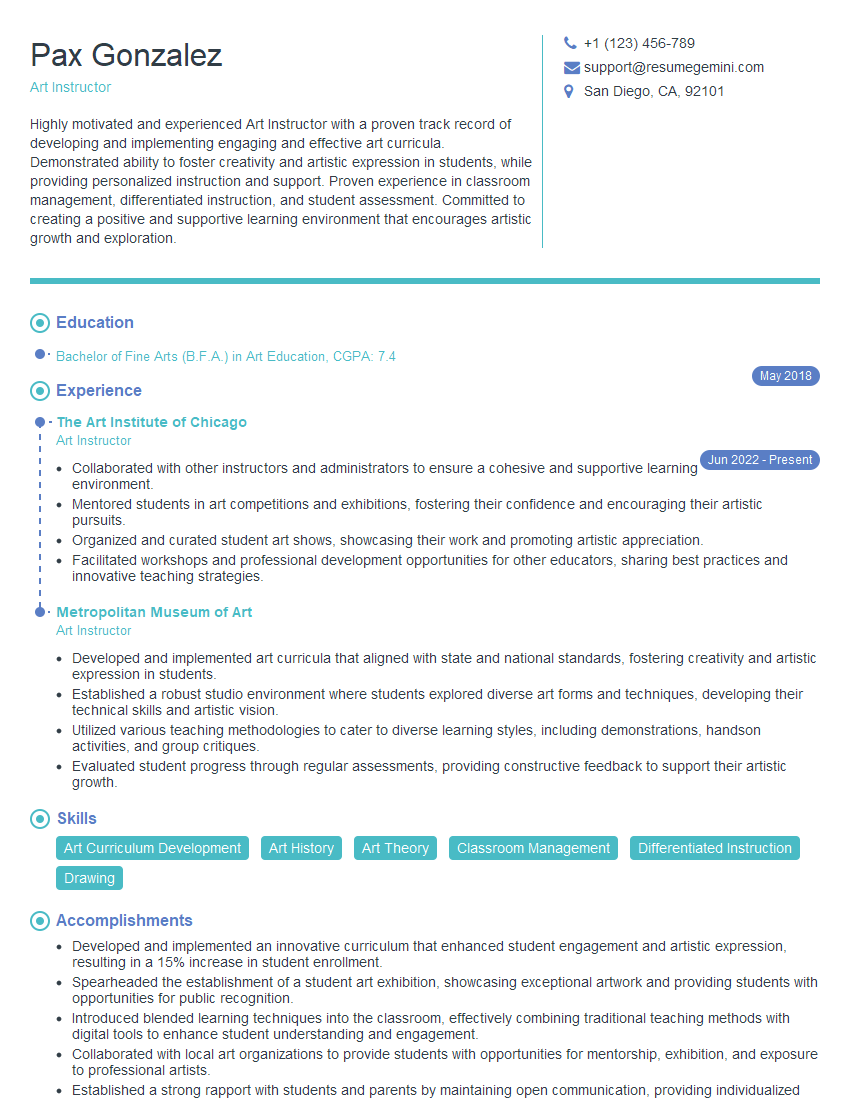
Art Instructor Resume Sample
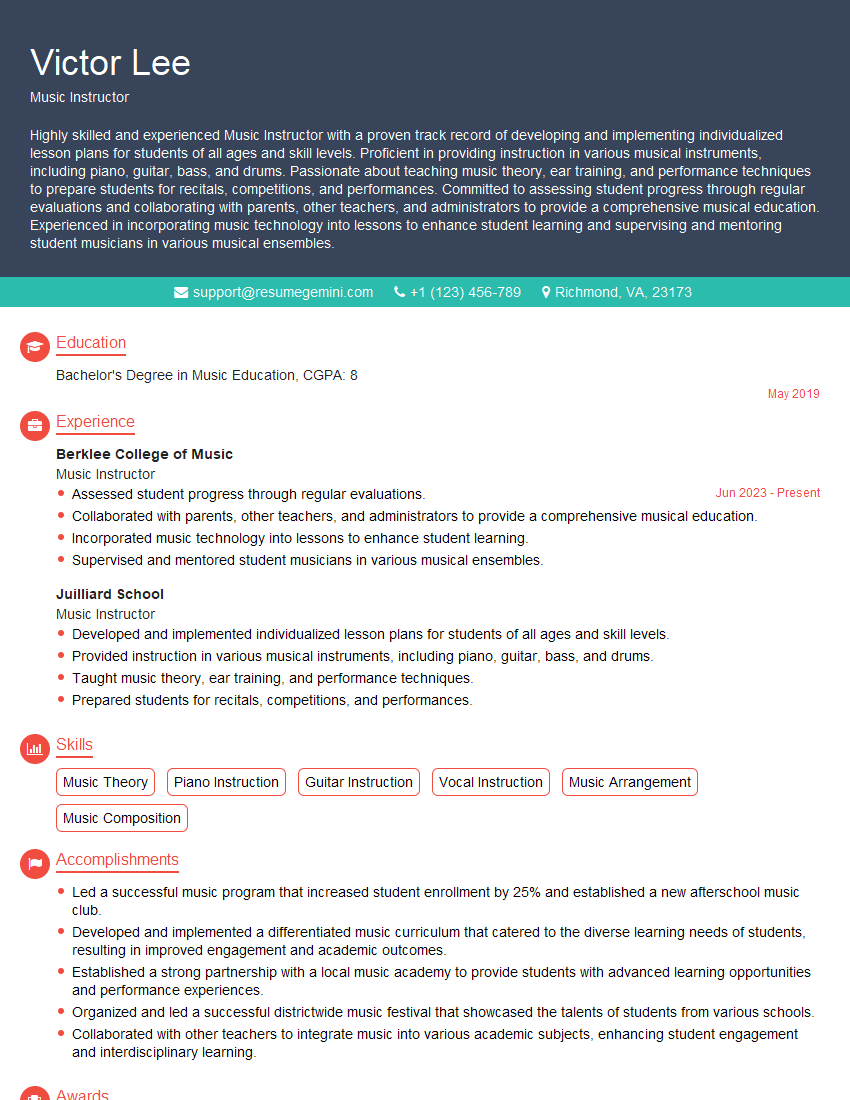
Music Instructor Resume Sample
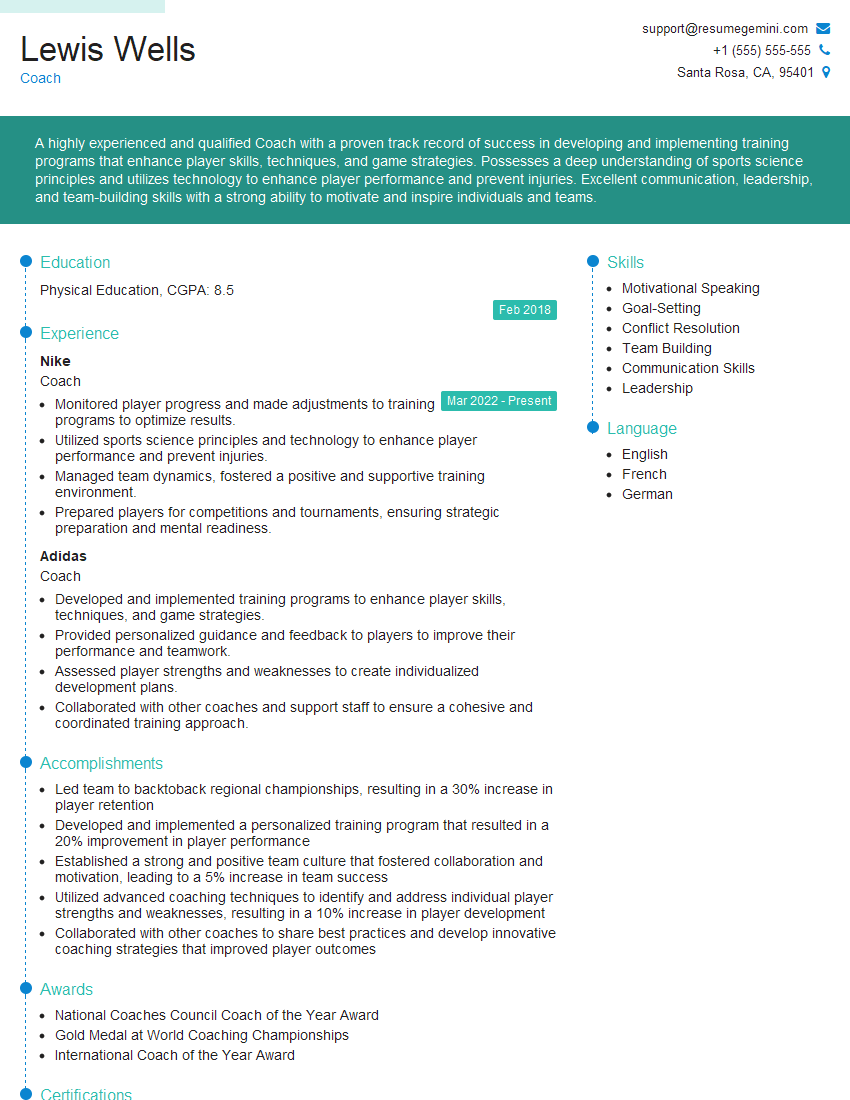
Coach Resume Sample
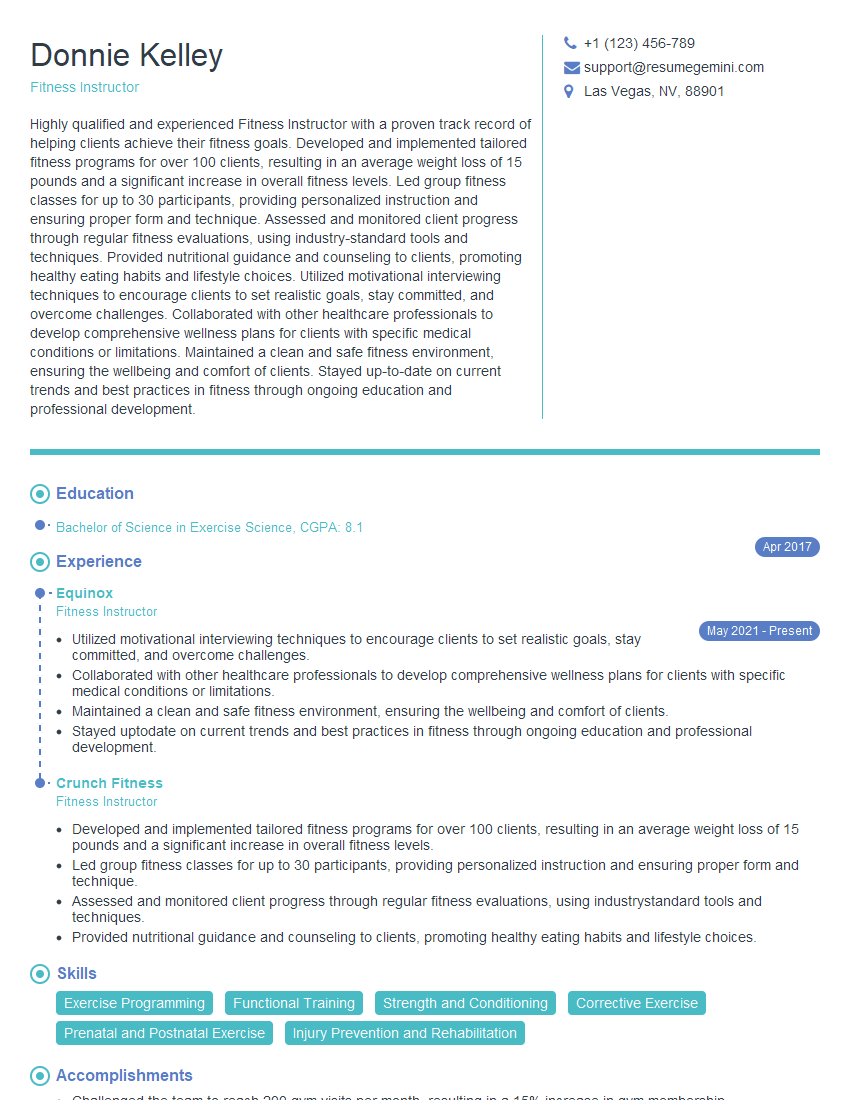
Fitness Instructor Resume Sample
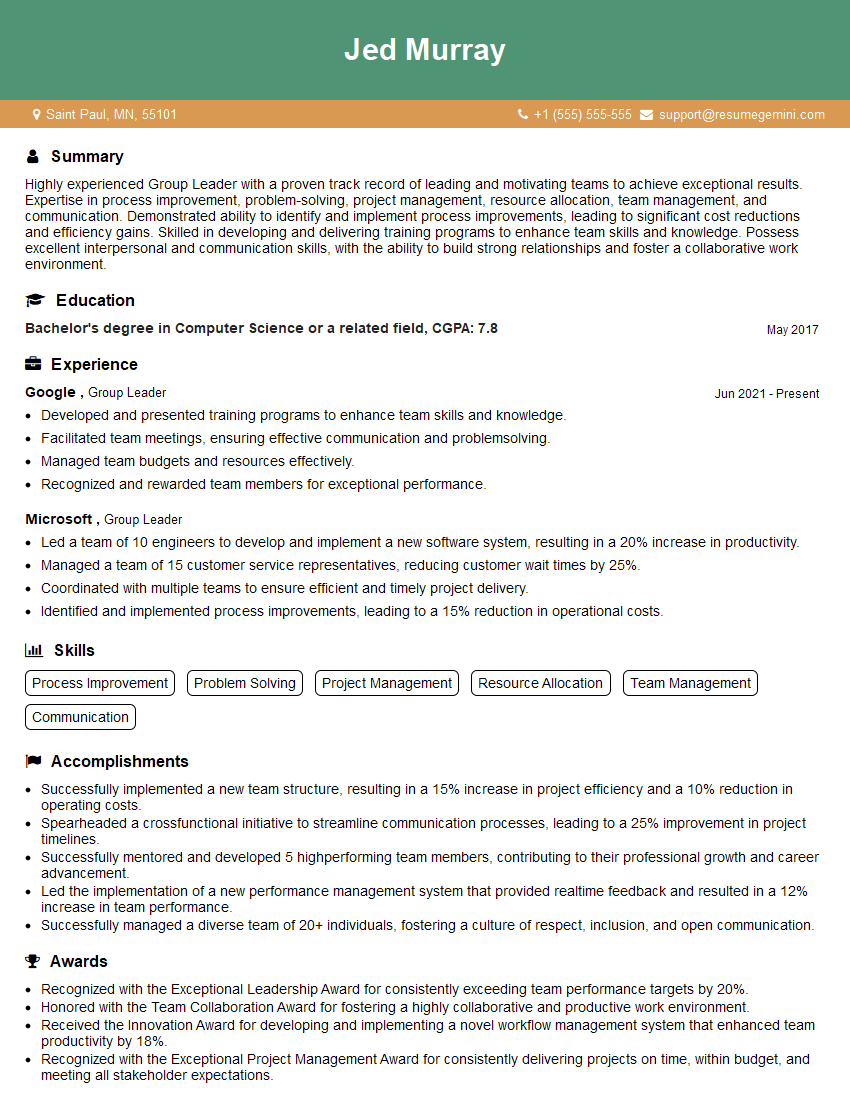
Group Leader Resume Sample
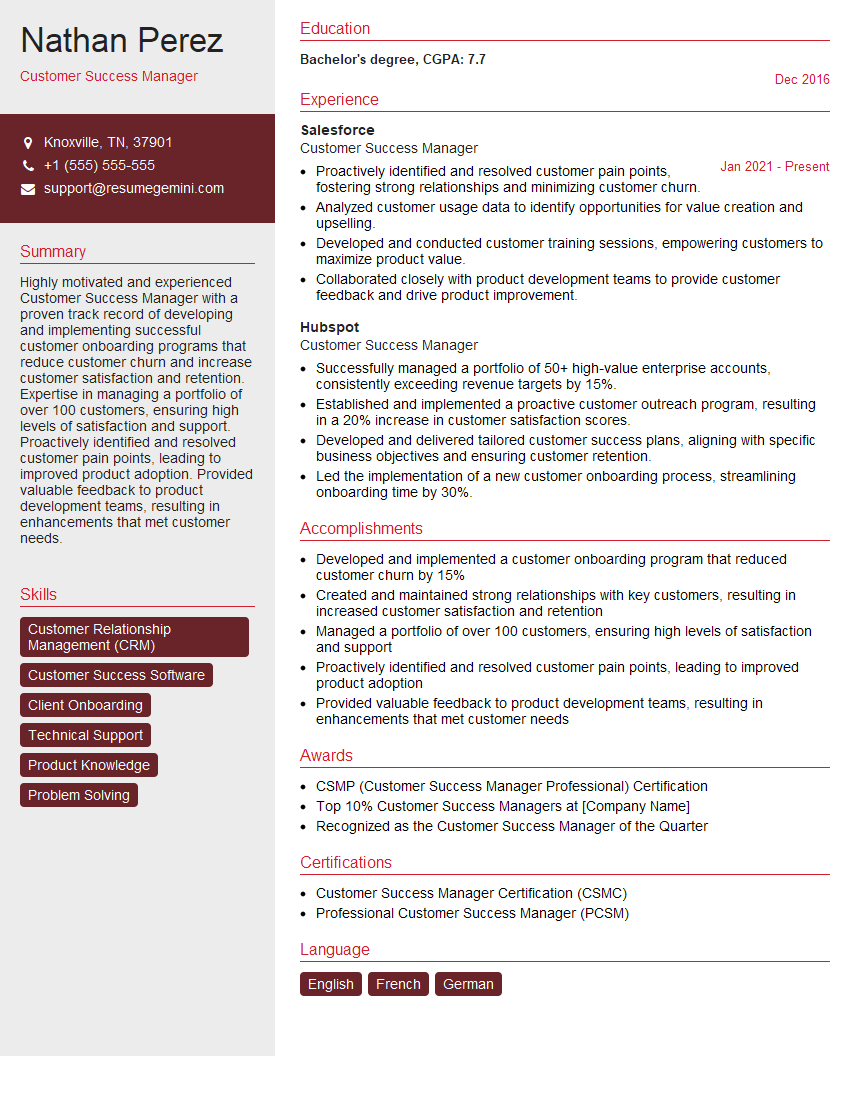
Customer Success Manager Resume Sample
- Executive Director
- Program Manager
- Supervisor
- Operations Manager
- Account Manager
- Marketing Manager
- Sales Manager
- Human Resources Manager
- Project Manager
- Department Head
- Community Outreach Coordinator
- Trainer
- Art Instructor
- Music Instructor
- Coach
- Fitness Instructor
- Group Leader
- Customer Success Manager
Explore more articles
Users Rating of Our Blogs
Share Your Experience
We value your feedback! Please rate our content and share your thoughts (optional).
What Readers Say About Our Blog
Very informative content, great job.
good