Preparation is the key to success in any interview. In this post, we’ll explore crucial Ability to Manage and Lead Arranging Projects interview questions and equip you with strategies to craft impactful answers. Whether you’re a beginner or a pro, these tips will elevate your preparation.
Questions Asked in Ability to Manage and Lead Arranging Projects Interview
Q 1. Describe your experience in developing project plans.
Developing a robust project plan is the cornerstone of successful project management. It involves a detailed breakdown of the project’s scope, outlining tasks, timelines, resources, and dependencies. My approach begins with a thorough understanding of the project’s objectives and deliverables. I then use a combination of techniques, including Work Breakdown Structure (WBS) – a hierarchical decomposition of the project into smaller, manageable tasks – and Gantt charts, which visually represent the schedule and dependencies between tasks. I also meticulously identify and allocate necessary resources, including personnel, budget, and equipment.
For example, in a recent software development project, I started by defining the key features (the scope) and then created a WBS breaking down the development into phases like design, coding, testing, and deployment. Each phase was further divided into smaller tasks. This granular level of detail allowed for accurate time estimation and resource allocation. The Gantt chart provided a clear visual representation of task dependencies and critical path, which helped in identifying potential delays.
Q 2. How do you prioritize tasks within a complex project?
Prioritizing tasks in a complex project requires a systematic approach. I typically employ a combination of methods, including the MoSCoW method (Must have, Should have, Could have, Won’t have), prioritization matrices (like Eisenhower Matrix – urgent/important), and value vs. effort analysis. The MoSCoW method helps categorize features based on their importance. The Eisenhower Matrix categorizes tasks by urgency and importance, guiding decision-making on which to tackle first. Value vs. effort analysis compares the potential value of each task against the effort required to complete it, allowing for efficient resource allocation.
For instance, in a marketing campaign project, using the MoSCoW method, we would first identify the ‘must-have’ components (e.g., core messaging and key visuals) before focusing on ‘should have’ elements (e.g., social media integration). The Eisenhower Matrix would then help in prioritizing urgent tasks, like securing advertising placements, over less urgent but important ones, such as developing detailed analytics reports.
Q 3. Explain your approach to managing project risks and issues.
Managing project risks and issues is an ongoing process that requires proactive identification, assessment, and mitigation strategies. I start by conducting a thorough risk assessment, identifying potential problems and their likelihood and impact. This often involves brainstorming sessions with the project team and stakeholders. Once identified, I develop a risk response plan, outlining contingency plans for each risk, focusing on mitigation (reducing the probability or impact), transference (shifting the risk to another party), avoidance (eliminating the risk), or acceptance (accepting the risk and its potential consequences).
For example, in a construction project, a potential risk could be inclement weather delaying the schedule. My response plan would include contingency buffers in the schedule, alternate indoor work options, and insurance to cover potential cost overruns. Issues, once identified, are addressed using a structured approach involving documentation, analysis, resolution, and verification to prevent recurrence.
Q 4. What methodologies (Agile, Waterfall, etc.) are you proficient in?
I’m proficient in both Agile and Waterfall methodologies, and I adapt my approach based on the specific project needs. Waterfall is suitable for projects with clearly defined requirements and minimal anticipated changes, whereas Agile is best for projects requiring flexibility and iterative development. I have extensive experience using Scrum, a popular Agile framework, characterized by short sprints (iterations), daily stand-up meetings, and continuous feedback loops. I also have experience with Kanban, another Agile framework, which focuses on visualizing workflow and limiting work in progress.
My experience includes leading projects using both methodologies successfully. In a recent project involving the development of a mobile app, we used Scrum, allowing for flexibility and incorporating user feedback throughout the development process. In a large-scale infrastructure project, the Waterfall methodology provided a more structured and predictable path to completion.
Q 5. How do you handle conflicting priorities among team members?
Handling conflicting priorities among team members requires strong communication, diplomacy, and a clear understanding of project objectives. My approach involves facilitating open discussions where team members can express their concerns and perspectives. I work to understand the root cause of the conflict and then collaboratively find solutions that balance the competing priorities. This may involve prioritizing tasks based on their overall impact on project goals, re-allocating resources, or adjusting deadlines. Transparency and clear communication are crucial throughout the process to ensure everyone feels heard and understood.
In one instance, two team members had conflicting views on the design of a key feature. Instead of imposing a decision, I facilitated a meeting where they could present their arguments and discuss the pros and cons of each approach. We ultimately agreed on a hybrid solution that incorporated the best aspects of both designs, maintaining team morale and resulting in a superior product.
Q 6. Describe a time you had to adjust a project plan due to unforeseen circumstances.
In a recent project involving the launch of a new product, we faced an unforeseen delay due to a critical supplier failing to deliver components on time. This necessitated a rapid adjustment to the project plan. We immediately held a meeting to assess the impact of the delay on the overall schedule and deliverables. We then explored various options, including identifying alternative suppliers, negotiating expedited shipping, and re-prioritizing tasks to minimize the impact on the launch date. We opted for a combination of solutions, securing components from an alternative supplier while re-sequencing some tasks to avoid critical path delays. This resulted in a minimal delay, effectively mitigating the issue’s impact on the project timeline and budget.
Q 7. How do you monitor and measure project progress?
Monitoring and measuring project progress is crucial for ensuring timely completion and meeting objectives. I use a combination of techniques, including regular progress meetings, tracking key performance indicators (KPIs), and utilizing project management software. KPIs could include task completion rates, budget adherence, and schedule adherence. Regular meetings provide opportunities to discuss progress, identify roadblocks, and make necessary adjustments to the plan. Project management software allows for real-time tracking of tasks, resources, and milestones, providing valuable insights into project health. I utilize dashboards and reports generated by this software to present the overall project health to stakeholders.
For instance, in a software development project, we track the number of completed user stories (KPIs), the burn-down chart showing the remaining work (visual progress), and the budget spent against the planned budget (financial progress). This allows for timely identification of any deviations from the plan and proactive mitigation strategies.
Q 8. What tools and software do you use for project management?
My project management toolkit is diverse and adapts to the specific needs of each project. However, some core tools are consistently used. For instance, I rely heavily on project management software like Jira and Asana for task assignment, progress tracking, and collaboration. These platforms offer features such as Kanban boards for visualizing workflow, Gantt charts for scheduling, and time tracking capabilities. For larger, more complex projects, I might integrate tools like Microsoft Project for detailed scheduling and resource allocation. Beyond software, I utilize communication tools such as Slack and Microsoft Teams to foster real-time communication and quick responses. Finally, I find document management systems like SharePoint crucial for centralizing project documentation and ensuring version control, enhancing transparency and collaboration.
For example, in a recent software development project, using Jira’s Kanban boards allowed the team to visualize the progress of individual tasks and identify potential bottlenecks proactively. This visual representation improved communication and accountability within the team.
Q 9. How do you ensure effective communication within a project team?
Effective communication is paramount to project success. My approach is multifaceted. First, I establish clear communication channels at the project’s outset. This includes defining how and when team members will communicate (e.g., daily stand-up meetings, weekly progress reports, dedicated Slack channels). Second, I emphasize open and honest dialogue, encouraging team members to express their concerns and ideas freely. Regular team meetings and one-on-one check-ins ensure everyone feels heard and understood. Third, I utilize various communication methods tailored to the audience and the message. For instance, I might use email for formal announcements, Slack for quick updates, and presentations for conveying complex information. Finally, I ensure clear documentation of all decisions and discussions, minimizing ambiguity and facilitating smooth workflow.
In a previous project, we experienced communication breakdown due to information silos. To address this, we implemented daily stand-up meetings where every team member briefed others on their progress and challenges. This drastically improved transparency and reduced misunderstandings.
Q 10. How do you motivate and delegate tasks to team members?
Motivation and delegation are intertwined. I begin by understanding each team member’s strengths, skills, and aspirations. This helps me delegate tasks that align with their capabilities and career goals, fostering a sense of ownership and engagement. I provide clear expectations, deadlines, and necessary resources. Regular feedback and recognition play a crucial role. I praise accomplishments and offer constructive criticism when needed. I also empower team members by giving them autonomy within their roles and actively soliciting their input. Ultimately, my goal is to cultivate a supportive and motivating environment where every team member feels valued and empowered.
For example, in one project, I identified a junior team member who was eager to learn data analysis. I delegated a task that required data analysis skills, providing guidance and support. The team member’s successful completion of the task boosted their confidence and enhanced their skills.
Q 11. Explain your experience with resource allocation and budgeting.
Resource allocation and budgeting are crucial for project success. I start by developing a detailed budget outlining all anticipated costs, including labor, materials, software, and other expenses. This is based on accurate estimations of time and resources required for each task. I then allocate resources – human resources and equipment – strategically, assigning tasks to the most appropriate team members considering their expertise and availability. Regular monitoring of resource utilization helps identify potential overruns or underutilization. I also incorporate contingency plans into the budget to account for unexpected events or scope creep. Effective communication with stakeholders regarding budget changes and justifications is vital to maintain transparency and trust.
In one instance, by carefully tracking resource allocation and utilizing time-tracking software, we discovered inefficiencies in a certain phase of the project. We made adjustments, reallocating resources and saving significant time and budget.
Q 12. How do you handle stakeholder expectations?
Managing stakeholder expectations involves proactive and consistent communication. I start by clearly defining project goals and objectives with all stakeholders, ensuring everyone has a shared understanding. Regular updates, including progress reports and presentations, keep stakeholders informed and engaged. I actively solicit feedback and address concerns promptly and transparently. When unexpected issues arise, I explain the situation, propose solutions, and adjust expectations accordingly, maintaining open dialogue to build trust. Crucially, I document all stakeholder communications and agreements to avoid confusion and discrepancies.
A successful example involves managing a client with ambitious deadlines. Through regular progress reports and proactive communication regarding potential challenges, we managed expectations and delivered a successful project despite initial concerns.
Q 13. Describe your approach to conflict resolution within a project team.
My approach to conflict resolution emphasizes collaboration and problem-solving. I encourage open communication and active listening, allowing all parties involved to express their perspectives without interruption. Once all viewpoints are understood, I facilitate a constructive discussion, focusing on finding common ground and mutually agreeable solutions. I encourage the parties to focus on the issues, not personalities. If necessary, I mediate the discussion, ensuring fairness and objectivity. The goal is not to assign blame but to find a solution that satisfies all parties and helps the project move forward. Documentation of the resolution and any agreed-upon changes is crucial.
In one instance, a conflict arose between two team members with differing approaches to a technical issue. I facilitated a meeting, listened to both viewpoints, and collaboratively developed a hybrid solution combining the strengths of both approaches, ultimately strengthening the team dynamic.
Q 14. What metrics do you use to track project success?
Tracking project success requires a combination of quantitative and qualitative metrics. Quantitative metrics might include: on-time delivery (measuring the project’s completion against the deadline), on-budget performance (comparing actual costs to the budgeted amount), and key performance indicators (KPIs) specific to the project’s goals (e.g., customer satisfaction scores, defect rates in software development, or sales figures in a marketing campaign). Qualitative metrics, however, are equally important. These include stakeholder satisfaction (measured through feedback surveys and interviews), team morale (assessed through regular check-ins and informal feedback), and overall project quality (evaluated through testing and quality assurance processes).
For example, in a website redesign project, we tracked the number of website visitors, bounce rate, and conversion rate to measure success beyond just on-time and on-budget delivery. Simultaneously, we gathered client feedback through surveys to assess their satisfaction with the final product.
Q 15. How do you manage project deadlines and milestones?
Managing project deadlines and milestones effectively relies on a proactive approach combining meticulous planning with consistent monitoring and adaptive adjustments. I begin by establishing a clear project timeline, breaking down the overall project into smaller, manageable tasks with specific deadlines (milestones). This is often visualized using a Gantt chart or similar project management tool.
Crucially, I don’t just set deadlines; I allocate realistic resources and assign responsibilities. Regular progress meetings, coupled with the use of project management software for tracking task completion and identifying potential roadblocks, are vital. If a milestone is at risk of being missed, I immediately convene a team meeting to brainstorm solutions – perhaps re-allocating resources, adjusting priorities, or seeking external support. This proactive approach ensures we stay on track and deliver the project on time.
For example, in a recent web development project, we identified a potential delay in the backend development phase. By holding a meeting early on, we were able to adjust the timeline slightly by prioritizing certain features and bringing in a freelance developer to assist for a short period. This prevented a significant delay in the launch date.
Career Expert Tips:
- Ace those interviews! Prepare effectively by reviewing the Top 50 Most Common Interview Questions on ResumeGemini.
- Navigate your job search with confidence! Explore a wide range of Career Tips on ResumeGemini. Learn about common challenges and recommendations to overcome them.
- Craft the perfect resume! Master the Art of Resume Writing with ResumeGemini’s guide. Showcase your unique qualifications and achievements effectively.
- Don’t miss out on holiday savings! Build your dream resume with ResumeGemini’s ATS optimized templates.
Q 16. Describe a time you had to make a difficult decision regarding a project.
One of the most difficult decisions I faced involved a software development project where we were nearing the deadline and discovered a critical bug in a core module. We had two options: release the software with the bug, accepting the risk of user complaints and potential reputational damage, or delay the release to fix the bug, risking missing a crucial market window.
After carefully weighing the risks and benefits of each option, and consulting with senior stakeholders, we opted to delay the release. The reasons for this decision were threefold: first, the bug was potentially serious and could have led to significant data loss or system instability; second, fixing the bug would improve user experience and satisfaction; finally, we believed the long-term benefits of a stable product outweighed the short-term setback. This was not an easy choice, as the delay meant additional costs and a potential impact on our project schedule, but ultimately it proved the correct one as the revised product launch was far more successful. This taught me the importance of risk assessment and prioritization when faced with conflicting priorities.
Q 17. How do you ensure project quality?
Ensuring project quality is paramount. My approach is multifaceted, starting with clear definition of quality standards at the outset of the project. This involves defining acceptance criteria, establishing quality metrics, and setting up regular quality checks throughout the project lifecycle.
This involves several strategies: rigorous testing at each development stage (unit, integration, system, and user acceptance testing), code reviews by peers, and continuous integration and continuous delivery (CI/CD) pipelines to automate the build and test process. I also involve stakeholders throughout the process to ensure their expectations are met. This is all backed by a culture that emphasizes attention to detail and a commitment to excellence within the team. The use of project management software with quality tracking functionalities is also a great aid.
For instance, in a recent marketing campaign project, we implemented A/B testing to compare different versions of marketing materials, enabling us to select the versions that produced the highest conversion rates and thus, the highest quality of campaign output.
Q 18. How do you handle scope creep?
Scope creep, the uncontrolled expansion of project requirements, is a major threat to project success. My strategy for handling it involves proactive measures rather than reactive ones. The first step is thorough initial planning, creating a detailed scope statement with clearly defined deliverables and boundaries. This document is collaboratively reviewed and approved by all stakeholders. Any changes to the scope are then formally documented, assessed for their impact on the project timeline, budget, and resources, and approved by the relevant stakeholders before implementation.
Change requests are evaluated using a structured process, often involving a change control board. This board weighs the benefits of the requested change against its costs and potential risks. Changes are prioritized based on their value and their impact on the overall project goals. If a change is approved, the project plan is updated accordingly. This transparent and controlled process keeps scope creep in check, ensuring the project remains manageable and delivers on its initial objectives.
Q 19. What is your experience with change management in a project context?
Change management is an integral part of project management. Projects rarely proceed exactly as planned; unforeseen circumstances, new information, or evolving priorities often require adjustments. My approach to change management emphasizes communication, collaboration, and a structured process.
I use a combination of techniques including: identifying potential change triggers early on (risk management); establishing clear communication channels to keep stakeholders informed of any changes; proactively managing stakeholder expectations; using change request forms to document and track changes; and adapting the project plan accordingly (using agile methodologies often assists with iterative change management). Building a team culture that embraces change and views it as an opportunity for improvement is also critical. In short, change management is not about preventing change, but about managing change effectively and minimizing its negative impact.
Q 20. How do you build and maintain strong relationships with stakeholders?
Building and maintaining strong relationships with stakeholders is crucial for project success. My approach is based on open communication, active listening, mutual respect, and trust. Regular updates, both formal and informal, ensure stakeholders are informed about the project’s progress, challenges, and successes. I actively seek their feedback and input throughout the project lifecycle, recognizing that their involvement leads to a better understanding of their needs and expectations.
I prioritize building personal connections with stakeholders. This means making time to understand their perspectives, addressing their concerns, and celebrating achievements together. This creates a sense of collaboration and shared ownership, making them feel valued and invested in the project. I regularly use communication tools such as regular status meetings, email updates, and project portals to keep everyone informed and engaged. Addressing concerns promptly and professionally is also key to maintaining strong relationships.
Q 21. Explain your understanding of critical path analysis.
Critical Path Analysis (CPA) is a project management technique used to identify the longest sequence of dependent tasks in a project, which determines the shortest possible duration of the project. These tasks constitute the critical path; any delay on these tasks directly impacts the project completion date.
CPA helps in identifying potential bottlenecks and risks by highlighting the tasks that need to be carefully monitored and managed. It involves creating a network diagram showing the dependencies between tasks and their durations. Once the network diagram is created, the critical path is identified by calculating the earliest and latest start and finish times for each task. Tasks that have zero slack (the difference between the latest and earliest start times) lie on the critical path.
Understanding the critical path allows for better resource allocation, risk management, and prioritization. It allows for focusing efforts on tasks that have the greatest impact on the project schedule and ensuring that they are completed on time and without any delays. Tools like Microsoft Project or specialized project management software can automate the calculation of the critical path. For example, in a construction project, identifying the critical path involving foundation work and structural framing would ensure the timely procurement of materials and skilled labor for these crucial stages.
Q 22. Describe your experience with project closure and documentation.
Project closure isn’t just about finishing; it’s about formally documenting the entire project lifecycle’s success and lessons learned. This ensures accountability, facilitates knowledge transfer, and provides a foundation for future projects. My process typically involves several key steps:
- Final Deliverables Review: A thorough check to ensure all agreed-upon deliverables meet quality standards and client expectations. For example, on a software development project, this would involve rigorous testing and sign-off on all features.
- Documentation Compilation: Gathering all relevant project documentation, including project plans, meeting minutes, risk registers, change logs, and final reports. I often use a centralized document repository like SharePoint or Google Drive for easy access and version control.
- Financial Closure: Reconciling the project budget, ensuring all invoices are processed, and closing out any outstanding payments. This includes generating final financial reports for stakeholders.
- Lessons Learned Session: A meeting with the project team to discuss successes, challenges, and areas for improvement. We document these key takeaways to inform future projects. For instance, identifying a recurring issue with a specific vendor led to us developing a stronger vetting process.
- Archiving: Systematically storing all project documentation in a secure and easily retrievable format for future reference.
In my last role, meticulous project closure on a large-scale website redesign led to a smooth transition and positive client feedback, solidifying our reputation for efficient project management.
Q 23. How do you identify and mitigate potential project delays?
Proactive delay mitigation is crucial. It’s not about reacting to delays but preventing them. I employ a multi-pronged approach:
- Robust Planning: Detailed project plans with realistic timelines, considering potential risks and dependencies. This often involves utilizing tools like Gantt charts and critical path analysis to identify tasks critical to the project schedule.
- Risk Management: Identifying and assessing potential risks, creating mitigation plans for each. For example, I might include buffer time in the schedule for unforeseen issues or have backup resources readily available.
- Regular Monitoring: Consistent progress tracking through regular meetings, status reports, and performance monitoring tools. Early identification of issues allows for prompt corrective action.
- Communication: Open and transparent communication with stakeholders to ensure everyone is aware of the project’s status and any potential challenges. This facilitates collaborative problem-solving.
- Contingency Planning: Developing alternative plans to address potential disruptions. Having a backup plan in place for critical path activities is particularly important.
For example, during a recent product launch, we identified a potential supplier delay. By proactively engaging a secondary supplier and building that into our plan, we avoided a significant schedule slip.
Q 24. What is your experience with project post-mortems?
Project post-mortems are vital for continuous improvement. They provide a structured review of the project’s performance, identifying both successes and areas needing improvement. My approach typically includes:
- Objective Review: Factually reviewing the project’s performance against its goals, focusing on both positive outcomes and negative deviations.
- Team Participation: Encouraging open and honest feedback from all team members to gain a comprehensive perspective.
- Root Cause Analysis: Identifying the root causes of any problems encountered, not just the symptoms. This often involves using techniques like the ‘5 Whys’ to delve deeper into the reasons behind issues.
- Actionable Recommendations: Developing specific, measurable, achievable, relevant, and time-bound (SMART) recommendations for improvement. For example, “Improve stakeholder communication by holding weekly briefings within 2 weeks of the next project.”
- Documentation and Follow-up: Documenting the findings and recommendations, ensuring that they are implemented in future projects. I often create an action plan that tracks the progress of implemented recommendations.
Through consistent post-mortems, we’ve identified recurring issues in our processes, such as insufficient testing, leading to improvements in our project methodologies.
Q 25. How do you handle pressure and tight deadlines?
Handling pressure and tight deadlines requires a combination of effective planning, prioritization, and stress management. My strategies include:
- Prioritization: Focusing on the most critical tasks first, using techniques like the Eisenhower Matrix (urgent/important) to effectively manage my workload.
- Time Management: Utilizing time management techniques like time blocking and the Pomodoro Technique to maintain focus and avoid burnout.
- Delegation: Effectively delegating tasks to team members based on their skills and availability, trusting their capabilities.
- Clear Communication: Maintaining open and honest communication with stakeholders, managing expectations and providing regular updates.
- Stress Management: Practicing self-care techniques such as regular exercise, sufficient sleep, and mindfulness to maintain focus and resilience under pressure.
In a recent project with an extremely tight deadline, by effectively prioritizing tasks and delegating efficiently, we managed to successfully deliver the project on time and within budget, demonstrating adaptability and strong teamwork.
Q 26. Describe your experience working in a matrix organizational structure.
I have extensive experience working in matrix organizational structures, where individuals report to multiple managers. This requires exceptional communication and collaboration skills. My approach centers on:
- Clear Communication: Maintaining clear and consistent communication with all relevant stakeholders, ensuring alignment of goals and expectations across different teams.
- Collaboration: Actively collaborating with team members from various departments, respecting their expertise and input.
- Conflict Resolution: Proactively addressing conflicts that may arise due to competing priorities or differing opinions.
- Relationship Building: Building strong relationships with managers from different departments to foster trust and cooperation.
- Negotiation: Negotiating effectively to balance the needs and priorities of different teams and stakeholders.
In a previous role involving a cross-functional project, I successfully navigated the complexities of a matrix structure by establishing regular communication channels and clearly defining roles and responsibilities. This ensured project success despite the inherent challenges.
Q 27. How do you ensure the project stays within budget?
Staying within budget is paramount. It requires a proactive and disciplined approach. My strategies include:
- Detailed Budgeting: Creating a comprehensive budget that accurately estimates all project costs, including contingencies for unforeseen expenses.
- Regular Monitoring: Continuously monitoring expenses against the budget, identifying potential overruns early on.
- Cost Control Measures: Implementing cost-saving strategies where possible, negotiating favorable contracts with vendors, and optimizing resource allocation.
- Change Management: Effectively managing changes to the project scope, ensuring that any cost implications are carefully evaluated and approved.
- Transparent Reporting: Providing regular and transparent budget reports to stakeholders, keeping them informed of the project’s financial status.
In a recent project, we successfully stayed within budget by employing a rigorous change control process and proactively identifying cost-saving opportunities. This resulted in delivering the project under budget, exceeding client expectations.
Q 28. How do you balance the needs of different stakeholders?
Balancing stakeholder needs requires skillful negotiation and diplomacy. It’s about understanding each stakeholder’s priorities and finding solutions that meet their needs as much as possible. My approach involves:
- Stakeholder Analysis: Identifying and analyzing all key stakeholders, understanding their interests, influence, and potential conflicts.
- Communication: Maintaining open and regular communication with all stakeholders, actively listening to their concerns and seeking their input.
- Negotiation: Negotiating effectively to find solutions that address the concerns of different stakeholders, seeking win-win outcomes wherever possible.
- Prioritization: Prioritizing stakeholder needs based on their influence and the impact on project success.
- Documentation: Documenting all stakeholder agreements and decisions, ensuring transparency and accountability.
On a complex software implementation, I successfully balanced the needs of various stakeholders—developers, clients, and management—by fostering open communication, negotiating compromises, and prioritizing requirements based on project impact. This resulted in a successful launch that met the needs of all key stakeholders.
Key Topics to Learn for Ability to Manage and Lead Arranging Projects Interview
- Project Initiation & Planning: Defining project scope, objectives, and deliverables; creating realistic timelines and budgets; identifying key stakeholders and their roles.
- Team Management & Leadership: Delegating tasks effectively; providing constructive feedback and coaching; fostering collaboration and teamwork; resolving conflicts and motivating team members.
- Resource Allocation & Management: Optimizing resource utilization (time, budget, personnel); tracking progress against planned allocation; adapting to resource constraints.
- Risk Management & Mitigation: Identifying potential risks and challenges; developing mitigation strategies; proactively addressing unforeseen issues.
- Communication & Stakeholder Management: Regularly communicating project status to stakeholders; effectively managing expectations; addressing stakeholder concerns and feedback.
- Monitoring & Control: Tracking project progress; using relevant metrics and KPIs to monitor performance; implementing corrective actions as needed.
- Project Closure & Evaluation: Completing project documentation; conducting post-project reviews; capturing lessons learned for future projects.
- Agile Methodologies (if applicable): Understanding and applying agile principles like Scrum or Kanban; adapting to iterative development processes.
- Problem-Solving & Decision-Making: Analyzing project challenges; identifying root causes; developing and implementing effective solutions; making timely and informed decisions under pressure.
Next Steps
Mastering the ability to manage and lead projects is crucial for career advancement. It demonstrates key skills highly valued by employers across all industries, significantly increasing your job prospects. Creating an ATS-friendly resume is essential to ensure your application gets noticed. ResumeGemini can help you build a professional and impactful resume that showcases your project management abilities. We offer examples of resumes tailored to highlight expertise in “Ability to Manage and Lead Arranging Projects,” helping you present your skills effectively to potential employers. Take the next step towards your career success with a strong and targeted resume.
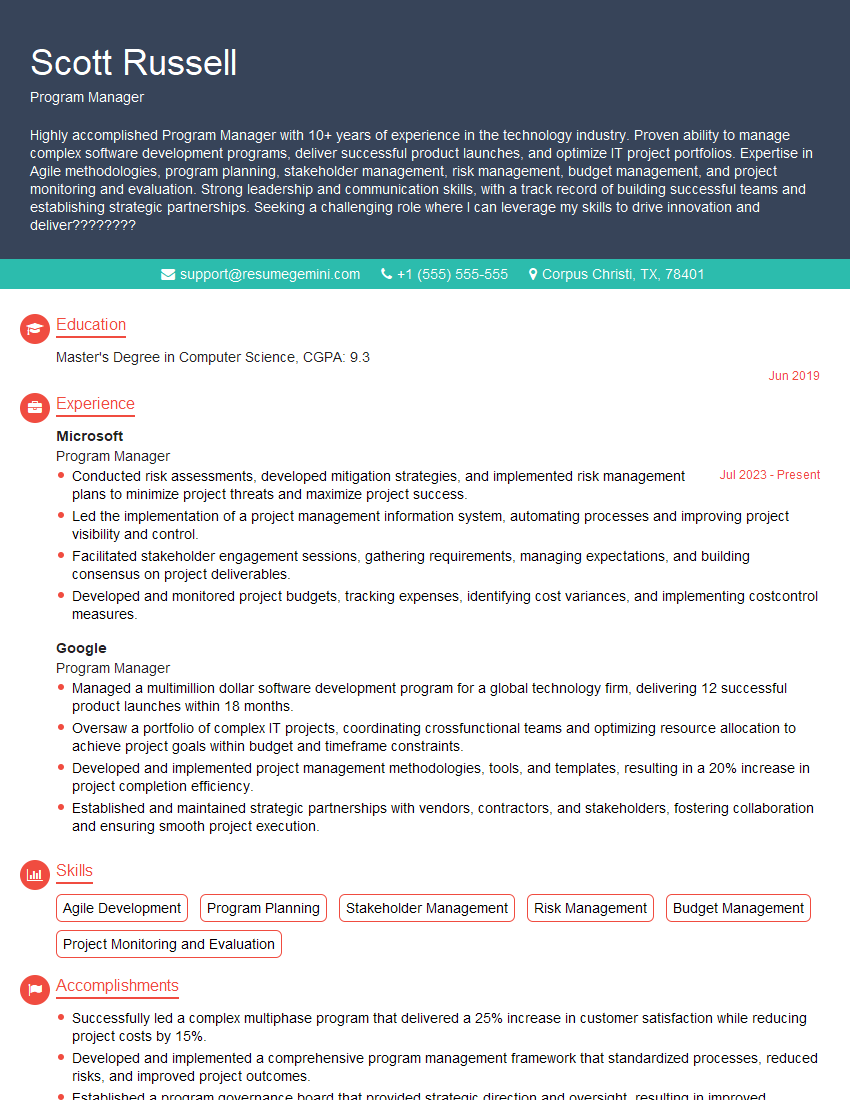
Program Manager Resume Sample

Operations Manager Resume Sample
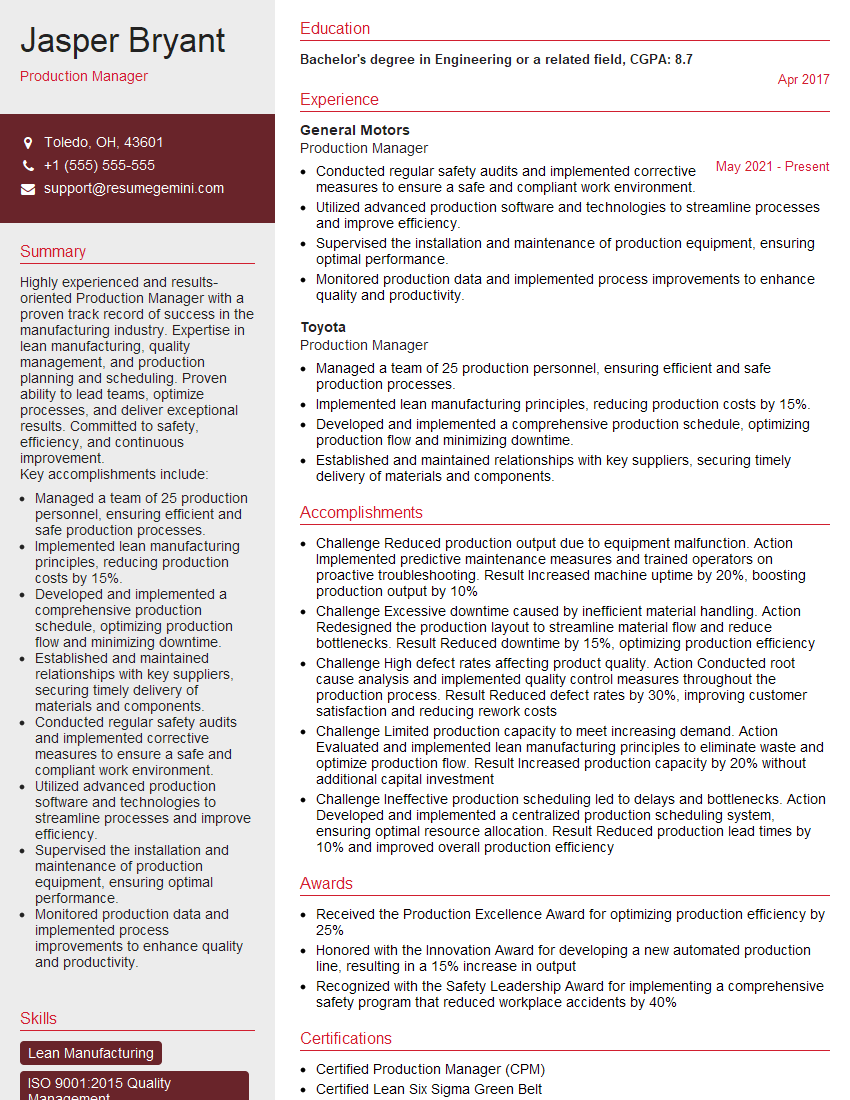
Production Manager Resume Sample
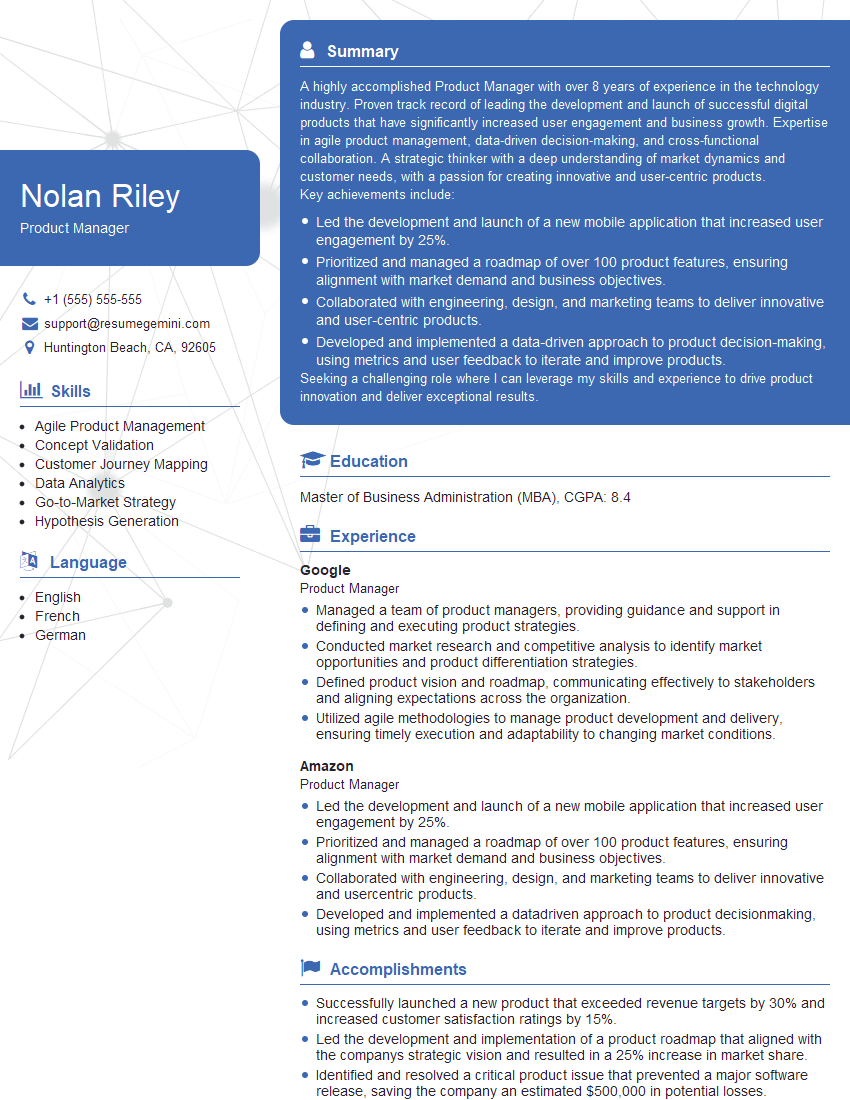
Product Manager Resume Sample
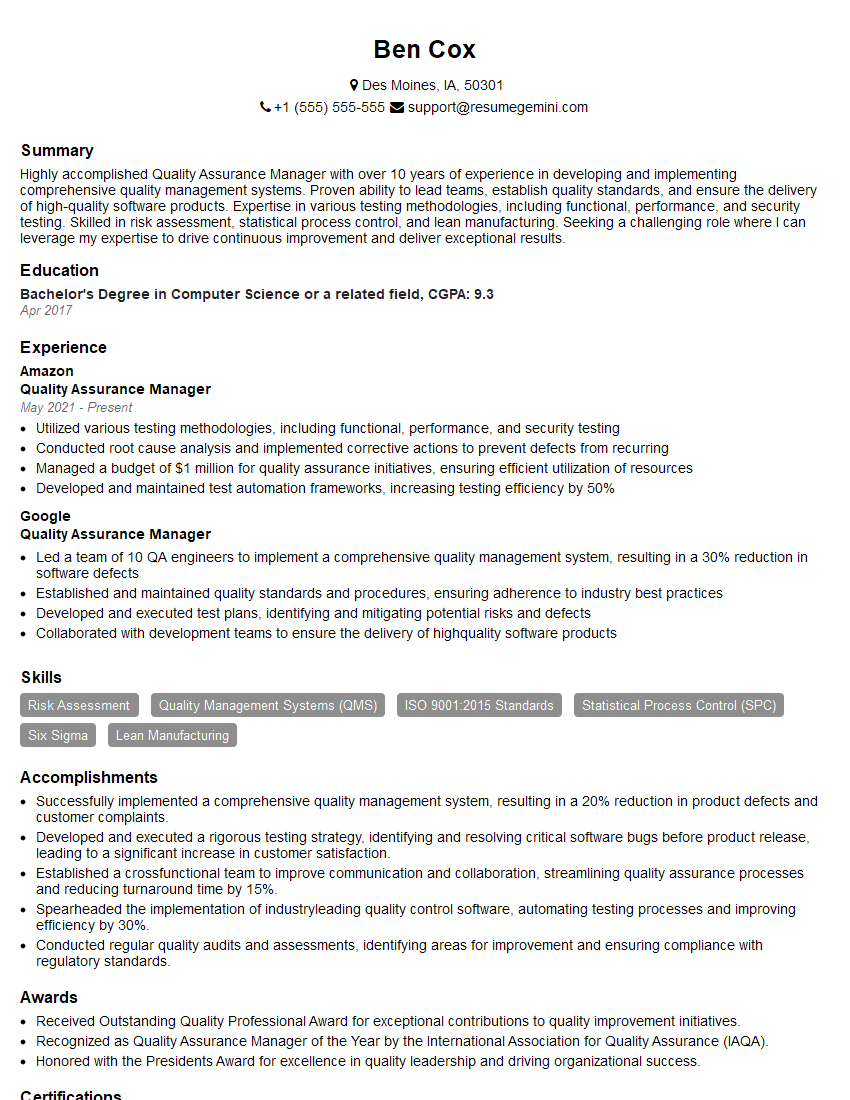
Quality Assurance Manager Resume Sample
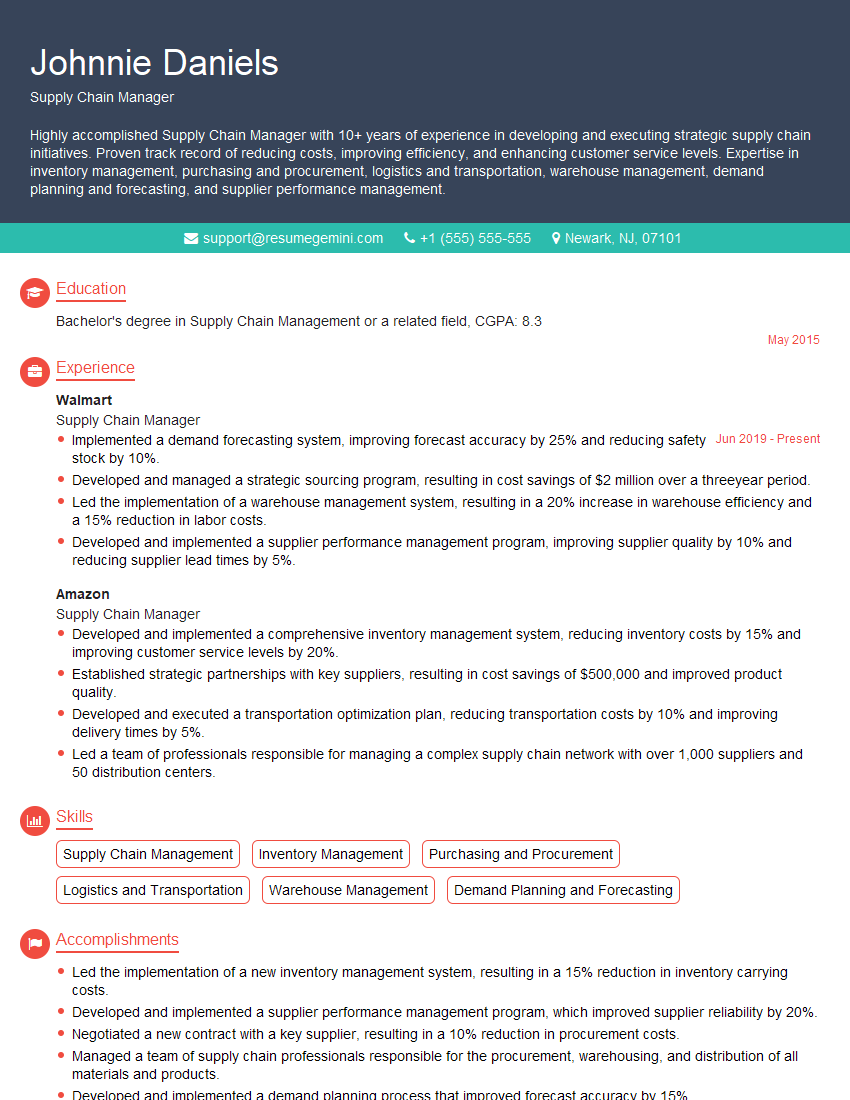
Supply Chain Manager Resume Sample
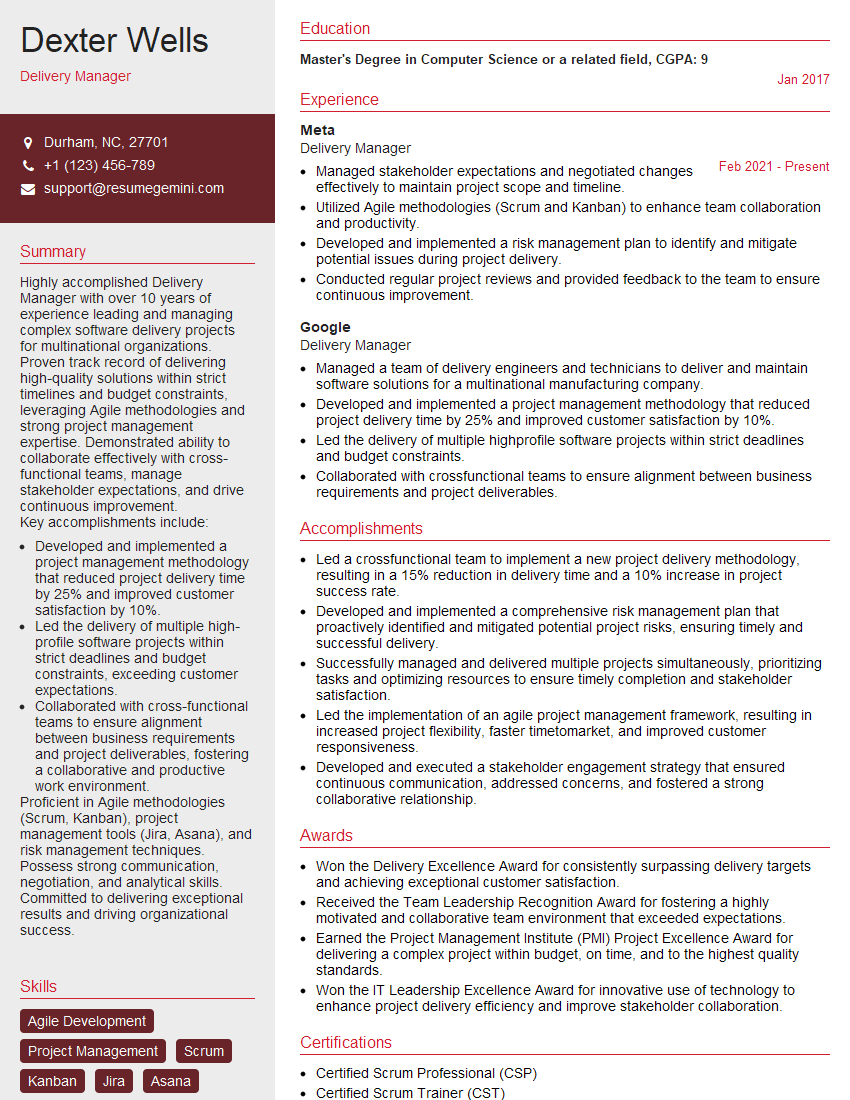
Delivery Manager Resume Sample
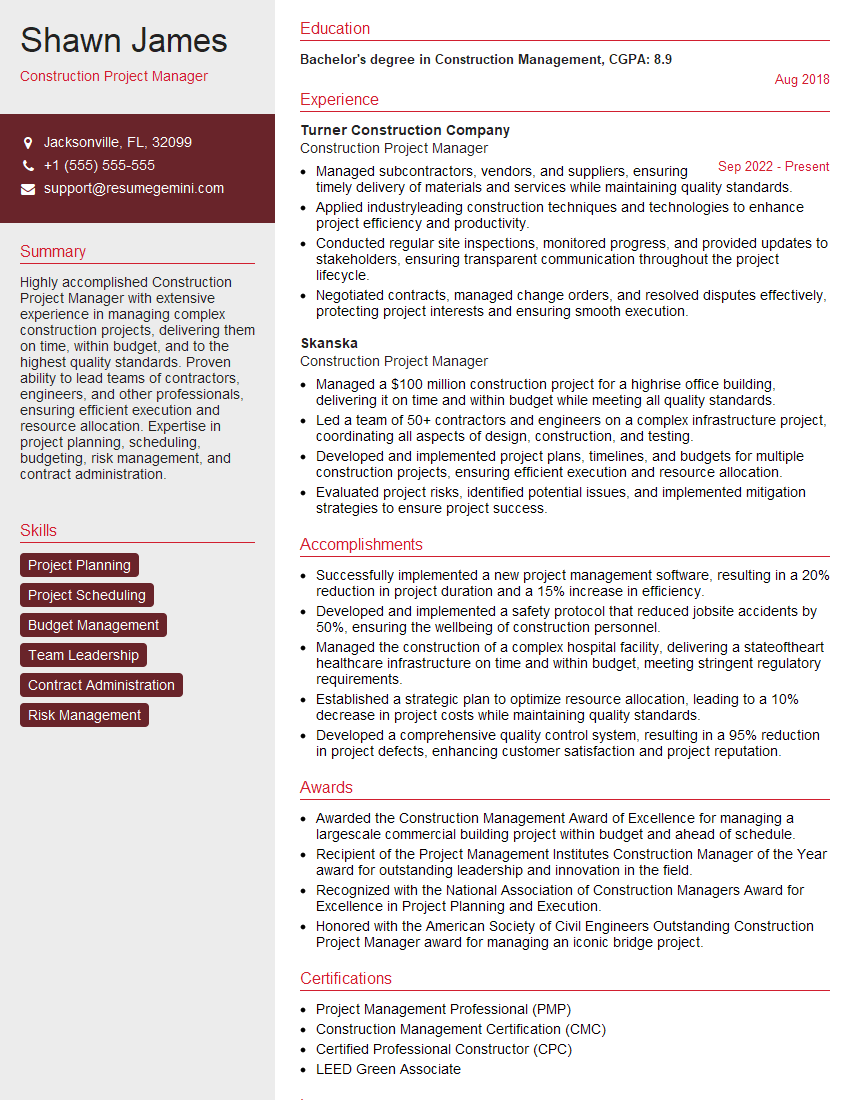
Construction Project Manager Resume Sample
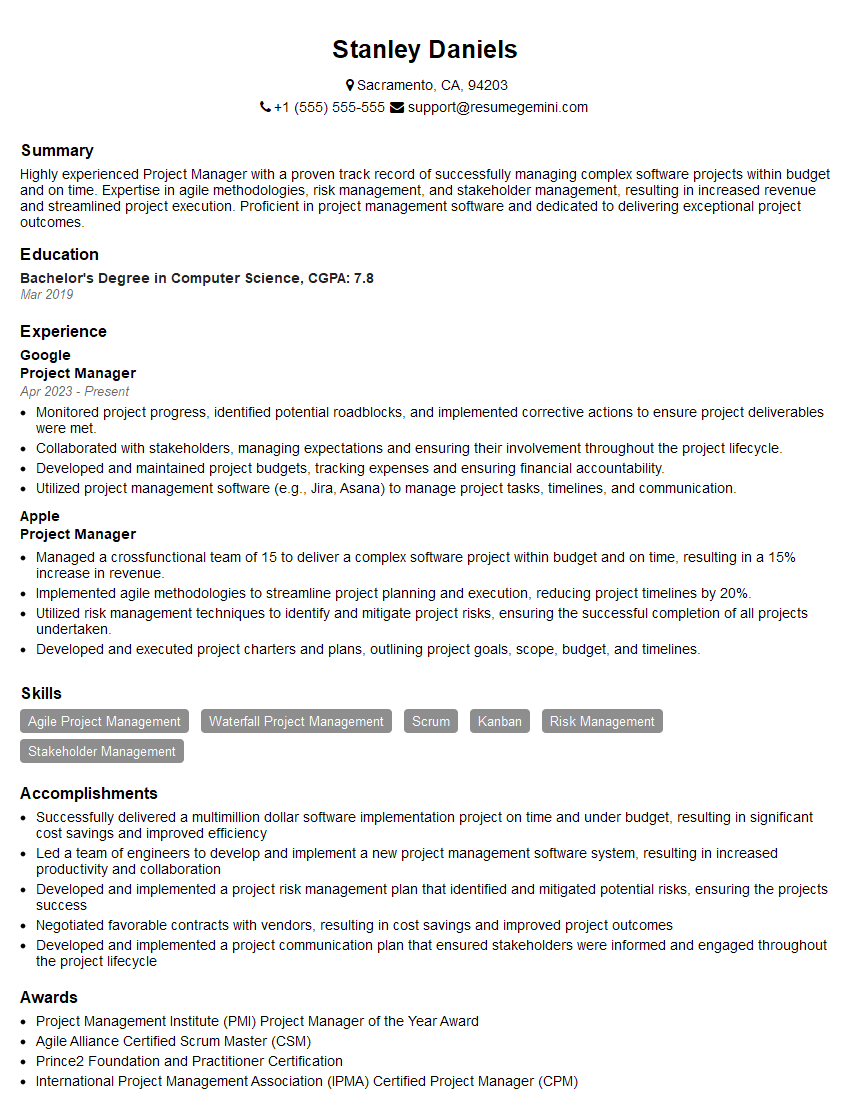
Project Manager Resume Sample
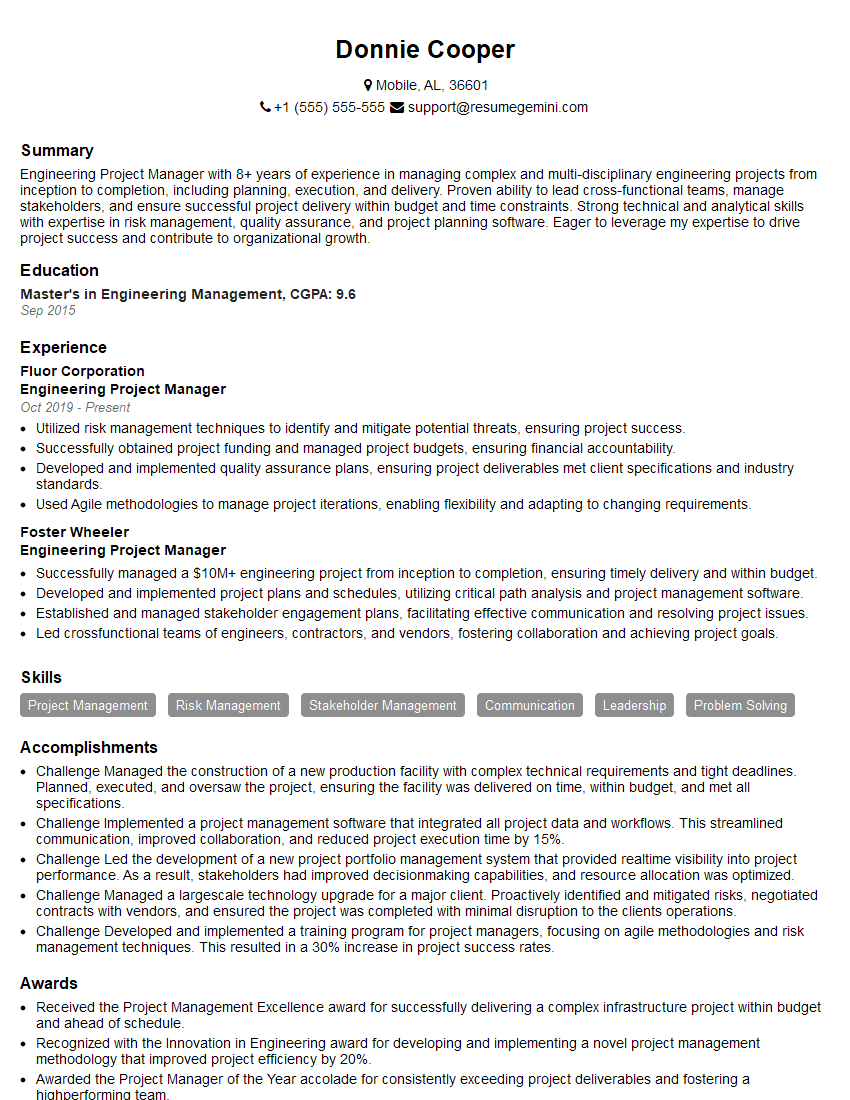
Engineering Project Manager Resume Sample
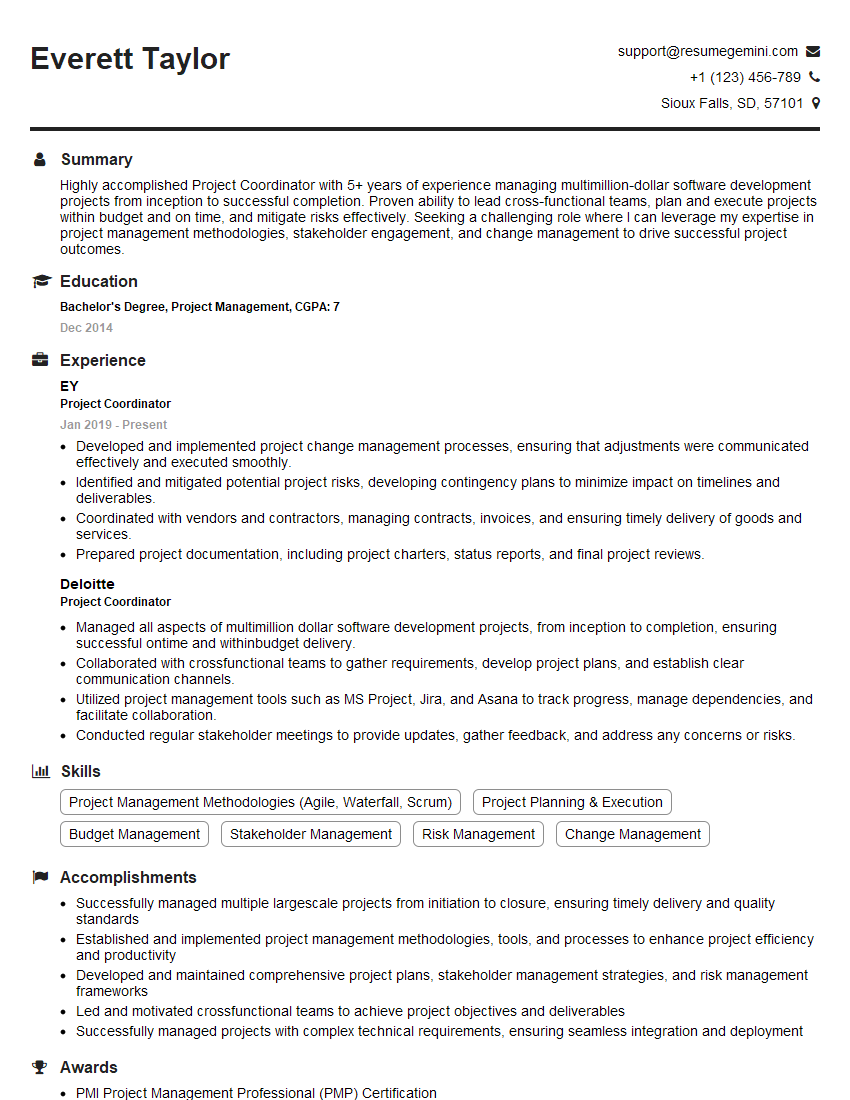
Project Coordinator Resume Sample
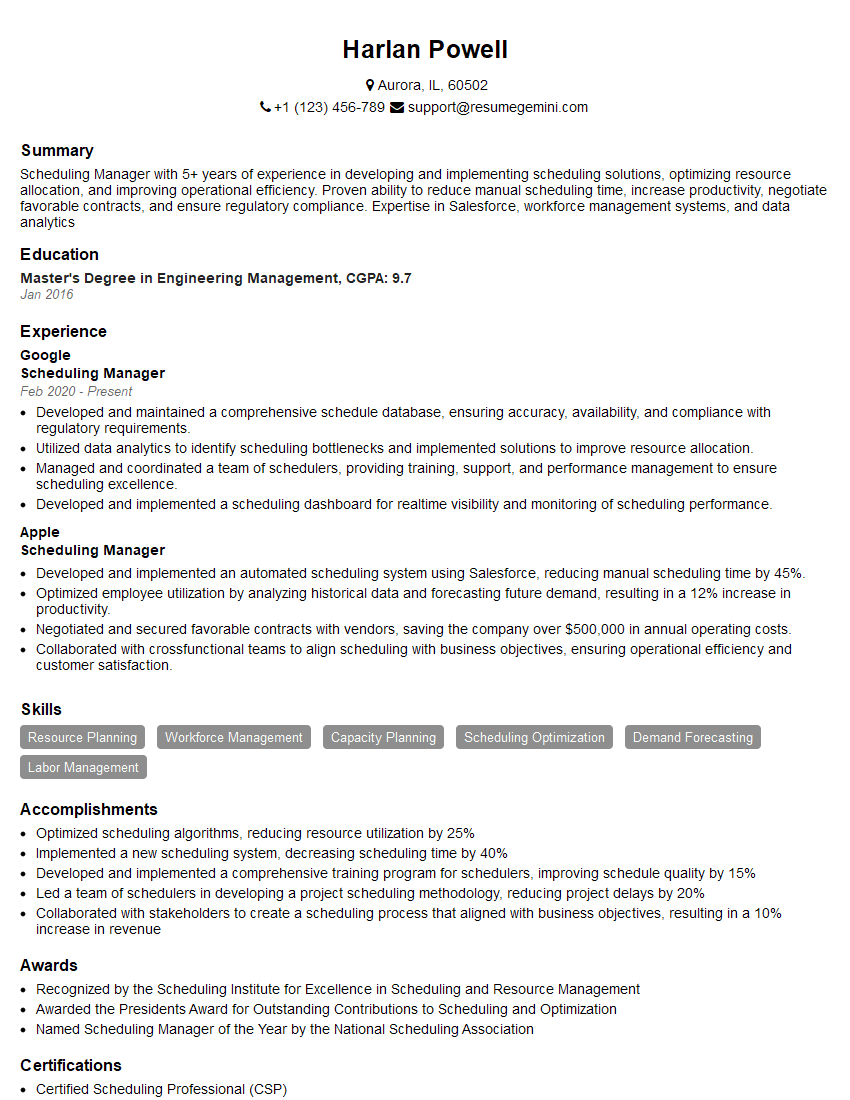
Scheduling Manager Resume Sample
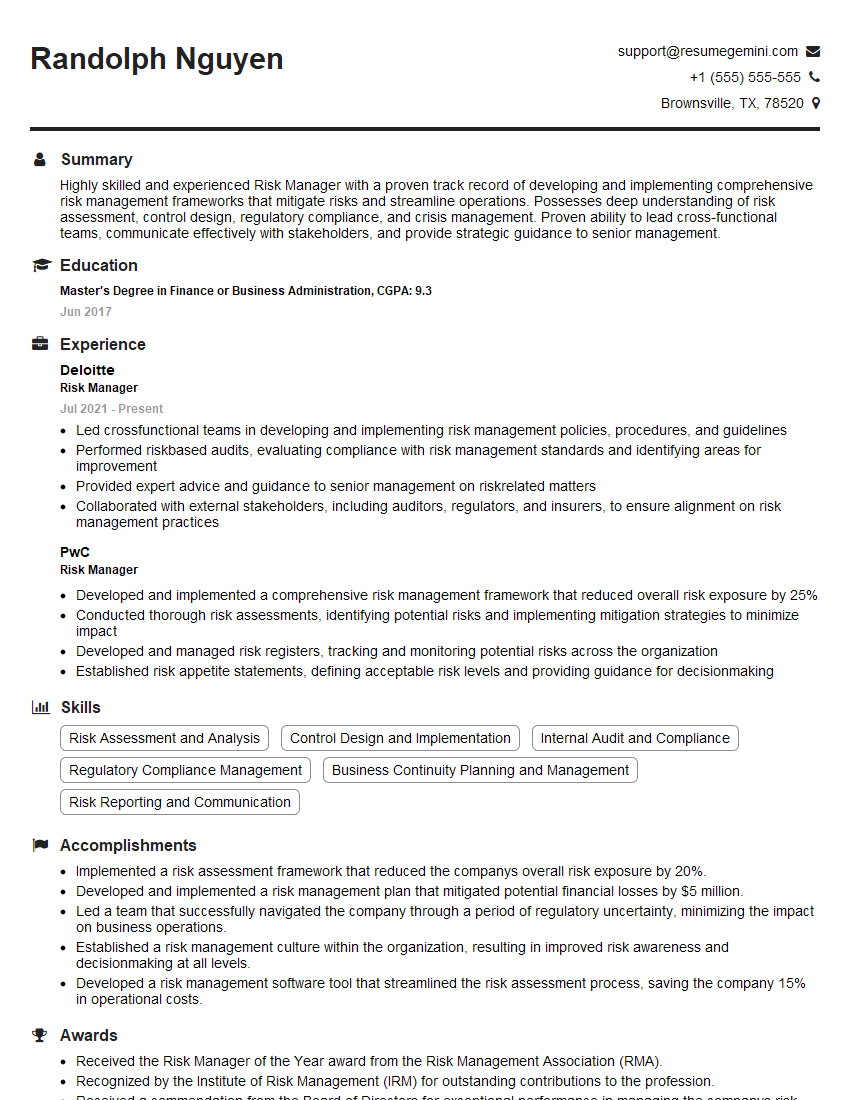
Risk Manager Resume Sample
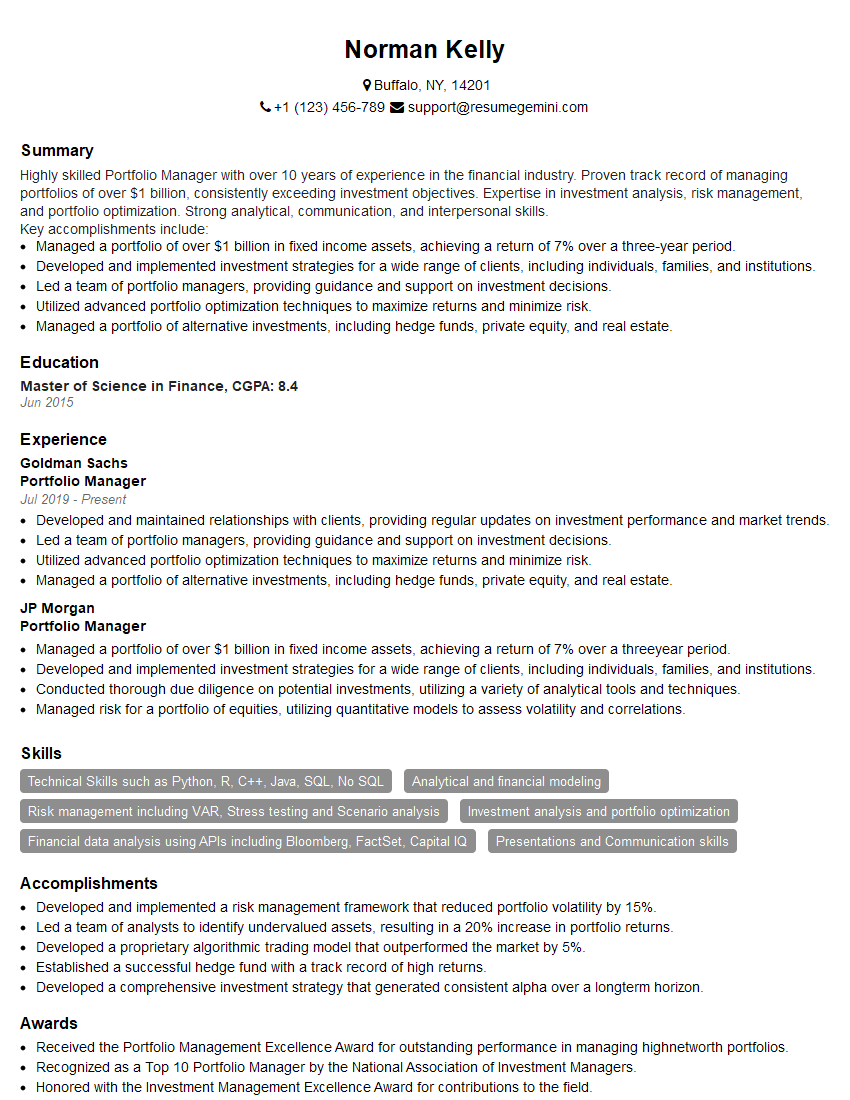
Portfolio Manager Resume Sample
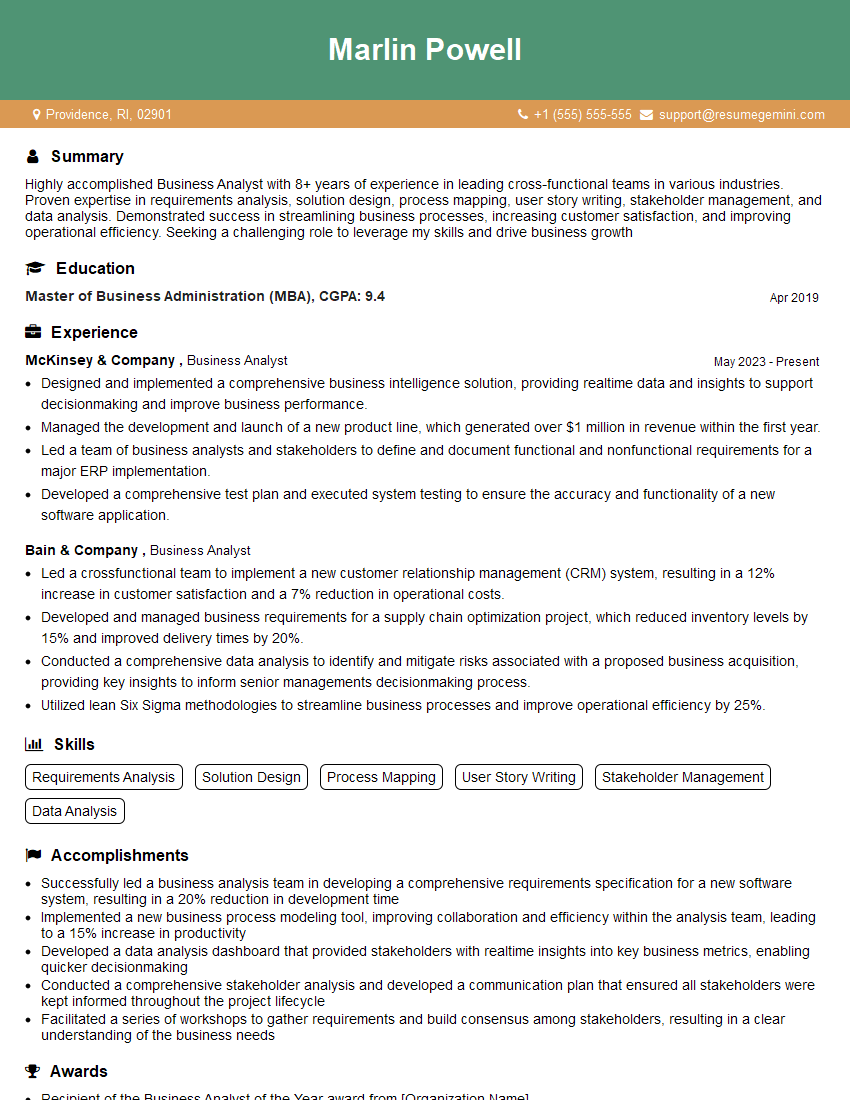
Business Analyst Resume Sample
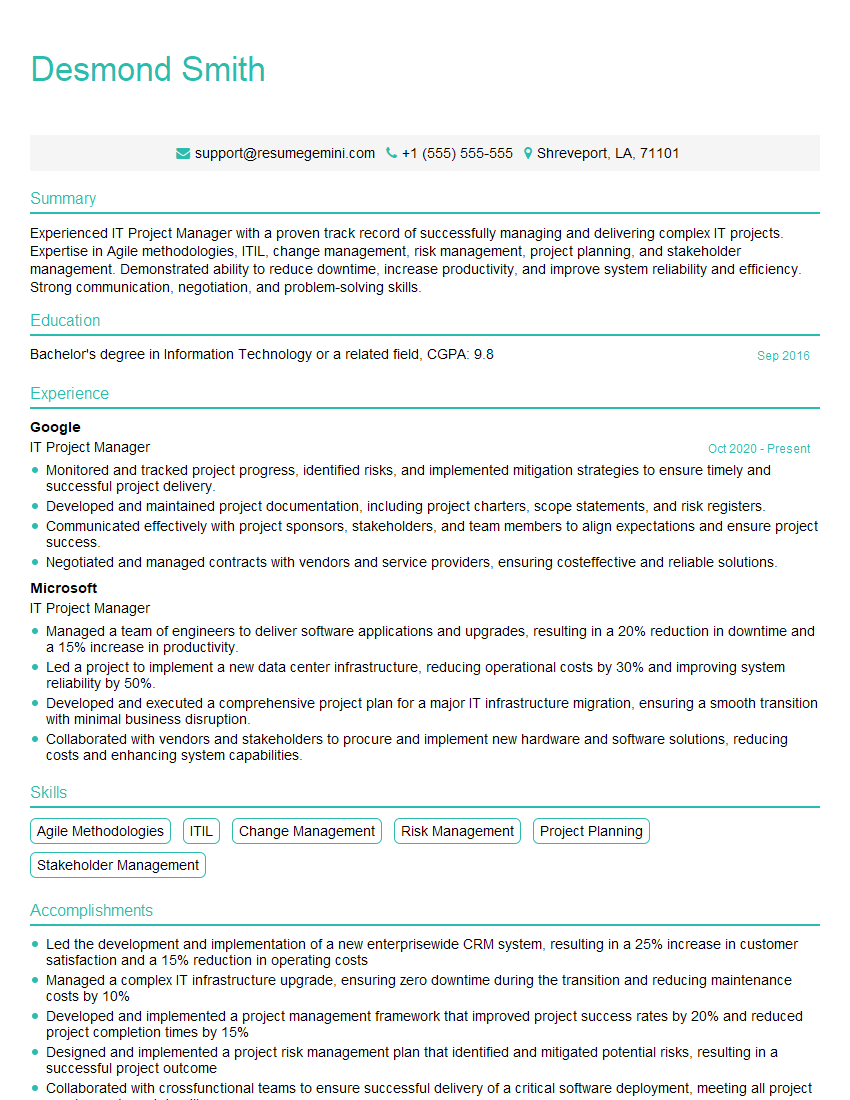
IT Project Manager Resume Sample
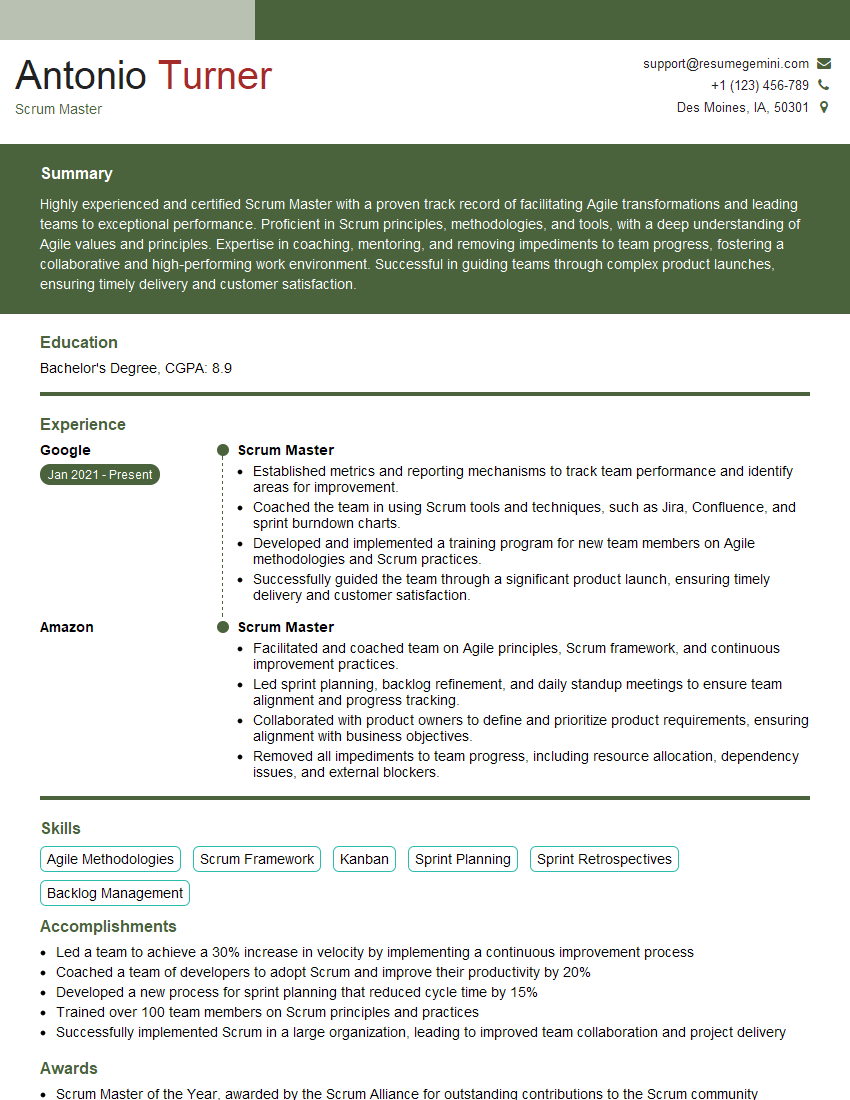
Scrum Master Resume Sample
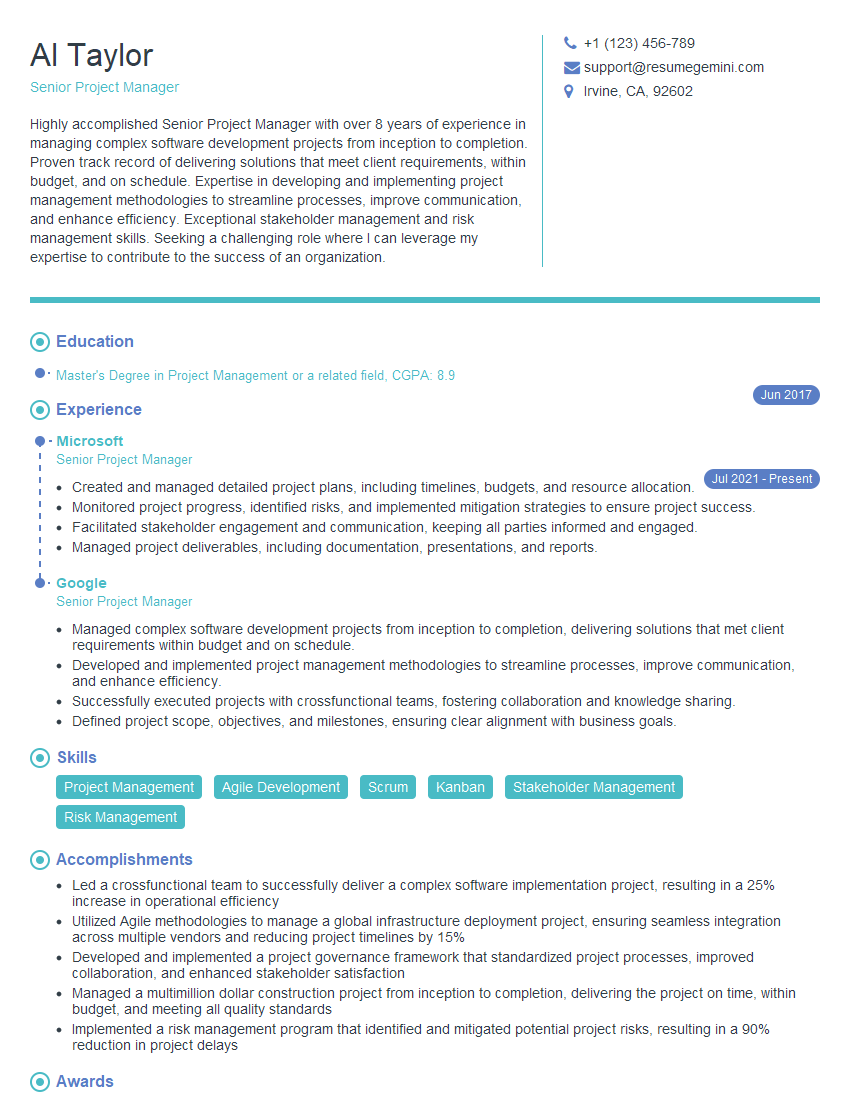
Senior Project Manager Resume Sample
- Program Manager
- Operations Manager
- Production Manager
- Product Manager
- Quality Assurance Manager
- Supply Chain Manager
- Delivery Manager
- Construction Project Manager
- Project Manager
- Engineering Project Manager
- Project Coordinator
- Scheduling Manager
- Risk Manager
- Portfolio Manager
- Business Analyst
- IT Project Manager
- Scrum Master
- Senior Project Manager
Explore more articles
Users Rating of Our Blogs
Share Your Experience
We value your feedback! Please rate our content and share your thoughts (optional).
What Readers Say About Our Blog
Very informative content, great job.
good