Cracking a skill-specific interview, like one for Ability to Meet Deadlines and Production Targets, requires understanding the nuances of the role. In this blog, we present the questions you’re most likely to encounter, along with insights into how to answer them effectively. Let’s ensure you’re ready to make a strong impression.
Questions Asked in Ability to Meet Deadlines and Production Targets Interview
Q 1. Describe your process for prioritizing tasks to meet deadlines.
Prioritizing tasks effectively is crucial for meeting deadlines. My process involves a combination of techniques, starting with a clear understanding of project goals and deadlines. I then utilize a prioritization matrix, often employing methods like the Eisenhower Matrix (urgent/important), MoSCoW method (Must have, Should have, Could have, Won’t have), or simply ranking tasks by their impact and urgency. This allows me to focus my energy on the most critical tasks first. For example, if I’m working on a software release, I’d prioritize bug fixes impacting core functionality over minor UI improvements, ensuring the most important features are completed on time. I also break down large tasks into smaller, more manageable sub-tasks, making them less daunting and easier to track progress on. This granular approach, coupled with regular review and readjustment based on changing circumstances, ensures that I stay on schedule.
Q 2. How do you handle unexpected delays or roadblocks that threaten deadlines?
Unexpected delays are inevitable. My approach involves proactive risk management. I anticipate potential problems, creating contingency plans to mitigate them. If a roadblock arises, my first step is to identify the root cause and its impact on the overall project timeline. Then, I assess available resources and explore solutions – whether it’s requesting additional support, adjusting priorities, or renegotiating deadlines with stakeholders. Open communication is key; I immediately inform relevant parties of the delay and present proposed solutions. For example, if a key resource becomes unavailable, I might re-allocate tasks, outsource a part of the project, or seek alternative solutions, always keeping stakeholders informed every step of the way. Transparency is crucial in managing expectations and ensuring continued collaboration.
Q 3. Explain a time you successfully met a challenging deadline under pressure.
During a previous project, we faced a tight deadline for launching a new marketing campaign. We had encountered several unexpected technical difficulties with the website integration. The original deadline seemed impossible to meet. Under pressure, I implemented a rapid problem-solving approach, prioritizing critical fixes and delegating tasks effectively to a skilled team. We held daily stand-up meetings to monitor progress, address bottlenecks, and swiftly adjust the strategy as needed. Through collaborative effort and focused execution, we not only met the deadline but also exceeded initial expectations, resulting in a successful campaign launch. This experience highlighted the power of teamwork, effective communication, and adaptive problem-solving under pressure.
Q 4. What strategies do you use to improve your time management skills?
Continuously improving time management is crucial. I use several strategies: I employ time-blocking techniques, scheduling specific blocks of time for focused work on particular tasks. I also utilize project management tools like Trello or Asana to track progress, deadlines, and dependencies. Regularly reviewing my to-do list and prioritizing tasks based on their importance helps maintain focus. Moreover, I actively identify and eliminate time-wasting activities, like unnecessary meetings or unproductive multitasking. Learning to say ‘no’ to non-essential tasks is equally important, allowing me to concentrate my efforts on high-impact activities. Regular self-reflection on my time management practices and adjusting my approach based on performance analysis further enhances my efficiency.
Q 5. How do you delegate tasks effectively to ensure project completion on time?
Effective delegation is essential for timely project completion. I ensure I select the right person for each task, considering their skills and expertise. Clear and concise communication is crucial; I provide each team member with clear instructions, expectations, deadlines, and necessary resources. I also empower them to make decisions within their scope of responsibility. Regular check-ins and feedback sessions are vital to monitor progress, address concerns, and offer support. Finally, I acknowledge and appreciate their contributions, creating a positive and productive team environment. For example, if I need data analysis done, I’d delegate it to the team member with the strongest analytical skills, providing them with the necessary data set and expected format of the analysis. This allows me to focus on other critical aspects of the project.
Q 6. How do you monitor progress against deadlines and production targets?
Monitoring progress is an ongoing process. I use a combination of methods, including project management software to track task completion, deadlines, and resource allocation. Regular progress meetings with the team allow for collaborative problem-solving and identification of potential issues. I also utilize visual tools like Gantt charts or Kanban boards to visualize the project timeline and identify potential delays. This enables proactive adjustments to maintain project momentum. By comparing actual progress against planned milestones, I can quickly identify variances and take corrective action. This proactive approach ensures that potential delays are addressed promptly and effectively, minimizing their impact on the overall project timeline.
Q 7. Describe a time you failed to meet a deadline. What went wrong, and what did you learn?
In one instance, I underestimated the complexity of a particular task, leading to a missed deadline. The root cause was insufficient upfront planning and a lack of precise task breakdown. I learned several valuable lessons from this experience. First, thorough planning, including realistic time estimations and contingency plans for unexpected events, is crucial. Second, clear communication with stakeholders about potential challenges is essential for managing expectations. Finally, effective task breakdown into smaller, manageable units allows for better progress tracking and faster identification of potential delays. This experience taught me the importance of meticulous planning and proactive risk management, emphasizing the necessity of open communication and a willingness to adapt to unforeseen challenges.
Q 8. How do you handle conflicting deadlines or priorities?
Conflicting deadlines are a common challenge in project management. My approach involves a structured prioritization process. First, I clearly define the criticality and impact of each deadline. This involves considering factors like business impact, client expectations, and potential consequences of missing a deadline. I then use a prioritization matrix, often a simple weighted scoring system, to rank the tasks. High-impact, time-sensitive tasks naturally take precedence. Once prioritized, I break down larger tasks into smaller, more manageable chunks, allocating resources effectively. For example, if I have a critical presentation due on Friday and a less critical report due Monday, I dedicate most of my Wednesday and Thursday to the presentation. Then, Friday afternoon and the weekend can be focused on the report. Transparent communication with stakeholders is crucial. I inform everyone involved about the prioritization and any potential impact on less prioritized tasks, ensuring everyone is on the same page and understands the rationale behind the decisions.
Q 9. How do you use project management tools to track progress and manage deadlines?
I leverage project management tools extensively to track progress and manage deadlines. My go-to tools include Asana, Jira, and Microsoft Project, depending on the project’s complexity and team size. These platforms allow for task assignment, deadline setting, progress monitoring through Gantt charts and Kanban boards, and facilitate real-time collaboration. For instance, in Asana, I create detailed project timelines, breaking down projects into subtasks, assigning them to team members with specific due dates. The progress tracking features allow me to visually monitor how tasks are progressing against their deadlines, identify delays early on, and proactively address potential issues. I also utilize reporting features to generate progress reports for stakeholders, keeping them informed about the project status. Using these tools proactively means I can predict and mitigate potential roadblocks.
Q 10. What are your preferred methods for communicating project status and potential delays?
Clear and consistent communication is vital when managing deadlines. I prefer a multi-pronged approach. Regular status meetings, typically weekly, keep everyone informed about the project’s health. I utilize email for quick updates and formal communication, ensuring everyone has a documented record. For critical updates or potential delays, I opt for direct, one-on-one conversations to ensure I have their full attention and can address any immediate concerns. If a delay is anticipated, I provide a detailed explanation of the cause, the projected impact, and a revised timeline, along with a mitigation plan. For example, if a supplier is late delivering essential materials, I would communicate this promptly, suggesting alternative solutions and working with the team to adjust the schedule accordingly.
Q 11. How do you identify and address potential bottlenecks that could impact deadlines?
Identifying potential bottlenecks is crucial for timely project completion. I use several strategies, including proactive risk assessment, regular progress reviews, and open communication with the team. During the initial planning phase, I conduct a thorough risk assessment, identifying potential challenges such as resource constraints, technical difficulties, or external dependencies. Regularly reviewing progress, using tools mentioned previously, helps identify any delays or tasks that are falling behind schedule. Open communication with the team members allows for early identification of any roadblocks they face. Once a bottleneck is identified, my response depends on the nature of the problem. This could involve reassigning resources, seeking additional support, negotiating with stakeholders to adjust expectations, or finding creative solutions to overcome the challenge. For instance, if a specific team member is overloaded, I might re-allocate some of their tasks to others or seek additional support from a temporary resource.
Q 12. Describe your experience with agile methodologies and their impact on meeting deadlines.
I have extensive experience with Agile methodologies, specifically Scrum and Kanban. These iterative approaches significantly enhance my ability to meet deadlines. The short sprints (in Scrum) or continuous flow (in Kanban) allow for frequent adjustments based on feedback and changing priorities. This iterative process reduces the risk of major delays as issues can be detected and addressed quickly. Daily stand-up meetings and sprint reviews provide opportunities for collaborative problem-solving and continuous improvement. For example, in a recent Scrum project, we identified a critical bug during sprint review, impacting the final deliverable. By addressing the bug immediately in the next sprint, we were able to mitigate the impact on the final deadline without compromising quality. The flexibility inherent in Agile methodologies enables better responsiveness to unforeseen circumstances, improving deadline adherence.
Q 13. How do you measure your own productivity and effectiveness in meeting targets?
Measuring productivity and effectiveness is an ongoing process. I use several key performance indicators (KPIs). This includes tracking the number of completed tasks against the planned schedule, monitoring the efficiency of task completion, and assessing the quality of deliverables. I utilize project management tools for this data gathering, and I also perform self-reflection at the end of each project. This includes identifying areas of strength and areas for improvement. I also regularly seek feedback from colleagues and supervisors. For example, if I consistently exceed targets in one area but lag behind in another, it indicates an area for skill development. This feedback helps me fine-tune my approach and improve my overall effectiveness in meeting targets.
Q 14. How do you stay organized and avoid feeling overwhelmed when managing multiple deadlines?
Staying organized and avoiding overwhelm when juggling multiple deadlines is essential. I use a combination of techniques. Firstly, I prioritize tasks using methods mentioned earlier. Secondly, I break down large projects into smaller, manageable tasks, each with a clear due date. I use a digital calendar and task management tools to keep track of all deadlines and appointments. Regularly reviewing my calendar and task list helps me stay aware of upcoming deadlines. I also schedule dedicated time blocks for focused work, minimizing distractions and maximizing efficiency. Finally, I practice time management techniques like the Pomodoro Technique to maintain focus and avoid burnout. Taking short breaks throughout the day prevents overwhelm and improves overall productivity. Regular exercise and mindfulness practices further contribute to my ability to manage workload effectively.
Q 15. What are your strategies for preventing scope creep that could jeopardize deadlines?
Preventing scope creep, the uncontrolled expansion of project requirements, is crucial for meeting deadlines. My strategy involves a multi-pronged approach focusing on proactive communication and meticulous planning.
Clearly Defined Scope: I begin by ensuring the project scope is meticulously documented and agreed upon by all stakeholders. This includes a detailed list of deliverables, acceptance criteria, and any potential exclusions. This initial clarity serves as a baseline for future decisions.
Change Management Process: A formal process for managing changes is essential. Any requests for modifications to the original scope are documented, assessed for their impact on the timeline and budget, and approved only after careful consideration. This prevents ad-hoc changes that can derail the entire project.
Regular Communication: Consistent communication with stakeholders, including regular meetings and updates, prevents misunderstandings and allows for the early detection of potential scope creep. Transparency is paramount.
Agile Methodology: In many cases, utilizing an agile framework such as Scrum helps manage scope creep effectively. The iterative nature of agile allows for flexibility while maintaining control, with each sprint focused on delivering a specific, pre-agreed set of features.
For example, in a recent web development project, a client initially requested a simple landing page. Through careful discussions, we defined the scope to include specific features and functionalities. When they later requested additional features, we used our change management process to evaluate the impact on the schedule and budget before proceeding.
Career Expert Tips:
- Ace those interviews! Prepare effectively by reviewing the Top 50 Most Common Interview Questions on ResumeGemini.
- Navigate your job search with confidence! Explore a wide range of Career Tips on ResumeGemini. Learn about common challenges and recommendations to overcome them.
- Craft the perfect resume! Master the Art of Resume Writing with ResumeGemini’s guide. Showcase your unique qualifications and achievements effectively.
- Don’t miss out on holiday savings! Build your dream resume with ResumeGemini’s ATS optimized templates.
Q 16. How do you balance quality of work with the need to meet deadlines?
Balancing quality and deadlines is a constant juggling act. It’s not about sacrificing one for the other, but rather finding a synergistic approach. This involves prioritizing tasks effectively and leveraging tools and techniques to streamline workflow.
Prioritization Matrix: I use a prioritization matrix (such as Eisenhower’s Urgent/Important matrix) to categorize tasks based on their urgency and importance. This helps focus efforts on the most critical tasks first, ensuring timely completion without compromising quality on essential elements.
Timeboxing and Estimation: Accurately estimating task durations and adhering to timeboxing techniques (allocating a specific time slot to a task) keeps the project on schedule. This promotes focused work and prevents time slippage.
Automation and Tools: Utilizing automation tools and software can significantly improve efficiency and reduce errors, freeing up time for more focused quality control. This allows us to achieve both speed and precision.
Quality Checks at Key Stages: Implementing regular quality checkpoints throughout the project lifecycle helps prevent major quality issues from arising later, which would then delay the project. Early detection and resolution of quality concerns are key.
For instance, in a marketing campaign, we prioritized the creation of high-quality visuals and core messaging before focusing on secondary elements, ensuring the core message was delivered on time without compromising quality.
Q 17. Describe your experience working with cross-functional teams to meet shared deadlines.
Collaborating with cross-functional teams is essential for success. My experience highlights the importance of clear communication, shared goals, and proactive coordination.
Shared Goals and Objectives: A clear understanding of the overall project objectives and individual team responsibilities is paramount. This shared vision creates a sense of unity and purpose, aligning everyone towards the common deadline.
Regular Communication and Meetings: Consistent communication channels and regular meetings ensure everyone stays informed about progress, challenges, and potential roadblocks. This proactive communication avoids misunderstandings and allows for prompt adjustments.
Dependency Management: Careful management of dependencies between different teams is vital. Understanding what each team needs from the others and establishing clear timelines for deliverables prevents delays caused by inter-team bottlenecks.
Conflict Resolution: Inevitably, disagreements or conflicts may arise. A collaborative approach to conflict resolution, focusing on finding mutually beneficial solutions, is key to maintaining a positive team environment and ensuring project success.
In a previous project involving software development, marketing, and sales teams, we utilized a shared project management tool and weekly progress meetings to ensure everyone was aligned and aware of dependencies. This proactive approach enabled us to meet the launch deadline effectively.
Q 18. How do you handle feedback on your performance in meeting deadlines and targets?
Feedback is crucial for continuous improvement. I approach feedback constructively, focusing on learning and improvement.
Active Listening: I actively listen to the feedback provided, seeking to understand the perspective of the person giving the feedback, even if it is critical.
Seeking Clarification: If the feedback is unclear, I ask clarifying questions to ensure a complete understanding of the concerns.
Actionable Steps: I identify specific, actionable steps based on the feedback. This might involve adjusting my approach to time management, improving communication, or refining my process.
Documentation and Follow-up: I document the feedback received and the action plan developed. Following up on the action plan ensures the feedback is translated into real improvements.
For example, if I received feedback about missing a deadline due to poor time estimation, I would analyze my past estimations, refine my time management techniques, and perhaps explore time-tracking software to improve accuracy in future projects.
Q 19. What metrics do you use to track your success in meeting production targets?
Tracking success in meeting production targets requires a combination of quantitative and qualitative metrics.
Units Produced: This is a fundamental metric, tracking the number of units (products, tasks, etc.) completed within a given timeframe.
Completion Rate: The percentage of tasks or projects completed within the scheduled timeframe is a key indicator of efficiency.
Defect Rate: The number of defects or errors per unit produced provides insights into the quality of the work and efficiency of the process.
Cycle Time: The time it takes to complete a single unit of work highlights areas for improvement in efficiency.
Customer Satisfaction: While not a direct production metric, customer satisfaction is indirectly related, reflecting the quality and timeliness of the deliverables.
In a manufacturing setting, I would track units produced per hour, defect rate, and cycle time to assess production efficiency. In software development, I might track the number of completed features, bug fixes, and customer satisfaction scores to measure progress towards production goals.
Q 20. How do you adapt your approach to managing deadlines based on different project contexts?
My approach to managing deadlines adapts based on project context, considering factors like project complexity, team size, and stakeholder expectations.
Project Complexity: Complex projects often require a more detailed and structured approach, potentially incorporating tools like Gantt charts and critical path analysis to identify potential bottlenecks.
Team Size: Larger teams might necessitate a more formal project management methodology, whereas smaller teams can leverage more agile and collaborative methods.
Stakeholder Expectations: Understanding stakeholder expectations regarding the level of detail, communication frequency, and decision-making involvement is crucial for tailoring the approach appropriately.
Project Type: Different project types (e.g., waterfall vs. agile) demand varying methodologies and approaches to deadline management. Agile is suitable for iterative projects with changing requirements, whereas waterfall works best for projects with fixed requirements.
For example, a small, simple project might only require a basic to-do list and regular check-ins, while a large, complex project might benefit from a sophisticated project management software and detailed Gantt charts.
Q 21. How do you build and maintain positive relationships with stakeholders while managing deadlines?
Maintaining positive relationships with stakeholders while managing deadlines requires proactive communication and empathy.
Proactive Communication: Regular updates, both good and bad news, ensure stakeholders are informed and involved. This transparency builds trust and prevents misunderstandings.
Empathy and Understanding: Understanding stakeholder needs and perspectives is crucial. Addressing their concerns and explaining any potential delays with empathy helps maintain positive relationships.
Realistic Expectations: Setting realistic expectations from the start prevents disappointment. Clearly communicating potential risks and challenges is crucial.
Collaboration and Involvement: Involving stakeholders in the process, allowing for their input and feedback, fosters a sense of ownership and commitment, leading to more positive relationships.
In one instance, when a project faced an unforeseen delay, I proactively communicated the situation to stakeholders, explained the reasons, and collaboratively worked out a revised timeline. This transparency and collaborative effort not only maintained positive relationships but also strengthened them.
Q 22. Describe a time you had to make difficult decisions to prioritize tasks and meet deadlines.
Prioritization is crucial in project management. I’ve faced situations where multiple deadlines converged, demanding tough choices. For instance, during a software launch, we encountered a critical bug in the final testing phase, simultaneously facing a marketing campaign deadline. Choosing between releasing a potentially buggy product to meet the marketing timeline or delaying the launch to fix the bug was a difficult decision.
My approach involves a structured prioritization matrix. I weigh factors like impact on the project’s overall success, the cost of delay, and the risk associated with each task. In this scenario, I convened a meeting with the development, testing, and marketing teams. We collaboratively assessed the severity of the bug, estimated the time needed for a fix, and evaluated the potential damage of a delayed launch against the risk of releasing the bug. We opted for a short delay, prioritizing bug fixing, as the risk of reputational damage from a faulty product outweighed the marketing campaign’s short-term gain. This decision, although difficult, ultimately ensured a more successful product launch and preserved client trust.
Q 23. What tools or techniques do you use to estimate the time required for tasks and projects?
Accurate time estimation is paramount. I utilize a combination of techniques, adapting them to the project’s complexity. For smaller tasks, I employ simple timeboxing—allocating a specific time block for completion. For larger projects, I break them down into smaller, manageable tasks using Work Breakdown Structure (WBS).
I leverage historical data—my past project performance—and incorporate factors like complexity, dependencies, and potential risks to refine my estimates. For example, if a similar task took me ‘X’ hours previously, I’ll consider factors like increased complexity or risk this time to adjust my estimation accordingly.
Furthermore, I involve team members in the estimation process, using techniques like the Delphi method, where experts provide independent estimations, fostering collective intelligence. Finally, I always include buffer time to account for unforeseen delays or complexities, a crucial aspect often overlooked.
Q 24. How do you motivate yourself and your team to stay focused and achieve deadlines?
Maintaining focus and achieving deadlines requires a blend of individual motivation and team dynamics. I believe in leading by example, consistently demonstrating commitment and dedication to the project’s goals. For myself, I use techniques like time blocking and the Pomodoro Technique to enhance focus and productivity.
To motivate my team, I foster open communication and transparency, keeping them informed about project progress, challenges, and successes. I create a collaborative environment where everyone feels valued and their contributions are recognized. We celebrate milestones achieved together, reinforcing positive team dynamics. Regular check-ins, feedback sessions, and addressing concerns promptly are key. Furthermore, I tailor motivational approaches to individual team members, understanding diverse needs and preferences. A rewards system tied to reaching milestones further reinforces commitment and celebrates collective achievement.
Q 25. How do you identify and mitigate risks that could impact the timely completion of projects?
Risk identification and mitigation is a proactive strategy, integral to successful project completion. I use a structured approach, starting with brainstorming sessions involving the team, where we identify potential risks related to scope, schedule, budget, resources, and technology.
We then assess each risk’s probability and impact, prioritizing those with higher probabilities and significant impacts. For example, if a key supplier faces delays, we explore alternative suppliers or adjust the project timeline accordingly. Each identified risk is assigned a mitigation strategy, outlining proactive steps to minimize the risk’s impact and contingency plans if the risk materializes.
Regular risk reviews are crucial; these involve monitoring progress, reassessing the identified risks, and adapting mitigation strategies as needed. This dynamic approach ensures that we remain agile and responsive to evolving circumstances and can prevent or minimize disruption to our project timeline.
Q 26. How familiar are you with different project management methodologies (e.g., Waterfall, Agile)?
I’m proficient in various project management methodologies, including Waterfall and Agile. Waterfall’s sequential approach is well-suited for projects with clearly defined requirements and minimal anticipated changes. Its structured nature offers predictability, but it can be less adaptable to evolving needs.
Agile, with its iterative and incremental approach, provides greater flexibility and responsiveness to change. Scrum, a popular Agile framework, allows for continuous improvement and adaptation throughout the project lifecycle. I’ve successfully utilized both methodologies, choosing the best fit based on the project’s specific requirements, complexity, and client needs. My experience enables me to leverage the strengths of each approach to optimize project delivery.
Q 27. What is your preferred method for reporting progress on projects and deadlines?
Regular and transparent progress reporting is crucial. My preferred method involves a combination of tools and techniques. I utilize project management software like Jira or Asana to track tasks, deadlines, and progress visually. These tools allow for real-time updates and facilitate collaborative work. I create concise and informative reports, tailored to the audience’s needs.
For instance, a weekly summary report for the team focuses on task completion, roadblocks encountered, and upcoming priorities. Higher-level reports for stakeholders provide a broader overview of project status against the original plan, highlighting key achievements and potential challenges. I believe in using visual aids like Gantt charts or burn-down charts to communicate progress effectively, making complex data easily understandable.
Q 28. How do you ensure that your team understands and adheres to project deadlines and targets?
Ensuring team understanding and adherence to deadlines requires clear communication, collaborative planning, and fostering a sense of shared responsibility. I involve the team in the project planning phase, clearly outlining individual roles, responsibilities, and deadlines. We establish a shared understanding of the project goals and the importance of meeting deadlines.
Regular team meetings are crucial, serving as platforms for discussing progress, addressing roadblocks, and celebrating achievements. We use visual aids like Kanban boards to track task progress and identify potential delays. I encourage proactive communication; team members are expected to flag potential issues early, allowing for prompt adjustments. Regular feedback sessions ensure everyone feels supported and empowered to contribute their best work and meet deadlines effectively.
Key Topics to Learn for Ability to Meet Deadlines and Production Targets Interview
- Time Management Strategies: Explore various techniques like prioritization matrices (Eisenhower Matrix), time blocking, and the Pomodoro Technique. Consider how you’ve applied these in past roles.
- Prioritization and Task Delegation: Understand how to effectively prioritize tasks based on urgency and importance. Discuss experiences where you delegated tasks to optimize workflow and meet deadlines.
- Proactive Problem Solving: Develop strategies for anticipating potential roadblocks and implementing preventative measures. Showcase instances where you proactively addressed challenges to ensure project completion.
- Communication and Collaboration: Highlight your ability to communicate effectively with team members and stakeholders regarding deadlines and progress updates. Discuss your experience working collaboratively to achieve shared goals.
- Resource Allocation and Optimization: Discuss your understanding of resource management and how you’ve optimized resource allocation to improve efficiency and meet production targets. Provide specific examples.
- Metrics and Performance Tracking: Explain how you track your progress and measure your performance against deadlines and targets. Discuss the use of relevant tools and KPIs.
- Adaptability and Flexibility: Demonstrate your ability to adjust to changing priorities and unexpected challenges while maintaining productivity and meeting deadlines.
- Stress Management and Resilience: Discuss healthy coping mechanisms for managing pressure and maintaining productivity under tight deadlines. Showcasing resilience is key.
Next Steps
Mastering the ability to meet deadlines and production targets is crucial for career advancement. It demonstrates reliability, efficiency, and a strong work ethic – qualities highly valued by employers. To significantly boost your job prospects, invest time in crafting an ATS-friendly resume that highlights these skills. ResumeGemini is a trusted resource that can help you build a professional and impactful resume, showcasing your capabilities effectively. Examples of resumes tailored to highlight your ability to meet deadlines and production targets are available within ResumeGemini, allowing you to create a document that truly represents your accomplishments.
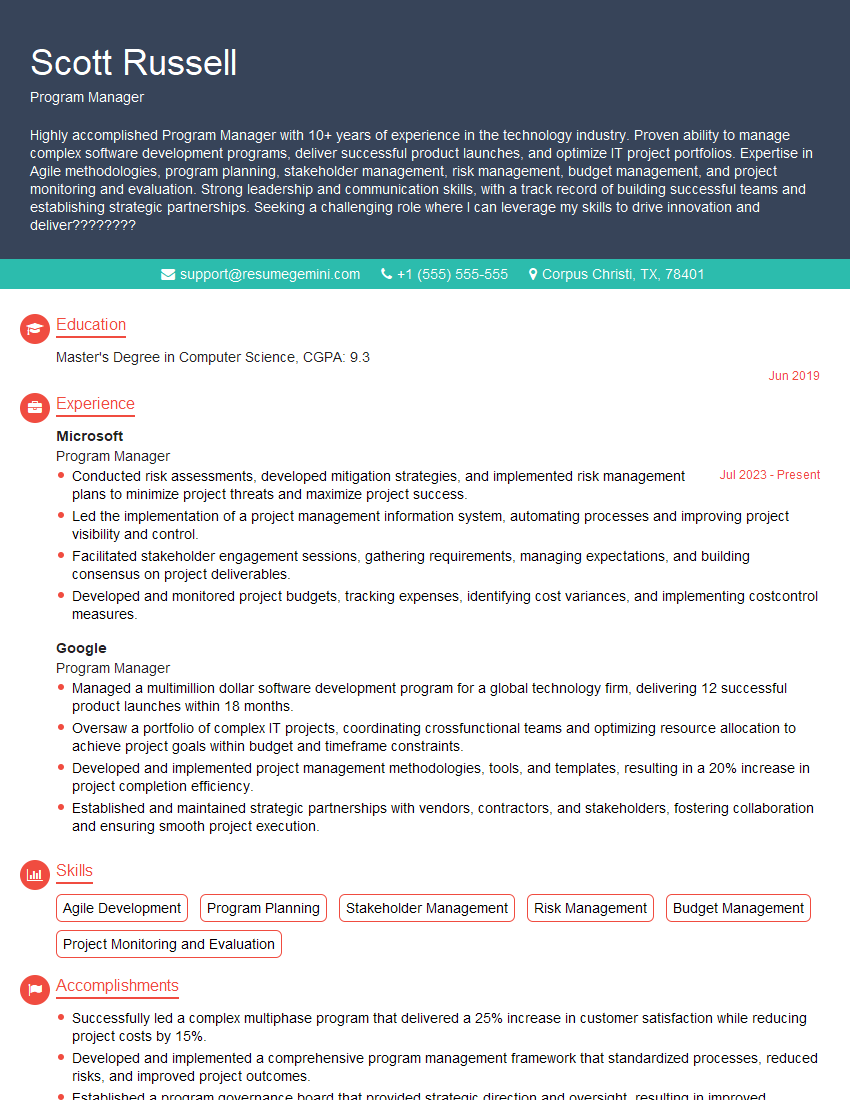
Program Manager Resume Sample
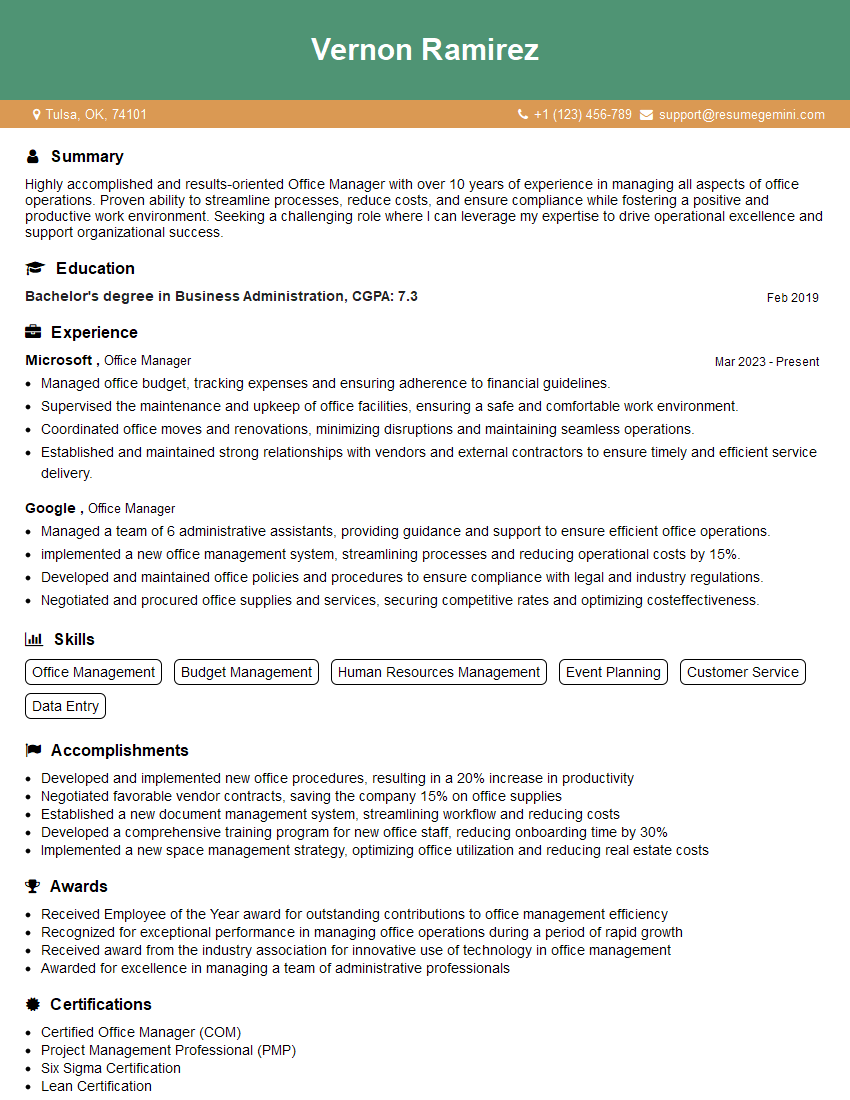
Office Manager Resume Sample

Operations Manager Resume Sample
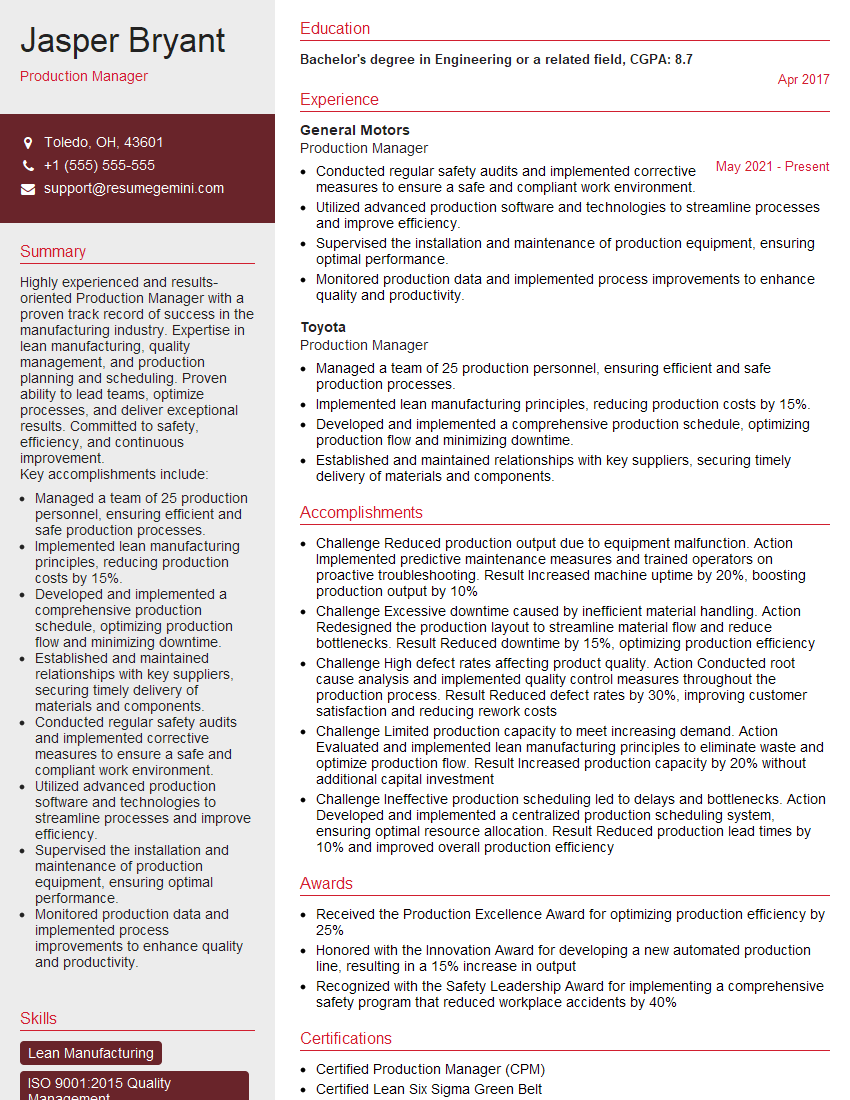
Production Manager Resume Sample
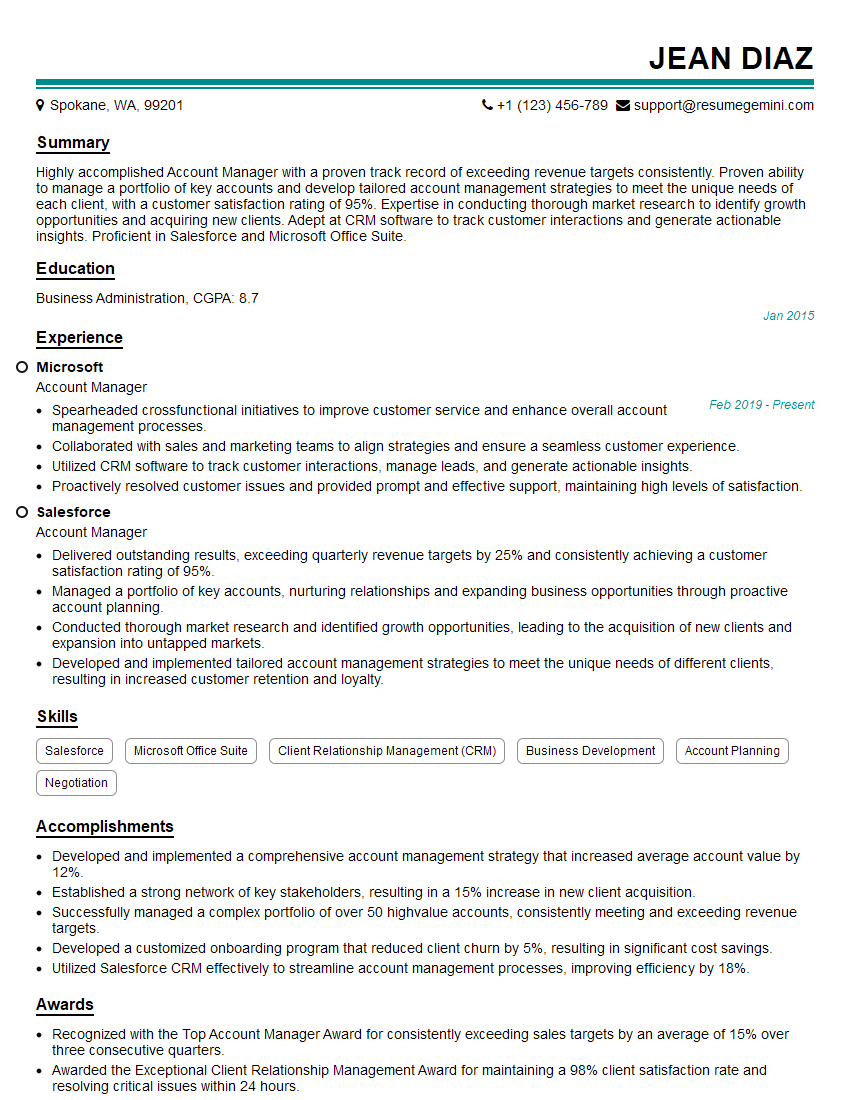
Account Manager Resume Sample
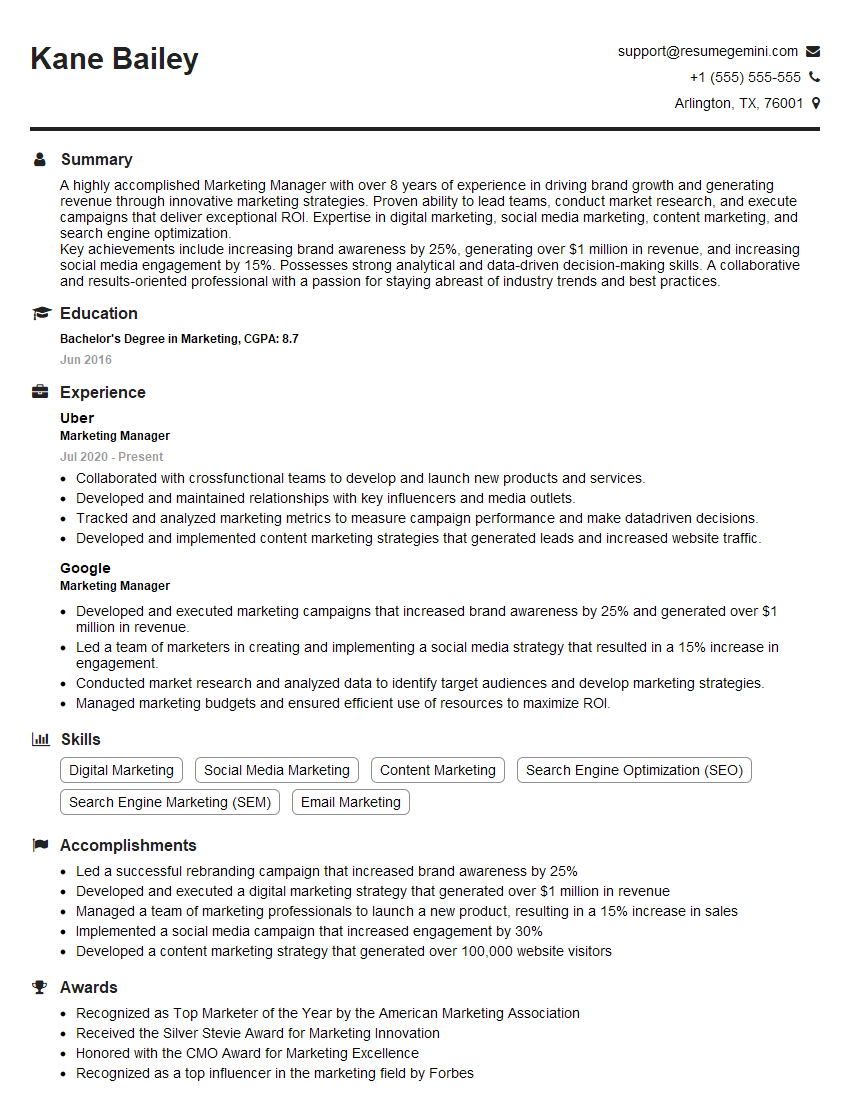
Marketing Manager Resume Sample
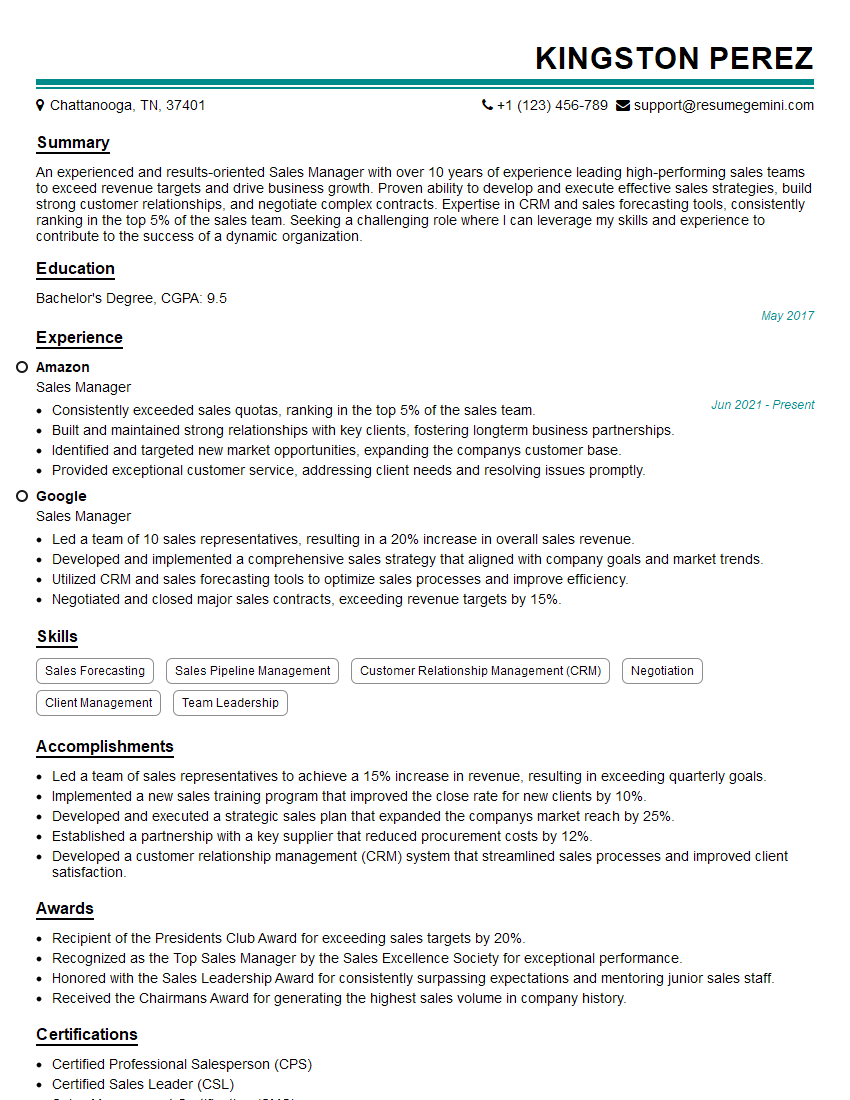
Sales Manager Resume Sample
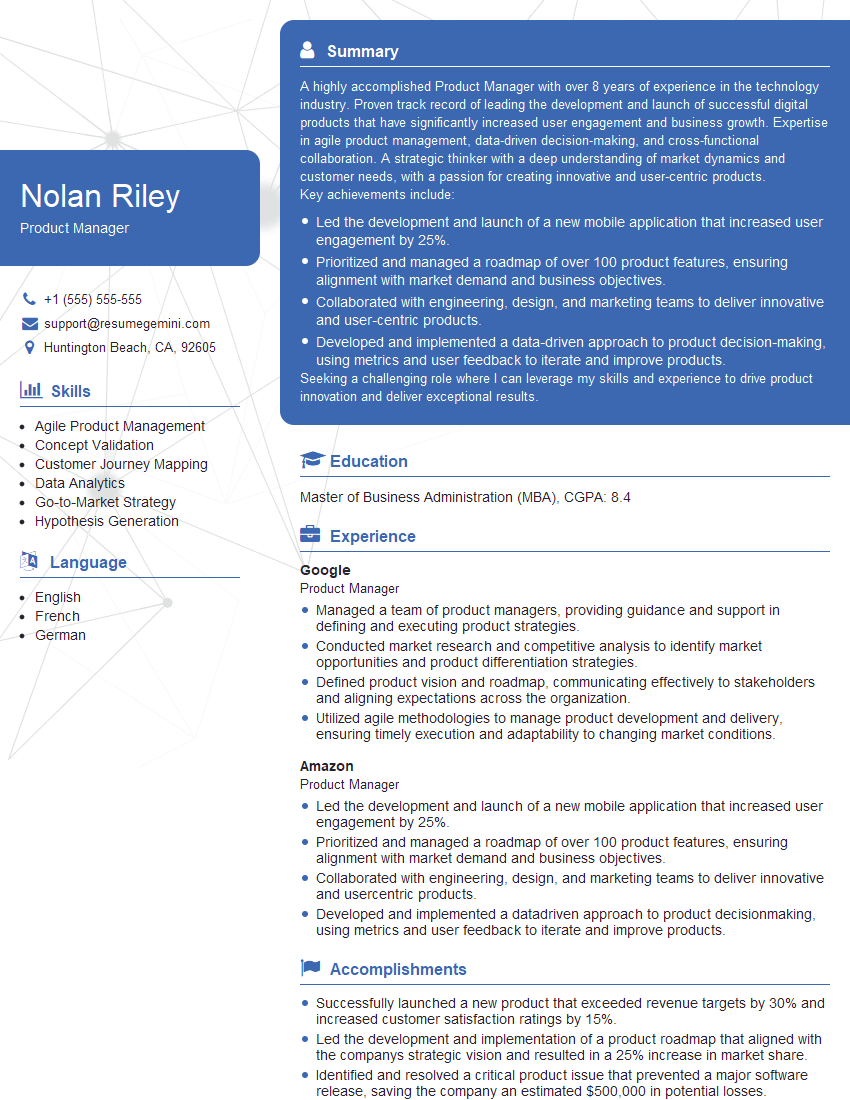
Product Manager Resume Sample
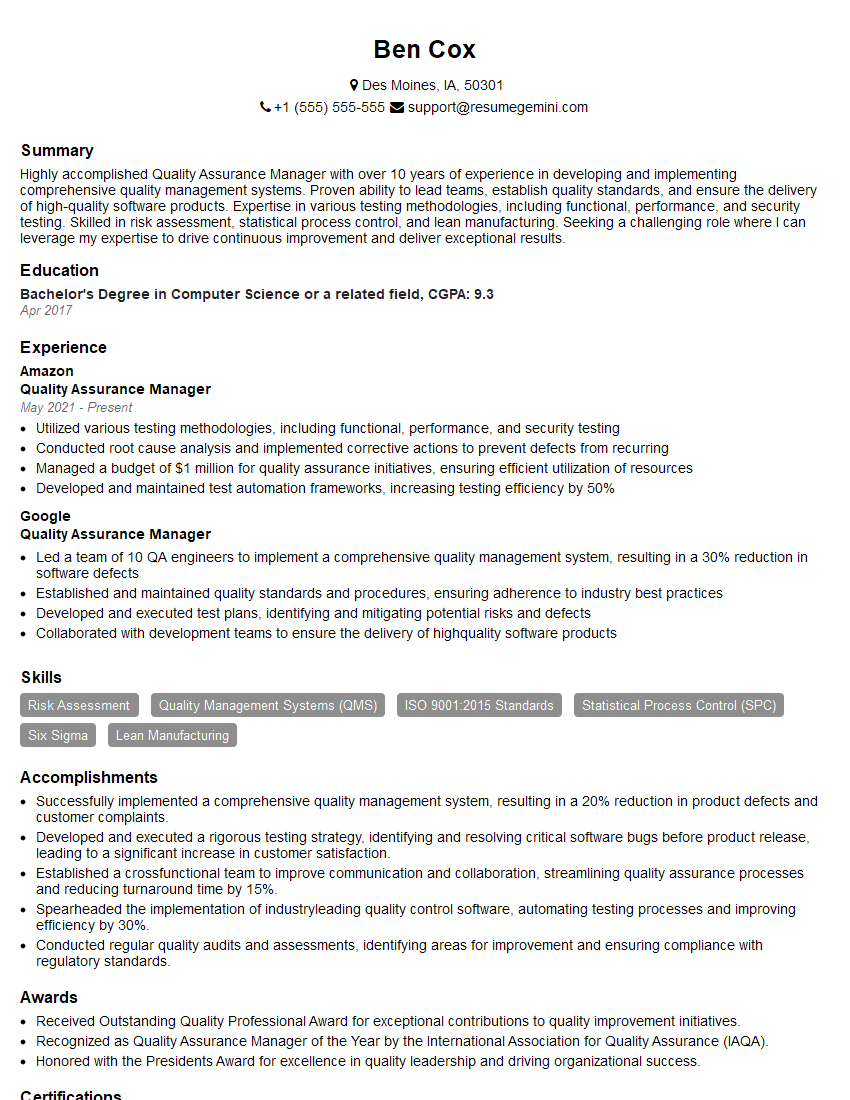
Quality Assurance Manager Resume Sample

Supply Chain Manager Resume Sample
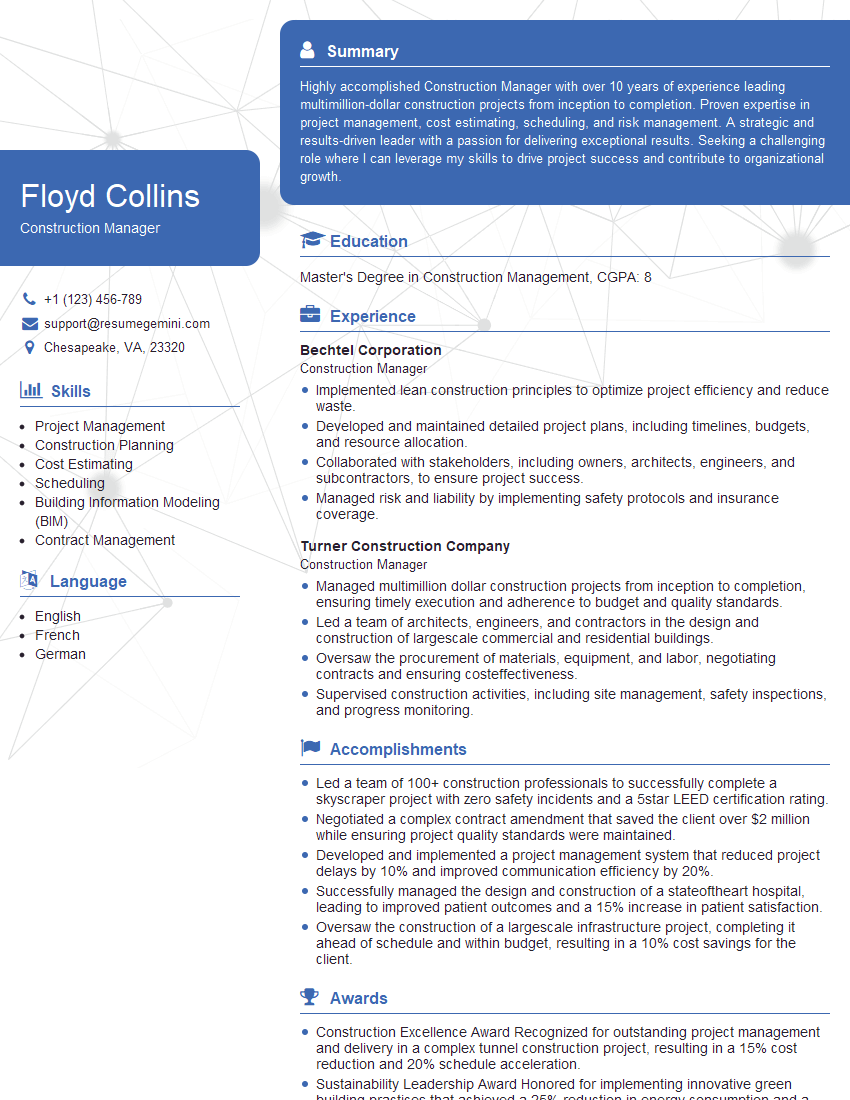
Construction Manager Resume Sample

Project Manager Resume Sample
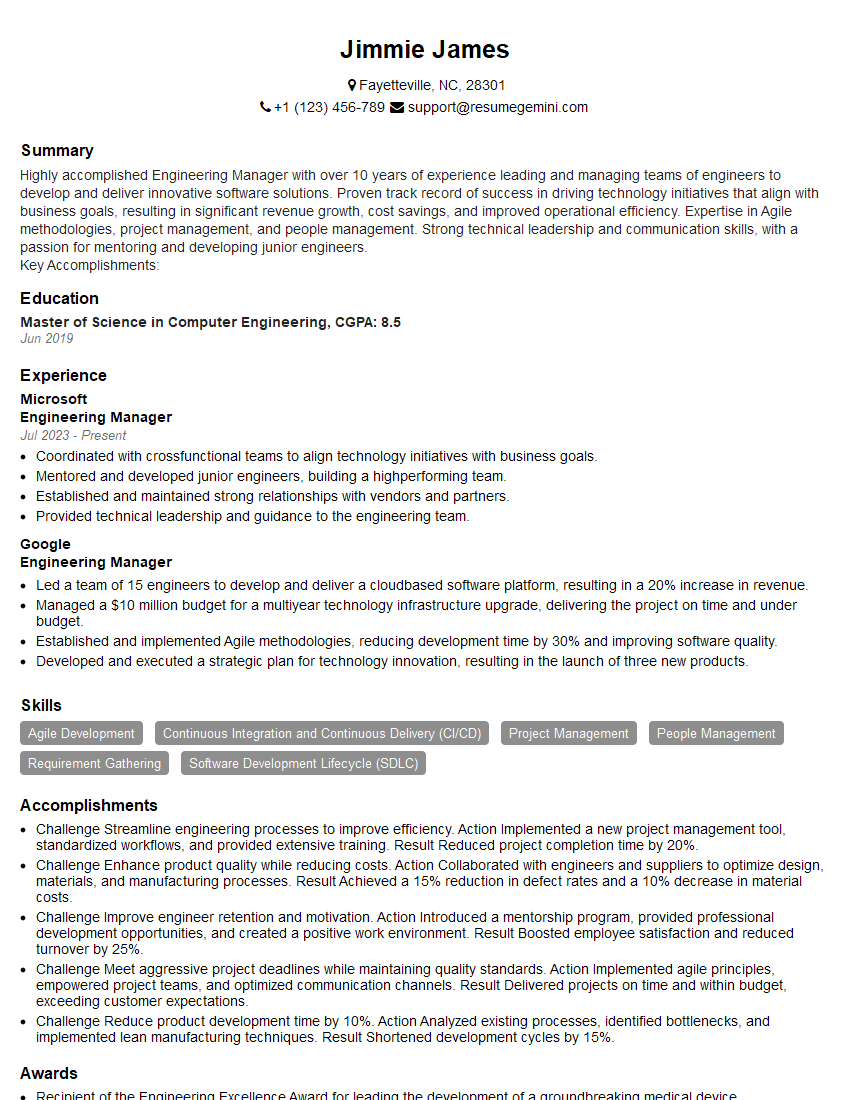
Engineering Manager Resume Sample
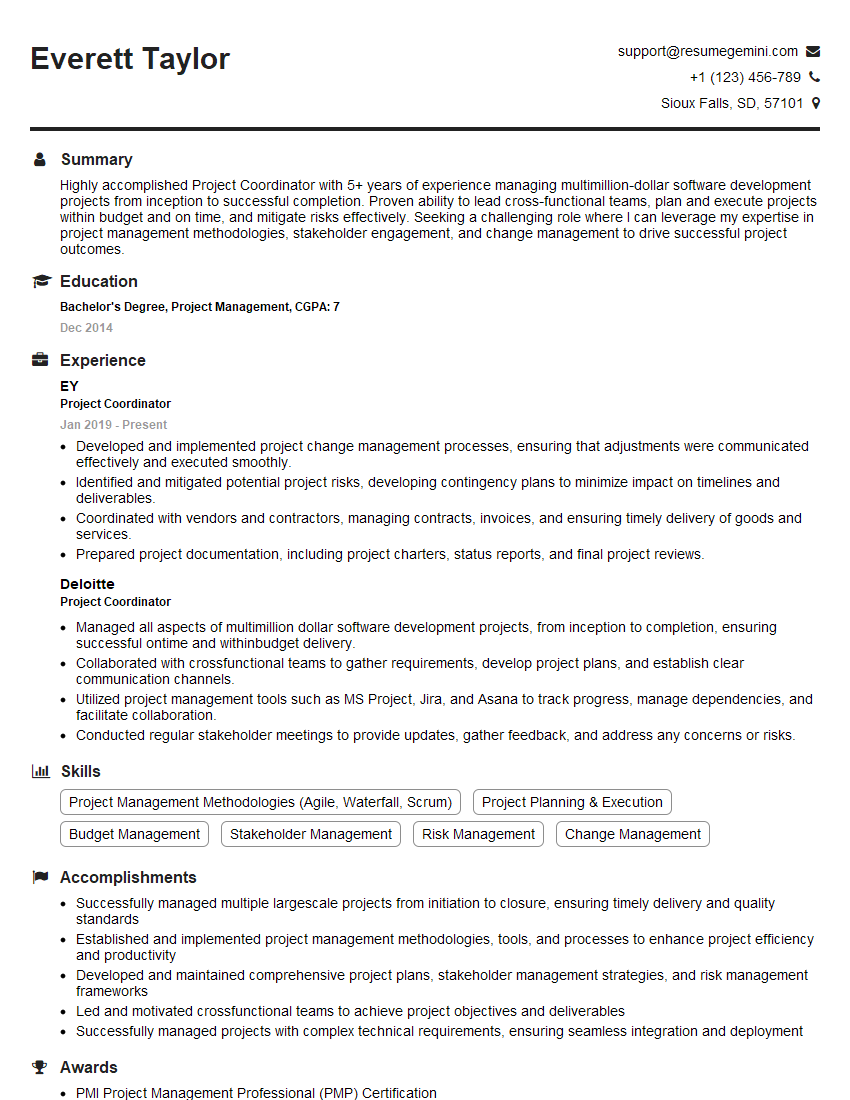
Project Coordinator Resume Sample

Business Analyst Resume Sample
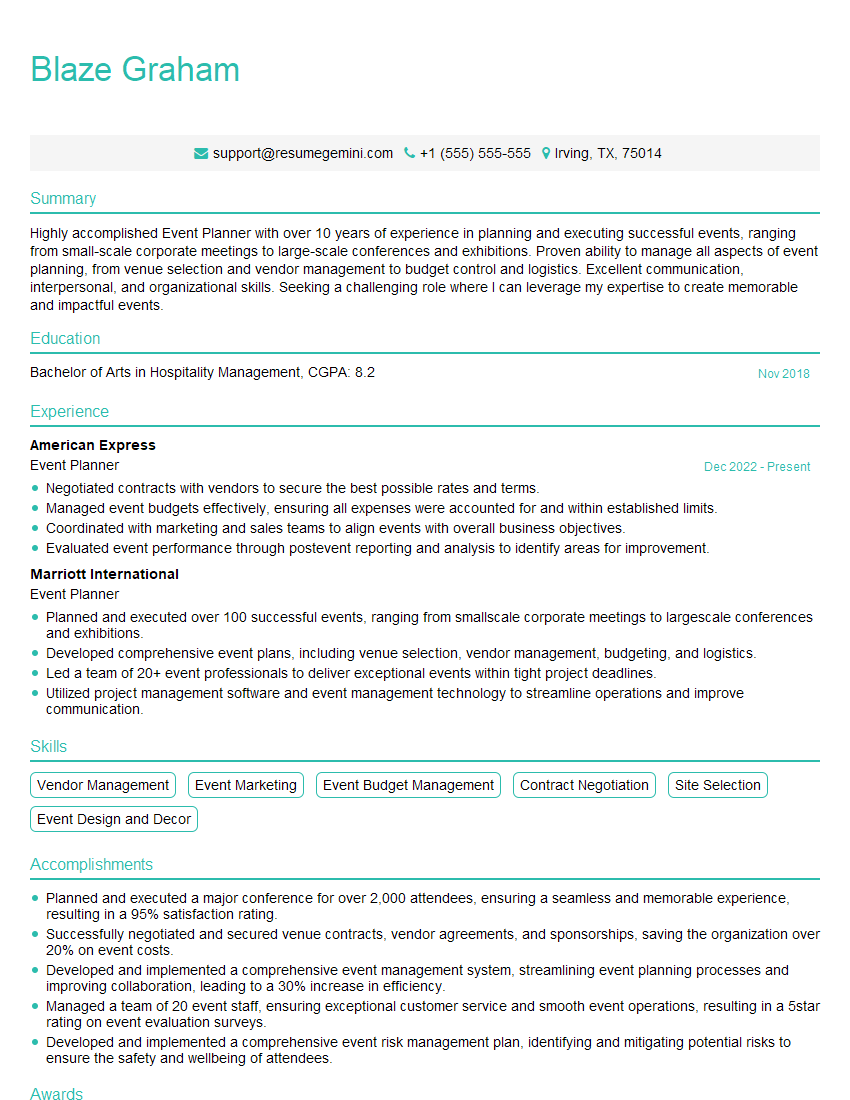
Event Planner Resume Sample
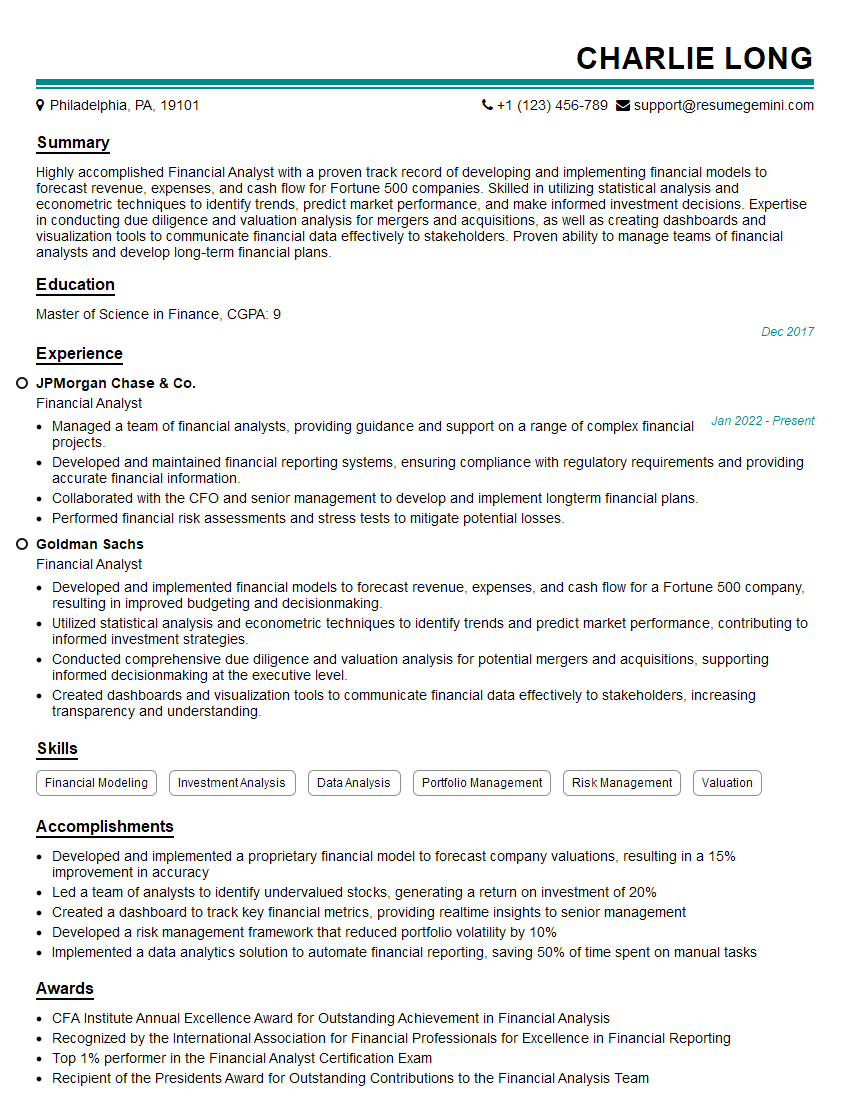
Financial Analyst Resume Sample
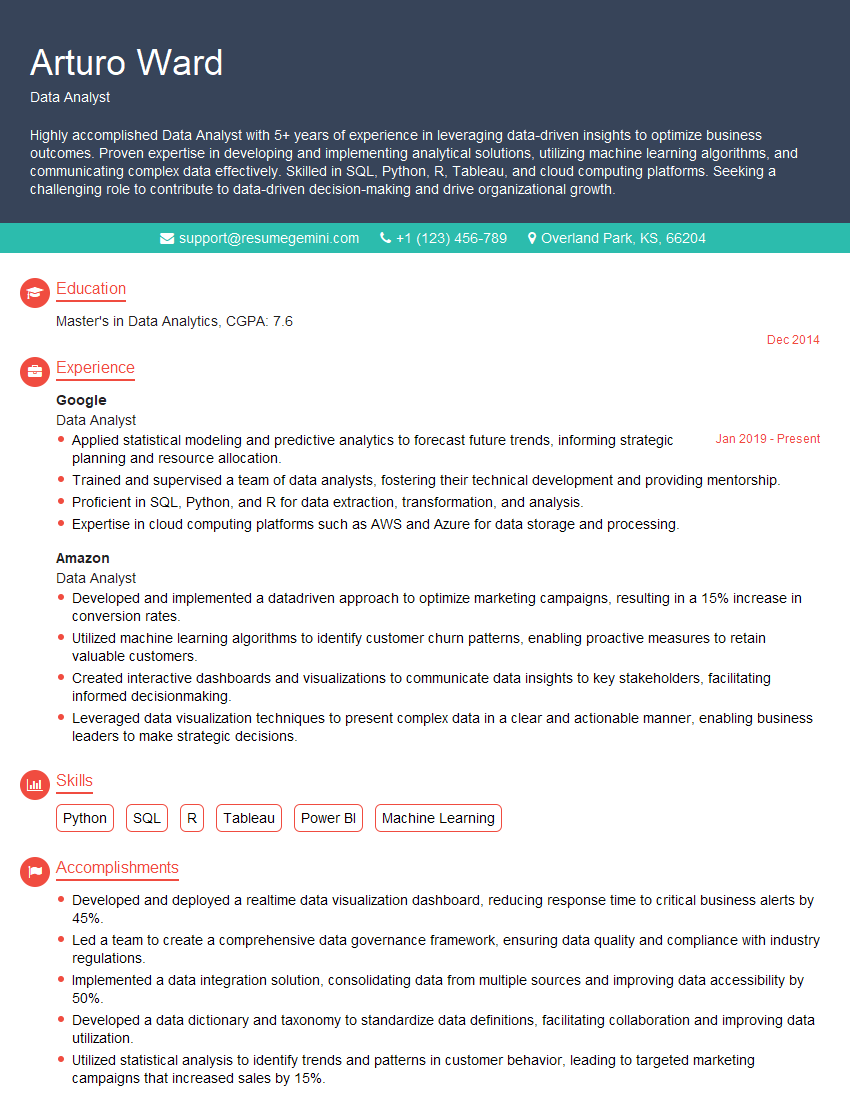
Data Analyst Resume Sample
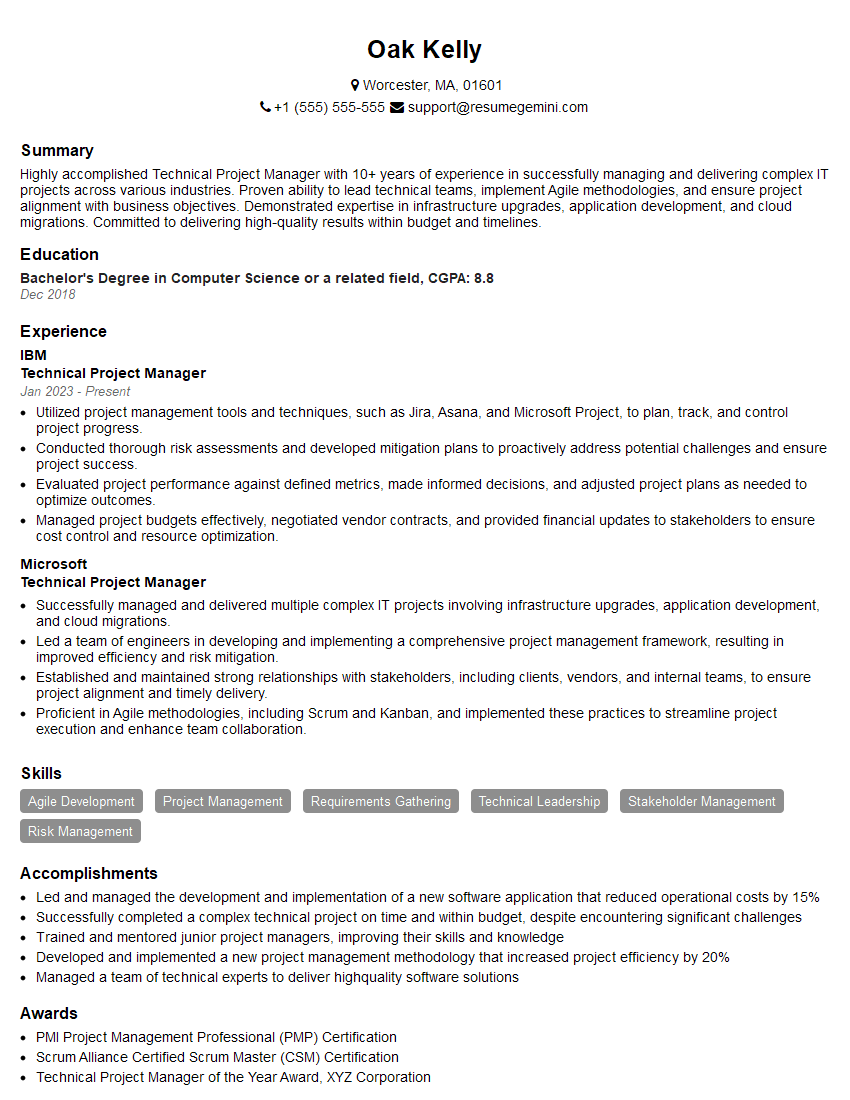
Technical Project Manager Resume Sample

Senior Software Engineer Resume Sample
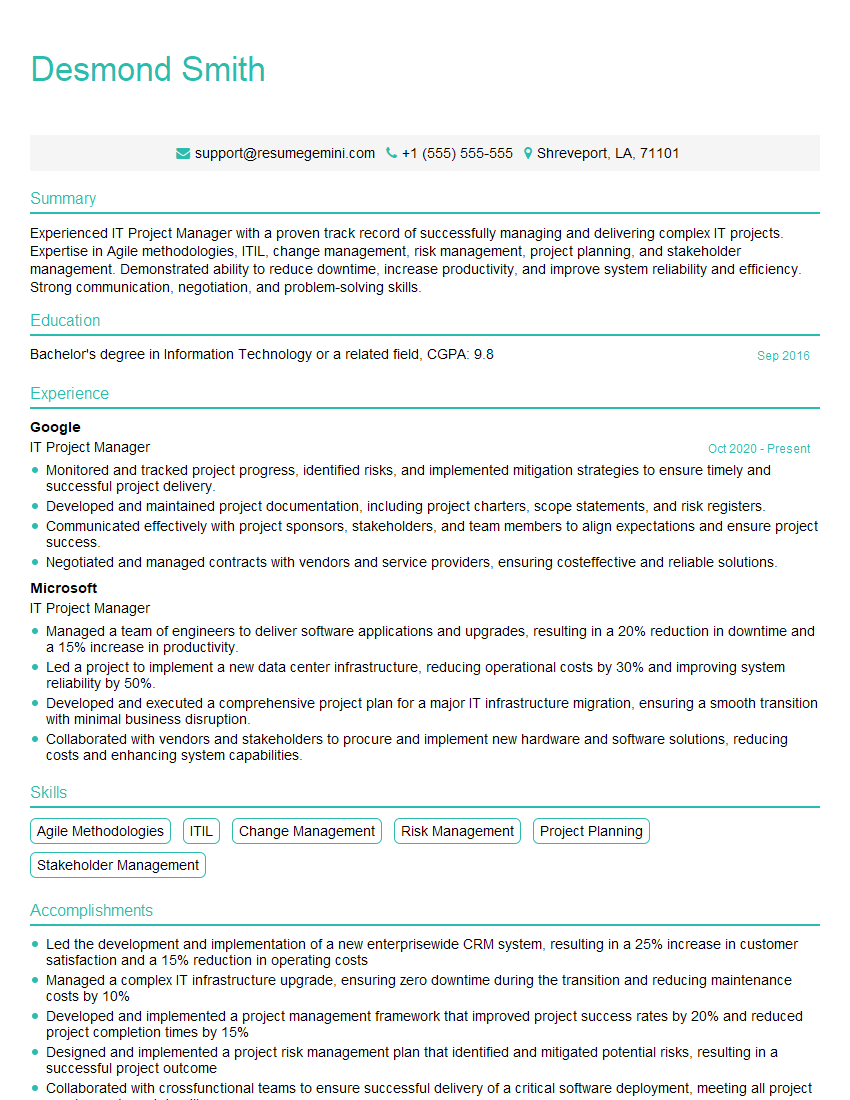
IT Project Manager Resume Sample
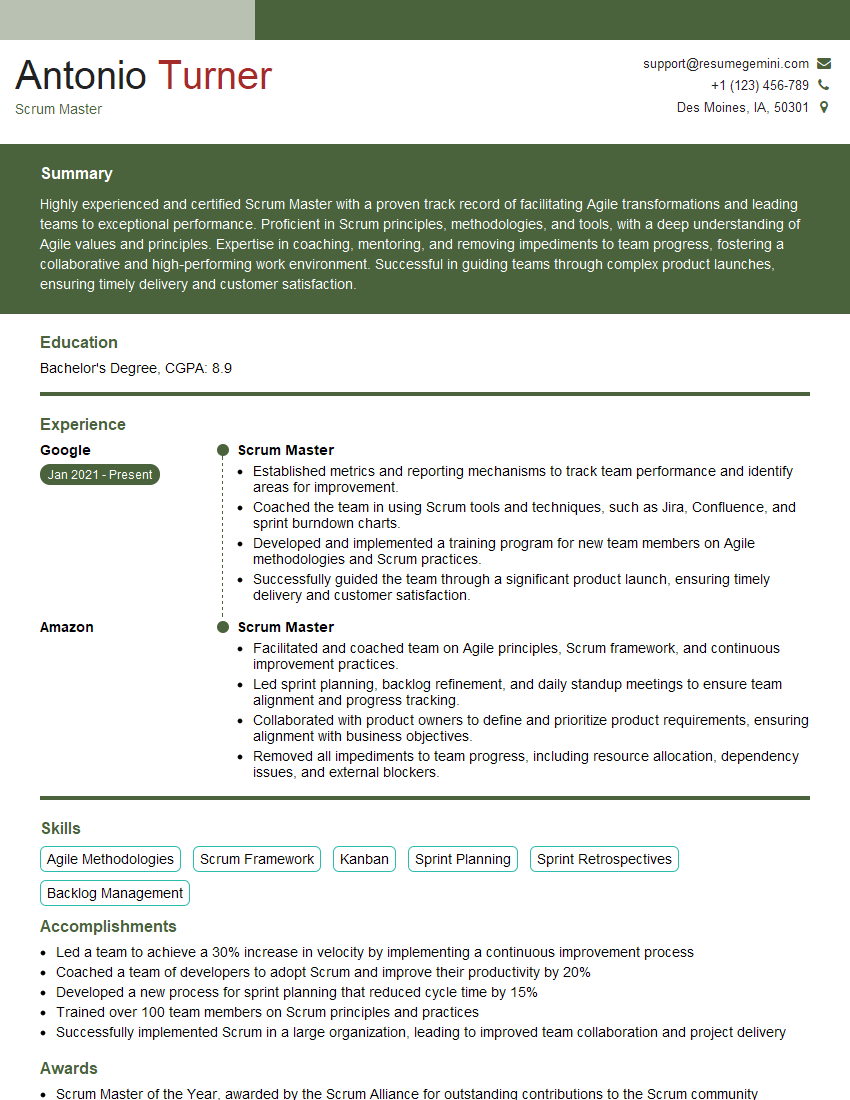
Scrum Master Resume Sample
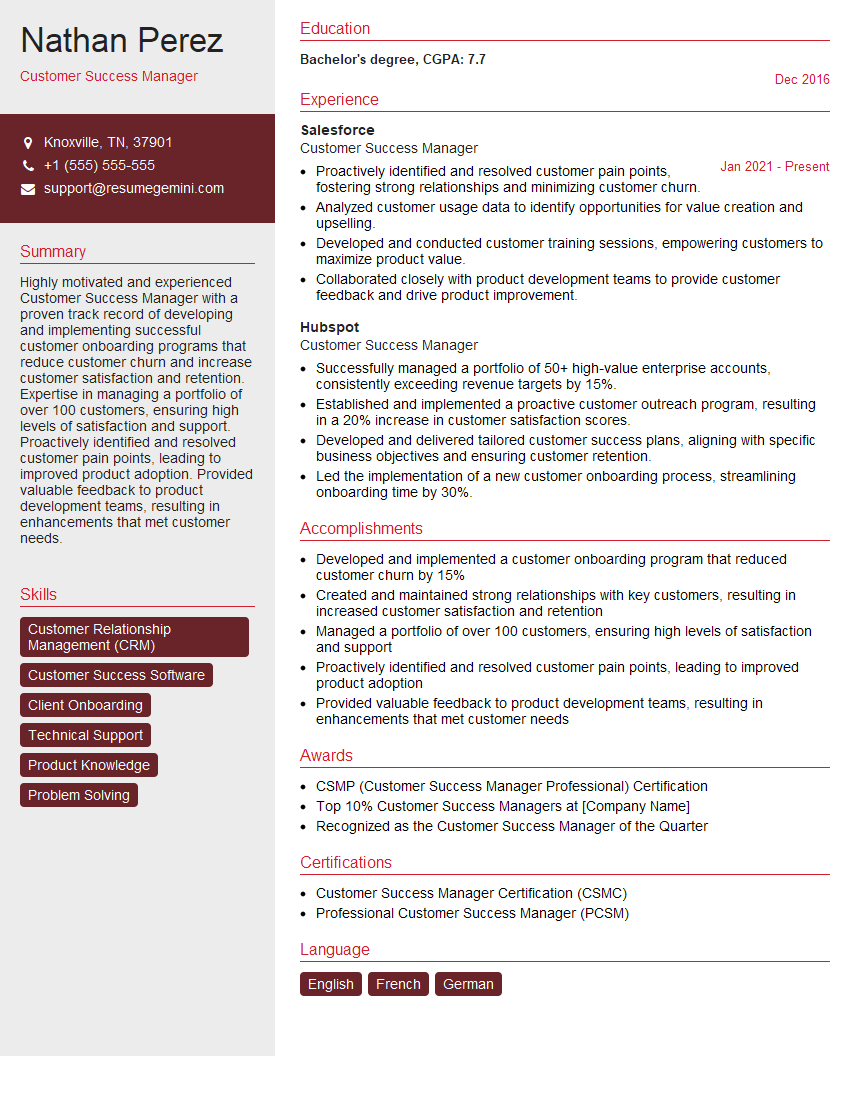
Customer Success Manager Resume Sample
- Program Manager
- Office Manager
- Operations Manager
- Production Manager
- Account Manager
- Marketing Manager
- Sales Manager
- Product Manager
- Quality Assurance Manager
- Supply Chain Manager
- Construction Manager
- Project Manager
- Engineering Manager
- Project Coordinator
- Business Analyst
- Event Planner
- Financial Analyst
- Data Analyst
- Technical Project Manager
- Senior Software Engineer
- IT Project Manager
- Scrum Master
- Customer Success Manager
Explore more articles
Users Rating of Our Blogs
Share Your Experience
We value your feedback! Please rate our content and share your thoughts (optional).
What Readers Say About Our Blog
Very informative content, great job.
good