Every successful interview starts with knowing what to expect. In this blog, we’ll take you through the top Ability to meet tight deadlines and production targets interview questions, breaking them down with expert tips to help you deliver impactful answers. Step into your next interview fully prepared and ready to succeed.
Questions Asked in Ability to meet tight deadlines and production targets Interview
Q 1. Describe a time you successfully met a challenging deadline.
Meeting challenging deadlines requires a proactive and organized approach. One instance where I excelled under pressure was during a critical software release. Our team was tasked with launching a major update within a significantly shorter timeframe than initially planned – a mere three weeks instead of the usual six. This was due to unforeseen market competition.
To overcome this, I immediately implemented a daily stand-up meeting to track progress meticulously. We prioritized features based on their criticality and user impact, using a Kanban board to visualize workflow. We also adopted a more agile methodology, breaking down tasks into smaller, more manageable chunks. We identified potential bottlenecks early on and proactively addressed them through effective communication and resource allocation. This included securing additional resources when needed, proving adaptability and leadership. Ultimately, we not only met the three-week deadline but also exceeded expectations on quality, receiving positive user feedback and market recognition.
Q 2. How do you prioritize tasks when faced with multiple deadlines?
Prioritizing tasks with multiple deadlines necessitates a strategic framework. I typically employ a combination of methods, starting with a clear understanding of each deadline’s importance and potential consequences. I use a prioritization matrix (like Eisenhower Matrix – Urgent/Important) to categorize tasks. This helps me identify which tasks are truly time-sensitive and require immediate attention, and which can be delegated or rescheduled.
I then create a detailed schedule, breaking down larger projects into smaller, achievable tasks. I use tools like project management software to assign deadlines to individual tasks and track progress. Regular review of this schedule allows for adjustments based on any unforeseen challenges or shifting priorities. This systematic approach enables me to manage competing deadlines effectively and avoid being overwhelmed.
Q 3. What strategies do you use to manage your time effectively?
Effective time management is crucial for meeting deadlines consistently. My strategies center around planning, organization, and discipline. I begin by creating a detailed to-do list, prioritizing tasks based on urgency and importance. I then allocate specific time blocks for each task, accounting for potential interruptions or unexpected delays. The Pomodoro Technique (working in focused bursts with short breaks) is very effective for maintaining concentration.
Regularly reviewing my schedule and adjusting as needed is vital. I also utilize time-blocking strategies, dedicating specific times of the day to particular types of tasks. For example, I might schedule my most demanding cognitive tasks for the morning when my energy levels are highest. This structured approach, combined with consistent self-discipline, ensures I maximize my productivity and effectively manage my time.
Q 4. How do you handle unexpected delays or setbacks that impact deadlines?
Unexpected delays are inevitable, but proactive planning can mitigate their impact. When faced with a setback, my first step is to assess the situation objectively – identifying the cause of the delay and its impact on the overall project timeline. Open communication is key; I promptly inform relevant stakeholders, providing a transparent explanation and a revised timeline.
Next, I explore solutions creatively. This might involve re-prioritizing tasks, adjusting resources, or seeking assistance from colleagues. If the delay is significant, I may need to renegotiate the deadline with stakeholders, providing a justifiable explanation and revised plan. A crucial element is maintaining a positive attitude and focusing on finding solutions rather than dwelling on the problem.
Q 5. Explain your approach to delegating tasks to meet tight deadlines.
Delegation is a powerful tool for meeting tight deadlines, but it requires careful consideration. I only delegate tasks to individuals with the necessary skills and experience. Before delegating, I provide clear instructions, outlining the desired outcome, the specific tasks involved, and the deadline. I ensure they understand the importance of the task and its impact on the overall project.
I maintain open communication throughout the process, providing regular check-ins to monitor progress and address any questions or concerns. It is vital to trust the individual’s capabilities, providing support without micromanaging. This collaborative approach ensures that delegated tasks are completed effectively and efficiently, contributing to the overall success of the project. I use project management tools to facilitate this delegation and monitoring process.
Q 6. Have you ever missed a deadline? How did you handle it?
Yes, I have missed a deadline in the past. It was during a particularly complex project involving multiple integrations with external systems. Unforeseen technical challenges, coupled with inadequate communication with one of the external vendors, resulted in a significant delay. My immediate response was to take full responsibility for the missed deadline.
I then focused on damage control. I promptly informed stakeholders, explaining the situation transparently and outlining the steps being taken to rectify the issue. I worked diligently to resolve the technical challenges, and through collaboration with the vendor, we resolved the issues and completed the project successfully, though slightly delayed. This experience reinforced the importance of robust contingency planning and proactive communication in managing projects and expectations.
Q 7. Describe your experience using project management tools.
I have extensive experience using various project management tools, including Jira, Asana, Trello, and Microsoft Project. My proficiency extends beyond simply using the tools; I understand how to leverage their features to optimize workflow and improve team collaboration. For example, I utilize Jira’s issue tracking and workflow management capabilities to manage software development projects efficiently. Asana’s task assignment and progress tracking features help to coordinate multiple team members effectively.
Trello’s Kanban board functionality facilitates agile project management, enabling seamless task prioritization and visual representation of workflow. Microsoft Project, with its advanced features like Gantt charts and resource allocation tools, is invaluable for complex projects requiring detailed planning and scheduling. My expertise in these tools allows me to adapt my approach to the specific needs of the project, ensuring seamless execution and efficient progress monitoring.
Q 8. How do you ensure the quality of your work when under pressure?
Maintaining quality under pressure is paramount. My approach is multifaceted and focuses on proactive planning and meticulous execution. Before starting any task, I thoroughly understand the requirements, break down complex projects into smaller, manageable chunks, and prioritize them based on urgency and dependencies. This prevents feeling overwhelmed and allows for focused effort on high-impact areas. I also utilize checklists and quality control measures at each stage to identify and rectify errors early. Think of it like building a house – you wouldn’t just start laying bricks; you’d have blueprints, inspections, and a team ensuring everything is structurally sound. Finally, I incorporate regular self-checks and peer reviews to catch any oversights I might have missed due to time constraints. This systematic approach ensures consistent quality even when working against tight deadlines.
Q 9. How do you communicate progress and potential issues to stakeholders?
Clear and consistent communication is key to managing stakeholder expectations. I regularly update stakeholders using a combination of methods tailored to their preferences and the urgency of the situation. For quick updates, I use project management tools and instant messaging. For more detailed progress reports, I leverage email or scheduled meetings. I’m proactive in identifying potential issues, providing context, and proposing solutions. For example, if I foresee a delay, I’ll proactively inform stakeholders, explain the reason, and propose adjusted timelines or alternative approaches. I believe in transparency; it builds trust and prevents misunderstandings. This proactive communication ensures that everyone is informed and aligned, minimizing surprises and maximizing collaboration.
Q 10. How do you balance multiple projects with competing deadlines?
Balancing multiple projects with competing deadlines requires a structured and organized approach. I utilize project management methodologies, such as prioritizing tasks using the Eisenhower Matrix (urgent/important), to effectively allocate my time and resources. This helps me focus on the most critical tasks first. I also break down large projects into smaller, manageable tasks, assigning deadlines to each. I use tools like Gantt charts or Kanban boards to visually track progress across all projects simultaneously. Regularly reviewing my schedule and adjusting priorities as needed keeps me on track and prevents bottlenecks. Think of it as a conductor leading an orchestra; each instrument (project) has its own part, but the conductor ensures they all harmonize to create a beautiful performance on time.
Q 11. What’s your preferred method for tracking progress against deadlines?
My preferred method for tracking progress is using a combination of tools and techniques. I rely heavily on project management software such as Asana or Jira to track tasks, deadlines, and dependencies. These tools allow for clear visualization of progress, identification of bottlenecks, and easy collaboration with team members. Beyond software, I maintain a personal daily/weekly planner to ensure I account for all commitments and unexpected tasks. Regularly reviewing this planner and updating the project management software ensures a holistic view of my progress and allows for timely adjustments. This dual approach gives me a comprehensive understanding of my workload and potential roadblocks.
Q 12. How do you identify potential roadblocks that could impact deadlines?
Proactive risk management is crucial for meeting deadlines. I employ a risk assessment process at the beginning of each project, identifying potential roadblocks such as resource limitations, technical challenges, or external dependencies. I then develop contingency plans to mitigate these risks. For example, if a key resource is unavailable, I might explore alternative solutions or allocate tasks differently. Regularly monitoring progress and communicating with stakeholders about potential issues allows me to address problems early, preventing them from escalating into major delays. This proactive approach ensures that potential roadblocks are identified and addressed before they impact deadlines.
Q 13. Describe a time you had to make a difficult decision to meet a deadline.
In a previous role, we were developing a critical software update with an extremely tight deadline. We encountered a significant bug in the final stages of testing. The initial plan was to thoroughly debug, which would have missed the deadline. I made the difficult decision to release a version with a temporary workaround for the bug, prioritizing the on-time release over immediate bug resolution. We communicated clearly to stakeholders about the workaround and its limitations, committing to a swift patch release. This decision ensured we met the crucial deadline, maintained client trust, and enabled us to address the bug promptly in the next update. While risky, it was the best option considering the broader consequences of missing the deadline.
Q 14. How do you handle stress and pressure when working on tight deadlines?
Managing stress and pressure is crucial for sustained productivity. I prioritize self-care, incorporating regular breaks, exercise, and a healthy diet into my routine. I also utilize time management techniques, like the Pomodoro Technique, to improve focus and prevent burnout. When feeling overwhelmed, I take a step back, re-prioritize tasks, and break down complex projects into smaller, more manageable units. I also practice mindfulness and meditation to manage stress and maintain a clear perspective. By combining effective time management with mindful self-care, I maintain a sustainable pace and avoid burnout, even under intense pressure.
Q 15. How do you motivate yourself and your team to meet tight deadlines?
Motivating myself and my team to meet tight deadlines involves a multifaceted approach focusing on clear communication, shared goals, and fostering a positive, collaborative environment. I start by ensuring everyone understands the importance of the deadline and the impact of missing it. This transparency builds buy-in. Then, we collaboratively break down the project into smaller, manageable tasks, assigning responsibilities based on individual strengths. Regular check-ins, using tools like daily stand-up meetings, keep us on track and allow for early identification of roadblocks.
To maintain motivation, I celebrate milestones achieved and acknowledge individual contributions. This fosters a sense of accomplishment and team spirit. I also encourage open communication, creating a safe space for team members to express concerns or challenges without fear of judgment. If deadlines seem insurmountable, I work with the team to explore options such as prioritizing tasks, re-allocating resources, or seeking additional support.
For example, in a previous project with an extremely tight deadline, we used a Kanban board to visualize progress and identify bottlenecks. Regular stand-up meetings allowed us to quickly address emerging issues and adjust our approach as needed. The transparency and collaborative problem-solving kept everyone engaged and motivated, ultimately leading to the successful delivery of the project on time.
Career Expert Tips:
- Ace those interviews! Prepare effectively by reviewing the Top 50 Most Common Interview Questions on ResumeGemini.
- Navigate your job search with confidence! Explore a wide range of Career Tips on ResumeGemini. Learn about common challenges and recommendations to overcome them.
- Craft the perfect resume! Master the Art of Resume Writing with ResumeGemini’s guide. Showcase your unique qualifications and achievements effectively.
- Don’t miss out on holiday savings! Build your dream resume with ResumeGemini’s ATS optimized templates.
Q 16. What are your strategies for preventing scope creep that could affect deadlines?
Preventing scope creep, which can significantly impact deadlines, requires proactive measures starting from the project initiation phase. This begins with a clearly defined scope, documented in a comprehensive project requirements document that’s reviewed and agreed upon by all stakeholders. This document should include detailed specifications, acceptance criteria, and deliverables. Changes to the scope should be formally requested, reviewed, and approved through a change control process.
Regular communication with stakeholders is critical. I make a point of holding frequent meetings to discuss progress and address any emerging concerns or requests for changes. Any proposed changes are carefully evaluated for their impact on the timeline and budget. This evaluation process may involve prioritizing tasks or adjusting the project schedule to accommodate necessary changes.
Using Agile methodologies, particularly sprint planning and daily scrums, helps in identifying potential scope creep early. Each sprint is focused on a specific set of features, preventing the addition of unrelated work that can derail the project.
Q 17. How familiar are you with Agile methodologies and their impact on deadlines?
I’m very familiar with Agile methodologies like Scrum and Kanban, and I understand their significant impact on meeting deadlines. Agile’s iterative nature allows for flexibility and adaptability, enabling teams to respond effectively to changing requirements or unforeseen challenges. The short development cycles (sprints) allow for frequent feedback and course correction, minimizing the risk of major delays.
Scrum, for example, with its daily stand-ups, sprint reviews, and retrospectives, facilitates continuous monitoring and improvement, making it easier to track progress and identify potential bottlenecks early on. Kanban’s visual workflow management helps to maintain transparency and allows for efficient task management. These methodologies promote collaboration, faster feedback loops, and improved time management, all crucial for hitting deadlines.
In my experience, Agile’s emphasis on delivering working software incrementally reduces the risk associated with large, monolithic projects and makes it easier to manage and adapt to changes in scope or priorities, thus mitigating the risk of missed deadlines.
Q 18. How do you utilize data and analytics to make informed decisions about deadlines?
Data and analytics play a crucial role in informed decision-making regarding deadlines. I leverage data from various sources, including project management software, time tracking tools, and historical project data, to analyze project performance, identify trends, and predict potential delays. This data-driven approach allows for more accurate estimation of project timelines and resource allocation.
For instance, I might analyze historical data on similar projects to determine the average time spent on specific tasks. This information helps in creating more realistic estimates for new projects. During the project execution phase, I continuously monitor progress against the planned schedule, using burn-down charts and other visualization tools to identify potential delays early. This allows me to take proactive steps, such as reallocating resources or adjusting priorities to get back on track.
Tools like Jira and Microsoft Project provide valuable data that can be used to create predictive models, identify bottlenecks, and improve future project estimations. By analyzing this data, I can make data-driven decisions that directly impact our ability to meet deadlines and production targets.
Q 19. Describe your experience with resource allocation to meet production targets.
Resource allocation is a critical aspect of meeting production targets. My approach involves a careful assessment of project requirements, considering factors like the complexity of tasks, skill sets needed, and available resources. I ensure that the right people with the necessary expertise are assigned to the appropriate tasks. This often involves collaborating with HR and other departments to secure additional resources if needed.
I utilize project management software to track resource utilization and identify potential conflicts. For example, if a particular skill set is in high demand, I might prioritize tasks requiring those skills or explore options like outsourcing or hiring temporary staff. Regular monitoring of resource allocation allows me to proactively address potential bottlenecks and prevent delays.
In one project, we used a resource leveling technique to smooth out the workload and ensure that no single team member was overburdened, preventing burnout and improving overall productivity. This careful allocation of resources, combined with regular monitoring, contributed significantly to us meeting our production targets on time.
Q 20. How do you adapt your approach when dealing with ambiguous deadlines?
Ambiguous deadlines present a unique challenge, but they can be effectively addressed with a structured approach. First, I engage in open communication with stakeholders to clarify expectations. This involves probing for concrete deliverables, key milestones, and desired outcomes. The goal is to translate the ambiguous deadline into a more specific timeline with clear milestones.
Next, I create a flexible project plan that accounts for uncertainties. This might involve building in buffer time to account for unforeseen delays or establishing checkpoints to assess progress and make necessary adjustments. Regular updates and transparent communication with stakeholders are key to managing expectations and ensuring everyone stays informed. In essence, I transform the ambiguity into a structured approach with clear, measurable steps.
For example, if a deadline is vaguely defined as ‘sometime in Q4,’ I would work with stakeholders to define specific milestones within Q4, perhaps targeting a beta release by the end of October and a final release by the end of December. This establishes a structured timeline, even within the ambiguity of the initial deadline.
Q 21. How do you measure the success of your efforts in meeting deadlines and targets?
Measuring the success of efforts in meeting deadlines and targets is crucial. I use a combination of quantitative and qualitative metrics. Quantitative metrics include on-time delivery rate, adherence to the project schedule, and achievement of production targets. These metrics are tracked using project management software and reports.
Qualitative metrics assess the quality of deliverables and overall stakeholder satisfaction. This may involve gathering feedback through surveys, reviews, or direct discussions. By combining both quantitative and qualitative data, I get a complete picture of the project’s success.
Regular project retrospectives help us learn from our successes and failures. Analyzing what went well and what could be improved helps us refine our processes and increase our efficiency in future projects. This continuous improvement cycle is essential for consistent success in meeting deadlines and exceeding expectations.
Q 22. Describe a situation where you had to compromise quality to meet a deadline. What was the outcome?
Compromising quality to meet a deadline is a difficult decision, and one I’ve only had to make in truly exceptional circumstances. In one instance, we were developing a new software module with a very tight launch date, dictated by a major marketing campaign. A minor visual element – a subtle animation – wasn’t functioning perfectly, but fixing it would have pushed us past the deadline. We prioritized core functionality, knowing the animation was a nice-to-have rather than a must-have.
The outcome? We launched on time and the marketing campaign was successful. The minor visual glitch didn’t impact user experience negatively, and it allowed us to gather user feedback before implementing the animation in a future update. This reinforced the importance of prioritizing crucial features and managing expectations in high-pressure situations. It also taught me the value of having robust testing and iteration cycles for future projects. While we successfully launched, we conducted a post-mortem analysis to understand how we could manage the timeline better to avoid similar compromises in the future.
Q 23. How do you proactively identify and mitigate risks to on-time project delivery?
Proactive risk identification is crucial for on-time project delivery. My approach involves a combination of techniques. Firstly, I conduct thorough risk assessments at the beginning of each project, identifying potential bottlenecks, resource constraints (personnel, budget, technology), and external dependencies. This typically includes brainstorming sessions with the team, and reviewing project plans with a critical eye.
Secondly, I utilize project management tools, like Gantt charts and Kanban boards, to visualize task dependencies and potential delays. This allows for early detection of impending issues. Thirdly, I implement regular progress meetings, where we track milestones, address roadblocks, and adapt the plan as needed.
Mitigation strategies vary based on the specific risk. For instance, if a resource is unavailable, we might explore alternative solutions, such as outsourcing specific tasks or reallocating team members. If a technology is causing delays, we may evaluate alternative technologies or seek expert help. Contingency plans are key—having backup options readily available helps minimize the impact of unforeseen challenges.
Q 24. How do you leverage technology to improve efficiency and meet deadlines?
Technology plays a vital role in improving efficiency and meeting deadlines. I leverage a range of tools to streamline workflows. Project management software like Jira or Asana allows for centralized task management, progress tracking, and seamless communication among team members. Automation tools can handle repetitive tasks, freeing up time for more complex problem-solving. For example, automated testing reduces the time spent on manual testing, allowing for quicker bug identification and resolution.
Collaboration tools such as Slack or Microsoft Teams facilitate real-time communication, reducing email overload and improving response times. Version control systems like Git ensure efficient collaboration on code, minimizing conflicts and streamlining the development process. Data analytics dashboards provide real-time insights into project progress, allowing for proactive adjustments and identification of potential issues before they escalate into significant delays. The key is to choose the right tools for the specific project and to ensure that the team is properly trained in their use.
Q 25. How would you handle a situation where a key team member is falling behind on their deadlines?
Addressing a team member falling behind requires a sensitive and supportive approach. The first step is a private conversation to understand the root cause. Is it a skill gap, lack of resources, unrealistic workload, or personal issues? Once the underlying problem is identified, a collaborative solution can be developed.
This might involve providing additional training, reassigning tasks, offering mentoring support, adjusting the project timeline (if feasible), or even seeking external assistance. It’s important to avoid blame and focus on finding practical solutions. Clear communication is critical throughout the process, ensuring the team member feels supported and empowered to succeed. Regular check-ins are vital to monitor progress and provide ongoing support. In some cases, adjusting expectations or seeking help from other team members may be necessary to maintain the project’s overall timeline.
Q 26. What is your experience with risk management in relation to deadlines and production targets?
My experience with risk management in relation to deadlines and production targets is extensive. I’ve consistently integrated risk management into every phase of a project, from the initial planning stage through to execution and completion. This involves identifying potential risks, analyzing their likelihood and impact, developing mitigation strategies, and monitoring for emerging risks throughout the project lifecycle.
I utilize various risk management methodologies, including SWOT analysis (Strengths, Weaknesses, Opportunities, Threats) to identify internal and external factors that could influence the project. I also use probability and impact matrices to prioritize risks and allocate resources effectively to address high-priority concerns. Regular reporting and communication to stakeholders are crucial to keep everyone informed about potential delays and the implemented mitigation measures.
Q 27. Describe your experience working with cross-functional teams to meet shared deadlines.
Working with cross-functional teams requires strong communication and collaboration skills. To ensure we meet shared deadlines, I prioritize establishing clear communication channels and shared goals from the outset. This often involves kick-off meetings to establish roles, responsibilities, and expectations. Regular progress updates and coordination meetings are essential to track progress, identify dependencies, and address any potential conflicts.
I focus on building strong relationships with team members from different departments, fostering a culture of mutual respect and understanding. Utilizing collaborative tools like shared project management software helps to keep everyone aligned and informed. Transparency in communication is paramount, ensuring everyone understands the status of the project and their contribution to the shared deadline. Conflict resolution skills are crucial when disagreements or unexpected challenges arise, ensuring we resolve issues swiftly and constructively.
Q 28. How do you stay organized and maintain focus when managing multiple concurrent tasks?
Managing multiple concurrent tasks effectively requires strong organizational skills and focused attention. I utilize several strategies to maintain order and focus. Firstly, I prioritize tasks based on urgency and importance using methods such as the Eisenhower Matrix (urgent/important). Secondly, I break down large tasks into smaller, more manageable sub-tasks, making them less overwhelming. I use project management tools to schedule tasks, set deadlines, and track progress. This enhances visibility and helps me to stay organized.
Thirdly, I allocate specific time blocks for focused work on individual tasks, minimizing interruptions. Regular breaks are essential to prevent burnout and maintain productivity. Timeboxing—allocating a set amount of time to a specific task—helps me to stay on track and avoid getting bogged down in any single activity. Finally, I regularly review my schedule and priorities to ensure I’m focused on the most critical tasks. Adaptability is vital; I adjust my schedule as needed to accommodate unexpected events or urgent priorities.
Key Topics to Learn for Ability to Meet Tight Deadlines and Production Targets Interview
- Prioritization and Time Management: Understanding how to effectively prioritize tasks based on urgency and importance, utilizing time management techniques like the Eisenhower Matrix or Pomodoro Technique.
- Effective Communication & Collaboration: Clearly communicating project status, potential roadblocks, and resource needs to team members and managers proactively. Highlighting experience in collaborative problem-solving within time constraints.
- Proactive Problem Solving: Demonstrating a proactive approach to identifying and addressing potential delays before they impact deadlines. This includes risk assessment and contingency planning.
- Stress Management & Adaptability: Showcasing your ability to remain calm and focused under pressure, adapting to changing priorities and unexpected challenges while maintaining productivity.
- Utilizing Project Management Tools: Discussing experience with project management software (e.g., Asana, Trello, Jira) to track progress, manage tasks, and collaborate effectively. Highlighting your proficiency in using these tools to meet deadlines.
- Goal Setting and Breakdown: Explaining your approach to breaking down large projects into smaller, manageable tasks with clear deadlines for each stage. This showcases your organizational skills and ability to track progress effectively.
- Metrics and Tracking Progress: Demonstrating an understanding of relevant key performance indicators (KPIs) and how you track progress against targets. This shows your ability to measure success and identify areas for improvement.
Next Steps
Mastering the ability to meet tight deadlines and production targets is crucial for career advancement in almost any field. It showcases your reliability, efficiency, and ability to deliver results under pressure – qualities highly valued by employers. To increase your job prospects, focus on building an ATS-friendly resume that highlights these skills effectively. ResumeGemini is a trusted resource that can help you craft a compelling and impactful resume. We offer examples of resumes tailored to showcase your ability to meet tight deadlines and production targets – check them out to see how you can best present your skills and experience.
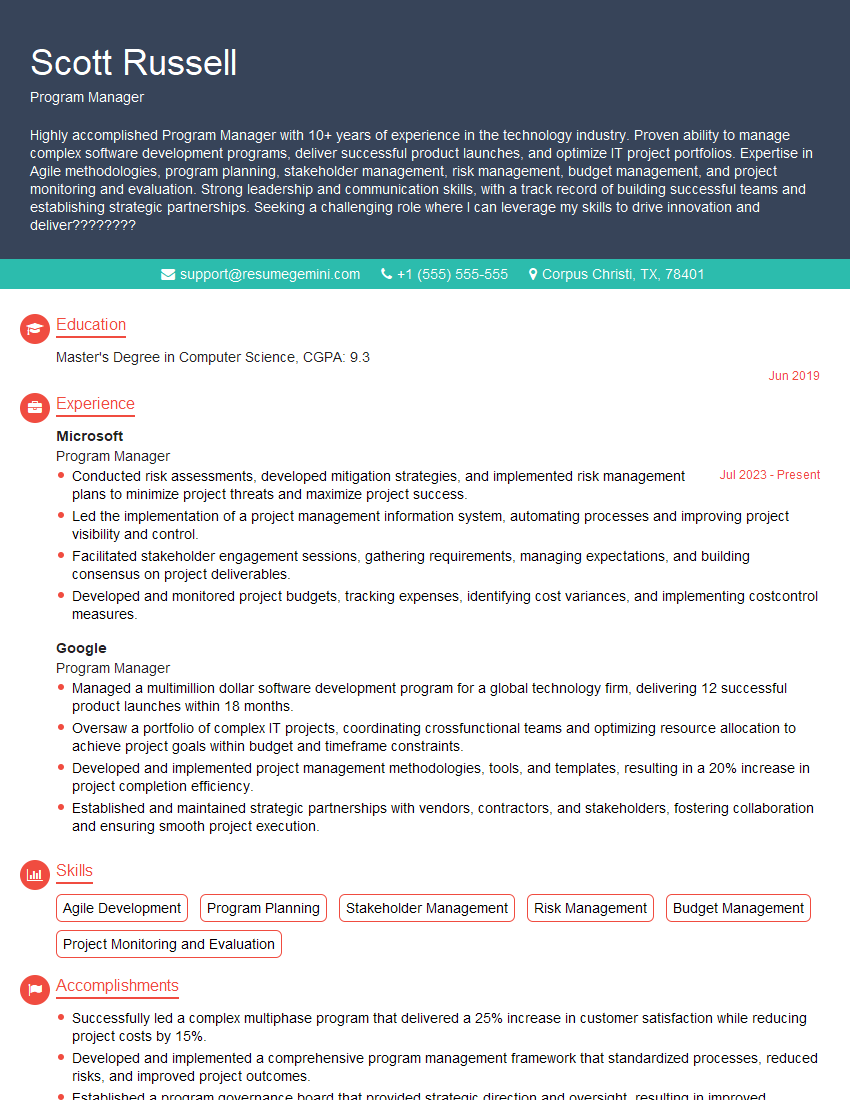
Program Manager Resume Sample

Operations Manager Resume Sample
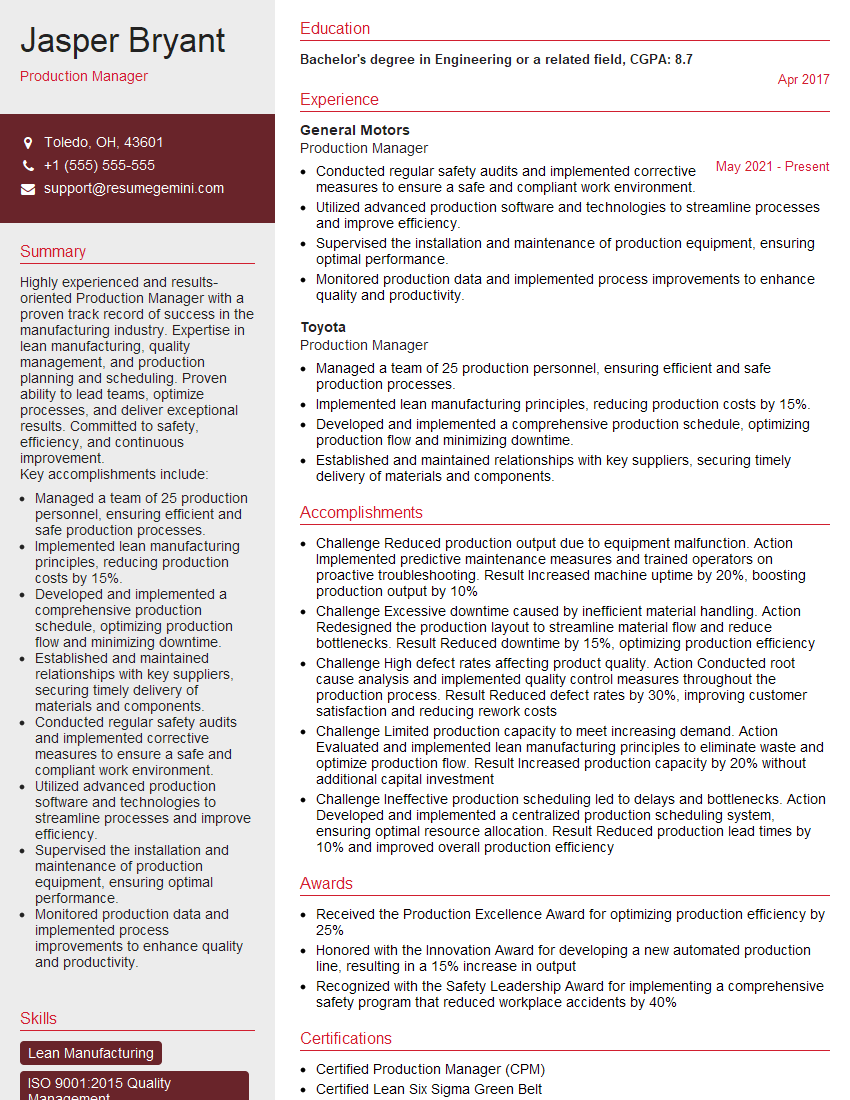
Production Manager Resume Sample
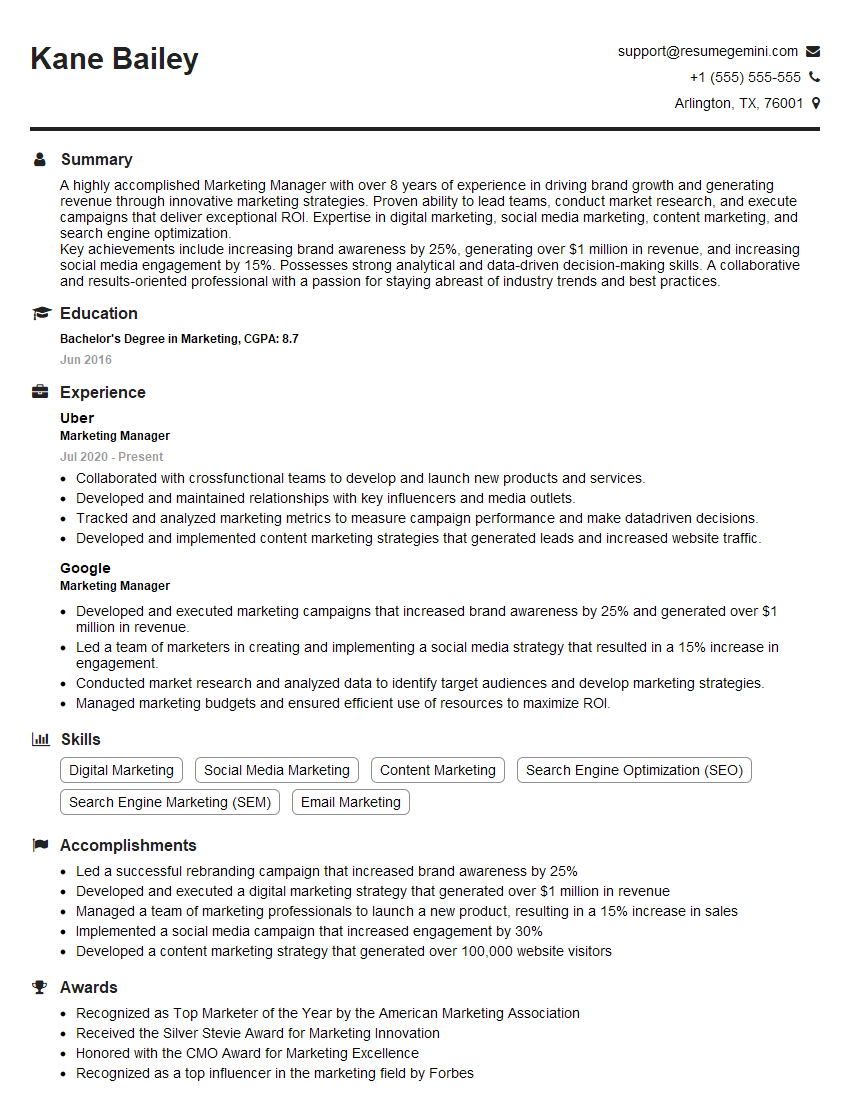
Marketing Manager Resume Sample
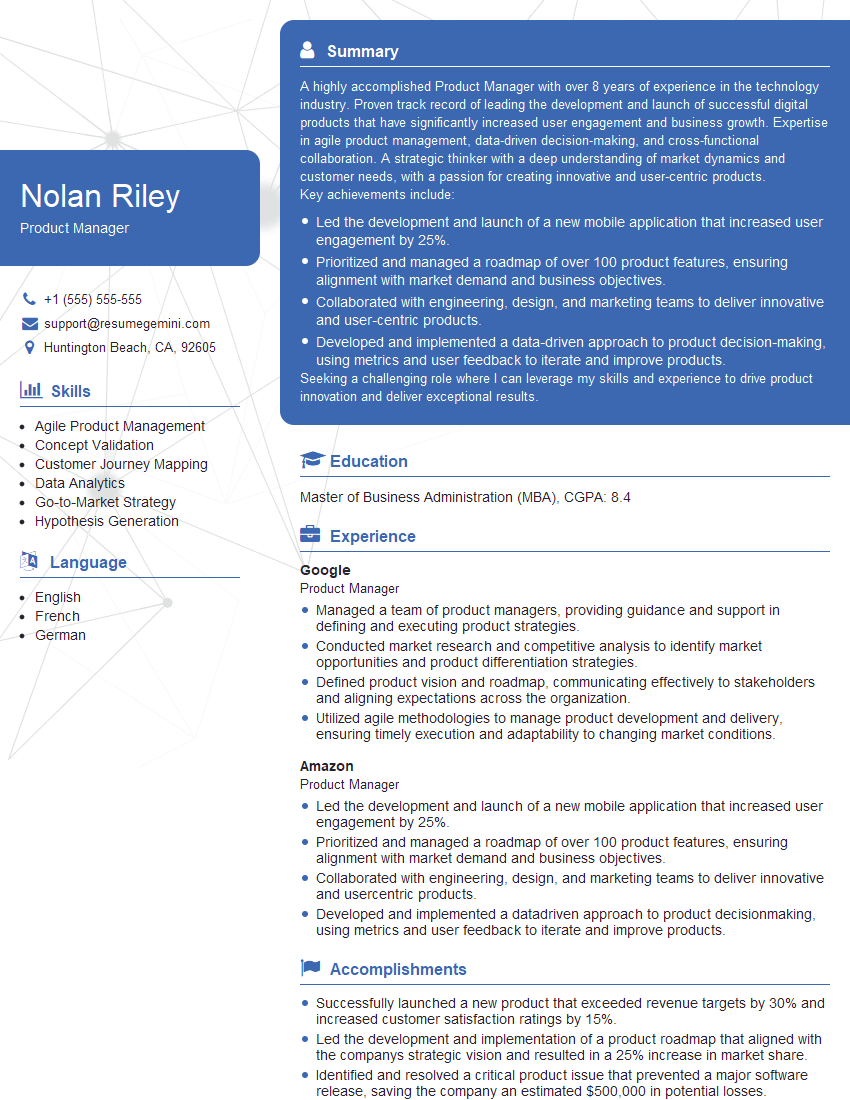
Product Manager Resume Sample
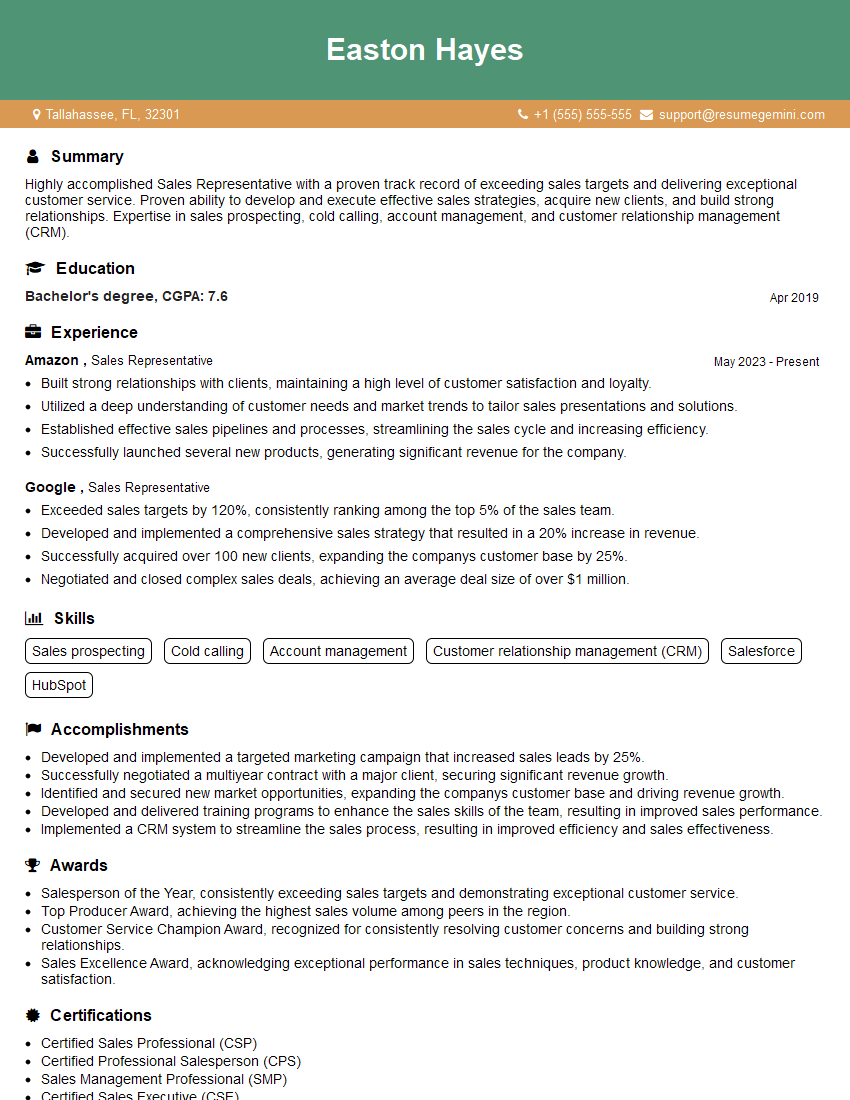
Sales Representative Resume Sample

Customer Service Manager Resume Sample
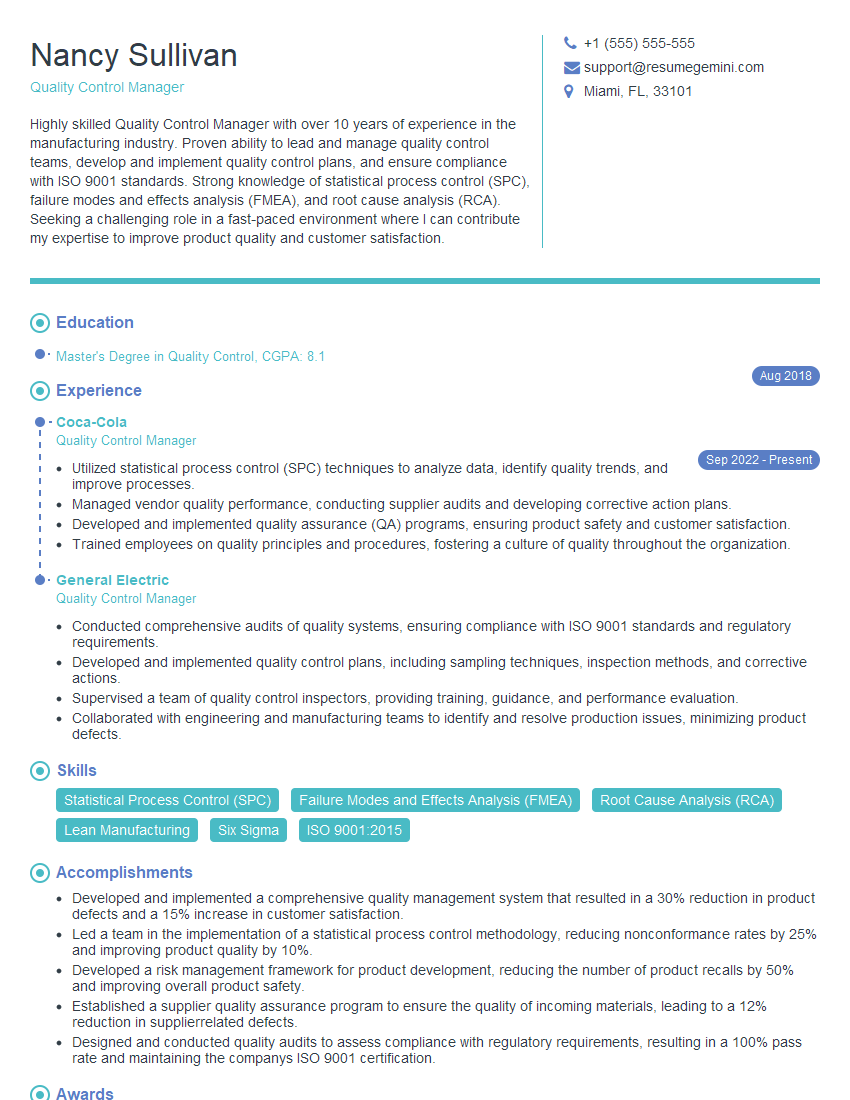
Quality Control Manager Resume Sample
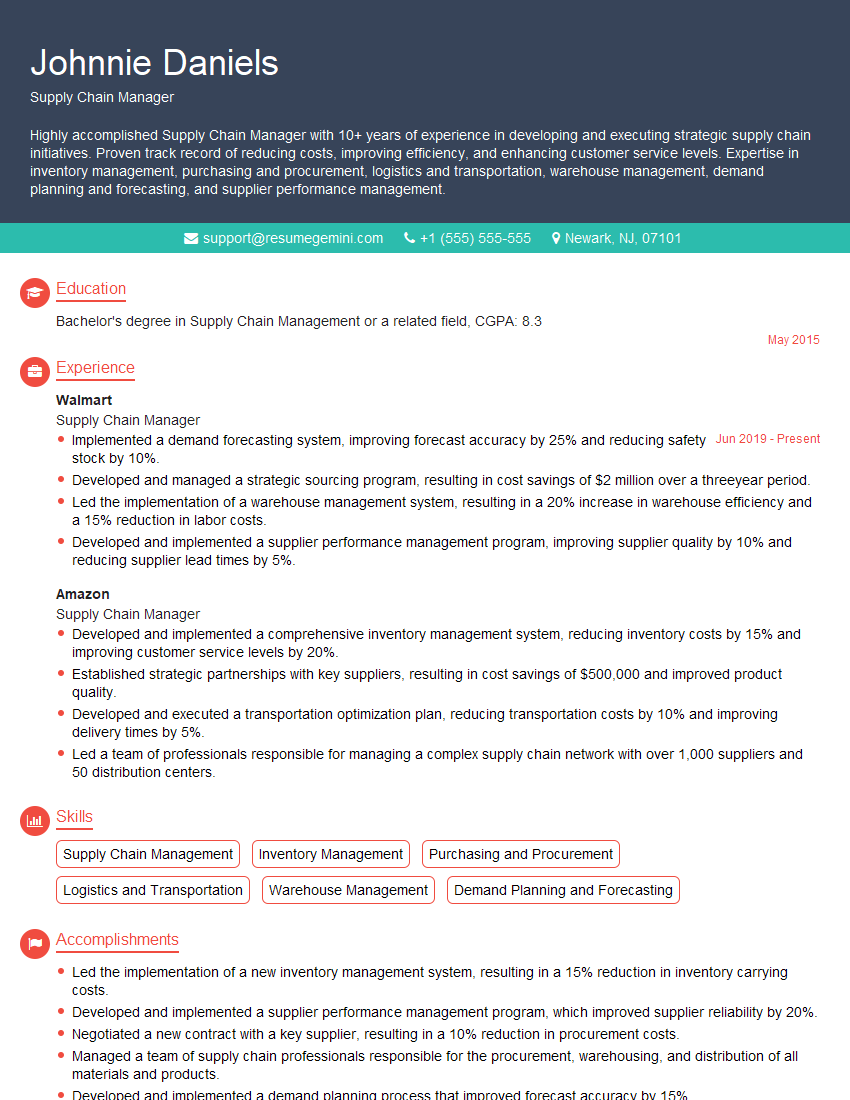
Supply Chain Manager Resume Sample
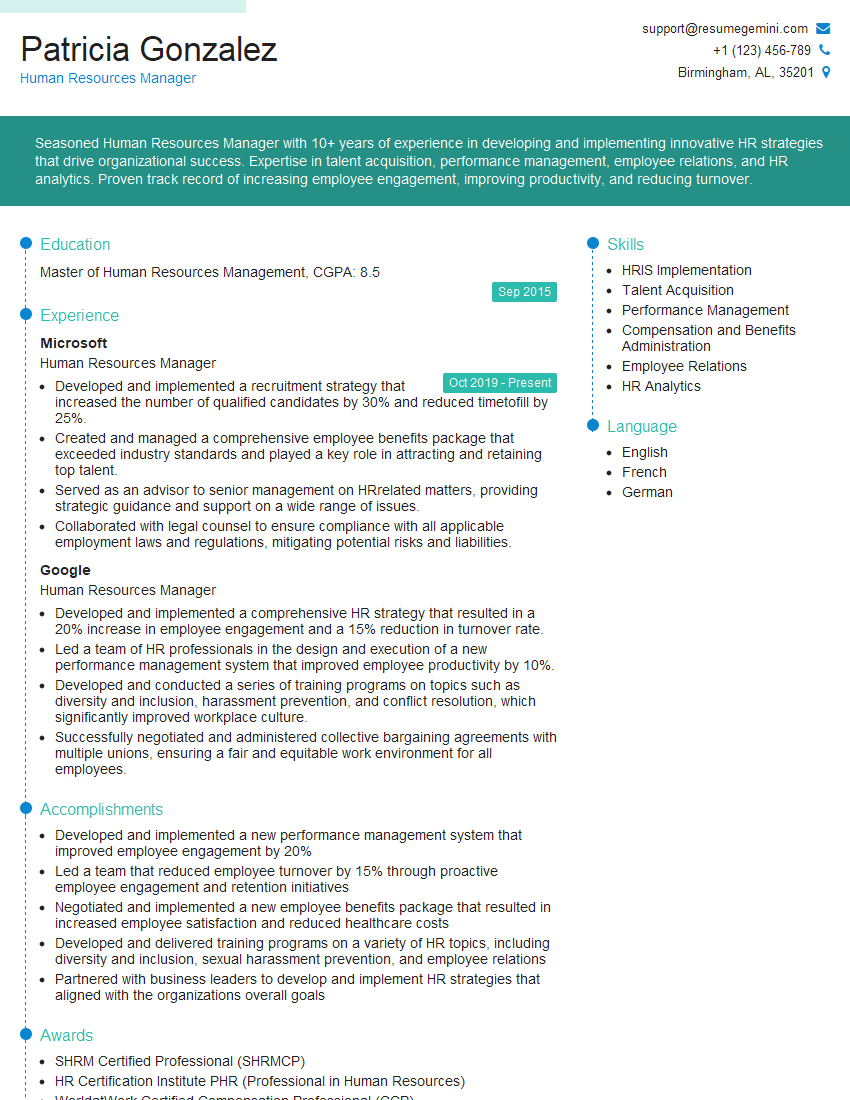
Human Resources Manager Resume Sample
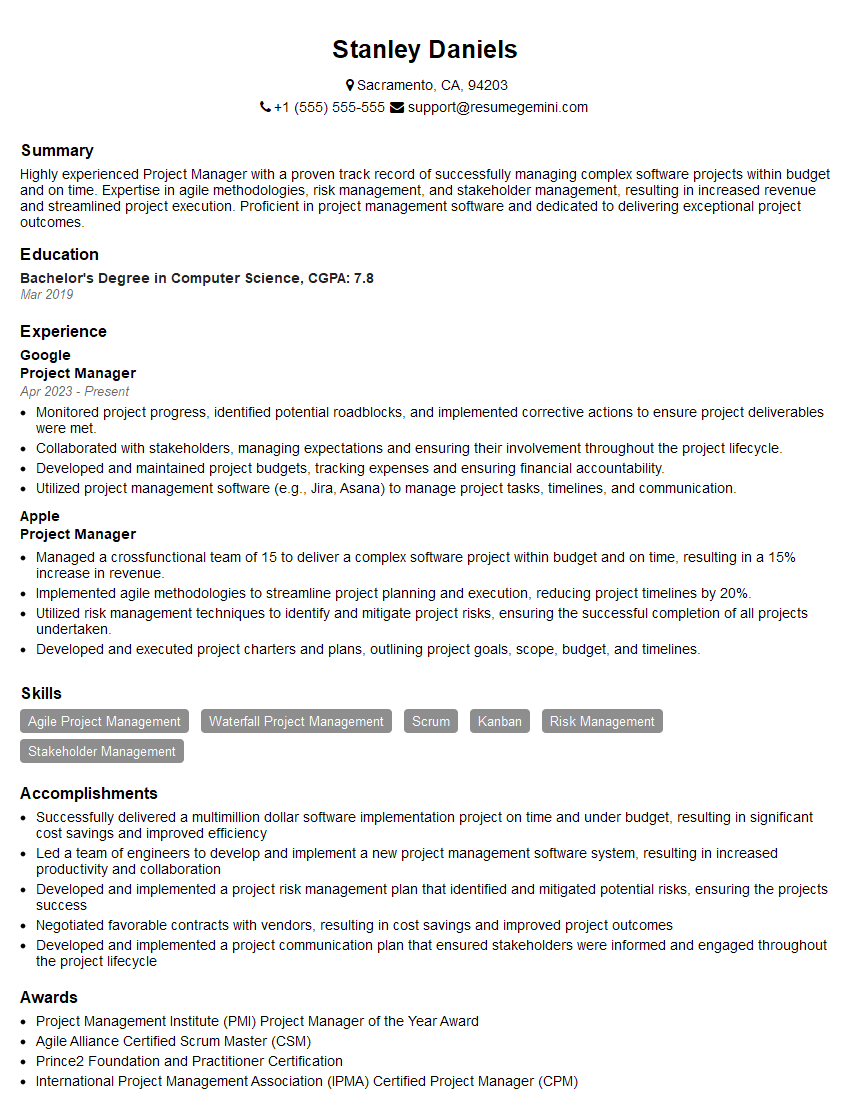
Project Manager Resume Sample
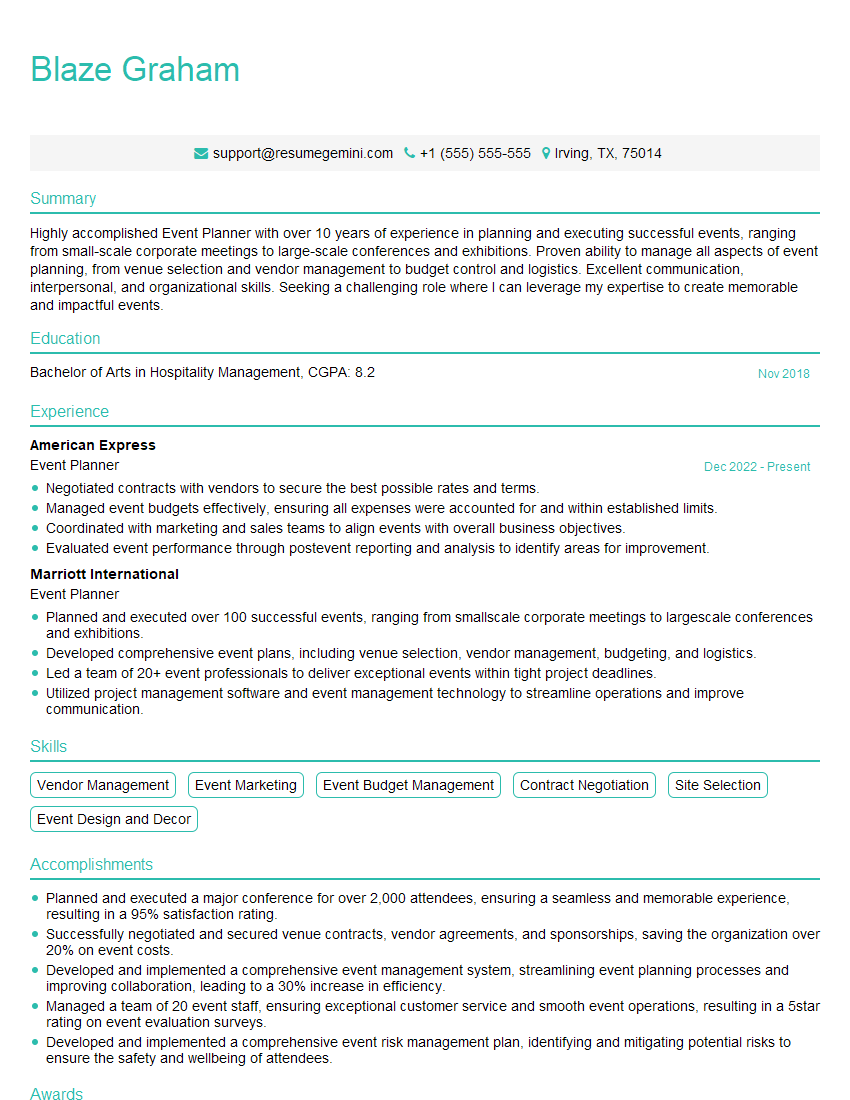
Event Planner Resume Sample
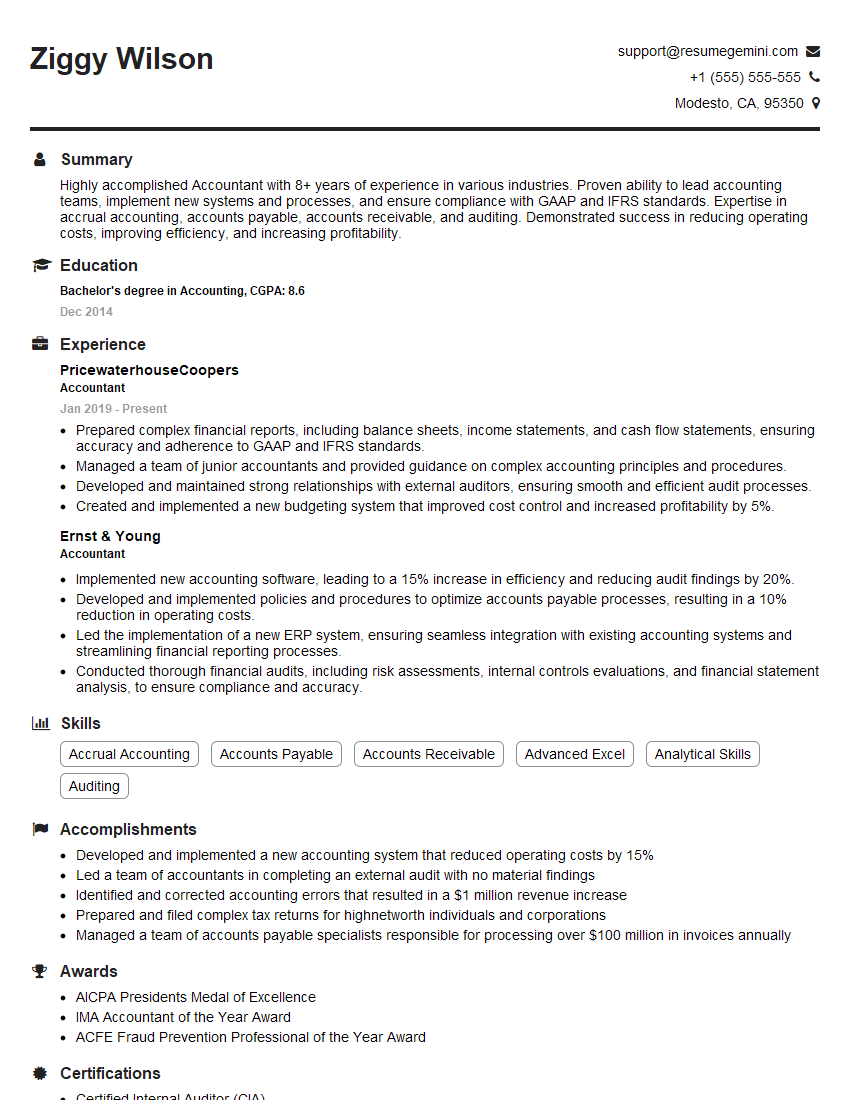
Accountant Resume Sample
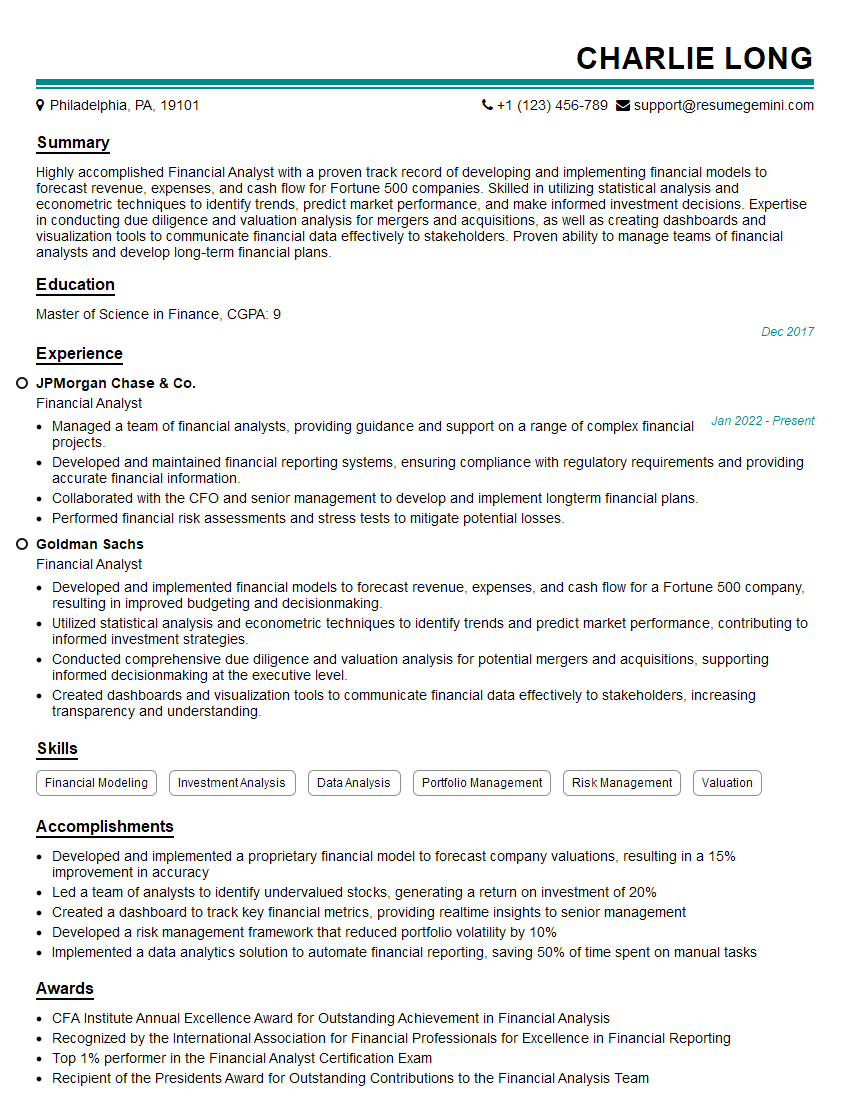
Financial Analyst Resume Sample
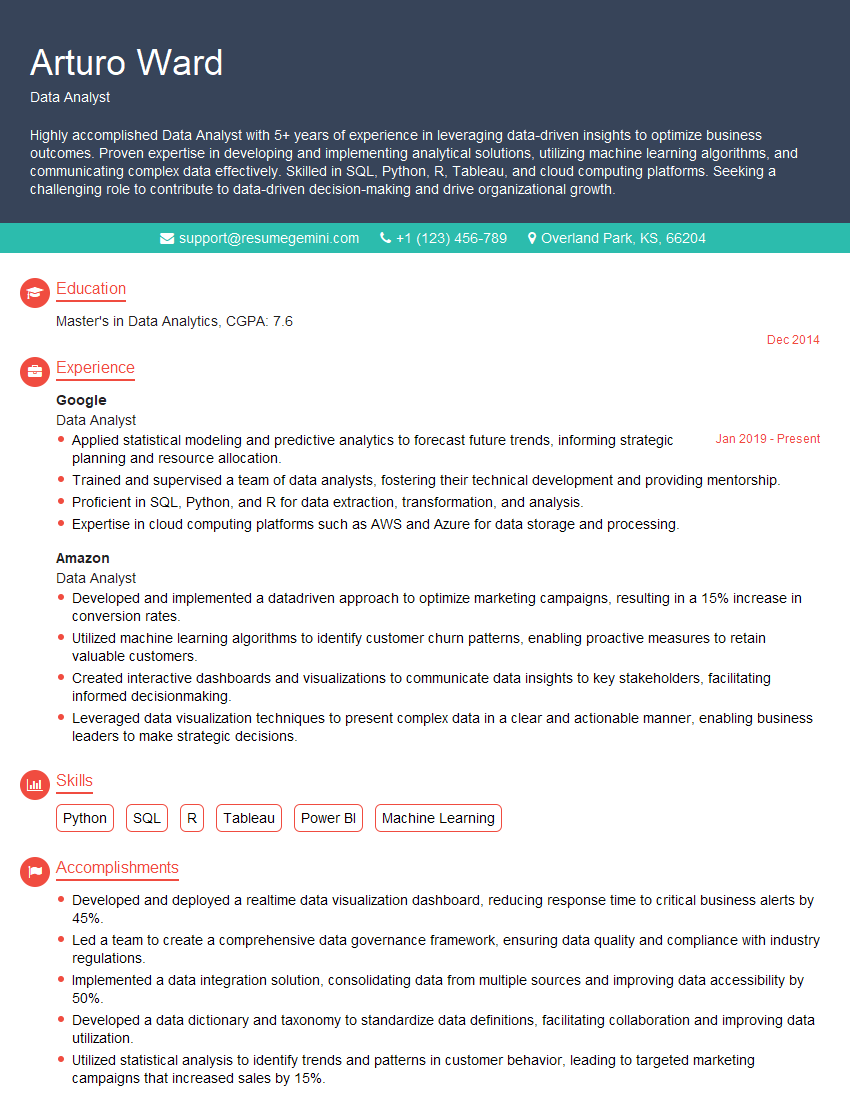
Data Analyst Resume Sample
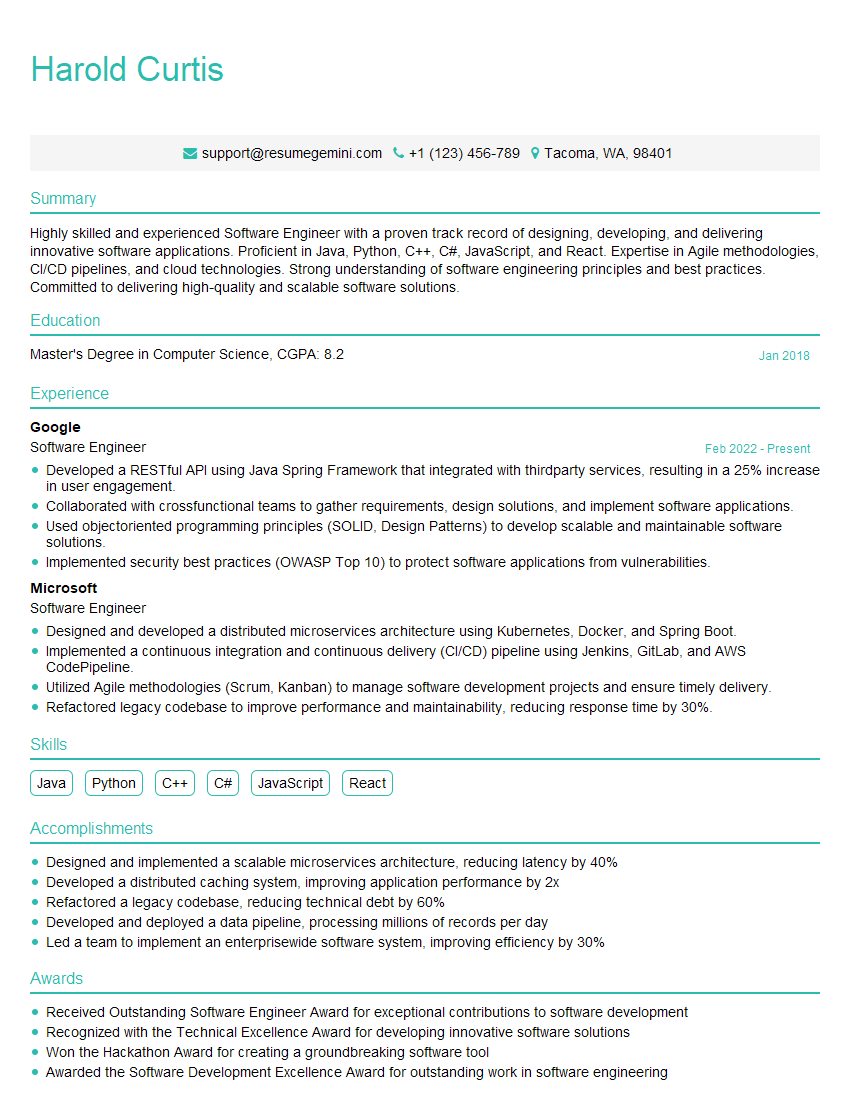
Software Engineer Resume Sample
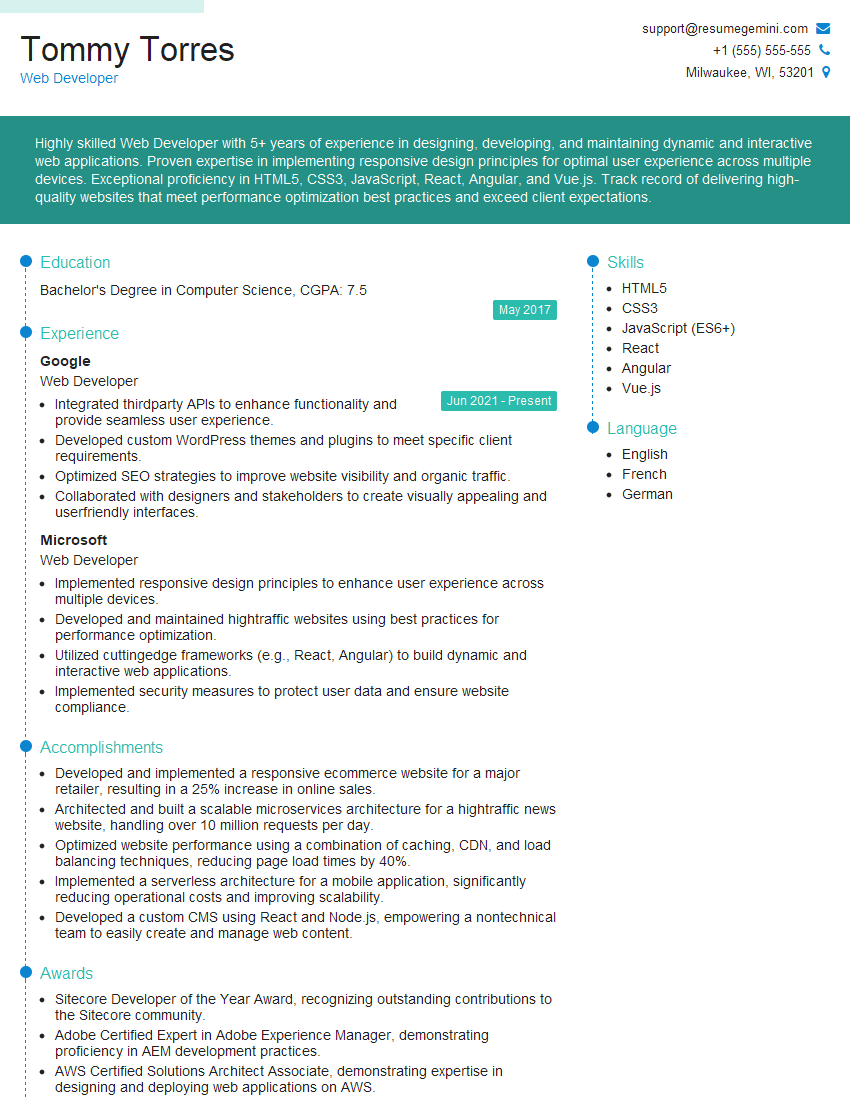
Web Developer Resume Sample
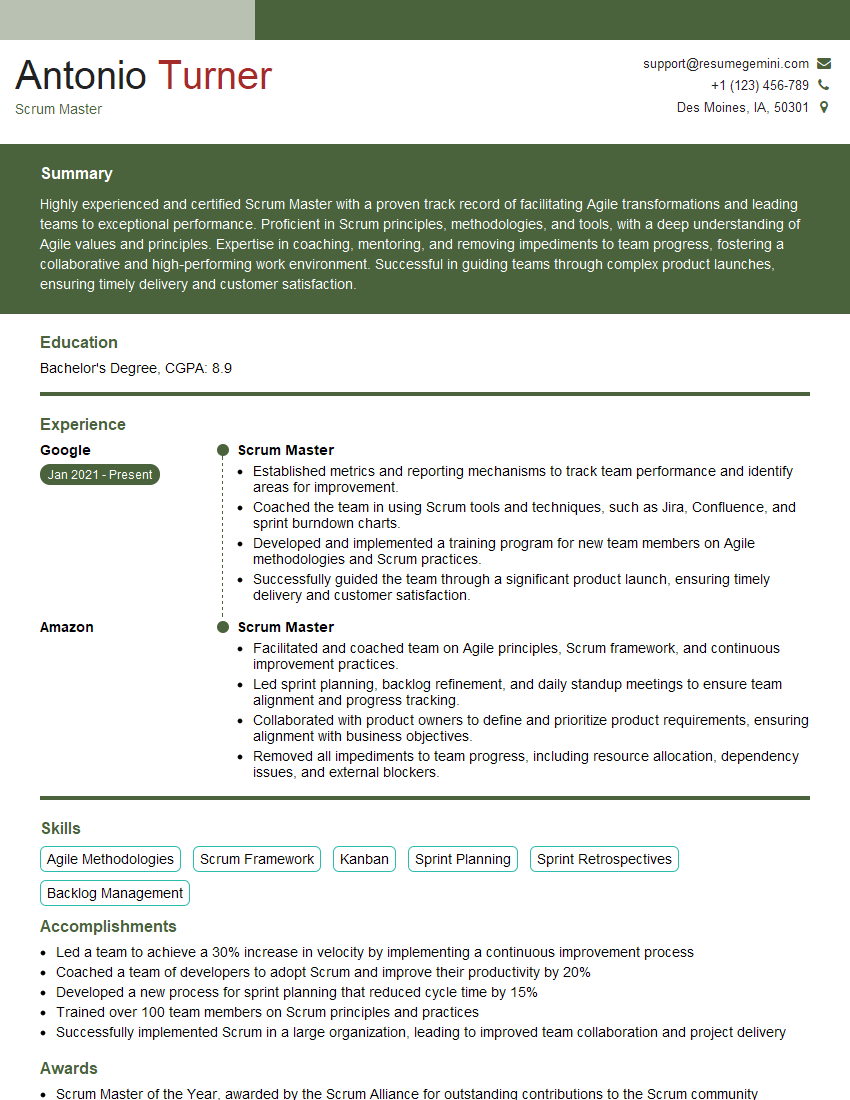
Scrum Master Resume Sample
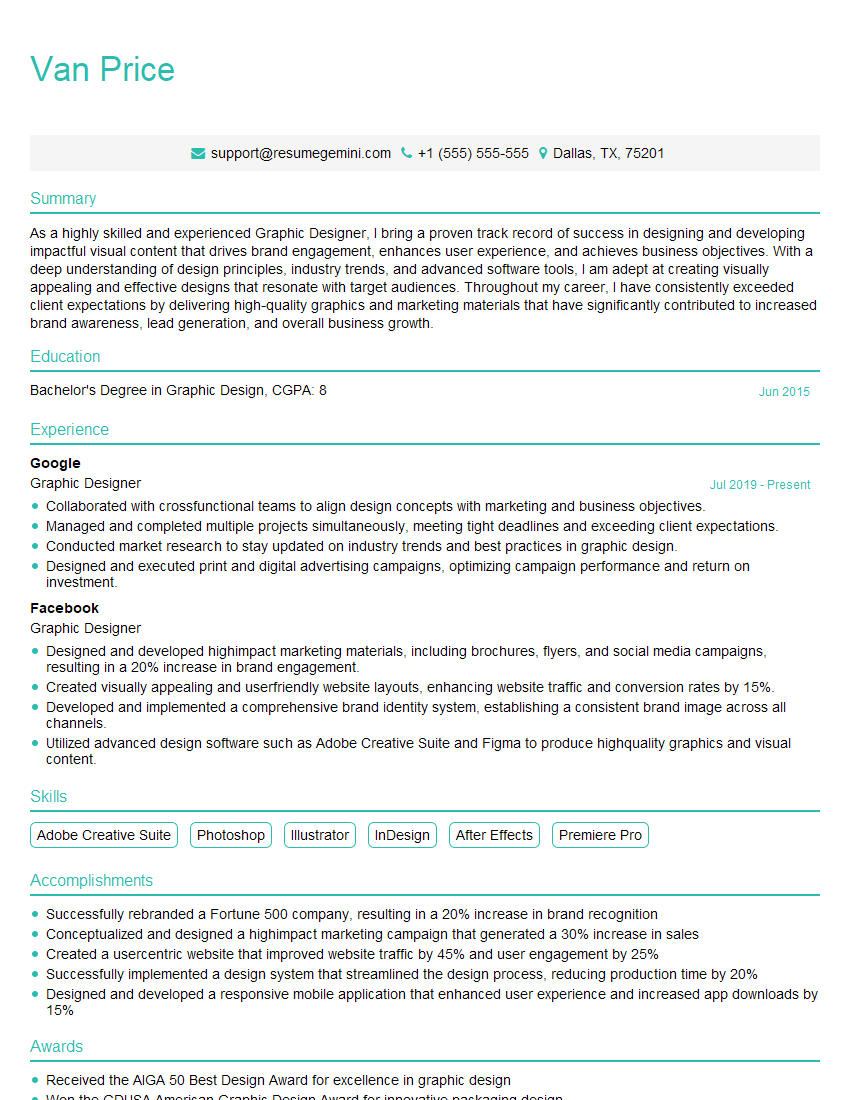
Graphic Designer Resume Sample
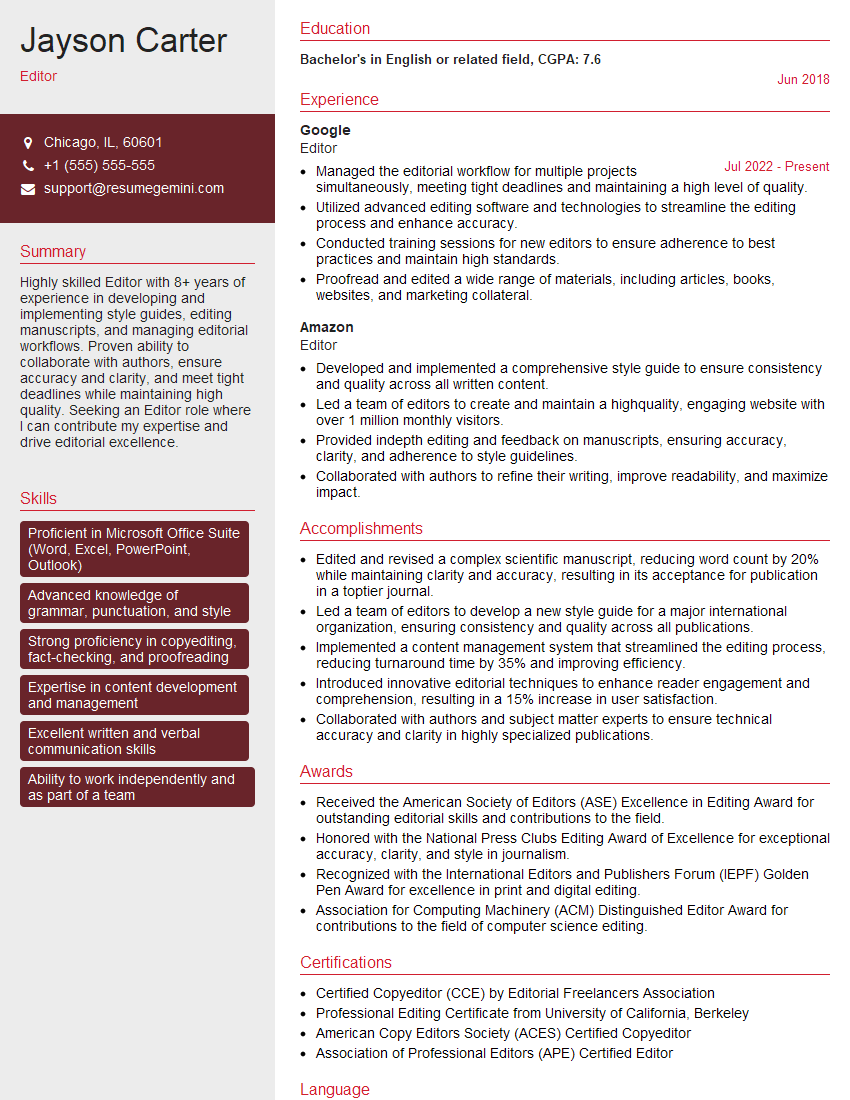
Editor Resume Sample

Technical Writer Resume Sample

Copywriter Resume Sample
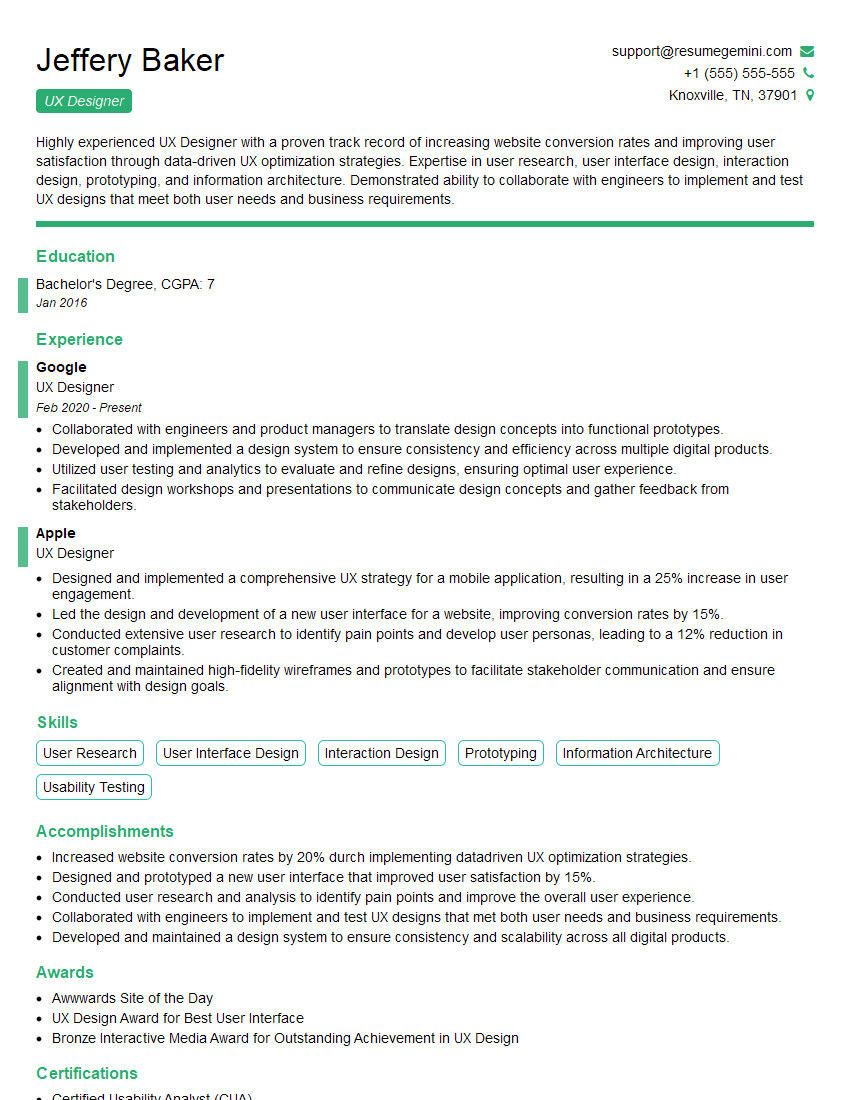
UX Designer Resume Sample
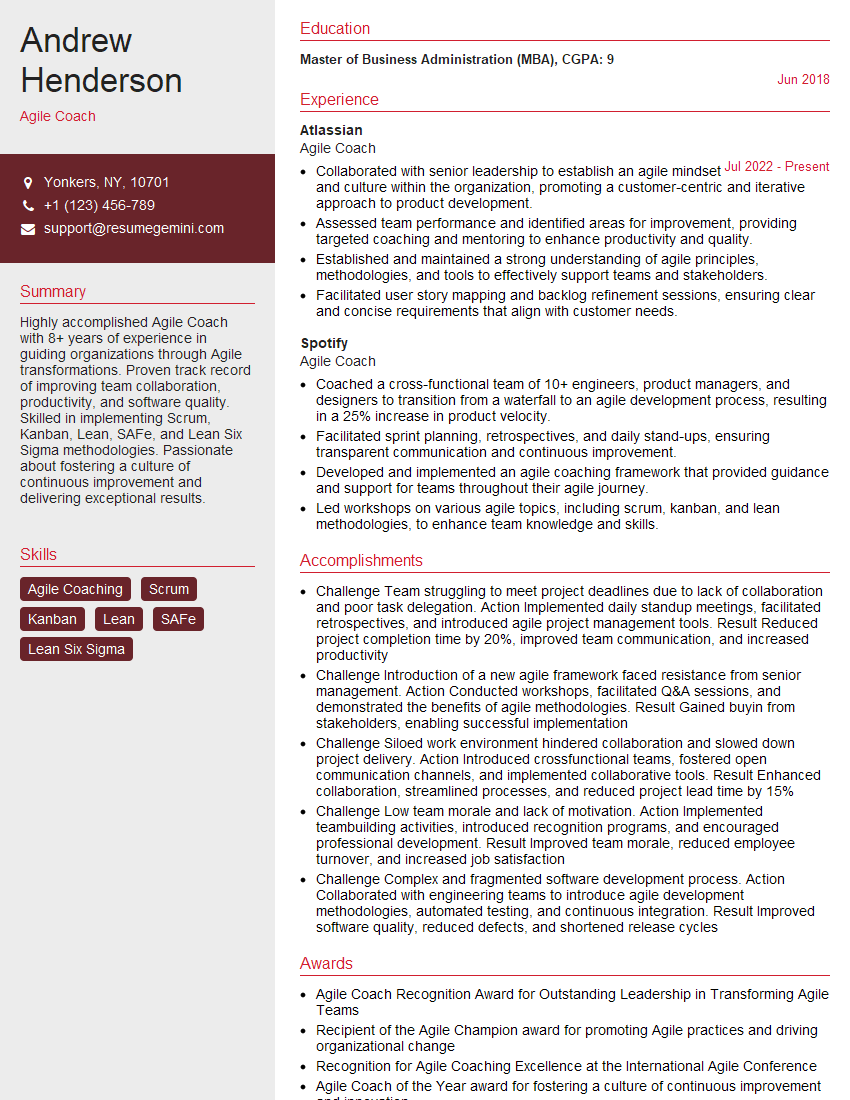
Agile Coach Resume Sample
- Program Manager
- Operations Manager
- Production Manager
- Marketing Manager
- Product Manager
- Sales Representative
- Customer Service Manager
- Quality Control Manager
- Supply Chain Manager
- Human Resources Manager
- Project Manager
- Event Planner
- Accountant
- Financial Analyst
- Data Analyst
- Software Engineer
- Web Developer
- Scrum Master
- Graphic Designer
- Editor
- Technical Writer
- Copywriter
- UX Designer
- Agile Coach
Explore more articles
Users Rating of Our Blogs
Share Your Experience
We value your feedback! Please rate our content and share your thoughts (optional).
What Readers Say About Our Blog
Very informative content, great job.
good